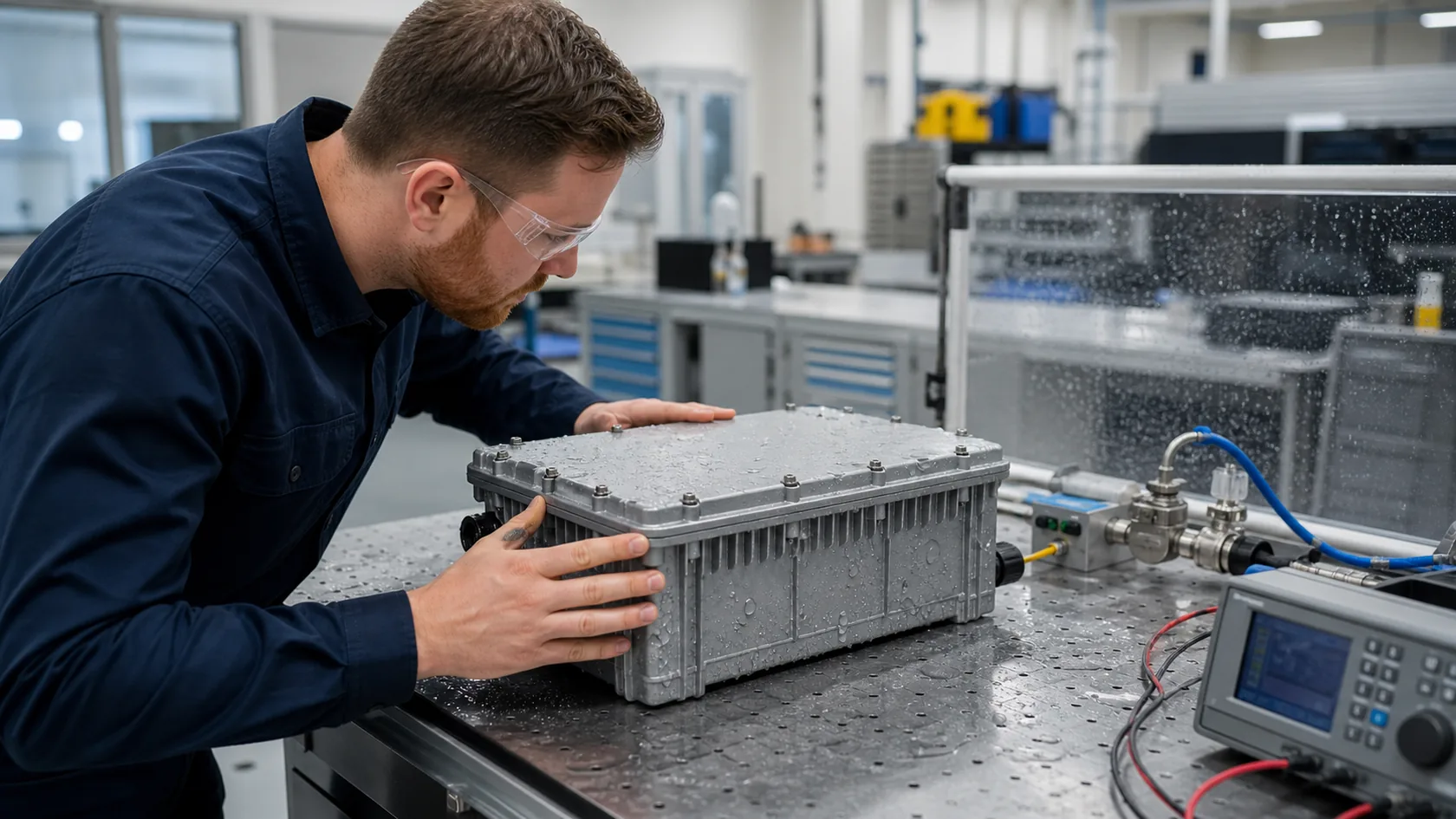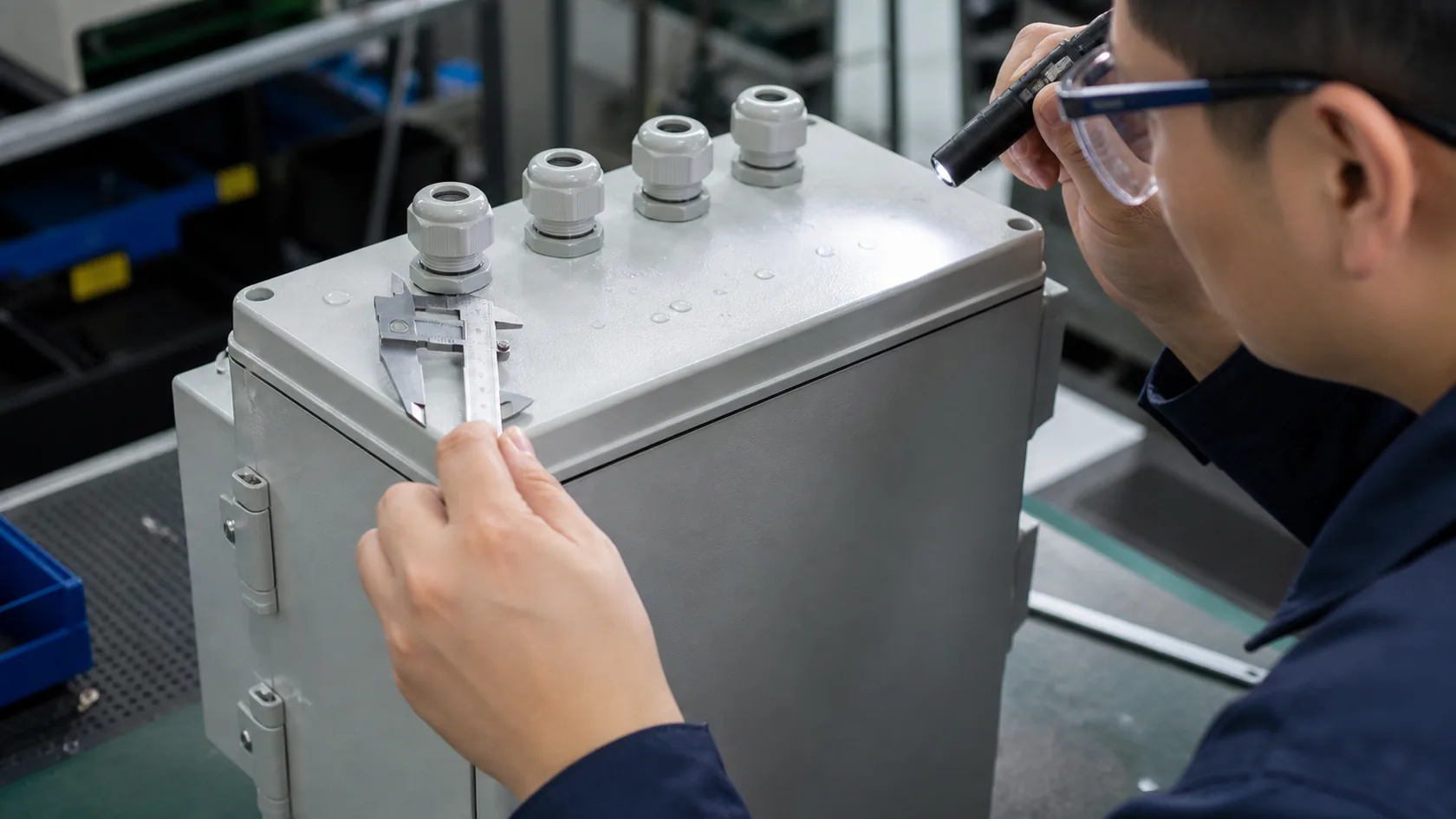
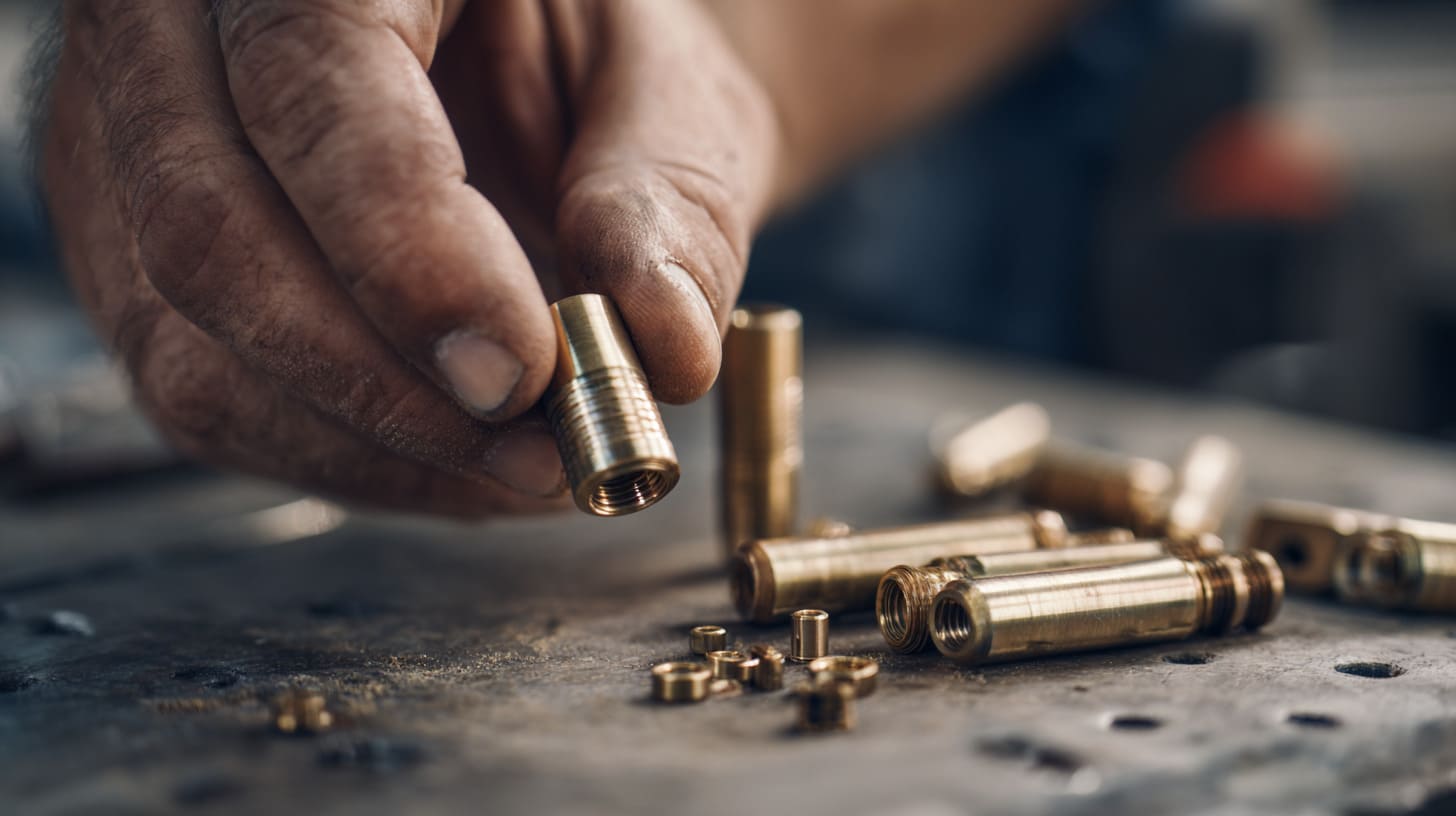
Brass comes up in more projects than many people think. I see it in terminals, fittings, decorative parts, fasteners, and small precision hardware. Then the same question appears again and again: is brass magnetic? It sounds simple. Still, this small question can affect material selection, quality checks, product safety, and even customer trust.
I have seen this confusion in real factory work. A buyer sends a sample part and says, “This looks like brass, but the magnet sticks a little.” Right away, that changes the conversation. Is it real brass? Is it plated steel? Is there iron contamination? Or is the customer testing it in a way that gives a misleading result? That is where things stop being theoretical.
When I write about metals, I do not like giving answers that sound clean but ignore real-world mess. Brass is usually non-magnetic. That is true. But if I stop there, I leave out the part that matters most to engineers and buyers: why it behaves that way, when the result can look different, and how to judge it correctly without making expensive mistakes.
One detail I never ignore is this: a weak magnetic pull on a “brass” part often tells me to question the surface layer, the base material, or the shop process before I trust the supplier’s claim.
Why magnetism matters in engineering materials
Magnetism is not just a school science topic. It matters in daily manufacturing work.
If I am checking hardware for electronics, control boxes, or precision assemblies, magnetic behavior can affect:
- material verification
- sensor performance
- assembly compatibility
- contamination checks
- product reliability
A lot of buyers also use a magnet as a quick inspection tool. It is cheap. It is fast. It feels smart. But it can also create false confidence if the person using it does not know the limits.
| Why magnetism matters | What it affects |
|---|---|
| Material sorting | Helps separate ferrous from non-ferrous metals |
| Quality inspection | Can reveal wrong base metal under plating |
| Electronics use | Helps reduce unwanted magnetic interference in some cases |
| Precision parts | Important where stable material behavior matters |
| Purchasing decisions | Prevents wrong substitutes from entering production |
Typical situations where people test brass with magnets
I usually see magnet tests in very practical situations, not in labs.
For example:
- a buyer receives brass-looking terminals from a new supplier
- a maintenance worker checks a valve fitting on site
- a machinist wants to separate brass chips from steel scraps
- an OEM customer worries a plated part is not solid brass
- a product engineer compares brass inserts with steel inserts
The magnet test is attractive because it feels clear. Magnet sticks? Then maybe not brass. Magnet does not stick? Then maybe brass. But reality is not always that clean.
Quick overview of brass as a metal alloy
Brass is mainly an alloy of copper and zinc. The exact ratio changes its color, strength, ductility, corrosion resistance, and machinability. Some grades also contain small amounts of lead, tin, aluminum, iron, or manganese for special performance.
That is why brass is not one single fixed material. It is a family of alloys. And once we remember that, the magnetic question becomes more interesting.
The funny part is this: the closer I get to real production, the less I trust simple yes-or-no material labels without checking composition, plating, and process history.
Before I move into magnetism itself, I think it helps to slow down and look at what brass really is, because that foundation explains almost everything that follows.
What Is Brass and What Is It Made Of?
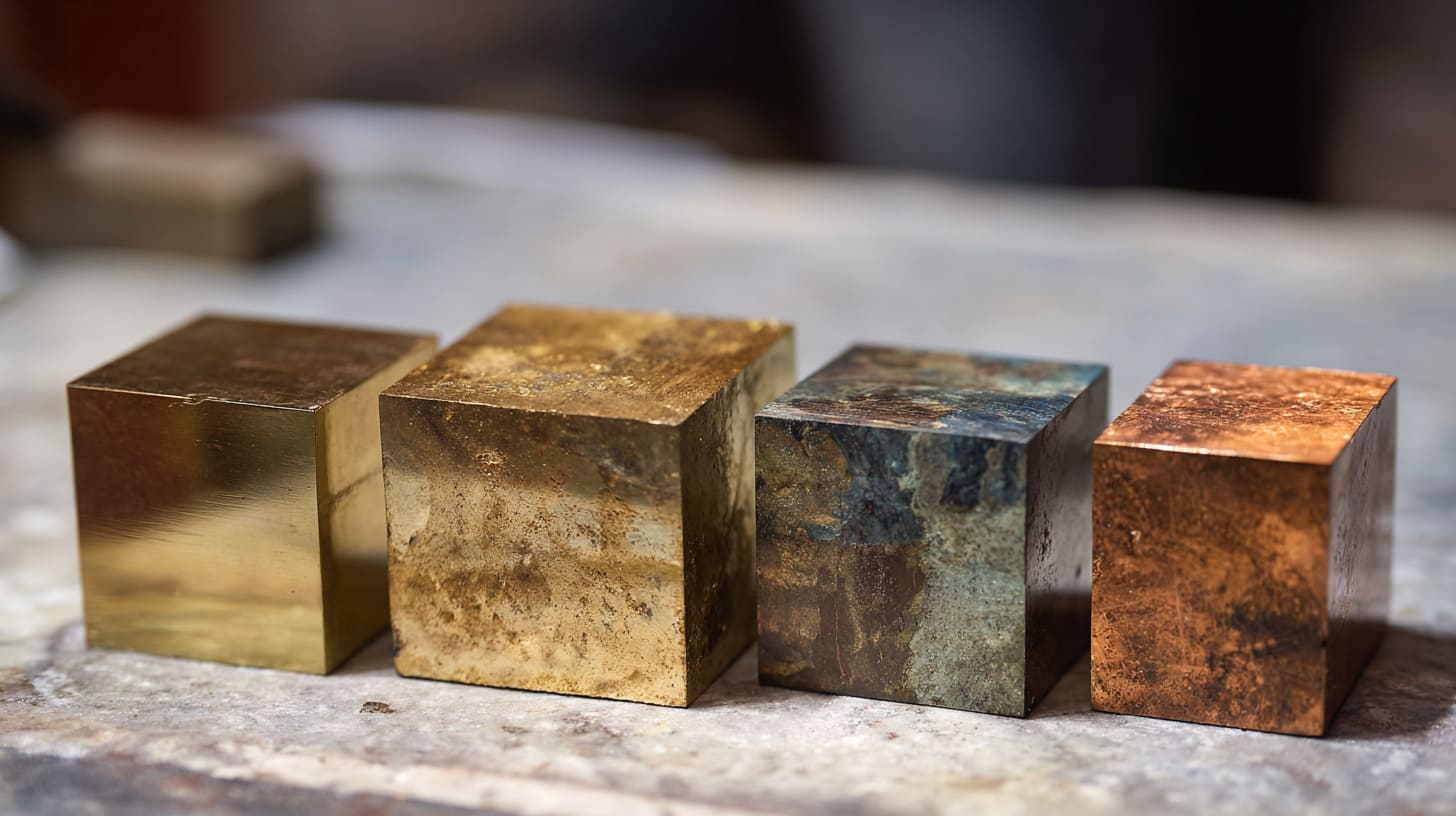
Brass is a copper-zinc alloy. That is the simple answer. But the useful answer is broader than that. Brass can be soft or hard. It can be easy to machine or better for forming. It can look bright yellow, red-gold, or a bit duller depending on its chemistry.
I like to remind buyers of this because many people treat brass like a single identity, the same way some people say “plastic” as if ABS, PC, and nylon are basically the same. They are not. Brass changes with composition, and those small changes can affect how it performs in real projects.
When I review a brass part for sourcing, I do not just ask “Is it brass?” I ask which brass grade it is, what the zinc level is, and whether the part needs machining, conductivity, corrosion resistance, or appearance first.
Main elements in brass: copper and zinc
Copper is the base. Zinc is the main alloying element added to copper. Together, they create a metal that is often easier to machine and cheaper than pure copper, while still keeping good corrosion resistance and useful conductivity.
Here is a simple view:
| Element | Role in brass |
|---|---|
| Copper | Main base metal, gives corrosion resistance and conductivity |
| Zinc | Changes strength, hardness, cost, and workability |
| Lead | Often added in some grades to improve machinability |
| Tin | Can improve corrosion resistance in some conditions |
| Iron / others | Sometimes present in small amounts for special properties or as impurities |
The copper-zinc balance matters. More zinc can change strength and ductility. It can also change the color. That is why two brass parts may both be called brass but behave a bit differently in forming or machining.
Common brass grades and compositions
Different markets use different naming systems, but a few broad types show up often.
| Brass type | General composition idea | Common use |
|---|---|---|
| Cartridge brass | Around 70% copper, 30% zinc | Deep drawing, cases, formed parts |
| Free-machining brass | Copper-zinc with lead added | Precision machined fittings and components |
| Architectural brass | Varies by appearance and durability needs | Decorative hardware and trims |
| Naval brass | Copper-zinc with tin | Marine-related fittings |
I have learned that buyers often focus too much on appearance. If it looks golden, they call it brass and move on. That can backfire. A golden surface can come from plating too, and plating does not tell me what the inside is.
Physical and mechanical properties of brass
Brass is popular because it offers a practical balance. It is not the lightest metal. It is not the cheapest. It is not the strongest. But it works very well in many jobs.
| Property | General brass behavior |
|---|---|
| Corrosion resistance | Good in many indoor and moderate outdoor uses |
| Machinability | Very good in many brass grades |
| Electrical conductivity | Lower than copper but still useful |
| Formability | Good in many grades |
| Strength | Moderate, depends on composition |
| Appearance | Attractive gold-like finish |
| Magnetism | Usually non-magnetic |
This is where I often pause in real conversations and say: the best material is rarely the one with the prettiest catalog line; it is the one whose weaknesses will not hurt the product later.
Once I know what brass is made of, the next step becomes much easier. Then I can answer the big question directly.
Is Brass Magnetic?
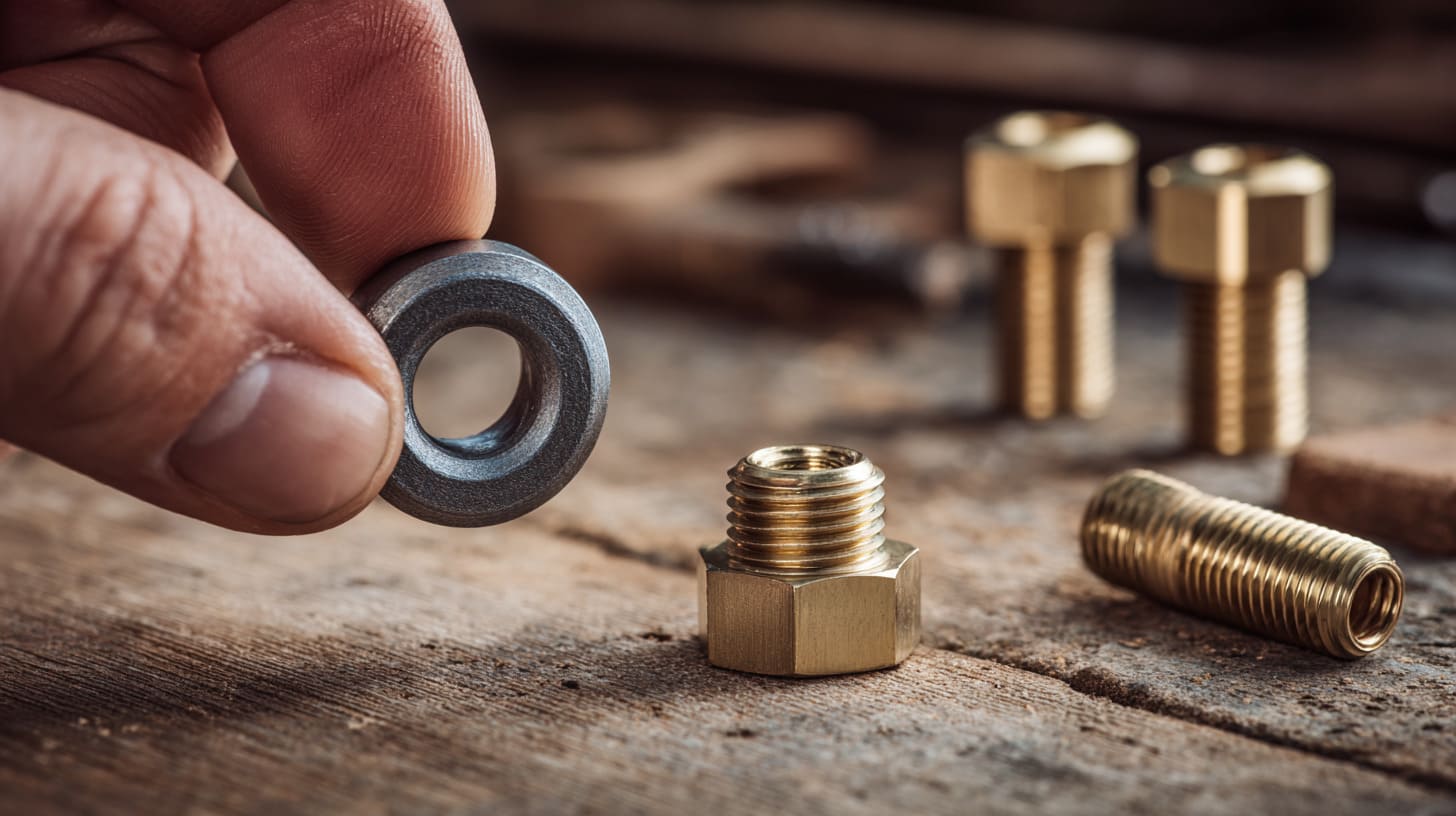
No, brass is generally not magnetic under normal conditions. That is the short answer, and for most projects, it is the correct one.
A regular magnet will usually not stick to solid brass. That is because brass does not have the same kind of internal magnetic behavior that ferromagnetic metals like iron, nickel, and most common steels have. If you hold a magnet next to a brass fitting, insert, connector, or decorative part, there should normally be little to no attraction.
Still, I do not like stopping at “brass is non-magnetic” because that line gets repeated so much that people forget the word generally. In the real world, samples get plated, mixed, contaminated, mislabeled, or made from scrap-heavy material streams. That is why I always leave room for inspection.
If a magnet strongly grabs a part sold as brass, I treat that as a warning sign, not as a minor detail to excuse away.
Understanding non-ferromagnetic metals
Non-ferromagnetic metals do not create strong magnetic attraction in the way iron-based metals do. That includes metals like:
- brass
- copper
- aluminum
- zinc
- lead
Some of these may still show very weak magnetic responses under special test conditions. But that is not the same as the strong pull people expect from steel.
Why brass normally does not attract magnets
The main reason is its makeup. Brass is built from copper and zinc, and neither of these is ferromagnetic. So the alloy also remains non-ferromagnetic in normal use.
For a buyer or engineer, the practical meaning is simple:
- a magnet test is useful as a first screen
- it is not enough for full material identification
- strong attraction usually points to the wrong material or contamination
What happens when you place a magnet near brass
Most of the time, nothing dramatic happens. The magnet does not stick. The brass part stays where it is.
That sounds obvious, but it matters in inspection. A lot of confusion comes from weak indirect effects:
- the magnet is really sticking to nearby steel
- the brass is plated over steel
- the part is touching ferrous dust
- the sample is mixed in a bin with steel pieces
| Test result | What I suspect first |
|---|---|
| No attraction | Likely solid non-magnetic brass |
| Weak attraction | Possible contamination, plating, or mixed alloy |
| Strong attraction | Likely steel or brass-plated ferrous metal |
A small metal question can turn into a sourcing headache very fast. That is why the next part matters: not just that brass is usually non-magnetic, but why.
Why Brass Is Not Magnetic
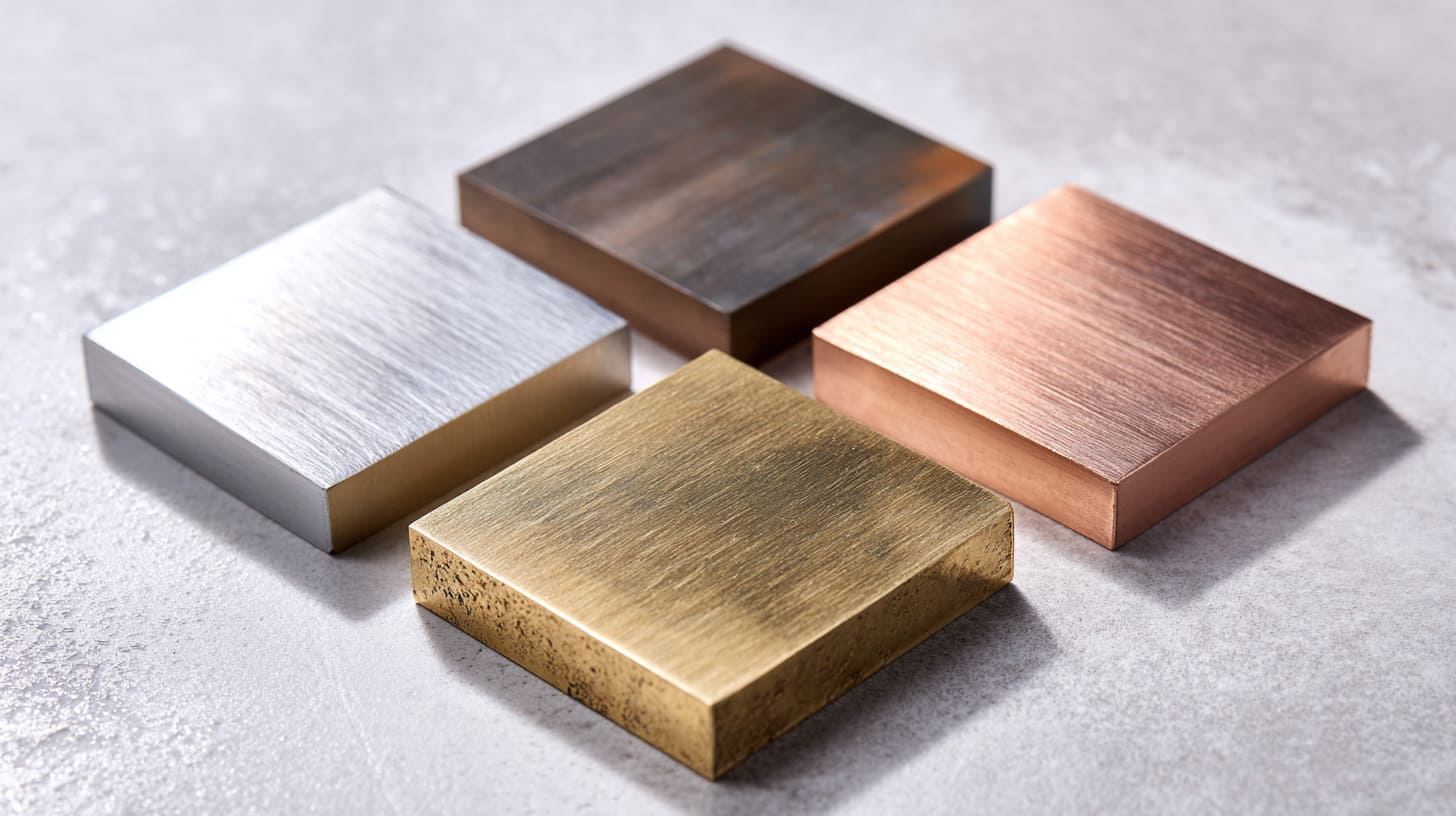
The deeper reason brass is not magnetic comes from atomic structure and magnetic domains. I know that sounds like textbook territory, but the idea is actually simple once stripped down.
Some metals have electrons arranged in a way that lets groups of atoms line up into magnetic domains. When these domains align, the material shows strong magnetic behavior. Iron does this very well. That is why iron and many steels are magnetic.
Brass does not behave that way. Its internal structure does not support strong domain alignment like ferromagnetic metals do. So in normal conditions, it does not pull toward a magnet the way steel does.
What often saves me from wrong assumptions is remembering that material behavior starts at the atomic level, but the mistake usually shows up later on the factory floor as a wrong part, a failed test, or an unhappy customer.
Difference between ferromagnetic and non-ferromagnetic metals
Here is the practical distinction:
| Type | Behavior with magnet | Typical examples |
|---|---|---|
| Ferromagnetic | Strong attraction | Iron, carbon steel, many stainless steels |
| Non-ferromagnetic | Little or no attraction | Brass, aluminum, copper |
This matters because people often confuse metal with magnetic. But many metals are not magnetic at all.
Electron structure and magnetic domains
A simple way to think about it is this:
- magnetic materials have atomic behavior that lets domains line up strongly
- non-magnetic materials do not support that kind of strong domain alignment
Brass, being a copper-zinc alloy, sits in the second category.
I do not usually explain electron theory to every buyer, but when someone keeps doubting a magnet test, this is the point that clears the fog.
Why copper and zinc are both non-magnetic
Copper is not ferromagnetic. Zinc is also not ferromagnetic. So when they form brass, the alloy stays generally non-magnetic.
That does not mean every brass part in the market will behave perfectly in every quick test. It only means the base alloy itself is not supposed to show strong magnetism.
A lot of material arguments disappear once I separate alloy truth from shop-floor reality. The alloy may be fine. The finished part may still be misleading because of contamination or coating. That takes us to the next issue.
Can Brass Ever Become Magnetic?

This is where the simple answer gets more interesting. Solid brass does not suddenly “turn magnetic” in the way iron behaves. But a brass part can sometimes appear magnetic in real use, and that is what confuses people.
I have seen this happen with low-cost hardware, plated decorative parts, mixed scrap materials, and machining environments where small steel particles end up on surfaces. The customer tests the part, the magnet grabs lightly, and then everyone starts arguing about whether brass can be magnetic. Usually, the real issue is not the brass itself. It is something added, mixed, or left behind.
When a brass sample surprises me with magnetic pull, I stop looking at the label and start looking at the process history.
Presence of iron impurities in brass
Some brass may contain trace amounts of other elements. Small iron content can affect behavior slightly, though in most quality brass products it should not create strong magnetism.
Still, impurity risk grows when:
- raw material control is poor
- recycled feedstock quality is inconsistent
- supplier traceability is weak
- low-cost substitution happens quietly
That is why material certification matters in serious work.
Manufacturing contamination during machining
This happens more often than many people expect.
A brass part can pick up steel contamination from:
- shared tooling
- steel brushes
- steel worktables
- mixed storage bins
- nearby grinding dust
If the magnetic response is light and patchy, I often suspect surface contamination before I suspect the alloy itself.
| Possible cause | Likely magnetic effect | What I do next |
|---|---|---|
| Iron impurity in alloy | Weak unusual response | Request material cert and lab check |
| Steel dust contamination | Localized weak pull | Clean surface and retest |
| Mixed storage handling | Inconsistent result | Isolate sample and retest |
| Wrong base material | Strong pull | Verify material with lab or cut section |
Surface plating or coatings causing magnetism
This is a big one. A part may look like brass and still not be brass through and through.
For example:
- brass-plated steel hardware
- decorative brass-colored fasteners
- connectors with plated outer layers
- low-cost trims made from ferrous base metal
The outside color fools the eye. The magnet exposes the truth.
I have learned that appearance is the easiest thing to fake in metal products, so I never let color win the argument over material evidence.
Once we accept that brass itself is not usually magnetic, but finished parts can still fool us, the next question becomes practical: how do I test it correctly?
How to Test Whether Brass Is Magnetic
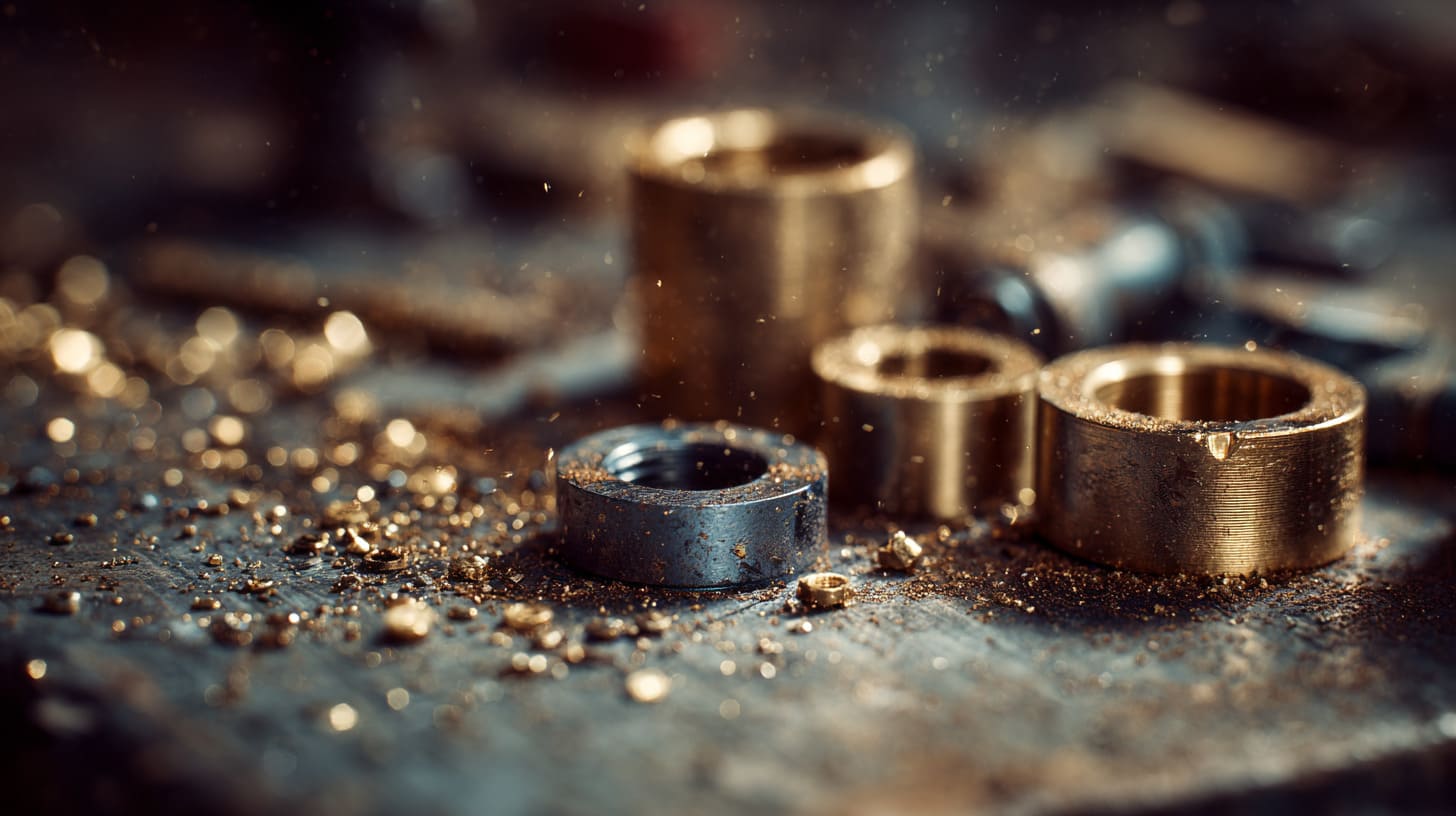
Testing brass does not need to be complicated at first. A simple magnet is often enough for an early check. But if the result matters for production, sourcing, or customer claims, I prefer a step-by-step approach rather than a fast guess.
I have seen too many cases where someone used a fridge magnet, touched the wrong area, and made a confident but wrong conclusion. That is not a testing method. That is a shortcut wearing a lab coat.
My own rule is simple: if the test result could change a purchasing decision, I do not stop at one quick magnet touch.
Simple magnet test
This is the first screening step.
How I do it:
- Clean the part surface.
- Keep it away from nearby steel objects.
- Use a decent permanent magnet.
- Test more than one point on the part.
- Note whether the pull is strong, weak, or absent.
What the result suggests:
- No pull: likely solid brass or another non-ferrous metal
- Weak pull: possible contamination, mixed material, or plating issue
- Strong pull: likely ferrous base metal
Using gauss meters or magnetic sensors
For deeper checks, special instruments can measure magnetic fields or responses more precisely. This is more relevant in technical environments, labs, or quality control setups.
A gauss meter is not always needed for normal purchasing work, but it helps when:
- the product is used near sensitive electronics
- the supplier claim is disputed
- the application is high-value or high-risk
- small differences matter
Differentiating brass from plated steel
This is often the real challenge, not brass versus pure brass.
Here are practical ways I think about it:
| Test method | What it helps reveal | Limits |
|---|---|---|
| Magnet test | Ferrous base metal | Cannot confirm exact alloy |
| Scratch / cut section | Base material under plating | Damages part |
| Density check | Helps compare with known metals | Needs accurate measurement |
| XRF test | Surface composition analysis | Equipment cost |
| Material certificate review | Supplier traceability | Trust depends on supplier quality |
A quick test is good for suspicion. A proper test is good for decisions.
I think this is also the point where readers naturally ask, “Fine, but how does brass compare with the other metals I use every day?” That comparison makes the picture much clearer.
Brass vs Other Metals: Magnetic Comparison
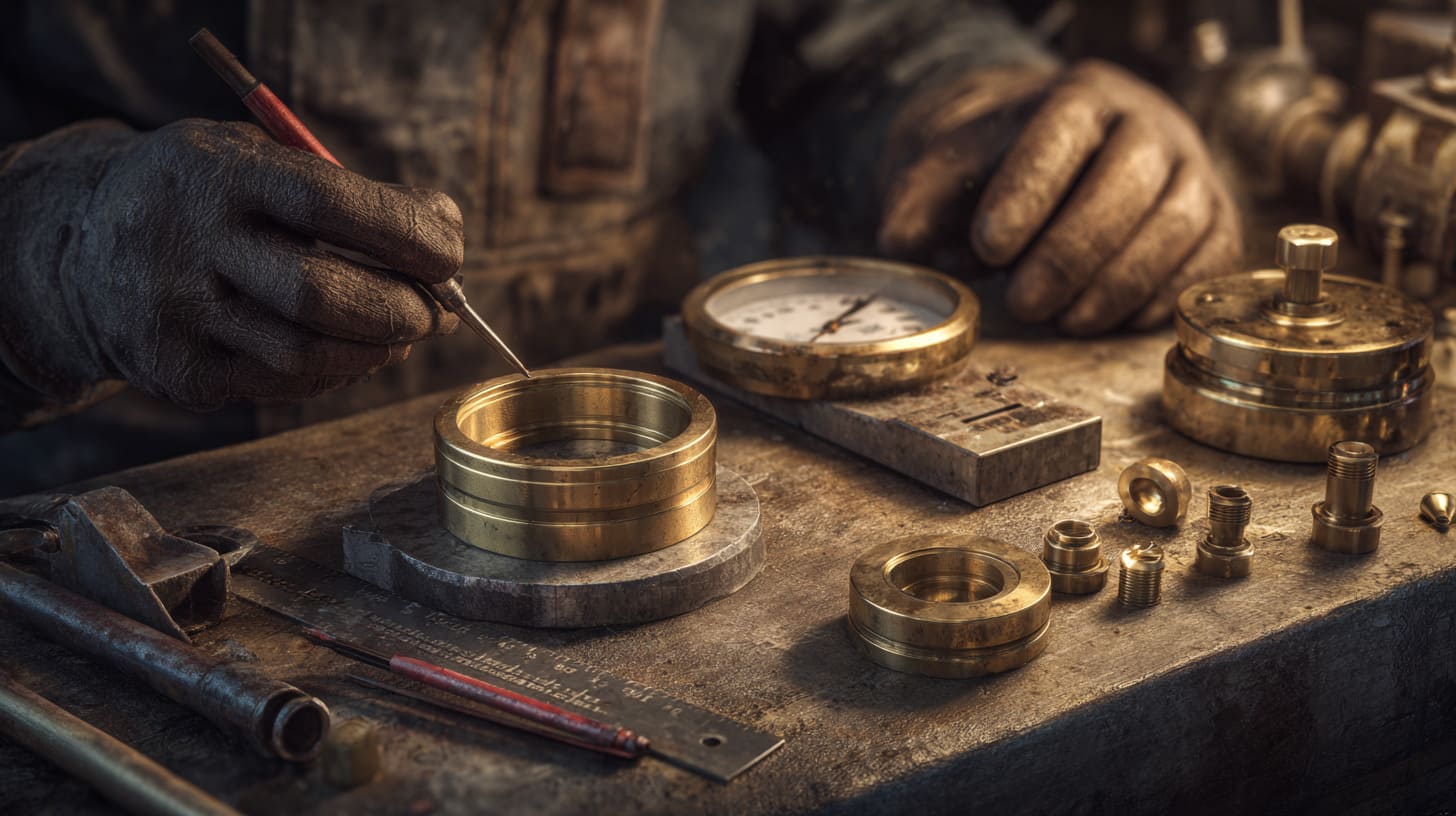
Brass makes more sense when I compare it with other metals side by side. Engineers do not choose materials in isolation. We choose one metal instead of another, and that means trade-offs.
I often compare brass with steel, aluminum, and copper because those are the metals most buyers and product teams mix up in real projects. Once the comparison is on the table, many misunderstandings disappear fast.
When I help a customer choose material, I care less about the single property they ask about first and more about the hidden one that will hurt them later, like weight, corrosion, machining cost, or wrong surface expectations.
Brass vs steel magnetism
Steel is the metal most people have in mind when they think of magnets. Most common carbon steels are magnetic. Many stainless steels are magnetic too, though not all.
Brass is very different.
| Feature | Brass | Steel |
|---|---|---|
| Magnetic behavior | Usually non-magnetic | Usually magnetic |
| Corrosion resistance | Good in many environments | Depends on grade and coating |
| Weight | Heavy | Heavy |
| Machinability | Good in many grades | Varies widely |
| Appearance | Golden | Silver-gray |
This is why a brass-looking part that strongly attracts a magnet immediately makes me suspect steel underneath.
Brass vs aluminum magnetism
Both brass and aluminum are generally non-magnetic in normal use. But they differ in many other ways.
| Feature | Brass | Aluminum |
|---|---|---|
| Magnetic behavior | Non-magnetic | Non-magnetic |
| Weight | Heavier | Much lighter |
| Conductivity | Good | Good |
| Corrosion resistance | Good | Good, with oxide layer |
| Machining | Good | Good |
| Appearance | Gold-like | Silver |
In enclosure work, aluminum often wins when low weight matters. Brass wins when appearance, wear, thread feel, or specific electrical contact behavior matters.
Brass vs copper magnetism
Copper and brass are close relatives because brass is mainly copper plus zinc.
| Feature | Brass | Copper |
|---|---|---|
| Magnetic behavior | Non-magnetic | Non-magnetic |
| Cost | Usually lower than pure copper | Usually higher |
| Strength | Often stronger for some uses | Softer |
| Conductivity | Lower than copper | Very high |
| Appearance | Yellow-gold | Red-orange |
Copper is excellent for conductivity. Brass often gives a better mix of machinability, strength, cost, and appearance.
| Metal | Magnetic? | Common Applications |
|---|---|---|
| Brass | No | Fittings, valves, decorative hardware |
| Steel | Yes (most types) | Structural parts, tools |
| Aluminum | No | Electronics enclosures |
| Copper | No | Electrical wiring |
Once I compare metals like this, brass stops looking mysterious. It just becomes one tool in a material toolbox. Then the next question is where it actually earns its place.
Where Brass Is Commonly Used
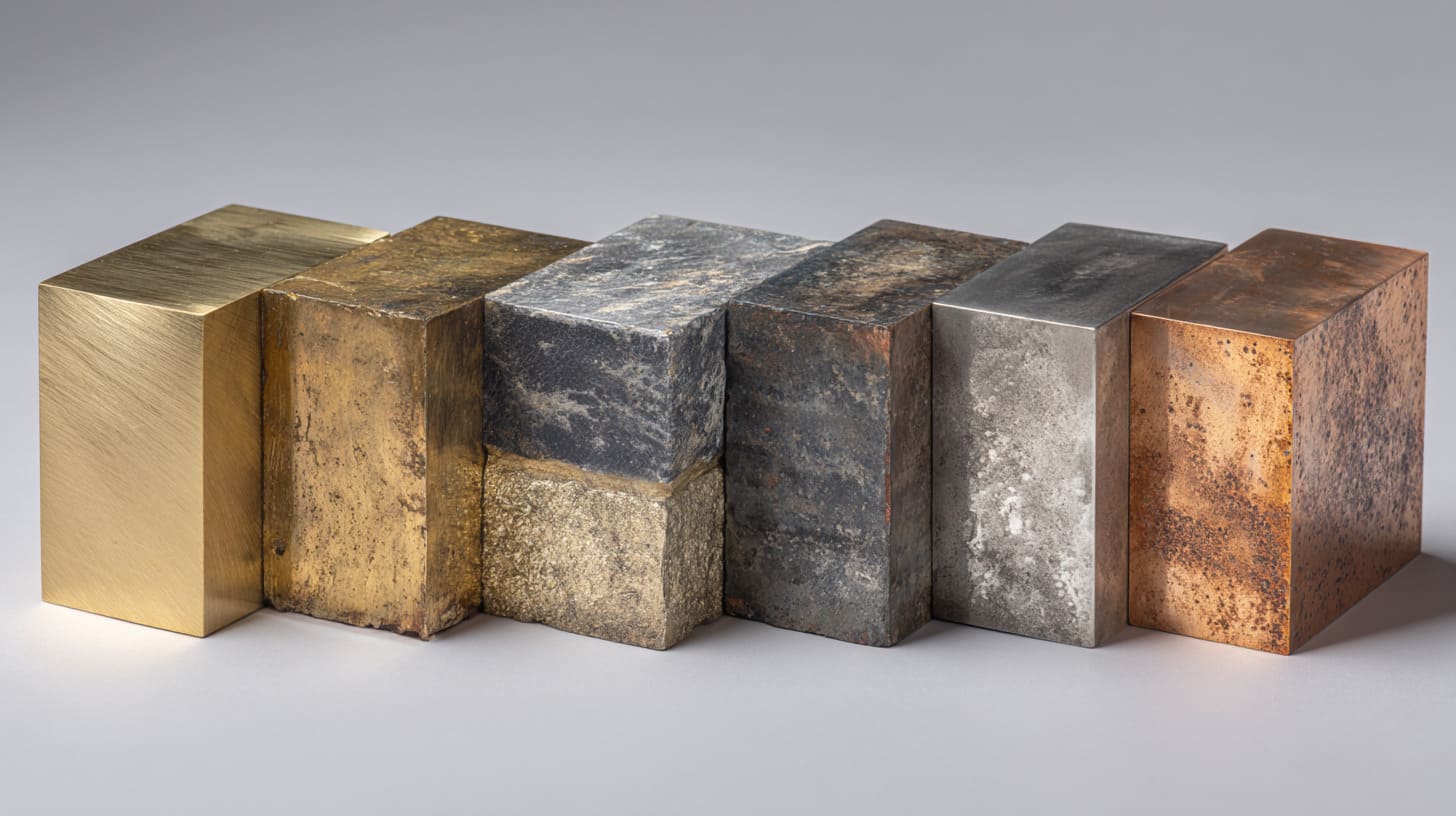
Brass shows up in places where people want a mix of corrosion resistance, machinability, decent strength, and a clean appearance. It is one of those materials that quietly does a lot of work without getting much attention.
I have always found brass interesting because it sits between beauty and function. It can look polished and decorative, yet it also works hard in technical parts. That mix is not easy to find.
If a part must survive handling, thread smoothly, look presentable, and avoid rust headaches, brass often ends up on my shortlist very quickly.
Plumbing fittings and valves
This is one of the classic brass applications.
Why brass works here:
- good corrosion resistance in many water systems
- good machinability for threads
- reliable sealing surfaces
- decent long-term durability
That said, environment matters. Water chemistry, dezincification risk, and regulation can all affect which brass grade is suitable.
Musical instruments
Brass is famous here for both workability and sound-related performance. Trumpets, trombones, and other wind instruments often use brass because it can be formed well and finished attractively.
I am not a musical instrument maker, but I always respect this example because it reminds me that materials are not only about strength charts. Feel, response, and finish matter too.
Decorative hardware and architectural parts
Brass has strong visual appeal. It is used in:
- door handles
- trims
- locks
- lamp parts
- furniture hardware
The danger here is that many decorative parts are not solid brass at all. Some are plated over steel or zinc alloys. That is why magnet testing and product specs still matter.
Electrical connectors and terminals
Brass is common in electrical hardware because it offers a useful mix of conductivity, spring properties in some forms, and manufacturability.
| Application | Why brass is used |
|---|---|
| Terminals | Good conductivity and formability |
| Inserts | Strong threads and machinability |
| Connectors | Balance of cost and performance |
| Switch parts | Durable and workable |
I often tell buyers this: the most common material is not always the safest choice for your exact use case, especially when heat, moisture, wear, or certification enters the picture.
And that thought leads naturally into electronics, where non-magnetic behavior can matter more than many people first expect.
Why Non-Magnetic Metals Like Brass Are Important in Electronics
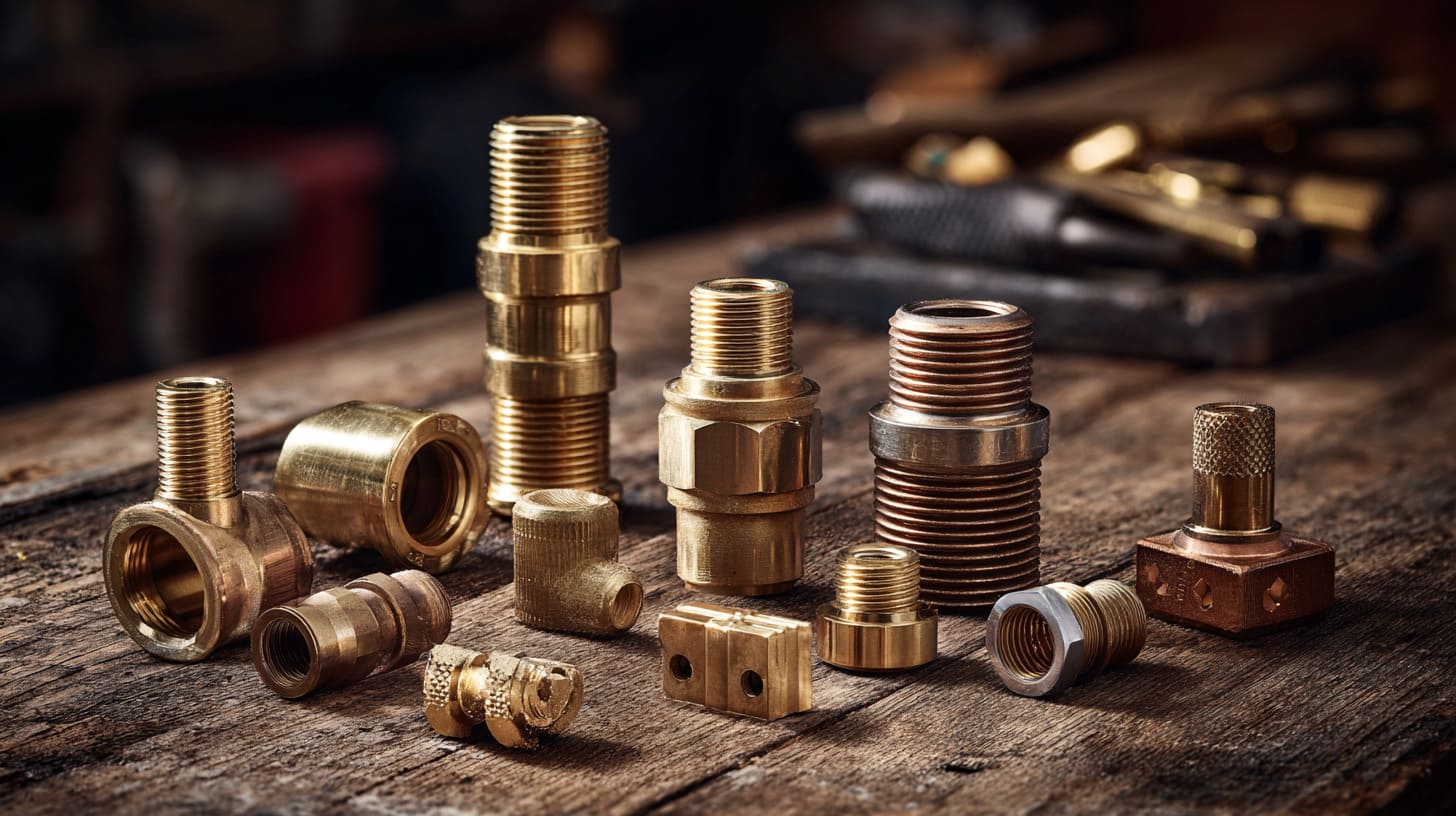
In electronics work, non-magnetic metals can be useful because they avoid some of the unwanted interactions that magnetic materials may create in certain applications. Brass is not the answer for every electronic part, of course, but its non-magnetic nature can be one of its advantages.
I work more often with aluminum and steel enclosures than brass enclosures, but brass still appears in inserts, connectors, terminals, hardware, shielding-related parts, and precision assemblies. In those spots, knowing whether the metal is magnetic is not trivia. It is part of smart design.
I get more cautious with metal selection when sensors, fine signal behavior, or small electromechanical parts are involved, because a cheap material shortcut can create a problem that is hard to trace later.
Avoiding electromagnetic interference
This needs careful wording. Brass is not some magic shield that solves every EMI problem. Still, being non-magnetic can help in applications where ferromagnetic behavior is unwanted.
Design decisions here depend on:
- frequency range
- shielding goals
- conductivity needs
- geometry
- thickness
- grounding strategy
So I do not treat “non-magnetic” as a universal advantage. I treat it as one useful property among many.
Use in precision instruments
Precision devices often benefit from stable and predictable material behavior. In small assemblies, magnetic attraction can create issues with movement, positioning, or sensor response.
That is why brass often shows up in:
- instrument screws
- connector parts
- low-friction fittings
- non-magnetic hardware
Applications in electronic components and enclosures
In enclosure-related work, brass is often more common in supporting parts than in the full housing itself.
| Brass use in electronics | Reason |
|---|---|
| Threaded inserts | Durable threads |
| Connector parts | Conductivity and machinability |
| Terminals | Good forming and contact properties |
| Spacers / hardware | Non-magnetic and corrosion-resistant behavior |
I have learned not to over-romanticize material properties in electronics. A non-magnetic part is useful only if it also matches cost, heat, corrosion, machining, and assembly needs.
At this point, one comparison tends to matter most for readers in enclosure work: brass versus aluminum. I get that question a lot, so let me tackle it directly.
How Engineers Choose Between Brass and Aluminum for Enclosures
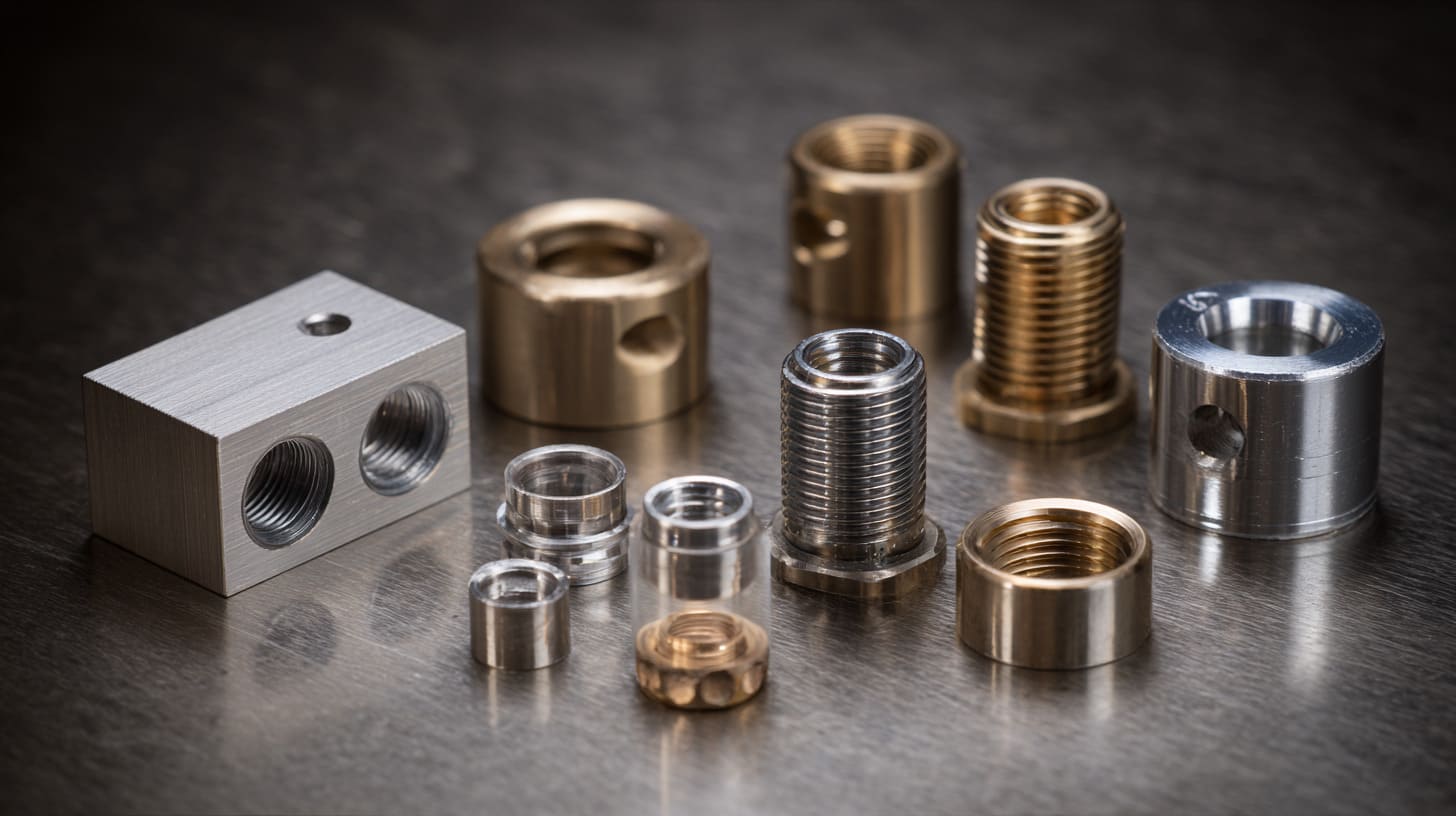
When I talk with enclosure buyers, brass and aluminum do not usually compete in every project. Aluminum is far more common for full enclosures because it is lighter and often more practical. Brass, on the other hand, is more likely to appear in inserts, connectors, special parts, or applications that care about appearance and thread quality.
Still, the comparison matters. Engineers often ask because they want to know whether brass can replace aluminum, or whether aluminum is always the smarter choice. The honest answer is: it depends on what matters most.
If the product must stay light, easy to ship, and cost-aware at scale, I lean toward aluminum fast; if the design needs dense feel, decorative value, or strong machined detail in smaller parts, brass becomes more attractive.
Weight comparison
This is the easiest difference to feel in your hand.
| Factor | Brass | Aluminum |
|---|---|---|
| Density | High | Low |
| Weight in same volume | Much heavier | Much lighter |
| Shipping impact | Higher | Lower |
For portable products or large enclosures, aluminum usually wins. The weight gap is hard to ignore.
Corrosion resistance
Both can resist corrosion well, but not in the exact same way.
| Factor | Brass | Aluminum |
|---|---|---|
| General corrosion resistance | Good | Good |
| Surface behavior | Can tarnish | Forms oxide layer |
| Environment sensitivity | Depends on chemistry | Depends on chemistry and finish |
Neither one should be chosen blindly. Moisture, salts, chemicals, and appearance expectations all matter.
Machining and manufacturing considerations
Brass is often loved for machining. It cuts cleanly in many grades. Threads can feel excellent. Fine details are achievable.
Aluminum is also very machinable, though behavior varies by grade. For enclosure manufacturing, aluminum is often easier to scale for CNC housings, extrusions, and sheet-based designs.
| Manufacturing factor | Brass | Aluminum |
|---|---|---|
| CNC machining feel | Excellent in many grades | Very good |
| Extrusion use | Less common for enclosures | Very common |
| Decorative finish | Attractive natural color | Good with anodizing |
| Best fit | Small precision parts | Full enclosures and lightweight housings |
Cost comparison
Material cost changes with market conditions, region, and grade. But in many enclosure projects, aluminum makes more sense for cost-performance balance, especially in larger bodies.
Brass can still be worth it when:
- the part is small
- machining quality matters
- appearance adds value
- conductivity or thread durability matters
One mistake I try hard to avoid is choosing the “better” metal in theory while ignoring the total cost of shipping, finishing, assembly, and customer expectations.
After all of that, the magnetic question becomes much less mysterious. It starts as a simple yes-or-no question, but it ends as a material selection lesson.
Conclusion
Brass is generally non-magnetic. That comes from its copper-zinc composition and the way the alloy behaves at the atomic level. In normal use, a magnet should not strongly attract solid brass. That is the core fact.
At the same time, I do not think this topic should be reduced to one clean sentence. In real work, a brass part may seem magnetic because of iron contamination, plated steel underneath, mixed materials, or poor process control. That is why a magnet test is useful, but not enough by itself when the decision matters.
I find that the real value of this question is not only learning that brass is non-magnetic. The value is learning how to think more carefully about metal selection, inspection, and supplier claims. That mindset saves money, avoids wrong materials, and keeps projects moving.
For me, the most reliable way to judge a metal is to combine quick hands-on testing with material data, process awareness, and a little healthy doubt when something feels off.
If you are working on a custom enclosure project and need help choosing between aluminum, brass, steel, or plastic for real production use, you can reach out to me through maidatechenclosure.com. I am always happy to look at the use case, the design target, and the manufacturing trade-offs with you before the wrong material turns into a costly problem.