Skip to content
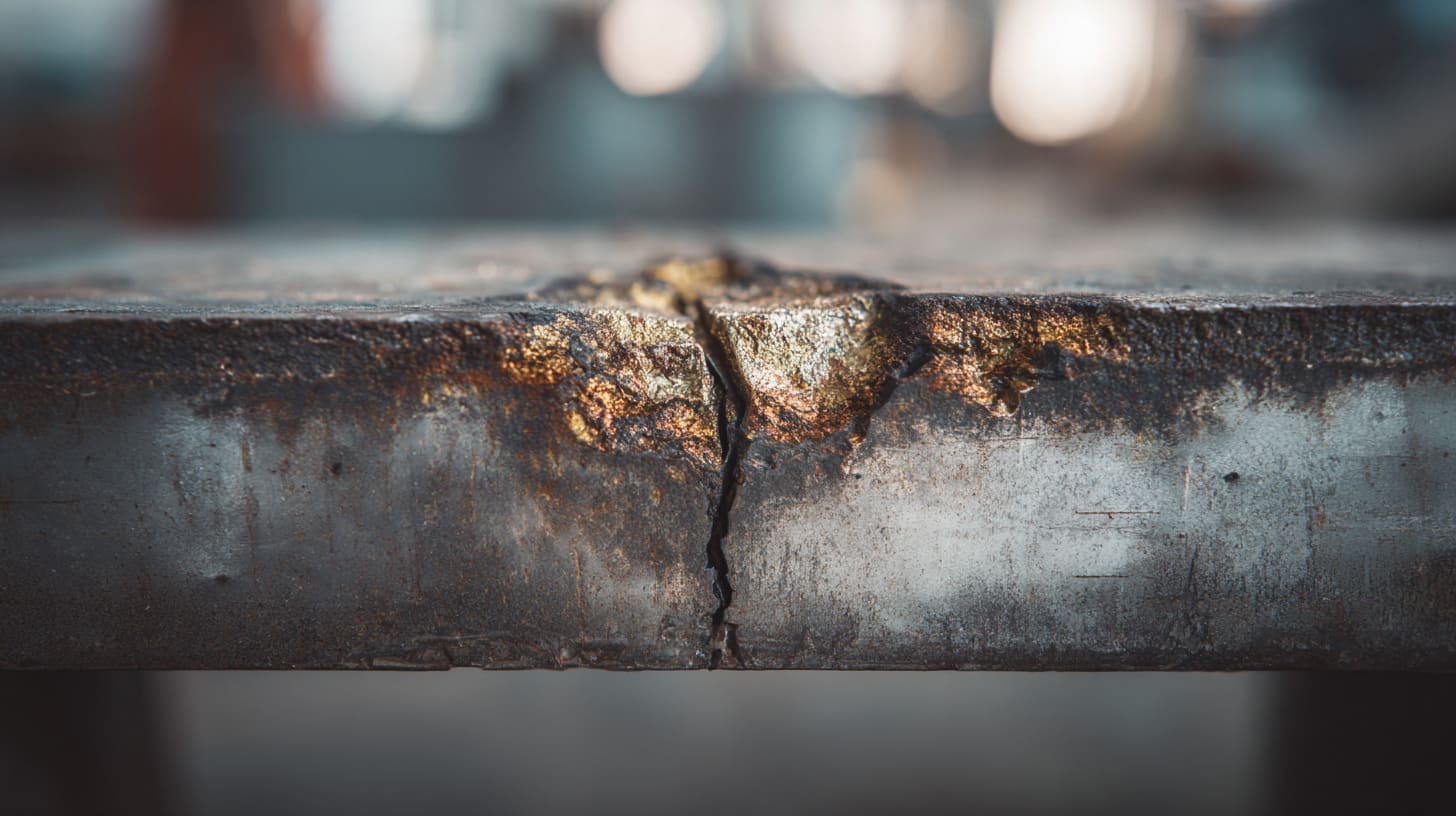
A Finnish engineer once sent me a short message with a photo of a cracked weld on a marine bracket. He did not ask about price. He did not ask about lead time. He asked one thing:
“Vincent, did we choose the wrong alloy?”
That question matters. Because most failures do not come from bad machining. They come from wrong material choices.
5356 aluminum is not the most famous alloy. It is not the easiest to machine. It is not the cheapest. But in the right situation, it is exactly what you need.
I see 5356 used in:
- Marine structures
- Structural welding
- Transportation frames
- Equipment housings exposed to corrosion
If you are a product engineer like Davide, or a re-brand buyer like Jackson, or an ODM creator like John, this alloy can either protect your reputation or create problems.
So let me break it down in a clear way.
And before we talk about numbers, we need to answer one simple question.
What Is 5356 Aluminum?
I often tell my clients this: you cannot choose the right alloy if you do not understand its family.
Alloy Classification and Series
5356 belongs to the 5xxx series. That means it is part of the aluminum-magnesium family.
- Main alloy element: Magnesium
- Not heat treatable
- Strength comes from cold work
That last point is important.
5356 does not gain strength from heat treatment like 6061 does. It gains strength from rolling and forming. This is called strain hardening.
If you design parts that require welding, this matters. Heat treatment and welding do not always get along.
Standard Designations
You may see it written in different ways:
- UNS A95356
- EN AW-5356
- Common tempers: H32, H116, H321
Here is a simple overview:
| Temper | Meaning | Typical Use |
|---|---|---|
| H32 | Strain hardened and stabilized | General structural |
| H116 | Marine grade | Boat and offshore |
| H321 | Stabilized for marine | High corrosion resistance |
Each temper changes strength and corrosion behavior. Engineers should not ignore this detail.
Difference Between 5356 Base Alloy and 5356 Filler Wire
Many people confuse this.
5356 is also widely used as a welding filler wire.
Why?
Because it matches well with:
- 5xxx base metals
- Some 6xxx alloys
It reduces cracking. It gives strong weld joints. That is why shipyards love it.
But base material and filler wire are not always interchangeable. I always ask my clients: Are we welding? Or are we machining a full plate? The answer changes everything.
Now that we understand the identity of 5356, let us open it up and look inside.
Chemical Composition of 5356 Aluminum
When I review a material certificate, I always start with magnesium content. That number tells a story.
Primary Alloying Elements
Typical composition:
| Element | Percentage Range |
|---|---|
| Magnesium (Mg) | 4.5% – 5.5% |
| Manganese (Mn) | ~0.05% – 0.2% |
| Chromium (Cr) | ~0.05% – 0.2% |
| Iron (Fe) | Max ~0.4% |
| Silicon (Si) | Max ~0.25% |
Magnesium is the star here.
Role of Each Element
- Magnesium increases strength and corrosion resistance.
- Manganese improves workability.
- Chromium improves resistance to stress corrosion cracking.
Impurities matter too. If iron or silicon is too high, corrosion resistance drops.
When I audit suppliers, I always check batch consistency. Small variation can affect welding performance.
Composition Comparison with Other 5xxx Alloys
| Alloy | Magnesium Content | Strength Level | Typical Use |
|---|---|---|---|
| 5052 | ~2.5% | Medium | Sheet forming |
| 5356 | ~5% | Medium-High | Welding |
| 5083 | ~4.5% | High | Marine heavy duty |
Higher magnesium means higher strength. But it also means slightly more sensitivity to stress corrosion at high temperature.
This is where critical thinking matters. Stronger is not always better.
And strength brings us to mechanical properties.
Mechanical Properties of 5356 Aluminum
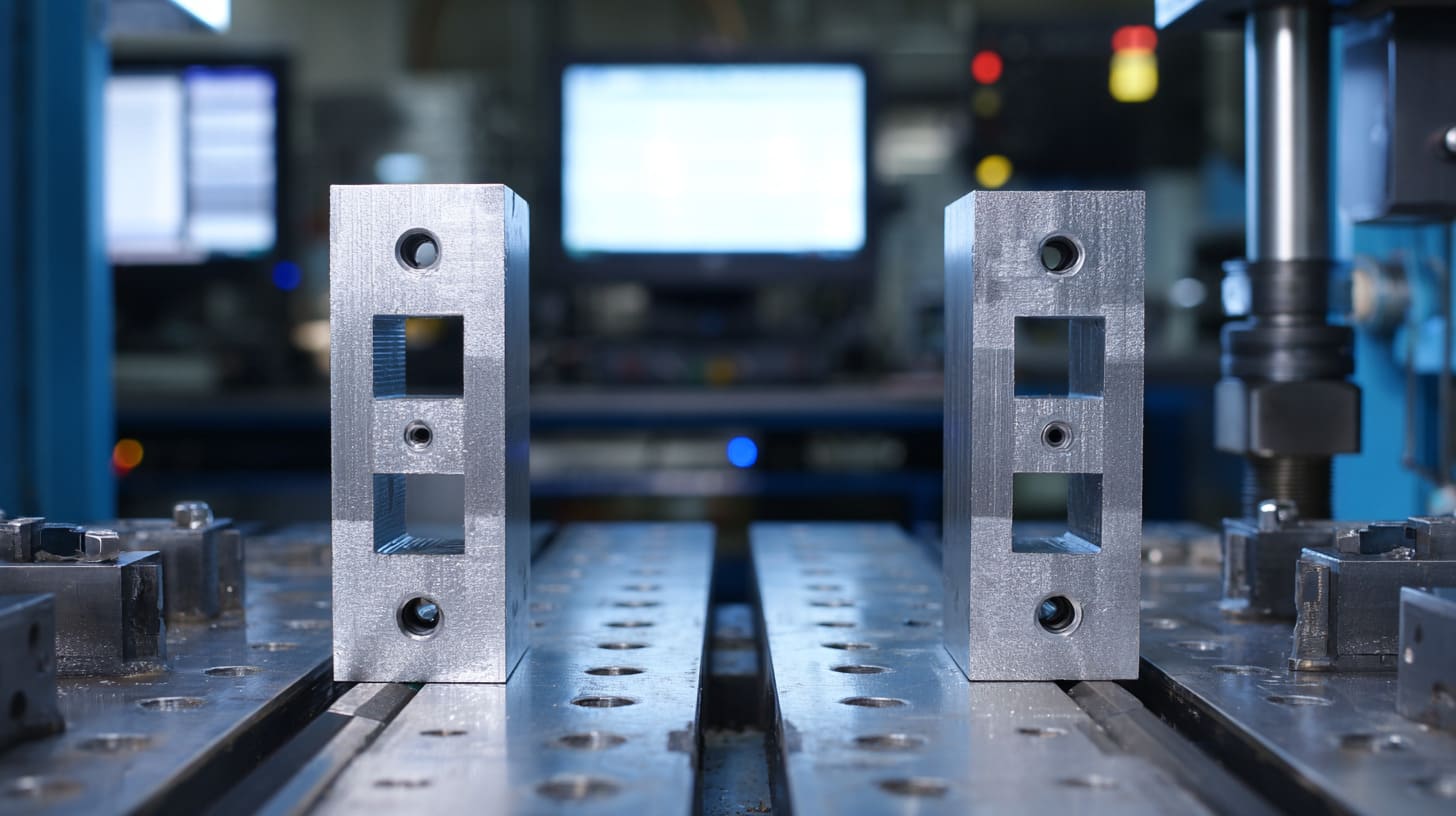
I once compared 5052 and 5356 brackets side by side for a customer. Both looked identical. Only one survived load testing.
Tensile Strength and Yield Strength
Typical values (H116 temper):
| Property | Value Range |
|---|---|
| Tensile Strength | ~290 MPa |
| Yield Strength | ~145 MPa |
| Elongation | 12–17% |
These numbers place 5356 above 5052 in strength.
Hardness and Formability
Brinell hardness: around 80–95 HB.
It bends well. But it is not as soft as 5052.
If your project requires deep drawing, 5052 may behave better.
If you need higher structural strength with welding, 5356 wins.
Fatigue and Impact Performance
5356 performs well under vibration. That is why it works in:
- Marine frames
- Truck bodies
- Structural supports
If your enclosure will face dynamic load, this matters.
Now let us talk about weight and heat.
Physical Properties of 5356 Aluminum
Weight always affects shipping cost. It also affects design.
Density and Weight Advantage
Density: about 2.66 g/cm³.
Steel density: about 7.85 g/cm³.
That is almost three times heavier.
If you are designing transport equipment, this difference means fuel savings.
Thermal and Electrical Conductivity
5356 has good thermal conductivity. It is not as high as pure aluminum. But it is enough for many enclosures.
If heat dissipation is critical, I evaluate thickness and ventilation first. Alloy choice comes second.
Melting Range and Thermal Expansion
Melting range: approx. 570–640°C.
Thermal expansion is typical for aluminum. Designers must consider expansion in outdoor environments.
Metal moves. Many engineers forget this.
And when metal meets saltwater, corrosion becomes the real test.
Corrosion Resistance of 5356 Aluminum
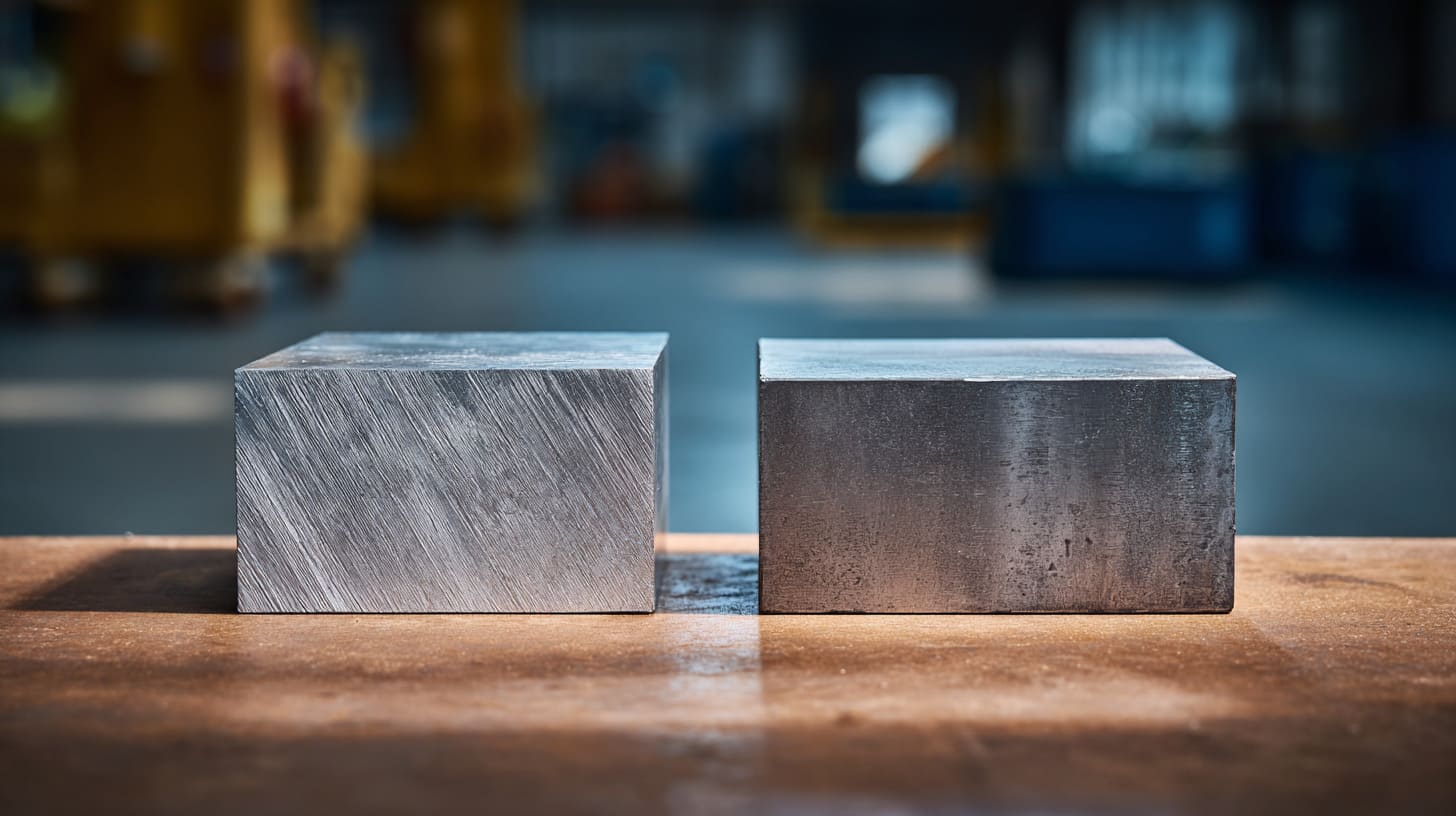
I visited a coastal project once. The 6061 brackets showed white corrosion marks. The 5356 components stayed clean.
Marine and Saltwater Resistance
5356 performs very well in marine environments.
That is why:
- Boat hulls
- Deck structures
- Offshore frames
use it.
Resistance to Stress Corrosion Cracking
Chromium helps reduce stress corrosion cracking.
But high magnesium alloys can face issues at high temperatures above 65°C over long time.
So I always ask: Will this part operate in high heat continuously?
Anodizing and Surface Treatment Compatibility
5356 can be anodized.
It also supports:
- Powder coating
- Painting
But color tone may vary compared to 6061. If appearance matters, sample testing is smart.
Next, we must discuss fabrication. Because design does not end at material selection.
Weldability and Fabrication Characteristics
Welding Performance
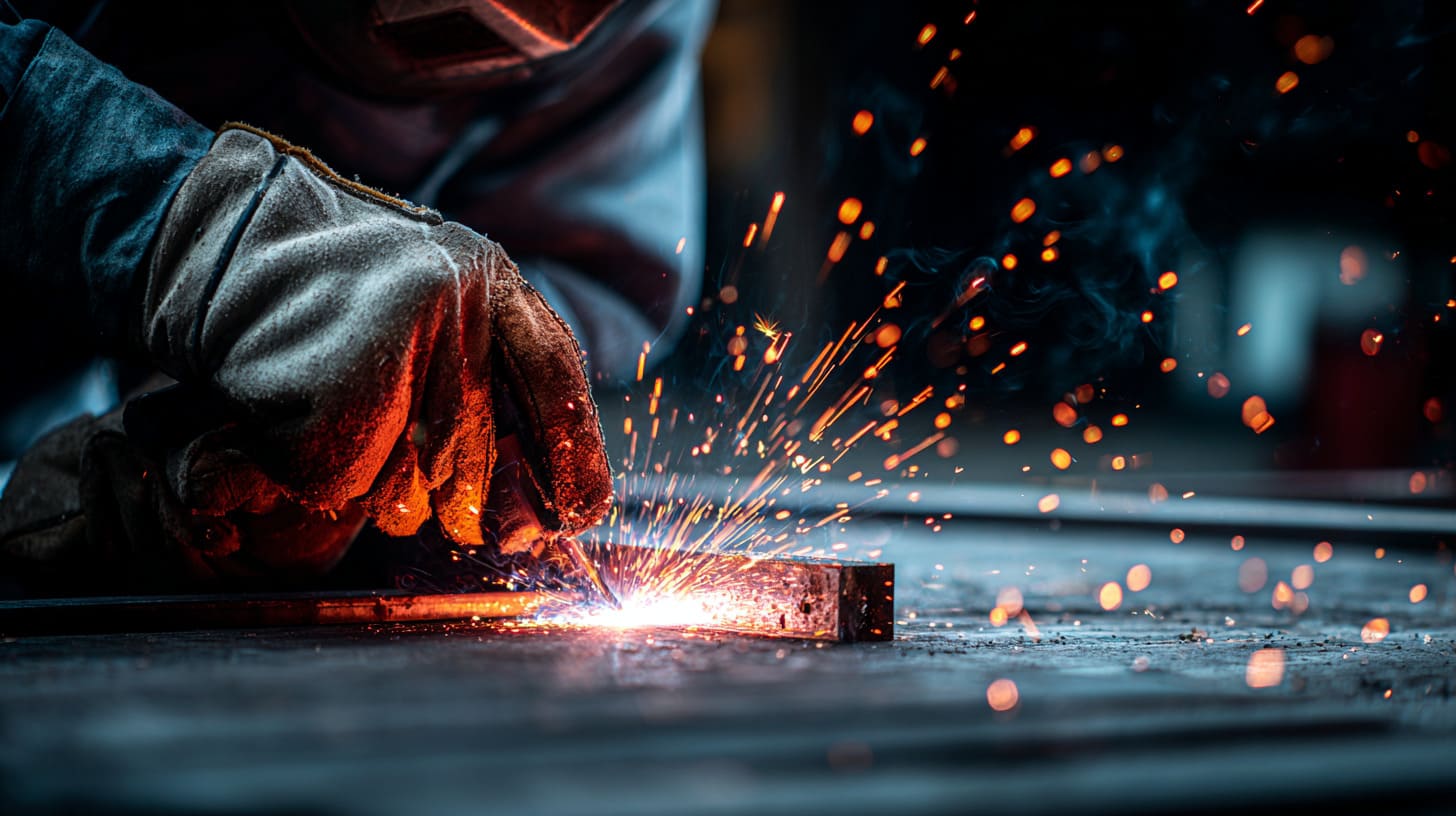
5356 has excellent arc weldability.
Common methods:
- MIG
- TIG
It resists cracking well. That is why shipyards choose it.
Machinability
Machining is acceptable. But 6061 machines easier.
If your enclosure needs heavy CNC milling, think carefully.
Tool wear is slightly higher than 6061.
Forming and Bending
Cold forming works well.
But springback exists. Engineers must test bend radius.
If you skip sample testing, you will regret it later.
Now let us compare it directly.
5356 Aluminum vs Other Common Aluminum Alloys
5356 vs 5052
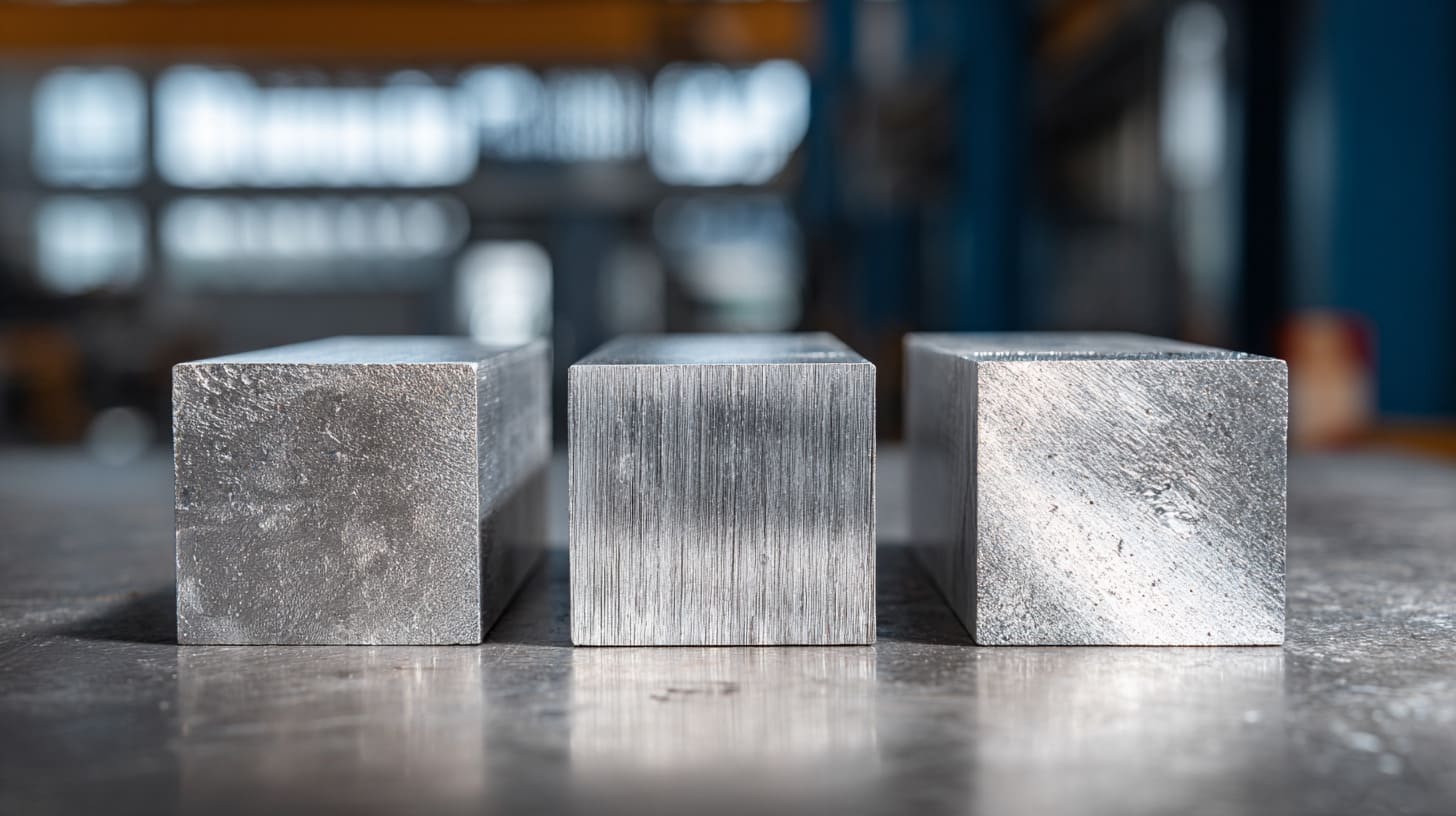
- 5356 is stronger
- Both resist corrosion well
- 5052 forms easier
5356 vs 6061
- 6061 is heat treatable
- 6061 machines better
- 5356 welds better
Quick Comparison Table
| Alloy | Series | Strength Level | Weldability | Corrosion Resistance | Typical Use |
|---|---|---|---|---|---|
| 5356 | 5xxx | Medium-High | Excellent | Excellent | Marine, welding |
| 5052 | 5xxx | Medium | Excellent | Excellent | Sheet metal |
| 6061 | 6xxx | Medium-High | Good | Good | Structural parts |
There is no “best” alloy. There is only “best for this job.”
Now let me show you where I see it used most often.
Common Applications of 5356 Aluminum
Marine Industry
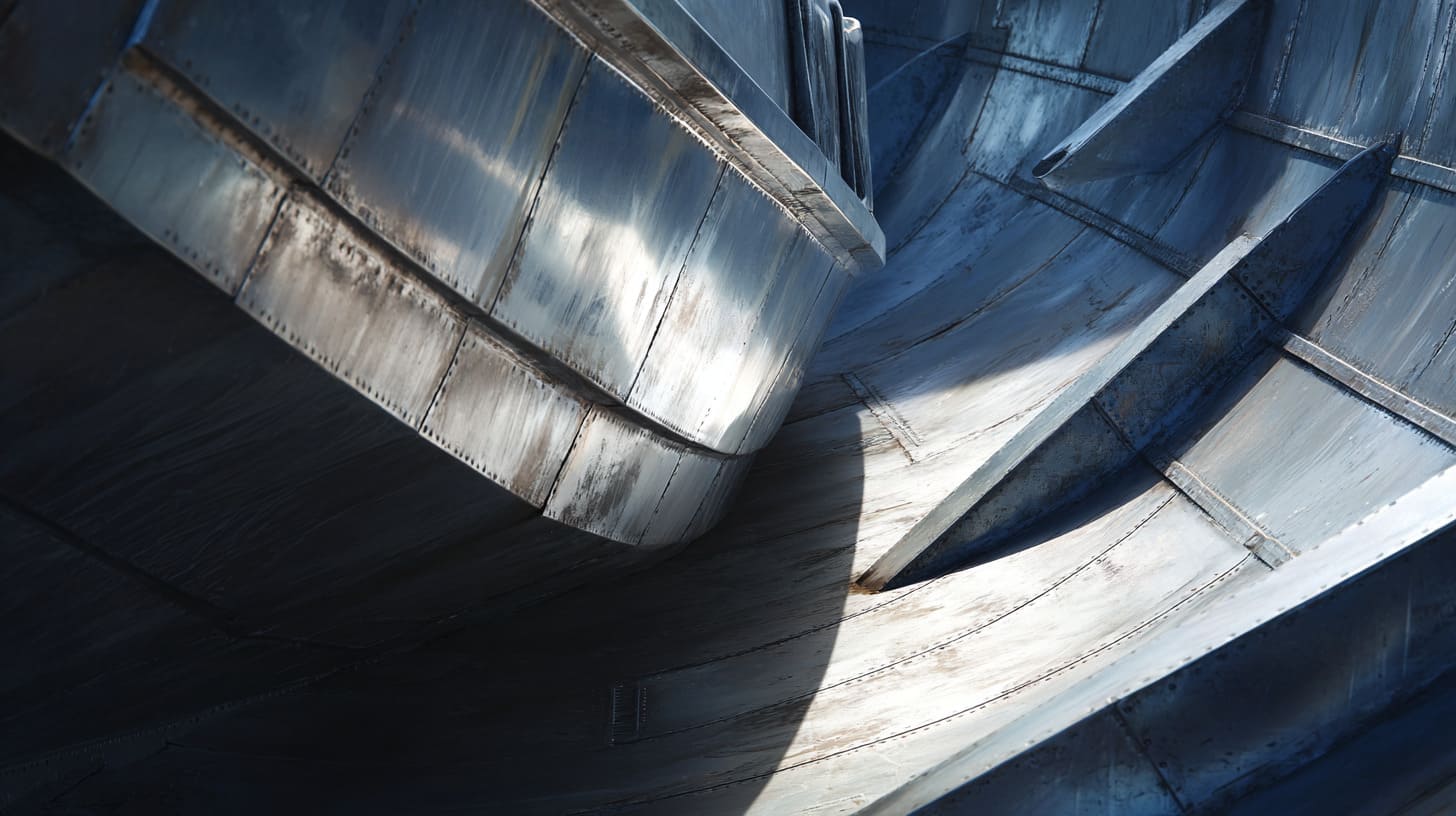
- Boat hulls
- Deck frames
- Offshore platforms
Transportation and Automotive
- Trailer frames
- Truck bodies
- Structural brackets
Industrial and Structural Welding
- Equipment frames
- Heavy brackets
- Fabricated assemblies
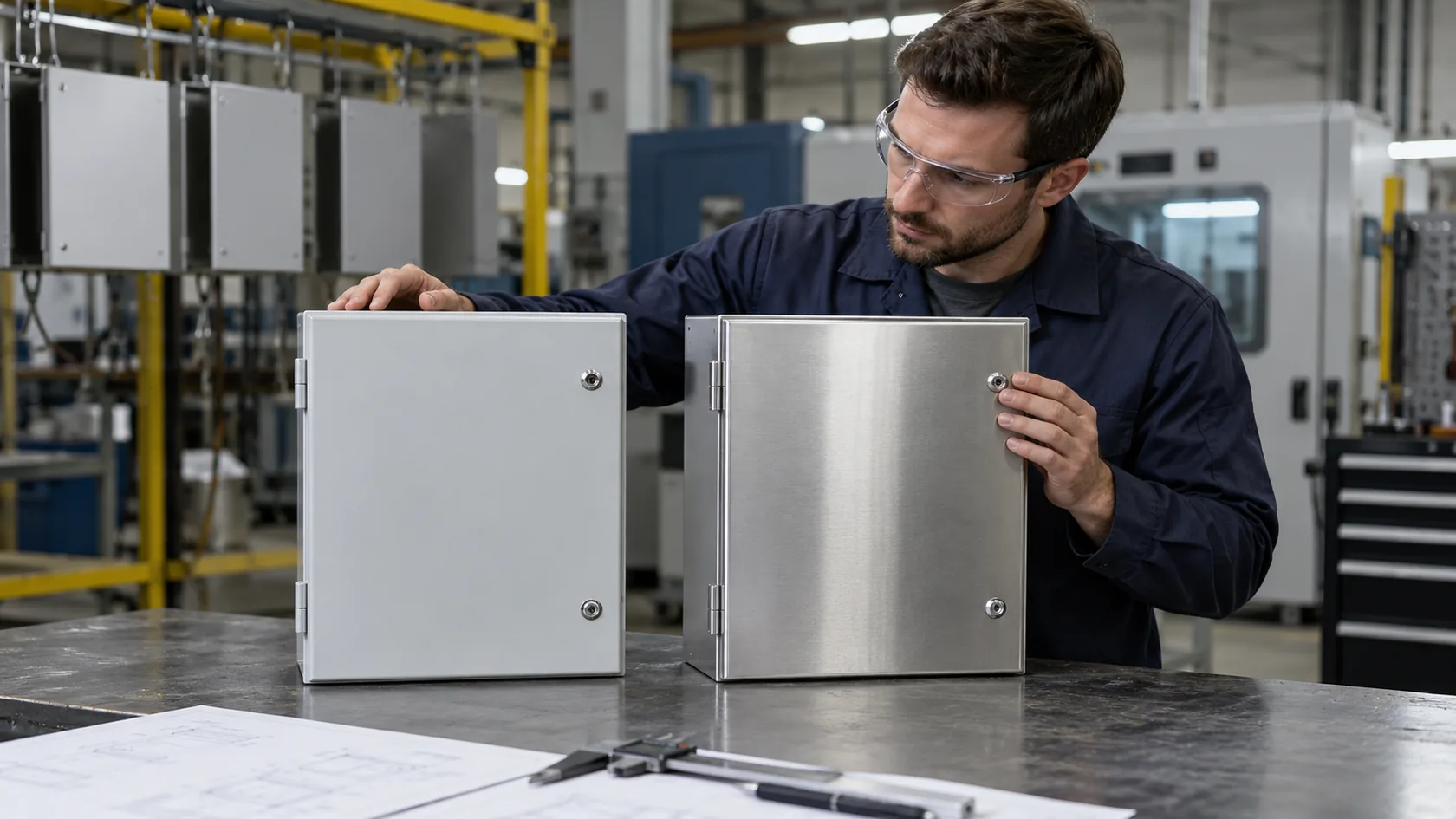
Electronics and Enclosures
In enclosure projects, I choose 5356 when:
- Corrosion resistance is critical
- Welding strength matters
- Outdoor exposure exists
But if heavy CNC work is required, I lean toward 6061.
Every project forces trade-offs.
Advantages and Limitations of 5356 Aluminum
Key Advantages
- High strength in 5xxx family
- Excellent weldability
- Strong marine corrosion resistance
- Good fatigue behavior
Limitations
- Not heat treatable
- Slightly harder to machine than 6061
- Possible stress corrosion risk at high temperature
- Higher cost than 5052
Understanding both sides helps you avoid blind spots.
So how do you decide?
How to Select 5356 Aluminum for Your Project
I always ask my clients simple questions first.
When 5356 Is the Right Choice
- Marine environment
- Heavy welding required
- Need higher magnesium strength
When Another Alloy May Be Better
- Precision CNC project → 6061
- Deep drawing → 5052
- Heat treated structural design → 6061
Key Questions Engineers and Buyers Should Ask
- What environment will it face?
- Will welding happen?
- What surface finish do I need?
- What is the load requirement?
Material selection is not about data sheets. It is about context.
Conclusion
5356 aluminum sits in the 5xxx family with high magnesium content. It offers strong weldability, good strength, and excellent corrosion resistance, especially in marine conditions. It is not heat treatable. It is slightly harder to machine than 6061. It is stronger than 5052.
Each alloy solves a different problem.
If you are designing a welded marine bracket, 5356 may protect your project for years. If you are machining a complex enclosure body, 6061 may be easier.
I always tell my customers this: choose material based on environment, fabrication method, and real working conditions.
If you are not sure which alloy fits your enclosure or structural project, you can send me your drawing. I will review it with you and give honest advice based on your use case. That is how we avoid mistakes before production starts.