Skip to content
Anodizing has a strong reputation in aluminum enclosure projects.
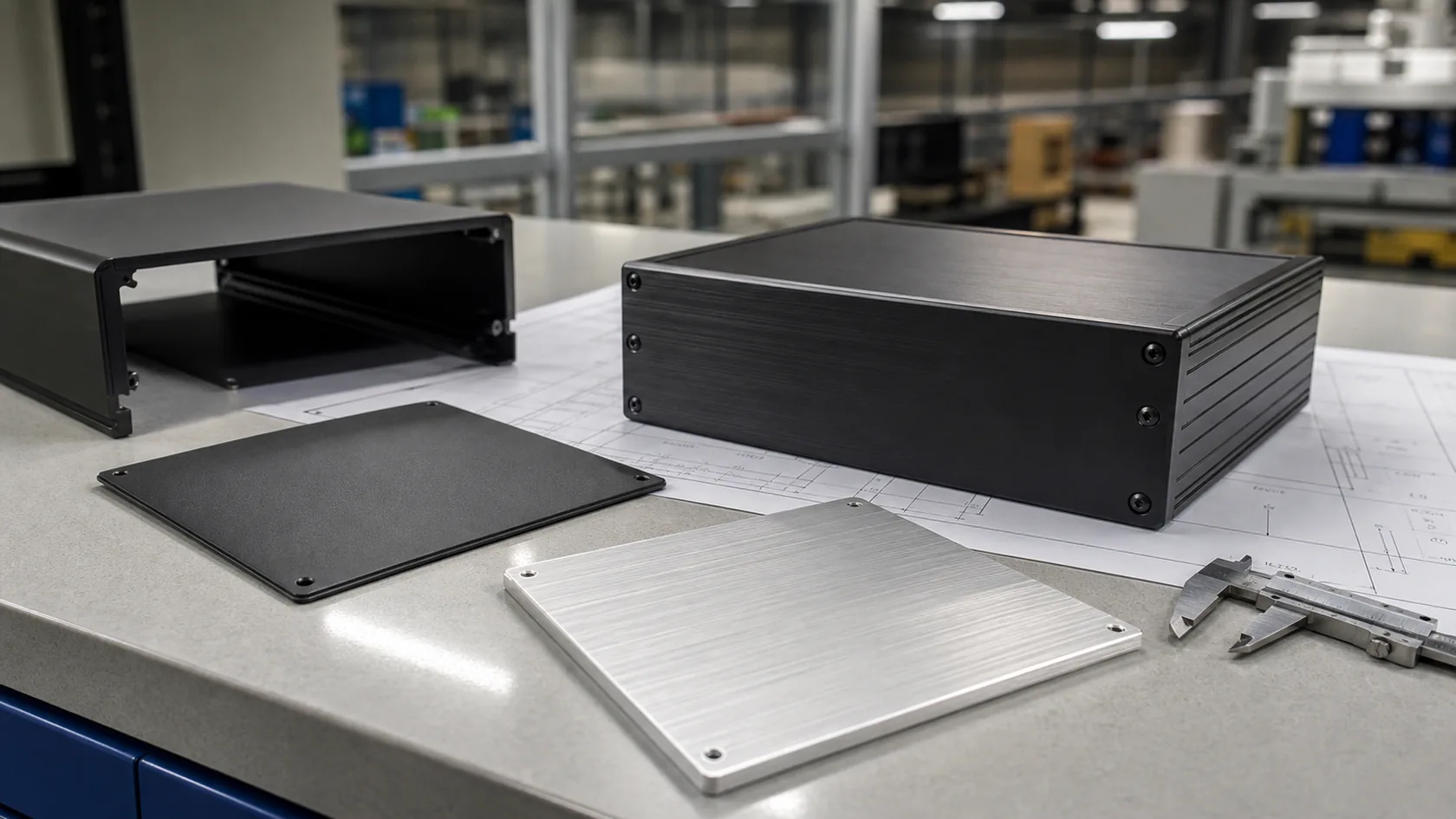
Many buyers see black anodized aluminum and immediately think “premium.” I understand why. A good anodized enclosure can look clean, technical, and expensive. It keeps the metal character. It feels different from paint. For CNC machined housings, extruded aluminum cases, and heat-sink style enclosures, anodizing can be a very good choice.
But good choice does not mean automatic choice.
In OEM enclosure projects, the finish must do more than look premium in a sample photo. It must work with the material, drawing tolerance, assembly method, logo process, electrical requirements, packaging, and repeat production.
That is where anodizing can become tricky.
At MaidaTech, I like anodizing when the product and design support it. But I do not recommend it just because it sounds high-end. Sometimes powder coating, painting, plating, or even a simpler brushed finish gives the buyer a more stable result.
The real question is not “Is anodizing premium?”
The better question is: “Premium for which enclosure, which material, which quantity, and which customer expectation?”
Let’s start with the biggest misunderstanding.
Premium Appearance Does Not Always Mean Premium Control
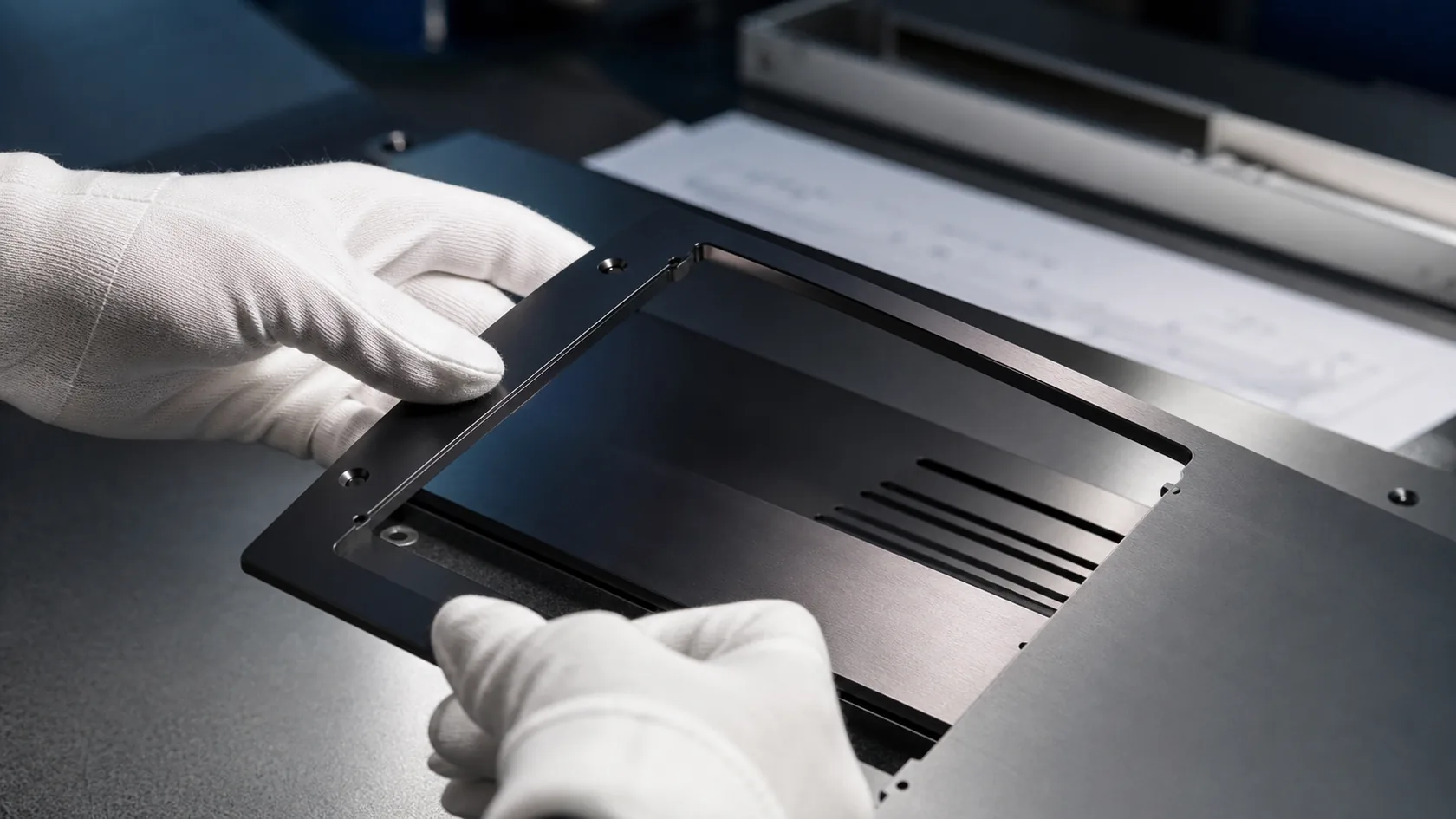
Anodizing is attractive because it becomes part of the aluminum surface. It does not hide the material the way powder coating or paint can. This is one of its strengths.
It is also one of its risks.
Anodizing Shows the Metal Underneath
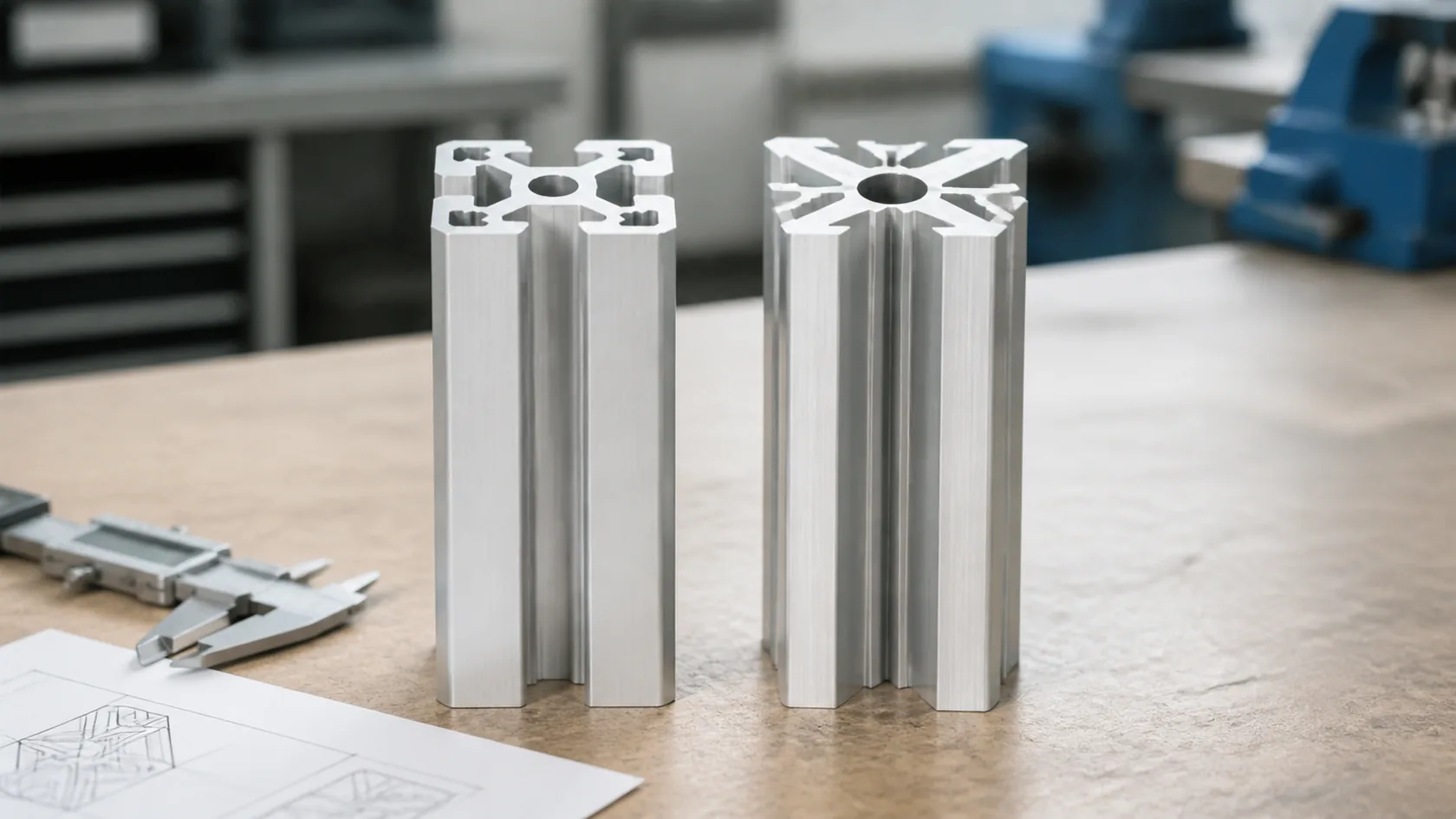
If the aluminum material has extrusion lines, machining marks, weld differences, scratches, or alloy variation, anodizing may show them more clearly. A buyer may expect a smooth black “premium” surface, but anodizing can reveal the history of the part.
This matters for OEM enclosures made from:
- Different aluminum batches
- Extruded profiles and CNC parts together
- Welded aluminum assemblies
- Large panels with visible grain
- Parts with mixed surface preparation
- Covers that need perfect color matching
Standards such as ISO 7599:2018 cover decorative and protective anodic oxidation coatings on aluminum and its alloys. In practical factory work, the important lesson is simple: anodizing quality depends heavily on aluminum grade and surface preparation.
Paint Can Hide What Anodizing Cannot
Powder coating or painting can hide small surface differences better. It can also give stronger color coverage when the product needs brand consistency more than a metallic look.
This does not make powder coating “better.” It makes it better for some OEM situations.
When I check a new enclosure design, I ask whether the customer wants to show the aluminum or hide the manufacturing history. If the part has too many material or surface variables, anodizing may make the product look less premium, not more.
Once appearance expectations are clear, the next risk is color.
Color Matching Can Be Harder Than Buyers Expect
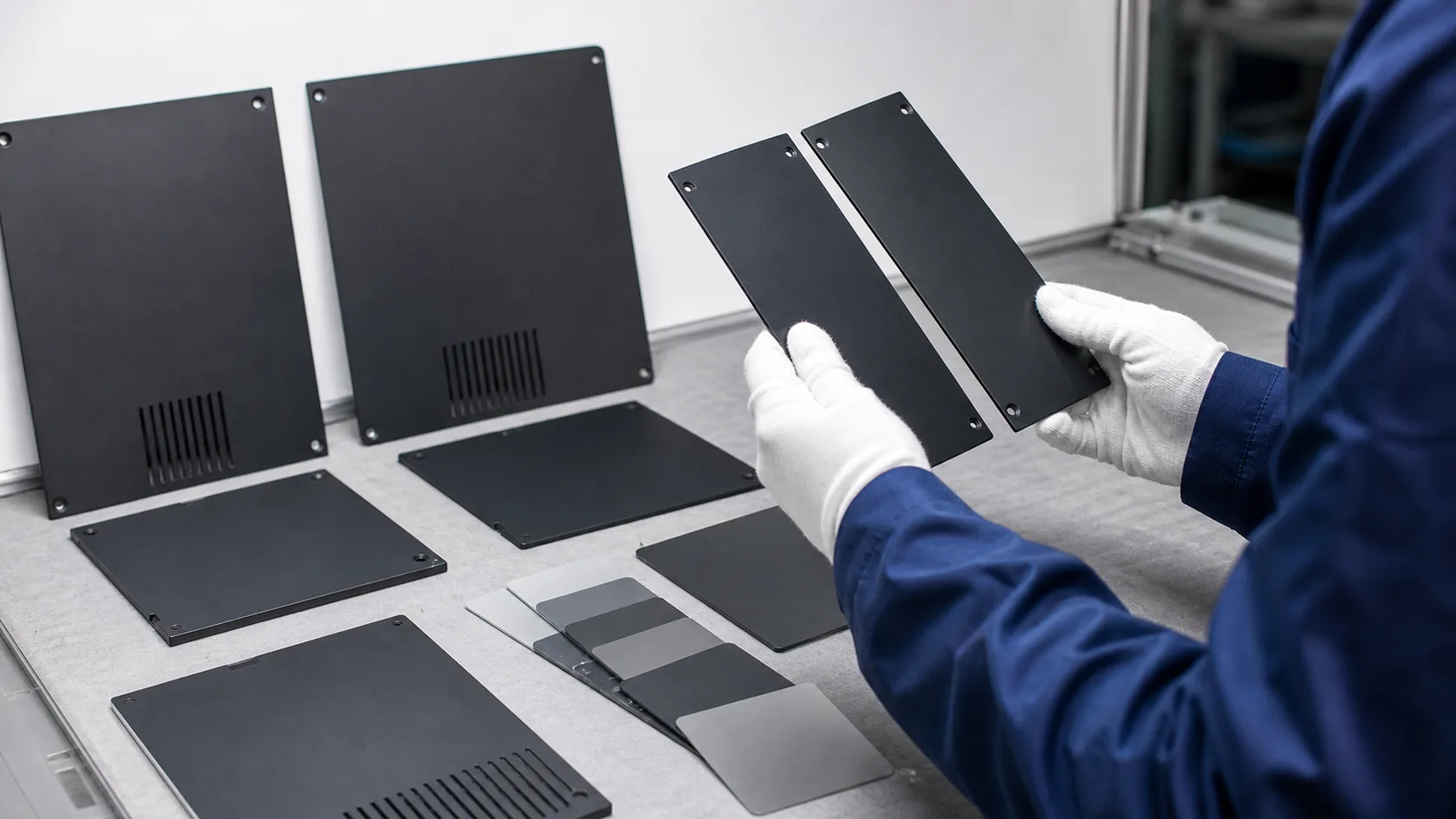
Black anodizing is popular, but it is not a magic button for identical black parts forever.
Color can vary because of alloy, surface texture, anodizing thickness, dye process, sealing, part geometry, and batch conditions. Small variation may be acceptable for industrial parts. It may be a problem for consumer-facing OEM products.
A Sample Is Not a Lifetime Guarantee
A first sample may look beautiful. Then the next production batch looks slightly warmer, cooler, glossier, or more gray. Sometimes the difference is small. Sometimes it is visible when parts are assembled together.
This is especially sensitive when:
- A top cover and bottom shell come from different processes.
- Machined and extruded parts are assembled together.
- New batches must match old inventory.
- The enclosure sits beside plastic parts.
- The product requires a strict brand color.
Architectural finish standards such as AAMA 611 exist because anodized aluminum appearance and performance need defined expectations. OEM buyers should take the same lesson: do not treat anodized color as a casual visual promise.
Bright Brand Colors Are Usually Not Anodizing’s Strength
If a customer needs a very specific blue, red, orange, white, or brand-matched color, powder coating or painting may be easier. Anodizing can create attractive colors, but the available range and repeatability are more limited.
For OEM enclosure projects, I often prefer anodizing for natural metal colors, black, clear, champagne, and simple technical tones. If the customer says “our marketing team needs this exact brand color,” I slow down and usually compare other finish options.
Color is only one issue. The next one hides in the assembly.
Anodizing Can Still Affect Fit and Function
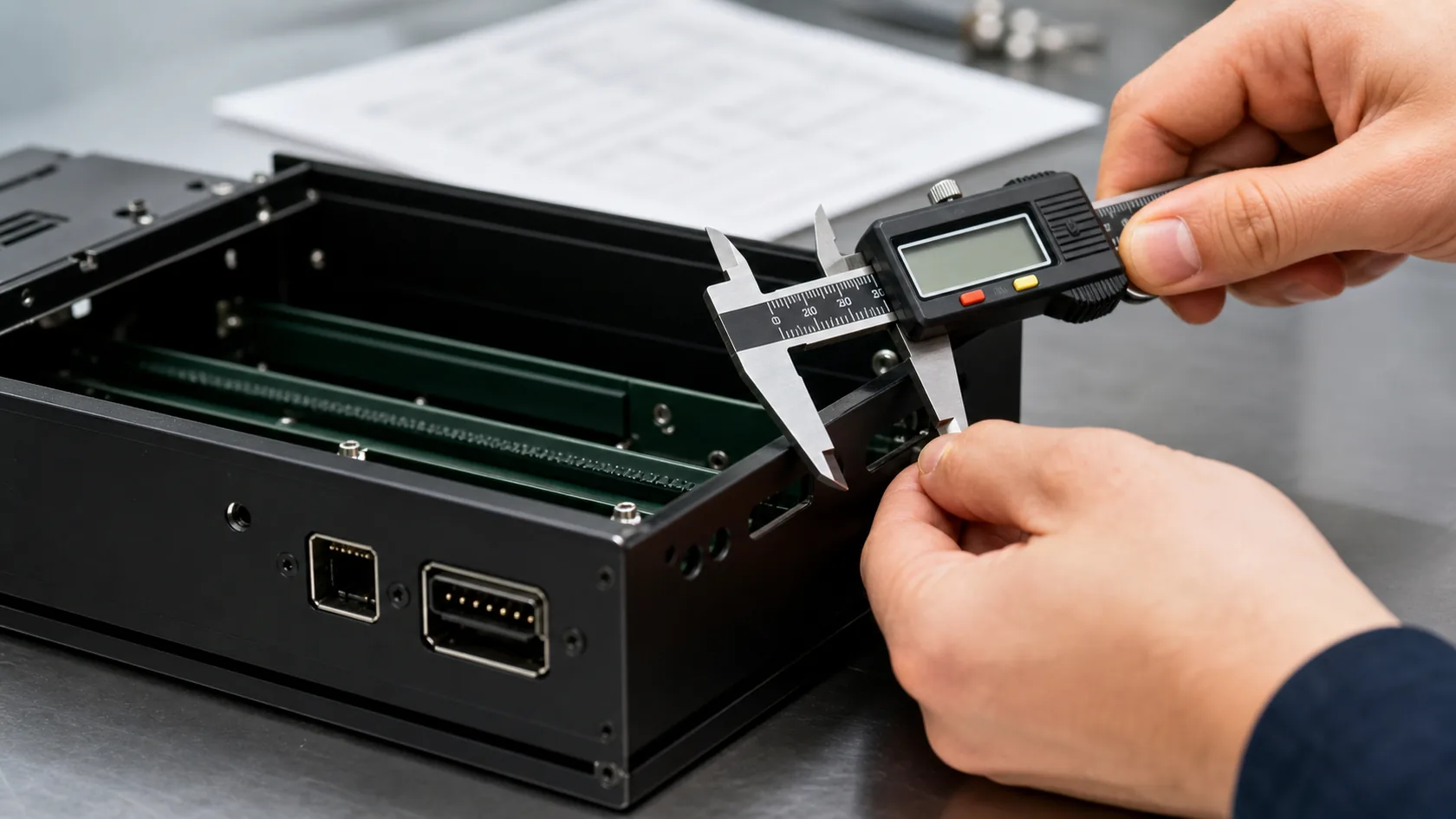
Some buyers think anodizing is so thin that it does not affect dimensions. That is not always safe.
Normal decorative anodizing may have a small dimensional effect, but hard anodizing or tight tolerance features need more care. The oxide layer grows on and into the aluminum surface. For sliding parts, bores, rails, and mating features, that can matter.
Tight Features Need Finished-Dimension Thinking
Critical areas include:
- PCB guide rails
- Sliding covers
- Precision bores
- Threaded holes
- Connector cutouts
- Heat sink contact faces
- Sealing surfaces
- Mating grooves
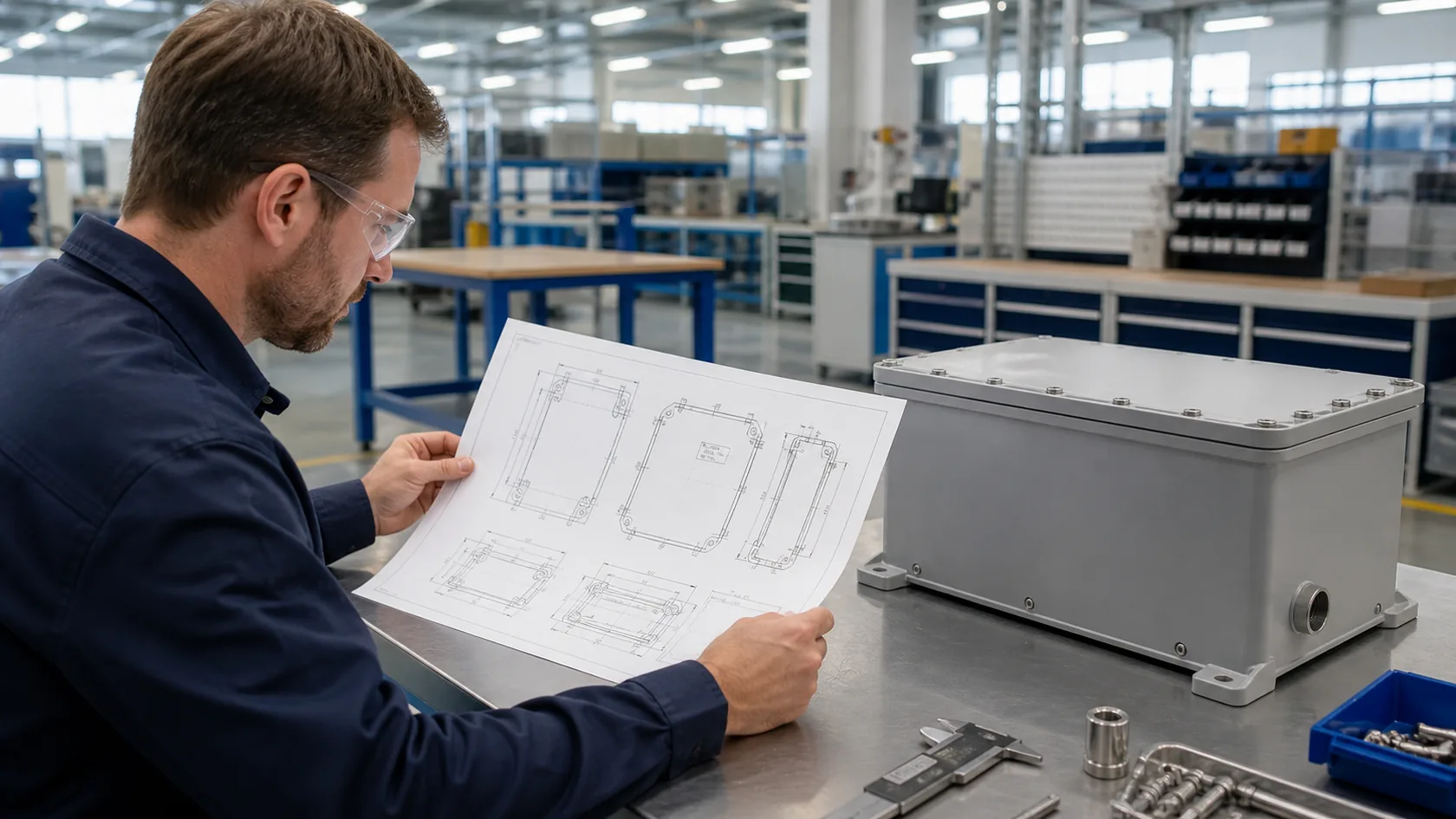
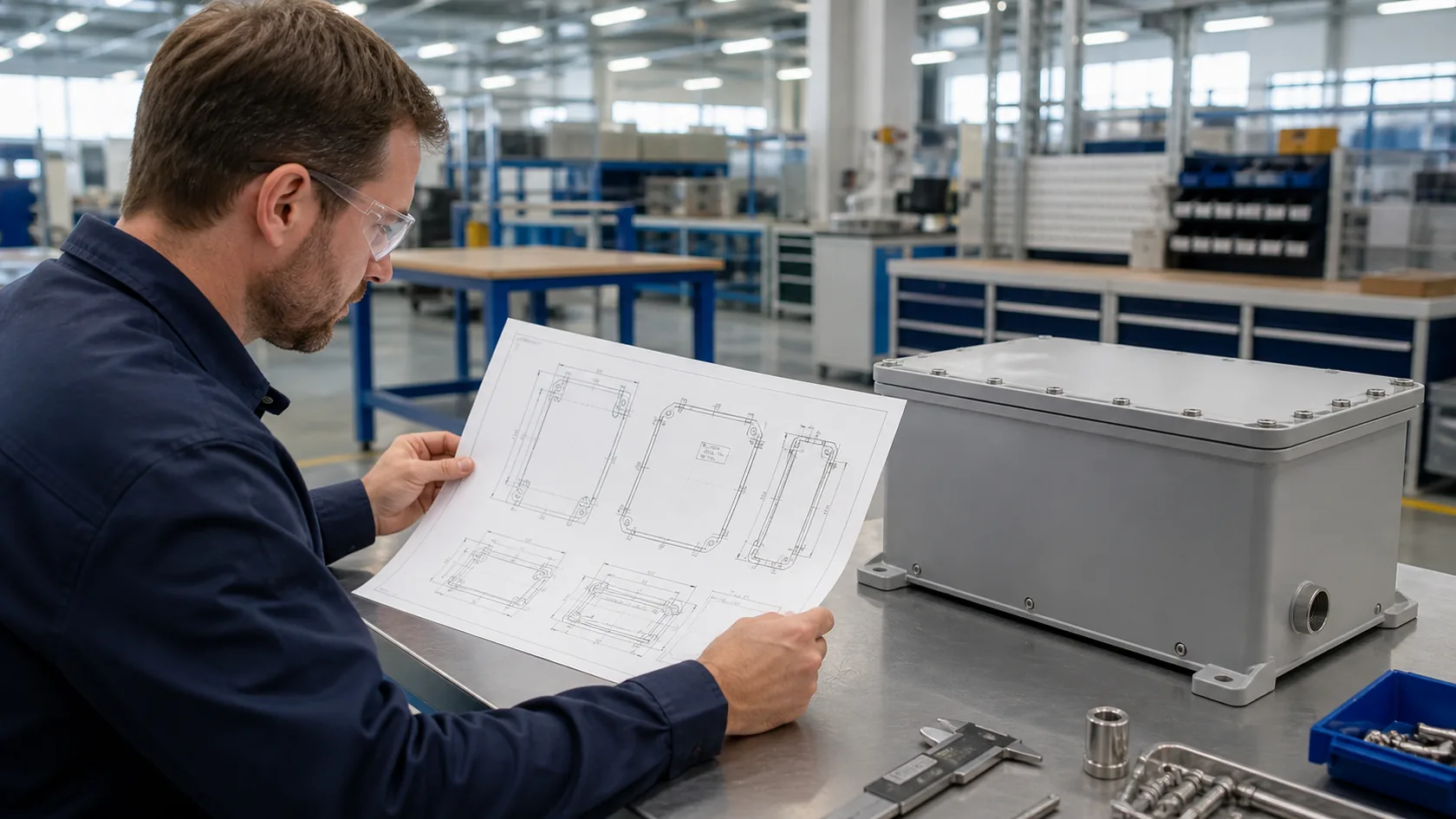
For these features, the drawing should say whether dimensions apply before or after anodizing. If not, the supplier may machine the part correctly and still deliver a finished part that feels tight.
Coating thickness and surface layers can be measured using recognized methods. For example, ASTM B244 relates to coating thickness measurement on anodic coatings. The buyer does not need to become a coating expert, but the buyer should know that anodizing is measurable and should be planned.
Electrical Contact Needs Attention
Anodized surfaces are not the same as bare aluminum for electrical contact. If the enclosure needs grounding, shielding, or metal-to-metal conductivity, the design must include clean contact areas.
That may mean:
- Masking grounding pads
- Removing anodizing after finish in selected areas
- Using conductive hardware
- Designing separate contact points
- Confirming the electrical test after finishing
In my factory review, a beautiful anodized surface does not impress me if the grounding plan is missing. For electronics enclosures, the hidden contact point can be more important than the outside face.
Now let’s look at another overlooked issue: repair and handling.
Repair, Scratches, and Handling Are Different
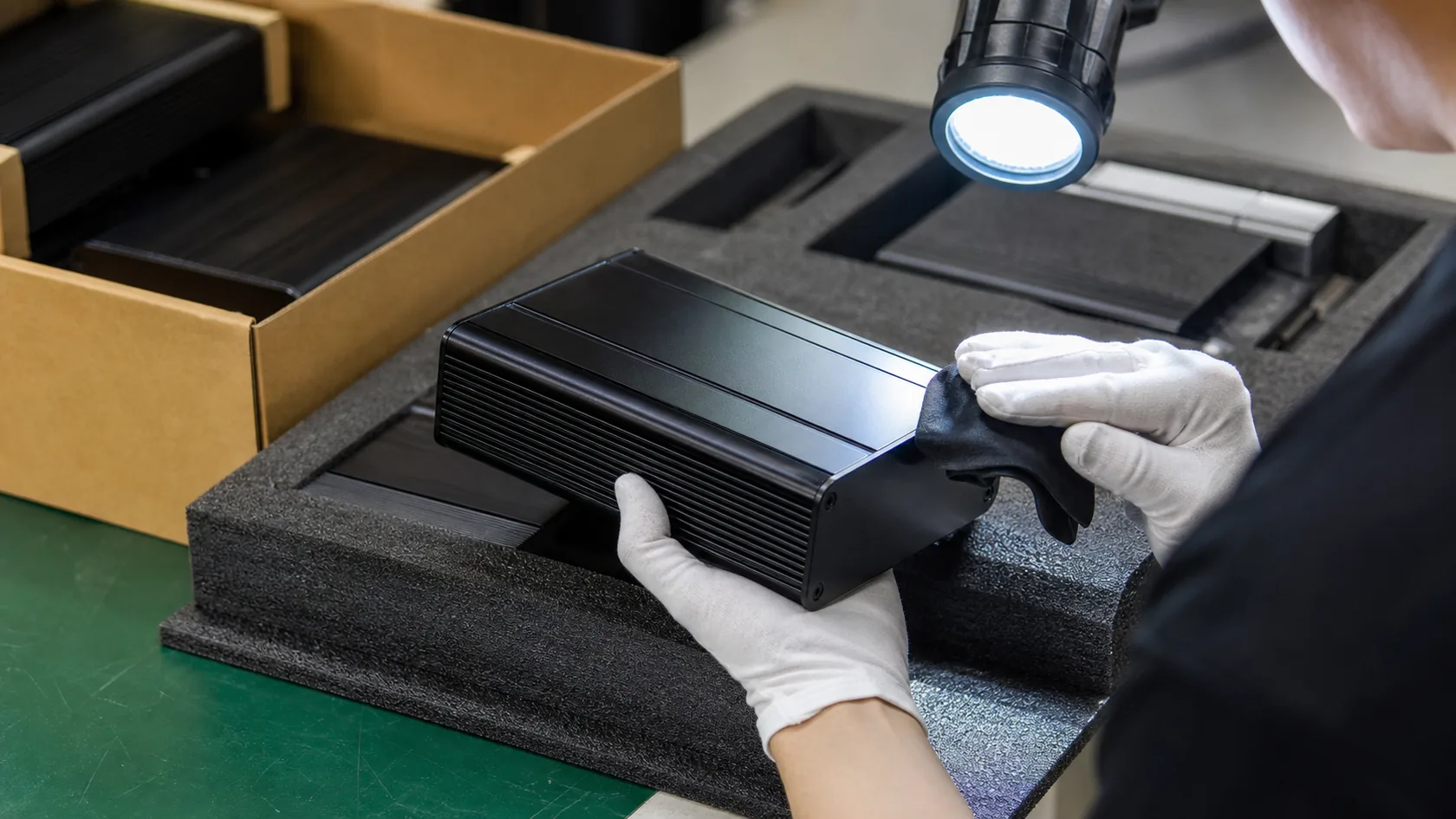
Anodizing can give good wear resistance, especially on suitable aluminum parts. But once a visible anodized surface is scratched or damaged, repair is not always simple.
Powder coating and paint also have repair problems, of course. But the repair behavior is different.
Scratches Can Expose Bright Aluminum
On black anodized parts, a deep scratch may show bright aluminum underneath. Touch-up can reduce the visual problem, but it may not match the original surface perfectly.
This matters for products that:
- Are handled often during installation
- Use sliding covers
- Are shipped in bulk
- Have sharp metal accessories nearby
- Need a flawless visible front panel
- Will be serviced in the field
Packaging becomes part of the finish plan. A premium anodized part packed carelessly can arrive looking cheap. The finish did not fail alone; the handling plan failed with it.
Rack Marks Must Be Accepted Somewhere
Anodizing needs electrical contact during processing. The part must be held. That contact point can leave a rack mark.
For simple parts, this is easy to hide on an inside or non-cosmetic area. For small enclosures where every edge is visible, it becomes harder.
When I review a cosmetic anodized enclosure, I like to agree on rack mark locations before production. It is a tiny conversation, but it prevents the awkward question later: “Why is there a mark here?”
Handling and repair also connect to total cost.
Anodizing Is Not Always the Best Cost Decision
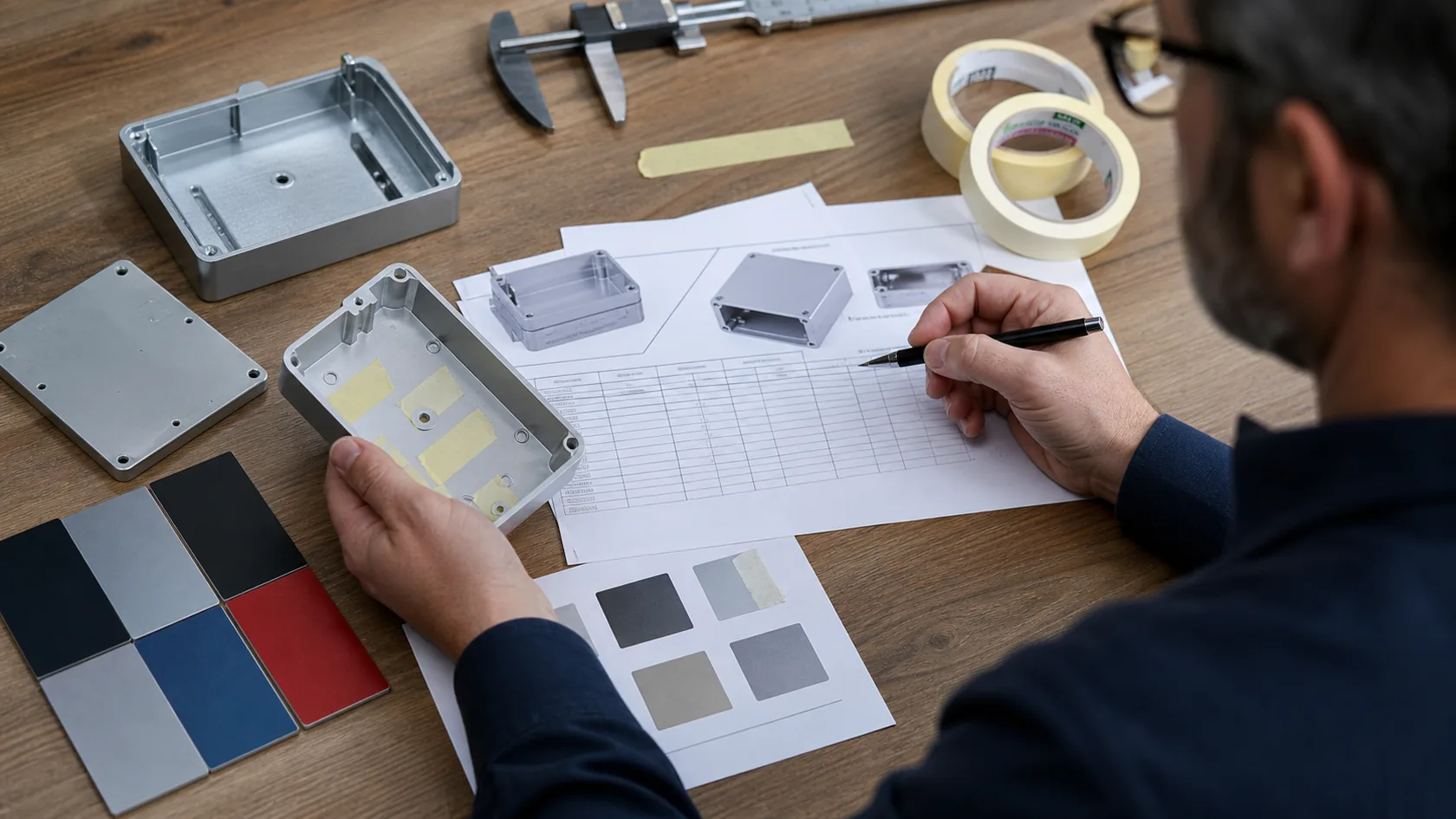
Some buyers assume anodizing is always the premium option, so a higher cost must be justified. Other buyers assume anodizing should be cheap because it is common for aluminum. Both views can be wrong.
The real cost depends on alloy, surface preparation, finish type, color, thickness, masking, racking, inspection, and packaging.
Surface Preparation Can Drive Cost
If the part needs bead blasting, brushing, polishing, scratch removal, or strict cosmetic sorting before anodizing, the cost goes up.
Hard anodizing may also cost more than decorative anodizing. Tight color control, special masking, or extra inspection can add cost too.
Here is a practical comparison:
| Requirement | Why anodizing cost may rise |
|---|---|
| Perfect visible surface | More sanding, blasting, or sorting |
| Very dark black | Color control and batch risk |
| Tight sliding fit | Machining allowance and inspection |
| No visible rack marks | More planning and handling |
| Grounding pads | Masking or post-finish work |
| Mixed aluminum parts | Higher color matching risk |
I do not mind a customer paying more for anodizing when it solves the right problem. I worry when the customer pays more only because the word sounds premium.
Repeat Orders Need Stability
OEM buyers care about repeat production. A finish must be stable across batches, not only beautiful once.
If a product will be sold for years, ask:
- Can future batches match the first batch closely enough?
- Is the aluminum supply stable?
- Are cosmetic standards realistic?
- Are rack mark locations documented?
- Are finished dimensions checked?
- Is packaging strong enough for export shipping?
This is where factory experience matters. The first sample is a hello. Repeat production is the marriage. That little joke is not romantic, but it is true.
Now we can decide when anodizing really is the right premium choice.
When Anodizing Is Still the Right Choice
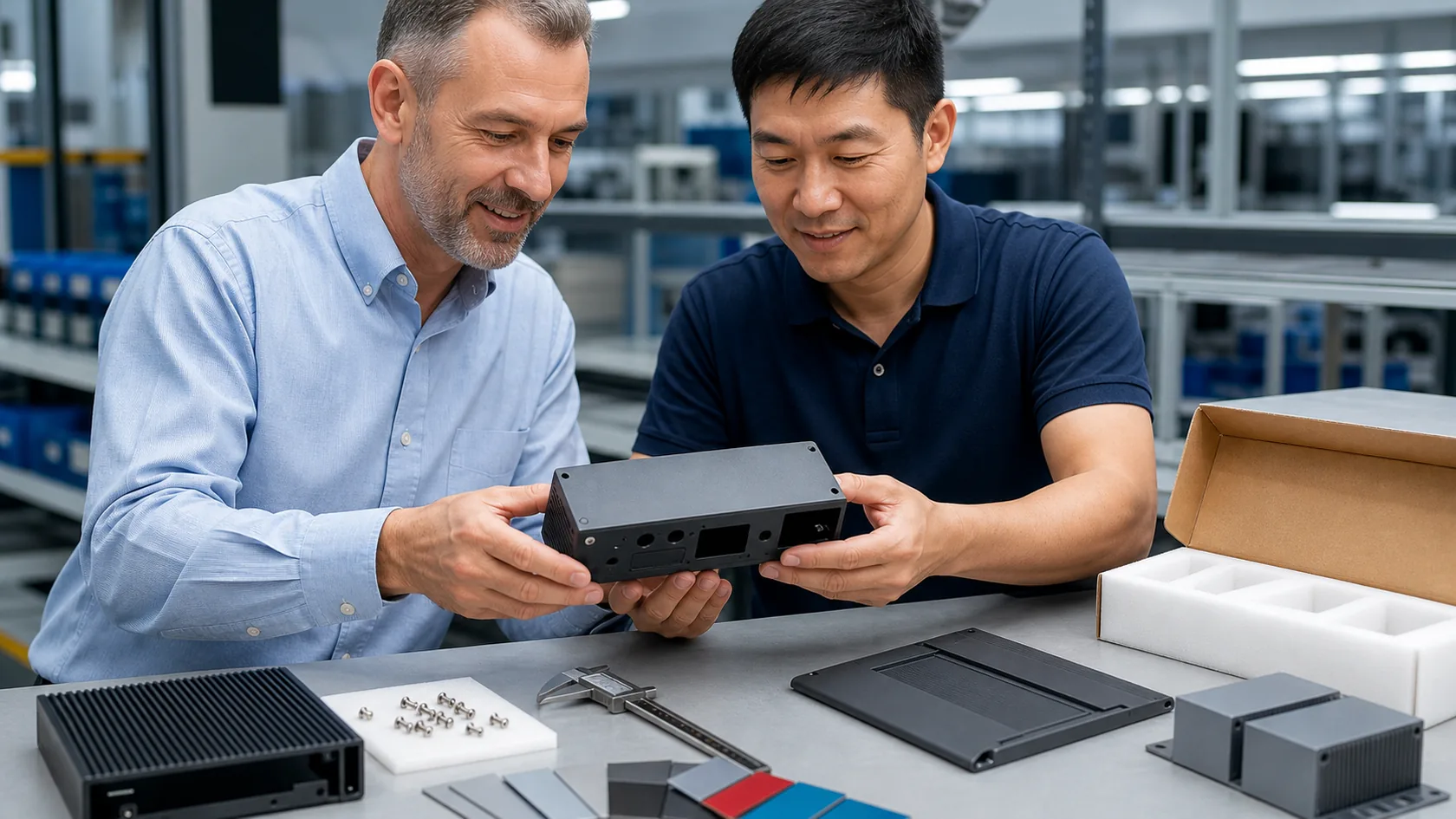
I am not arguing against anodizing. I am arguing against automatic anodizing.
For many OEM aluminum enclosures, anodizing is still the right choice. It can look excellent, protect the aluminum surface, and keep the product feeling like a precise metal device.
Good Anodizing Projects Have the Right Conditions
Anodizing is often a strong choice when:
- The enclosure is aluminum.
- The alloy and batch are controlled.
- The design shows clean machined or extruded surfaces.
- The buyer wants metallic character.
- Color expectations are realistic.
- Critical dimensions are planned after finishing.
- Grounding areas are clearly defined.
- Rack mark locations are accepted.
- Packaging protects visible faces.
For extruded aluminum cases, CNC housings, heat-sink enclosures, and technical instruments, anodizing can be a very good fit.
The Best Finish Comes From the Product Use
The finish should match the product’s job.
| Product need | Finish direction to consider |
|---|---|
| Metallic technical look | Anodizing |
| Exact brand color | Powder coating or painting |
| Mixed steel and aluminum parts | Powder coating or painting |
| Tight grounding needs | Anodizing with masking, or another planned finish |
| Heavy outdoor color control | Qualified powder coating system |
| High wear aluminum sliding surface | Anodizing or hard anodizing with tolerance planning |
My practical rule is simple: choose anodizing when it supports the product’s function and appearance together. Do not choose it just to make the quotation sound more premium.
That brings us to the real buying decision.
Conclusion
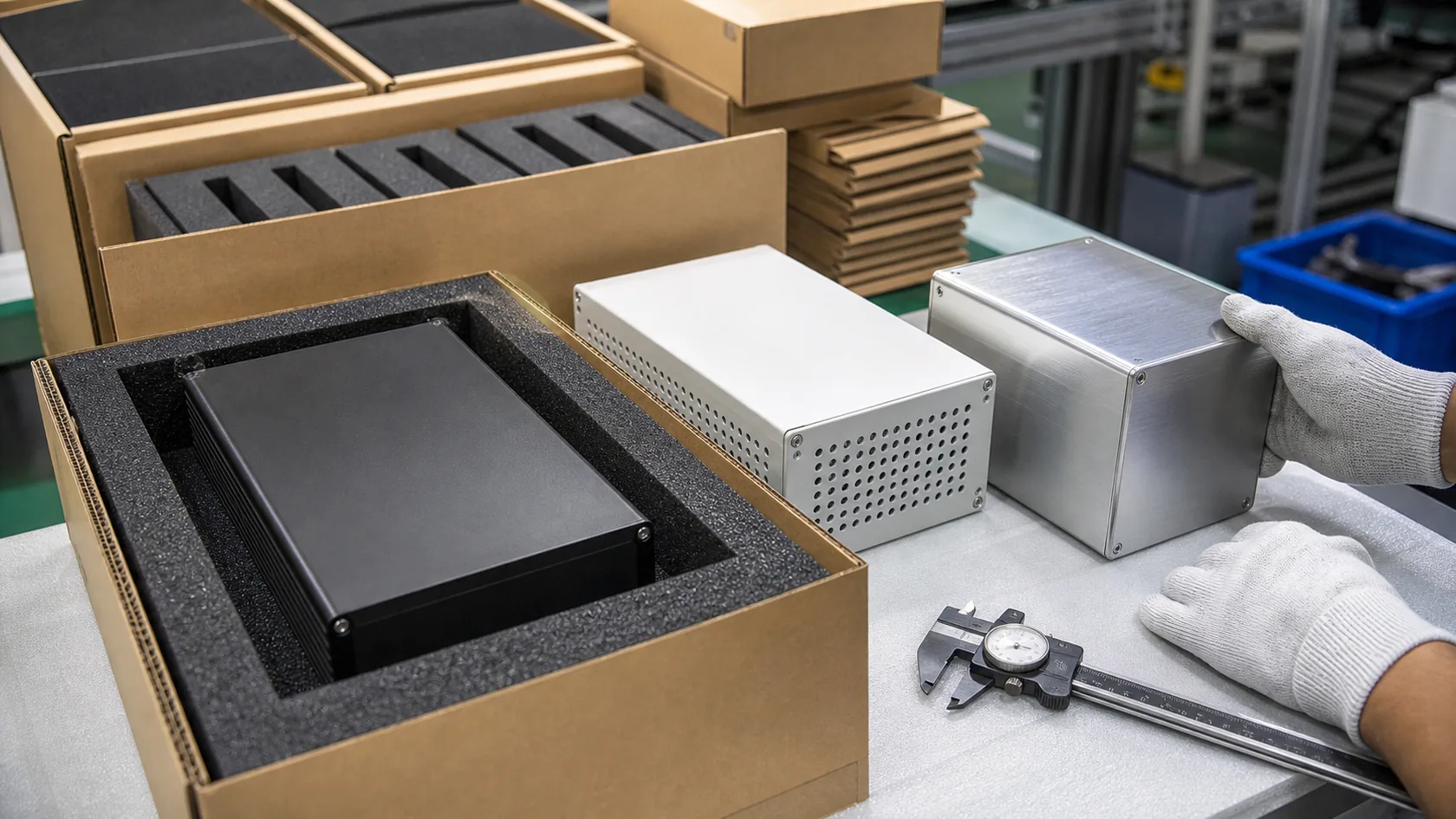
Anodizing can be premium, but it is not always the premium choice for OEM enclosures.
It can show material variation. It can make color matching difficult. It can affect tight features. It needs planning for grounding and rack marks. It can be hard to repair after visible damage. It can also cost more when surface preparation and cosmetic control are strict.
That does not make anodizing bad. It makes anodizing a finish that should be chosen with clear judgment.
In my experience, the best OEM enclosure finish comes from asking practical questions first:
- What material and alloy are used?
- Which surfaces are cosmetic?
- How strict is color matching?
- Which dimensions are critical after finishing?
- Does the enclosure need grounding or shielding?
- Where can rack marks be accepted?
- How will the enclosure be packed and handled?
- Will future batches need to match the first batch?
At MaidaTech, we support custom aluminum enclosures, sheet metal enclosures, powder coating, anodizing, logo printing, engraving, packaging, and OEM/ODM production. If you are choosing a finish for an OEM enclosure, send us your drawing and tell us what the product must do in real use. We can help check whether anodizing is truly the right premium choice, or whether another finish will give you a safer result.
Premium is not a finish name.
Premium is when the enclosure looks right, fits right, works right, and stays repeatable in production.