Skip to content
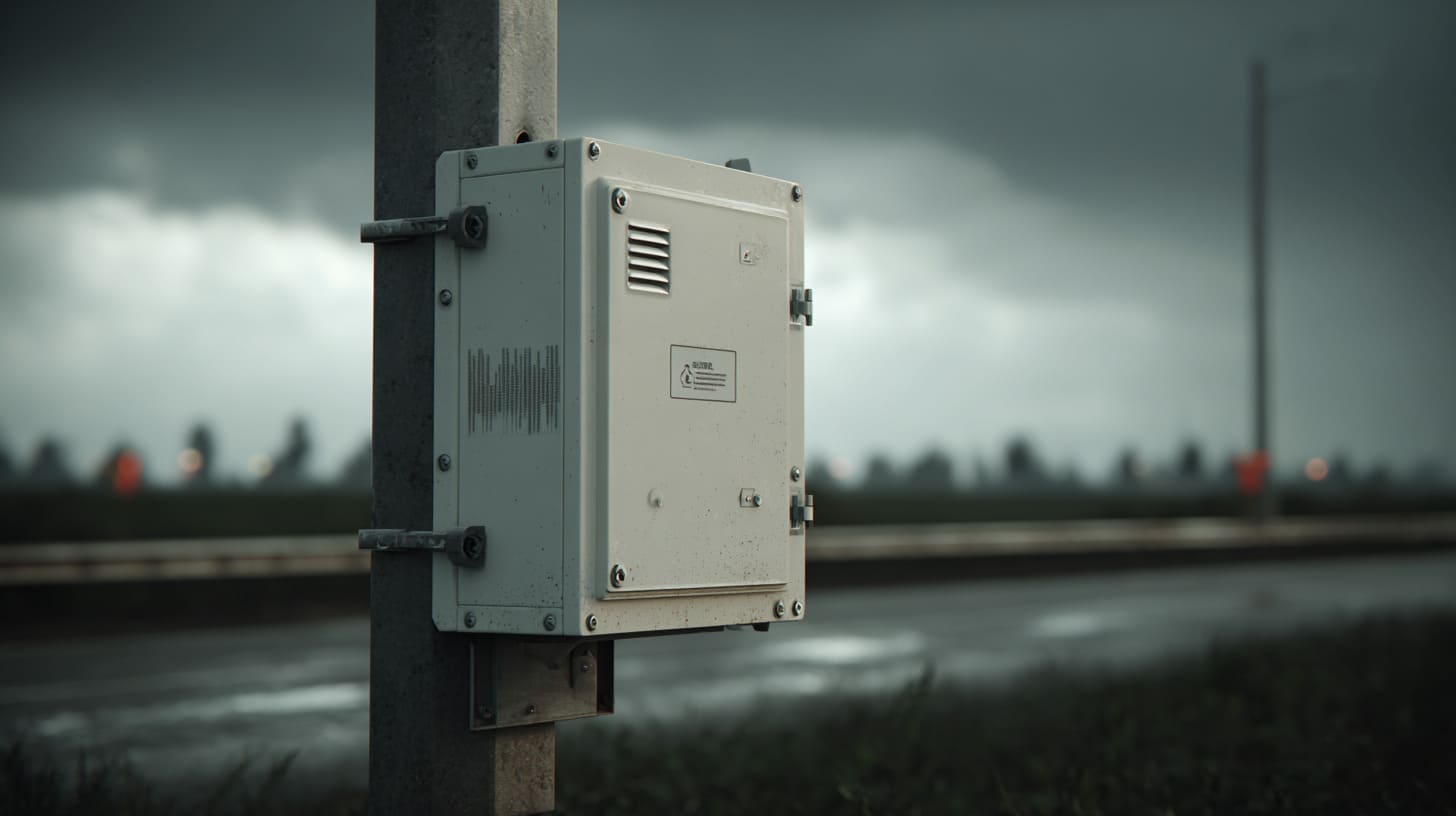
Many buyers ask me the same thing when they send an outdoor enclosure project.
“Can it be waterproof?”
I understand why they ask this first. Rain is easy to imagine. Rain is visible. Rain feels like the enemy standing right in front of the enclosure with a bucket of trouble.
But after working with many custom aluminum enclosures, plastic enclosures, sheet metal enclosures, and outdoor electronic boxes, I slowly learned one uncomfortable truth.
Rain is often not the most dangerous outdoor enclosure problem.
That sounds strange at first. If an enclosure is used outside, should water not be the first concern?
Yes, water matters. I never ignore it. A bad seal, poor gasket, loose screw, or wrong cable gland can destroy electronics very quickly. But in many real projects, the enclosure does not fail because heavy rain enters like a movie scene.
It fails because heat builds up inside.
It fails because condensation forms quietly.
It fails because UV light slowly weakens plastic.
It fails because salt air attacks screws and brackets.
It fails because temperature changes loosen small parts, one boring day after another.
This is the part many buyers miss. They choose IP65 or IP66, then feel safe. I have seen this happen many times. The buyer feels they have checked the big box. The supplier also feels the product description looks strong. Everyone is happy.
Until the field test begins.
Until the product sits under hot sun.
Until the enclosure wakes up every morning with moisture inside.
Until the customer opens the box and finds corroded terminals, yellow plastic, cracked covers, loose hinges, or strange electronic failures.
The way I judge an outdoor enclosure is simple: I do not only ask whether rain can enter. I ask what the enclosure will suffer every day after installation.
That small change in thinking can save a project. It can also save a buyer from warranty claims, delayed launches, angry customers, and that painful sentence nobody wants to hear:
“But the sample worked fine.”
So let’s talk honestly. Rain is serious. But rain is usually not the whole story.
And sometimes, it is not even the worst chapter.
Why Do Most Buyers Overestimate Rain Risks?
Rain gets attention because rain is dramatic.
A buyer can imagine it. A sales team can market against it. A product page can write “waterproof” in big letters. An engineer can ask for an IP rating. Everyone understands the topic within five seconds.
That is why rain becomes the main character in many outdoor enclosure discussions.
But real outdoor failure is rarely that polite.
IP ratings make rain easy to understand
IP ratings give buyers a number. Numbers feel safe.
IP65. IP66. IP67.
These codes look clean and technical. They also make outdoor protection feel like a simple choice. Many buyers think like this:
| Buyer Question | Common Thinking | Hidden Problem |
|---|---|---|
| Is it waterproof? | IP65 should be enough | IP rating does not cover every outdoor risk |
| Can it handle rain? | The gasket looks good | Heat and condensation may still damage electronics |
| Can I use it outside? | It says outdoor enclosure | Outdoor environments are very different |
| Is the enclosure safe? | No water can enter | Internal moisture can still form |
I do not blame buyers for thinking this way. IP ratings are useful. I use them too.
But an IP rating is not a magic umbrella. It mainly tells us how well the enclosure resists solid objects and water under certain test conditions. It does not fully tell us what happens after one year of sun, dust, temperature cycling, salt air, and poor installation.
That is the trap.
The number is useful.
The number is not the whole answer.
Rain failures are easy to identify
Rain failure is simple to blame.
If water enters the enclosure, the evidence is usually obvious. You may see water stains, wet cables, burned parts, or corrosion marks. The buyer opens the enclosure and says, “Here. Water entered.”
That kind of failure has a clear story.
But condensation is sneakier. Heat damage is slower. UV aging is uglier but quieter. Corrosion may begin on screws before anyone notices. These problems do not always create one dramatic failure moment.
They create confusion.
One unit fails. Another unit works. One customer complains after three months. Another customer reports problems after one hot summer. The supplier says the enclosure passed the sample test. The buyer says the market feedback is terrible.
This is where many projects become painful.
Modern enclosures already handle rain relatively well
In many normal outdoor projects, rain protection is not the most difficult part anymore.
Good gasket design is mature. Cable glands are common. Aluminum die-cast boxes, sheet metal cabinets, and molded plastic enclosures can all be made with decent sealing performance if the design is correct.
Of course, bad products still exist. Cheap gaskets, weak covers, poor screws, and careless assembly can still cause rain leakage.
But compared with other outdoor threats, rain is often easier to test and easier to improve.
| Outdoor Problem | Easy To See? | Easy To Test? | Often Overlooked? |
|---|---|---|---|
| Rain leakage | Yes | Yes | Sometimes |
| Condensation | No | Medium | Very often |
| Heat buildup | No | Medium | Very often |
| UV aging | Slowly | Slow | Often |
| Corrosion | Slowly | Depends | Often |
| Temperature cycling | No | Hard | Very often |
The hard part is not always stopping rain.
The hard part is keeping the enclosure healthy after long outdoor use.
A small story from the factory side: when a buyer asks only for “waterproof,” I usually feel the project is not fully clear yet. Not because the buyer is wrong. But because the enclosure has not met its real enemy on paper.
And once the real enemy shows up outside, the invoice has already been paid.
Why Is Condensation Often More Dangerous Than Rain?
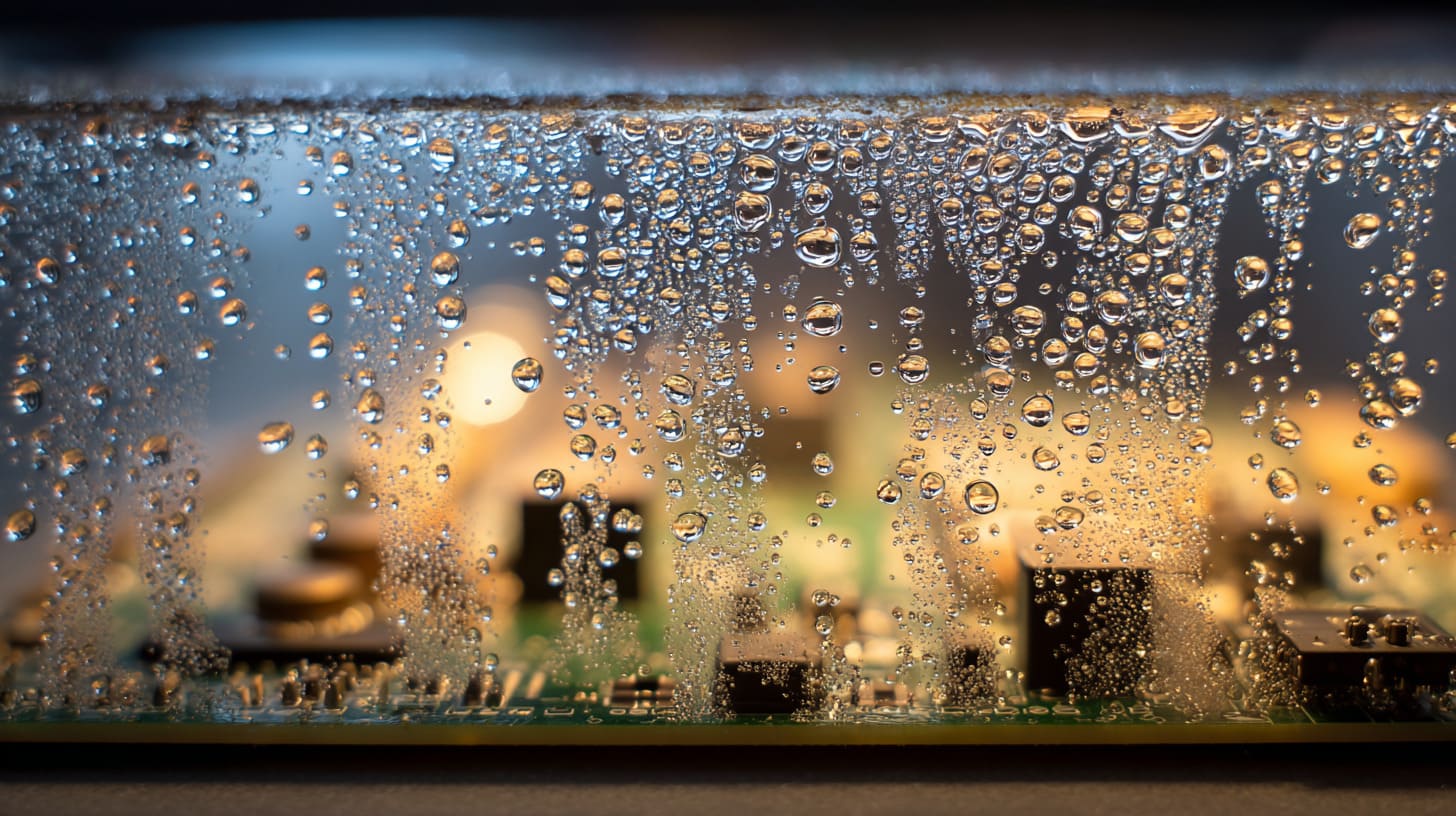
Condensation is the outdoor enclosure problem that looks innocent until it ruins something expensive.
Rain tries to enter from outside.
Condensation is worse in a strange way. It can appear inside a sealed enclosure even when the seal is doing its job.
That is why it scares me more.
Condensation forms inside sealed enclosures
A sealed enclosure is not empty inside. It contains air. That air contains moisture. When the temperature changes, the moisture can turn into small water droplets.
This often happens when the enclosure gets hot during the day and cools down at night. The air inside expands and contracts. The enclosure breathes through small gaps, cable entries, or pressure differences. Moisture enters little by little.
Then one morning, the inside surface has tiny droplets.
No rain entered.
No gasket failed.
No screw was missing.
But water is still there.
This is the part that surprises many buyers.
| Condition | What Happens Inside The Enclosure |
|---|---|
| Hot day | Internal air expands, enclosure temperature rises |
| Cool night | Air contracts, moisture may condense |
| Morning dew | Moisture collects on cold surfaces |
| Repeated cycles | Small moisture becomes long-term risk |
| Poor ventilation | Moisture stays trapped |
I often worry more about a “perfectly sealed” enclosure than a badly marketed one, because a sealed box can trap heat and moisture like a small greenhouse.
That does not mean sealing is bad. It means sealing must be designed with the real environment in mind.
Internal moisture attacks electronics directly
Electronics hate moisture.
Not always in a dramatic way. A PCB does not always burn immediately. A connector does not always fail on day one. The damage can be slow and annoying.
- PCB corrosion
- Connector oxidation
- Sensor drift
- Short circuits
- Unstable signals
- False alarms
- Power supply issues
- Rust on screws or brackets
- Mold or dirty film inside the enclosure
This is why condensation is so dangerous for outdoor control boxes, sensor housings, communication devices, solar equipment, monitoring systems, and custom Raspberry Pi-style project enclosures.
The enclosure may look fine from the outside. The customer may even say, “The box is strong.” But the electronics inside may already be suffering.
Why buyers frequently overlook condensation
Condensation does not leave a clean crime scene.
Rain leakage says, “I came through this gap.”
Condensation says nothing.
The buyer may open the enclosure on a dry afternoon and see no water. The device may fail only in the morning. The problem may disappear after the unit warms up. Then it comes back again.
That is painful for engineers.
It is also painful for suppliers because everyone starts guessing.
| Symptom | Possible Condensation Link |
|---|---|
| Device works in daytime but fails in morning | Moisture forms during night cooling |
| Sensor readings drift | Moisture affects sensor surface or connector |
| PCB has green or white marks | Long-term corrosion may be active |
| Connector becomes unstable | Oxidation increases contact resistance |
| Rust near screws or brackets | Moisture remains inside for too long |
For custom OEM buyers, I usually suggest asking these questions before final design:
- Will the enclosure face large day-night temperature changes?
- Will it be installed in a humid area?
- Is the enclosure fully sealed?
- Does it contain heat-generating electronics?
- Can a breather vent help?
- Do we need desiccant, coating, drainage, or material changes?
- Will the product be opened for maintenance?
Condensation is not a “small water problem.”
It is a design thinking problem.
And that is exactly why it deserves more attention than it usually gets.
Once buyers understand condensation, heat becomes the next uncomfortable topic. Because a dry enclosure can still cook its own electronics.
How Does Heat Become a Silent Enclosure Killer?
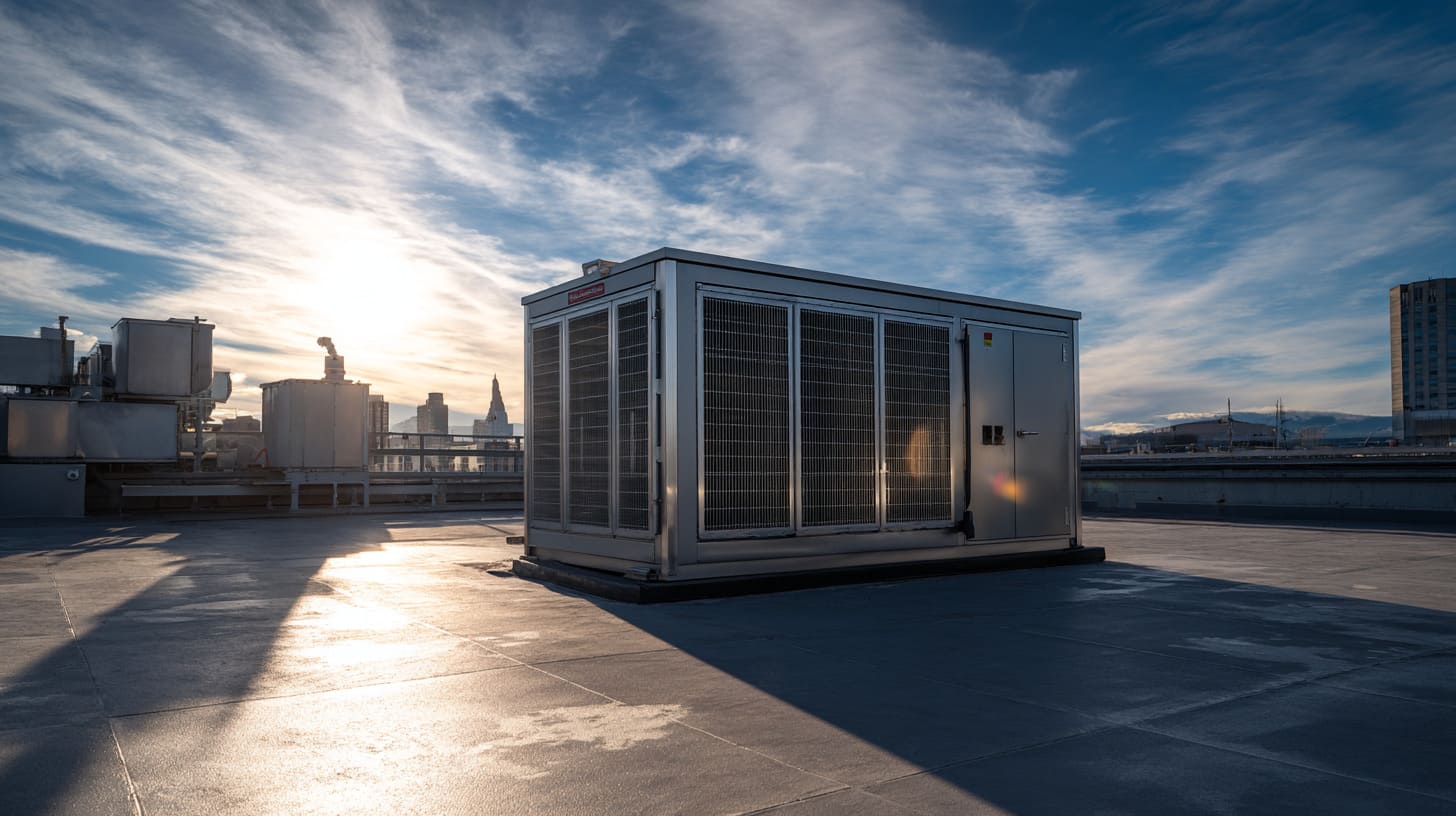
Heat does not knock on the enclosure door.
It just moves in.
A buyer may approve a sample in an air-conditioned room. The enclosure looks clean. The logo looks sharp. The PCB fits well. The cover closes nicely. Everyone feels good.
Then the product is installed outdoors under summer sun.
Suddenly, the same enclosure becomes a small oven.
Solar loading creates extreme internal temperatures
Outdoor enclosures do not only face air temperature. They also face direct sunlight.
This matters a lot.
A dark-colored enclosure under strong sun can become much hotter than the surrounding air. If the enclosure is sealed, the heat may stay inside. If the internal electronics also generate heat, the situation gets worse.
| Factor | Why It Matters |
|---|---|
| Enclosure color | Dark colors absorb more heat |
| Material | Metal and plastic handle heat differently |
| Sun exposure | Direct sunlight increases surface temperature |
| Internal electronics | Power supplies, processors, and batteries add heat |
| Sealing level | Tight sealing can trap hot air |
| Mounting location | Wall, pole, roof, and machine surfaces all differ |
This is why outdoor enclosure design should not stop at size and IP rating.
A box can be waterproof and still be dangerous for electronics.
High temperatures accelerate component aging
Heat shortens the life of many electronic parts.
Batteries suffer. Displays fade or fail. Plastic clips soften. Adhesives weaken. Sensors lose accuracy. Power supplies work harder. Cables and seals age faster.
The frustrating part is that heat damage is not always instant.
It may reduce product life from five years to two years. It may create warranty claims after one hot season. It may make a good product look unreliable in the customer’s market.
When I review an outdoor enclosure with internal electronics, I always ask where the heat will go, because heat that has no exit usually becomes the customer’s complaint later.
That question is simple.
But it changes the project.
It forces us to think about ventilation, heat sinks, aluminum walls, mounting surface, color, spacing, thermal pads, vents, and even the position of the PCB.
Why heat problems are underestimated during prototyping
Prototype testing often lies to us.
Not because people are careless. It happens because the test environment is too kind.
A prototype may be tested:
- On an office desk
- In a workshop
- During mild weather
- Without full electronics load
- Without direct sun
- For only a few hours
- Without dust and humidity
That kind of test confirms basic structure. It does not prove outdoor survival.
Here is a simple example.
| Prototype Test | Real Outdoor Use |
|---|---|
| Tested indoors | Installed in direct sun |
| Short test time | Used for years |
| Clean environment | Dust, humidity, insects, pollution |
| Room temperature | Seasonal heat and cold |
| Light electronics load | Full power operation |
| Easy access | Hard-to-maintain location |
For outdoor electronics, heat is not just a comfort issue.
It is a lifespan issue.
I have learned to treat thermal design like shipping packaging. If we ignore it, we may not notice the weakness inside the factory. But the customer will notice it in the real world.
And once sunlight enters the story, UV exposure is usually standing right beside it.
Can UV Exposure Destroy an Outdoor Enclosure?
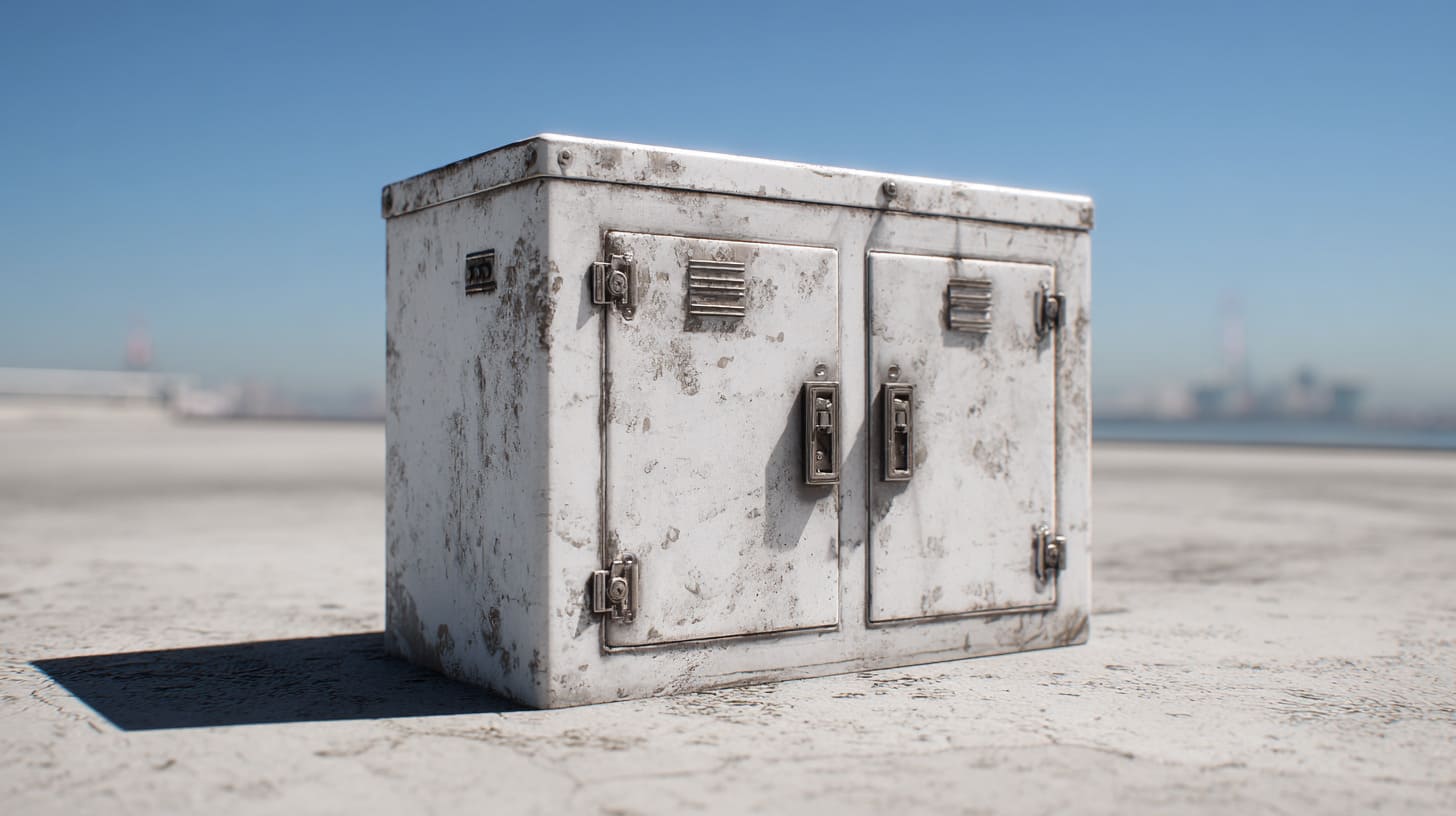
UV light is not loud.
It does not make a sound. It does not flood the enclosure. It does not leave a puddle.
But it works every day.
Like a slow knife.
UV attacks enclosure materials continuously
Outdoor plastic enclosures are especially sensitive to UV if the material is not chosen well.
Standard plastic may look good when new. It may have a nice surface. It may be easy to mold. It may save cost. But after long outdoor exposure, the material can change.
Common UV damage includes:
- Yellowing
- Fading
- Surface chalking
- Cracking
- Loss of strength
- Brittle corners
- Weak screw posts
- Poor appearance
The enclosure may still “exist,” but it no longer feels reliable.
That matters for B2B products. The enclosure is not only protection. It is also part of the product image.
If the enclosure looks old after six months, the customer may judge the whole product as cheap.
Not all materials handle UV equally
This is where material choice becomes important.
Buyers sometimes compare enclosure prices without comparing material grade. That is risky. Two plastic enclosures can look similar in photos but perform very differently outdoors.
| Material Choice | Outdoor UV Performance | Common Notes |
|---|---|---|
| Standard ABS | Weak to medium | May yellow or crack outdoors |
| UV-stabilized ABS | Better | Good for controlled outdoor use |
| Polycarbonate | Better impact strength | Needs UV-stabilized grade outdoors |
| ASA | Strong UV resistance | Good for outdoor plastic parts |
| Aluminum | Excellent against UV damage | Coating quality still matters |
| Powder-coated sheet metal | Good if coating is strong | Corrosion protection is also needed |
Aluminum enclosures have a natural advantage here because sunlight does not break the metal body like it can attack plastic. But surface treatment still matters. Powder coating, anodizing, and paint quality can affect long-term appearance and corrosion resistance.
I do not judge outdoor material only by the first sample surface, because the real question is how the material will look after one summer, one winter, and one angry customer review.
That is a more honest standard.
Long-term appearance affects product value
Some buyers treat appearance as secondary for industrial products.
I think that is only partly true.
Yes, function comes first. A control box must protect electronics. A junction enclosure must be safe. A custom aluminum case must fit the board and mounting system.
But appearance still affects trust.
A faded enclosure tells the end user, “This product is aging.”
A cracked corner tells the installer, “This supplier saved money somewhere.”
A yellowed plastic cover tells the buyer, “Maybe I chose the wrong material.”
For OEM and rebrand customers, this matters even more. Their logo is on the enclosure. Their customer sees the box, not the factory behind it.
That is why UV resistance is not only a material question.
It is a brand protection question.
And UV is not the only slow damage. Temperature changes can also pull an enclosure apart little by little.
Why Do Temperature Cycles Create Hidden Mechanical Failures?
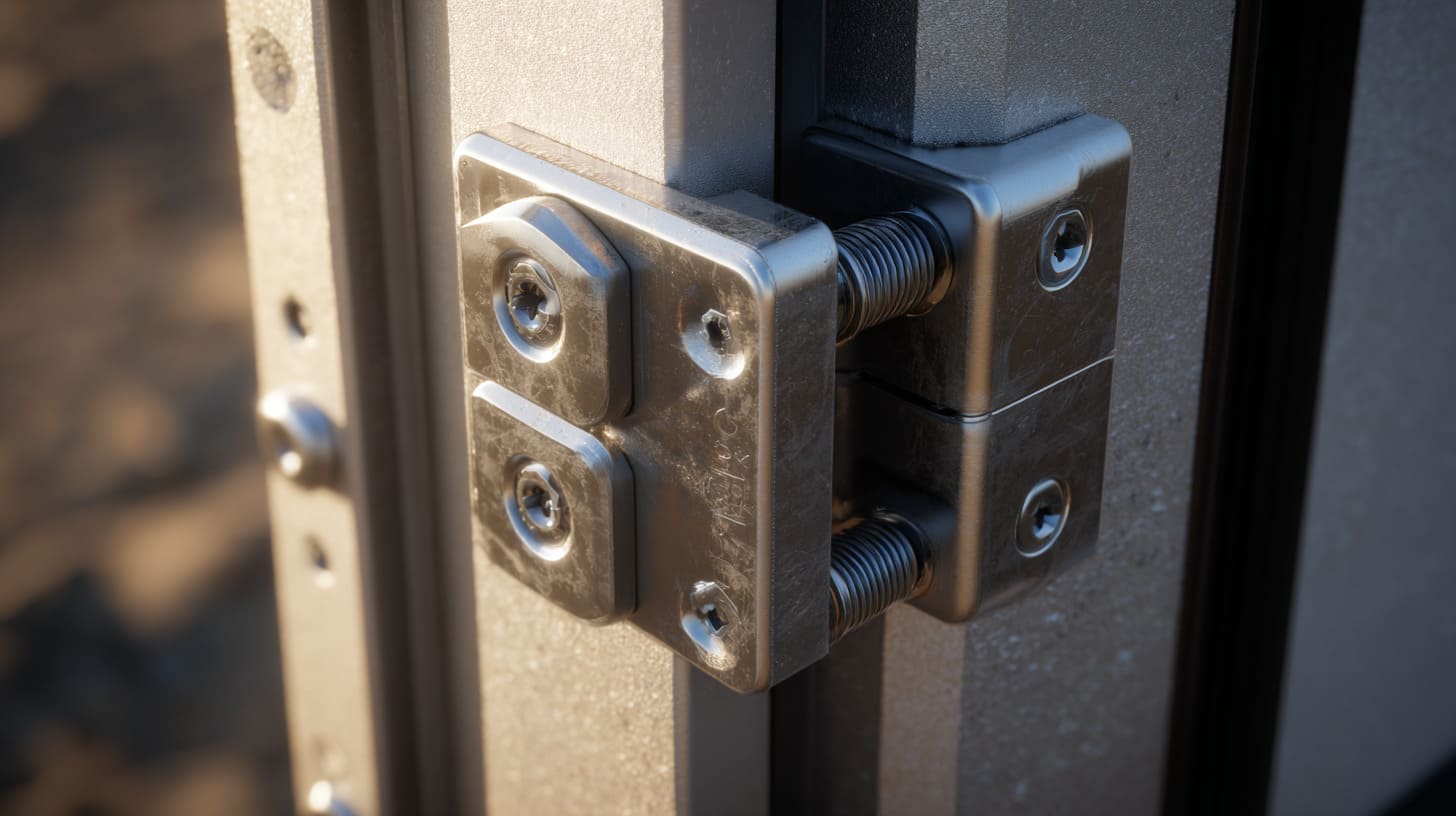
Outdoor products do not live at one temperature.
They expand. They shrink. They warm up. They cool down. They repeat this cycle again and again.
This movement looks small.
But small movement can create big trouble.
Expansion and contraction stress enclosure assemblies
Every material changes size when temperature changes.
The change may be tiny, but outdoor enclosures have many connected parts:
- Cover
- Base
- Gasket
- Screws
- Hinges
- Mounting brackets
- Cable glands
- Transparent windows
- Internal PCB posts
- Metal inserts
- Plastic clips
When these parts expand and contract at different rates, stress appears.
Over time, this can cause:
| Failure Area | Possible Problem |
|---|---|
| Screws | Loosening or thread damage |
| Gasket | Compression loss or cracking |
| Hinges | Misalignment |
| Cover | Warping or poor sealing |
| Window | Gap formation or cracking |
| PCB mount | Stress on board or posts |
| Cable gland | Seal movement |
This is why outdoor enclosure design should not only focus on the box body.
The small parts matter.
Sometimes they matter more.
Different materials expand at different rates
Many custom enclosures combine materials.
An aluminum enclosure may use a plastic cover. A plastic enclosure may use metal inserts. A sheet metal cabinet may use rubber seals and acrylic windows. A Raspberry Pi-style case may use aluminum, thermal pads, screws, and plastic insulation sheets.
Each material reacts differently to heat and cold.
That creates design tension.
Not emotional tension. Real mechanical tension.
Before I feel comfortable with a mixed-material outdoor design, I look at the contact points first, because the failure often starts where two different materials are forced to behave like one material.
That is a detail many buyers do not see in a product photo.
But engineers feel it later.
Long-term reliability problems emerge slowly
Temperature-cycle problems are often slow.
That makes them dangerous.
A product may pass sample approval. It may pass first shipment inspection. It may look good during installation. Then after many cycles, small problems appear.
A screw becomes loose.
A gasket loses pressure.
A lid no longer fits perfectly.
A window starts leaking.
A mounting ear cracks.
At that point, the project is already in the market.
The cost is no longer only production cost. It becomes replacement cost, shipping cost, service cost, and trust cost.
| Early Design Choice | Later Field Risk |
|---|---|
| Thin plastic wall | Cracking near screws |
| Poor gasket material | Seal failure after aging |
| Weak screw boss | Thread damage |
| No tolerance space | Warping or stress |
| Hard material pairing | Cracking at connection points |
| Cheap fasteners | Loosening or corrosion |
This is why I like to ask buyers about service life.
Do they need the product to survive one season?
Three years?
Five years?
Ten years?
The answer changes the design.
And if the product goes near salt air or industrial areas, corrosion becomes the next big worry.
How Serious Is Corrosion in Outdoor Applications?
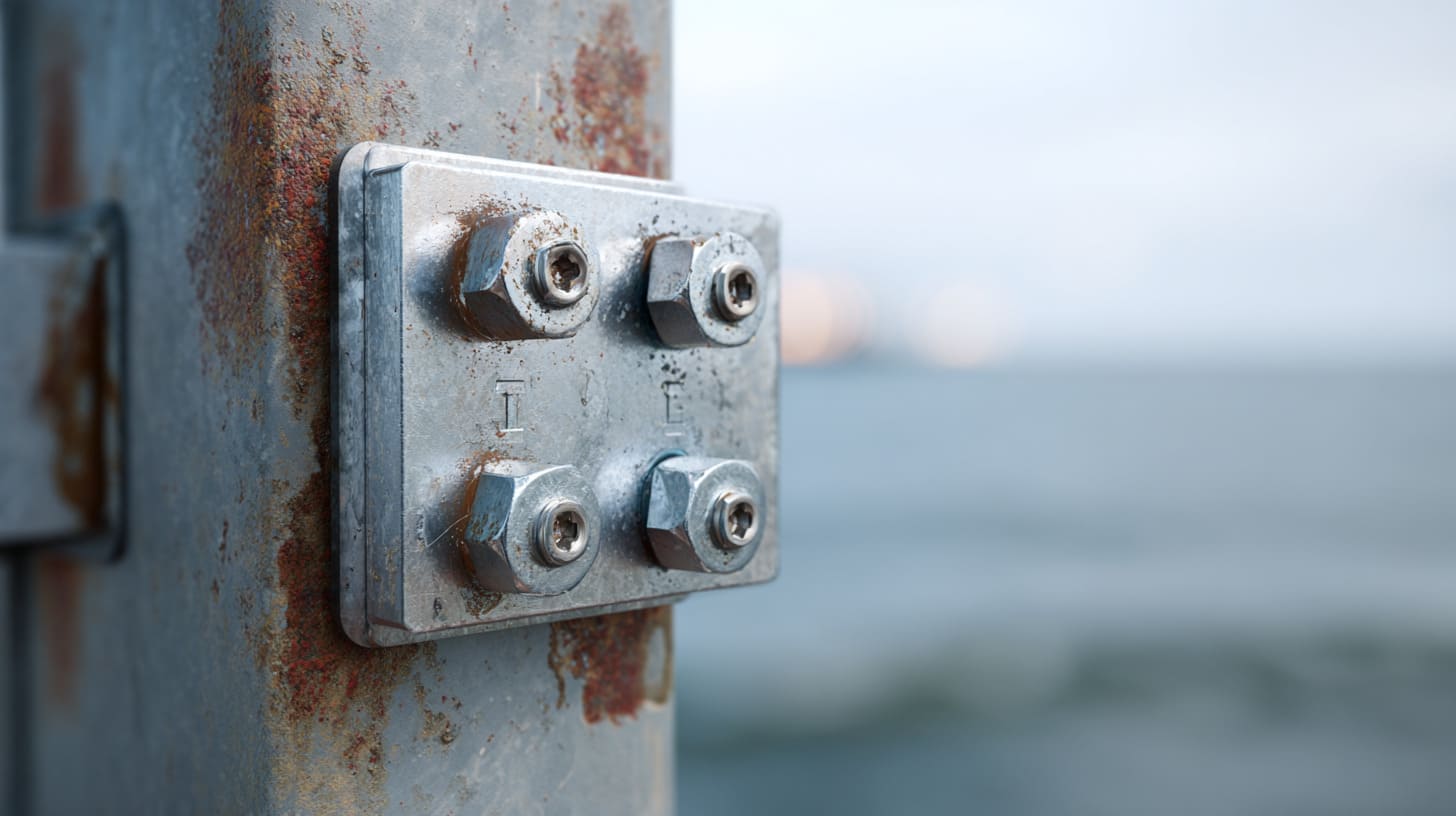
Corrosion is one of those problems that buyers respect only after they have paid for it once.
It looks like a small brown mark at first.
Then it spreads.
Then screws get stuck. Hinges become rough. Connectors fail. Mounting brackets weaken. The enclosure may still look strong, but the system around it starts falling apart.
Corrosion depends heavily on environment
Outdoor does not mean one environment.
A product installed in Finland, Hungary, Belgium, Germany, Canada, or coastal Japan will face different conditions. A box near the sea is not living the same life as a box inside a dry warehouse yard.
Environment matters.
A lot.
| Environment | Corrosion Risk |
|---|---|
| Coastal area | Salt accelerates corrosion |
| Industrial zone | Chemicals and pollution attack metal parts |
| Agricultural area | Fertilizer and moisture may increase corrosion |
| Roadside installation | Salt, dust, and vibration may combine |
| High-humidity region | Moisture stays longer on surfaces |
| Clean dry area | Lower corrosion risk |
This is why I dislike giving one simple answer for all outdoor enclosures.
A buyer may ask, “Can this be used outside?”
The honest answer is, “Where outside?”
That one word changes everything.
Metal parts often fail before the enclosure body
Many people think corrosion means the enclosure body rusts.
Sometimes yes.
But often, the first failure starts from small parts.
- Screws
- Nuts
- Hinges
- Locks
- Mounting brackets
- Cable gland threads
- Grounding points
- Connector shells
- Internal metal clips
These parts may look cheap and boring. But they hold the system together.
A strong aluminum enclosure with poor screws is like a nice door with a weak hinge. It looks fine until someone uses it every day.
I pay close attention to fasteners and small metal parts in outdoor projects, because a cheap screw can make an expensive enclosure look like a bad decision.
That sentence may sound too simple.
But it is painfully true.
Corrosion can compromise waterproof performance
Corrosion does not only make the enclosure ugly.
It can damage waterproof performance.
If screws corrode, they may lose clamping force. If hinges corrode, the cover may not close evenly. If mounting parts bend or weaken, the enclosure may shift. If metal around a seal degrades, gasket pressure may change.
Then water protection becomes weaker.
So corrosion can create a second problem after the first problem.
| Corrosion Area | Result |
|---|---|
| Screws | Reduced cover pressure |
| Hinges | Poor cover alignment |
| Lock | Hard maintenance access |
| Bracket | Weak mounting stability |
| Connector | Signal or power failure |
| Grounding point | Safety risk |
| Coating damage | Body corrosion may spread |
This is why surface treatment matters.
For aluminum enclosures, anodizing or powder coating can help. For sheet metal enclosures, coating quality and material selection are important. For screws and accessories, stainless steel may be needed in harsher environments.
But again, no material choice is free.
Better protection can increase cost.
Poor protection can increase failure.
The buyer has to choose which cost they prefer: upfront cost or later regret.
And corrosion is not separate from thermal design. In many real outdoor projects, waterproofing, heat, and corrosion all fight inside the same small box.
Why Is Poor Thermal Design Responsible for Many Outdoor Failures?
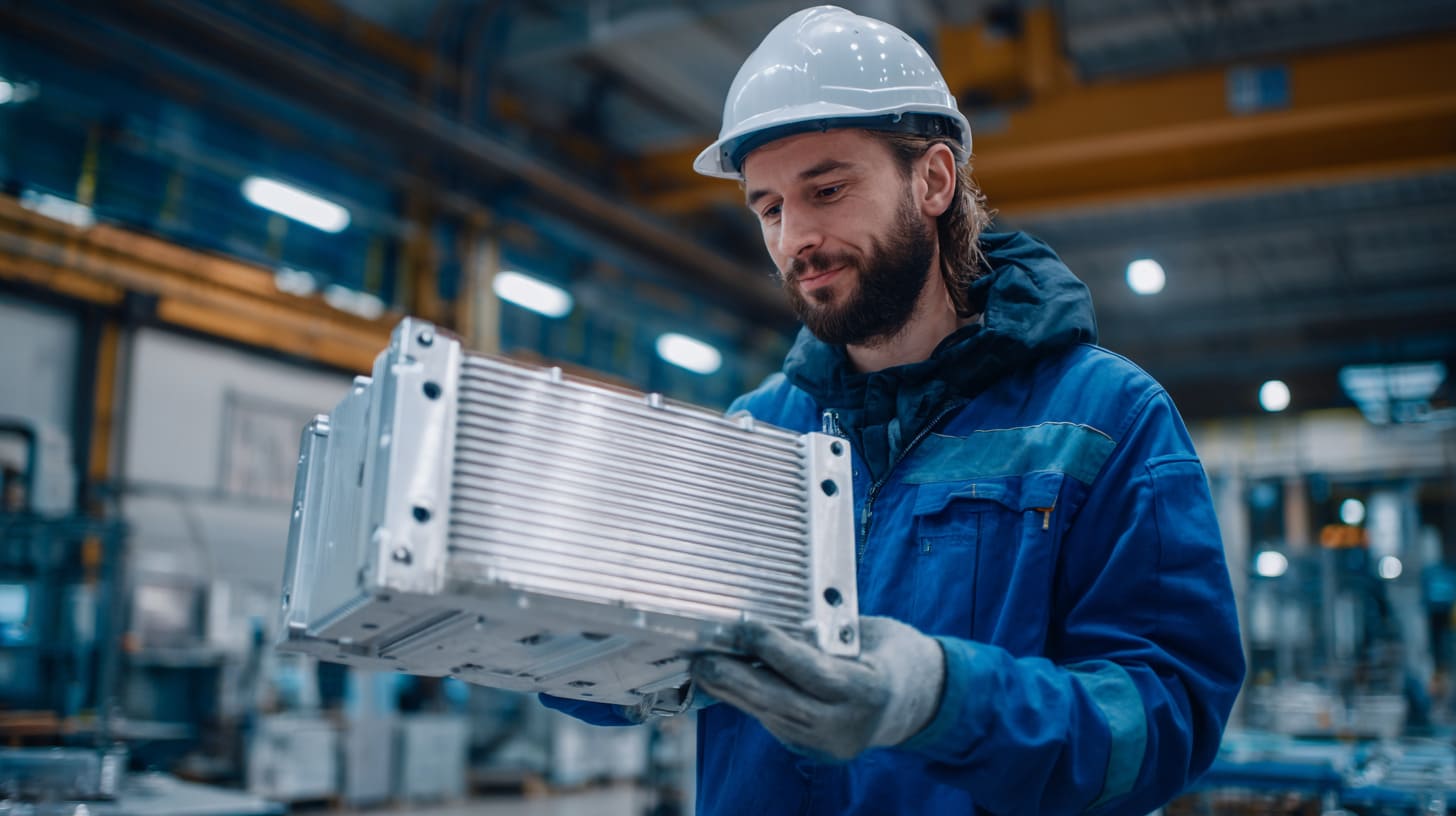
Thermal design is easy to ignore because it is invisible during quotation.
A buyer can see size.
A buyer can see color.
A buyer can see logo printing.
A buyer can see wall thickness.
But heat flow? Not so easy.
That is why poor thermal design hides until the product is used.
Waterproofing and thermal management often conflict
Here is the awkward truth.
A tightly sealed enclosure is good for waterproofing.
But a tightly sealed enclosure can be bad for heat.
The buyer wants both. The engineer wants both. The supplier wants to say yes to both.
But the enclosure does not care about our wishes.
If heat cannot escape, internal temperature rises. If we add vents, waterproofing becomes more complex. If we use metal to transfer heat, cost and machining may increase. If we use plastic, insulation may protect users but trap heat.
Every choice has a trade-off.
| Design Choice | Benefit | Risk |
|---|---|---|
| Fully sealed enclosure | Better water and dust resistance | Heat may build up |
| Ventilation holes | Better airflow | Water and dust risk increase |
| Waterproof breather vent | Pressure and moisture control | Adds cost and design detail |
| Aluminum body | Better heat transfer | Conductive and may cost more |
| Plastic body | Lightweight and insulated | May trap heat |
| Larger enclosure | Better air volume | Higher size and shipping cost |
| External heat sink | Better cooling | More complex design |
This is why a “simple box” is not always simple.
Electronics reliability depends on temperature control
Outdoor enclosures often hold sensitive components.
For example:
- Power supply boards
- Communication modules
- Batteries
- Sensors
- Displays
- Raspberry Pi-style boards
- Industrial controllers
- Solar charge controllers
- LED drivers
- IoT devices
Each part has a temperature limit.
If the enclosure runs too hot, the device may still work today. But life gets shorter. Failure risk increases. Performance becomes unstable.
I do not only ask whether the PCB fits inside the enclosure; I ask whether the PCB can breathe inside the enclosure.
That thinking helps avoid a common mistake.
Many buyers send only the board size and ask for a tight case. A tight case may look neat, but it may not leave enough air space, cable room, heat path, or maintenance space.
Small does not always mean smart.
Sometimes small just means stressed.
Engineers should evaluate thermal performance early
Thermal review should happen early, not after the mold, tooling, or bulk order.
Even a simple discussion can help:
- What components generate heat?
- What is the maximum power load?
- Will the enclosure sit in direct sun?
- What color is preferred?
- What is the ambient temperature range?
- Is ventilation allowed?
- Is aluminum better than plastic for this design?
- Can the PCB touch the enclosure through thermal pads?
- Do we need simulation or field testing?
For custom projects, I like to build thermal thinking into the enclosure structure.
That may include:
| Thermal Strategy | When It Helps |
|---|---|
| Aluminum enclosure body | When heat needs to move out |
| Internal heat sink | When the chip or module runs hot |
| Thermal pad contact | When heat must transfer to the wall |
| Larger internal space | When airflow and cable space matter |
| Light color coating | When sunlight exposure is strong |
| Breather vent | When pressure and moisture need control |
| Shaded installation | When product position can be adjusted |
| Outdoor test | When risk is high |
A good outdoor enclosure does not only block the outside world.
It also manages what happens inside.
That is the difference between a box and a real product enclosure.
But even the best design has to match the place where it will live. A coastal site, desert site, cold site, and industrial site are not the same battlefield.
Which Outdoor Environments Create the Highest Risk?
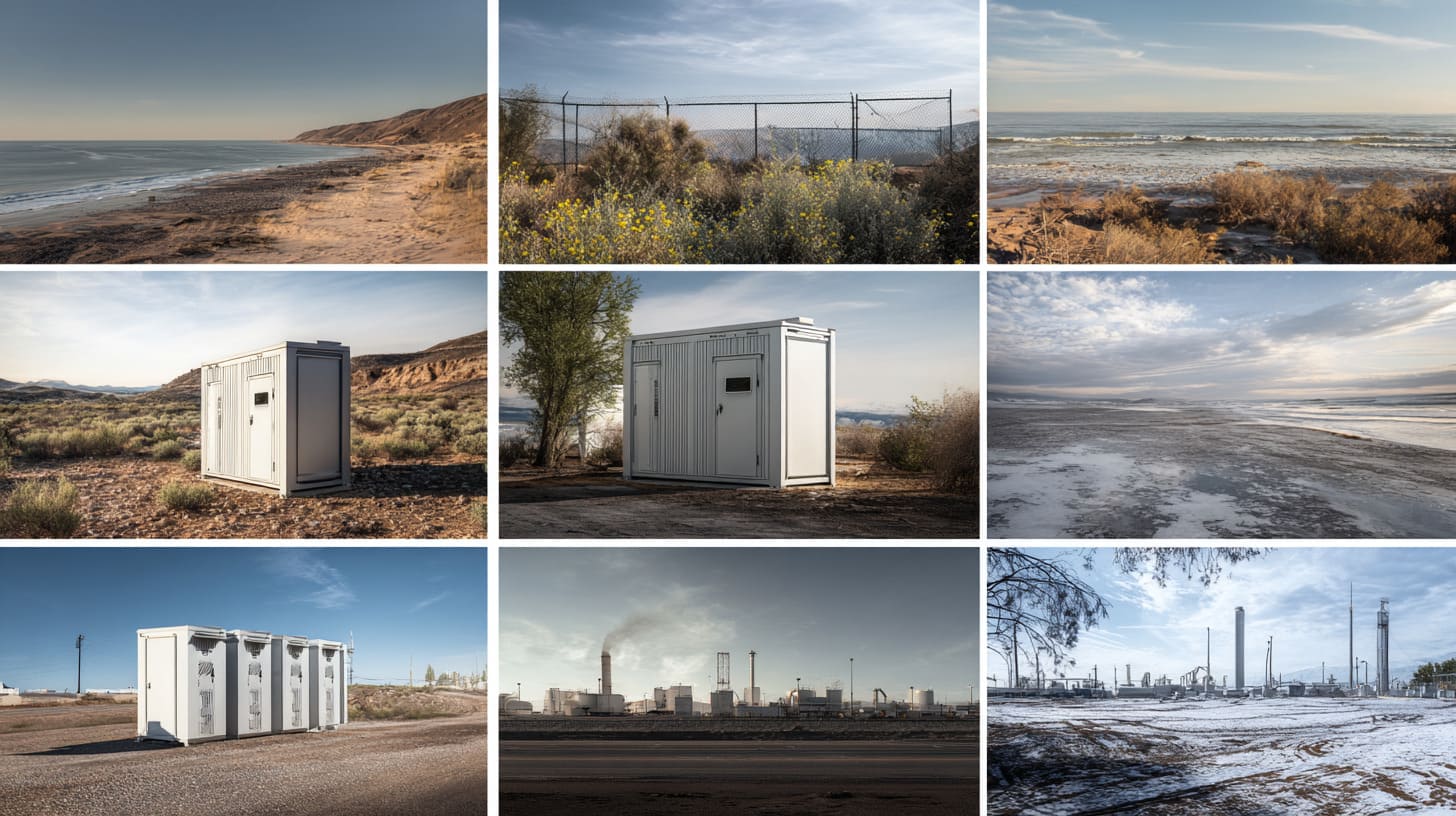
“Outdoor use” is too broad.
It is like saying “food” when we are trying to decide dinner. Are we talking about soup, steak, rice, noodles, or something that bites back?
Outdoor environments are the same.
Each one attacks the enclosure in a different way.
Coastal installations
Coastal environments are tough because salt is patient and aggressive.
Salt air can attack metal parts, screws, brackets, hinges, and exposed surfaces. Even small gaps or scratches can become starting points for corrosion.
For coastal projects, I usually think about:
- Stainless steel fasteners
- Better coating
- Aluminum grade
- Powder coating quality
- Cable gland material
- Sealed connectors
- Maintenance access
- Salt spray resistance
- Drainage and mounting angle
| Coastal Risk | Design Concern |
|---|---|
| Salt spray | Corrosion protection |
| High humidity | Condensation control |
| Strong wind | Mounting strength |
| Sun exposure | UV and heat resistance |
| Maintenance difficulty | Durable accessories |
The enclosure should not only look strong in a catalog. It needs the right small parts.
Salt loves small parts.
Desert environments
Desert environments create a different problem.
Heat. UV. Dust.
Sometimes all three at once.
A desert enclosure may need strong thermal design, UV-resistant materials, dust protection, and smart installation planning. A black plastic enclosure in direct sun may become a punishment chamber for electronics.
For desert use, I pay attention to:
- Light-colored surfaces
- Aluminum heat dissipation
- UV-stable material
- Dust sealing
- Heat paths
- Internal air space
- Avoiding unnecessary dark coating
- Component temperature ratings
For harsh environments, I first imagine the worst week of the year, not the average day, because products usually fail during the ugly days, not the comfortable ones.
That is a practical way to think.
Average temperature can mislead us.
Peak temperature hurts us.
Cold climates
Cold climates are not automatically safe.
Cold creates its own problems:
- Plastic brittleness
- Seal hardening
- Freeze-thaw cycles
- Condensation
- Ice formation
- Cable stiffness
- Mechanical stress
- Battery performance drop
A box that works in a warm region may crack, leak, or become hard to service in cold areas.
For cold climates, gasket material becomes important. Plastic toughness also matters. Cable movement matters. Maintenance access matters because workers may open the box in bad weather with gloves.
That sounds small.
It is not small when someone is standing outside in freezing wind trying to repair a product.
Industrial locations
Industrial sites can be messy.
Chemicals, oil mist, dust, vibration, heat, and rough handling may all appear together.
In these locations, the enclosure may need:
- Strong wall structure
- Chemical-resistant material
- Secure mounting
- Better sealing
- Impact resistance
- Grounding design
- Cable strain relief
- Easy maintenance
- Custom internal brackets
| Environment | Main Risk | Common Design Focus |
|---|---|---|
| Coastal | Salt corrosion | Fasteners, coating, sealing |
| Desert | Heat and dust | Thermal design, UV, dust protection |
| Cold climate | Freeze-thaw and brittleness | Gasket, material toughness, condensation |
| Industrial | Chemicals and vibration | Structure, sealing, mounting |
| Urban outdoor | Rain, pollution, heat | Coating, sealing, service access |
| Agricultural | Moisture, dust, chemicals | Material choice, gasket, maintenance |
This is why I always want project context before suggesting an enclosure.
The drawing tells me the shape.
The environment tells me the risk.
And a good buyer should evaluate both before placing the order.
How Should OEM Buyers Evaluate Outdoor Enclosures Correctly?

A smart outdoor enclosure decision starts before the quotation.
That may sound strange. Many buyers think the process starts with size, material, quantity, and price. Those are important. But for outdoor products, the process should start with the job the enclosure must survive.
Not the box.
The job.
Start with the actual environment
Before choosing material or IP rating, I like to understand the installation condition.
Here are the questions I would ask:
| Question | Why I Ask |
|---|---|
| Where will the product be installed? | Climate and environment change the design |
| Will it face direct sunlight? | Heat and UV risk increase |
| Is the location coastal? | Salt corrosion may become serious |
| Will the enclosure be opened often? | Gasket and hinge design matter |
| What electronics are inside? | Heat and moisture sensitivity depend on components |
| What is the service life target? | Material and coating choice depend on lifespan |
| Is appearance important? | UV aging and surface finish matter |
| How will it be mounted? | Wall, pole, machine, and roof each add risk |
This is not paperwork.
This is risk control.
A buyer who gives good project details often gets a better enclosure, a better quotation, and fewer surprises.
Look beyond IP ratings
IP rating should be part of the decision.
But it should not be the only decision.
A strong outdoor enclosure review should include:
- IP rating
- Material
- UV resistance
- Gasket type
- Fastener quality
- Coating quality
- Thermal design
- Condensation control
- Corrosion risk
- Cable entry design
- Mounting method
- Maintenance needs
- Packaging and shipping protection
My safest projects usually start with uncomfortable questions, because a buyer who answers those questions early spends less money fixing problems later.
That is the kind of cooperation I like.
Not because it makes the project slower.
Because it makes the project clearer.
Consider full lifecycle costs
Low price is important. I work with many buyers who need competitive pricing. I understand that pressure very well.
But the cheapest enclosure is not always the lowest-cost enclosure.
If the enclosure fails outdoors, the buyer may pay for:
- Replacement products
- Return shipping
- Repair labor
- Lost sales
- Customer complaints
- Warranty claims
- Brand damage
- Project delays
- New tooling or redesign
Here is the simple comparison I often think about:
| Decision | Short-Term Result | Long-Term Risk |
|---|---|---|
| Use cheaper screws | Lower unit cost | Corrosion and service issues |
| Use standard plastic outdoors | Lower material cost | UV cracking or yellowing |
| Ignore thermal design | Faster development | Electronics aging |
| Choose only by IP rating | Simple purchasing | Hidden failure risks |
| Skip outdoor testing | Faster launch | Field complaints |
| Improve material and sealing | Higher upfront cost | Lower failure risk |
Cost is not only what appears on the invoice.
Cost is also what happens after installation.
That is the part some buyers learn too late.
Work with suppliers that understand application engineering
For OEM and ODM enclosure projects, the supplier should not only say, “Yes, we can make it.”
That is not enough.
A good supplier should ask questions, check drawings, review installation details, and point out possible risks. Sometimes the supplier should even say, “This design may cause problems.”
That is not negative.
That is useful.
For custom enclosure projects, I believe the best cooperation usually includes:
- Drawing review
- Material suggestion
- Surface treatment advice
- Gasket and sealing discussion
- Logo and branding method selection
- Cable opening planning
- Thermal design suggestion
- Sample testing
- Packaging design
- Mass production quality control
At MaidaTech, this is how I prefer to handle outdoor enclosure projects. I would rather discuss the hard details early than apologize after shipment.
A smooth project is not built by one beautiful drawing.
It is built by many small correct decisions.
And those small decisions decide whether rain is the problem, or whether something quieter is waiting behind it.
Conclusion
I do not say rain is unimportant.
Rain matters. Waterproofing matters. IP rating matters. A poor seal can ruin a product quickly, and no serious enclosure supplier should ignore that.
But I also do not believe rain deserves all the attention.
From my experience, the more dangerous outdoor enclosure problems are often the problems buyers do not see during sample approval. Condensation forms inside a sealed box. Heat builds up under sunlight. UV slowly damages plastic. Corrosion attacks screws and brackets. Temperature cycles loosen parts and weaken seals.
These problems are boring at first.
That is why they are dangerous.
They do not always create a dramatic failure in the first week. They wait. They collect small damage. They show up after the product is already installed, sold, branded, and trusted by the customer.
This is why I think the biggest outdoor enclosure mistake is treating rain protection as the whole outdoor protection strategy.
I hold this view because I have seen how real projects fail. A buyer may start with one simple request: “Make it waterproof.” But the real job is bigger than that. The enclosure must protect electronics from the full outdoor life, not only from water falling from the sky.
For OEM buyers, product engineers, and rebrand customers, my suggestion is direct:
Do not only ask, “What IP rating can this enclosure reach?”
Ask better questions.
Ask where the enclosure will be installed.
Ask how hot it will get.
Ask whether condensation may form.
Ask whether UV will attack the material.
Ask whether salt, dust, chemicals, or cold weather will affect the design.
Ask whether the supplier understands the application, not only the drawing.
If you are developing a custom aluminum enclosure, plastic enclosure, sheet metal enclosure, or outdoor electronic housing, you can send your drawings, board size, installation environment, logo needs, and target quantity to us.
At MaidaTech, I can help review the enclosure from a real project angle, not only from a product photo angle.
Because outside, the rain may be loud.
But the real danger is often quiet.