Skip to content
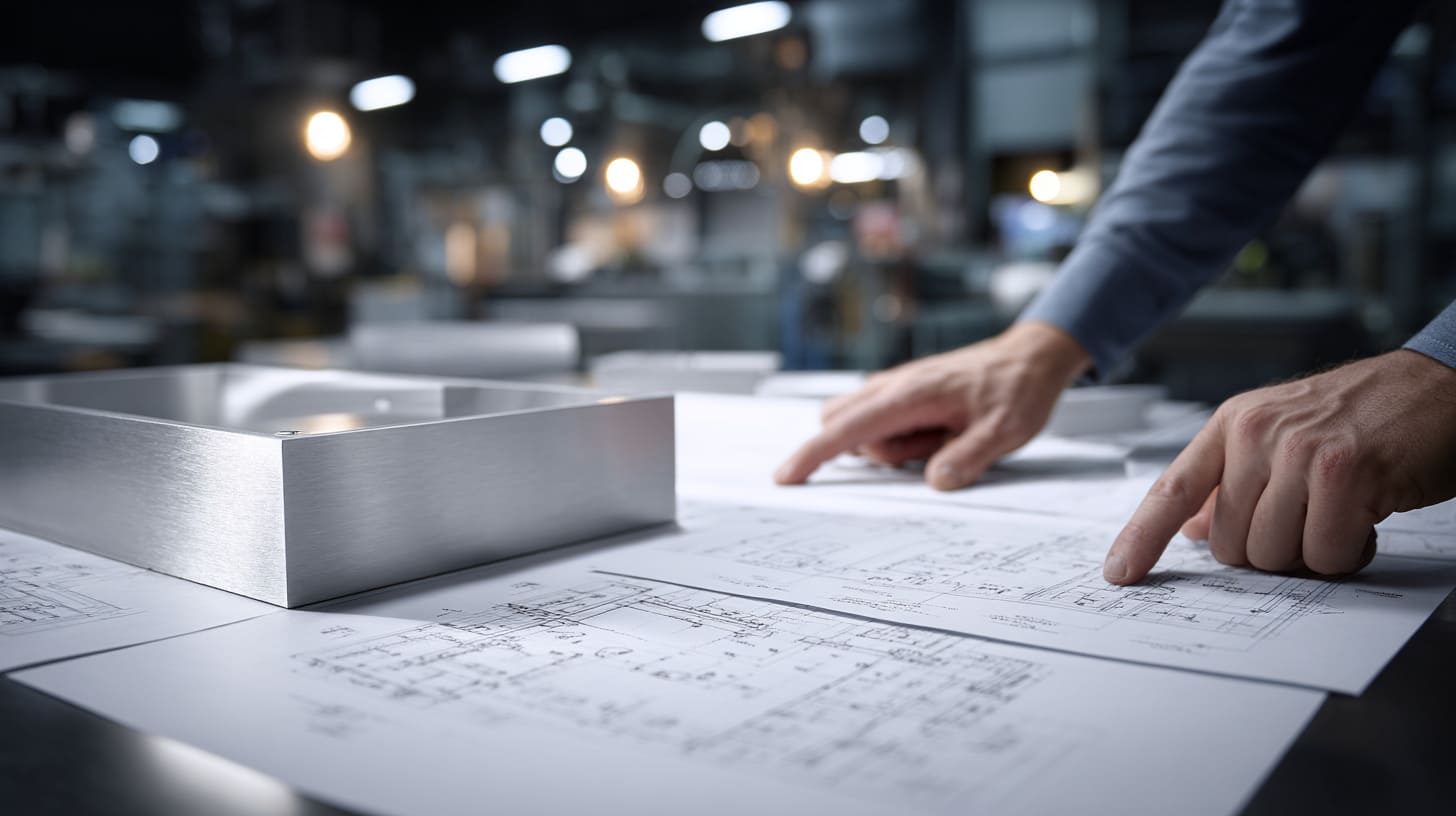
A stainless steel enclosure can look like a simple item on a quote sheet. Then the questions start. Should I use 304? Should I use 316? Is 316 really much better? Why is the price so much higher? I hear these questions a lot, and I understand why. On paper, both materials sound close. In real work, they can lead to very different project costs.
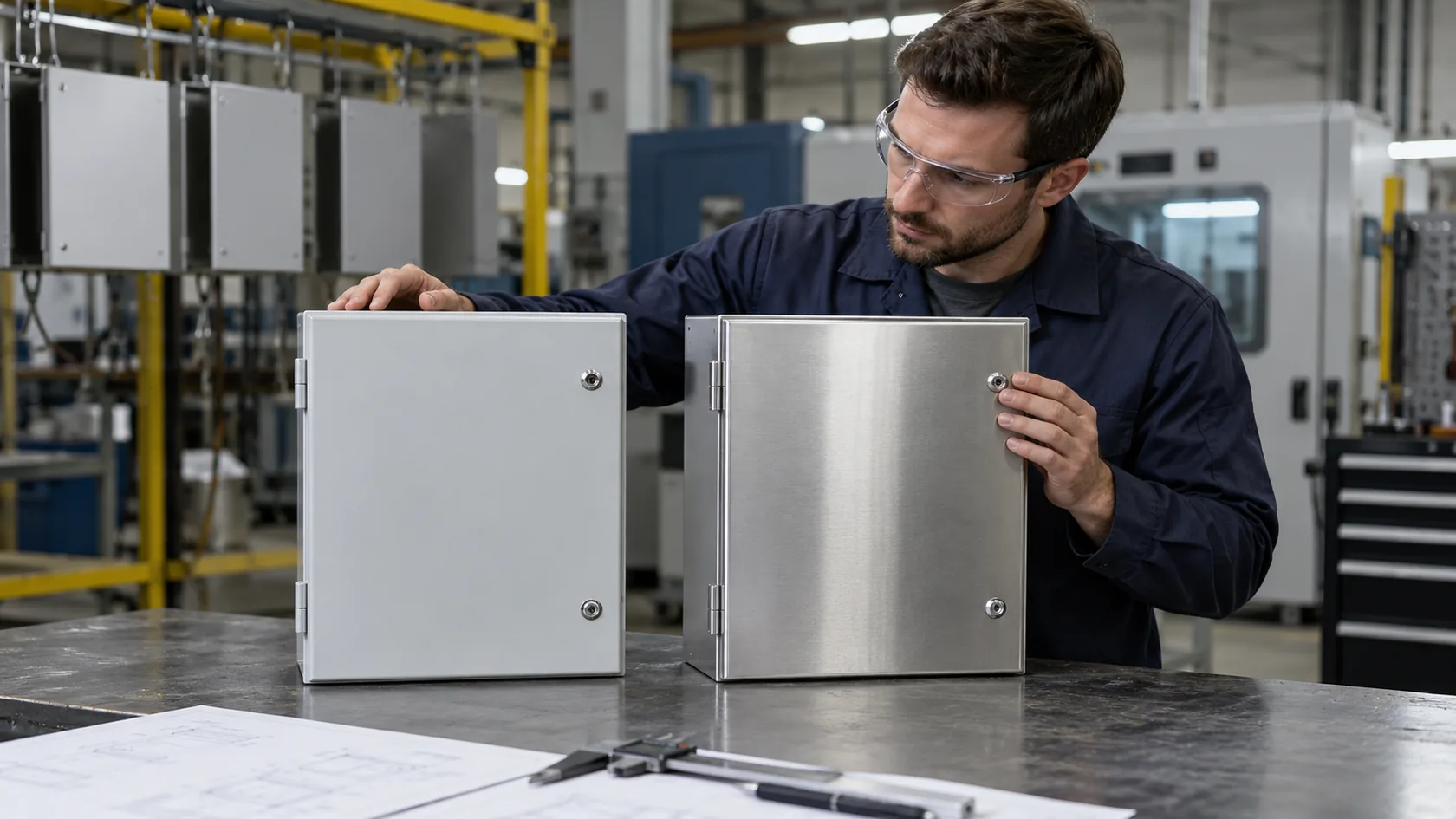
I have seen buyers freeze at this stage. One customer sent me a drawing for a neat industrial enclosure with a clean brushed finish and logo engraving. The size was right. The structure was simple. The application was indoors. Still, he asked for 316 because he felt safer choosing the more expensive one. That moment always tells me something important: many buyers do not only compare metal. They compare fear versus confidence.
My own way of judging this is simple: when a buyer asks for 316 first, I do not treat that as the answer; I treat it as a sign that we still need to define the real working environment.
This topic matters a lot for buyers like Davide, John, and Jackson. They do not just need a metal name. They need a smart decision. They need to know where the extra money goes, what risk it prevents, and when that extra cost is just waste dressed up as caution.
I think that is where this article becomes useful. I am not trying to turn material selection into a chemistry class. I want to make it practical. I want to explain the cost difference in a way that helps real engineers, OEM buyers, and enclosure brands make a better choice.
The tricky part is this: the price gap looks simple at first, but the reason behind it reaches into raw material cost, processing, sourcing, and long-term use. That is where we need to go next.
What Are 304 and 316 Stainless Steel?
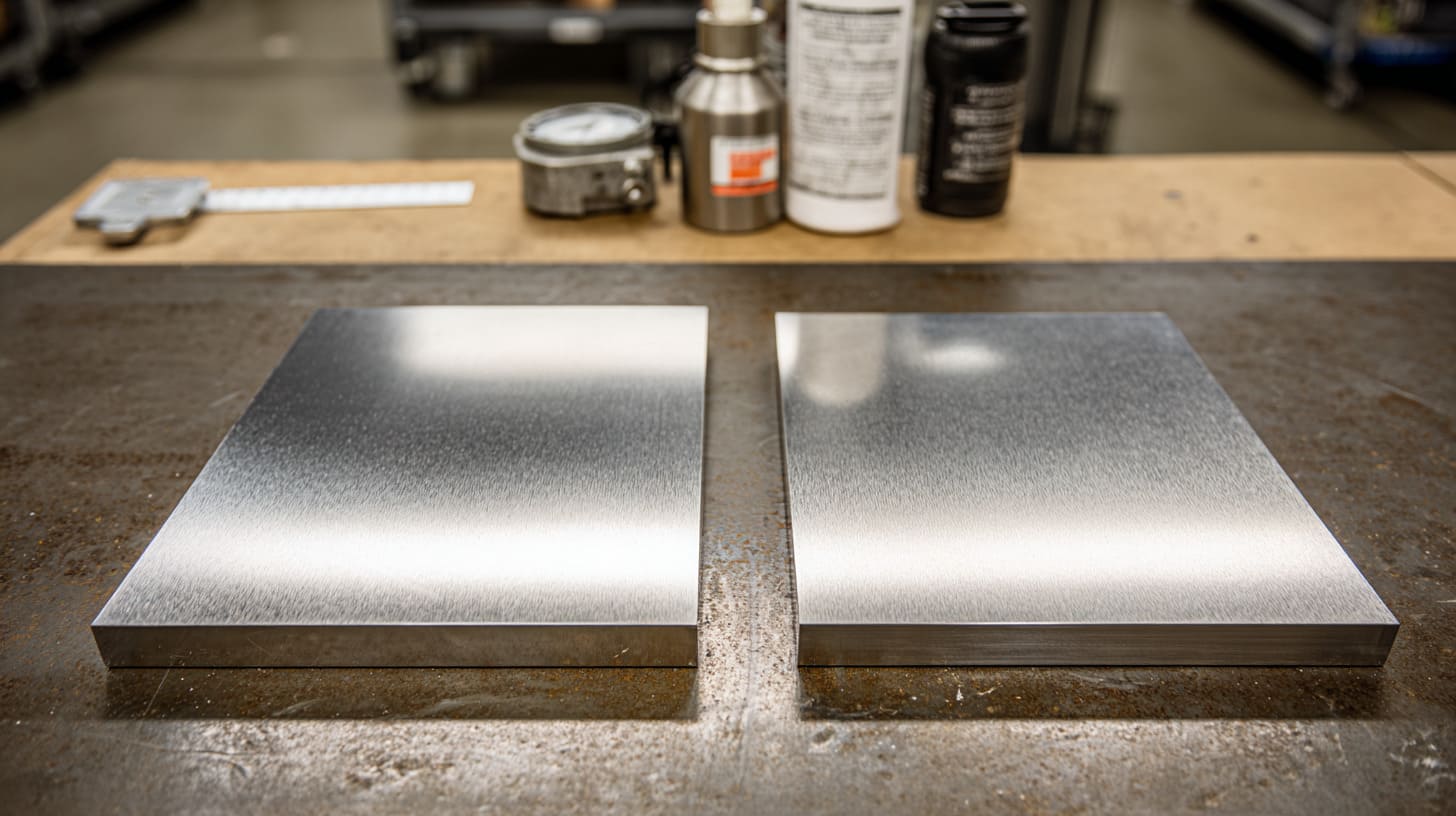
At first glance, 304 and 316 stainless steel seem like close cousins. They both look clean. They both resist rust better than ordinary steel. They both work well for many enclosure projects. That is why so many buyers assume the difference must be small. It is not always small.
I tend to slow down here and check what the buyer thinks these grades mean, because many people use “stainless steel” like it is one material with one fixed behavior.
Chemical Composition Differences
The biggest technical difference is this:
- 304 stainless steel mainly contains chromium and nickel
- 316 stainless steel contains chromium, nickel, and molybdenum
That extra molybdenum matters. It improves corrosion resistance, especially in places with salt, moisture, or some chemicals. This is why 316 often gets called the stronger choice for harsh environments.
Here is a simple comparison table:
| Material | Main Elements | Key Difference | Main Benefit |
|---|---|---|---|
| 304 Stainless Steel | Chromium + Nickel | Standard austenitic stainless steel | Good general corrosion resistance |
| 316 Stainless Steel | Chromium + Nickel + Molybdenum | Added molybdenum | Better resistance to chlorides and harsh conditions |
Now, does that mean 316 is always the better material? No. That would be too easy. A material can be better in one environment and wasteful in another.
Basic Performance Comparison
Both 304 and 316 offer:
- Good strength
- Good durability
- Nice surface finish
- Good fabrication performance
Still, 316 pulls ahead when corrosion becomes the main concern.
| Property | 304 | 316 |
|---|---|---|
| General corrosion resistance | Good | Better |
| Salt resistance | Moderate | Stronger |
| Chemical resistance | Good | Better |
| Cost | Lower | Higher |
| Common use range | Very broad | More specialized |
I often tell buyers this: if you only read “better corrosion resistance” and stop there, you may end up paying for a problem you do not actually have.
Common Industry Applications
304 is common in:
- Indoor equipment
- Dry industrial areas
- Electrical cabinets
- General-purpose enclosures
- Decorative stainless parts
316 is common in:
- Marine equipment
- Coastal installations
- Chemical plants
- Food processing lines
- Medical and washdown environments
This is where a lot of confusion starts. Some buyers see 316 used in premium or demanding fields and assume it must also be the right answer for ordinary enclosure work. That is not how I see it. I see application first, material second.
A polished steel sheet can hide a lot of bad thinking. That is why the next question matters more than many people expect: if 316 costs more, where exactly does that extra cost come from?
Why Does 316 Stainless Steel Cost More Than 304?
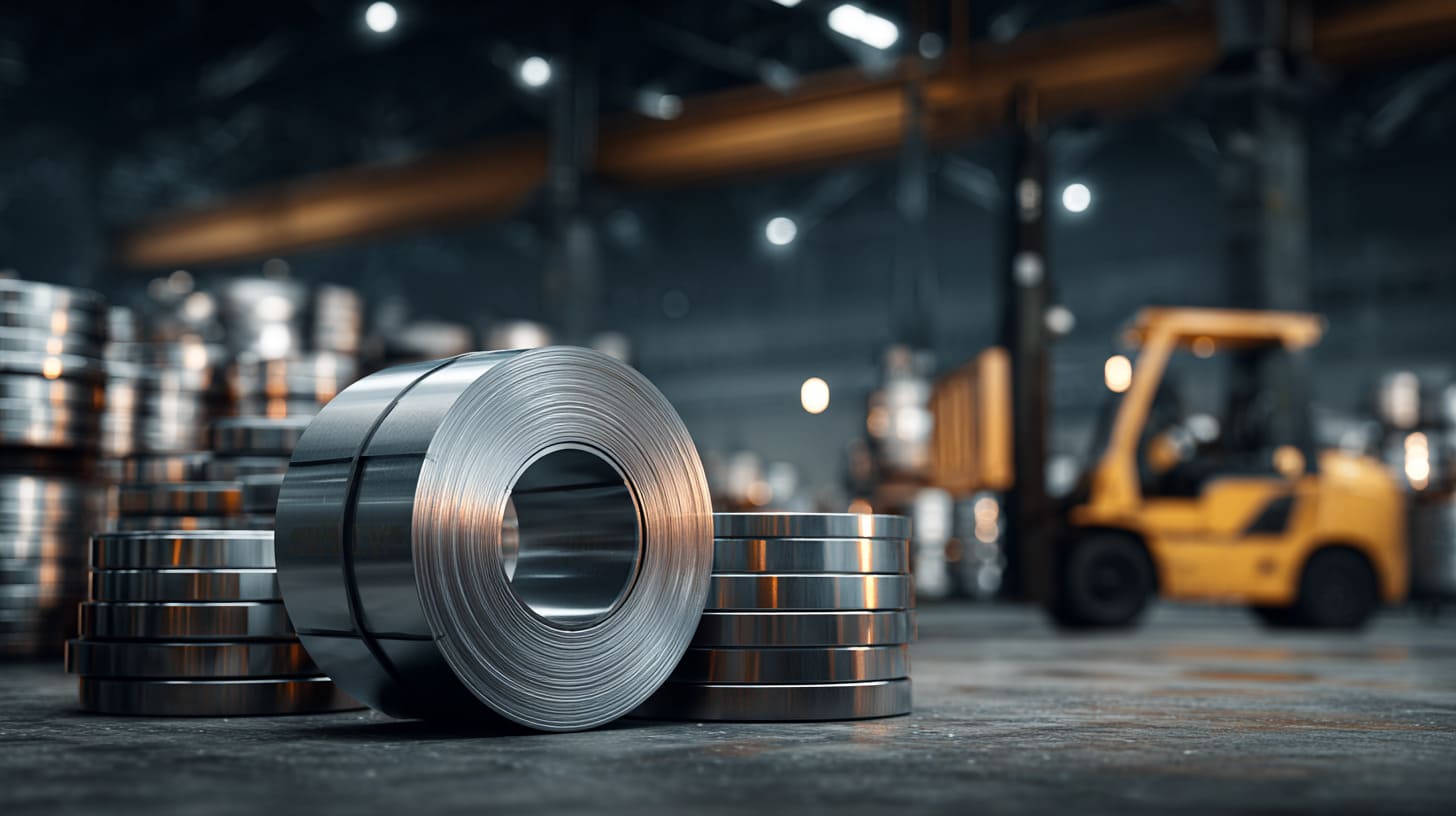
The short answer is easy: 316 costs more because the raw material costs more. But I do not think that answer helps enough. Buyers need to know why the raw material costs more, and why the final enclosure price can widen even further.
One thing I have learned from quoting custom enclosures is that the buyer usually sees one number, while the factory sees a whole chain of numbers hiding underneath it.
Raw Material Cost Factors
The biggest driver is molybdenum. That added element improves corrosion resistance, but it also raises material cost. Metal markets move all the time, and alloying elements do not stay at one stable price. So when molybdenum prices rise, 316 usually moves up faster than 304.
Here is the basic logic:
| Cost Driver | 304 | 316 |
|---|---|---|
| Base alloy cost | Lower | Higher |
| Molybdenum content | None | Yes |
| Sensitivity to alloy price swings | Lower | Higher |
| Final material price volatility | Moderate | Higher |
This sounds technical, but the business effect is simple. If you choose 316, you are not only choosing more corrosion resistance. You are also choosing more exposure to alloy price changes.
Manufacturing and Processing Costs
Many buyers focus only on sheet price. I think that is where they miss part of the story.
Fabrication costs can also rise with 316 because:
- Tool wear can be higher
- Machining can feel tougher
- Processing can take more care
- Scrap can hurt more because the material itself costs more
That does not mean 316 is impossible or inefficient. We make projects in both materials. But when the material is more expensive, every cut, bend, weld, and mistake has a bigger money effect.
When I review a design in 316, I get more cautious with waste zones and process routes, because a bad nesting plan hurts more there than it does with 304.
Supply Chain and Availability
Supply also plays a role. In many markets, 304 is more common and easier to source. 316 may have:
- Fewer stock options
- Longer sourcing time
- Higher MOQ pressure in some forms
- Stronger price fluctuation depending on region
This can become very real when a buyer wants a special thickness, finish, or custom part structure. The more specific the demand, the more sourcing pressure you may feel with 316.
| Supply Factor | 304 | 316 |
|---|---|---|
| Market availability | Widely available | Less common |
| Lead time risk | Lower | Higher |
| MOQ pressure | Lower | Sometimes higher |
| Quotation stability | Better | Often less stable |
A quote does not become expensive for just one reason. It becomes expensive because several small reasons stack together. That leads to the question every buyer asks next: how big is the actual price difference in real numbers?
How Big Is the Price Difference Between 304 and 316?
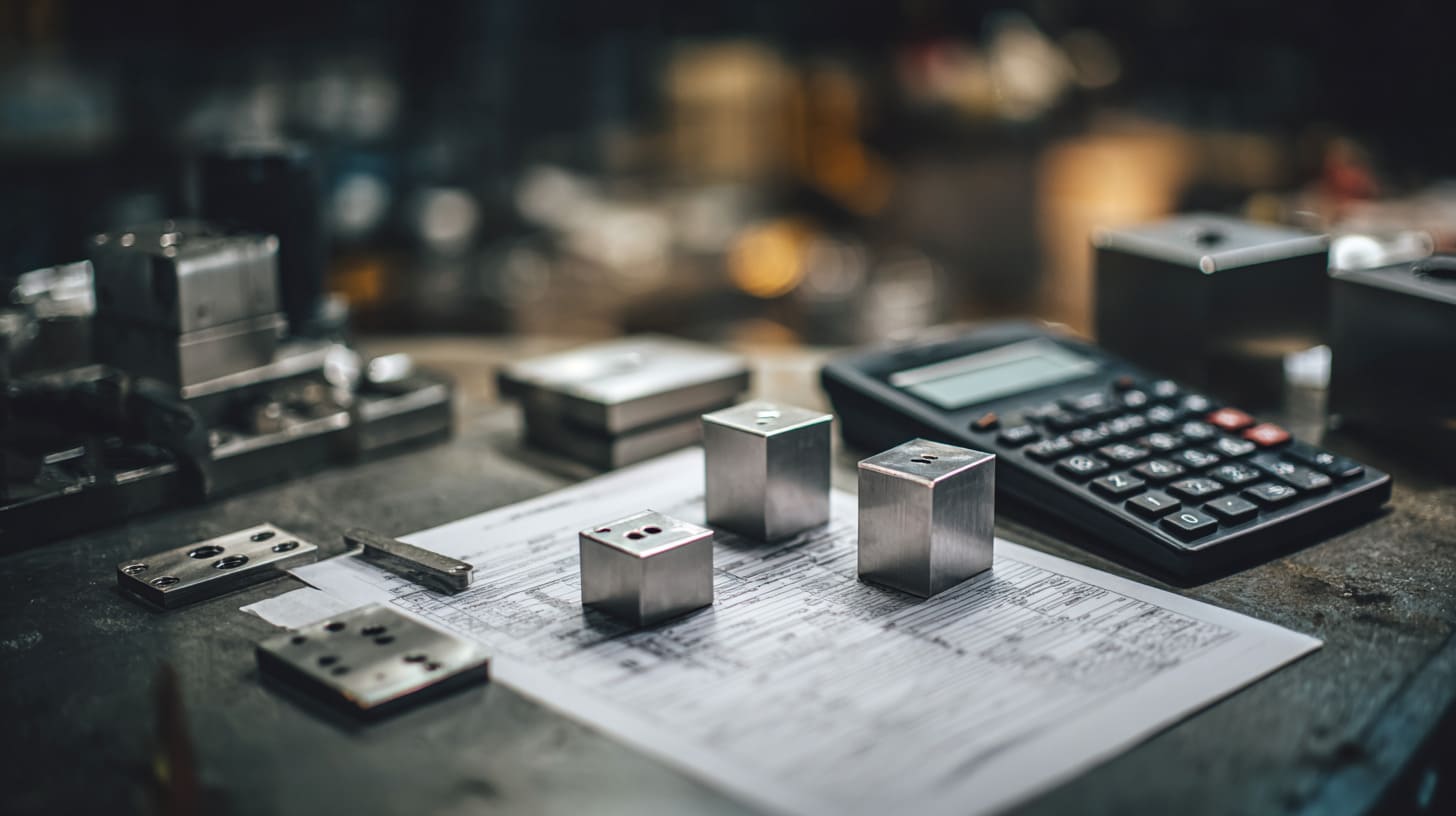
This is the part buyers care about most. They do not just want theory. They want to know how painful the difference feels when it lands on a quotation sheet.
I usually warn buyers not to chase one fixed percentage too hard, because the gap changes with thickness, format, quantity, finish, and the market at that moment.
Typical Price Range Comparison
In many projects, 316 stainless steel can cost about 20% to 50% more than 304. Sometimes the gap is smaller. Sometimes it is bigger. A lot depends on market timing and the exact product form.
Here is a simple estimate:
| Product Form | Typical 316 Premium Over 304 |
|---|---|
| Stainless sheet | 20%–40% |
| Tube or bar | 25%–45% |
| Finished enclosure | 20%–50% or more |
That last line matters. A finished enclosure is not just raw steel. It includes cutting, bending, welding, grinding, finishing, packaging, and often logo work. So the final price gap may reflect more than alloy cost alone.
Real Project Cost Impact
A small stainless bracket may show a modest price jump. A large welded enclosure can show a much more painful one.
Here is how I think about it:
- Small parts: the total money gap may stay manageable
- Large housings: the cost gap grows fast
- Low quantity orders: setup and sourcing pressure can make the gap feel bigger
- Bulk orders: the total price difference becomes a serious budget issue
| Project Type | Effect of Choosing 316 |
|---|---|
| Small custom part | Mild increase |
| Medium enclosure run | Clear increase |
| Large industrial cabinet | Strong increase |
| Prototype order | Can feel disproportionately expensive |
| High-volume OEM order | Budget impact becomes very obvious |
I have seen buyers choose 316 casually for a prototype, then get shocked later when the same choice scales into a bigger production run. That is why I always ask them to think beyond the first sample.
Hidden Cost Considerations
The visible price is only part of the story. Hidden cost can appear in places like:
- Material scrap
- Welding time
- Surface finishing effort
- Delivery delays from sourcing
- Higher freight cost on larger stainless projects
A choice that looks like “just upgrade the steel” can quietly change the whole project math.
My caution point here is always this: if the environment does not require 316, the extra cost does not stay small for long once the design moves into production.
Numbers can wake people up. Still, numbers alone do not make the choice. The real choice starts with environment. That is why 304 often wins more often than people expect.
When Is 304 Stainless Steel the Better Choice?
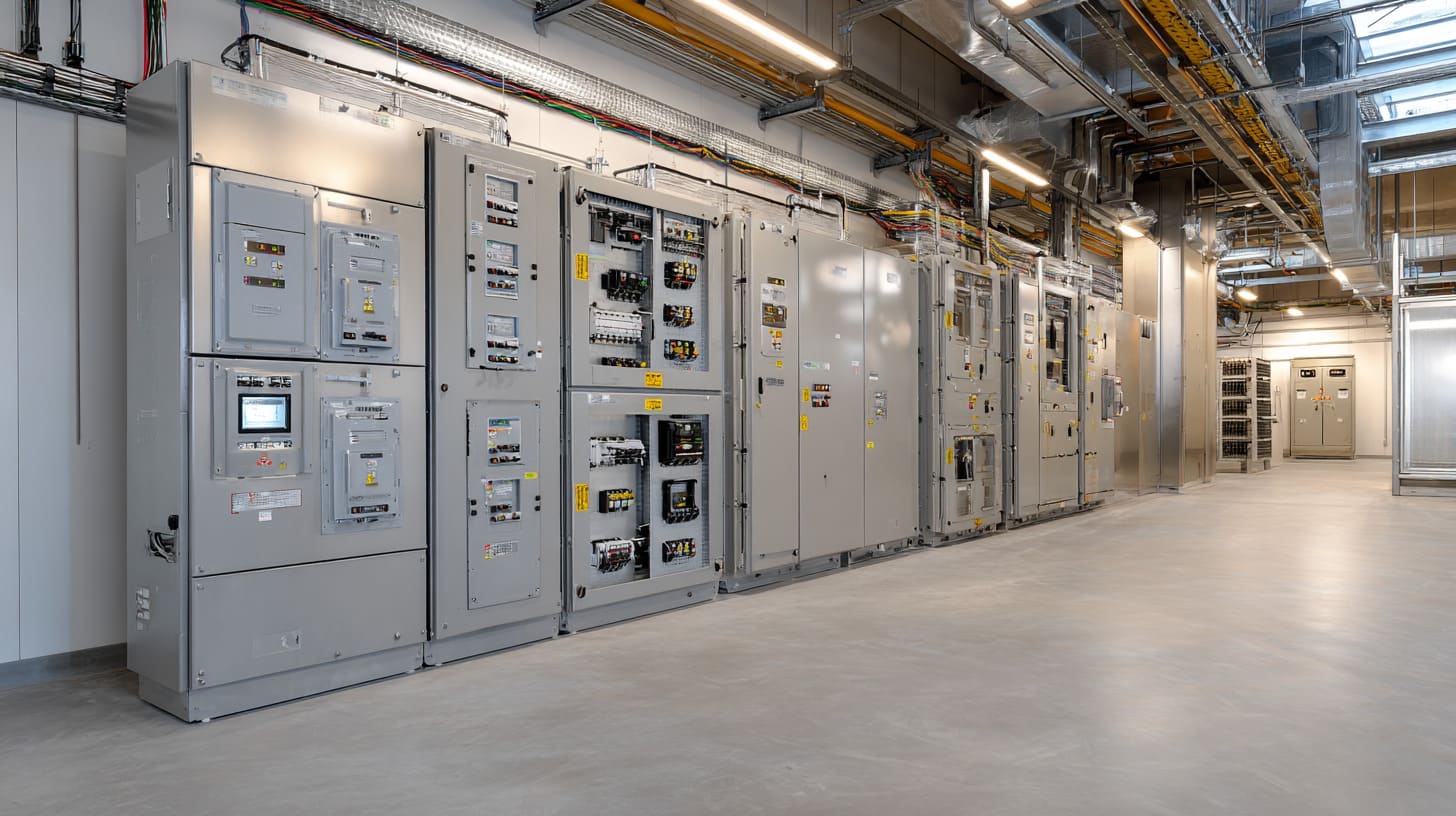
304 stainless steel is often the smarter choice, not the weaker one. I say that very carefully, because many buyers hear “lower cost” and assume it means compromise. That is not true in many enclosure jobs.
I often prefer 304 when the project needs reliable stainless performance but does not live in a cruel environment.
Indoor and Controlled Environments
304 works very well for:
- Indoor electrical enclosures
- Control boxes
- Office and commercial equipment housings
- Dry factory environments
- General industrial cabinets
If the enclosure stays away from salt spray, aggressive chemicals, and heavy washdown, 304 often does the job well.
| Environment | 304 Suitability |
|---|---|
| Indoor office | Excellent |
| Dry workshop | Excellent |
| Indoor industrial line | Good to excellent |
| Coastal outdoor use | Risky |
| Chemical plant | Often not enough |
That is why I push buyers to describe the air, moisture, and cleaning conditions instead of just saying “industrial use.” That phrase is too broad to guide material choice well.
Cost-Sensitive Projects
304 makes a lot of sense when price pressure is real. This matters for:
- OEM orders
- Rebrand projects
- Market testing
- Competitive tenders
- Bulk enclosure production
Davide-type buyers often sit here. They want good quality, but they also need margins. If the use case does not demand 316, choosing 304 can protect profit without hurting performance.
Applications Without Serious Corrosion Risk
Some projects simply do not face the kind of exposure that justifies 316. No sea air. No chlorine. No strong chemicals. No outdoor abuse. In those cases, 304 is usually enough.
I have had buyers ask for 316 for a clean indoor wall-mounted enclosure, and I had to tell them plainly that the extra money was not buying them a meaningful advantage.
| Question | If the Answer Is “No” |
|---|---|
| Will it face salt air? | 304 may be enough |
| Will it face chemical splash? | 304 may be enough |
| Will it stay outdoors year-round? | 304 may be enough for mild settings |
| Will it get aggressive washdown cleaning? | 304 may be enough |
304 often wins because it solves the actual problem instead of the imagined one. But there are cases where 316 earns every extra dollar. That is where the balance changes.
When Is 316 Stainless Steel Worth the Extra Cost?
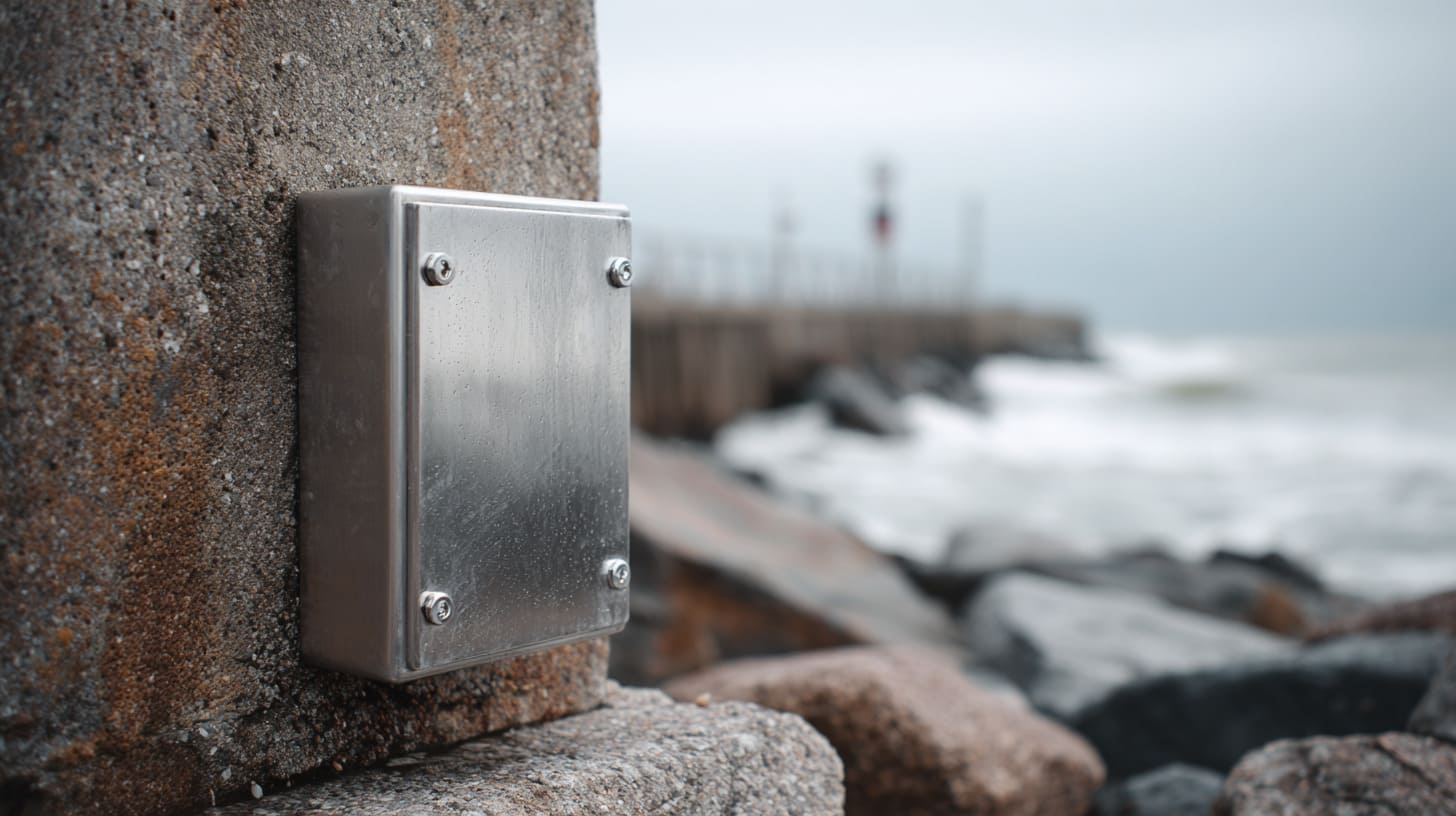
I do not like telling buyers to pay more unless I can defend the reason clearly. That is why I only push for 316 when the environment gives me a real warning sign.
There are jobs where 316 is not a luxury. It is the material that helps avoid ugly failure later.
Marine and Coastal Environments
Salt changes everything. Coastal air can be much harsher than many buyers expect. Even when the enclosure is not sitting in seawater, salty moisture in the air can slowly attack ordinary materials.
316 makes more sense for:
- Coastal outdoor enclosures
- Marine equipment
- Offshore installations
- Harbor infrastructure
| Environment Type | 316 Value |
|---|---|
| Inland indoor use | Low |
| Coastal outdoor use | High |
| Marine deck equipment | Very high |
| Offshore platform use | Very high |
I become much less price-focused when I hear “seaside,” because corrosion in those places can turn a cheap material choice into an expensive embarrassment.
Chemical and Industrial Exposure
Some industrial sites use cleaners, chemicals, or process media that raise corrosion risk. Food and medical settings can also be demanding, especially where washdown is frequent.
316 is often worth it in:
- Chemical processing
- Food equipment areas
- Pharmaceutical environments
- Harsh cleaning zones
- Acidic or chloride-heavy settings
This is where things often fail quietly at first. The enclosure may still look acceptable for a while, then staining starts, then pitting, then trust disappears.
Long-Term Durability Requirements
Sometimes the question is not only about present cost. It is about maintenance, service calls, and replacement risk. A more expensive material can become the cheaper choice over time if failure would be hard to fix later.
| Long-Term Factor | Why 316 Can Help |
|---|---|
| Lower maintenance frequency | Better corrosion resistance |
| Better appearance retention | Less surface damage in harsh settings |
| Longer service life | Better fit for aggressive environments |
| Lower replacement risk | Fewer premature failures |
I judge 316 as worth the premium when replacement would be painful, downtime would be expensive, or corrosion would damage the buyer’s reputation as much as the hardware itself.
Once buyers see that point, the conversation changes. It stops being “Which one is better?” and becomes “Which one makes sense for this exact job?” That is the real decision.
Cost vs Performance: How to Make the Right Decision?
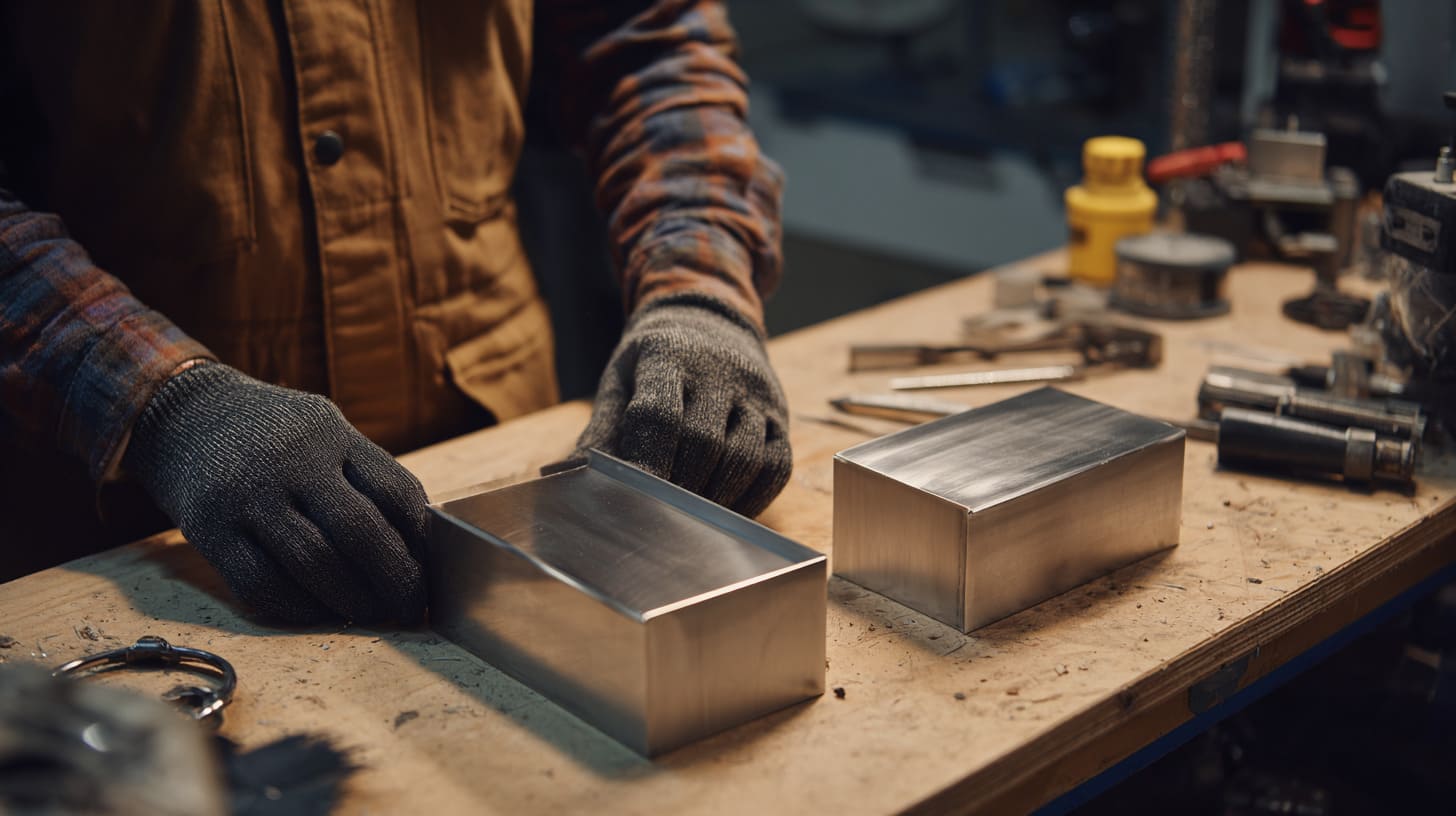
This is where I think material selection becomes honest. Not impressive. Not emotional. Honest.
A good decision is not about buying the strongest option in the abstract. A good decision is about matching cost and performance to real use.
Understanding the Real Risk
I always start with risk questions like these:
- Will the enclosure live indoors or outdoors?
- Will it face salt, chlorine, or chemical mist?
- Will workers clean it often?
- Will cosmetic rust damage customer trust?
- Will replacement be easy or painful?
If those answers stay mild, 304 often wins. If those answers start pointing toward harsh exposure, 316 becomes easier to defend.
Balancing Budget and Reliability
There is a bad habit in buying that I see often: some people overspend to avoid blame. That sounds safe, but it is not always smart. Over-specification has a cost too.
At the same time, under-specification can be worse. A cheap enclosure that fails early is not truly cheap.
| Choice Style | Short-Term Feeling | Long-Term Risk |
|---|---|---|
| Over-specify with 316 | Safe | Higher cost, lower margin |
| Under-specify with 304 | Cheap | Corrosion or replacement risk |
| Match grade to environment | Balanced | Best overall outcome |
When I make this call, I do not chase the cheapest or the strongest option first; I look for the point where performance covers the real risk without quietly eating the project margin.
Engineer’s Decision Framework
I like using a very plain logic chain:
- Define the environment
- Estimate the corrosion risk
- Check product lifespan expectations
- Compare maintenance and replacement cost
- Choose the material
Here is a practical table buyers can use:
| Decision Factor | Lean Toward 304 | Lean Toward 316 |
|---|---|---|
| Indoor dry environment | Yes | No |
| Coastal outdoor environment | No | Yes |
| Strong chemical contact | No | Yes |
| Tight project budget | Yes | Maybe |
| Long service life in harsh site | Maybe | Yes |
A smart decision often sounds less dramatic than people expect. Still, once the material is chosen, it starts shaping production itself. That part matters too.
How Does Material Choice Affect Enclosure Manufacturing?
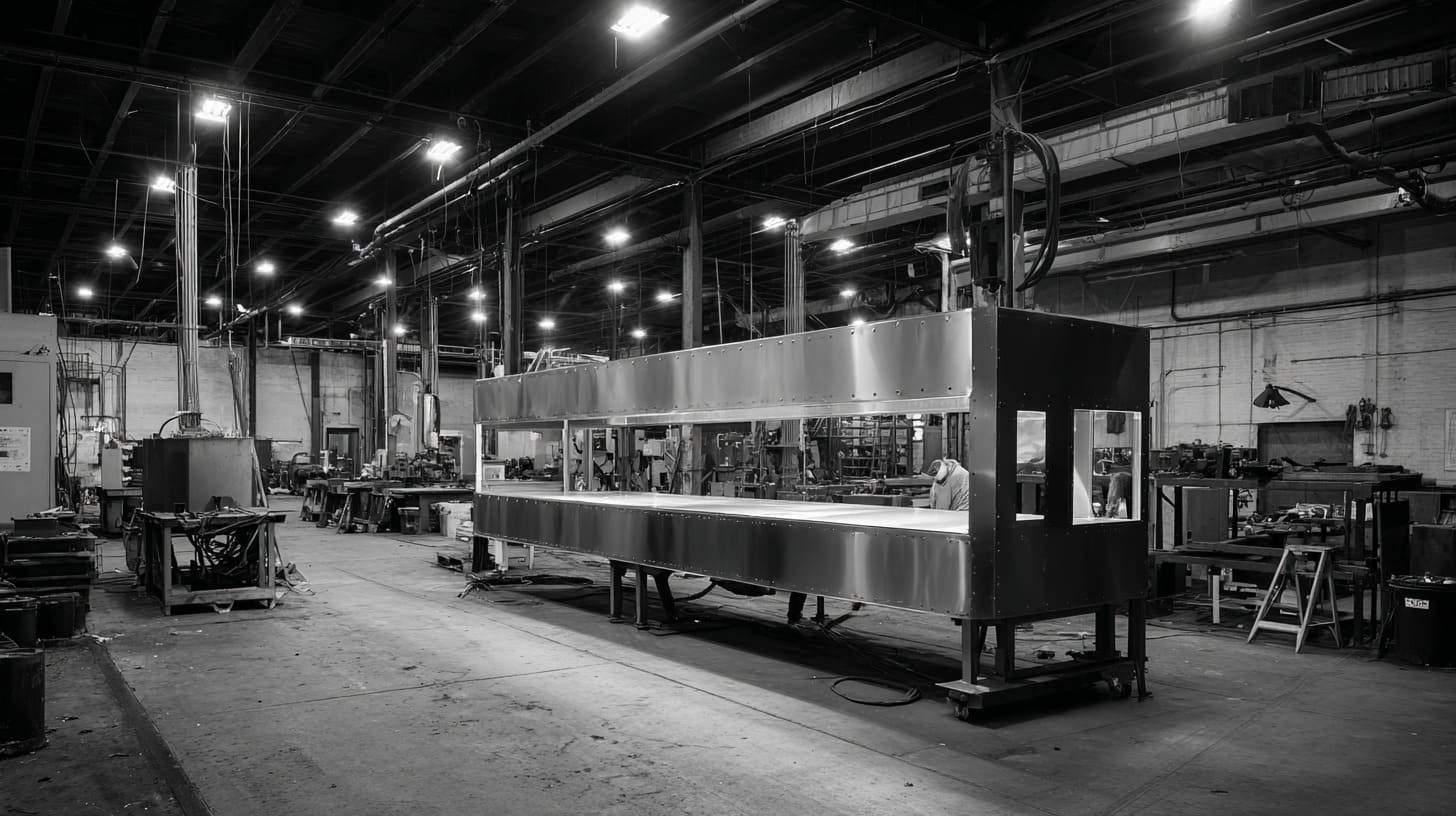
Some buyers think material choice ends at procurement. I do not see it that way. Material choice keeps speaking all through production.
An enclosure is not just bought. It is cut, bent, welded, polished, branded, packed, and shipped. The material affects each step.
Impact on Fabrication Process
304 and 316 are both workable stainless steels, but they do not always behave exactly the same in production.
The effects may appear in:
- Laser cutting
- Bending response
- Welding work
- Grinding and polishing
- Surface consistency
| Fabrication Step | 304 | 316 |
|---|---|---|
| Cutting | Good | Good, but costlier material |
| Bending | Good | Good, but needs proper control |
| Welding | Good | Good, but care matters |
| Polishing | Good | Good |
| Scrap impact | Lower | Higher |
A material with a higher sheet cost makes every production mistake feel heavier. That is why process discipline matters even more on 316 jobs.
Lead Time Differences
Lead time can shift because of:
- Raw material sourcing
- Stock availability
- MOQ requirements
- Special finish requests
Sometimes the design is ready, the sample is approved, and the project still slows down because the specific 316 sheet is not as easy to source as 304.
I get cautious when a project has a hard shipment deadline and the buyer asks for 316 late in the process, because that material change can ripple through sourcing and scheduling in ways they do not expect.
Customization and Branding Impact
For custom enclosure work, buyers often want:
- Laser engraving
- Silk printing
- Brushed finish
- Custom packaging
- OEM logos
These options work with both materials, but cost sensitivity changes. Branding work on a more expensive material raises the value of every unit, which means errors become more painful.
| Custom Feature | 304 | 316 |
|---|---|---|
| Laser engraving | Suitable | Suitable |
| Brushed finish | Suitable | Suitable |
| OEM logo work | Suitable | Suitable |
| Cost tolerance for rework | Better | Lower |
This part is easy to ignore during early discussion. Then the first prototype arrives, and small changes suddenly cost more than the buyer expected. That is why early material clarity matters.
Once production details enter the picture, buyer mistakes become easier to spot. And yes, I see the same few mistakes happen again and again.
Common Mistakes Buyers Make When Choosing Between 304 and 316
I do not say this to criticize buyers. I say it because I have watched good people lose money for very ordinary reasons. Most mistakes here are not dramatic. They are quiet. They sound reasonable at first.
Then they become expensive.
Choosing 316 “Just to Be Safe”
This happens all the time. The buyer wants to avoid trouble, so he picks 316 automatically. I understand the thinking. Nobody wants corrosion problems.
Still, safe and smart are not always the same thing.
If the project is indoor, dry, and controlled, 316 may not provide a meaningful return. It simply increases cost.
Ignoring Environment Conditions
Some buyers describe the application too vaguely:
- “Industrial”
- “Commercial”
- “Outdoor sometimes”
- “General equipment use”
Those phrases are not enough. I need to know things like:
- Is it near the sea?
- Is it under a roof?
- Does it face washdown cleaning?
- Does chemical mist exist nearby?
- How often will people touch or clean it?
A vague environment description is where many bad material decisions are born, because stainless steel problems usually begin with the conditions people failed to define.
Not Consulting the Manufacturer Early
This is a big one. Buyers sometimes finalize the grade before discussing:
- enclosure design
- finish
- quantity
- use environment
- production route
That can lock the project into a costly path too early.
| Buyer Mistake | Common Result |
|---|---|
| Picking 316 too early | Higher cost without need |
| Defining environment poorly | Wrong material choice |
| Asking for quote without enough details | Inaccurate pricing |
| Delaying factory discussion | More revisions and delay |
I have seen projects improve fast when the buyer simply sends the drawing, explains the environment, and asks for honest factory advice. That one step can save money, time, and stress.
And once a buyer avoids those mistakes, the next thing he wants to understand is the quote itself. That is fair. A quote should never feel mysterious.
How Suppliers Price 304 vs 316 Stainless Steel Enclosures
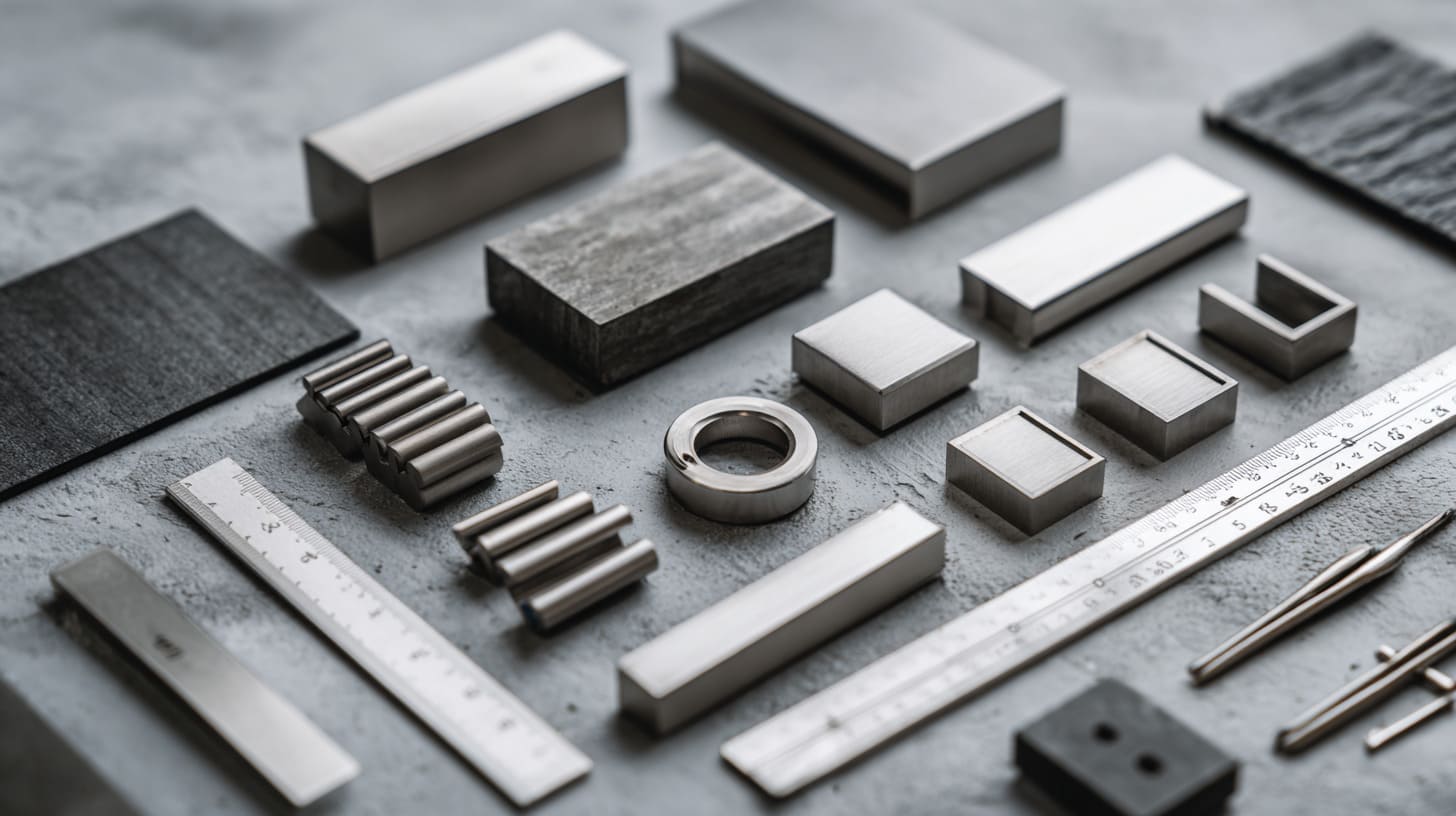
When buyers compare two quotations, they often focus on the total number only. I get it. The final number is what hits the budget.
Still, the smarter move is to understand what that number is made of.
Quotation Structure Breakdown
A stainless steel enclosure quote usually includes:
- Raw material cost
- Cutting and bending cost
- Welding and grinding cost
- Surface finishing cost
- Logo or branding cost
- Packaging cost
- Shipping or delivery cost
Here is a simple breakdown:
| Quote Item | 304 Enclosure | 316 Enclosure |
|---|---|---|
| Raw material | Lower | Higher |
| Processing | Similar to moderate increase | Moderate increase |
| Waste cost impact | Lower | Higher |
| Finishing | Similar | Similar to slightly higher |
| Total enclosure price | Lower | Higher |
The material line often drives the gap, but not alone. When the sheet price is higher, rework, scrap, and handling all become more sensitive.
How to Reduce Costs Without Sacrificing Quality
This is the part I enjoy most, because good cost control is often more creative than people think.
Ways to reduce cost include:
- Adjust the thickness if possible
- Simplify the enclosure structure
- Reduce unnecessary welding
- Improve sheet nesting
- Use 304 with coating or design protection in some cases
- Clarify the actual environment before final material lock
I often look at the drawing before I look at the argument over 304 versus 316, because design waste can eat more money than the material upgrade itself.
Tips for Getting Accurate Quotes
If a buyer wants a useful quote, I always hope to receive:
- Drawing or dimensions
- Material preference
- Thickness
- Surface finish request
- Quantity
- Use environment
- Branding requirement
| Information Needed | Why It Matters |
|---|---|
| Drawing | Defines structure and process |
| Thickness | Affects material and fabrication cost |
| Quantity | Changes unit cost |
| Surface finish | Affects labor and appearance |
| Use environment | Helps decide if 304 or 316 makes sense |
| Logo request | Adds process detail |
A factory can only quote well when the project is described well. That is not sales talk. That is just reality. Bad input creates bad quotes.
At that point, most of the confusion disappears. The buyer starts to see the issue clearly: this was never a fight between cheap steel and expensive steel. It was a decision about fit.
Conclusion
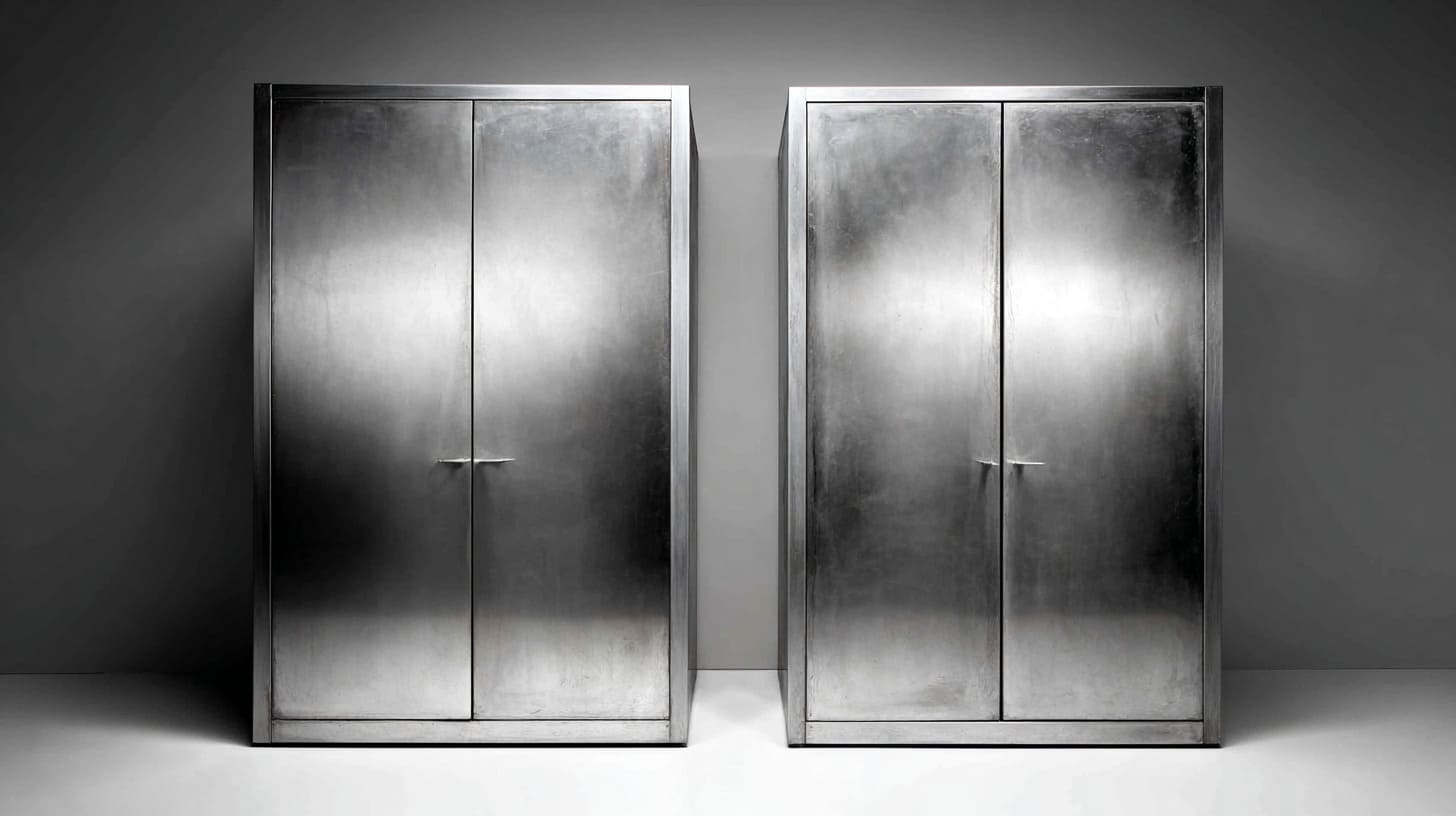
304 and 316 stainless steel are both good materials. I do not see one as the hero and the other as the compromise. I see them as tools for different jobs.
304 is often the better choice for indoor, dry, and cost-sensitive enclosure work. It gives strong value, good appearance, and practical performance. 316 becomes worth the extra cost when the environment is truly harsh, especially with salt, chemicals, or long-term corrosion risk.
What matters most to me is not whether a buyer chooses the more expensive grade. What matters is whether the buyer chooses the right grade. I have seen too many projects spend extra money for peace of mind that was never tested against real conditions. I have also seen buyers save money in the wrong place and pay for it later through corrosion, delays, and replacement.
At the quoting stage, I always ask myself one plain question: if this enclosure fails in its real environment, will the money saved today still feel like a smart decision?
That question usually clears the fog.
If you are comparing 304 and 316 for a custom enclosure project, I suggest you start with the working environment, not the catalog line. If you already have a drawing, a rough idea, or even just an application description, you can use that as the starting point. A good material decision becomes much easier when the project details are clear.
If you want, you can send the design, dimensions, quantity, and use environment to me, and I can help you judge which option fits your project more honestly.