Skip to content

There is a moment that happens before any real engineering discussion starts. It is quiet. No meeting invite. No long explanation. Just a drawing attached to an email, with one short line in the corner: “Enclosure: NEMA 12” or “Consider NEMA 13”. That single line already decides a lot more than most people expect.
From my side, I know what usually comes next. Dust that does not look dangerous at first. Fibers that nobody mentioned because they seem soft and harmless. A factory floor that changes character after a few months of production. These are the things that never show up clearly on drawings, but always show up inside failed enclosures.
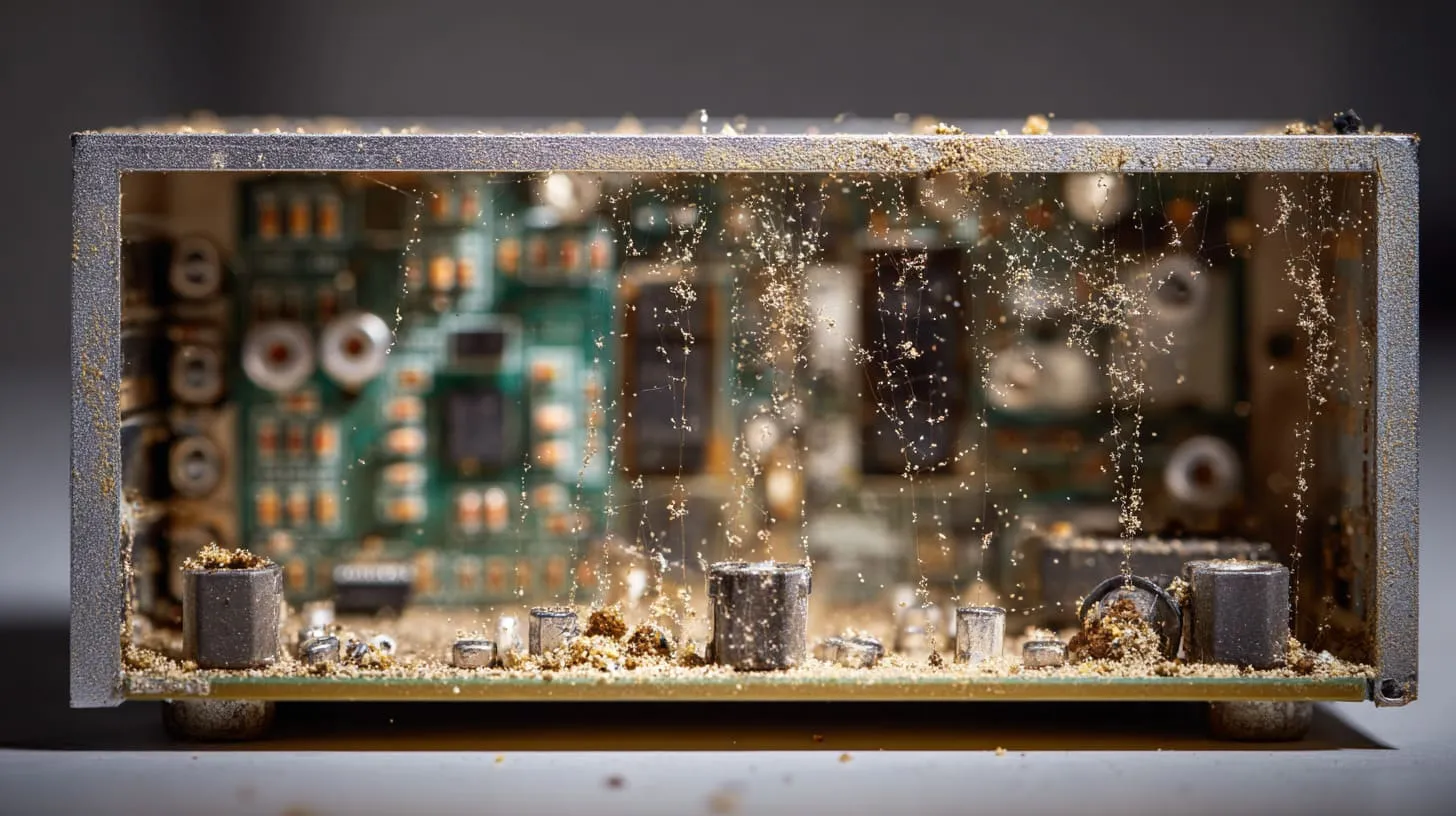
For me, dust and fibers are not a “cleanliness” topic. They are a long-term reliability problem. They settle on terminals. They coat PCBs. They hide inside relays and contactors. They wait until humidity, heat, or vibration gives them the right moment to cause trouble. In a food plant it is flour. In woodworking it is fine sawdust. In textile lines it is lint floating in the air all day. In packaging halls it is paper fibers mixed with powder from products.
When I work with engineers like Davide from Finland or John from Hungary, I see the same gap again and again. They understand electronics very well. They know their power loads, control logic, and system limits. But the environment often gets reduced to one word on the drawing: “dustproof” or “NEMA enclosure”. Real factories are never that simple.
Dust and fiber related failures show up most often in places like:
- Manufacturing plants with cutting, grinding, or packing lines
- Woodworking factories full of sanding dust and MDF fibers
- Textile facilities where lint never truly settles
- Food processing sites with flour, sugar, starch, and carton fibers
So when I review an enclosure choice, I do not ask, “Does this rating look correct on paper?” I ask something more practical: “After years of use, will this enclosure still protect the electronics, or will it slowly turn into a storage box for dust?”
Answering that honestly means we need to break the topic down step by step. We need to look at what dust and fibers really are, how NEMA ratings define protection, and how enclosure design works in real industrial environments, not ideal ones.
That is where this discussion needs to start.
What Are Dust and Fibers in Industrial Environments?
What Counts as Dust vs Fibers
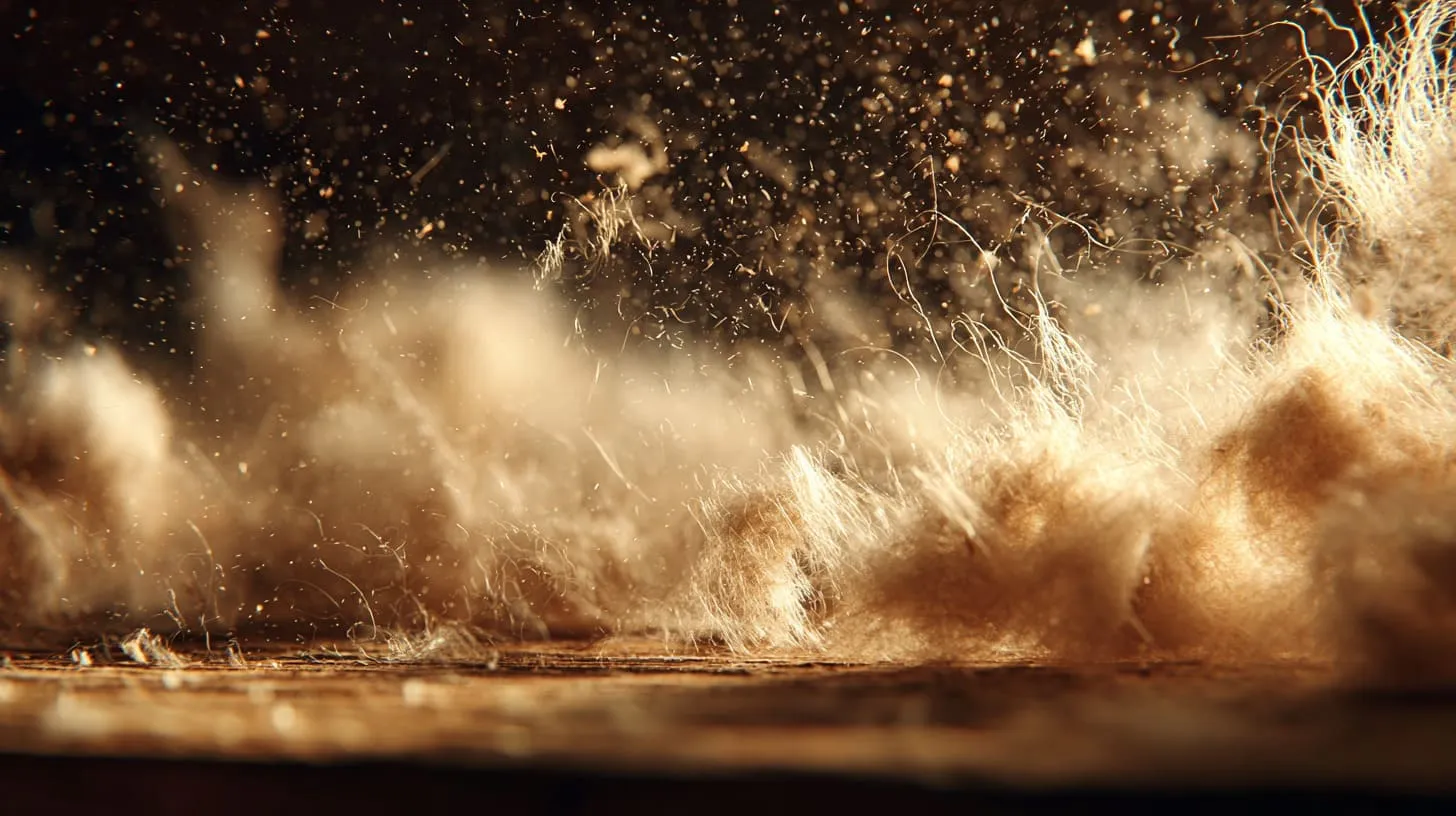
In drawings, everything is usually called “dust”. In real workshops, I separate it into two families in my head: fine dust and fibers.
Fine dust examples:
- Metal powder from grinding or cutting
- Flour, sugar, starch in food plants
- Cement and gypsum powder
- Plastic or acrylic sanding dust
Fiber examples:
- Textile lint from spinning or weaving
- Paper and cardboard fibers from packaging
- Wood fibers from MDF and plywood machining
A simple way I explain it to buyers is this:
| Type | Typical Size | Where it Comes From | How it Behaves |
|---|---|---|---|
| Fine dust | Microns to sub-mm | Grinding, flour, cement, plastics | Flows like smoke, settles in thin layers |
| Fibers | Long, thin particles | Textiles, cardboard, wood, paper | Hooks, clings, tangles in gaps and corners |
How Dust and Fibers Damage Equipment
The damage is rarely instant. It grows slowly, layer by layer, until something small becomes very expensive.
Some common failure paths I see:
Electrical short circuits
Dust absorbs moisture, bridges terminals, and makes leakage paths. One humid day can be enough.Overheating and insulation issues
Dust blankets heat sinks and vents. Components run hotter. Insulation ages faster. Fans run noisy or stop.Sensor and contact contamination
Fine powder sneaks into small clearances. Reed switches, relays, contactors, and optical sensors start to misbehave.
When a buyer sends me photos of a “failed enclosure”, often the metal is fine. The problem is inside: layers of powder on PCBs, sticky oil mixed with fibers, terminals full of fluff.
Why Fibers Are Often More Dangerous Than Dust
Fibers look soft and harmless, but they are sneaky.
- They hook themselves in tiny gaps that dust would simply pass through.
- They build nests around terminals and fans.
- They hold dust and oil, becoming a dirty sponge inside the box.
I have seen textile lint wrap itself around cable glands and push through weak gasket areas, slowly building a fuzzy bridge to live parts. Nobody planned for that when they wrote “dustproof” on the spec.
From my own projects, the risk that surprises engineers most is this: fibers find every lazy design detail—a shallow flange, a sloppy corner, a cheap gland—and they use it as their front door.
Once we accept that dust and fibers behave differently, it becomes easier to understand why NEMA ratings are written the way they are.
What Is a NEMA Enclosure?
Definition of NEMA Enclosure Standards
NEMA stands for National Electrical Manufacturers Association in the U.S. It publishes a document called NEMA 250, which defines enclosure “Types” such as 1, 3, 4, 12, 13 and so on. These types describe what the enclosure should protect against: dirt, dust, fibers, water, oil, corrosion, ice, and more.
For example, Type 12 and Type 12K are defined for indoor use and must protect against circulating dust, lint, fibers, and flyings, plus dripping and light splashing of non-corrosive liquids.
People often ask me about IP ratings in the same email. Both systems talk about protection, but they come from different logic.
Difference Between NEMA and IP Ratings
A simple comparison I use with buyers:
| Aspect | NEMA (e.g., Type 12) | IP (e.g., IP54) |
|---|---|---|
| Origin | U.S. (NEMA 250) | IEC 60529 (international) |
| Focus | Real environmental use, dust, water, corrosion, ice, etc. | Sealing against dust and water only |
| Format | One “Type” number (1, 12, 13, 4X…) | Two digits (e.g. 5 for dust, 4 for water) |
| Scope | Includes construction and performance | Mostly ingress levels |
| Direct equivalence | No exact 1:1 match | Some rough mapping only |
An IP54 enclosure might be similar in sealing to a NEMA 12, but NEMA Types often include extra notes about things like oil or coolant, which IP codes do not explicitly cover.
When I help a customer choose, I do not ask them to “convert” IP to NEMA. I ask where the enclosure will live, what will hit it, and what will drip on it. The rating follows that reality.
Why NEMA Focuses on Real-World Conditions
The strength of NEMA, in my opinion, is that it thinks like a factory, not like a lab. NEMA Types talk about:
- Circulating dust, lint, fibers, and flyings
- Dripping and light splashing
- Oil and non-corrosive coolants
- Outdoor rain, ice, and hose-directed water (for other Types)
This language comes from real environments: machine shops, food plants, packaging rooms, garages.
When a client asks me for “just IP54”, the quiet question in my head is: “Does this project really only care about water and dust, or are we also quietly ignoring oil, coolant, and maintenance habits?”
Once the rating is not just a number but a picture of a real room, it is much easier to pick the right NEMA Type.
Which NEMA Ratings Protect Against Dust and Fibers?
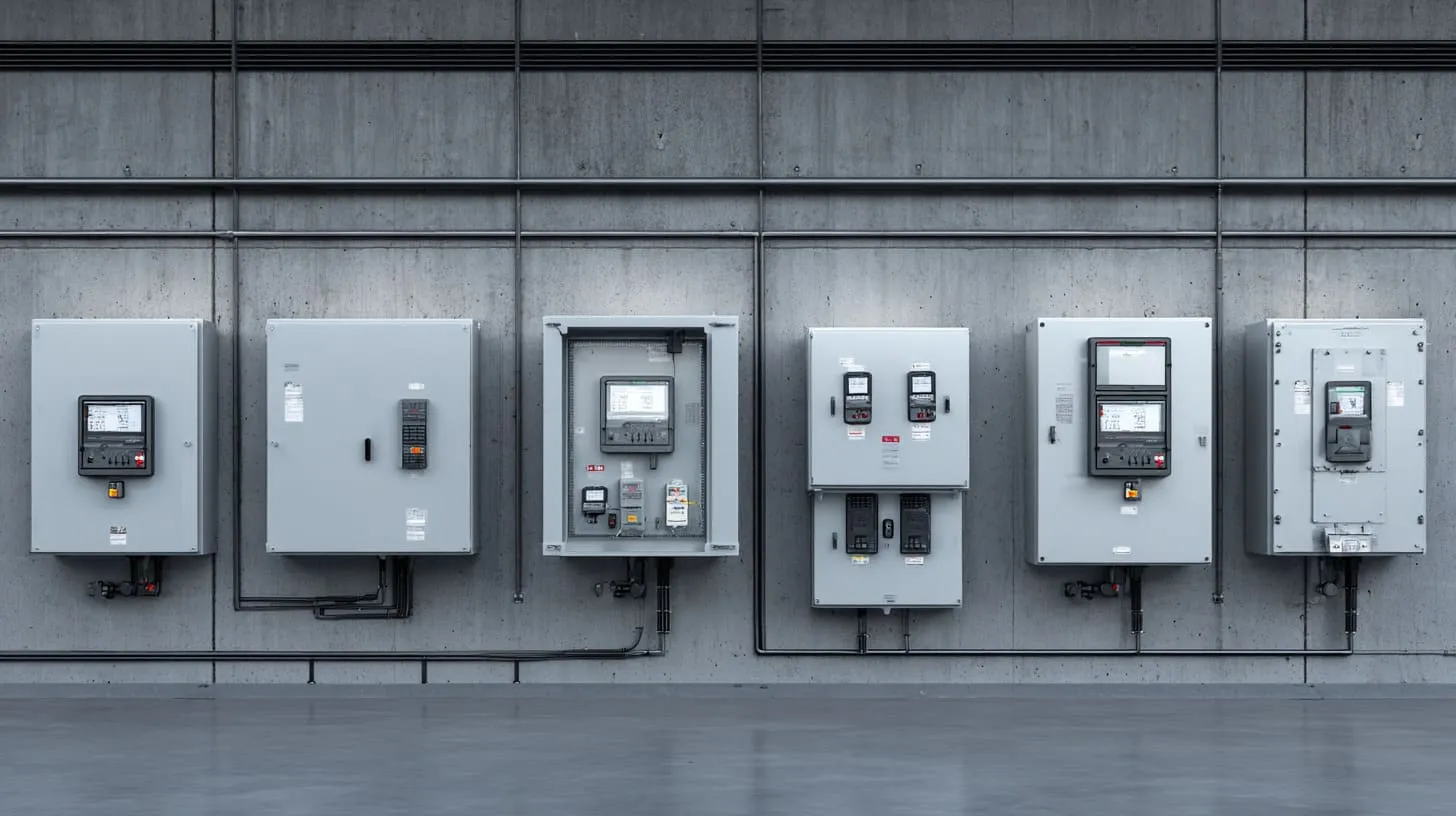
In indoor dusty environments, the same three or four NEMA Types show up again and again in my work: 1, 12, 12K, and 13.
NEMA 1: Limited Protection
NEMA 1 is the simplest indoor enclosure type. It provides:
- Basic protection against falling dirt and large objects
- A barrier to prevent direct contact with live parts
- No specific claim about circulating dust or fibers
Typical use:
- Clean or controlled rooms
- Office areas or simple utility panels
- Dry indoor environments with minimal airborne contaminants
I sometimes describe NEMA 1 as “a polite box for a polite room”. It is not designed for textile lint, flour in the air, or MDF dust.
NEMA 12: Protection Against Circulating Dust and Fibers
This is the workhorse rating in many of our projects. A NEMA 12 enclosure must protect against:
- Circulating dust, lint, fibers, and flyings
- Falling dirt
- Dripping and light splashing of non-corrosive liquids
You see NEMA 12 everywhere:
- Packaging machines
- Woodworking lines
- Food processing support areas (not high-pressure washdown)
- General factory control systems
NEMA 12K: Dust Protection With Knockouts
NEMA 12K is similar to Type 12 but with knockouts for conduit or cable entry. The challenge is obvious: every knockout is a potential weak point.
Key points:
- Designed for indoor dust, lint, fibers, and dripping water, like Type 12
- Includes pre-formed knockouts for cables and conduits
- Quality of field installation strongly affects real performance
NEMA 13: Oil, Coolant, and Dust Resistance
NEMA 13 goes a step beyond 12 in one key way: it adds explicit protection against oil and non-corrosive coolant, including spraying and splashing.
Typical use:
- Machine shops with cutting oil
- CNC lines with coolant mist
- Industrial garages or maintenance rooms
In these places, fibers and dust do not arrive alone. They come mixed with oil or coolant, forming a sticky paste that clings to every surface.
Summary Comparison
Here is how I usually summarize these four Types when talking to engineers:
| NEMA Type | Dust / Fibers Protection | Liquid Protection | Typical Use Case |
|---|---|---|---|
| 1 | Falling dirt only, no circulating dust | Minimal (no dripping/splash requirements) | Clean indoor spaces, low contamination |
| 12 | Circulating dust, lint, fibers, flyings | Dripping and light splashing (non-corrosive) | General indoor industrial environments |
| 12K | Same as 12, but with knockouts | Same as 12, but sensitive at knockout areas | Indoor use where conduit/cables enter via knockouts |
| 13 | Lint, dust, fibers, and flyings | Oil and non-corrosive coolant spraying/splash | Machine shops, coolant/oil environments |
When a buyer sends me a specification that simply says “dustproof enclosure”, the first thought that comes to my mind is: “If there is any chance of oil or coolant in the air, I will quietly steer them away from pure NEMA 12 and into something closer to 13.”
Once we know which Type we are targeting, the next step is understanding how the enclosure physically stops dust and fibers from getting in.
How NEMA Enclosures Physically Block Dust and Fibers

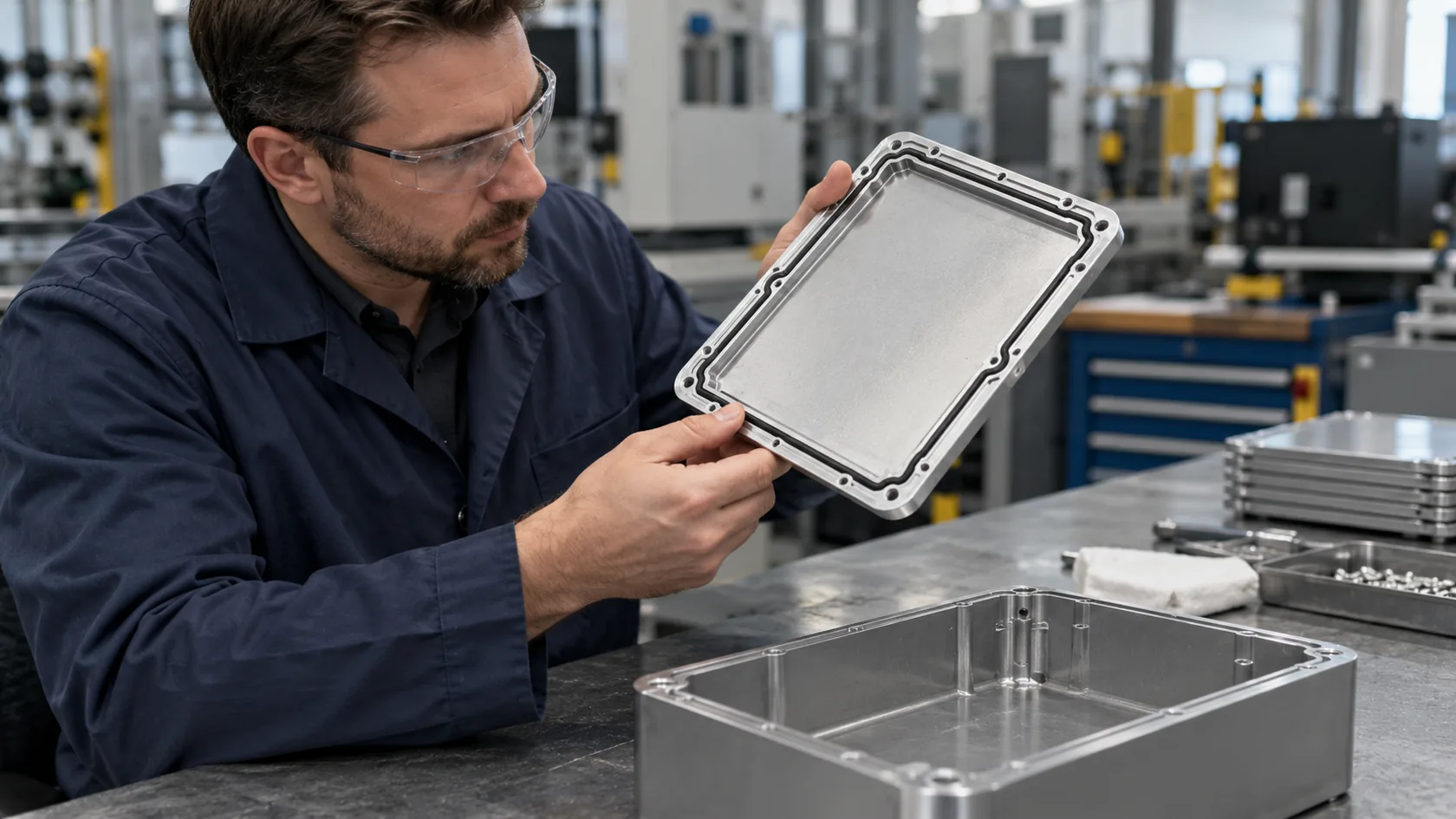
On paper, NEMA sounds abstract. On my factory floor, it becomes very physical: gasket material, flange depth, hinge quality, and weld seams.
Gasket Design and Sealing Systems
The gasket is the first line of defense. I see three common families:
| Gasket Type | Typical Material | Strengths | Weak Points |
|---|---|---|---|
| Foam | PU, PVC foam | Cost-effective, easy to compress | Can age faster, sensitive to chemicals |
| Rubber | EPDM, neoprene | Good resilience, stable in many oils | Needs correct compression to seal properly |
| Silicone | Silicone rubber/foam | Great temperature and aging resistance | Higher cost, requires clean mounting surface |
Key gasket principles I care about:
- Uniform compression along the entire door or cover
- Correct hardness (too soft leaks, too hard does not compress well)
- Proper adhesion or mechanical fixing so it does not peel or shift over time
Door Construction and Panel Fit
A good gasket is useless if the door moves like a cheap cabinet.
Important details:
- Flange depth: a deeper flange helps keep fibers out and aligns the door better.
- Door rigidity: if the door warps, you get gaps near hinges or latches.
- Latch spacing: long doors need more latching points to maintain even pressure.
Seams, Joints, and Enclosure Corners
Dust and fibers love corners. They collect there first on the outside, then try to find their way in.
Two common construction styles:
- Welded sheet metal
- Fewer gaps when done well
- Strong and durable
- Folded and fastened sheet metal
- Flexible for custom sizes
- Needs careful design around seams and joints
Corners, overlaps, and junctions between panels are where I pay the most attention during design reviews.
In my own work, the design choice that often decides whether fibers get in or stay out is how seriously we treat the “boring” details—gasket compression, corner sealing, and door flatness matter far more in the field than a perfect 3D render.
When buyers understand these physical elements, they usually start asking a new question: “If we seal the box this well, how do we stop it from overheating?”
Ventilation Without Letting Dust In
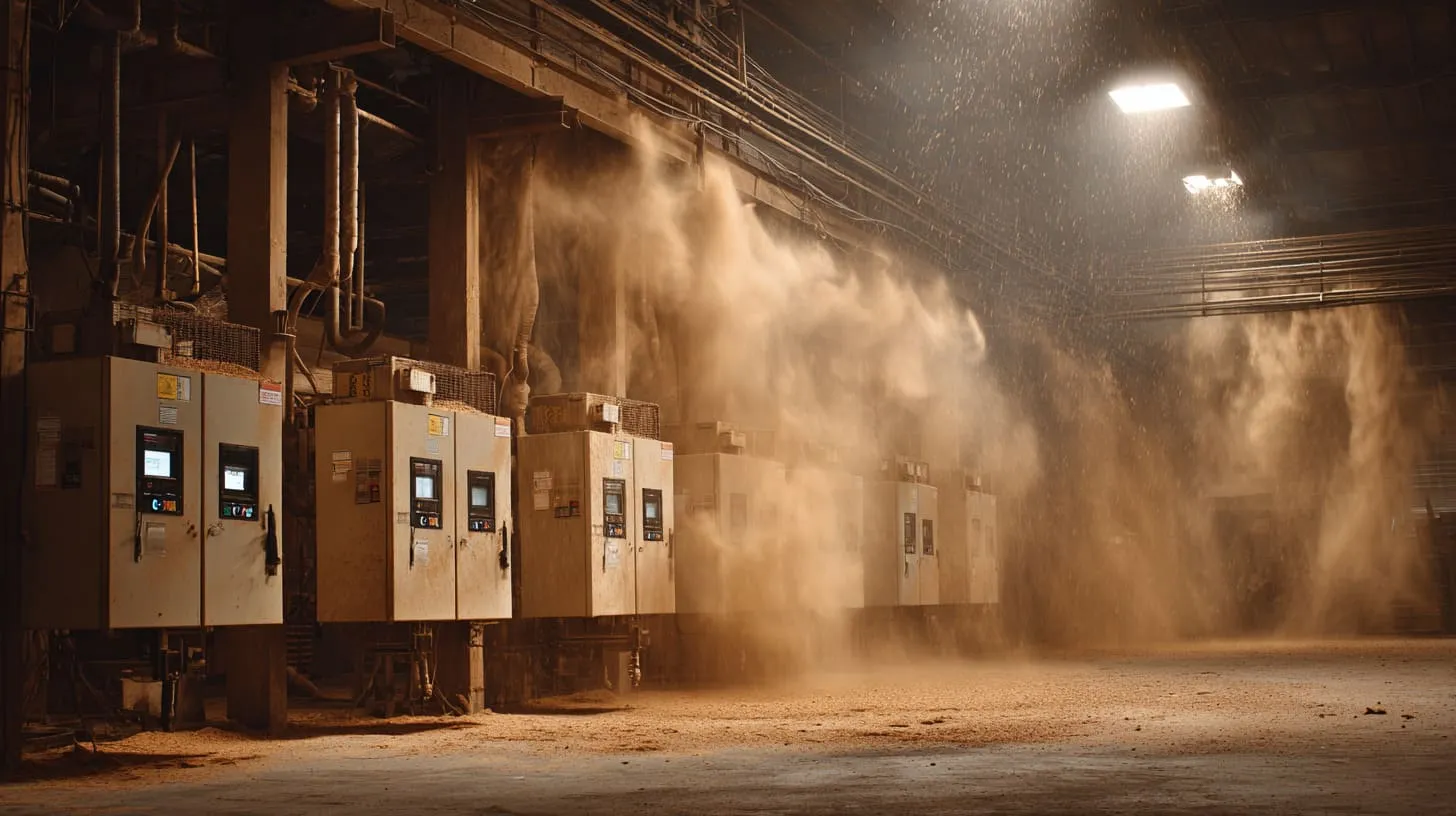
No engineer wants electronics running hot in a perfectly sealed tomb. The trick is to manage heat without turning the enclosure into a vacuum cleaner for dust.
Why Enclosures Still Need Airflow
Even for moderate power systems, enclosure heat rises because of:
- Power supplies and drives
- CPUs and communication modules
- Transformers and contactors
If we trap this heat:
- Components age faster
- Failures become random and hard to trace
- Users sometimes “fix” the problem by drilling holes, which kills dust protection
Filtered Vents and Breathers
One common solution is filtered vents or breather devices.
Key points:
- Filters use materials like non-woven fabric or foam
- They slow down airflow but catch particles
- They must be maintained, not installed and forgotten
I like to show buyers a simple comparison:
| Vent Type | Protection Level | Maintenance Needs | Typical Use Case |
|---|---|---|---|
| Open vent holes | Very poor in dusty rooms | None, but invites contamination | Only for clean indoor spaces |
| Filtered louver | Moderate dust protection | Regular filter cleaning/replacement | Packaging, general industrial |
| IP / NEMA vent plug | Good seal with pressure balance | Low, but still periodic checks | NEMA 12/13 enclosures with mild dust |
Pressure Balance Strategies
Sometimes an enclosure needs to “breathe” due to pressure changes (temperature swings, altitude, door opening). If we do not manage that, seals can deform, or water can be pulled in.
Options include:
- Breather valves that let air equalize but resist liquid and dust
- Positive pressure systems in severe environments (filtered air blown in)
I see many failures not because the vent hardware was wrong, but because nobody planned who will clean or replace the filter, and how often. An overloaded filter turns into a dirty sponge and kills airflow, which then causes heat problems and improvised drilling.
Whenever someone asks me to add vents to a NEMA 12 enclosure, the first thing I want to know is who will be responsible for cleaning those filters after year one, not day one.
Good ventilation leads naturally to another critical question: what should we build the enclosure from, and how do those materials behave under dust and fibers?
Material Choices That Improve Dust and Fiber Resistance
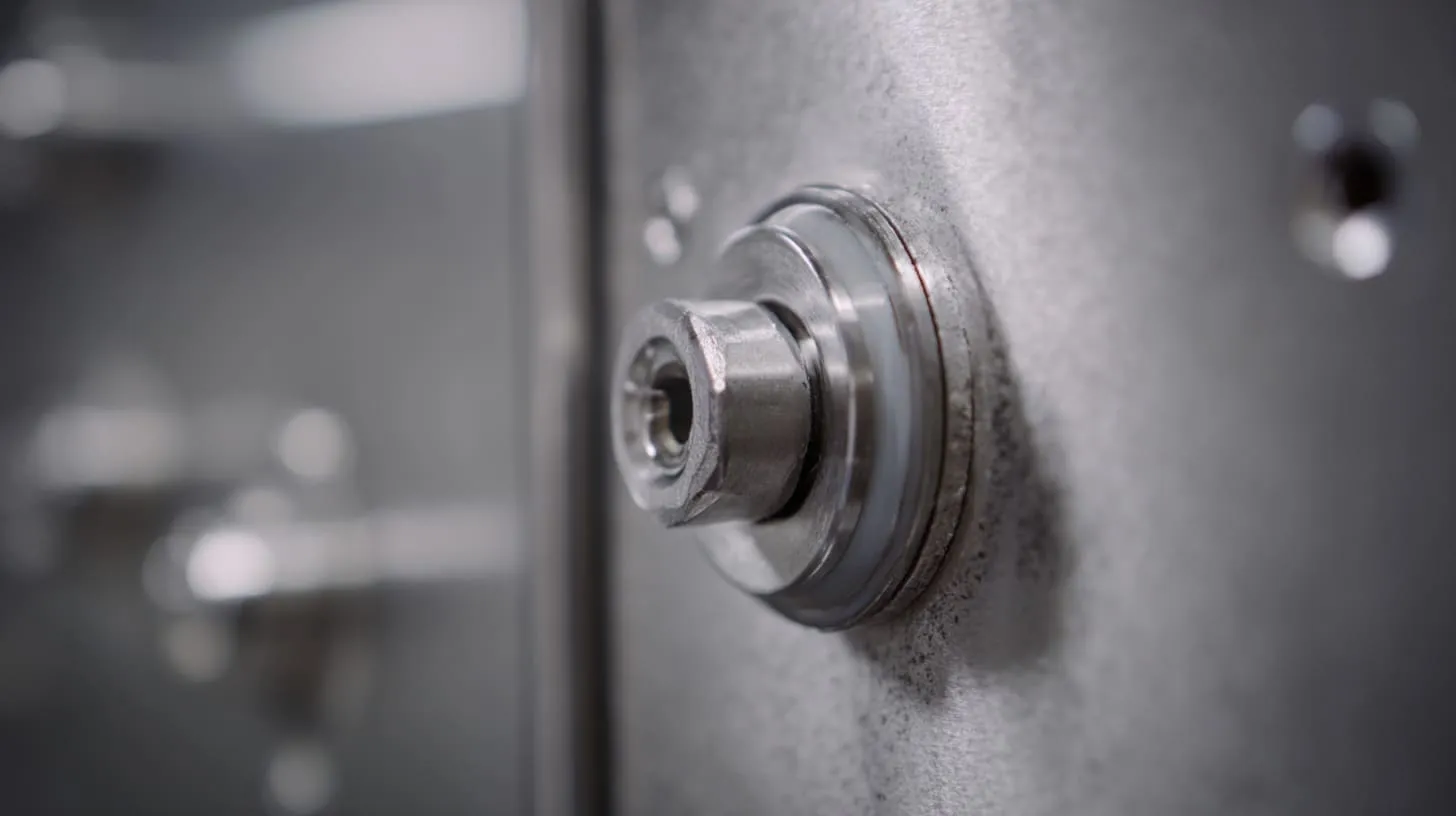
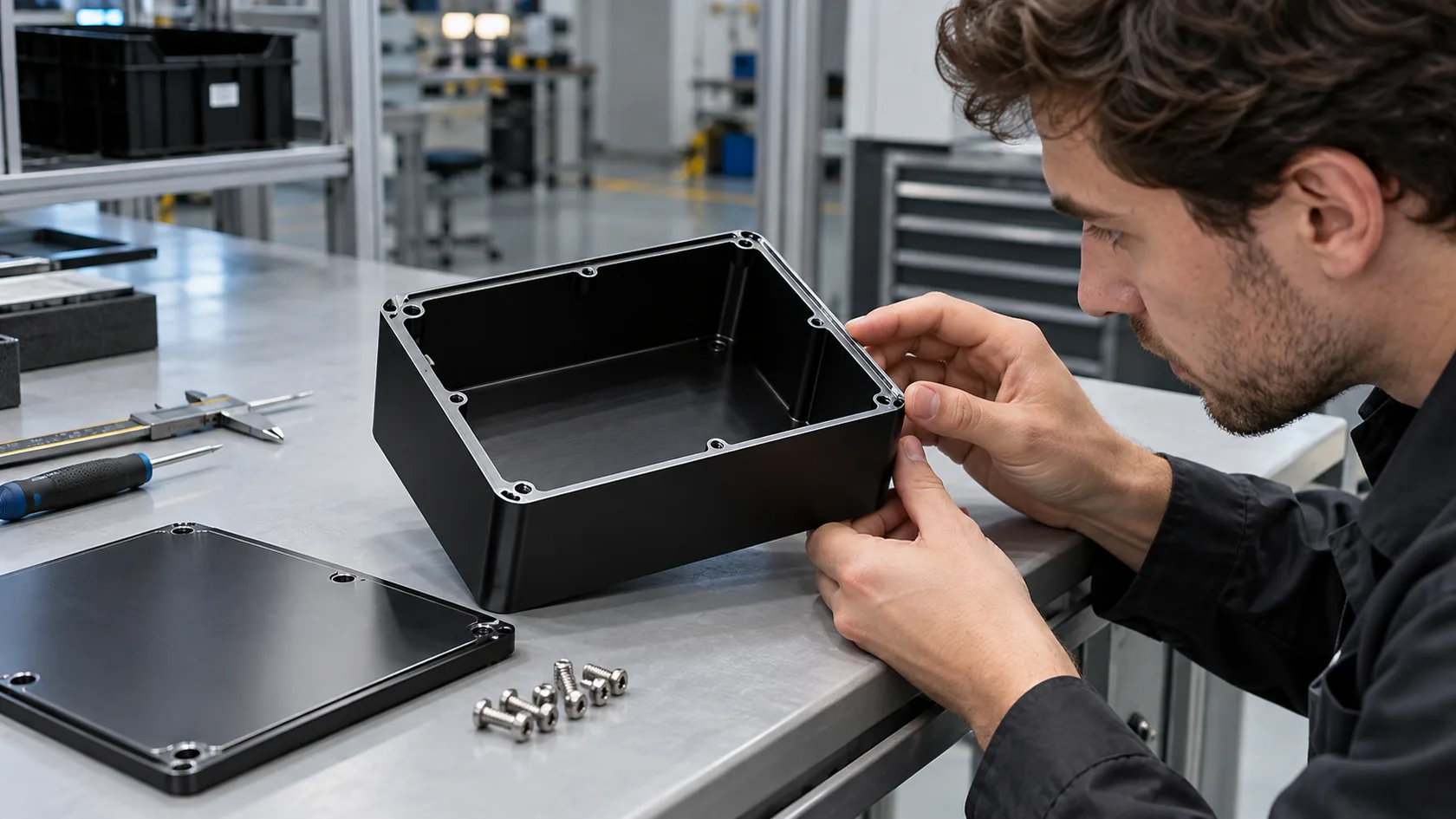
Because MaidaTech builds both aluminum and steel enclosures, I see how material choice quietly affects dust behavior, sealing, and long-term maintenance.
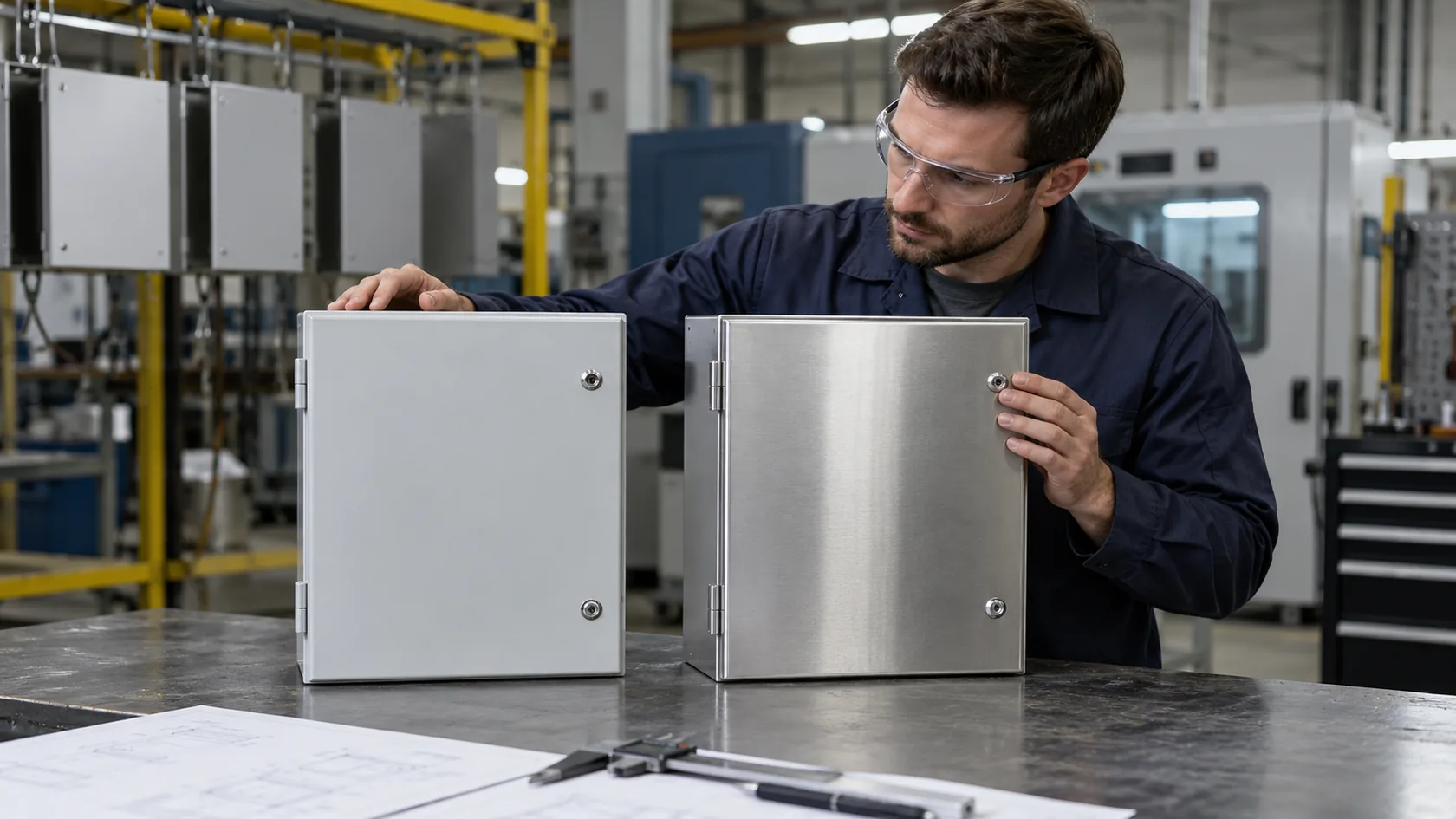
Aluminum vs Steel Enclosures
Here is how I normally explain it to engineers like Jackson in Belgium:
| Factor | Aluminum Enclosure | Steel Enclosure |
|---|---|---|
| Weight | Lighter, easier to handle | Heavier, more rigid |
| Corrosion resistance | Naturally good, better with anodizing or coating | Needs coating; bare steel can rust |
| Thermal conductivity | Higher, helps spread heat | Lower, can trap hot spots |
| Dust adhesion | Smooth, often easier to wipe clean | Depends on coating; rough textures trap more dust |
| Structural rigidity | Lower per thickness, needs design care | High, good for large panels |
| Cost | Often higher material cost | Often lower material cost |
In dusty environments, both can work well, but:
- Aluminum with a clean, smooth finish is good when frequent wiping and cleaning are expected.
- Steel with a quality powder coat is robust, but textured coats can hold dust longer and need more careful cleaning.
Coatings and Surface Treatments
Surface finish changes how dust and fibers behave on the outside of the enclosure.
Common treatments I see:
Powder coating
- Wide color range
- Good corrosion resistance
- Texture can be smooth or slightly rough
Anodizing (for aluminum)
- Hard, thin oxide layer
- Good wear and corrosion resistance
- Attractive finish for visible OEM products
Plain galvanized or painted surfaces
- Cost-driven choice
- Needs more care in dusty, slightly humid rooms
For dusty factories, I often suggest:
- Slightly smoother coatings on vertical faces, to make wiping easier
- Avoiding very rough textures in areas where fibers will cling
When I review a project with very fine powder in the air, the thought that guides me is simple: the easier it is to clean the outside of the enclosure, the longer the inside will stay clean too.
But even the best material and coating can be ruined by one careless step during installation.
Common Installation Mistakes That Break Dust Protection
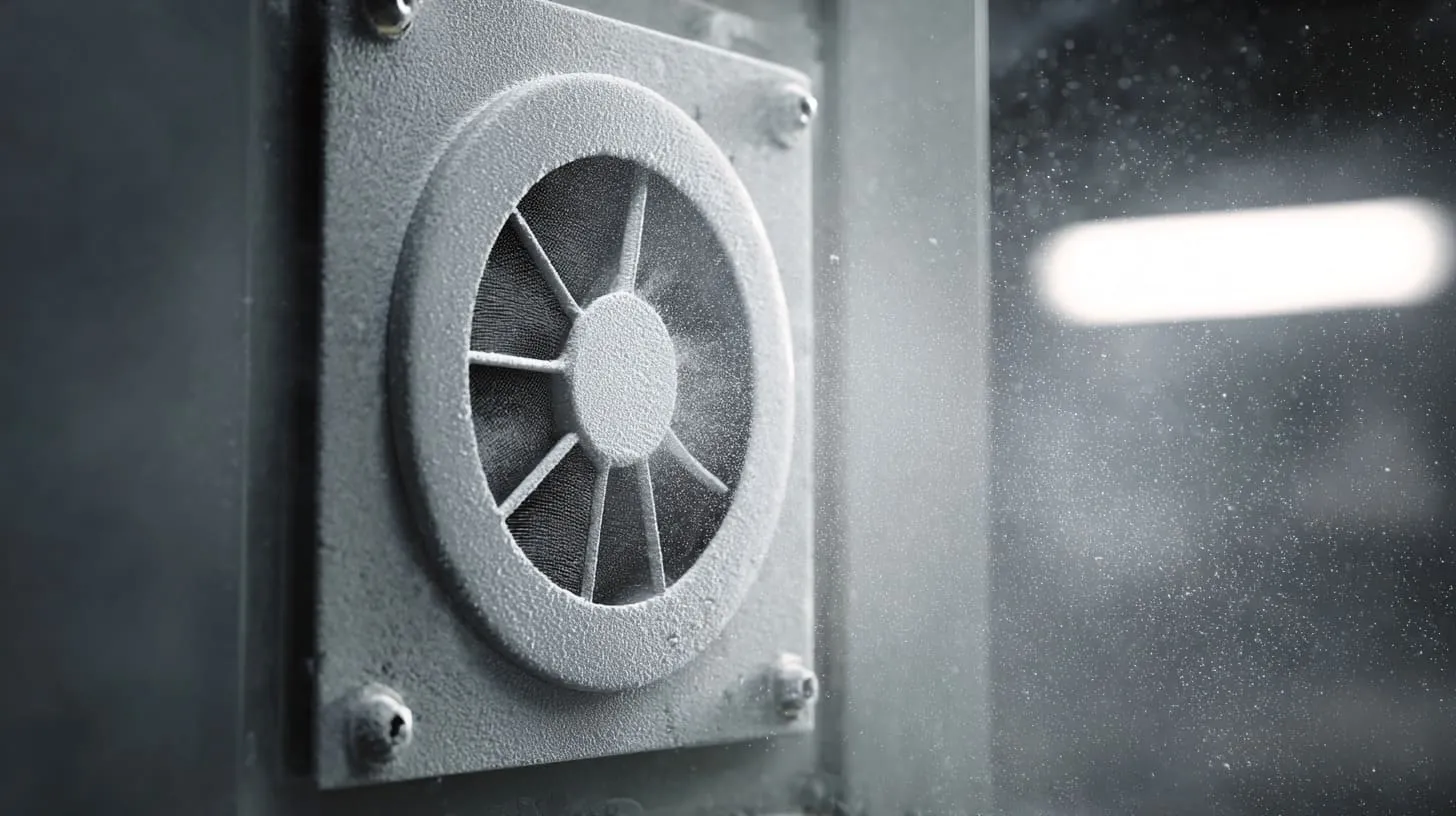
I have seen beautifully designed NEMA 12 enclosures destroyed in ten minutes by installation errors. The drawing was correct. The rating was correct. The reality on site was not.
Improper Cable Entry and Gland Selection
Cable entry is one of the most common weak points.
Typical problems:
- Oversized holes drilled for convenience, not for the actual gland size
- Wrong cable glands, not rated for dust or oil
- Mixing metric and NPT threads with adapters that do not seal well
Simple checklist I share with buyers:
- Match gland rating to enclosure rating (and environment).
- Use glands sized correctly for cable diameter.
- Avoid “temporary” rubber plugs that become permanent.
Poor Door Handling and Gasket Damage
Doors suffer a lot during installation and maintenance.
Common issues:
- Over-tightening latches so the gasket deforms and loses elasticity
- Misalignment of hinges, causing a gap along one edge
- Pinched or cut gaskets when someone closes the door on a cable or tool
Once a gasket is damaged, dust and fibers will find the path. They are patient.
Field Modifications After Installation
This is where many good designs die.
I have seen:
- Extra holes drilled with no proper grommet or gland fitted
- Knockouts punched out and left half-sealed “for future use”
- Cutouts enlarged with no repainting or sealing of raw edges
Every field modification changes the real protection class, sometimes from NEMA 12 down to something closer to a tired NEMA 1.
On projects where I know the site team likes to “adjust things on the fly”, my quiet rule of thumb is: if we cannot control the way modifications are done, we must assume the original NEMA rating will only survive until the first drill bit hits the box.
Because of this, I push hard on the next topic whenever I work with serious customers: choosing the right rating from the start, based on real conditions, not optimistic guesses.
How to Choose the Right NEMA Enclosure for Dusty Environments
Selecting a NEMA Type is not a beauty contest between datasheets. It is a small risk decision that affects downtime, warranty claims, and how much your support team will hate your design later.
Questions Engineers Should Ask Before Selecting NEMA Ratings
When Davide or John sends me a new concept, I usually ask a few simple questions first:
What type of dust or fibers are present?
Flour, textile lint, wood dust, metal powder, or mixed?How long and how often is the exposure?
Continuous production, occasional shifts, or only during cleaning?How is the area cleaned?
Dry sweeping, vacuuming, low-pressure wash, or aggressive hose cleaning?
A small Q&A table helps clarify:
| Question | Light-Duty Room | Heavy-Duty Dust Room |
|---|---|---|
| Dust visible in the air most of day? | Rarely | Frequently |
| Cleaning method | Vacuum, dry wipe | Blowing air, sweeping, sometimes hose |
| Fibers or lint in the air | Minimal | Significant (textiles, cardboard, wood) |
Matching Enclosure Rating to Real Conditions
Based on those answers, we match to NEMA Types:
- Clean or lightly dusty indoor room → NEMA 1 may be enough
- General dusty industrial room → NEMA 12 or 12K
- Dust plus oil/coolant mist → NEMA 13 or sealed higher Types
The mistake I see often is over-trusting a single photo or a “typical” description. The line that sounds harmless—“It’s just some dust during production”—sometimes hides a constant cloud of fibers in real life.
Cost vs Protection Trade-Offs
Higher ratings cost more, but under-rating the box also has a price.
Rough comparison:
| Option | Upfront Cost | Protection Level | Long-Term Risk |
|---|---|---|---|
| NEMA 1 in dusty room | Low | Poor against dust/fibers | High risk of early failure |
| NEMA 12 in dusty room | Medium | Good for dry dust/fibers | Balanced protection vs cost |
| NEMA 13 in oily dust room | Higher | Better with oil/coolant | Lower failure risk in machine shops |
I like to be transparent with buyers: if the environment is only mildly dusty and dry, paying for a “hero” enclosure can waste budget that might be better used on better cabling or spare parts.
Once the rating is chosen carefully, the next question is: does this logic actually survive when we build for real customers and real projects?
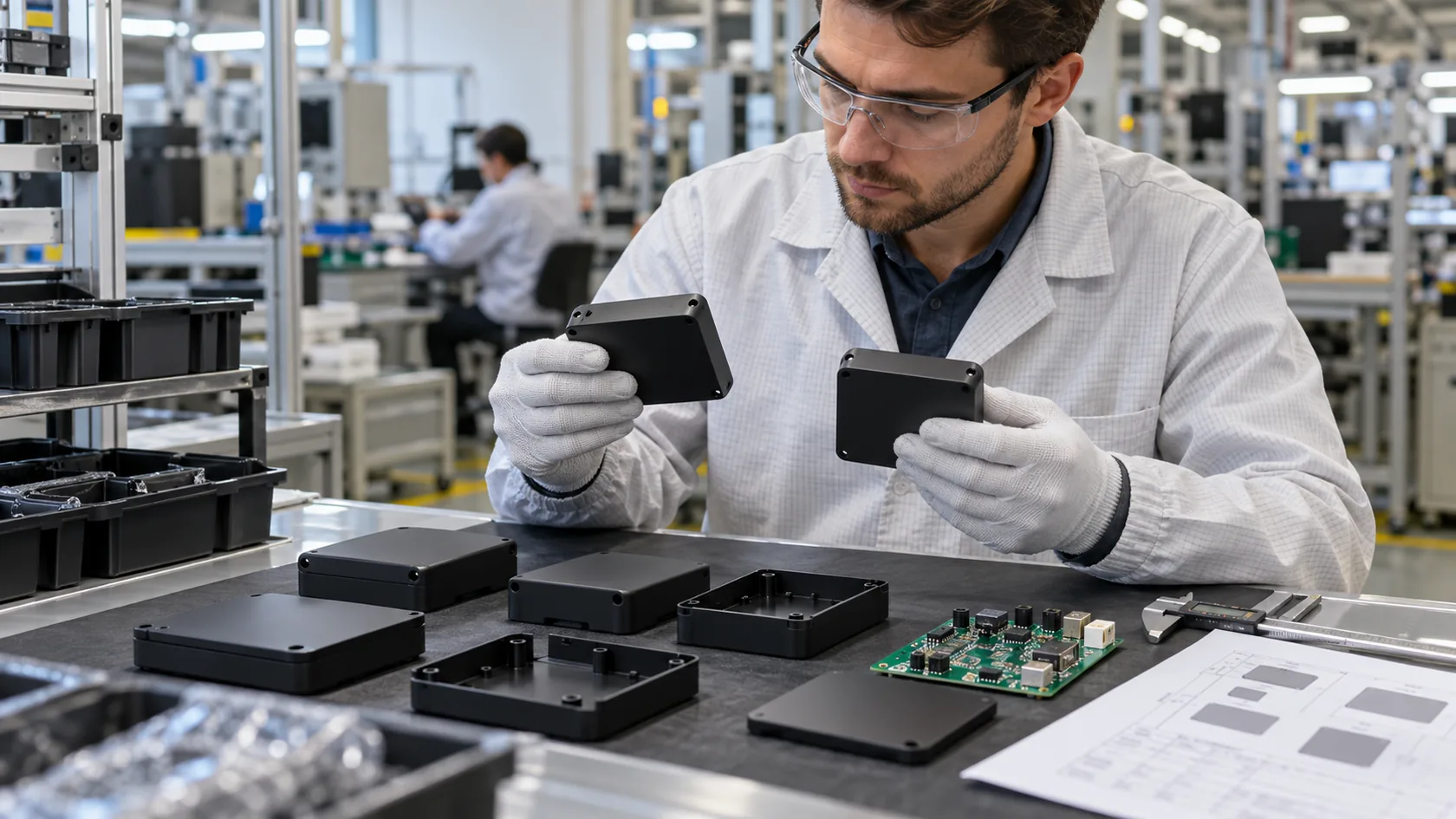
NEMA Enclosures in Real OEM and ODM Projects
Because MaidaTech works mainly with OEM and ODM clients, I see NEMA decisions play out over years, not just at launch.
Typical Use Cases From Industrial Customers
Some common patterns:
- Control panels for packaging lines
- Power supply enclosures for automation systems
- I/O and communication boxes near machines
A few anonymized examples from my own work:
| Application | Environment | Chosen NEMA Type | Key Reason |
|---|---|---|---|
| Small PLC panel on carton line | Cardboard dust, light fibers | NEMA 12 | Circulating dust and fibers |
| Servo drive box in CNC cell | Oil mist, metal chips nearby | NEMA 13 | Oil and coolant in the air |
| Sensor junction boxes in wood line | Fine sawdust, dry cleaning | NEMA 12K | Dust, plus easy cable entry |
| Low-power panel in clean lab | Minimal dust, controlled room | NEMA 1 | Cost focus, low dust risk |
Lessons Learned From Dust-Related Failures
I have seen a few patterns repeat across different countries:
- Failures caused by “temporary” holes that were never sealed properly
- Panels placed too close to dust sources, like directly above saws or bagging hoppers
- Assumptions that “indoor = clean”, which turned out false in mixing or cutting rooms
When these problems show up, the cost is not just the replacement of one enclosure. It is:
- Production stoppage
- Technician time
- Finger-pointing between the OEM, factory, and supplier
In projects where things went smoothly, the common factor was simple: the engineering team treated the NEMA decision as a small design choice with big consequences, not as a checkbox at the last minute.
Those stories are exactly why I speak so strongly about this topic when we close a design review.
Conclusion
Dust and fibers look small, but they are not a small problem. Over the years at MaidaTech, I have opened enough failed panels to know that the real enemy is not only bad hardware. It is under-estimating the environment and over-trusting a label like “dustproof” without asking what it really means.
I care about NEMA ratings because they give me a shared language with engineers and buyers. When someone says “NEMA 12” or “NEMA 13”, I can picture the room, the air, the cleaning hose, the lint in the corners, and the coolant spray. I am not guessing. I am matching a real environment to a tested enclosure Type.
My own way of thinking is simple:
- If dust and fibers are in the air, I start by asking what kind, how often, and what else is mixed with them.
- I then choose between NEMA 1, 12, 12K, and 13 based on that picture, not based on habit.
- Finally, I look hard at the “boring” parts—gaskets, corners, glands, doors, and field modifications—because that is where most real failures begin.
I take this approach not because it looks smart on a blog, but because it saves my customers from avoidable downtime and saves us from those long, uncomfortable emails when a panel fails in the field.
If you are an engineer, buyer, or OEM building your next control system, and you are not sure which NEMA rating fits your dusty or fiber-heavy environment, I am happy to walk through it with you. Send me your drawings, your photos, and your questions.
You can reach me at info@maidatech.com or through maidatechenclosure.com. We can look at the real conditions together, choose a rating that makes sense, and design a custom aluminum or plastic enclosure that your maintenance team will still like five years from now.