Skip to content

Every electrical project eventually reaches the same moment: wires are planned, layouts are reviewed, and someone finally asks, “Which box are we using here?”
This question might sound simple, but the answer affects safety, usability, and how smoothly everything fits together. In my work helping OEM clients and product engineers—especially those designing enclosures around power inputs or control panels—choosing the right electrical box has never been a footnote. It’s a decision that deserves clarity.
So if you’ve ever stared at a product spec, puzzled over whether to pick a round box, a gang box, or a weatherproof one—this guide is here to help.
What Are Electrical Boxes?
An electrical box is a container. It sits behind switches, sockets, lights, and wiring connections. Its job is basic but important — to protect wires and protect people from electrical hazards.
Think of it like a safety jacket for your wiring. No jacket, higher risk.
Importance in Electrical Systems
Without a proper electrical box:
- wires are unprotected
- connectors are exposed
- fire risk goes up
- safety codes are violated
For engineers like Jackson in Belgium or production specialists in Germany, choosing the right box means safe products and happy customers.
The right box keeps your system compliant and reliable.
How This Guide Helps You
By the end of this guide, you’ll:
- know different types of electrical boxes
- understand where to use each type
- see how to choose the right one for your situation
And you’ll feel confident talking about electrical boxes with anyone — your team, your buyer, or your customer.
If you’ve ever been confused by all the names and types out there, don’t worry. You’re in the right place.
Types of Electrical Boxes

Let me take you inside the world of electrical boxes. Over the years, I’ve seen hundreds of designs. Some engineers overthink this. Some overlook it. Both are mistakes. The type of box you pick can affect installation time, safety, and future maintenance.
Below is a clear list to help you think differently about each kind.
1. Standard Wall Electrical Boxes
Definition and Common Uses
These are the boxes you see in walls behind:
- switches
- outlet sockets
- receptacles
They mount either before or after the wall is finished.
These boxes keep wires and devices secure.
New Work vs. Old Work Boxes
New Work Boxes
These are installed before drywall or wall boards go up. You can see the studs and beams.
Old Work Boxes
Installed after walls are already in place. They clamp to the drywall.
| Feature | New Work | Old Work |
|---|---|---|
| Wall Status | Open | Closed |
| Installation Ease | Easier | Needs careful cutting |
| Adjustability | Flexible | Limited |
This checklist helps when planning a site or retrofit.
Materials: Metal vs. Plastic
Electrical boxes come in two main materials:
| Material | Strength | Cost | Best Use |
|---|---|---|---|
| Metal | High | Medium | Commercial, heavy duty |
| Plastic | Medium | Low | Residential, light loads |
Metal boxes are strong and good for industrial use. Plastic boxes are lighter and resist corrosion.
You’ll pick based on environment, weight, and safety needs.
Let’s move on to gang boxes — they get more interesting.
2. Gang Electrical Boxes

When you need multiple controls in one area, you go gang.
Single-Gang Boxes
These hold one device like one switch or outlet.
Think about simple setups. Like a door light.
Multi-Gang Boxes (2‑Gang, 3‑Gang, 4‑Gang)
These hold multiple devices in the same frame.
| Gang Size | What You Can Fit |
|---|---|
| 2‑Gang | 2 switches |
| 3‑Gang | 3 devices |
| 4‑Gang | 4 devices |
This is useful when you want many controls in one spot — like multiple lights or power supplies.
Now let’s zoom into a classic: junction boxes.
3. Junction Boxes

When wires need to meet and connect, the junction box is often the hub.
What Is a Junction Box?
A junction box is the meeting point. It keeps all cable connections safe and out of sight.
I remember early in my career, I worked on a panel where wires kept overheating. No proper box. That was a lesson I never forgot.
Variations by Material (Metal, Plastic)
Metal
- strong
- good for industrial locations
- can ground easily
Plastic
- easier to cut for custom paths
- non‑conductive
- light
Think about your environment before picking.
Variations by Shape and Function
Standard/Regular Junction Boxes
These are square or rectangular.
Good for general wiring.
Round Pan Junction Boxes
Great for ceiling lights.
They make it easy to run wires to fixtures.
Square Junction Boxes
A bit larger. Good if wires start branching to many places.
Octagon/Round Junction Boxes
Common for ceiling and wall fixtures. More room for wire nuts.
Ceiling Fan Junction Boxes
Built to hold weight. Fans need support.
Never use a regular box for a heavy fan.
Outdoor & Weatherproof Junction Boxes
These keep water and weather out. We’ll talk more below.
Understanding shapes helps you pick faster on site.
4. Round & Octagon Boxes

Now, let’s break down round and octagon boxes.
You’ll see them a lot with ceiling fixtures.
Uses for Ceiling/Wall Fixtures
Round boxes are perfect for:
- ceiling lights
- single fixtures
- shallow wiring
Octagon boxes give more room for connections.
Wire Capacity and Depth Differences
Round boxes can be shallow. Octagon ones are deeper.
This means:
- round boxes for simple jobs
- octagon for complex wiring
There’s no one answer — it depends on your load.
5. Square Electrical Boxes
Square electrical boxes give you room.
Larger Capacity for Multiple Conductors
More space means:
- easier wiring
- safer connections
- room to adjust
This matters most when you have multiple circuits or heavy cable.
Use as Junction or Device Boxes
Square boxes work both as:
- junction points
- places for switches and outlets
This flexibility makes them very common.
Let’s step outside — literally.
6. Outdoor and Weatherproof Boxes
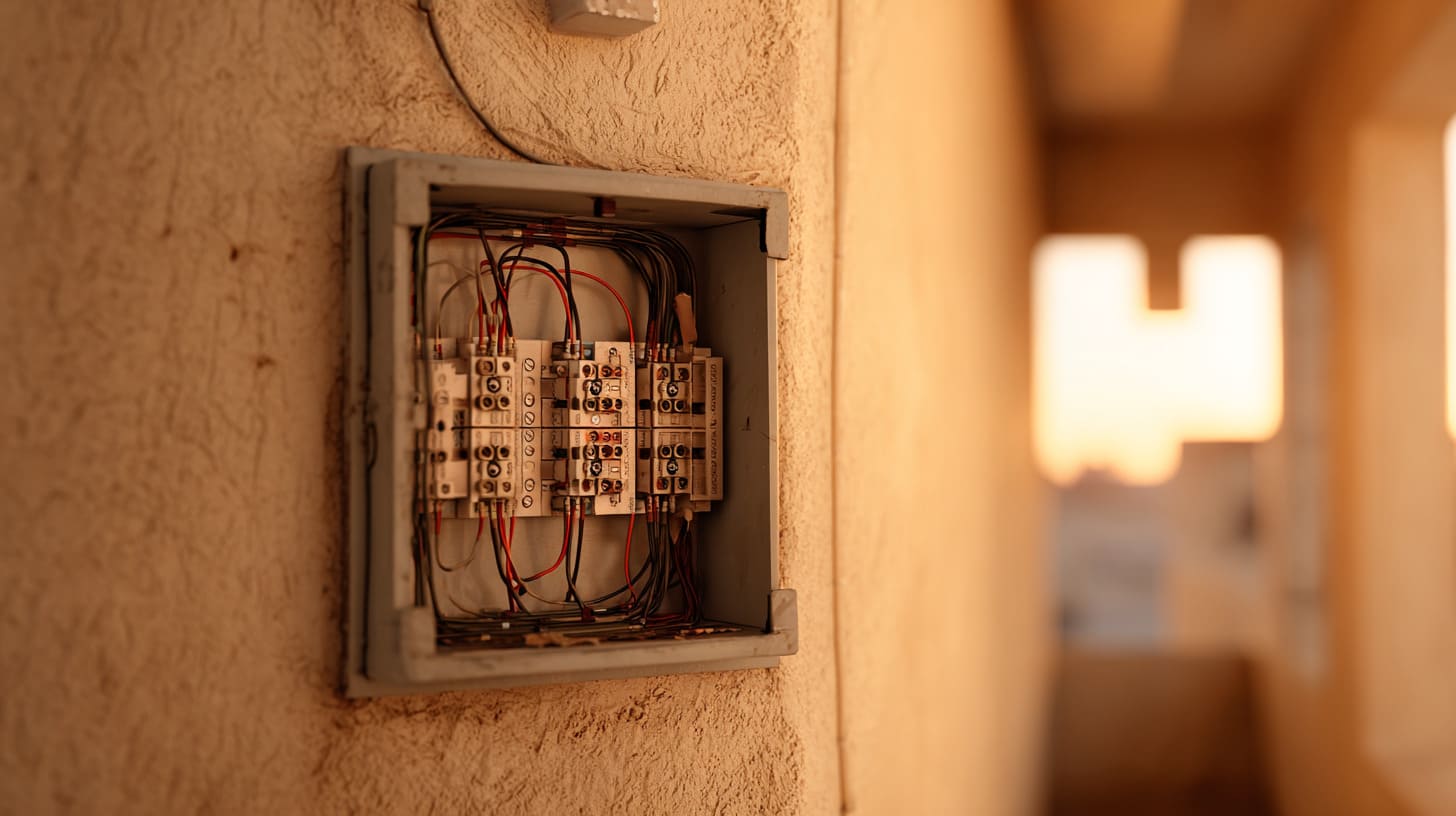
Outdoors is a different world. Water, heat, cold, wind…
Design Features for Moisture and Weather Protection
Outdoor boxes often have:
- gaskets
- seals
- protective covers
These keep water from touching wires.
I once consulted a project in Canada where poor sealing caused corrosion. It was a simple fix — the right outdoor box.
Best Uses in Outdoor Environments
Outdoor boxes are ideal for:
- garden lighting
- exterior outlets
- outdoor panels
If water could reach wires, choose weatherproof.
7. Floor Boxes

Floor boxes are often overlooked — until they’re needed.
What Are Floor Boxes?
They sit flush in the floor. These let you access power and data without tall stands or wires across walkways.
Typical Applications (e.g., Open Floor Spaces)
Great for:
- offices
- gyms
- living rooms
- hospitality spaces
Floor boxes bring clean design and easy access.
8. Specialized Electrical Boxes

Finally, let’s look at special use boxes.
Electric Meter Boxes
These hold and protect the meter that tracks power usage.
They’re often built to strict standards.
Modular and Commercial Boxes
For large, modular systems or commercial panels.
These boxes support advanced configurations.
For engineers working on big systems, these make complex control easier.
How to Choose the Right Electrical Box

Choosing the right box is not guesswork. It’s about matching the box to need, location, safety, and code.
Material Considerations (Metal vs. Plastic)
| Material | Strength | Cost | Best Use |
|---|---|---|---|
| Metal | High | Medium | Industrial, grounding required |
| Plastic | Medium | Low | Residential, corrosion resistance |
Ask yourself:
- Will this be outdoors?
- Need grounding?
- Heavy wiring?
Location Considerations (Indoor vs. Outdoor)
Indoor boxes may not resist weather.
Outdoor ones must seal.
Even a small crack can lead to problems later.
Device and Wire Capacity Needs
Count the wires.
Add room for future changes.
Never force wires into a box that’s too small.
Safety and Code Compliance
Every place has rules.
In the US, the NEC guides electrical installations.
In Europe or Asia, local standards apply.
Following rules keeps people safe and your product reliable.
Installation Tips and Best Practices

Picking the box is one thing. Installing it right is another.
Proper Mounting and Accessibility
Make sure:
- box sits flush
- wires are secure
- devices are easy to reach
Cable Management and Box Fill Rules
Too many wires cause heat.
Too little space makes installation hard.
Follow fill rules.
Safety Notes and Code References
Always:
- turn off power
- double‑check connections
- test with meters
Safety first, always.
Conclusion
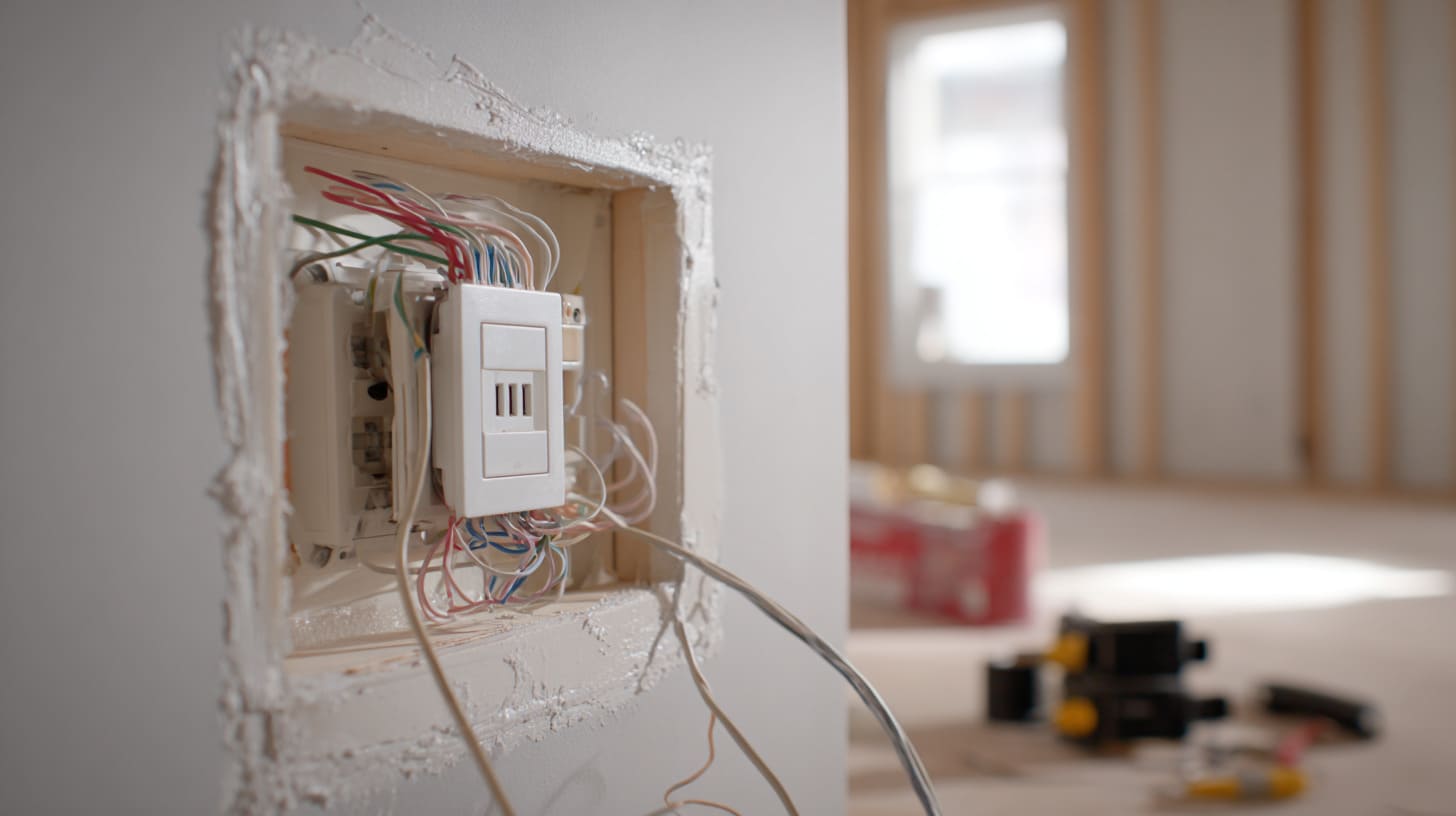
Summary of Key Types and Their Uses
We covered:
- wall boxes
- gang boxes
- junction boxes
- round & octagon boxes
- square boxes
- outdoor boxes
- floor boxes
- specialized boxes
Each type has its place.
Final Tips for Selection and Installation
Think about:
- where it’s used
- what it protects
- how many wires
- environment and safety codes
Your choice affects performance and safety. Choose wisely.