Skip to content

Electrical projects rarely fail because of big ideas. They fail because of small details that get ignored when things move too fast.
A J box, or junction box, is an enclosure that houses electrical connections to protect them from external damage and contain sparks or heat.
Over time, I’ve seen how one missing box can turn a clean wiring job into a future problem. Loose splices, hidden risks, and inspections that don’t pass usually trace back to this exact point.
What are J boxes used for?
They’re often hidden, but they’re everywhere.
J boxes are used to safely contain electrical connections, splices, and terminations.

Keeping connections safe
Electrical wires don’t just magically run from panel to outlet. Somewhere along the path, they’re joined, split, or rerouted—and that’s where a J box steps in.
Fire and shock protection
Without a proper enclosure, sparks or heat from faulty connections can cause real harm. A J box acts like a firefighter who’s always on duty.
Where are J boxes required?
I always ask clients to double-check code when placing boxes—because guessing isn’t worth it.
J boxes are required at any point where wires are spliced, extended, or rerouted.

Examples of required locations
- Ceiling light connections
- Outlet junctions
- Outdoor branch wiring
- HVAC unit wiring transitions
Local building codes vary, but skipping a J box in the wrong spot could void an inspection—or worse, create a hazard.
What is the difference between a pull box and a J box?
It’s a common confusion—especially when you’re staring at a metal square on the wall.
A J box protects wire connections, while a pull box helps route long cable runs without connections inside.

Simple comparison table
| Feature | J Box | Pull Box |
|---|---|---|
| Purpose | Splicing and connecting wires | Assisting wire pulling |
| Connections | Yes | No |
| Code requirement | Based on connection locations | Based on cable length/turns |
What is a PVC J box?
These come up a lot in outdoor or non-metallic conduit setups.
A PVC J box is a plastic electrical junction box made from polyvinyl chloride.

Why people choose PVC
- Non-corrosive in wet or coastal areas
- Lightweight and easy to install
- Cost-effective
- Often used in underground or pool setups
But keep in mind, some applications still prefer metal for grounding or heat resistance.
What does a J box do in electrical wiring?
It’s like a quiet middleman—essential, but rarely noticed.
In wiring, a J box houses and protects electrical splices and provides code-compliant wire access.

I once had a client who kept calling it “just a cover.” I told him, “That cover stops you from rewiring your entire ceiling because of a loose connection.”
Where should a junction box be installed?
I’ve crawled through attics and under cabinets to install them—location really matters.
J boxes must be installed where they remain accessible and secure.

Placement Tips
- Never behind drywall or inside insulation
- Must be flush with walls or ceilings
- Use mounting brackets to fix them firmly
- Ensure lids are removable without destroying finishes
What is the difference between a J box and an electrical box?
It’s a subtle naming issue, but it matters for clarity.
All J boxes are electrical boxes, but not all electrical boxes are J boxes.

In other words:
- J boxes = for splicing/junctions
- Electrical boxes = broader term for outlets, switches, or devices
Think of the J box as a specialist in connections.
Do all electrical connections need to be in a J box?
It’s tempting to bypass this on small DIY fixes—but don’t.
Yes, all electrical connections must be inside an approved, accessible junction box.

The National Electrical Code (NEC) doesn’t allow open-air splicing, no matter how “minor” it feels. I've had to redo entire panels for clients who didn’t know this.
What are the NEMA or IP ratings for J boxes?
When you're sourcing boxes—especially for outdoor or industrial work—ratings are everything.
J boxes come with NEMA or IP ratings that define their resistance to dust, water, and impact.

Typical Ratings Comparison
| Rating | Protection Level |
|---|---|
| NEMA 1 | Indoor, basic protection |
| NEMA 3R | Outdoor, rain resistant |
| NEMA 4X | Waterproof + corrosion resistant |
| IP65 | Dust tight, low-pressure water jets |
| IP68 | Submersible, long-term underwater use |
I always recommend double-checking your environment before choosing a box—especially for coastal or factory installations.
Can you use a plastic J box outdoors?
Yes—but not all plastic boxes are built the same.
Only outdoor-rated plastic J boxes with weatherproof gaskets should be used outdoors.

Look for:
- UV-stabilized material
- NEMA 3 or IP65+ rating
- Tight-seal covers
Anything less will degrade fast in sunlight or rain.
How do you size a J box for your application?
Sizing isn’t just about “will the wires fit?”—it’s about code and heat management too.
You size a J box based on the number and gauge of conductors using NEC fill calculations.

Quick Calculation Guide
- Start with box volume (in cubic inches)
- Count each conductor = 1 unit
- Ground = 1 unit total
- Device = 2 units
- Multiply by volume per wire gauge (e.g., 14 AWG = 2.0 cu in)
If that sounds confusing, I always suggest using an NEC calculator app—or just going one size up if you’re unsure.
Is it legal to cover a J box behind drywall or ceiling panels?
This one causes more stress during inspections than you'd think.
No, it is not legal to permanently cover a J box behind drywall or panels.

Boxes must remain accessible—even if hidden in cabinets or ceilings. If you ever need to troubleshoot or replace a connection, you’ll be thankful you followed this rule.
What are the common materials used for electrical J boxes?
Different jobs call for different materials.
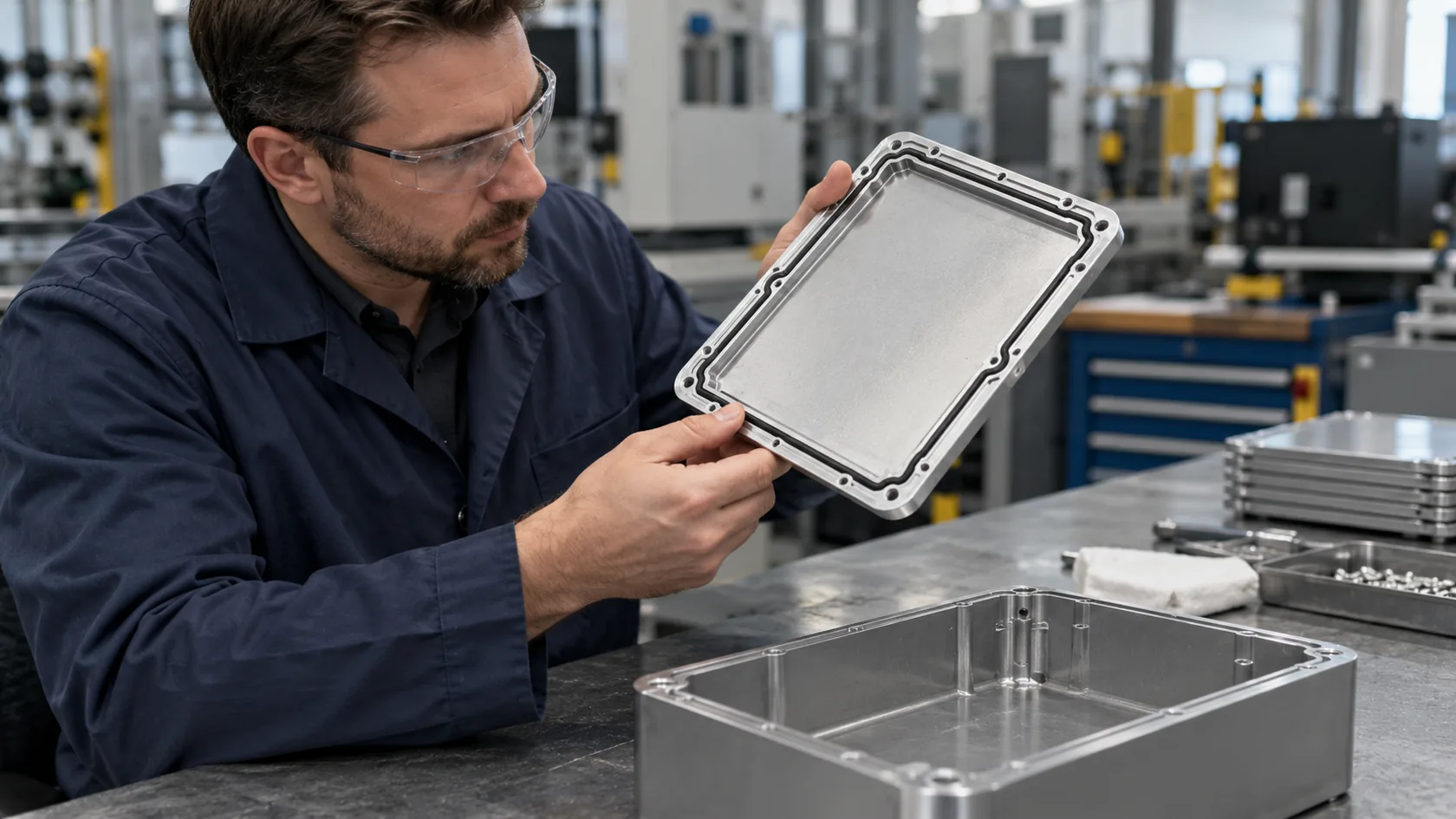
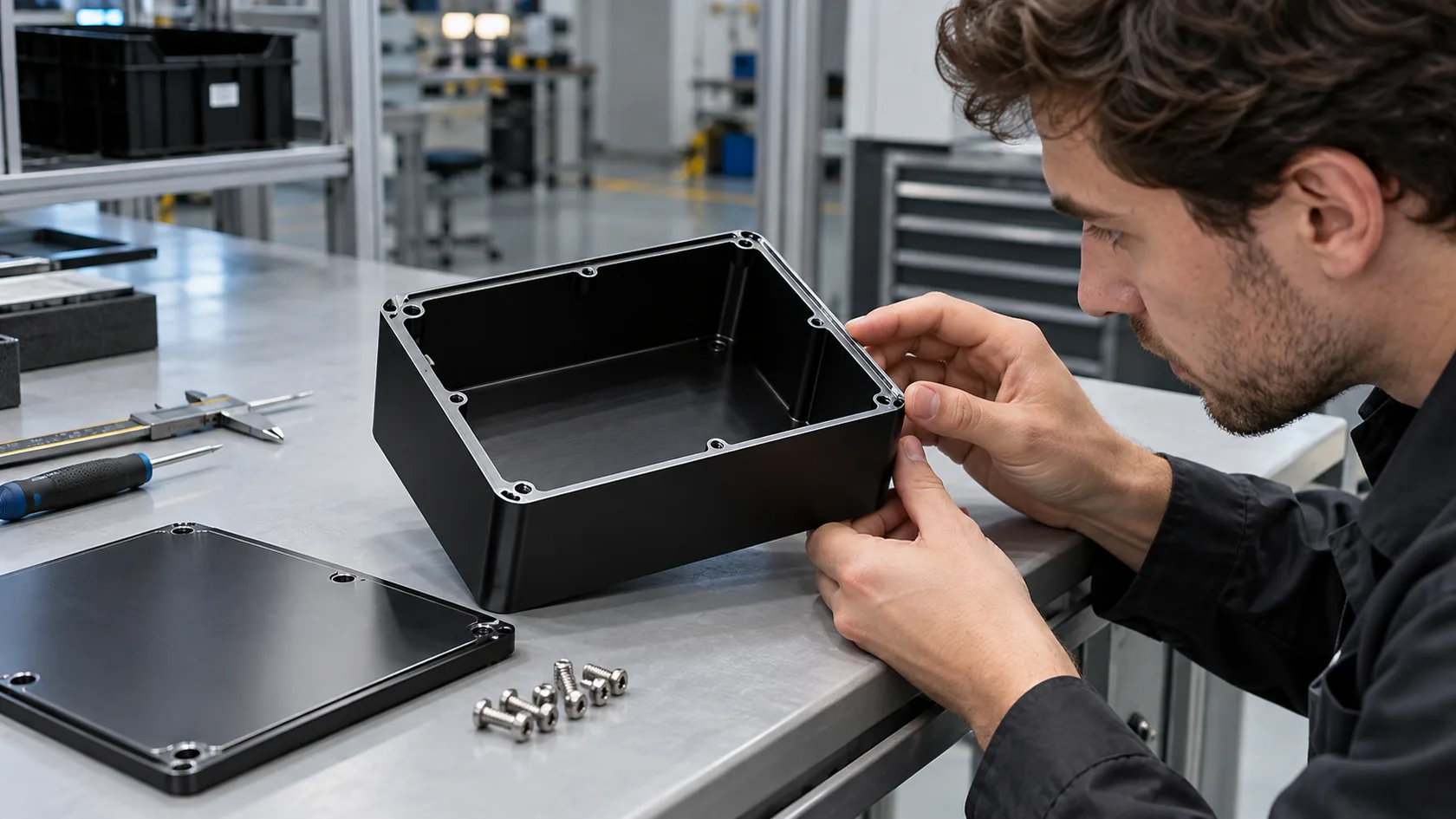
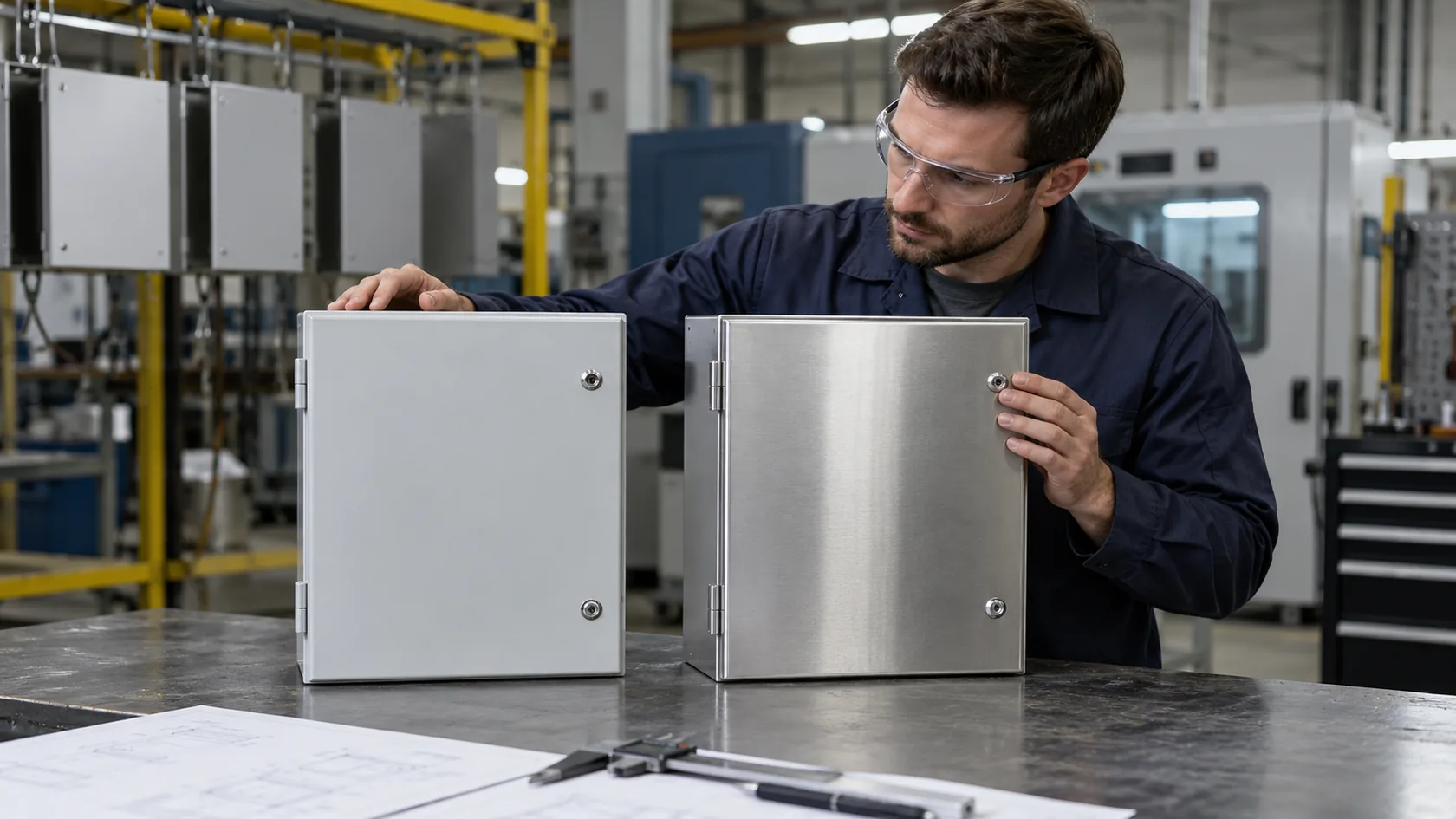
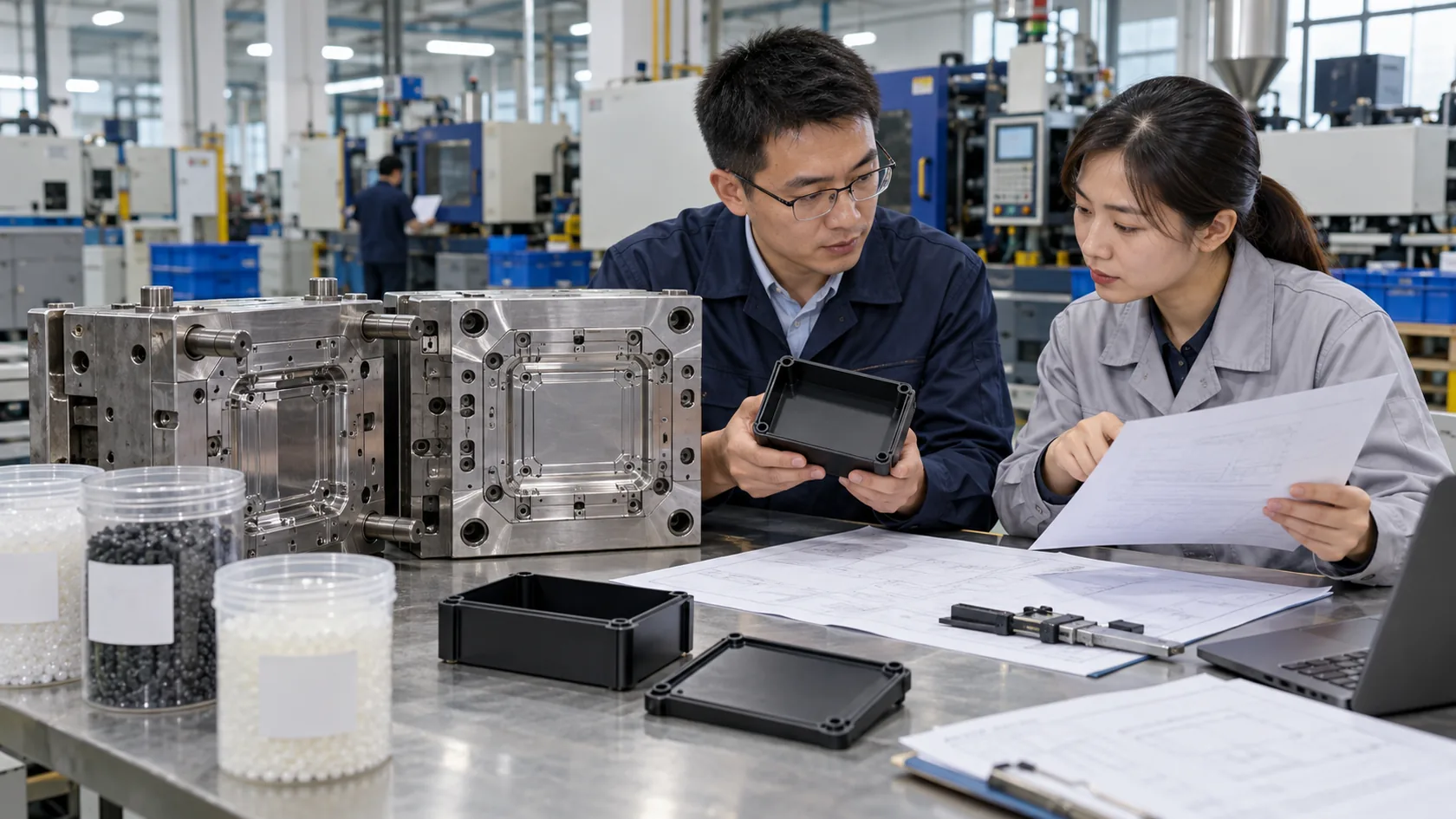
J boxes are typically made from metal (steel, aluminum) or plastic (PVC, polycarbonate), each with distinct benefits.

Material Comparison
| Material | Benefits | Best Use Cases |
|---|---|---|
| Steel | Strong, grounding support | Indoor commercial wiring |
| Aluminum | Lightweight, corrosion-resistant | Coastal areas, light-duty |
| PVC | Cost-effective, rust-free | Residential, underground use |
| Polycarbonate | Impact-resistant, UV safe | Outdoor, exposed environments |
I usually recommend metal for indoor builds and plastic for outdoor or chemical-prone environments—but it always depends on the project.
Conclusion
J boxes do more than hold wires—they hold your entire system together.