Skip to content
Solar projects often fail at the quiet moments, not the big ones. Everything looks finished on paper, but performance drops, heat builds up, or water finds a way in through one overlooked detail.
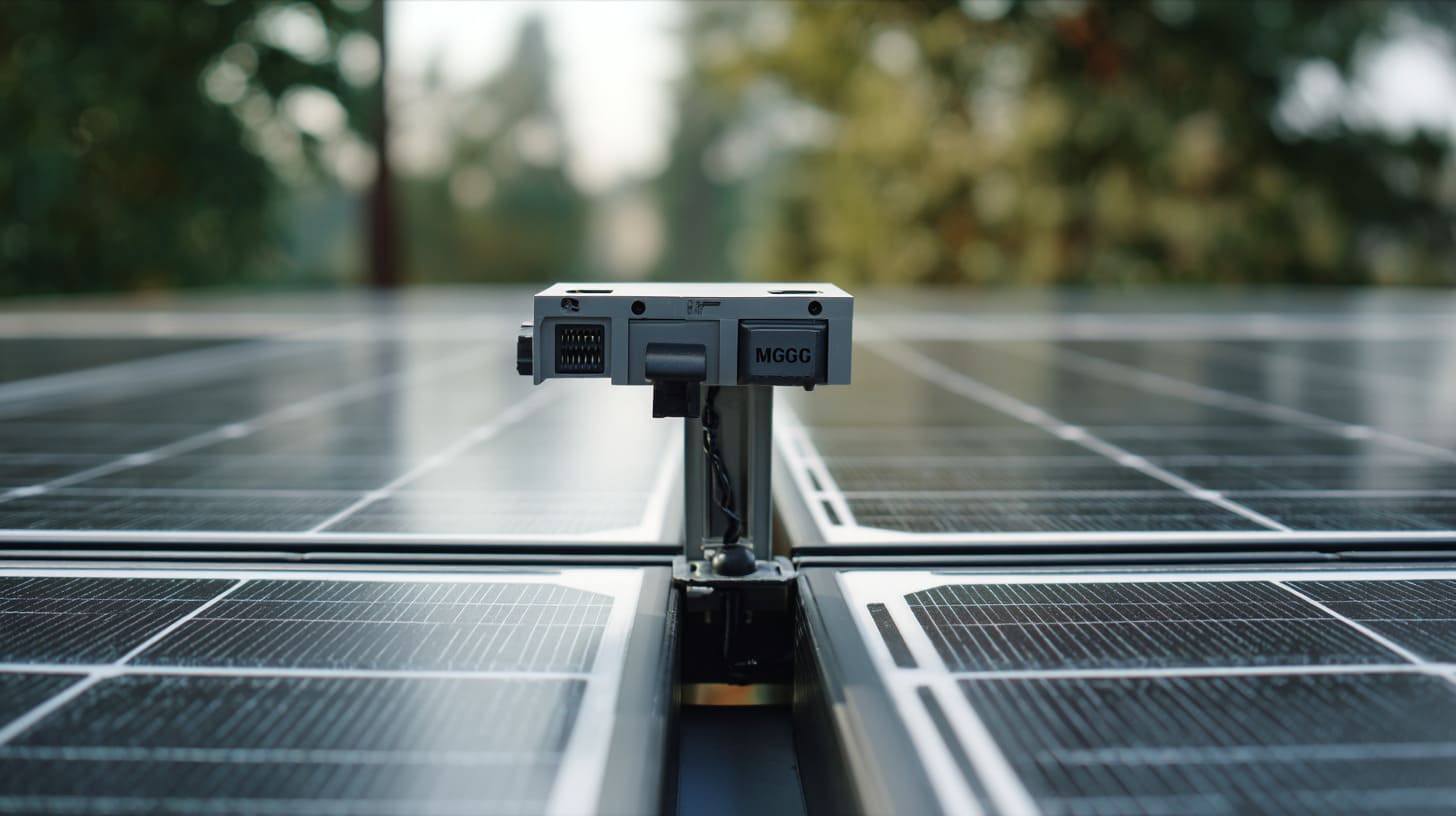
A junction box in a solar panel system is the connection point where electrical wires from the panel are routed, protected, and managed for safe power output.
I’ve seen systems lose output for weeks because this small box was treated as an afterthought. It doesn’t draw attention, but it quietly decides whether your system stays stable or slowly breaks down.
What is the function of a solar junction box?
It’s more than just a plastic shell glued to the back of the panel.
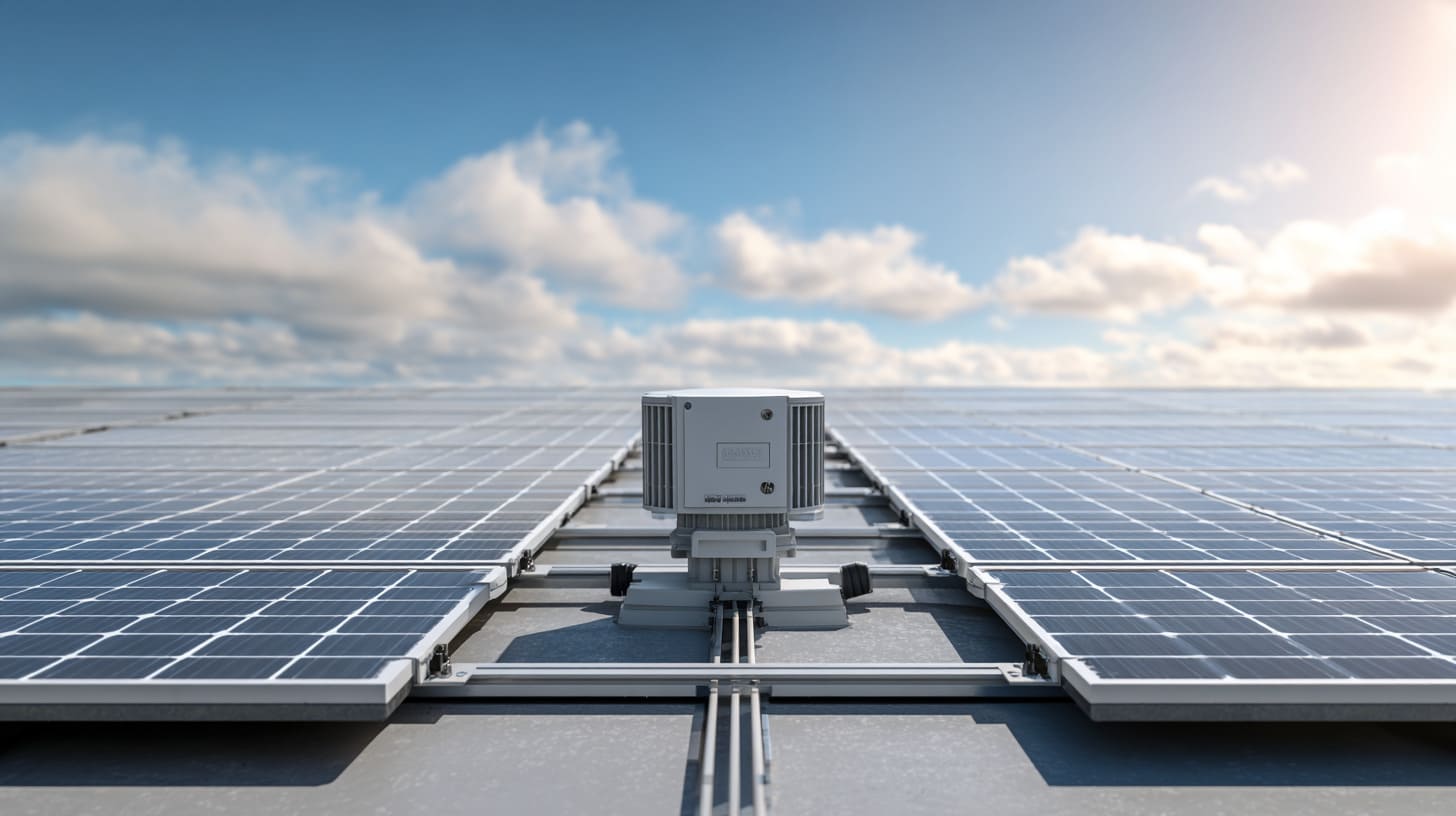
A solar junction box protects diodes and terminal connections, while managing the power flow from solar cells to external wiring.
Why it matters in real installations
I’ve seen DIY panels with exposed wiring fail after the first rain. The junction box isn’t optional—it’s what ensures stable current and protects against reverse flow that can burn out your cells.
What is the role of junction in solar cell?
We need to look inside the cell for this one.
The “junction” in a solar cell is where the positive and negative layers meet—creating the electric field that lets sunlight generate power.

Let’s break it down:
| Component | Role |
|---|---|
| P-N junction | Triggers flow of electricity |
| Top layer (N-type) | Captures electrons |
| Bottom layer (P-type) | Supplies holes (positive) |
Without this junction, the photovoltaic effect doesn’t happen. It’s the core of solar energy production—not just the wiring box.
What is the 20% rule for solar panels?
This rule confused me when I first heard it from a European client.
The 20% rule means no single solar panel should exceed 20% of the total system’s amperage when sizing protective devices or planning wiring.

Why it’s practical:
It’s a design rule used to prevent overloading, especially in systems with multiple strings. If one panel malfunctions, you won’t blow the fuse or fry the inverter.
What is the cost of solar junction box?
This is where people tend to get frugal—and sometimes regret it later.
A standard solar junction box typically costs $3–$15, depending on its materials, ratings, and built-in bypass diodes.

Cost vs. value
| Feature | Low-cost Box ($3–5) | Premium Box ($10–15) |
|---|---|---|
| IP Rating | IP65 or less | IP67+ |
| Bypass Diodes | 1 | 2–3 with heat sinks |
| Enclosure Material | ABS plastic | PPO, fiberglass mix |
| Cable Glands | Basic rubber | Sealed silicon |
Saving $5 now could cost you 10x in repairs later.
What does a junction box do in a solar panel system?
This one sounds like a repeat—but it isn’t.
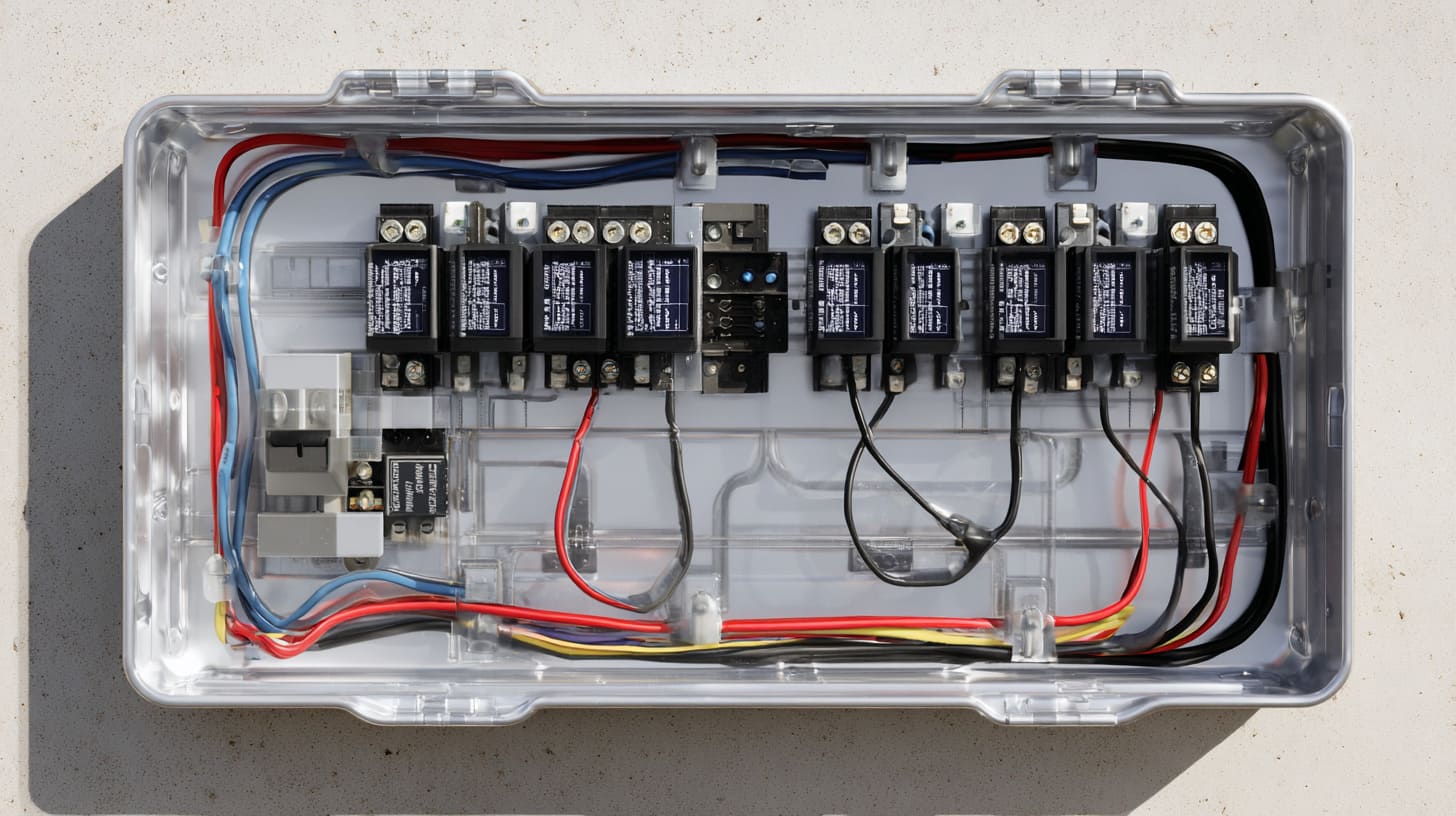
In the full system, the junction box acts as a current route manager, diode protector, and transition point to external cabling.
Real-world scenario
Think of it like traffic control. It keeps power flowing one way, avoids backfeeding, and gives you a clean point to inspect or test current without dismantling the panel.
Where is the junction box located on a solar panel?
Simple answer, but people still ask—especially when installing on racks.
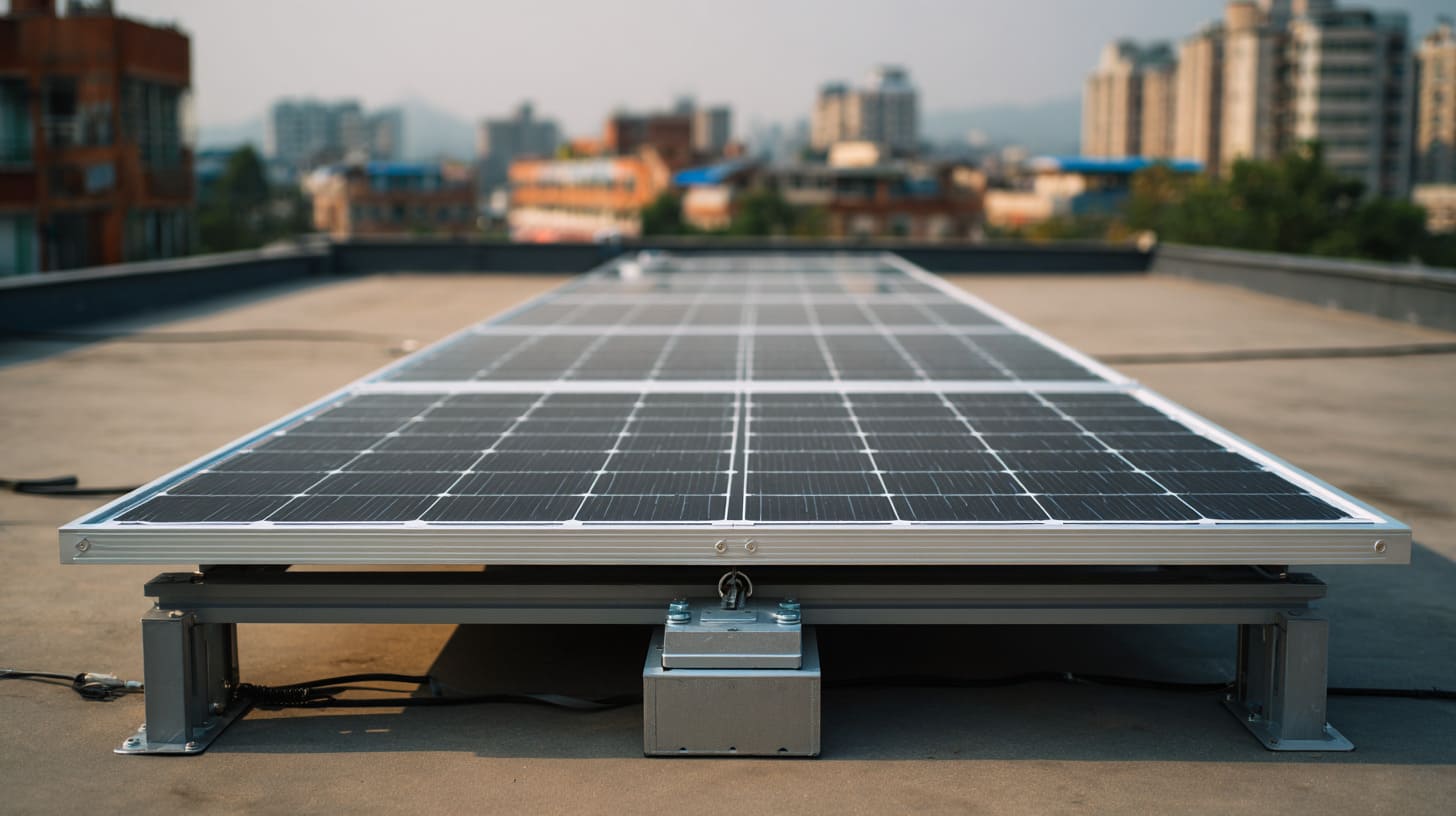
It’s typically mounted on the back center of the solar panel.
Why center?
That position keeps wire lengths short, balances weight, and protects connections from panel edge damage or strain.
Is a solar panel junction box waterproof or weatherproof?
It better be—unless you want fireworks in the rain.
Yes, quality solar junction boxes are sealed to at least IP65–IP68, making them weatherproof and safe for outdoor use.

IP Ratings Breakdown
| Rating | Protection Against |
|---|---|
| IP65 | Dust and water jets |
| IP67 | Temporary immersion |
| IP68 | Long-term immersion (rare) |
If you see unsealed seams or cracks? Replace it. No questions asked.
How does a junction box connect solar panel wires?
You don’t need a degree—but you do need precision.
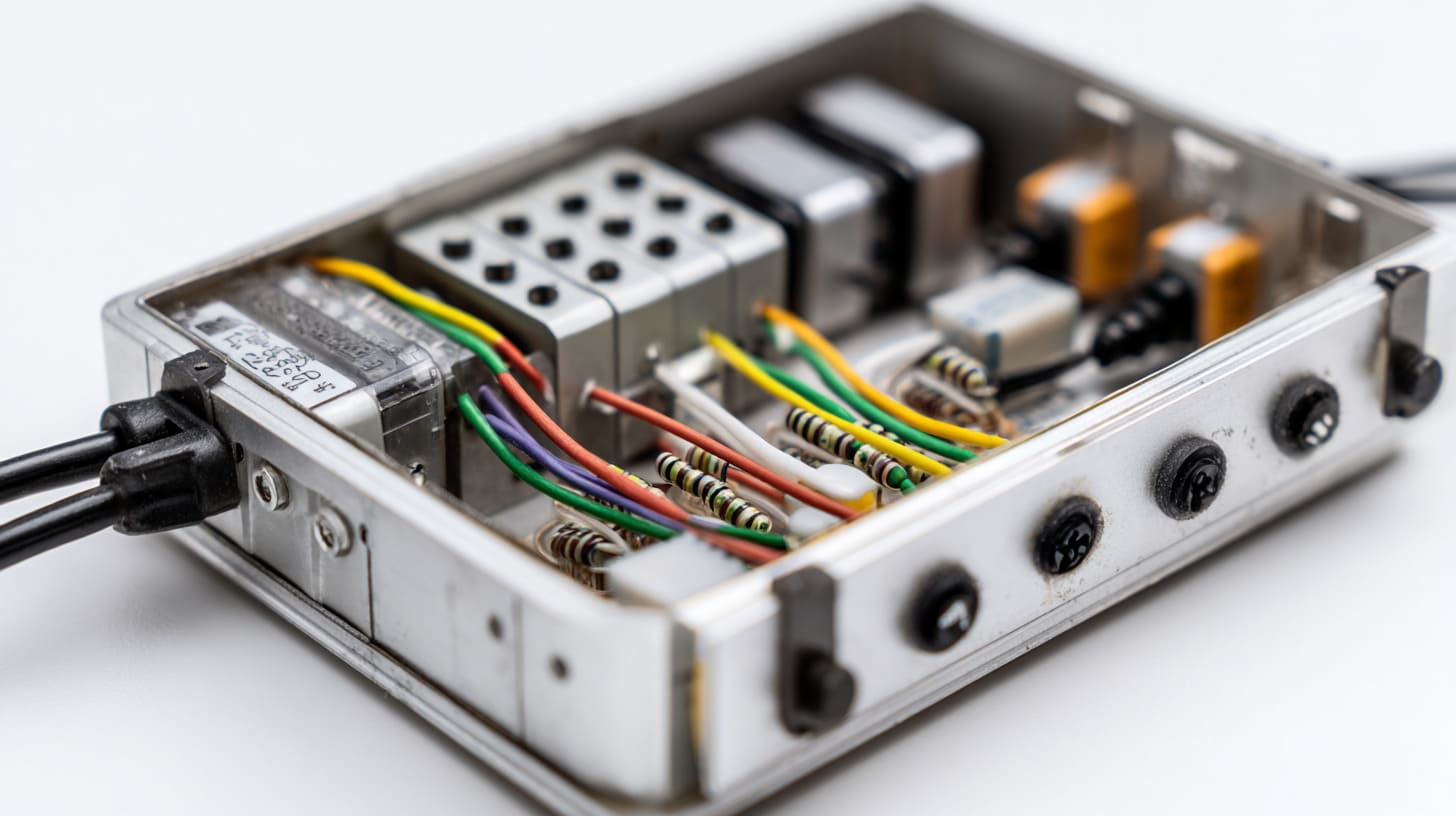
It uses soldered or crimped connections to link solar cell tabs to external cables, often via MC4 connectors.
Visual breakdown
- Inside box: Solar tabs → diodes → terminals
- Outside box: Cables sealed via grommets → MC4 connectors → to inverter or combiner
Done right, it’s weather-tight and maintenance-free for years.
Can you replace or repair a damaged solar junction box?
Yes, but it’s not a casual Sunday DIY job.
Most junction boxes can be replaced, but it requires careful resealing and testing for waterproofing and continuity.

Things to check before replacing:
- Diodes still working?
- Panel tabs not lifted or cracked?
- IP seal still intact?
I’ve done this for a few clients—sometimes it's worth it. Sometimes it’s not. Depends on damage and cost of labor.
What are the types of junction boxes used in solar panels?
Not all junction boxes are built the same.
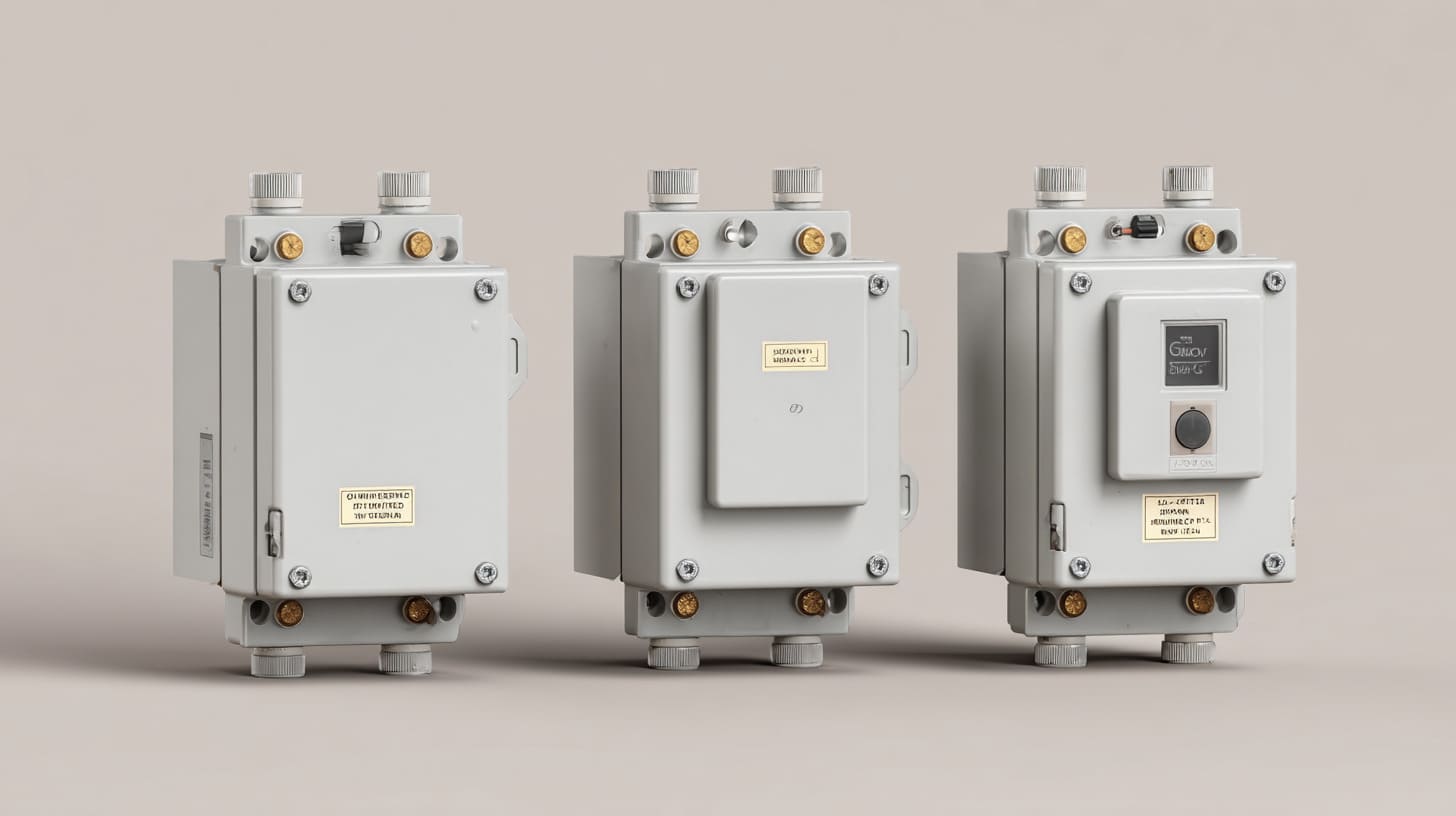
There are three main types: basic, diode-protected, and smart junction boxes.
Comparison Table
| Type | Features | Use Case |
|---|---|---|
| Basic | Just terminals | Off-grid or temporary setups |
| With bypass diodes | Prevents hot spots | Most modern PV panels |
| Smart box | Monitors voltage/current | Commercial-scale, data tracking |
The right box depends on system complexity and how much feedback you want.
What materials are best for solar panel junction box enclosures?
Don’t underestimate material science here.
High-grade PPO, fiberglass-reinforced plastics, and silicon grommets offer the best balance of durability and weather resistance.

Material Guide
| Material | Pros | Cons |
|---|---|---|
| ABS | Cheap, easy to mold | UV-degrades fast |
| PPO blend | UV-resistant, tough | Costs more |
| Fiberglass mix | Excellent in extreme temps | Heavier, more brittle |
I always recommend PPO blends if the panels are going into hot or wet regions.
How do junction boxes affect solar panel efficiency or safety?
This one’s often ignored—until there’s a fire or a drop in performance.
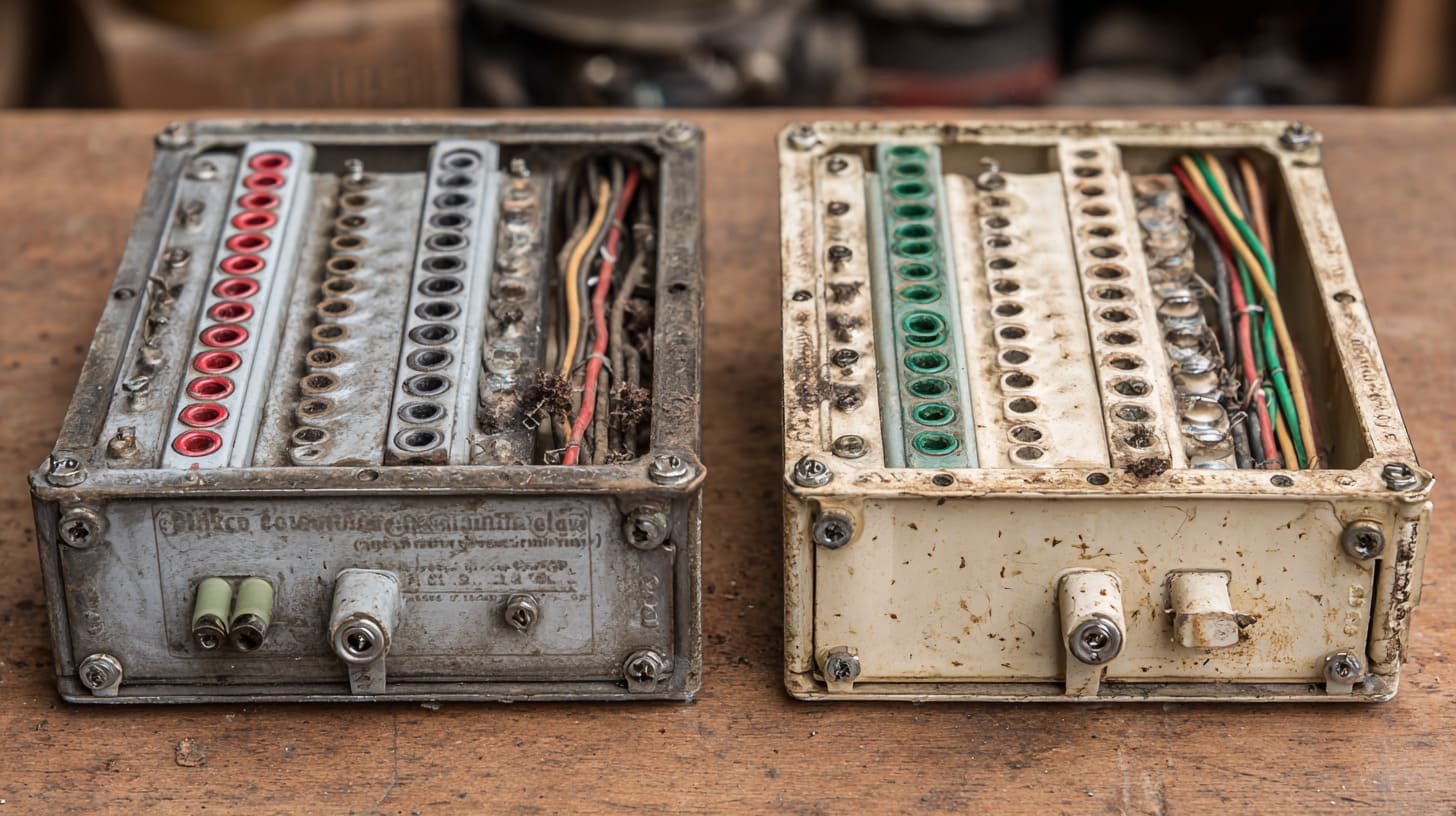
A good junction box maintains safe current flow, prevents reverse current, and protects against thermal buildup—all crucial for efficiency and safety.
Things that go wrong
- Loose wires → Sparks, arcing
- Faulty diodes → Hot spots
- Bad sealing → Water ingress → corrosion
Every 1% loss here adds up over a 20-year system lifespan.
What is the difference between a combiner box and a junction box in solar setups?
I get this question a lot—especially from new installers.
A junction box is built into the panel, while a combiner box collects multiple panel outputs into one circuit.

Side-by-side comparison
| Feature | Junction Box | Combiner Box |
|---|---|---|
| Location | On each solar panel | Near inverter/battery bank |
| Main Job | Wire transition + protection | Merging circuits |
| Includes fuses? | Sometimes | Yes, always |
You need both in larger setups. They’re teammates, not substitutes.
Conclusion
A small box—but a huge role in solar safety and performance.