Skip to content

We once lost a whole afternoon over a “waterproof” claim that wasn’t. That day, I promised myself I’d never treat enclosure ratings lightly again.
A Type 4 enclosure is a protective electrical box rated to resist water splashes, hose-directed water, dust, and outdoor elements.
The label looks simple, but the real story is layered with codes, expectations, and real-world surprises. Let’s peel that back.
What is a NEMA type 4 enclosure?
NEMA 4 sounds like alphabet soup, but it holds weight in the world of enclosures.
A NEMA Type 4 enclosure protects electrical components from water, dust, windblown particles, and limited ice formation.

Why this matters
I’ve seen customers misread this rating and install boxes in spots they shouldn't—like near direct seawater spray. That’s not what NEMA 4 is built for.
| NEMA 4 Rating Covers | But Doesn’t Cover |
|---|---|
| Rain | Saltwater corrosion |
| Hose-directed water | Long-term immersion |
| Falling dirt | Abrasive chemicals |
If you're building control panels or outdoor sensors, this rating gives peace of mind—but not immunity.
What is a Type 4 enclosure CEC?
The CEC label confused me the first time I saw it in a Canadian quote request.
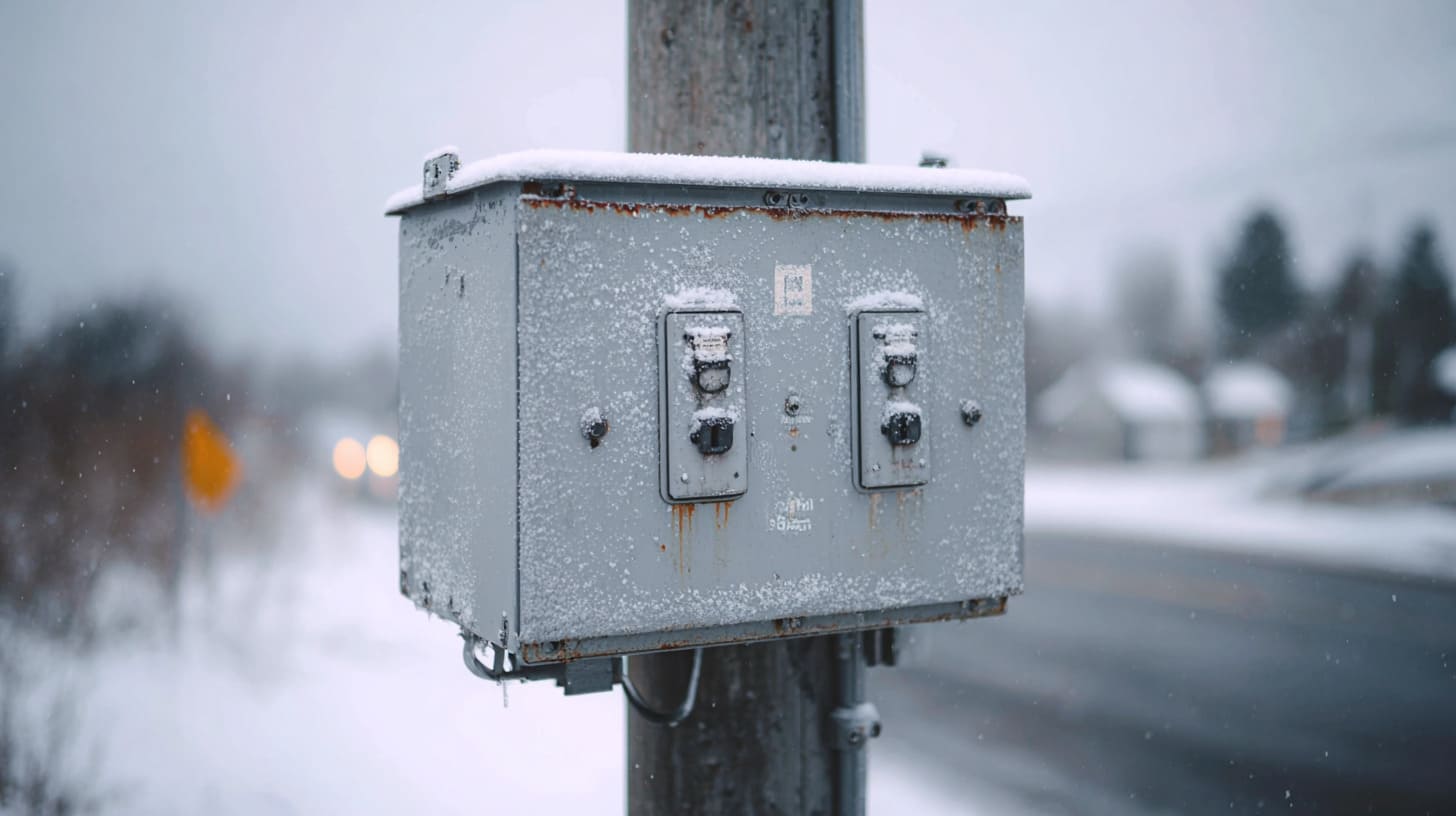
A Type 4 enclosure under CEC refers to enclosures that meet Canadian Electrical Code standards for water-tight, weather-resistant use.
More of CEC
Unlike NEMA, which is a U.S. standard, the CEC is a regulatory framework in Canada. But many specs overlap. If your project is bound for Ontario or Quebec, expect the inspector to care about both.
What does NEMA 4 mean in electrical enclosures?
You’ve got wires, relays, or circuit boards. What does NEMA 4 really do for them?
It ensures that sensitive electronics are shielded from outdoor elements, including splashing or hose water and airborne dust.

Practical meaning
It doesn’t mean waterproof like a submarine. But if someone pressure-washes near it, your circuits stay dry.
Is a NEMA 4 enclosure waterproof or water-resistant?
A client once asked if they could submerge a NEMA 4 enclosure for underwater lighting. I said no—and here’s why.
NEMA 4 enclosures are water-resistant, not fully waterproof for immersion.

A closer look
Think of NEMA 4 like a raincoat. It can take on rain and even splashes, but don’t expect it to work underwater like a scuba suit.
What’s the difference between NEMA 4 and NEMA 4X enclosures?
At first glance, they’re nearly identical. Until you ask about rust.
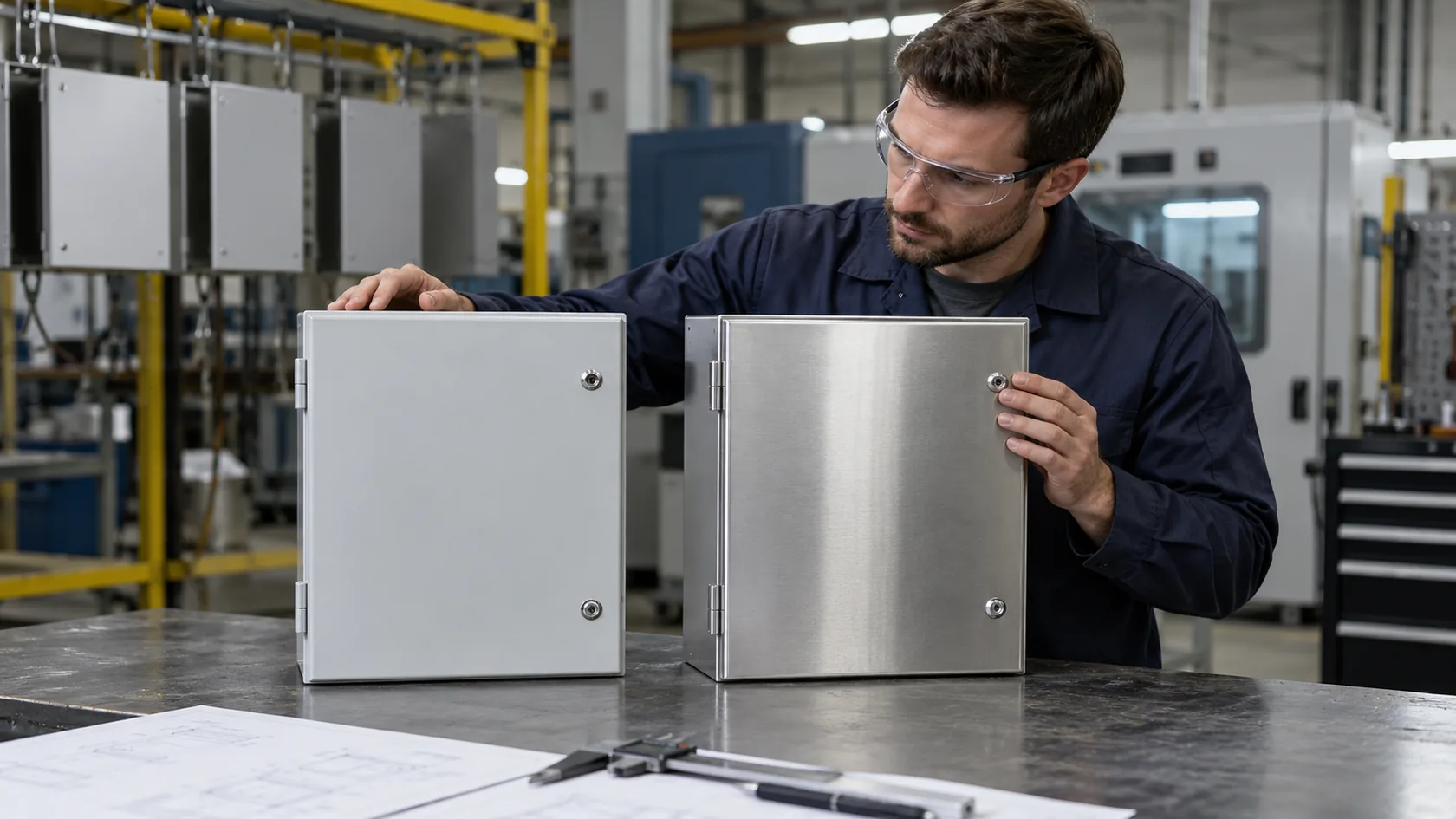
NEMA 4X offers all the protection of NEMA 4, with added resistance to corrosion.
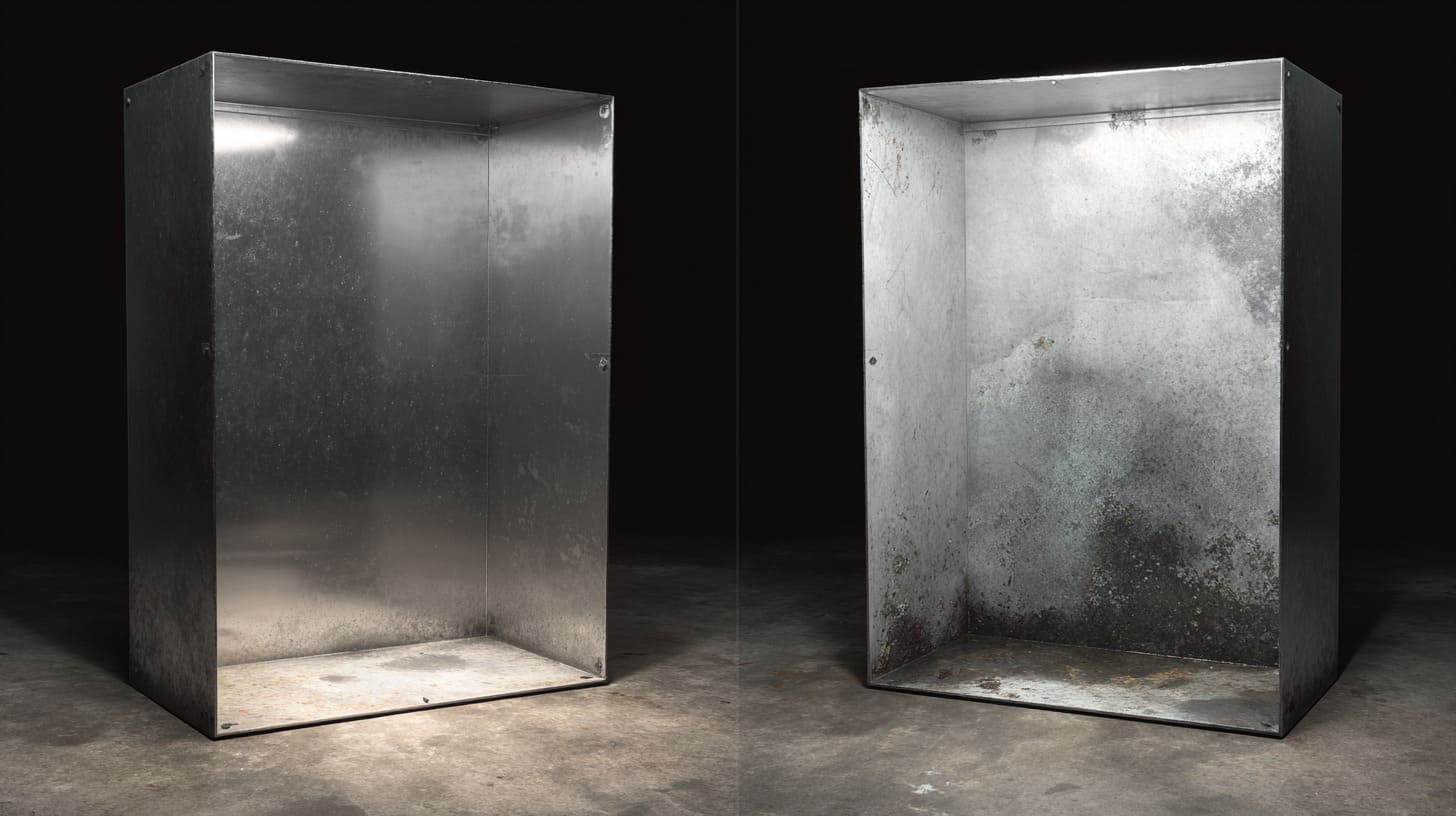
Real-world comparison
If your enclosure lives near the sea, chemicals, or in food-processing zones—4X is your friend. It's basically NEMA 4 with a raincoat and stainless steel armor.
Can I use a type 4 enclosure outdoors?
Yes. But only if you know the “where.”
Type 4 enclosures are suitable for outdoor use, especially in rain-exposed or washdown areas.
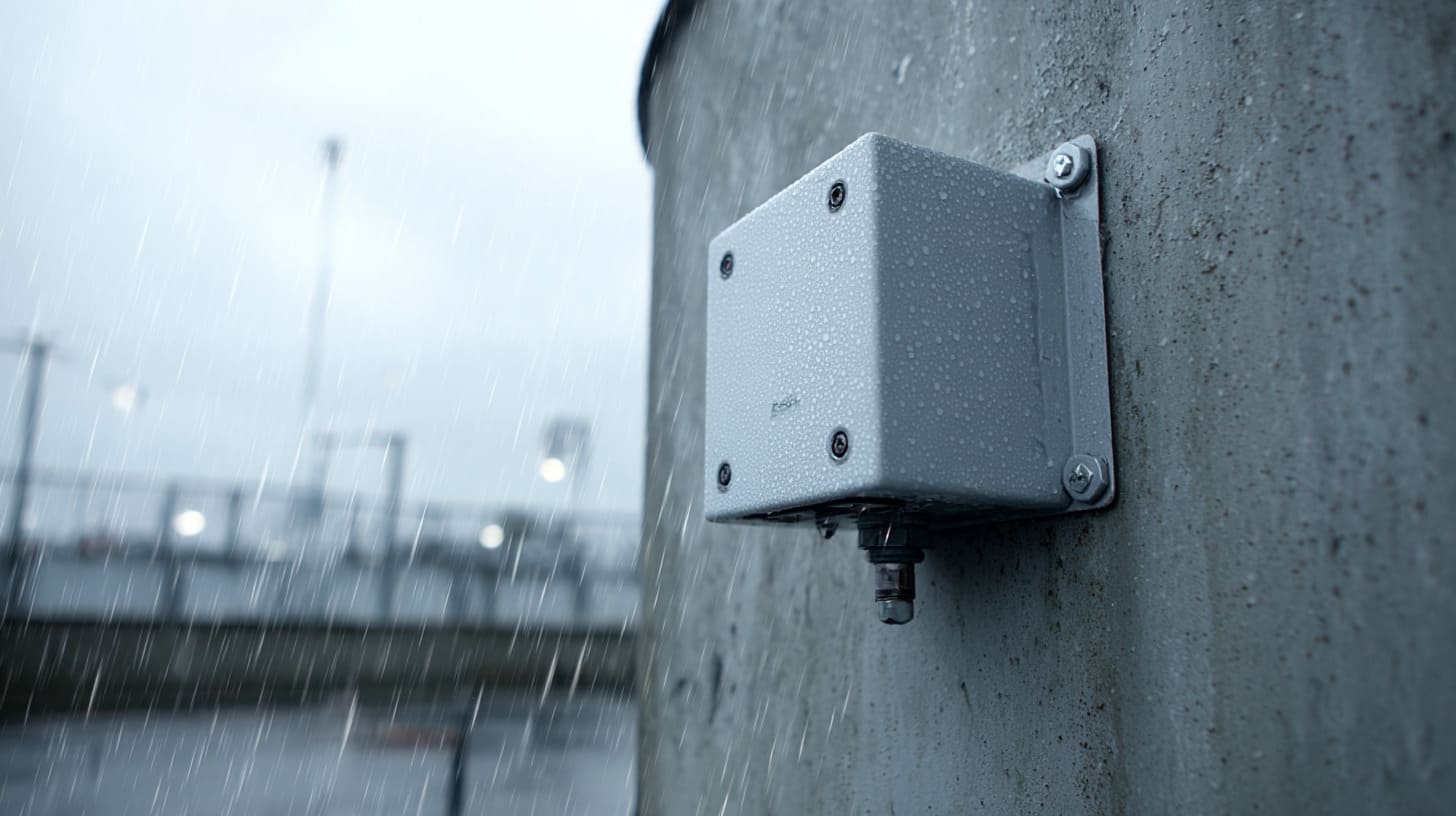
Outdoor caution
They’re not meant for extreme UV or buried underground without special treatment. But for industrial yards or wall mounts? Perfect.
What are the typical applications of type 4 electrical enclosures?
We’ve made Type 4 boxes for everything from food factories to amusement parks.
They’re common in control panels, washdown areas, telecom boxes, and industrial machines.

Examples
- Food processing: high-pressure washdowns
- Utilities: control cabinets on poles
- Factories: motor starters near machines
How does NEMA 4 compare to IP66 or IP65 ratings?
Ah, the IP vs NEMA debate—classic.
NEMA 4 is roughly equivalent to IP66, and better than IP65 in water resistance.
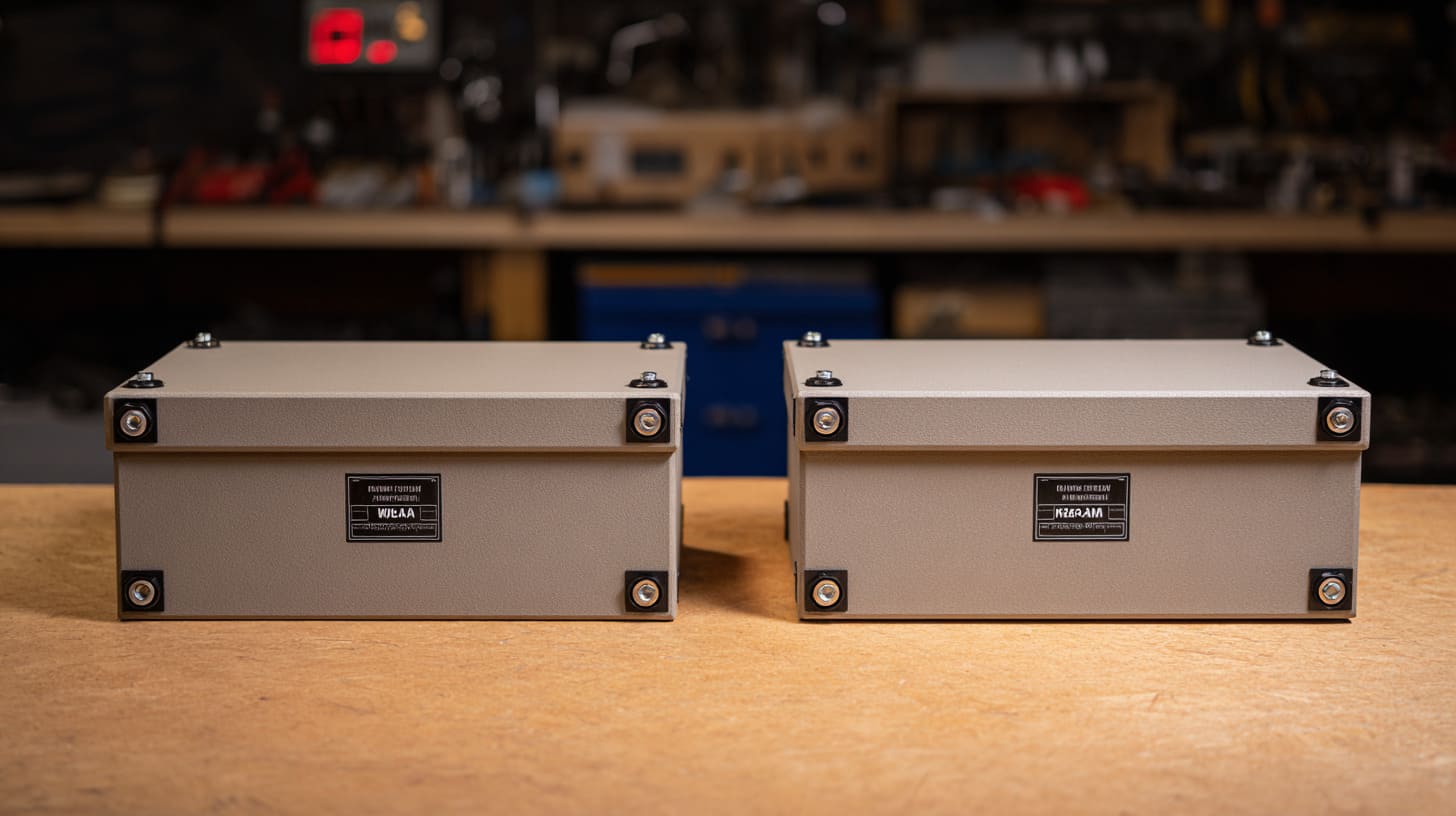
Side-by-side
| Rating | Water Protection | Dust Protection |
|---|---|---|
| NEMA 4 | Hose-directed water | Complete |
| IP65 | Water jets | Complete |
| IP66 | Powerful jets | Complete |
Just remember—NEMA tests more conditions, like ice buildup.
What materials are best for manufacturing NEMA 4 enclosures?
We get this question a lot from clients choosing between plastic and metal.
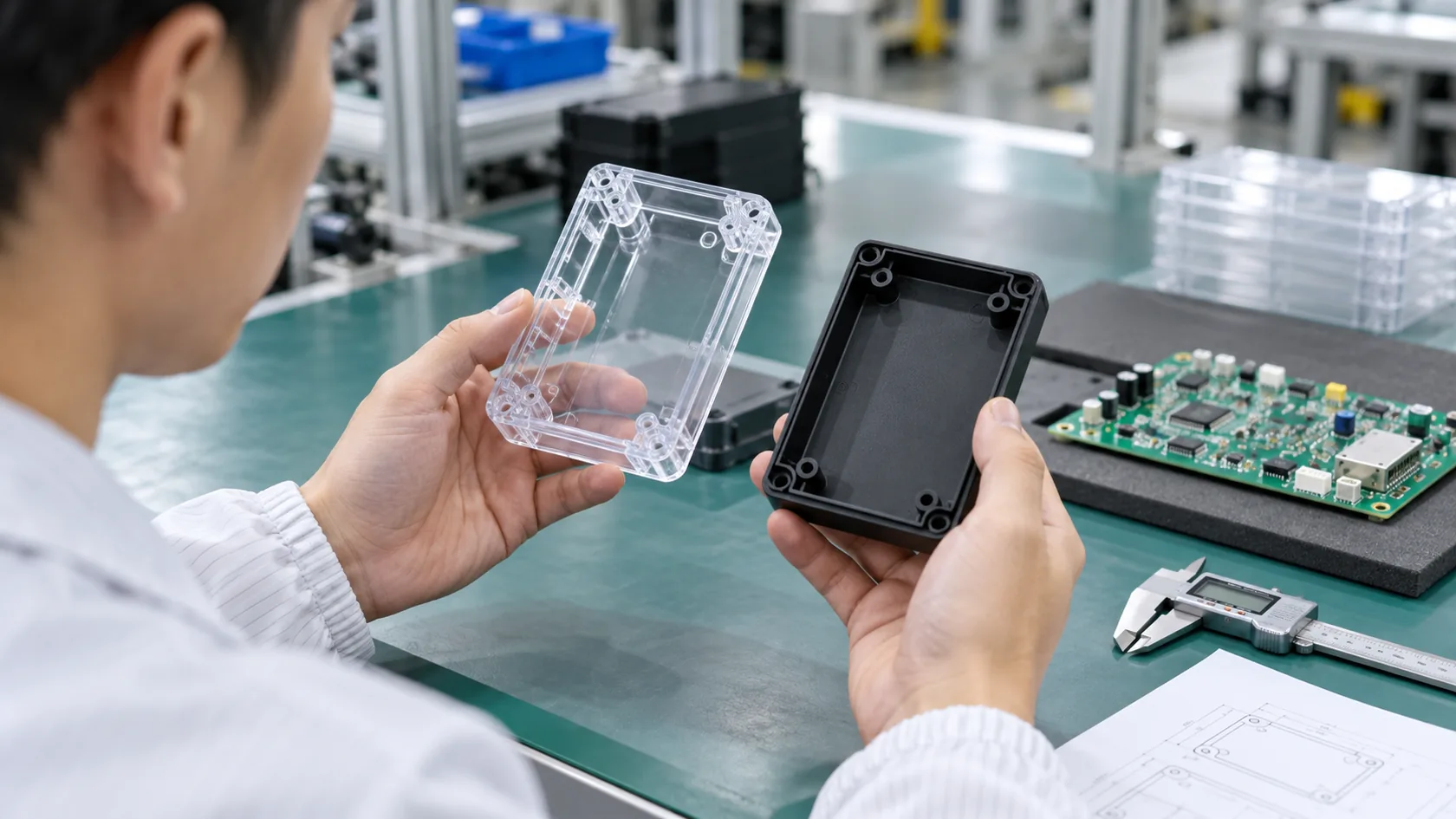
The most common materials are stainless steel, powder-coated steel, polycarbonate, and aluminum.
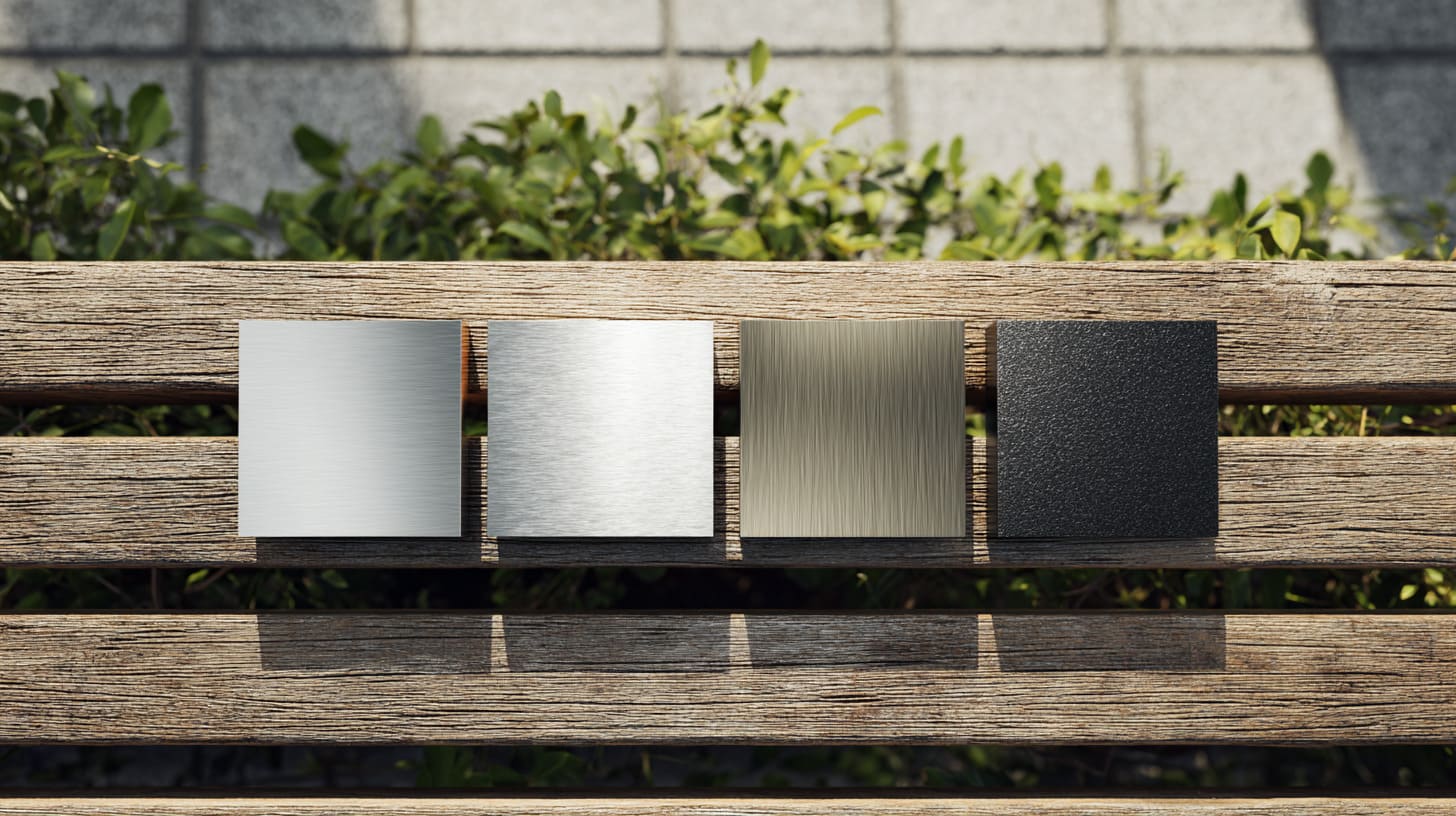
Material breakdown
| Material | Strength | Corrosion Resistance | Weight |
|---|---|---|---|
| Stainless Steel | High | Excellent | Heavy |
| Aluminum | Medium | Good | Light |
| Polycarbonate | Low | Excellent | Very light |
| Mild Steel | High | Low | Heavy |
Do I need a gasket for a NEMA 4 rated enclosure?
Yes—without a proper seal, your rating means nothing.
A gasket is essential for sealing the enclosure and meeting the NEMA 4 water ingress standards.
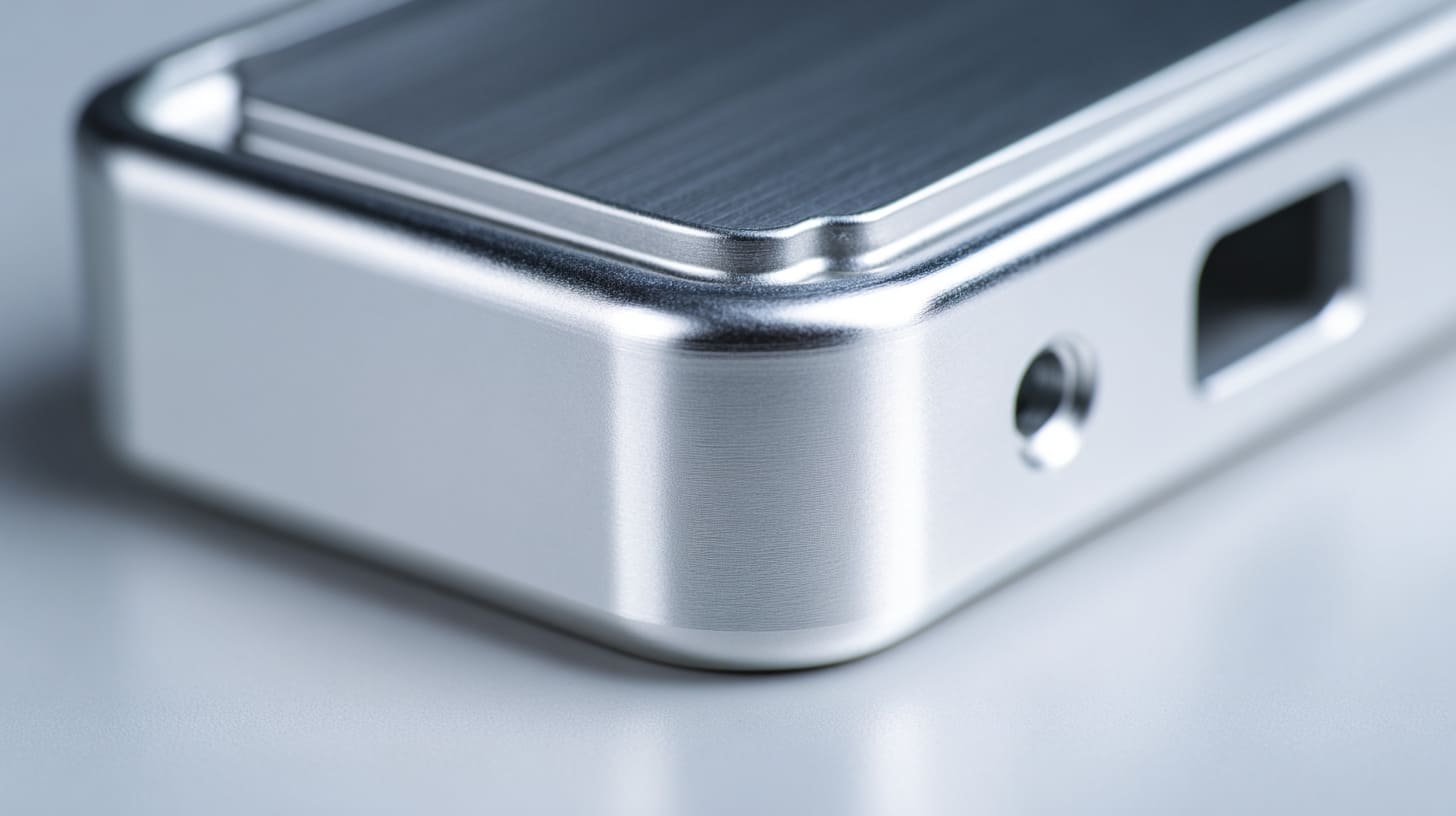
Gasket tips
Use neoprene or silicone. Always check for compression set, and never reuse an old gasket after opening.
How do I test if my enclosure meets NEMA 4 standards?
Sometimes, the spec sheet isn’t enough. You’ve got to test.
Manufacturers simulate hose water and dust exposure under controlled lab conditions to confirm NEMA 4 compliance.
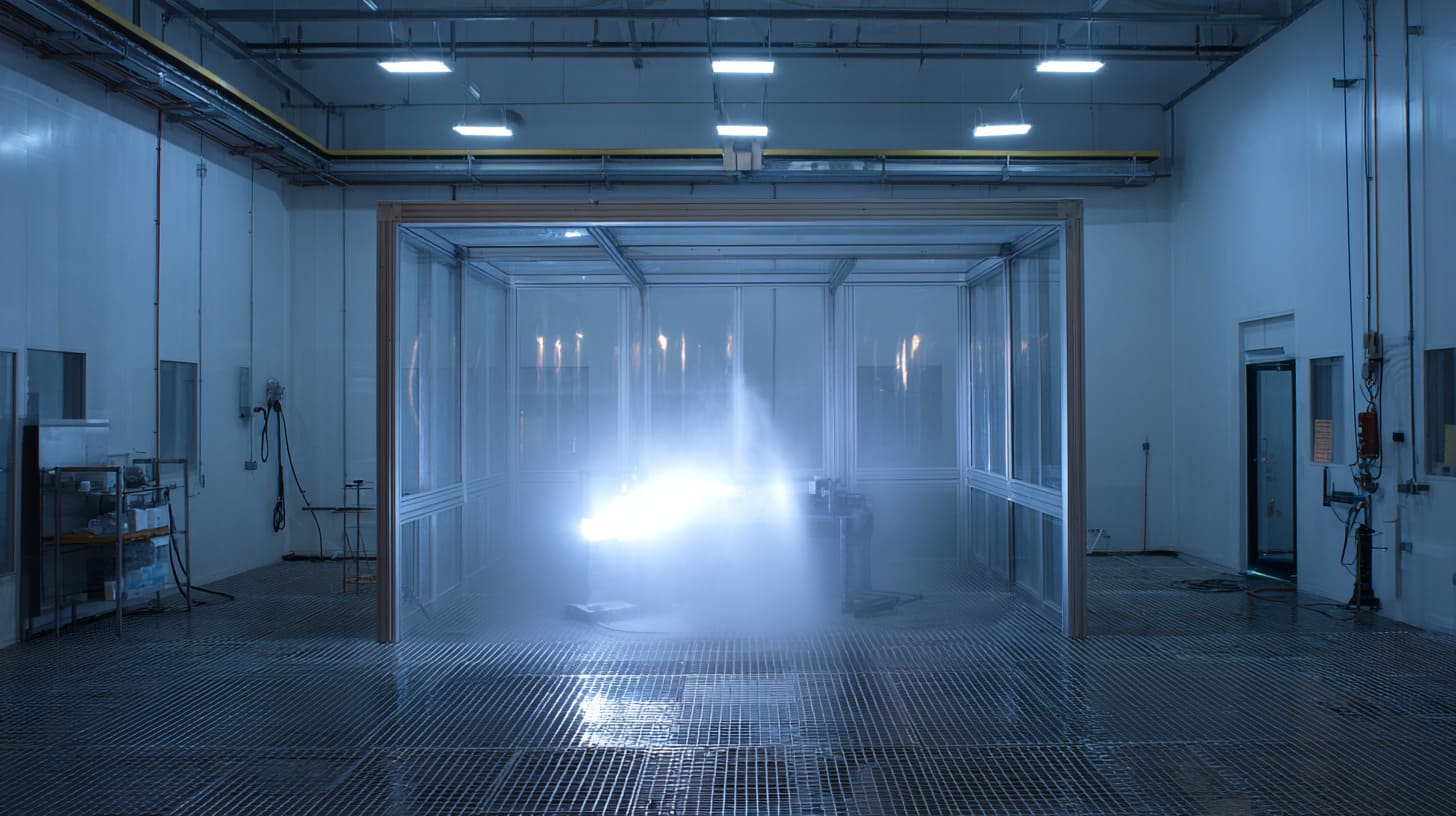
Testing includes
- Water jet simulation from a 1" nozzle
- Dust-tight chamber evaluation
- Inspection of seal and panel integrity
Ask your supplier for third-party testing if your product's at risk.
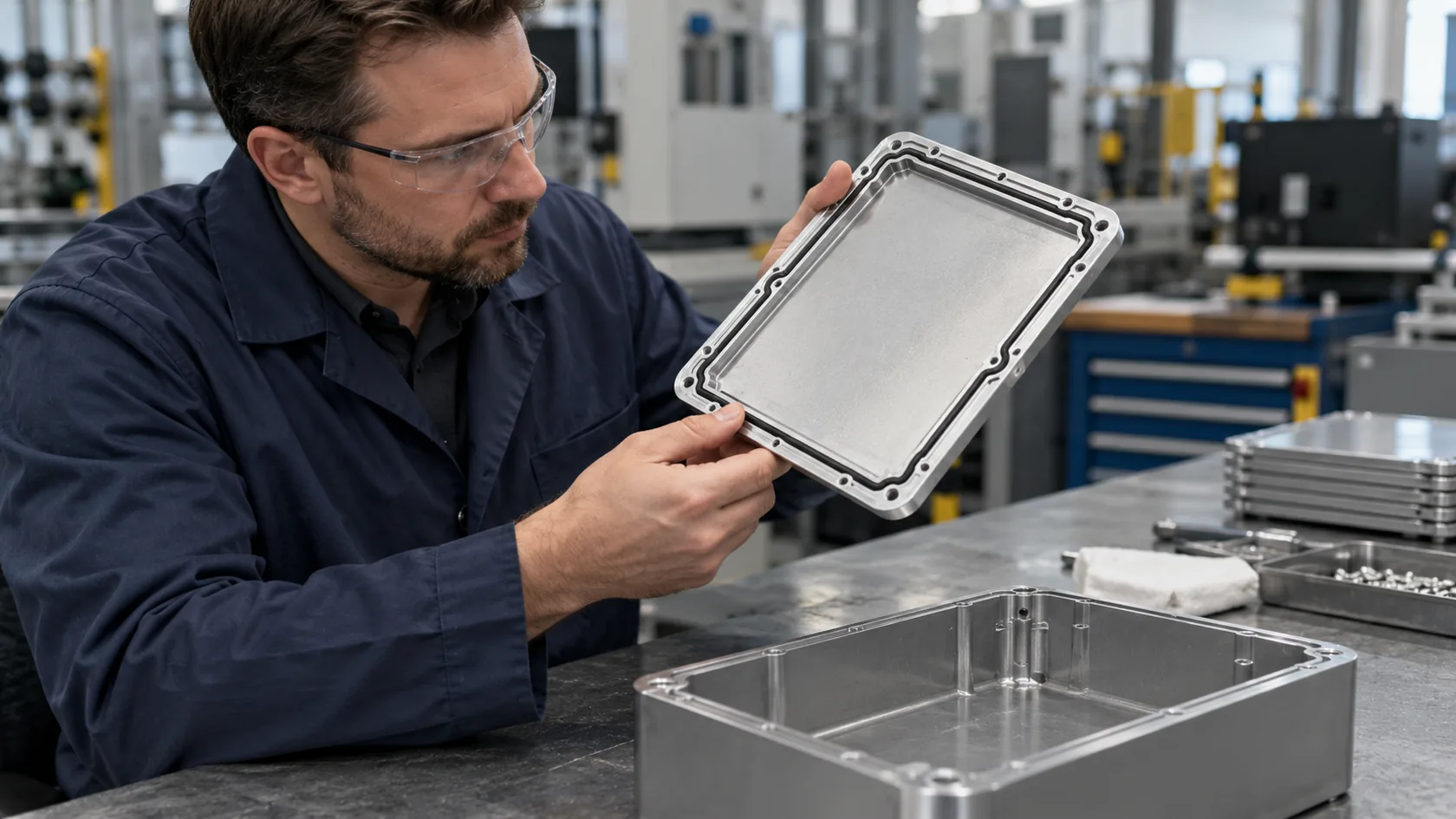
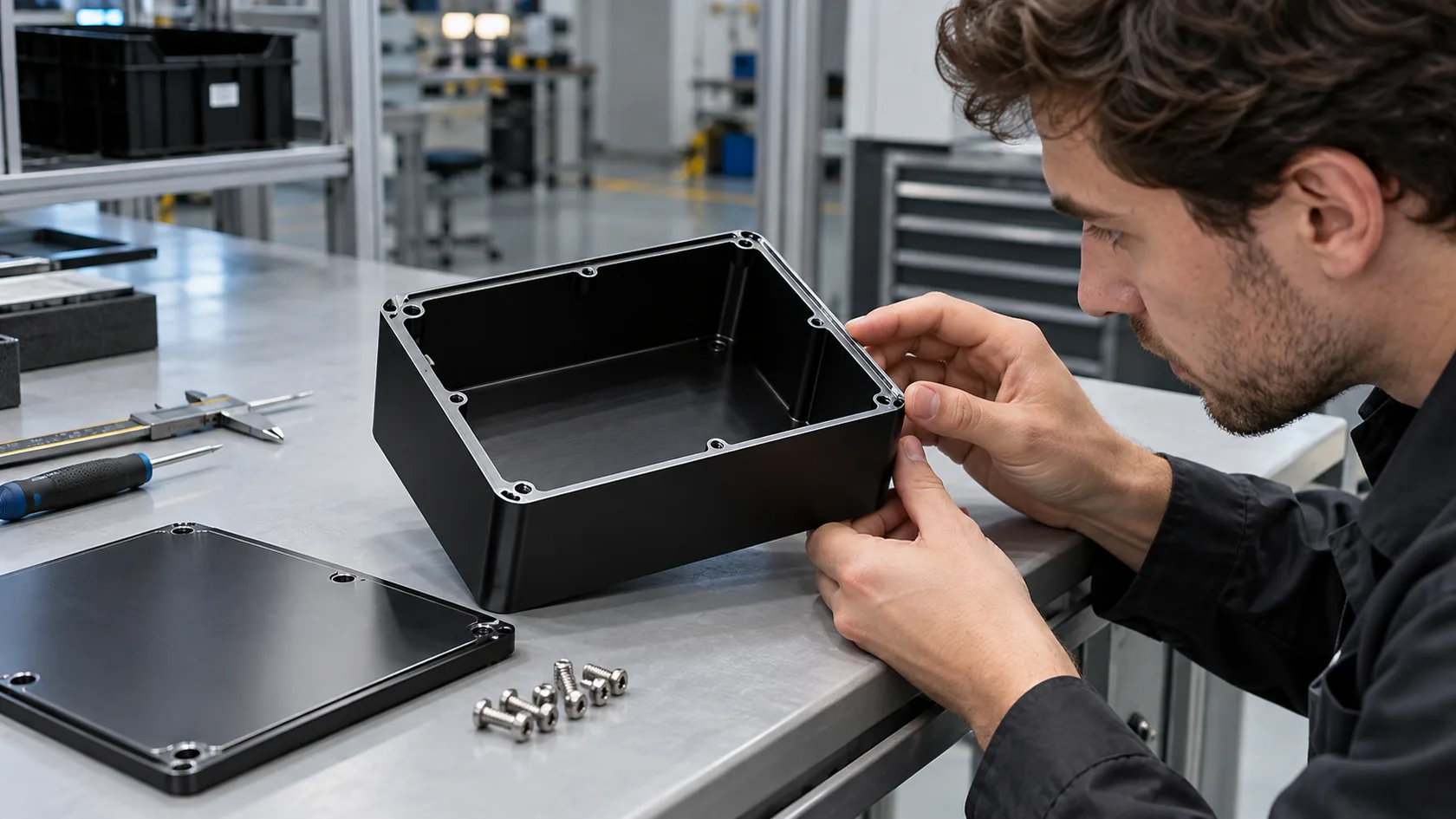
Can a custom aluminum enclosure meet type 4 requirements?
Yes. I’ve built plenty myself.
With the right gasket, design, and machining, custom aluminum enclosures can meet NEMA 4.
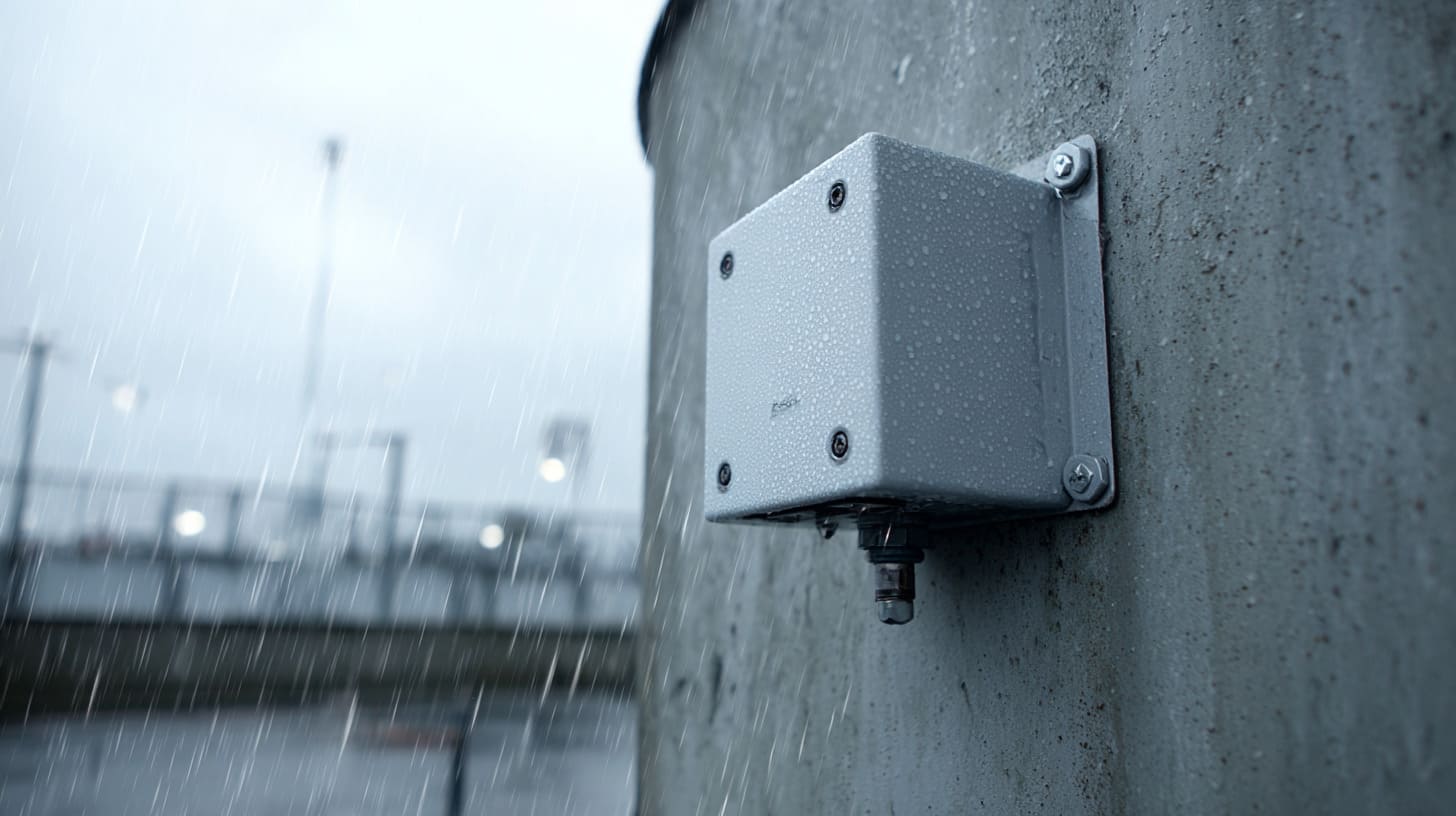
What to watch for
- Use weather-resistant finishes
- CNC tolerances must be tight
- Internal mounting tabs should not compromise seal
We often work with clients like John from Canada, who design their own enclosures and ask us to build them to spec. And yes—we help them pass the test.
Conclusion
Type 4 is more than a number—it’s your first line of defense.