Skip to content
Can junction boxes be concealed?
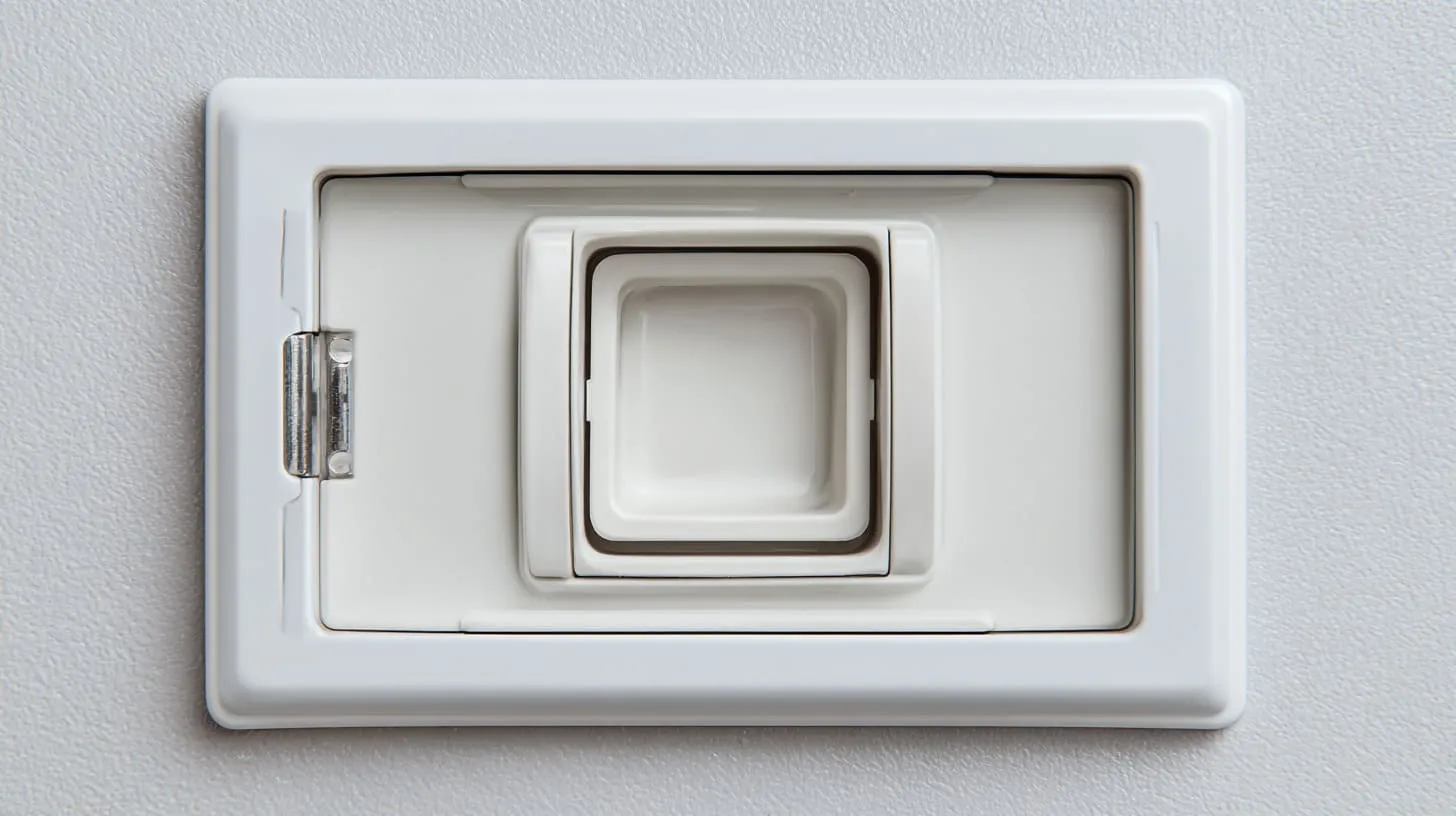
A team of installers once asked me if they could skip the access panel and just “make it clean.” Everything looked fine—until one loose neutral sparked a costly surprise.
Yes, junction boxes can be concealed in specific situations, but strict accessibility rules apply depending on region, code, and enclosure design.
If you’re designing custom enclosures or sourcing for OEM projects, this question goes way beyond appearance—it’s about safety, compliance, and cost.
Do junction boxes have to be mounted?
It seems like a small detail—until a loose box turns into a fire hazard.
Yes, junction boxes must be securely mounted to ensure they stay in place and comply with safety codes.
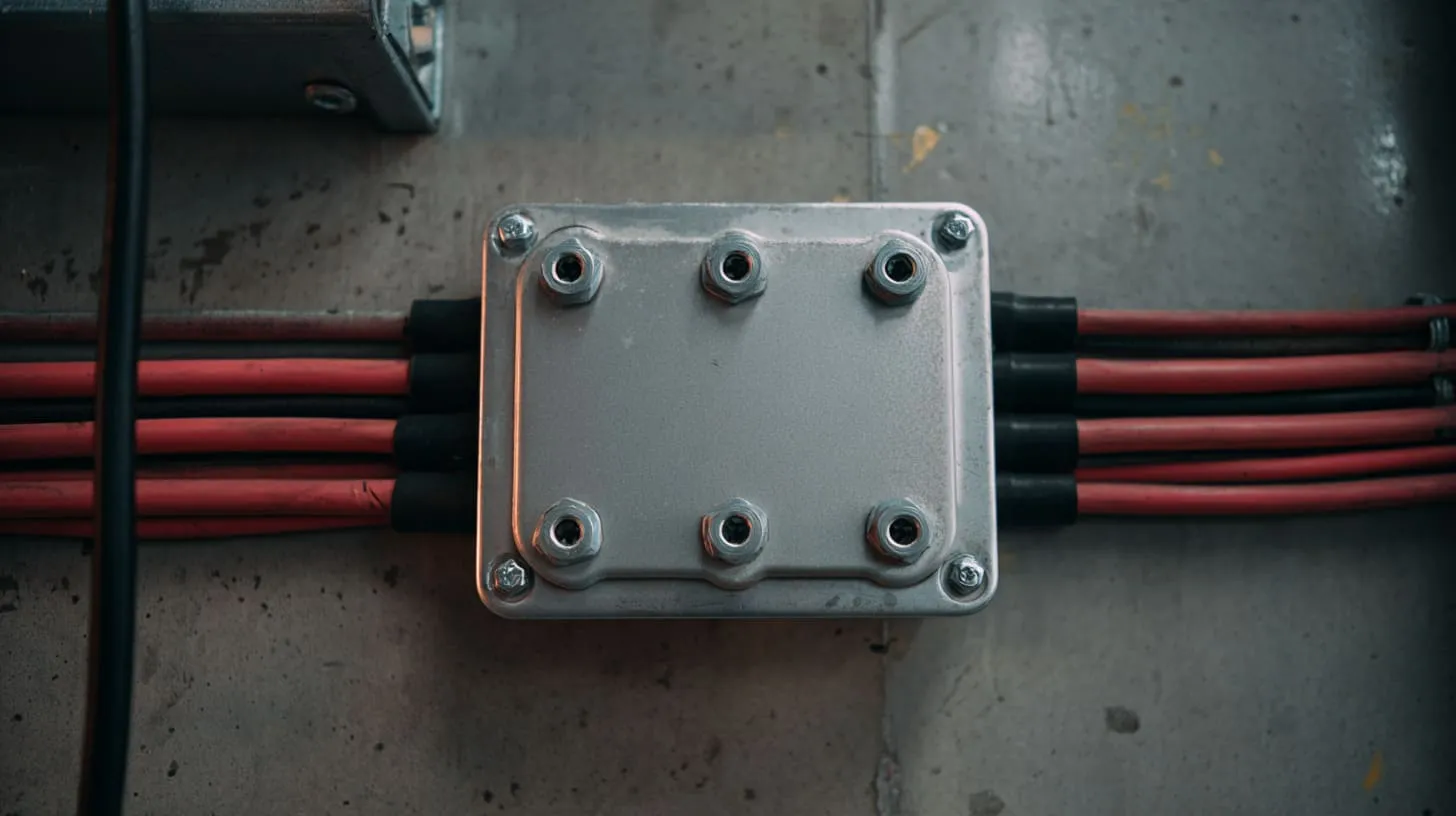
Why mounting matters
A junction box floating in an enclosure isn’t just sloppy—it’s dangerous. Unmounted boxes risk wire strain, damaged connections, and failed inspections. Whether it's wall-mounted, bracketed, or fixed in a cabinet, stability is essential.
| Requirement | Reason |
|---|---|
| Fixed to a surface | Prevent movement |
| Supported by brackets | Ensure strain relief |
| Verified during inspection | Passes safety and code checks |
Can you hide a junction box in a ceiling?
I’ve seen clients request “invisible” installations—especially for ceiling-mounted fixtures.
You can place a junction box in a ceiling cavity, but it must remain accessible for inspection and maintenance.
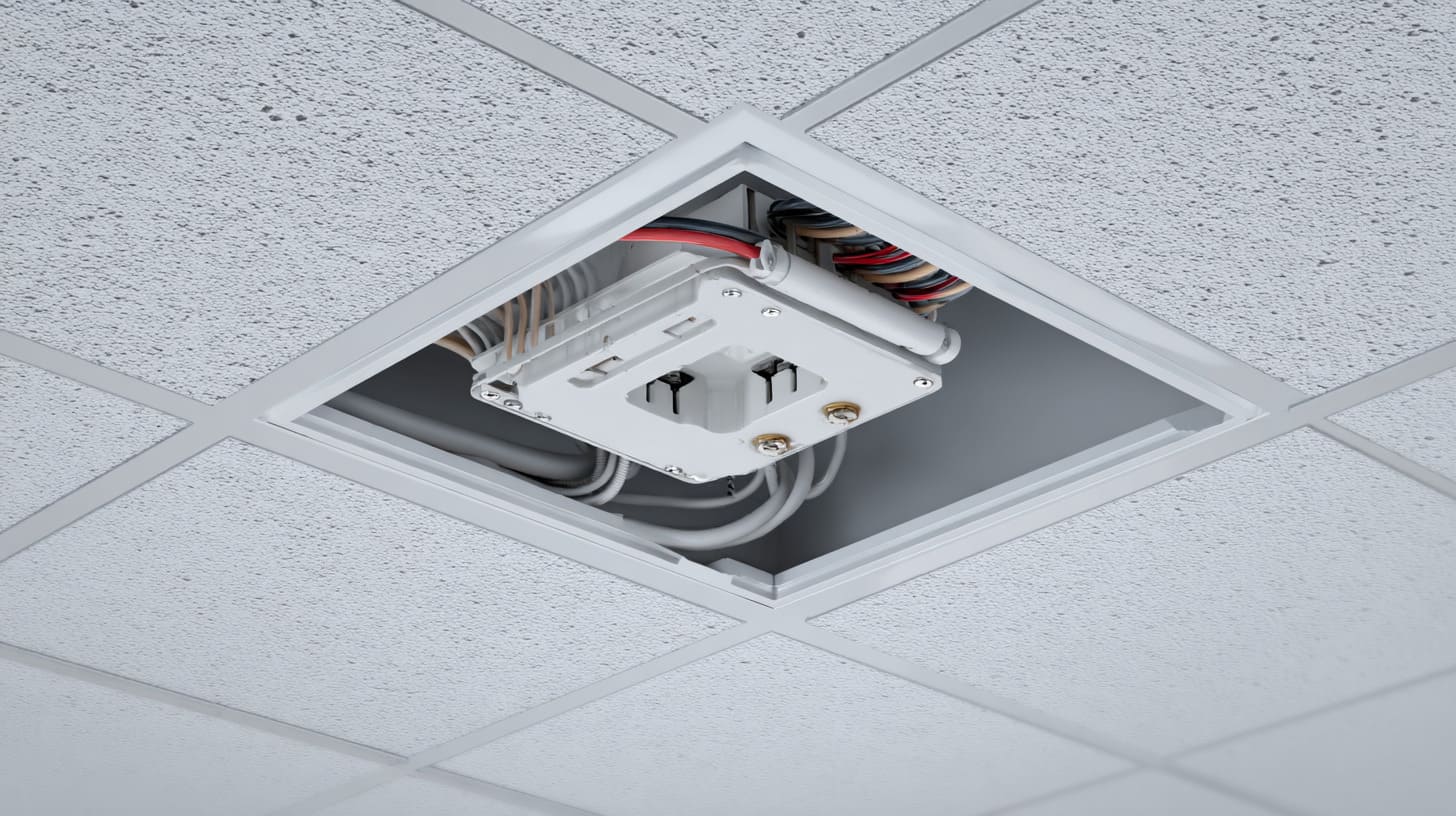
Hidden doesn’t mean unreachable
You can conceal it with a removable panel or ceiling tile. But once you seal it behind drywall with no access? That’s where it violates code. Always include a hatch or panel in your enclosure design if placing it above eye level.
What are the rules about junction boxes?
Rules vary, but one theme is consistent: accessibility.
The main rule is that junction boxes must always be accessible and must enclose spliced wires securely.
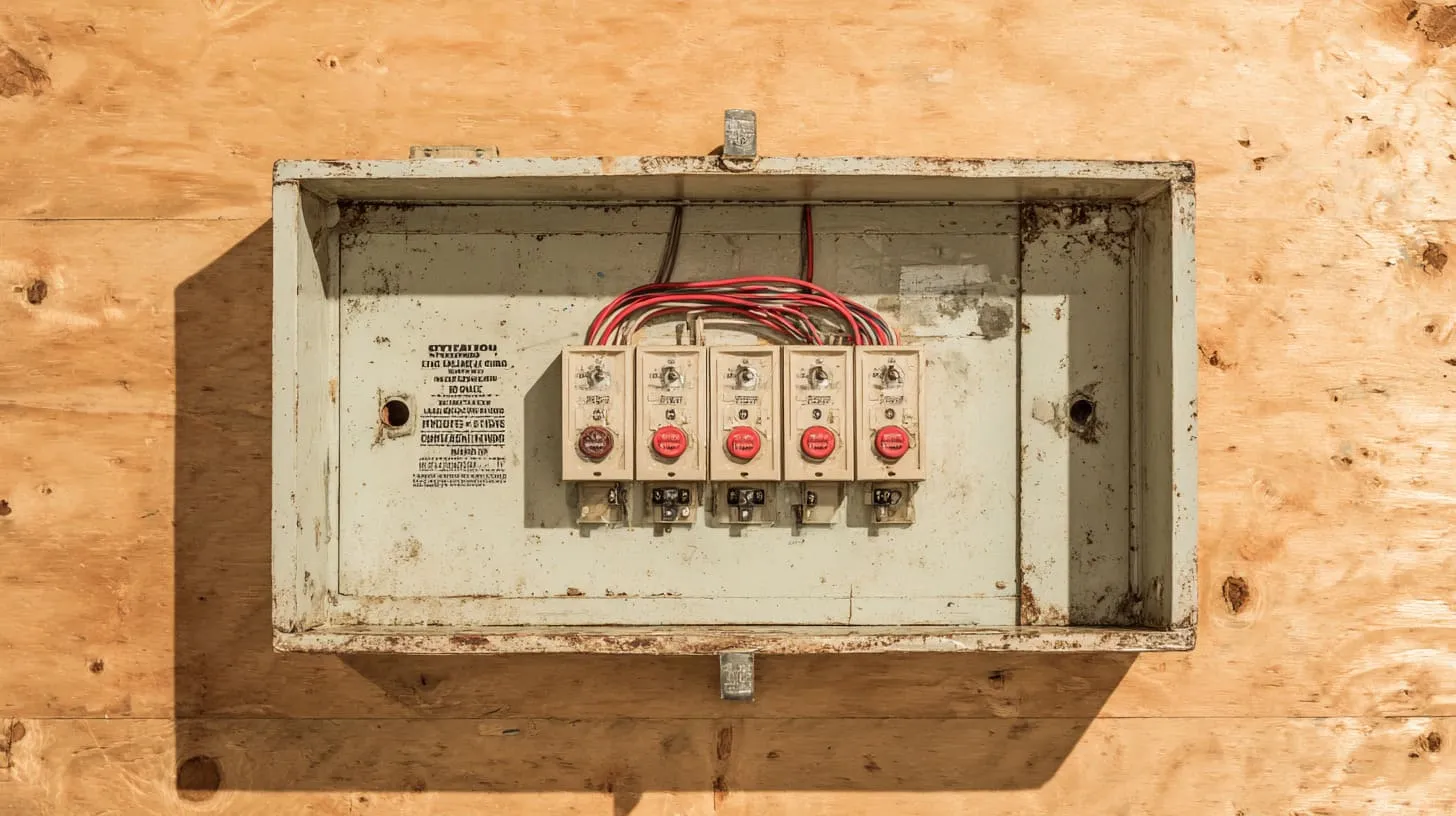
Let’s break it down:
- Accessible: Can be reached without damaging the building.
- Covered: Must have a proper lid or faceplate.
- Secure: Wiring must be contained and protected.
Ignoring these can lead to failed inspections or even unsafe conditions down the line.
Do electricians still use junction boxes?
You’d think with smart tech and modular wiring, we’d move past junction boxes.
Yes, electricians still use junction boxes every day—they remain essential for splicing and routing electrical wiring safely.

Why they’re not going away
Even with wireless setups or modular systems, there’s always a need for safe wire terminations, especially in custom or industrial projects. Junction boxes are still the backbone of flexible and secure electrical routing.
Is it okay to direct bury electrical wire?
It’s tempting to skip the box and run wire underground.
Yes, but only with cables rated for direct burial and proper protection—never standard indoor wire.
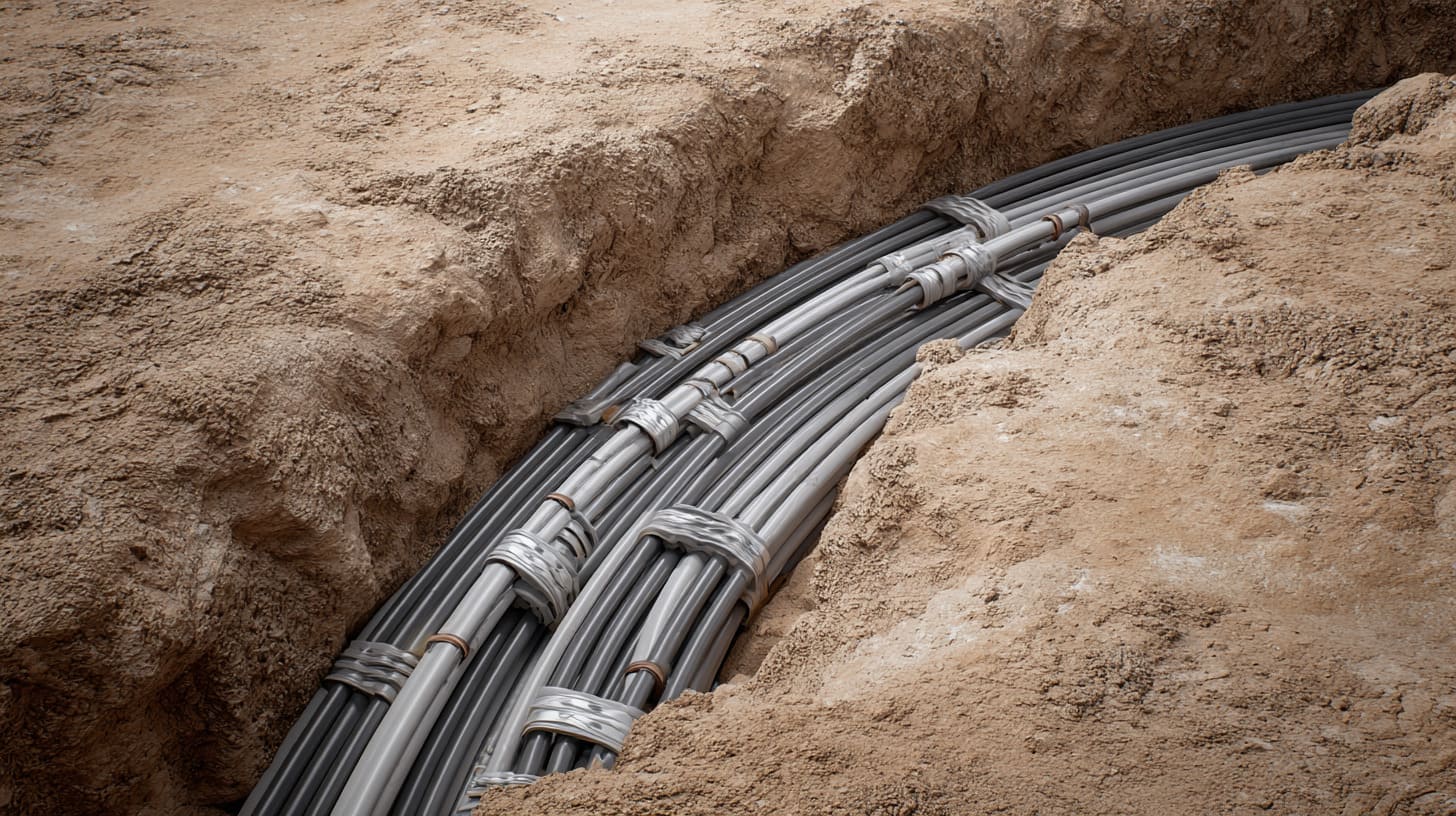
What to watch out for:
- Use UF-rated cable (Underground Feeder).
- Depth must meet local code (usually 18 inches or more).
- Add a conduit for extra protection near surface areas.
What does the NEC 314.29 require regarding access to junction boxes?
This one comes up every time we deal with North American projects.
NEC 314.29 requires that all junction boxes remain accessible without damaging building finish.
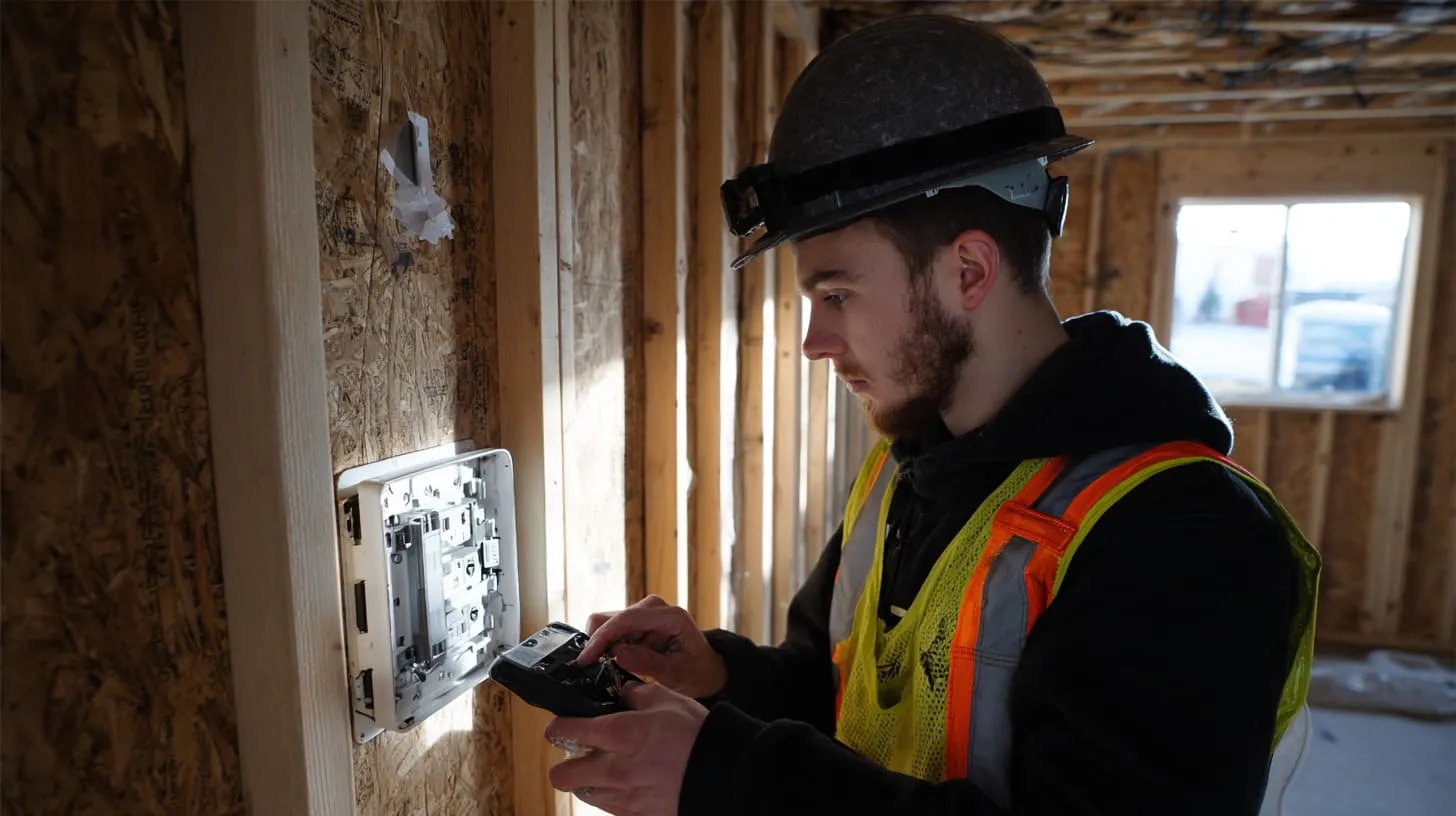
In practice
This means no hiding boxes behind walls, floors, or ceilings without a removable access point. If your design includes a junction box, factor in how a technician might reach it later—especially if you’re selling into U.S. markets.
Is it ever permissible to install a junction box behind drywall or a fixed surface?
Clients ask me this all the time—can’t we just cover it?
No, unless there's a removable panel or marked access door, it's not permissible under code.
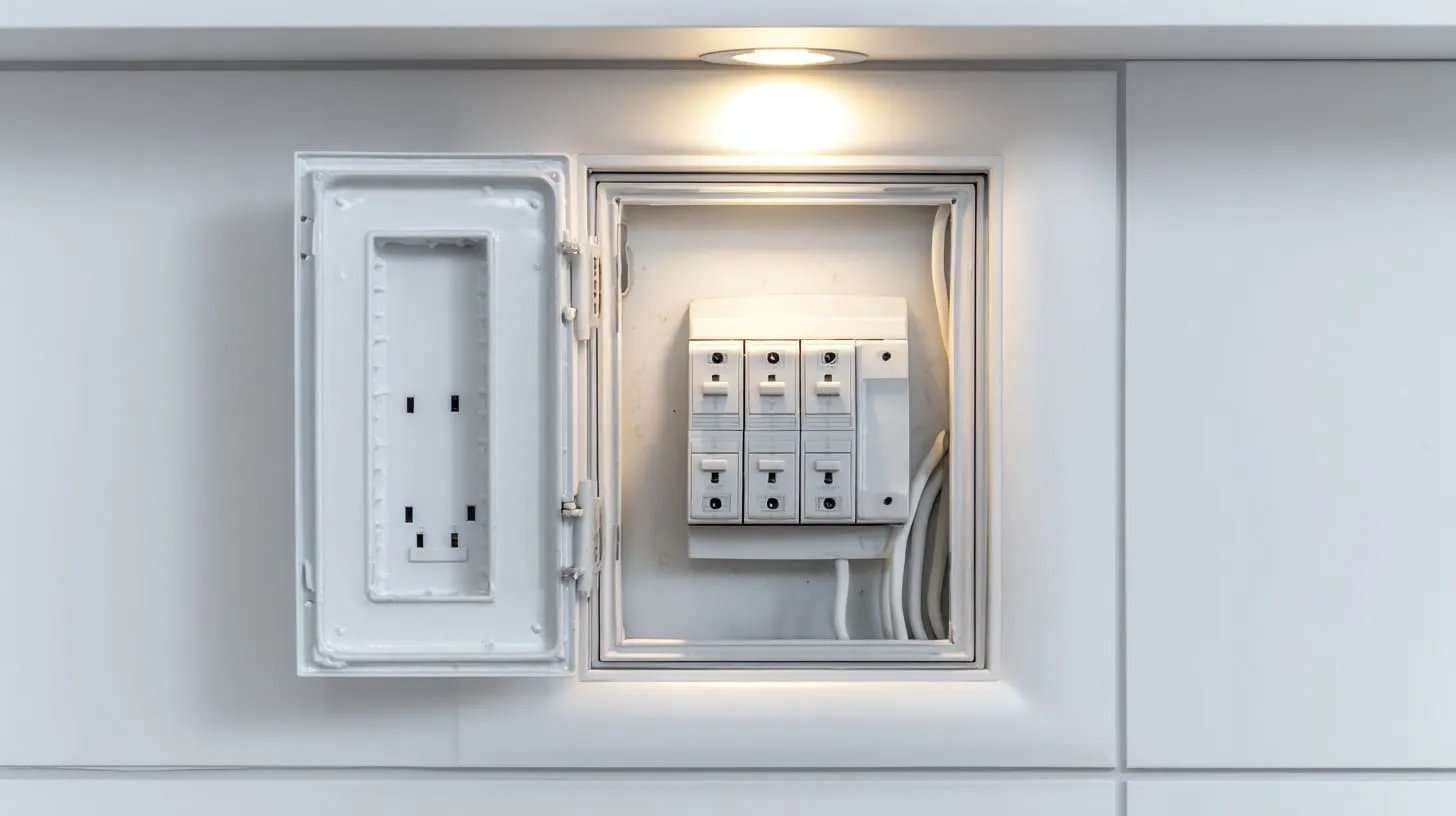
Real-world workaround
You can design a flush panel or magnetic cover. But completely covering it with drywall or welding shut a cabinet? That’ll cause trouble during audits and repairs.
It’s not just about failing inspection—it's what happens after.
Inaccessible boxes delay troubleshooting, increase repair costs, and can cause safety risks if faults go unnoticed.

I’ve seen it happen
A hidden junction box caused a two-day shutdown when one HVAC unit failed. The team spent hours scanning walls with detectors. If there’d been an access panel, it would’ve taken 20 minutes.
How do material choices and enclosure design impact access?
Here’s where the design choices really matter.
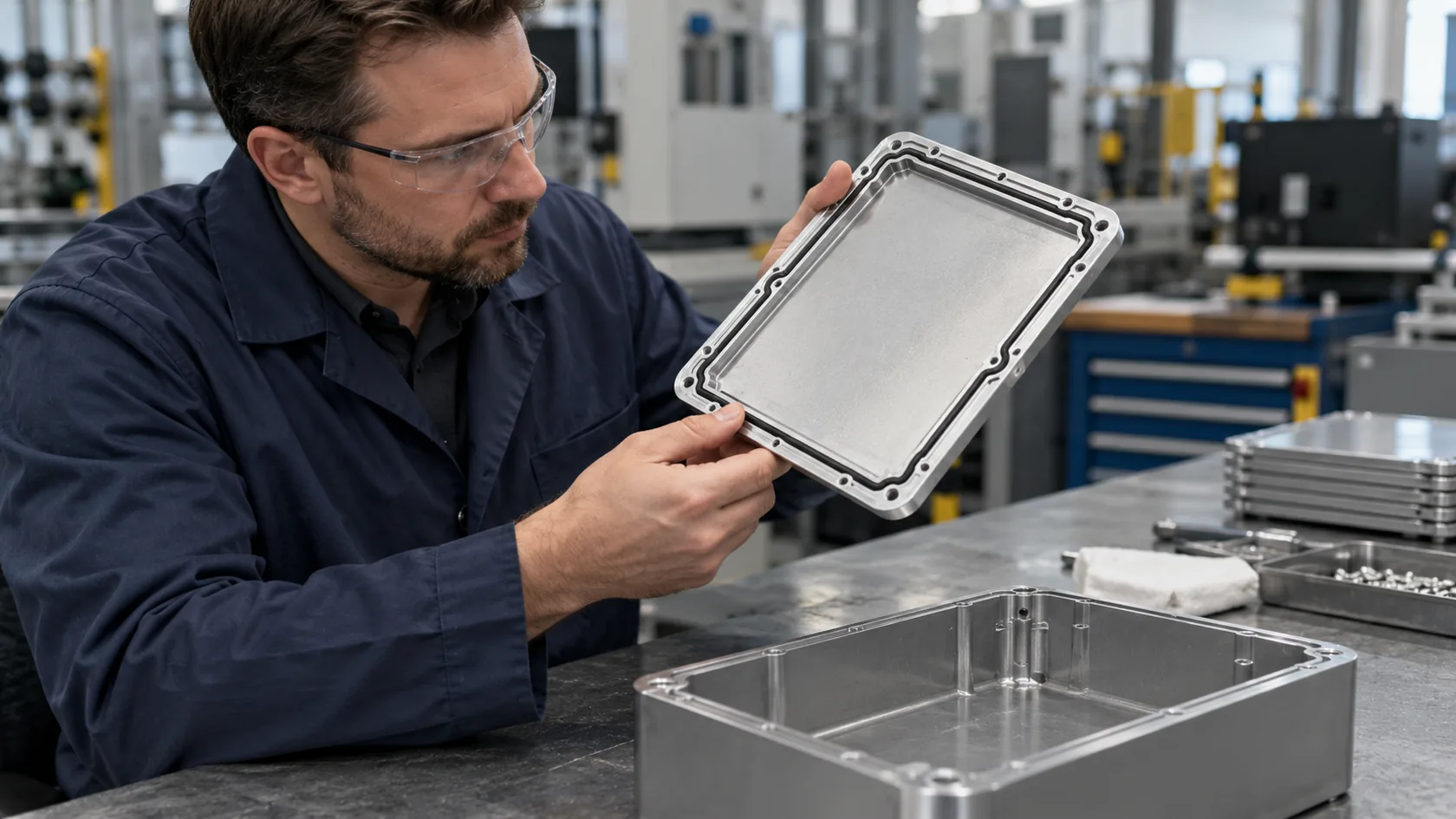
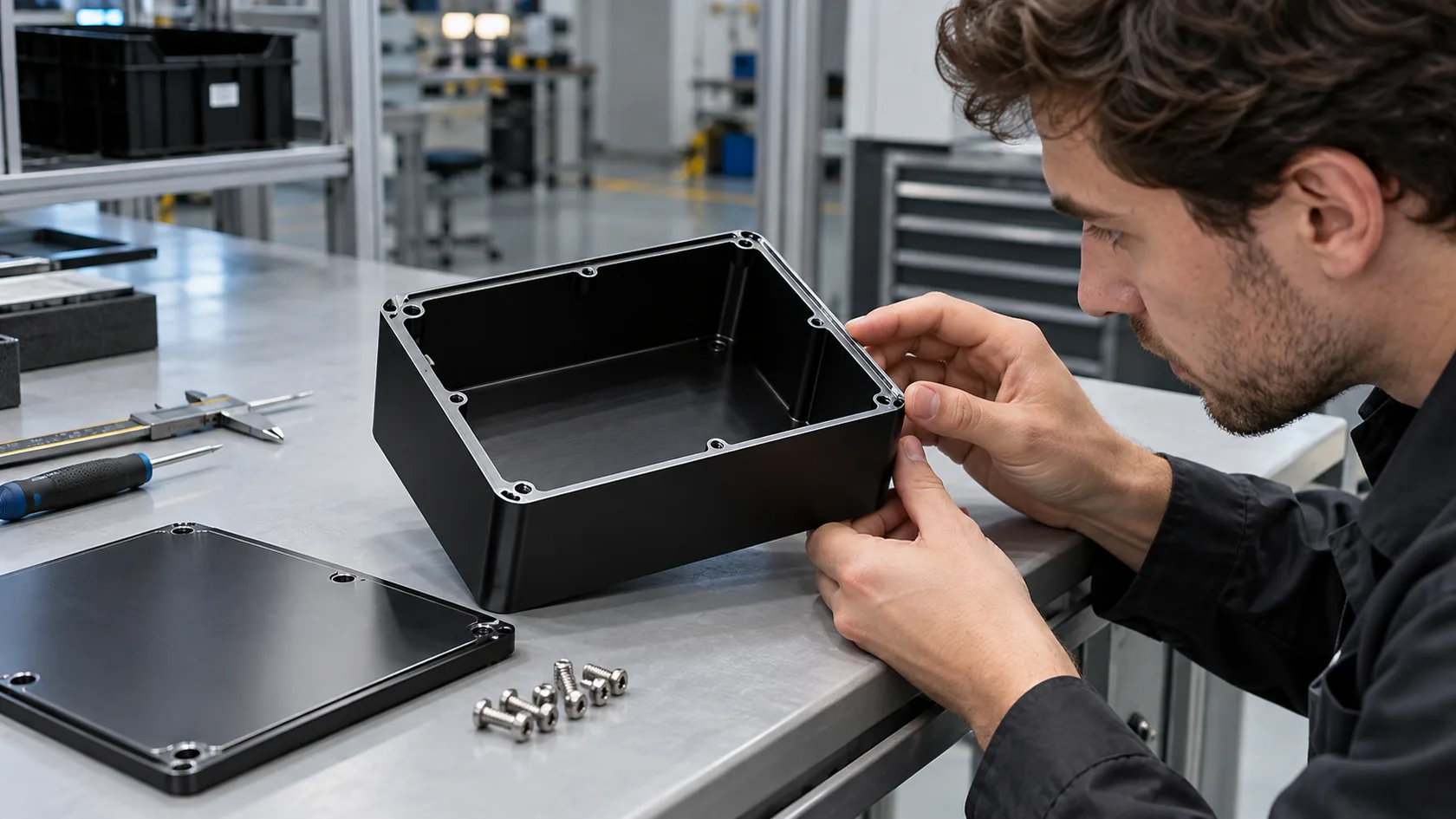
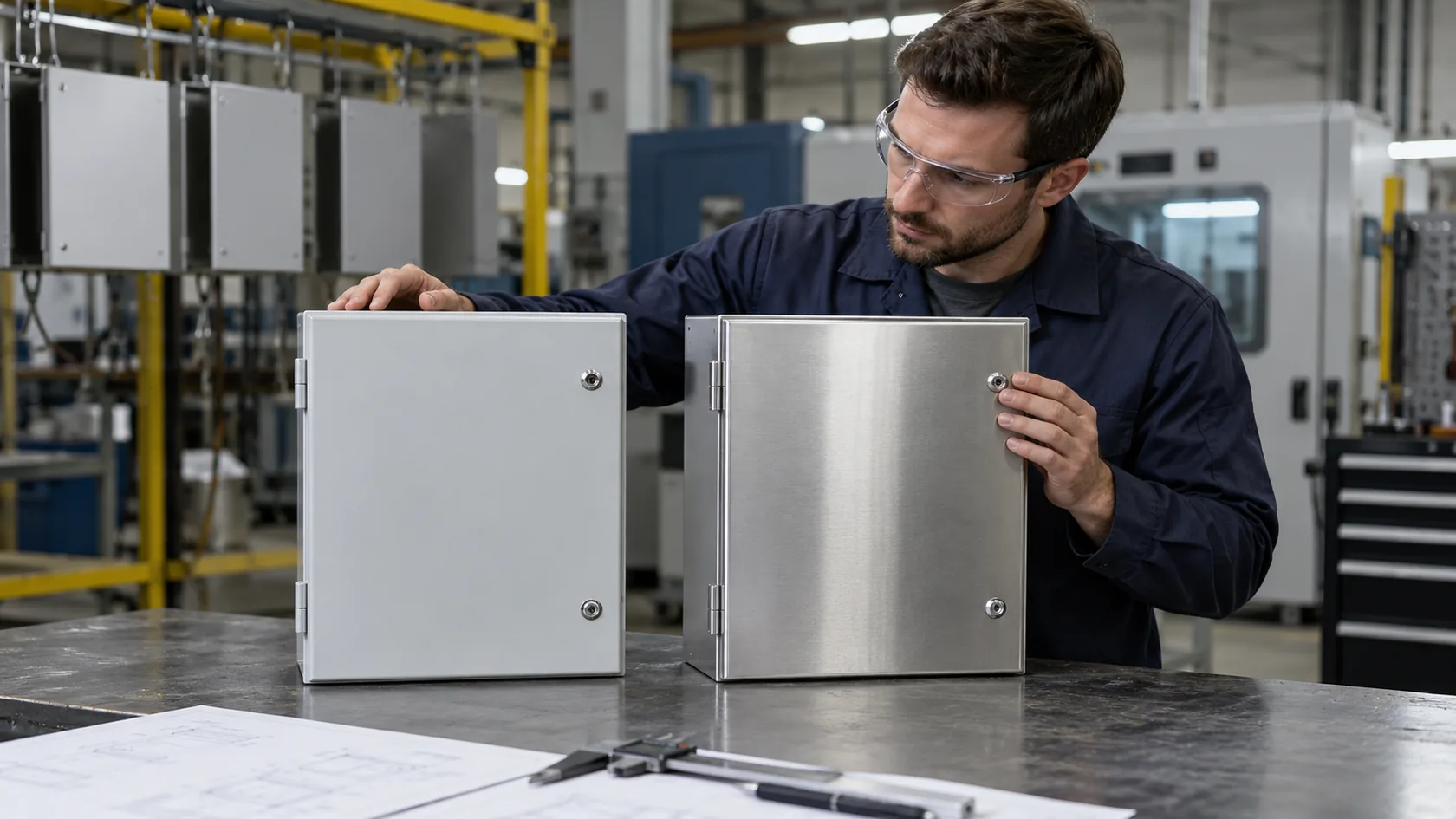
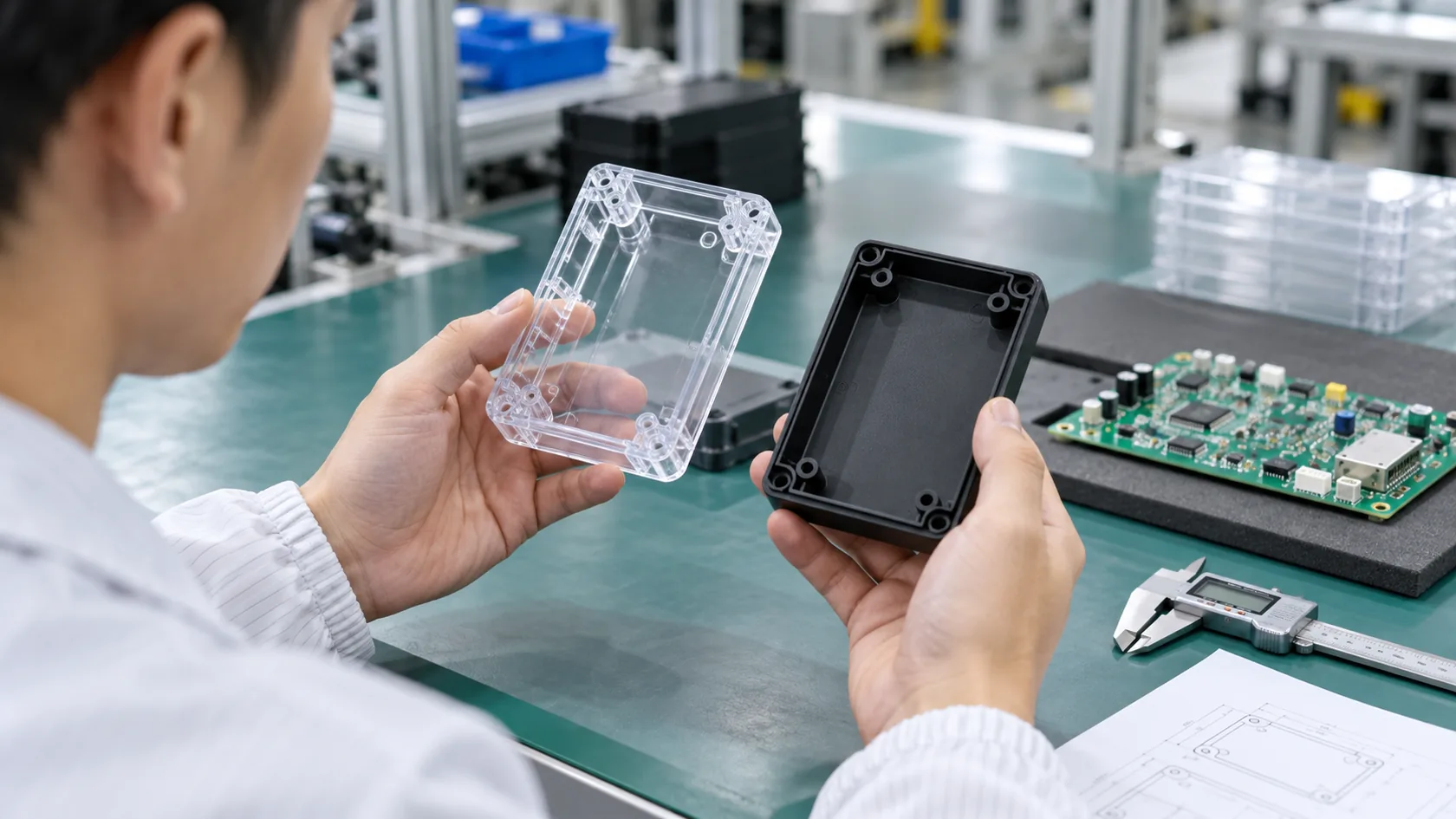
Material and design can either help or block access—metal boxes often require tools, while plastic boxes might include snap-fit covers.

Choose wisely
| Material | Access Style | Pros | Cons |
|---|---|---|---|
| Metal | Screw-on lids | Durable, secure | Slower to open |
| Plastic | Snap-fit, screw | Lightweight, quick access | Less rigid, may crack |
| Hybrid | Hinged lids | Tool-free access | More expensive design |
What are the best practices for enclosure systems with junction boxes?
Let me share a trick: treat every junction box like a future repair job waiting to happen.
The best practice is to design with access, airflow, and labeling in mind—never bury it in your creativity.
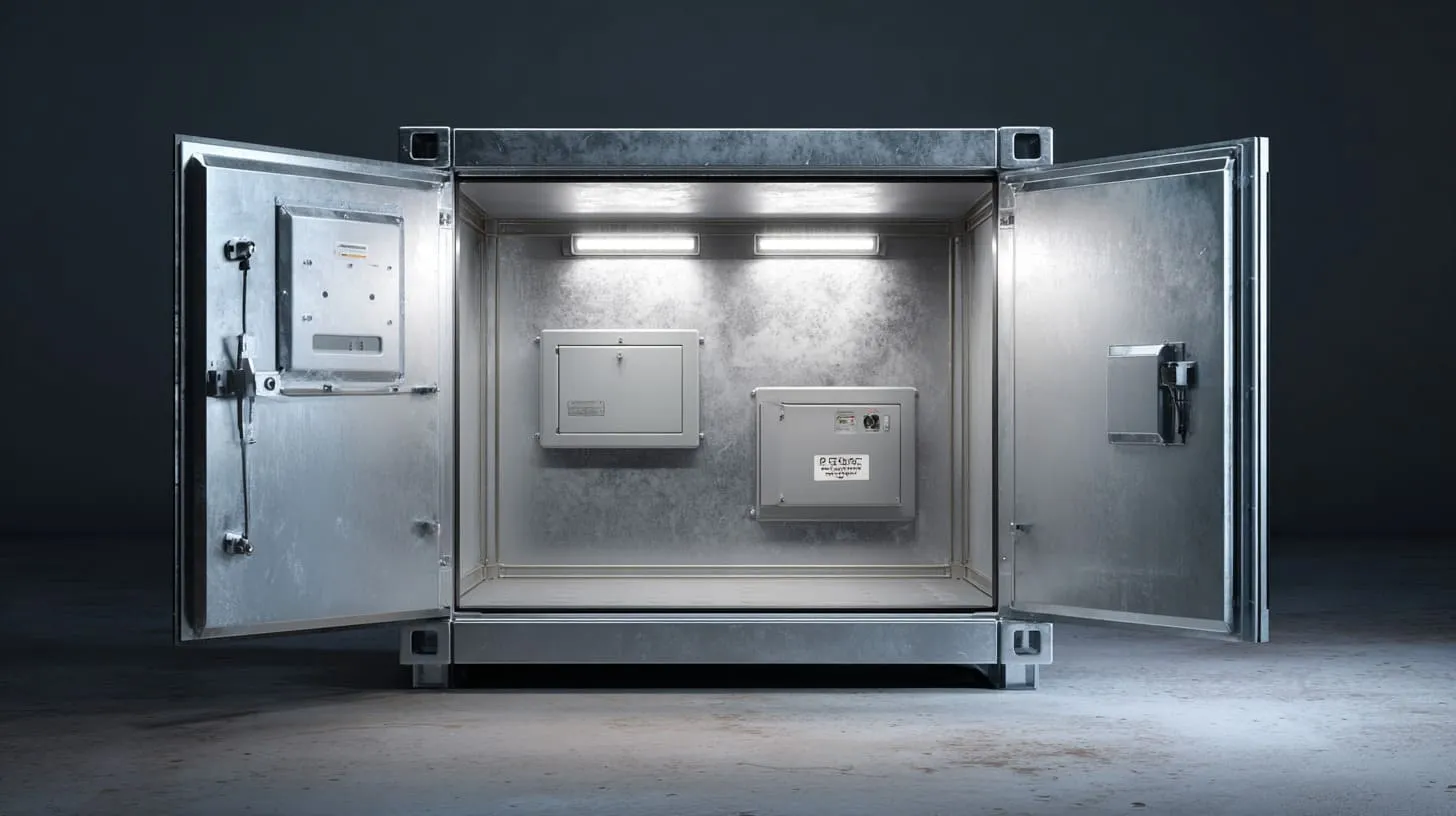
Best Practice Checklist
- ✅ Include access doors or panels
- ✅ Label all junction boxes clearly
- ✅ Allow hand space for wiring and inspection
- ✅ Avoid placing boxes behind fixed elements
How can custom enclosure buyers ensure junction-box access is considered?
If you’re ordering custom enclosures, speak up early.
Buyers should clearly specify access requirements in the design brief and review mechanical drawings with the supplier.
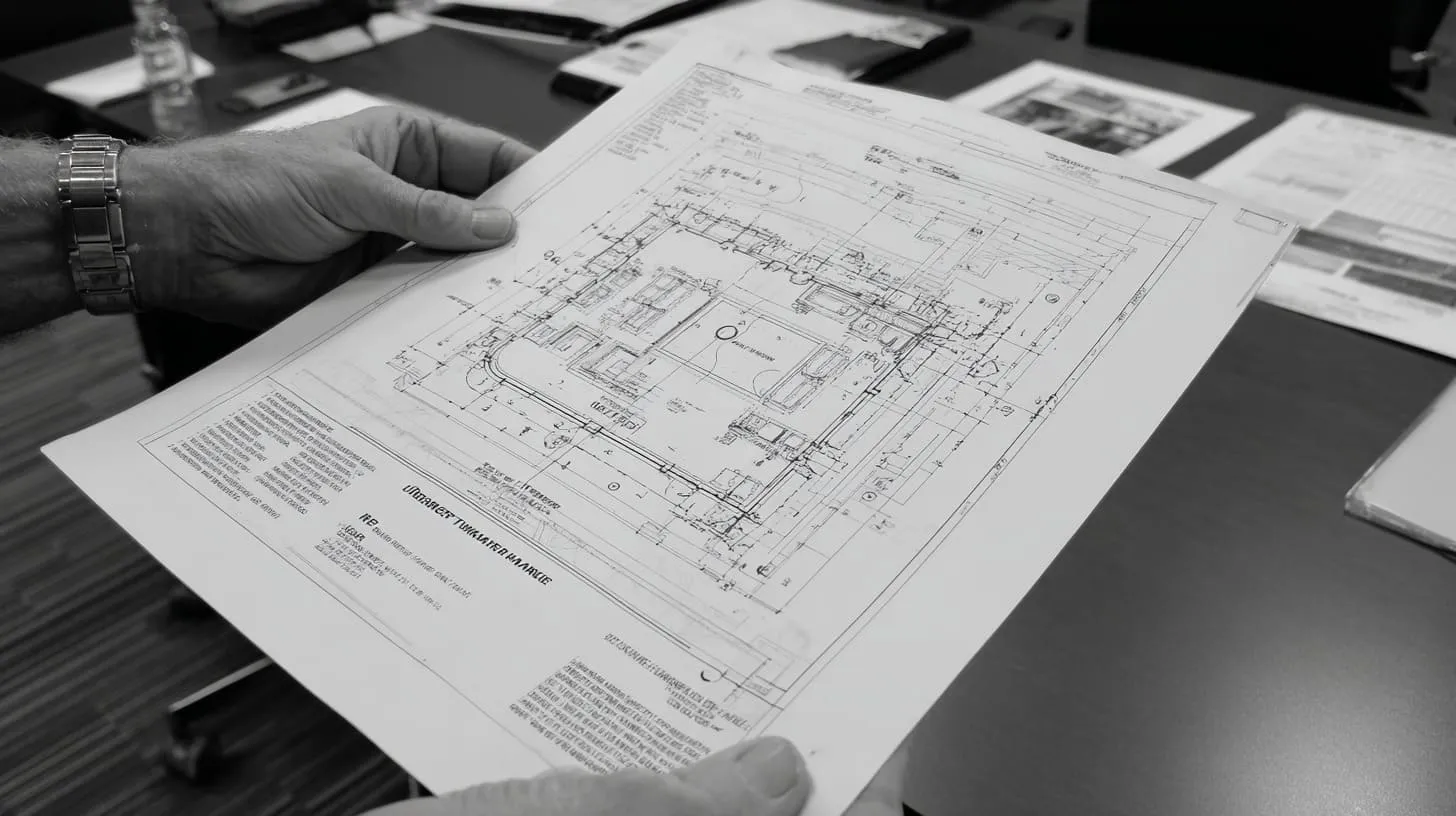
How I help buyers like Davide and John:
- I ask, “Where will this be opened?”
- I suggest hinged or slide-out panels if needed.
- I confirm whether final users need tool-free entry.
Never assume your supplier knows your code—spell it out.
What are the cost implications of hiding vs exposing junction boxes?
Some clients want a clean look, but clean sometimes means costly.
Concealed boxes often add design, manufacturing, and inspection costs—while exposed boxes can be more affordable and code-friendly.
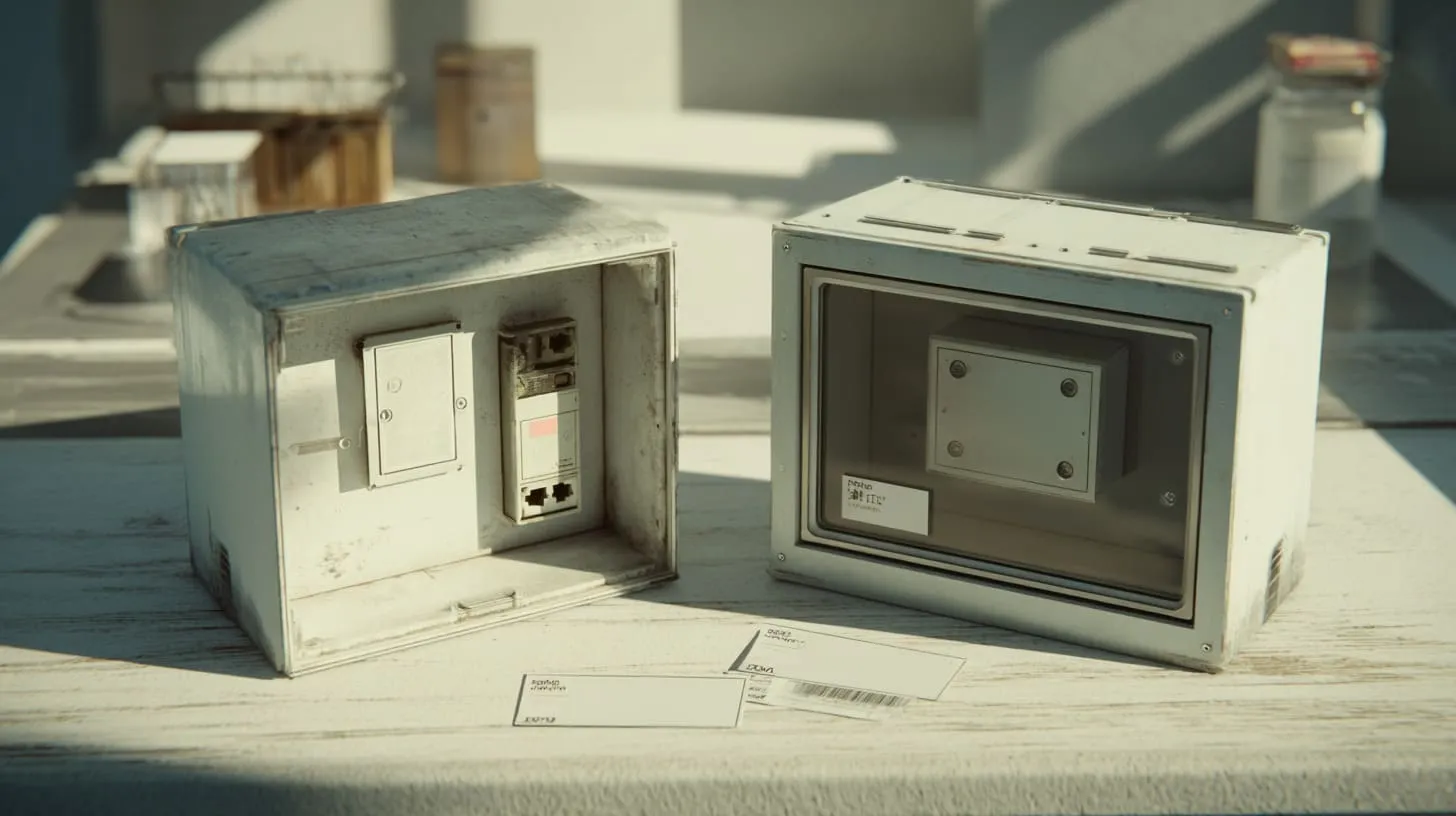
Cost comparison
| Option | Pros | Cons |
|---|---|---|
| Exposed boxes | Lower cost, easy inspection | May require aesthetic covers |
| Hidden with access | Clean look, still compliant | Higher production complexity |
| Fully hidden | Sleek design (non-compliant) | Risk of rework, inspection fail |
Do international standards impact junction box placement decisions?
Absolutely. What’s allowed in Canada might not fly in Japan.
Yes, different countries have unique codes regarding junction box placement and access—OEMs must follow local standards.
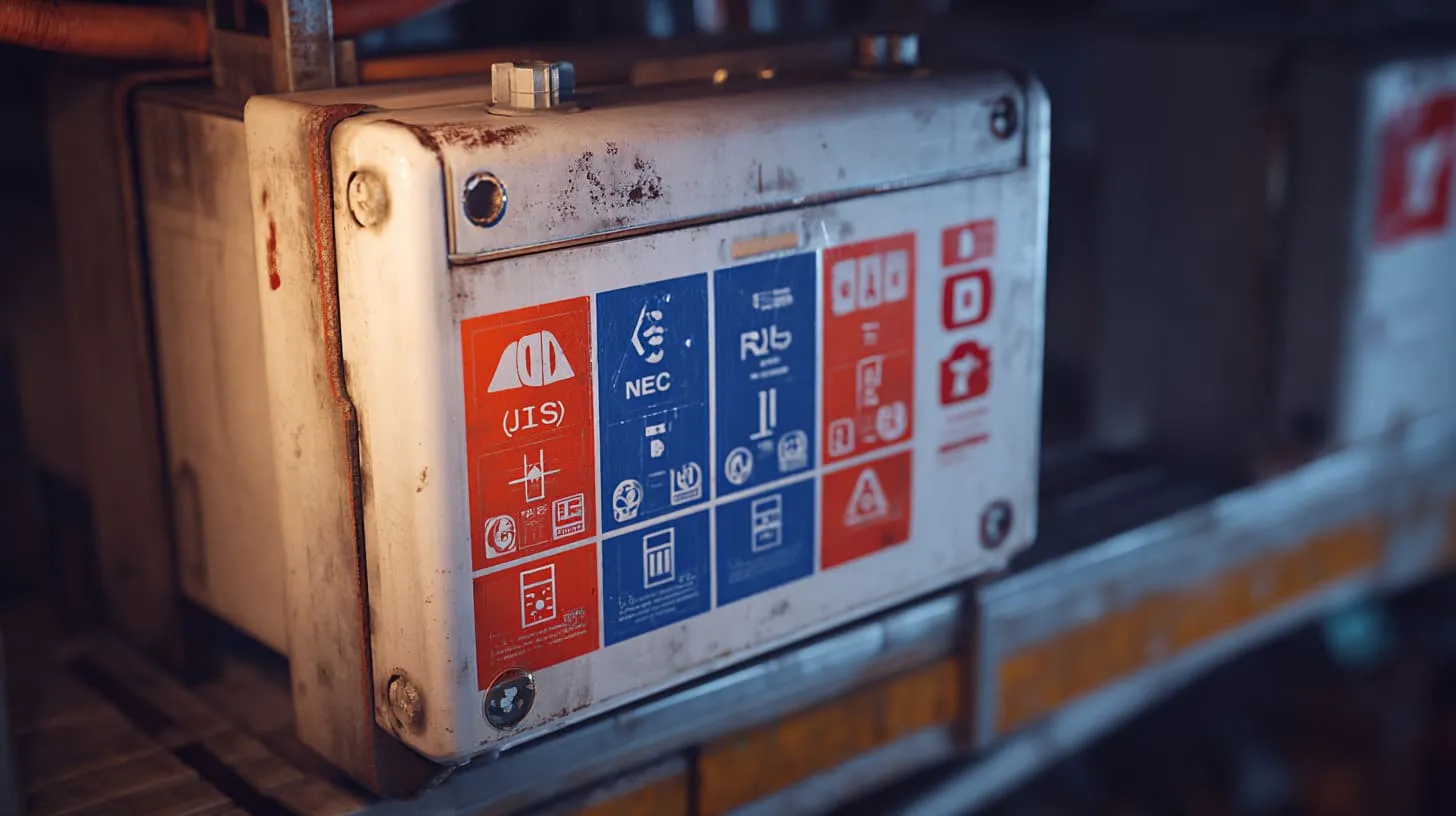
Some examples:
- NEC (USA): Requires full accessibility.
- IEC (Europe): Varies, but similar access rules.
- JIS (Japan): Often stricter on fireproof ratings.
If you’re exporting, double-check—especially when designing aluminum enclosures for EU or North America.
Conclusion
Concealing a junction box might look good—but only if it still plays by the rules.