Skip to content
Material choices often get locked in early, then questioned late—right when cost, durability, and risk all collide. Stainless steel sounds safe, but not all grades behave the same once they face real conditions.
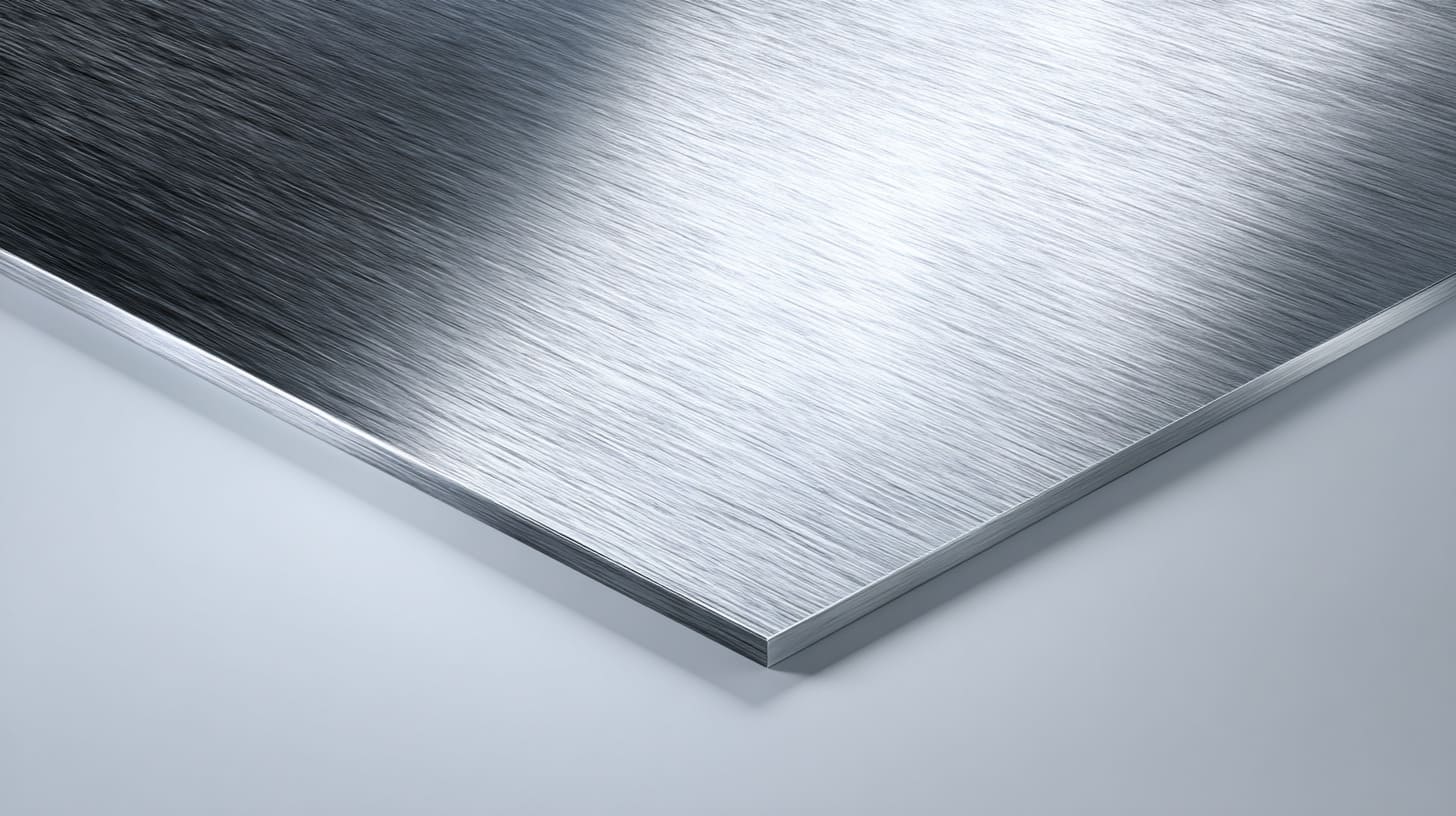
304 stainless steel is a corrosion-resistant alloy made of iron, chromium, and nickel, widely used across industrial, food, and architectural applications.
I’ve worked with it more times than I can count—and every time, it surprises me how versatile and misunderstood it still is.
Is 304 stainless steel good quality?
I hear this a lot—especially from new clients just getting into enclosure design.
Yes, 304 stainless steel is considered a high-quality, general-purpose material due to its excellent corrosion resistance, strength, and formability.
Why it’s trusted across industries
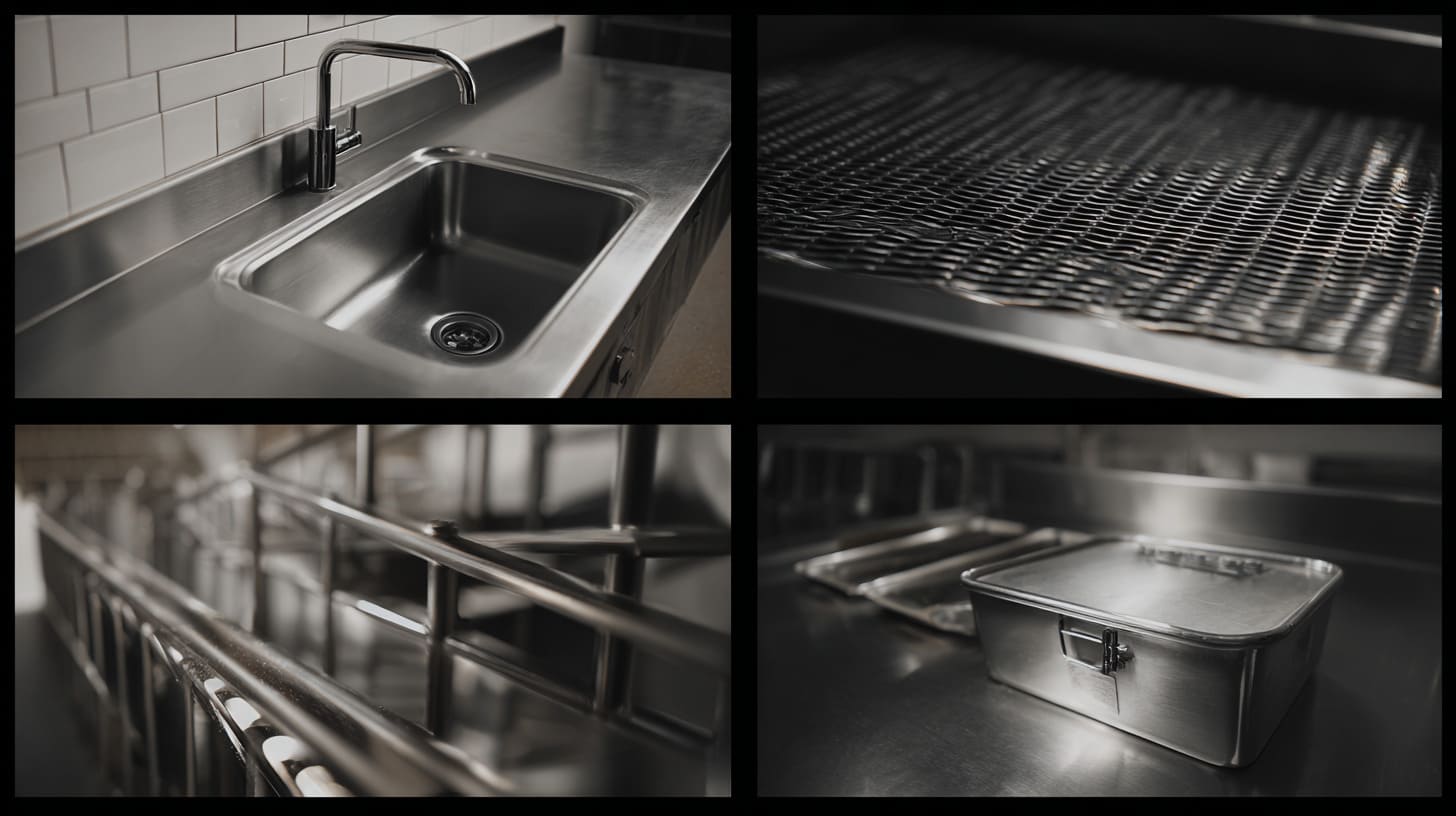
304 strikes a strong balance. It doesn’t rust easily, it machines cleanly, and it can be polished or brushed to match different aesthetics. That’s why I see it in:
- Food processing equipment
- Medical tools
- Architectural railings
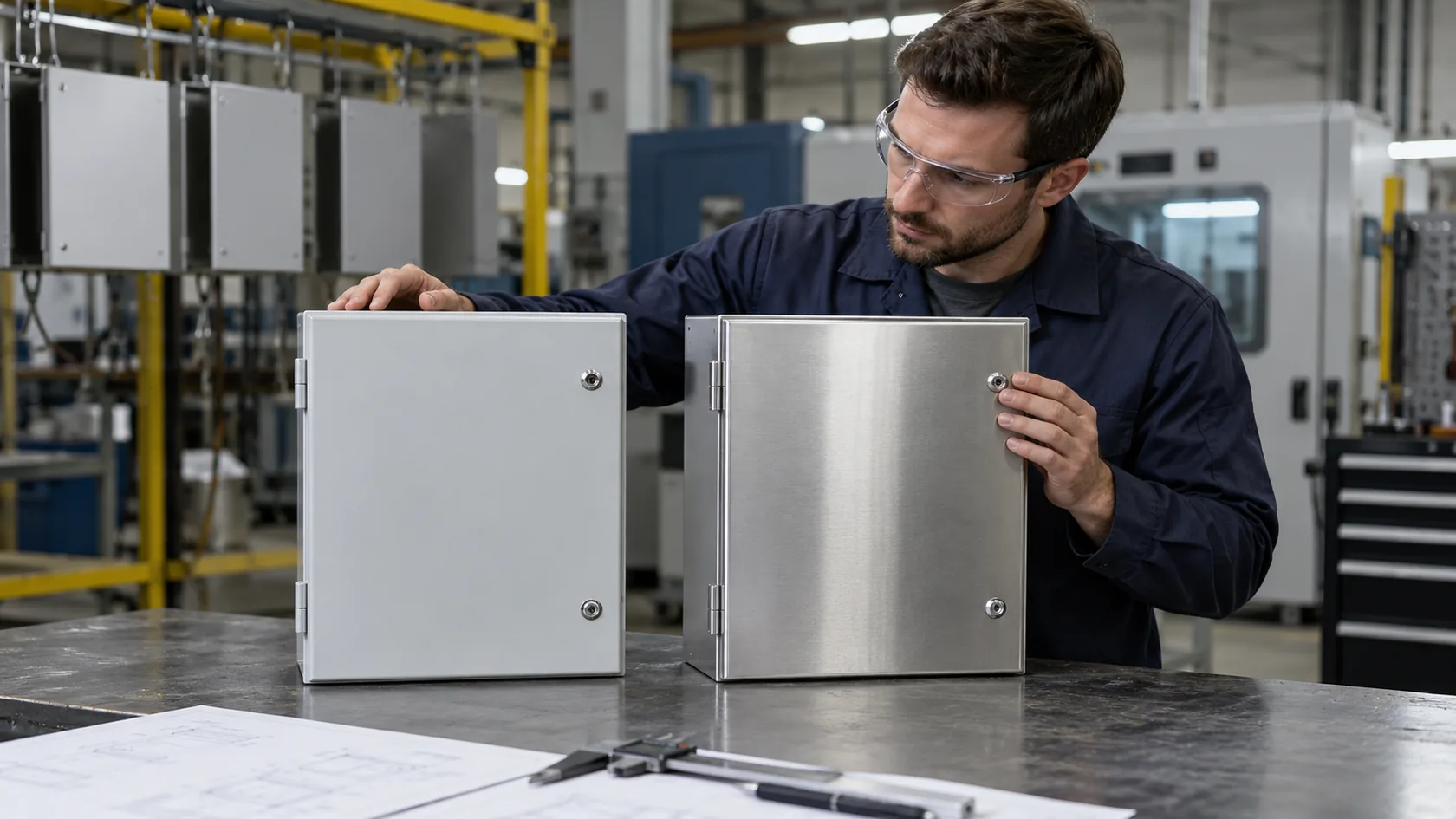
- Custom enclosures for electronics
A short comparison table
| Property | 304 Stainless Steel | Other Materials (e.g. 201, mild steel) |
|---|---|---|
| Corrosion Resistance | Excellent | Moderate to Poor |
| Weldability | Good | Varies |
| Cost | Medium | Lower |
| Durability | Long-lasting | Often shorter lifespan |
What are the disadvantages of 304 stainless steel?
Even great materials have trade-offs. I’ve learned this the hard way.
304 stainless steel can corrode in chloride-rich environments and is not as chemical-resistant as 316 stainless steel.
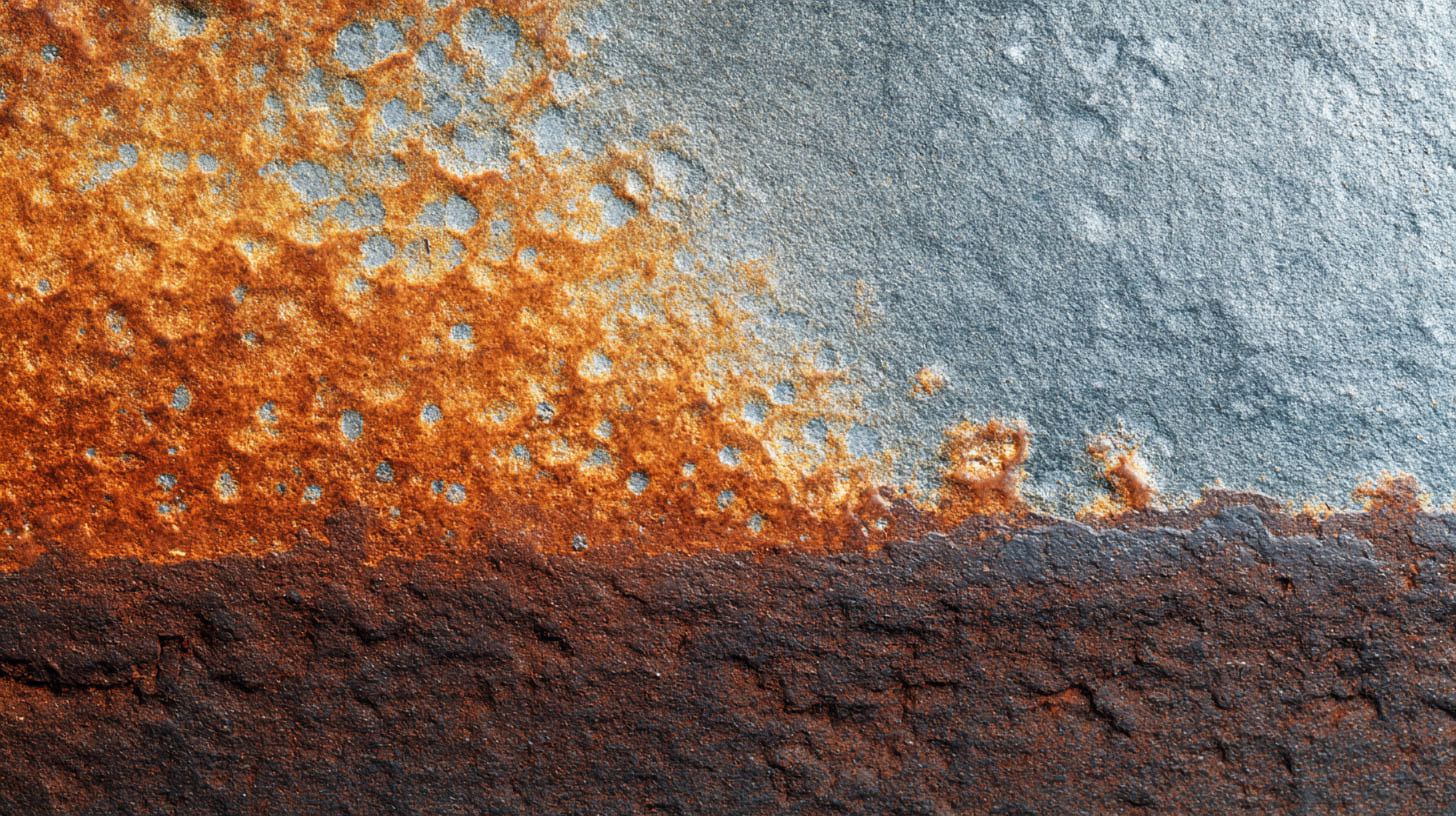
Things to watch out for
- Saltwater exposure: It can pit and rust over time.
- Acid or harsh chemicals: Not ideal for heavy-duty industrial chemical tanks.
- Price vs. mild steel: It’s more expensive, which matters for large-volume buyers like Jackson or Davide.
So if your enclosure is going near the ocean or into a chemical plant, don’t skip the fine print on materials.
Which is better 304 or 316 stainless steel?
I’ve helped clients pick between these two more times than I can count.
316 stainless steel offers better corrosion resistance, especially against salt and chemicals, but it costs more than 304.
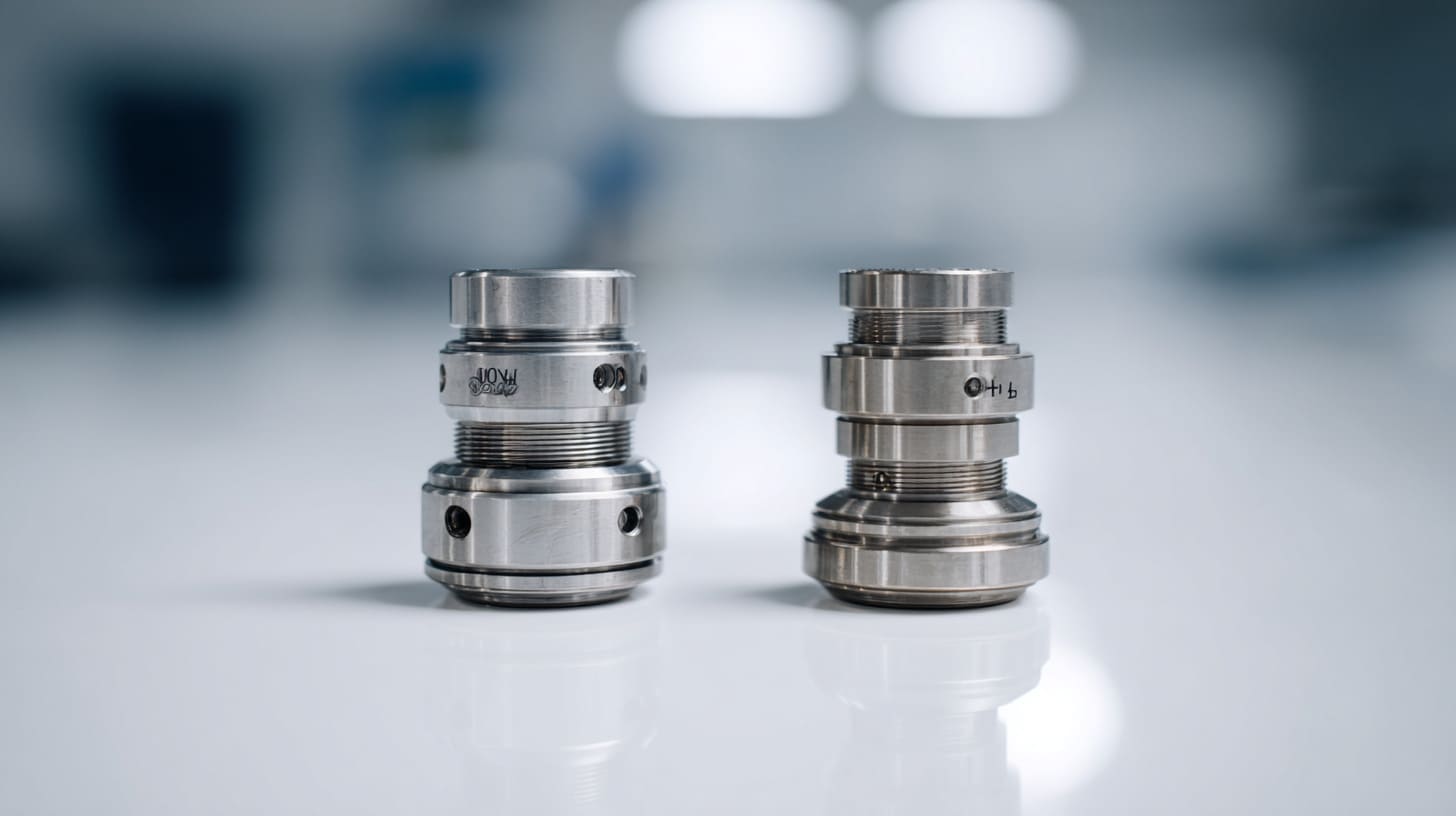
A side-by-side comparison
| Feature | 304 Stainless | 316 Stainless |
|---|---|---|
| Nickel Content | ~8% | ~10% |
| Molybdenum | None | 2–3% |
| Chloride Resistance | Moderate | High |
| Cost | Lower | Higher |
| Typical Use | General | Marine, Pharma |
I always ask—where will the enclosure live? That usually answers the question.
Is 304 stainless steel rust-proof or corrosion-resistant?
Some buyers confuse these terms. I used to as well.
304 stainless steel is corrosion-resistant, not fully rust-proof. It resists most moisture and air exposure but can still rust under harsh conditions.
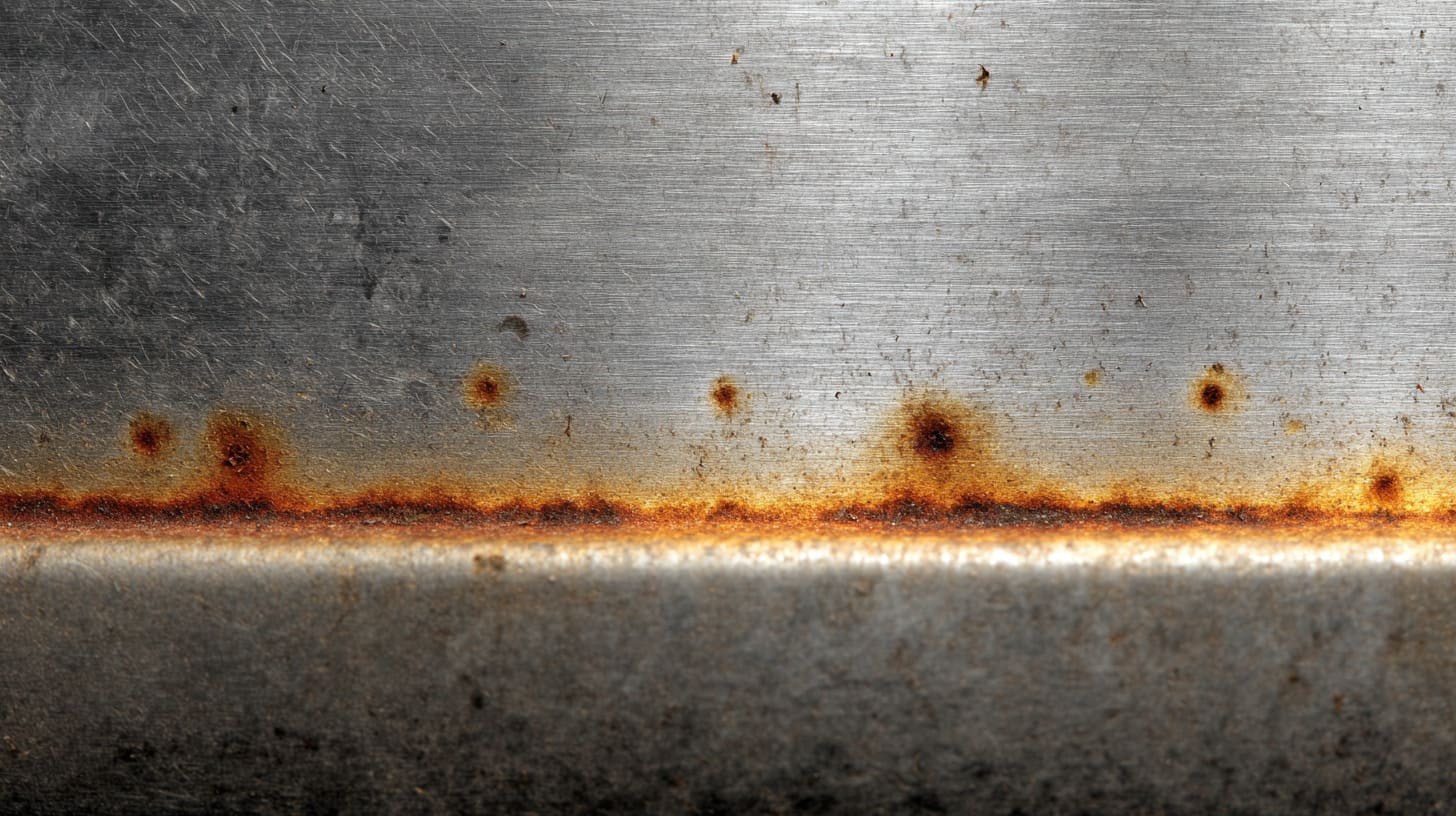
Common misconceptions
- Rain won’t usually hurt it.
- Salt air and chlorine might.
- It’s great for kitchens—not for boat docks.
Don’t let the “stainless” name fool you. It stains… less, not never.
How long will 304 stainless steel last?
This depends, but here's what I tell clients.
In normal indoor or mild outdoor use, 304 stainless steel can last 20–30 years or more with minimal maintenance.
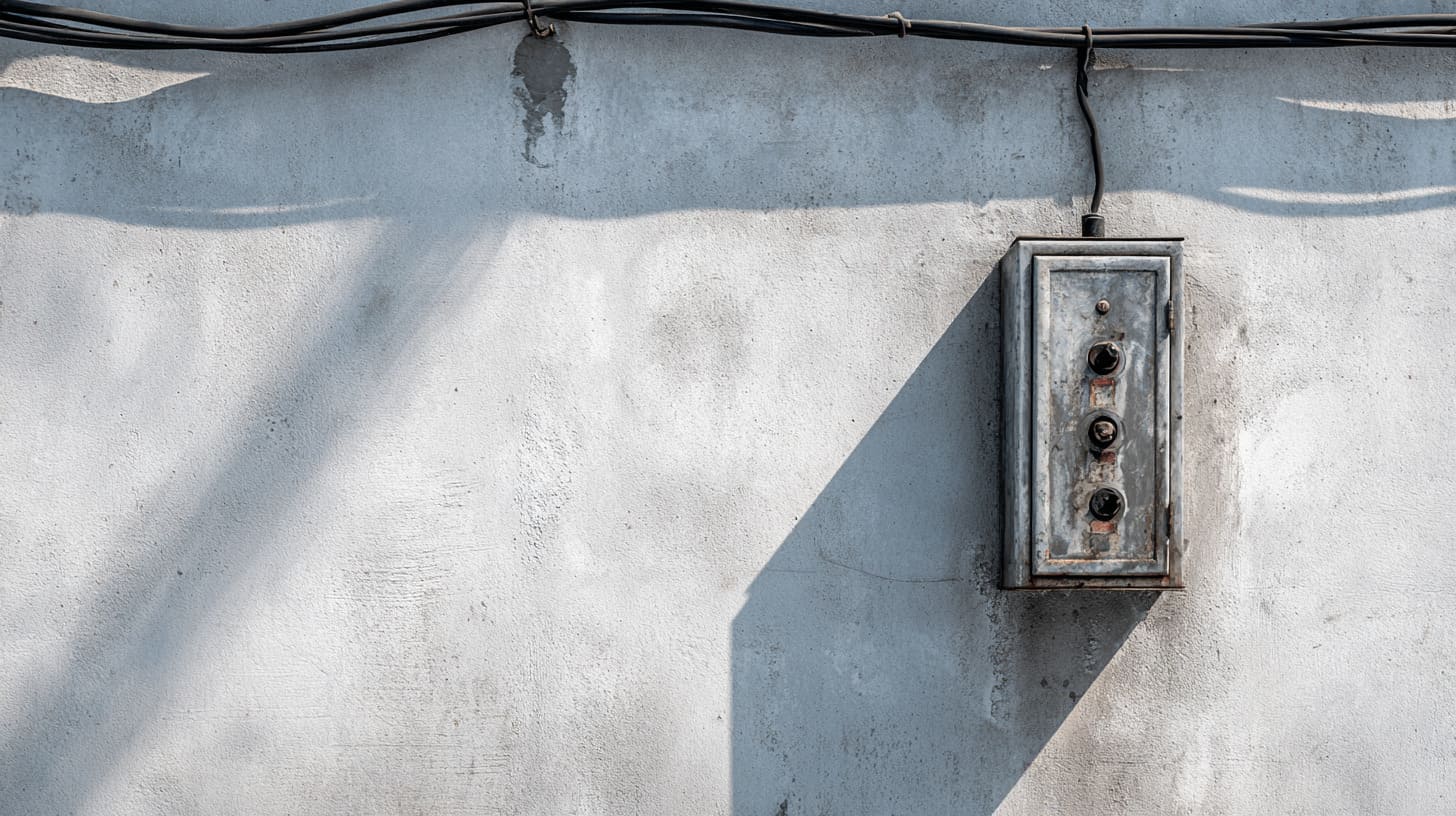
Factors that impact lifespan
- Environment: Indoor = long life. Coastal = much shorter.
- Maintenance: Wipe it down occasionally.
- Design: Avoid water traps or areas where grime can build.
I’ve seen outdoor boxes still look good after 15 years—just don’t put them near pool chemicals.
What is the healthiest grade of stainless steel?
This question usually comes from kitchenware or medical clients.
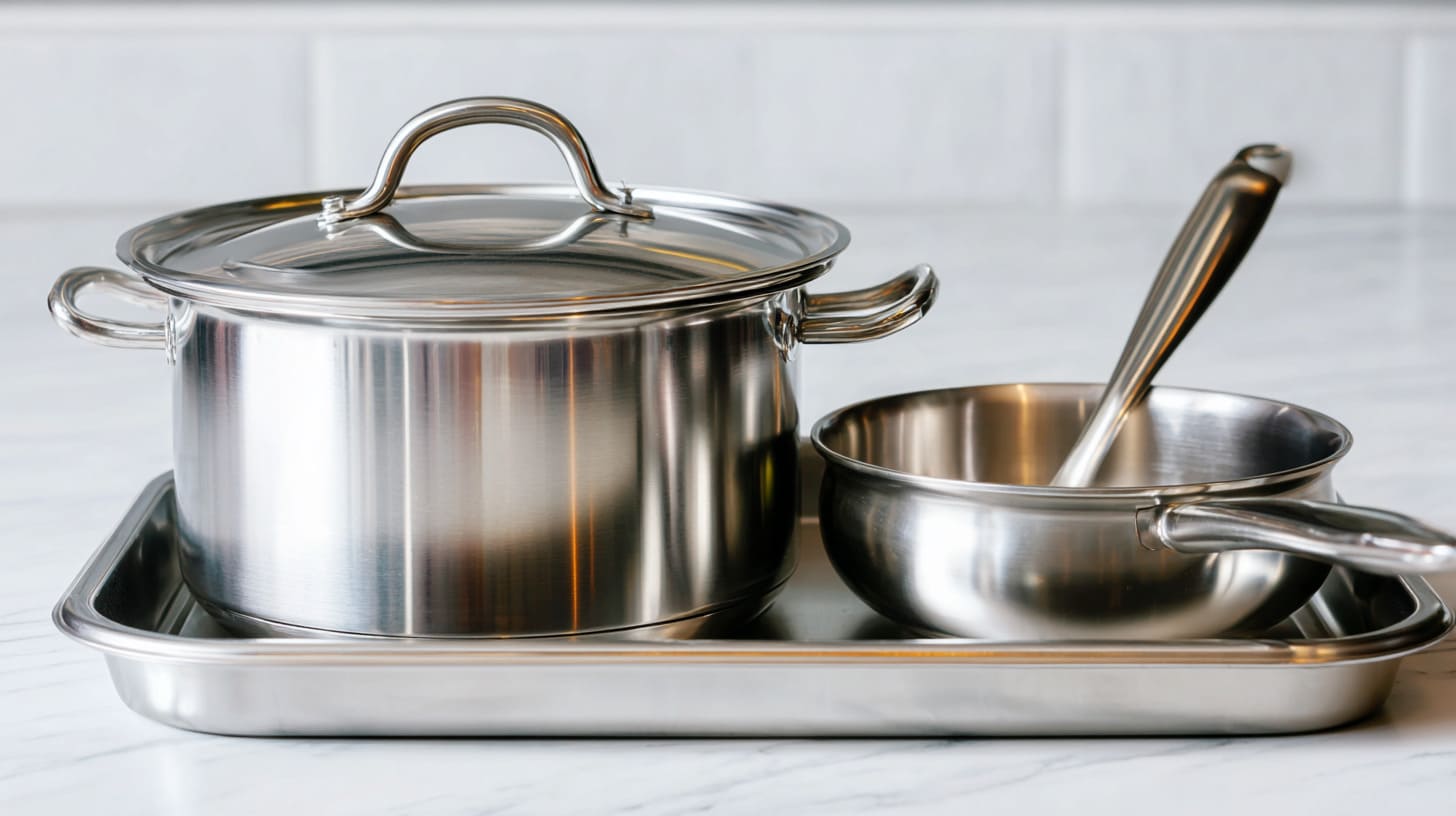
316 stainless steel is generally considered the healthiest for contact with food and body due to its high corrosion resistance.
Where 304 fits in
304 is still widely approved for food contact. But in sensitive environments—like surgical tools or salty soups—316 wins the gold star.
Is 304 stainless steel ok for cooking?
Absolutely—and I’ve got the kitchen gear to prove it.
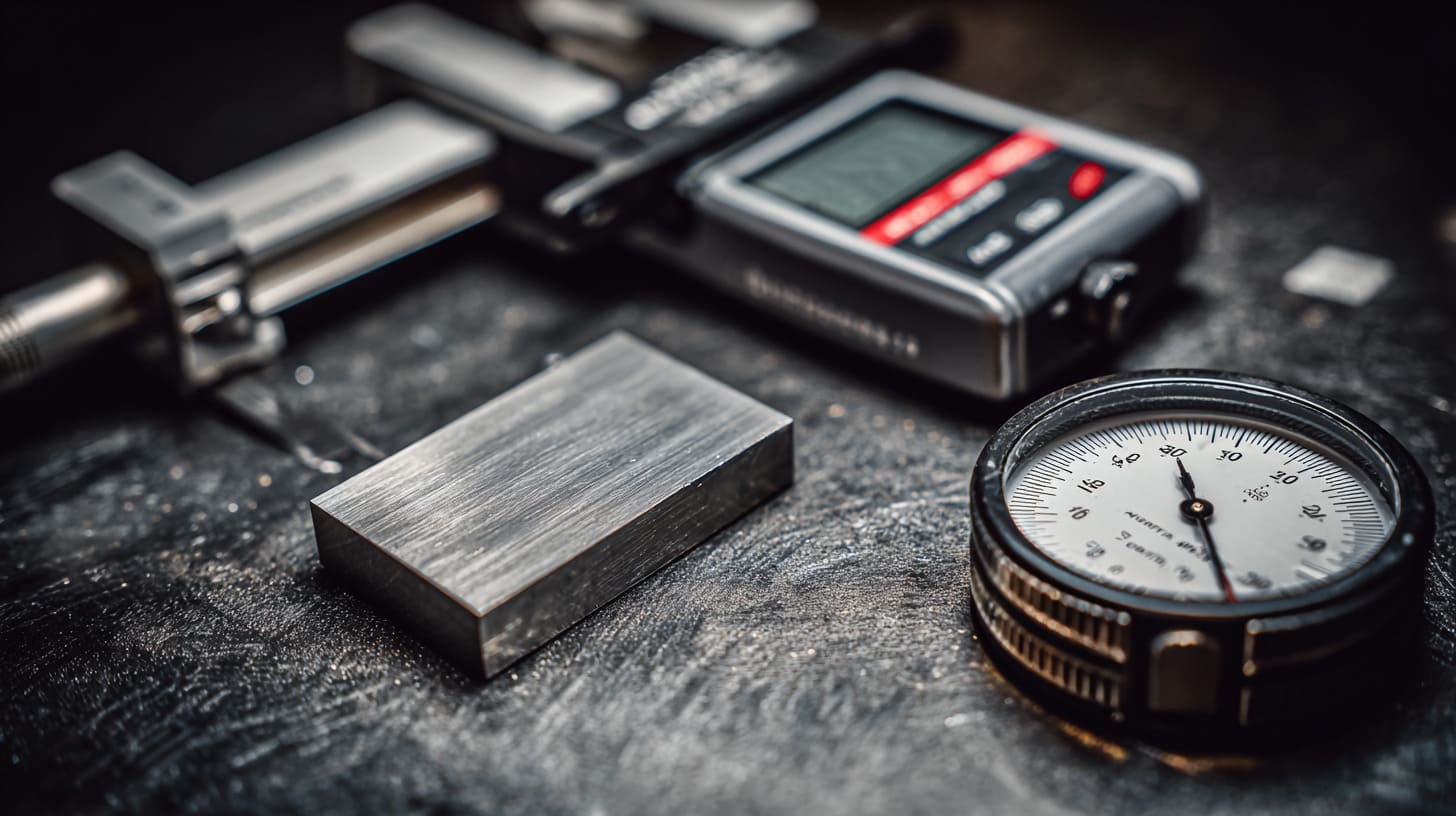
Yes, 304 stainless steel is safe for cooking and is commonly used in cookware, utensils, and food-grade containers.
Why chefs trust it
- Doesn’t react with food
- Easy to clean
- Long-lasting
Unless you’re boiling ocean water daily, 304 is more than enough.
What are the main properties of 304 stainless steel?
Every time I introduce this material to new buyers, I keep a cheat sheet ready.
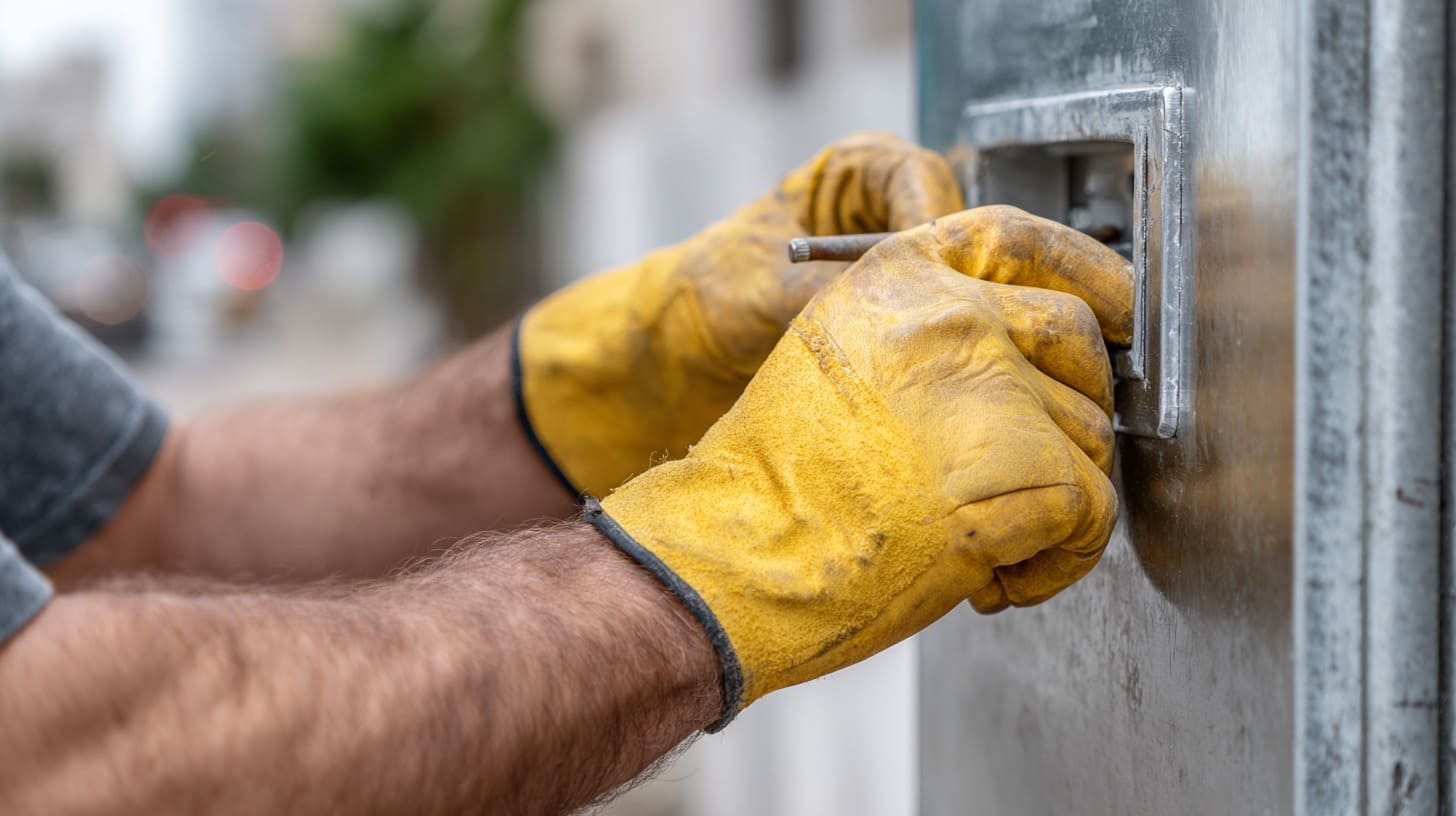
304 stainless steel features excellent corrosion resistance, good formability, non-magnetic properties, and solid mechanical strength.
Quick property overview
| Property | Value |
|---|---|
| Density | ~8.0 g/cm³ |
| Tensile Strength | ~515 MPa |
| Magnetic | No (in annealed condition) |
| Composition | ~18% Cr, ~8% Ni |
It’s the all-rounder of the stainless steel world.
Can 304 stainless steel be used for outdoor electrical boxes?
I’ve built a few of these myself—and seen what works and what doesn’t.
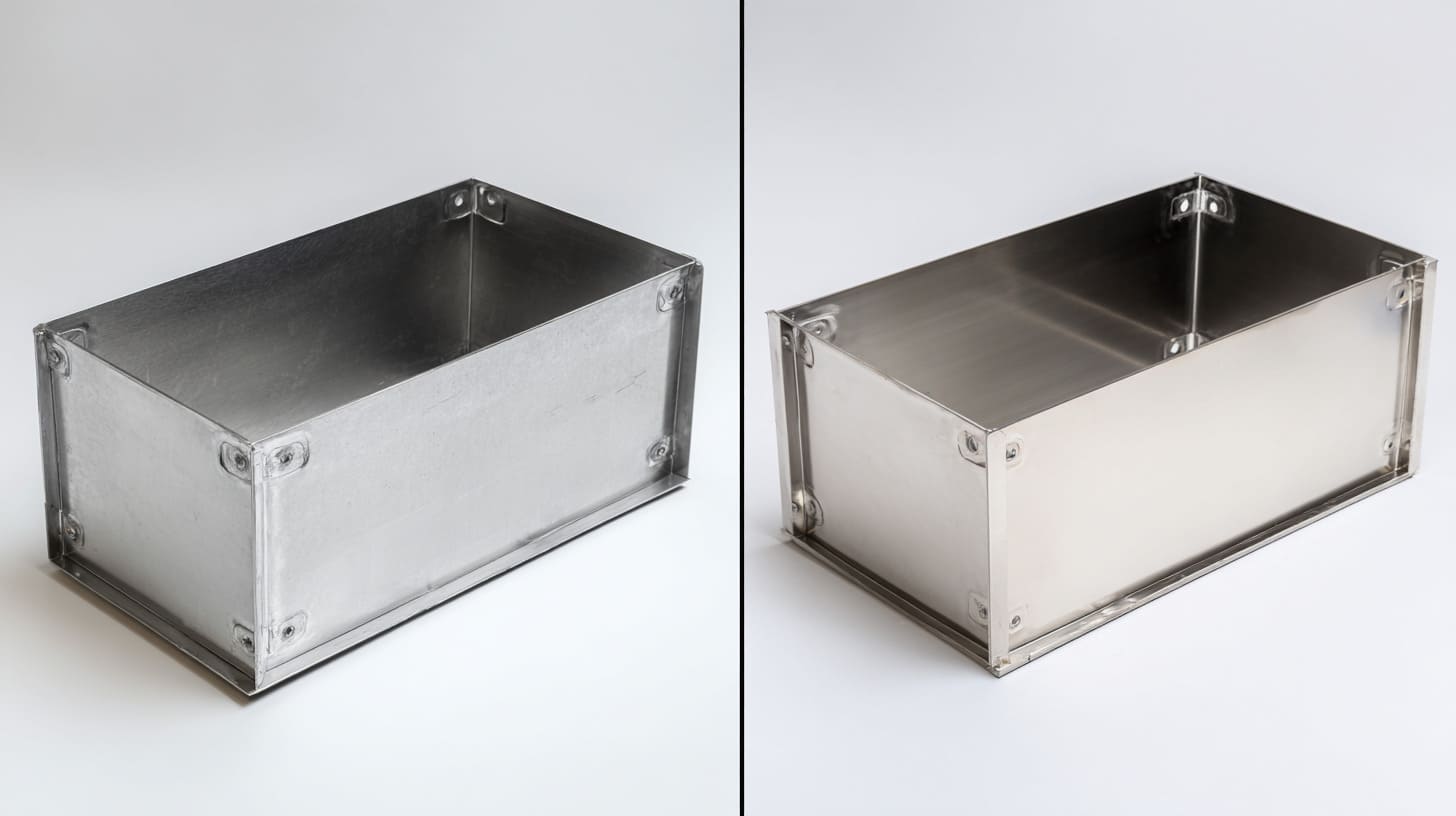
Yes, 304 stainless steel can be used outdoors, but may require additional sealing or coatings in harsh environments.
Tips from the field
- Use waterproof gaskets
- Avoid coastal installs unless passivated
- Combine with IP-rated designs
It’s sturdy and safe, just not indestructible.
How strong is 304 stainless steel compared to aluminum?
Now this is a debate that comes up often in project meetings.
304 stainless steel is significantly stronger and harder than aluminum but also heavier and more costly.
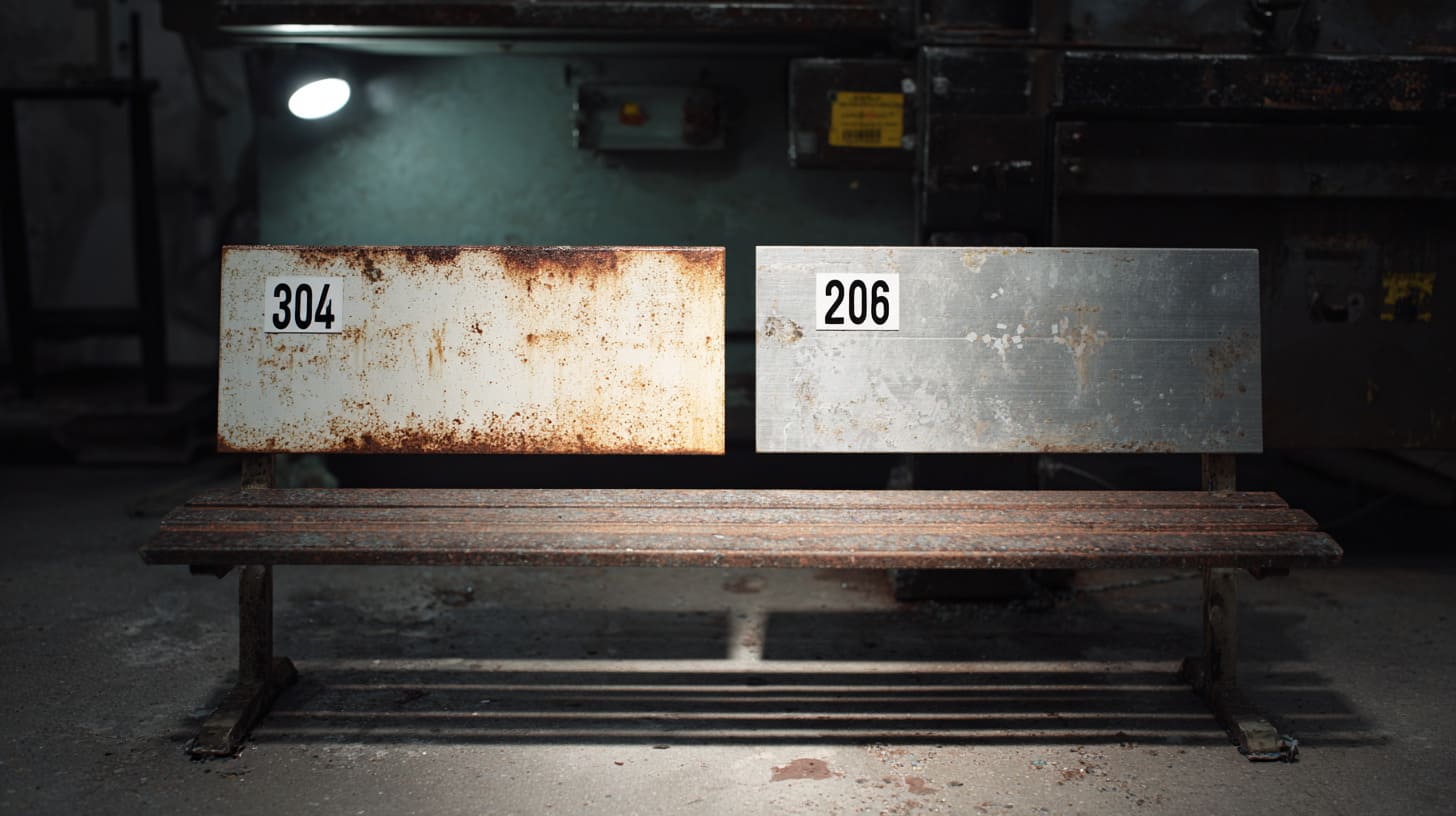
Compare side-by-side
| Feature | 304 Stainless | Aluminum 6061 |
|---|---|---|
| Tensile Strength | ~515 MPa | ~310 MPa |
| Density | 8.0 g/cm³ | 2.7 g/cm³ |
| Corrosion Resistance | Excellent | Good (varies) |
Use 304 when strength and toughness matter more than weight.
What is the difference between 304 stainless steel and 201 stainless steel?
Most re-brand customers ask this when they want to save cost.
304 contains more nickel and chromium than 201, making it more corrosion-resistant, ductile, and durable.
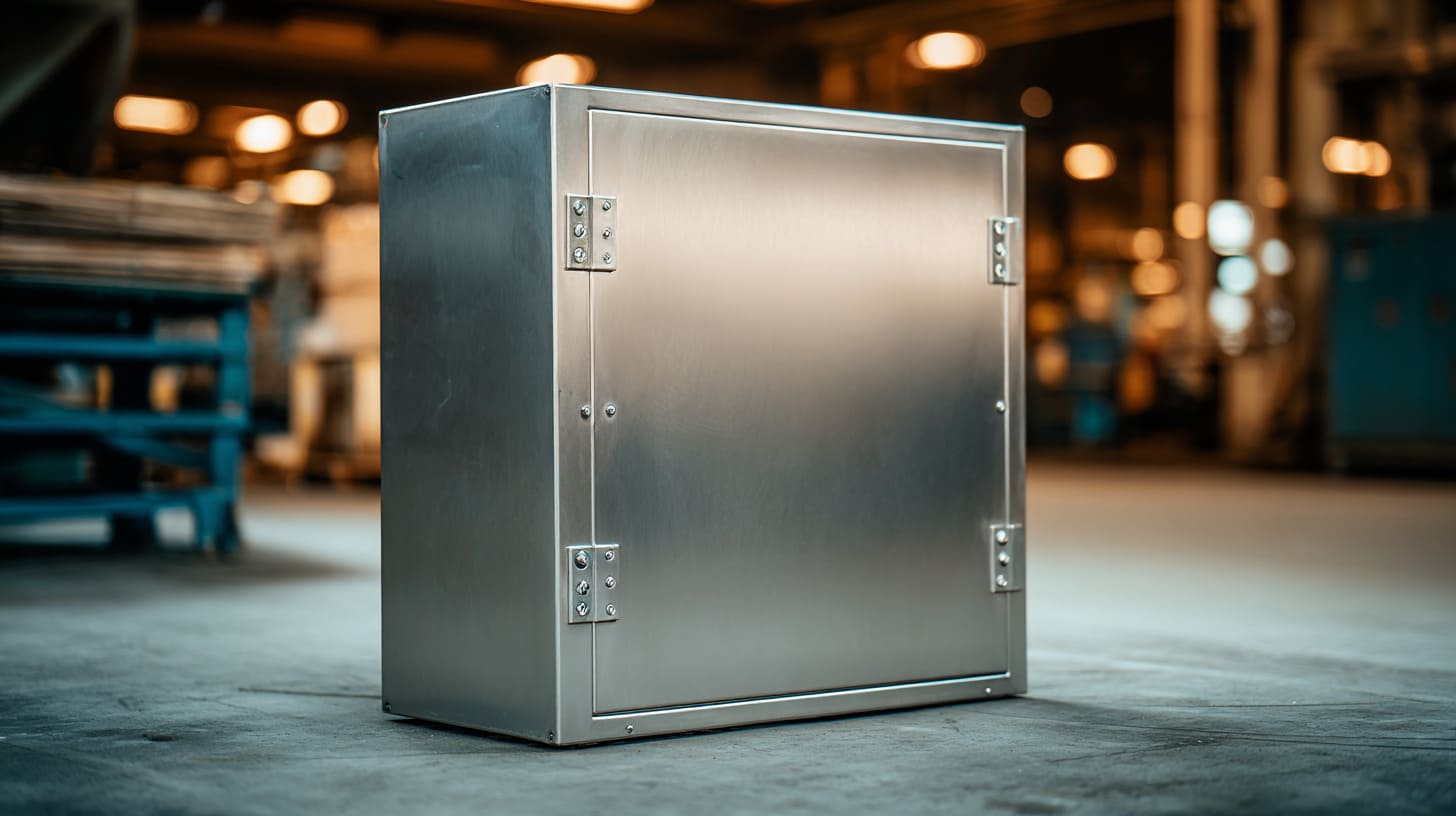
Price vs. performance trade-off
201 is cheaper and slightly harder, but…
- Prone to rust in humid conditions
- Brittle during deep drawing
- Not ideal for outdoor boxes
It works—but only in the right places.
Why is 304 stainless steel commonly used in industrial enclosures?
This one’s personal—I’ve built so many custom enclosures with it.
304 stainless steel offers the perfect mix of durability, corrosion resistance, and cost-efficiency for industrial enclosure applications.
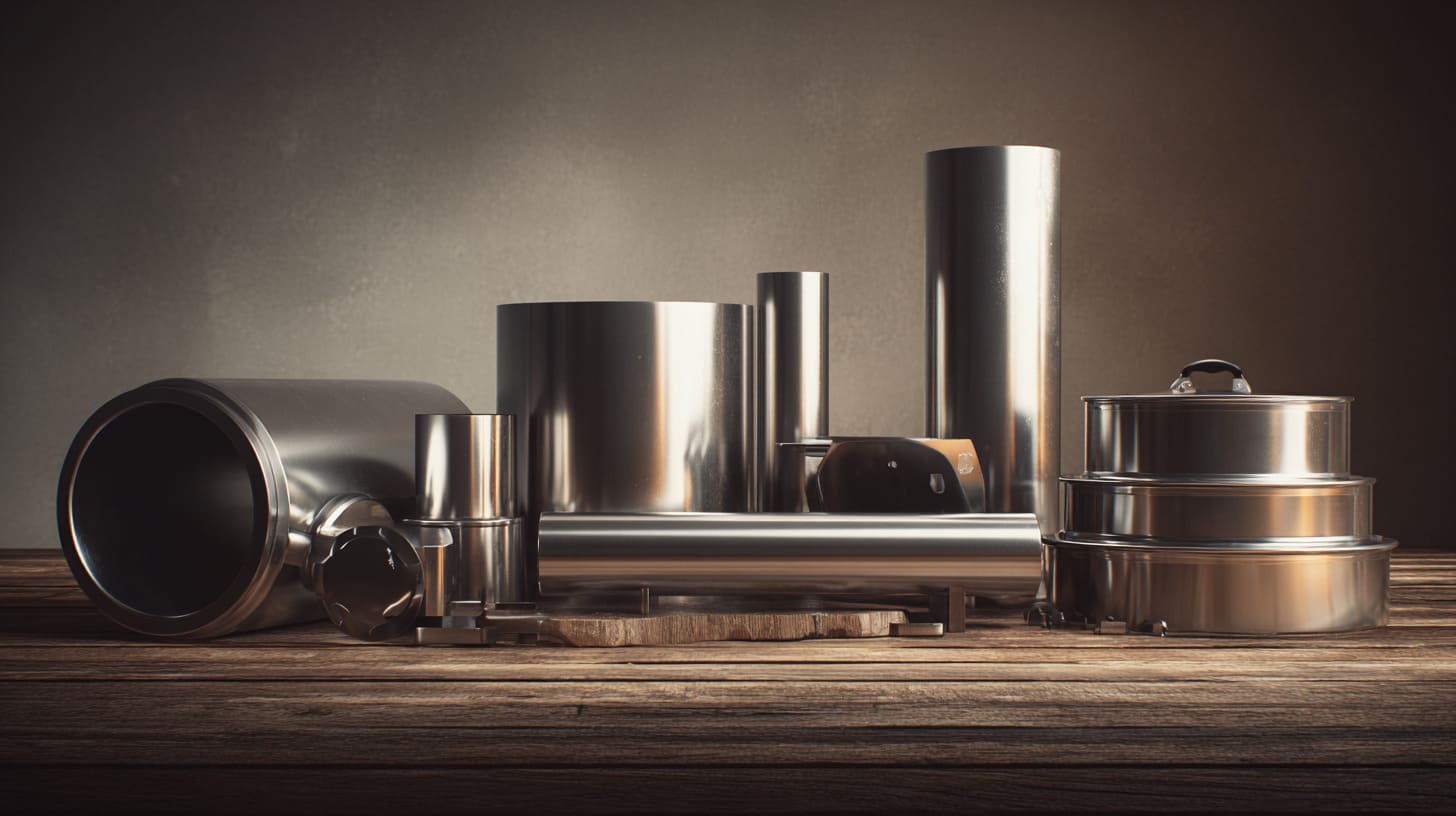
What industrial buyers love about 304
- Reliable: Performs consistently
- Flexible: Works with custom designs
- Clean: Has that professional finish buyers like Davide love
For most indoor and semi-outdoor setups, it checks all the boxes.
Conclusion
304 stainless is reliable, versatile, and battle-tested across industries.