Skip to content
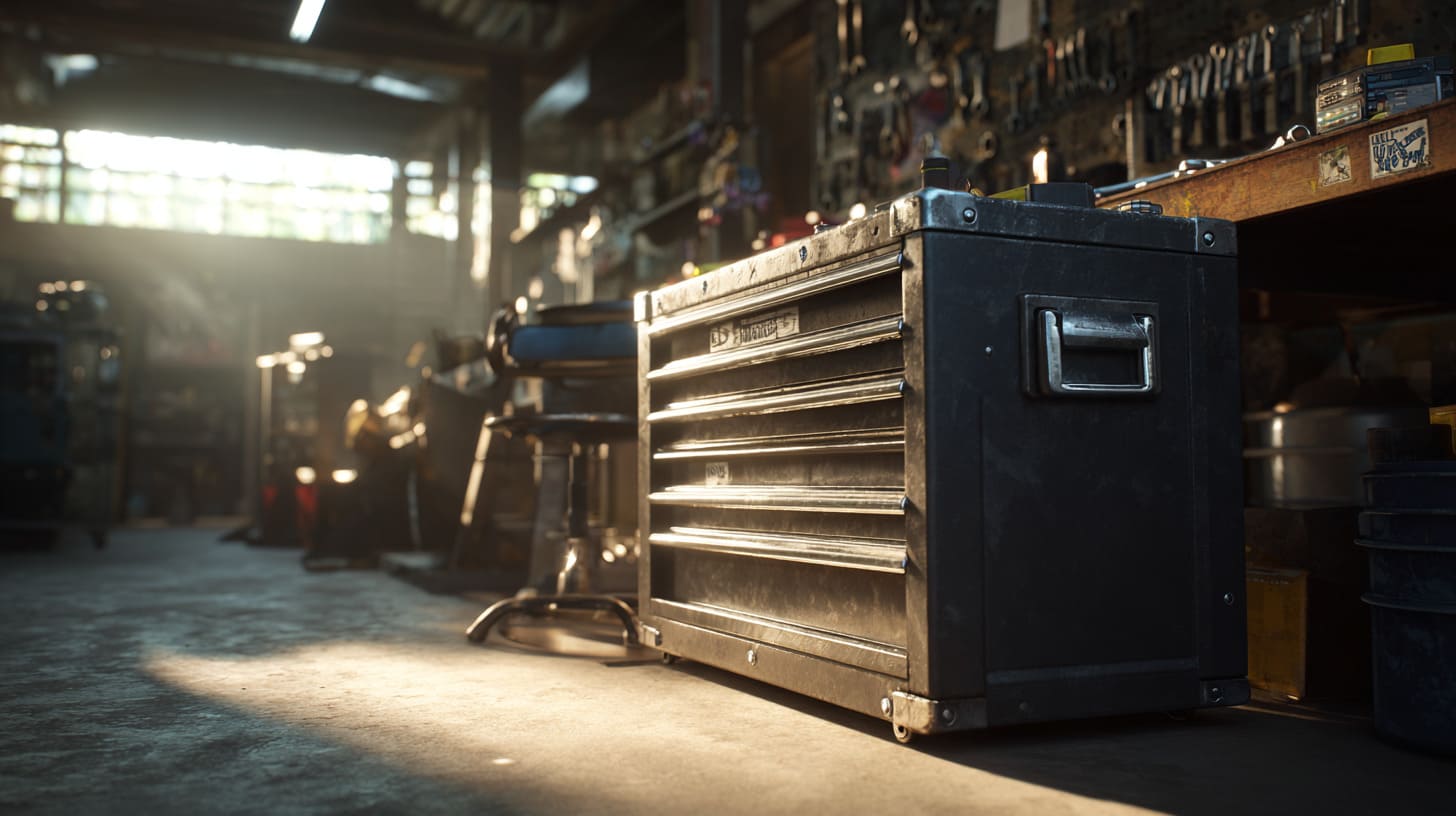
A toolbox does not look like a big business decision at first. That is exactly why people often get it wrong.
I have seen buyers spend days comparing machine parts, enclosure thickness, surface finish, and shipping cost, yet they make a fast decision on tool storage as if it is some small background detail. Then a few months later, the same team starts dealing with missing tools, bent drawers, slow repairs, and a workshop that feels messy no matter how skilled the workers are.
That problem shows up in more places than people think. I see it in auto repair shops, in factory maintenance rooms, in mobile service vans, and even in small production teams that say they are “doing fine” while technicians waste minutes every hour opening the wrong drawer or looking for one missing wrench. Those minutes look harmless on paper. In real work, they pile up like dust in a rail track.
I want to use the KDM Steel Glide Toolbox here as a practical example of what a heavy-duty toolbox should try to do. It should move well. It should carry weight without complaint. It should protect tools. It should help work move faster, not slower. That sounds obvious. Still, obvious things are often the first things people ignore.
What pushes me to care about this topic is simple: I do not judge a toolbox by how good it looks in a product photo. I judge it by what happens after a hard week of real use, when drawers are full, the floor is dirty, and nobody has time for delicate equipment.
A good toolbox system does more than store tools. It protects rhythm. It protects time. It protects trust inside a team. When one technician can find the right tool in five seconds instead of fifty, the whole workflow feels different. Calm. Sharp. Professional.
That is why I think this topic matters more than it seems.
Tool storage sounds plain. But plain things often carry the weight of the whole operation. So before I talk about steel, glide rails, or drawer load, I want to start with the basic question first.
What Is a Steel Glide Toolbox?
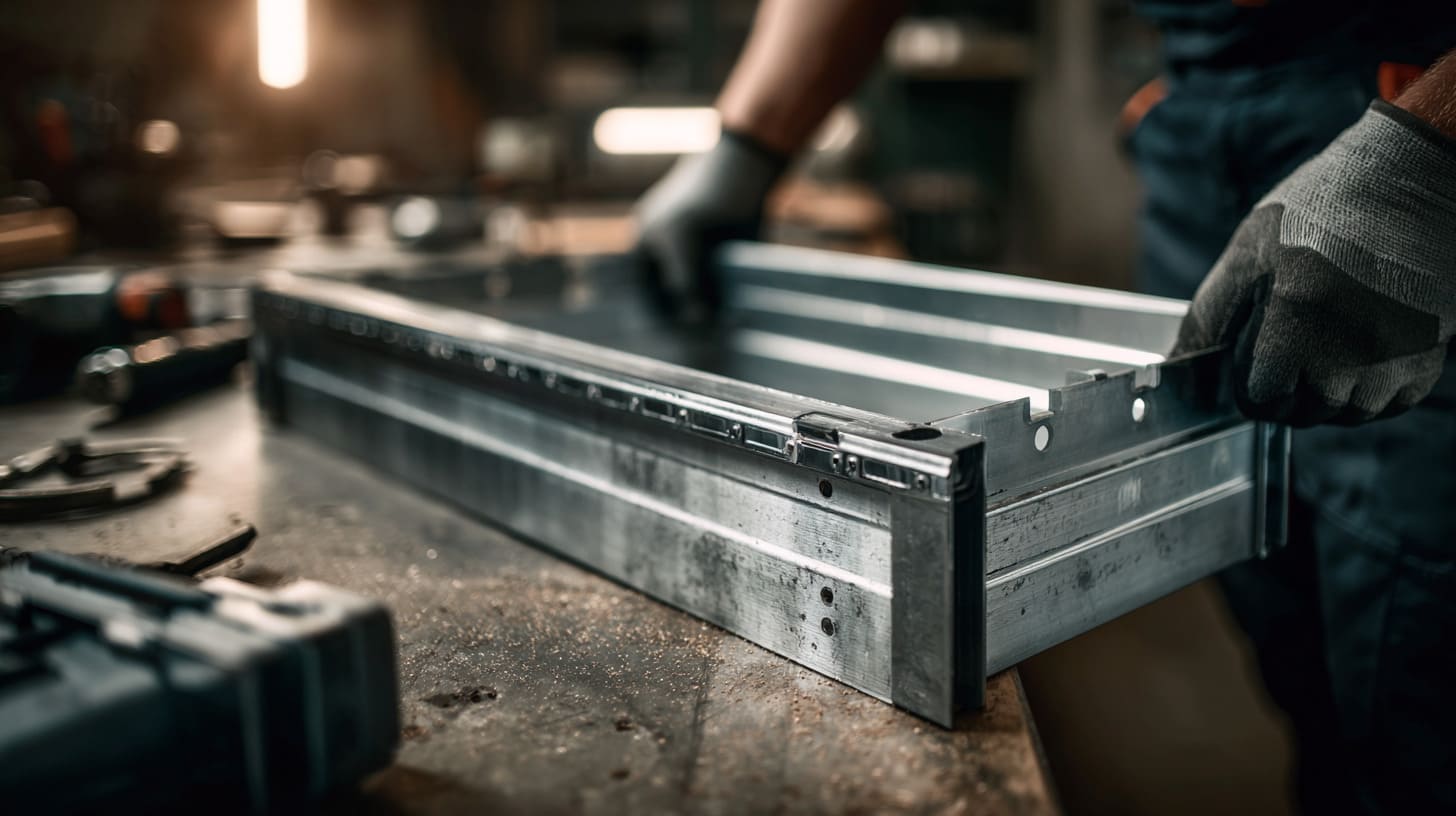
A steel glide toolbox is a heavy-duty tool storage unit made from steel, built with drawers that slide in and out on rail systems instead of sticking, scraping, or wobbling under weight.
That is the simple version. The real version is a bit more interesting.
A normal toolbox can hold tools. A steel glide toolbox is supposed to hold tools well. That difference matters. It is the difference between storage that only exists and storage that actually supports work.
Definition and basic concept
When I talk about a steel glide toolbox, I usually mean a toolbox with a reinforced steel body, multiple storage drawers, and a glide system that helps each drawer move smoothly even when it carries heavy tools. It may be a fixed cabinet, a rolling cart, or part of a larger workshop setup.
A standard toolbox often works for light and simple jobs. It may be enough for a homeowner, a casual repair user, or a small kit for quick travel. But once the workload becomes serious, the weaknesses show up fast.
Here is a simple comparison:
| Feature | Standard Toolbox | Steel Glide Toolbox |
|---|---|---|
| Main use | Basic storage | Professional daily use |
| Drawer movement | Basic or limited | Smooth rail-based glide |
| Load support | Light to medium | Medium to heavy |
| Body material | Mixed materials | Reinforced steel |
| Work environment | Light-duty | Industrial and workshop use |
The idea is not complicated. The toolbox should open smoothly, stay stable, carry weight, and survive repeated use. That is it. But getting those four things right is harder than most catalog pages make it sound.
Key structural components
The first part is the steel body. A strong frame matters because drawers transfer stress to the cabinet every single day. If the body flexes too much, the whole unit starts aging faster. The drawer may still open, but not in a clean or confident way.
The second part is the glide rail system. This is where the real user experience lives. Some glide systems use ball-bearing rails. Some are basic. Some feel smooth on day one and rough after a month. That is why I never look at the surface only. I want to know how the rail behaves under real weight.
The third part is the locking setup. A toolbox without good locking becomes a risk, especially in shared workshops or mobile jobs. Locks do not only protect against theft. They also prevent drawers from sliding open during movement.
Common industrial applications
Steel glide toolboxes are common in places where tools are used hard and used often.
Automotive workshops
Auto technicians open and close drawers all day. They work fast. They switch tools fast. They also use many heavy items like socket sets, impact tools, pliers, and diagnostic gear. A weak drawer setup becomes annoying very quickly in that kind of space.
Construction sites
Construction work is rough on storage equipment. Dust gets everywhere. Wheels cross uneven ground. Tool weight is high. Boxes get bumped, dragged, and loaded hard. In that setting, fragile storage is a bad joke.
Maintenance teams
Factory maintenance teams often need organized access more than people realize. The real cost is not only losing a tool. The real cost is losing time during a breakdown.
Industrial manufacturing environments
In production environments, tool organization supports process discipline. A messy storage system usually reflects a messy work habit, and messy work habits tend to spread.
Here is how I think about it: if the toolbox will be opened dozens of times a day by people who are tired, busy, or under pressure, then the product needs to be built for abuse, not for display.
Once that becomes clear, the next question becomes more serious: why steel? Why not plastic or aluminum? That is where material starts to shape the result.
Why Material Matters: Benefits of Steel Construction
Material choice sounds boring until the first dent, the first twist, or the first drawer that starts rubbing because the body lost its shape.
I care about material because I work in manufacturing. I know how often buyers focus on appearance first and structure second. That order creates problems. A toolbox is not wall décor. It is a work tool. So the body material needs to carry that responsibility.
Strength and durability advantages
Steel gives a toolbox a kind of honesty. It feels solid because it is solid.
A steel toolbox can handle impact better than most plastic options. It carries heavy tools better than many lightweight cases. It also resists deformation better when drawers are packed full. That matters in real work because overload rarely comes with a warning label. People keep adding tools until the drawer tells the truth.
I once saw a workshop team keep a full row of large hand tools, measuring tools, and spare hardware in a light-duty drawer cabinet. It looked fine from the front. But the rails had already started sagging, and the body had a slight twist. Nobody noticed at first. Then one drawer began sticking. Then another. That is how these failures usually start. Quietly.
Here is a basic view:
| Property | Plastic | Aluminum | Steel |
|---|---|---|---|
| Impact resistance | Low to medium | Medium | High |
| Heavy load support | Low | Medium | High |
| Shape stability | Medium | Medium | High |
| Long-term durability | Low to medium | Medium | High |
One thing I pay attention to is not just whether the material is strong, but whether it stays dependable after repeated misuse. That is the real test.
Corrosion and wear resistance
A steel toolbox is not perfect by default. It still needs proper surface treatment. That is where powder coating, anti-rust finishes, and decent manufacturing quality come in.
A poorly finished steel toolbox can rust early in humid or dirty spaces. A well-finished one holds up much better. So when I say steel is strong, I do not mean raw steel alone is enough. I mean steel plus the right treatment.
Why coating matters
A good coating protects the surface from moisture, scratches, and workshop grime. It also helps the toolbox look cleaner over time.
Why environment matters
A toolbox used in a dry indoor workshop lives a different life than one used in a coastal service area, a construction site, or a truck bed. Buyers often miss this point. They compare products as if all shops are the same. They are not.
| Environment | Main Risk | What Steel Needs |
|---|---|---|
| Dry indoor workshop | Surface wear | Basic powder coating |
| Humid plant | Rust risk | Better anti-rust treatment |
| Construction site | Scratches and impact | Thick coating and strong frame |
| Mobile outdoor use | Moisture and vibration | Strong finish and secure locking |
The mistake I see most often is simple: people buy for the photo, not for the environment.
Comparison with other toolbox materials
Plastic has one clear advantage. It is cheap and light. That is useful for very light-duty jobs. But once tool weight rises, plastic starts losing its charm.
Aluminum is lighter than steel and can work well for portable use. Still, it usually does not give the same feeling of ruggedness for high-load workshop storage.
Steel sits in the sweet spot for many professional users. It is heavier, yes. But in many serious workspaces, that extra weight is not the problem people think it is. In fact, it often helps stability.
| Material | Strength | Durability | Cost | Typical Use |
|---|---|---|---|---|
| Plastic | Low | Medium | Low | Light-duty tools |
| Aluminum | Medium | Medium | Medium | Portable kits |
| Steel | High | High | Medium | Industrial and professional use |
I do not pick steel because it sounds strong in a brochure. I pick it when I know the toolbox will deal with heavy drawers, rough handling, and long work cycles where failure costs more than a little extra weight.
And once the body is strong enough, the next weak point usually becomes the drawer action itself. That is where glide systems start earning their place.
How Glide Drawer Systems Improve Workflow
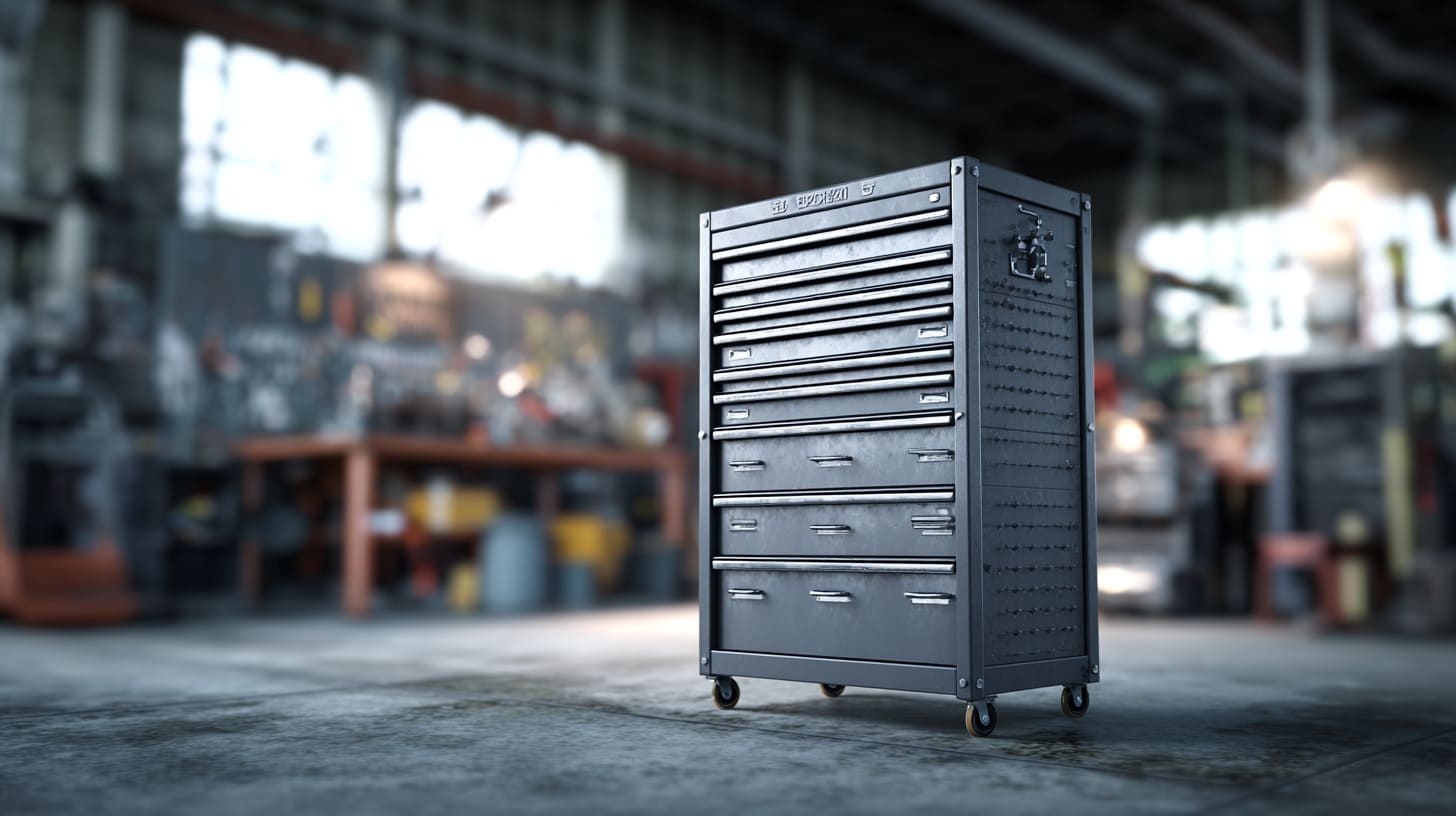
A drawer that does not open well can ruin the mood of a whole job faster than most people expect.
That sounds dramatic, but I mean it. When a technician reaches for a tool during a repair, the drawer should not fight back. It should open cleanly, stop properly, and let the hand find the tool fast. Small friction creates big irritation when it happens fifty times a day.
Smooth drawer movement
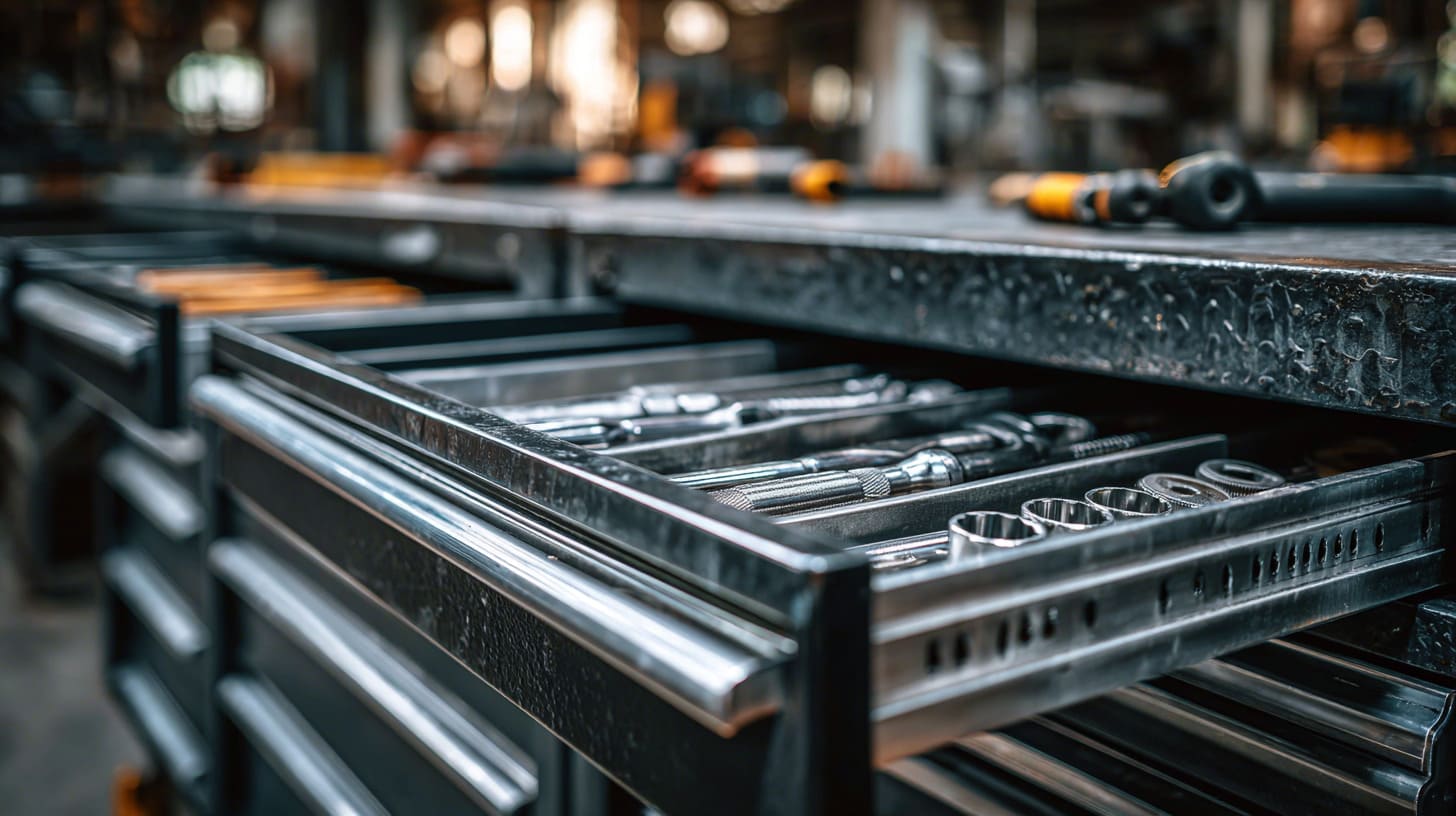
The glide system is the heart of this toolbox style. Most better designs use ball-bearing rails. These help the drawer move with less friction and more control, especially when the drawer is loaded with heavy tools.
A basic drawer may work when it is half empty. A glide drawer should still work when it is full.
Why smooth movement matters more than people think
Smooth movement saves effort. It also reduces the small body strain that builds up across a long shift. That may sound minor, but these details shape the daily experience of work.
Why cheap glide systems disappoint
Some glide rails feel nice at first because the drawer is empty in the showroom. Put real weight inside, and the truth shows up. That is why I never trust first-touch impressions alone.
| Drawer condition | Low-quality rail | Better glide rail |
|---|---|---|
| Empty drawer | Smooth enough | Smooth |
| Half-loaded drawer | Starts dragging | Still smooth |
| Fully loaded drawer | Sticks or sags | Stable and controlled |
| Repeated daily use | Wears faster | Holds performance longer |
I tend to watch how a drawer behaves near full extension, because that is where weak rail design often shows itself first.
Faster tool access
A glide system helps tools become easier to reach. That matters because speed in a workshop is not only about skill. It is also about access.
When drawers open fully and smoothly, technicians can see more at once. They do not need to dig as much. They do not waste time moving one item to reach another.
Good layout works with glide movement
A good glide drawer and a bad layout still create waste. The best result comes when smooth movement and logical storage design work together.
Here is a practical example:
| Storage condition | Result |
|---|---|
| Smooth drawer + messy layout | Better opening, poor efficiency |
| Rough drawer + organized layout | Better logic, poor access |
| Smooth drawer + organized layout | Best workflow |
The difference here is not cosmetic. It changes the speed of maintenance, repair, and setup work.
Load distribution and heavy tool support
Heavy drawers create stress on the rails and the cabinet body. A proper glide system needs to manage that load without wobble, tilt, or sudden wear.
This is one place where I slow down and look closely, because the rail rating on paper means little if the drawer structure itself is weak or the cabinet frame cannot support real-world loading habits.
Why heavy tools expose weak design
Heavy tools do not sit politely. They create uneven pressure. People place them fast. They stack them badly. They overload one side. Good glide systems forgive some of that. Weak ones punish it.
I treat the glide mechanism as a work-speed tool, not as a comfort feature, because once a drawer starts resisting under load, the technician pays for it every single day in lost rhythm.
A strong body without a good glide system still feels clumsy. A smooth drawer in a weak body still feels unreliable. Both parts have to work together. That leads to the next buying question: what features actually matter, and which ones are just decoration?
Key Features Businesses Should Look For
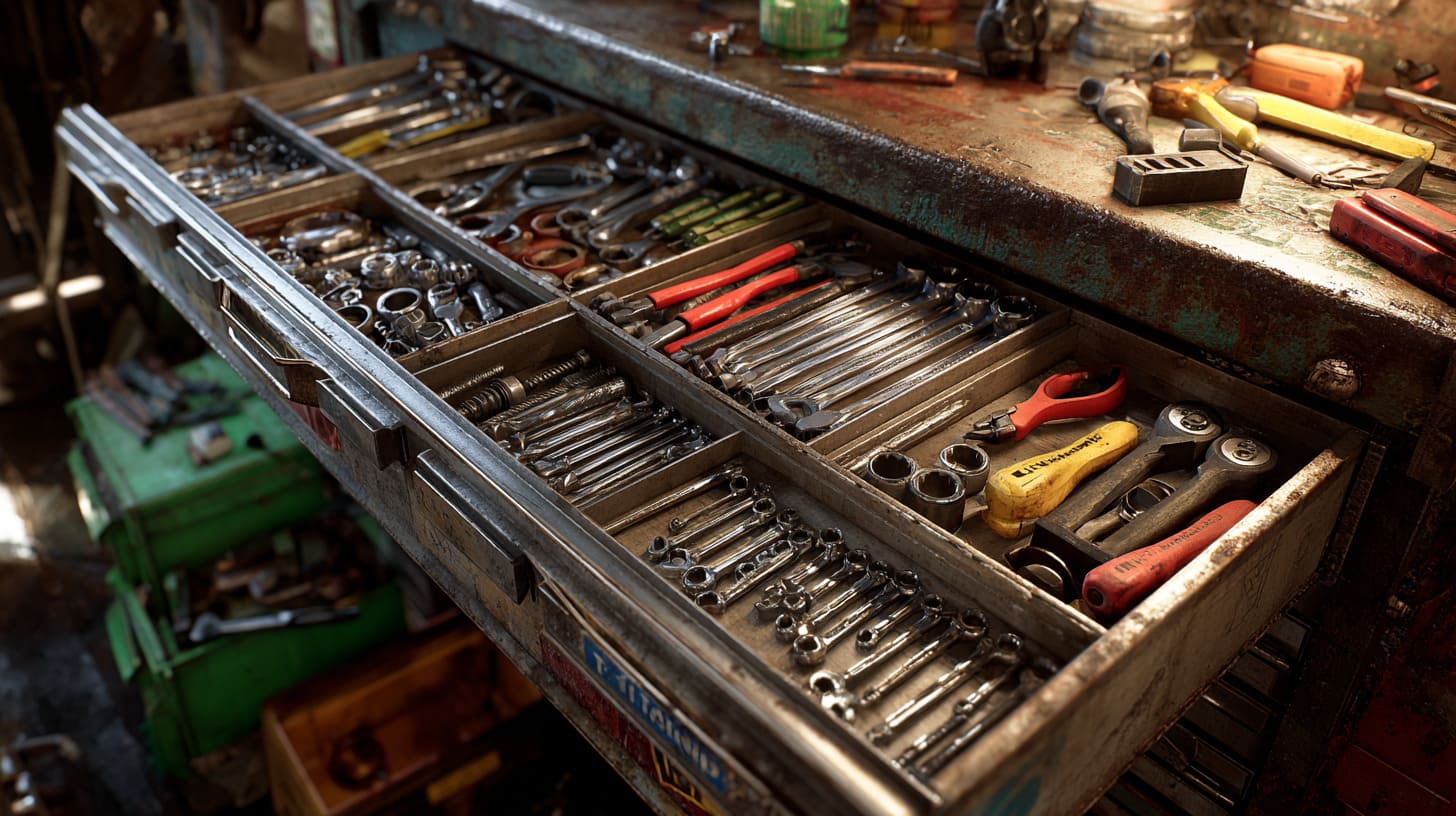
Buyers often ask for “a good toolbox,” but that phrase is too soft to be useful.
A good toolbox for a factory maintenance room may be the wrong one for a field service van. A good toolbox for light hand tools may fail badly with heavy repair gear. So I prefer to break the choice into features that affect daily use.
Drawer capacity and storage layout
The first thing I look at is drawer count, drawer depth, and internal layout. I want to know what tools the user actually needs to store, not what looks tidy in a catalog.
A multi-drawer design helps separate tool types. Adjustable compartments help control smaller items. Deep drawers help with larger tools, but too many deep drawers can waste space if most tools are medium-size.
Storage questions I like to ask first
- Are the tools mostly hand tools or power tools?
- Are they used by one person or a shared team?
- Do users need fast access or long-term storage?
- Will the layout stay fixed or change often?
| Toolbox layout feature | Best for | Risk if ignored |
|---|---|---|
| Many shallow drawers | Small tools, high sorting need | Large tools may not fit |
| Mixed drawer depths | Mixed tool types | More planning needed |
| Adjustable dividers | Small parts and accessories | Loose items create mess |
| Deep bottom drawers | Bulky or heavy tools | Easy to overload |
What often changes my decision here is not the tool count, but the mix of tool sizes, because a poor drawer layout makes even a large toolbox feel cramped and frustrating.
Security features
Security is not only about theft. It is also about drawer control, movement safety, and shared workspace discipline.
A central locking system is useful for fast full-unit locking. Individual drawer locks may help when certain tools need tighter control. Safety latches matter for rolling toolboxes or mobile setups where drawers must stay closed during movement.
Where buyers usually underestimate locking
They think about end-of-day security. I also think about what happens when the toolbox rolls over a rough floor and a drawer slides open. That kind of problem creates damage fast.
| Security feature | Main benefit |
|---|---|
| Central lock | Fast full-unit protection |
| Individual drawer lock | Better control for key tools |
| Safety latch | Prevents accidental opening |
| Lockable caster wheels | Helps with movement stability |
Mobility and portability
Some steel glide toolboxes stay in one place. Others move all day. That changes what matters.
Heavy-duty wheels, solid handles, and stable movement matter in mobile work. The handle should feel natural. The wheel should survive weight and rough surfaces. The body should not shake too much while moving.
Mobility is not only about wheels
A toolbox may have wheels and still move badly. Poor balance, weak handle design, or cheap casters can turn mobility into a daily annoyance.
Expandability and modular options
Some businesses need one toolbox now and more storage later. That is where stackable designs or modular add-ons become useful.
This matters more for growing teams, changing repair stations, or workshops that add service lines over time.
| Feature group | Why it matters |
|---|---|
| Drawer layout | Affects speed and order |
| Locking | Protects tools and movement |
| Mobility | Supports flexible work |
| Modularity | Helps future expansion |
I never choose toolbox features by checking the longest specification sheet. I choose them by picturing the technician’s hand, the workshop floor, and the kind of mistakes people make when they are busy.
And once the toolbox starts fitting real work, the next effect becomes visible at the business level, not just the storage level.
How a Professional Toolbox Supports Business Growth
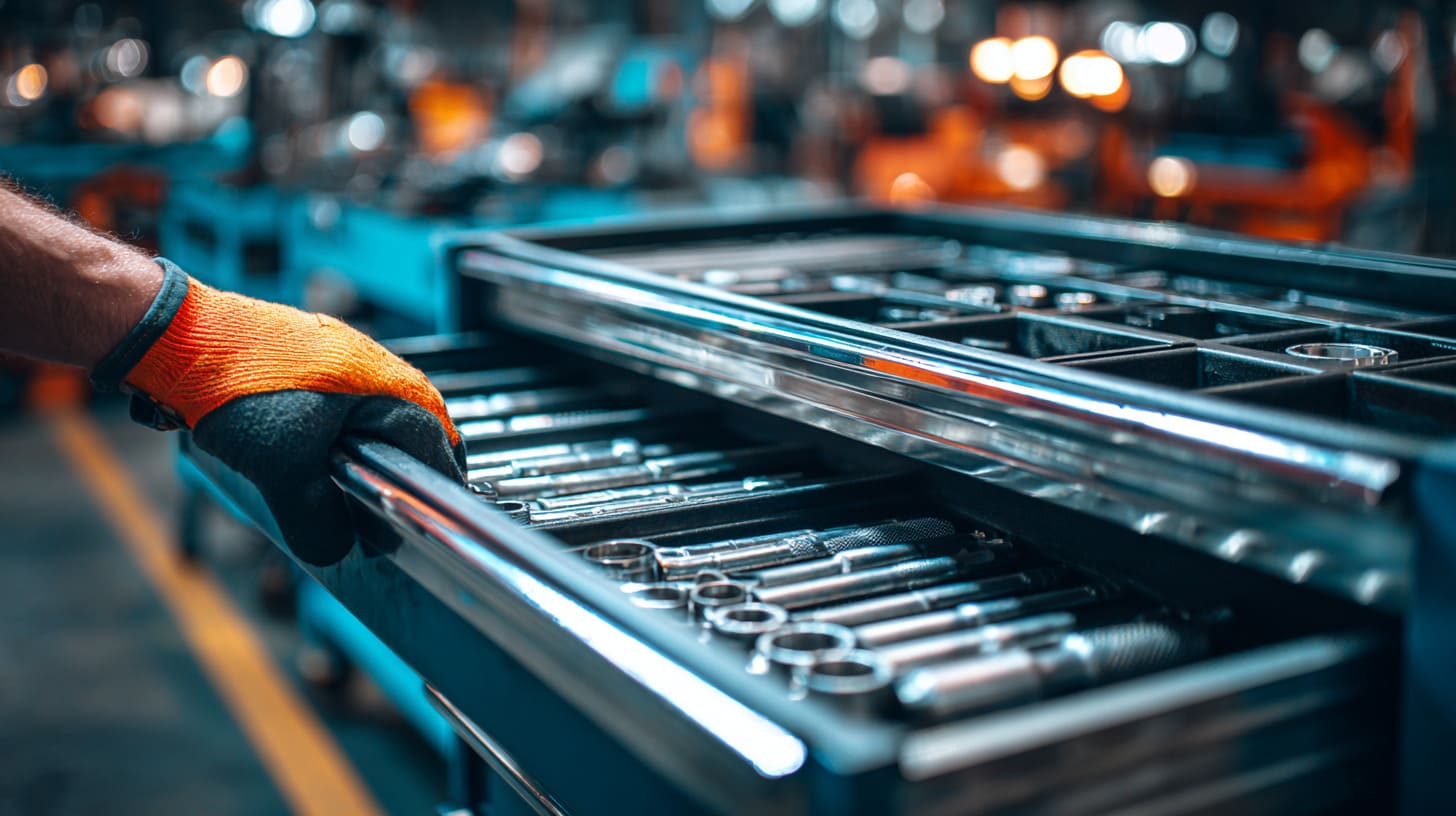
A toolbox can help a business grow in quiet ways.
It does not create sales by itself. It does not replace good engineering, good people, or good service. Still, it shapes how work gets done. And when work gets done better, business tends to notice.
Improving technician productivity
The first gain is time. A better toolbox cuts tool-search time. It also cuts the mental drag that comes from clutter.
I have seen teams accept bad organization for too long because the waste feels too small to complain about. Ten seconds here. Twenty seconds there. But when that repeats across every day, every worker, and every repair task, the cost becomes real.
Why speed is tied to storage
Technicians think with their hands. If the hand reaches the right tool quickly, the brain stays in the task. If not, focus breaks.
| Workshop condition | Effect on productivity |
|---|---|
| Tools mixed randomly | Slower work |
| Drawers hard to open | More interruption |
| Clear tool grouping | Faster task flow |
| Stable glide access | Less friction in work |
The part I pay attention to most is not how fast a worker moves when everything is calm, but how the storage system behaves when a job becomes urgent and everybody starts moving faster than usual.
Protecting valuable tools
Tools are expensive. Damage is expensive. Loss is expensive. Replacement is annoying. So storage protection matters.
A solid steel glide toolbox helps prevent tools from being thrown into loose piles, dropped into weak drawers, or left exposed on work surfaces.
Tool protection is really cost protection
When tools stay in place, they last longer. When they are organized, they are easier to track. When drawers lock, accidental loss becomes less common.
| Problem | Weak storage result | Better storage result |
|---|---|---|
| Tool impact | More damage | Better protection |
| Missing tools | Hard to trace | Easier control |
| Small parts loss | Frequent | Reduced |
| Shared use confusion | More disputes | Better accountability |
Enhancing professional image
A clean and organized toolbox changes how a workshop feels. Customers notice. Staff notice too.
In service work, appearance affects trust. A technician who opens a clean, orderly toolbox gives a different impression than one who pulls tools from a messy pile. One feels in control. The other feels rushed.
Why image matters more than some owners admit
Customers may not say, “I chose you because your toolbox drawers were organized.” But they do form an opinion from what they see.
I think a professional toolbox earns its value when it improves both the speed of the work and the confidence around the work, because many buyers forget that messy storage sends a message long before anyone discusses price or quality.
A better toolbox does not just help one kind of company. It helps many. But the reason it helps can change a lot depending on the industry. That is worth looking at next.
Industries That Benefit Most from Steel Glide Toolboxes
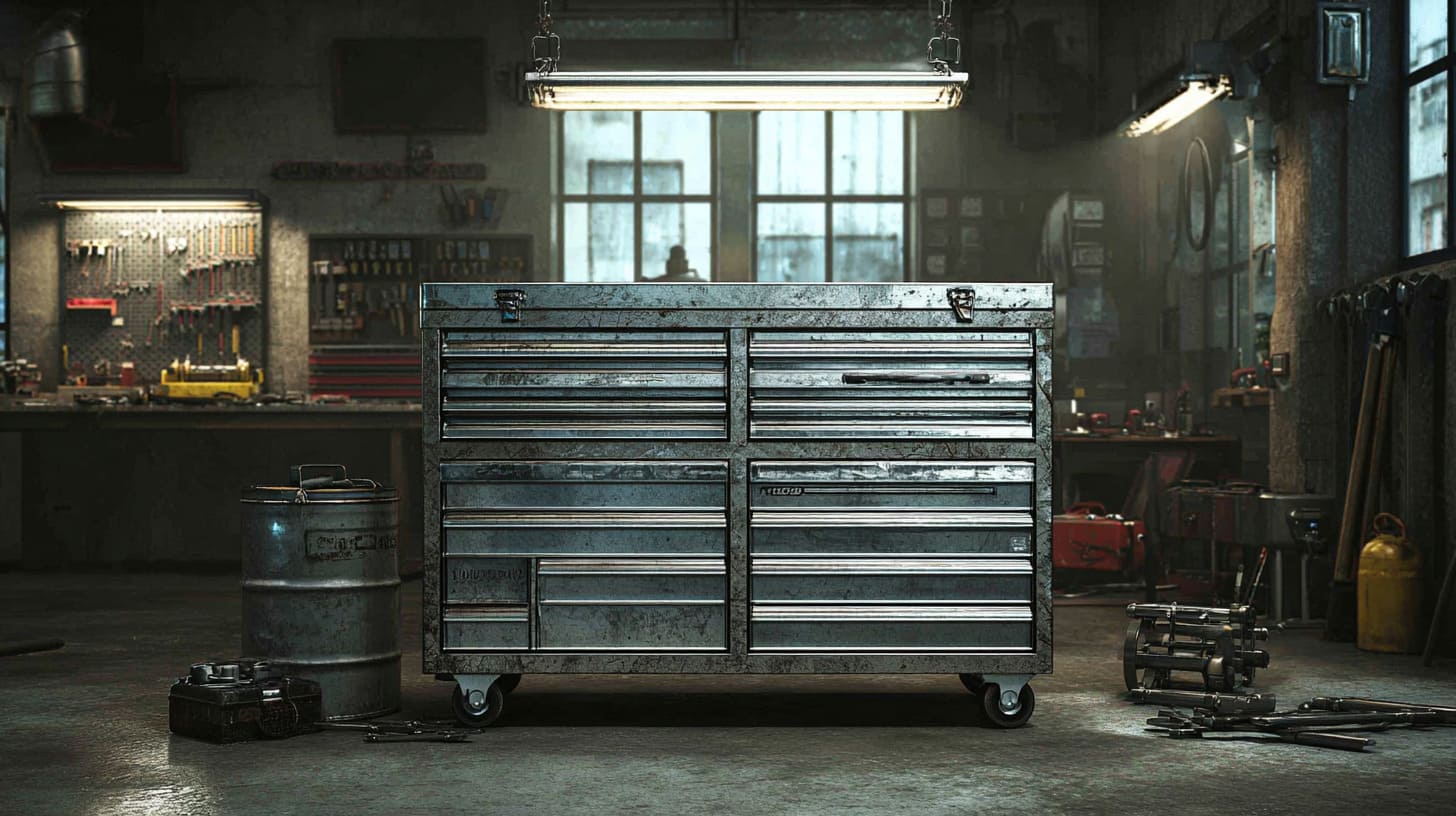
Not every business needs the same toolbox. That sounds obvious, but many articles treat all users as if they live in the same workshop.
They do not. The pressure points are different. The tools are different. The movement patterns are different. That means the value of a steel glide toolbox also changes by industry.
Automotive repair shops
Auto repair shops use tools constantly. That alone makes them a natural fit.
Technicians need quick access to sockets, ratchets, wrenches, pliers, diagnostic tools, and many small parts. The work is repetitive, fast, and tool-heavy. That kind of environment rewards good drawer glide and clear organization.
What auto shops need most
- Fast access
- Strong drawer rails
- Good small-tool organization
- Clean movement under daily heavy use
Construction and field service teams
Field work adds more movement, more impact, and more rough handling. Tool storage must survive travel, vibration, and changing locations.
A steel glide toolbox helps here when it combines strong structure with good locking and mobility. Weak latches or poor wheel quality quickly become painful in this setting.
Why field work is harder on storage
The toolbox is not only opened. It is pushed, rolled, loaded, and bumped. That changes the buying logic completely.
Industrial maintenance departments
Maintenance teams in factories need order because downtime is expensive. During equipment failure, nobody wants to watch a technician search three drawers for one tool.
A well-laid-out glide toolbox can support better response speed during service and repair.
Why maintenance teams need consistency
Maintenance work often includes both routine checks and emergency intervention. That means the toolbox has to support calm work and urgent work equally well.
Small manufacturing workshops
Small workshops may not look dramatic, but they often gain a lot from better tool storage because they work with tighter teams and tighter space.
In smaller operations, one bad storage habit spreads fast. One missing tool causes more disruption. One overloaded drawer may affect several jobs.
| Industry | Main toolbox need | Why steel glide helps |
|---|---|---|
| Automotive repair | Fast access and durability | Smooth daily heavy use |
| Field service | Mobility and locking | Safer movement |
| Industrial maintenance | Fast response | Better organization |
| Small workshops | Space efficiency | Structured storage |
I do not group all users together when I judge toolbox value, because a product that works well in a fixed service bay may feel completely wrong in a mobile team that lives on uneven ground and tight deadlines.
That brings us to the most practical part of the topic: how to actually choose the right one without wasting money on the wrong design.
How to Choose the Right Steel Glide Toolbox
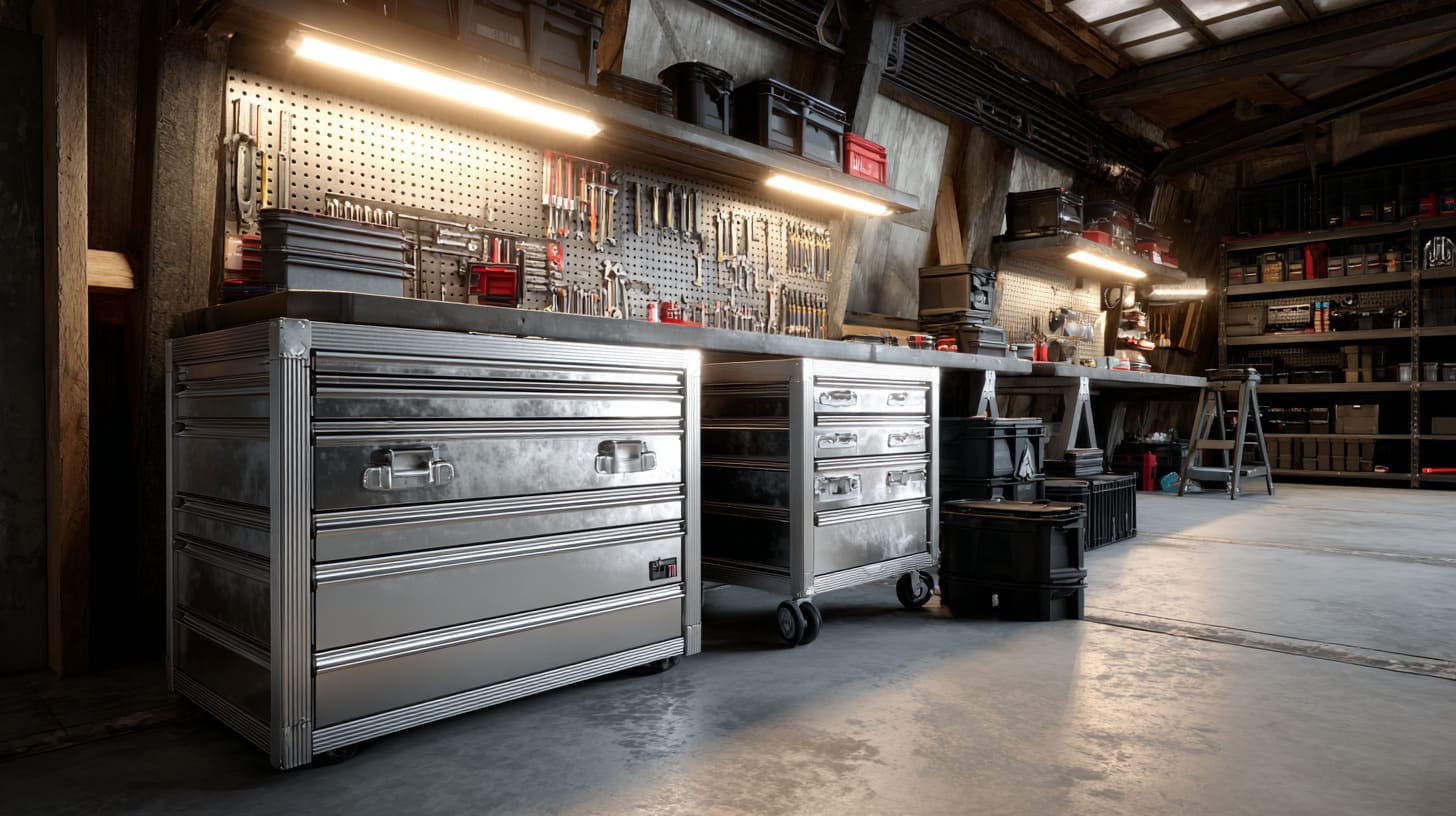
Choosing the right toolbox is less about taste and more about honesty.
I mean honesty about tool count, tool weight, workflow, space, and future growth. Many buyers choose the box they wish they needed. I think it is smarter to choose the box that matches the real work.
Evaluate tool inventory size
Start with the actual tool list. Count the tools. Group them by size and frequency of use. Check which tools are heavy, which are used daily, and which can stay in deeper storage.
A toolbox that looks large can still be badly matched if the drawer mix is wrong.
Tool inventory questions that matter
| Question | Why it matters |
|---|---|
| How many tools are stored daily? | Determines size need |
| Which tools are used most often? | Affects top drawer layout |
| Which tools are heavy? | Affects load planning |
| Will tool quantity grow later? | Affects expansion choice |
Check drawer load ratings
This is where catalog reading needs some skepticism. A drawer rating sounds useful, but it only helps if it reflects real use conditions.
Check load capacity per drawer and for the whole unit. Then compare that to the actual tool mix, not the ideal one.
Why buyers should not trust drawer count alone
Ten drawers do not help much if only three can safely hold heavy tools. Load rating changes the real value of the box.
Consider workspace layout
A fixed workstation has different needs from a rolling mobile cart. A crowded service bay has different limits from an open maintenance area.
Think about turning radius, parking space, worker movement, and how often the toolbox must move during the day.
Space planning is often ignored too early
People measure the toolbox footprint but forget drawer opening clearance. Then they place the box where drawers cannot fully open without blocking traffic.
| Workspace factor | What to check |
|---|---|
| Floor space | Toolbox width and depth |
| Traffic path | Drawer opening room |
| Fixed or mobile use | Wheel and handle need |
| Multi-user area | Access and locking need |
Compare supplier quality and customization options
For B2B buyers, supplier quality matters as much as product design. That includes manufacturing control, finish quality, packaging, shipping support, and customization.
This part matters to my readers because many of them do not only buy for internal use. They also rebrand, customize, or match tool storage to a larger equipment system.
Custom options worth checking
- Logo printing or engraving
- Color matching
- Packaging options
- OEM support
- Structural modifications for special use
| Supplier check point | Why it matters |
|---|---|
| Manufacturing consistency | Reduces quality surprises |
| Surface finish quality | Affects durability and image |
| OEM flexibility | Supports brand and project needs |
| Delivery speed | Protects project timeline |
The best toolbox is rarely the cheapest one and rarely the most expensive one either. I make the final choice by asking which design matches the work style, the load pattern, and the failure risks that are most likely to show up after six months of real use.
Once the right toolbox is chosen, the job is not finished. Good storage still needs good habits. That is what keeps the product useful for years instead of months.
Maintenance and Longevity Tips
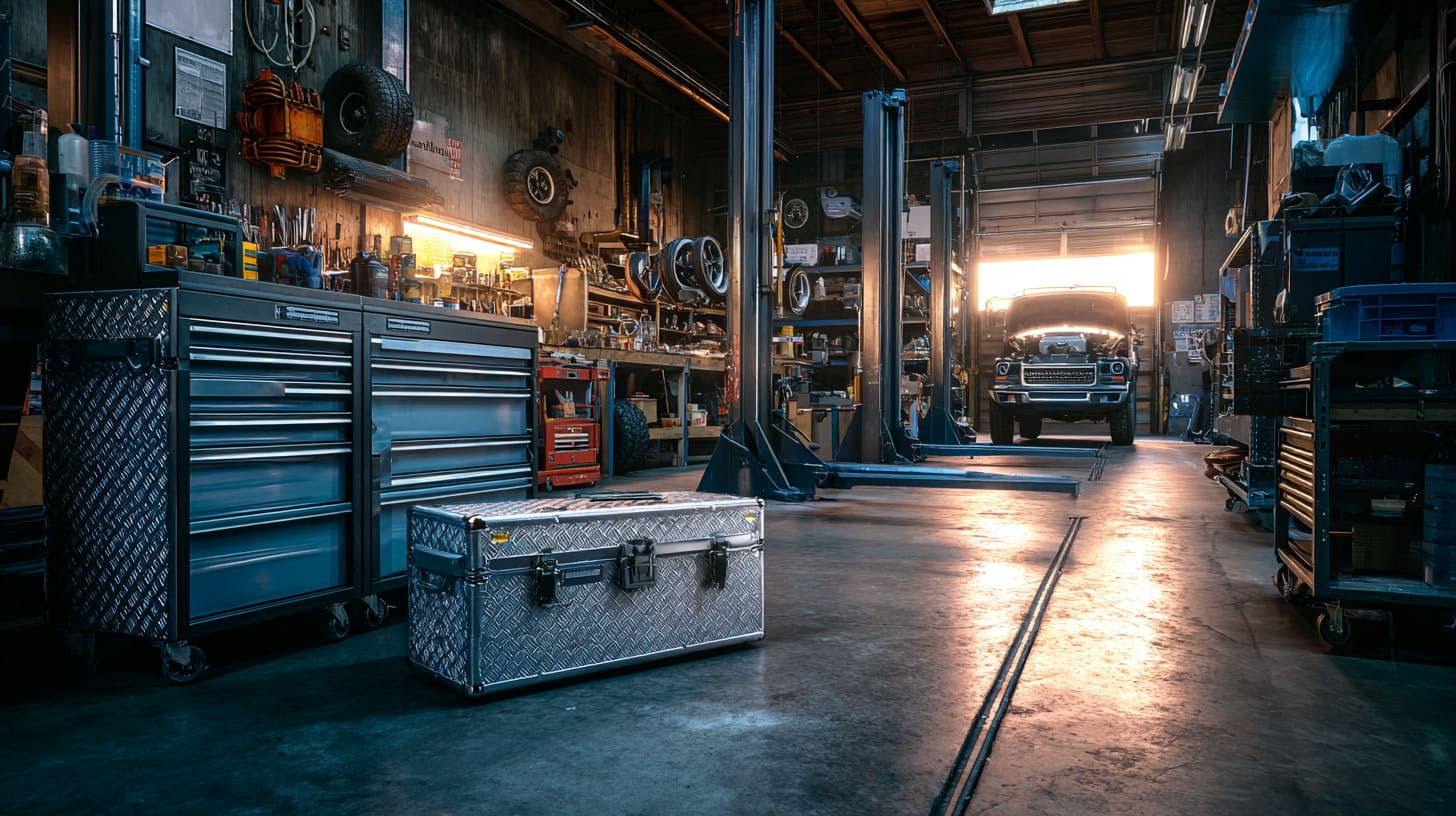
A strong toolbox can still age badly if people treat it carelessly.
I have seen buyers blame a product too fast when the bigger issue was poor maintenance. That does not mean every failure is the user’s fault. It means even a good toolbox needs basic care if you want long service life.
Proper cleaning and lubrication
Dust, metal particles, grease, and workshop debris all collect over time. Glide rails do not enjoy that.
Regular cleaning helps keep drawer movement smooth. Light lubrication, used properly, can also help the rail system stay consistent.
Simple care works better than late repair
It is easier to wipe debris early than to fix rough movement after grime builds up inside the rail path.
| Maintenance task | Why it matters | Suggested habit |
|---|---|---|
| Wipe drawer fronts and handles | Keeps surfaces clean | Weekly |
| Clean rail areas | Reduces friction | Weekly or biweekly |
| Light lubrication | Supports glide movement | As needed |
| Check rust spots | Stops early damage | Monthly |
Weight distribution best practices
Heavy tools should not all sit in one drawer or on one side if that creates poor balance. Balanced storage protects the rails and the cabinet body.
Lower drawers usually suit heavier tools better. Frequently used light tools often belong higher up for easier access.
Why loading habits affect lifespan
Many toolbox problems do not come from bad materials. They come from bad loading. Overweight top drawers and uneven distribution shorten product life.
Regular inspection of locks and rails
Locks, latches, handles, wheels, and rails should be checked from time to time. A small loose part often becomes a larger failure when ignored.
Areas worth checking
- Drawer alignment
- Rail smoothness
- Lock response
- Wheel stability
- Coating damage
- Fastener looseness
| Part to inspect | Warning sign |
|---|---|
| Rail system | Dragging or noise |
| Lock | Delayed or weak action |
| Drawer front | Misalignment |
| Wheel | Vibration or wobble |
| Coating | Scratches or rust spots |
I do not wait for a toolbox to “feel broken” before checking it, because by that point the damage is often already expensive, and a five-minute inspection would have prevented it.
A toolbox lives longer when the product is solid and the user respects the structure. That combination is what turns a purchase into a long-term asset.
Conclusion
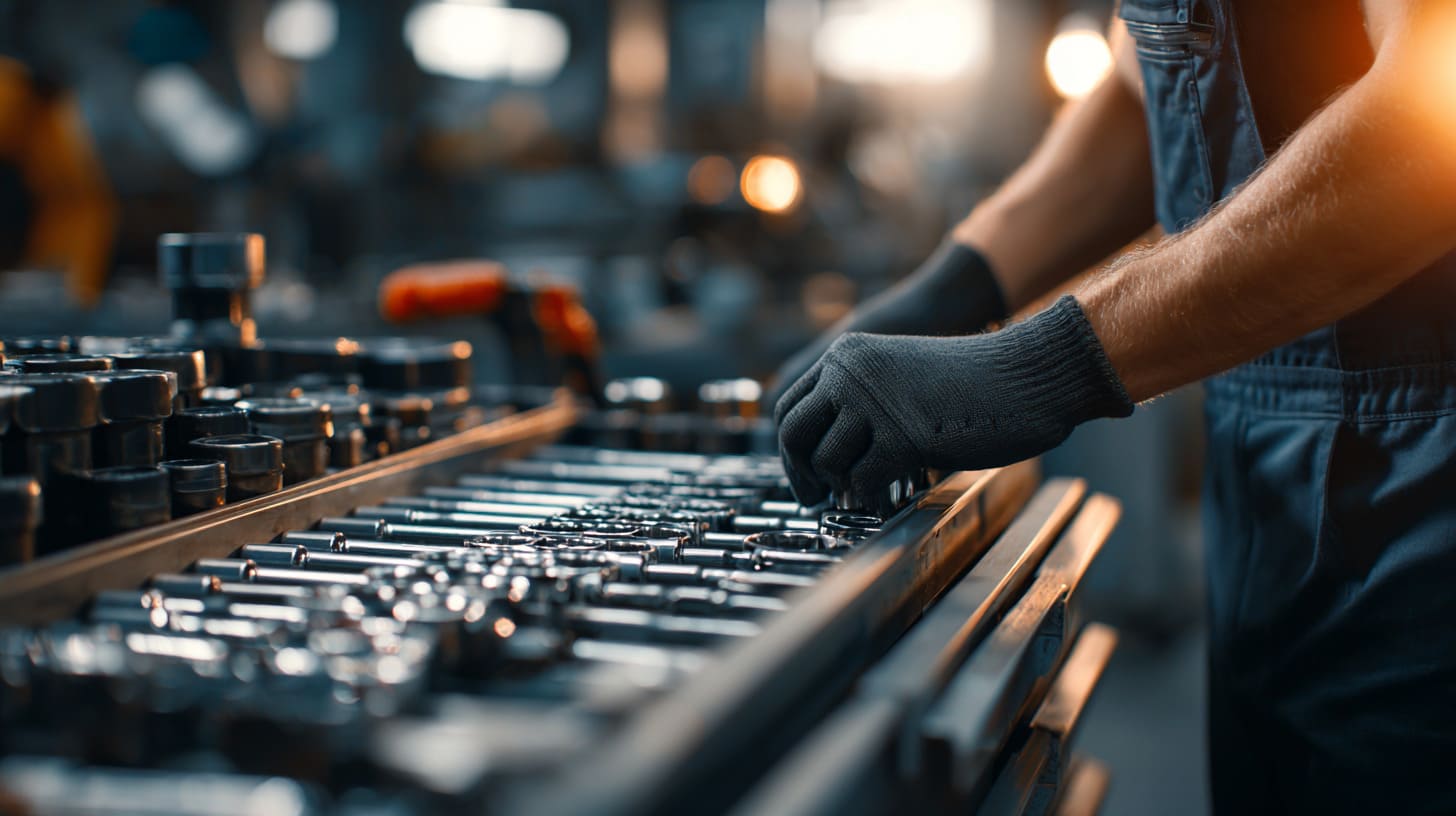
A steel glide toolbox may look like a simple storage product, but I do not see it that way.
I see it as part of the work system. It affects speed. It affects order. It affects tool protection. It affects how a technician feels during a long day. And yes, it even affects how customers judge the professionalism of a workshop.
That is why I keep coming back to the same view: if the work is serious, the storage should be serious too.
I think this way because I have watched too many small failures come from “small” decisions. A weak drawer here. A poor layout there. A toolbox that looked acceptable at purchase time but became a daily irritation later. I do not like avoidable waste. I do not like equipment that slows people down in quiet ways. And I do not think businesses should accept those losses just because tool storage seems less exciting than machines or finished products.
What pushes me toward steel glide designs is not marketing language. It is what happens in real use. Steel gives structure. Glide rails give access. Better organization gives technicians back their rhythm. That combination is hard to ignore once you see it working properly.
If I were choosing for my own business or helping a customer choose, I would not start with color or even price. I would start with the real tool list, the real load, the real worksite, and the real habits of the people using it. That is usually where the smartest answer appears.
So if you are looking at steel glide toolboxes for your workshop, service team, or OEM project, take a closer look at the details that shape daily use. And if you need a custom metal solution, branded enclosure support, or practical factory advice for your next project, you can reach out to me at MaidaTech. I care much more about helping you choose the right setup than pushing you toward the wrong one quickly.