Skip to content
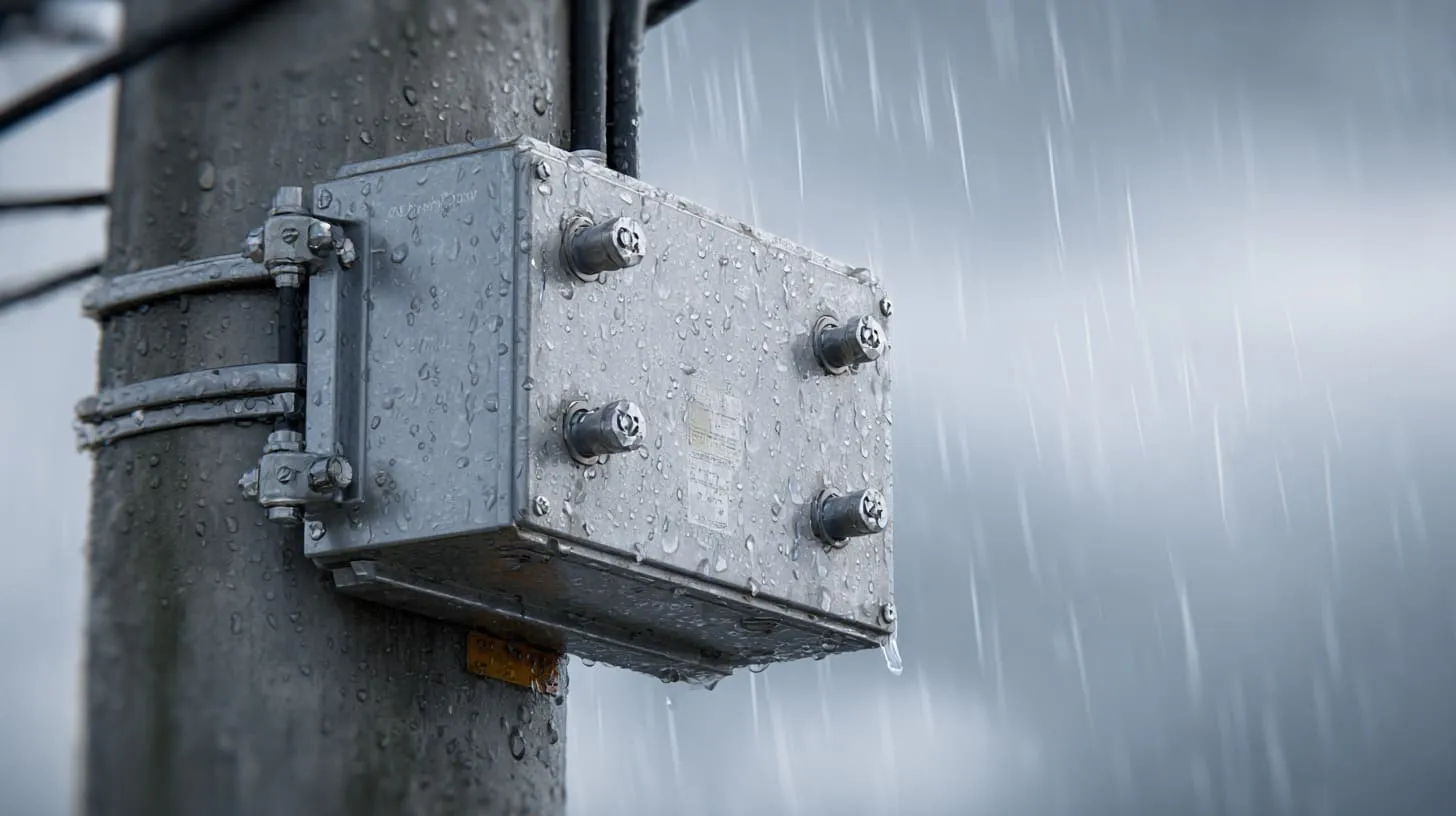
A leaking outdoor enclosure usually looks like a production problem.
The buyer opens the box after installation. There is water inside. The PCB has corrosion. The cable terminals look tired. The customer is angry. The project manager starts asking the same painful question: “Did the factory make a bad enclosure?”
I understand this reaction.
If water enters an enclosure, the enclosure supplier is the first person everyone looks at. I would probably do the same if I were the buyer. But after working with many custom aluminum enclosures, plastic enclosures, sheet metal enclosures, and outdoor electronic boxes, I have learned one uncomfortable truth.
Many outdoor enclosure leaks do not start on the production line.
They start much earlier.
They start when the RFQ is too simple.
A buyer may send a drawing, dimensions, quantity, logo file, and target price. The email looks clear. The 3D file looks complete. The enclosure shape looks normal. But the real outdoor working conditions are missing.
Where will it be installed?
Will rain hit it directly?
Will the cable enter from the top or bottom?
Will the box face strong sunlight every day?
Will the installer open it many times?
Will there be heat inside?
Will the customer wash the equipment with high-pressure water?
These questions feel small during the RFQ stage. But later, they decide whether the enclosure survives outside or becomes a wet little metal coffin for expensive electronics.
I usually become careful when an RFQ only talks about size, color, and price, because the missing details are often the details that decide the real cost of the project.
This article is not written to blame buyers. I know many OEM buyers are busy. They handle drawings, suppliers, deadlines, finance pressure, and customer changes at the same time. But if we want a good outdoor enclosure, we need to treat the RFQ stage as part of the engineering process, not just a quotation step.
So let’s talk about what OEM buyers often miss before production starts.
Why Do Outdoor Enclosure Leaks Often Originate During the RFQ Stage?

Many people think leakage happens because the gasket is bad, the screws are loose, or the factory worker did not assemble the cover correctly.
Sometimes, yes. These things can happen.
But in many OEM projects, the first mistake appears before any material is cut. It appears when the buyer and supplier both think they understand the application, but neither side has fully checked the real use environment.
That is dangerous.
It is like ordering shoes only by size. Size matters, of course. But if you plan to climb a wet mountain, a beautiful pair of office shoes will not help you much.
An incomplete RFQ can still get a quotation. That is the problem.
A supplier can quote based on drawings, material, thickness, surface finish, and quantity. The price may look accurate. The lead time may look acceptable. The buyer may feel the project is moving forward.
But if environmental details are missing, the quote may only cover the shape, not the real working risk.
| RFQ Information Provided | What It Helps With | What It Does Not Fully Explain |
|---|---|---|
| 2D drawing | Size, holes, basic structure | Outdoor risk |
| 3D file | Shape and assembly | Water flow path |
| Quantity | Production cost | Failure risk |
| Color or finish | Appearance | UV, corrosion, scratches |
| Target IP rating | Basic sealing goal | Real installation conditions |
| Logo file | Branding | Functional protection |
I have seen RFQs where the buyer asked for “outdoor use” but did not mention that the enclosure would be installed near the sea. That one missing detail changes the material, finish, fasteners, cable glands, and maybe even packaging.
The price difference may look small at the start. But the cost of field failure is not small.
It can include:
- Replacement parts
- Air freight
- Engineer travel
- Customer complaints
- Brand damage
- Delayed product launch
- Warranty claims
- Lost repeat orders
The tricky part is this: the RFQ stage feels like paperwork, but it is really the first waterproof design review.
Missing environmental requirements
When a buyer says “outdoor enclosure,” the supplier still does not know enough.
Outdoor in Finland is different from outdoor in Dubai. Outdoor on a wall under a roof is different from outdoor on a pole under open sky. Outdoor for a solar controller is different from outdoor for a telecom device.
Even the same IP rating may perform differently depending on how the enclosure is installed.
| Outdoor Condition | Why It Matters |
|---|---|
| Direct rain | Water hits seals often |
| Wind-driven rain | Water pressure increases from the side |
| Coastal air | Salt speeds up corrosion |
| Strong sunlight | Plastic and gasket age faster |
| Cold weather | Seal material may become harder |
| Hot internal electronics | Pressure and condensation problems may appear |
| Dusty area | Fine particles may affect seals and vents |
This is where many projects become risky. The buyer may think the supplier already knows. The supplier may think the buyer already checked. Both sides move forward.
Then the enclosure goes outside.
Nature does not care about assumptions.
Why manufacturers cannot guess application conditions
A good enclosure supplier can give suggestions. But no supplier can fully guess the final working environment from a drawing alone.
For example, if I receive a drawing for a wall-mounted aluminum enclosure, I can check the structure, cover type, gasket groove, screw positions, and machining plan. But I cannot know whether the installer will place cable glands on the top face unless the buyer tells me.
And if the cable enters from the top, rainwater may sit around the gland. That is a very different risk from bottom cable entry.
A factory can make the part according to the drawing. But the drawing may already contain the leak path.
That is the painful part.
Why leakage problems appear months after installation
Outdoor enclosure leakage often does not appear on day one.
The first sample may pass a simple spray test. The buyer may feel relaxed. Production may start. The first shipment may look fine.
Then after three months outside, things change.
The gasket becomes compressed. The cover may be opened and closed several times. Screws may be tightened unevenly. The sun heats the enclosure during the day. The temperature drops at night. Moisture moves. Pressure changes.
A small weakness becomes a real failure.
| Time After Installation | Possible Change |
|---|---|
| First day | Enclosure looks dry |
| First week | Rain tests weak cable entry |
| First month | Gasket compression begins |
| Three months | UV and temperature cycling affect materials |
| Six months | Corrosion or condensation becomes visible |
| One year | Repeated maintenance creates more risk |
My own rule is simple: if a design only survives a quick sample check but nobody asks about long-term outdoor use, I do not feel safe calling it a strong outdoor solution.
A leak is often not one big mistake. It is a chain of small decisions that nobody wanted to slow down and discuss.
And this leads us to the next problem: what information buyers often forget to include.
What Environmental Information Do OEM Buyers Commonly Omit?
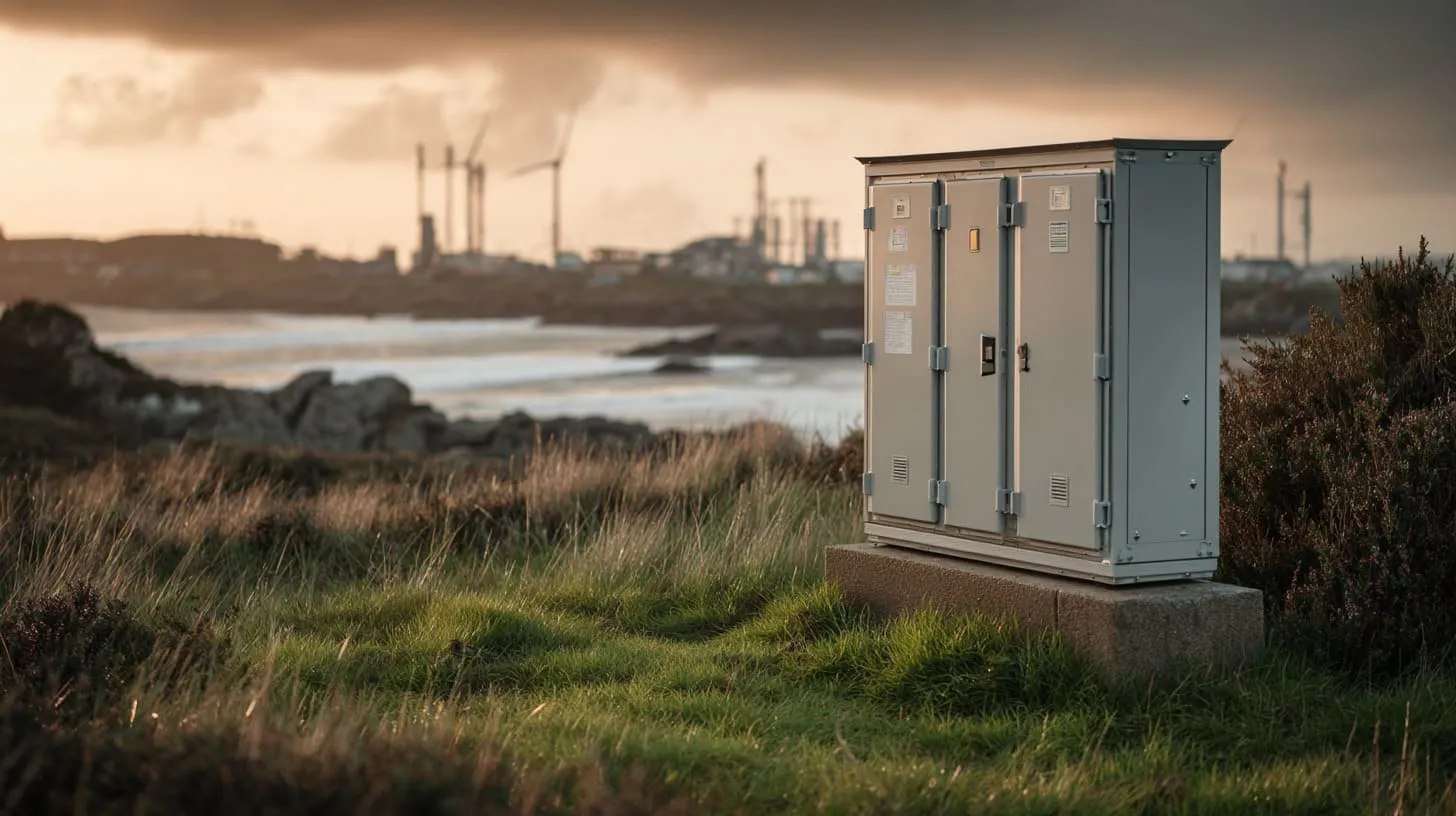
When buyers send RFQs, they often include the part drawing. That is good. But an outdoor enclosure does not live inside a drawing.
It lives under rain, sun, dust, snow, salt, vibration, heat, and careless installation.
The enclosure may look simple on the screen. But outside, it has a job. It must protect electronics while the world keeps attacking it.
I often ask extra questions not because I want to make the RFQ slower, but because I know the drawing is usually quiet about the most important risks.
Installation location details
The first thing I want to know is where the enclosure will be installed.
Not just the country. Not just “outdoor.” I mean the real place.
Will it be fixed on a wall?
Will it sit under a roof?
Will it be mounted on a pole?
Will rain hit the front cover directly?
Will water run down the cable?
Will the enclosure be placed flat or vertical?
These details can change the whole design.
| Installation Detail | Why I Care |
|---|---|
| Wall-mounted | Water may run down from above |
| Pole-mounted | Wind-driven rain may hit all sides |
| Under roof | Lower direct rain risk |
| Open field | Sun, rain, dust, and wind all matter |
| Horizontal top surface | Water may stay on the cover |
| Door facing upward | Higher seal risk during opening |
A buyer may see these questions as extra. I see them as insurance.
If the enclosure will be installed vertically under a protective roof, one design may work well. If the same enclosure is installed flat on outdoor equipment, the cover becomes a water tray. That changes everything.
Indoor vs outdoor confusion
This sounds basic, but it happens more often than people expect.
Some products are used in semi-outdoor locations. For example:
- Parking garages
- Outdoor cabinets under shelters
- Factory entrances
- Covered charging stations
- Agricultural sheds
- Rooftop equipment rooms
The buyer may call these “outdoor,” but the risk level is not the same as full outdoor exposure.
| Use Condition | Risk Level | Design Concern |
|---|---|---|
| Indoor | Low | Dust, touch, heat |
| Covered outdoor | Medium | Humidity, side rain |
| Full outdoor | High | Rain, sun, wind, temperature |
| Harsh outdoor | Very high | Salt, chemicals, pressure washing |
The word “outdoor” is too broad. It needs context.
A small sentence in the RFQ can save a big argument later.
Direct sunlight exposure
Sunlight is not only about color fading.
Strong UV and heat can affect plastic enclosures, rubber gaskets, adhesive labels, membrane vents, and surface finish. A black enclosure under strong sunlight can become very hot. That heat may affect the electronics inside.
It may also create pressure changes inside the sealed box.
If the enclosure heats up during the day and cools down at night, air expands and contracts. Moisture can move in and out if the sealing system is not well designed.
| Sunlight Impact | Possible Result |
|---|---|
| UV exposure | Plastic aging, gasket aging |
| High surface temperature | Internal heat buildup |
| Color fading | Poor appearance after months |
| Pressure changes | Breathing and condensation risk |
| Material expansion | Seal stress |
A beautiful black enclosure can look very professional in a product photo. But if it sits in direct summer sun with hot electronics inside, I need to think twice before I say yes to the design.
Rain, snow, and humidity conditions
Rain is not always gentle.
Some rain falls straight down. Some rain comes from the side because of wind. Snow can sit on the enclosure and melt slowly. Humidity can enter during maintenance. These are different risks.
A simple rain test may not show all of them.
| Weather Condition | Risk for Enclosure |
|---|---|
| Heavy rain | Seal pressure |
| Wind-driven rain | Side entry risk |
| Snow | Slow melting water |
| High humidity | Condensation |
| Freeze-thaw cycle | Seal stress |
| Dust plus rain | Mud around gasket or gland |
If an enclosure is used in cold areas, I also care about gasket flexibility. Some seal materials become harder in low temperatures. A hard gasket may not compress well. A poor seal may start quietly.
No sound. No warning. Just water.
Geographic and climate considerations
Different markets have different outdoor problems.
A buyer in Canada may worry about cold and snow. A buyer in the Middle East may worry about heat and sand. A buyer near the sea may worry about salt. A buyer in a tropical country may worry about rain and humidity.
The enclosure should not be selected only by price. It should be selected by environment.
| Environment | Main Risk | Possible Design Response |
|---|---|---|
| Coastal area | Salt corrosion | Better coating, stainless hardware |
| Desert area | Heat and dust | UV material, dust sealing, ventilation |
| Cold region | Low temperature, ice | Suitable gasket, drainage design |
| Tropical area | Rain and humidity | Sealing, vents, anti-corrosion finish |
| Industrial site | Chemicals, oil, cleaning | Material and coating review |
One customer may ask for aluminum because it looks strong. Another may ask for plastic because it is cheaper. But the climate may choose the right material before we do.
That is why I do not like blind material decisions.
Equipment operating conditions
The enclosure does not only face outside conditions. It also has internal conditions.
A box for passive electronics is not the same as a box for power equipment. A controller with heat generation needs different thinking from a simple junction box.
Internal heat can create condensation risk. It can also push buyers toward ventilation, heat sinks, thicker aluminum, or external fins.
| Internal Condition | Design Concern |
|---|---|
| PCB heat | Thermal management |
| Battery inside | Venting and safety |
| Power supply inside | Heat and space |
| Wireless module | Signal window or plastic area |
| Frequent access | Door and screw durability |
| Field maintenance | Seal damage risk |
Sometimes, a buyer wants the enclosure to be fully sealed and also wants strong heat dissipation. These two goals can fight each other.
A fully sealed box protects better from water. But it may trap heat. A vent helps breathing and condensation control. But it must be selected and installed correctly.
This is the real work of enclosure design. It is not just a shell. It is a balance.
And once we understand the environment, the next question always comes: “Can we just ask for IP65 or IP66?” Not quite.
Why Is Specifying an IP Rating Alone Not Enough?
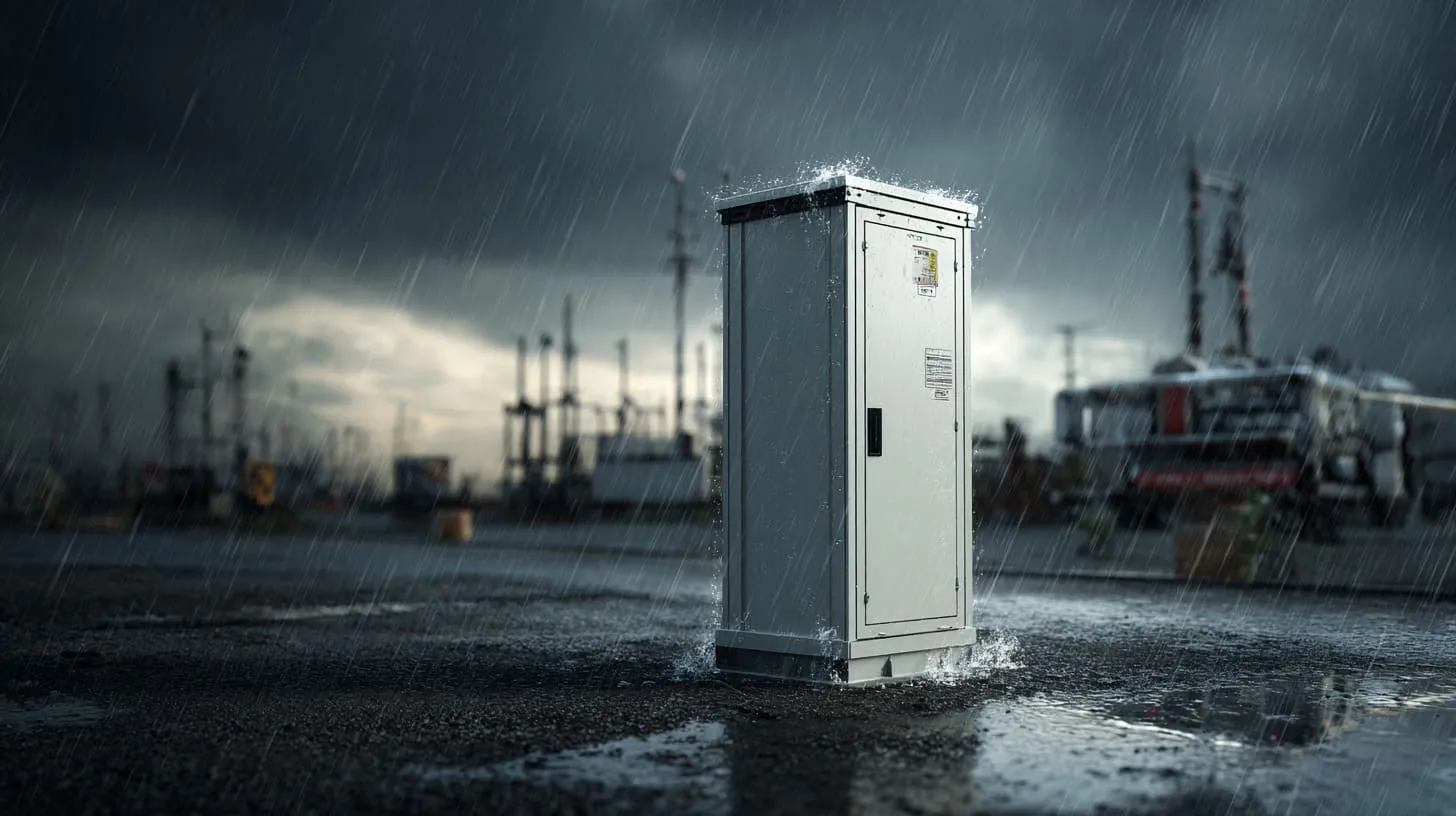
IP rating is useful. I respect it. It gives buyers and suppliers a common language.
But IP rating is not magic.
Some buyers write “IP65 required” in the RFQ and feel the waterproof problem is solved. I understand why. A number feels clear. It feels professional. It feels safe.
But real outdoor use is often messier than a lab test.
I become cautious when an RFQ says only “IP65” without explaining installation, cable entry, and maintenance, because the rating tells me the target, but it does not tell me the battlefield.
Common misconceptions about IP65, IP66, and IP67
Many buyers use IP ratings as if they are simple quality levels.
IP67 sounds better than IP66. IP66 sounds better than IP65. So some buyers choose the highest number they can afford.
But the “best” rating depends on use.
| IP Rating | Basic Meaning | Common Misunderstanding |
|---|---|---|
| IP65 | Dust-tight and protected against water jets | Some buyers think it means safe for all outdoor use |
| IP66 | Dust-tight and protected against powerful water jets | Some buyers think it means no design risk |
| IP67 | Dust-tight and protected against temporary immersion | Some buyers think it is always better than IP66 |
IP67 may protect against temporary immersion under test conditions. But that does not mean it is the best choice for pressure washing, heat cycling, or frequent opening.
Also, the enclosure is not the only part of the system. Cable glands, vents, switches, connectors, display windows, screws, and assembly quality all affect the final result.
A strong box with a poor cable gland is still a weak system.
Limitations of laboratory testing
A lab test is controlled. Real life is not.
In testing, the enclosure may be new. The gasket may be fresh. The screws may be tightened correctly. The cable glands may be installed by trained people. The test time is limited.
In the field, everything changes.
| Lab Condition | Field Condition |
|---|---|
| New gasket | Aged gasket |
| Controlled water direction | Wind-driven rain |
| Correct screw torque | Installer may over-tighten or under-tighten |
| Short test duration | Months or years outside |
| Clean surface | Dust, mud, oil, salt |
| Stable setup | Vibration, movement, maintenance |
This does not mean IP testing is useless. It means we should not treat it as the whole story.
Testing should support design judgment. It should not replace it.
Real-world conditions that exceed IP testing
Outdoor enclosures may face conditions that are not fully represented by a simple IP statement.
For example, pressure washing can be much harsher than rain. Wind can push water into small gaps from strange angles. Long-term UV can weaken some plastics and seals. A technician may open the cover in the rain and close it quickly without cleaning the gasket area.
Then water enters.
And nobody remembers the RFQ email from six months ago.
| Real-World Condition | Why It Can Break the Assumption |
|---|---|
| Pressure washing | Water force may be higher than expected |
| Wind-driven rain | Water attacks side gaps |
| Long UV exposure | Seal and plastic aging |
| Frequent maintenance | Gasket damage or dirt |
| Cable pulling | Gland seal movement |
| Poor installation angle | Water pools around openings |
I have learned not to ask only “What IP rating do you need?” I also ask “How will the enclosure be used after delivery?” That second question often gives the real answer.
Matching IP ratings to actual applications
Different applications need different thinking.
A telecom enclosure may need weather protection, ventilation, cable management, and thermal design. An industrial control enclosure may need dust, oil, and water protection. An outdoor IoT device may need a small size, antenna performance, and condensation control.
| Application | Common Concern | RFQ Detail Needed |
|---|---|---|
| Telecom equipment | Heat, cables, rain | Venting, cable route, mounting |
| Industrial control | Dust, water, maintenance | Door seal, gland plate, access |
| Outdoor IoT device | Small size, signal, battery | Material, antenna area, sealing |
| Solar controller | Heat and UV | Finish, thermal path, cable entry |
| EV charging part | Rain and user contact | Safety, sealing, installation angle |
A rating is a starting point. The application decides the real design.
If buyers understand this early, they can avoid one of the most common traps in outdoor enclosure projects: a good-looking design that quietly creates leak paths.
How Can Poor Enclosure Design Create Leak Paths?
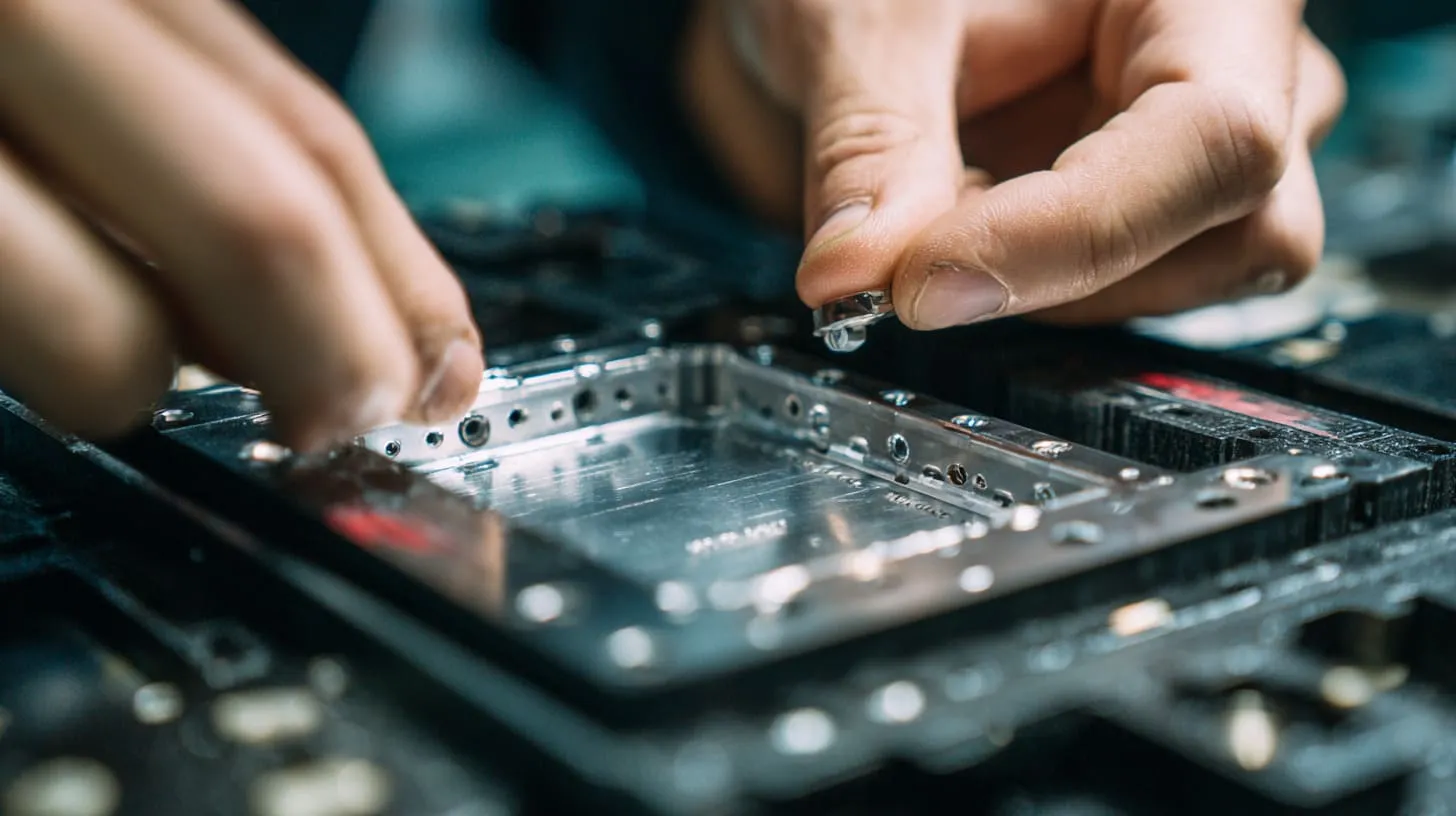
A leak path is not always obvious.
Water is patient. It does not need a big hole. It only needs one small weakness, one poor seal, one badly placed screw, or one cable entry that collects water.
This is why enclosure design deserves respect.
A box can look clean from the outside. The CNC machining can be beautiful. The powder coating can be smooth. The logo can look perfect. But water does not care about beauty.
I often check the water path before I check the appearance, because a nice surface can win the buyer’s eye, but a bad sealing line will lose the project later.
Door and cover sealing issues
The door or cover is one of the most common leak areas.
A gasket needs enough compression. Not too little. Not too much. It also needs a flat and stable sealing surface.
If the cover is thin and bends, some areas may compress the gasket well while other areas remain loose. Water will choose the loose area.
| Sealing Issue | What May Happen |
|---|---|
| Gasket too soft | It may deform too much |
| Gasket too hard | It may not seal well |
| Uneven cover | Compression is not equal |
| Poor groove design | Gasket moves during assembly |
| Too few screws | Gaps appear between screws |
| Over-tightened screws | Cover warps or gasket damages |
A gasket is not just a strip of rubber. It is part of the design.
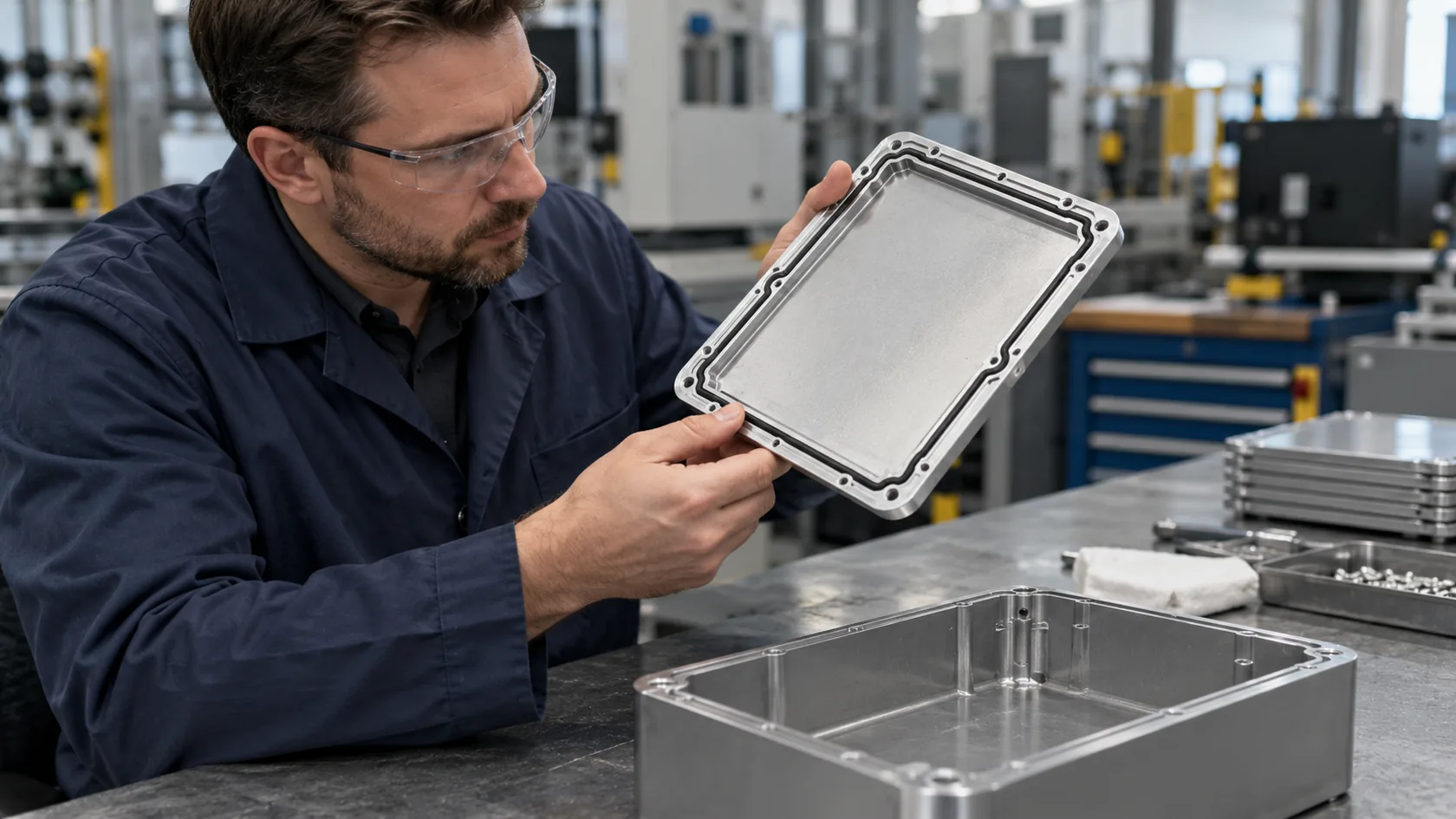
For custom enclosures, I like to look at the gasket groove, screw spacing, cover thickness, and assembly method together. If one part is weak, the whole seal becomes weak.
Gasket compression problems
Many people think a thicker gasket gives better protection.
Not always.
A gasket must be compressed within a proper range. If it is barely touched, it cannot seal. If it is crushed too much, it may lose recovery over time.
| Gasket Condition | Risk |
|---|---|
| Not enough compression | Immediate leak risk |
| Too much compression | Long-term deformation |
| Uneven compression | Local leak path |
| Wrong material | Aging, cracking, hardening |
| Poor installation | Twisting or movement |
This is why prototype checking matters.
I like to open the sample after assembly and check the gasket mark. If the compression mark is uneven, I do not feel comfortable, even if the enclosure looks fine from outside.
The seal tells a story. We just need to read it.
Uneven sealing surfaces
A sealing surface must be controlled.
In sheet metal enclosures, welding, bending, and coating can affect flatness. In aluminum CNC enclosures, machining accuracy is usually better, but design still matters. In plastic enclosures, molding shrinkage and rib design can affect the cover fit.
| Enclosure Type | Sealing Surface Risk |
|---|---|
| Sheet metal enclosure | Welding distortion, bending tolerance |
| CNC aluminum enclosure | Machining cost, cover fit |
| Die-cast aluminum enclosure | Casting tolerance, parting line |
| Plastic enclosure | Warpage, UV aging, screw boss stress |
This is where buyer expectations and manufacturing reality need to meet.
A design may look perfect in CAD. But production has tolerances. Coating has thickness. Screws have torque variation. Gaskets have material behavior.
Good enclosure design leaves room for real manufacturing.
Cable entry vulnerabilities
Cable entry is one of the most overlooked areas.
Many RFQs show the enclosure body, but cable glands are left to “later.” That is risky. Cable entry is not a small accessory decision. It is one of the main water paths.
A cable gland must match:
- Cable diameter
- Cable jacket material
- IP requirement
- Installation direction
- Hole size
- Thread type
- Wall thickness
- Outdoor environment
If the cable is too small for the gland, sealing fails. If the hole is poorly placed, water gathers. If the installer does not tighten the gland well, water enters.
A strong enclosure can be ruined by a cheap gland.
Incorrect cable routing
Cable routing outside the enclosure also matters.
If a cable comes from above and enters directly into the top gland, rainwater can run along the cable into the gland area. A drip loop can reduce this risk.
This is not only a design issue. It is also an installation issue.
| Cable Route | Risk Level | Better Practice |
|---|---|---|
| Top entry without protection | High | Avoid when possible |
| Side entry exposed to rain | Medium | Use proper gland and orientation |
| Bottom entry | Lower | Often better for rain protection |
| Cable with drip loop | Lower | Helps water fall before gland |
| Cable pulled tight | Higher | May stress gland seal |
I know some buyers do not control final installation. Their customers or local installers do it. That makes RFQ details even more important. The design should help reduce installation mistakes.
Fastener and assembly weaknesses
Screws look simple. But screw design affects sealing.
If screws pass through the sealed area, each screw can become a leak path. If screws are too far apart, the gasket may not compress evenly. If the assembly needs many small screws, workers or installers may miss one.
Human error is part of design risk.
| Fastener Issue | Possible Problem |
|---|---|
| Screws inside wet area | Water path |
| Too few screws | Uneven gasket pressure |
| Too many screws | Slow assembly, mistakes |
| Poor screw boss design | Cracks or weak clamping |
| No torque guidance | Over-tightening or under-tightening |
A design that depends on perfect assembly every time is not a robust design.
For OEM projects, I prefer designs that are easy to assemble correctly. Not because workers are careless, but because real production and field maintenance are not laboratory conditions.
Once the enclosure structure is checked, the next weak point often sits around the cables. So cable management deserves its own conversation.
What RFQ Details Should Buyers Define for Cable Management?
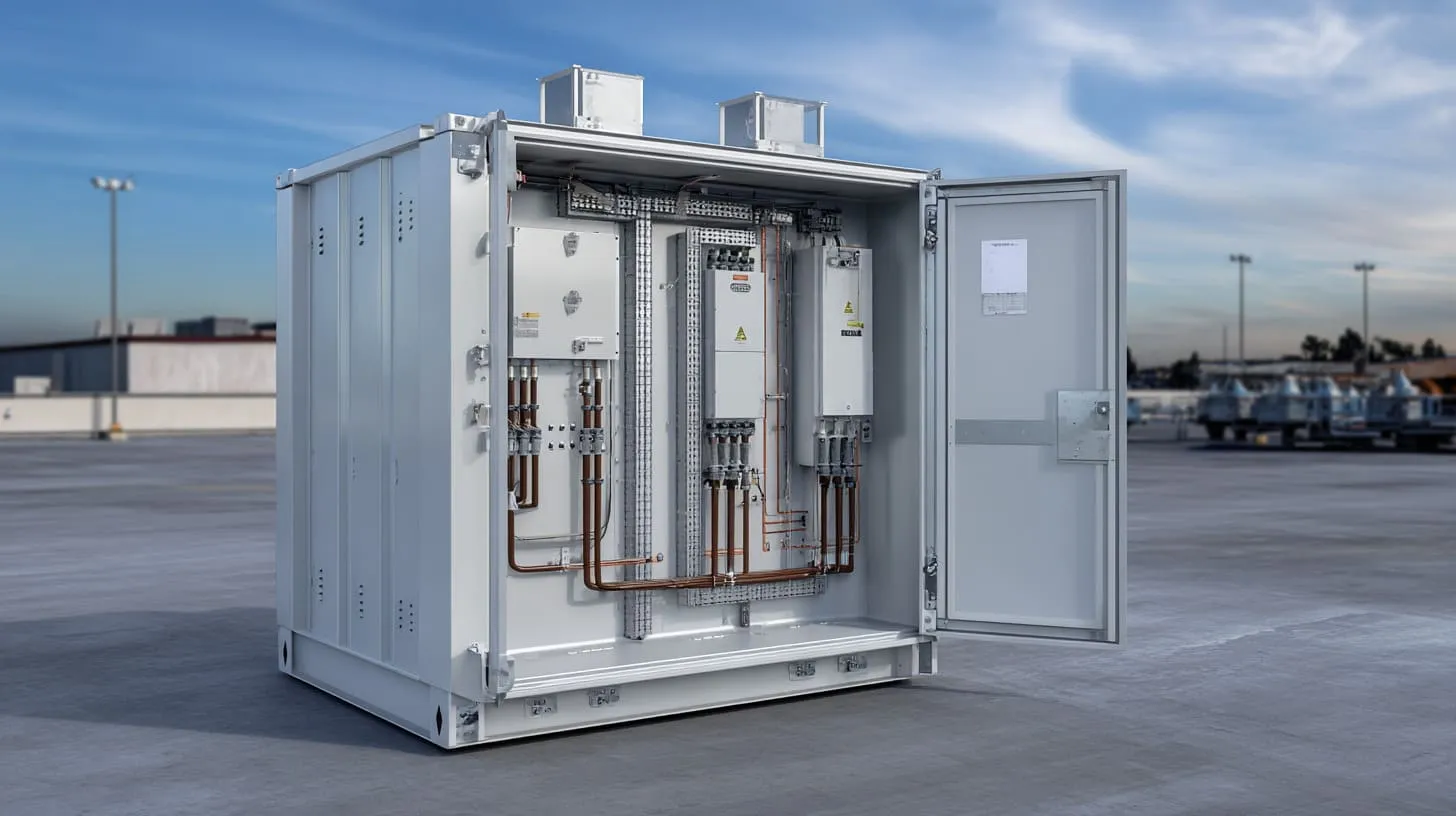
Cable management is not the most exciting part of an enclosure project.
Nobody posts beautiful photos of cable glands on social media. Nobody says, “Wow, look at that perfect bottom cable entry.”
But in outdoor enclosure work, cable management can decide whether the project stays dry or fails quietly.
A buyer may spend many hours discussing the enclosure color and logo position. Then the cable entry is decided in five minutes. That is backwards.
The small cable hole often carries the biggest waterproof risk, so I treat it like a main design feature, not an accessory.
Cable entry locations
The first question is simple: where should cables enter?
Top, side, and bottom entry all have different risks.
| Cable Entry Position | Advantage | Risk |
|---|---|---|
| Top entry | Easy for some layouts | Water can sit or run into gland area |
| Side entry | Easy access | Wind-driven rain may hit directly |
| Bottom entry | Better for rain protection | May need more installation space |
| Rear entry | Clean appearance | Wall sealing must be considered |
| Separate gland plate | Easier customization | Extra sealing surface needed |
In many outdoor projects, bottom entry is safer because gravity helps. Water naturally falls away from the opening.
But bottom entry may not always fit the buyer’s equipment layout. Maybe the PCB connector position is fixed. Maybe the customer wants wall-mounted wiring from above. Maybe the installation space is limited.
So the best answer depends on the whole product, not only the enclosure.
Water accumulation risks
Water pooling is a silent enemy.
Flat surfaces, top holes, poor cover design, and wrong mounting angles can allow water to sit around openings. If water stays long enough, it will test every weakness.
| Design Detail | Water Risk |
|---|---|
| Flat top cover | Water may stay |
| Top cable gland | Water surrounds gland |
| Poor drainage | Dirt and water collect |
| Recessed screw area | Water may sit around screw |
| Horizontal installation | Seal under longer water contact |
If a buyer sends a design with top entry, I do not reject it immediately. But I will ask how rain is managed. Is there a cover? Is there a hood? Is the gland rated? Is the cable routed with a drip loop? Is the enclosure vertical?
Small questions. Big difference.
Cable gland specifications
A cable gland is not just a standard part. It must fit the cable and environment.
A common RFQ mistake is saying “with cable gland” without giving the cable diameter. That makes selection weak.
| RFQ Detail Needed | Why It Matters |
|---|---|
| Cable outer diameter | Gland sealing range must match |
| Number of cables | Hole quantity and layout |
| Cable type | Flexible, armored, round, flat |
| Required IP rating | Gland rating must match enclosure |
| Material | Nylon, brass, stainless steel |
| Thread type | Metric, PG, NPT |
| Installation direction | Affects water exposure |
If the gland sealing range is 6–12 mm and the cable is 5 mm, the system is already in trouble. It may look assembled. But the seal is not reliable.
This is why I like buyers to provide cable drawings or cable samples when possible. It removes guessing.
Material selection for cable glands
Cable gland material also matters.
Plastic glands are common and cost-effective. Brass glands are stronger. Stainless steel glands are better for harsh corrosion environments. But every choice has cost and application trade-offs.
| Gland Material | Good For | Watch Out For |
|---|---|---|
| Nylon plastic | General outdoor use, lower cost | UV quality matters |
| Nickel-plated brass | Stronger mechanical use | Higher cost |
| Stainless steel | Coastal or harsh environments | Much higher cost |
| Aluminum | Special matching needs | Corrosion compatibility |
I do not like choosing expensive parts just to look professional. But I also do not like saving a few cents on the part most likely to leak.
A smart RFQ should define the risk first. Then the material choice becomes easier.
Future expansion considerations
Many OEM projects change after the first version.
The buyer may add one more sensor. The customer may need a second cable. The local installer may request an extra port. If the enclosure has no plan for expansion, the field team may drill holes by themselves.
That is where waterproof design can be destroyed.
| Future Need | RFQ Planning Idea |
|---|---|
| Extra cable | Add spare gland position |
| Optional antenna | Reserve sealed hole or window |
| Different markets | Use removable gland plate |
| Service upgrade | Design easy access area |
| Unknown cable size | Discuss flexible gland options |
A spare hole sounds simple, but it must be sealed correctly. A blind plug must match the IP requirement. A removable gland plate must have its own gasket.
Future flexibility is useful only if it does not weaken protection.
Now, even when the enclosure is well sealed, water may still appear inside. And this is where many people get confused.
Why Are Condensation Problems Often Mistaken for Leaks?
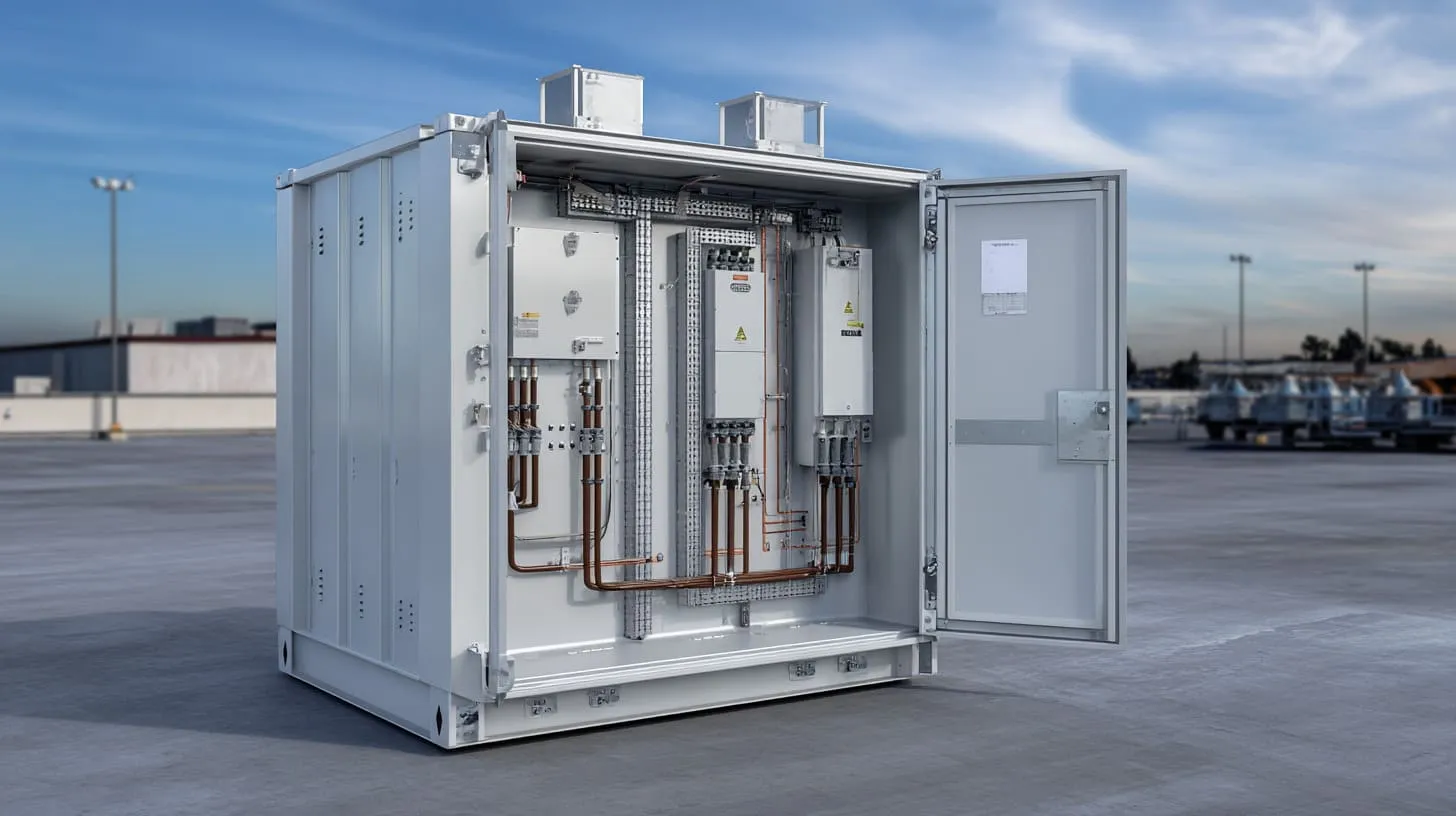
This is one of the most misunderstood problems in outdoor enclosures.
A buyer sees water droplets inside the box and says, “The enclosure leaks.”
Maybe it leaks.
But maybe the water came from condensation.
This difference matters because the solution is different. If we treat condensation like a gasket leak, we may keep changing seals and never solve the real problem.
I do not judge a wet enclosure only by looking at water inside; I first ask where the water appears, when it appears, and what temperature changes the product faces.
Understanding enclosure breathing
A sealed enclosure still experiences pressure changes.
During the day, sunlight heats the box. Air inside expands. At night, the enclosure cools. Air contracts. If pressure changes cannot be managed well, moisture can be pulled through small openings or seals.
This is sometimes called breathing.
| Condition | What Happens |
|---|---|
| Hot day | Air expands inside |
| Cool night | Air contracts |
| High humidity | Moisture enters or forms |
| Sealed box | Pressure stress increases |
| Heat-generating electronics | Internal temperature rises |
If moisture is trapped inside, it can condense on cooler surfaces.
This may happen even if no rain directly enters.
Temperature fluctuations
Outdoor electronics often face wide temperature changes.
A metal enclosure can heat and cool quickly. Aluminum transfers heat well, which is good for thermal management. But it also means temperature changes can be strong.
| Situation | Condensation Risk |
|---|---|
| Hot day and cold night | High |
| Humid climate | High |
| Electronics heat during operation | Medium to high |
| Fully sealed enclosure | Depends on trapped moisture |
| Frequent opening | Higher moisture entry risk |
I have seen buyers ask for a very tight sealed box because they fear rain. That makes sense. But if there is heat inside and humidity outside, a fully sealed design may create condensation pressure.
The answer is not always “seal harder.”
Sometimes the answer is “seal smarter.”
Common signs of condensation
Condensation can look different from direct leakage.
A direct leak often appears near a cable gland, screw, cover edge, or specific opening. Condensation may appear as fogging or small droplets on inside surfaces.
| Sign | Possible Cause |
|---|---|
| Water near cable gland | Possible leak |
| Water along cover edge | Possible gasket issue |
| Fogging on window | Condensation |
| Droplets on inner top cover | Condensation |
| Corrosion across many areas | Humidity or condensation |
| Water after pressure washing | Possible external water entry |
This is not a perfect rule. But it helps.
A good failure review should look at patterns, not only emotions.
Solutions to prevent condensation
Condensation control depends on the application.
Some designs use breathable vents. Some use drain systems. Some use anti-condensation heaters. Some need desiccant packs during shipping or installation. Some need better sealing during assembly.
| Solution | When It Helps | Watch Out For |
|---|---|---|
| Breather vent | Pressure balance, humidity control | Must match IP and airflow needs |
| Drain hole | Allows water out | May reduce sealing if poorly designed |
| Anti-condensation heater | Cold and humid areas | Adds cost and power use |
| Desiccant | Shipping or short-term moisture control | Not a long-term fix alone |
| Better assembly process | Reduces trapped moisture | Needs training and QC |
For many outdoor electronic enclosures, a vent can be very useful. But it must be selected carefully. A poor vent becomes another leak path.
This is why condensation should be discussed during RFQ, especially when the enclosure has heat-generating electronics.
Material choice also plays a role here, because different materials behave differently outside.
How Does Material Selection Impact Water Resistance?
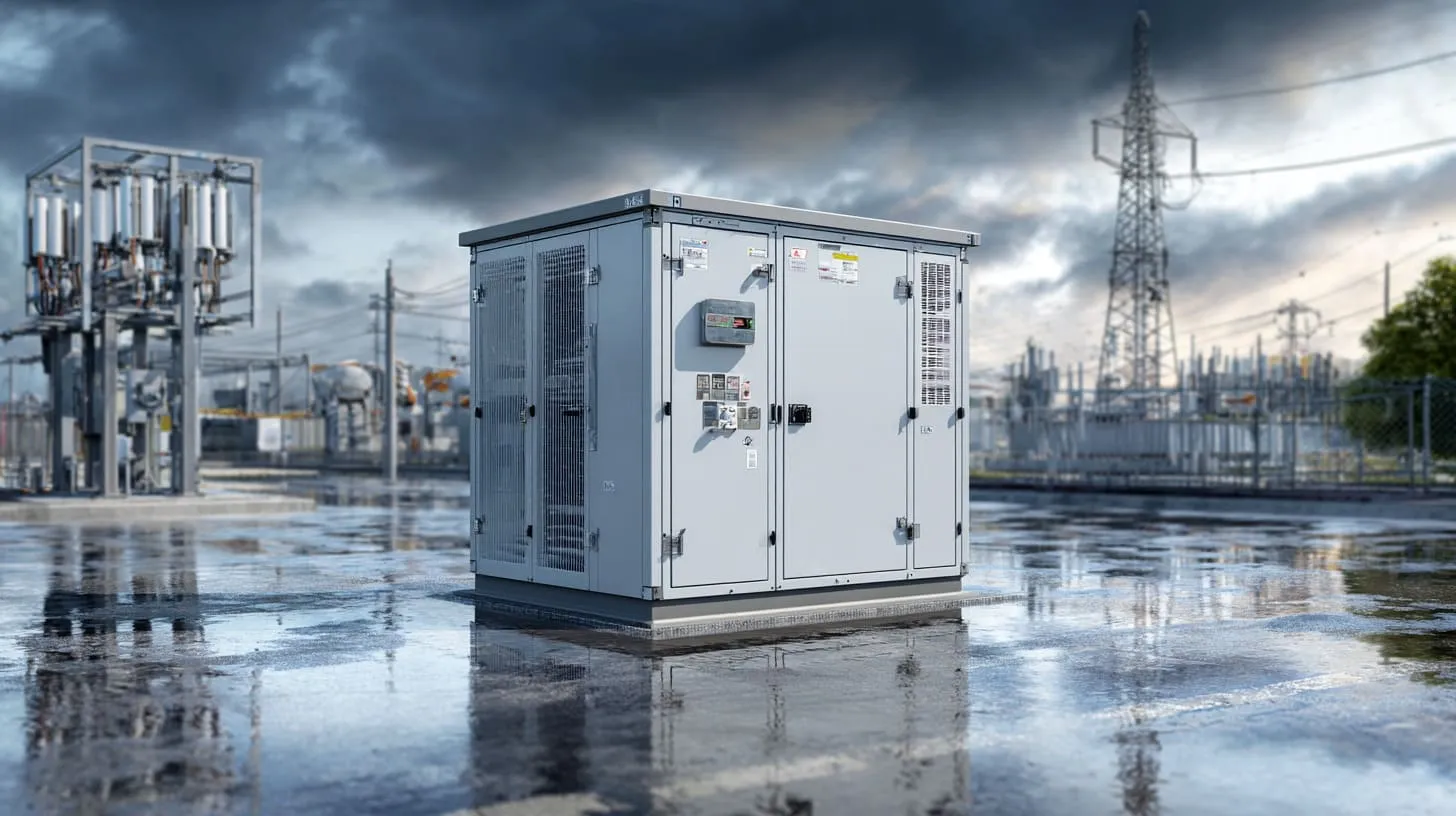
Material choice is not only about strength or price.
It affects corrosion, heat, UV resistance, weight, appearance, machining method, sealing design, and long-term outdoor performance.
Buyers often ask, “Should I use aluminum, plastic, or stainless steel?”
I wish the answer were always simple. It is not.
When I choose material for an outdoor enclosure, I do not start with what looks strongest; I start with the environment, the electronics inside, and the cost of failure.
Aluminum enclosures
Aluminum is widely used for outdoor electronic enclosures because it offers a good balance.
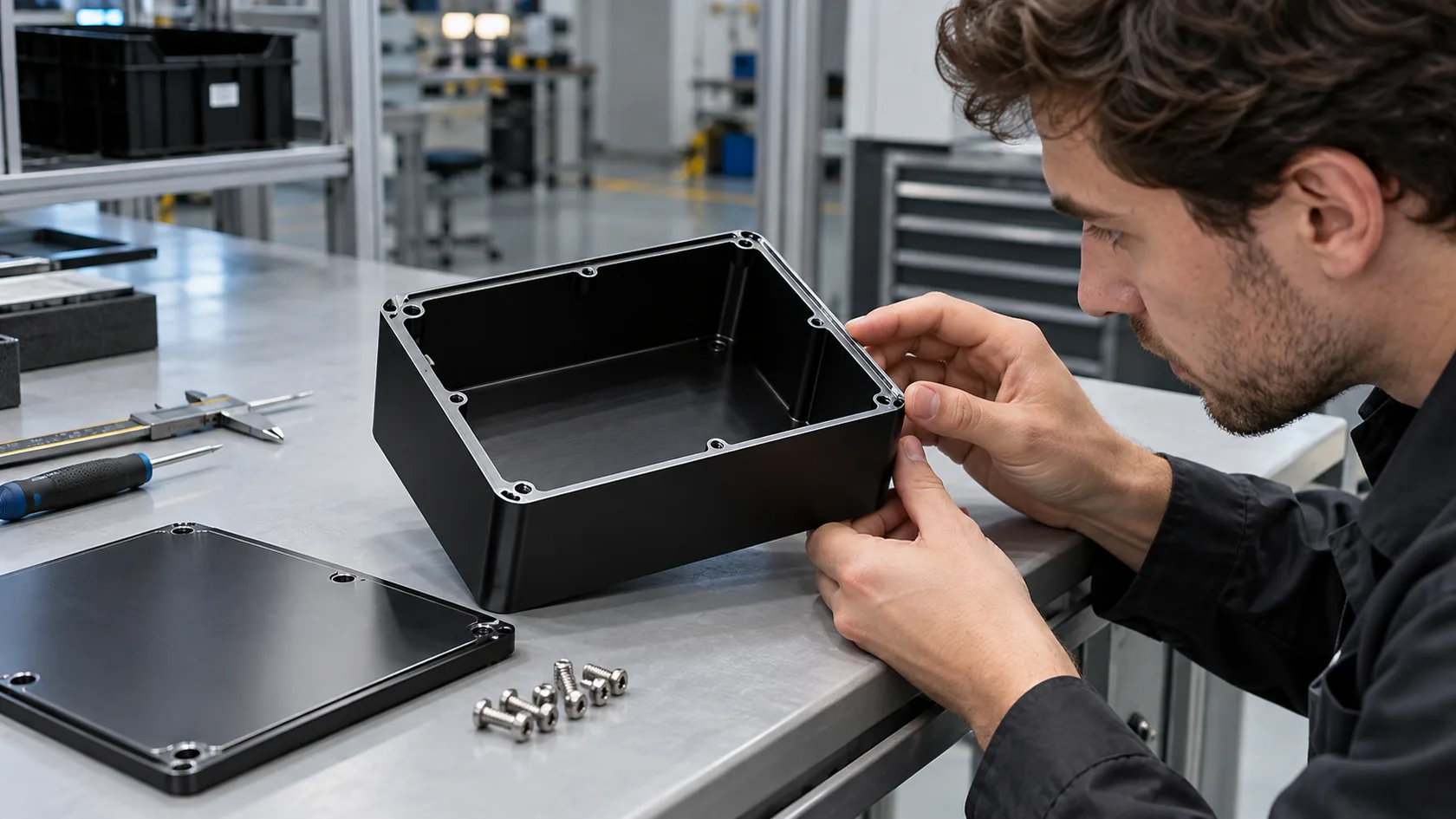
It is strong, lightweight, and good for heat dissipation. It can be CNC machined, extruded, die-cast, or fabricated depending on the design and quantity. It also supports powder coating, anodizing, logo printing, and engraving.
| Aluminum Advantage | Why It Helps |
|---|---|
| Good strength-to-weight ratio | Easier handling and installation |
| Good heat transfer | Helps electronics cooling |
| Custom machining possible | Good for OEM projects |
| Surface finish options | Better branding and protection |
| Better feel than many plastics | Suitable for higher-value products |
But aluminum still needs proper surface treatment, especially outdoors. In coastal or harsh environments, coating quality and fastener selection matter a lot.
If the coating is damaged, corrosion can begin. If stainless steel screws touch aluminum in wet conditions, galvanic corrosion may be a concern depending on the environment and design.
No material is “set and forget.”
Plastic enclosures
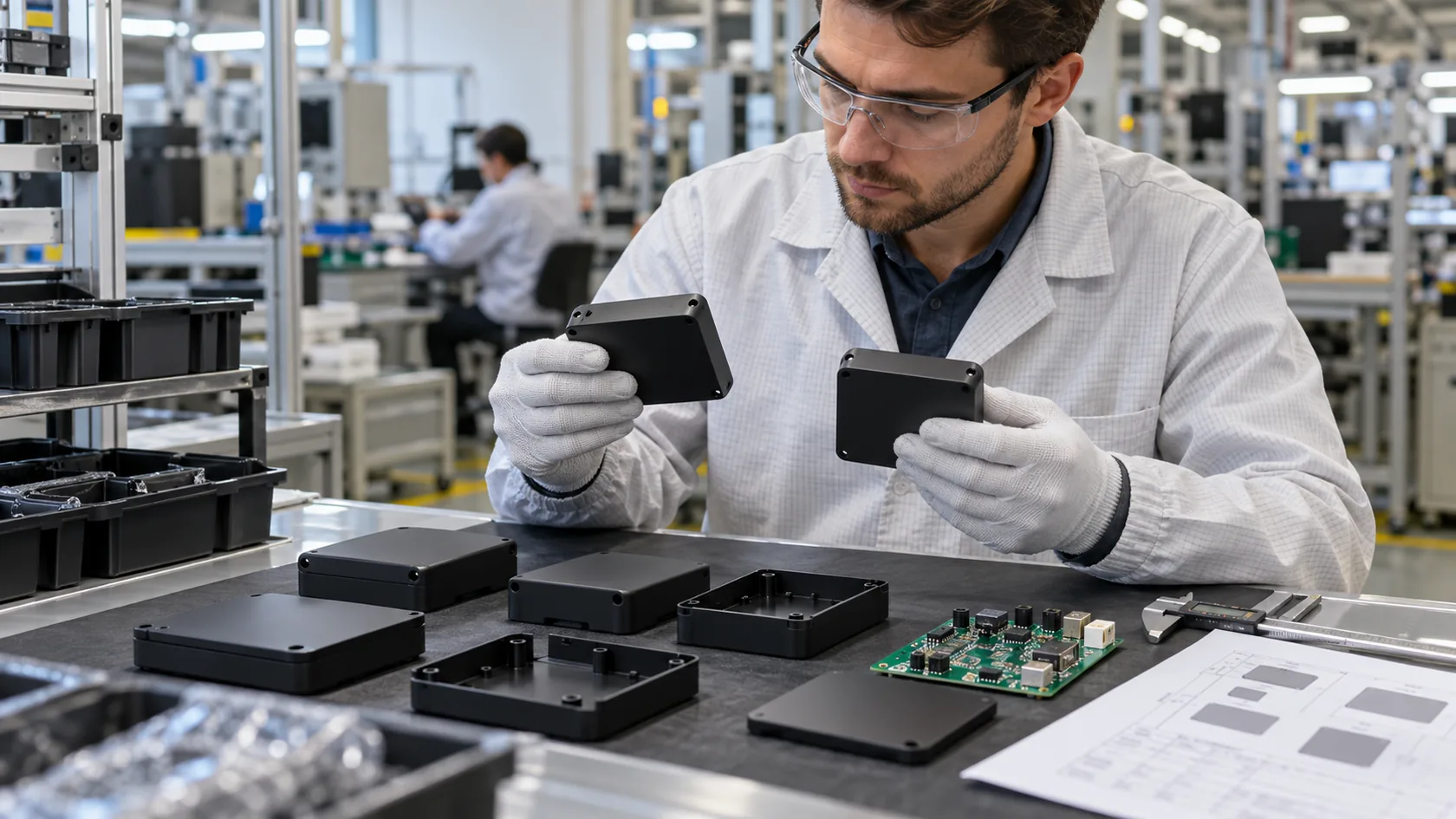
Plastic enclosures can be cost-effective and lightweight. They also offer electrical insulation. For some applications, plastic is a very practical choice.
But outdoor plastic needs UV-resistant material. Not all plastics age well under sunlight.
| Plastic Advantage | Possible Limitation |
|---|---|
| Lower cost for some designs | Mold cost may be high for custom shapes |
| Lightweight | May be less rigid |
| Electrical insulation | Heat dissipation is weaker |
| Good corrosion resistance | UV aging depends on material |
| Easy for wireless signals | Strength and flame rating must be checked |
Plastic can be excellent for outdoor IoT devices, small controllers, and wireless equipment. But if the product generates heat, needs strong mechanical protection, or faces long-term sun exposure, we need to check the material carefully.
Cheap plastic outside can become brittle. It may crack near screws. It may fade. It may lose sealing pressure.
Saving money at the start can become expensive later.
Stainless steel alternatives
Stainless steel is often used in harsh environments, food processing, marine applications, and places with chemicals or strong cleaning requirements.
It is strong and corrosion-resistant. But it is heavier and more expensive. It is also harder to process than aluminum in some custom projects.
| Stainless Steel Advantage | Trade-Off |
|---|---|
| Strong corrosion resistance | Higher cost |
| Good for harsh environments | Heavier weight |
| Professional industrial look | More difficult processing |
| Good for washdown areas | Design still needs sealing care |
Stainless steel is not automatically the best choice for every outdoor enclosure. If the environment is normal and heat dissipation matters, aluminum may be better. If cost is tight and insulation matters, plastic may be better.
Material is a decision, not a slogan.
Comparing common outdoor enclosure materials
| Material | Best Fit | Main Risk | My Practical View |
|---|---|---|---|
| Aluminum | OEM electronics, heat dissipation, branded enclosures | Coating and corrosion details | My common choice for custom outdoor electronic cases |
| Plastic | Small devices, wireless products, lower-cost boxes | UV aging and heat | Good if material grade is correct |
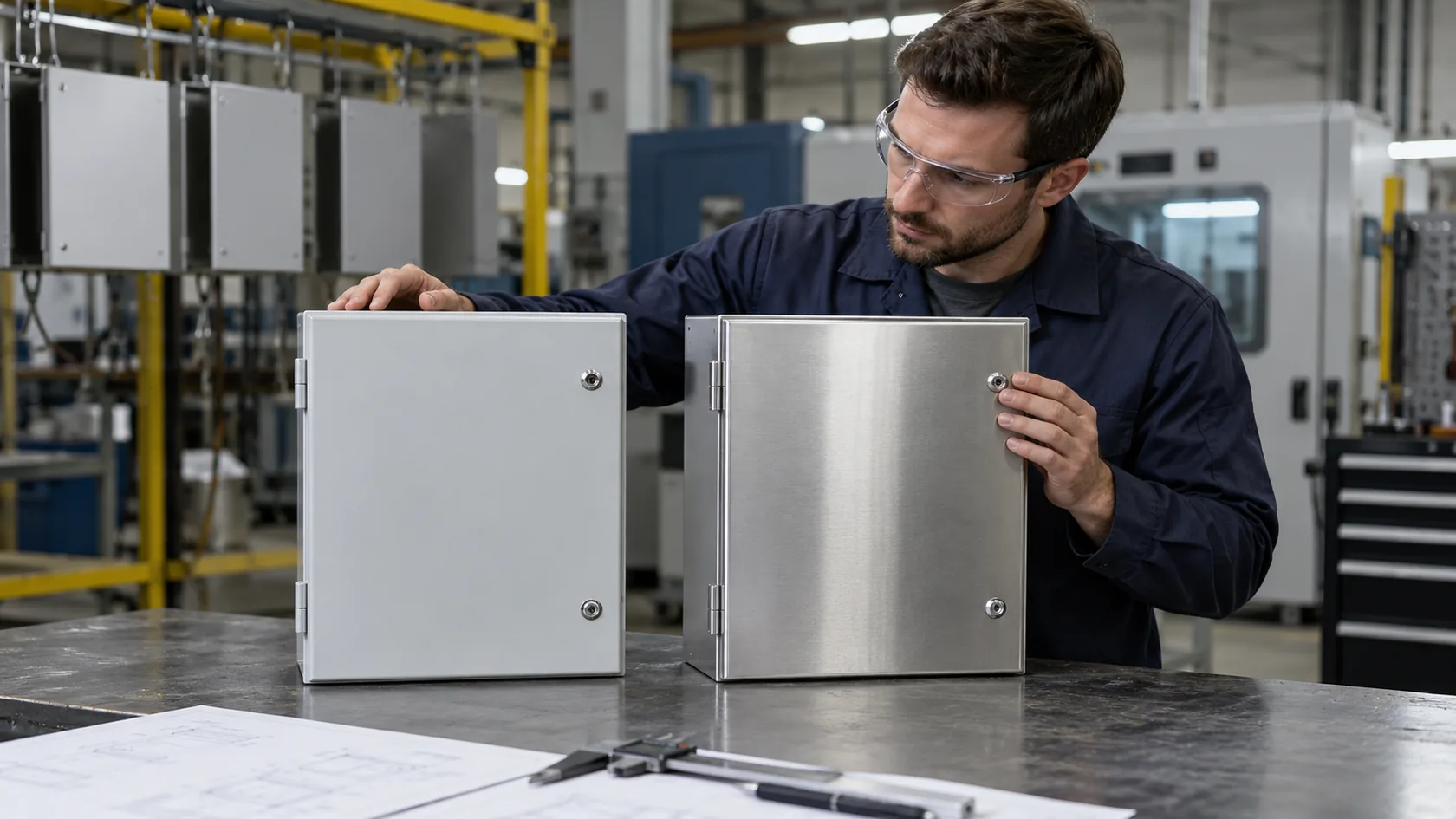
| Stainless steel | Harsh, coastal, chemical, washdown sites | Cost and weight | Strong choice when environment justifies it |
| Sheet metal steel | Larger cabinets, cost-sensitive industrial use | Rust if coating fails | Needs good coating and drainage design |
The right material depends on what the enclosure must survive.
Once the material direction is clear, the RFQ questions become much easier and more useful.
What Questions Should Buyers Ask During the RFQ Process?
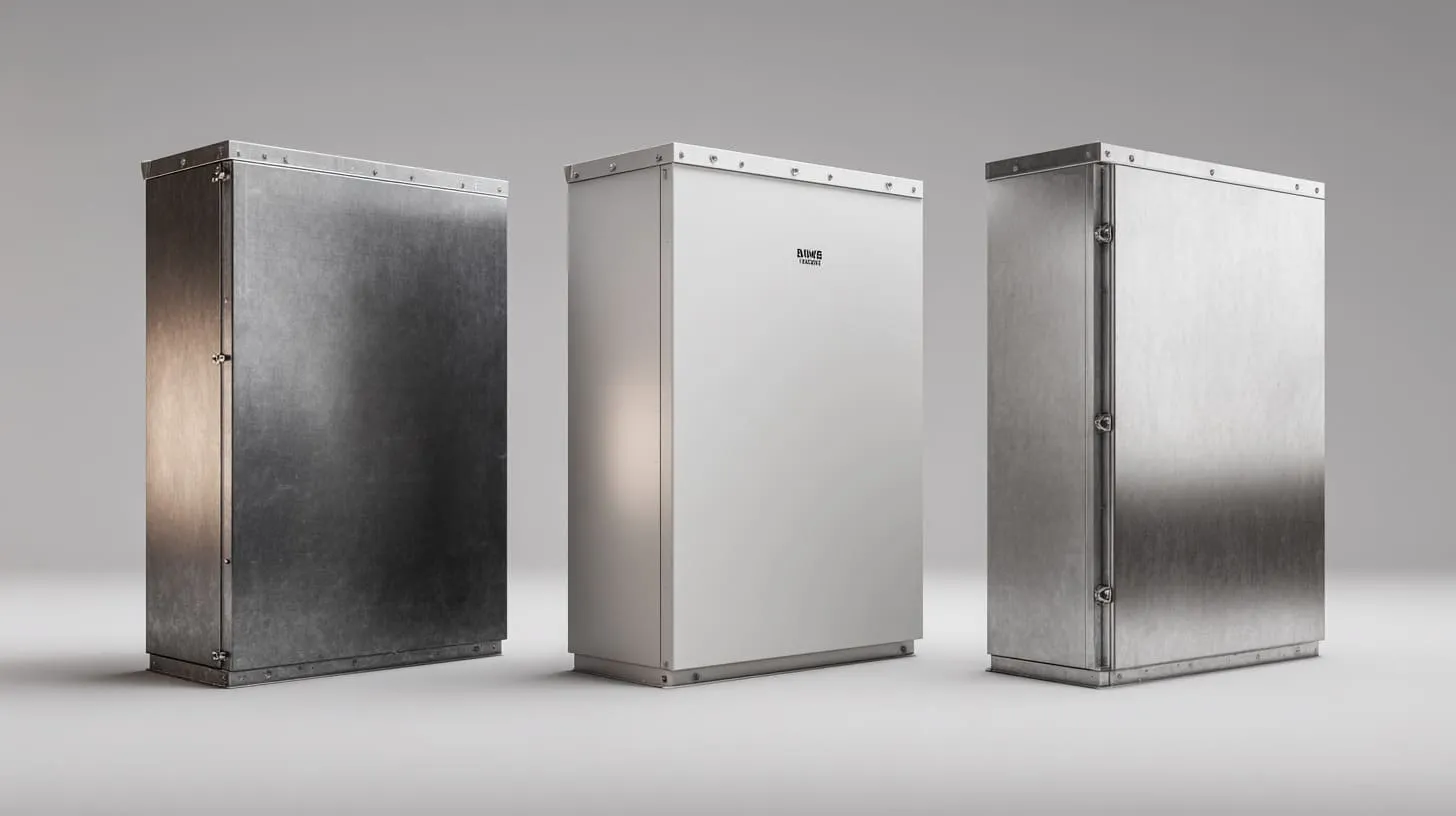
A good RFQ is not a long document full of fancy words.
A good RFQ helps both sides remove dangerous assumptions.
That is all.
I like RFQs that tell me the real job of the enclosure. The drawing tells me what to make. The application details tell me what the enclosure must survive.
A buyer who asks better questions usually gets a better enclosure, because the supplier can solve real problems instead of quoting blindly.
Application-focused questions
The first group of questions should focus on use conditions.
| Question | Why It Matters |
|---|---|
| Where will the enclosure be installed? | Defines outdoor risk |
| Will rain hit it directly? | Affects cover and gland design |
| Is the location coastal? | Affects material and coating |
| Will it face direct sunlight? | Affects UV and heat |
| What temperature range is expected? | Affects gasket and material |
| Will users open it often? | Affects door, screws, and gasket durability |
| Will it be pressure washed? | Affects sealing level |
These questions are simple. But they make the supplier think like an engineer, not just a price calculator.
If the buyer cannot answer everything, that is okay. Even partial information helps.
Design validation questions
The second group of questions should focus on whether the design has been proven.
| Question | Why It Matters |
|---|---|
| Has this sealing structure been used before? | Reduces unknown risk |
| Can we review the gasket design? | Checks compression and groove |
| Where are the likely leak paths? | Forces early risk thinking |
| Can the cable entry be moved? | Improves waterproof layout |
| Should we make a prototype first? | Catches problems before mass production |
| What changes would you suggest? | Uses supplier experience |
Some buyers are afraid that asking for supplier suggestions will make them look less professional. I see it differently.
A smart buyer uses the supplier’s manufacturing experience.
The buyer knows the product. The supplier knows the production details. Good results come when both sides share what they know.
Manufacturing capability questions
The third group of questions should focus on factory control.
| Question | Why It Matters |
|---|---|
| What waterproof test can you do? | Confirms inspection method |
| Do you check gasket assembly? | Reduces assembly errors |
| How do you control coating quality? | Affects outdoor durability |
| Can you provide sample photos or videos? | Improves remote communication |
| How do you pack the enclosure? | Prevents shipping damage |
| Can you support design changes? | Helps OEM project development |
For custom enclosure projects, communication speed matters as much as machine capability. A slow supplier can make a simple problem become a project delay.
Many of my customers are product engineers or buyers. They do not only need a box. They need a supplier who can think with them.
A simple RFQ checklist for outdoor enclosures
| RFQ Area | Details to Provide |
|---|---|
| Application | Product use, electronics inside |
| Environment | Rain, sun, humidity, salt, dust |
| Installation | Wall, pole, machine, roof, open field |
| Cable entry | Position, cable size, gland type |
| IP requirement | Target rating and real water exposure |
| Material | Aluminum, plastic, stainless steel, sheet metal |
| Surface finish | Powder coating, anodizing, color |
| Maintenance | Open frequency, user access |
| Testing | Sample test, production test |
| Packaging | Export packing, protection needs |
This checklist is not complicated. But it changes the conversation.
And after the RFQ questions come the next important step: checking the design before mass production.
How Can OEM Buyers Verify Waterproof Performance Before Mass Production?

Mass production is not the place to discover a waterproof problem.
By then, material has been purchased. Tooling may be finished. Workers are scheduled. Delivery pressure is already high. Any change becomes more expensive.
Prototype validation feels slower at the beginning, but it is usually faster than fixing field failures later.
Before I feel comfortable with mass production, I want the sample to prove the sealing idea, not just the appearance and dimensions.
Prototype evaluation methods
The first step is visual and mechanical review.
A prototype should not only be checked for size. It should be checked like a real outdoor product.
| Prototype Check | What I Look For |
|---|---|
| Cover fit | Flatness and gap |
| Gasket seating | Correct position and compression |
| Screw tightening | Even pressure |
| Cable gland area | Hole quality and sealing |
| Surface finish | Coating coverage |
| Mounting holes | Water exposure risk |
| Internal layout | Heat and condensation risk |
Sometimes, a prototype looks good in photos but feels wrong in hand. The cover may flex. The gasket may move. The screws may not pull evenly. The cable gland may sit too close to an edge.
These small details are easier to fix before production.
Assembly reviews
Waterproof performance is not only about part design. It is also about assembly.
If the design is difficult to assemble correctly, production risk increases.
| Assembly Point | Risk |
|---|---|
| Gasket installed by hand | May twist or stretch |
| Many screws | Missing or uneven tightening |
| Small gland space | Hard for workers to tighten |
| Tight internal space | Cable may push against cover |
| No assembly guide | Quality varies |
For OEM projects, I like clear assembly steps. Workers should not need to guess.
If a product needs a special torque, special gasket direction, or special cable gland tightening method, we should define it before production.
Waterproof testing options
Different projects need different test levels.
Not every enclosure needs a certified lab test. But every outdoor enclosure needs a reasonable validation plan.
| Test Type | Best For | Limitation |
|---|---|---|
| Visual inspection | Basic quality check | Cannot prove waterproof performance |
| Simple spray test | Early design check | Not same as formal IP test |
| IP test | Formal requirement | Cost and setup needed |
| Environmental chamber test | Temperature and humidity risk | Higher cost |
| Field trial | Real use check | Takes time |
| Pressure washing simulation | Washdown applications | Must match real condition |
For normal OEM projects, a prototype spray test plus careful design review may be enough. For high-risk projects, formal IP testing or environmental testing may be needed.
The key is not to test for show. The test should match the actual use condition.
Design improvement before production
A good prototype test may reveal problems.
That is not failure. That is success.
It is much better to find the weak point on one sample than on 1,000 units already installed outside.
| Problem Found | Possible Improvement |
|---|---|
| Uneven gasket mark | Adjust groove, cover, screw spacing |
| Water near gland | Move entry, change gland, add drip design |
| Cover flexing | Increase thickness or add ribs |
| Condensation | Add vent or moisture control |
| Coating weak area | Improve masking and coating process |
| Screw leak risk | Change screw position or add sealing washer |
I know buyers often face delivery pressure. They want to approve samples quickly. I understand that. But for outdoor enclosures, rushing sample approval can move the risk from the factory table to the customer’s site.
That is a bad trade.
Some mistakes repeat often, so let’s name them directly.
What Are the Most Common RFQ Mistakes That Lead to Outdoor Enclosure Failures?
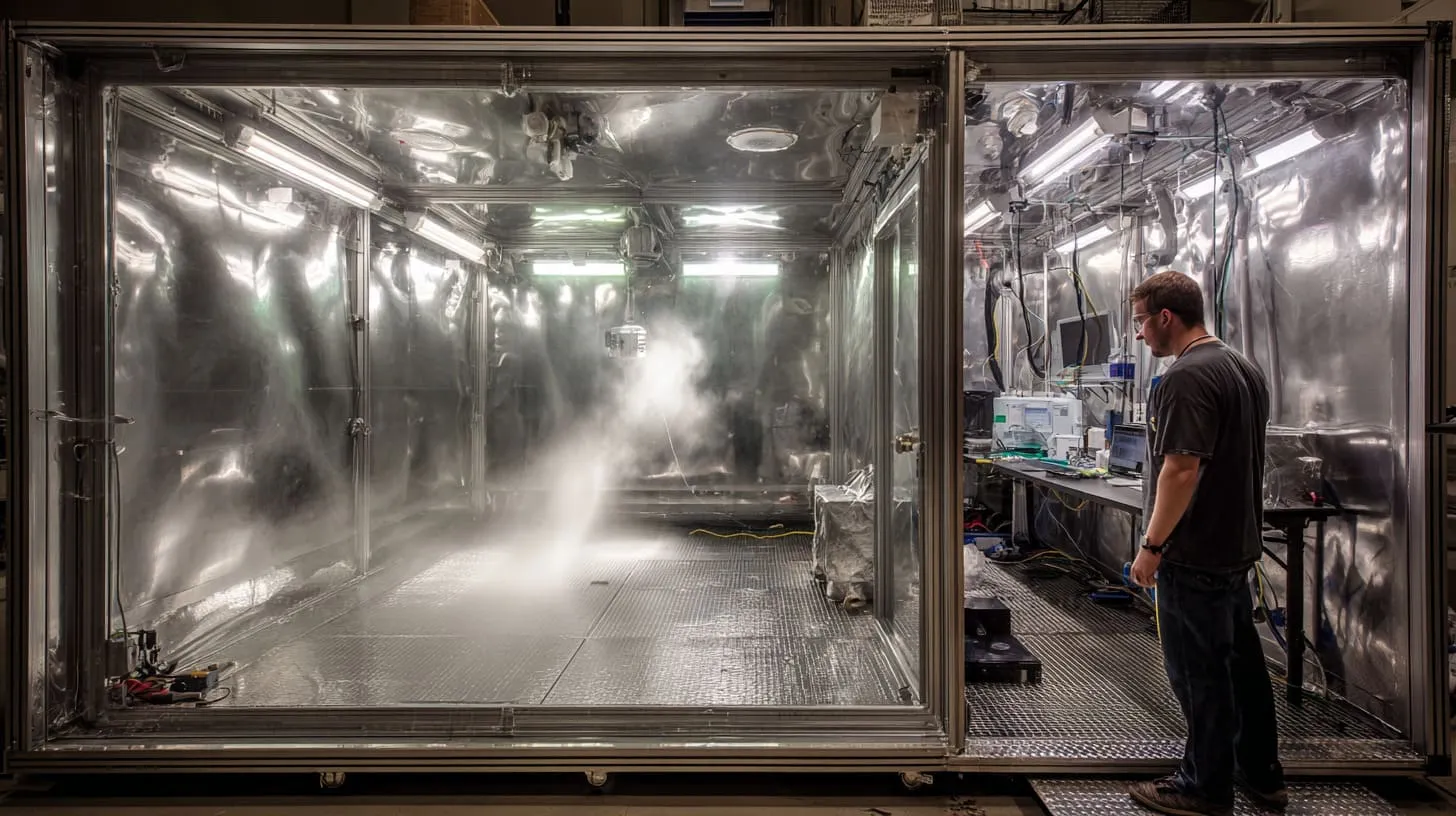
Most RFQ mistakes are not dramatic.
They are ordinary. That is why they are dangerous.
Nobody writes an RFQ thinking, “Let me create a future leak problem.” Buyers are trying to move fast. Suppliers are trying to quote fast. Everyone wants progress.
But outdoor enclosures punish unclear thinking.
I pay special attention to boring RFQ details, because boring details are often where expensive failures hide.
Focusing only on enclosure dimensions
Dimensions matter. But they are not enough.
A drawing can show length, width, height, hole positions, and wall thickness. It may not show rain direction, cable stress, gasket aging, or installation behavior.
| Buyer Focus | Missing Risk |
|---|---|
| Size | Outdoor exposure |
| Hole position | Water path |
| Wall thickness | Cover deformation |
| Logo position | Coating and UV |
| Internal space | Heat and condensation |
If the RFQ only asks, “Can you make this size?” the supplier may answer yes.
But the better question is, “Can this design survive my real outdoor use?”
Choosing suppliers based solely on price
Price matters. I sell to B2B buyers. I know cost pressure is real.
But if the buyer chooses the lowest price without checking design support, waterproof experience, material quality, and communication speed, the project may become more expensive later.
| Low Price Shortcut | Possible Later Cost |
|---|---|
| Thinner material | Cover flex, weaker sealing |
| Cheap gasket | Aging, poor compression |
| Cheap gland | Water entry |
| Poor coating | Corrosion |
| No prototype review | Field failure |
| Slow communication | Project delay |
A lower unit price is good only if the enclosure still works.
If one failed shipment creates air freight, replacement cost, and customer anger, the “cheap” supplier becomes expensive very quickly.
Ignoring cable entry design
I have said this many times because it matters.
Cable entry is not a last-minute detail.
If the RFQ does not define cable diameter, entry position, gland type, and installation direction, the waterproof system is incomplete.
| Missing Cable Detail | Risk |
|---|---|
| Cable diameter | Wrong gland size |
| Entry direction | Water pooling |
| Number of cables | Crowded layout |
| Gland material | UV or corrosion issue |
| Installer method | Loose seal |
A cable gland should not be selected only because it fits the hole. It must fit the cable and the environment.
Assuming IP ratings guarantee field performance
An IP rating is helpful. But it does not guarantee every real-world condition.
If the enclosure is opened often, installed incorrectly, pressure washed, exposed to strong UV, or fitted with poor accessories, the rating alone cannot save the project.
| Wrong Assumption | Better Thinking |
|---|---|
| IP65 means always outdoor safe | Check real exposure |
| IP67 is always better | Match the use condition |
| Box rating equals system rating | Check glands, vents, switches |
| Test pass means long-term safe | Consider aging and maintenance |
The full system matters.
Box. Gasket. Screws. Cable glands. Installation. User behavior. Maintenance.
Water tests the weakest one.
Skipping prototype validation
Skipping prototype validation may save time at the start. But it increases risk.
This is especially true for custom outdoor enclosures.
| Reason Buyers Skip Prototype | Why It Is Risky |
|---|---|
| Tight deadline | Failure causes bigger delay |
| Budget pressure | Field failure costs more |
| Similar design used before | New environment may be different |
| Customer pushing fast delivery | Warranty risk remains |
| Small design change only | Small changes can affect seals |
A prototype is not only a sample for appearance. It is a chance to test the design logic.
If the enclosure is custom, outdoor, and used to protect valuable electronics, I think prototype checking is not optional. It is basic project protection.
The good news is that many of these mistakes can be avoided with early supplier collaboration.
How Can Early Supplier Collaboration Prevent Leakage Risks?
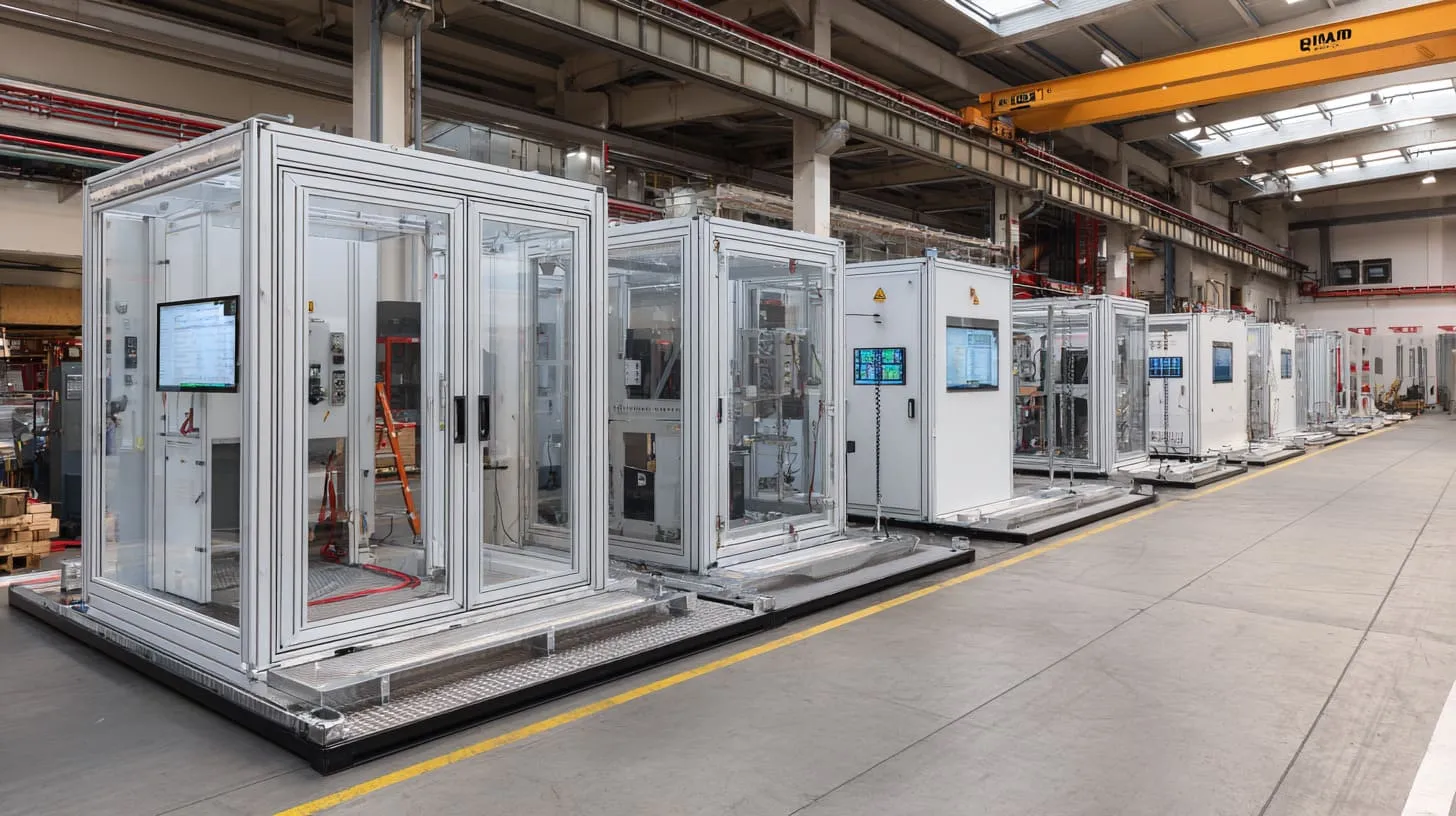
Good supplier collaboration does not mean the buyer gives up control.
It means the buyer uses the supplier’s manufacturing experience before mistakes become expensive.
For custom OEM enclosures, early discussion can save time, cost, and arguments. It can also make the final product more stable.
I like joining the discussion before the design is frozen, because after drawings are locked and deadlines are tight, every small change feels like a fight.
Sharing application details early
The best time to share application details is before quotation.
Not after sampling. Not after tooling. Not after production starts.
If the supplier knows the real use condition early, they can suggest changes when changes are still easy.
| Detail Shared Early | Supplier Can Help With |
|---|---|
| Outdoor exposure | Sealing design |
| Cable direction | Gland layout |
| Heat inside | Material and ventilation |
| Coastal use | Coating and hardware |
| Frequent maintenance | Door and gasket design |
| Branding needs | Logo method and surface finish |
This does not mean every suggestion must be accepted. The buyer still decides. But at least the decision is made with more information.
Involving engineering teams during RFQ
Many RFQs are handled between purchasing and sales teams.
That is normal. But outdoor waterproof design often needs engineering input.
If the buyer’s engineer and supplier’s engineer can communicate early, many problems become clear quickly.
| Team | What They Know |
|---|---|
| Buyer engineer | Product function and use |
| Buyer purchasing | Cost, quantity, timeline |
| Supplier sales | Communication and quotation |
| Supplier engineer | Manufacturing and design risk |
| Production team | Assembly and quality control |
When only purchasing talks to sales, details may be simplified. When engineers are involved, the project becomes more practical.
A short technical review can prevent long trouble later.
Reviewing sealing and cable-entry designs together
Sealing design should be reviewed as a system.
I like to check:
- Cover structure
- Gasket material
- Gasket groove
- Screw spacing
- Cable entry position
- Gland size
- Vent requirement
- Mounting method
- Surface treatment
- Assembly process
This may sound like many details. But in a real project, they connect.
For example, if the cable entry must be on the side, then maybe the gland position should face downward or have better protection. If the enclosure has heat inside, maybe we need a vent. If we add a vent, we need to make sure the vent rating fits the outdoor requirement.
One change touches another.
That is why early collaboration matters.
Benefits of proactive communication
Early communication is not just “nice.” It has real business value.
| Benefit | Why It Matters |
|---|---|
| Lower warranty cost | Fewer field failures |
| Faster project execution | Fewer late design changes |
| Better reliability | Product works longer outside |
| Clear responsibility | Less arguing after problems |
| Better pricing accuracy | Supplier quotes the real requirement |
| Stronger customer trust | Buyer delivers stable products |
Many of my customers are experienced buyers. They know China factories. They know price comparison. But the best customers do not only ask, “How much?”
They ask, “What should we watch out for?”
That question opens the door to a better project.
And for outdoor enclosures, that door is worth opening early.
Conclusion

Outdoor enclosure leaks rarely begin with one careless worker or one bad screw.
They usually begin with unclear project information.
A missing installation detail.
An undefined cable entry.
A wrong assumption about IP rating.
A gasket design that nobody reviewed deeply.
A prototype that was approved only because it looked good.
This is why I do not treat RFQ as only a price request. I treat it as the first project risk check.
In my work, I care about this because I have seen how painful outdoor failures can be for OEM buyers. The buyer may lose time with their customer. Their brand may look careless. Their engineer may need to explain the same problem again and again. Their purchasing team may feel trapped between price pressure and quality complaints.
And for the factory, it is also painful. If the RFQ was incomplete and the design risk was not discussed, both sides may argue later. Nobody wins.
So my view is simple.
If an enclosure will work outdoors, buyers should define more than size, material, color, and price. They should explain the real environment. They should discuss IP rating with real use conditions. They should define cable management. They should consider condensation. They should review material choice. They should test prototypes before mass production.
That is not overthinking.
That is how we keep water away from electronics.
At MaidaTech, we make custom aluminum enclosures, plastic enclosures, sheet metal enclosures, Raspberry Pi-style enclosures, and OEM protective boxes for B2B buyers. We support logo printing, engraving, redesign, custom packaging, and OEM/ODM projects.
If you already have a drawing, you can send it to us. But if the enclosure will be used outdoors, I suggest you also send the installation condition, cable information, target IP rating, and working environment.
A good enclosure starts before production.
It starts with better questions.