Skip to content
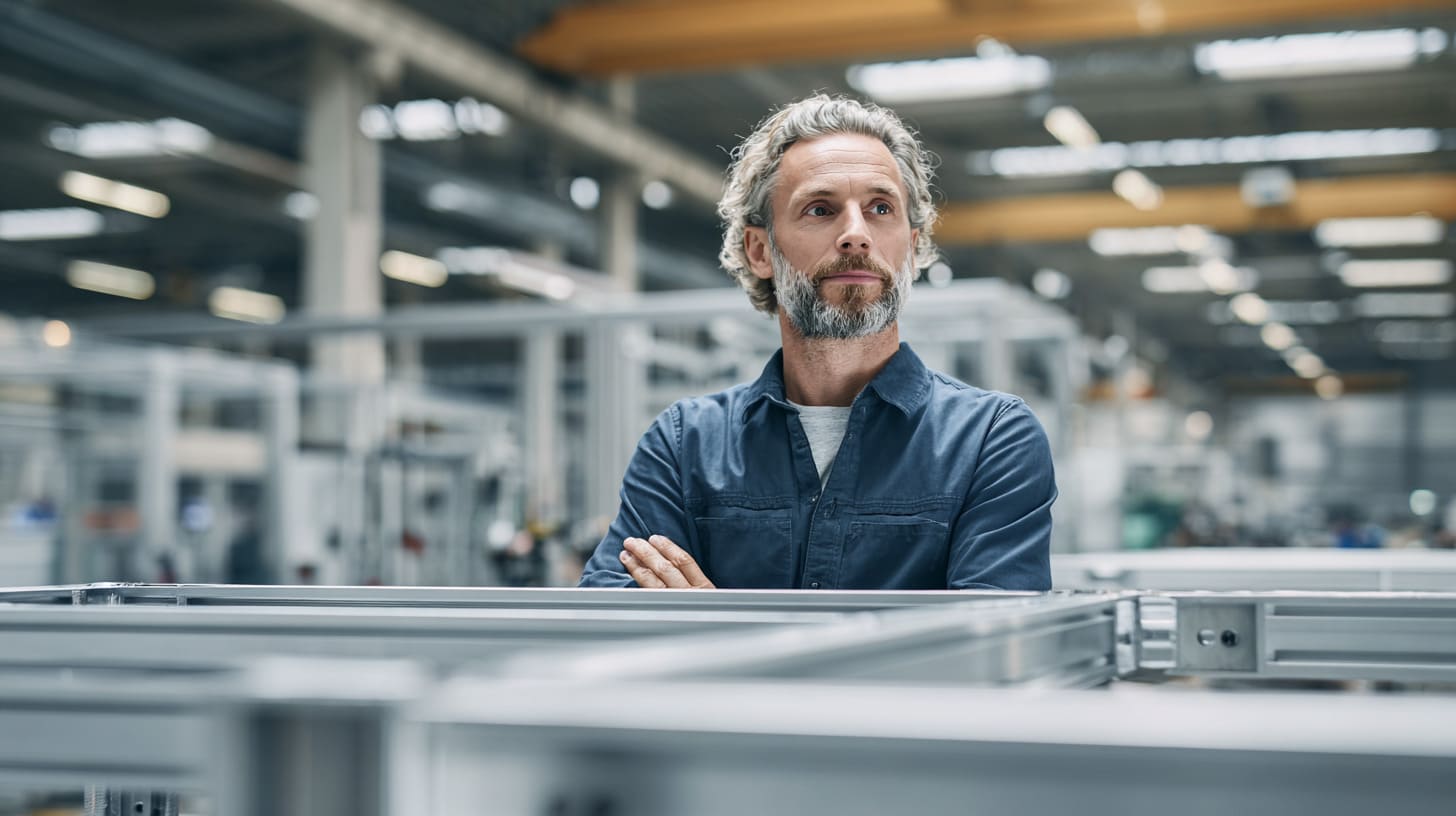
A flexible structure always sounds smart at the first meeting.
The engineer can change it later.
The buyer feels safer.
The project owner believes the risk is lower.
The supplier can say, “No problem, we can adjust it.”
Nice words. Easy words.
But after working with custom aluminum enclosures, sheet metal structures, Raspberry Pi-style cases, and many project-based OEM parts, I have learned one thing the hard way: flexibility is not free.
Sometimes flexibility saves a project. Sometimes it quietly eats the budget from the back door.
This is why engineers often compare 80/20 aluminum extrusion with welded steel structures. Both can build frames. Both can support equipment. Both can be used in machines, test benches, automation systems, guarding, enclosures, and industrial projects.
But they come from two very different ways of thinking.
80/20 aluminum extrusion is like building with a professional adult version of LEGO. It is modular. It is adjustable. It is friendly to changes.
Welded steel is different. It is more permanent. It asks for clearer decisions at the beginning. It does not like casual changes later. But when the design is stable, it can be strong, clean, and cost-effective.
The problem starts when people judge the cost only by the first quotation.
I have seen customers compare the price of extrusion profiles with steel tubes. I have seen engineers compare assembly time with welding time. I have also seen buyers choose 80/20 because they want “future flexibility,” even when the structure will never change after installation.
That is where the hidden cost begins.
Before I judge the better option, I usually ask one boring but powerful question: will this structure really change later, or are we just afraid to make a final decision now?
That small question changes everything.
Because the cheapest structure at the beginning is not always the lowest-cost solution over the full product life. The real cost may hide in connectors, maintenance, stiffness, labor, vibration, downtime, and redesign.
So let’s talk about 80/20 vs welded steel in a practical way. Not like a textbook. More like a project meeting where someone finally says, “Wait, are we designing for real flexibility, or are we paying extra for comfort?”
And that question is not small.
It can decide whether your frame becomes a useful tool or a beautiful headache.
What Are the Fundamental Differences Between 80/20 and Welded Steel?
The first difference is not the material.
That may sound strange. Most people start with aluminum versus steel. They compare weight, strength, price, corrosion, and surface finish.
Those things matter.
But the deeper difference is the design logic.
80/20 aluminum extrusion is based on adjustment. Welded steel is based on commitment. One says, “We can change it later.” The other says, “Let’s make it strong and fixed now.”
Both ideas can be right. Both can be wrong.
It depends on the project.
I pay close attention to the design stage here, because the material often gets blamed later when the real problem was an unclear design decision at the beginning.
How 80/20 Extrusion Systems Are Built
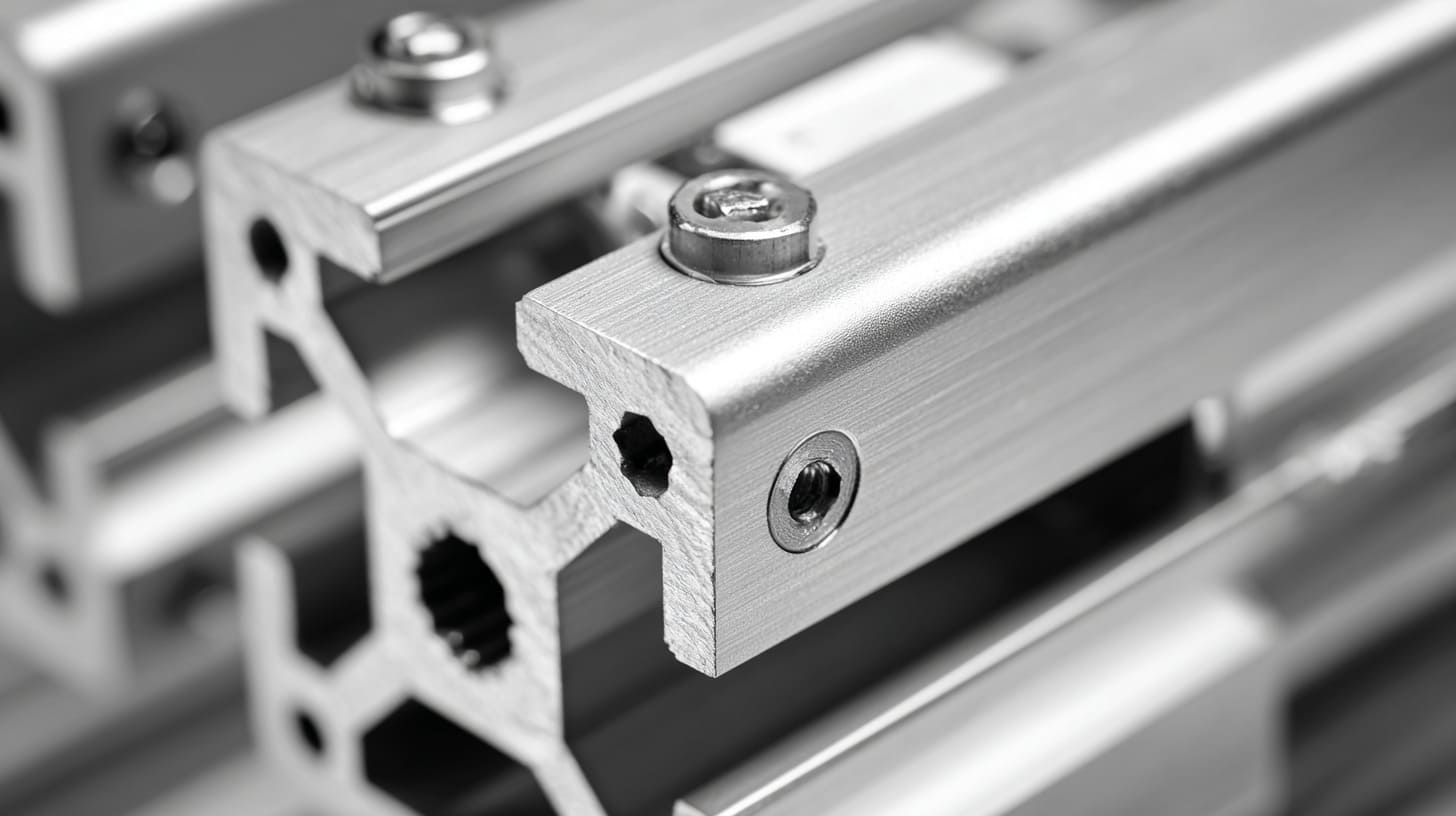
80/20 systems use aluminum profiles with T-slots. These slots allow nuts, brackets, plates, hinges, guards, panels, and accessories to be attached without welding.
The frame is usually assembled with bolts and connectors.
This makes the system easy to modify. You can loosen a bolt, move a bracket, add a panel, change a crossbar, or adjust a mounting point.
That is why many engineers love it.
It feels safe.
If the machine layout changes, the frame can change. If a sensor moves, the mounting point can move. If the operator wants better access, the guard can be adjusted.
A typical 80/20 structure may include:
| Part | Purpose | Hidden Cost Risk |
|---|---|---|
| Aluminum profile | Main frame structure | Larger profiles may be needed for stiffness |
| T-nuts | Fastening inside slot | Quantity grows fast in large frames |
| Brackets | Joint support | Good brackets are not always cheap |
| End caps | Finish and safety | Small cost, but many pieces add up |
| Panels | Guarding or enclosure surface | May need custom cutting |
| Hinges and handles | Access doors | Extra alignment work may be needed |
The system is clean. It is flexible. It is also very friendly for prototypes.
But every bolt is also a future inspection point.
That does not mean 80/20 is bad. It only means the freedom has a price.
How Welded Steel Structures Are Built
Welded steel uses steel tubes, plates, angles, or custom-cut parts. These parts are joined by welding. After welding, the structure may be ground, polished, painted, powder coated, or treated for corrosion resistance.
A welded frame is usually harder to modify later.
But it can be very rigid.
A good welded steel structure feels like one complete body. It does not depend on many mechanical fasteners at every joint. This can be a big advantage for heavy equipment, vibration, permanent production lines, and safety-related frames.
Common welded steel process steps include:
| Step | What Happens | Why It Matters |
|---|---|---|
| Cutting | Tubes or plates are cut to size | Accuracy affects the full frame |
| Welding | Parts are permanently joined | Skill affects strength and appearance |
| Grinding | Welds are cleaned if needed | Adds labor cost |
| Surface treatment | Paint or powder coating is applied | Protects against rust |
| Inspection | Dimensions and weld quality are checked | Prevents assembly problems later |
Welded steel is not as “friendly” as 80/20 during early changes.
But once the design is right, it can be very efficient.
This is why some factories prefer welded steel for repeat production. The first unit may require more work. The next units can become faster and cheaper.
Why Design Philosophy Matters More Than Material Choice
I once had a customer ask for an aluminum enclosure support frame. At first, he wanted a fully adjustable extrusion frame. He said the project was still changing.
After a few rounds of drawings, I asked him how often the frame would change after final installation.
He paused.
Then he said, “Probably never.”
That answer changed the direction.
We still used aluminum for some enclosure parts. But for the base frame, a fixed welded structure made more sense. The frame did not need daily flexibility. It needed stability, repeatability, and lower long-term cost.
This is the point many teams miss.
They compare 80/20 and welded steel like two materials.
But they are really comparing two project attitudes.
| Question | 80/20 Thinking | Welded Steel Thinking |
|---|---|---|
| Will the design change often? | Yes, likely | No, mostly fixed |
| Is fast adjustment important? | Very important | Less important |
| Is high rigidity important? | May need larger profiles | Usually strong advantage |
| Is maintenance access easy? | Needs checking | Usually simpler joints |
| Is repeat production planned? | May become costly | Can become economical |
| Is the project still uncertain? | Often a good fit | Risky if too early |
80/20 is not just aluminum.
Welded steel is not just steel.
They are two different answers to one deeper question: Do you need freedom later, or strength now?
And once that becomes clear, the next question is obvious.
Why do so many engineers still choose 80/20 first?
Why Do Many Engineers Choose 80/20 for Flexibility?
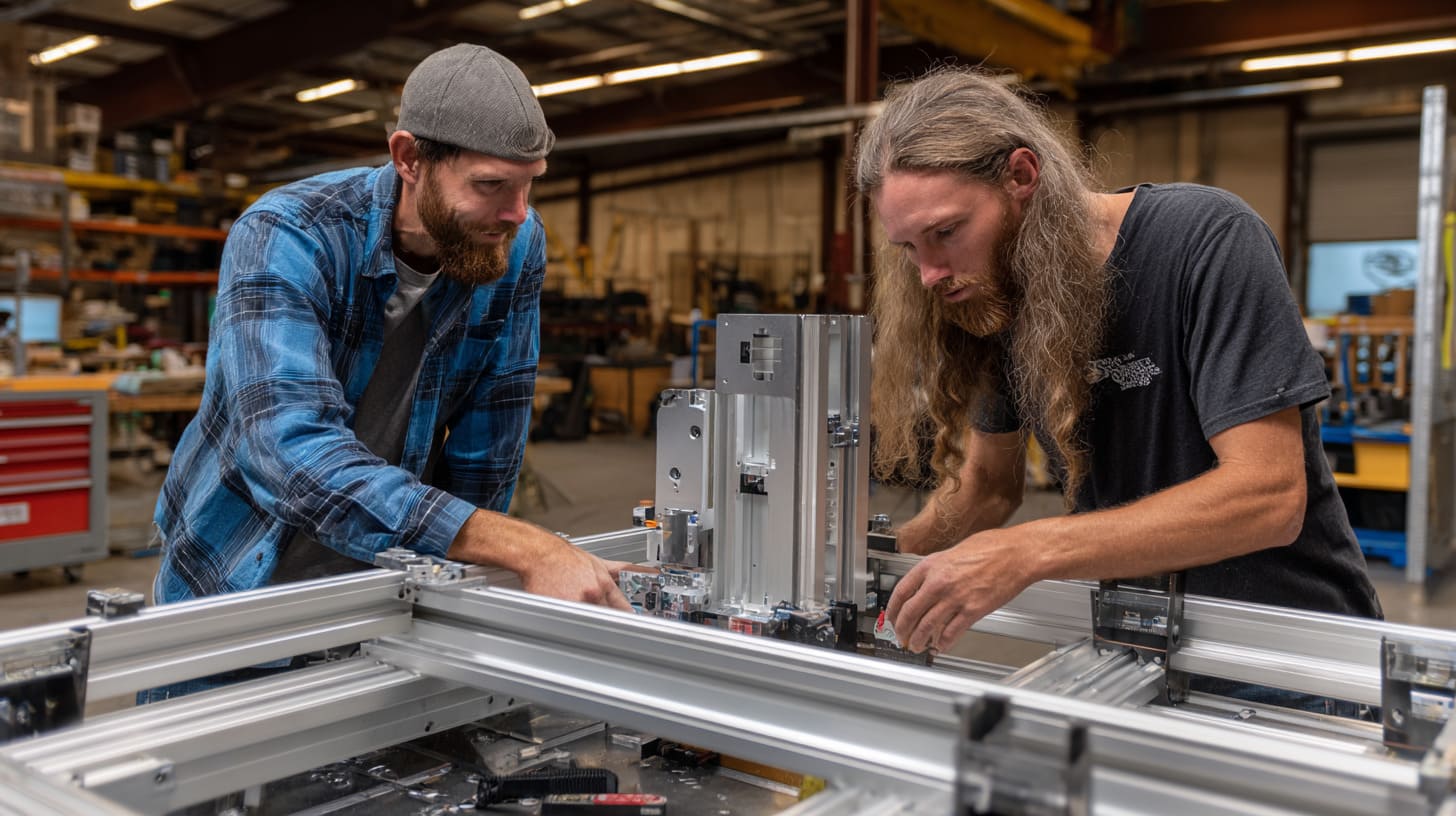
Engineers do not choose 80/20 because they are lazy.
Most of the time, they choose it because the project is not fully stable yet.
The machine layout may change. The board size may change. The sensor position may change. The operator may complain after trial use. The customer may ask for one more door, one more guard, one more mounting hole, one more little thing.
And yes, that “one more little thing” is never little.
80/20 gives engineers breathing room.
It is like buying time.
The detail I watch is whether the team needs flexibility for real engineering change, or whether they use flexibility to avoid confirming the design details clearly.
Those two situations look similar at first. But they lead to different costs later.
Faster Design Modifications
A welded structure asks for confidence. You need to know the final dimensions, load points, mounting holes, access points, and installation method.
80/20 is more forgiving.
If a bracket is 50 mm too low, you can move it. If the cross member blocks a cable path, you can adjust it. If the panel size changes, you can often modify the frame without rebuilding everything.
That is powerful during early development.
For example, in a custom enclosure project, the board, fan, cable gland, switch, screen, and mounting holes may all move during the design stage. If the outer frame is also still changing, using a modular structure can reduce panic.
I have seen this many times with customers developing new electronic devices. At the first drawing stage, everything looks clear. Then the PCB supplier changes the board. The heat sink becomes larger. The power connector moves. Suddenly the enclosure needs adjustment.
A flexible frame can protect the schedule.
| Engineering Change | 80/20 Response | Welded Steel Response |
|---|---|---|
| Sensor height changes | Loosen and move bracket | Cut, reweld, or add new bracket |
| Guard panel changes | Adjust slot connection | Modify welded frame or drill new holes |
| Cable path changes | Add clips or brackets | Add welded tabs or redesign |
| Prototype size changes | Replace profiles | Rework structure |
| Mounting hole changes | Slide T-nuts | Drill, tap, or weld new plate |
This is why 80/20 feels safe.
It reduces the fear of being wrong.
And in real projects, fear is part of cost too.
Simplified Assembly and Installation
80/20 also reduces the need for welding tools. A team can assemble it with saw-cut profiles, fasteners, brackets, and basic tools.
This can help a lot when installation happens on-site.
A welded frame may need more preparation. It may be fabricated in a workshop, shipped as a larger structure, then installed. If something does not fit, the correction can be painful.
80/20 can be easier to ship in pieces. It can be assembled at the customer’s site. It can go through tight doors, elevators, or factory corners.
That sounds small until you have a large frame stuck at the loading area.
I have seen people focus only on the frame price and forget the installation environment. But factory floors are not always clean open spaces. There are columns, old machines, pipes, safety rails, and one angry forklift driver who somehow appears whenever space gets tight.
For on-site assembly, 80/20 can reduce friction.
| Installation Factor | 80/20 Advantage | Welded Steel Challenge |
|---|---|---|
| Tight access | Can be assembled in sections | Large welded frame may be hard to move |
| Field adjustment | Easier to change | Harder to modify on-site |
| Tool requirement | Basic tools | Welding or heavy tools may be needed |
| Shipping | Profiles can be packed smaller | Finished frame may be bulky |
| Site uncertainty | More forgiving | Requires better pre-check |
This is a real advantage.
But there is a catch.
Easy assembly does not always mean low labor cost. If the structure has too many connectors, too many brackets, and too many alignment points, assembly can become slow and messy.
The “easy” system becomes a puzzle.
Lower Risk During Prototype Development
Prototype projects are where 80/20 shines.
At the prototype stage, the goal is not always the lowest part cost. The goal is learning.
You want to test the layout. You want to see if the operator can reach the handle. You want to check if the fan has enough space. You want to know if the camera angle works. You want to move things without creating a new frame every week.
80/20 is useful because it supports learning.
For a new automation cell, test bench, electronic enclosure platform, or custom Raspberry Pi-related project, the first version may not be perfect. It usually is not perfect. That is normal.
A modular frame can help engineers test real use faster.
| Prototype Need | Why 80/20 Helps |
|---|---|
| Fast layout change | Components can be moved |
| Unclear final dimensions | Profiles can be replaced |
| Testing different positions | Brackets can slide |
| Low tooling commitment | No welding fixture needed |
| Short development time | Faster first build |
But I do not like using prototype logic forever.
A prototype is not the same as mass production.
This is where some teams get trapped. They build the prototype with 80/20. It works. Then they keep the same structure for production without asking if the cost still makes sense.
The first version becomes the final version by accident.
And accidents are expensive.
So yes, engineers choose 80/20 for good reasons. But now we need to look at the bill that often comes later.
What Hidden Costs Often Appear with 80/20 Systems?
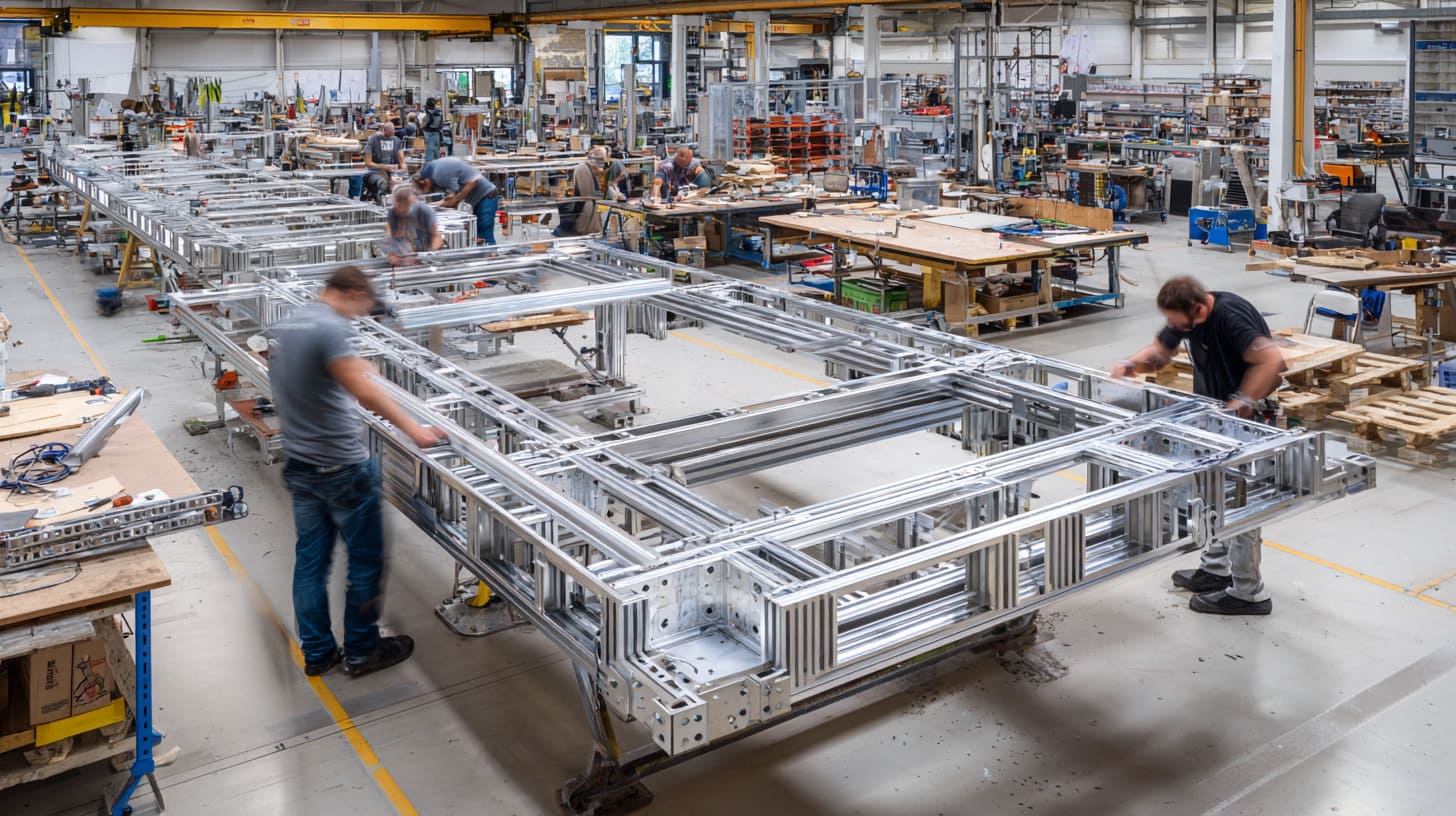
80/20 looks clean on the drawing.
Straight profiles. Nice slots. Neat brackets. Flexible layout.
Then the purchase list arrives.
Profiles are only one part of the cost. The real number grows when you add connectors, brackets, T-nuts, bolts, end caps, panels, gussets, leveling feet, hinges, handles, corner blocks, and labor.
This is where the “simple modular frame” starts wearing a more expensive suit.
One small warning sign I look for is a BOM with too many tiny hardware lines, because small parts can quietly become the most annoying part of the budget and assembly process.
Higher Hardware and Connector Expenses
Many people compare 80/20 profile cost with steel tube cost. That comparison is too shallow.
A modular extrusion system needs connection hardware. And good hardware is not free.
A large structure may need hundreds of fasteners. Each one has a cost. Each one also needs handling, counting, packing, and assembly.
In a factory, this matters.
A worker does not assemble a frame by magic. He finds the nut. He slides it into the slot. He aligns the bracket. He tightens the bolt. He checks the angle. He adjusts again.
One connector is simple.
Two hundred connectors are a production story.
| Cost Item | Why It Adds Up |
|---|---|
| T-nuts | Used at many connection points |
| Corner brackets | Needed for stable joints |
| Anchor fasteners | Better strength, more cost |
| Plates and gussets | Extra stiffness support |
| End caps | Safety and appearance |
| Custom panel clips | Needed for guards or covers |
| Assembly tools | May need special bits or torque control |
This does not mean 80/20 is always expensive.
It means the full system must be costed, not just the profile.
I like to ask for a full BOM early. Not a rough frame estimate. Not “around this price.” A real list.
That list tells the truth.
Increased Maintenance Requirements
The strength of 80/20 also creates one of its risks.
It is bolted together.
Bolted joints can loosen under vibration, movement, thermal change, or repeated loading. This depends on the application, fastener quality, tightening method, and structure design.
In a light-duty display frame or simple workbench, this may not be a big issue.
But in automation, machine guarding, test equipment, conveyor support, or moving systems, it matters more.
A loose fastener can create:
- Frame movement
- Alignment loss
- Rattling noise
- Guard panel gaps
- Sensor position errors
- Extra maintenance checks
- Operator complaints
And operator complaints travel faster than official reports. Always.
I have seen small vibration problems become big trust problems. The structure did not fail. It just felt “not solid.” That feeling affects how customers judge the whole machine.
| Maintenance Issue | Possible Cause | Real-World Effect |
|---|---|---|
| Loose bolts | Vibration or poor torque | Retightening needed |
| Misalignment | Joint movement | Sensor or door problems |
| Noise | Small gaps or loose panels | Bad user experience |
| Scratched profiles | Frequent adjustment | Poor appearance |
| Missing caps | Handling or vibration | Safety and finish issue |
A welded steel frame can also need maintenance. Rust, paint damage, weld inspection, and repair are real issues.
But an 80/20 structure often has more individual joint points to watch.
That is the trade-off.
Reduced Structural Efficiency
Aluminum extrusion is lightweight and easy to work with. But for the same stiffness, it may need larger profiles or extra reinforcement compared with a well-designed welded steel structure.
This becomes important when the frame carries heavy loads or faces vibration.
A small extrusion profile may look fine in CAD. But CAD does not always show the emotional pain of a frame that shakes when a motor starts.
A structure can be strong enough not to break but still not stiff enough to perform well.
That difference matters.
Strength asks, “Will it fail?”
Stiffness asks, “Will it move too much?”
Many buyers focus on strength. Engineers must also care about stiffness.
| Requirement | 80/20 Risk | Possible Solution |
|---|---|---|
| Heavy load | Profile may deflect | Use larger profile |
| Vibration | Joints may move | Add gussets or plates |
| Machine accuracy | Frame movement affects output | Increase stiffness |
| Long span | Deflection increases | Add supports |
| Dynamic load | Fasteners may loosen | Improve joint design |
Every solution adds cost.
Larger profiles cost more. Extra brackets cost more. Reinforcement plates cost more. Assembly takes longer.
So a low-cost flexible frame may become an expensive flexible frame after stiffness corrections.
That is the hidden bill.
And once we admit that, welded steel starts looking different.
Not old-fashioned. Not boring.
Just maybe more honest for some jobs.
When Does Welded Steel Become the More Economical Choice?
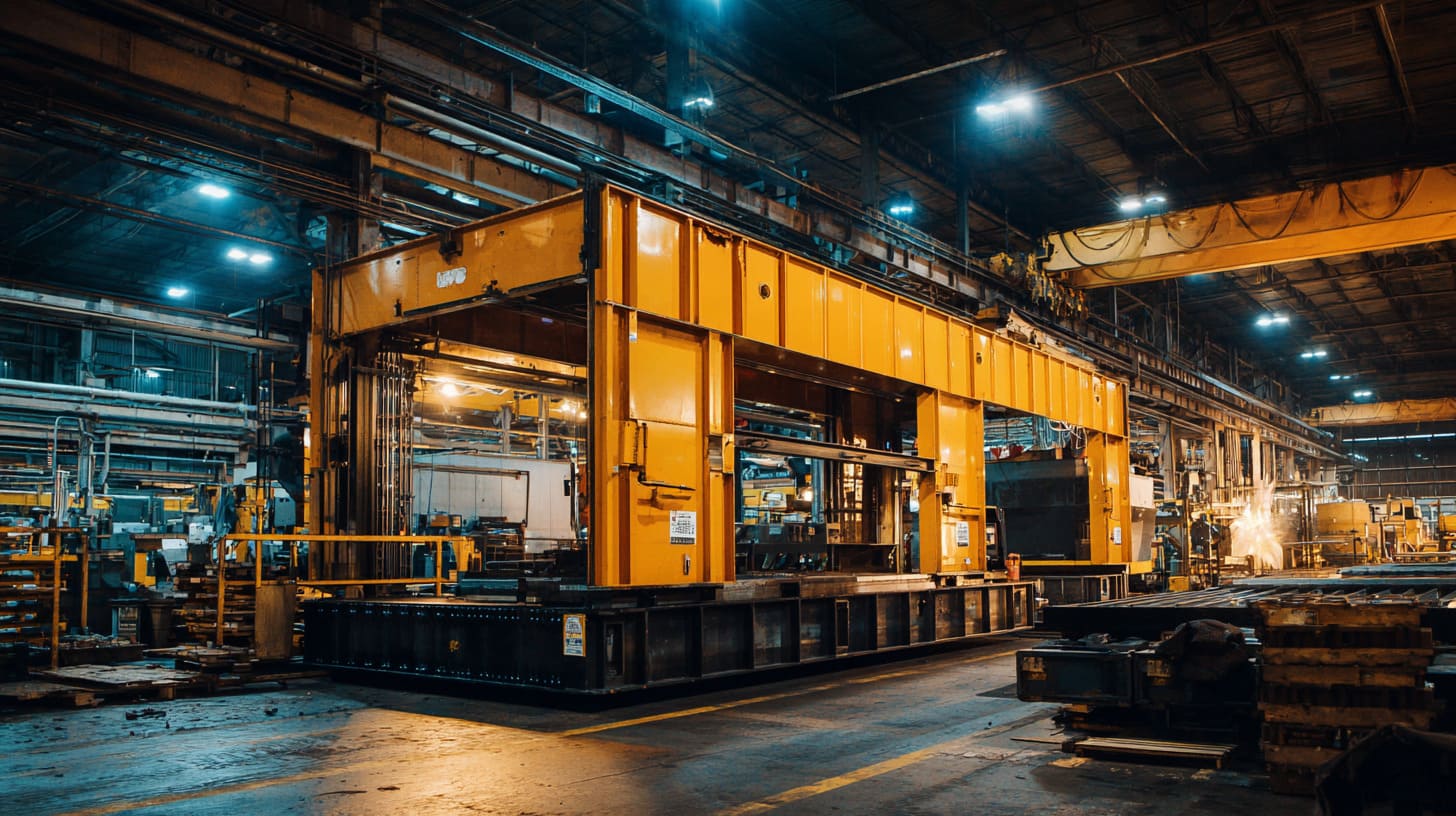
Welded steel is not always cheaper at the first step.
The design needs more confidence. The fabrication needs skill. The surface treatment needs control. Shipping may be less convenient if the frame is large.
But when the design is stable, welded steel can become very economical.
It does not try to be endlessly adjustable. It tries to be strong, repeatable, and finished.
That is not a weakness.
That is a different kind of value.
I become more interested in welded steel when the customer has a mature design, because paying for flexibility after the design is already fixed often feels like buying an umbrella for a room with no roof leaks.
High-Volume Production Environments
If you only build one prototype, 80/20 may be faster.
If you build 200 units of the same frame, welded steel may win.
Repeat production changes the cost logic.
The first welded frame may require setup, fixture planning, welding process control, and finishing tests. But once the process is stable, production can become efficient.
A fixture can hold parts in place. Workers can repeat the same welds. Quality inspection becomes more predictable. Material buying can be planned.
| Production Stage | 80/20 | Welded Steel |
|---|---|---|
| First prototype | Often faster | Slower if design is unclear |
| Small batch | Good if changes continue | Good if design is stable |
| High volume | Hardware cost stays high | Cost can improve with fixtures |
| Repeat quality | Depends on assembly control | Strong with good fixtures |
| Design changes | Easier | More difficult |
In B2B custom manufacturing, this matters a lot.
A customer may start with 5 test units. Then they may order 100 units. Then 500.
If the structure stays the same, the supplier should review the design again. The best prototype structure may not be the best production structure.
I think this is where a good supplier can add real value. Not by saying yes to every original design, but by asking, “Do you still need this structure to be adjustable at this production stage?”
That question can save money.
Permanent Installations
Welded steel also becomes attractive when the installation is permanent.
A machine base, safety frame, heavy support rack, or fixed production structure may not need future changes. It only needs to stay stable.
In this case, the value of 80/20 flexibility may be low.
The frame may sit in one place for years. Nobody will move the brackets. Nobody will adjust the height. Nobody will reconfigure the guard. The T-slots are there, smiling politely, doing nothing.
That is wasted cost.
Permanent installations often care more about:
- Rigidity
- Load capacity
- Impact resistance
- Low maintenance
- Long service life
- Stable alignment
- Safety
A welded steel frame can support these goals well.
| Permanent Structure Need | Why Welded Steel May Fit |
|---|---|
| Stable machine base | Strong fixed joints |
| Heavy guarding | Good impact resistance |
| Low future change | No need for modular slots |
| Long service life | Durable with proper coating |
| Repeat installation | Can use fixtures and templates |
Of course, welded steel must be protected from corrosion. Poor coating can ruin a good frame.
But if surface treatment is controlled, welded steel can be a practical choice.
Heavy-Load Applications
Heavy load changes everything.
A structure under light load gives more freedom. A structure under heavy load becomes less forgiving.
Welded steel often gives better strength-to-cost performance in heavy-duty applications. Steel material is strong. Welded joints can transfer load well. The frame can be designed with tubes, plates, ribs, and brackets in a very direct way.
80/20 can handle many loads too. But it may need larger profiles, more brackets, and careful joint design.
That adds cost and size.
| Application | Common Better Fit | Why |
|---|---|---|
| Light machine guard | 80/20 | Easy adjustment |
| Heavy machine base | Welded steel | Better rigidity |
| Test bench prototype | 80/20 | Flexible layout |
| Permanent support stand | Welded steel | Lower long-term cost |
| Adjustable lab rig | 80/20 | Frequent changes |
| High-impact frame | Welded steel | Stronger fixed structure |
A simple example helps.
If a customer needs a lightweight frame for testing different electronic modules, 80/20 may be perfect.
If the same customer needs a permanent steel base for a vibration-heavy industrial device, welded steel may be smarter.
The project decides.
Not the fashion. Not the supplier preference. Not the nicest catalog photo.
And one of the biggest decision points is rigidity.
That is where many hidden costs begin to show their teeth.
How Does Structural Rigidity Affect Long-Term Costs?
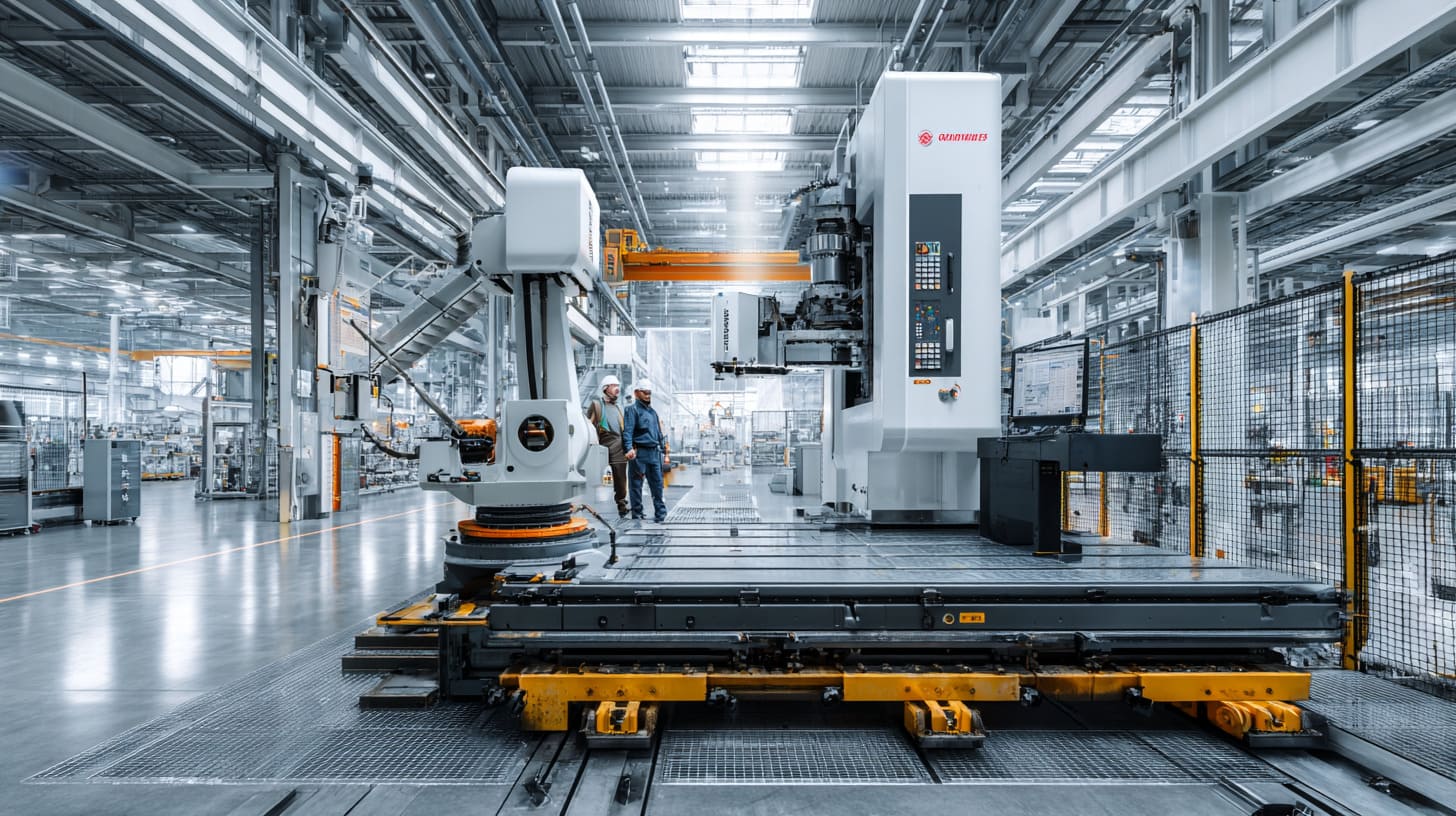
Rigidity is not sexy.
Nobody opens a project meeting and says, “Today, I want to talk about deflection until everyone gets excited.”
But rigidity decides whether a structure feels professional or cheap.
A frame can look beautiful and still move too much. It can be strong enough for safety but not stiff enough for accuracy. This is a quiet problem. It does not always create a dramatic failure. It creates small daily problems.
And small daily problems are expensive because people get used to them.
They adjust. They retighten. They complain. They lose time.
I take vibration and deflection seriously because a structure that moves a little every day can cost more than a structure that fails once and gets fixed clearly.
Deflection and Vibration Concerns
Deflection means the frame bends or moves under load.
Every material deflects. The question is how much.
For some projects, small movement does not matter. A simple display rack or light enclosure stand may tolerate some flex.
For machine frames, sensor frames, robotics supports, testing fixtures, and safety guards, it may matter a lot.
If a camera frame vibrates, the image may blur.
If a sensor bracket moves, the reading may shift.
If a machine base deflects, alignment may change.
If a door frame twists, the door may not close smoothly.
These problems feel small at first. Then they become “daily normal.”
That is dangerous.
| Rigidity Problem | Possible Result |
|---|---|
| Frame deflection | Poor alignment |
| Vibration | Noise and unstable readings |
| Joint movement | Repeated adjustment |
| Twisting | Door or panel fit issues |
| Long-span bending | Extra support needed |
80/20 systems can be designed stiff. But the engineer must choose the right profile size, joint method, and support points.
Welded steel can often provide high rigidity with a more compact structure, especially for heavy-duty frames.
But welded steel is not magic either. Poor weld layout, thin tube selection, bad bracing, or weak base plates can still create movement.
The design still matters.
Joint Performance Over Time
A welded joint and a bolted joint behave differently.
A welded joint becomes part of the structure. A bolted joint depends on clamping force and contact surfaces.
Both can be strong.
But under vibration, repeated load, or poor assembly, bolted joints need more attention.
This is why I do not only ask, “Can this joint hold the load?”
I ask, “Will this joint still behave well after one year of real use?”
That second question is more practical.
| Joint Type | Strength | Maintenance Risk | Modification Ability |
|---|---|---|---|
| 80/20 bolted joint | Good if designed well | Medium under vibration | High |
| Welded steel joint | High if welded well | Low for loosening | Low |
| Reinforced bolted joint | Better stiffness | More hardware | Medium |
| Poor welded joint | Risky | Crack or rust issues | Low |
A badly welded frame is not better than a good 80/20 frame.
So this is not a religion.
It is about matching structure, load, skill, and use.
For high-vibration applications, I pay close attention to connection details. A beautiful extrusion frame with weak connectors is not a good design. A welded frame with poor weld quality is also not a good design.
Real engineering has no free lunch. Only better trade-offs.
Hidden Productivity Losses
This is the cost people forget.
The structure may not break. The project may still run. But if workers lose 10 minutes every day adjusting a frame, that is money.
If maintenance checks increase, that is money.
If the operator does not trust the frame, that is money.
If the machine stops because a bracket moved, that is money with a loud voice.
Hidden productivity loss can come from:
- Repeated alignment
- Extra inspection
- Retightening bolts
- Replacing brackets
- Adding support after installation
- Reworking panels
- Operator workarounds
- Slower production speed
A structure is not just a material cost.
It affects behavior.
And behavior affects profit.
| Hidden Cost | What It Looks Like in Real Work |
|---|---|
| Maintenance time | Technicians check fasteners often |
| Downtime | Machine stops for adjustment |
| Quality drift | Output becomes less stable |
| Operator frustration | Workers avoid using certain features |
| Retrofit cost | Extra brackets added later |
| Customer complaint | “The frame feels weak” |
This is why rigidity should be discussed early.
Not after the frame is already shaking.
Once rigidity problems appear, everyone becomes an expert. Before that, everyone wants to save money.
Funny how that works.
Now let’s talk about future changes, because flexibility only makes sense when the future actually needs it.
How Does Future Modification Impact Total Cost of Ownership?

Future modification is the main reason people choose 80/20.
And it can be a very good reason.
But “maybe we need to change it later” is not enough. Maybe is expensive. Maybe can turn a simple frame into a costly modular system.
I like flexibility. I really do. But I like useful flexibility more.
A structure should be flexible where change is likely, not flexible everywhere just because it feels safe.
The trap I see is that teams often pay for full flexibility when only two or three areas actually need future adjustment.
Situations Where Flexibility Creates Value
80/20 creates value when the project is still learning.
For example, a company may build a new automation system. The product position may change. The sensor setup may need testing. The operator height may vary. The guarding may need approval after trial use.
In this case, modular design helps.
The team can test, adjust, and improve without rebuilding the whole structure.
Flexibility also helps in research and development. Engineers may need to test different setups every week. A fixed welded frame would slow them down.
Good use cases for 80/20 include:
| Situation | Why Flexibility Has Value |
|---|---|
| Prototype machine | Layout changes often |
| R&D test bench | Components move frequently |
| Lab equipment | Different experiments need different setups |
| Pilot production | Process still changing |
| Small automation cell | Sensors and guards may move |
| Training equipment | Needs reconfiguration |
In these cases, the higher first cost may be justified.
Because the frame saves engineering time.
And engineering time is not cheap.
Situations Where Flexibility Becomes Wasted Investment
Now we look at the other side.
A fixed production line may not change for years. A heavy base frame may never move. A safety frame may be approved once and left alone. A support rack may have one job.
If that is the case, 80/20 flexibility may not create much value.
It only creates cost.
This happens more often than people admit.
A team builds a prototype with 80/20. The prototype works. The team is busy. Nobody redesigns the structure for production. So the prototype frame becomes the production frame.
It feels convenient.
But it may not be economical.
| Project Condition | Better Question to Ask |
|---|---|
| Design is frozen | Why still pay for adjustability? |
| High repeat volume | Can welding reduce unit cost? |
| Heavy load | Is modular stiffness enough? |
| No future changes expected | Are T-slots useful here? |
| Maintenance access limited | Will bolts be hard to inspect? |
I do not say every fixed structure must be welded steel.
But I do say every fixed structure should challenge the need for 80/20.
Because unused flexibility is not value. It is decoration with a purchase order.
Calculating the Real Value of Future Changes
A practical way to think about this is simple.
Do not ask, “Do we want flexibility?”
Everyone wants flexibility.
Ask better questions:
- What exactly may change?
- How often may it change?
- Who will change it?
- How long will the structure be stopped during changes?
- What is the cost if we cannot change it easily?
- Can we design only selected areas to be adjustable?
- Can we use welded steel for the base and 80/20 for adjustable sections?
That last question is powerful.
Many projects do not need one pure answer.
They need a hybrid answer.
For example:
| Structure Area | Possible Best Choice |
|---|---|
| Heavy base frame | Welded steel |
| Sensor mounting rail | 80/20 extrusion |
| Adjustable guard section | 80/20 extrusion |
| Fixed support legs | Welded steel |
| Cable management section | Modular aluminum |
| Machine mounting plate | Steel plate |
A hybrid design can reduce cost and keep useful flexibility.
That is often the best engineering answer.
Not because it sounds clever, but because it respects the real job of each part.
The base needs strength.
The sensor rail needs adjustment.
The cover needs access.
The customer needs cost control.
That is the kind of thinking that turns a frame into a good product.
But even the best design still needs people to build it.
So labor cost deserves its own honest discussion.
How Do Installation and Labor Costs Compare?
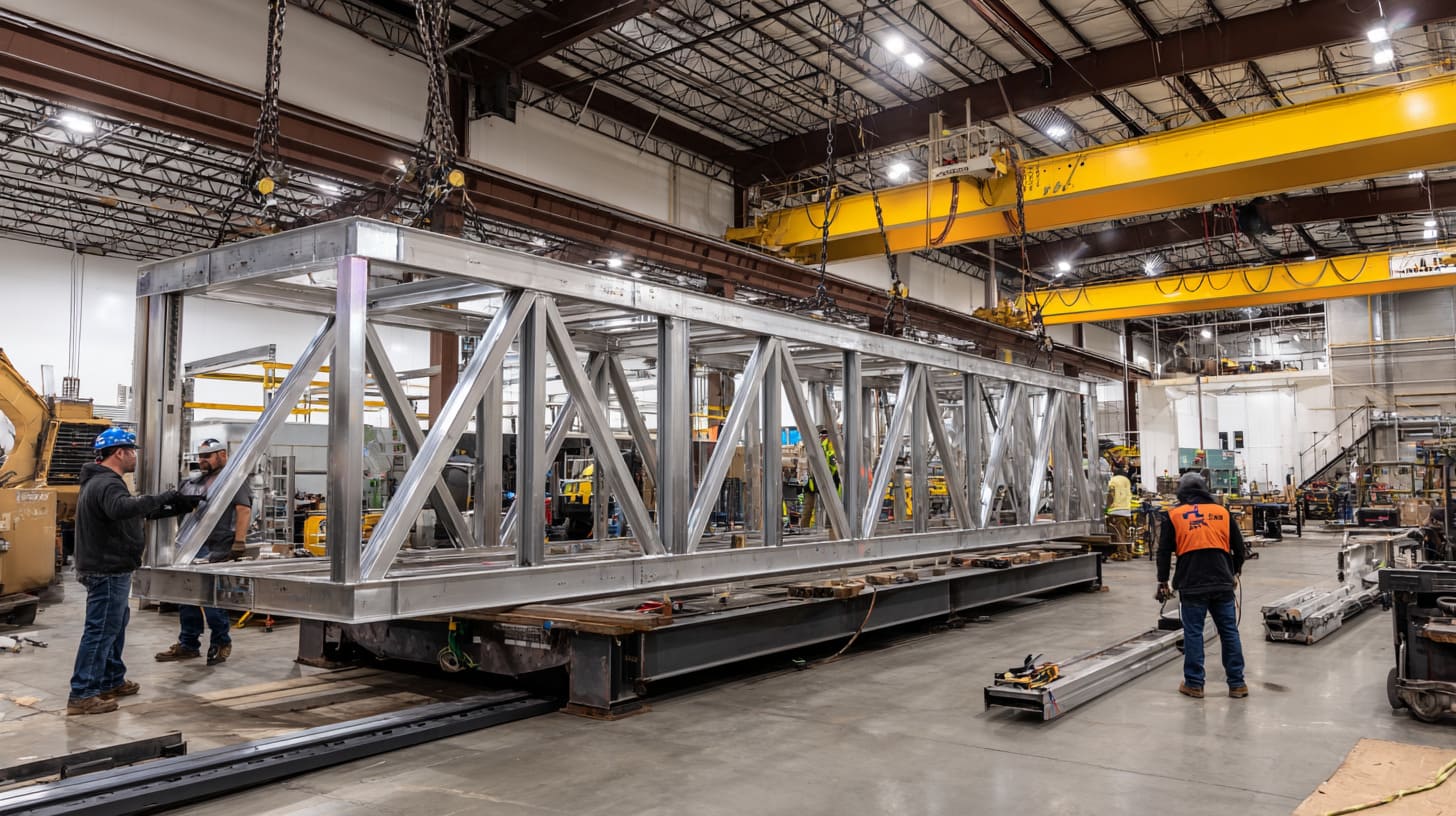
Labor cost is tricky because it hides inside different boxes.
For 80/20, labor often appears during assembly.
For welded steel, labor often appears during fabrication.
One looks simple. The other looks industrial.
But simple does not always mean cheap.
A modular frame can need a lot of assembly time if it has many parts. A welded frame can need skilled labor, but it may be faster to install after fabrication.
The winner depends on the project shape.
I never judge labor only by workshop time, because the real labor cost includes packing, transport, on-site fitting, adjustment, rework, and the poor guy who has to fix the design after everyone else leaves.
Assembly Labor for 80/20 Systems
80/20 assembly is clean compared with welding.
No sparks. No welding smoke. No grinding dust. No paint touch-up if profiles are already anodized.
That is a real benefit.
A team can assemble profiles with hand tools. Parts can be adjusted. Mistakes are easier to correct. On-site installation can be smoother.
But assembly still takes time.
A large frame may need careful squaring, leveling, bracket positioning, torque control, panel fitting, and final checking.
If the workers are not experienced, the frame can come out crooked, loose, or inconsistent.
Common labor steps include:
| Step | Labor Risk |
|---|---|
| Profile cutting | Wrong length causes assembly gaps |
| Nut insertion | Missing nuts cause rework |
| Bracket positioning | Misalignment slows assembly |
| Bolt tightening | Uneven torque causes movement |
| Panel fitting | Slots may not match perfectly |
| Final adjustment | Takes time on large structures |
I have seen one missing T-nut create a mini-drama.
The worker finishes one side. Then he realizes a nut should have been inserted earlier. Now he must loosen parts, slide things back, and redo the section.
It is not tragic.
But in production, small mistakes multiply.
Fabrication Labor for Welded Steel
Welded steel needs a different skill set.
The parts must be cut accurately. The frame must be held in position. The welding must be controlled to avoid distortion. The surface may need grinding and coating.
This is more workshop-heavy.
But once the welded frame is finished, the installation may be simpler.
There are fewer individual connectors. The structure arrives as one solid unit or large sub-assemblies. It may bolt to the floor or machine base quickly.
The challenge is that mistakes are harder to fix.
If the welded frame is wrong, correction may require cutting, rewelding, repainting, and explaining to the customer why the schedule is now nervous.
| Welded Steel Labor Step | Risk |
|---|---|
| Cutting | Dimensional errors |
| Welding | Heat distortion |
| Grinding | Extra finishing time |
| Coating | Rust protection depends on quality |
| Inspection | Must catch errors before shipping |
| Installation | Large frame may be hard to move |
This is why welded steel requires better front-end confirmation.
Drawings must be clear. Tolerances must be realistic. Mounting points must be confirmed. Surface finish must be agreed.
A vague welded steel project is a dangerous project.
Which Approach Minimizes Total Project Labor?
There is no universal answer.
But there is a useful way to compare.
| Project Type | Labor Advantage |
|---|---|
| One-off adjustable frame | 80/20 often easier |
| On-site assembly in tight space | 80/20 often better |
| Heavy fixed frame | Welded steel often better |
| Repeat production | Welded steel may improve |
| Prototype testing | 80/20 saves engineering time |
| Mature design | Welded steel may reduce lifetime labor |
For me, the best question is not “Which one is easier to build?”
The better question is: Which one creates less labor over the full project life?
This includes:
- Design confirmation
- Fabrication
- Assembly
- Shipping
- Installation
- Adjustment
- Maintenance
- Repair
- Future modification
A buyer may save money during first assembly but lose it during maintenance. Another buyer may spend more on fabrication but save years of adjustment work.
Labor cost has a long memory.
And that brings us to maintenance, the part nobody loves during design but everyone notices after delivery.
How Do Maintenance Requirements Differ Over Time?
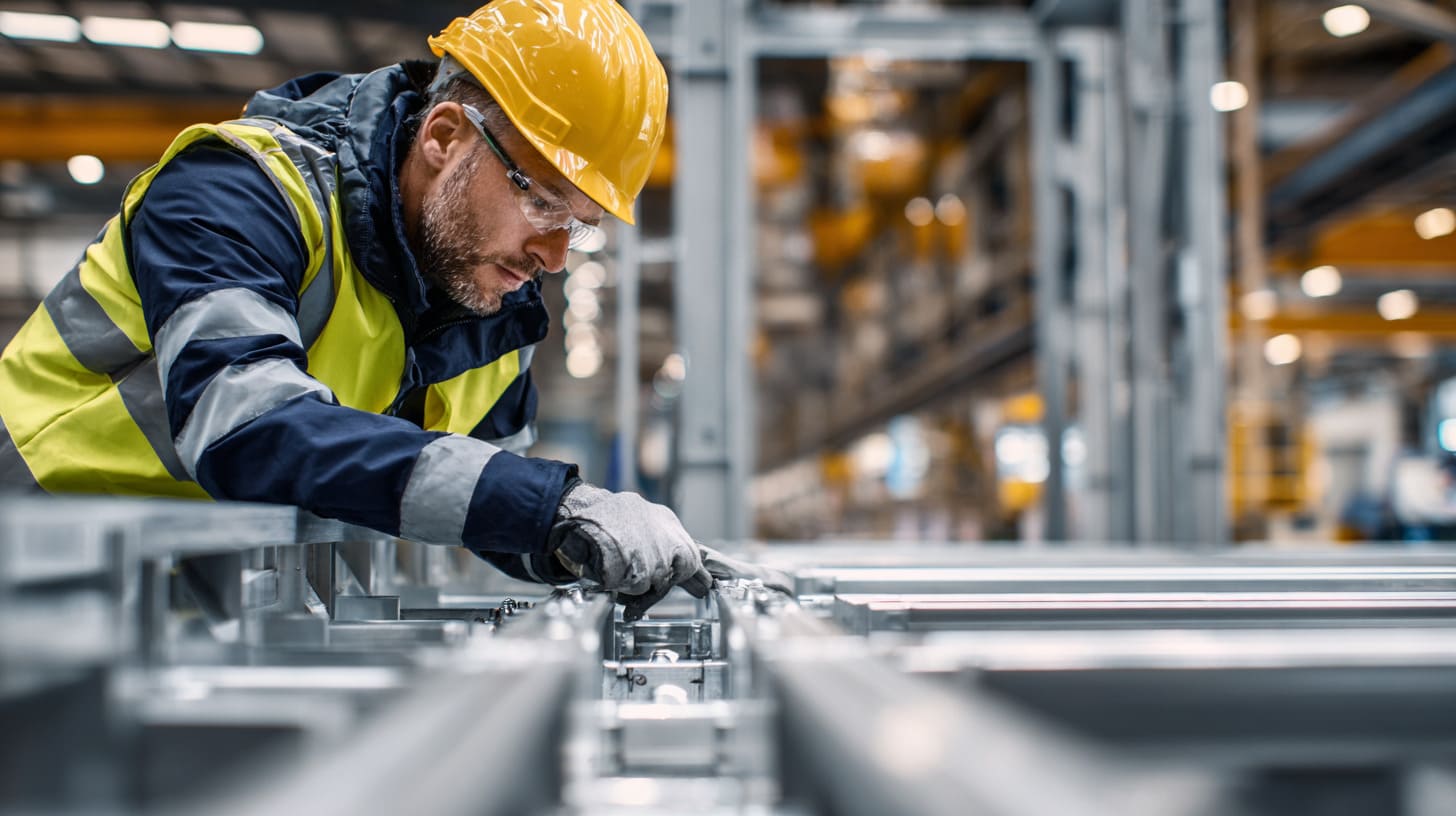
Maintenance is where design decisions come back to visit you.
Sometimes they bring flowers.
Sometimes they bring invoices.
At the design stage, everyone talks about function, price, and delivery time. Maintenance often gets a polite little corner of the meeting. But after installation, maintenance becomes very real.
A frame that needs constant checking can frustrate the customer. A frame that is hard to repair can stop production. A frame that rusts early can damage trust.
I see maintenance as a design cost paid later, and I do not like designs that look cheap only because the future technician has not yet joined the meeting.
Typical Maintenance Issues with 80/20
80/20 maintenance usually relates to fasteners, alignment, accessories, and wear.
A well-designed 80/20 frame can work for a long time. But it should be inspected, especially in vibration-heavy or moving applications.
Common issues include:
| Issue | Why It Happens | Result |
|---|---|---|
| Loose fasteners | Vibration or poor torque | Retightening needed |
| Shifted brackets | Repeated load | Alignment issue |
| Panel movement | Weak clips or loose slots | Noise or gaps |
| Surface scratches | Frequent adjustment | Poor appearance |
| Missing accessories | Caps or covers fall off | Safety and finish issue |
The maintenance burden depends on design quality.
If the frame uses strong joints, proper fasteners, locking methods, and good bracing, the risk reduces.
But if the frame is designed only to look clean and cheap, maintenance becomes the customer’s problem.
And customers remember who created the problem.
Typical Maintenance Issues with Welded Steel
Welded steel has fewer mechanical joint points, but it has its own concerns.
The biggest one is corrosion.
If the coating is poor, scratched, or unsuitable for the environment, rust can appear. If welds are poor, cracks may develop under heavy stress. If the frame is used in outdoor or harsh environments, surface treatment becomes critical.
Welded steel maintenance often includes:
| Issue | Why It Happens | Result |
|---|---|---|
| Rust | Poor coating or damaged surface | Shorter service life |
| Weld crack | Bad welding or fatigue | Safety risk |
| Paint damage | Impact or handling | Corrosion point |
| Structural deformation | Overload or impact | Hard repair |
| Repair difficulty | Fixed welded design | More downtime |
Welded steel is strong, but it is not maintenance-free.
A bad steel frame can become ugly and unsafe.
That is why coating, weld quality, and inspection must be taken seriously.
Which Structure Requires Less Lifetime Attention?
For light-duty and adjustable systems, 80/20 can be easy to maintain because parts can be replaced.
For heavy fixed systems, welded steel may need less daily attention because there are fewer bolted joints.
The best choice depends on use.
| Use Condition | Likely Lower Maintenance Choice |
|---|---|
| Frequent layout changes | 80/20 |
| Heavy vibration | Welded steel |
| Clean lab environment | 80/20 |
| Outdoor industrial site | Welded steel with proper coating |
| Light guarding | 80/20 |
| Permanent machine base | Welded steel |
I like to think of maintenance as a personality test for the design.
If the structure needs frequent changes, modular parts make sense.
If the structure needs to stay quiet and solid for years, fixed joints may make sense.
Neither one is perfect.
But one is usually more honest for the actual working condition.
And when we look at industries, this difference becomes even clearer.
Which Industries Benefit Most from 80/20 Designs?

80/20 works best in industries where change is normal.
Not rare. Not embarrassing. Normal.
Some projects live in uncertainty. Their value comes from testing, adjusting, and improving. In those cases, a fixed structure can slow everyone down.
80/20 is useful because it lets the structure follow the learning process.
The projects where I feel most comfortable recommending 80/20 are the ones where the customer can clearly name the parts that will move, change, or be tested again.
Automation and Robotics Projects
Automation projects often change during setup.
A robot arm may need more clearance. A sensor may need a new angle. A safety guard may need better access. A conveyor may shift slightly after trial use.
80/20 can support this kind of change.
It is common in:
- Robot cells
- Conveyor frames
- Safety guarding
- Sensor mounts
- Light machine frames
- Camera inspection systems
- Workstations
The main value is speed.
If the engineer can adjust the system quickly, the project keeps moving.
| Automation Need | 80/20 Benefit |
|---|---|
| Sensor adjustment | Easy bracket movement |
| Guard redesign | Modular panels |
| Cable routing | Slot-based accessories |
| Operator access | Door and handle changes |
| Trial installation | Fast field adjustment |
But I would still check load and vibration.
A robot cell with strong movement may need welded steel for the base and 80/20 for guards or sensor rails.
Again, hybrid design can be smart.
Research and Testing Environments
Research teams love change.
They test one setup today and another setup next week. They may not know the final shape of the system because the point of research is to find it.
This is where 80/20 feels natural.
A testing lab may need to mount different devices, change heights, add instruments, or move panels. A welded steel frame would be too stiff in the wrong way. It would force the team to cut and rebuild too often.
Good applications include:
| Testing Environment | Why 80/20 Helps |
|---|---|
| Electronics testing | Easy fixture changes |
| Product validation | Adjustable mounting |
| University lab | Reusable profiles |
| R&D bench | Fast layout changes |
| Prototype enclosure testing | Flexible support structure |
I have worked with customers who develop new electronics. Their first drawings almost always change. Heat, cable position, PCB size, and user access can all move.
For these projects, flexibility is not a luxury. It is part of the work.
Custom Machine Development
Custom machine development is another strong area for 80/20.
A custom machine is often built around a specific product, process, or customer requirement. The first version may need adjustments after real testing.
80/20 helps reduce early risk.
But I would separate the machine into zones:
| Machine Area | Possible Choice |
|---|---|
| Heavy load base | Welded steel |
| Adjustable guard | 80/20 |
| Sensor/camera mount | 80/20 |
| Operator workstation | 80/20 |
| High-force tooling area | Welded steel |
| Cable support | 80/20 |
This approach avoids the common mistake of making everything modular.
A machine does not need every part to be flexible.
It needs the right parts to be flexible.
That is where good engineering becomes practical.
But some industries do not need that kind of freedom. They need strength, stability, and quiet service life.
That is where welded steel takes the stage.
Which Industries Benefit Most from Welded Steel Structures?
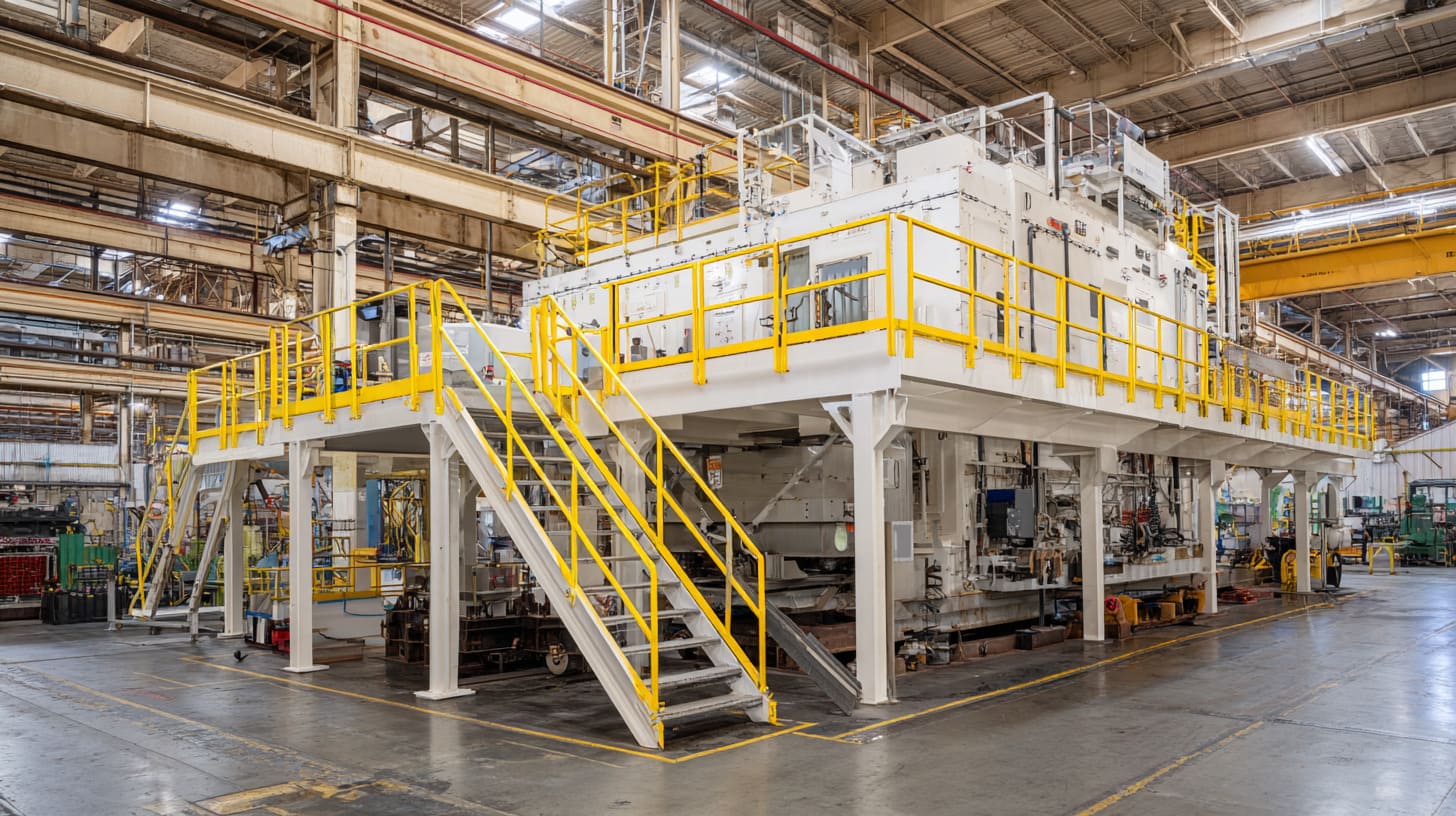
Welded steel is not old thinking.
It is focused thinking.
It works best where the structure must be strong, stable, and permanent. It is especially useful when the design is already known and the work condition is tough.
There is a kind of honesty in welded steel. It does not pretend to be endlessly adjustable. It says, “Decide well, build strong, and move on.”
I lean toward welded steel when failure would stop production, hurt safety, or create repeated maintenance work that nobody wants to own later.
Heavy Industrial Equipment
Heavy industrial equipment needs serious structure.
Loads are higher. Vibration may be stronger. Operators may be rougher. The environment may include dust, oil, moisture, impact, or temperature changes.
In these cases, welded steel can be a better match.
Common uses include:
- Machine bases
- Heavy support frames
- Industrial platforms
- Equipment skids
- Safety barriers
- Large enclosure frames
- Heavy-duty carts
- Mounting structures
| Requirement | Why Welded Steel Helps |
|---|---|
| High load | Strong material performance |
| Strong vibration | Fewer bolted joints |
| Impact resistance | Solid frame behavior |
| Long service life | Durable if coated well |
| Fixed design | No need for modular slots |
A heavy frame should not be designed like a lab experiment unless it really is one.
That sounds obvious.
But cost pressure makes people do strange things.
Permanent Manufacturing Systems
Factories love stability.
Once a production system is approved and running, nobody wants to change it casually. Changes mean downtime. Downtime means lost money. Lost money means uncomfortable meetings.
For permanent systems, welded steel often makes sense.
It can provide a stable structure for years. It can be designed around known loads and known space. It can be repeated if more units are needed.
Good examples include:
| System Type | Why Welded Steel Fits |
|---|---|
| Fixed production frame | Stable layout |
| Machine support base | High rigidity |
| Permanent guard frame | Low adjustment need |
| Heavy storage support | Strong fixed structure |
| Equipment platform | Better load control |
The key is design confirmation.
If the layout is still changing, welding too early is risky.
If the layout is stable, modularity may be wasted.
Large Machine Frames and Safety Structures
Large machine frames and safety structures must feel solid.
Nobody wants a safety barrier that rattles. Nobody trusts a large machine frame that shifts. Nobody enjoys a door that refuses to align after three months.
Welded steel can offer a more rigid base for these applications.
But it must be designed and fabricated well.
A welded frame with poor dimensional control can create serious assembly problems. Holes may not match. Panels may not fit. Doors may twist. Paint may hide issues until installation.
So welded steel asks for discipline.
| Risk | How to Control It |
|---|---|
| Welding distortion | Use fixtures and proper sequence |
| Rust | Choose suitable coating |
| Poor fit | Confirm drawings and tolerances |
| Heavy shipping | Plan transport early |
| Hard modification | Freeze design before fabrication |
For OEM and ODM customers, this is especially important.
If the welded frame supports an enclosure, electronic device, or branded product, the structure must match the full product plan. Logo position, mounting holes, ventilation, cable entry, coating color, and packaging method all matter.
A strong frame with poor details is still a weak product experience.
So we need a way to calculate the real cost before choosing.
Not perfectly.
But honestly enough.
How Can Engineers Calculate the True Cost of Flexibility?

The true cost of flexibility is not one number on a quotation.
It is a stack of small costs.
Some costs happen now. Some happen later. Some happen only if the project changes. Some happen if the project does not change.
This is why the decision feels messy.
But we can make it clearer.
Before I compare 80/20 and welded steel, I like to separate the cost into “certain cost” and “possible cost,” because many teams mix them together and make the project look safer than it really is.
Initial Cost Versus Lifecycle Cost
Initial cost is easy to see.
It includes:
- Material
- Cutting
- Fabrication
- Hardware
- Surface treatment
- Assembly
- Packaging
- Shipping
Lifecycle cost is harder.
It includes:
- Maintenance
- Downtime
- Adjustment
- Replacement parts
- Rework
- Future modification
- Operator time
- Quality loss
- Service calls
A low initial cost can create high lifecycle cost.
A higher initial cost can reduce future trouble.
| Cost Type | 80/20 Possible Cost | Welded Steel Possible Cost |
|---|---|---|
| Material | Profiles and hardware | Steel tubes and plates |
| Fabrication | Cutting and assembly | Welding and coating |
| Installation | Easier adjustment | Heavier handling |
| Maintenance | Fastener checks | Rust and weld inspection |
| Modification | Easier | Harder |
| Long-term rigidity | May need reinforcement | Usually strong if designed well |
| Repeat production | Hardware cost remains | Can improve with fixtures |
This table is not a final answer.
It is a thinking tool.
A good engineer still needs to add real numbers.
Evaluating Modification Probability
This is one of the most useful steps.
Ask how likely future changes really are.
Not emotionally likely. Not politically likely. Actually likely.
I would break it down like this:
| Modification Probability | Design Direction |
|---|---|
| Very high | Use 80/20 or modular sections |
| Medium | Use hybrid design |
| Low | Consider welded steel |
| Almost none | Avoid paying for full flexibility |
Then ask what type of change may happen.
| Change Type | Best Design Response |
|---|---|
| Sensor position | Modular rail |
| Full frame size | 80/20 prototype may help |
| Heavy base location | Confirm early, weld later |
| Guard access | Modular doors or panels |
| Cable routing | Flexible clips or channels |
| Product size change | Adjustable fixture area |
This prevents overdesign.
You may not need a full 80/20 frame. You may only need adjustable sensor mounts.
That is a very different cost.
Building a Practical Decision Framework
Here is a simple framework I would use with an engineer or buyer.
| Question | If Answer Is Yes | Possible Direction |
|---|---|---|
| Will the layout change often? | Yes | 80/20 |
| Is the design frozen? | Yes | Welded steel |
| Is vibration high? | Yes | Welded steel or reinforced hybrid |
| Is the frame heavy-duty? | Yes | Welded steel |
| Is on-site access difficult? | Yes | 80/20 sections |
| Is repeat production planned? | Yes | Review welded option |
| Are only some areas adjustable? | Yes | Hybrid design |
| Is downtime very expensive? | Yes | Choose lower maintenance design |
I do not like simple “80/20 is better” or “welded steel is better” answers.
They sound confident, but they are usually lazy.
The better answer is project-based.
For many custom enclosure and machine projects, I would consider a hybrid structure first:
- Welded steel for the fixed heavy base
- Aluminum extrusion for adjustable guards
- Sheet metal or aluminum panels for covers
- Custom brackets for special mounting
- Logo printing or engraving where branding matters
- Packaging designed around shipping safety
This kind of thinking matches real OEM/ODM work better.
A structure is not only a frame.
It is part of a product, a workflow, a budget, and a customer promise.
Before the final choice, engineers should ask the right questions.
Not too many.
Just the ones that expose the truth.
What Questions Should Engineers Ask Before Choosing Between 80/20 and Welded Steel?
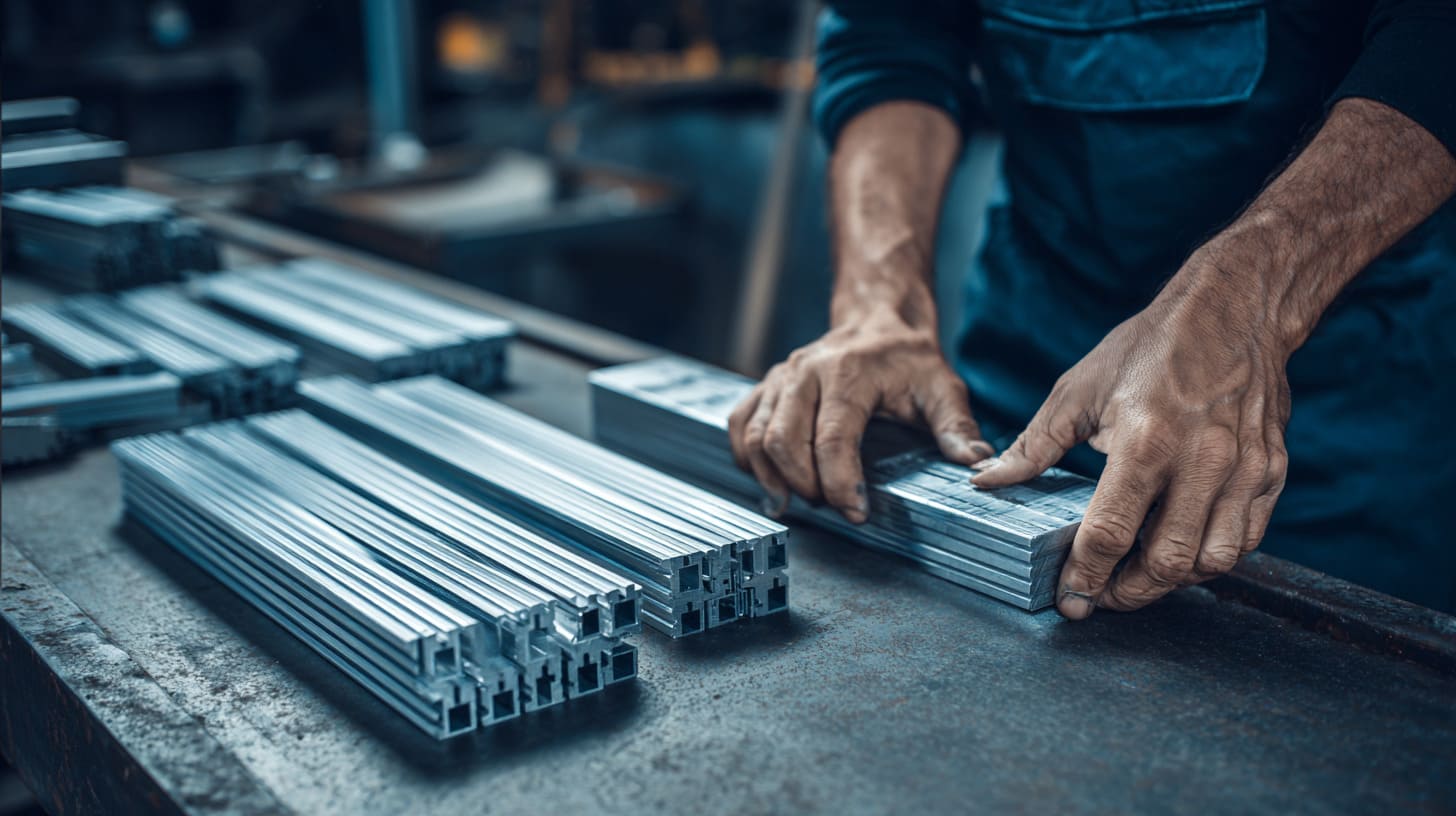
A good question can save more money than a cheap quote.
I know that sounds like something people say on a poster, but in manufacturing it is painfully true.
Most expensive mistakes do not begin with bad production. They begin with unclear questions.
When a customer sends a drawing and asks for a fast quotation, I can quote it. Any factory can quote it. But a good supplier should also look for hidden risks.
Is the frame too weak?
Is the structure overdesigned?
Is the customer paying for flexibility they do not need?
Is the maintenance access terrible?
Will shipping become a problem?
The question I care about most is not “Can we make it?” but “Will this design still make sense after the customer starts using it?”
How Often Will the Structure Change?
This is the first question.
If the structure will change often, 80/20 may be a good choice.
If the structure will never change, welded steel may be better.
But do not accept vague answers.
Ask for examples.
| Vague Answer | Better Follow-Up |
|---|---|
| “We may change it later.” | Which part may change? |
| “The layout is not final.” | What detail is still unknown? |
| “We want flexibility.” | How often will someone adjust it? |
| “The customer may request changes.” | Before or after installation? |
This turns emotion into information.
What Are the Load and Vibration Requirements?
Load and vibration decide whether a flexible frame can perform well.
The frame may carry:
- Static weight
- Moving equipment
- Motors
- Operators leaning on it
- Panels or doors
- Safety guards
- Product fixtures
- Test devices
A structure under vibration needs special attention.
Ask:
- What load will the frame carry?
- Is the load static or moving?
- Will there be motor vibration?
- Is alignment important?
- Is noise a problem?
- What safety margin is needed?
If the answers are serious, the structure must be serious too.
What Is the Expected Service Life?
A frame used for six months is different from a frame used for ten years.
Short-term test frames can accept more flexibility and adjustment.
Long-term production frames need durability and low maintenance.
| Service Life | Design Priority |
|---|---|
| Temporary prototype | Speed and adjustment |
| Pilot production | Balance flexibility and cost |
| Long-term factory use | Rigidity and maintenance |
| Repeat product | Unit cost and consistency |
| Outdoor use | Surface treatment and corrosion control |
I like to ask this early because it changes the whole cost picture.
A short-life project can accept some inefficiency.
A long-life project will punish every weak detail.
How Costly Is Downtime?
Downtime is not just a technical issue.
It is a business issue.
If a frame adjustment stops a lab test for one hour, maybe that is acceptable. If it stops a production line for one hour, the cost may be much higher.
Ask:
- What happens if the frame needs adjustment?
- Who will maintain it?
- Are spare parts available?
- Can the customer repair it on-site?
- Does the frame support a critical process?
- Is downtime more expensive than the frame itself?
Sometimes the structure cost is small compared with the cost of stopping the system.
That is why cheap design can become expensive.
Is Flexibility Truly Needed or Simply Preferred?
This may be the most uncomfortable question.
People like flexibility because it feels safe.
But sometimes flexibility is just a way to delay hard decisions.
If the team has not confirmed the final design, 80/20 can help.
But if the team already knows the final design and still chooses full modularity, they should explain why.
A good decision may look like this:
| Situation | Practical Choice |
|---|---|
| Full design still changing | 80/20 prototype |
| Only sensor location changing | Welded frame + adjustable rail |
| Heavy base fixed, guards may change | Hybrid design |
| Repeat production, no changes | Welded steel |
| Lab test setup | 80/20 |
| Permanent machine frame | Welded steel |
A practical engineer does not design for every possible future.
That sounds wise, but it is also impossible.
The better approach is to design for the expected future, with smart protection for likely changes.
That brings us to the final point.
Because 80/20 versus welded steel is not really a fight.
It is a decision about how honestly we see the project.
Conclusion
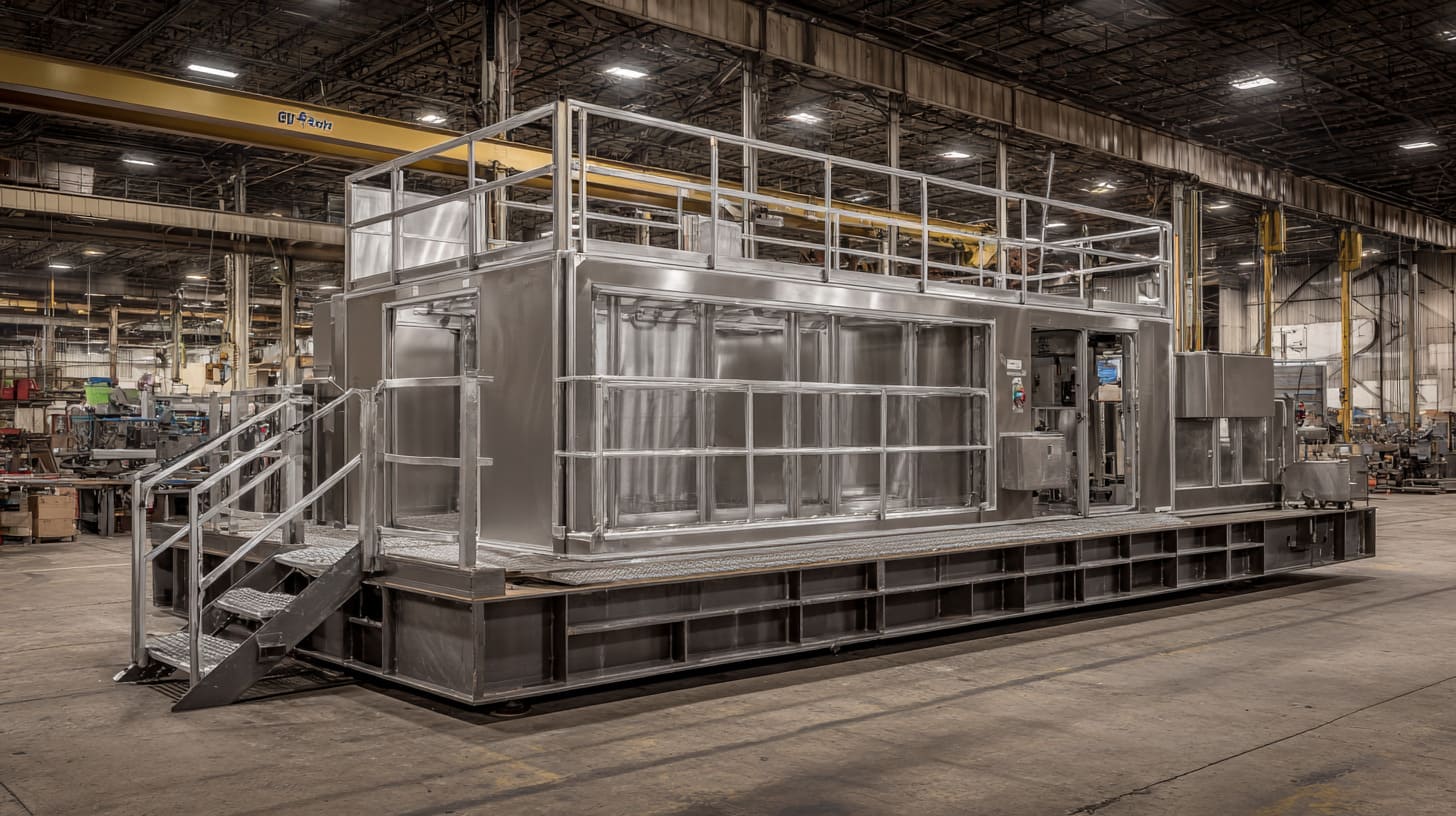
I do not see 80/20 and welded steel as enemies.
I see them as two tools with different personalities.
80/20 is the flexible one. It helps when the project is still changing. It is useful for prototypes, test benches, research setups, automation guards, sensor frames, and custom machine development. It gives engineers room to breathe.
Welded steel is the steady one. It fits stable designs, heavy loads, permanent installations, repeat production, machine bases, and tough industrial environments. It asks for clearer decisions, but it can reward that discipline with strength and lower long-term cost.
The hidden cost appears when we choose the wrong personality for the project.
If I choose 80/20 only because I am afraid to confirm details, I may pay later through hardware cost, maintenance, vibration, and overbuilding.
If I choose welded steel too early, I may pay later through redesign, cutting, welding, repainting, and schedule delays.
So my view is simple:
I design flexibility only where flexibility has a real job.
I do not want to pay for adjustable features that nobody will adjust. I also do not want to lock a design too early when the customer is still learning. The real skill is not choosing aluminum or steel. The real skill is knowing which parts must change and which parts must stay solid.
That is why, in many OEM and ODM enclosure-related projects, I like to review the structure in zones.
The base may need welded steel.
The cover may need sheet metal.
The panel may need aluminum.
The sensor area may need extrusion.
The logo area may need clean custom finishing.
The packaging may need extra protection for overseas shipping.
This is how I think after years of working with custom enclosures and project-based manufacturing. I do not only look at the first quotation. I look at the full road: design, sample, production, shipping, installation, maintenance, and future orders.
If you are working on a custom aluminum enclosure, sheet metal enclosure, Raspberry Pi-style case, equipment frame, or OEM structure, you can send us your drawings, idea, or rough design. My team at MaidaTech can help review the structure and suggest a practical manufacturing route.
Sometimes the answer is 80/20.
Sometimes it is welded steel.
Sometimes it is both.
The best structure is not the one that looks most flexible on paper.
It is the one that still makes sense after the real work begins.