Skip to content

A custom sheet metal enclosure can look perfectly under control on a screen. The lines are clean. The holes are in place. The bends look neat. The finish is already imagined. Then the quotation arrives, and the number feels wrong. Not crazy. Just heavier than expected.
I have seen that moment many times.
A buyer sends me a drawing and asks a simple question: Why is the cost higher than we thought? On the surface, the design looks ordinary. No wild shape. No extreme size. No exotic appearance. But once I look closer, I often find the same thing. The expensive part is not one big mistake. The expensive part is a collection of small design choices that looked harmless at the beginning.
That is why I do not judge an enclosure by unit price alone. I judge it by the whole path it must survive: cutting, bending, welding, finishing, assembly, packing, shipping, and revision. A drawing can be easy to admire and still be hard to produce well.
I write this for people like Davide, John, and Jackson. They are not careless buyers. They know products. They know cost pressure. They know deadlines. They also know that a custom enclosure is not just a metal box. It has to protect the product, carry the brand, fit the board, and still leave enough margin for the business to make sense.
That is where hidden cost starts to matter.
For me, the most dangerous cost is the one that does not look like cost when the project begins. It looks like safety. It looks like quality. It looks like precision. It looks like “just to be sure.” Then it turns into slower production, more scrap, more labor, and more arguments during confirmation.
So I want to walk through this the way I really think about it in factory work. Not like a textbook. Not like a sales sheet. Just the way I judge whether a design is helping the project or quietly making it more expensive.
And once we see where cost hides, the next question becomes much more interesting.
Why Do Custom Sheet Metal Enclosures Become Expensive So Quietly?
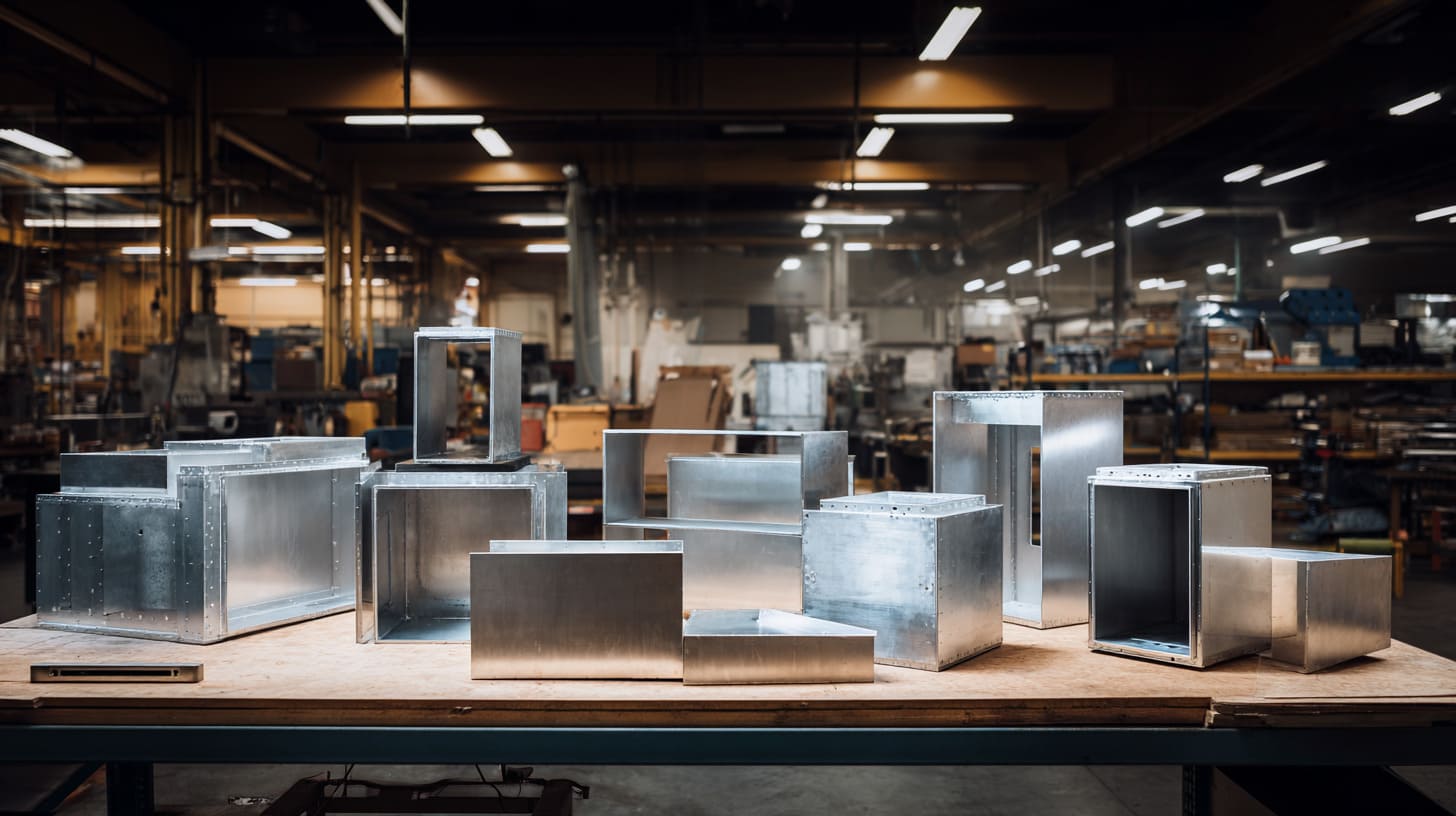
The strange thing about enclosure cost is this: it rarely announces itself with drama. Most of the time, it creeps in. A little more material here. A tighter tolerance there. One extra weld. One finish change. One revision after sampling. The buyer still sees “one enclosure.” The factory sees ten extra steps.
I think this is why so many projects feel confusing. People expect cost to come from obvious things, like size or material grade. Those do matter. But hidden cost often comes from design logic, not just raw material.
A first quotation also creates a false sense of clarity. It feels final. It feels like a number you can hold. But in real work, that first number is only the front door. Behind it sit tooling questions, process questions, packaging choices, cosmetic rules, and assembly issues that may not be visible yet.
I once reviewed a simple enclosure project for a buyer who felt very confident about his comparison. He had quotes from two suppliers. One was lower. He thought the decision was almost done. Then we checked deeper. The cheaper quote assumed looser finish control, fewer inspections, and a simpler assembly path. The other quote included more handling and more care because the drawing demanded it. The “cheaper” option was only cheaper because it was not pricing the same work.
That kind of thing happens more than people think.
The first cost people compare is visible cost. Sheet thickness. Material grade. Surface finish. Unit price. These are easy to list in a table. But system cost is harder to catch. Rework has no nice neat line at the beginning. Delay does not look expensive until it affects a launch. Poor communication does not seem like cost until one wrong assumption creates a new sample round.
Here is how I usually break it down for buyers:
| Cost Layer | Easy to See Early? | Often Missed? | Why It Matters |
|---|---|---|---|
| Raw material | Yes | No | Direct impact on unit price |
| Cutting and bending | Yes | Sometimes | Affected by shape and feature count |
| Welding and grinding | Sometimes | Yes | Labor rises fast |
| Finishing | Sometimes | Yes | Cosmetic standards can change rejection rate |
| Assembly labor | No | Yes | Hard layout means slower build |
| Rework and revision | No | Yes | Often more expensive than one design tweak |
| Delay and communication loss | No | Yes | Hurts project timing and trust |
The truth at the center of this article is simple: the cheapest-looking design is often not the lowest-cost design. I have seen “smart-looking” drawings become expensive because they were not made with production in mind. I have also seen plain, balanced designs save money in almost every stage.
That is why I do not ask only, Can this enclosure be made? I ask, Can this enclosure be made smoothly, repeatedly, and without drama? That question usually tells me much more.
Once that idea is clear, the next trap becomes easier to see, and it starts with a mistake that feels responsible at first.
Is Over-Engineering the First Hidden Cost Trap?
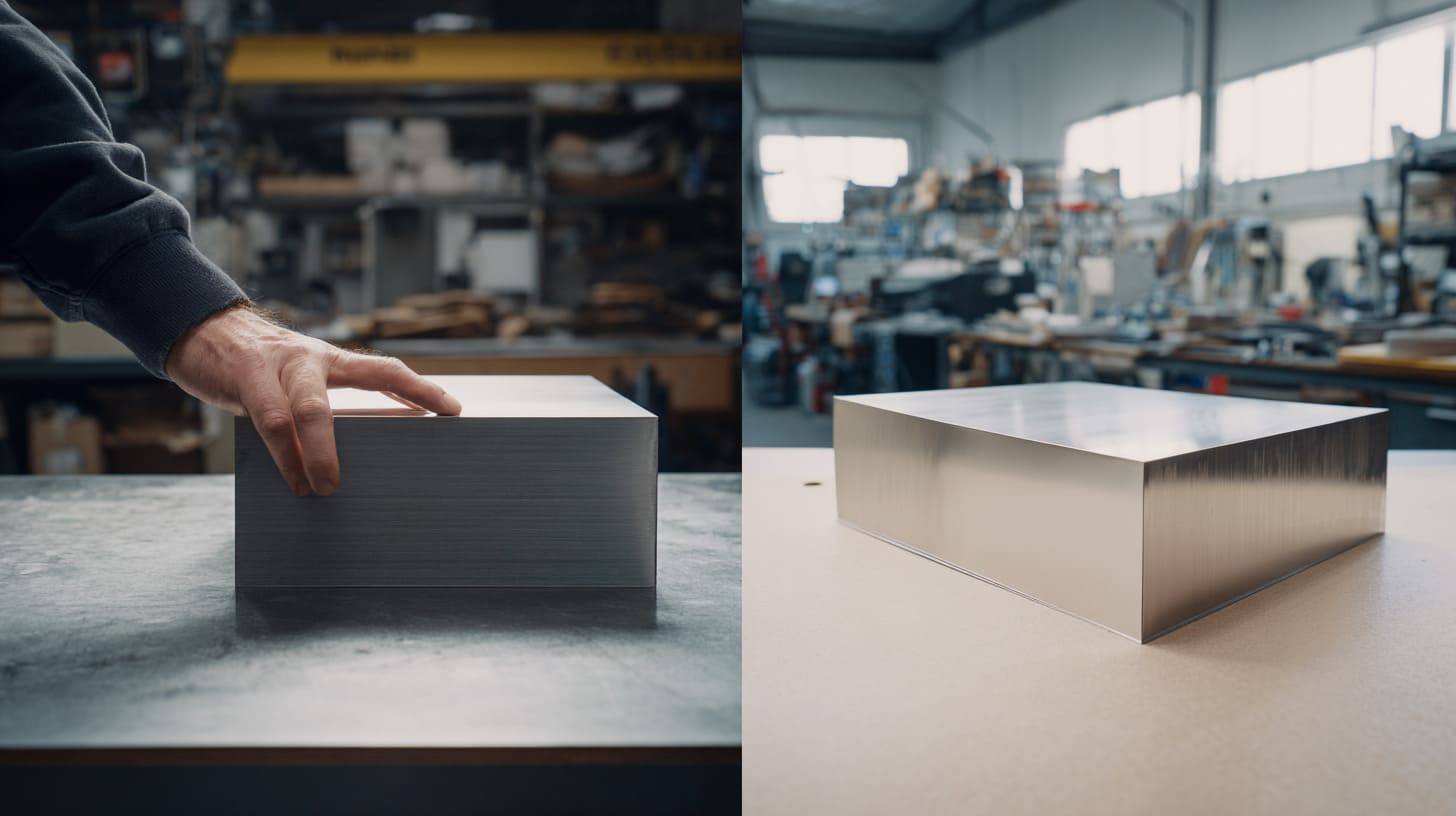
A lot of enclosure projects get more expensive because someone tries too hard to be safe.
I understand that instinct. Nobody wants a weak enclosure. Nobody wants corrosion complaints. Nobody wants a customer to say the product feels cheap. So a thicker sheet gets selected. A stronger-looking material gets chosen. A better-looking finish gets added. Each decision sounds reasonable on its own.
But cost problems often begin right there.
One thing I have learned is that extra material does not always create extra value. It often creates extra weight first. Then it creates harder bending, higher shipping cost, and more stress on the overall budget. Strength in sheet metal does not come only from thickness. It also comes from bend structure, flange design, rib logic, and how the part is supported.
Do designers choose thicker material than the project really needs?
I have seen buyers jump to a thicker gauge because the enclosure “feels more solid” in their mind. That is not always wrong. But it is often incomplete thinking.
A smart thin design with good folds can outperform a thicker flat design in real use. So when I check a drawing, I do not ask only how thick the metal is. I ask what the structure is doing.
Here is a simple comparison:
| Design Choice | What It Feels Like | What It Often Causes |
|---|---|---|
| Thicker sheet | Safer and stronger | Higher material cost, harder bends, more weight |
| Better fold structure | More thoughtful | Better stiffness without large cost jump |
| Added brackets | More support | More parts and more assembly time |
| Rib or formed feature | Cleaner reinforcement | May lower cost if used well |
My real concern usually starts when thickness is being used to fix a design that should have been fixed by structure.
This is another quiet trap.
I have watched projects move from ordinary steel to stainless, or from standard aluminum to a more expensive grade, not because the environment demanded it, but because the team felt nervous. That is a very human move. Fear makes premium material sound wise.
Still, I try to separate real exposure risk from emotional comfort.
If the enclosure lives indoors, in a controlled commercial setting, many “safe” upgrades do not really return value. If it goes outdoors, near salt, chemicals, or high humidity, that is different. Material should answer the use case, not the anxiety level in the meeting.
Are non-stock materials creating avoidable cost?
This point gets ignored a lot, especially by teams who focus on the product itself more than the factory side.
A non-standard thickness or hard-to-source material can increase cost even before fabrication begins. It can also stretch lead time. On paper, the design still looks normal. In purchasing, it becomes more annoying.
I do not say buyers must always use stock-friendly materials. Some projects genuinely need unusual specs. But I do think stock-friendly design is underrated.
Here is how I look at it:
- Use standard materials first when the product allows it
- Challenge premium upgrades if the environment is ordinary
- Build stiffness through design before using thickness as the first answer
- Check supply availability early so the quote is based on reality, not hope
When I see a drawing that looks “very strong,” I often ask a rude but useful question in my head: Is this design strong, or just heavy? That small difference can protect a lot of margin.
And once over-engineering shows up in material, it usually shows up again in another place people respect too much: precision.
Are Tight Tolerances Quietly Multiplying Cost?
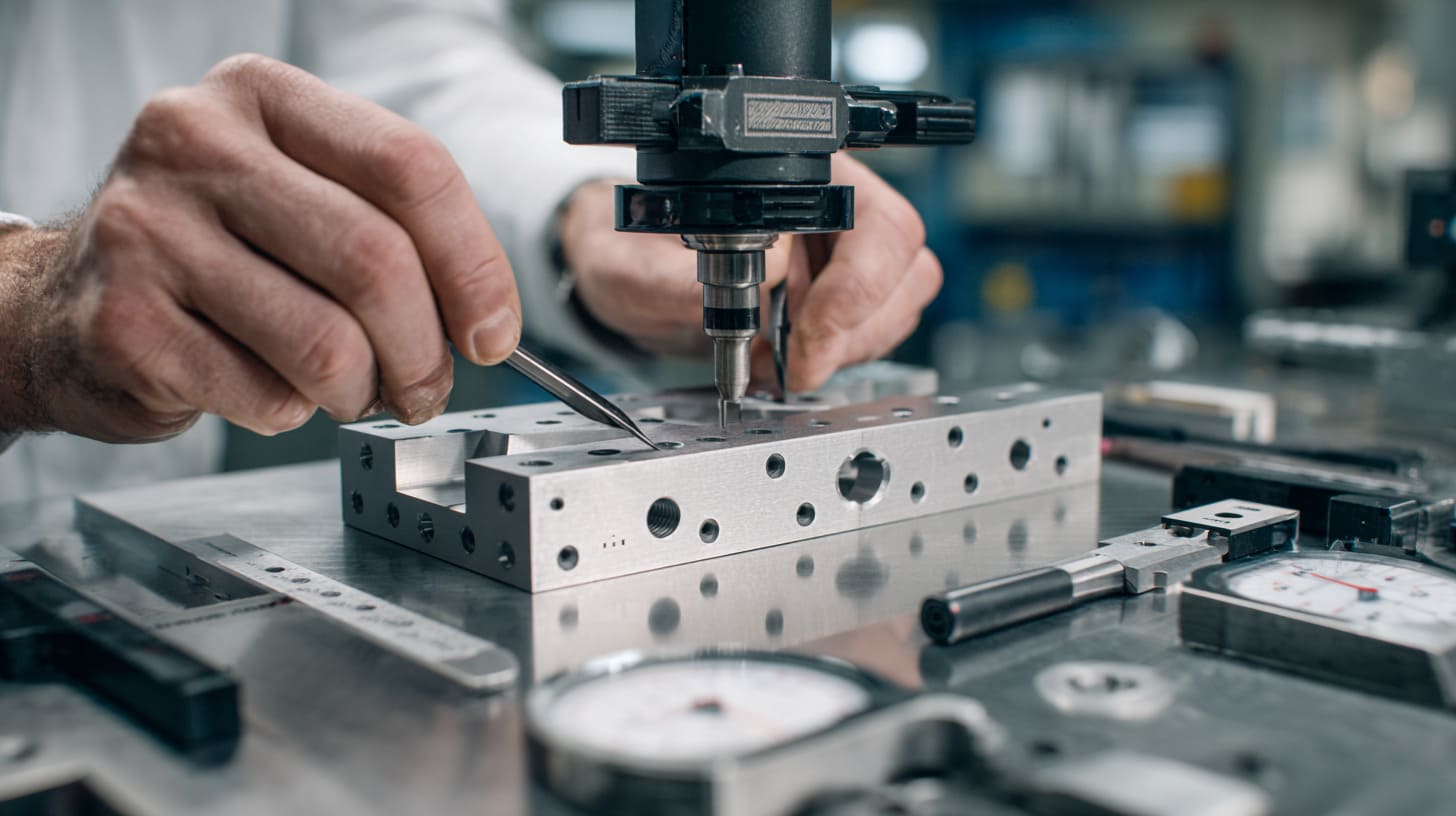
Precision sounds noble. That is why it causes trouble.
A lot of buyers and engineers feel proud when they see a drawing filled with tight tolerances. It gives the impression of discipline. It looks serious. It looks high-end. The problem is that manufacturing does not reward unnecessary precision. It charges for it.
I have opened many drawings where almost every dimension was held too tightly, even though only a few locations actually mattered for function. That is one of the most common hidden cost traps in enclosure work.
When does precision stop being useful and start becoming expensive?
The answer is simple. It happens when tolerance is applied for comfort, not for function.
Not every hole needs extreme control. Not every edge needs the same standard. Not every cosmetic line needs the same priority as a board mounting point. But once everything is treated as critical, the factory has to slow down, inspect more, reject more, and worry more.
That cost is real.
A shop-friendly drawing usually distinguishes between must-fit dimensions and nice-to-have dimensions. A stressed drawing often treats them all the same.
| Tolerance Style | Short-Term Feeling | Long-Term Result |
|---|---|---|
| Tight everywhere | Looks professional | Higher cost and more rejection risk |
| Tight on critical features only | Looks more balanced | Better cost control and smoother fabrication |
| Loose without logic | Looks careless | Fit issues and assembly trouble |
Which dimensions actually deserve tighter control?
This is where judgment matters.
The features that usually deserve more attention are the ones tied to actual function:
- PCB mounting points
- mating features between cover and base
- door fit and sealing areas
- connector alignment zones
- visible cosmetic alignments on branded products
Everything else needs a more practical eye. A factory can hold many tolerances. That does not mean it should be forced to hold every one equally.
How should tolerance strategy be judged?
I try to think in layers. First, I ask what absolutely must fit. Then I ask what only needs to look clean. Then I ask what can safely absorb process variation without hurting the product.
That sequence matters. If the team starts from “make everything exact,” the cost direction is already wrong.
A tolerance strategy that respects process reality is not lazy. I actually think it is more mature. It shows the designer understands that fabrication is not drawing worship. It is controlled compromise.
I have had projects where a tiny tolerance note created days of back-and-forth, while the main function of the enclosure was never at risk. That kind of waste is painful because it feels technical, so people hesitate to challenge it. But they should.
Here is a practical way I explain it to buyers:
| Feature Type | Tolerance Priority | Why |
|---|---|---|
| PCB standoffs | High | Board fit depends on it |
| Connector cutouts | High | User connection and alignment matter |
| Outer non-mating edges | Medium/Low | Small variation is often harmless |
| Internal cosmetic faces | Low/Medium | Depends on visibility and brand need |
| Sealing surfaces | High | IP performance can fail here |
When a drawing becomes too exact for no real reason, the factory stops working like a factory and starts working like a nervous student trying not to lose points. That is never a cheap way to build.
And after tolerance, the next expensive temptation usually comes from shape.
Is Complexity in Bends and Features Driving Up Cost?
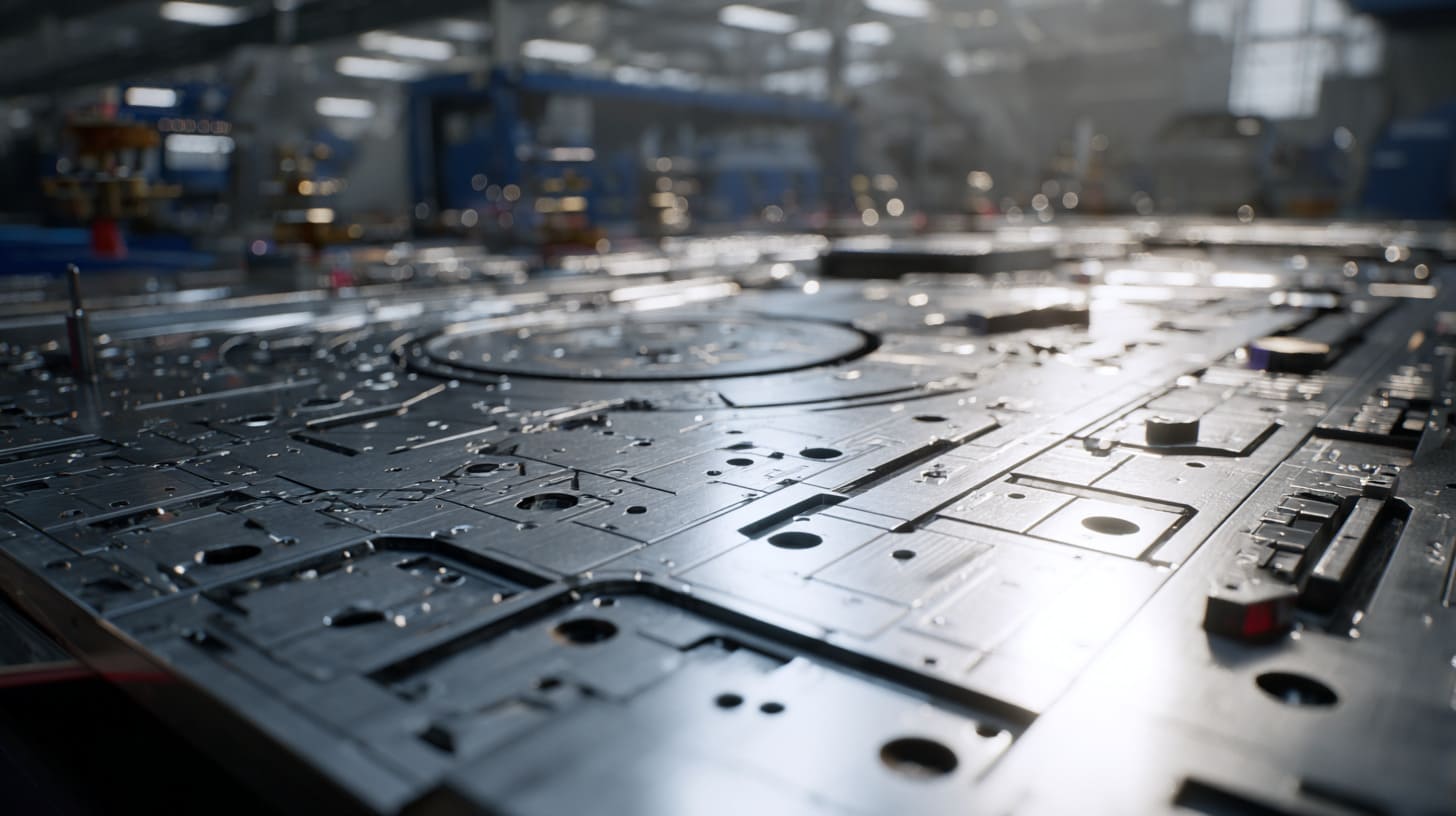
A sheet metal enclosure can get expensive simply because it is trying too hard to look clever.
I do not mean that complex design is always bad. Some products need it. Some layouts are tight. Some customer-facing products need cleaner edges and better visual detail. I respect that. Still, I have seen many enclosures become expensive because extra bends and extra features were added before anyone asked whether they were truly earning their place.
Do too many bends make the enclosure harder to fabricate?
Yes, very often they do.
Every bend is not just a line on a flat pattern. It is another operation. Another setup decision. Another chance for sequence trouble. Another place where access matters. Another place where a small mistake turns into a visible issue.
I get cautious when I see a design with many bends that do not clearly improve structure, assembly, safety, or user experience. A part can start looking “well designed” in CAD and still feel exhausting in production.
Here is a simple way to judge bend logic:
| Bend Situation | Production Effect | Cost Risk |
|---|---|---|
| Necessary structural bends | Improve stiffness | Usually worth it |
| Decorative extra bends | More handling | Often not worth it |
| Tight bend sequences | Harder forming access | Higher process risk |
| Bends near features | Distortion risk | Possible redesign |
Are holes, slots, and cutouts placed too close to bends?
This problem is more common than many buyers think.
On a screen, a hole near a bend may look fine. In real bending, it can distort, weaken, or create ugly results. Then the shop has to modify the process, reject the part, or ask for design adjustment. That is where time starts leaking away.
I always check feature-to-bend relationships early, because those small clearances can decide whether the project flows or stumbles.
Are decorative or unnecessary formed features adding cost without adding value?
I like well-used details. A louver can help airflow. A countersink can improve assembly. An emboss can add stiffness or visual guidance. But I do not trust features just because they look technical.
Hems, louvers, embosses, and special corners should carry a job. If they are not improving function, safety, feel, or user interaction, I start to wonder why they are there.
A good rule is this: every extra feature should be able to answer one clean question — What problem are you solving?
Here is a quick judgment table I use in my head:
| Feature | Good Reason to Keep It | Reason to Challenge It |
|---|---|---|
| Louver | Airflow need | Decorative only |
| Emboss | Stiffness or marking | Just visual drama |
| Countersink | Hardware flush fit | No assembly benefit |
| Hem | Safer edge, stronger edge | Unnecessary labor |
| Custom corner detail | Brand look or fit need | No functional effect |
This is where things often get messy. A buyer may think the factory is charging too much. The factory may think the design is asking too much. Both sides may be partly right.
And once a design gets more complex in shape, it often gets more complex in another expensive way too: part count.
Is Part Count the Cost Trap Nobody Wants to Admit?
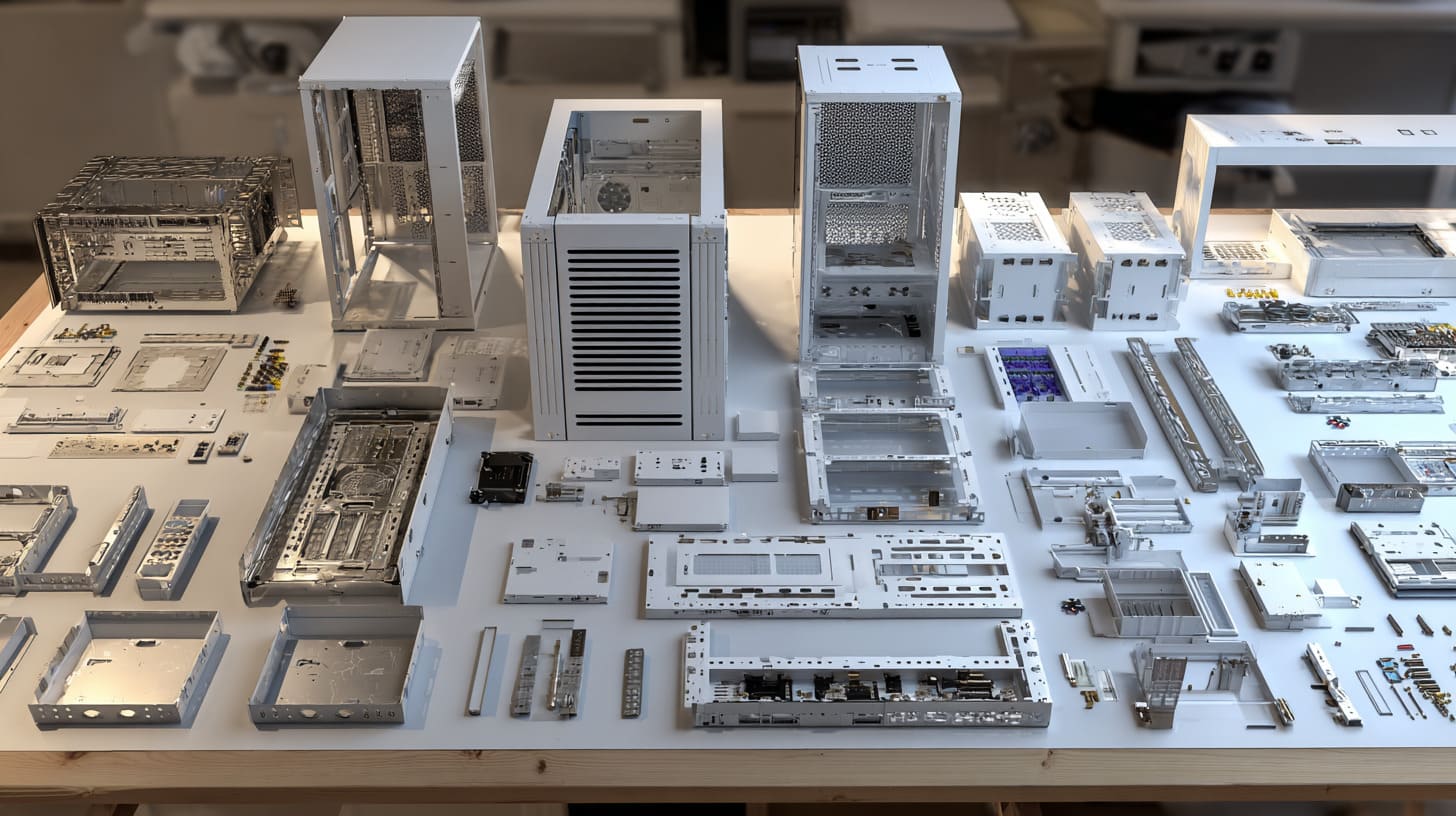
A multi-part enclosure can look very organized in a drawing package. Each piece has a role. Each bracket has a purpose. Each support seems justified. Then production begins, and the whole thing becomes a small traffic jam.
I have learned to be suspicious of enclosures that solve every problem by adding another part.
Why does a multi-part design often cost more than expected?
The answer is not mysterious. More parts mean more laser cutting, more handling, more inventory tracking, more hardware, more assembly time, and more chances for mistakes. A drawing set becomes larger. Inspection becomes slower. Communication becomes longer.
None of this feels dramatic when you add one bracket or one inner plate. But in the full project, it stacks up.
| Part Count Level | What Usually Happens |
|---|---|
| Low part count | Easier handling, faster assembly, less confusion |
| Medium part count | More flexibility, but more tolerance interaction |
| High part count | Higher labor, more hardware, more alignment risk |
Can folded geometry replace separate brackets or reinforcements?
This is one of my favorite cost-saving questions.
A smart fold can often replace a separate reinforcement. A thoughtful tab can replace an extra support. A better main body shape can remove the need for internal helper parts. I like those changes because they reduce cost without making the enclosure feel cheap.
I have seen one-piece or fewer-piece concepts save money in cutting, welding, assembly, and inspection all at once. That is rare efficiency. It is worth chasing.
When is modularity helpful, and when does it become waste?
Modularity is useful. I do not want to pretend otherwise.
It can make service easier. It can support product variation. It can help with future upgrades. But modularity becomes expensive waste when it exists only because the team never stopped to simplify the main structure.
I usually judge modularity by one question: Will this separation matter after production starts, or does it only feel tidy during design review? That question has saved more than one project from becoming a hardware festival.
Here is a practical view:
| Design Choice | Benefit | Hidden Cost Risk |
|---|---|---|
| Separate bracket | Easy to add | More hardware and assembly |
| Folded support | Cleaner integration | Needs better early design thinking |
| Modular panel set | Service and variation | Tolerance stack-up and extra joints |
| Extra internal plate | Easy short-term fix | Long-term cost creep |
A crowded bill of materials is often a sign that the enclosure is solving old design stress with new parts. That may work. It just rarely works cheaply.
And when part count rises, welding usually walks in right behind it.
Is Welding Solving a Problem or Creating One?

Welding has a strange reputation in enclosure work. It looks strong. It looks final. It feels like serious manufacturing. Because of that, many people trust it too quickly.
I do not dislike welding. Some structures truly need it. Some joints need the strength. Some visual designs depend on it. But I have also seen welding get used as a shortcut for design decisions that were never properly cleaned up.
Welding becomes expensive the moment it stops being a necessity and starts becoming a habit.
A welded joint adds labor. It may need fixturing. It can create distortion. It may need grinding. If the surface must look good, cosmetic control becomes harder. Then finishing may become trickier too.
That is a lot of cost packed into one design choice.
| Welding Effect | Why It Raises Cost |
|---|---|
| Added labor | Manual work is expensive |
| Distortion risk | May create rework |
| Grinding and cleanup | Extra time for appearance |
| Inspection complexity | Harder to keep consistent |
| Finish interaction | Surface quality can vary |
Can tabs, folds, PEM hardware, or mechanical fastening do the job better?
Very often, yes.
A clean fold-and-tab logic can remove the need for welding in some areas. PEM hardware can improve repeatability. Mechanical fastening can make assembly easier and service more friendly. The answer depends on the product, but I always like to check alternatives before blessing a welded design.
There is a practical reason for this. Welded designs can look strong in the first sample, but they sometimes create quality variation later when production volume grows.
How should buyers judge welding in a quotation?
I think buyers should ask three questions:
- Is this weld structurally necessary?
- Is this weld needed for appearance?
- Is this weld simply inherited from an old drawing?
That third question matters a lot. I have seen old design habits survive into new projects because nobody wanted to reopen the logic. That is how unnecessary welding stays alive.
Here is my rough judgment guide:
| Weld Case | My View |
|---|---|
| Load-bearing structural joint | Often justified |
| Visible seam for premium appearance | Sometimes justified |
| Small support that could be folded in | Often worth redesigning |
| Legacy feature from old version | Must be challenged |
A design that uses welding well can be strong and clean. A design that leans on welding without discipline can become expensive in very boring ways.
And after welding, another silent cost layer usually starts to show itself on the surface.
Are Finishing Choices More Expensive Than They First Appear?
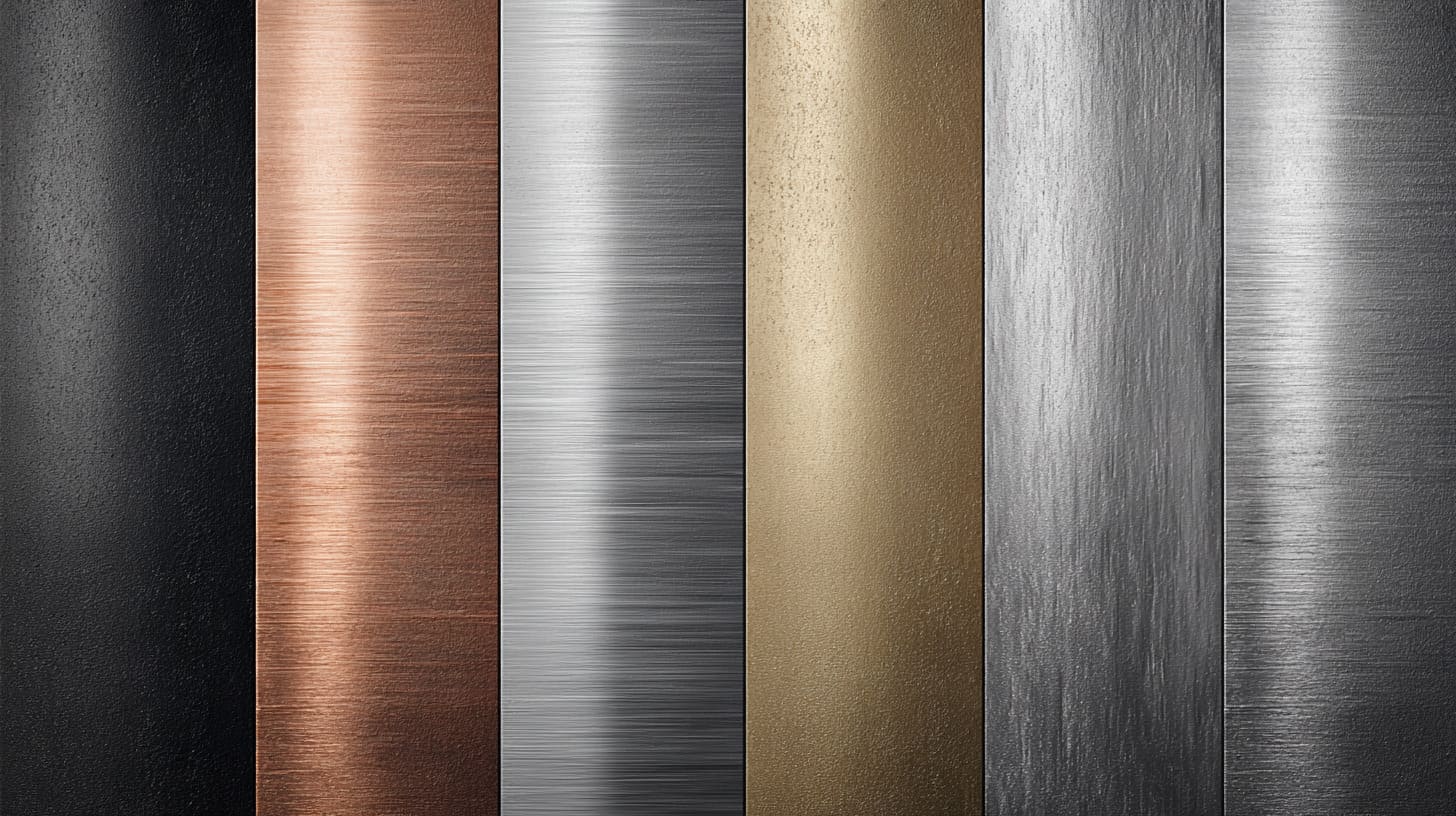
Finishing is where many enclosure projects stop feeling like engineering and start feeling emotional.
Color, texture, gloss, brushing, anodizing, powder coating, plating, printing — all of it affects how the product is judged the moment somebody sees it. I understand why teams care. A product can work well and still lose trust if it looks rough, cheap, or inconsistent.
But finishing is also where hidden cost can multiply very fast.
Why is finishing never just a color choice?
Because finishing changes much more than appearance.
It affects durability. It affects lead time. It affects masking work. It affects grounding decisions. It affects scratch visibility. It affects how many parts get rejected for cosmetic reasons. A finish note that looks small on paper can become very large in the workshop.
I always get careful when a buyer talks about finish only in terms of brand look. Brand matters, yes. But process reality matters too.
I see several patterns again and again:
- cosmetic standards that are too strict for the market
- multi-step finishes without real need
- material and finish combinations that do not cooperate well
- last-minute logo or color changes
- premium surface expectations on industrial products that will live in rough environments anyway
A lot of cost comes from mismatch, not from finishing itself.
| Finishing Choice | Useful When | Cost Trap When |
|---|---|---|
| Powder coating | Durable, many colors | Overly strict cosmetic standard |
| Anodizing | Clean aluminum look, good feel | Used where brand does not need it |
| Brushing | Premium visual effect | Scratches become too visible |
| Silk printing | Clear branding | Late artwork changes cause delay |
| Multi-step finish | Real functional need | Added only for visual ambition |
How should finishing be judged in a commercial project?
I think finishing should match three things:
- the use environment
- the brand expectation
- the realistic cosmetic standard for the sales channel
That third point gets missed often. A retail-facing product on a premium shelf may need a different finish standard than an industrial box mounted in a cabinet. Treating them the same is not disciplined. It is just expensive.
I once had a buyer who wanted a very refined surface on a product that would be mounted inside an equipment system and rarely seen by end users. We talked it through. He realized he was paying to impress almost nobody. That conversation saved cost without hurting the project.
My instinct gets sharp when a finish starts serving internal pride more than market value. That is usually where money starts slipping away.
And once the outside looks settled, the next cost problem often hides inside the enclosure.
Is Assembly Access a Bigger Cost Driver Than Most Engineers Expect?

A design can look excellent until someone has to put hands inside it.
This is one of my favorite reality checks in enclosure work. An enclosure may be strong, clean, and beautiful on paper. Then the technician tries to install the board, route the wires, tighten the screws, and close the cover. Suddenly the “good design” starts fighting back.
What happens when a design is hard to assemble?
Everything slows down.
Labor goes up. Wiring takes longer. Errors become more likely. Service gets annoying. People need special hand movements or special tools just to do ordinary tasks. None of that appears clearly in the early quote, but all of it affects real project cost.
I always trust assembly pain because it shows up honestly. The product either goes together smoothly, or it does not.
Why does fastener strategy matter so much?
Because fasteners create rhythm in assembly.
Too many screws slow the build. Mixed hardware creates confusion. Hard-to-reach screws create frustration. Hidden screws make service harder. A poor fastener plan can turn a simple enclosure into a slow and irritating job.
Here is a basic comparison:
| Fastener Strategy | Result |
|---|---|
| Fewer standard screws | Faster assembly, fewer mistakes |
| Mixed screw types | More handling confusion |
| Deep hidden screws | Slower service and build |
| Service-friendly access points | Better field maintenance |
What does a cost-smart internal layout look like?
For me, it looks calm.
The mounting logic is clear. The board sits where it should. The cable path makes sense. The screw locations are reachable. There is room for fingers and tools. The technician does not need to “figure it out” every time.
That kind of layout saves time quietly, and I love that.
Here is what I try to see early:
- clear board mounting points
- accessible connector areas
- cable paths that do not cross awkwardly
- enough room for tool access
- cover closing that does not fight the wiring
I have seen many teams spend hours optimizing wall thickness and ignore the fact that their own assembly path is clumsy. That is a strange place to save money. The build process deserves respect too.
And once internal access becomes part of the conversation, performance requirements start asking harder questions.
Are Thermal, Sealing, and EMI Requirements Being Added Too Late?

This is where many enclosure projects become expensive not because the requirements are unreasonable, but because they arrive too late.
Thermal control, IP sealing, and EMI performance all matter. I do not treat them lightly. But I do get nervous when they are added after the main enclosure concept is already emotionally approved. That timing creates a lot of ugly redesign.
Why do thermal fixes often become expensive fixes?
Because heat is not polite. It does not care that the cover already looks nice.
If ventilation is added late, it can weaken the panel. It can disturb the appearance. It can affect dust protection. It can force new tooling or new cutout logic. Fans and vents need space, and space is easier to manage before the enclosure geometry becomes rigid.
How does IP sealing increase enclosure cost?
IP protection is not just about adding a gasket. That is the part many people underestimate.
Real sealing affects flange design, panel flatness, fastener spacing, latch pressure, tolerance control, and material behavior. Once an enclosure needs meaningful environmental protection, many “simple” design ideas stop being simple.
| Requirement | What It Changes |
|---|---|
| Thermal control | Vent pattern, fan space, heat path |
| IP sealing | Flange design, gasket area, compression logic |
| EMI control | Seam design, contact areas, finish compatibility |
When do EMI requirements complicate cost?
EMI can be subtle and expensive.
Shielding needs may affect seam paths, panel contacts, vent style, gasket selection, and finish decisions. A finish that looks attractive may interfere with electrical contact in certain areas. A seam that looks harmless may weaken shielding performance.
I judge late-added performance requirements very carefully because they often reveal a project that was approved visually before it was approved functionally. That is where redesign starts to grow teeth.
A design that respects heat, sealing, and EMI from the beginning usually feels more stable. A design that adds them late often feels patched.
And that leads directly to another cost issue I care about deeply: communication between the drawing and the factory.
Is Poor DFM Communication the Real Cost Trap Behind the Drawing?
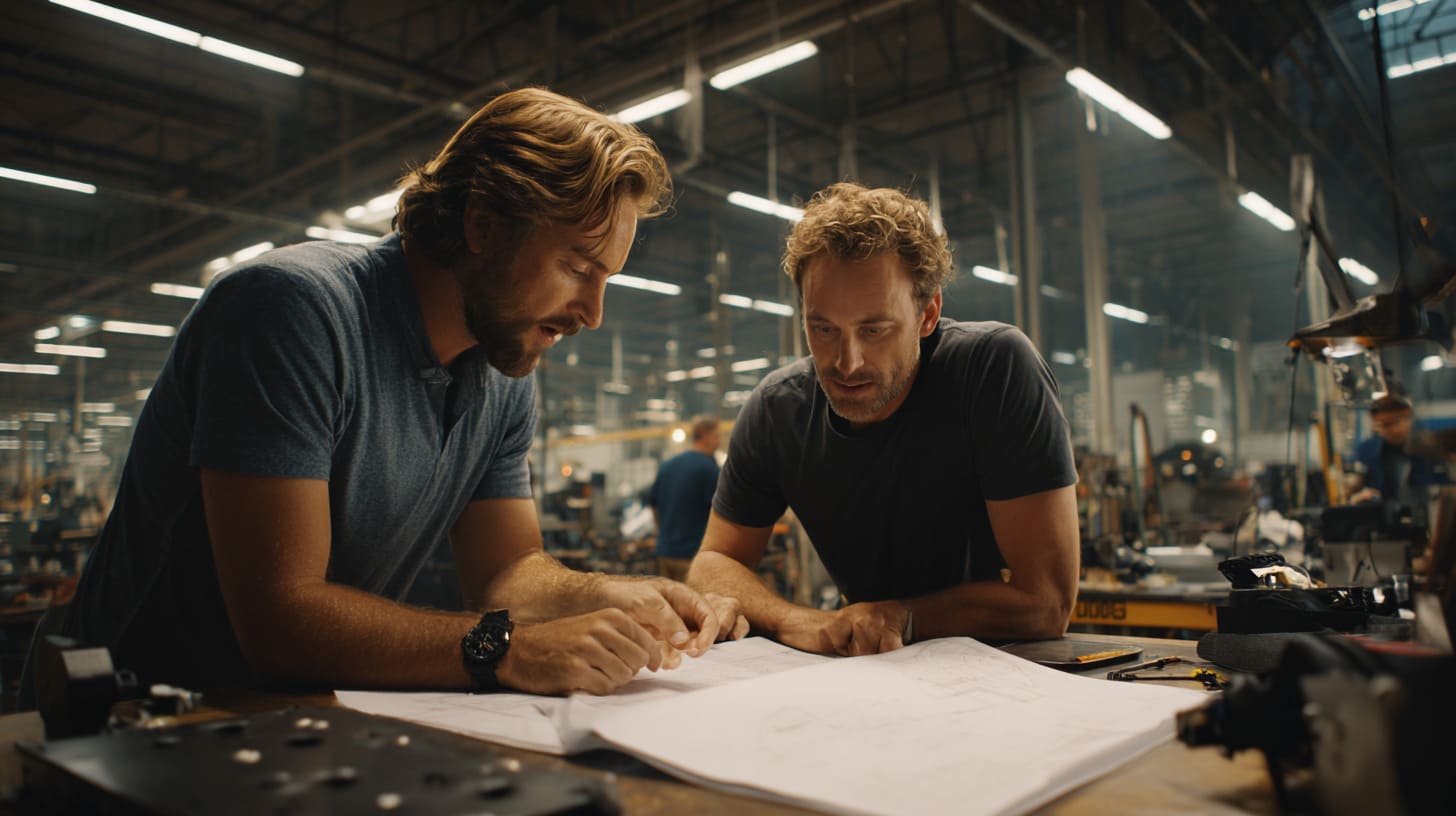
A correct drawing is not always a build-friendly drawing.
That sentence may sound strange, but it is true. I have seen drawings that were technically complete and still awkward for production. The dimensions existed. The details existed. The notes existed. But the design did not fit the way the factory actually works.
That gap is where DFM communication becomes crucial.
Why can a correct drawing still fail commercially?
Because CAD logic and factory logic are not the same thing.
A designer may think in ideal geometry. A factory has to think in material supply, bending sequence, tool access, standard hardware, finish behavior, and production repeatability. If those two worlds do not meet early, the project starts paying for misunderstanding.
A drawing can be correct and still be expensive, slow, or fragile in production.
What should be confirmed with the fabricator before release?
I think these points deserve direct confirmation:
| Item | Why It Should Be Confirmed Early |
|---|---|
| Material and thickness availability | Avoid sourcing trouble and delay |
| Preferred bend radius | Prevent forming issues |
| Process limits around features | Reduce redesign risk |
| Hardware standards | Improve assembly consistency |
| Finish compatibility | Avoid cosmetic and grounding issues |
| Welding necessity | Remove avoidable labor |
| Tolerance priorities | Focus effort on true function |
A lot of pain in custom projects does not come from technical inability. It comes from late discovery.
Why does early DFM review save more than late negotiation?
Because design-stage problems are cheap to fix, and production-stage problems are not.
This sounds obvious, but teams still skip it when schedules feel tight. That is a mistake. A short DFM conversation can save a sample round, a tooling change, or a shipping miss. That is not small money.
I pay close attention when a buyer says, “Let’s produce first and adjust later.” Sometimes that works on simple items. On custom enclosures, it often turns a manageable question into an expensive lesson.
A healthy DFM review does not slow a project down. In my experience, it removes the fake speed that later turns into delay.
And when communication misses the right moment, revisions begin to pile up.
Do Revisions, Delays, and Small Errors Create the Biggest Hidden Cost of All?
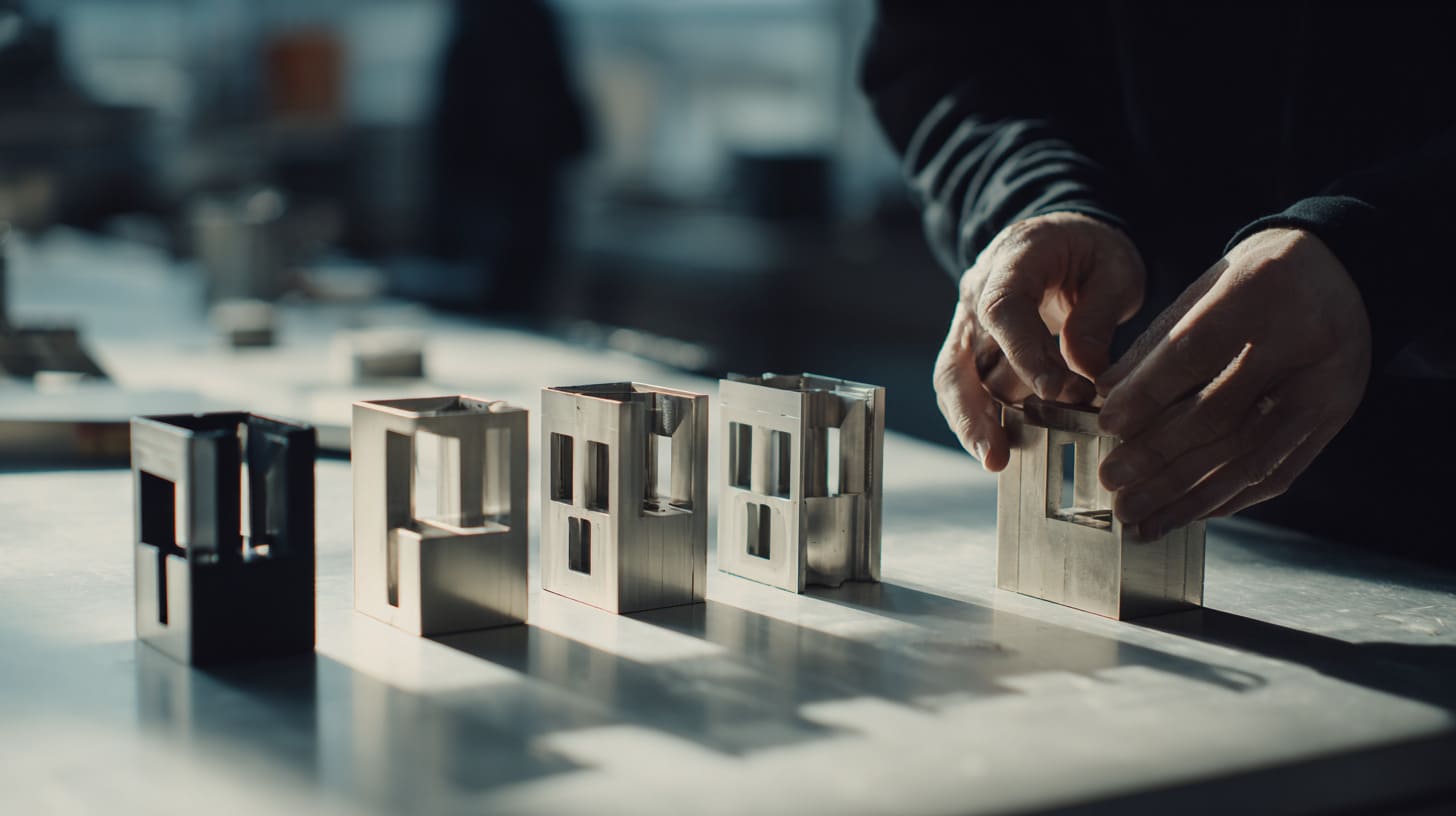
Yes. Very often they do.
I say that carefully, because buyers usually focus first on material and process cost. Those are important. But in many real projects, the most painful cost comes from revision loops, delayed confirmation, and tiny mistakes that should have been caught before release.
A small error can act like a lever. It does not look big. It still moves the whole project.
Why are redesign loops so expensive?
Because every revision touches more than the drawing.
It can affect sample timing, tooling decisions, board fit, logo placement, packaging, customer approval, and production scheduling. One “small change” may not stay small after it travels through the full chain.
I have seen projects lose more money from delay than from the enclosure itself. That is not rare.
What small mistakes usually trigger expensive correction?
Here are some of the usual troublemakers:
- wrong hardware choice
- missing internal clearance
- bend sequence not judged early enough
- finish note mismatch
- incomplete logo file or branding position
- unclear packaging requirement
- connector cutout not tested against real mating part
| Small Error | Why It Becomes Expensive |
|---|---|
| Missing clearance | Board or cable cannot fit |
| Wrong screw or PEM plan | Rework in assembly |
| Finish mismatch | Cosmetic rejection or delay |
| Wrong bend assumption | Flat pattern must change |
| Incomplete branding file | Printing approval delay |
How should project teams judge risk before approving production?
I do not think the right question is, Can this be made? Almost anything can be made if enough pain is tolerated.
The better question is, Can this be made consistently, quickly, and profitably? That question feels less exciting, but it protects the business much better.
I become cautious when a team approves a design because the sample “basically works.” Sample success is useful. It is not the same as production readiness. Those are different standards, and confusing them is one of the fastest ways to create hidden cost.
By the time a project has suffered enough revision pain, most buyers start asking a more mature question: how do we reduce cost without killing the custom value that made the product special in the first place?
How Can Buyers Reduce Hidden Cost Without Killing Customization?
This is my favorite part of the conversation, because this is where projects become smarter instead of just cheaper.
I do not believe buyers should strip all custom features out of an enclosure. That is not good thinking. Customization often gives the product its fit, identity, and commercial edge. The goal is not to remove character. The goal is to remove waste.
What should be simplified first?
I usually start with the areas that create cost without creating strong customer value:
- part count
- non-critical tight tolerances
- unnecessary welds
- overcomplicated finish logic
- non-standard hardware where standard hardware would work
These are often the easiest wins.
| Simplify This First | Why |
|---|---|
| Extra parts | Reduces assembly and hardware cost |
| Over-tight tolerances | Reduces inspection burden |
| Unneeded welds | Cuts labor and distortion risk |
| Fancy finish layers | Lowers rejection and lead time risk |
| Odd hardware | Improves sourcing and service |
What should stay customized because it adds real value?
Not all custom features are waste. Some are exactly the reason the enclosure succeeds.
I usually protect these areas first:
- critical cutouts and interfaces
- logo and brand treatment
- mounting structure tied to the real board
- service-friendly access
- appearance details that matter in the target market
If the customer sees it, uses it, depends on it, or pays because of it, I treat it seriously.
What is the best mindset for OEM/ODM enclosure projects?
For me, the right mindset is simple: custom where the market notices, standard where the factory moves faster.
That balance has helped many projects. It respects both the commercial side and the production side. It also keeps teams from falling into a very common trap — spending heavily on design details that impress internal reviewers more than actual buyers.
Here is the balance I like:
| Area | Better to Customize? | Better to Standardize? |
|---|---|---|
| PCB-specific fit | Yes | No |
| Brand/logo treatment | Yes | No |
| Hardware type | Sometimes | Often yes |
| Material thickness | Sometimes | Often yes |
| Internal structure | Depends | Simplify where possible |
| Finish level | Depends on market | Avoid excess |
I trust customization when it solves a real product or market need. I challenge it when it mainly feeds internal preference. That difference is not always easy to see, but it matters a lot.
And that brings me to the reason I think about enclosure cost this way at all.
Conclusion
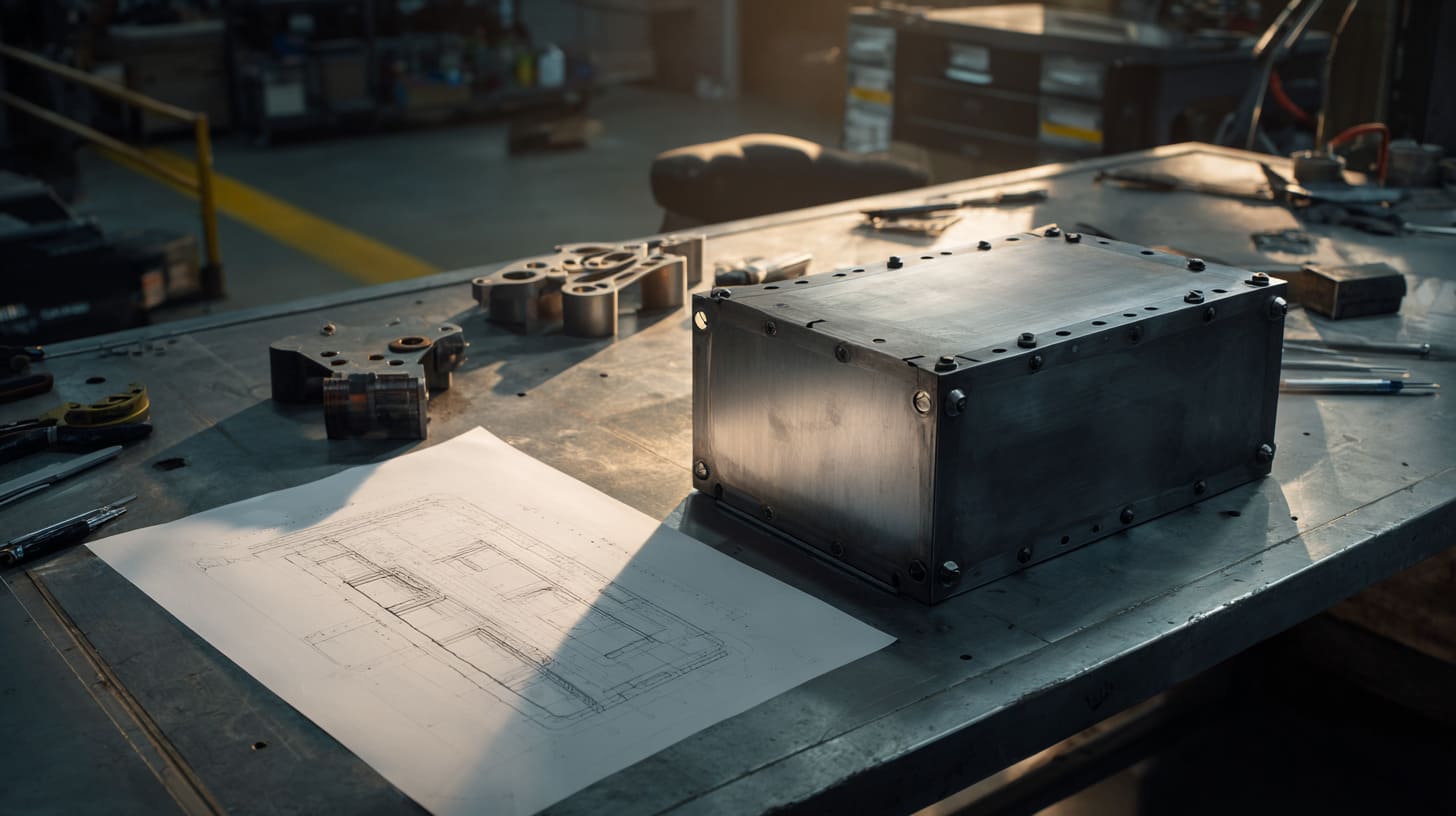
I do not see hidden cost as a pricing problem. I see it as a judgment problem.
That is why I think this topic matters so much. A custom sheet metal enclosure does not become expensive only because steel costs money or labor costs money. It becomes expensive when the design asks for more than the project truly needs, or when the team notices important problems too late.
I hold this view because I have watched the same pattern repeat. A drawing looks confident. The unit price becomes the main topic. Then production starts exposing everything the early discussion skipped: too much thickness, too much precision, too many parts, too much welding, too much finish ambition, poor assembly access, late thermal changes, weak DFM communication, and revisions that grow bigger than anyone expected.
That is why I do not admire maximal design. I trust balanced design more.
A good enclosure is not the one with the most features, the thickest sheet, or the most demanding notes. A good enclosure is the one that protects the product, supports the brand, fits the project budget, and moves through production without constant friction. I came to that view because factory work punishes vanity and rewards clarity. It really is that simple.
I also think buyers deserve better conversations from suppliers. Too many suppliers only react to drawings. I would rather question the drawing when needed. That sometimes creates a harder conversation at the start, but it often prevents a worse problem later. I would rather be slightly uncomfortable early than deeply expensive late.
So if I am judging a custom enclosure project, I keep coming back to a few practical questions:
- Does this feature solve a real problem?
- Does this tolerance protect function or just make us feel careful?
- Does this finish help the market or only our pride?
- Can this design be built smoothly at scale?
- Are we customizing value, or just customizing cost?
Those questions have saved me from many bad decisions.
If you are working on a custom sheet metal enclosure now, I think the smartest next step is not to ask only for a quote. I think the smarter step is to ask for a real DFM review before you lock the design. That one move can save cost, time, and stress at the same time.
If you want, you can send me your drawing, sample idea, or enclosure concept. I can help you check where the hidden cost may be sitting before it turns into a production problem.