Skip to content
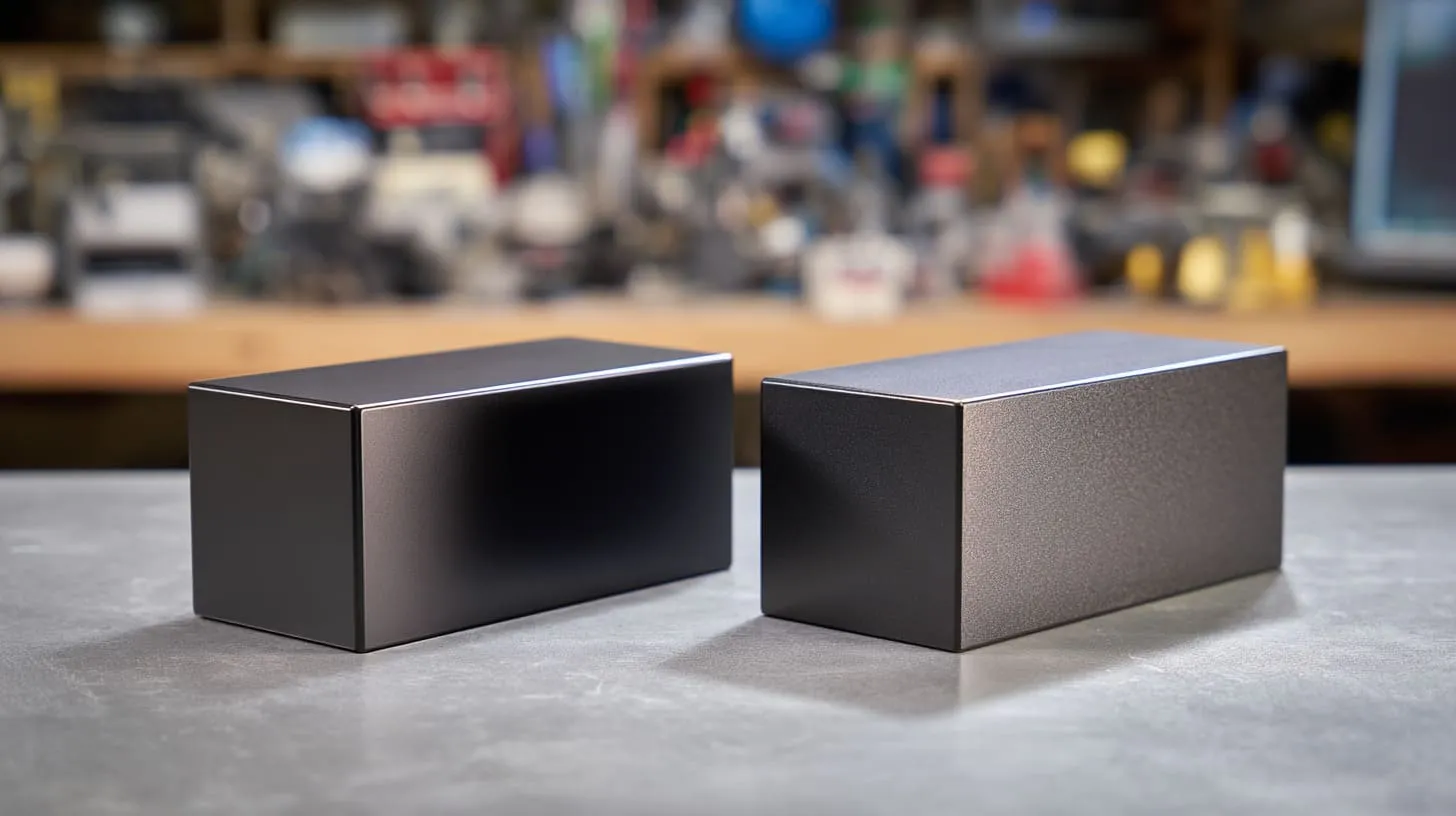
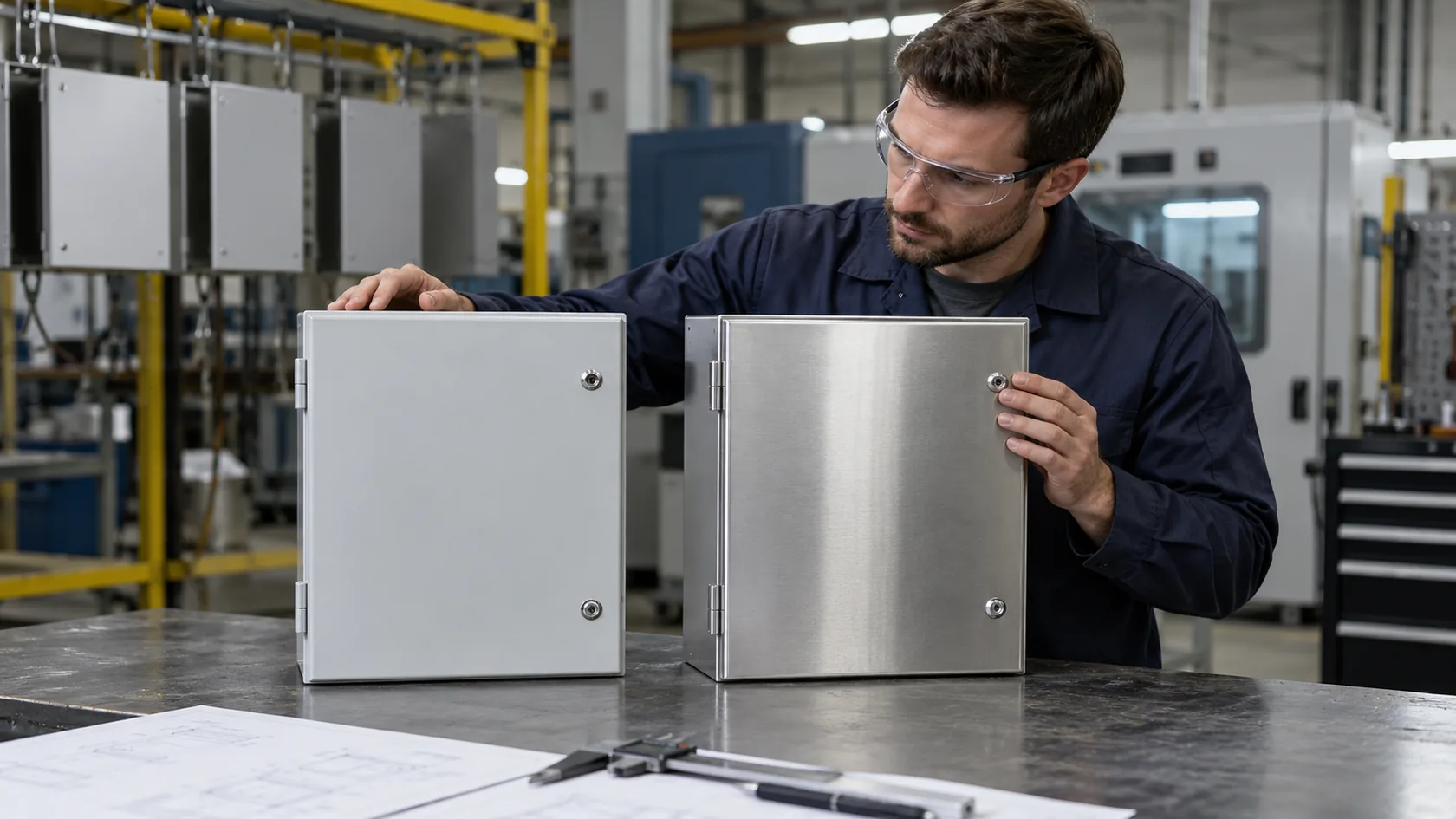
A buyer once sent me two photos in the same email. Same enclosure shape. Same black anodizing request.
One photo looked clean and premium. The other looked… tired. Like the color had a “cloud” floating on top.
He wrote: “Vincent, both are aluminum. Why do they look different?”
That question shows up a lot in my work at MaidaTech, especially with OEM buyers who sell products under their own brand. Davide in Finland cares about this because his customers judge his product in three seconds. Jackson in Germany cares because he puts these enclosures in front of retail buyers. John in Hungary cares because his new project lives online, and photos are brutal when the finish is uneven.
Here is the tricky part: anodizing does not “fix” a weak surface. It shows the surface. Sometimes it even makes small problems louder.
The common mistake I see is simple: people choose alloy based on strength only. Then they complain about the finish later.
So I want to answer one real question:
Between 5052 and 6061, which one gives a better anodized surface finish for B2B enclosures?
One honest line from my side: I do not judge alloy choice by spec sheet strength first. I judge it by what the customer will see under real light and real handling, because that is where returns and arguments start.
Before we talk about “better,” we need to talk about what these alloys really are, and why they behave differently the moment anodizing touches them.
What Is the Core Difference Between 5052 and 6061?
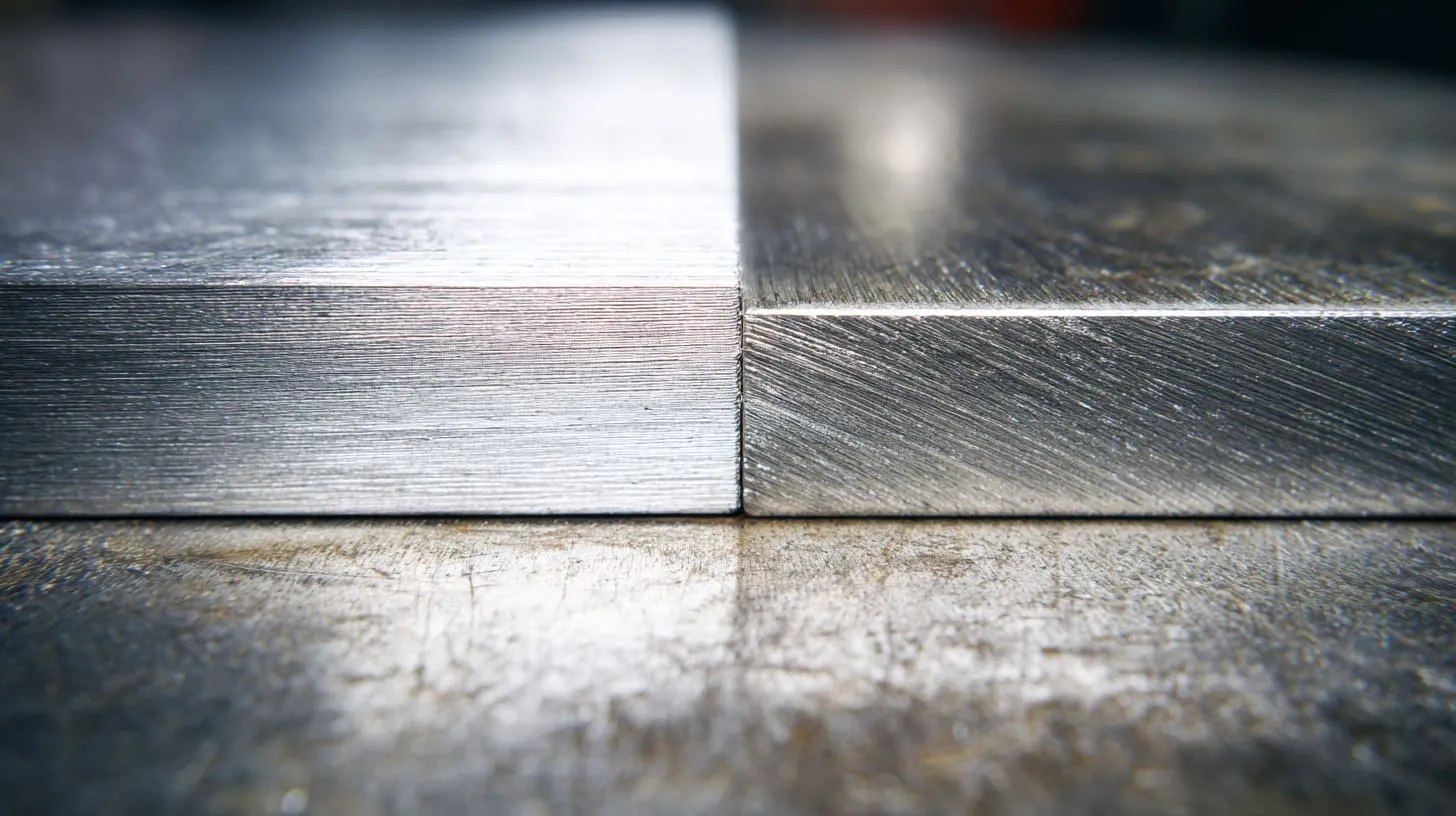
5052 and 6061 both feel like “normal aluminum” when you hold a raw plate. That is why buyers treat them like close cousins.
But inside the metal, they are not close at all.
When the anodizing line runs, it reacts with the surface and the alloy chemistry. That reaction does not care about your CAD drawing. It cares about what is inside the metal and what is on the surface.
A decision I make on real projects is this: if the enclosure is mostly bent sheet metal, I lean toward 5052 early; if the enclosure is mostly CNC and customer-facing, I lean toward 6061 early, because the finish risk is different.
Chemical Composition Differences
5052 is known for magnesium.
6061 is known for magnesium + silicon.
That sounds small, but it changes how the grain looks and how the anodized layer builds.
Here is a simple way to think about it:
- 5052 often behaves like a “forming-friendly” alloy.
- 6061 often behaves like a “machining-friendly” alloy.
And anodizing tends to reward stability and uniformity.
Quick chemistry-to-finish mapping (practical view)
| Alloy | Typical “feel” in anodizing | What often causes the look |
|---|---|---|
| 5052 | slightly darker, sometimes less even on big panels | Mg-rich structure + forming marks show up |
| 6061 | brighter, cleaner, often more even on machined parts | Mg-Si structure + stable machining surfaces |
Now, this table is not a promise. It is a pattern.
And patterns still have exceptions. That is why I always ask: What is the part process route?
Mechanical Behavior Before Surface Treatment
This is the part most people skip.
5052 bends better.
6061 is stronger and machines better.
But here is the twist: mechanical behavior changes the surface condition, and the surface condition changes the anodized look.
- 5052 bending can leave light stretch marks and tiny texture shifts along the bend zone.
- 6061 machining can leave tool marks, cutter lines, and direction patterns.
So the real comparison is not “5052 vs 6061.”
It is often “bent 5052 vs machined 6061,” and those are totally different surfaces going into anodizing.
If you are still with me, good—because now we can talk about how 5052 actually looks after anodizing, not what people wish it looks like.
How Does 5052 Perform in Anodizing?
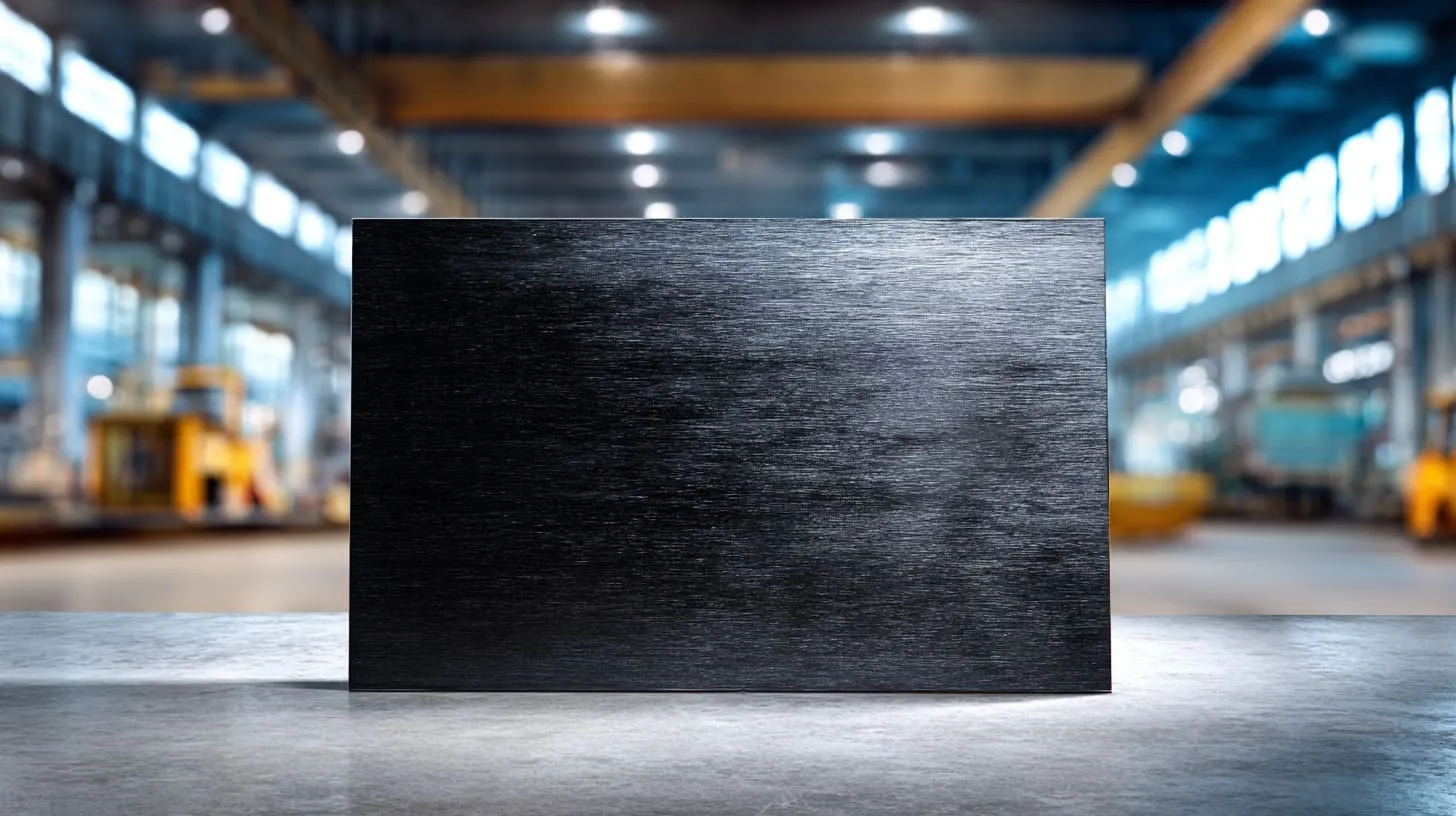
I like 5052. I use it a lot.
But I also warn buyers: 5052 can look “less perfect” when you ask for cosmetic anodizing on large flat areas.
This is where buyers get confused. They say: “But 5052 is great for sheet metal.”
Yes. It is.
But anodizing cares about the surface story you gave it.
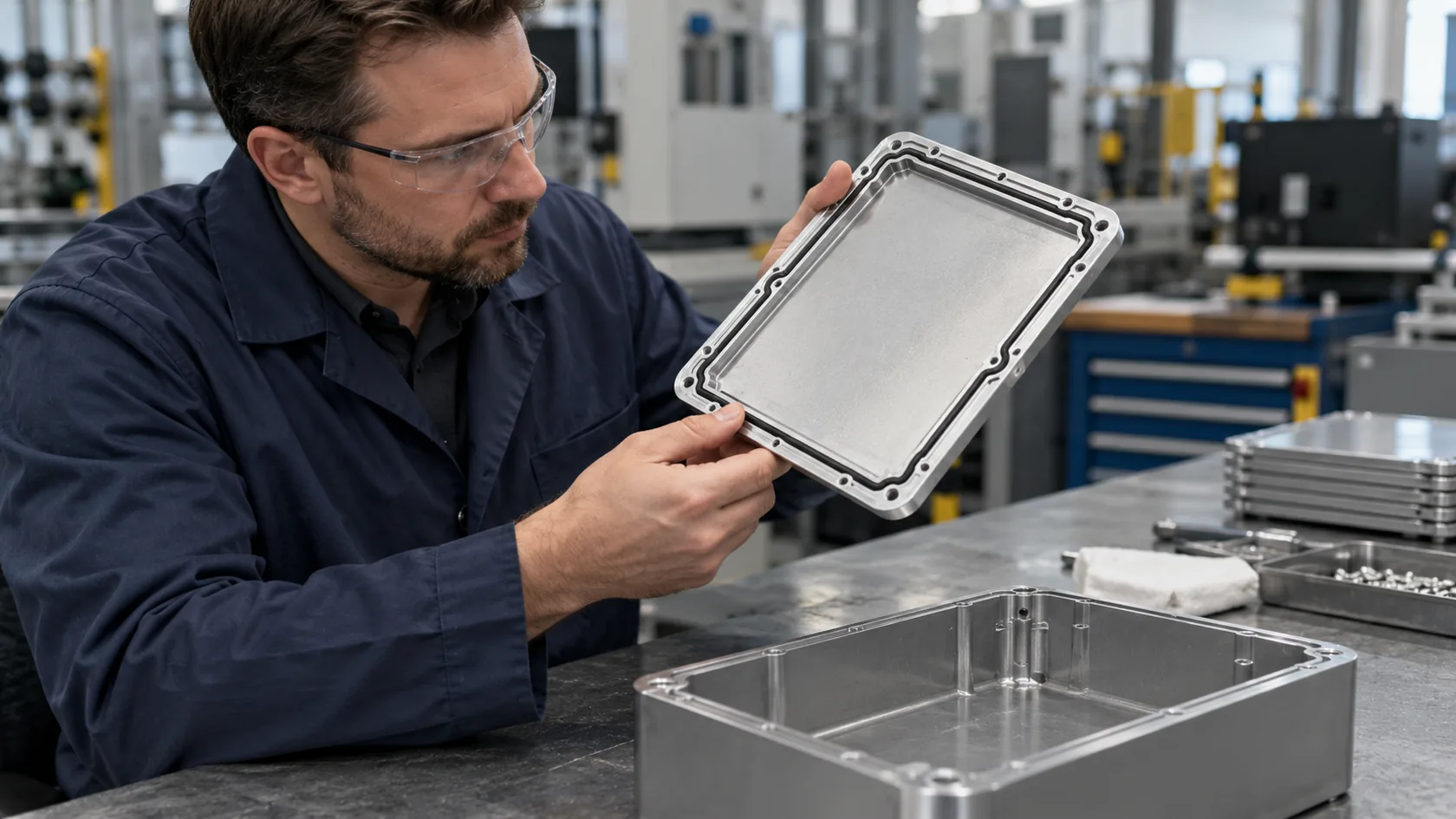
When I review a 5052 anodized sample, I look at it from three angles under normal room light, because a finish that looks fine straight-on can look patchy once the product sits on a shelf.
Surface Appearance After Anodizing
Many times, 5052 anodizing looks:
- slightly darker in tone (especially in black or dark colors)
- less uniform on very large panels
- more sensitive to how the panel was rolled, handled, and bent
On small parts, you may never notice.
On big panels, you can notice fast.
What can create shade variation on 5052 (common causes)
| What happened before anodizing | What you see after anodizing | Why it shows up |
|---|---|---|
| different coil/lot material | slight color mismatch between parts | chemistry and grain differ |
| uneven sanding direction | “cloud” or streak effect | texture reflects light unevenly |
| heavy forming near edges | bend zones look slightly different | strain changes surface response |
This does not mean 5052 is “bad.”
It means 5052 is honest. It shows your process.
Scratch and Handling Visibility
5052 is softer than 6061 in many practical situations.
So it can pick up handling marks more easily.
That matters if you have:
- thin anodize
- matte finishes where light shows scuffs
- assembly lines with lots of touch points
And yes, anodizing adds surface hardness.
But it does not erase the history of scratches that happened before it.
So if your operators slide parts, stack parts, or wipe parts with dirty cloth, 5052 will punish you faster.
Best Use Cases for 5052 in Anodized Projects
I still recommend 5052 for anodized enclosures when the project looks like this:
- large bent sheet metal housings
- shapes with lots of forming and bends
- industrial installations where people care about function first
- hidden or internal parts where cosmetic perfection is not the main goal
My short rule: if bending is the main “risk,” 5052 reduces that risk.
And now we get to the other side of the table: 6061.
This is where people expect miracles, and sometimes they get them… but sometimes they get tool marks wearing a nice anodized coat.
How Does 6061 Perform in Anodizing?
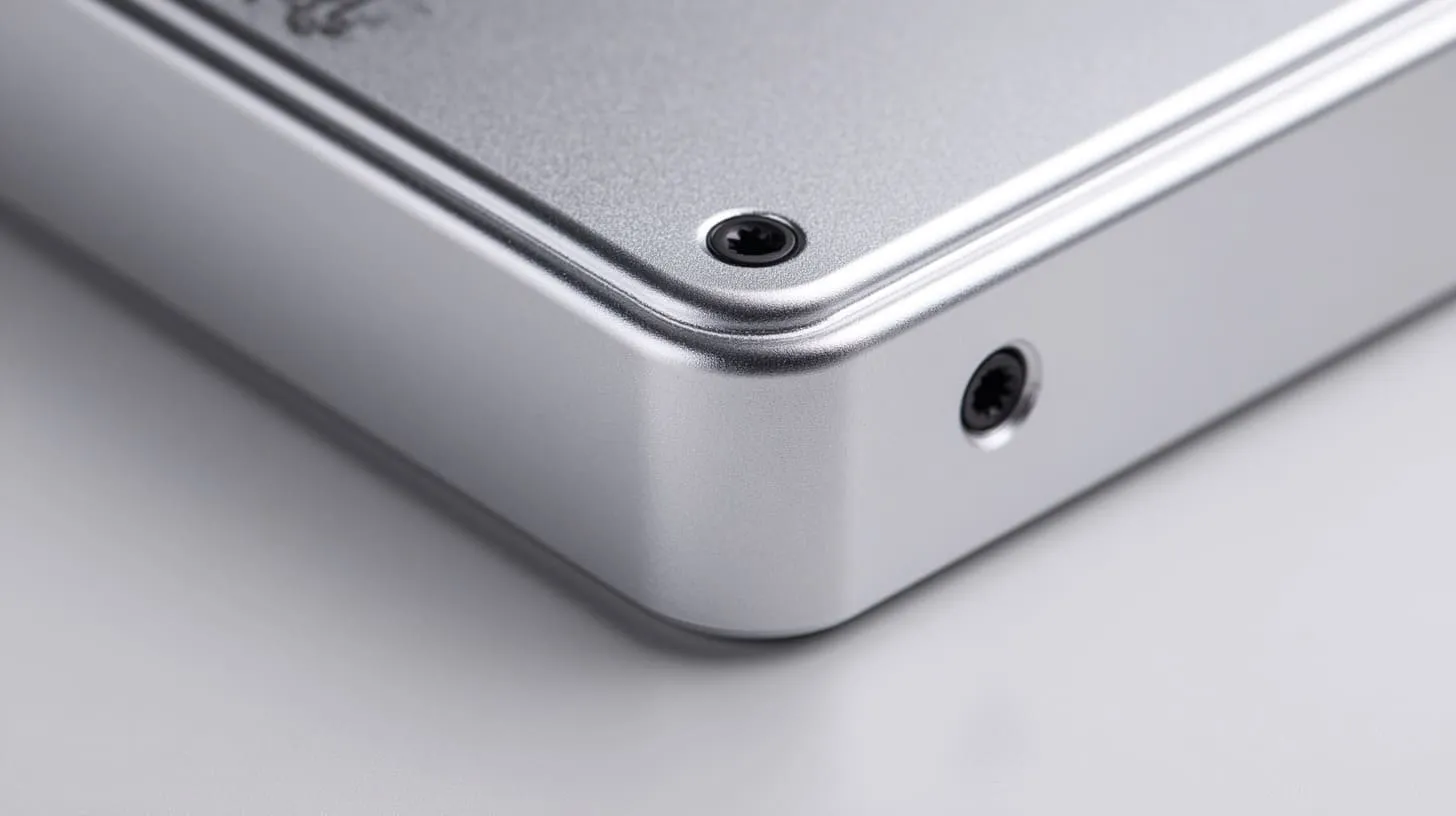
When buyers ask for a “premium” anodized look, they usually mean 6061—sometimes without saying it.
6061 often gives a cleaner finish because it pairs well with machining and controlled surface prep.
But 6061 also has a trap: it can make machining marks look more obvious after anodizing.
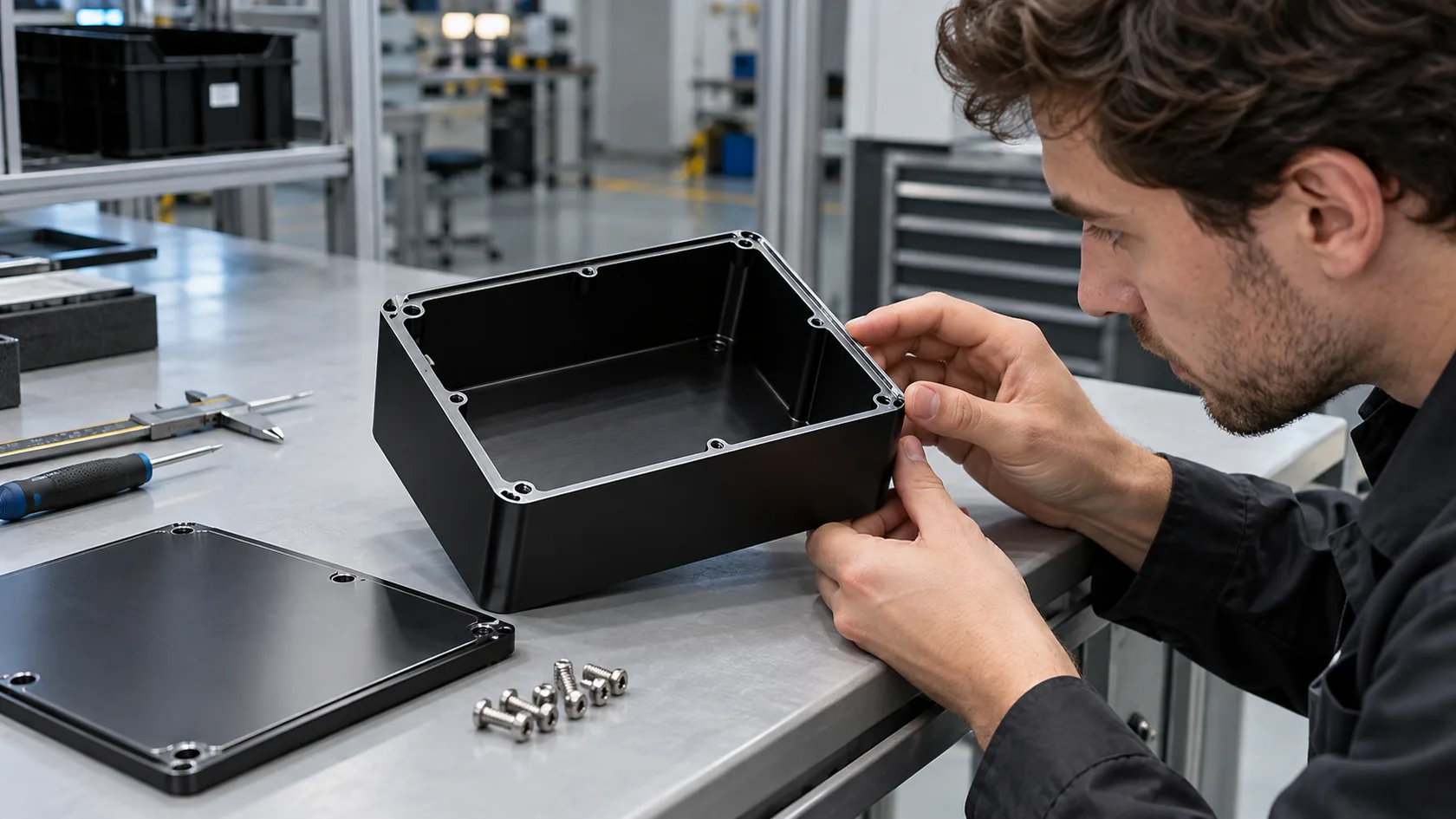
My personal rule on 6061 is blunt: I never trust a machined surface for cosmetic anodizing until I see it after bead blast or brushing, because tool path patterns love to show up at the worst time.
Surface Uniformity and Color Consistency
In many projects, 6061 anodizing looks:
- brighter and cleaner
- more consistent across CNC parts
- more “photography-friendly” for ecommerce
This is why Jackson tends to request 6061 on visible panels.
He sells with photos, and photos do not forgive uneven tone.
But uniformity is not automatic. It depends on prep and lot control.
Machining Marks and Their Impact
CNC machining creates patterns.
Even a “smooth” machined surface can have:
- cutter lines
- direction changes
- small chatter marks near corners
- different surface texture between roughing and finishing regions
Anodizing can amplify those. Not always. But often enough to cause complaints.
Common machining marks and what anodizing does to them
| Machining behavior | After anodizing, the risk is… | How I reduce it |
|---|---|---|
| visible tool paths on large faces | “zebra” reflection under light | bead blast or consistent brushing |
| mixed tool types in one face | patchy tone | standardize tools + finishing pass |
| sharp edges left too crisp | edge burn or tone shift | proper edge break + controlled anodize |
| inconsistent feed/speed | texture drift | stable machining recipe |
This is not theory. I have seen an enclosure look “fine raw,” then look like a vinyl record after anodizing.
Best Use Cases for 6061 in Anodized Projects
I prefer 6061 when the enclosure looks like this:
- CNC machined enclosures
- premium consumer-facing devices
- branded OEM housings where finish consistency matters
- parts with tight tolerances and clean edges
So 5052 is not a loser, and 6061 is not a hero.
They just fail in different ways.
Next, I want to put them side-by-side in a finish-focused comparison, because that is how buyers actually decide.
5052 vs 6061: Direct Surface Finish Comparison
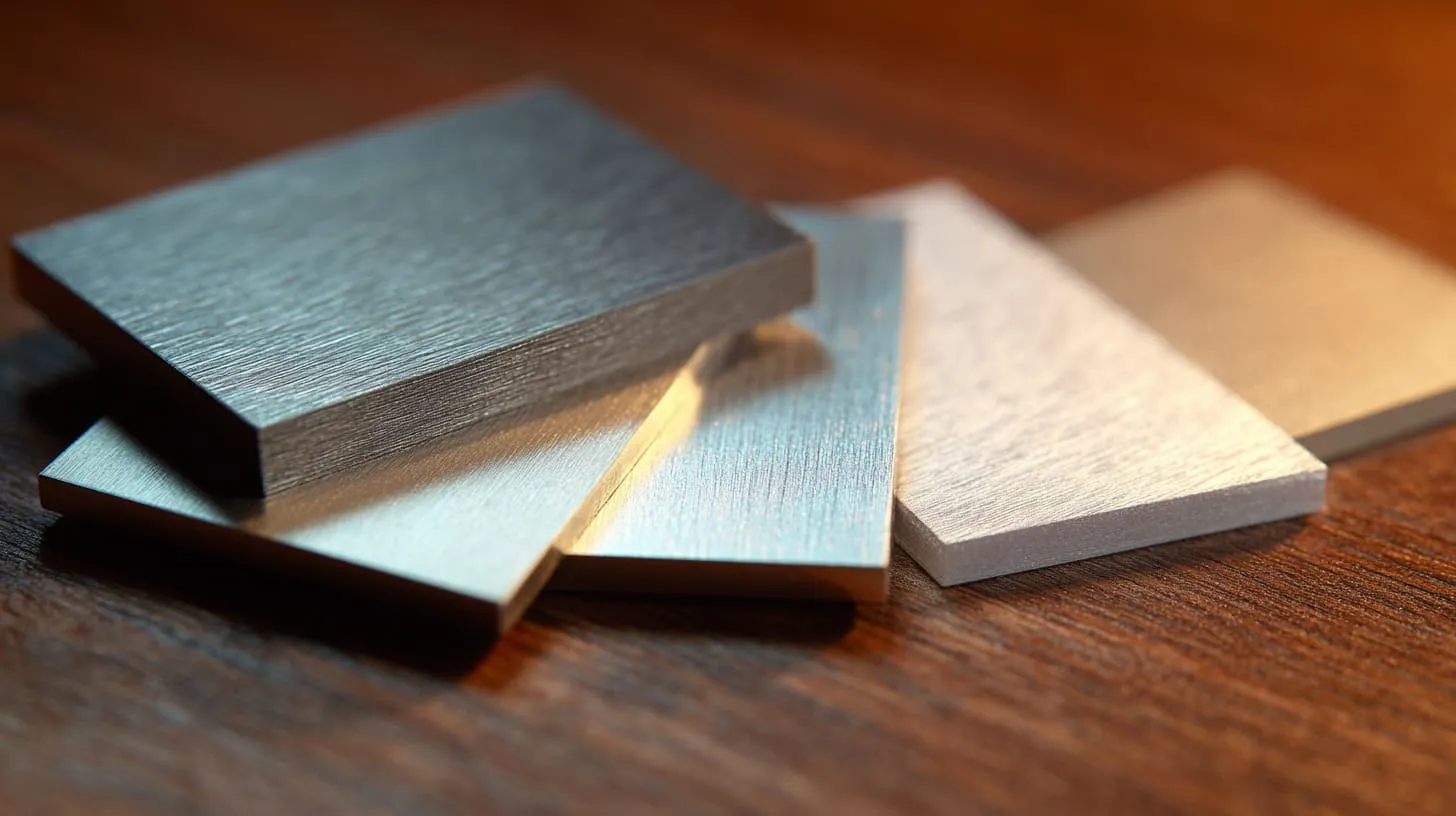
When a buyer tells me, “I want the best finish,” I ask a simple follow-up:
Best finish under what light, and for what customer expectation?
Because a matte black box in a machine room is not the same as a silver anodized box on a retail table.
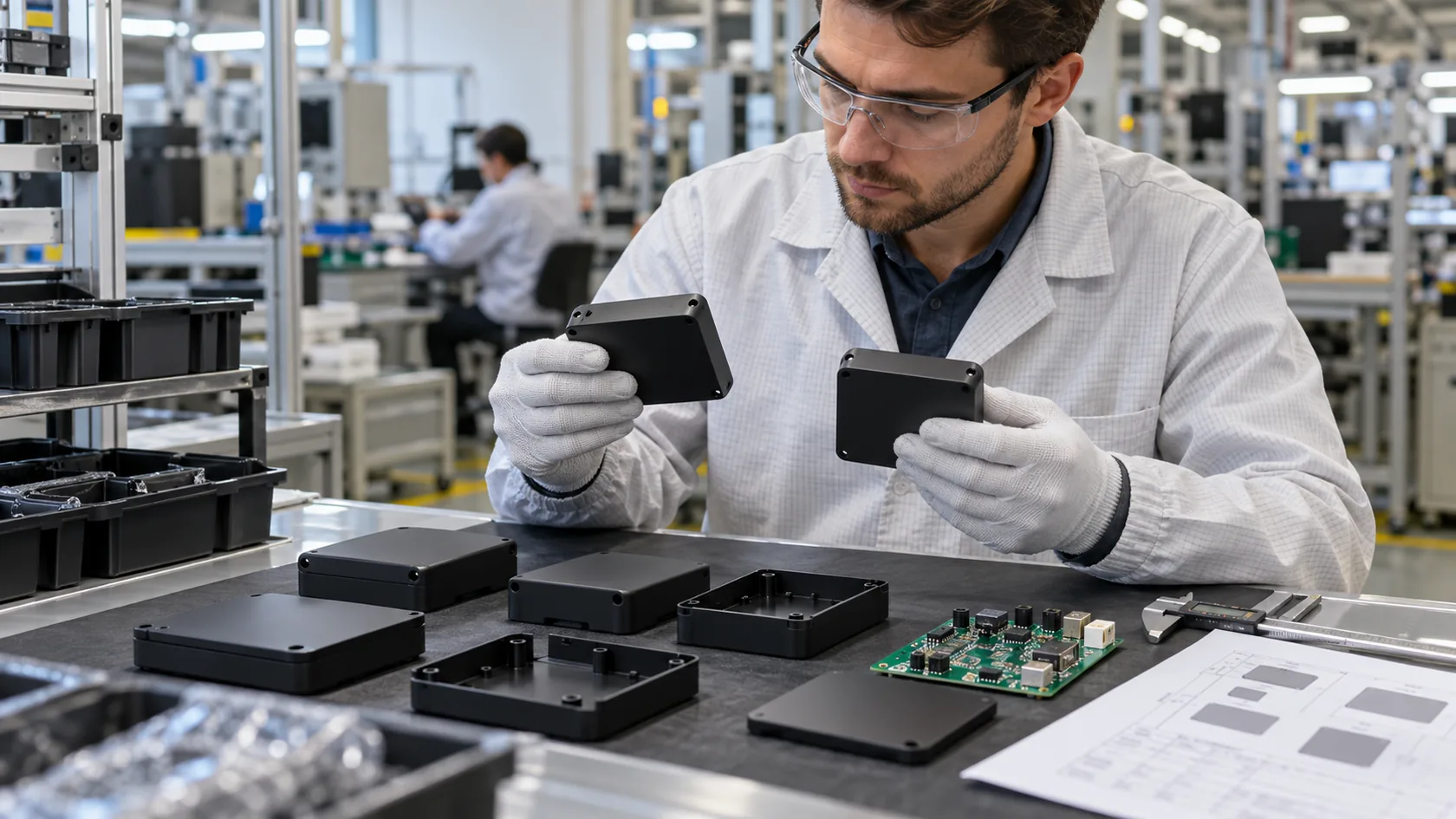
What I do in practice is I ask for two small test coupons, finished exactly like production, then I check them under office light and under phone flashlight, because those two lights catch different sins.
Color Tone Differences
5052 often looks slightly more muted.
6061 often looks brighter.
This becomes obvious in:
- clear anodize (natural)
- silver finishes
- black anodize when parts come from different lots
Tone expectation guide (not a promise, just a guide)
| Finish type | 5052 tendency | 6061 tendency |
|---|---|---|
| Clear anodize | slightly warmer / gray | slightly brighter |
| Matte black | can look deeper but less even on big panels | often more even on machined parts |
| Brushed + anodize | brushing patterns may vary with forming | brushing can look very clean if controlled |
If your brand uses “clean silver” as a visual identity, 6061 often feels safer.
Grain Structure Visibility
Grain is a quiet problem.
You do not see it in CAD.
You see it when the customer tilts the product and says, “Why does this area look different?”
5052 can show grain variations more on large sheets, especially if they came from different rolling directions or coil sources.
6061 can still show grain, but the effect often feels more controlled on machined surfaces.
Also, matte vs clear anodize changes what you notice:
- matte hides reflection, but shows texture differences
- clear shows reflection, but can hide small grain differences depending on angle
Response to Brushing and Bead Blasting
Brushing and bead blasting are not just “cosmetic.”
They are surface equalizers.
But they come with trade-offs:
- brushing creates direction lines, which can look premium or can look cheap if inconsistent
- bead blasting creates a uniform matte, but it can soften edges and hide details
Surface prep response summary
| Prep method | 5052 result | 6061 result | Where problems show up |
|---|---|---|---|
| Brushing | can look good, but forming zones may reflect differently | often very consistent on CNC faces | inconsistent brush direction |
| Bead blasting | more even look on large panels | very even, “soft” premium matte | edge rounding + tight fit areas |
| Raw machining + anodize | not common for 5052 | risky for 6061 | tool marks become “visible art” |
If this feels like a lot, good. It is a lot.
And the next question is even more important: what if the alloy is right, but the fabrication method ruins the look?
Does Fabrication Method Change the Final Anodized Look?
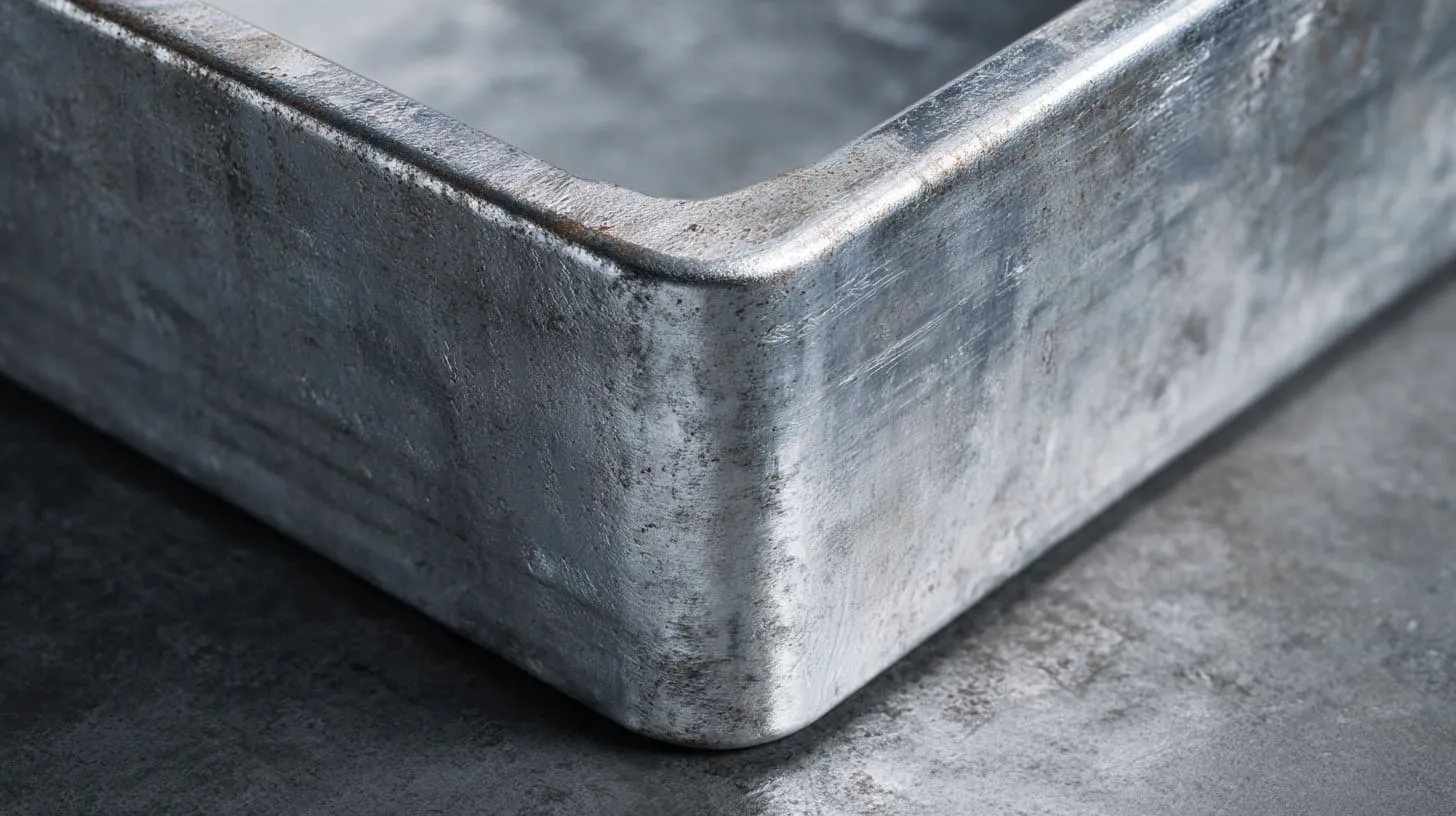
Yes. A lot.
Sometimes fabrication matters more than alloy.
I once had a project where the buyer insisted on 6061 for a bent enclosure. We tried. It cracked at the bend line on the first round. We changed the bend strategy, adjusted radius, used careful handling, and still the risk stayed high. The finish conversation became pointless because the part did not survive forming well.
So I treat fabrication method like a filter:
- If the part is mostly bent sheet metal, 5052 often reduces failure risk.
- If the part is mostly CNC, 6061 often gives better control.
Here is the thing I check when I want to avoid finish complaints: I map the whole process route, then I ask, “Where does the surface get touched, strained, or cut?” Because anodizing will highlight those spots.
Bending vs CNC Machining
Bending story:
5052 usually bends cleaner.
6061 bends, but it fights you, especially in hard tempers, and especially with small radii.
Bending also creates stretch zones.
Those zones can reflect light differently after anodizing.
Machining story:
6061 is friendly for CNC.
5052 can be machined too, but 6061 usually gives more predictable machining behavior for tight and detailed parts.
Welded Areas and Heat-Affected Zones
Welds are a big deal in anodizing.
A weld zone has:
- different chemistry (filler material)
- different heat history
- different surface texture after sanding
Then anodizing comes, and the color can shift.
So the question is not “Which alloy welds better?”
It is “Which welded assembly will look acceptable after anodizing?”
Weld + anodize reality table
| Situation | What often happens after anodizing | How I handle it |
|---|---|---|
| welded corners on cosmetic face | weld halo / tone change | move weld to hidden side |
| heavy grinding on weld | visible sanding shadow | controlled sanding steps |
| filler mismatch | obvious color difference | select filler + test sample |
If the enclosure must look perfect, I try very hard to avoid welds on visible areas.
That is not pride. That is survival.
Surface Preparation Importance
People say “anodizing quality matters.”
Sure.
But in many cases, surface prep matters more.
I break prep into simple steps:
- degrease
- de-oxidize
- sand or brush if needed
- bead blast if needed
- rinse well
- keep parts clean before anodize
I also care about one boring detail: how parts are racked.
Rack marks can kill an otherwise nice finish.
Now we have talked about finish. Let’s talk about money, because finish defects do not only hurt feelings. They hurt schedules and margins.
Cost Impact: Does Surface Finish Affect Project Budget?
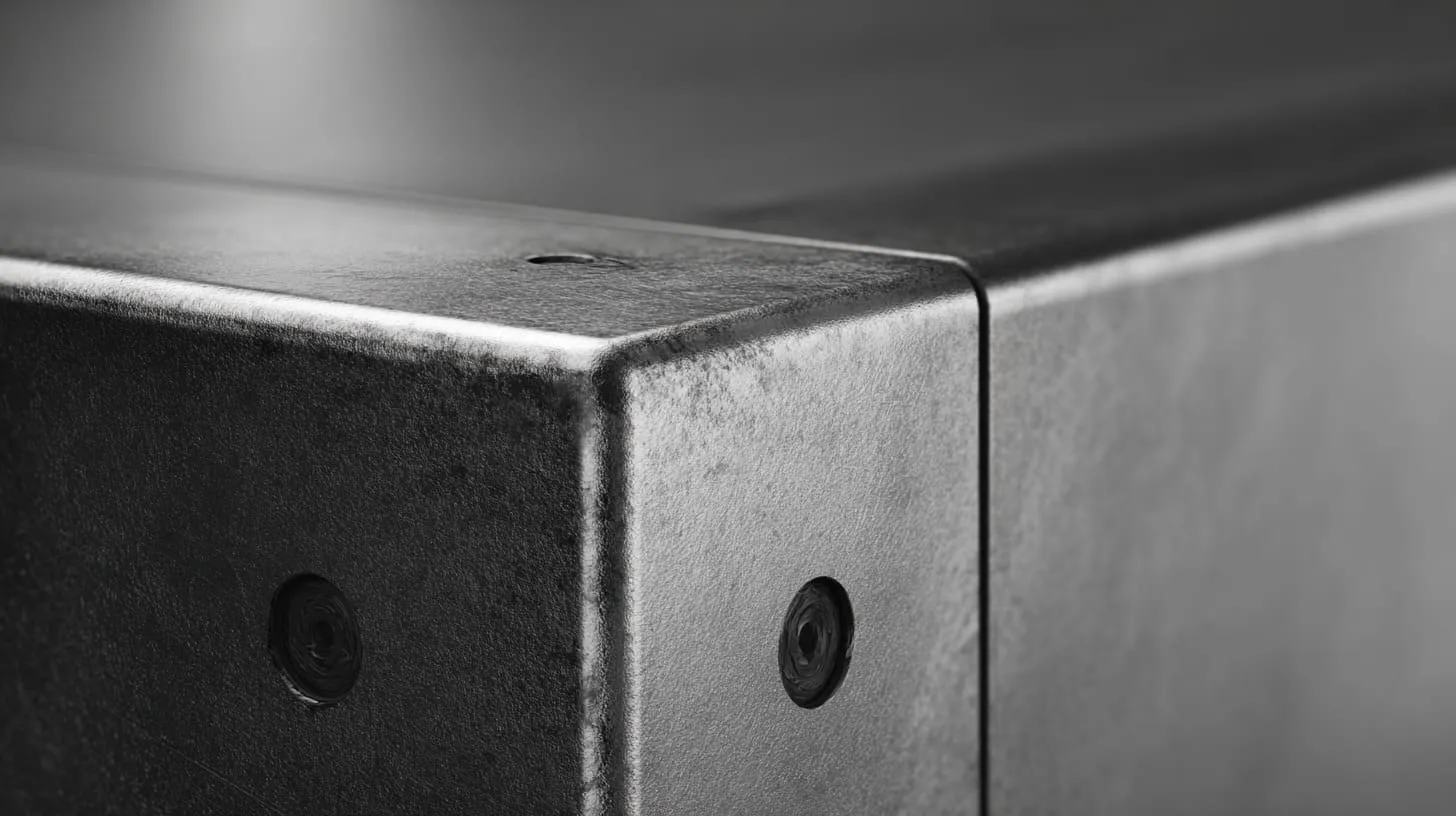
Many buyers think material cost is the main cost difference.
It is not always.
The real cost pain usually comes from rework and scrap, especially when the finish is customer-facing.
One thing I watch closely is the “cosmetic rejection rate.” If the buyer wants a showroom-level finish, I assume the project will need tighter process control, and that control has a cost.
Material Price Differences
Often, 6061 is a bit higher than 5052, but prices move by region, thickness, and supply.
Also, buying in small quantities can flip the numbers.
But even if 6061 costs more per kg, it can still be cheaper overall if it reduces rework in premium finish projects.
Rework Risk from Cosmetic Defects
This is where the budget can bleed.
Cosmetic defects in anodizing can include:
- patchy tone
- streaks from sanding
- visible tool paths
- weld halos
- rack marks
- handling scuffs trapped under anodize
Some of these defects can be fixed.
Some cannot.
Rework risk comparison (project reality)
| Risk type | 5052 typical risk | 6061 typical risk | Cost impact |
|---|---|---|---|
| forming cracks | low | higher if bent hard | high (scrap) |
| machining marks | low (less CNC) | medium to high | medium to high |
| large-panel shade drift | medium | medium | medium |
| cosmetic rejects for premium brands | medium | medium | high if standards are strict |
So I do not ask, “Which alloy is cheaper?”
I ask, “Which alloy gives me fewer surprises for this specific surface requirement?”
When Paying More Makes Sense
I see the “pay more” choice make sense when:
- the enclosure is shown in product photos
- the customer touches it often
- the buyer sells in strict markets (Japan and Germany are classic examples)
- brand identity is tied to “clean metal look”
For a factory buyer, spending a little more to reduce finish risk can be the cheapest decision.
Now we arrive at the part you actually want: what should you choose?
Which Alloy Should You Choose for Anodized Enclosures?
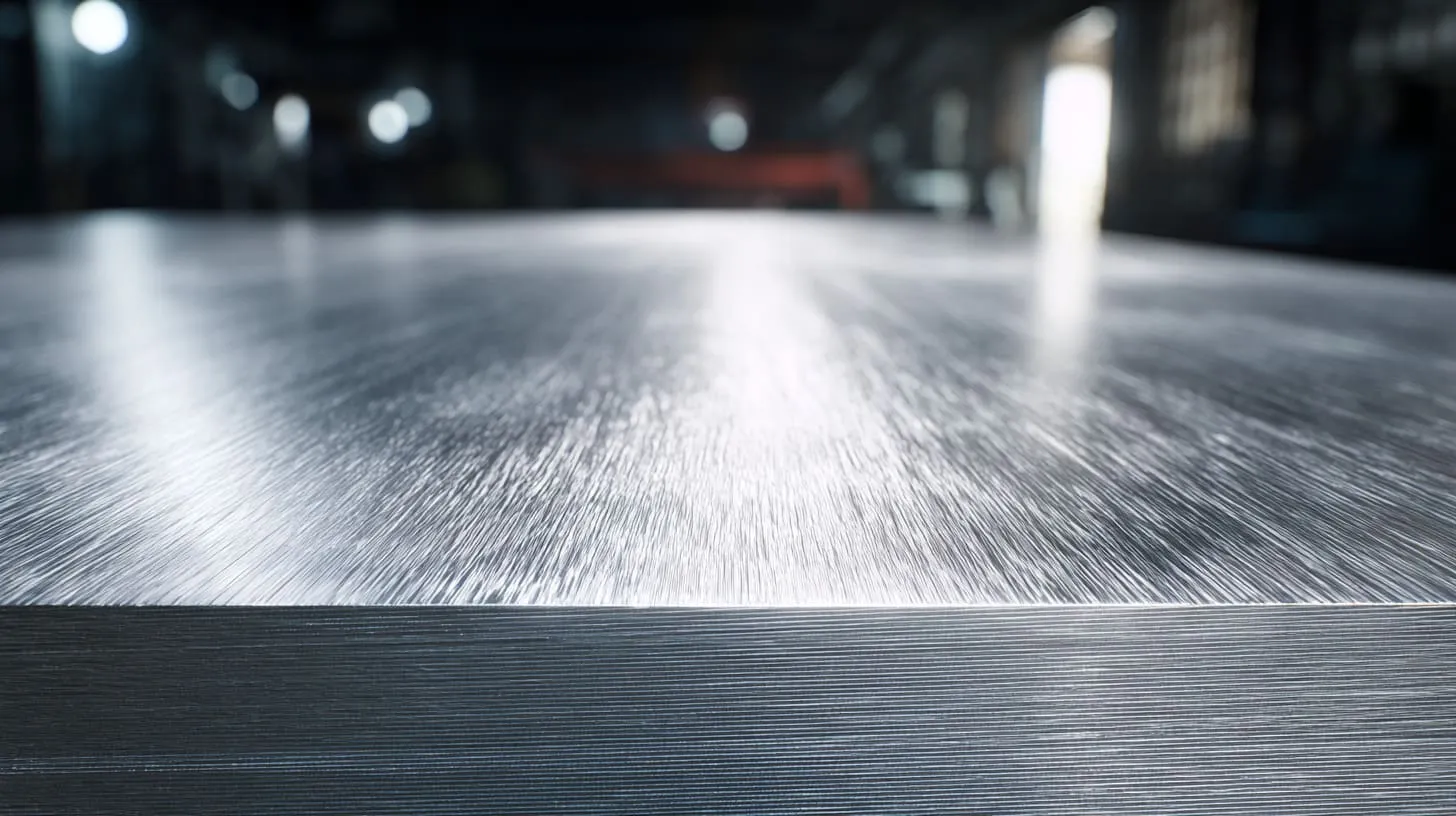
I cannot choose your alloy from a distance, because the finish target and process route decide everything.
But I can tell you how I choose in real OEM work.
My way of deciding is not romantic: I pick the alloy that reduces the main project risk first—cracks, ugly finish, delays, or cost spikes—then I fine-tune the finish steps.
Choose 5052 If:
You should lean 5052 if:
- your enclosure involves heavy bending
- you have large sheet metal housings
- your finish is anodized but not “luxury cosmetic”
- you need stable forming and fast production
Typical 5052 “safe zone” projects
- industrial controllers
- power supply housings
- large brackets and covers
- enclosures where function and durability win
Choose 6061 If:
You should lean 6061 if:
- CNC machining dominates
- tight tolerances matter
- the enclosure is customer-facing
- you need a premium anodized look
Typical 6061 “finish-first” projects
- consumer electronics housings
- branded OEM cases with visible surfaces
- small machined enclosures with clean edges
Hybrid Strategy
This is my favorite option when the project is complex.
I sometimes use:
- 5052 for structural, bent sections
- 6061 for visible panels, bezels, or CNC front plates
That way, you get:
- forming reliability where you need it
- cosmetic control where you need it
Hybrid decision table
| Part area | Best fit alloy (often) | Why |
|---|---|---|
| bent shell | 5052 | lower crack risk |
| CNC face plate | 6061 | better surface control |
| internal brackets | 5052 or 6061 | depends on load + finish needs |
| logo area | 6061 (often) | cleaner look under anodize |
If you want a simple next step: ask your supplier to run two sample coupons with your exact finish, then judge them under your real lighting. That small test can save weeks.
And now I want to protect you from the mistakes I see again and again, even with smart engineers.
Common Mistakes Engineers Make When Choosing Between 5052 and 6061
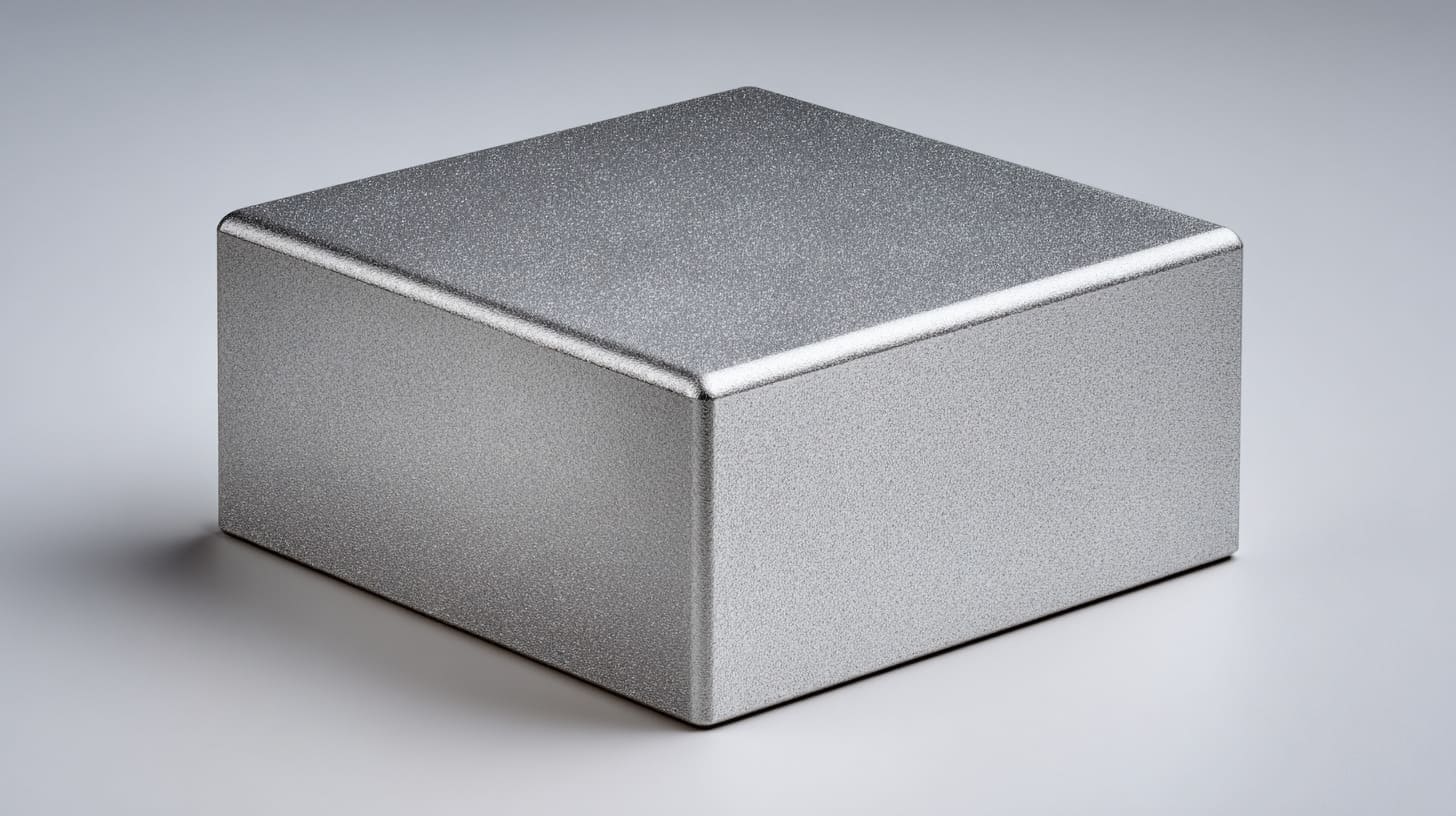
I see the same mistakes repeat because people are busy.
They want a fast choice.
But anodizing punishes fast assumptions.
My personal red flag is this: if someone says “6061 is stronger, so it must be better,” I slow the project down on purpose, because strength is not the finish.
Choosing Based on Strength Alone
Strength matters.
But finish complaints do not care about strength.
If your product is held, photographed, and judged, finish matters as much as structure.
So I push buyers to ask:
- Where will the customer look first?
- Where will light reflect?
- Where will scratches show?
Ignoring Surface Prep Requirements
Some buyers expect anodizing to “smooth” the part.
It does not.
Surface prep is the make-or-break step.
If the prep is inconsistent, anodizing will lock that inconsistency in place.
Not Testing Small Batch Anodizing Samples
This one causes the most regret.
A sample coupon is cheap.
A full production run that looks “off” is expensive.
I always prefer:
- 2–5 sample pieces
- same alloy lot if possible
- same prep steps as production
- real lighting check
If the project is for ecommerce, I even ask for a quick phone photo test.
It sounds silly, but it catches reflection problems early.
Overlooking Brand Image and Market Positioning
If your brand sells “premium,” your finish tolerance is small.
If your market is industrial and hidden, your tolerance is larger.
So the “best” alloy changes with your brand story.
Mistake-to-fix cheat sheet
| Mistake | What it causes | Simple fix |
|---|---|---|
| pick alloy by strength only | surprise finish mismatch | choose by process + finish goal |
| skip consistent prep | streaks, clouds, uneven matte | standardize prep method |
| no sample test | mass rework risk | run small batch test |
| ignore lighting reality | good in lab, bad on shelf | check under real lights |
Now we can close this the right way: not with a slogan, but with a real factory conclusion.
Conclusion
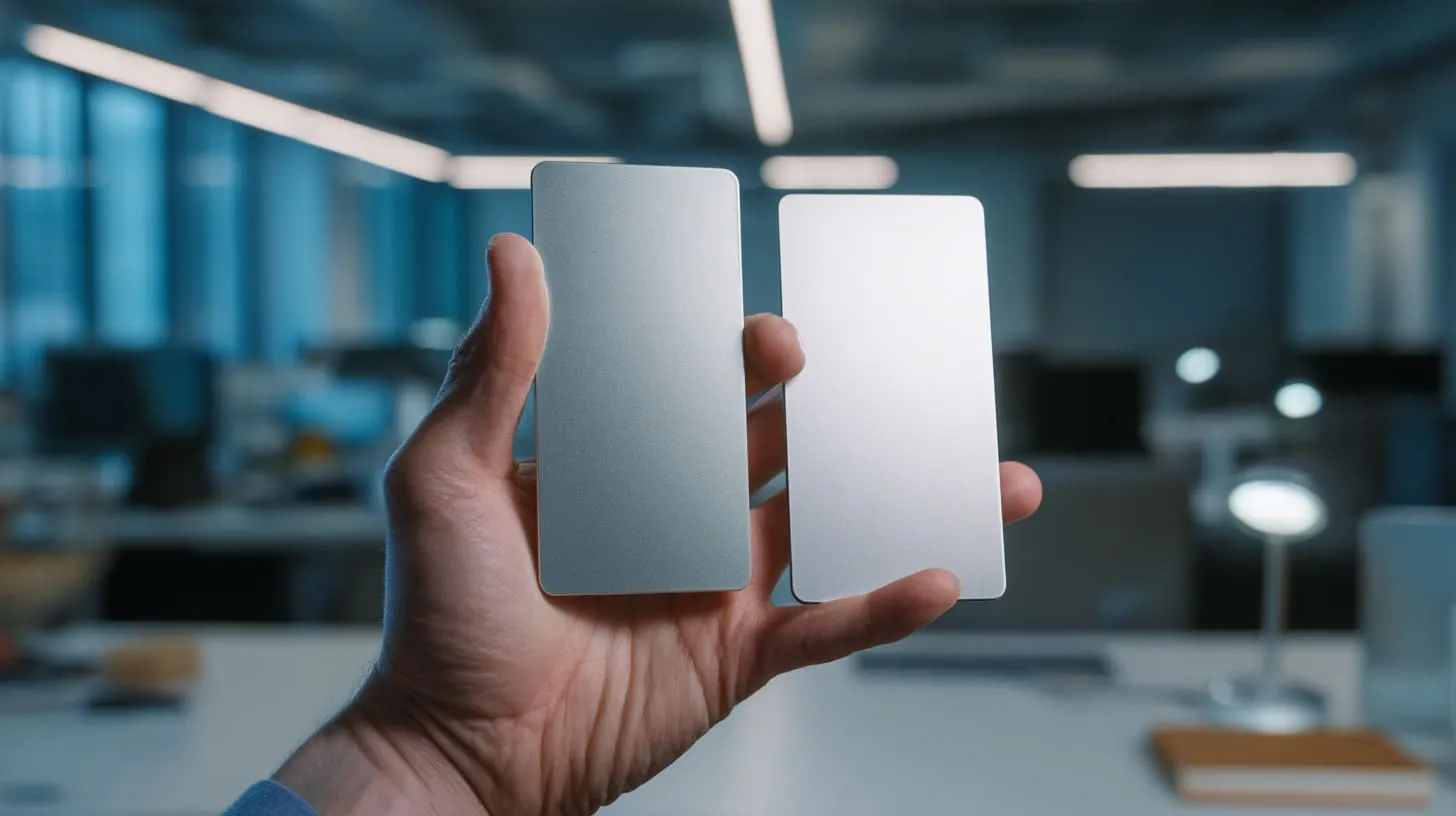
I end up with the same view after years of enclosure work: anodizing is a mirror, not makeup. That is why alloy choice matters more after anodizing than before.
I choose 5052 when the project’s biggest risk is forming. I want fewer cracks, fewer delays, and a stable build for large bent shells.
I choose 6061 when the project’s biggest risk is cosmetic finish on visible faces. I want a cleaner look, better photo results, and fewer “why does it look different?” emails.
And the reason I think this way is simple: I do not want you to win a spec argument and lose the customer. I would rather be slightly conservative early than explain a finish defect after production.
If you are planning an anodized enclosure right now, send me your drawing and tell me two things:
- which surfaces are “customer-facing”
- what finish you want (matte, brushed, clear, black)
I can suggest a 5052/6061 plan, and I can also tell you what sample test will reduce risk the fastest. If you want, I can quote with both options so you can choose with clear eyes, not guesses.