Skip to content
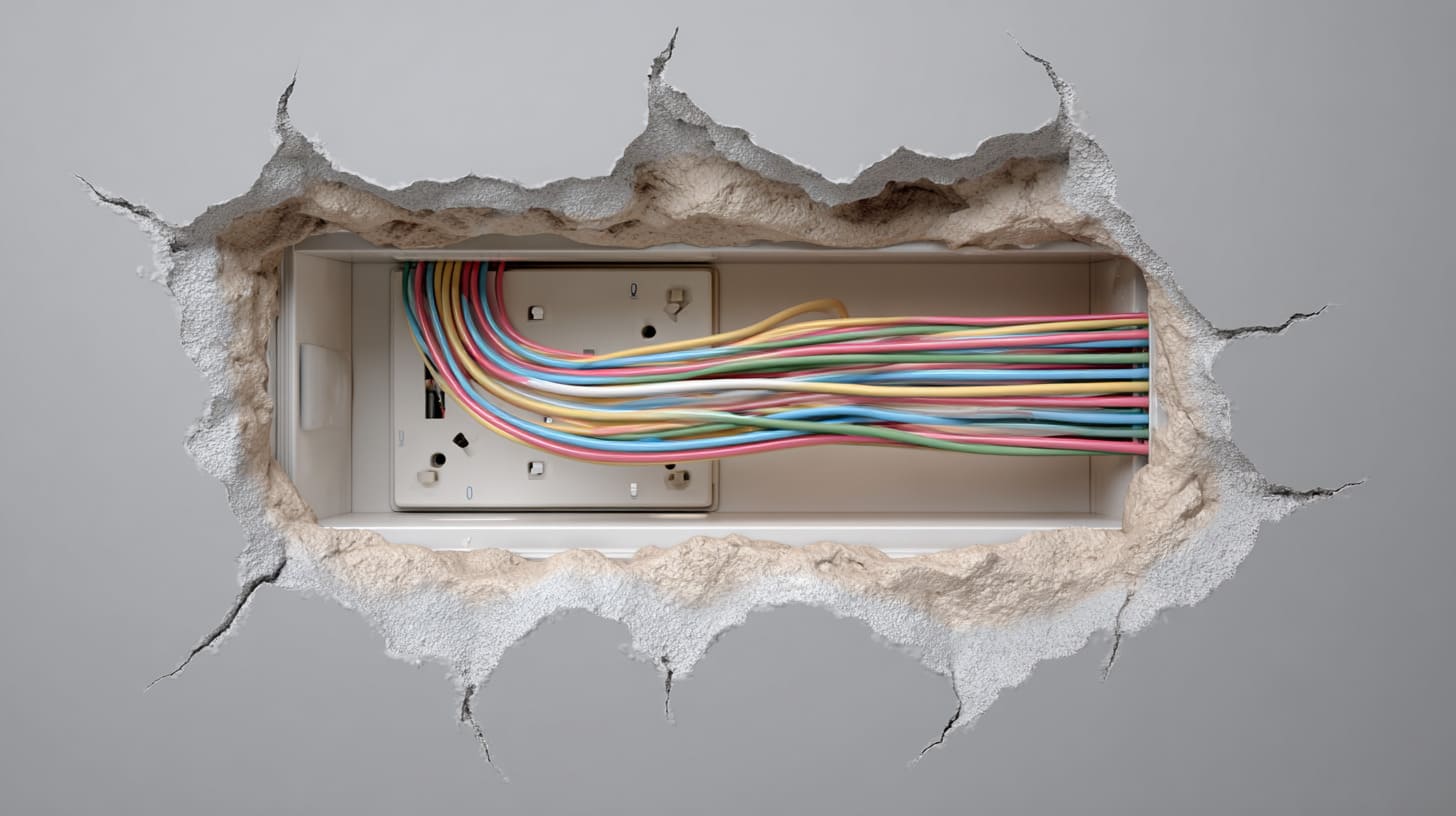
Your wall might look clean and quiet, but behind it? Wires are running a whole marathon.
You need a junction box at home to safely connect electrical wires, protect them from damage, and reduce the risk of fire.
A junction box isn’t just a boring plastic or metal square—it's the silent bodyguard of your home’s electrical system.
What is the purpose of a junction box in house wiring?
Wires don’t like being left alone.
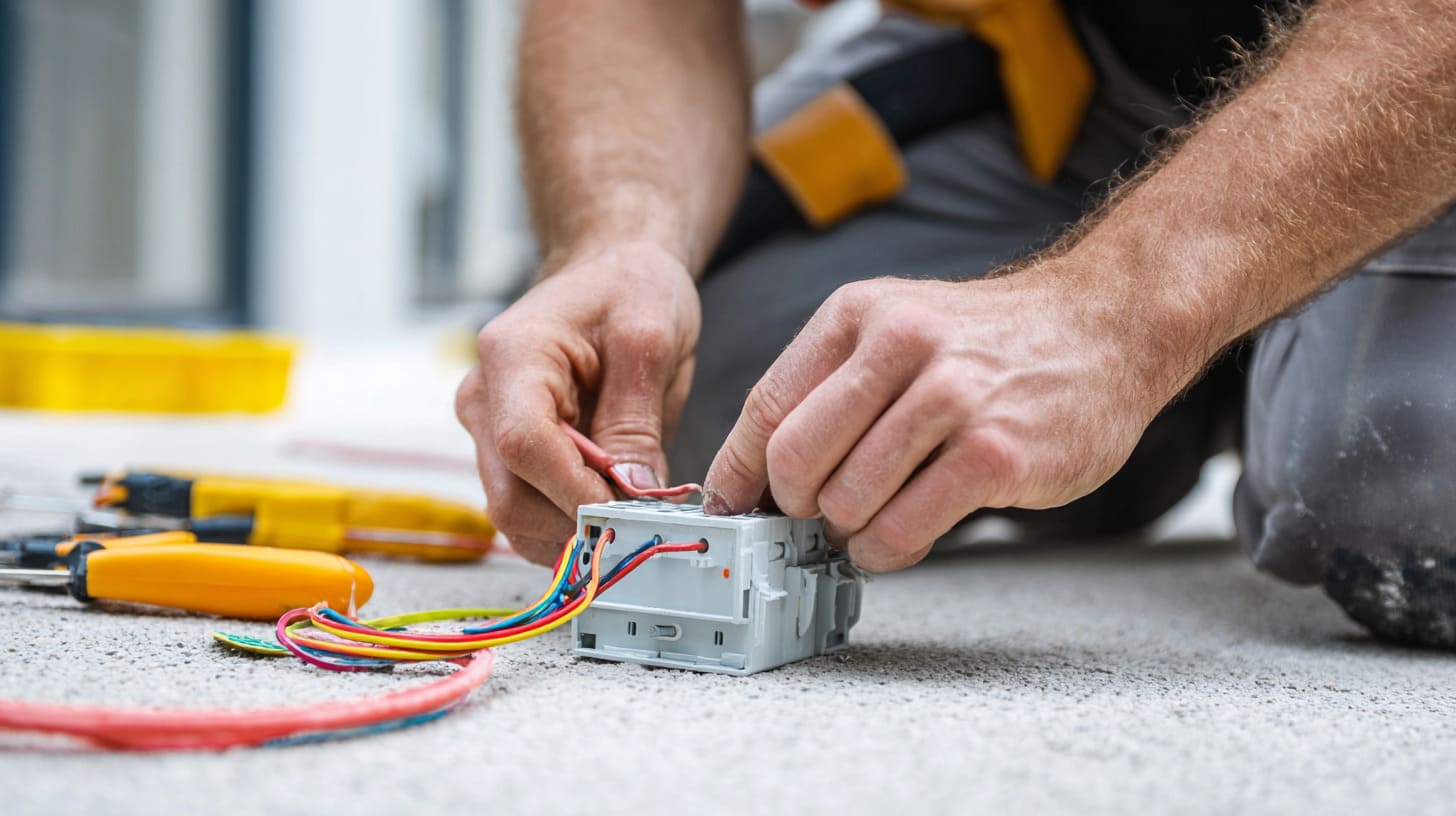
A junction box safely contains wire connections and shields them from moisture, sparks, or physical contact.
Let’s break it down:
| Function | Why It Matters |
|---|---|
| Protection | Shields wires from damage |
| Fire Prevention | Stops sparks from touching wood |
| Organized Wiring | Makes future repairs easier |
| Code Compliance | Keeps inspectors (and insurers) happy |
When I helped a friend install a dimmer switch last summer, we found the wires twisted together behind drywall. No box. Just tape. That moment made me realize—this little plastic box could literally save a life.
Does every house have a junction box?
Most do, but not always in the right places.
Every modern home should have junction boxes wherever wires are joined or redirected.
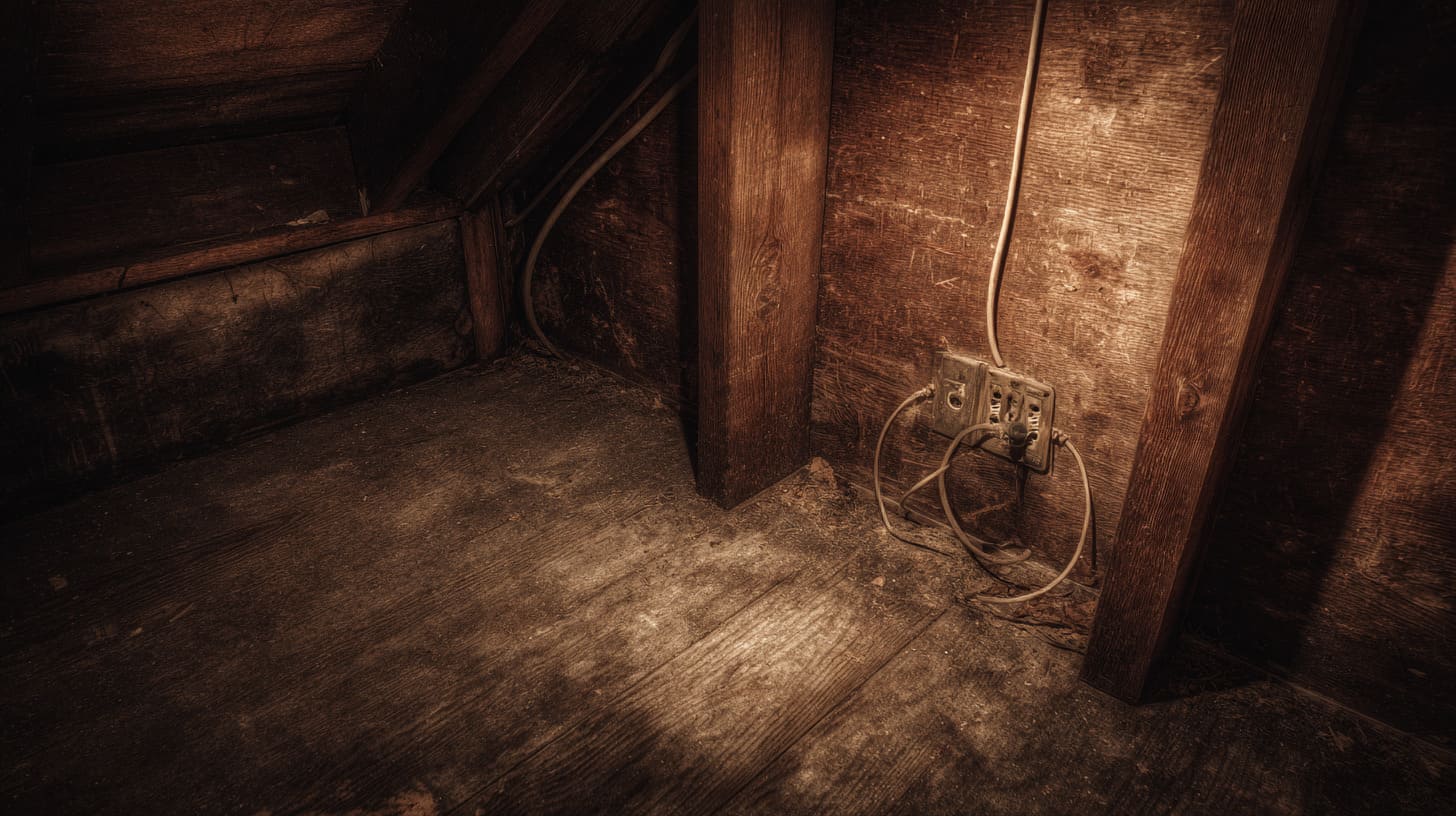
In older homes, especially those built before the '80s, you might find bare connections without boxes—especially in attics or basements. And let me tell you, that's not just outdated—it's dangerous.
Do electricians still use junction boxes?
Absolutely, yes.
Junction boxes remain a standard part of any residential or commercial electrical installation.
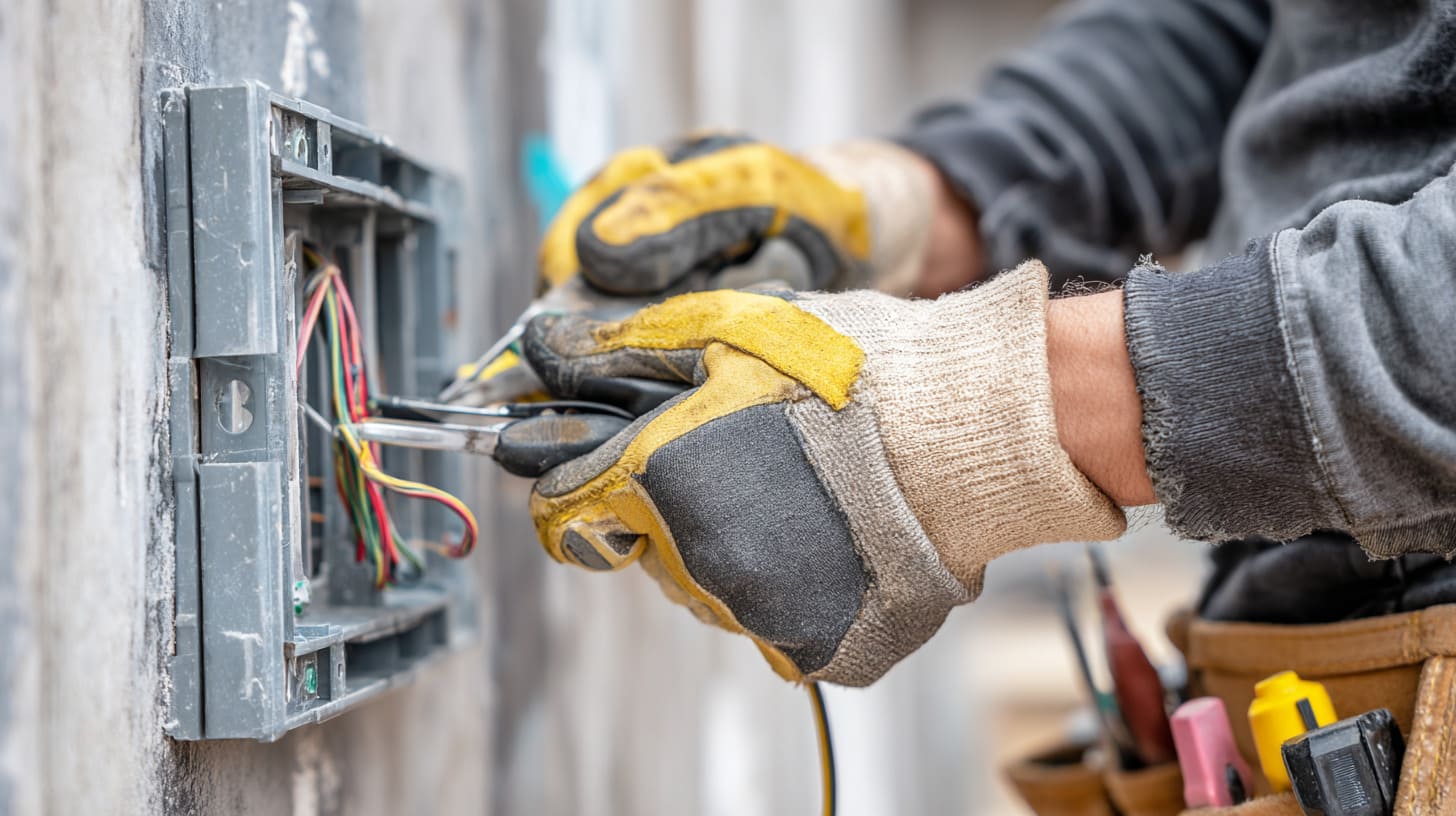
Even with smart tech and wireless switches, electricians don’t cut corners on safety. Boxes are still required whenever wires splice.
How much does it cost to install a J-Box?
It’s more affordable than you think.
Installing a junction box usually costs between $50 and $200 depending on location and labor.
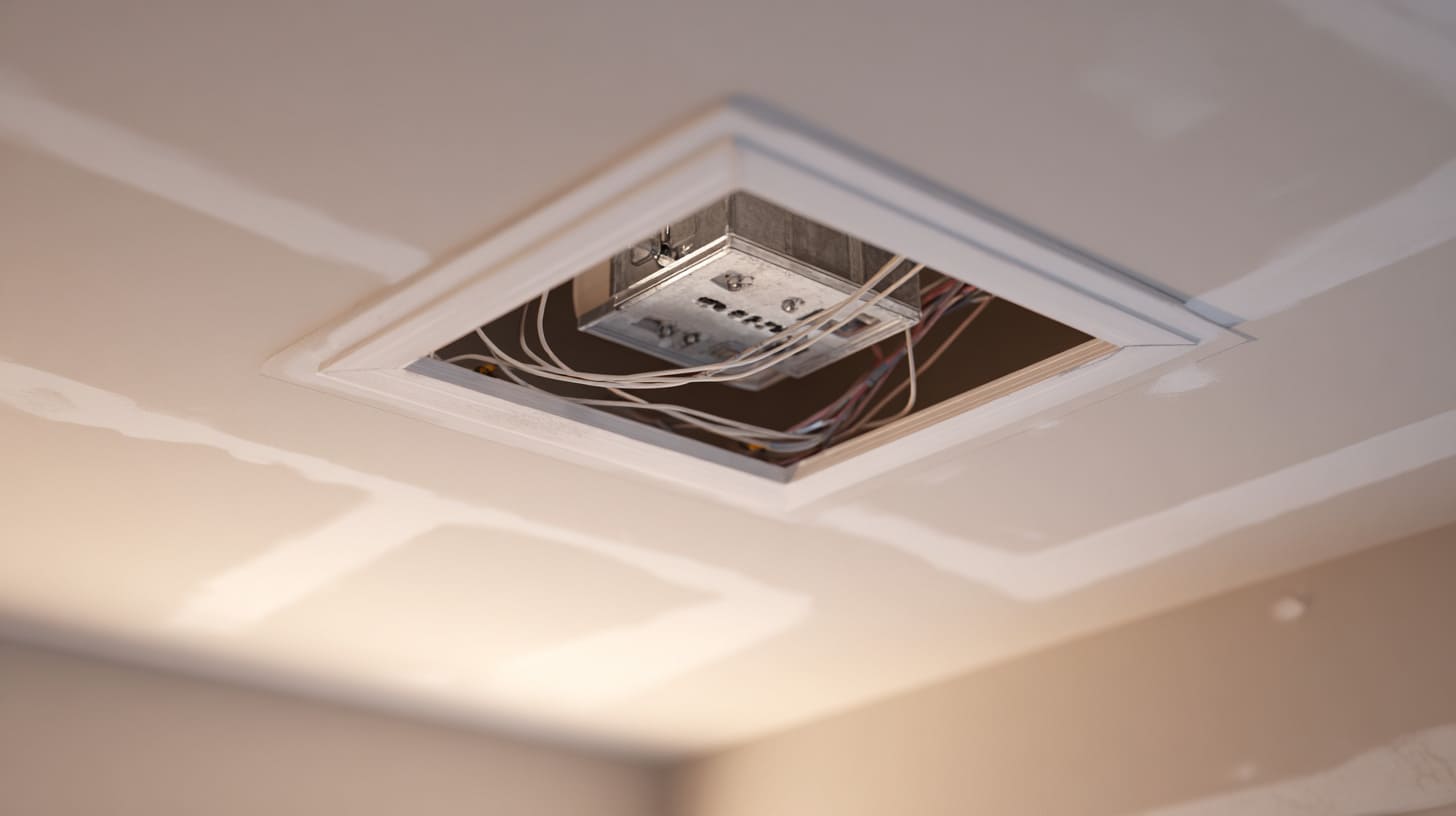
If it's in drywall or a ceiling, expect higher costs. But for peace of mind and fire safety? Totally worth it.
Is it safe to have exposed wires without a junction box?
Never.
Exposed wire connections without a junction box are a major fire and shock risk.
Imagine leaving a candle unattended next to your curtain—that's what exposed wires are like. It might be fine today, but one spark and you’ve got a disaster.
Where should you install a junction box in your house?
Wherever wires meet or split.
Install junction boxes at wire splices, behind switches, outlets, or light fixtures.

And always place them in accessible locations—not buried behind permanent walls. If you can't reach it later, neither can the electrician.
Can a plastic junction box be used instead of a metal one?
Yes, and sometimes it’s even better.
Plastic boxes are fine for most residential wiring unless the code or application requires metal.
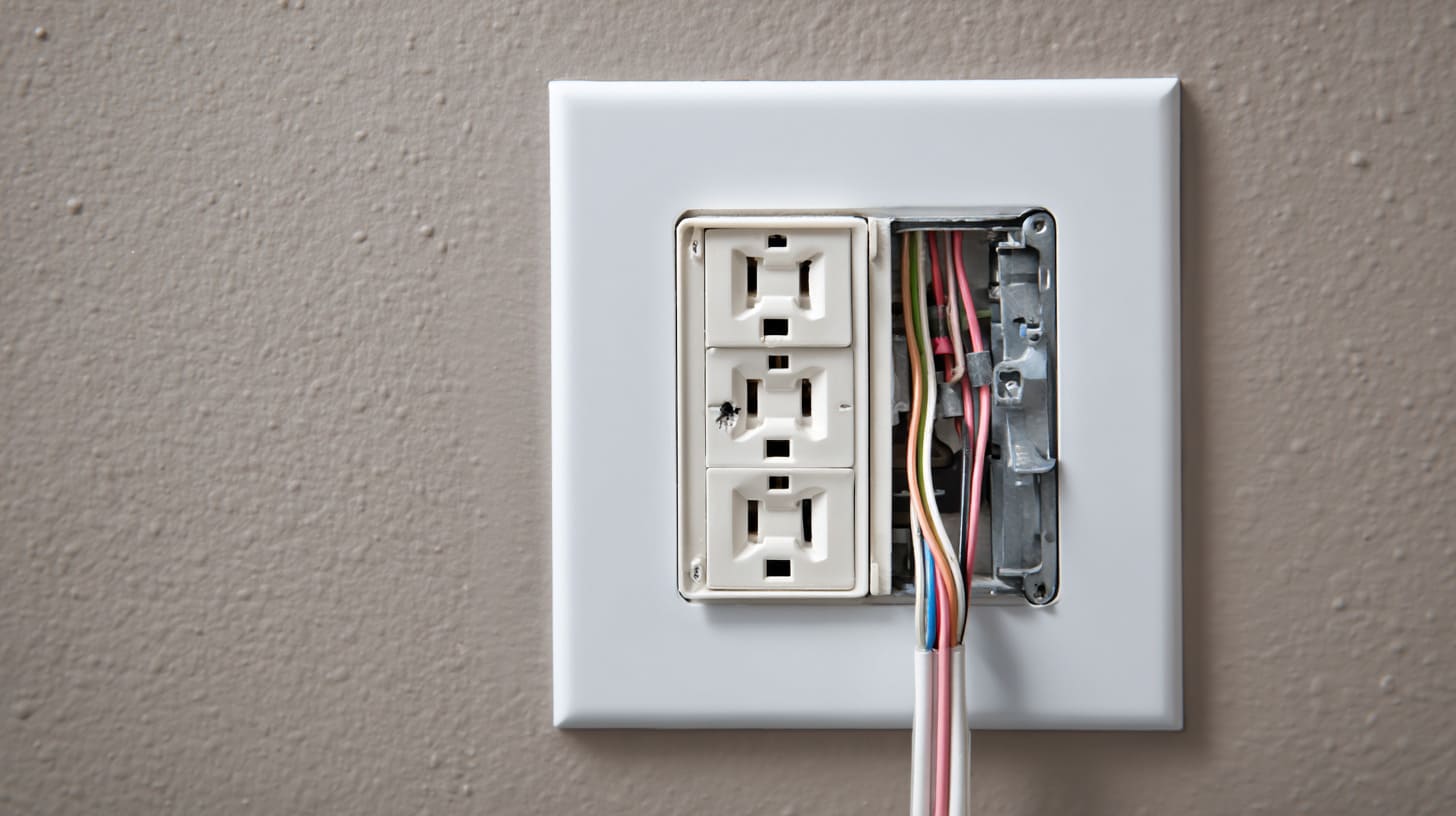
Quick comparison:
| Material | Pros | Cons |
|---|---|---|
| Plastic | Non-conductive, cheaper, easier | Less durable |
| Metal | Stronger, required for conduit use | Conducts electricity, costlier |
Some areas require metal boxes for commercial or conduit wiring, but for most homes, plastic works just fine.
Do I need a junction box for every light fixture or outlet?
Yes, unless the fixture itself acts as one.
You need a junction box for any electrical connection not housed in a UL-listed fixture.
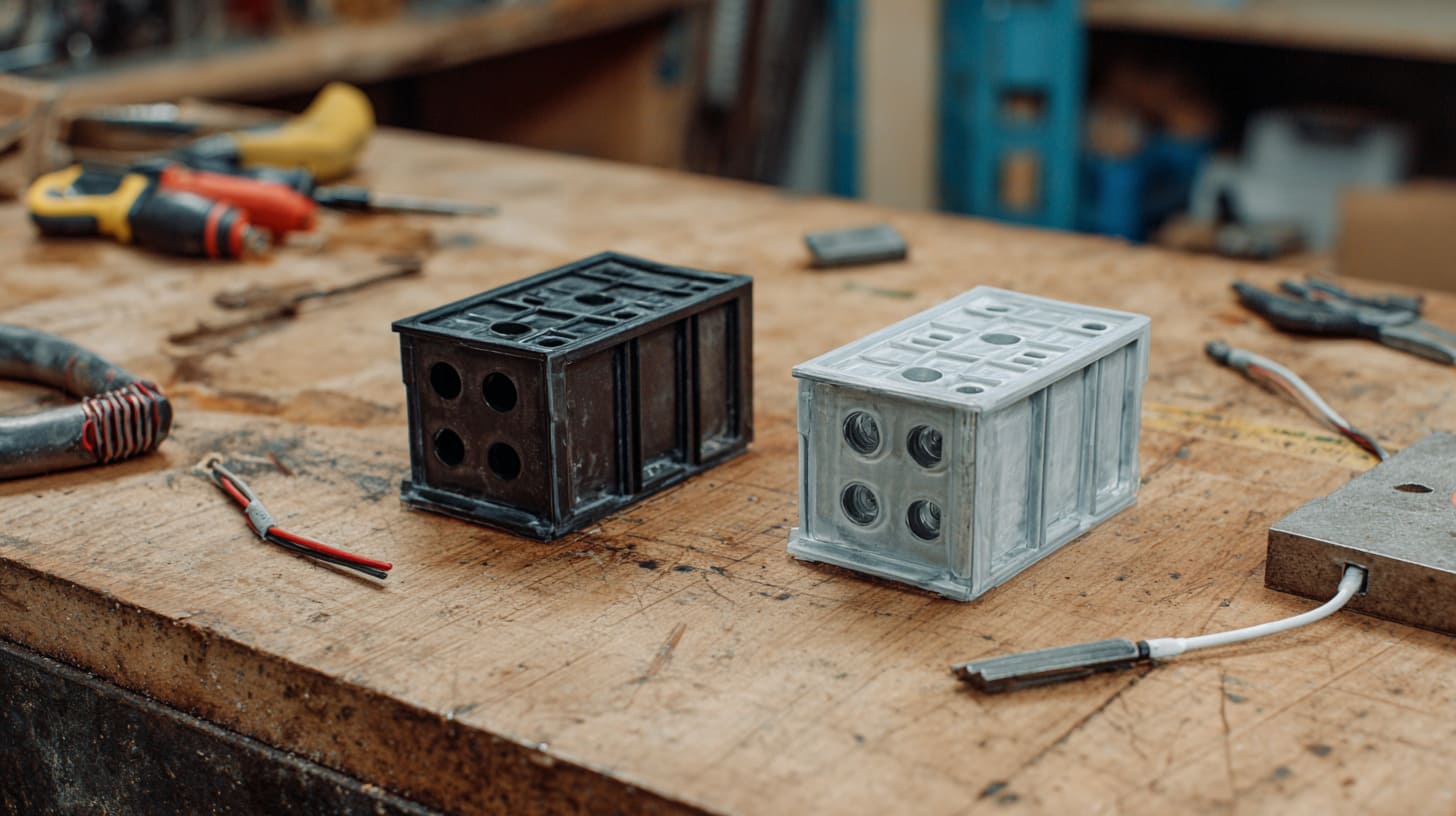
If your light fixture is rated to contain the wire connection and is installed to code—it might not need a separate box. But outlets? Always boxed.
How does a junction box help prevent electrical fires?
It contains the chaos.
A junction box prevents sparks, overheating, or loose wires from touching flammable materials.
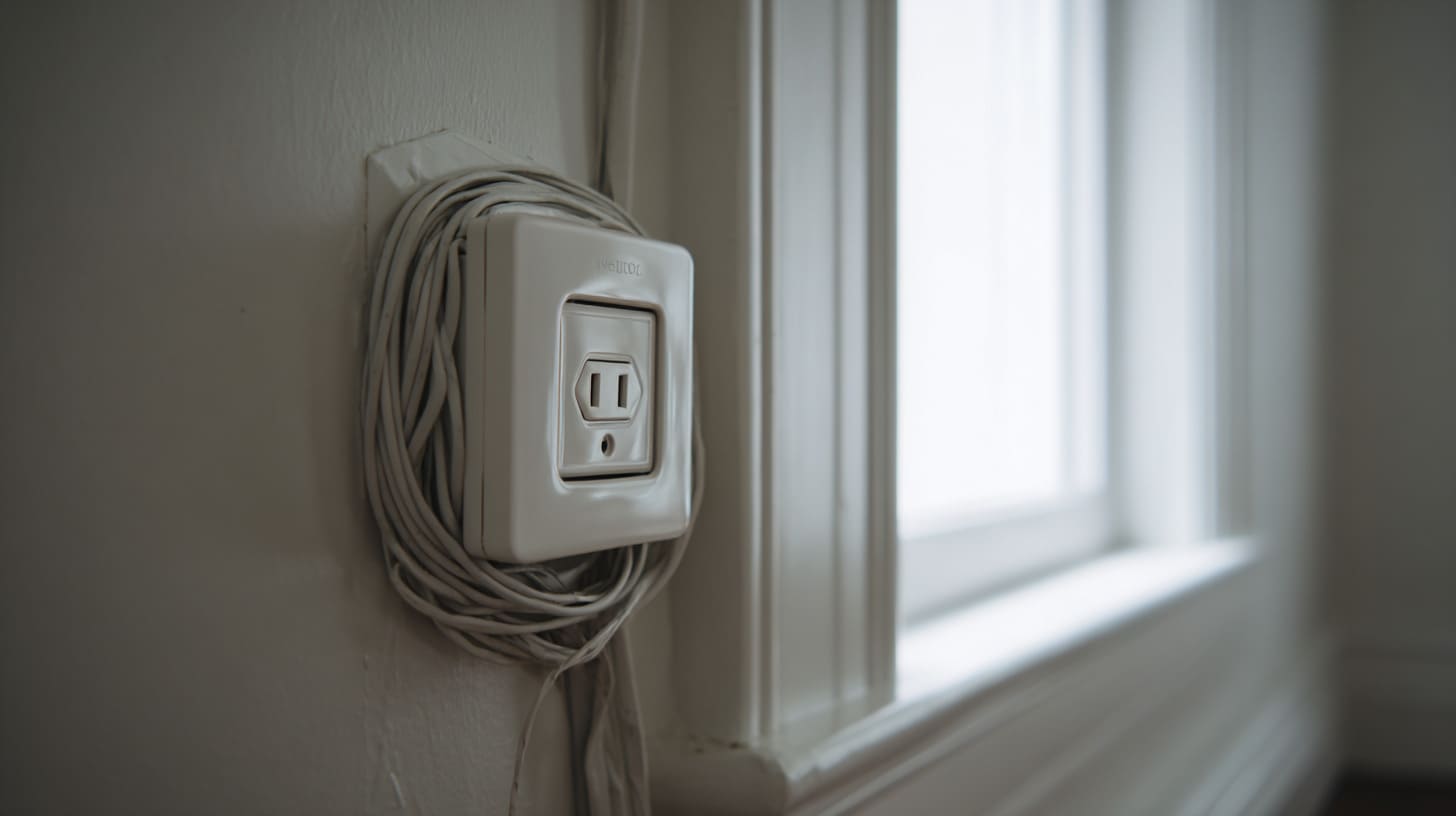
Think of it as a fireproof mini-safe—if something goes wrong inside, the box keeps the damage inside too.
What are the electrical code requirements for junction boxes?
They're not optional.
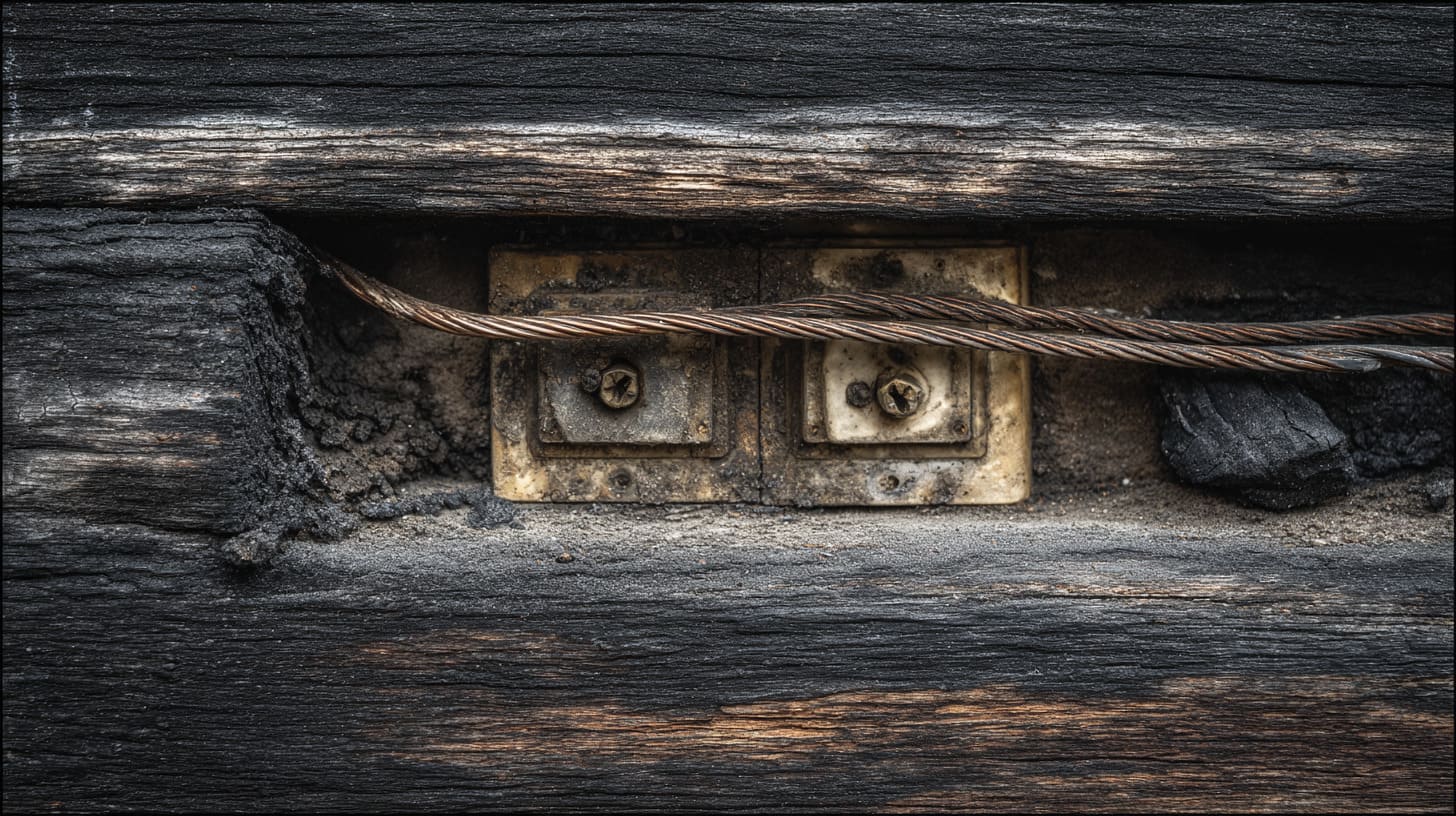
Most codes require junction boxes to be accessible, covered, and securely mounted.
Key rules:
- Must have a cover
- Can’t be buried in walls or ceilings
- Wire fill must follow volume rules (overcrowding is a no-no)
- Grounding is required if metal
Can you hide a junction box behind drywall or ceilings?
Tempting, but no.
Electrical codes prohibit hiding active junction boxes behind drywall or inaccessible spaces.
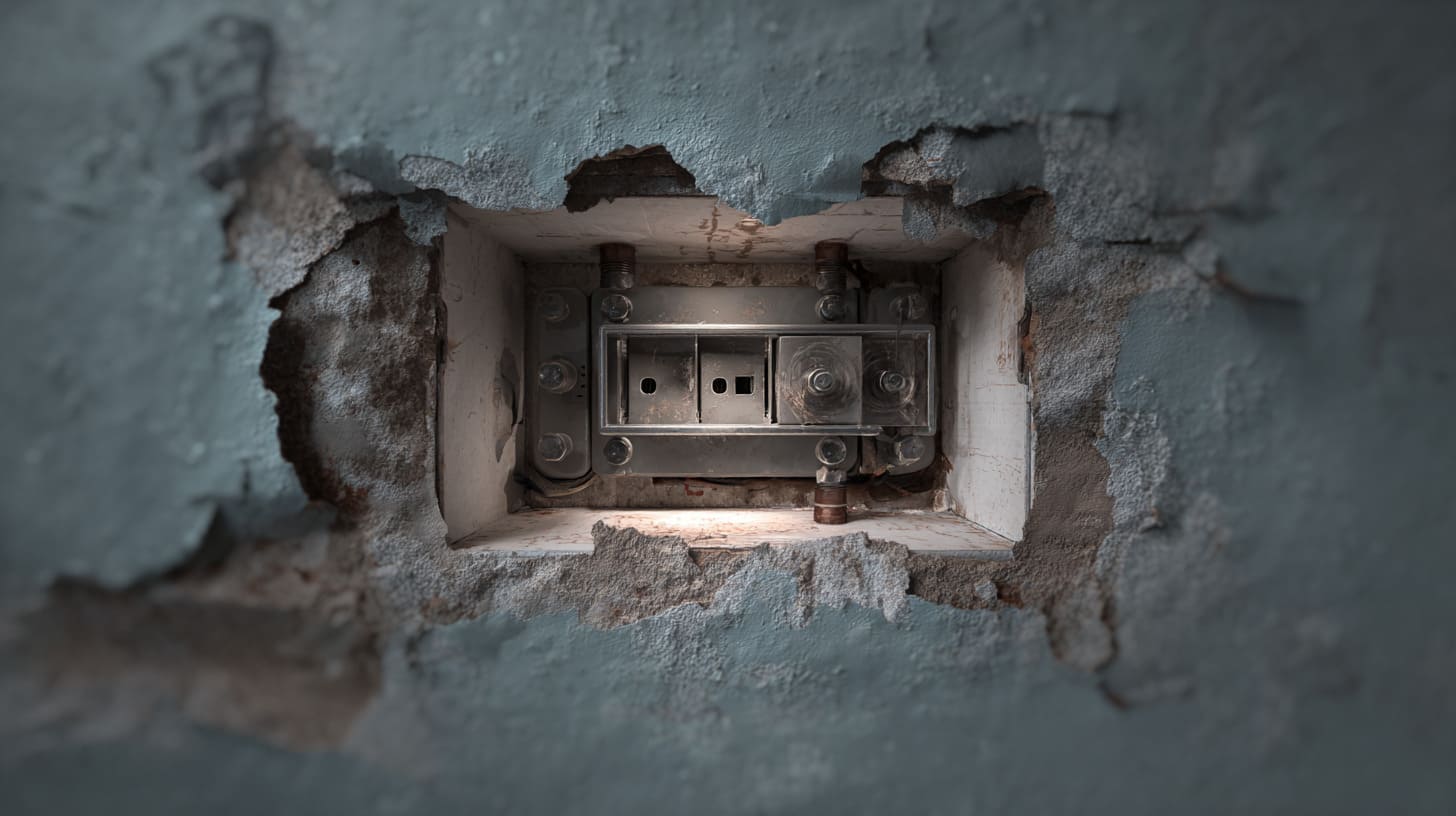
If a wire connection exists, future access is a must. Otherwise, repairs turn into demolition jobs. Trust me, I’ve seen it happen.
Conclusion
That little box on your wall? It might just save your home one day.