Skip to content
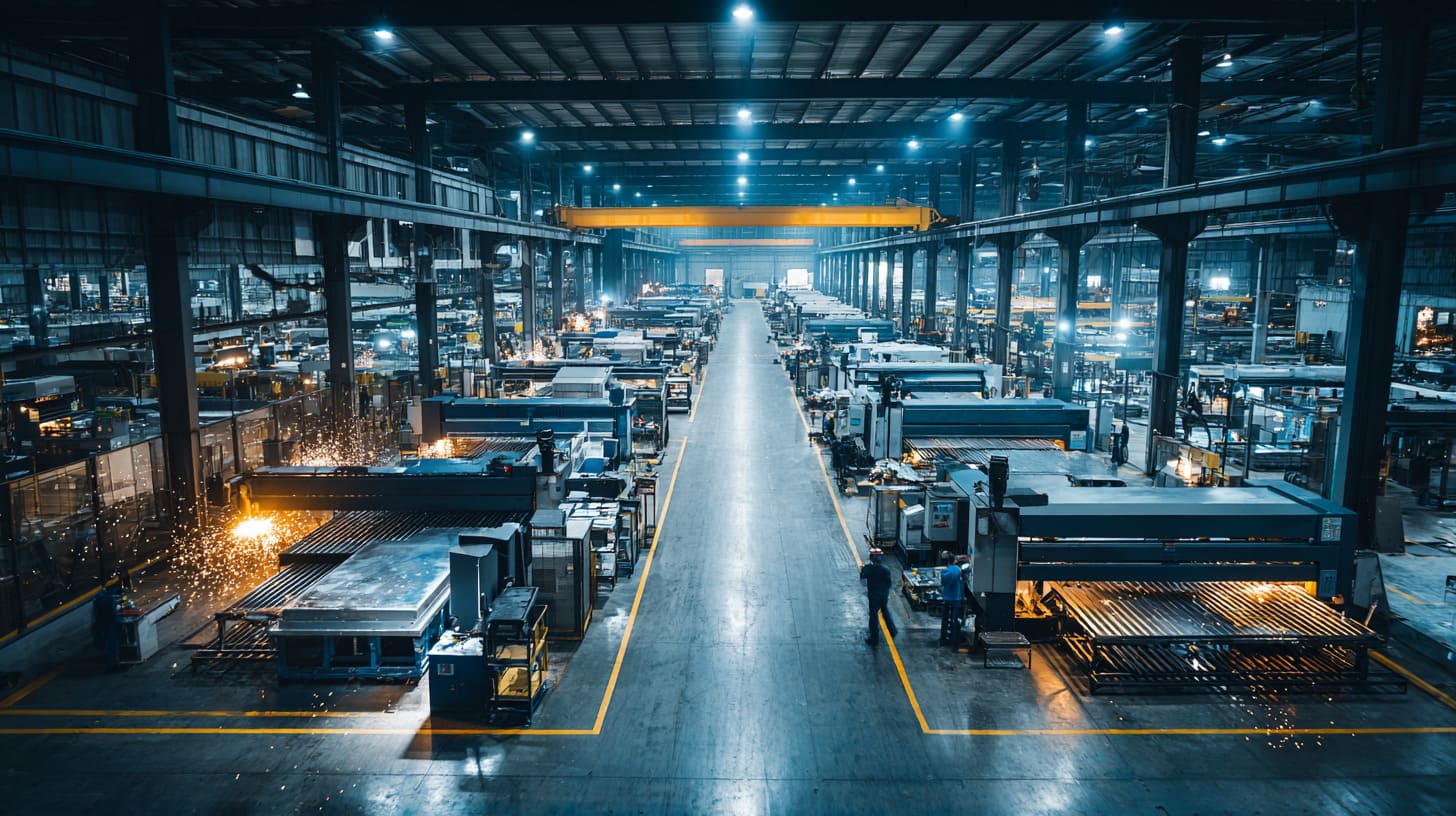
I used to think sheet metal was just for ductwork. Then I visited a factory floor—and everything changed.
Sheet metal fabrication is essential for industries like electronics, automotive, aerospace, medical devices, telecom, and renewable energy due to its flexibility, strength, and cost efficiency.
It’s not just about bending metal. It’s about helping industries solve problems with customized, functional parts—at scale. Let’s see where sheet metal truly shines.
What industries use metal fabrication?
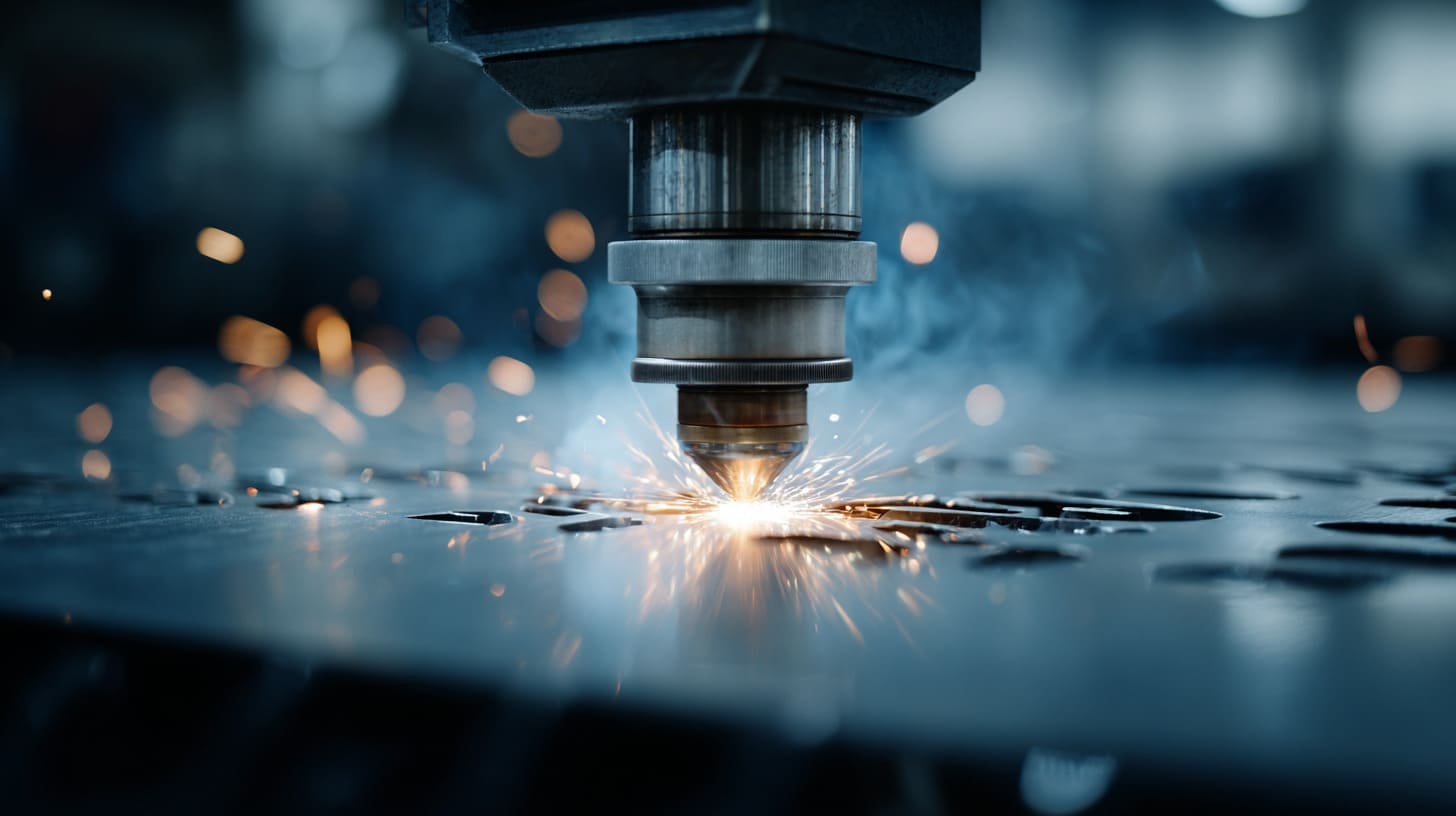
I once watched a single laser machine cut parts for three different sectors in under an hour. That’s the beauty of metal fabrication—it adapts.
Industries such as electronics, automotive, aerospace, medical, and energy all rely on sheet metal fabrication for custom parts.
Why is it so widespread?
Because sheet metal fabrication is incredibly flexible. It covers:
- High-volume production
- One-off prototypes
- Durable enclosures
- Complex parts with tight tolerances
| Industry | Common Fabricated Part |
|---|---|
| Electronics | PCB enclosures, heat sinks |
| Automotive | Body panels, brackets, HVAC ducts |
| Medical | Equipment housings, surgical carts |
| Aerospace | Structural panels, mounts |
| Renewable Energy | Battery boxes, inverters, mounts |
What is sheet metal fabrication used for in the electronics industry?
Walk into any electronics factory and you’ll spot sheet metal hiding in plain sight—usually wrapped around something expensive.
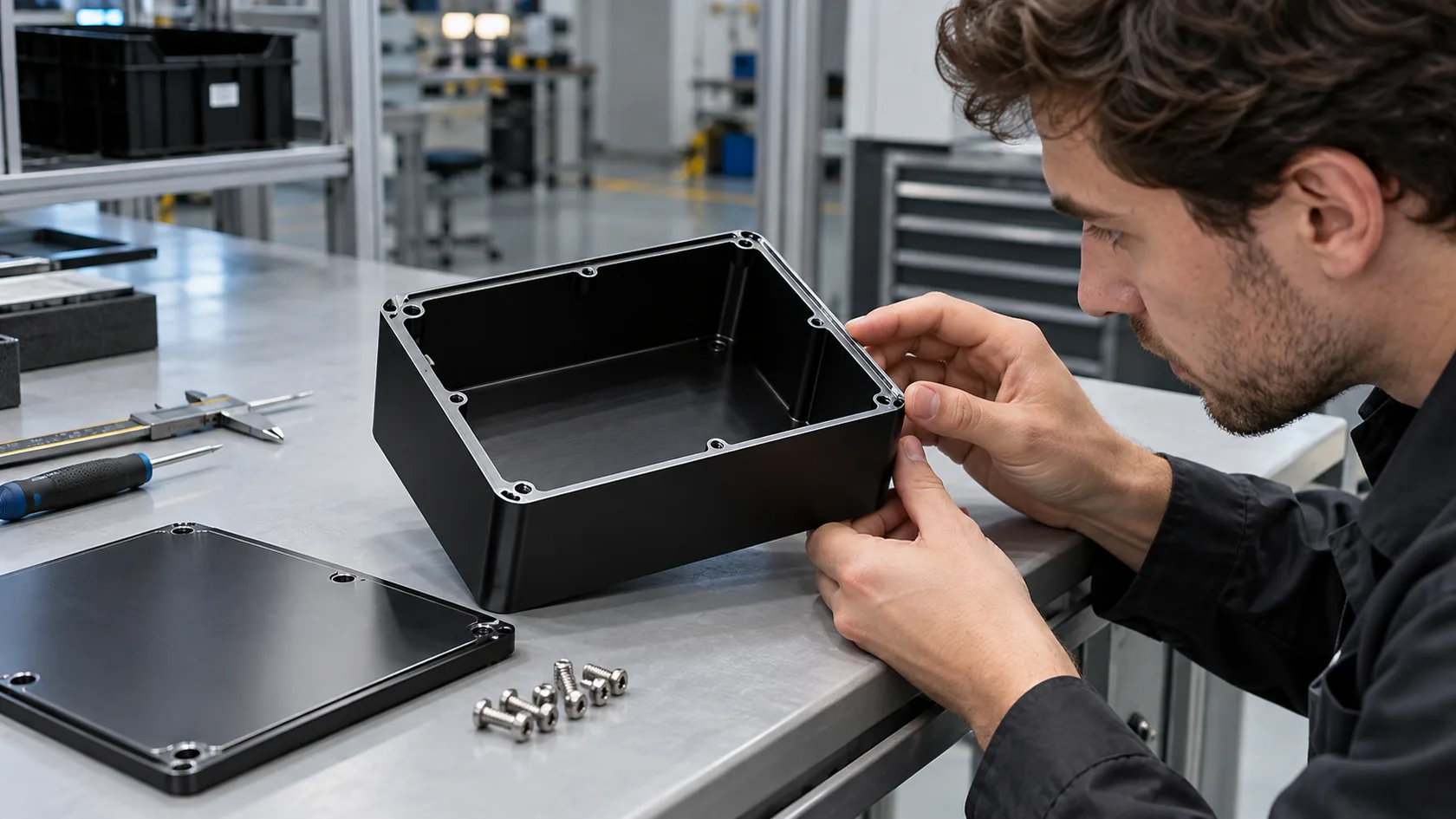
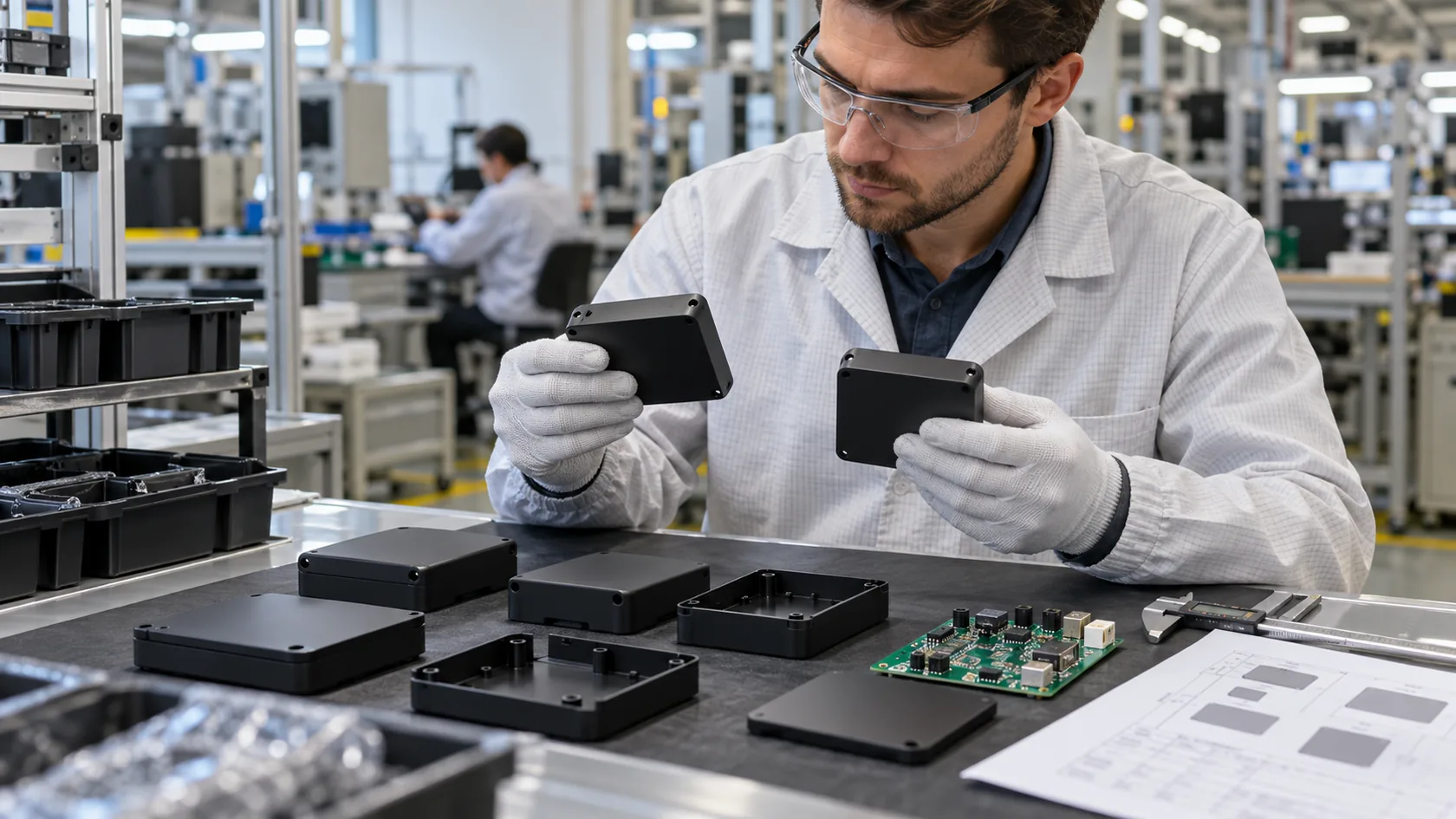
Sheet metal is used to create enclosures, brackets, heat-dissipation panels, and EMI-shielded components in electronics.
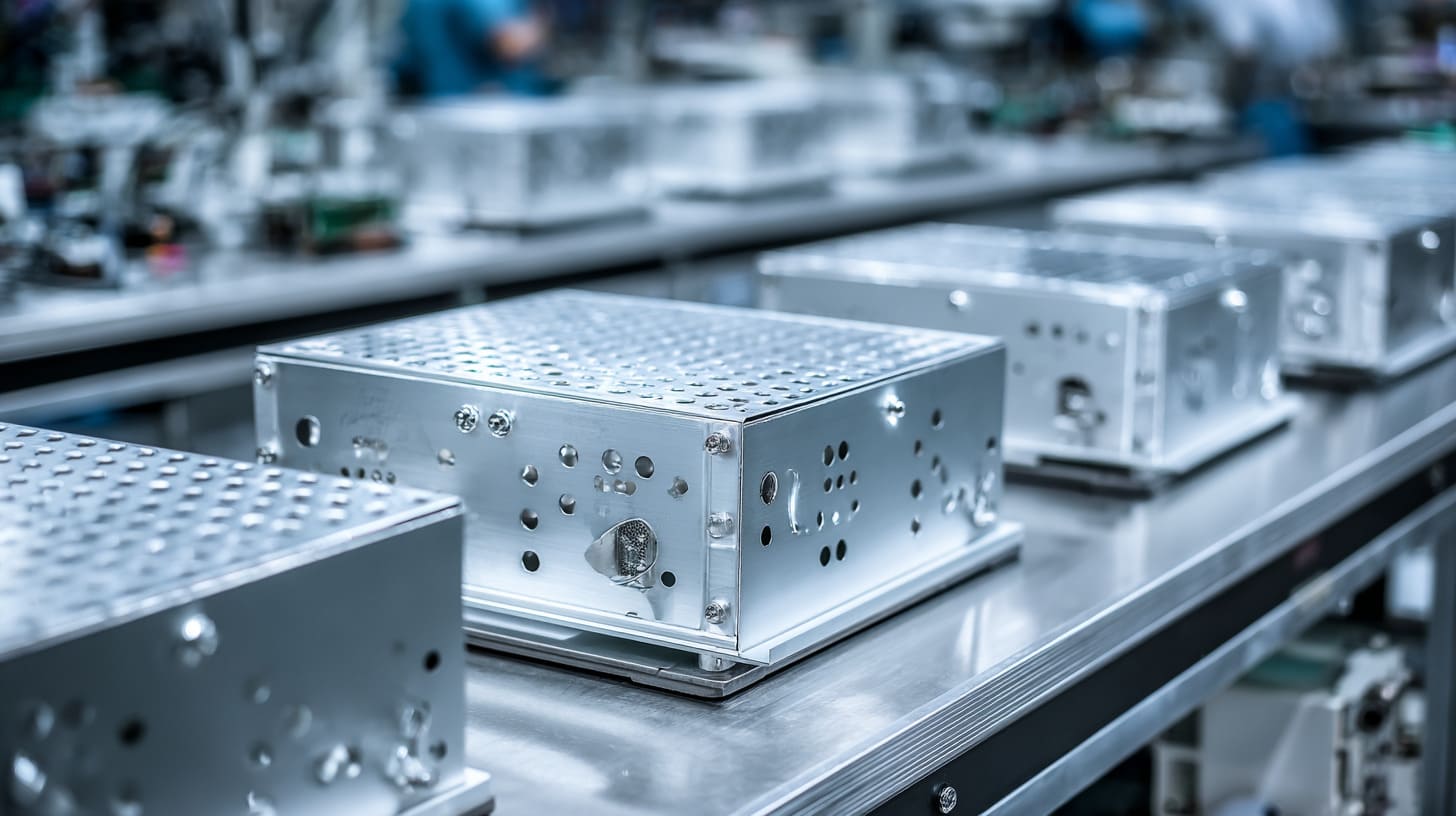
It protects fragile circuits, supports wiring, and keeps heat under control. I’ve helped engineers design cases where a single bent sheet replaced three plastic parts. That’s the kind of efficiency electronics teams love.
Applications
- Desktop computer cases
- Industrial control boxes
- Custom Raspberry Pi enclosures
- Vented racks for heat control
Why do automotive companies rely heavily on sheet metal fabrication?
I once visited a stamping plant that shook the ground with every press—each thud was another piece of a car coming to life.
Automotive firms use sheet metal for structural strength, crash resistance, and scalable manufacturing in body and chassis components.
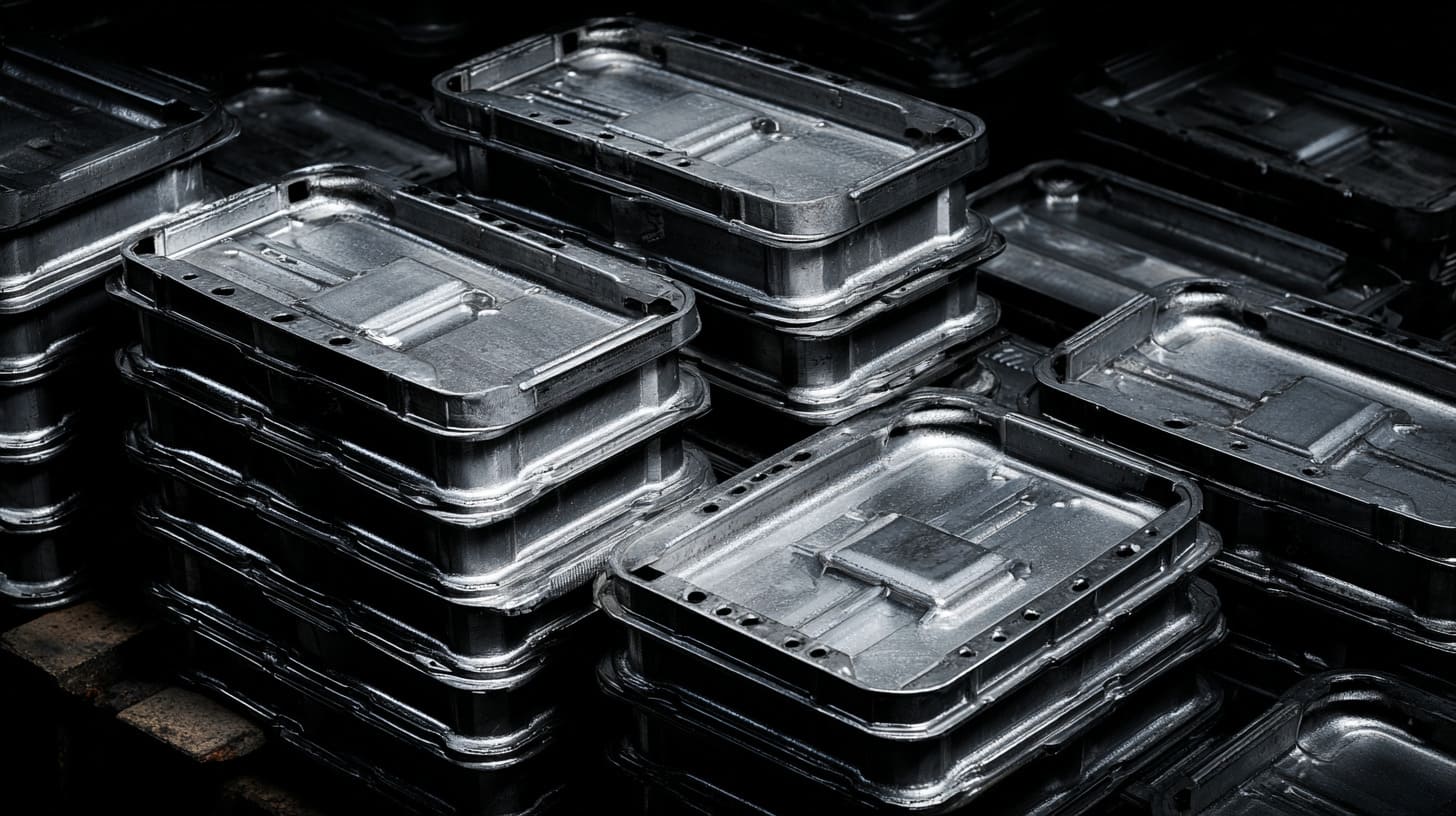
Steel and aluminum are shaped into doors, fenders, brackets, and battery frames. These aren’t just parts—they’re load-bearing, life-saving systems.
Use Cases in Automotive
- EV battery trays and shields
- Custom brackets for interior modules
- Exhaust heat shields
- Underbody panels
How does the medical device industry benefit from custom sheet metal parts?
The first time I handled a medical-grade aluminum part, I noticed its corners were softer, smoother—no sharp edges, no risks.
Sheet metal in medical gear ensures hygiene, safety, durability, and easy sterilization in equipment housing and supports.
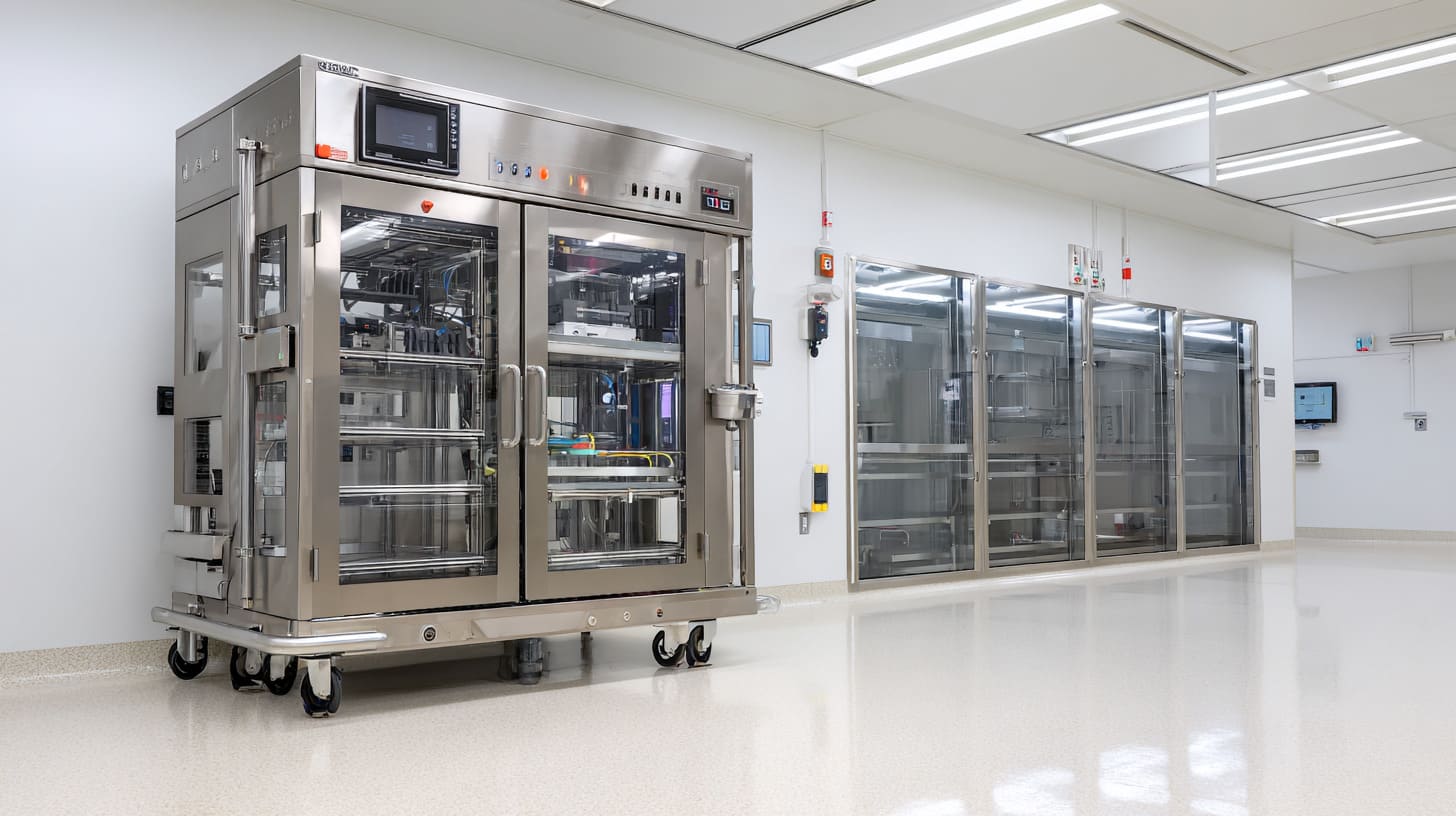
Hospitals need stainless steel carts, enclosures, and mounts that survive constant cleaning. Custom sheet metal is perfect for this.
Typical Medical Applications
- Diagnostic device covers
- Wall-mounted enclosures
- Equipment carts
- Modular frame systems
Which sheet metal materials are best for aerospace manufacturing?
In aerospace, weight is currency. Every gram matters.
Aluminum alloys, titanium, and stainless steel are preferred in aerospace for their strength-to-weight ratio, corrosion resistance, and machinability.
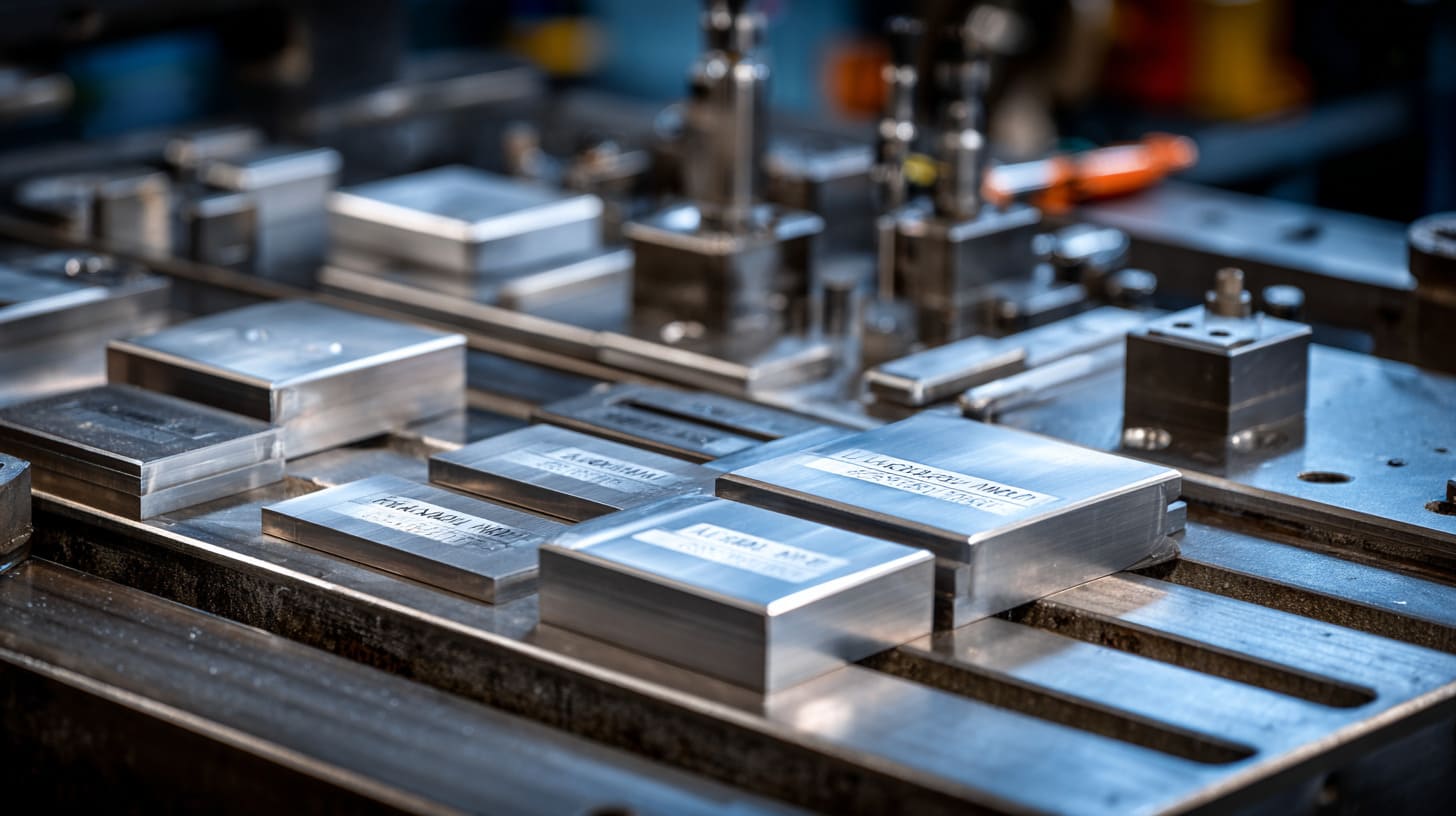
Aircraft parts demand not just lightness, but consistent performance in extreme conditions. That’s where these materials excel.
| Material | Benefit |
|---|---|
| 6061 Aluminum | Lightweight and weldable |
| 5052 Aluminum | Stronger, corrosion-resistant |
| Titanium | High strength, low weight |
| Stainless Steel | Heat and chemical resistance |
What are the key advantages of sheet metal in telecommunications equipment?
Ever opened a telecom box on a pole? Sheet metal is the silent guardian inside.
Sheet metal is used for rugged, EMI-shielded telecom enclosures that survive weather, dust, and field abuse.
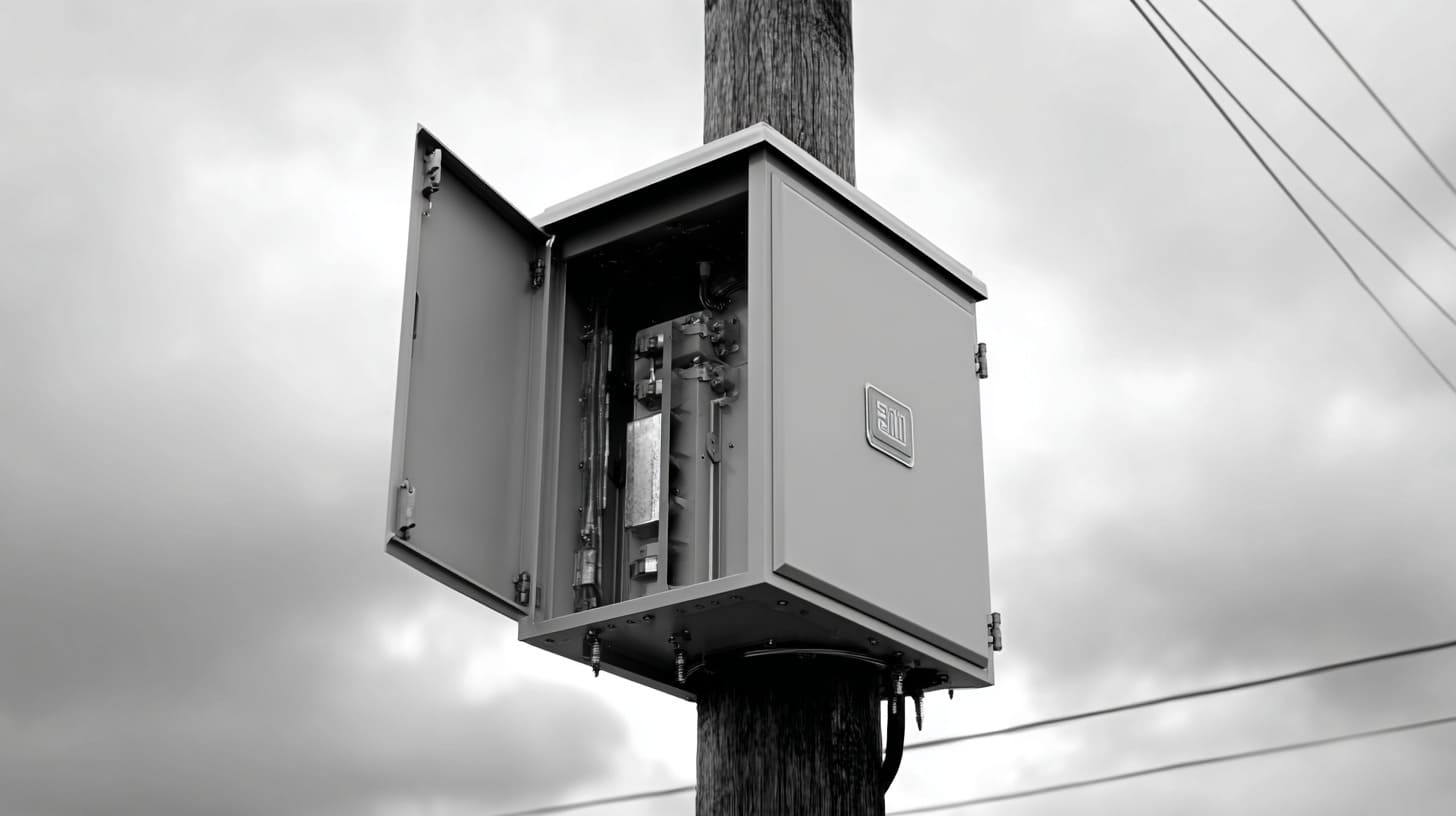
It’s customizable, stackable, and often IP-rated. The need for signal protection and heat dissipation makes it a go-to choice.
Why telecom trusts sheet metal
- EMI shielding with grounded enclosures
- Better thermal performance than plastic
- Easier to mount on poles or racks
Is sheet metal fabrication suitable for industrial control panels?
Yes—and I’ve worked on dozens of custom housings for PLCs and control modules.
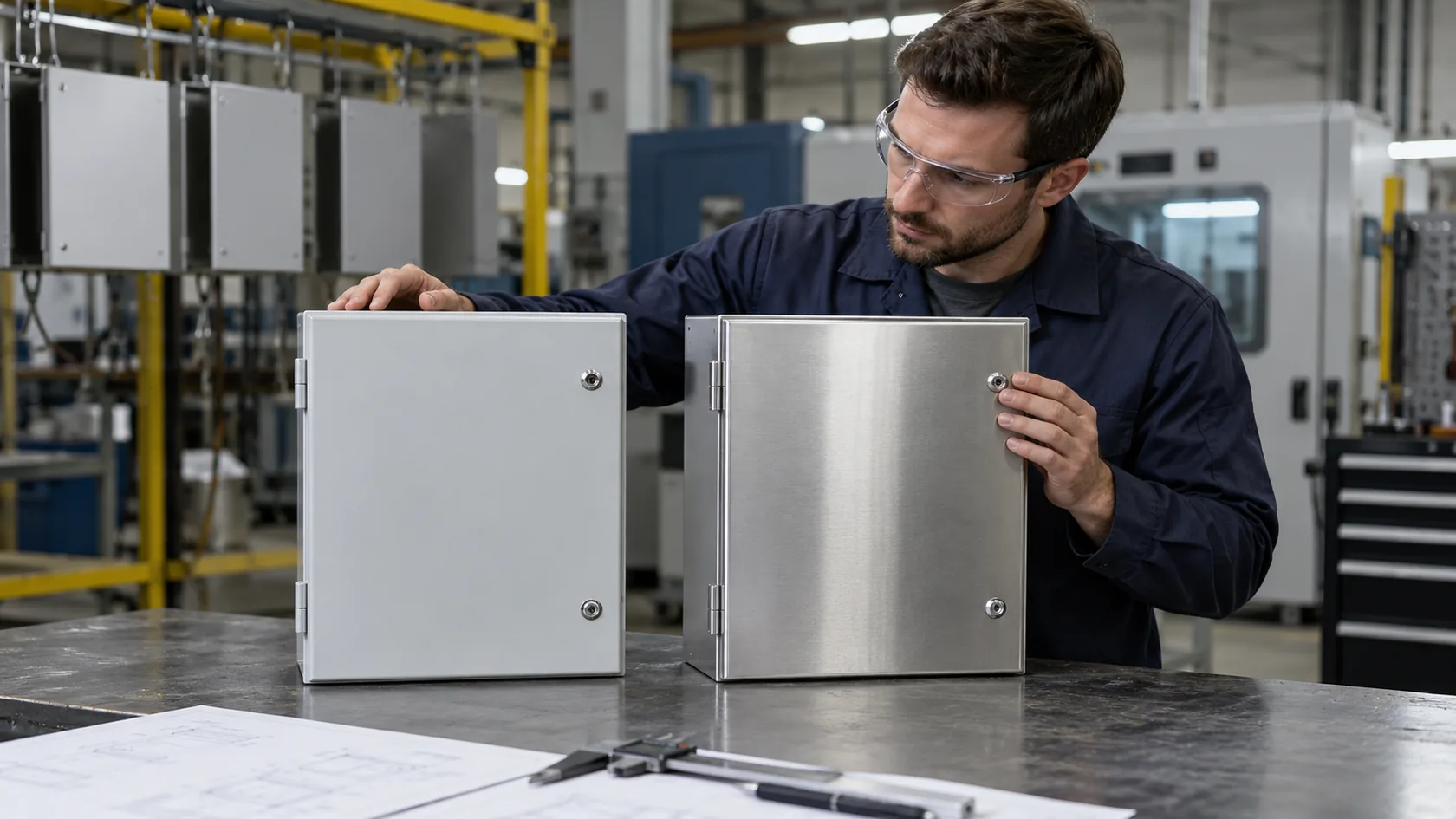
Sheet metal is ideal for control panels due to its modularity, heat resistance, and protective strength in harsh environments.
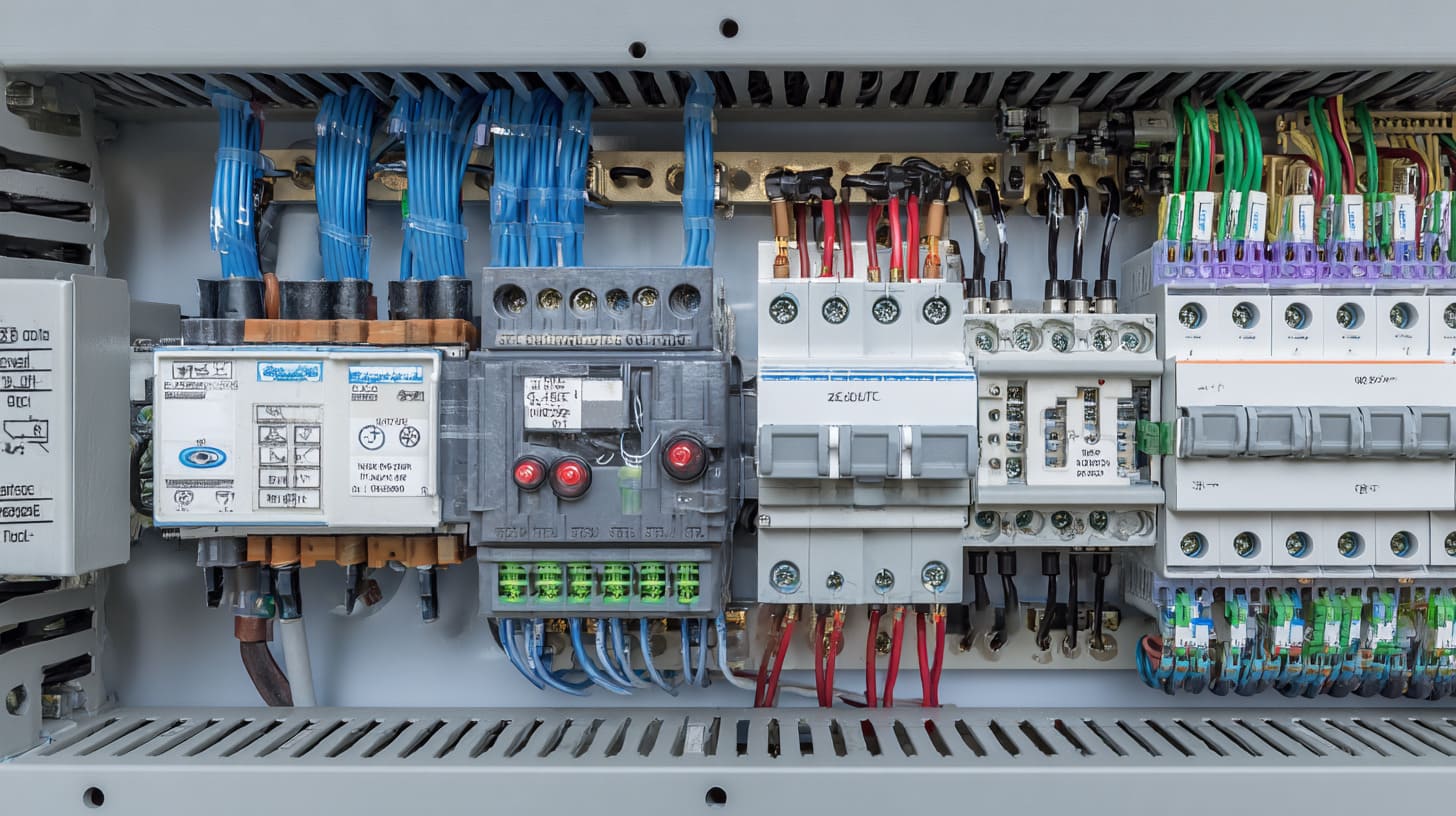
These panels often include CNC-cut holes, DIN rails, and custom logos. Fabricators love the design freedom.
Features You’ll Often See
- Laser-cut faceplates with switches
- Powder-coated finishes
- Removable back covers for wiring
What role does sheet metal play in renewable energy systems like solar or wind?
I recently built a housing for a solar inverter unit that had to survive monsoon season in Vietnam.
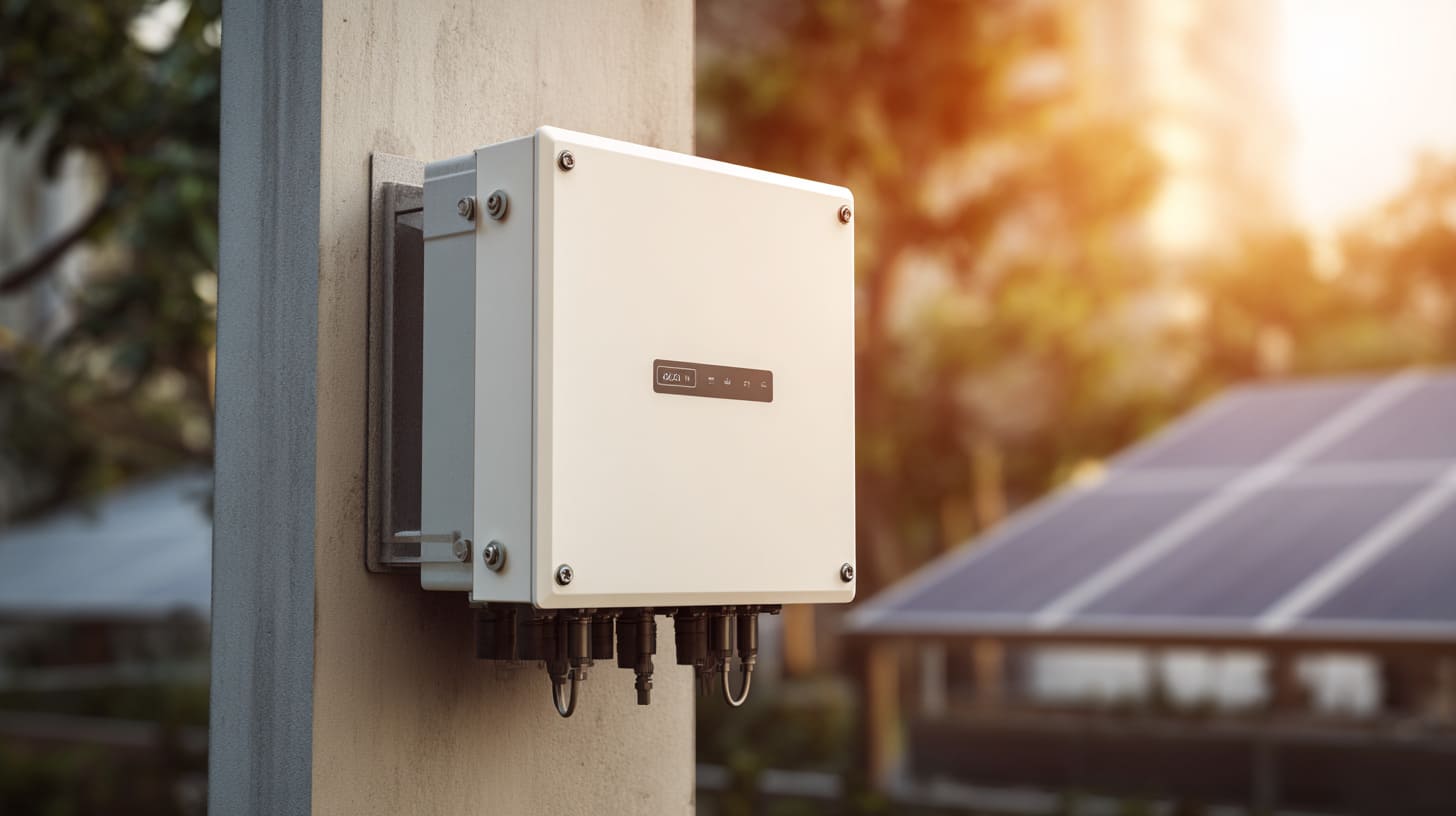
Sheet metal supports renewable energy by housing solar inverters, wind turbine controllers, and battery banks in durable, sealed boxes.
These setups demand heat management, IP protection, and scalability. Sheet metal checks all those boxes.
Common Renewable Energy Use Cases
- Wall-mount solar charge controllers
- IP67-rated battery storage enclosures
- Mounting frames for outdoor components
How does sheet metal fabrication support consumer appliance manufacturing?
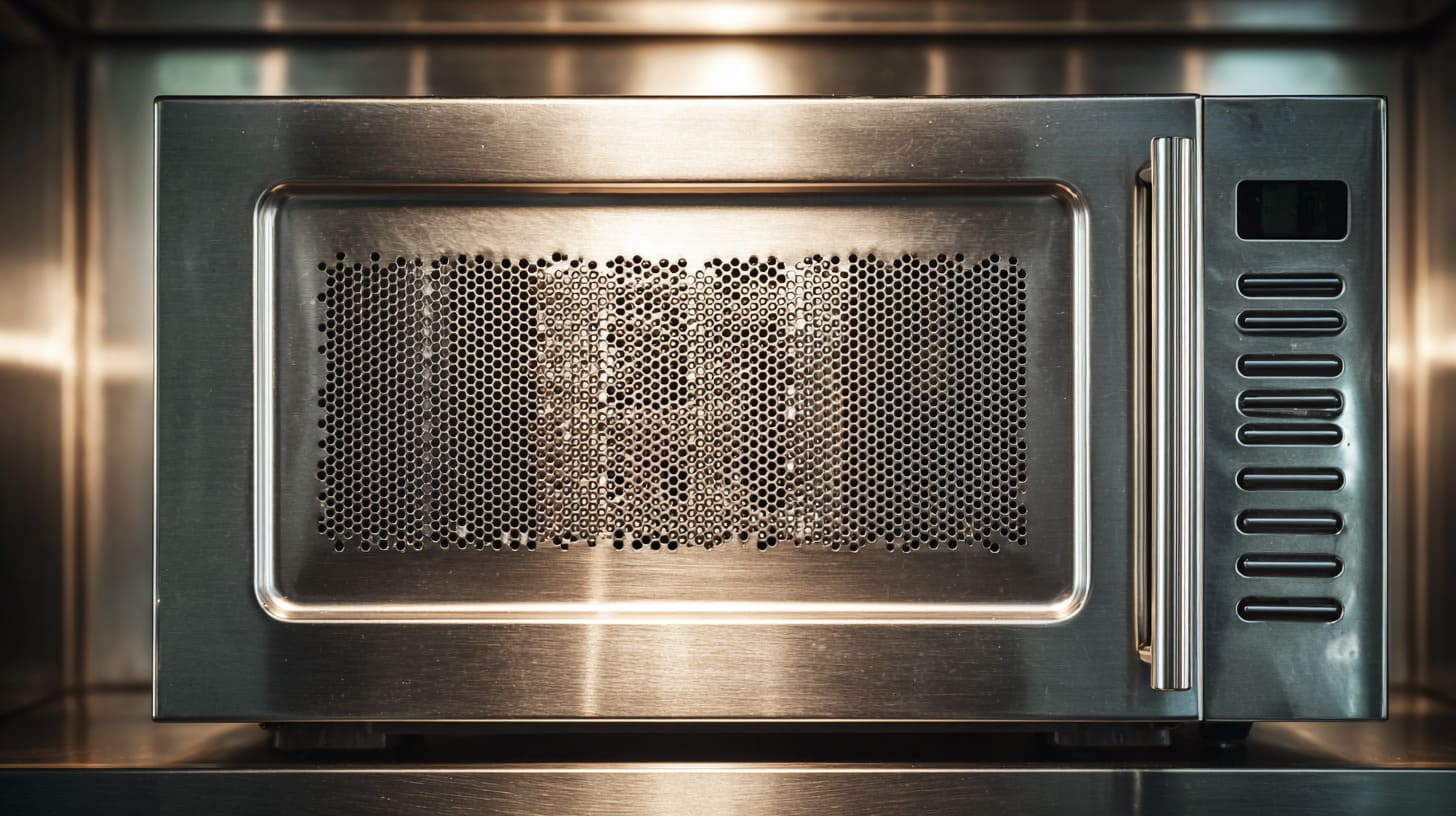
The backside of your microwave? Probably bent steel.
Consumer appliance brands use sheet metal for strength, finish quality, and mass production efficiency in their products.

It’s common in oven walls, air conditioner casings, and washer frames. You’ve touched it a hundred times—maybe without knowing.
What industries need waterproof or IP-rated sheet metal enclosures?
If it lives outdoors or near water—it needs IP protection.
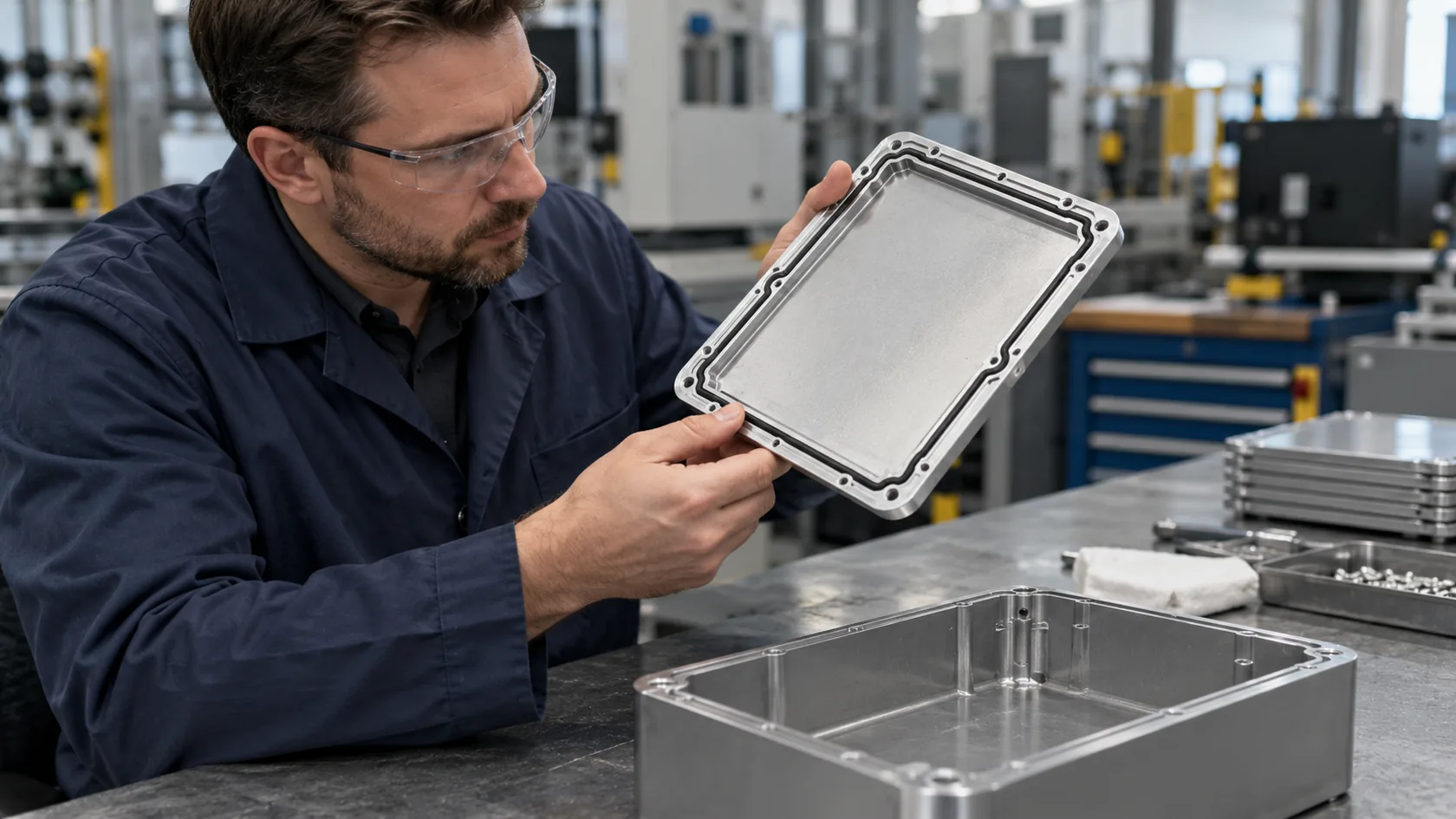
Telecom, industrial automation, energy, and even food processing industries use waterproof sheet metal boxes to protect sensitive electronics.
IP-rated sheet metal enclosures combine rubber gaskets, seamless corners, and powder-coating to fight dust and moisture.
Conclusion
Sheet metal is everywhere—quietly holding things together.