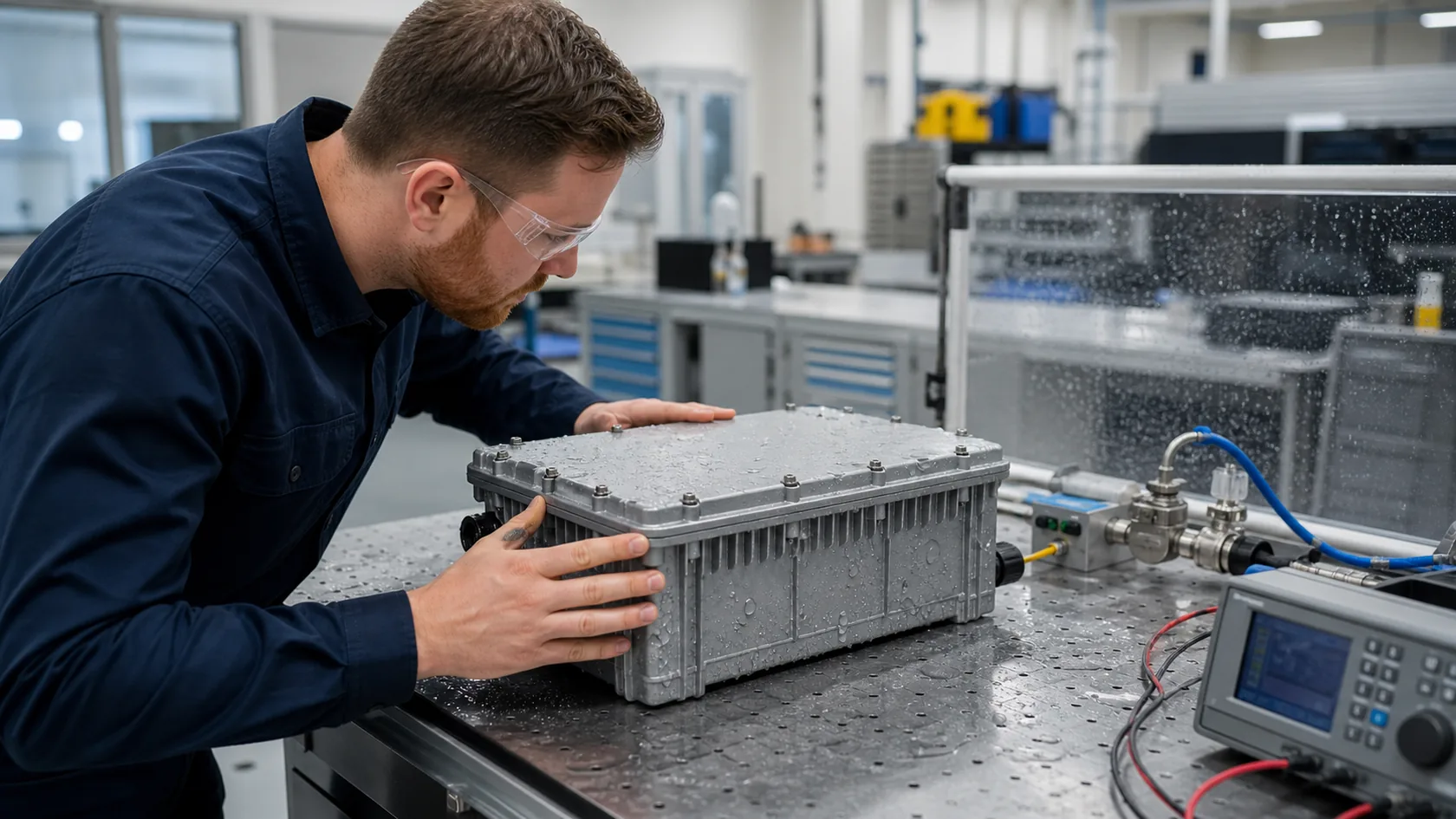
Outdoor enclosure material looks like a simple purchasing choice until the box is installed outside.
Rain does not ask whether the enclosure was cheap. Salt air does not care that stainless steel was over budget. Sunlight does not respect a plastic part that was never rated for outdoor exposure. A cable gland does not seal better because the catalog page said "waterproof."
This is why I do not like giving one quick answer to the question, "What is the best material for outdoor electrical enclosures?"
The honest answer is: the best material is the one that survives the worst condition at the installation site, while still fitting the product, budget, and production process.
The material decision starts with the site
Before choosing aluminum, stainless steel, fiberglass, plastic, or coated steel, I first want to know the site.
Is the enclosure near the sea? Will it face direct sun every day? Will workers wash it with water or chemicals? Does it hold a hot power supply, a wireless module, a PCB, or only terminal blocks? Will an installer drill holes on site? Will someone open the cover often for maintenance?
In factory work, I judge outdoor enclosure material by the failure mode I am trying to avoid, not by the material name alone. A strong box can still fail from corrosion. A corrosion-proof box can still trap heat. A light plastic box can still crack around a cable entry if the wrong gland or torque is used.
Why one "best" answer can mislead buyers
Many buyers want a universal answer because it makes sourcing easier. I understand that. A clean answer saves time.
But outdoor electrical enclosures are exposed to mixed risks. Water, UV, temperature change, impact, corrosion, cable movement, gasket aging, and human maintenance all work together. The enclosure material is only one part of that system.
So this article compares the main material choices from a practical factory and sourcing view. I will give a short answer first, then explain when each material makes sense.
The goal is not to make the material choice more complicated. The goal is to avoid a simple choice that becomes expensive later.
The Short Answer: Match the Material to the Worst Condition
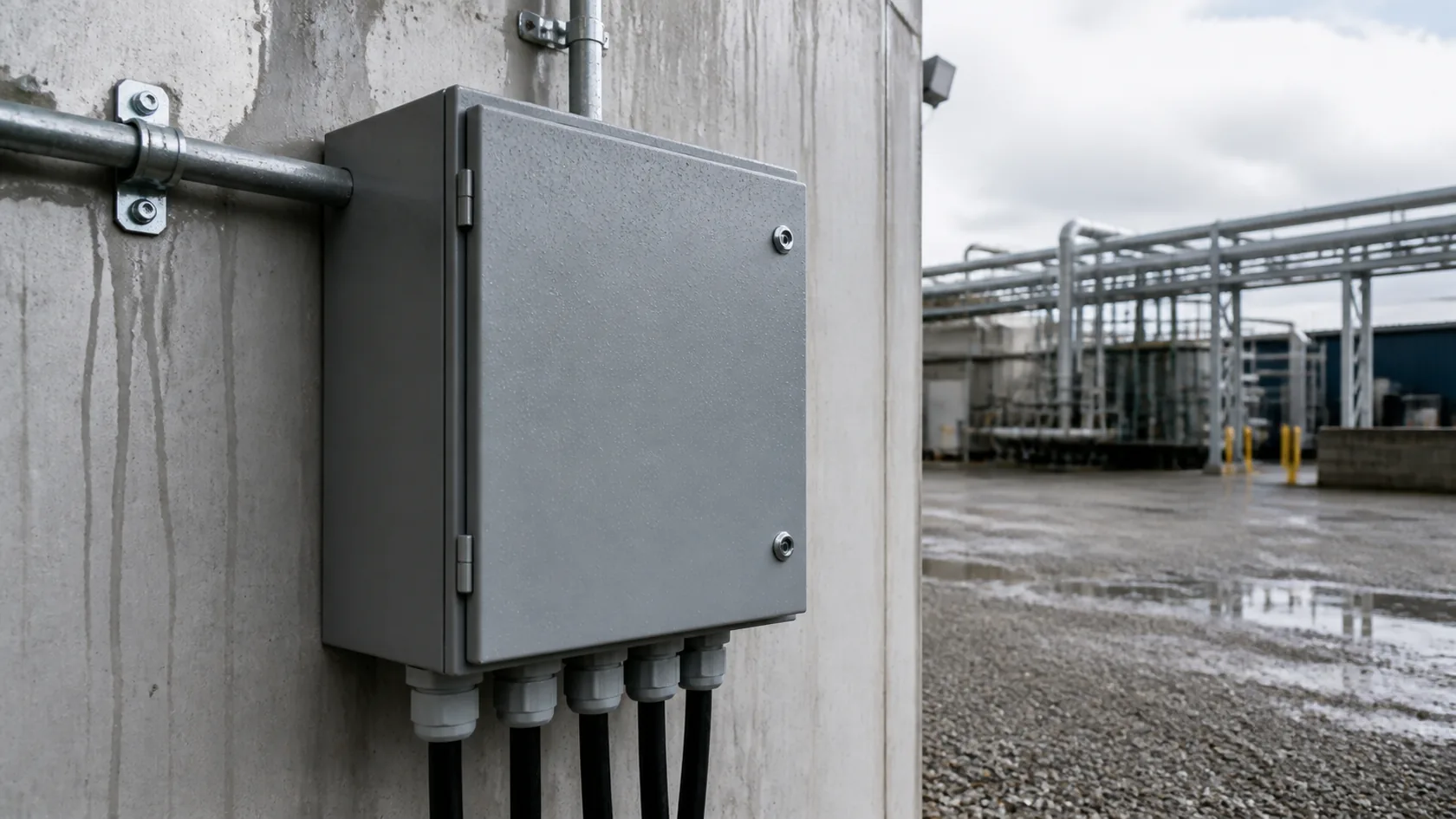
If I must give a quick answer, I would say this:
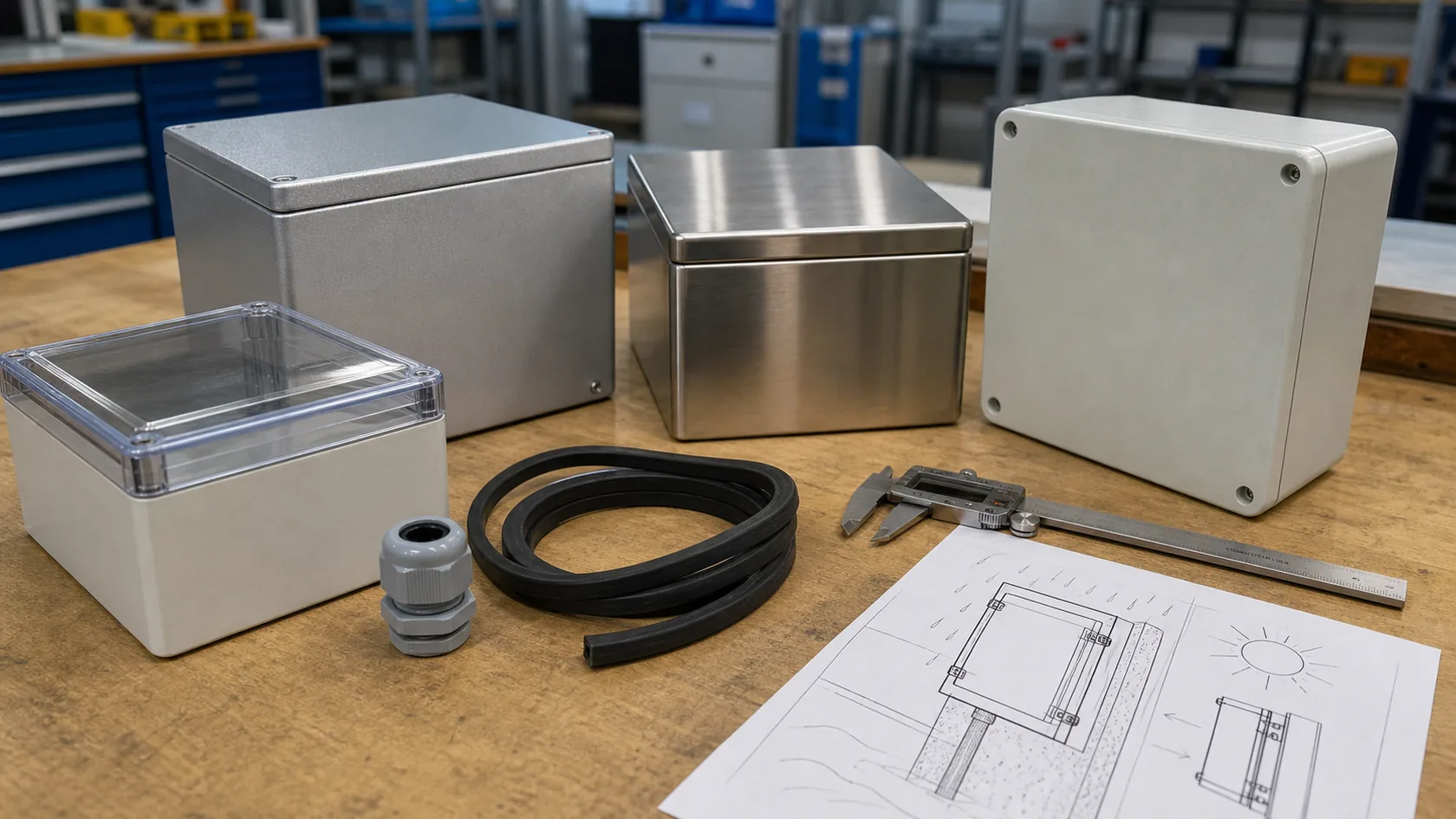
For normal outdoor custom electronic enclosures, aluminum is often a practical choice because it is light, machinable, good-looking, reasonably strong, and useful for heat and EMI shielding. For highly corrosive outdoor sites, 316 stainless steel or fiberglass is usually safer. For wireless or low-weight equipment, UV-stabilized polycarbonate can be the better answer. For mild outdoor use with tight cost control, powder-coated steel may work if the coating and cut edges are well protected.
That answer is not perfect, but it is a useful starting point.
Start with the real outdoor pressure
Outdoor does not mean only "rain." It can mean many different conditions.
| Site condition | Material direction to consider |
|---|---|
| General outdoor rain and dust | Aluminum, UV-stabilized polycarbonate, powder-coated steel, or stainless steel |
| Coastal salt air | 316 stainless steel, fiberglass/FRP, or carefully finished aluminum |
| Chemical or wastewater site | Fiberglass/FRP or suitable stainless steel |
| Strong washdown or food processing | 304 or 316 stainless steel, sometimes fiberglass |
| Wireless IoT or antenna inside | UV-stabilized polycarbonate or other RF-friendly plastic |
| Heat-generating electronics | Aluminum or a metal enclosure with thermal design |
| High impact or vandalism risk | Steel or stainless steel |
| Low-weight pole mount | Aluminum, polycarbonate, or fiberglass |
| Tight budget, mild outdoor location | Powder-coated carbon steel, with good edge and rust protection |
The table is only a first filter. It does not replace the drawing, rating, gasket, cable entry, finish, and hardware review.
A material can be right and still fail
This is the part buyers sometimes miss.
Stainless steel can corrode in the wrong chemical or chloride environment if the grade is not suitable. Aluminum can look clean but suffer at damaged coating edges in salt air. Plastic can resist corrosion but degrade in UV if the resin is not outdoor rated. Fiberglass can handle chemicals but may not be the best choice if the product needs fine cosmetic machining or frequent sharp impact.
When I review an outdoor enclosure project, I do not only ask, "Which material is strongest?" I ask, "Which material leaves the fewest weak points after we add holes, glands, hinges, gaskets, screws, surface finish, and packaging?"
That is usually where the best answer becomes clear.
Ratings Matter, but They Do Not Choose the Material Alone
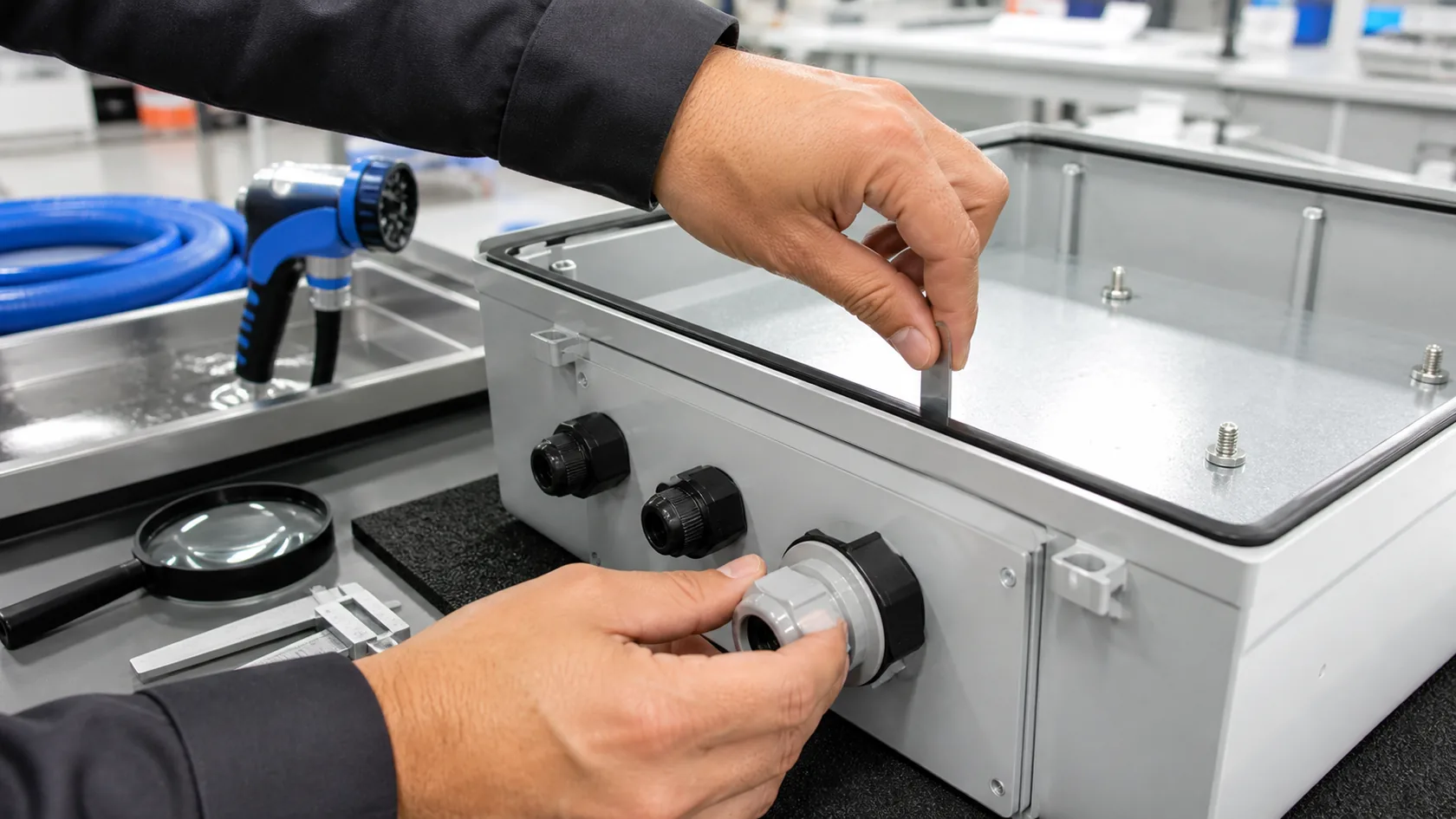
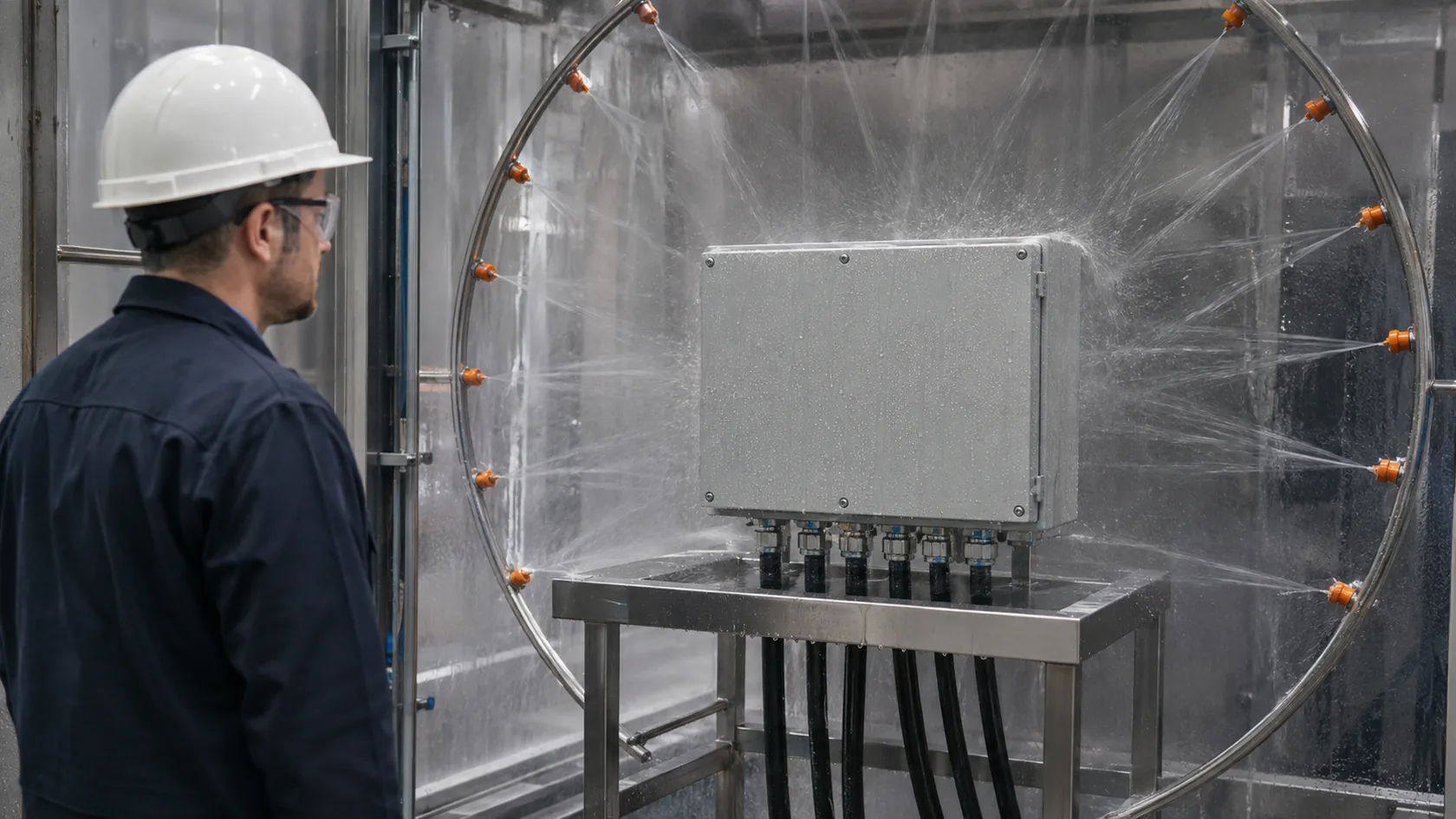
Outdoor buyers often start with IP65, IP66, IP67, NEMA 3R, NEMA 4, or NEMA 4X. These ratings are useful. They create a shared language between buyers, engineers, suppliers, and inspectors.
But ratings and materials are not the same decision.
What IP and NEMA ratings help define
The IEC 60529 standard defines IP code protection against dust and water ingress. That is why engineers use terms such as IP65, IP66, and IP67.
For North American projects, ANSI/NEMA 250 enclosure types are also common. NEMA Type 4 is often used for watertight outdoor protection, while Type 4X adds corrosion resistance requirements. Schneider Electric's enclosure rating reference also describes Type 4X as watertight plus corrosion-resistant for corrosive locations.
This matters because "outdoor" alone is too vague. A box under a roof in a dry inland area is not the same as a box on a coastal pole or inside a chemical plant.
What ratings do not fully cover
A rating does not automatically answer every material question.
An IP rating does not tell you whether a plastic material is stable under years of direct sunlight. For plastics, outdoor suitability may require checks such as UL 746C f1/f2 evaluation, depending on the material and end product.
A rating also does not solve condensation, heat buildup, cable gland selection, gasket aging, screw torque, galvanic corrosion, or whether a worker will close the cover correctly after service.
I have seen projects where the enclosure body was good, but the problem came from a small drilled hole, a weak cable gland, a poor sealing washer, or a cut edge that was not protected after machining. The rating language helped the project, but it did not replace careful assembly design.
So I use ratings as the protection target. Then I use material selection to make that target realistic in the actual environment.
How Common Outdoor Enclosure Materials Compare
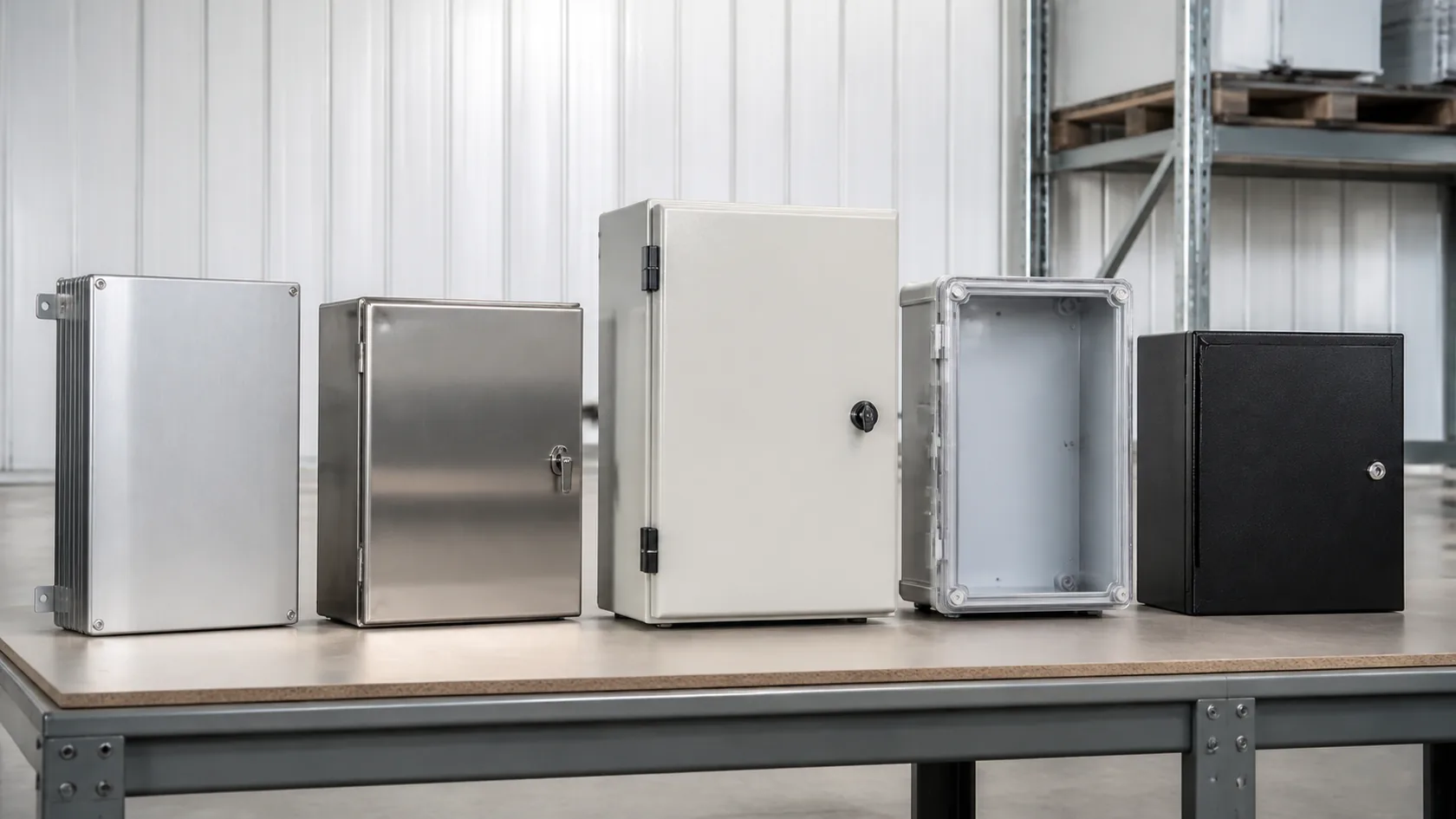
Most outdoor electrical enclosure projects use one of five material groups: aluminum, stainless steel, fiberglass/FRP, polycarbonate or other plastics, and coated carbon steel.
Each one can be correct. Each one can also be wrong.
Aluminum
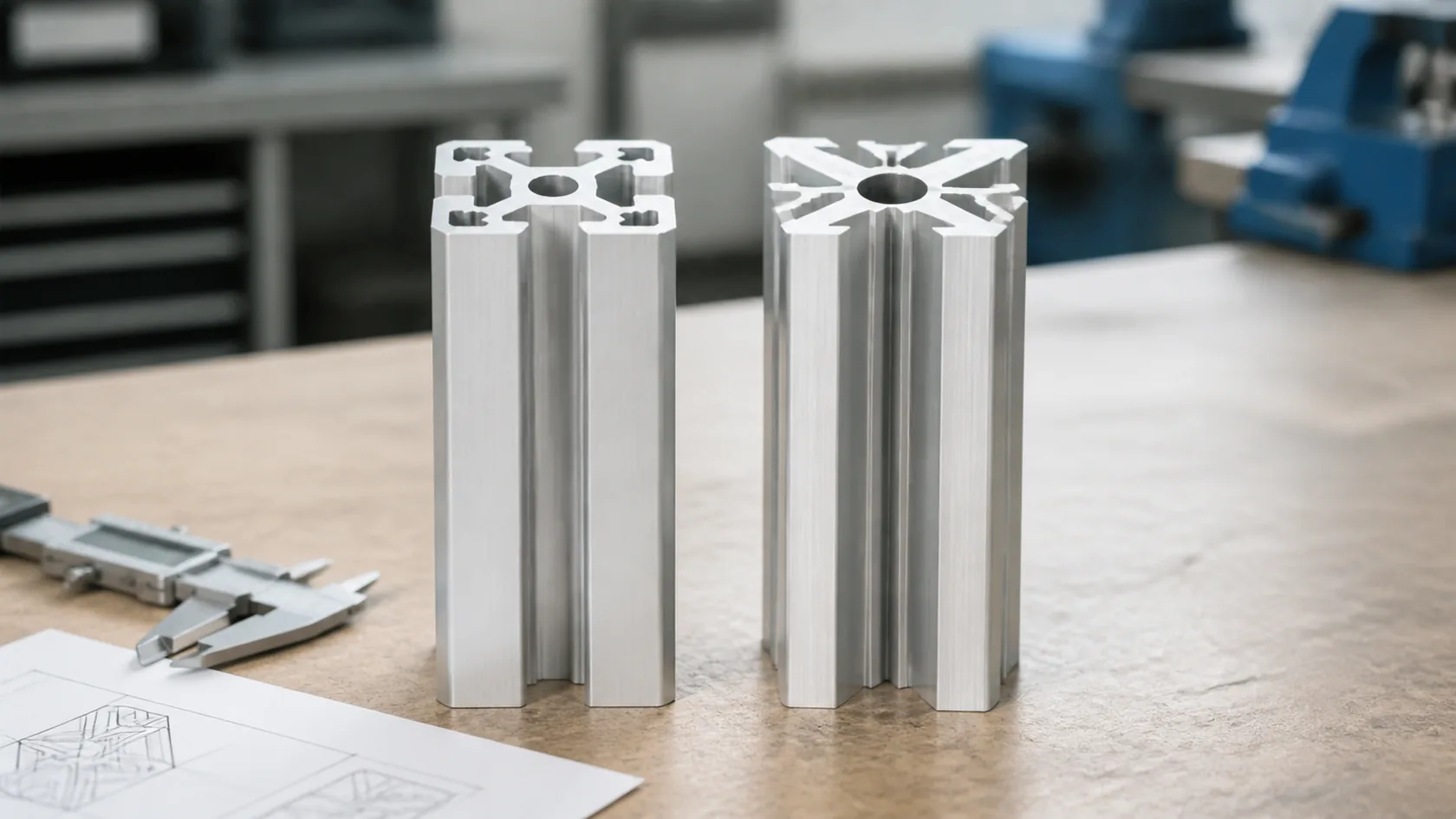
Aluminum is popular for custom electronic enclosures because it balances weight, strength, machining, appearance, and heat transfer. It is much lighter than steel and easier to machine for precise connector openings, display windows, mounting holes, and heat sink features.
Aluminum also gives natural EMI shielding, which can help with some electronic products. It can be anodized, powder coated, brushed, engraved, printed, or machined into a clean housing.
The main caution is corrosion environment. Aluminum performs well in many outdoor applications, but coastal salt air, poor coating, galvanic contact with other metals, and damaged machined edges can create problems.
Stainless steel
Stainless steel is a strong choice for harsh outdoor conditions. It is rigid, impact resistant, and corrosion resistant compared with carbon steel. For general outdoor or washdown conditions, 304 stainless steel is common. For coastal, chloride-heavy, marine, or more corrosive sites, 316 stainless steel is often a better choice.
The trade-off is cost, weight, and manufacturing difficulty. Stainless steel is heavier and harder to cut, bend, polish, and machine. For small custom electronics housings with many precise openings, it may become expensive quickly.
Fiberglass or FRP
Fiberglass-reinforced polyester, often called fiberglass or FRP, is useful when corrosion, chemicals, moisture, and electrical insulation matter. Hammond's corrosion reference lists fiberglass-reinforced polyester as suitable for continually wet, cold, salty, solvent, or chemical-laden areas.
Fiberglass does not rust, and it is non-conductive. That can be a major advantage in wastewater, utility, chemical, and coastal installations.
The trade-off is appearance, machining behavior, dust during cutting, and sometimes impact style. It can be strong, but it does not behave like metal when hit or modified.
Polycarbonate and other plastics
Polycarbonate is a common outdoor enclosure material when the project needs low weight, corrosion resistance, insulation, and wireless signal transmission. It can also support transparent covers, molded features, and lower-cost production for the right volume.
But outdoor plastic must be chosen carefully. Direct sun can age non-UV-rated plastic. Some chemicals and solvents can attack polycarbonate. Screw bosses, gasket grooves, and cable entries need good design because plastic creeps and expands differently from metal.
ABS is usually not my first choice for long outdoor exposure unless the material grade, UV protection, and application are clearly suitable.
Coated carbon steel
Carbon steel is strong and cost-effective. For large cabinets or mild outdoor environments, powder-coated or painted steel can be practical.
But carbon steel depends heavily on its coating. If the coating is scratched, if a cut edge is exposed, or if water stays around a seam or bolt, rust can begin. For coastal, chemical, or long-service outdoor projects, carbon steel can become the cheap choice that costs more later.
My practical view is simple: coated steel is fine when the environment is mild and the coating process is reliable. It is risky when corrosion is the main enemy.
When Aluminum Is the Practical Outdoor Choice
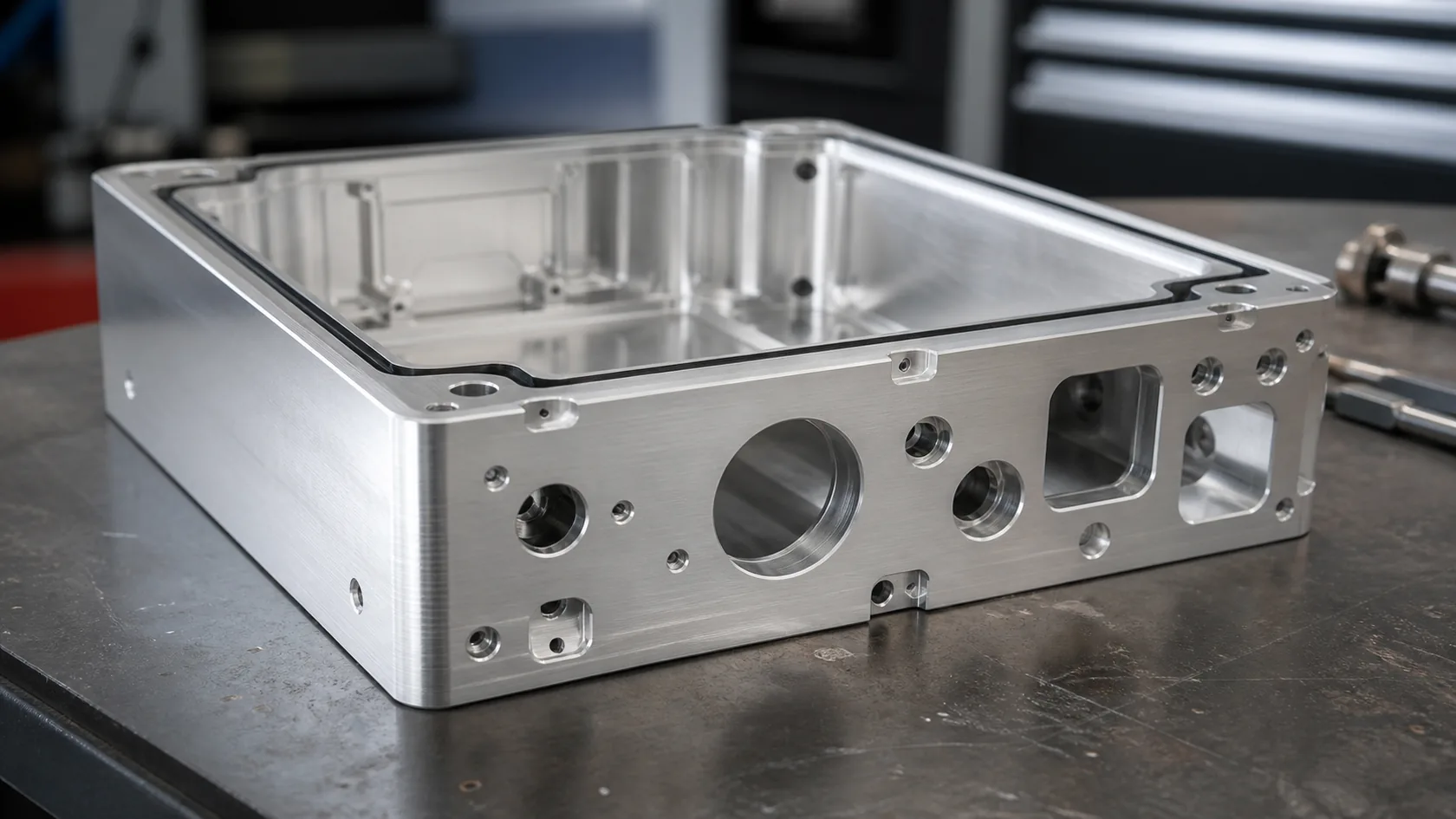
Because MaidaTech works with many custom aluminum enclosures, I see aluminum used often in outdoor electronic products, control boxes, small industrial devices, power modules, and OEM housings.
Aluminum is not always the best material, but it is often the most balanced one.
Weight, machining, heat, and appearance
Aluminum is lighter than steel, which helps with wall-mounted, pole-mounted, portable, and export-shipped products. It machines cleanly, so it is good for custom connector holes, USB ports, antenna fittings, display windows, LED holes, mounting slots, and engraved logos.
It also conducts heat better than plastics and fiberglass. If the enclosure holds a hot PCB, power supply, relay, LED driver, or communication module, aluminum can help move heat away from the inside, especially when the design uses the housing as part of the heat path.
For appearance, aluminum can feel more premium than plastic and less heavy than steel. This matters for products that customers see and touch, not only for hidden electrical boxes.
Finish and edge treatment still decide service life
Aluminum needs the right finish for the environment. Powder coating, anodizing, chemical conversion coating, or painting may be used depending on appearance, corrosion risk, conductivity, and cost.
The detail I watch closely is not only the outside surface. I also check machined edges, threaded holes, fastener contact, gasket land, and places where two metals touch. These small areas can decide whether an outdoor enclosure stays clean or starts showing trouble after installation.
In real production, I would rather spend time checking the finish and hardware combination than simply tell a buyer, "Aluminum is corrosion resistant." That sentence is too broad. The actual enclosure has cutouts, screws, seals, and real weather.
Aluminum is a good choice when the environment is not too corrosive, the product needs custom machining, and the buyer wants a good balance of weight, heat, appearance, and cost.
When Other Materials Make More Sense
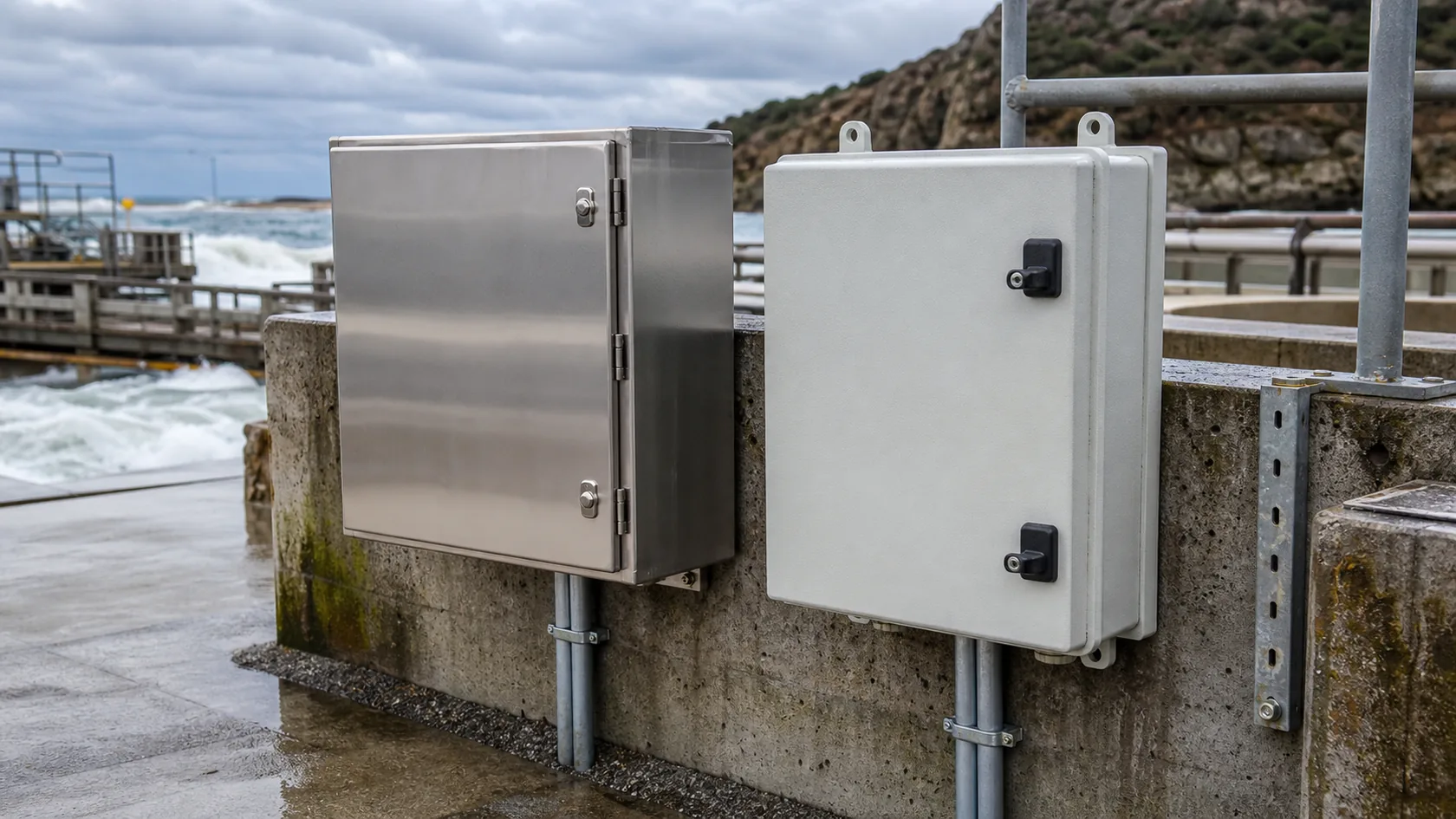
Sometimes aluminum is not the safest answer. This is especially true when the outdoor site is harsh in a very specific way.
The best material should follow the main failure risk.
Choose 316 stainless steel for chloride and washdown risk
If the enclosure will be installed near the sea, in road-salt areas, offshore sites, food processing, chemical cleaning, or heavy washdown areas, stainless steel may be the better choice.
304 stainless steel works for many general wet and outdoor locations. But 316 stainless steel adds better chloride resistance, which matters in salt-heavy environments.
The cost is higher, and the weight is higher. But when replacement labor, site downtime, and safety risk are expensive, the higher material cost may be easier to accept.
Choose fiberglass for chemical and coastal sites
Fiberglass or FRP can be a smart choice when corrosion is the biggest concern and the enclosure does not need metal shielding or a fine machined appearance.
It is often used in wastewater, utilities, chemical exposure, and salty outdoor environments. It is also non-conductive, which can be useful for electrical safety and signal transmission.
The caution is customization. Cutting fiberglass creates dust and needs proper process control. The finish and edge quality are different from CNC aluminum or sheet metal. For some custom product housings, that may not match the buyer's appearance target.
Choose UV-stabilized polycarbonate for wireless and low-weight products
For outdoor IoT, wireless sensors, smart controllers, small junction boxes, and devices with internal antennas, polycarbonate can be very useful. Metal can block or weaken wireless signals, while plastic lets signals pass more easily.
Polycarbonate is also light and corrosion-free. It can be molded into friendly shapes, transparent covers, and mounting features.
But I would not approve outdoor plastic without checking UV suitability, flame rating, temperature range, chemical exposure, gasket compression, and screw boss design. A plastic enclosure can be excellent, but the resin grade and structure matter a lot.
Choose coated steel only when the corrosion risk is mild
Powder-coated carbon steel is usually chosen for strength and cost. It can be practical for sheltered outdoor cabinets, low-corrosion sites, and projects where budget is tight.
But if the enclosure faces salt air, standing moisture, chemical spray, or frequent scratches, coated steel becomes risky. Once rust starts under a coating edge, it is difficult to make the enclosure look and perform like new again.
I usually see coated steel as a cost-effective answer for controlled outdoor conditions, not as a universal outdoor material.
Factory Checks Before You Approve the Material
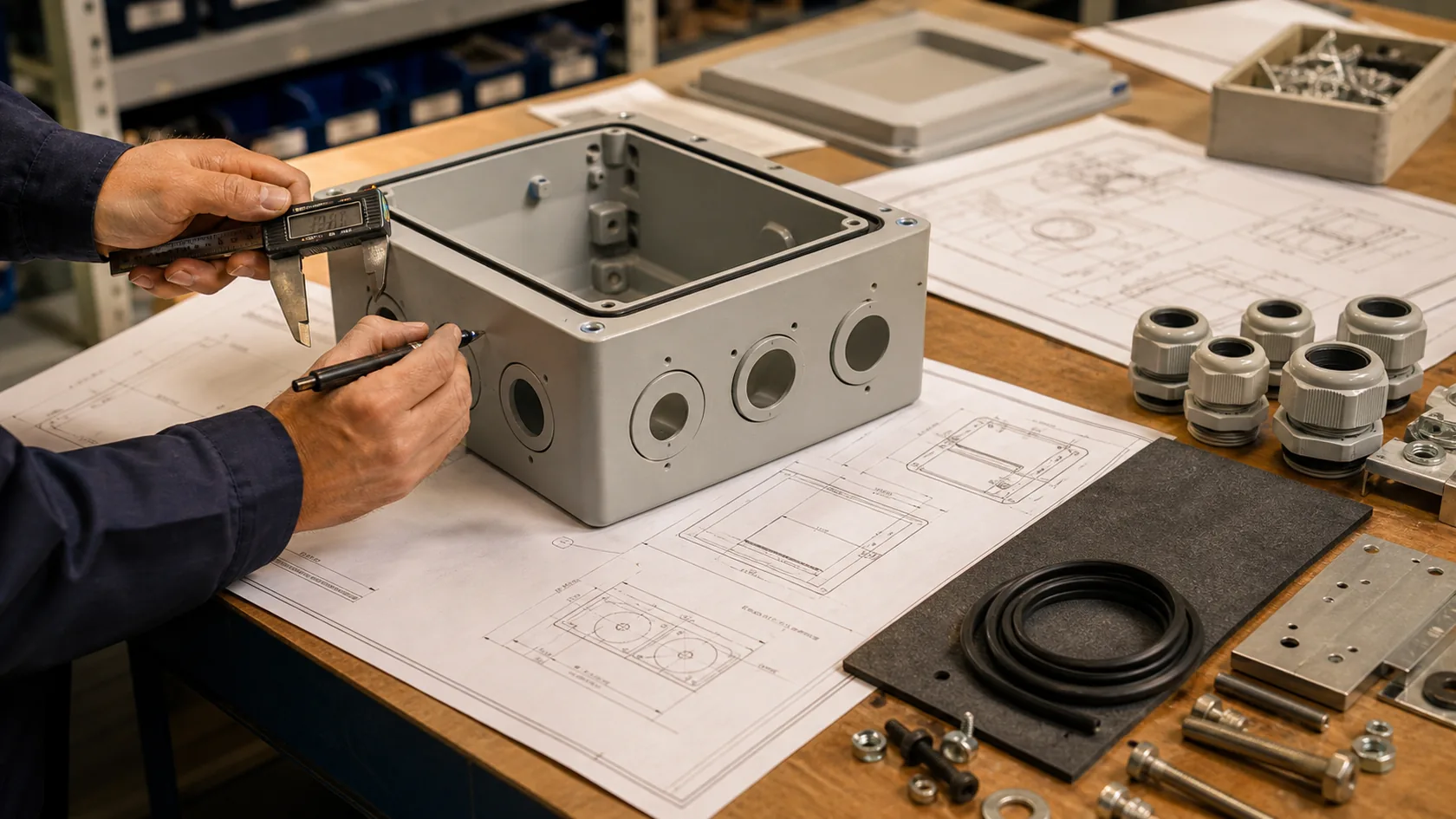
The material decision should not stop at the raw shell.
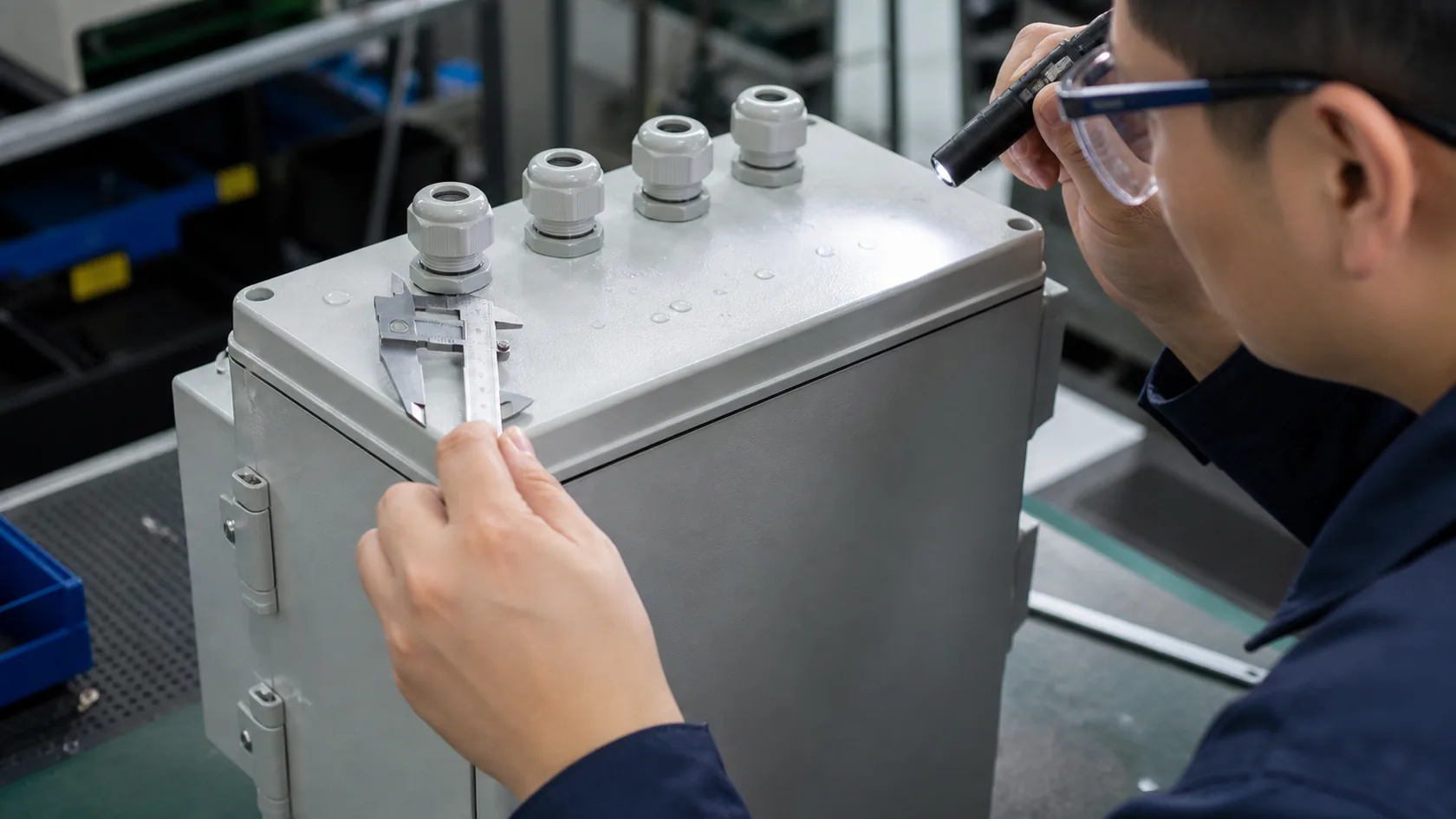
A finished outdoor electrical enclosure includes the body, cover, gasket, screws, hinges, lock, cable glands, vents, mounting feet, internal plate, grounding point, surface finish, labels, packaging, and sometimes customer-installed parts.
Any one of these can weaken the outdoor performance.
Check the complete assembly
Before production, I like to review these points:
| Check item | Why it matters |
|---|---|
| Installation environment | Decides corrosion, UV, water, heat, and impact risk |
| Required IP or NEMA rating | Defines the protection target |
| Material grade | Separates 304 vs 316 stainless, UV plastic vs normal plastic, correct aluminum alloy |
| Surface finish | Protects metal and controls appearance |
| Machined cutouts | Exposed edges and connector holes can become weak points |
| Gasket design | Outdoor sealing depends on compression and aging |
| Cable entry | Water often enters through glands, conduits, or poor hole position |
| Hardware material | Wrong screws can create corrosion or staining |
| Heat path | Sealed boxes can trap heat |
| Wireless signal | Metal housings may need external antenna design |
| Maintenance access | A good seal can fail if workers close it badly |
| Packaging | Scratches before installation can start outdoor problems |
This review is not only engineering theory. It saves real money. Moving one cable hole or changing one screw material before production is simple. Fixing corrosion, leakage, or field failures after shipment is not simple.
Questions to send your supplier before quoting
If you are asking a supplier for an outdoor electrical enclosure quotation, include these details:
- Installation country or climate
- Indoor, outdoor, coastal, chemical, dusty, or washdown use
- Required IP or NEMA rating
- Expected service life
- Internal components and heat level
- Cable entry direction and gland size
- Need for wireless signal or EMI shielding
- Material preference, if any
- Finish and color requirement
- Quantity and expected annual volume
- Drawing, PCB layout, sample, or reference enclosure
When I receive this information, I can give a more useful suggestion. Without it, the supplier can only guess from the drawing, and outdoor projects do not forgive guessing very kindly.
Conclusion
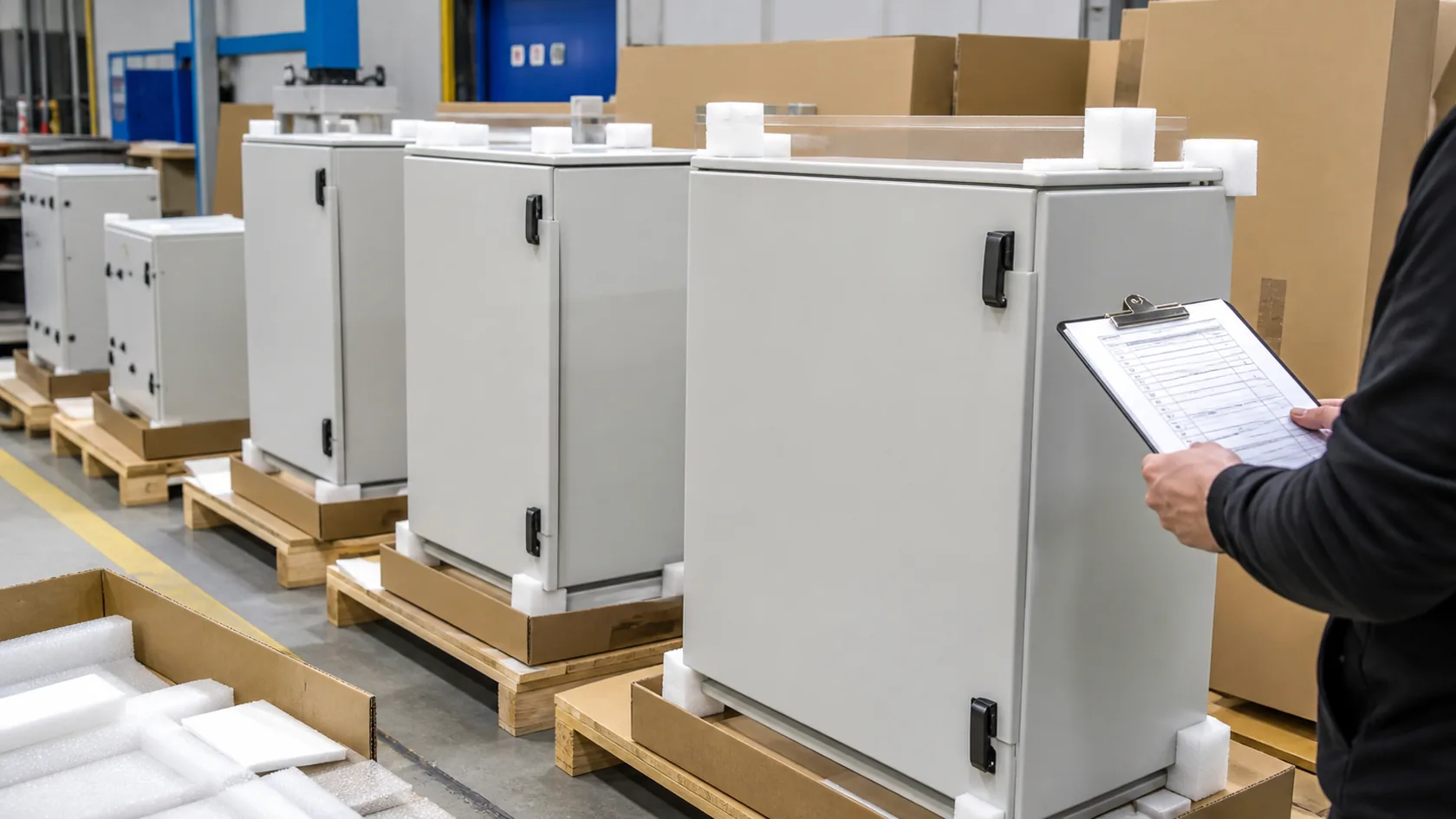
The best material for outdoor electrical enclosures is not one material for every project.
Aluminum is often the most practical choice for custom outdoor electronics when the project needs light weight, clean machining, heat transfer, EMI shielding, and a good appearance. Stainless steel is stronger for washdown, impact, and corrosive industrial sites, especially when 316 grade is needed. Fiberglass is strong in chemical, wet, and salty environments. UV-stabilized polycarbonate is useful for wireless, lightweight, corrosion-free products. Coated steel can work in mild outdoor conditions when cost matters and corrosion risk is controlled.
That is why I choose material by failure mode.
If the main risk is salt, I think about 316 stainless or fiberglass. If the main risk is heat and machining, I look at aluminum. If the main risk is wireless signal and weight, I consider UV-stabilized plastic. If the main risk is budget, I still ask whether the coating, cable entry, and service life are strong enough.
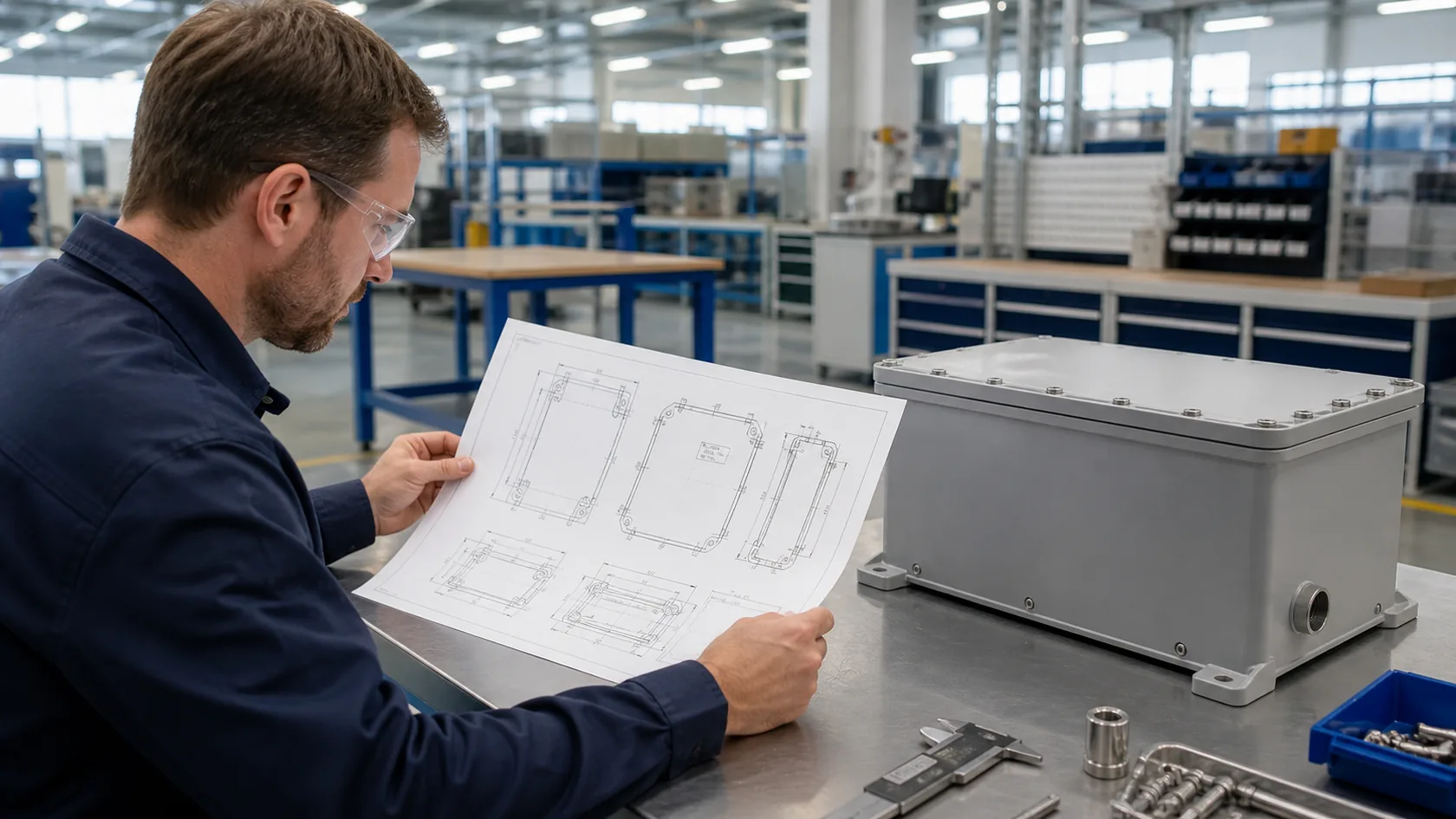
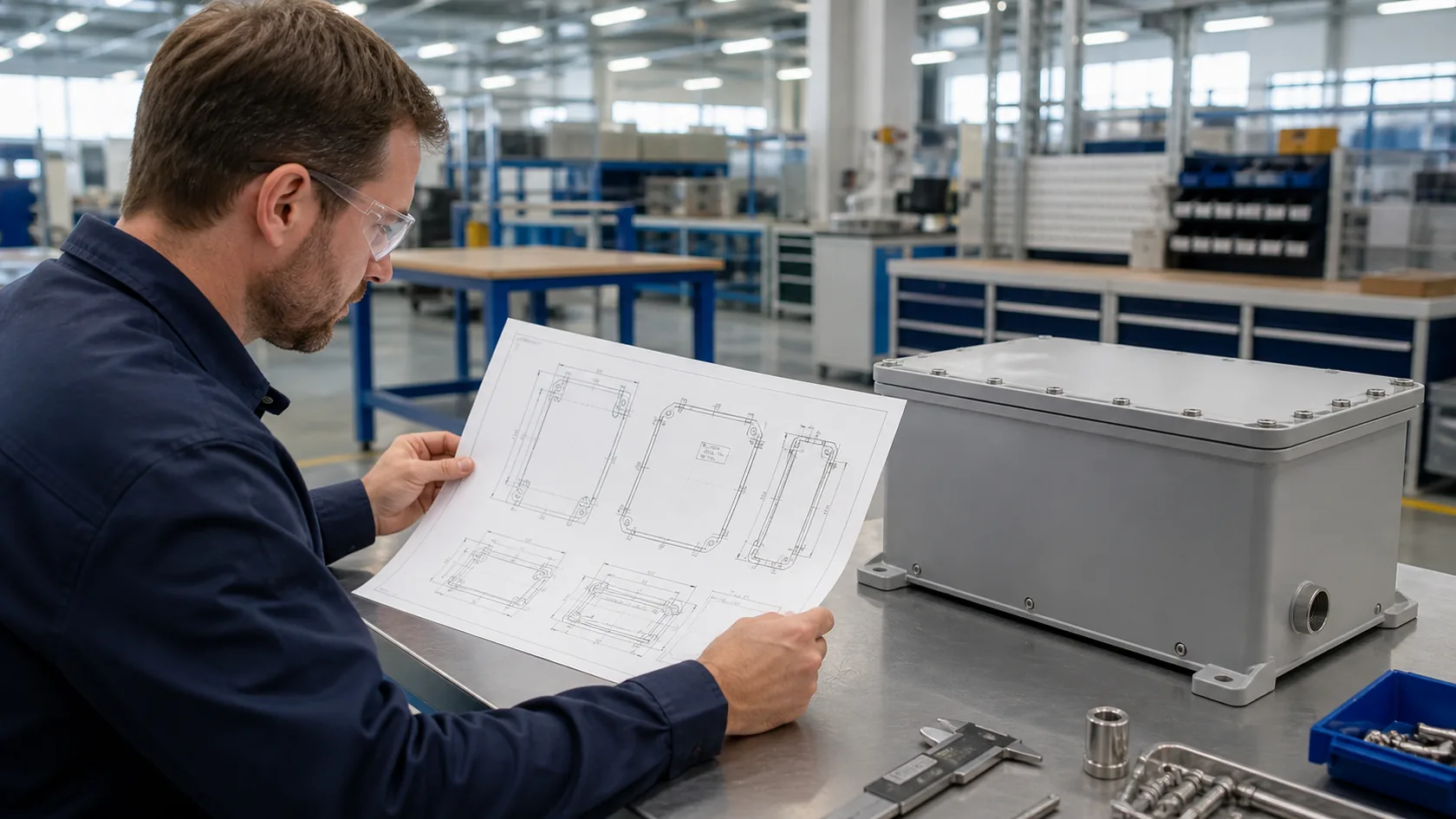
For MaidaTech projects, I prefer to review the drawing together with the installation environment before locking the material. A small discussion at this stage can prevent rust, leakage, weak signal, overheating, cracked plastic, poor assembly, or unnecessary cost.
If you are choosing material for an outdoor electrical enclosure, send the drawing, internal component layout, cable entry plan, and working environment. We can help compare the practical options before the enclosure goes into production.