Skip to content
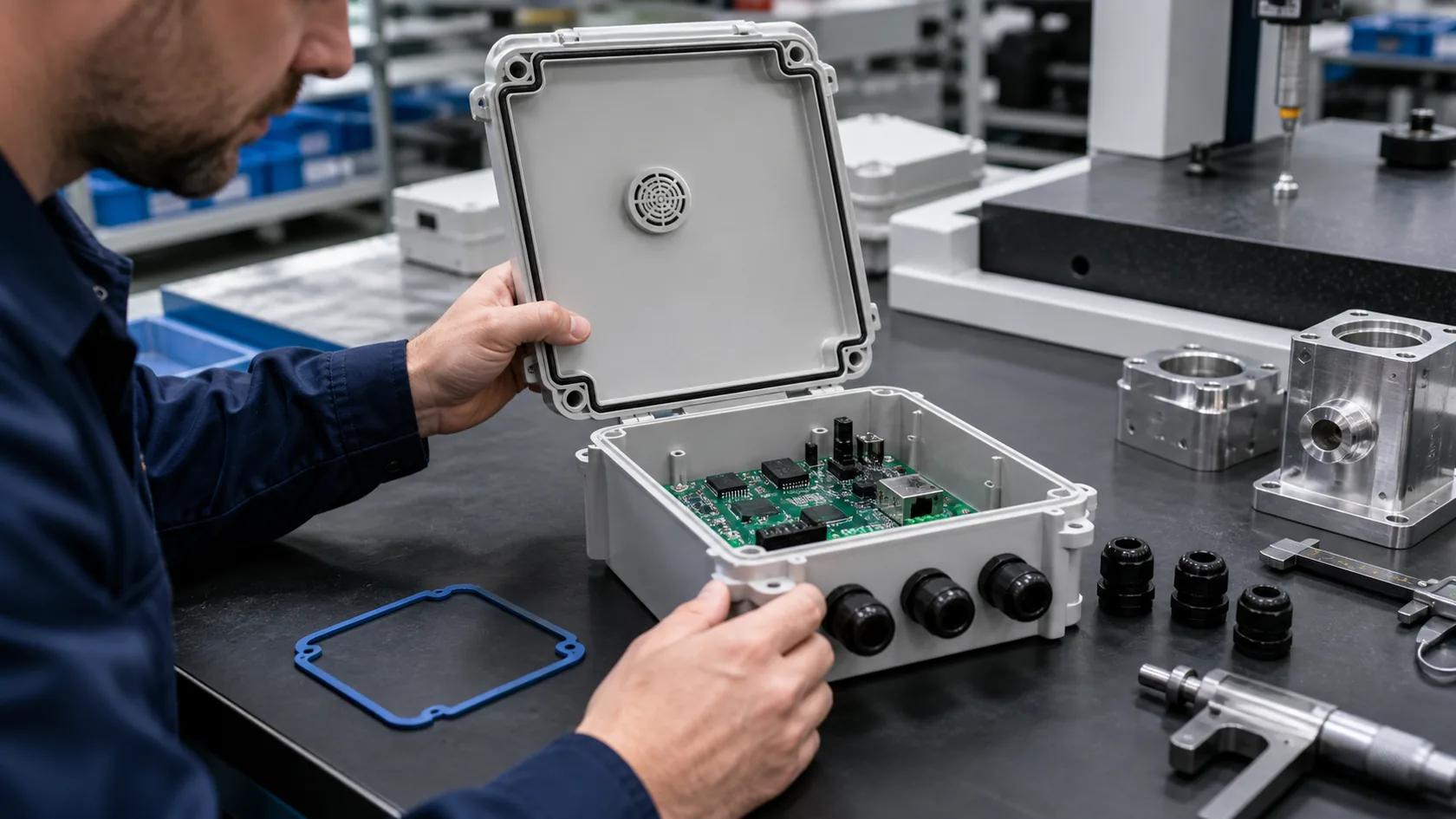
Many buyers ask me a short question: "Should we add a vent to this waterproof enclosure?"
I usually do not answer yes or no immediately.
A vent can be very useful. It can help a sealed enclosure handle pressure changes, trapped humidity, and heat from electronics. But a vent can also be unnecessary, badly placed, or even risky if the project does not need it.
This is why I do not like treating vents as a decoration. A waterproof vent is not a small badge that says "premium." It is a functional part. It must match the enclosure, the environment, the electronics, and the installation.
In our factory, I see both mistakes. Some buyers refuse vents on outdoor electronics that clearly need pressure control. Other buyers add vents to every box because they saw one on a competitor's product.
Both habits can create trouble.
When I review a custom outdoor enclosure, I first look at heat, humidity, cable entry, service behavior, and pressure cycling. Only after that do I decide whether a vent belongs in the design.
What a Vent Actually Does
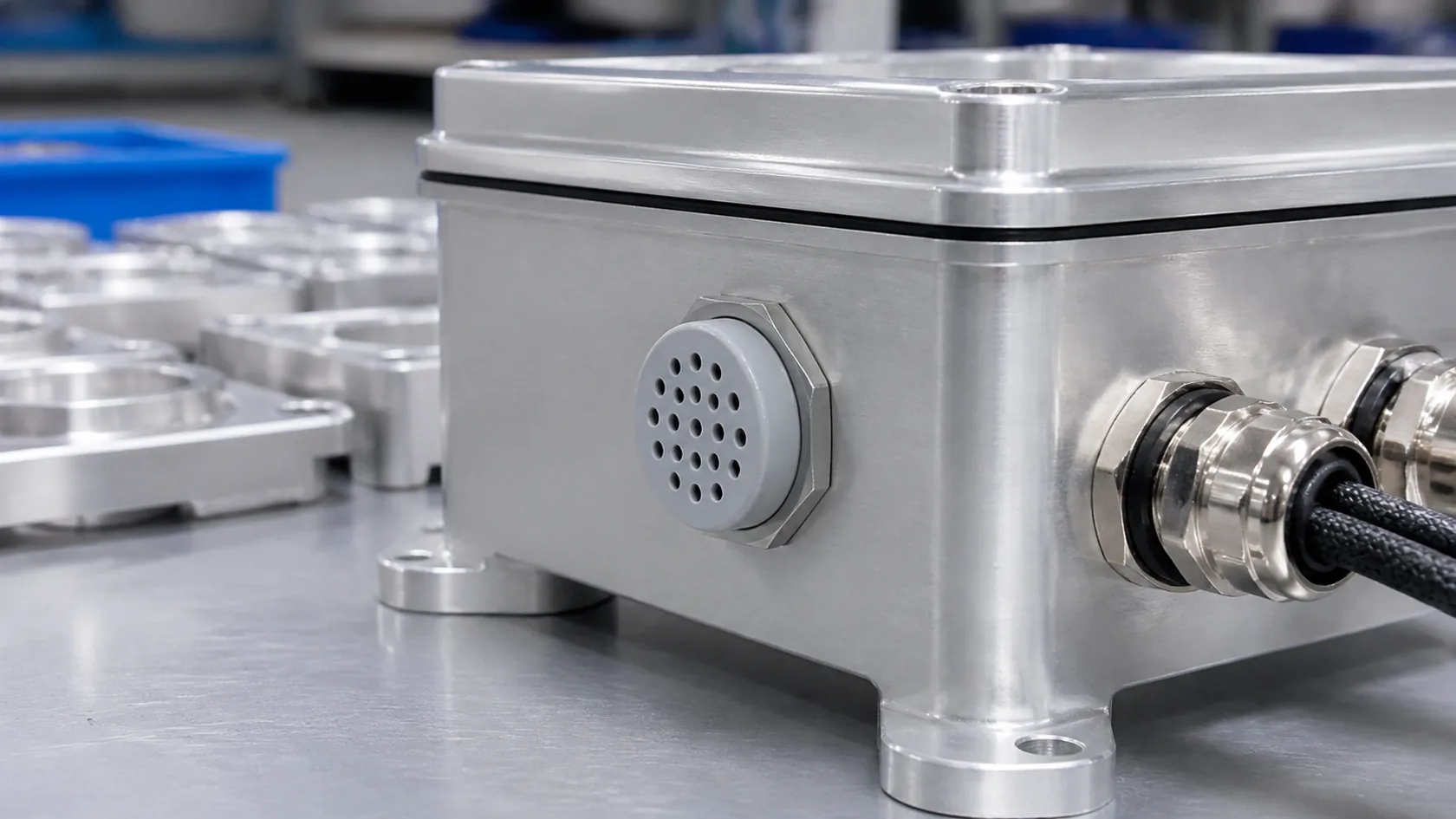
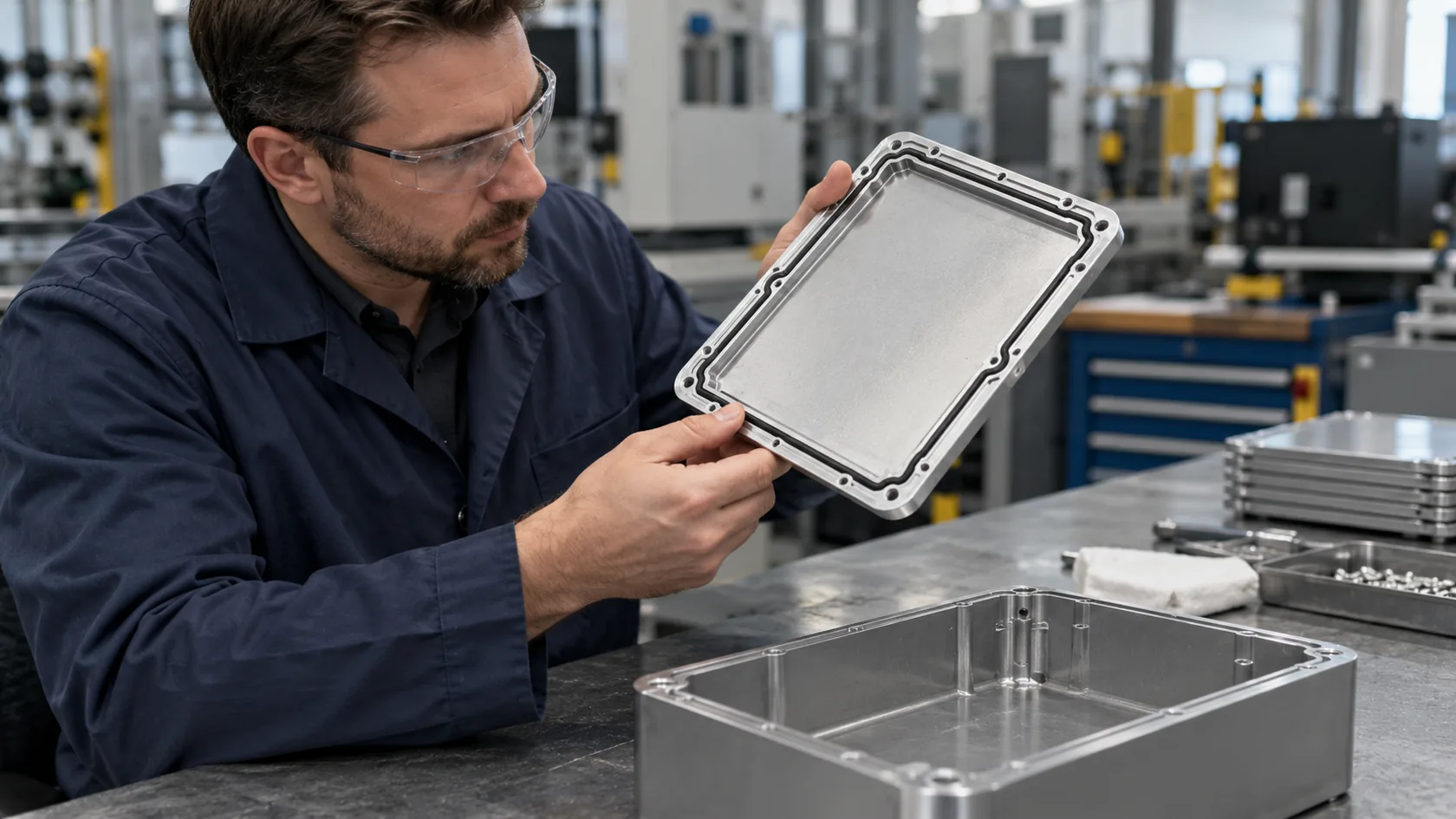
A waterproof vent is not the same as an open hole. A proper membrane vent allows air to move through a controlled path while blocking liquid water and dust under its rated conditions.
The most common reason to use a vent is pressure equalization. When temperature changes, the air inside the enclosure expands and contracts. If the enclosure is sealed tightly, that pressure difference can stress the gasket, cable glands, plastic walls, or cover.
Good vent suppliers explain this clearly. For example, Gore protective vents are designed to equalize pressure and reduce trapped condensation while blocking contaminants under rated conditions.
It helps the box breathe in a controlled way
Without a vent, the enclosure may still breathe. It just breathes through the weakest point.
That point may be:
- A cable gland
- A gasket corner
- A connector
- A screw hole
- A plastic joint
- A field-drilled opening
That is not controlled breathing. That is a slow failure path.
It can reduce condensation risk
Condensation happens when moist air cools to the dew point. NOAA explains dew point as the temperature where water vapor turns into liquid droplets. In outdoor enclosures, this can happen on metal walls, terminal blocks, screws, and PCB surfaces.
A vent can help water vapor move out instead of staying trapped forever. It does not remove every moisture problem, but it can reduce the amount that remains inside after repeated cycles.
My judgment is simple here: I use a vent when the enclosure needs controlled air movement, not when I want to cover up a poor sealing design. A vent helps a good design behave better. It does not forgive every mistake.
Now let us talk about the cases where a vent usually makes sense.
When a Vent Is Usually Worth Considering
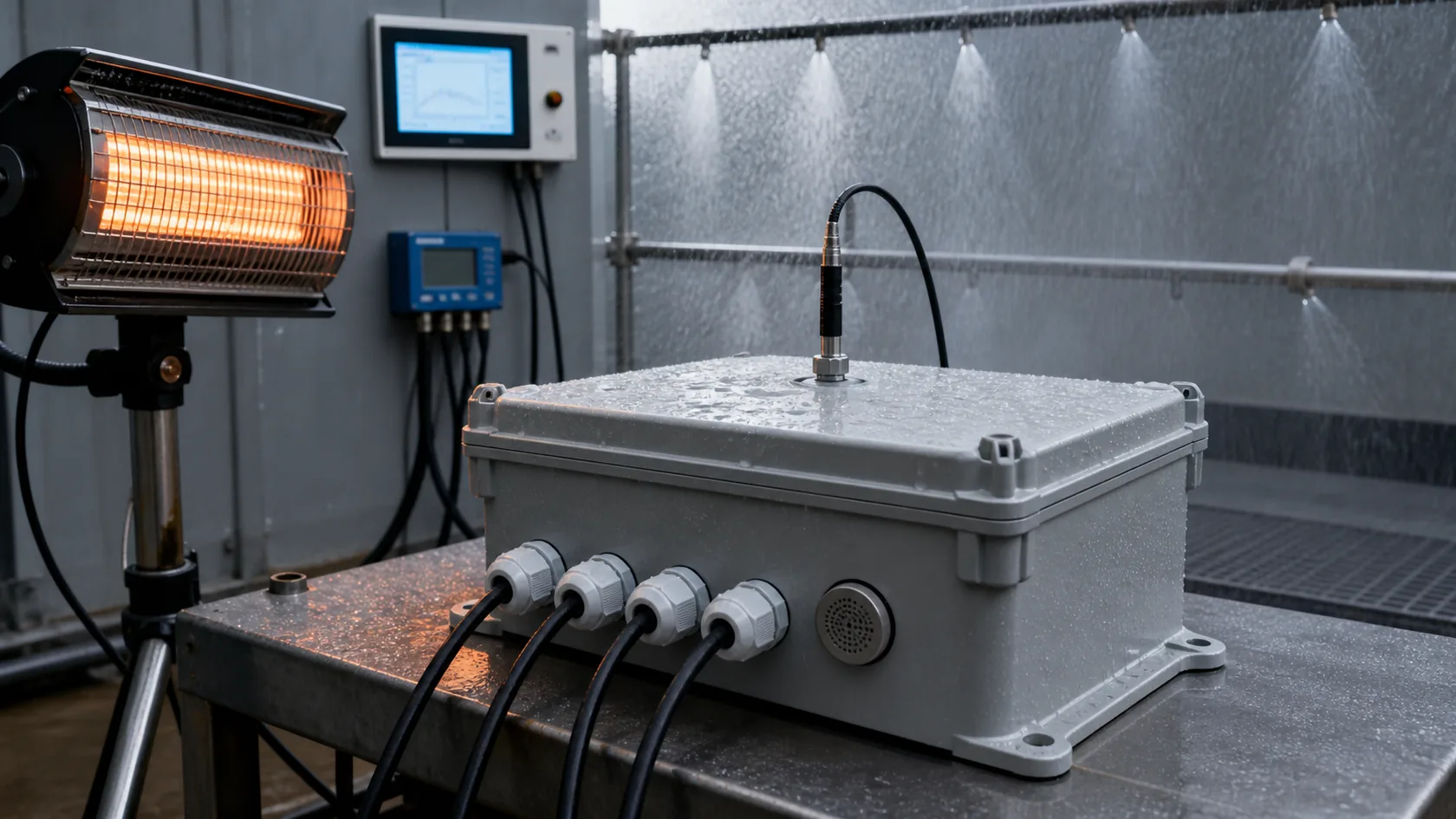
A vent is worth considering when the enclosure faces real pressure or moisture stress.
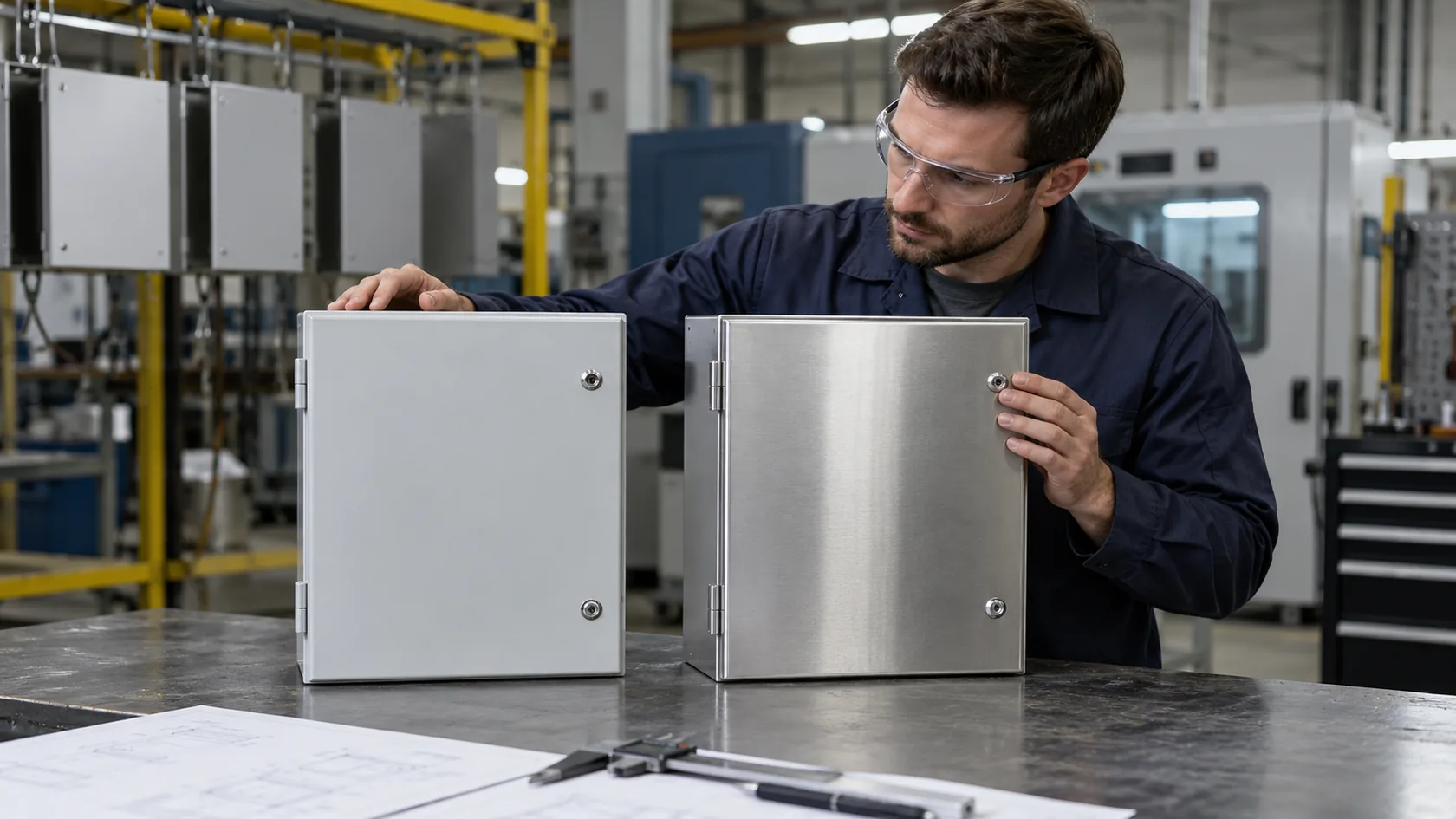
This is common in outdoor electronics, especially when the product works for many years without regular opening.
Temperature swings are strong
Outdoor boxes heat up under sun. At night, the temperature drops. Rain can cool the shell quickly. The internal air changes pressure again and again.
If the enclosure is large, tightly sealed, or mounted in direct sun, this pressure cycle becomes more important.
Electronics generate heat
Power supplies, LED drivers, communication equipment, battery systems, and industrial controllers can create heat inside the box.
Heat is not only a thermal problem. It is also a pressure and moisture problem. Warm air expands. Warm air can also carry more moisture. When it cools, condensation may appear.
The enclosure is exposed for long outdoor service
Vents are often useful for:
| Application | Why a vent may help |
|---|---|
| Telecom boxes | Long outdoor service and temperature changes |
| Solar electronics | Sun heat, night cooling, sealed installation |
| LED lighting control boxes | Heat from drivers and rain exposure |
| Surveillance devices | Outdoor mounting and pressure cycling |
| Battery or sensor housings | Gas release or humidity balance may matter |
When I see a sealed outdoor electronics box with heat, humidity, and long service life, I take venting seriously because the warranty cost is usually higher than the vent cost. The buyer may save a few cents today and lose a customer later.
But not every waterproof enclosure needs one. That part matters too.
When a Vent May Not Be Needed
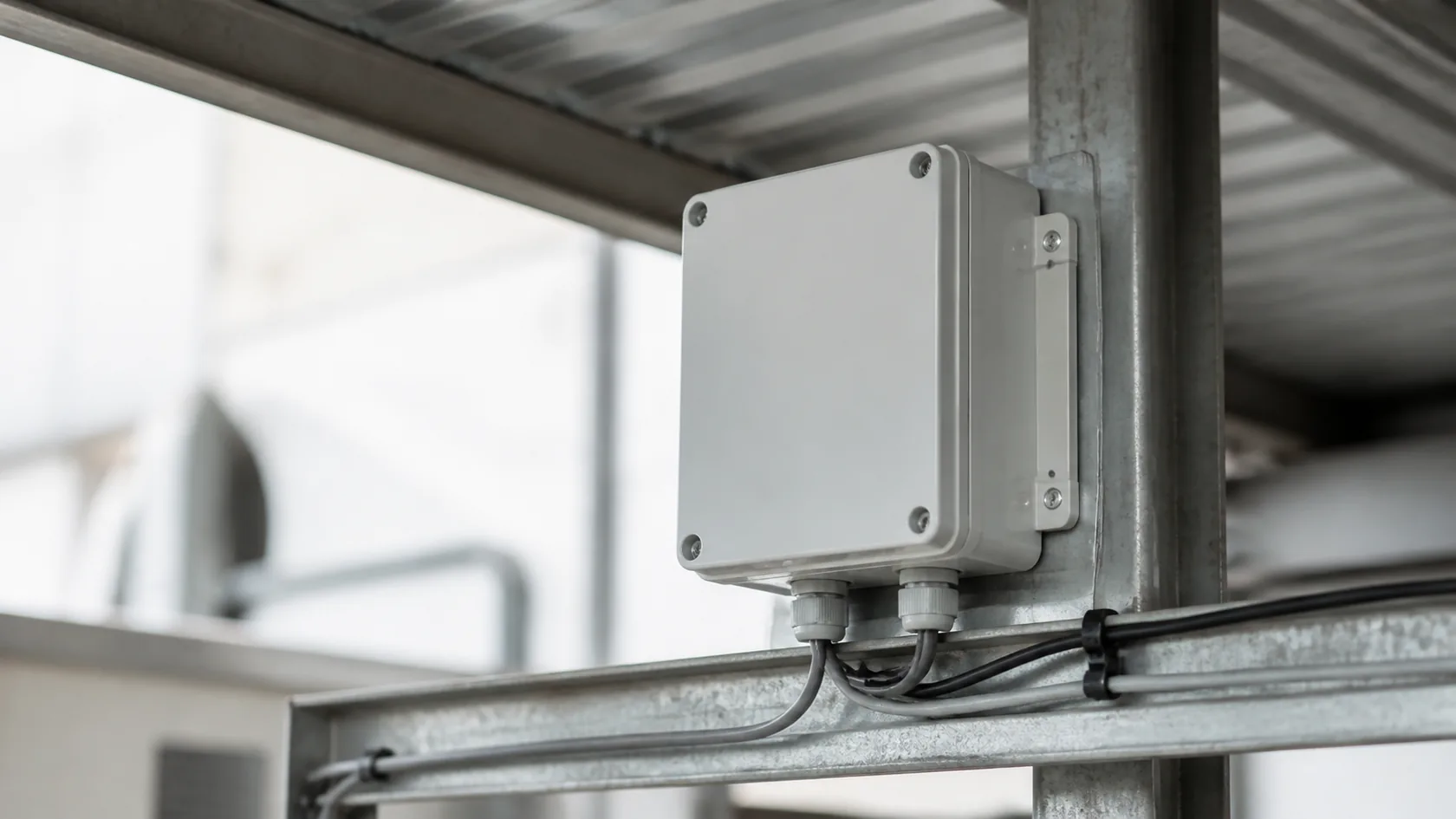
A vent is not always necessary.
If the enclosure has low internal heat, a small internal air volume, a protected installation location, and stable temperature conditions, a vent may not bring much value.
The product is simple and low heat
A small junction box with passive terminals may not need a vent. If there is no PCB heat, no sealed battery, no large temperature swing, and no long-term trapped humidity risk, a good gasket and correct cable glands may be enough.
The box is protected from direct weather
Some enclosures are called outdoor because they are used near outdoor equipment, but they are actually installed under a roof, inside a larger cabinet, or behind a protective cover.
In that case, the main design focus may be dust, cable sealing, UV resistance, and service access, not pressure equalization.
The enclosure is opened often
If a maintenance team opens the enclosure often, the internal air is exchanged anyway. The larger risk may be dirty gasket surfaces, lost screws, or poor reassembly.
For these products, I may spend more time improving the gasket groove and screw structure than adding a vent.
I often tell customers that "optional" does not mean "free of judgment." If a vent does not solve a real problem, it adds cost, parts management, assembly steps, and one more detail to inspect.
Still, there are cases where adding a vent can create a new problem.
When a Vent Can Create New Risk
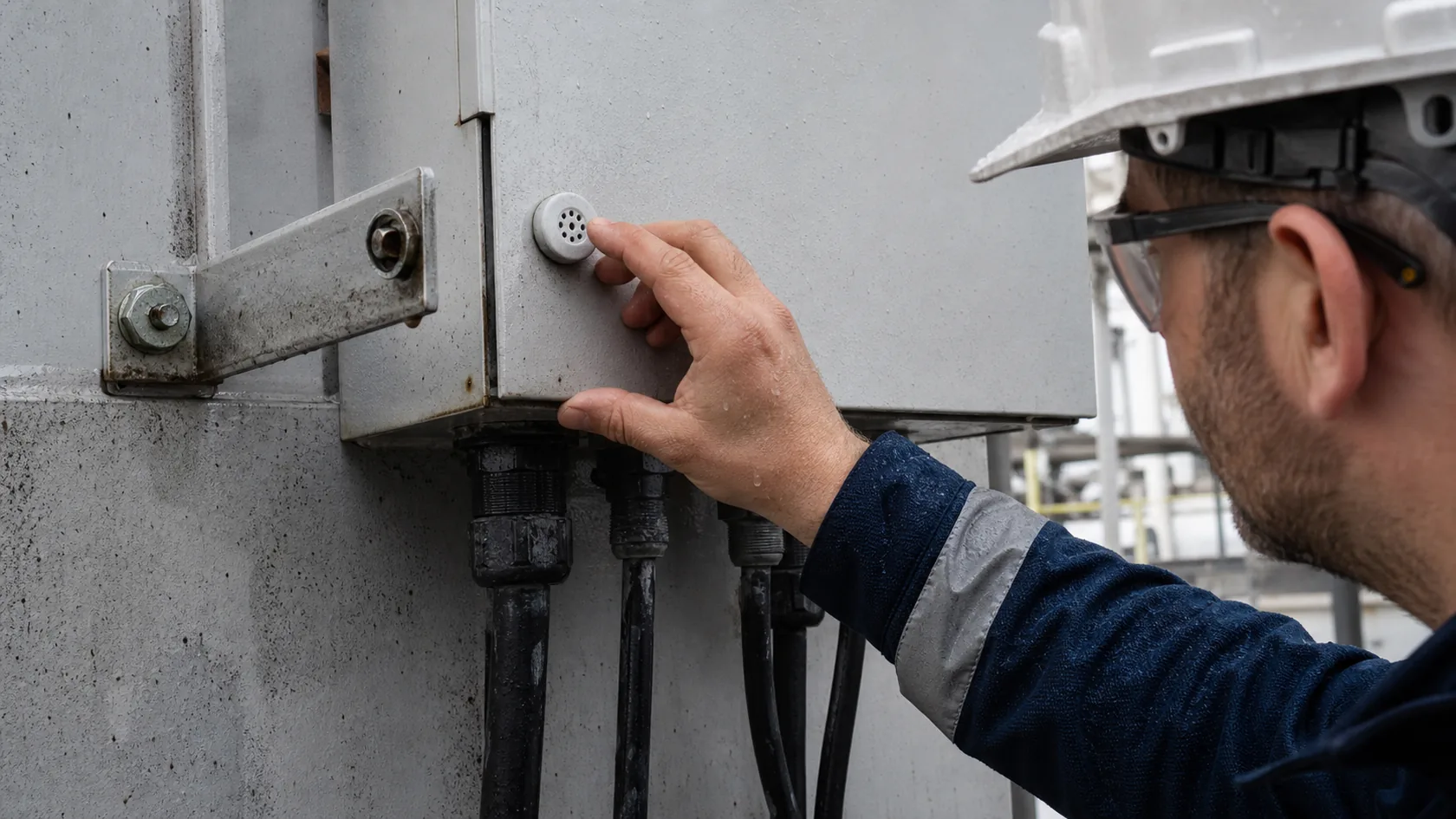
A wrong vent can be worse than no vent.
The vent must match the required IP rating, NEMA type, chemical exposure, cleaning method, and mounting direction. The IEC 60529 IP Code gives the protection classification, but the whole installed product still needs to meet the real use condition.
The vent is placed in the wrong location
A vent should not be blocked by a wall, foam, mounting bracket, cable bundle, label, or internal part. It should also avoid places where water sits for long periods.
A side position is often easier to protect than a top surface, but every enclosure is different.
The environment is harsher than the vent
Some sites have salt spray, oil mist, cleaning chemicals, dust, mud, or high-pressure washdown. A normal vent may not be enough. Some applications need oleophobic membranes or a different vent structure.
If the product may be submerged, the vent must be rated for that condition. Never assume a vent for rain is also suitable for long submersion.
The vent is used to hide another mistake
A vent cannot fix:
- Wrong cable gland size
- No drip loop
- Uneven gasket compression
- Bad cover flatness
- Poor material choice
- Field holes without sealing design
In real production review, I reject a vent location if it looks easy to assemble but bad for service or water exposure, because a convenient hole today can become a customer complaint next rainy season.
So if the project needs a vent, we should choose it properly.
How I Choose Vent Type and Position
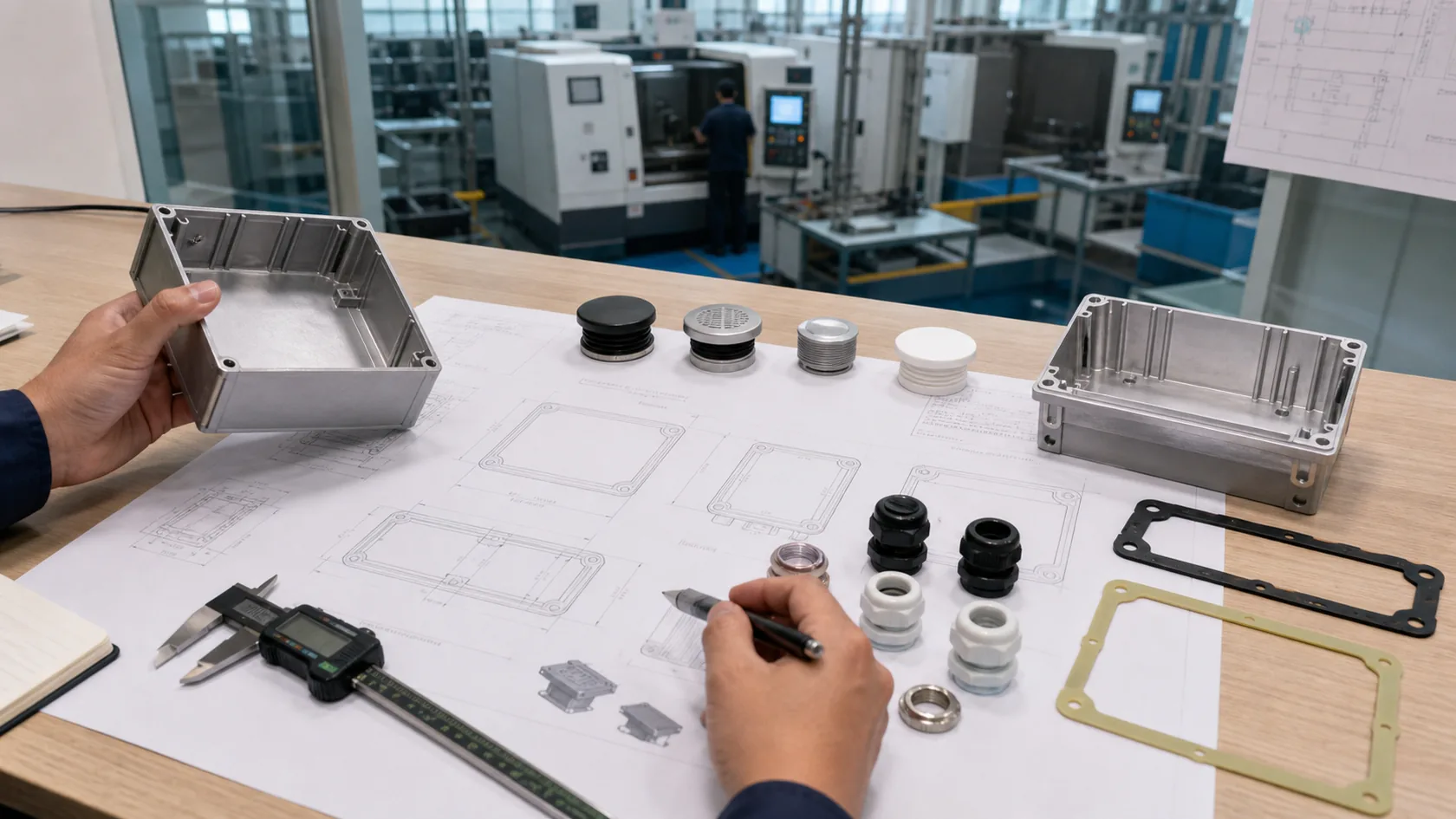
Vent selection should start before the enclosure drawing is frozen.
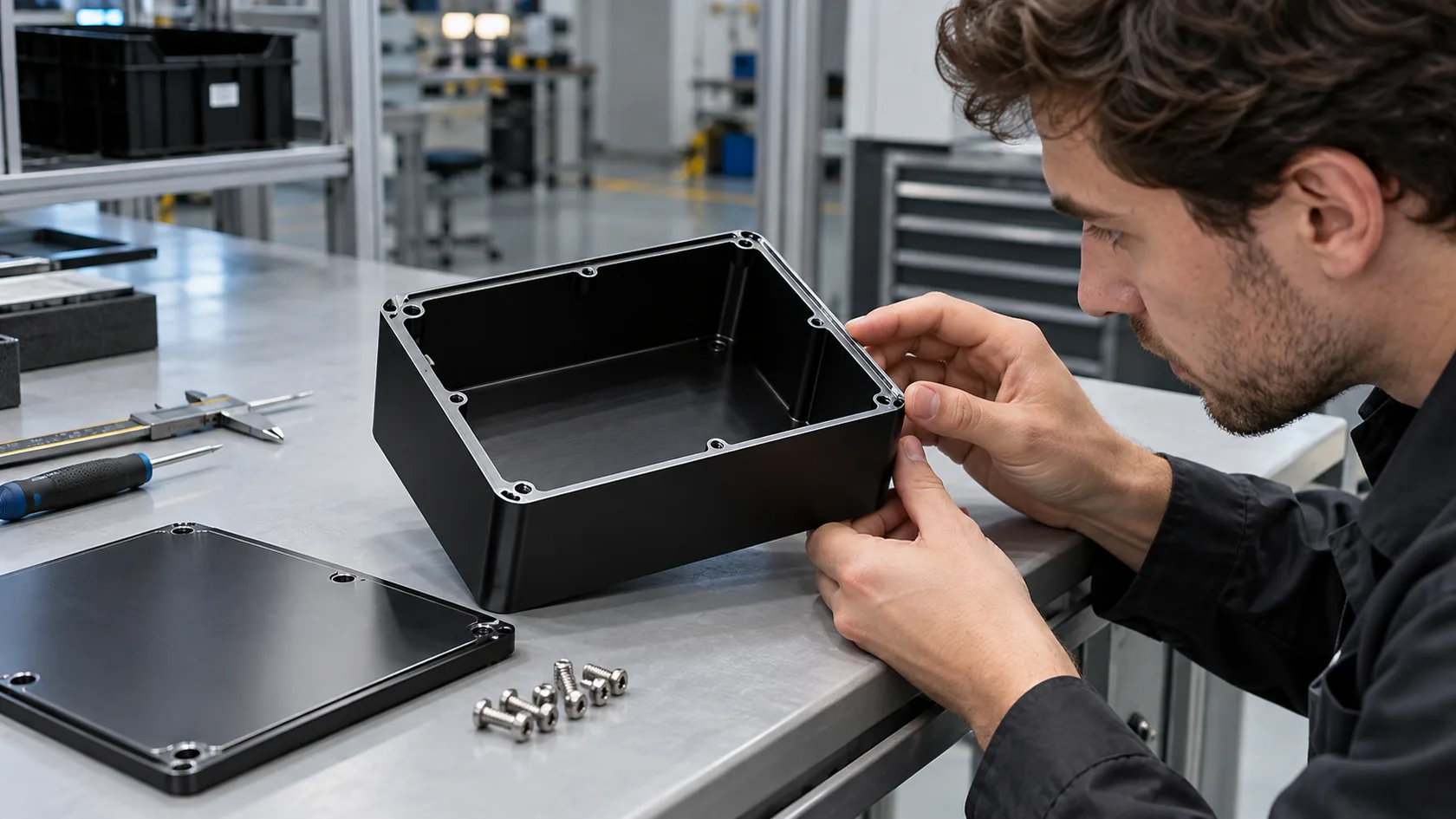
The vent needs space, wall thickness, a flat sealing surface, internal clearance, and the correct exposure direction. If we discuss it too late, we may need to change the mold, CNC program, gasket layout, or internal PCB position.
Common vent types
| Vent type | Useful when | Watch out for |
|---|---|---|
| Screw-in vent | Rugged outdoor enclosures | Needs threaded hole and sealing washer |
| Snap-in vent | Faster assembly | Needs correct wall thickness and hole size |
| Adhesive vent | Thin wall or compact design | Needs clean surface and good bonding condition |
| Integrated vent area | Custom plastic design | Needs testing and stable process control |
The right choice depends on the product volume, assembly process, and environment. A prototype can use one method, but mass production may need another.
Position is not only about space
I check these points before confirming the vent position:
- Will water sit on this surface?
- Will the vent be blocked after mounting?
- Is there enough flat area for sealing?
- Will the internal PCB or cable cover the airflow path?
- Can workers install it consistently?
- Can QC inspect it after assembly?
- Will packaging rub or damage it during shipping?
I prefer a vent position that is boring but reliable. If the position looks clever but is hard for workers to install the same way every time, I become suspicious.
Vent selection also depends on what the buyer tells the supplier at the beginning.
What Buyers Should Tell the Supplier
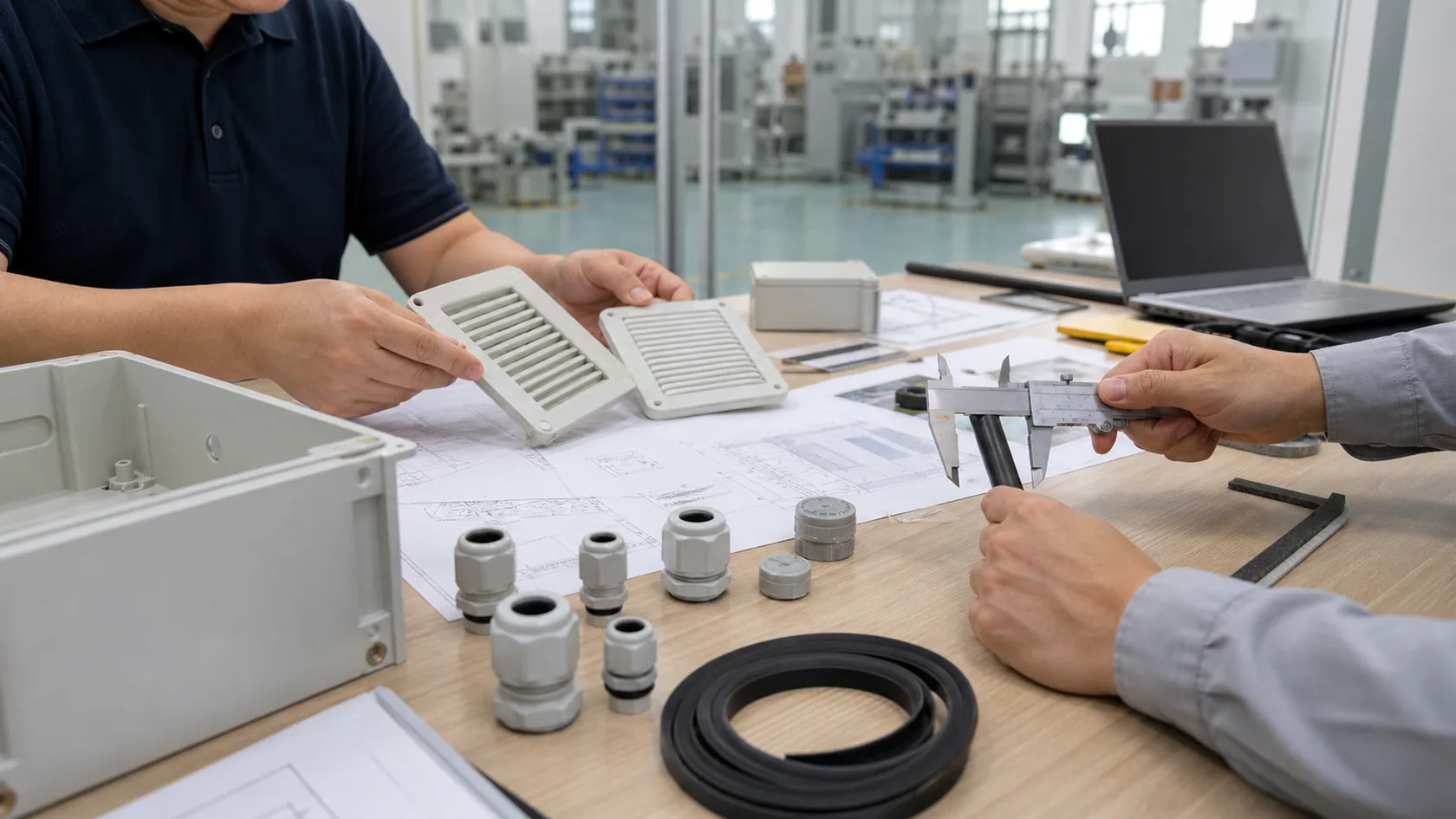
A supplier cannot choose a good vent from the word "outdoor" alone.
Outdoor in Canada is not the same as outdoor in Thailand. A solar controller in direct sun is not the same as a junction box under a roof. A box washed with chemical cleaner is not the same as a box touched once a year.
Send real project details
Before we decide on venting, I like to know:
- Installation country or climate
- Direct sun or shade
- Rain direction and mounting angle
- Required IP or NEMA target
- Enclosure size and free internal volume
- Heat source inside the enclosure
- Cable entry direction and cable diameter
- Whether the product may be submerged
- Cleaning method, salt spray, oil, dust, or chemicals
- Expected service life and maintenance frequency
The UL enclosure certification page is a useful reminder that enclosures and accessories both matter. If the project needs a rated system, the vent, cable glands, latch, window, and other accessories need attention too.
Ask for a sample review
For custom outdoor enclosures, I prefer sample testing with the real cable glands, real vent, real gasket, and real mounting direction. Testing only an empty box can give false confidence.
From the factory side, I would rather ask one more question before production than ship a nice-looking enclosure that fails because the vent was placed behind a bracket. That kind of mistake feels small until it reaches the field.
This is why supplier communication matters as much as the part itself.
Conclusion
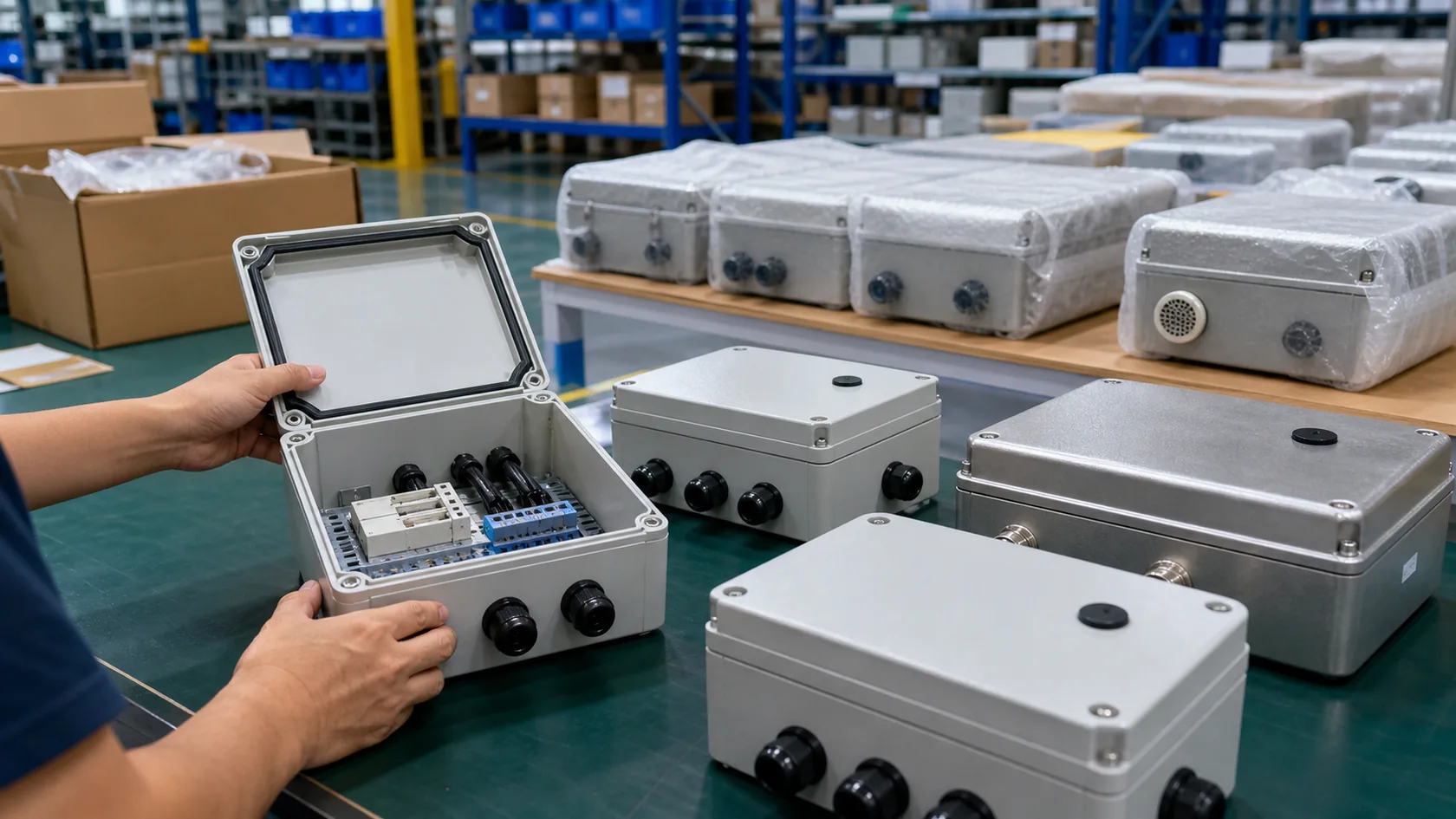
A waterproof enclosure needs a vent when pressure changes, heat, trapped humidity, gas release, or long outdoor service create a real risk inside the box.
It may not need a vent when the product is simple, low heat, protected from weather, opened often, or already managed by another good design method.
It should not get a vent just because the buyer wants the enclosure to look more technical.
From my experience, the best enclosure design is not the one with the most parts. It is the one where every part has a job. The gasket seals. The cable gland matches the cable. The material fits the site. The vent, if used, solves a real pressure or moisture problem.
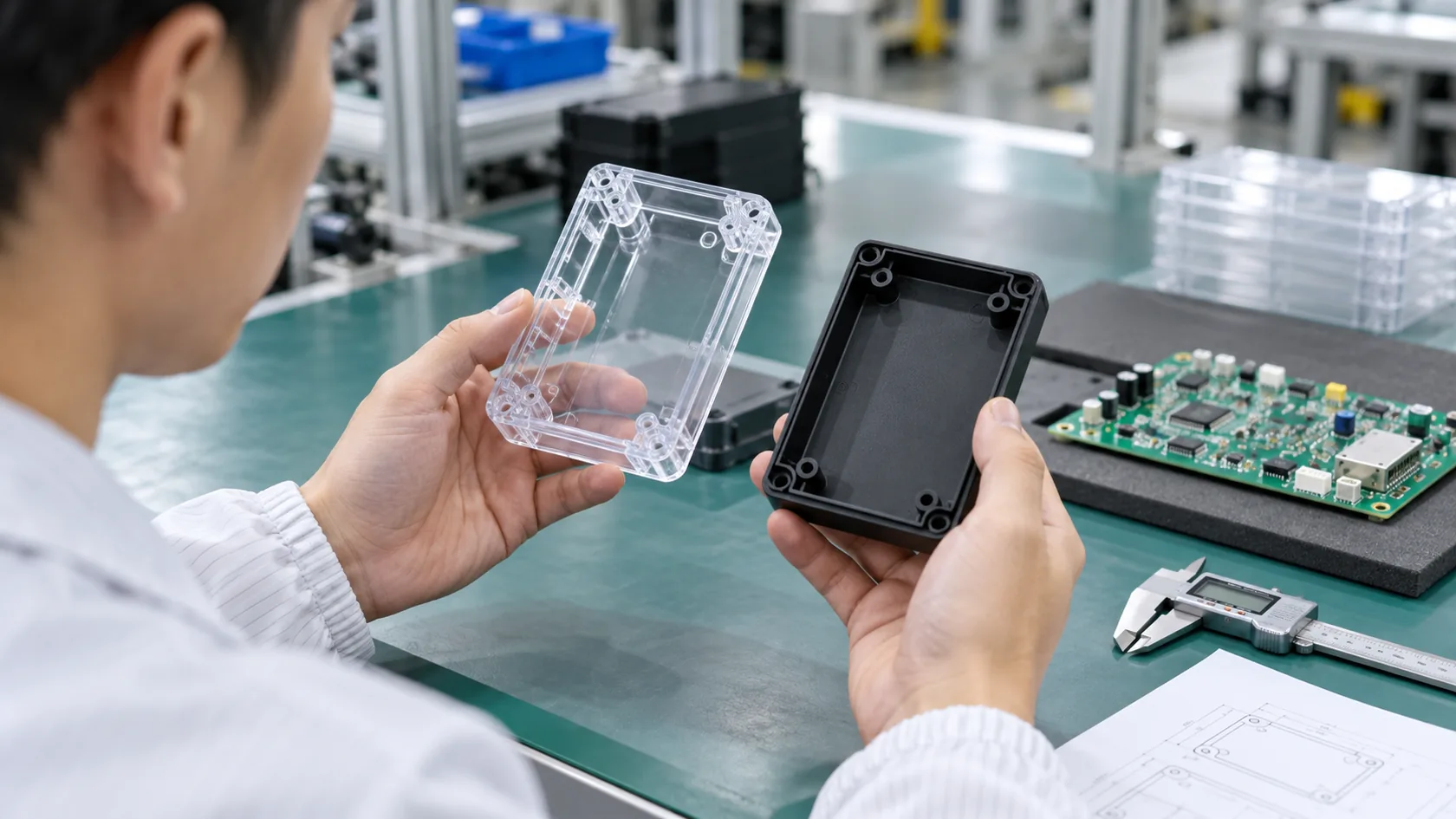
At MaidaTech, we help buyers review these details before production: aluminum or plastic material, gasket design, cable entry, vent type, vent position, surface finish, logo method, packaging, and OEM/ODM assembly needs. If your waterproof enclosure may need a vent, we can help you decide before the design becomes expensive to change.