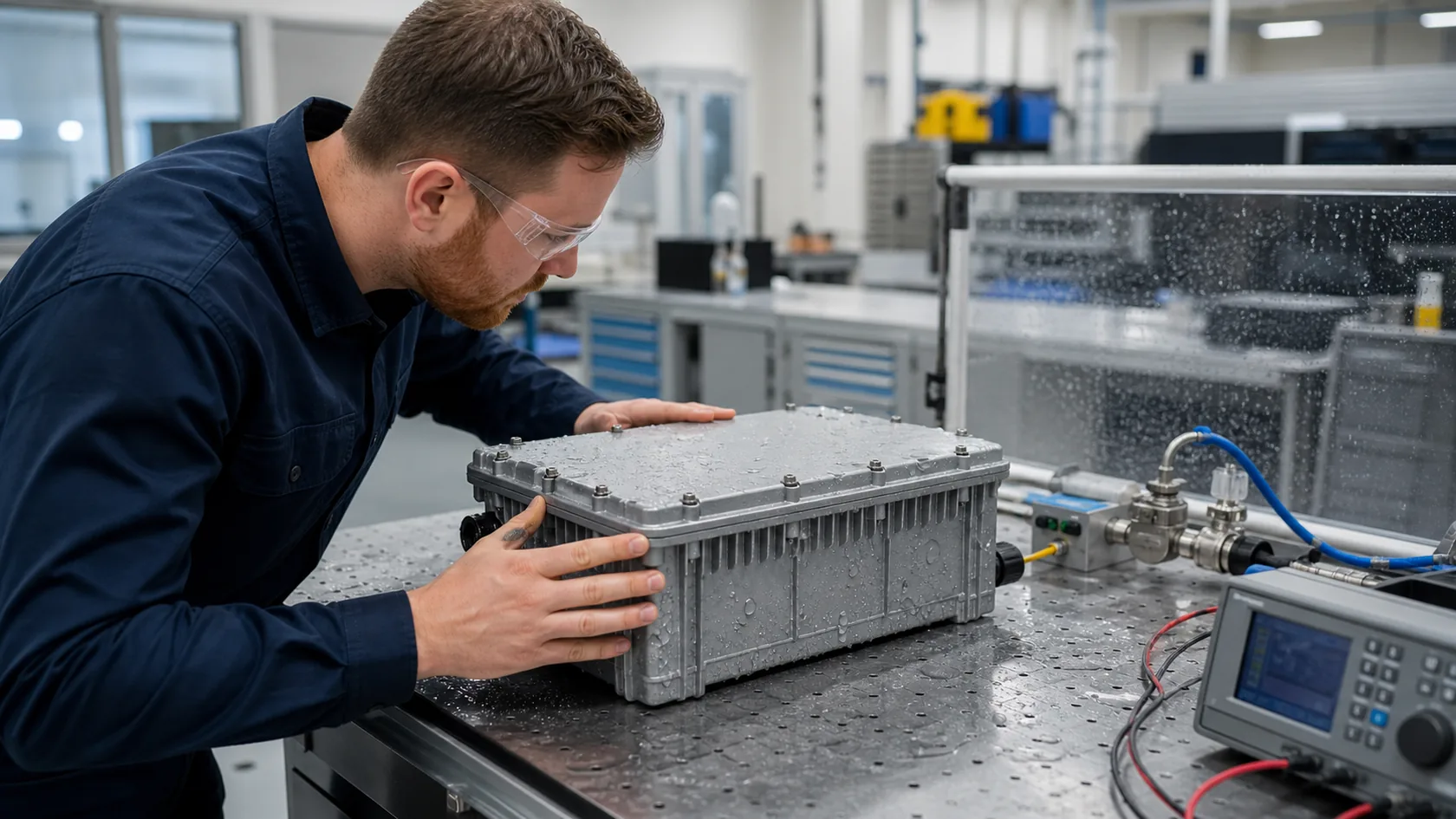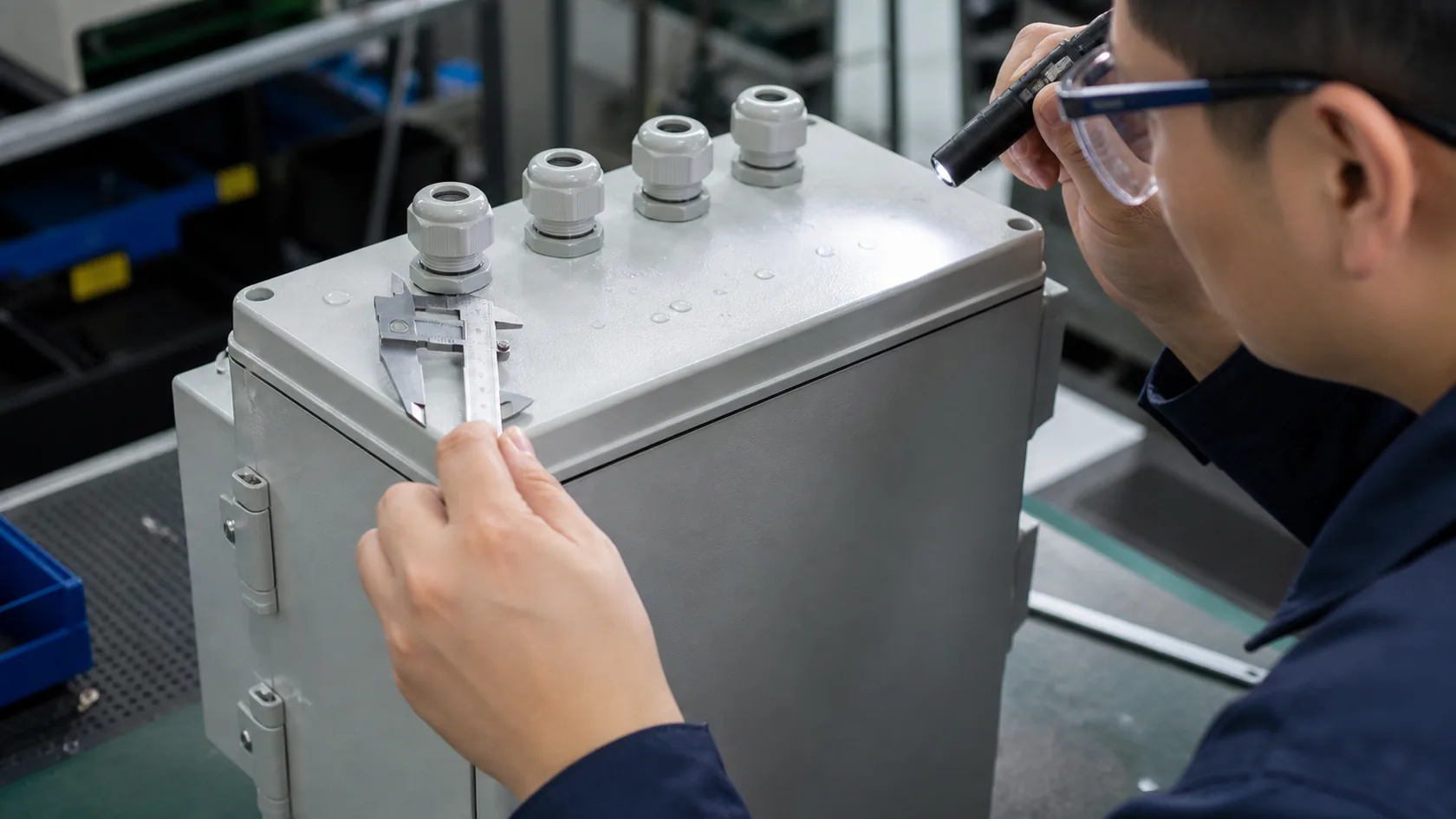
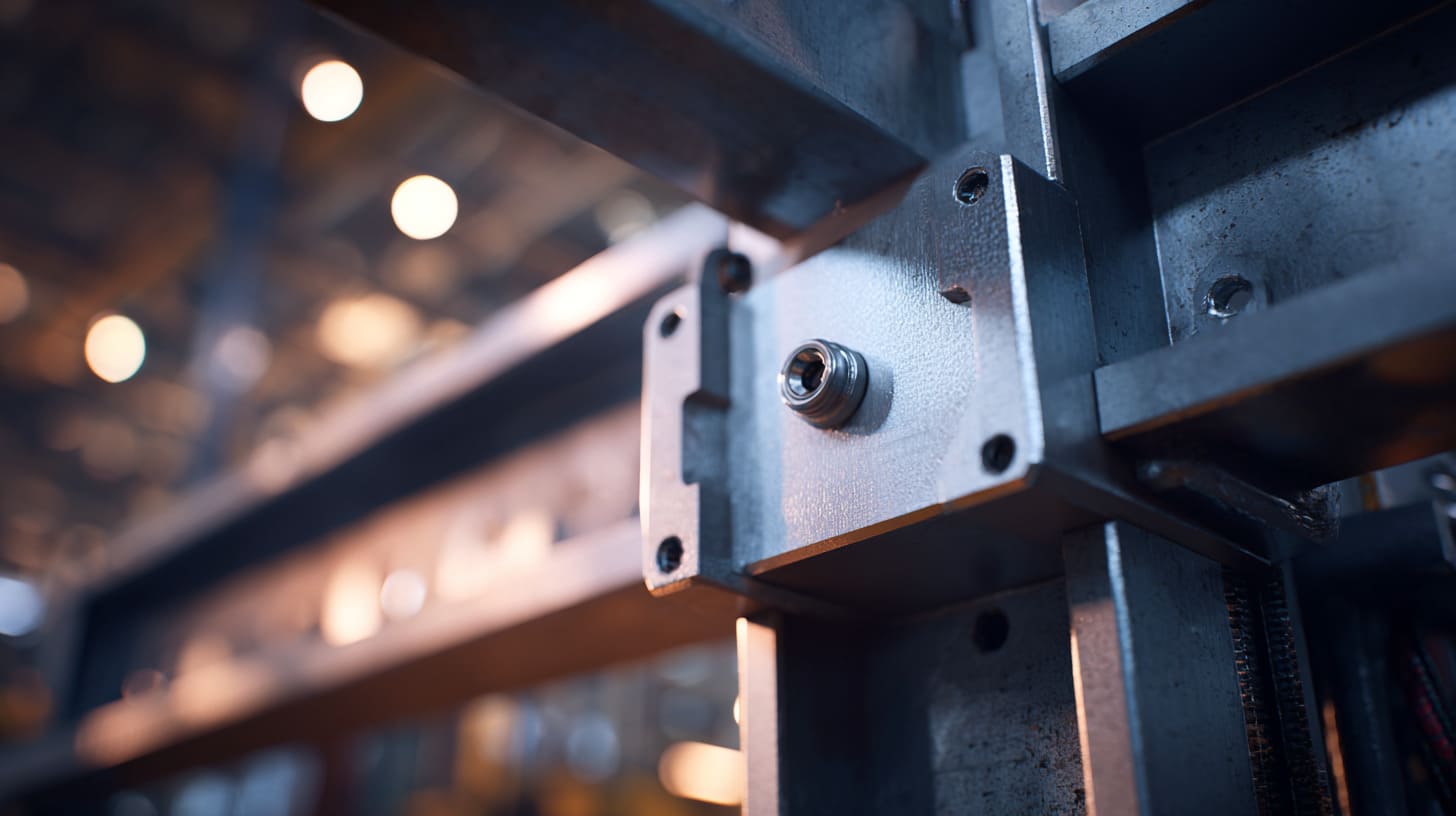
A small bracket can look boring. But when it fails, the whole product can shake, bend, crack, or become painful to assemble.
An aluminium bracket is used to connect, support, mount, protect, and position parts in equipment, enclosures, machines, electronics, Raspberry Pi projects, IoT devices, and custom industrial products.
I have seen many projects where the enclosure looked fine on the drawing, but the small bracket decided the final feeling. Stable or loose. Clean or messy. Easy to assemble or full of angry emails.
What Is an Aluminium Bracket Used for in Industrial Equipment?
Industrial equipment often needs small parts that quietly do big work. Aluminium brackets are one of those parts.
An aluminium bracket is used in industrial equipment to mount parts, hold panels, support sensors, fix rails, connect frames, and keep components in the right position during daily operation.
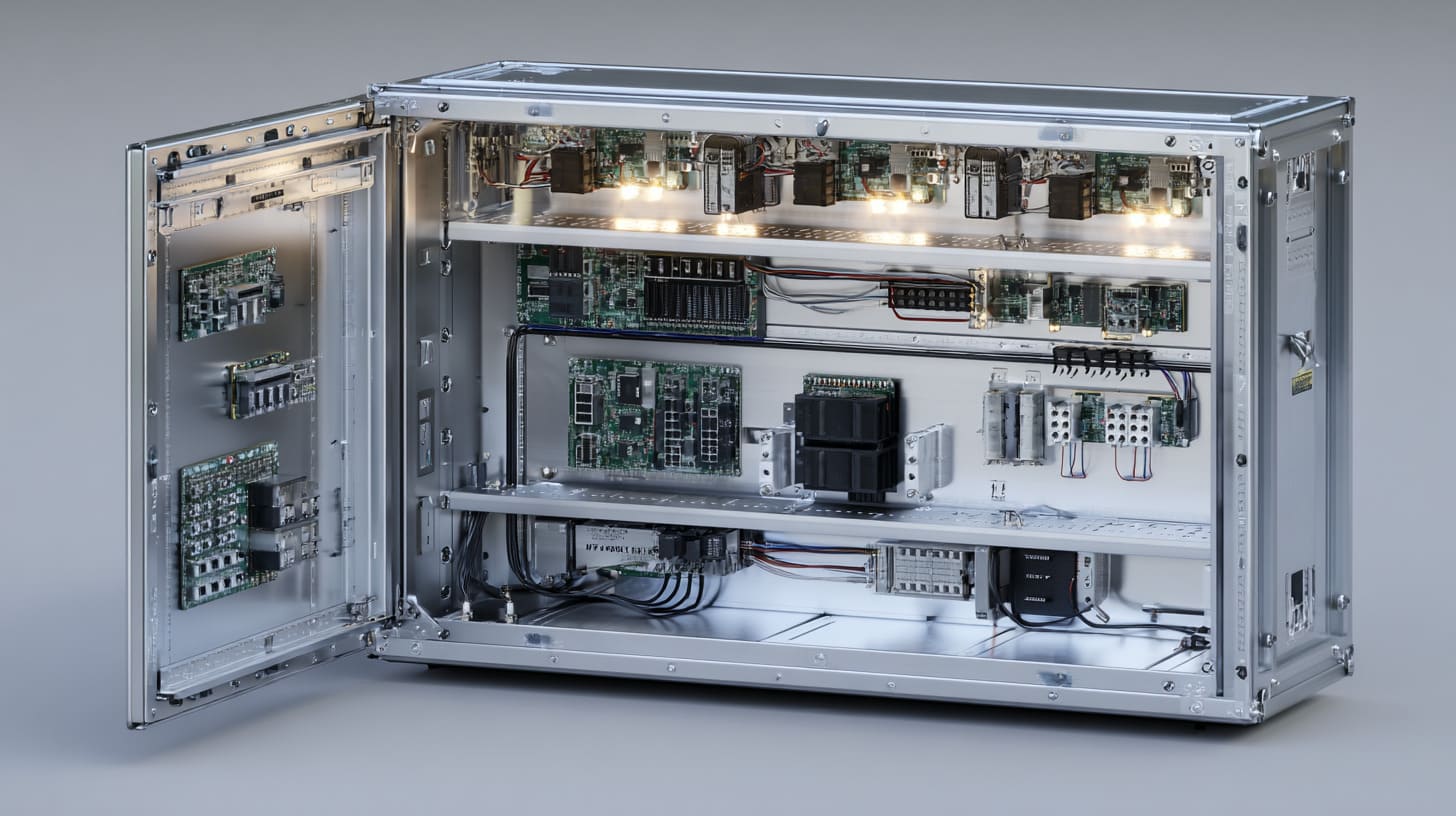
The small part that carries real pressure
In factory equipment, brackets are not only “connection parts.” They often decide whether the machine feels solid.
An aluminium bracket can be used for:
| Use Case | What the Bracket Does | Common Requirement |
|---|---|---|
| Sensor mounting | Holds sensors in a fixed position | Accurate hole location |
| Panel support | Keeps covers and panels stable | Good thickness and bending strength |
| Frame connection | Joins aluminium profiles or metal frames | Strong corner support |
| Cable support | Holds cable clips or routing plates | Clean assembly |
| Motor or fan mounting | Fixes moving or cooling parts | Vibration resistance |
The detail I often watch is not only the bracket shape. I check where the force goes after the screw is tightened, because a beautiful bracket can still bend if the load path is wrong.
Why aluminium works well here
Aluminium has a nice balance. It is light. It is easy to machine. It looks clean after anodizing. It also does not rust like plain steel.
For many industrial products, that balance is more useful than chasing the strongest material. A machine part does not always need to be heavy like a bridge. Sometimes it needs to be strong enough, easy to make, and clean enough for assembly.
Why Are Aluminium Brackets Popular in Electronic Enclosure Design?
Electronic enclosures need structure inside and outside. Aluminium brackets help turn a simple box into a useful product.
Aluminium brackets are popular in electronic enclosure design because they are light, strong, easy to customize, easy to finish, and suitable for mounting PCBs, panels, covers, screens, and accessories.
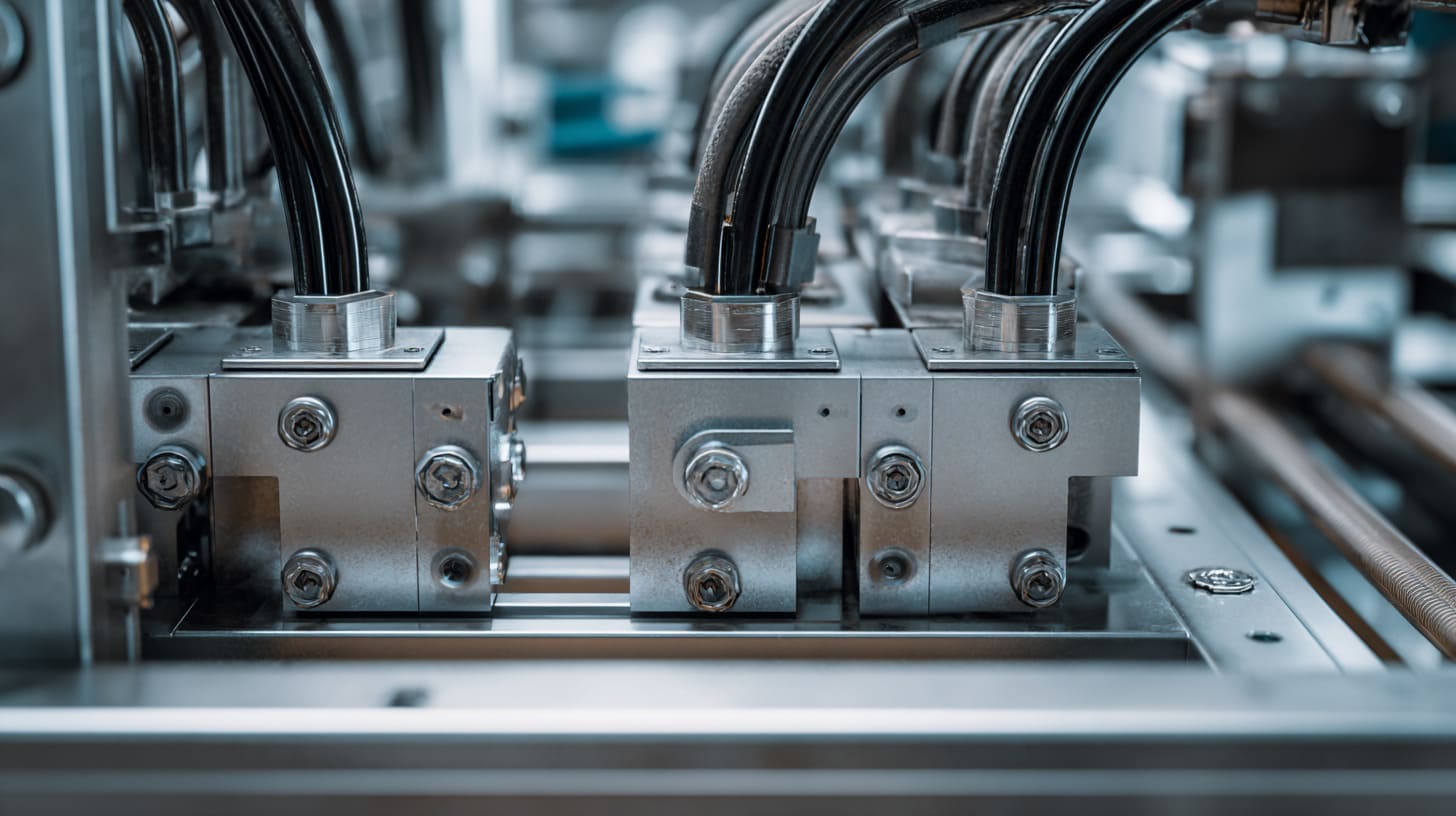
Brackets help the enclosure become a system
An enclosure is not just a shell. It must hold many things.
Inside one enclosure, an aluminium bracket may support:
- PCB boards
- DIN rails
- power modules
- cooling fans
- display panels
- connectors
- cable glands
- battery packs
- mounting plates
Without brackets, many parts must be fixed directly to the case body. That can create problems. Screws may pass through visible surfaces. Assembly may become slow. Repair may also become difficult.
I usually ask one simple question before choosing a bracket design: will this part make assembly easier, or will it create one more hidden trouble for the worker?
Why enclosure buyers care about bracket design
For product engineers, the bracket is part of the user experience. Not the fancy marketing kind. I mean the real, practical experience.
When a technician opens the enclosure, can he remove the board easily?
When a buyer checks the sample, does the inside look clean?
When the product is shipped, will parts move inside the box?
A good bracket answers these questions before the customer complains.
Common bracket positions in an enclosure
| Position | Function | Design Concern |
|---|---|---|
| Inside wall | Mount PCB or modules | Hole accuracy |
| Bottom plate | Support heavier parts | Thickness and stiffness |
| Back side | Wall mounting | Load capacity |
| Front panel | Hold display or buttons | Appearance and alignment |
| Corners | Reinforce structure | Screw access |
Small bracket. Big headache saver.
How Do Aluminium Mounting Brackets Protect Electronic Devices?
Electronic devices do not only need a case. They also need stable internal support.
Aluminium mounting brackets protect electronic devices by reducing movement, keeping parts away from impact areas, supporting cables, improving heat paths, and helping components stay fixed during transport and use.
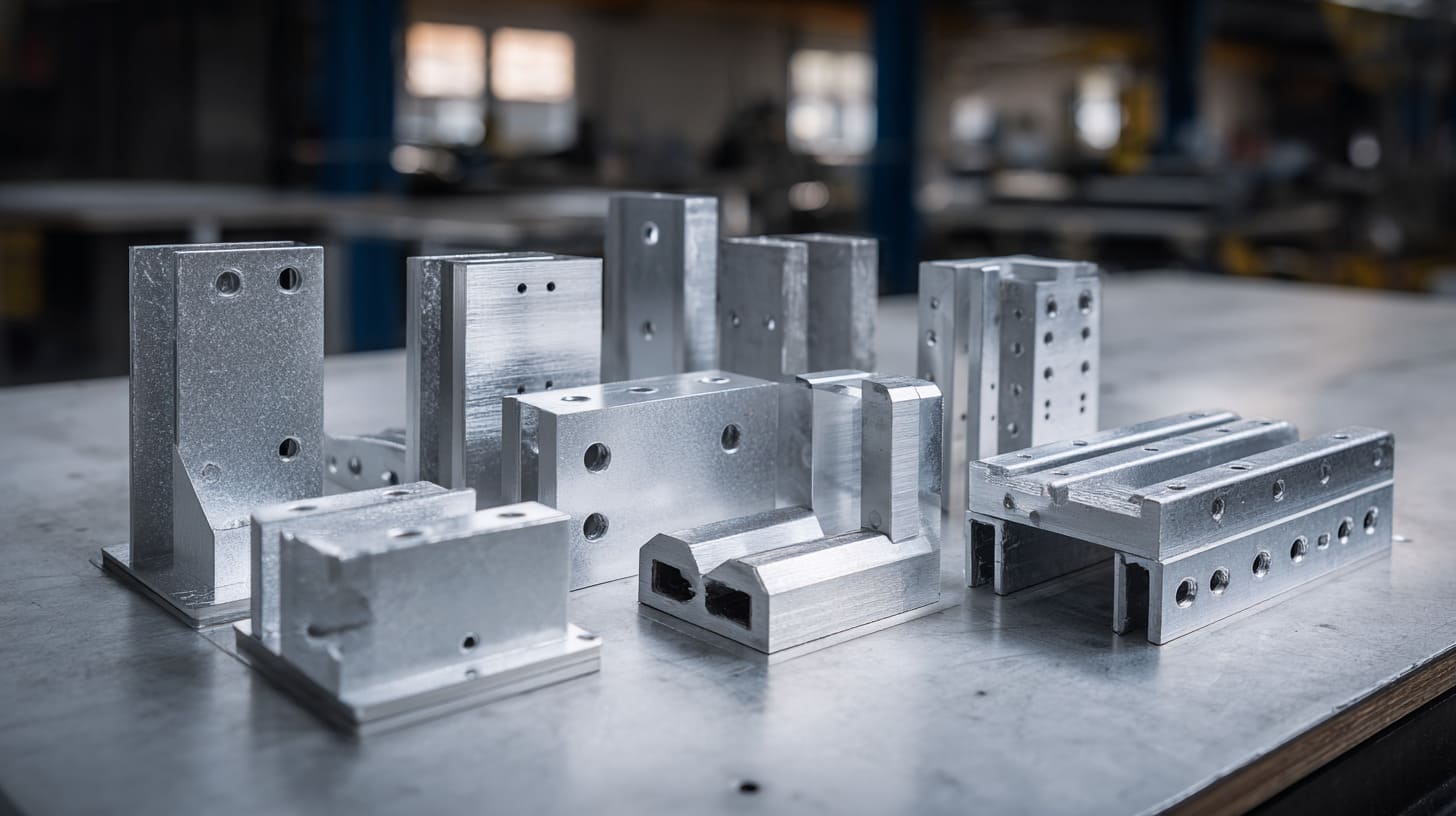
Protection is not only about the outer shell
Many people think protection means a thick enclosure wall. That is only half true.
If the PCB inside shakes during shipping, the outside shell may survive, but the electronic device may still fail. Loose cables can pull connectors. Heavy modules can press against the board. Screws can loosen after vibration.
This is where brackets become useful.
They create order inside the enclosure.
A mistake I see often is that the outer case is made strong, but the inner support is treated like an afterthought; this is risky because electronics usually fail from small movement, not dramatic impact.
How brackets reduce damage risk
| Risk | How Aluminium Bracket Helps |
|---|---|
| PCB vibration | Holds board in a fixed position |
| Connector stress | Supports cable direction |
| Heat buildup | Can help transfer heat to metal body |
| Shipping impact | Reduces internal movement |
| Maintenance damage | Makes parts easier to remove and replace |
A small example from real projects
For Raspberry Pi-style products, many customers care about port alignment. The board must sit in exactly the right place. If the bracket height is wrong, the USB, HDMI, or Type-C openings may look ugly.
Not broken. Just ugly.
And ugly is dangerous in business. It makes the buyer feel the supplier did not control details.
What Are the Different Types of Aluminium Brackets?
Aluminium brackets come in many shapes. The best type depends on load, position, assembly method, and product design.
Common aluminium bracket types include L brackets, U brackets, angle brackets, flat brackets, mounting plates, corner brackets, wall brackets, PCB brackets, profile brackets, and custom CNC brackets.
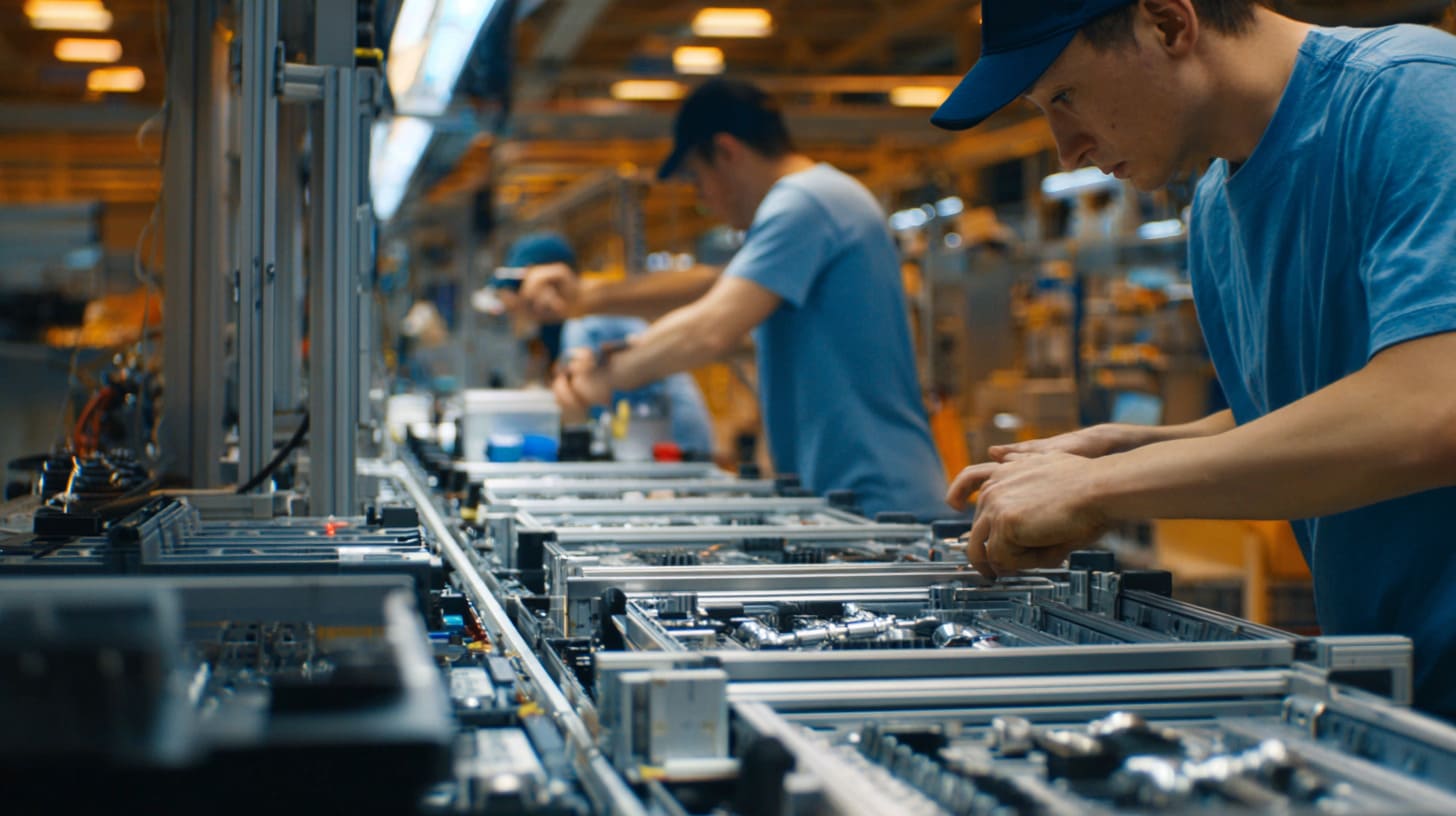
Common aluminium bracket types
| Bracket Type | Common Use | Typical Product |
|---|---|---|
| L bracket | Right-angle support | Enclosures, frames, panels |
| U bracket | Holds round or rectangular parts | Sensors, motors, tubes |
| Flat bracket | Connects two flat parts | Panels, plates |
| Corner bracket | Reinforces frame corners | Aluminium profile frames |
| Wall mounting bracket | Mounts product to wall | Electrical boxes, IoT devices |
| PCB bracket | Supports circuit boards | Electronic enclosures |
| DIN rail bracket | Mounts enclosure to DIN rail | Control boxes |
| CNC custom bracket | Special project design | OEM and ODM products |
Standard or custom?
Standard brackets are good when the project is simple. They are cheap and fast.
Custom brackets are better when the product has special holes, limited space, brand appearance, or repeated assembly needs.
The choice is not about which one looks better. The real question is whether the bracket must fit your product, or your product must compromise to fit the bracket.
My simple way to separate bracket types
I often divide them into three groups:
Support brackets
They carry weight or pressure.Positioning brackets
They hold parts in an exact location.Assembly brackets
They make installation faster and cleaner.
One bracket can do all three jobs. But if we do not know the main job, the design becomes confused.
Can Custom Aluminium Brackets Improve Product Assembly Efficiency?
Yes, and this is one of the most underrated reasons to customize brackets.
Custom aluminium brackets can improve product assembly efficiency by reducing adjustment time, matching screw holes accurately, simplifying worker steps, lowering rework, and making the final product more consistent.
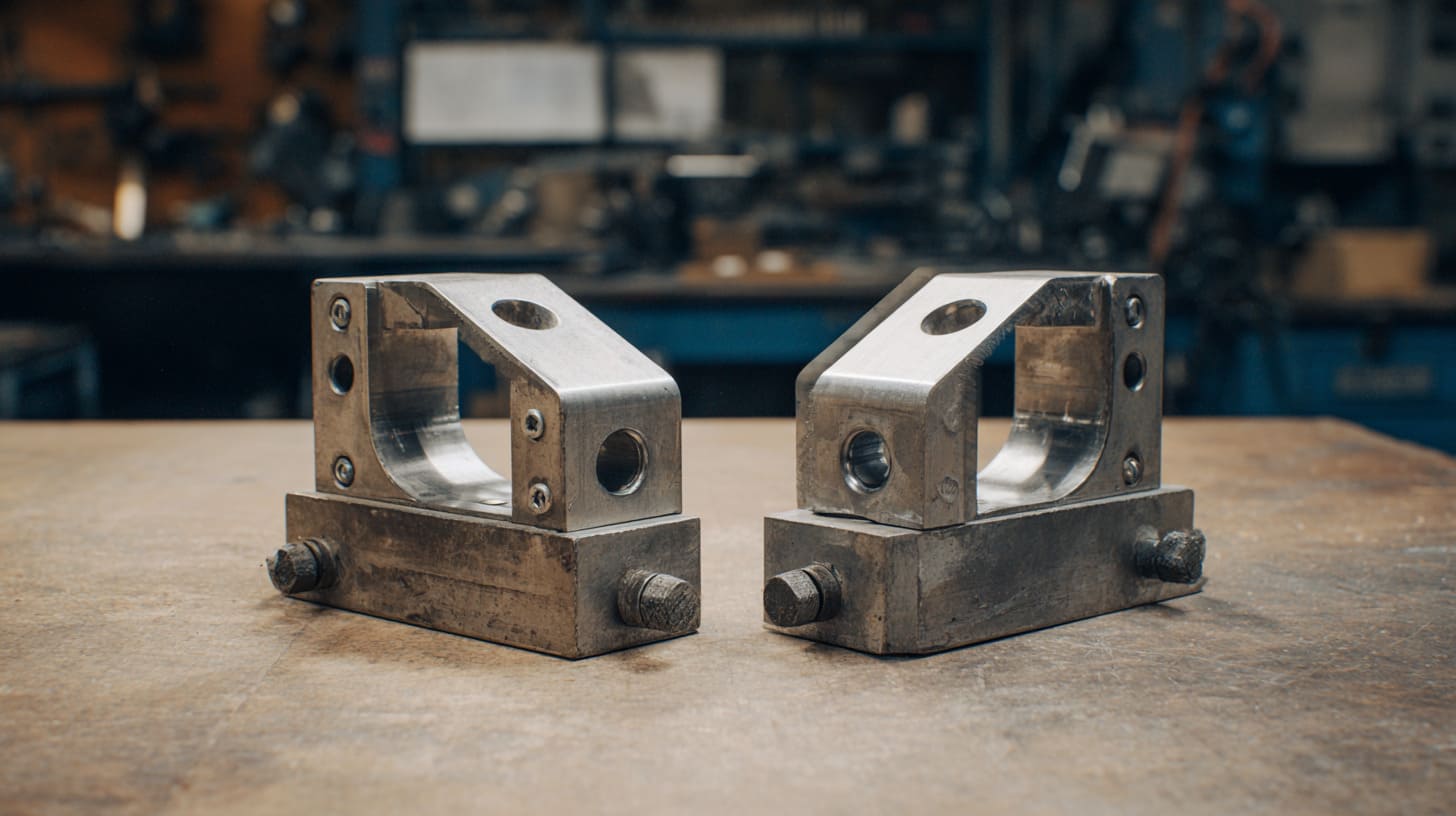
A bracket can save minutes again and again
One minute does not sound important.
But if you make 1,000 sets, one wasted minute becomes more than 16 hours. That is not a small problem. That is one worker’s time disappearing into a hole.
A custom bracket can help by:
- pre-aligning parts
- reducing loose washers
- avoiding manual measuring
- giving workers a clear assembly direction
- preventing wrong installation
- improving repeatability
When I review a bracket for mass production, I always imagine the tired worker at 5 p.m.; if the part can be installed in the wrong direction, someone will do it one day.
Custom bracket vs standard bracket
| Item | Standard Bracket | Custom Bracket |
|---|---|---|
| Cost at small quantity | Lower | Higher |
| Fit with product | Average | Better |
| Assembly speed | May need adjustment | Usually faster |
| Appearance | Generic | Cleaner |
| Brand value | Low | Higher |
| Best for | Simple use | OEM/ODM projects |
Why this matters for OEM products
OEM products are not only judged by function. Buyers also judge the inside details.
A clean bracket can make the whole product feel more professional. The buyer may not say, “Wow, this bracket is amazing.” But he will feel the product is well controlled.
That feeling matters.
Why Do Engineers Choose Aluminium Brackets Instead of Steel Brackets?
Steel is stronger in many cases, but aluminium often wins in real product design.
Engineers choose aluminium brackets instead of steel brackets when they need lighter weight, better corrosion resistance, easier machining, better surface finish, cleaner appearance, and enough strength without adding unnecessary weight.
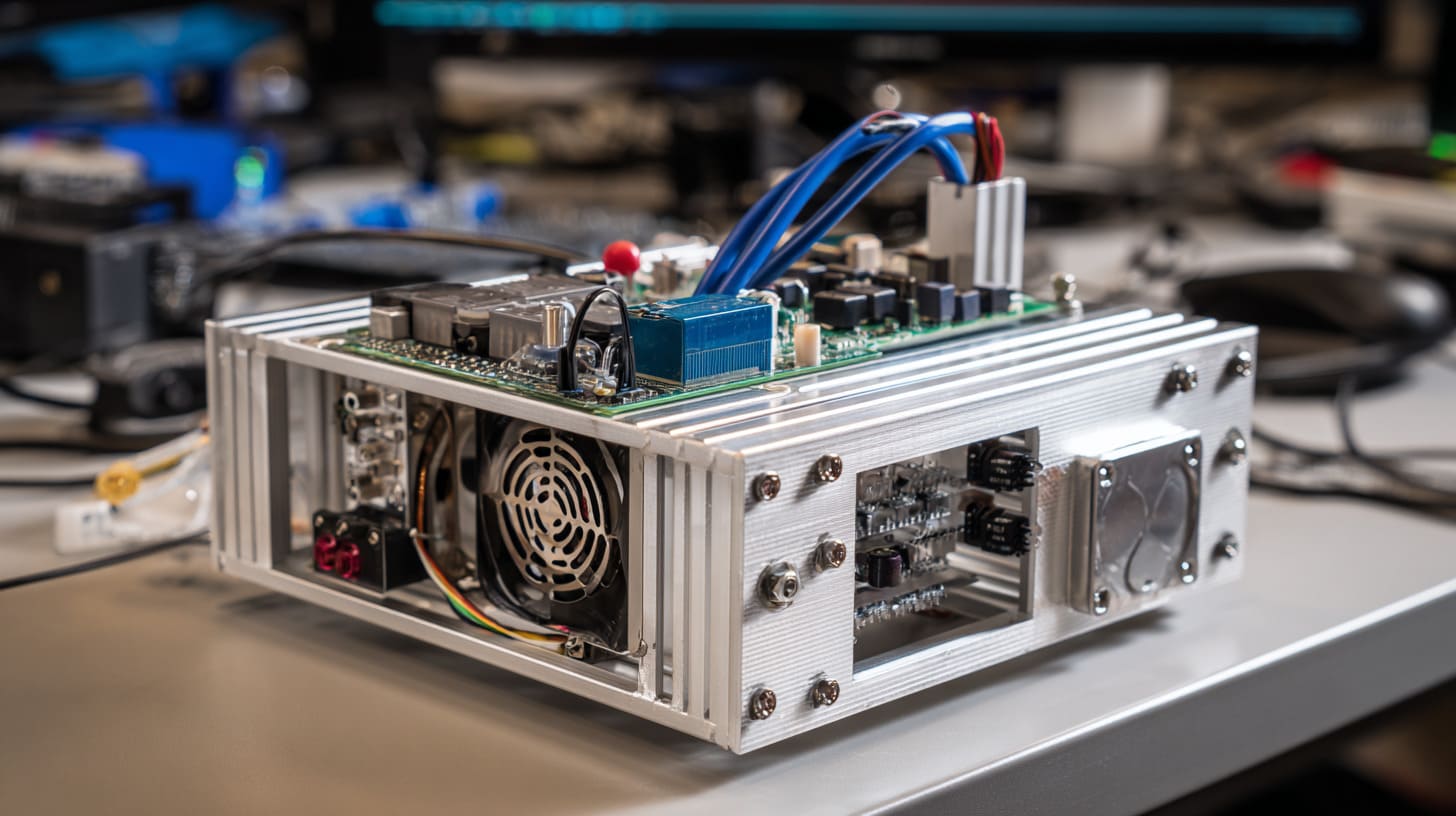
Aluminium vs steel is not a simple fight
I do not like saying one material is always better. That is lazy thinking.
Steel is strong. Steel is good for heavy-duty use. Steel can be cheaper in some simple stamped parts.
But aluminium has its own charm. It is lighter. It is easier to CNC machine. It takes anodizing well. It looks more modern. It also works nicely with aluminium enclosures and Raspberry Pi cases.
The trade-off I look at first is not “strong or weak.” I ask whether the bracket needs maximum strength or just stable strength with better weight, finish, and assembly feeling.
Aluminium bracket vs steel bracket
| Factor | Aluminium Bracket | Steel Bracket |
|---|---|---|
| Weight | Light | Heavy |
| Corrosion resistance | Good, especially after anodizing | Needs coating or stainless grade |
| Machining | Easy | Harder |
| Surface finish | Clean and premium | Strong but often industrial-looking |
| Strength | Good for many uses | Higher in heavy load |
| Cost | Depends on process and quantity | Often cheaper for simple stamped parts |
| Best use | Electronics, enclosures, light equipment | Heavy machinery, high-load support |
When steel may be better
Steel may be better for:
- very heavy equipment
- high impact areas
- thin parts needing high strength
- cost-sensitive stamped parts
- welding-heavy structures
Aluminium is not magic. It is a smart choice when the product needs a balance.
How Are Aluminium Brackets Used in Raspberry Pi and IoT Projects?
Raspberry Pi and IoT projects often need small, accurate, and clean mounting parts.
Aluminium brackets are used in Raspberry Pi and IoT projects to mount boards, align ports, support cooling parts, hold sensors, fix antennas, attach enclosures, and create stable custom project structures.
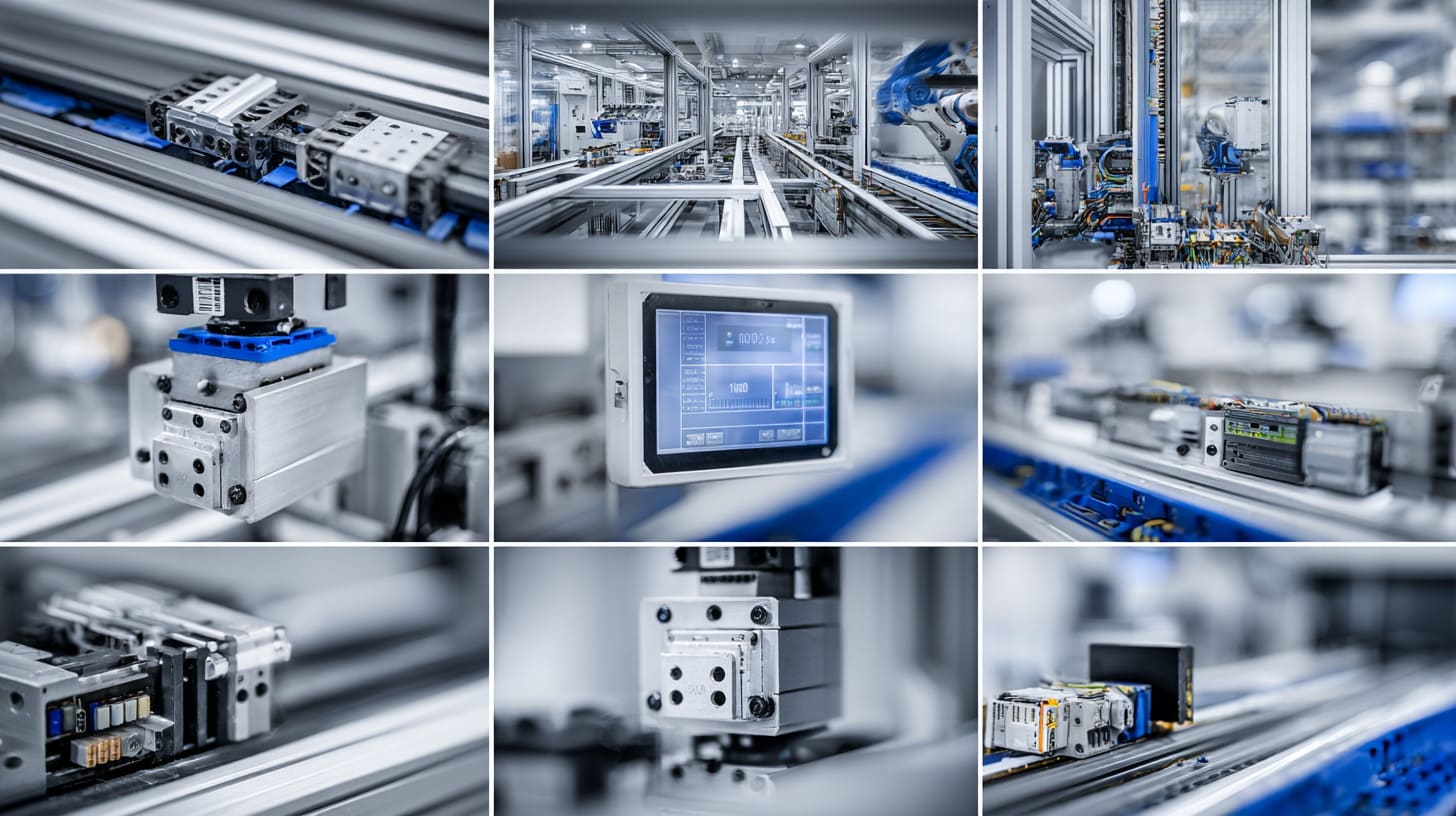
Small boards need accurate support
Raspberry Pi projects can look simple from the outside. But inside, every millimeter matters.
The USB port must match the cutout. The HDMI port must not touch the case edge. The heatsink must have space. The antenna cannot be blocked in the wrong way.
A bracket helps control these small details.
For Raspberry Pi enclosures, I pay special attention to port alignment before surface finish, because a perfect black anodized case still feels bad if the Type-C hole is not centered.
Common uses in Raspberry Pi cases
| Bracket Use | Purpose |
|---|---|
| PCB standoff bracket | Holds Raspberry Pi board |
| Fan mounting bracket | Supports cooling fan |
| Camera bracket | Positions camera module |
| Wall bracket | Mounts device to wall or machine |
| DIN rail bracket | Installs IoT device in control cabinet |
| Antenna bracket | Holds wireless module or antenna |
Why custom brackets help IoT devices
IoT devices are often used in real places, not clean office photos.
They may be installed in:
- warehouses
- farms
- control cabinets
- smart home panels
- factories
- outdoor boxes
- vehicles
A good bracket helps the device survive these places without looking like a DIY experiment taped together on a bad afternoon.
What Industries Commonly Use Aluminium Brackets?
Aluminium brackets are used across many industries because many products need light support and clean assembly.
Industries that commonly use aluminium brackets include electronics, automation, robotics, telecom, LED lighting, medical devices, solar equipment, automotive accessories, aerospace parts, furniture, and consumer hardware.
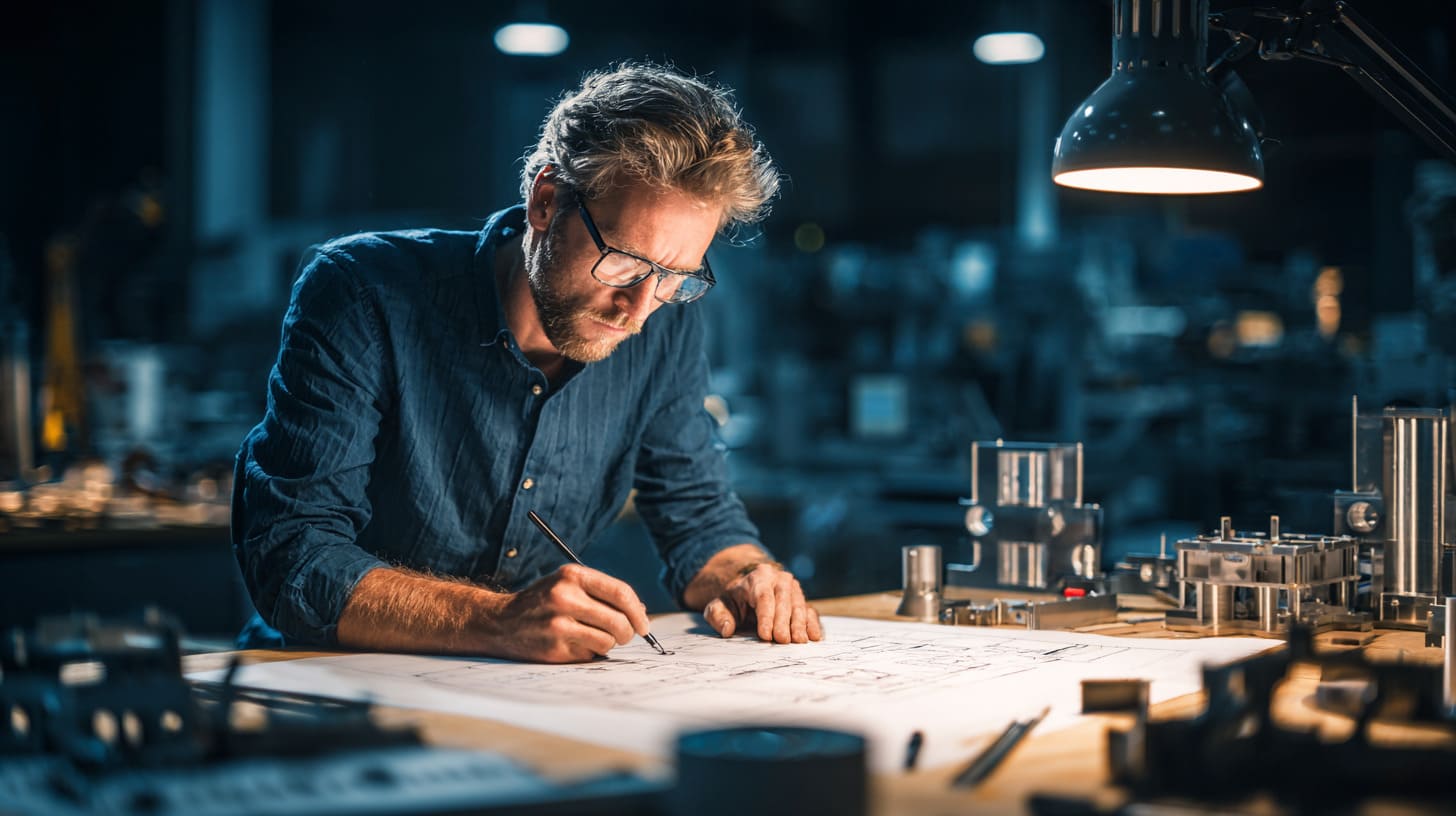
Brackets follow the need for structure
Different industries use brackets for different reasons.
Some care about weight. Some care about corrosion. Some care about appearance. Some care about fast assembly.
I do not judge an industry only by the bracket drawing. I also ask where the final product will live, because a bracket inside a clean office device and a bracket near a wet machine are not living the same life.
Industry examples
| Industry | Common Bracket Use | Key Concern |
|---|---|---|
| Electronics | PCB and module mounting | Accuracy |
| Industrial automation | Sensor and rail support | Vibration |
| Robotics | Lightweight structure | Strength-to-weight ratio |
| Telecom | Wall and rack mounting | Durability |
| LED lighting | Frame and heat support | Heat and finish |
| Medical devices | Internal part support | Clean surface |
| Solar equipment | Panel and frame support | Outdoor resistance |
| Automotive accessories | Device fixing | Vibration and strength |
| Furniture hardware | Hidden support | Appearance |
| Raspberry Pi/IoT | Board and enclosure mounting | Port alignment |
Why B2B buyers care about bracket details
For B2B buyers, a bracket is rarely bought alone. It is part of a larger product.
That means one bracket problem can delay a full project. A wrong hole position can stop assembly. A weak bracket can create warranty trouble. A bad finish can make the product look cheap.
This is why engineers often spend more time on small brackets than outsiders expect.
How Do You Choose the Right Aluminium Bracket for Your Project?
Choosing the right aluminium bracket starts with the job it must do.
To choose the right aluminium bracket, check load, size, hole position, material grade, thickness, surface finish, installation method, environment, tolerance, quantity, and whether the bracket needs custom machining.
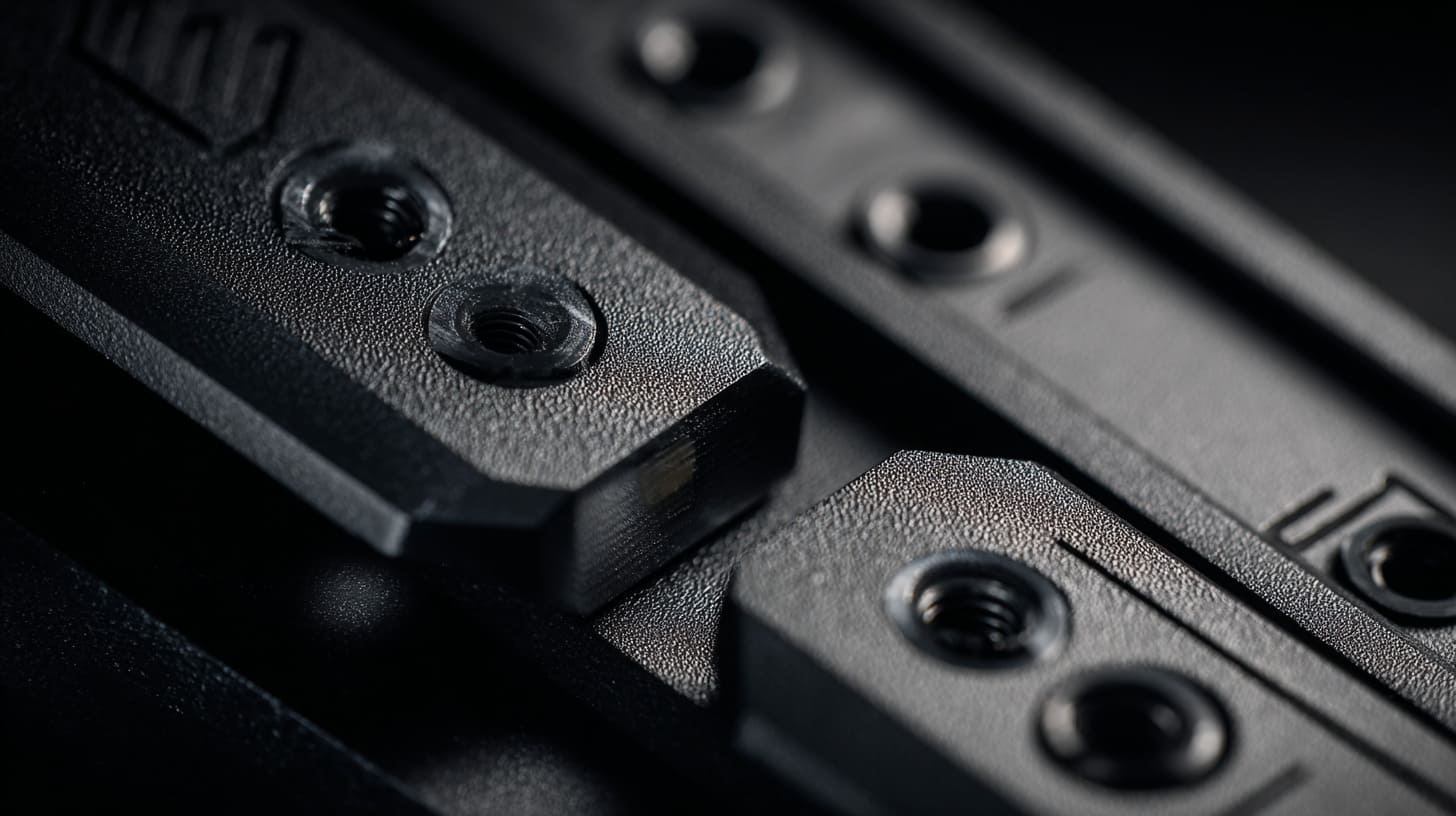
Start with the function, not the shape
Many people start with shape. I think that is too early.
First, I want to know the bracket’s job.
Does it hold weight?
Does it position a board?
Does it help assembly?
Does it face rain?
Does it need to look good?
The small detail I often check is screw access, because a bracket can look perfect in CAD but become annoying when no tool can reach the screw.
Simple selection table
| Question | Why It Matters |
|---|---|
| What will the bracket support? | Decides strength and thickness |
| Where will it be installed? | Decides finish and corrosion needs |
| How many pieces are needed? | Affects process and cost |
| What tolerance is required? | Decides CNC, bending, or stamping |
| Does it need a logo? | Affects surface and marking method |
| Does it touch electronics? | Affects insulation and spacing |
| Will workers assemble it often? | Affects screw design and access |
A practical checklist
Before production, I suggest checking:
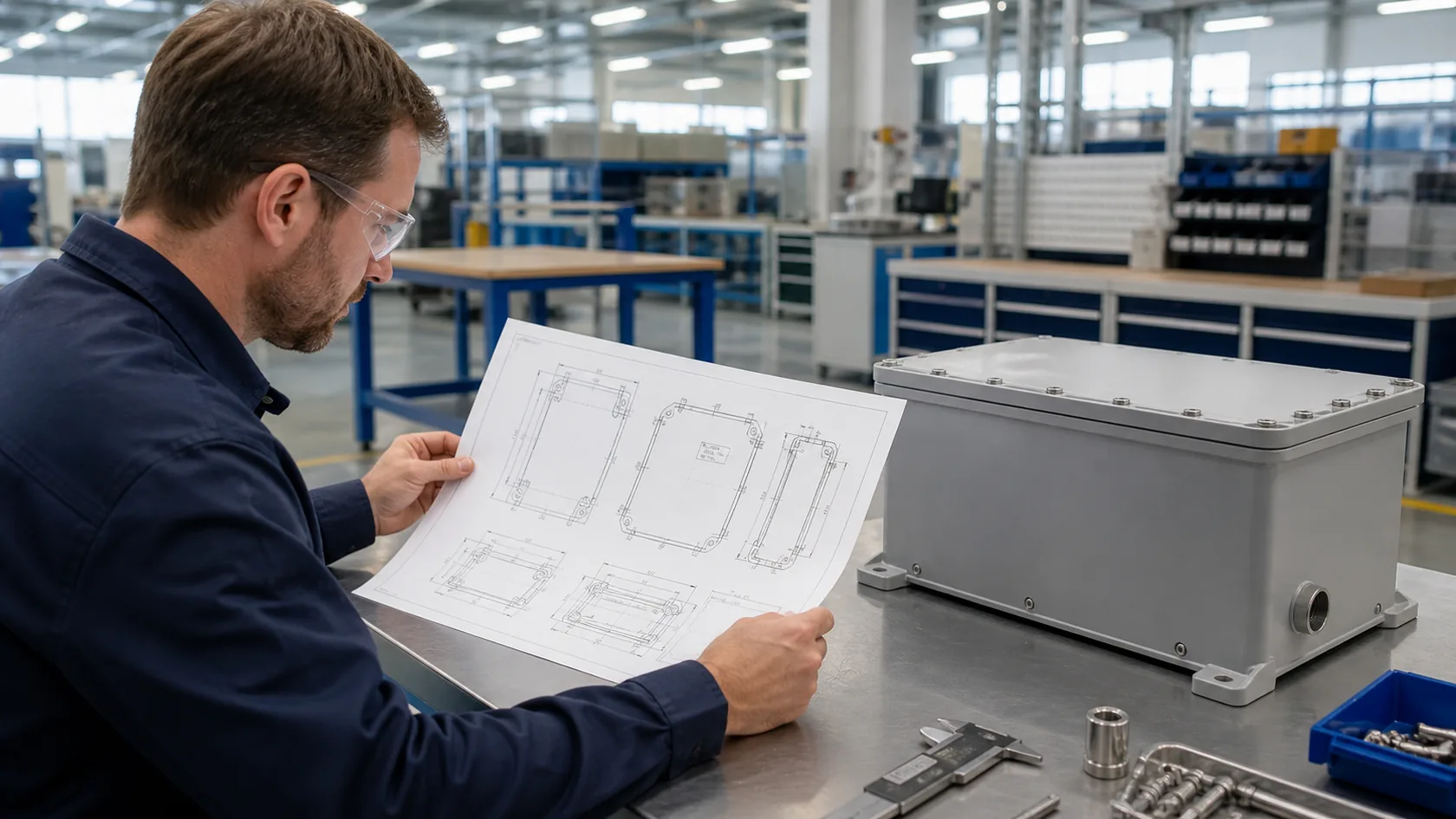
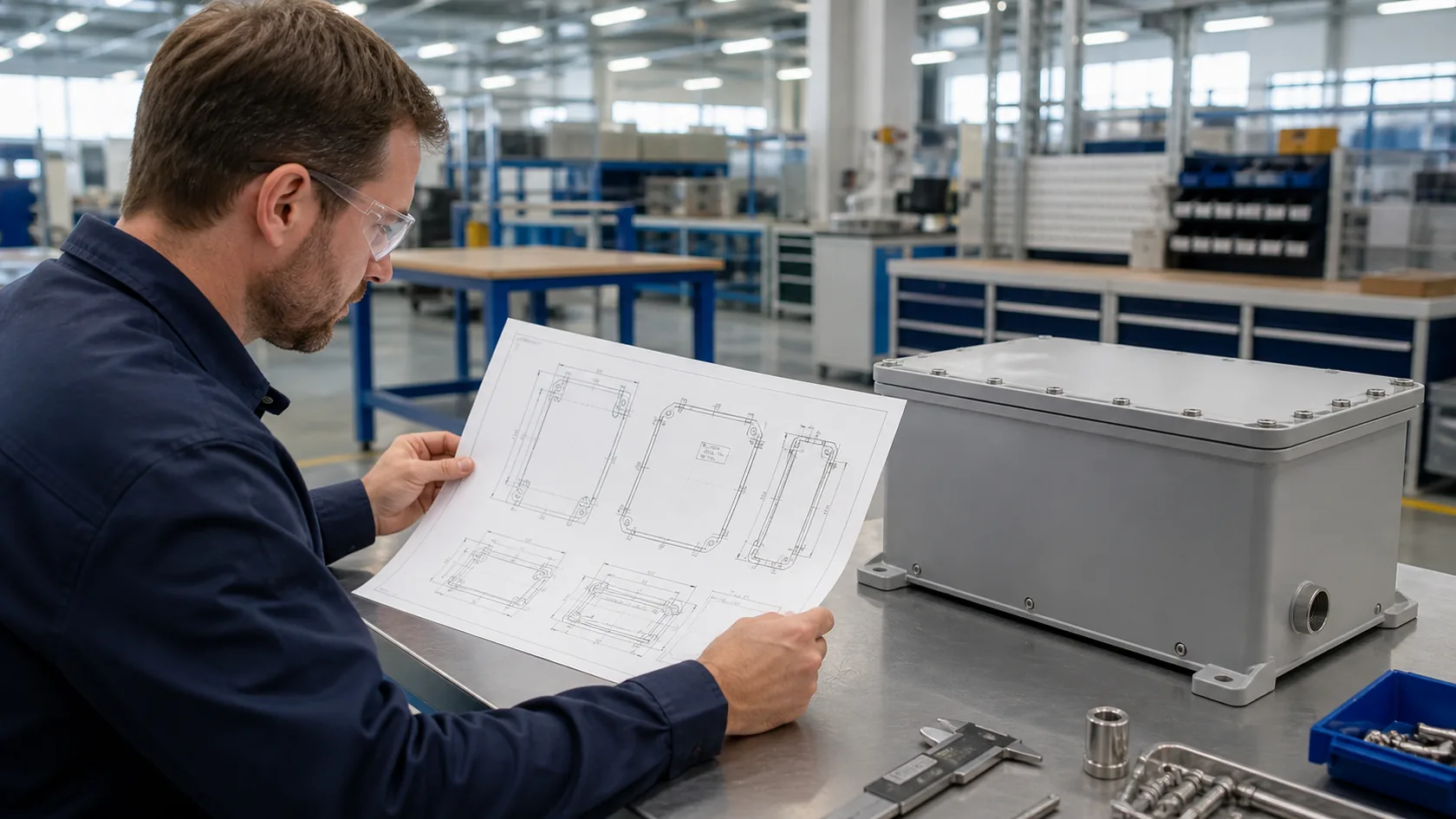
- 2D drawing with dimensions
- 3D file if available
- material grade
- thickness
- finish requirement
- hole size and tolerance
- screw type
- expected load
- sample quantity
- mass production quantity
- packaging requirement
The bracket is small. The questions should not be small.
Can Aluminium Brackets Be Customized With Logo, Size, and Surface Finish?
Yes, aluminium brackets can be customized in many ways for OEM and ODM projects.
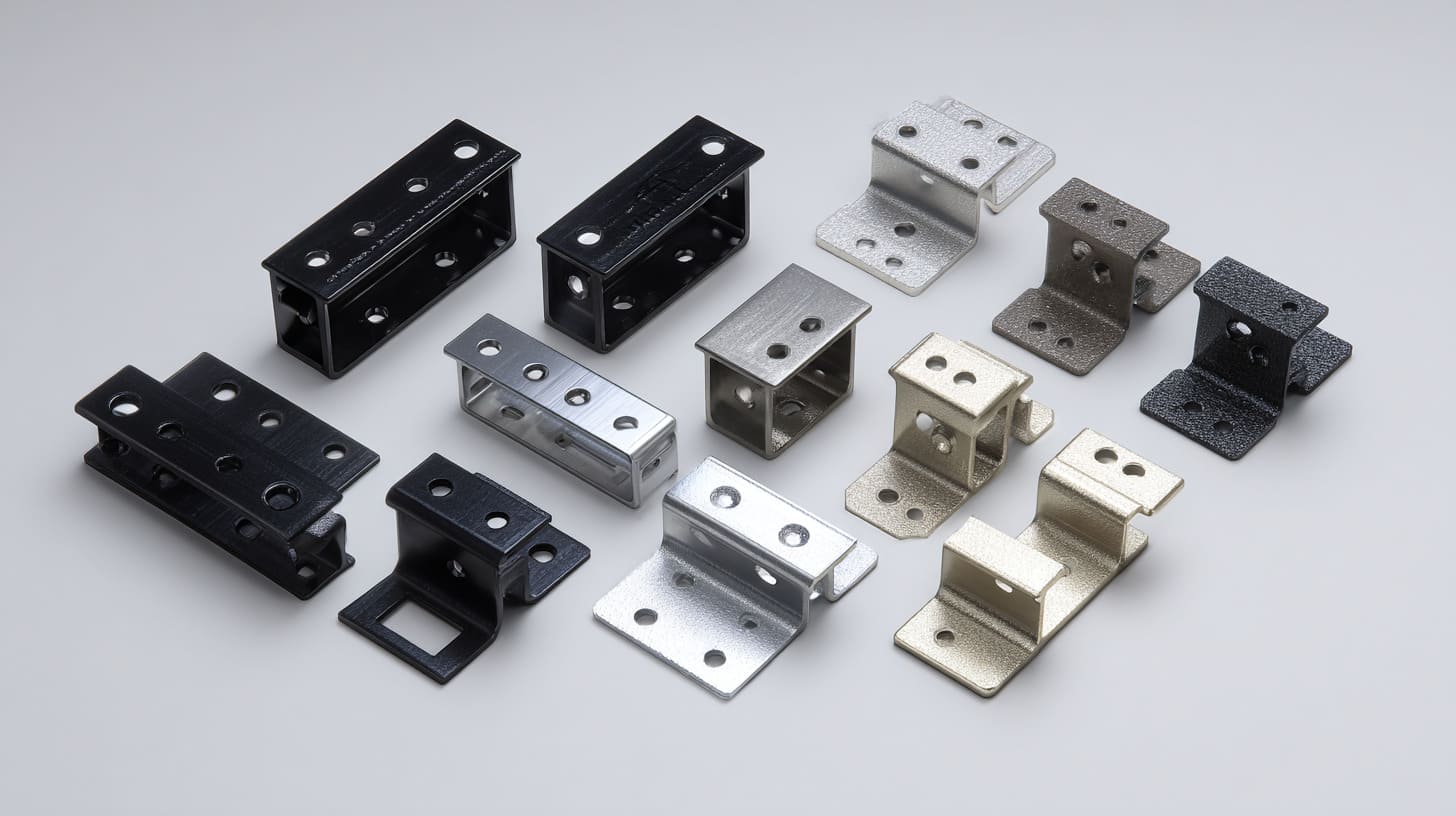
Aluminium brackets can be customized with different sizes, hole positions, thicknesses, shapes, logos, colors, surface finishes, packaging, and mounting methods to match a product’s design and brand needs.
Customization is where the bracket becomes part of the product
A standard bracket holds something.
A custom bracket belongs to something.
That is the difference.
For brand owners, re-brand users, and product engineers, the bracket may need to match the enclosure, the product color, the logo style, and the assembly method.
When a customer asks for a logo on a bracket, I first check whether the logo will still look clean after bending, anodizing, or machining, because a bad logo position can make a good product feel careless.
Common custom options
| Custom Item | Options |
|---|---|
| Size | Custom length, width, height |
| Thickness | Based on strength and machining needs |
| Shape | L, U, flat, corner, special CNC shape |
| Holes | Countersunk, threaded, round, slot holes |
| Surface finish | Anodizing, powder coating, brushing, sandblasting |
| Color | Black, silver, natural, custom color |
| Logo | Laser engraving, silk printing, CNC marking |
| Packaging | Bulk packing or custom box |
| Assembly | Screws, inserts, slots, clips |
Why custom brackets need clear communication
Custom brackets are not hard when details are clear. They become hard when information is missing.
A factory needs drawings, tolerance needs, quantity, and finish. If the customer only sends a photo and says “make similar,” we can still help, but the risk becomes higher.
A good sample process saves trouble later.
What Are the Advantages of CNC Machined Aluminium Brackets?
CNC machined aluminium brackets are useful when accuracy and clean details matter.
CNC machined aluminium brackets offer high precision, clean edges, flexible shapes, accurate holes, strong surface quality, small-batch flexibility, and better consistency for custom electronic and industrial projects.
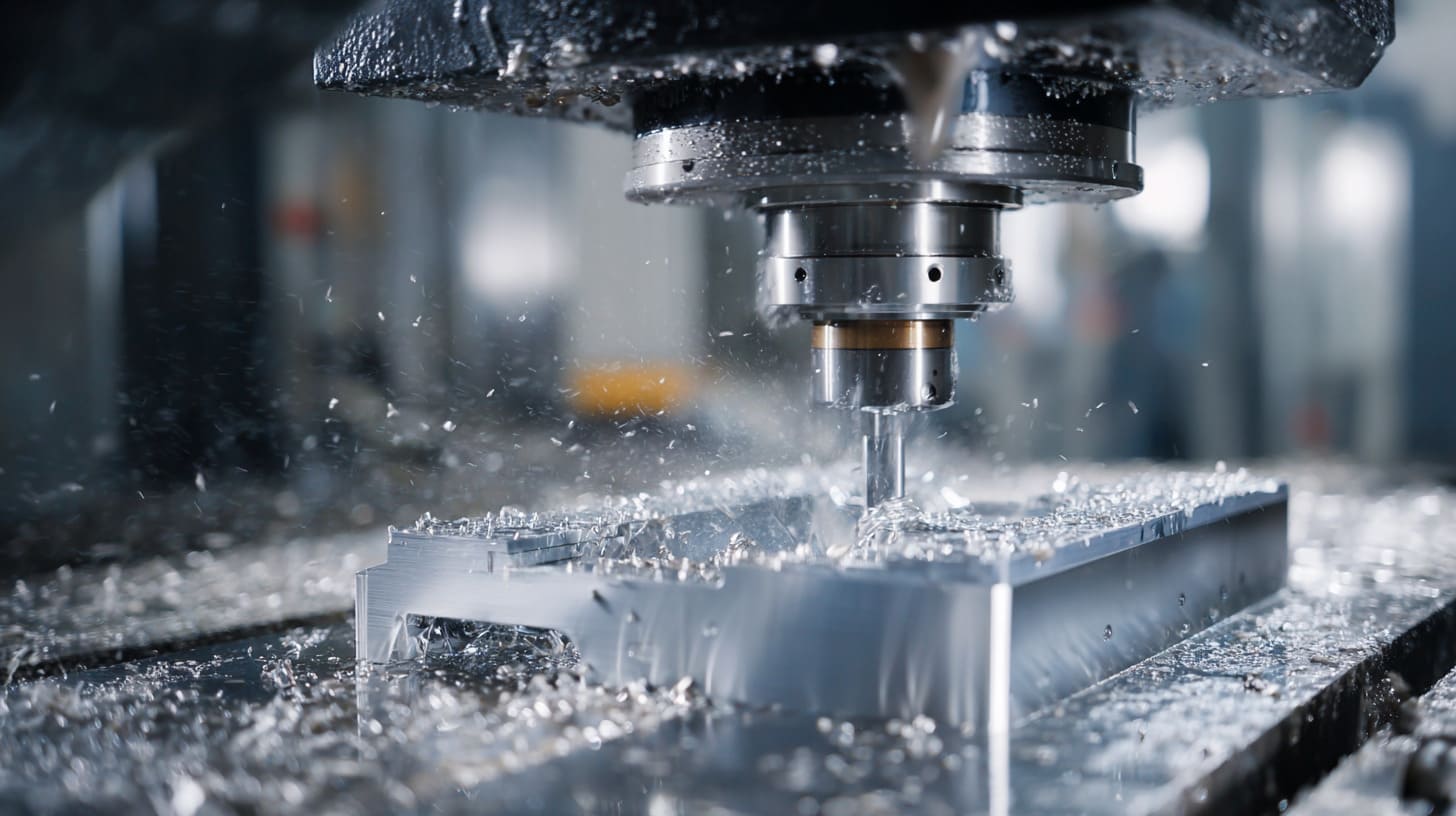
CNC gives more control
CNC machining is good for parts that need tight control.
It can create accurate holes, pockets, slots, threads, chamfers, and special shapes. It is also useful for prototype projects and low-to-medium quantity custom orders.
But CNC is not always the cheapest process. That is important.
The decision I make with CNC is usually about risk: if wrong hole location can ruin the product, CNC cost is often cheaper than rework, delay, and customer disappointment.
CNC aluminium bracket advantages
| Advantage | Why It Helps |
|---|---|
| High accuracy | Better fit with enclosures and boards |
| Clean edges | Better appearance and safer handling |
| Flexible design | Good for custom shapes |
| Small batch friendly | Good for prototype and ODM projects |
| Good surface finish | Works well with anodizing |
| Threaded holes possible | Cleaner assembly |
| Repeatability | Better mass production consistency |
When CNC may not be the best choice
CNC may not be ideal when:
- the bracket is very simple
- quantity is very high
- stamping tooling makes more sense
- tolerance is loose
- cost must be extremely low
For many MaidaTech-style projects, CNC is a good starting method. It allows the customer to test the design before committing to a larger production method.
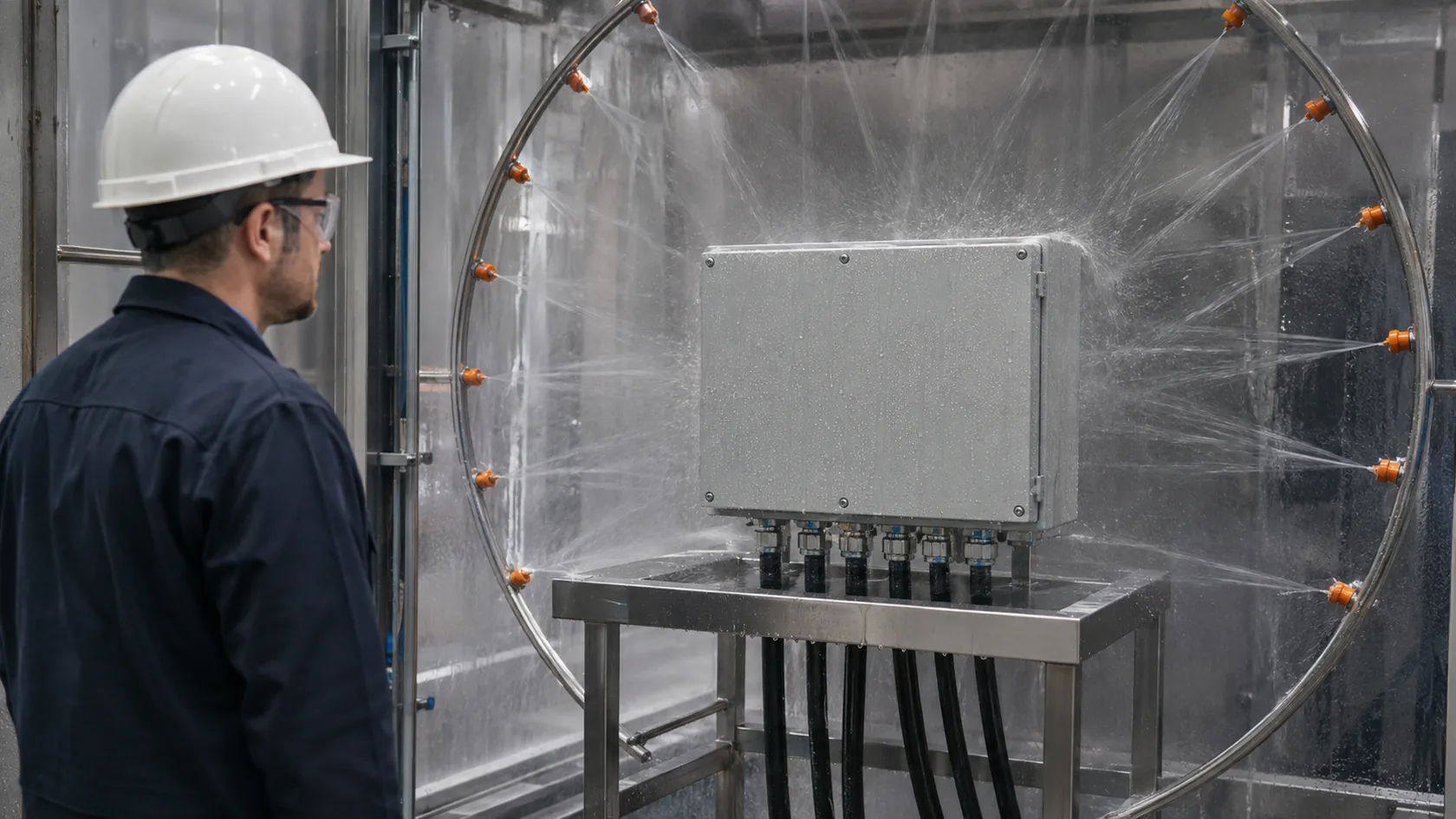
Are Aluminium Brackets Good for Outdoor and Harsh Environments?
Aluminium brackets can be good for outdoor use, but design and surface treatment matter.
Aluminium brackets are suitable for outdoor and harsh environments when the material, thickness, drainage, fasteners, and surface treatment are chosen correctly, especially with anodizing or powder coating.
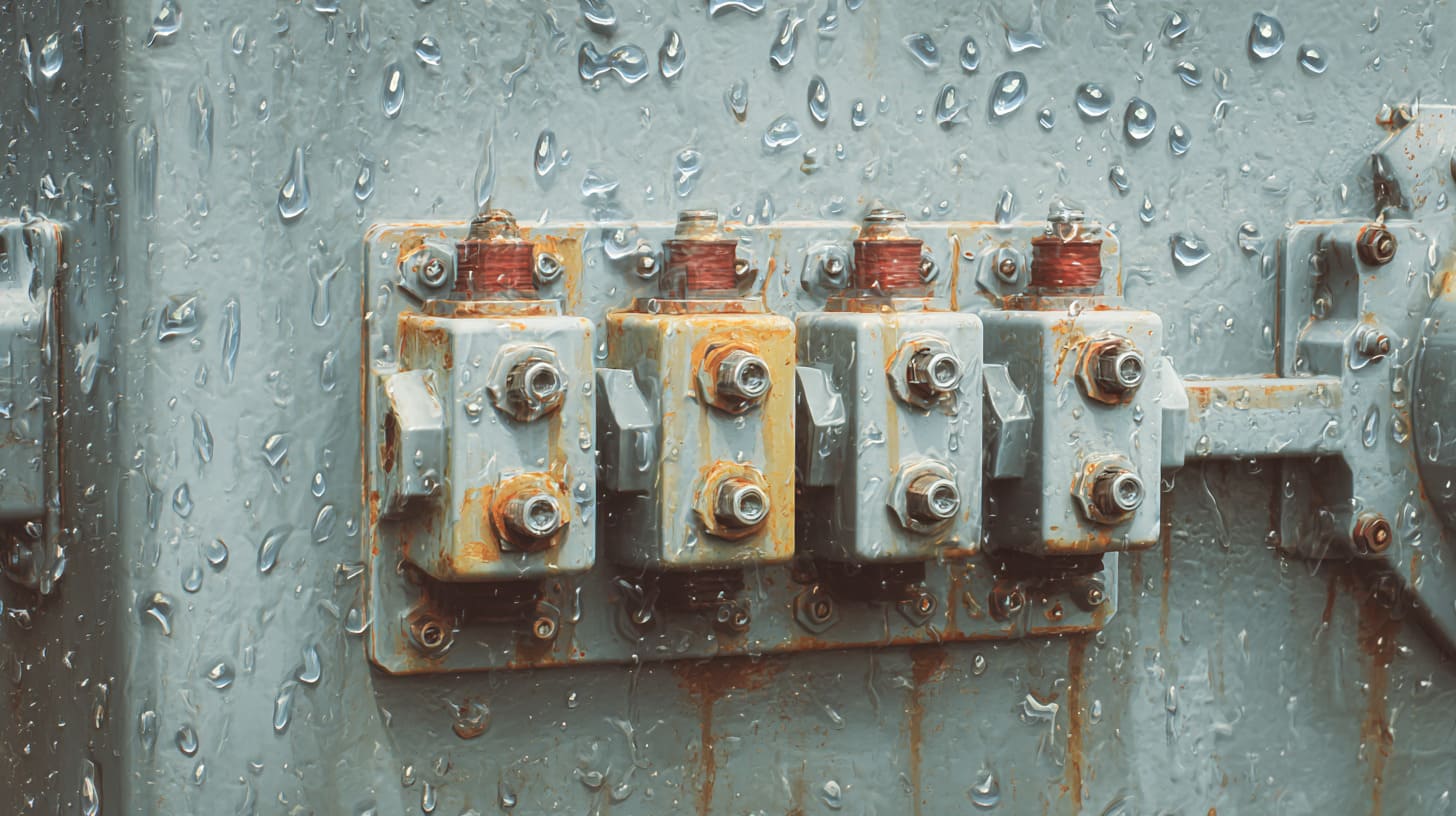
Outdoor use is not only about material
Aluminium has good natural corrosion resistance. But outdoor projects are not always gentle.
Rain, salt air, UV exposure, heat, dust, and vibration can all affect the bracket. The finish, screw material, and installation design matter a lot.
This is where many projects go wrong: the bracket material is fine, but the screw, contact surface, or water-trapping corner creates the real failure point.
Outdoor design concerns
| Concern | What to Check |
|---|---|
| Rain exposure | Avoid water-trapping shapes |
| Salt air | Use better finish and fasteners |
| UV exposure | Choose stable coating |
| Vibration | Use correct screw locking |
| Dust | Avoid hidden buildup areas |
| Temperature changes | Check expansion and fit |
| Mixed metals | Watch contact corrosion risk |
Good finish options for outdoor brackets
For outdoor brackets, I usually consider:
- anodizing
- hard anodizing
- powder coating
- electrophoresis coating
- stainless screws
- sealed mounting design
A bracket does not need to fear outdoor use. It just needs a design that respects outdoor reality.
How Strong Are Aluminium Brackets for Heavy Equipment Support?
Aluminium brackets can be strong, but strength depends on design, not material alone.
Aluminium brackets can support heavy equipment when the alloy, thickness, shape, rib design, hole placement, fasteners, and load direction are designed correctly for the actual working condition.
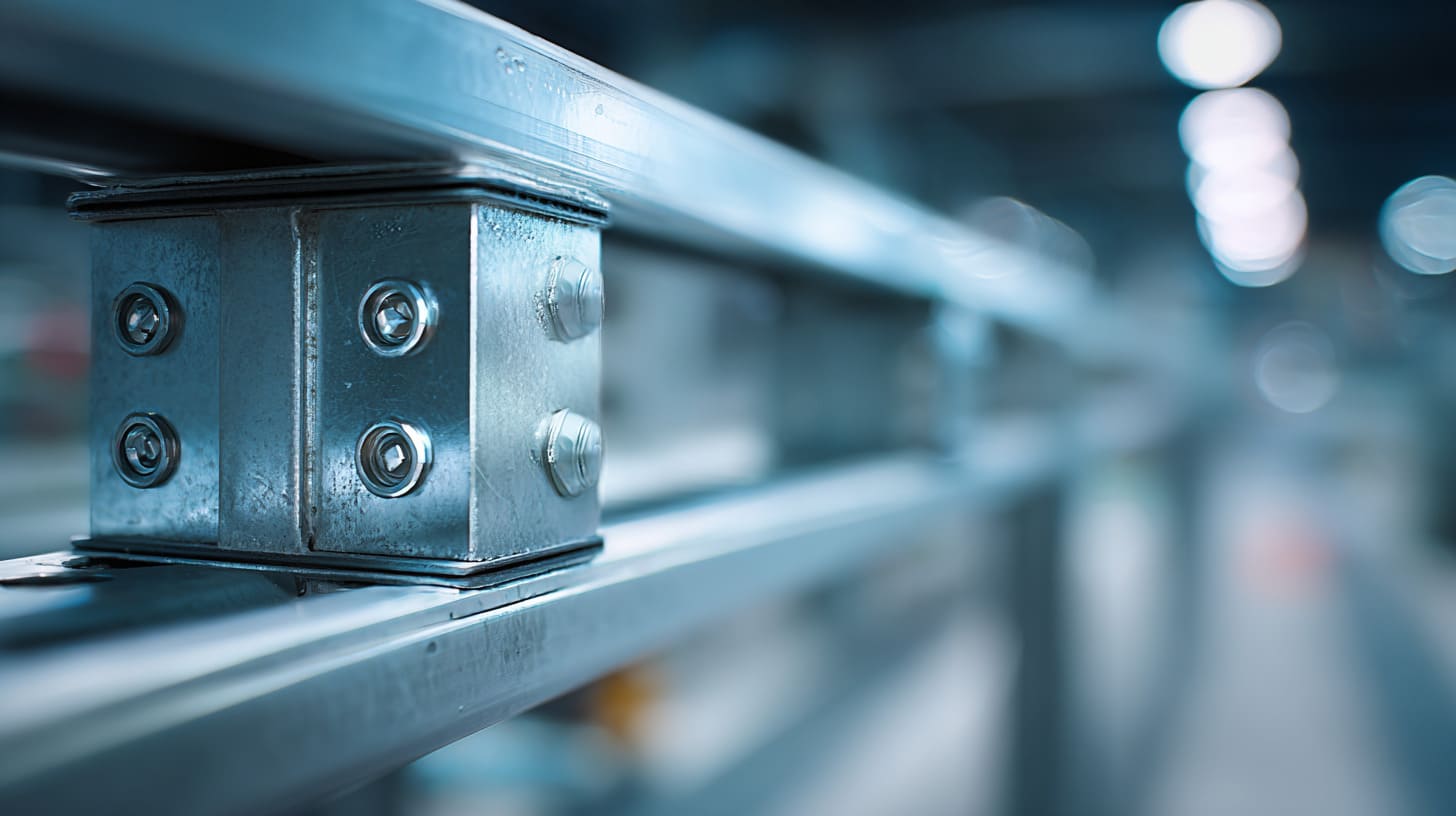
Strength is not only about thickness
A thick bracket is not always a strong bracket.
The bend radius, hole location, load direction, screw position, and unsupported length all matter. A thin but well-designed bracket may perform better than a thick but badly shaped one.
When a customer says “make it stronger,” I do not rush to add thickness; I first check where the bracket bends, where the screw pulls, and where the load wants to escape.
Factors that affect bracket strength
| Factor | Why It Matters |
|---|---|
| Alloy grade | Affects base strength |
| Thickness | Affects bending resistance |
| Shape | Controls stiffness |
| Hole position | Can weaken or strengthen the part |
| Screw type | Affects clamping force |
| Load direction | Changes stress path |
| Surface treatment | May affect wear and corrosion |
| Installation method | Decides real support performance |
How to improve strength
You can improve bracket strength by:
- increasing thickness
- using ribs or flanges
- shortening unsupported length
- improving hole placement
- using more screws
- using better alloy
- changing from bending to CNC machining
- adding corner radius
- testing samples before mass production
Heavy support is possible. Guessing is not.
What Surface Treatments Are Available for Aluminium Brackets?
Aluminium brackets can use several surface treatments based on appearance and environment.
Common surface treatments for aluminium brackets include anodizing, hard anodizing, powder coating, brushing, polishing, sandblasting, electrophoresis, chemical conversion coating, and laser engraving.
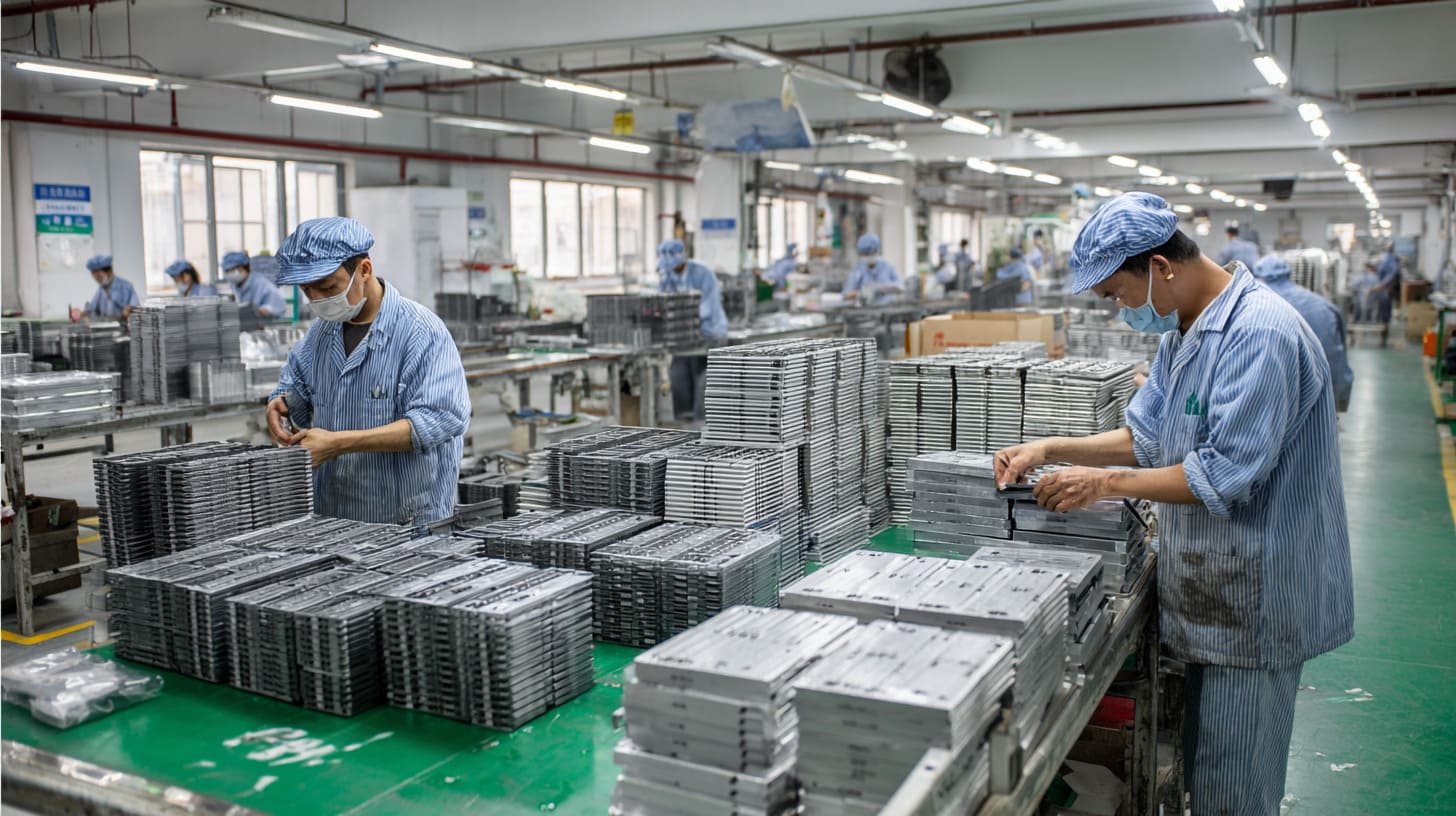
Finish changes both look and performance
Surface treatment is not only decoration. It can improve corrosion resistance, reduce scratches, improve brand feeling, and match the enclosure body.
A bracket inside a product may only need basic treatment. A visible bracket may need a better finish.
I usually decide finish by asking where the customer will see or touch the part, because hidden parts and front-facing parts should not always use the same budget.
Common aluminium bracket finishes
| Surface Treatment | Look | Common Use |
|---|---|---|
| Natural anodizing | Clean silver | Electronics, enclosures |
| Black anodizing | Modern black | Raspberry Pi cases, devices |
| Hard anodizing | Darker, tougher | Wear-resistant parts |
| Powder coating | Colorful, thicker coating | Outdoor products |
| Brushing | Linear metal texture | Premium visible parts |
| Polishing | Shiny surface | Decorative products |
| Sandblasting | Matte texture | Clean industrial look |
| Laser engraving | Permanent mark | Logo and part number |
Finish and cost
Some finishes cost more because they need extra preparation.
For example, brushing before anodizing looks better, but it adds work. Powder coating can cover small marks, but it adds thickness. Anodizing looks clean, but surface defects may still show.
Finish is not a sticker. It is part of manufacturing.
How Much Does a Custom Aluminium Bracket Cost in China?
Custom aluminium bracket cost in China depends on size, material, process, quantity, finish, tolerance, and packaging.
A custom aluminium bracket in China can cost from a few cents to several dollars per piece for simple parts, while complex CNC brackets may cost more based on machining time, finish, and order quantity.
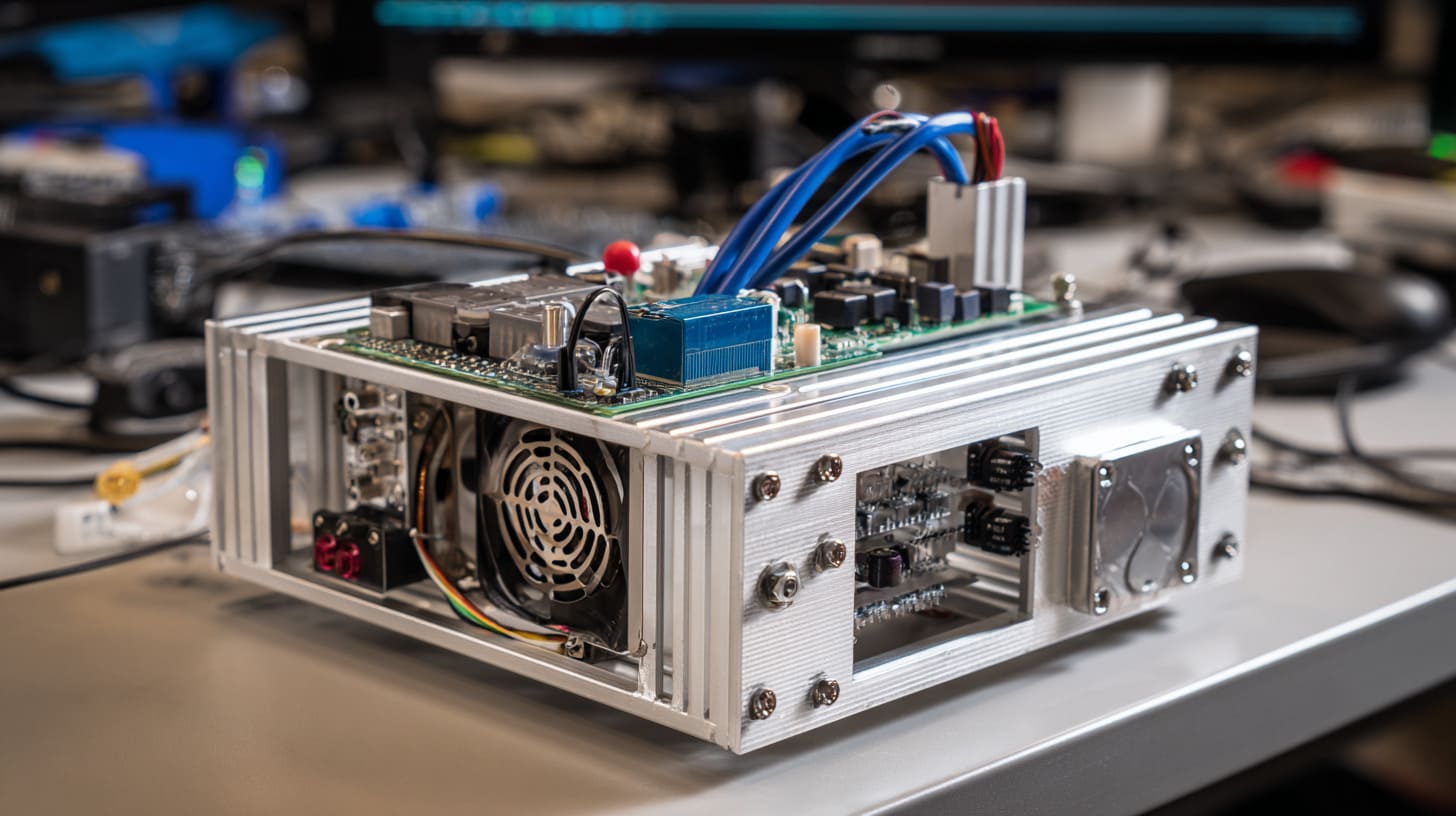
There is no honest price without details
I understand why buyers ask for a quick price. Everyone has a budget. Everyone wants to know if the idea is realistic.
But a bracket price depends on many details. A small flat bracket and a CNC machined bracket with threaded holes are not the same animal. One is a biscuit. The other is a small metal puzzle.
When I prepare a quote, I care less about making the first number look pretty and more about avoiding hidden cost later, because a wrong cheap quote usually becomes an argument after sampling.
Main cost factors
| Cost Factor | How It Affects Price |
|---|---|
| Material | Aluminium grade and thickness change cost |
| Size | Larger parts use more material |
| Process | CNC, bending, stamping, and extrusion differ |
| Tolerance | Tighter tolerance increases cost |
| Surface finish | Anodizing, coating, brushing add cost |
| Quantity | Higher quantity reduces unit cost |
| Tooling | Stamping or special fixtures may need tooling |
| Logo | Laser or printing adds work |
| Packaging | Custom packaging adds cost |
| Delivery | Air shipping and sea shipping differ |
Rough price logic
| Bracket Type | Typical Cost Logic |
|---|---|
| Simple flat bracket | Low cost, good for high quantity |
| Bent aluminium bracket | Medium-low cost, depends on tooling and thickness |
| CNC machined bracket | Higher cost, depends on machining time |
| Bracket with logo and finish | Higher than plain part |
| Outdoor coated bracket | Higher due to finish requirement |
| High-precision bracket | Higher due to inspection and tolerance |
What information helps get a better quote?
For a faster and more accurate quote, I usually need:
- drawing or sample photo
- dimensions
- thickness
- material requirement
- quantity
- finish
- tolerance
- logo need
- packaging need
- shipping destination
If the buyer has no drawing, we can still discuss the idea. But for final production, clear drawings are the best friend of both sides.
Conclusion
An aluminium bracket looks small, but it affects strength, assembly, protection, cost, and product feeling. If you need custom aluminium brackets or enclosures, I can help review the design and suggest a practical factory solution.