Skip to content

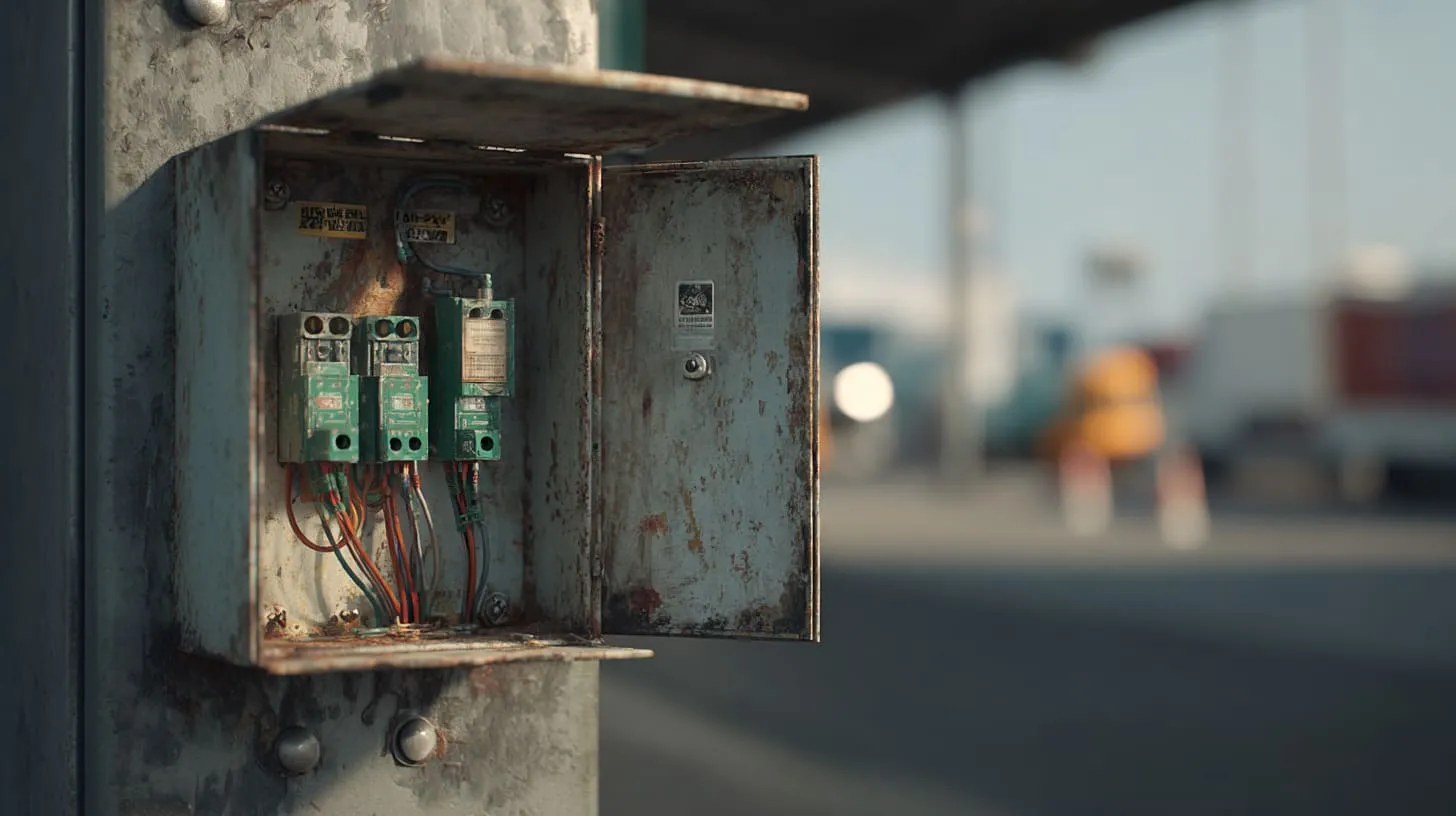
A junction box looks boring until it becomes the reason a whole system stops working. I learned that the hard way when a client sent me photos of a “simple” box mounted near a loading bay door. It sat under a small roof. Everyone assumed it was “basically indoor.” Two months later, the terminals were green with corrosion, and the wires smelled like warm plastic.
A junction box is a protective container for wire connections. It keeps people from touching live parts, keeps dust out, and helps prevent heat, moisture, and vibration from turning a small connection into a big failure.
This topic gets messy because people mix up indoor and outdoor boxes. They look similar in a catalog photo. They often share the same shape. But the environment does not care about shape. It cares about water paths, UV, temperature swings, and how fast a seal gets tired.
My real question is simple: When should you choose an indoor junction box, and when should you step up to an outdoor junction box? The answer affects safety, lifespan, cost, and the certifications your buyer will ask for at the worst possible time.
I’ve seen buyers win the unit price and still lose the project. That is why I treat “indoor vs outdoor” as a risk question, not a style question.
The next part starts with what “indoor” really means in real life, not in a brochure.
What Is an Indoor Junction Box?
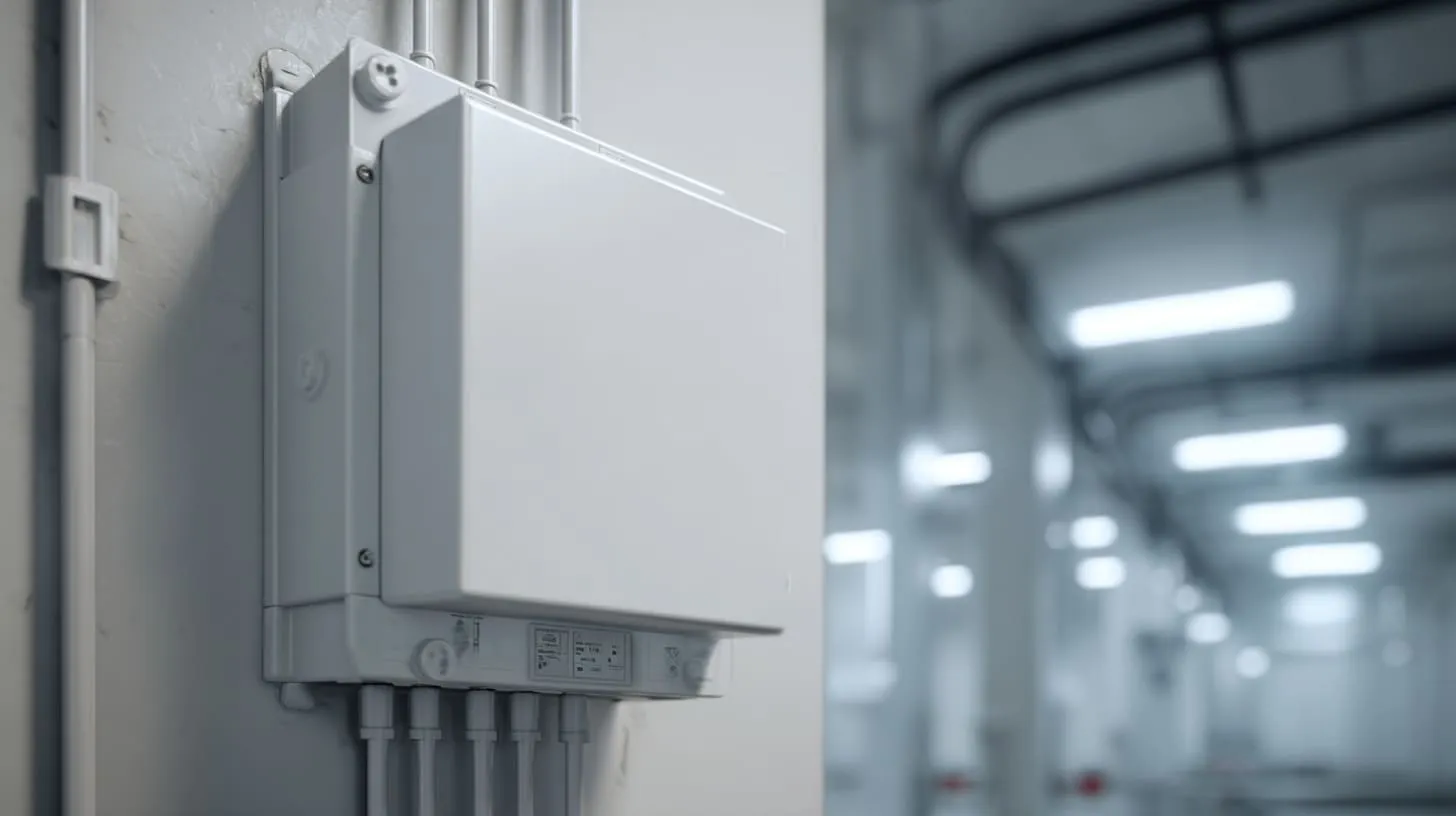
An indoor junction box is built for controlled spaces. Think dry rooms, stable temperatures, and low direct exposure to water. That does not mean “zero risk.” It just means the box is not designed to fight the weather every day.
One thing I’ve learned is that buyers often use “indoor” as a shortcut for “cheap and fine,” and that shortcut is where projects quietly start bleeding money.
Typical Use Environments
Indoor boxes are common in places like:
- Residential walls and ceilings
- Indoor control panels
- Machinery rooms inside factories
- Utility rooms and electrical closets
But “indoor” can still be humid. Basements and wash rooms are “indoor” too. That is where people get surprised.
Common Materials
Indoor boxes are often made from:
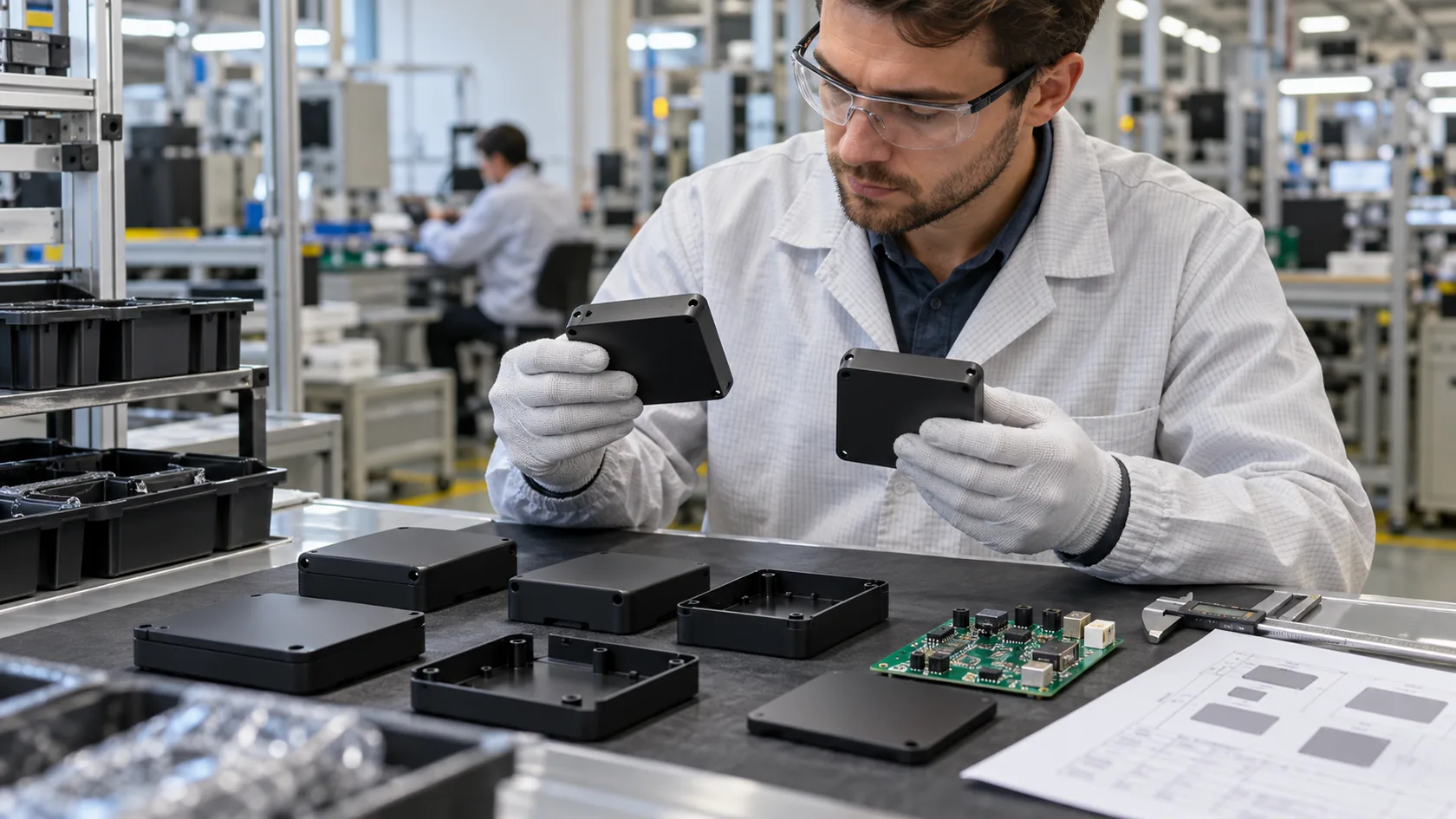
- ABS plastic (common, economical, easy to mold)
- Polycarbonate (PC) (stronger, better impact resistance)
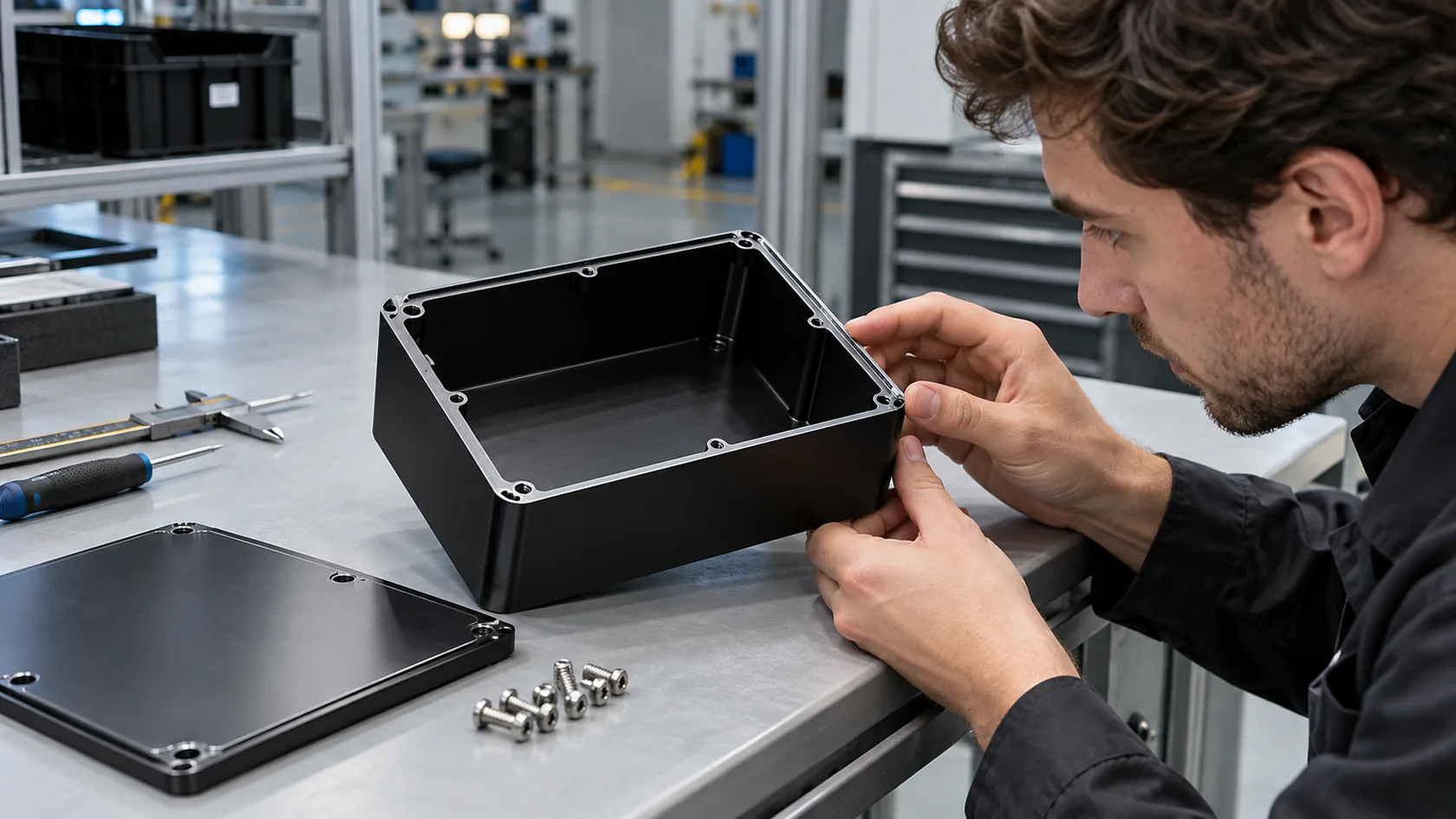
- Powder-coated steel (rigid, good shielding, heavier)
Here is how I explain the difference to a buyer who only wants one line:
| Material | What it’s good at | What can go wrong | Where I see it used most |
|---|---|---|---|
| ABS | Low cost, easy to produce | Can get brittle in heat, weaker UV resistance | Indoor walls, basic equipment |
| PC | Impact resistance, better toughness | Cost higher, may yellow with poor UV grades | Control panels, industrial rooms |
| Powder-coated steel | Strength, EMI shielding | Rust if coating chips, heavier | Indoor cabinets, machinery |
Protection Level & Ratings
Most indoor boxes focus on basic protection:
- Keeps fingers and basic dust out
- Often falls around IP20–IP44 depending on design
- Not built for direct rain, hose spray, or long-term moisture exposure
To keep it practical, I usually describe IP levels like this:
| IP Level (common indoor range) | What it usually survives | What it usually fails |
|---|---|---|
| IP20 | Basic touch protection | Dust buildup, any water |
| IP44 | Light splashes | Rain, washdown, steady moisture |
Key Advantages & Limitations
Indoor boxes can be a smart choice when the environment truly stays “indoor.”
Advantages
- Lower cost
- Light weight
- Easy to install and service
- Plenty of standard sizes and accessories
Limitations
- Limited sealing
- UV resistance is often not a priority
- Temperature swings can stress plastic and gaskets
- A “small drip” becomes a big problem over time
Before we jump to outdoor boxes, I want to be honest: I have seen indoor boxes survive outdoors for a while—just long enough to make people confident, then it fails right after warranty.
What Is an Outdoor Junction Box?
Outdoor junction boxes are built for exposure. Not just rain, but sun, dust, wind-driven water, salt air near the sea, and temperature swings that pull and push on seals every day.
The detail I watch first is not the box color or the wall thickness—it is how the lid seals after the installer opens it three times with gloves on and closes it in a hurry.
Typical Use Environments
Outdoor boxes show up in places like:
- Exterior building walls
- Outdoor industrial equipment
- Solar systems and combiner boxes
- Telecom and network outdoor points
- Pumps, sensors, and lighting systems
And “outdoor” also includes “semi-outdoor.” A box under an eave still sees humidity and wind-driven rain.
Common Materials
Outdoor boxes often use materials designed for weather:
- UV-resistant polycarbonate
- Fiberglass reinforced polyester
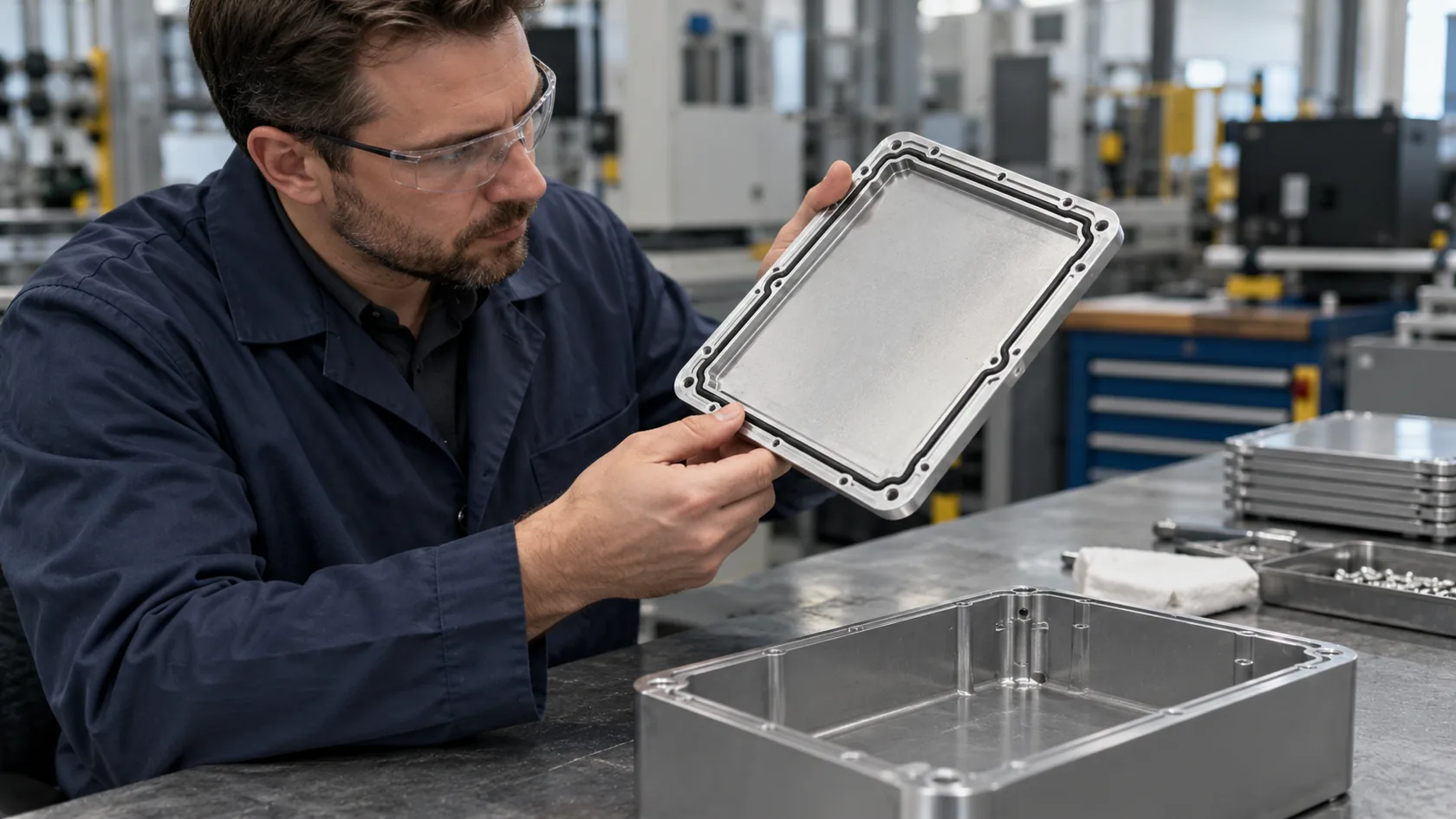
- Aluminum
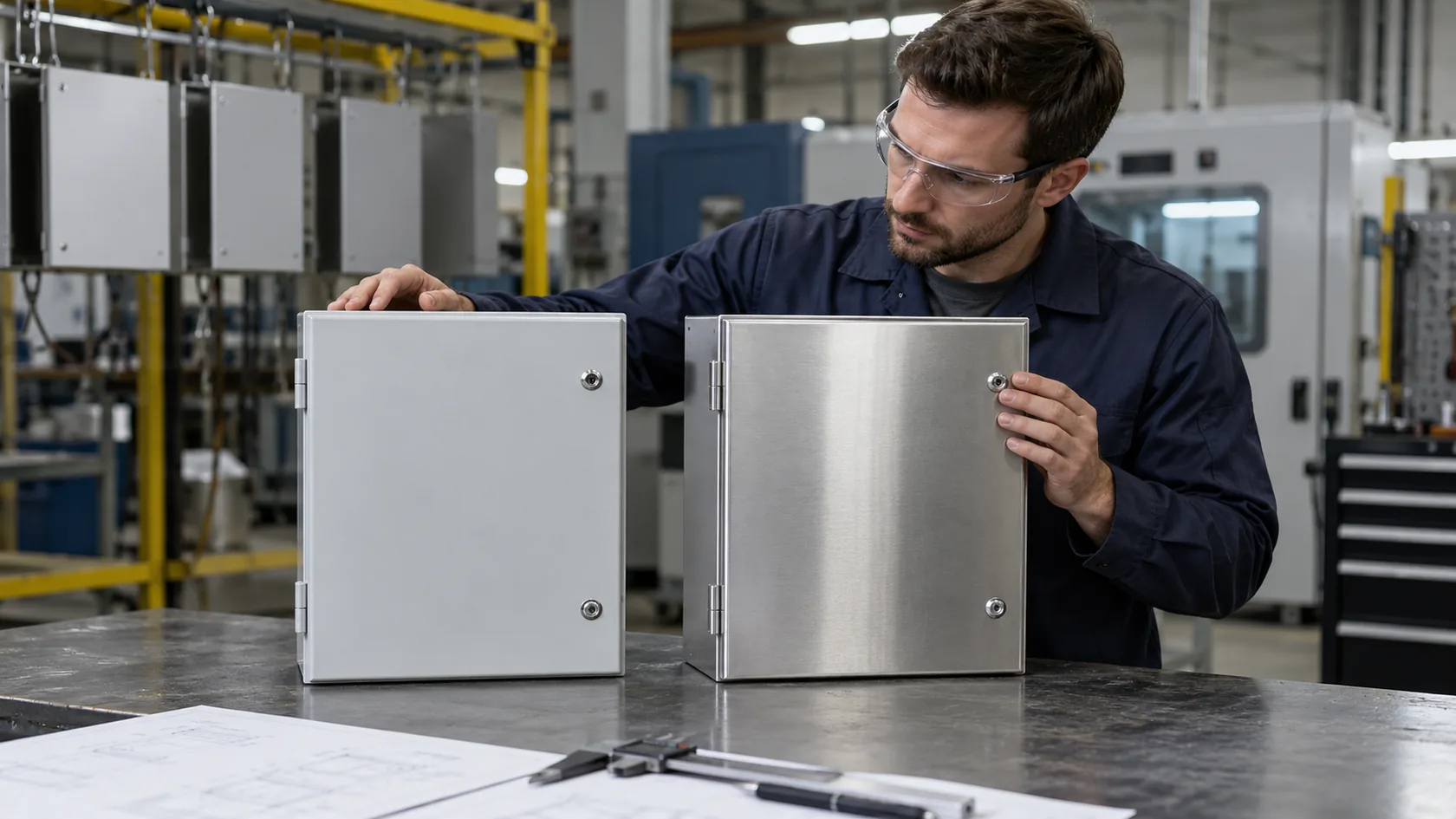
- Stainless steel
Each material has a personality. I say that because it behaves differently after years outside.
| Material | What it handles well | What it dislikes | Typical outdoor use |
|---|---|---|---|
| UV PC | UV stability (if correct grade), impact | Low-grade resin can yellow and crack | Outdoor sensors, small systems |
| Fiberglass (FRP) | Corrosion, chemicals, insulation | Can crack if hit hard, aesthetics vary | Chemical areas, coastal sites |
| Aluminum | Heat dissipation, strength/weight | Needs proper coating in harsh corrosion | Solar, telecom, industrial |
| Stainless steel | Corrosion resistance, washdown | Cost, weight, machining time | Food zones, coastal, harsh industry |
Protection Level & Ratings
Outdoor boxes are usually specified with higher protection:
- IP65 / IP66 / IP67 (dust tight + water protection)
- NEMA 3R / 4 / 4X (common in North America)
I avoid treating these as marketing labels. The words matter, but the test conditions matter more. Here is a quick translation I use when a buyer is overwhelmed:
| Rating | What it’s generally meant to handle | Where it’s commonly used |
|---|---|---|
| IP65 | Dust tight, water jets (not immersion) | Outdoor equipment, light wash |
| IP66 | Stronger water jets | Exposed outdoor industrial |
| IP67 | Temporary immersion (limited time/depth) | Flood risk areas, sensors |
| NEMA 3R | Rain and sleet, not washdown | Outdoor service entrances |
| NEMA 4 | Washdown, hose-directed water | Industrial outdoor, wash areas |
| NEMA 4X | NEMA 4 + corrosion resistance | Coastal, chemical, food zones |
Key Advantages & Limitations
Advantages
- Designed for weather and dust
- Better sealing systems
- Better long-term safety margin outdoors
- Options for corrosion resistance
Limitations
- Higher cost
- Heavier and sometimes larger
- Installation details matter more (glands, torque, gasket care)
If you’re thinking, “Okay, so outdoor is always safer,” you’re half right. Outdoor is safer when installed correctly. The next section is where the real difference lives.
Indoor vs Outdoor Junction Boxes: Core Differences
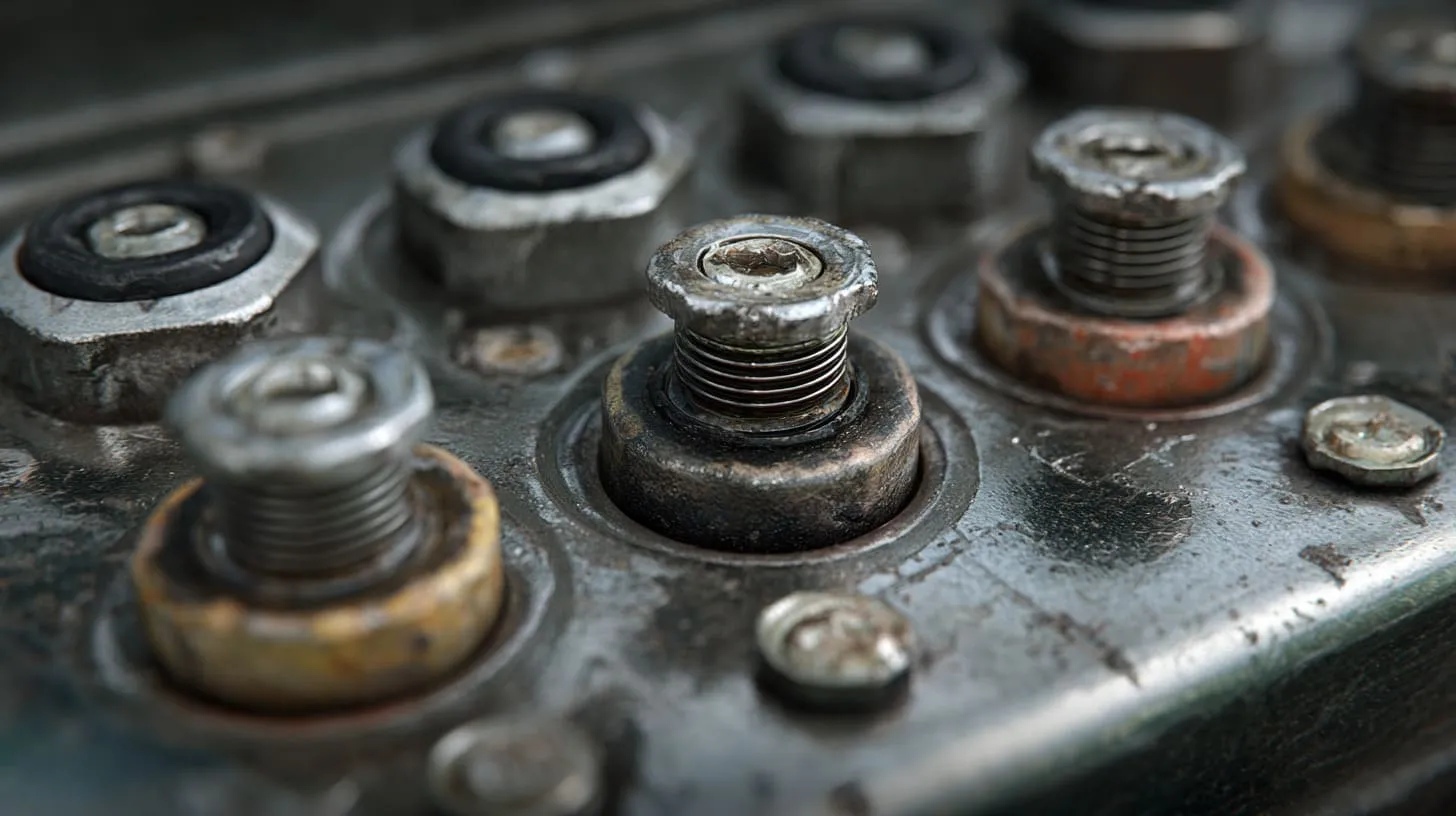
This is the part where I stop trusting labels and start asking “What will attack this box first?” Because the failure mode is different in each environment.
A mistake I see a lot is people comparing indoor and outdoor boxes like they compare phone cases. They look at thickness and price. They forget the invisible enemies: capillary water paths, UV aging, and gasket compression set.
Environmental Resistance
Outdoor boxes are designed for threats that indoor boxes rarely face for long:
- Water exposure: rain, splash, hose spray, condensation
- UV exposure: sun breaks plastics down over time
- Temperature swings: expansion and contraction loosens fasteners and stresses seals
- Dust and sand: acts like grinding powder on gaskets and hinges
A simple way to think about it:
| Factor | Indoor box reality | Outdoor box reality |
|---|---|---|
| Water | “Occasional splash” at most | “It will get wet” is assumed |
| UV | Often ignored | Treated as a design input |
| Temperature | Relatively stable | Daily expansion and contraction |
| Dust | Light dust | Dust + wind + rain cycles |
Sealing & Gasket Design
Sealing is not only about having a gasket. It is about how it is compressed and how it ages.
What I look for in real projects
- Gasket material (silicone, EPDM, rubber)
- Gasket channel design (does it pinch? does it roll?)
- Lid geometry (flat lids seal differently than recessed lids)
- Screw count and torque distribution
- Cable entries and gland quality
Here is a simple checklist table I share with OEM buyers:
| Detail | Why it matters | What can go wrong |
|---|---|---|
| Gasket material | Affects aging, compression set | Leaks after months, not days |
| Lid screws layout | Affects even pressure | Corner gaps, warped lids |
| Cable glands | Most common leak path | Water runs down cable into box |
| Lid design | Controls drip edge behavior | Water pools at the seal line |
Structural Strength
Outdoor does not only mean “waterproof.” It also often means:
- higher impact risk
- more vibration (wind, machinery)
- more installation abuse
Impact and mounting stability
If a box is mounted on a pole or outdoor frame, the mounting method becomes part of the enclosure system.
| Strength point | Indoor priority | Outdoor priority |
|---|---|---|
| Impact resistance | “Nice to have” | “Assume it will be hit” |
| Wall thickness | Often thinner | Often thicker or reinforced |
| Mounting features | Basic | Brackets, sealed mounting points |
Compliance & Certifications
This part is where projects get delayed. Not because the box is bad, but because the paperwork is unclear.
I’ve seen buyers argue for a week about “waterproof” while the inspector only wants to see the correct marking.
IP vs NEMA (how I explain it simply)
- IP focuses on dust and water ingress tests.
- NEMA includes environmental exposure concepts and can cover corrosion requirements depending on type.
Here’s a practical mapping style table I use to help early decisions:
| Region | What buyers ask most | What I make sure is clear |
|---|---|---|
| North America | NEMA type, UL-related marking | Type label, material, gasket design |
| Europe | IP rating, IEC expectations | IP test level, sealing method |
| Mixed export | “Equivalent to…” requests | Written spec + sample confirmation |
If this section feels heavy, good. Because choosing the right junction box is not a “one line in the drawing” job. Next, I’ll show how I choose quickly without guessing.
How to Choose the Right Junction Box for Your Project?
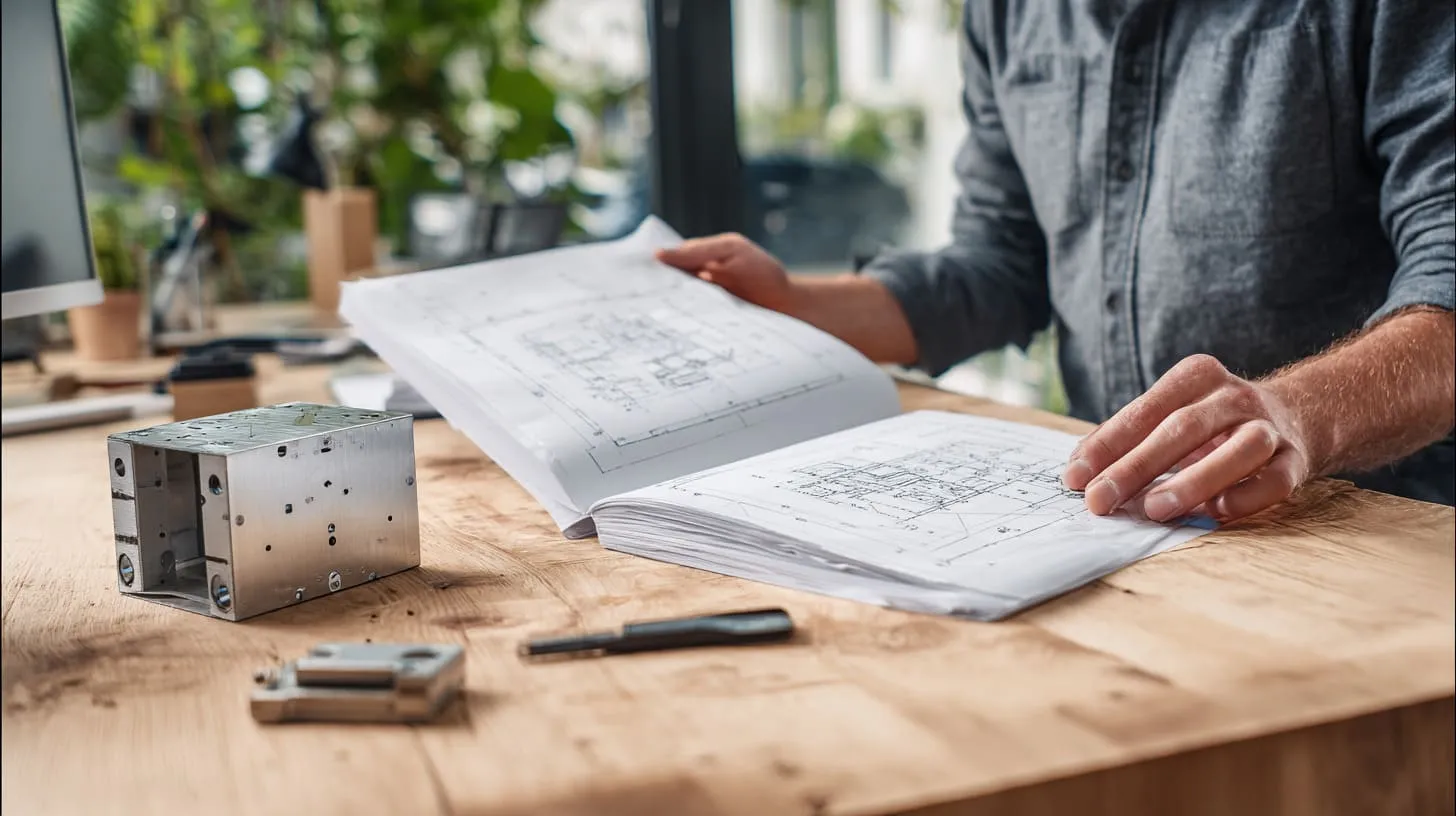
People often ask me for a “rule.” I don’t use a single rule. I use a short decision path, because the wrong box usually fails in a predictable way.
The moment I hear “it’s kind of sheltered,” I slow down, because that phrase is where outdoor water problems like to hide.
Step 1: Define Installation Environment
I start with blunt questions:
- Is it fully indoors, or does air from outside reach it?
- Is there cleaning water, steam, or washdown nearby?
- Is it near doors, vents, or open bays?
- Is it near coastal air or chemical fumes?
A simple environment table helps remove emotion:
| Environment description | My default direction | Why |
|---|---|---|
| Dry indoor room | Indoor box | Low exposure, stable conditions |
| Basement / humid room | Indoor upgraded (higher IP) | Condensation is real |
| Under roof outside | Outdoor box | Wind-driven rain still reaches |
| Fully exposed outside | Outdoor high rating | Rain + UV + temperature cycles |
| Washdown area | NEMA 4 / 4X style | Hose spray finds weak points |
Step 2: Assess Risk Factors
This is where I push buyers to think beyond “normal weather.”
Moisture
- splash
- condensation
- water running down cables
Sunlight
- direct UV exposure
- heat load on dark enclosures
Chemicals
- cleaning agents
- salt spray
- oils and vapors in industrial zones
Mechanical stress
- vibration
- impacts
- cable pull
Step 3: Determine Required Rating
I like to choose a rating that matches the threat, not the hope.
| Threat | Minimum direction that usually makes sense |
|---|---|
| Dust + light rain | IP65 / NEMA 3R |
| Strong water spray | IP66 / NEMA 4 |
| Corrosion + spray | NEMA 4X / stainless / proper coating |
| Temporary immersion risk | IP67 (if truly needed) |
Step 4: Consider Long-Term Cost
Unit price is loud. Lifecycle cost is quiet. But lifecycle cost is what shows up in emails later.
Here is the cost view I share when buyers only see the quote line:
| Cost type | Indoor box risk outdoors | Outdoor box benefit |
|---|---|---|
| Replacement labor | High (site visit, downtime) | Lower (longer service life) |
| Failure risk | Short circuits, corrosion | Reduced if installed right |
| Maintenance | More checking and resealing | Less frequent intervention |
| Reputation cost | Complaints and returns | Fewer field failures |
Now that we’ve covered how to choose, the next question is the one I hear from Davide and John all the time: “Okay, but plastic or metal?”
Material Comparison: Plastic vs Metal for Indoor & Outdoor Use
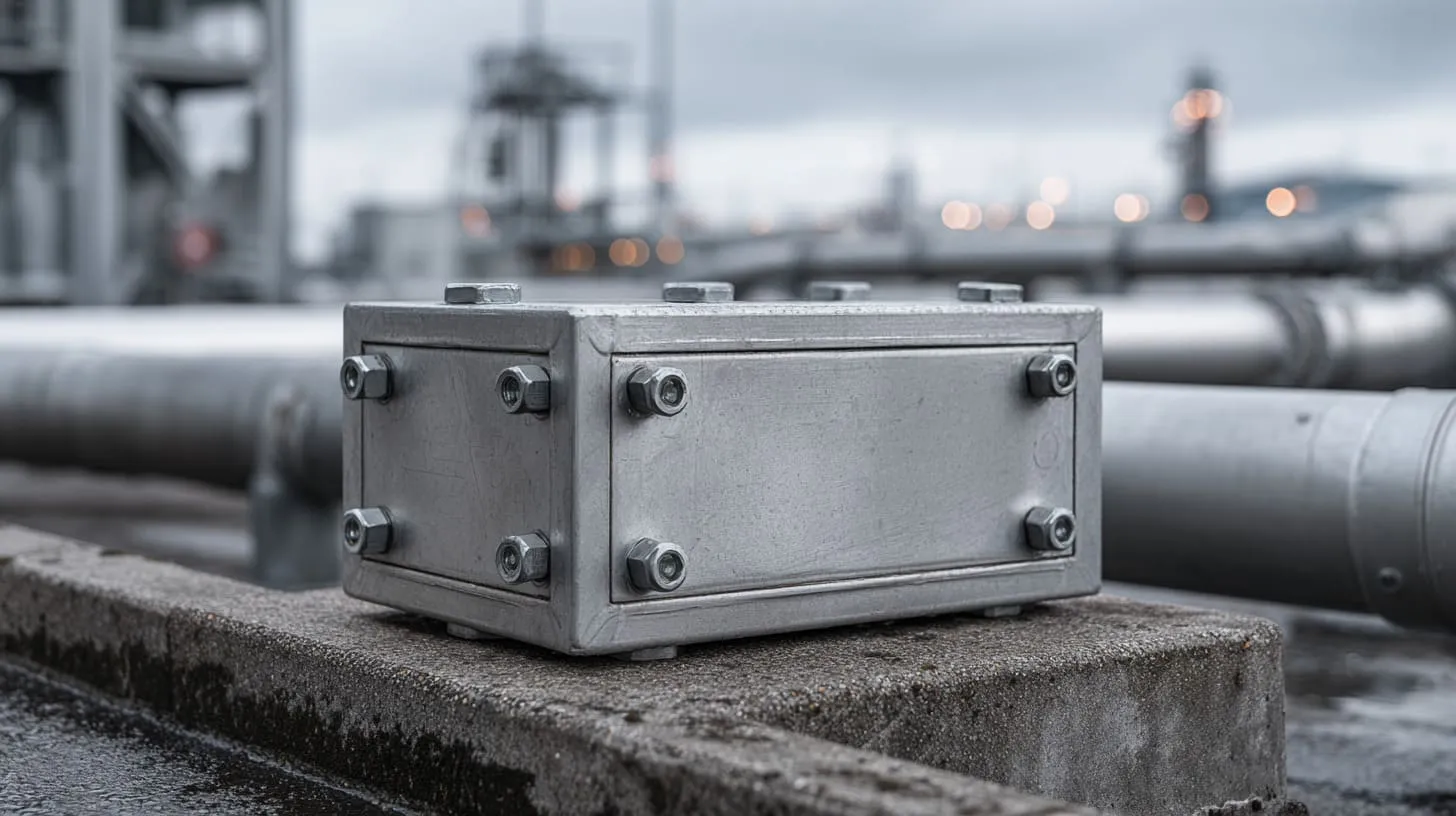
Material debates can get emotional because material feels like identity. Some buyers trust metal because it feels “serious.” Some buyers trust plastic because it feels “clean and corrosion-free.”
My own bias is simple: I choose material based on the failure I’m most afraid of in that environment, not based on what looks premium on a shelf.
Plastic Enclosures
Plastic can be a strong choice when the resin and design match the job.
Where plastic shines
- Corrosion resistance in many environments
- Electrical insulation
- Weight reduction
- Easier customization for certain designs
Where plastic can disappoint
- UV aging (if not UV-rated)
- Heat deformation near hot equipment
- Impact cracking in cold climates
A practical comparison:
| Plastic type | What it does well | Where I hesitate |
|---|---|---|
| ABS | Low cost, easy molding | Outdoor sun, higher heat |
| PC | Tough, better impact | Poor UV grade can yellow |
| Fiberglass | Corrosion and chemicals | Heavy impact zones |
Aluminum Enclosures
Aluminum is a strong “middle” material. It is used a lot for outdoor industrial and electronics.
Why buyers like it
- Good heat dissipation
- Strong for its weight
- Professional look
- Works well with powder coat or anodizing
Where it needs care
- Corrosion protection in harsh environments
- Proper grounding and sealing design
- Coating quality matters more than people think
| Aluminum option | Benefit | Risk if overlooked |
|---|---|---|
| Bare aluminum | Low cost | Oxidation, staining |
| Powder coated | Better weather resistance | Chips can expose base metal |
| Anodized | Durable surface | Color/finish control needed |
Stainless Steel Enclosures
Stainless is not always “best.” It is best when the environment is harsh enough to justify it.
Where stainless makes sense
- Coastal air and salt exposure
- Chemical plants
- Food-related washdown zones
- High corrosion risk outdoor sites
Trade-offs buyers forget
- Higher cost and weight
- Longer machining and fabrication cycles
- Overkill for many mild outdoor cases
| Stainless type (common choices) | Why people choose it | What I clarify first |
|---|---|---|
| 304 | General corrosion resistance | Is salt or harsh chemical present? |
| 316 | Better in chlorides and marine air | Is the cost worth the longer life? |
If you’re reading this and thinking, “So the right material depends,” yes. And that’s the point. The next section is about the mistakes that happen when people try to force a simple answer.
Common Mistakes When Selecting Junction Boxes
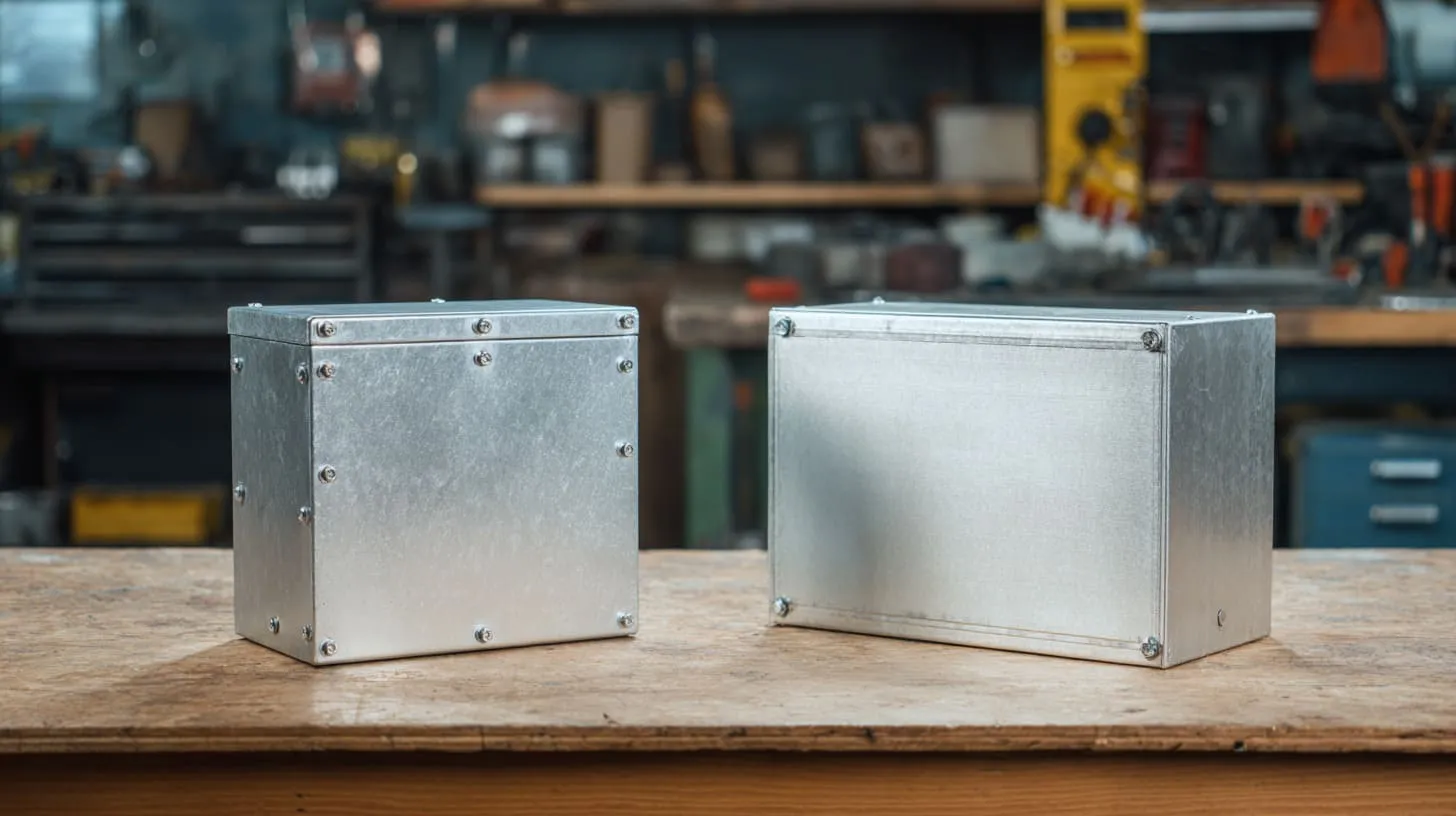
Most junction box failures I see do not come from “bad factories.” They come from small wrong assumptions made early, then copied into drawings and purchase orders.
The pattern I notice is that teams focus on the enclosure body, but the leak and corrosion usually start at the cable entry and the lid seal.
Choosing Based on Price Alone
This mistake shows up in one sentence:
- “Let’s use the cheaper one. It’s just a box.”
The hidden cost shows up later:
- service calls
- rework
- downtime
- returns and complaints
A quick reality table:
| Decision style | What it optimizes | What it risks |
|---|---|---|
| Cheapest unit price | Short-term budget | Long-term failures |
| Lowest weight | Handling and shipping | Impact resistance issues |
| “Standard size only” | Procurement speed | Fit and sealing compromises |
Ignoring IP/NEMA Ratings
Another common line I hear:
- “It says waterproof.”
But “waterproof” is not a spec. It’s a word. I push buyers to ask:
- Which rating?
- Which test condition?
- Does it include corrosion resistance?
- Does the cable entry match that rating?
Here is a small sanity check table I use:
| Claim | What I ask back |
|---|---|
| “Waterproof” | What IP or NEMA type is marked? |
| “Outdoor OK” | Is the material UV-rated? |
| “Sealed” | What gasket material and design? |
Underestimating Sun & Corrosion Damage
UV damage is slow, so it gets ignored. Corrosion is slow too, until it’s not.
- Plastic can crack and fade if it is not UV-stabilized.
- Metal can rust at cut edges, screws, or coating chips.
- Salt air is aggressive and does not need direct water spray to cause trouble.
Poor Communication with Suppliers
This one hits OEM buyers hard. A box can be perfect, but the project can still fail if specs are vague.
Common missing items in drawings:
- exact installation location (indoor/outdoor is not enough)
- cable entry type and size
- required rating and how it is verified
- mounting method and sealing for mounting holes
I’ve had Davide-style buyers send a beautiful CAD file and still forget to note that the box sits near a washdown area. That is not a “small miss.” That is a different product.
If these mistakes feel familiar, you’re not alone. Now I want to talk directly to OEM buyers and re-branders, because your risks are a bit different.
Why OEM Buyers Should Pay Extra Attention
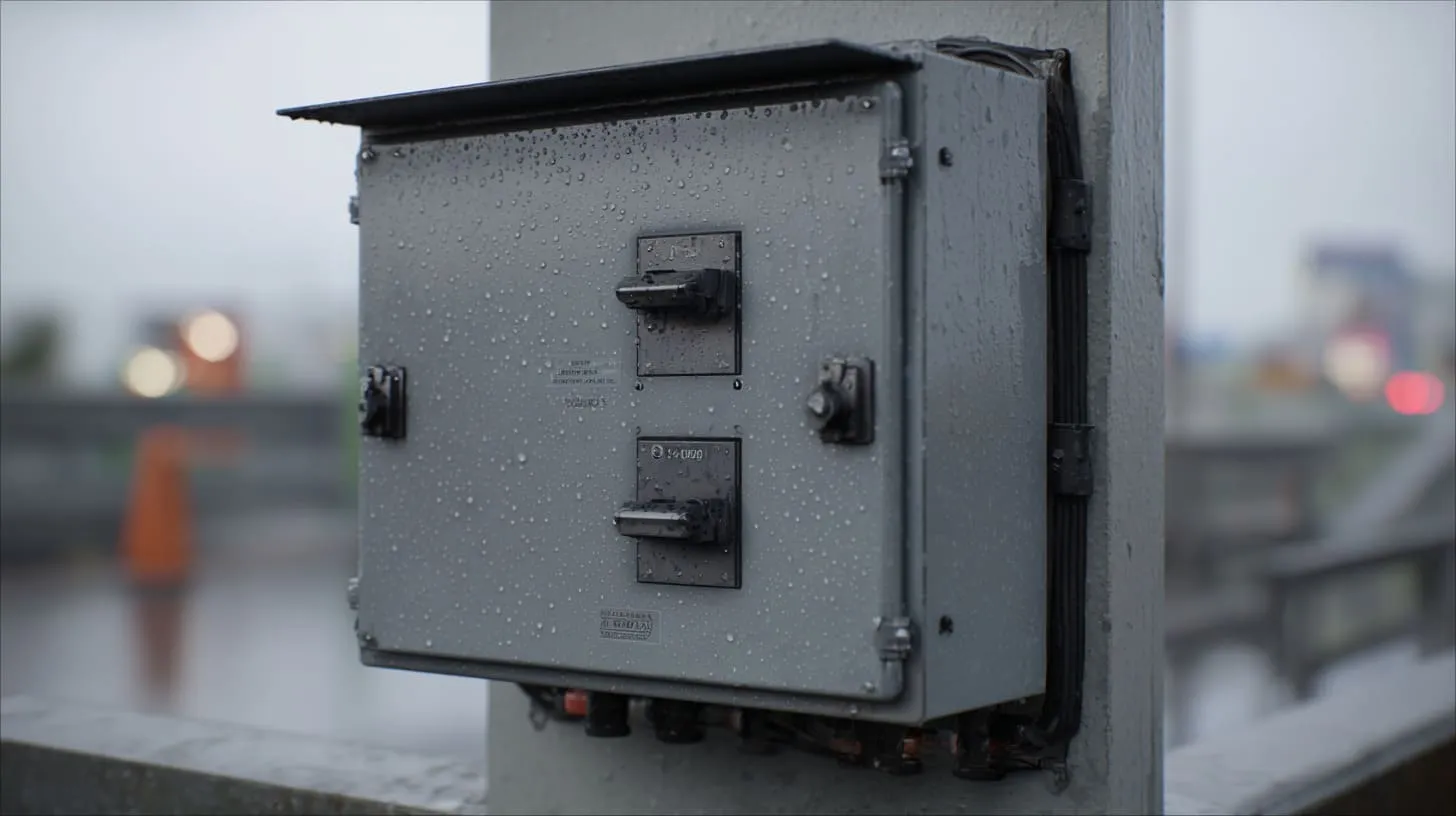
OEM buyers do not just buy a box. You are buying a promise to your customer: “This will work where you install it.” That promise is why details matter more for you than for a one-off DIY job.
The moment a buyer asks for logo engraving, custom cutouts, and a tight delivery date, I assume the real challenge will be alignment, not manufacturing.
Custom Design Considerations
OEM and re-brand projects often include:
- logo engraving or printing
- custom cutouts for connectors
- special cable entry layouts
- internal mounting bosses
- special colors or textures
- custom packaging and labeling
Each custom change can affect sealing and strength. For example:
- A cutout too close to a corner can weaken the lid area.
- A wrong gland size can break the rating even if the box body is perfect.
A simple design-risk table helps keep teams honest:
| Custom feature | Risk it can create | How I reduce that risk |
|---|---|---|
| Extra cutouts | Leak paths, weaker structure | Keep clearance, add reinforcement |
| Logo engraving | Cosmetic only (usually safe) | Confirm depth and location |
| Printed logo | Adhesion and fading outdoors | Use outdoor-grade ink/process |
| New mounting points | Water ingress from rear | Use sealed mounting design |
Engineering Support & Fast Confirmation
OEM projects move fast. That speed is good, but it can also hide mistakes.
What I usually push for:
- clear drawings with dimensions
- confirmed cable entry plan
- sample validation under real conditions
- quick feedback loop for changes
Here is a practical approval flow that avoids surprises:
| Stage | What I want confirmed | Why it matters |
|---|---|---|
| Drawing review | Environment + rating + entries | Prevent wrong box selection |
| Prototype | Fit, gasket behavior, assembly | Catch real-world issues |
| Pilot run | Consistency and packing | Reduce returns and damage |
| Mass production | QC checkpoints | Control drift over time |
Supply Chain Reliability
For buyers in North America, Europe, Japan, and South Korea, the product has to arrive on time and match the spec every time.
Common risks:
- slow confirmation due to time zones
- last-minute spec changes
- shipping delays
- inconsistent QC if specs are unclear
This is why I like short spec tables in the PO. It keeps everyone aligned:
| Item | Example value |
|---|---|
| Application | Outdoor, partial shelter, coastal air |
| Rating target | IP66 / NEMA 4X (as required) |
| Material | UV PC / aluminum / stainless |
| Entries | 4x M20 glands, 1x vent plug |
| Branding | Laser engraved logo on lid |
| Color/finish | Grey, outdoor resistant coating |
We’ve covered definitions, differences, selection, materials, mistakes, and OEM angles. Now I want to close with how I personally think about this choice, because it’s not only technical—it’s also about trust.
Conclusion
When I decide between an indoor and outdoor junction box, I’m not trying to sound smart. I’m trying to avoid the phone call that starts with, “We installed it and now it’s failing.” I have sat with buyers who did everything right on the main equipment, then lost weeks because a small box let water in.
I think about three things every time.
First, I think about the environment as an attacker. Water does not need a storm. UV does not need heat. Dust does not need a desert. If the box will be exposed even sometimes, I lean toward protection that matches the worst day, not the best day.
Second, I think about the real failure path. In many cases, it is not the box body. It is the lid seal, the cable entry, the mounting holes, and the installer’s habits. That is why I care about gasket design and gland selection so much.
Third, I think about the cost of being wrong. If replacing the box is easy and safe, a lighter solution can be fine. If replacing it means downtime, site visits, or safety risk, I would rather spend a bit more up front and sleep better later.
If you are planning an OEM or re-brand project and you want fewer surprises, send me your environment details, target rating (IP or NEMA), and your cable entry plan. I can help you sanity-check the selection and point out the small risks people miss. You can reach me at info@maidatech.com, and if you already have a drawing, include it in the email so we can move faster.