Skip to content
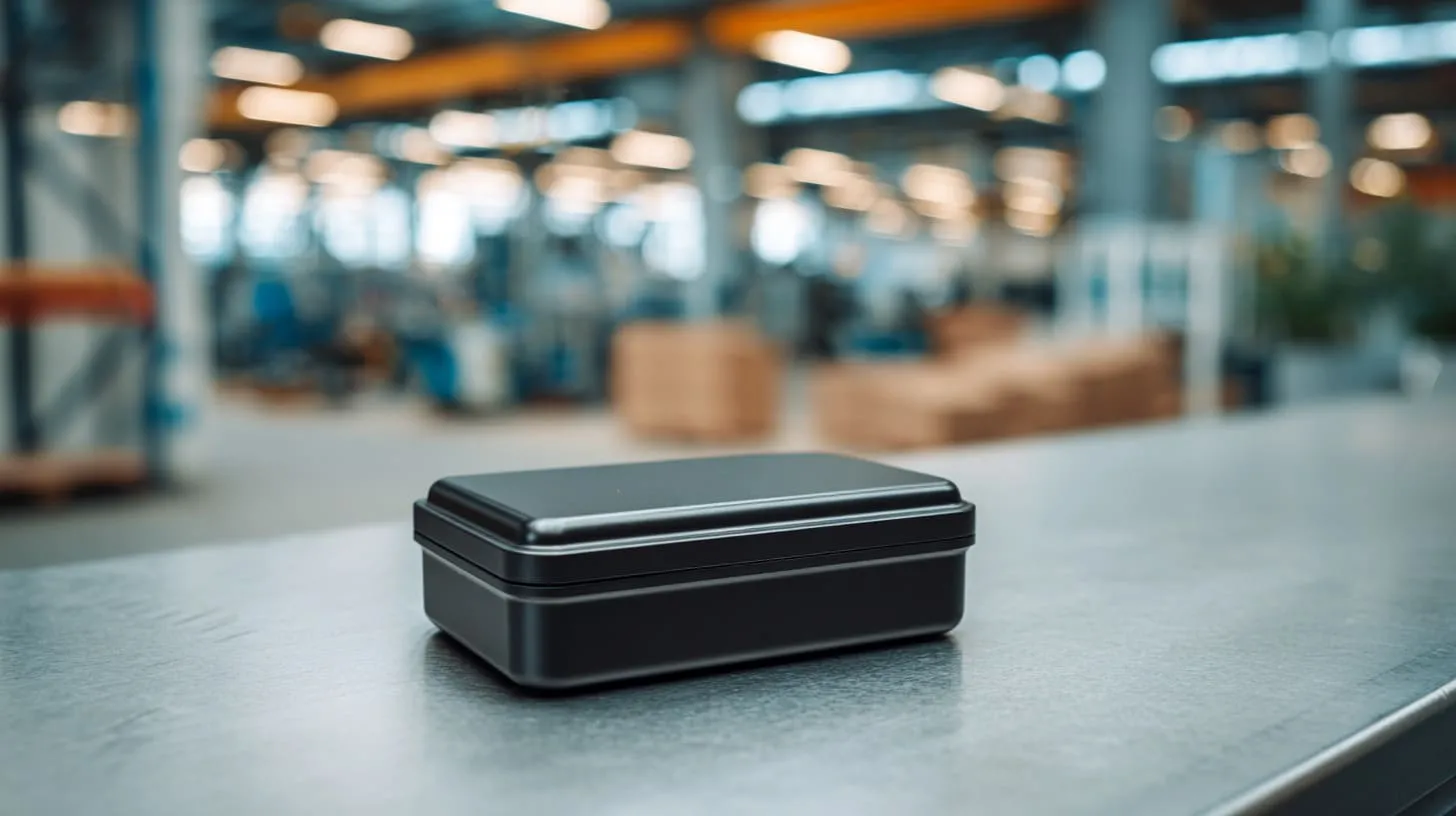
ABS plastic keeps showing up in my inbox in a very quiet way.
Not as a big topic. Not as a debate.
It shows up as a line in a drawing note. Or a short sentence in an email.
“Material: ABS.”
Sometimes the buyer adds one more line:
“Keep cost under control.”
That is when I know this choice matters more than it looks.
Many people still think ABS is just a cheap plastic. Something basic. Something you use when you do not care much. But after years of making enclosures for control systems, electronics, and small devices, I see ABS very differently. It is not weak. It is not lazy. It is just honest.
This article is for OEM buyers, product engineers, and enclosure designers who want to understand what ABS really is, where it works well, and where it quietly causes trouble if you push it too far.
What Is ABS Plastic Material?
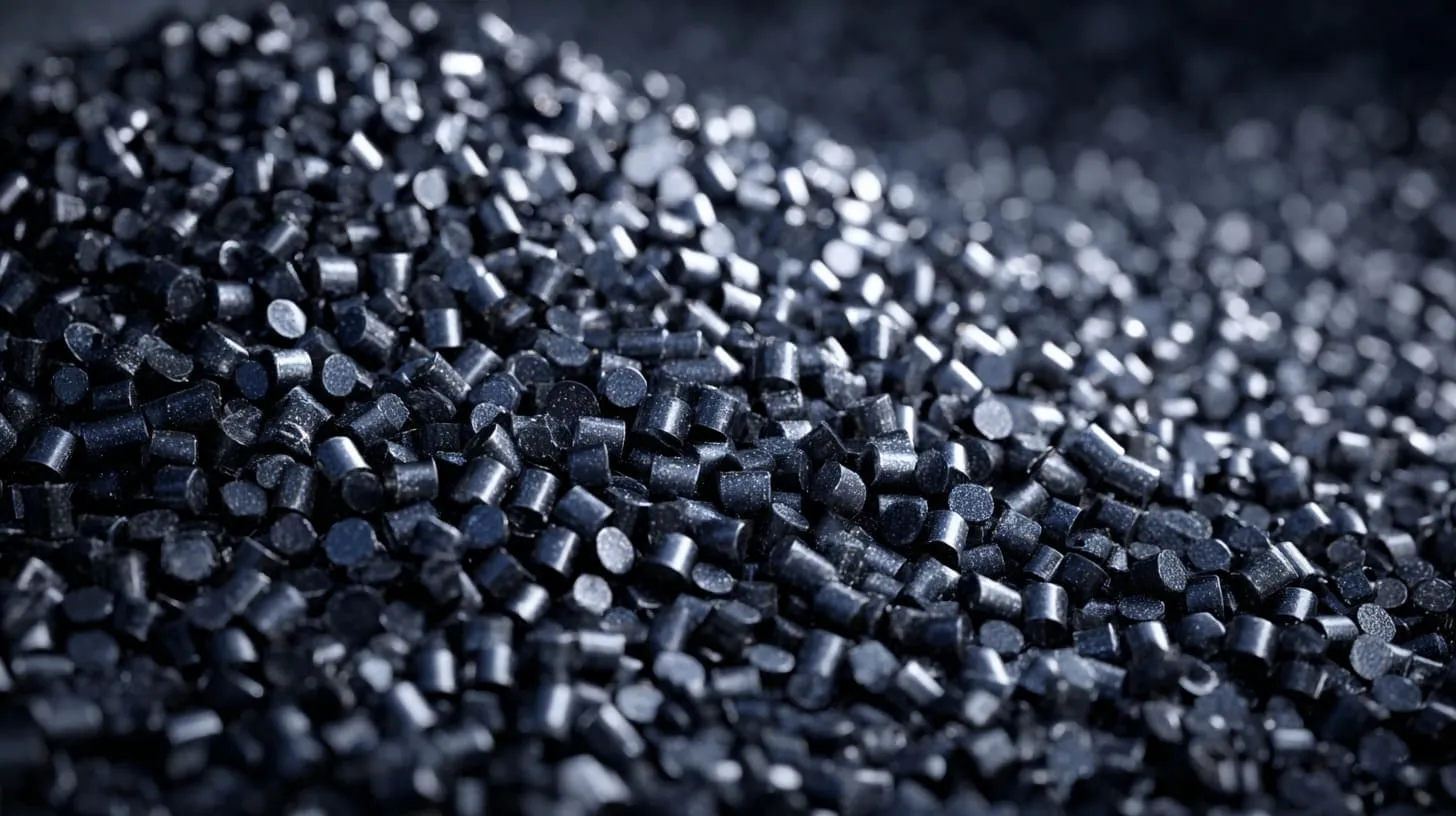
Before I explain where ABS works, I always slow down and ask one simple question.
What exactly is ABS?
What does ABS stand for?
ABS is not a brand name.
It is a blend of three materials.
- Acrylonitrile: gives strength and chemical resistance
- Butadiene: adds toughness and impact resistance
- Styrene: improves surface finish and rigidity
Each part plays a role. If you remove one, ABS stops behaving like ABS.
I like to explain it this way. ABS is not strong because one material is strong. It is balanced because three materials pull in different directions and meet in the middle.
Is ABS a thermoplastic or thermoset?
ABS is a thermoplastic.
That means it softens when heated and hardens again when cooled. It does not burn and lock forever like thermoset plastics.
This matters a lot in real production.
- It can be injection molded
- It can be CNC machined
- It can be recycled and reprocessed
For OEM projects, this gives you more options and fewer dead ends.
How ABS plastic is made
ABS is made by blending polymers together. The ratio can change.
That is why two ABS parts can feel different even if both are called “ABS.”
One can be tougher.
One can be smoother.
One can handle heat a bit better.
This flexibility is useful. But it also means you should never assume all ABS behaves the same.
Once you see how ABS is built, the next question always comes fast. How strong is it really?
What Are the Key Properties of ABS Plastic?
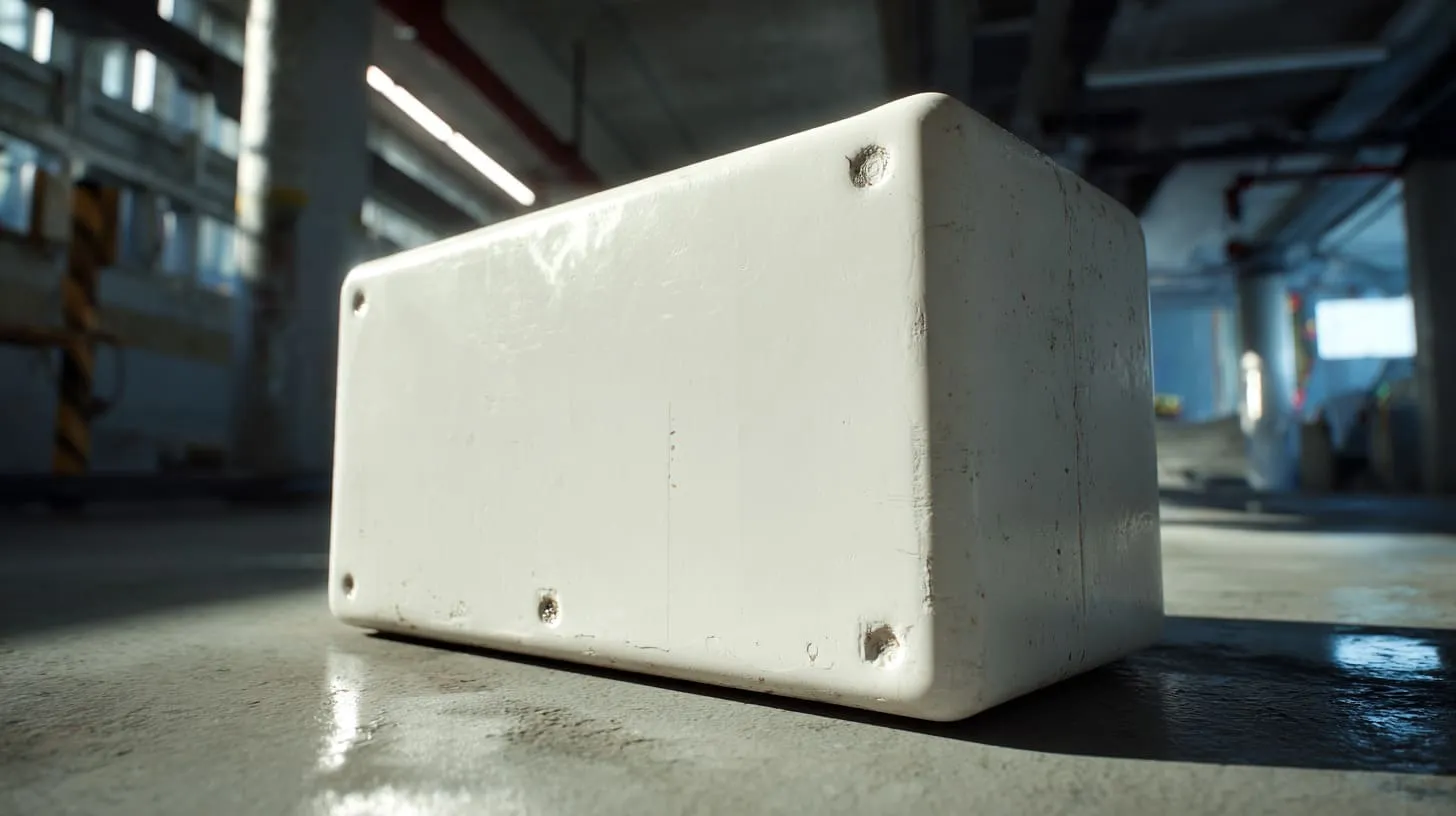
When buyers ask me about ABS properties, they usually want a simple yes or no.
Strong or not?
Durable or not?
The real answer sits in the details.
Mechanical strength and impact resistance
ABS is tough, but it is not brittle.
That is the key point.
If you drop an ABS enclosure, it often dents or flexes instead of cracking. That is why ABS survives shipping and handling better than acrylic.
Here is a simple comparison I often share:
| Material | Impact Resistance | Brittleness |
|---|---|---|
| ABS | High | Low |
| Acrylic | Low | High |
| Polycarbonate | Very high | Very low |
ABS sits in the middle. It does not win every fight, but it avoids sudden failure.
Heat resistance and working temperature
ABS handles heat better than many people expect, but worse than many engineers hope.
Typical limits look like this:
- Continuous use: around 80°C
- Softening starts: around 90–100°C
If heat builds up inside an enclosure with no ventilation, ABS will show stress. It may warp. It may lose shape.
That is not a defect. That is physics.
Surface finish and appearance
ABS surfaces can be:
- Matte
- Semi-gloss
- Glossy
This makes ABS very friendly for painted enclosures and textured finishes. If branding matters, ABS makes life easier.
Unlike acrylic, ABS hides fingerprints and small scratches better. That alone saves many complaints.
Electrical insulation properties
ABS is a good electrical insulator.
That is one reason it shows up everywhere in electronic housings. It does its job quietly. No sparks. No drama.
After reviewing these properties, the question most buyers ask me next is very direct. Is ABS strong enough for real enclosures?
Is ABS Plastic Strong Enough for Enclosures?
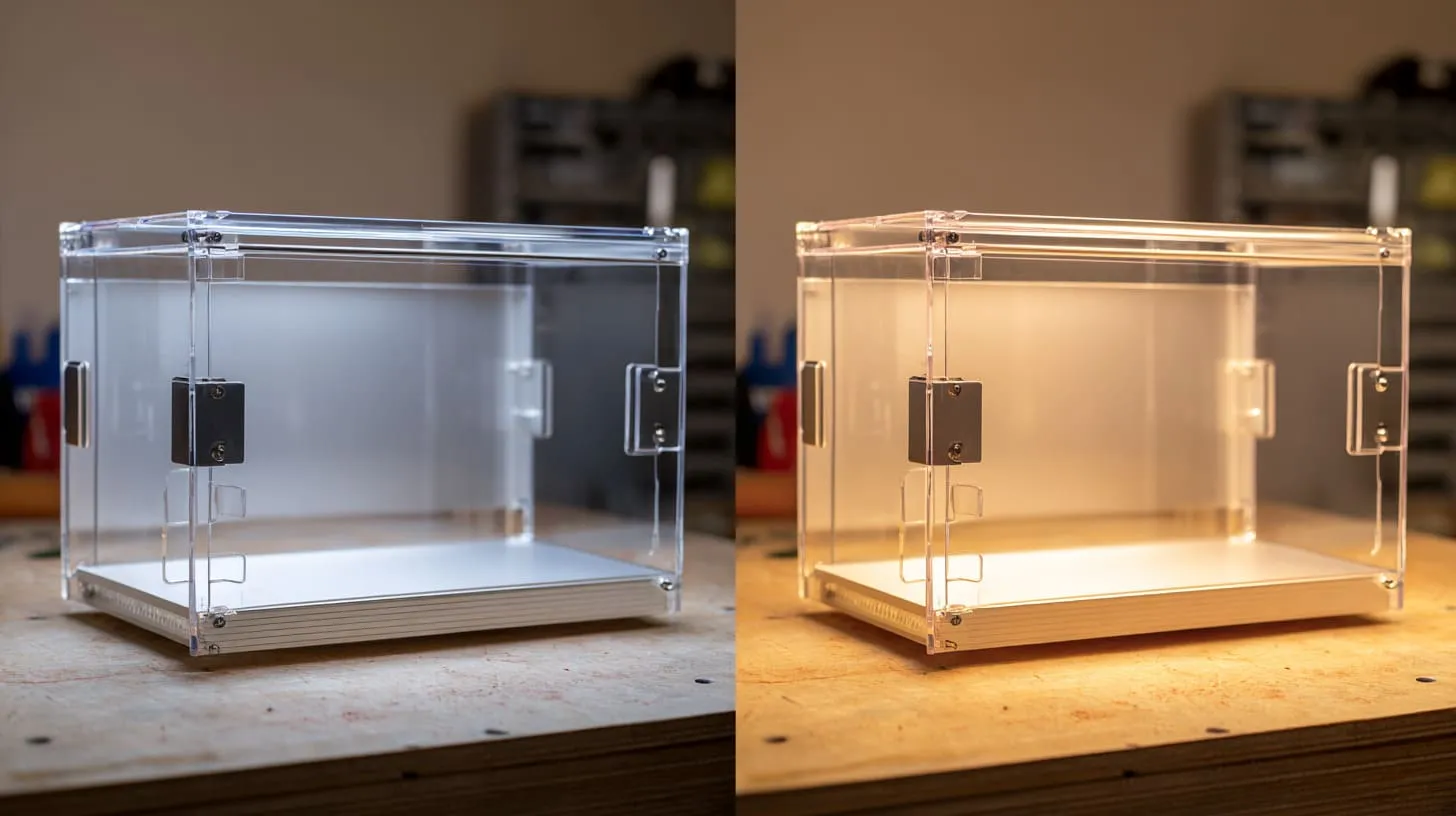
I have seen ABS survive places where people expected it to fail.
I have also seen it fail when people assumed too much.
ABS vs acrylic for enclosures
This comparison comes up often.
| Factor | ABS | Acrylic |
|---|---|---|
| Impact resistance | High | Low |
| Scratch resistance | Medium | Medium |
| Visual clarity | Low | Very high |
| Failure mode | Flex | Crack |
If clarity matters, acrylic wins.
If survival matters, ABS usually wins.
That is why ABS is used inside machines, while acrylic often stays on display.
ABS vs polycarbonate
Polycarbonate is stronger. No debate.
But strength always comes with cost.
| Factor | ABS | Polycarbonate |
|---|---|---|
| Cost | Lower | Higher |
| Impact strength | Good | Excellent |
| Heat resistance | Medium | High |
In many indoor enclosures, polycarbonate is simply more than you need. ABS does the job without forcing the budget up.
Real-world enclosure use cases
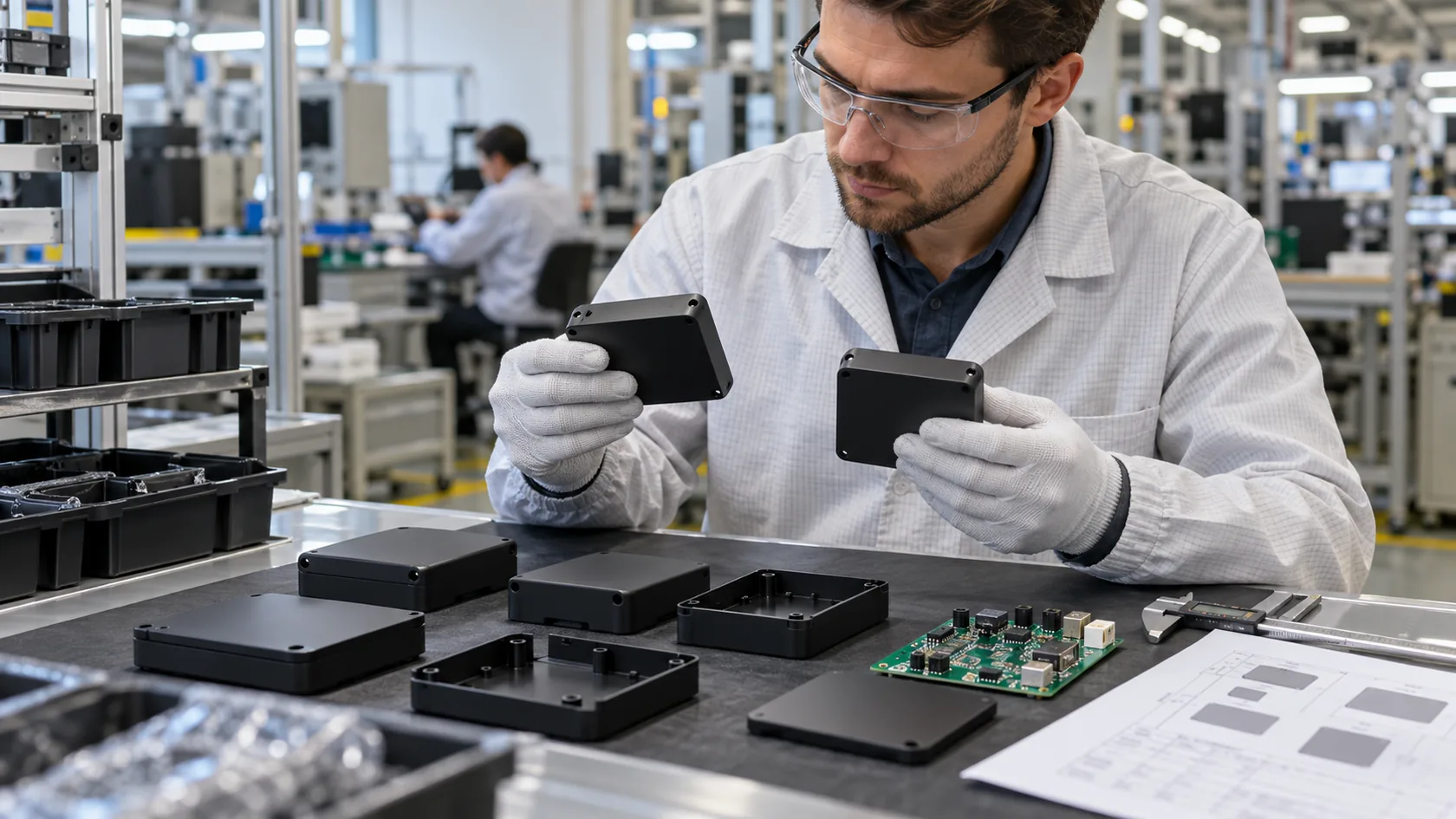
I see ABS used well in:
- Control boxes
- Consumer electronics
- Raspberry Pi and project cases
These products get touched. Moved. Dropped once or twice. ABS handles that life well.
Once strength is clear, buyers often shift focus to benefits. Why do so many OEM projects still choose ABS?
What Are the Advantages of ABS Plastic?
ABS does not shout its advantages. It just keeps projects moving.
Cost-effectiveness for OEM projects
ABS prices are stable.
Processing costs are predictable.
Tooling for ABS injection molding is also friendly compared to many engineering plastics. This matters when volumes rise.
Easy to process and customize
ABS supports many processes:
- Injection molding for volume
- CNC machining for small runs
- Drilling and tapping for assembly
That flexibility saves time. And time saves money.
Good balance between strength and weight
ABS is light.
Not fragile.
That is why portable devices use it so often. You can hold it all day without thinking about it.
But every material has limits. ABS is no exception.
What Are the Disadvantages of ABS Plastic?
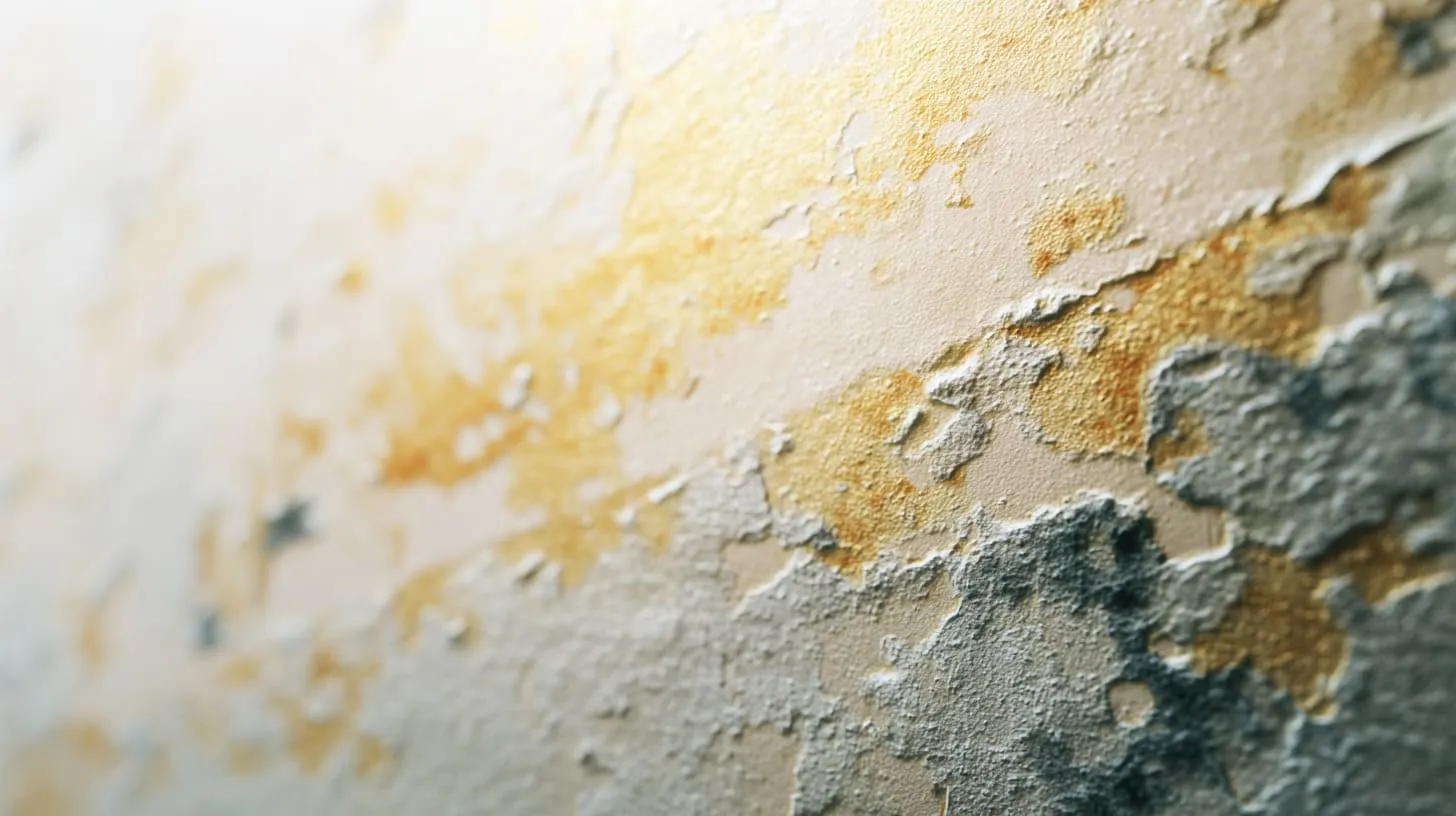
Most ABS problems appear when people forget where it should not be used.
UV resistance limitations
ABS does not like sunlight.
Over time, it can yellow. It can weaken.
Indoor use is fine. Outdoor exposure without protection is risky.
Chemical resistance limits
ABS dislikes some cleaners and solvents.
- Alcohol in high concentration
- Strong industrial chemicals
I have seen enclosures damaged not by users, but by cleaning staff trying to help.
Heat limitations compared to engineering plastics
If heat is constant and high, ABS is the wrong choice. It will not complain loudly. It will slowly deform.
When buyers understand these limits, safety questions often follow.
Is ABS Plastic Safe?
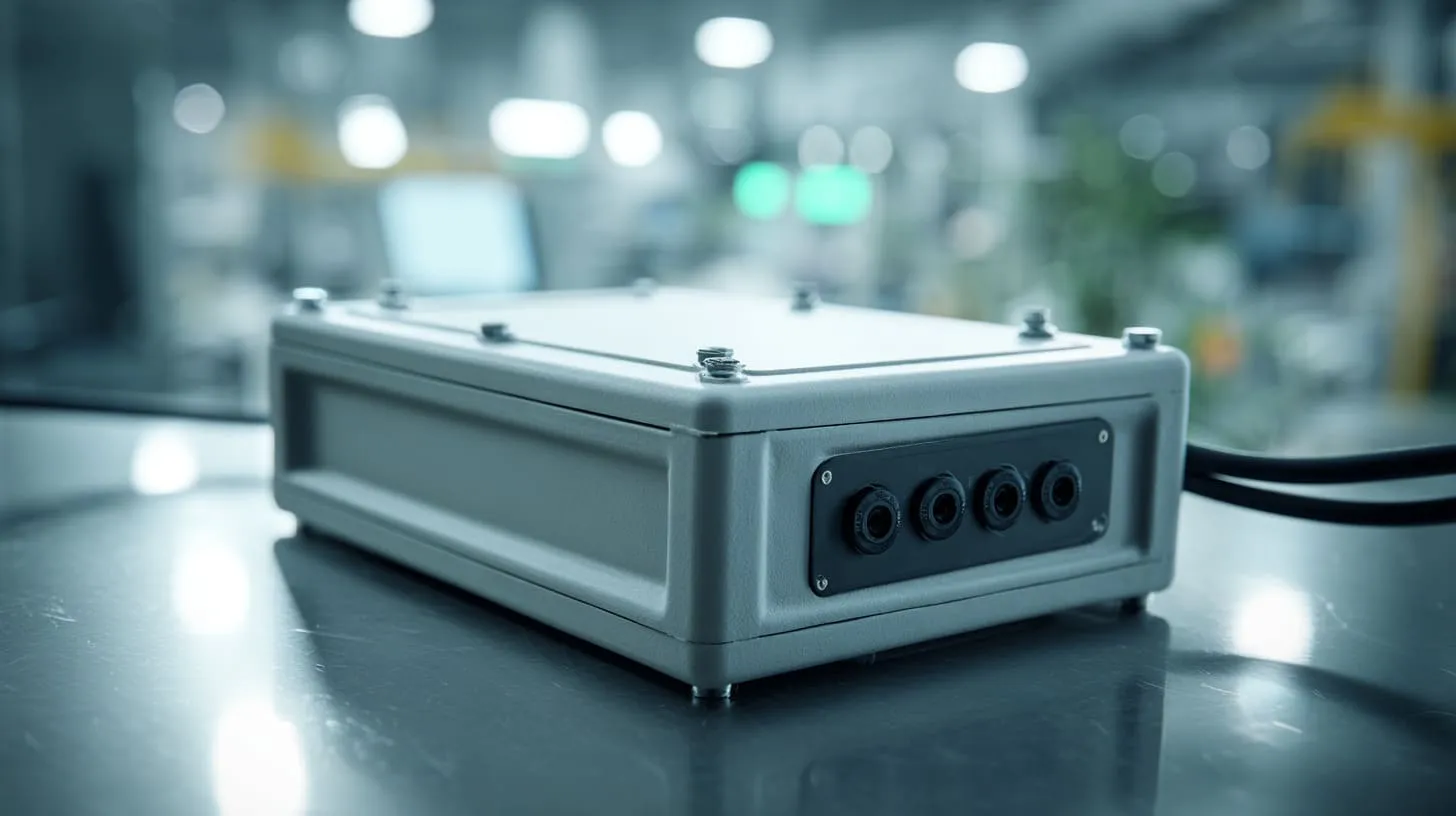
Safety questions are never silly. They are practical.
Is ABS food safe?
ABS is usually not approved for food contact.
That is why you rarely see it touching food directly. Other plastics are better suited.
Is ABS plastic toxic?
In normal use, ABS is safe.
Problems appear only if it burns. Burning plastic is never safe. That rule applies to all plastics.
RoHS and REACH compliance
Most industrial ABS materials meet RoHS and REACH standards. Buyers should still ask for documentation. Always.
Safety leads naturally to environment questions. Especially outdoor use.
Can ABS Plastic Be Used Outdoors?

Short answer: with care.
How ABS reacts to sunlight and weather
UV breaks down ABS over time. It is slow, but it is real.
UV-stabilized ABS options
UV-stabilized ABS exists. It costs more. It helps, but it is not magic.
When to choose alternative materials
For outdoor use, I often suggest:
- ASA
- Polycarbonate
- Aluminum
Sometimes ABS is close enough. Sometimes it is not.
Material choice always connects back to manufacturing.
How Is ABS Plastic Used in Manufacturing?
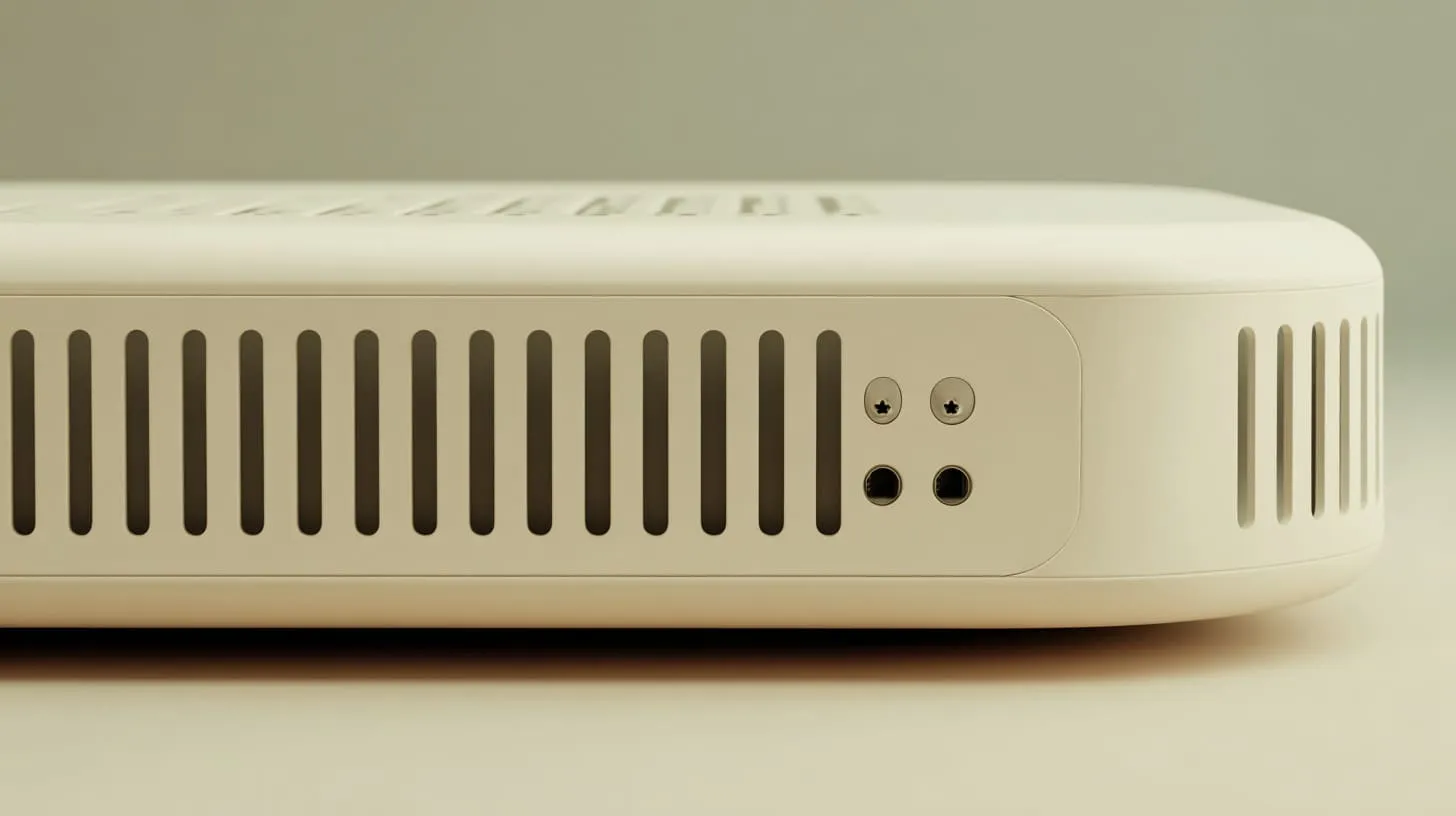
ABS fits many production paths.
Injection molded ABS parts
Best for high volume.
Low unit cost.
Stable quality.
CNC machined ABS parts
Great for prototypes and small batches. Fast changes. Low risk.
ABS sheet fabrication
Limited bending. Good for simple shapes. Not ideal for complex stress.
This flexibility explains why ABS appears so often in electronics.
Why ABS Plastic Is Popular in Electronic Enclosures
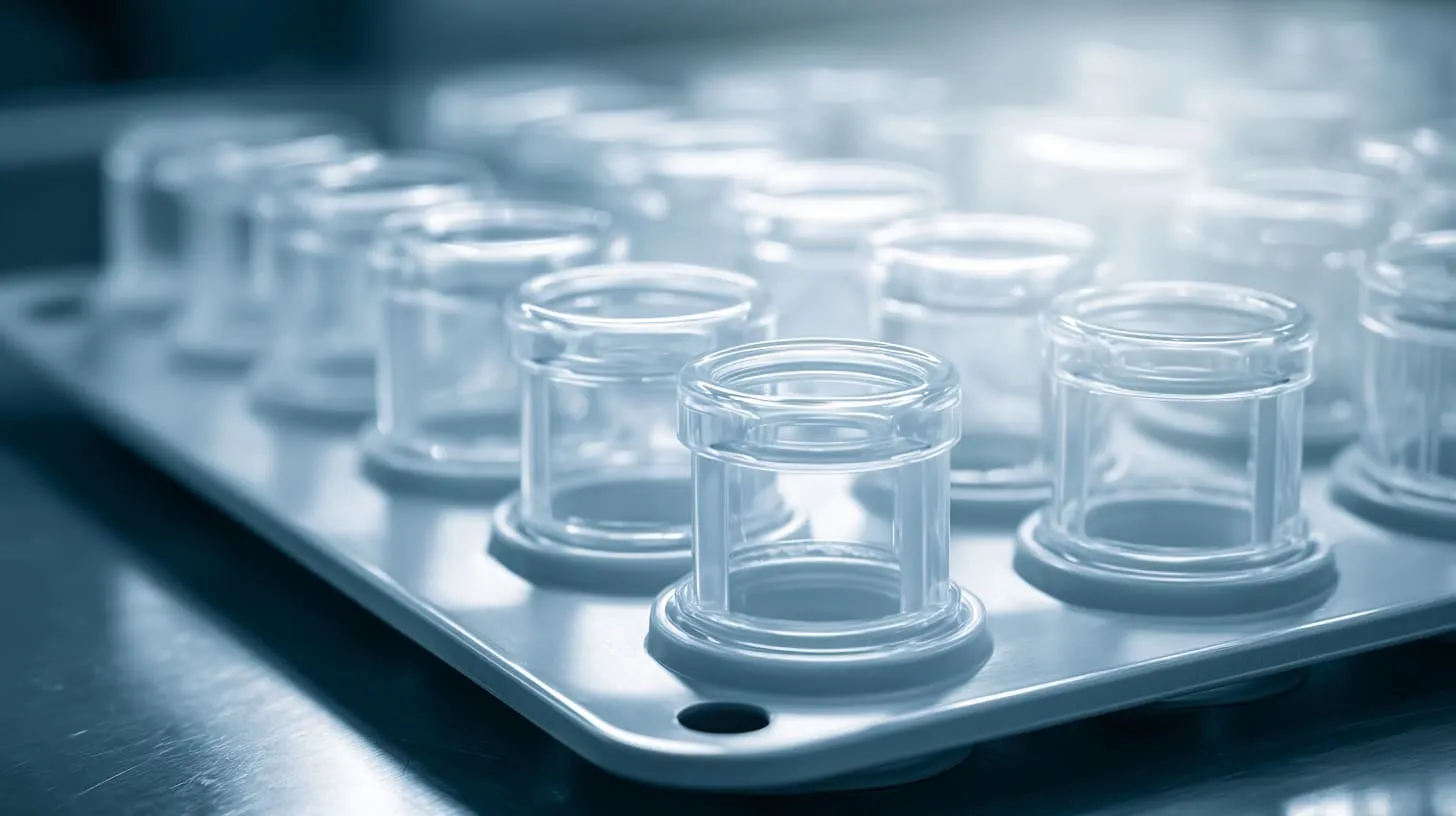
Electronics ask for balance. ABS provides that.
Electrical insulation advantages
ABS keeps users safe. Quietly.
Design flexibility for ports and vents
Complex shapes are easy. Vents, cutouts, curves.
Branding and surface finishing options
ABS supports:
- Painting
- Silk printing
- Laser marking
This matters for re-brand projects.
Comparisons help buyers decide faster.
ABS Plastic vs Other Common Plastics
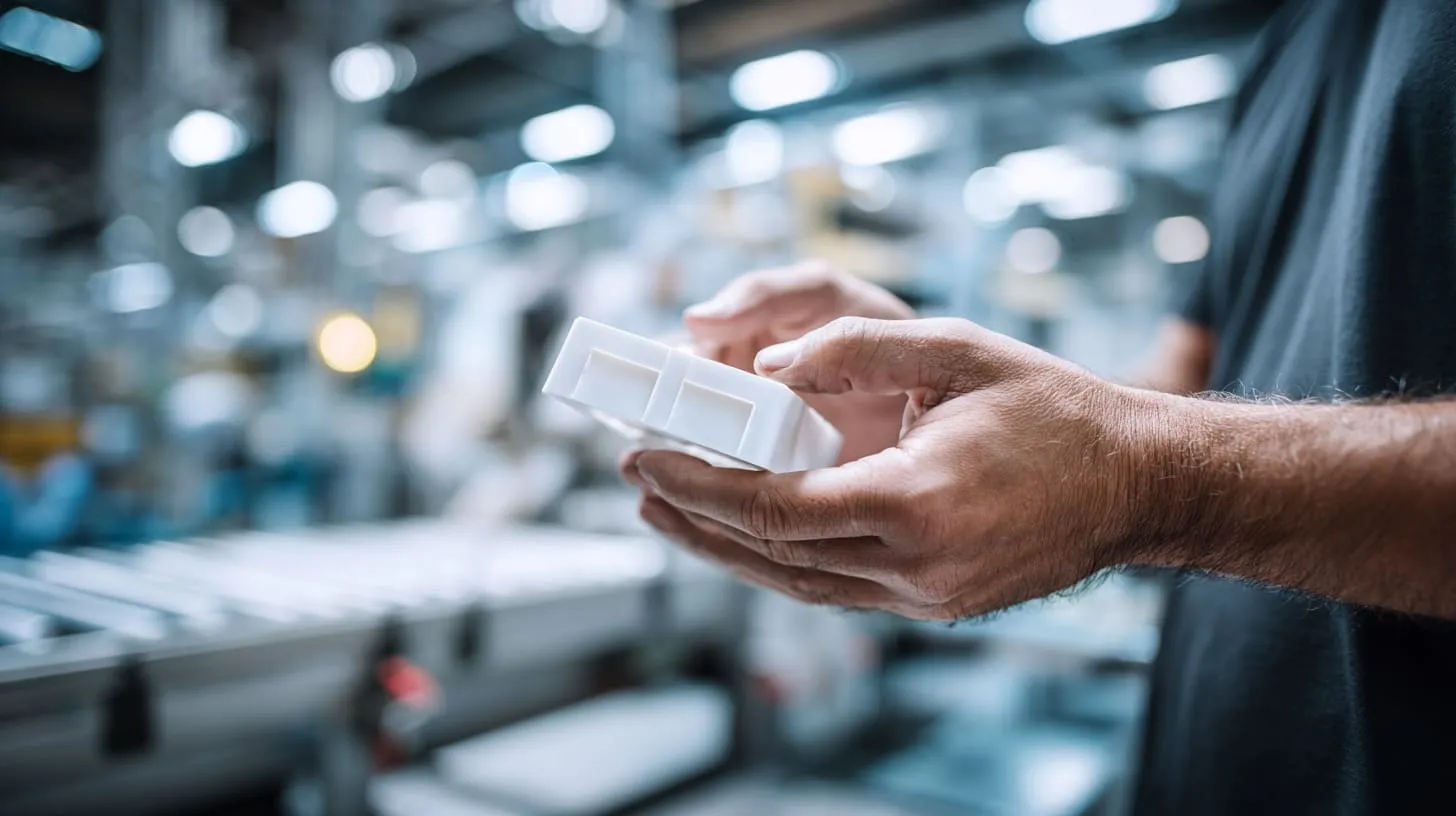
Quick comparison table
| Plastic | Strength | Heat | Cost | Typical Use |
|---|---|---|---|---|
| ABS | Medium | Medium | Low | Enclosures |
| PVC | Low | Low | Low | Pipes |
| PETG | Medium | Medium | Medium | Clear parts |
| Nylon | High | High | High | Mechanical parts |
Choosing by habit causes problems. Choosing by use case avoids them.
That brings us to the final decision step.
How to Choose the Right ABS Plastic for Your Project
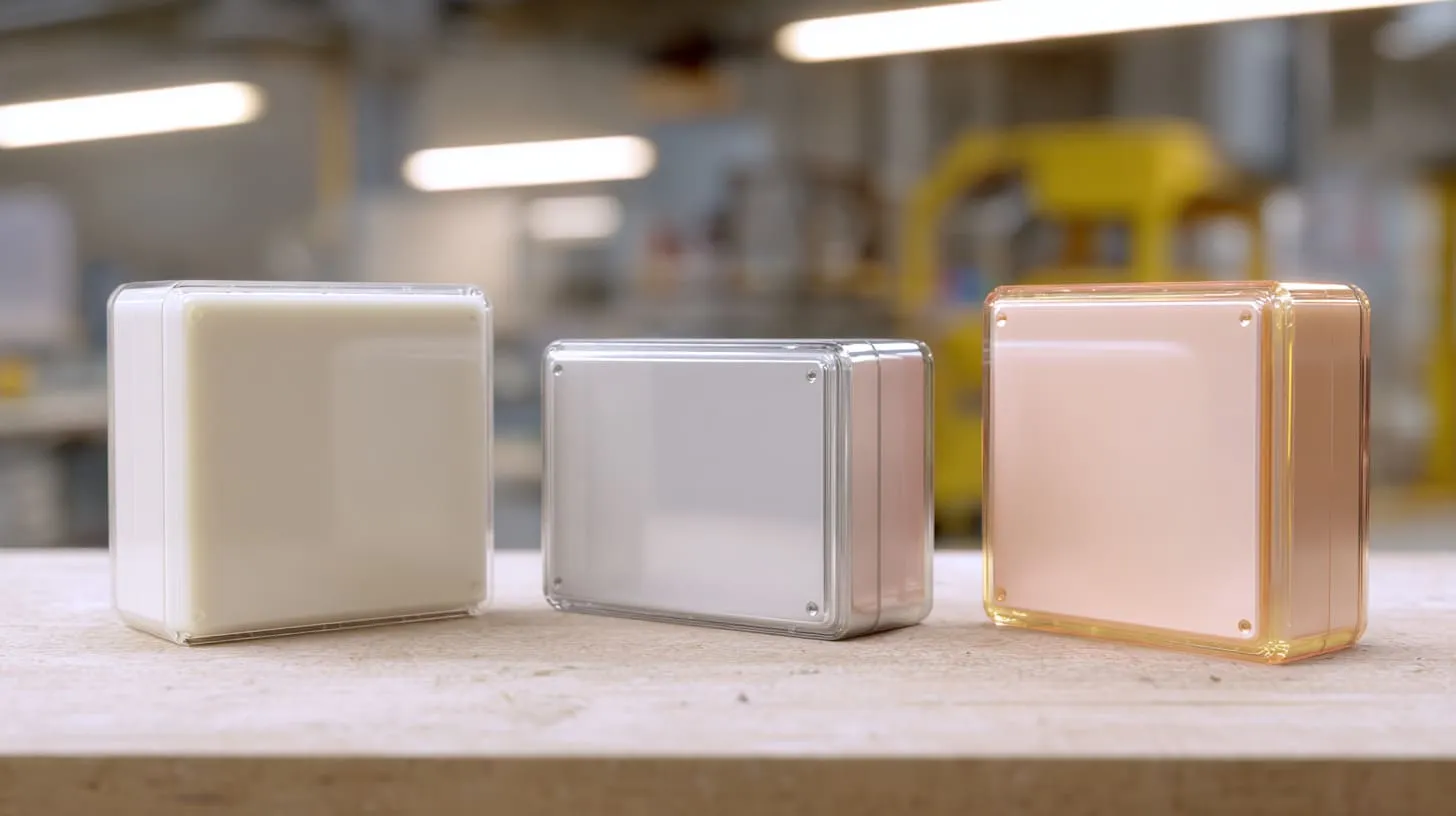
I guide buyers with simple questions.
Indoor vs industrial environment
Where will it live?
Load and impact expectations
Will it fall? Will it be kicked?
Heat and ventilation requirements
Is heat trapped?
Cost vs lifecycle expectations
Cheap now or stable long term?
Clear answers lead to clear material choices.
Conclusion
ABS plastic is not cheap plastic. It is practical plastic.
It works best when you respect its limits.
It fails quietly when you ignore them.
For many OEM enclosures, ABS is the right balance of cost, strength, and process. For others, it is a shortcut that creates problems later.
If you are unsure, ask before you lock the drawing. A short conversation early saves redesigns later. If you want a second opinion on material choice, I am always happy to look at your project and talk it through.