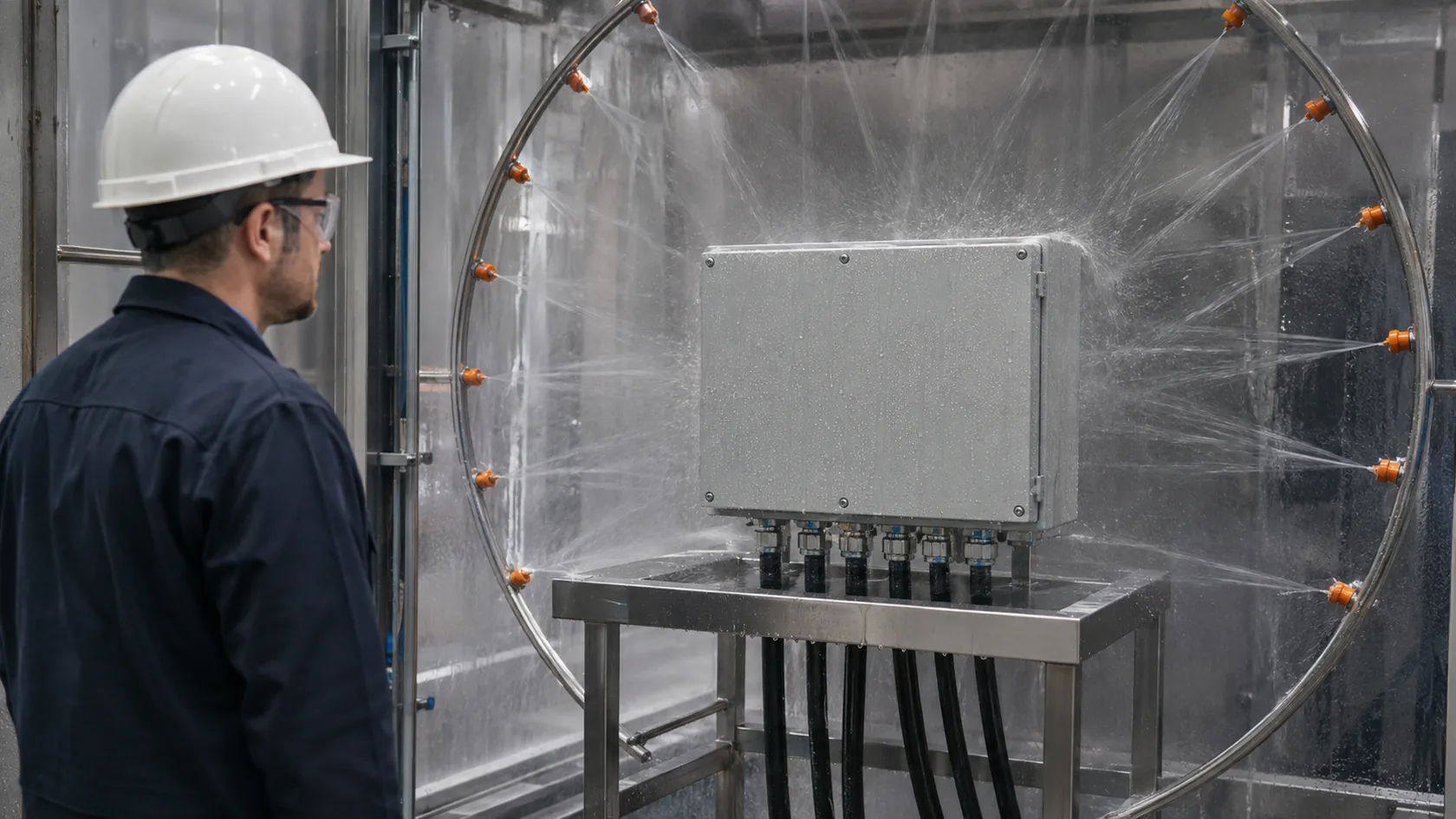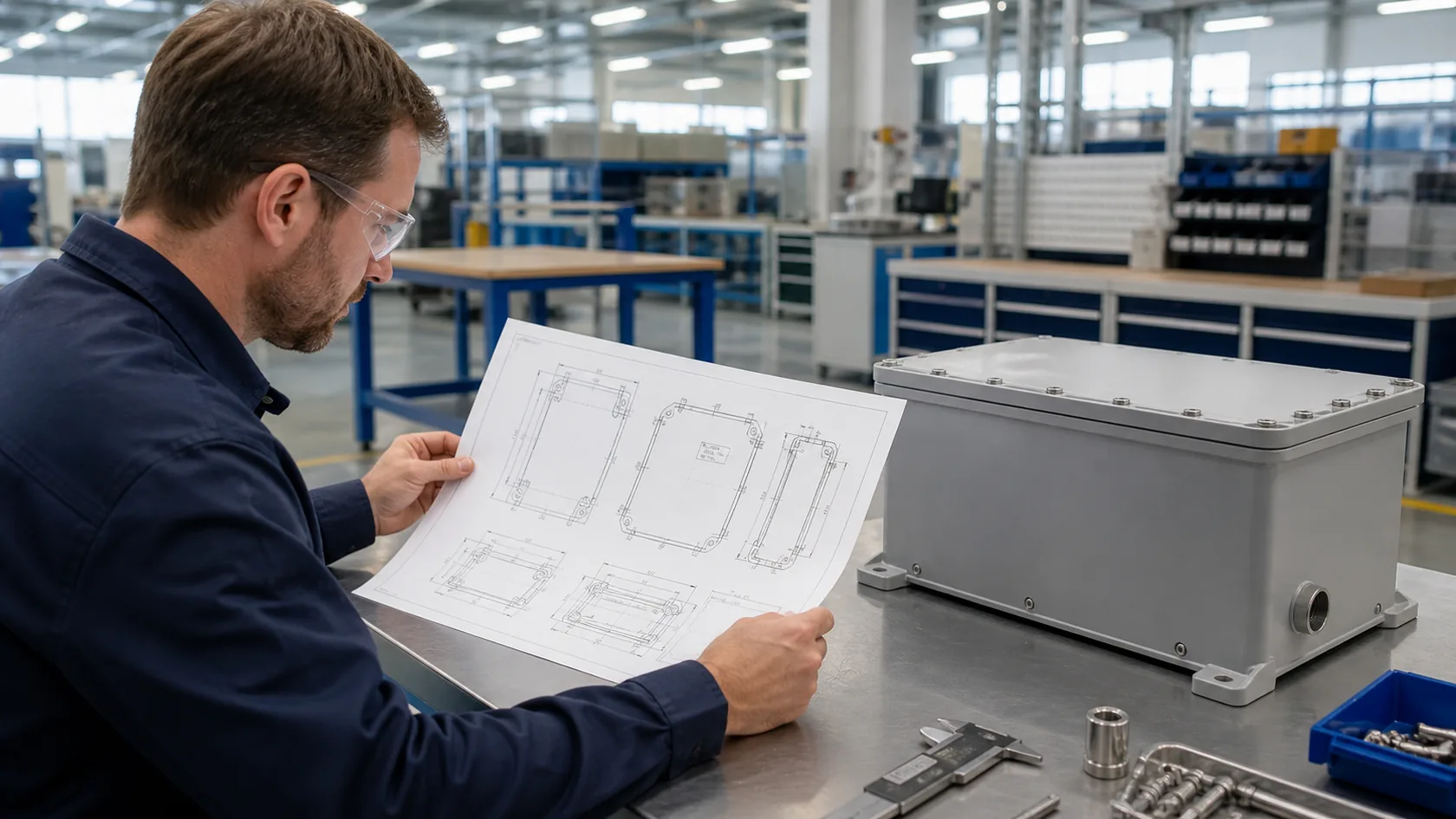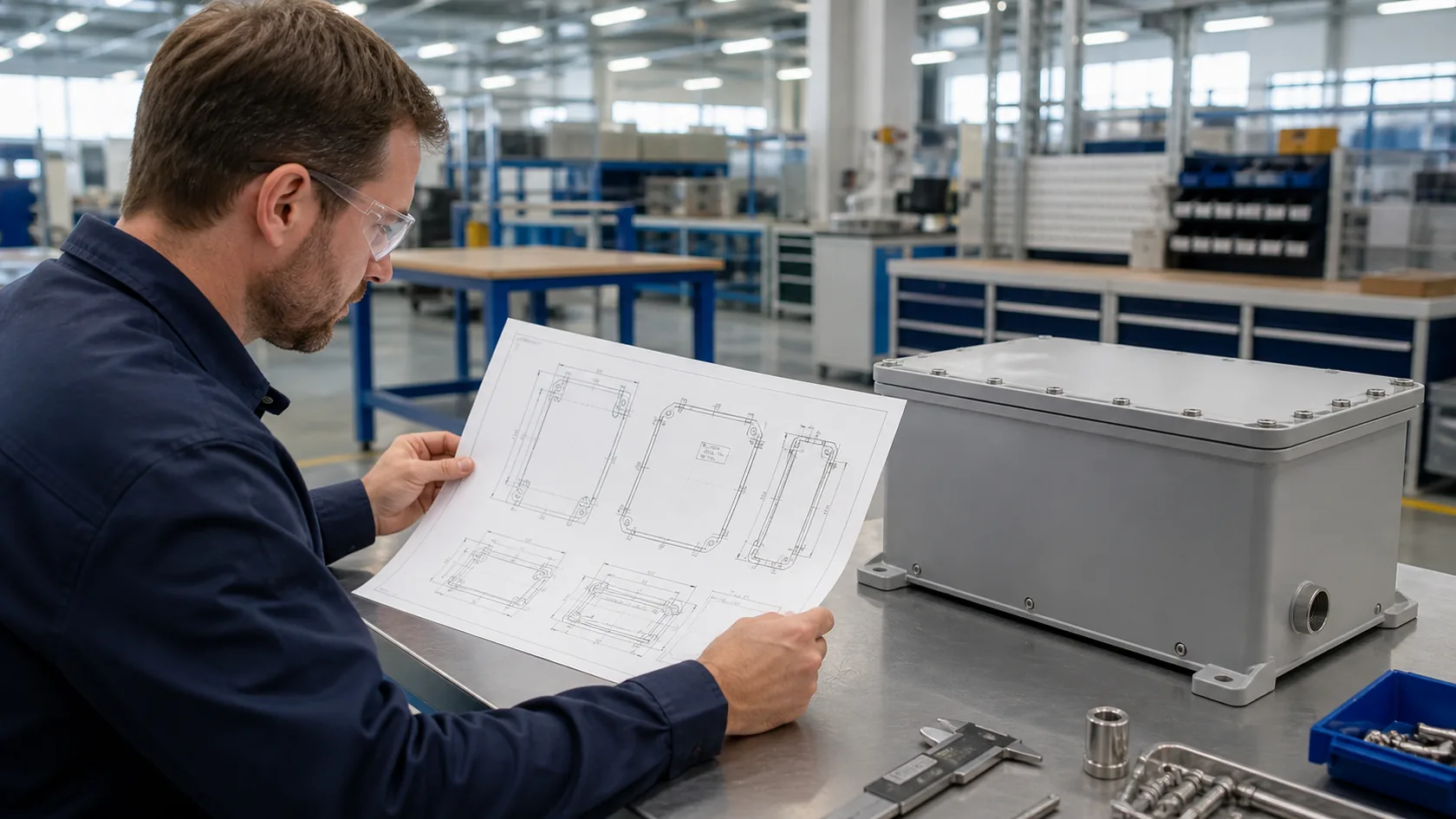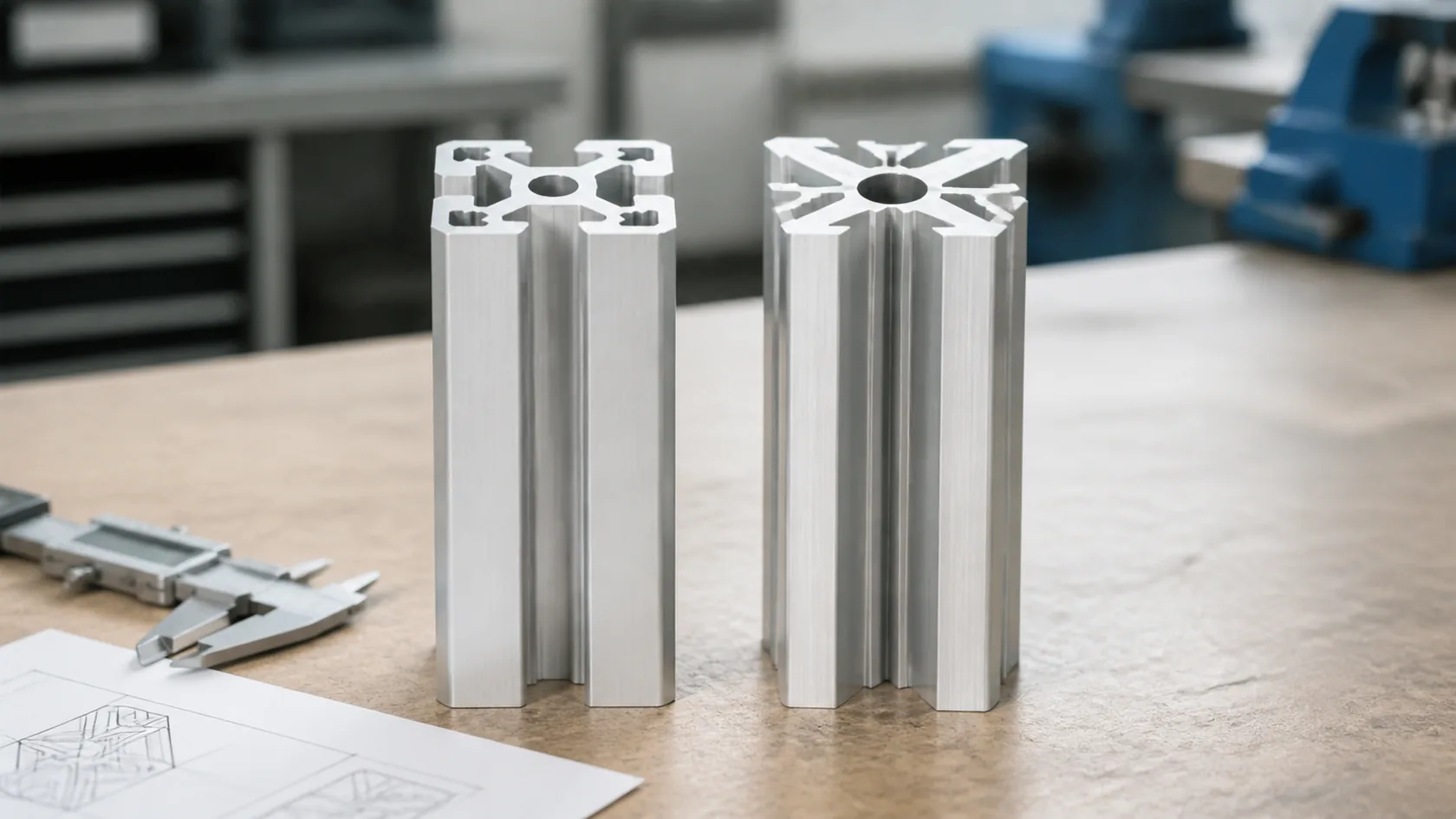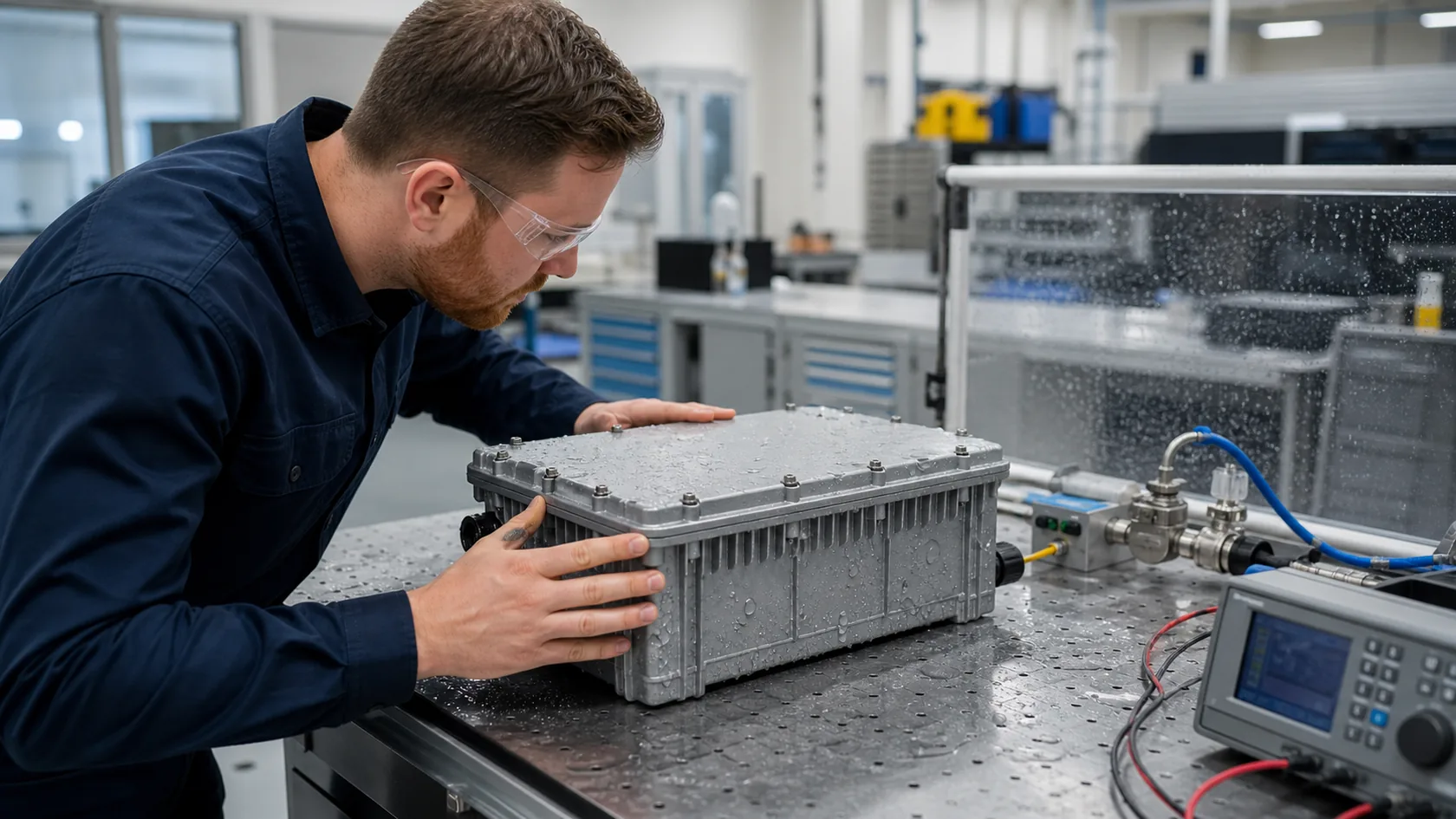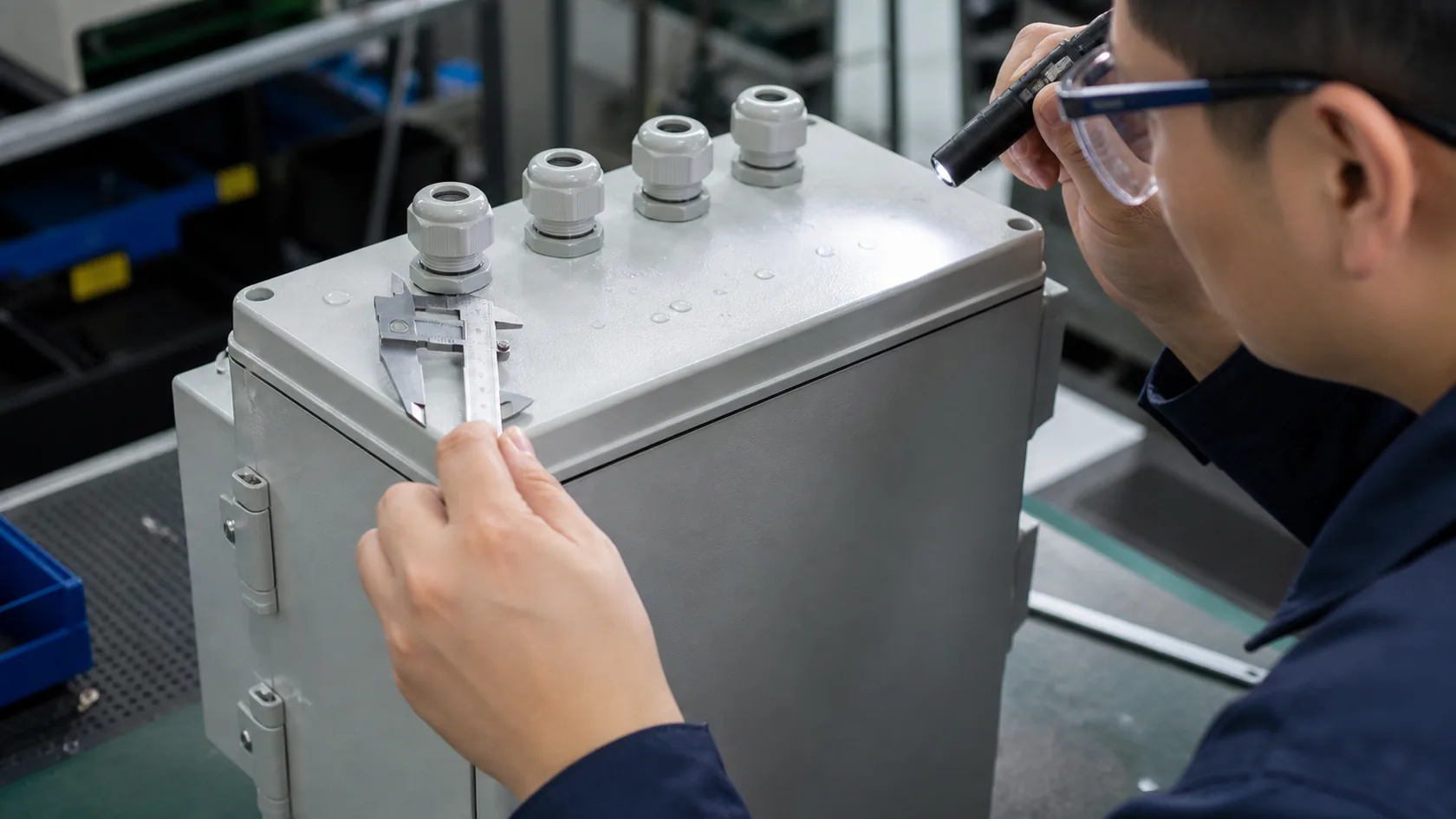
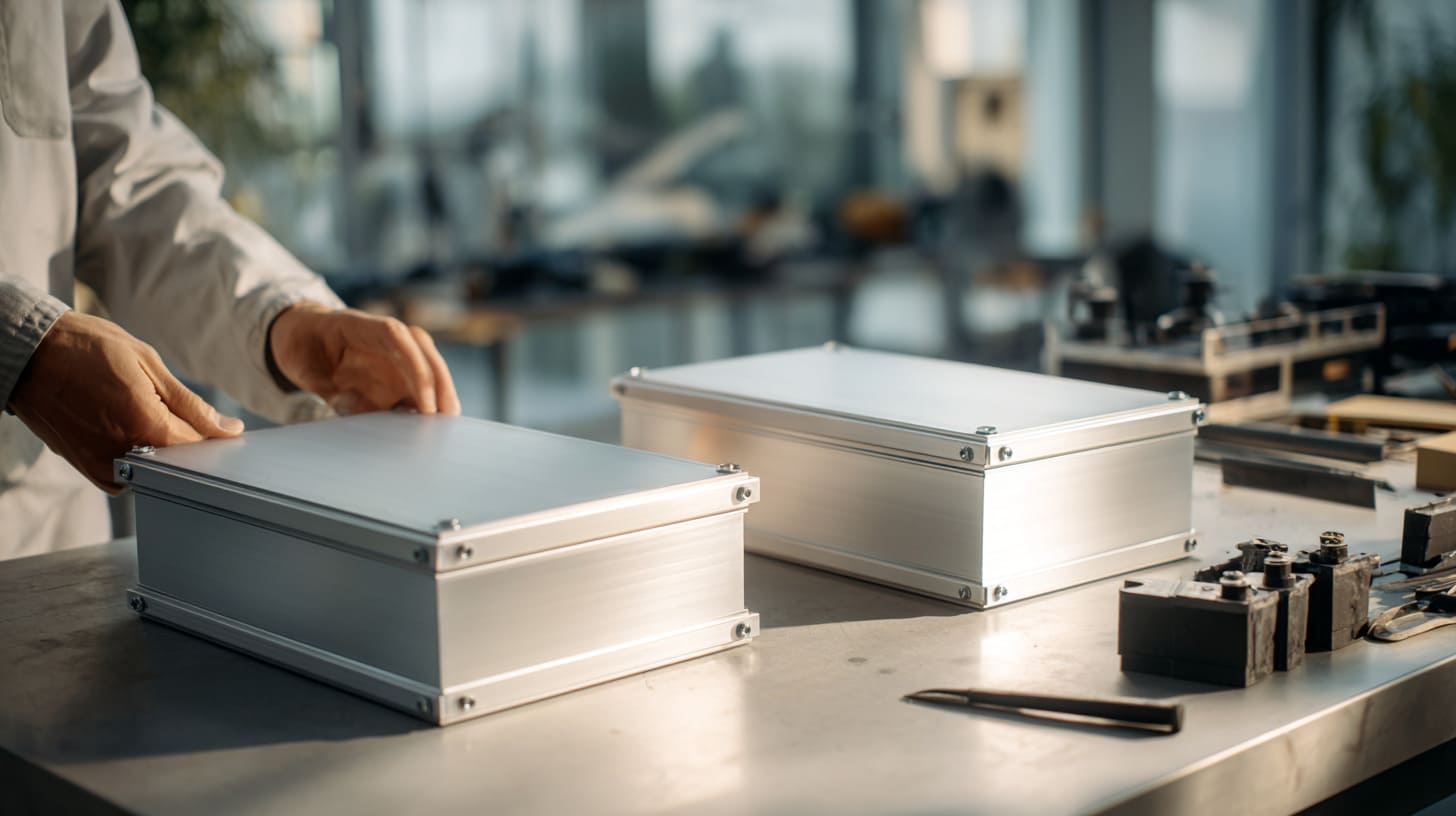
It usually starts with a question — quiet, practical, and often overlooked: “Where will this box actually go?” Not just the room or wall. I mean, really go — next to a machine blowing dust? Outside a warehouse in winter? Or tucked neatly into a dry, clean cabinet?
For me, these aren't just hypothetical questions. They're part of my daily rhythm as I help product engineers, project leads, and buyers figure out which enclosure can survive their environment — and which one can't.
That’s where NEMA ratings come in. They aren’t just technical labels. They’re how we match protection to reality. NEMA 1 and NEMA 3 are two of the most common, but also the most confused. One is designed for calm, clean, indoor zones. The other? It’s ready for a bit of wind, water, and weather.
When we get these decisions wrong, we pay for it later. I’ve seen it in the form of corroded terminals, tripped breakers, or customer complaints about wet boxes that should’ve stayed dry.
So let’s take a walk through what these two ratings really mean — and how I personally decide which one belongs where.
2. What is a NEMA 1 Enclosure
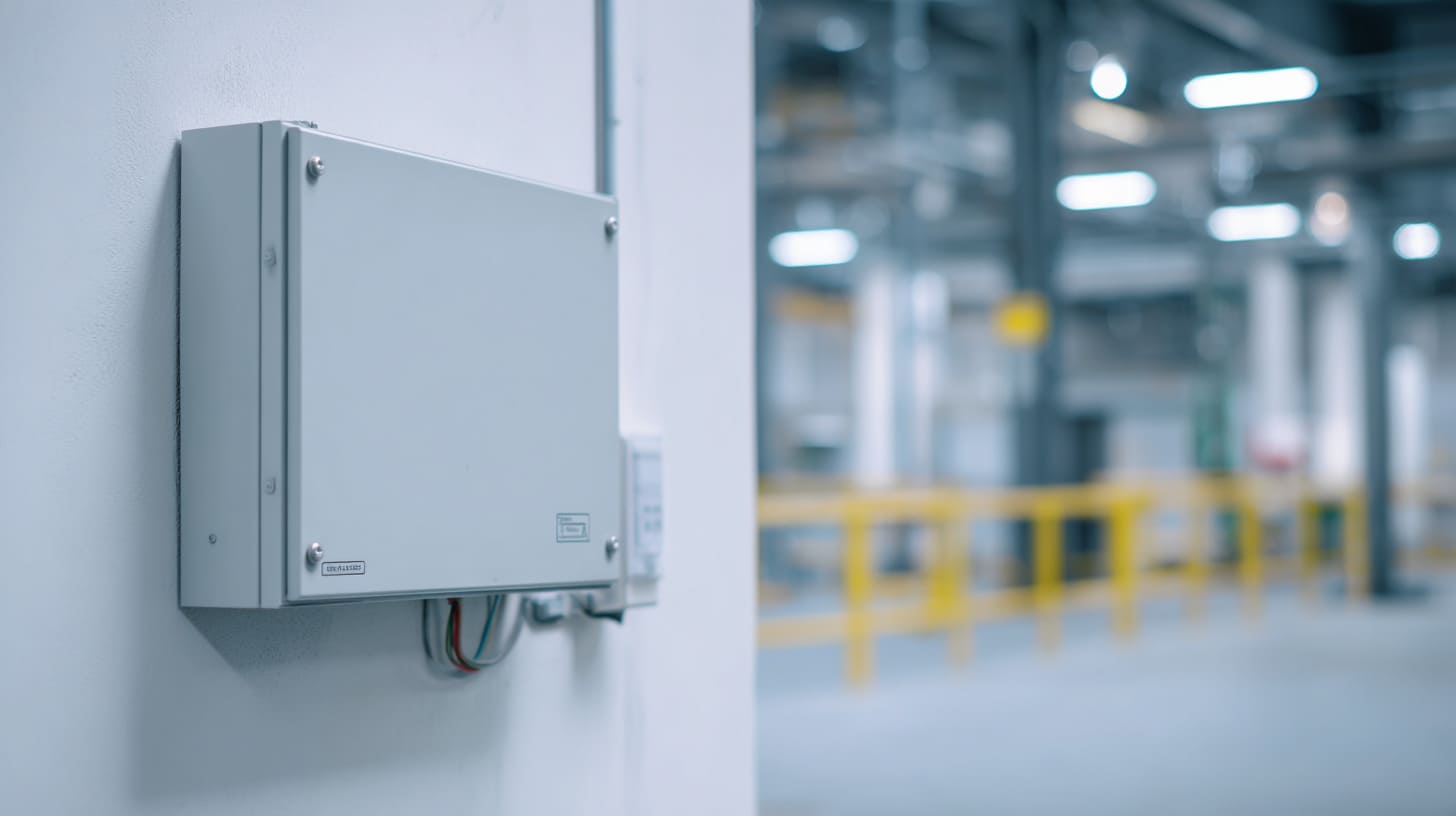
When I talk to engineers like Jackson from Belgium, they often start with NEMA 1. It’s the “default” choice inside many indoor setups.
In practice, the biggest mistake I see is choosing NEMA 1 simply because it’s cheaper, without checking if moisture or dust could enter from machinery or ventilation fans.
2.1 Overview of NEMA 1
NEMA 1 enclosures are designed for basic protection. They guard against accidental contact with live parts and keep out large foreign objects like tools or debris. But they are not weatherproof or dust-tight.
- Indoor-use only
- Protects from accidental contact
- Not made for moisture, dust, or liquids
You will often find NEMA 1 boxes in electrical rooms and equipment cabinets.
2.2 Key Features
Let’s look at what NEMA 1 actually protects against:
- Accidental contact with internal parts
- Falling dirt and non-threatening solids
- Basic touch protection
And what it doesn’t protect against:
- Moisture
- Fine dust
- Outdoor elements
- Oil or chemical sprays
2.3 Typical Materials and Construction
Here’s a quick breakdown of typical NEMA 1 enclosure builds:
| Material | Use | Strength |
|---|---|---|
| Steel | Indoor control panels | Strong, cost-effective |
| Aluminum | Indoor machined cabinets | Lightweight, rust-resistant |
| Plastic | Simple electrical housings | Cheapest, limited strength |
Because these boxes aren’t meant for wet environments, they usually have no gasket seals or special closure systems.
2.4 Common Applications
Typical places you’ll see NEMA 1 boxes:
- Office or factory control cabinets
- Indoor machine control panels
- Breaker panels inside buildings
Once you understand the limits, you start to see why NEMA 1 shows up everywhere indoors.
Now that you know what NEMA 1 is, let’s see what happens when we expose an enclosure to outdoor weather and tougher conditions. Ready to explore NEMA 3?
3. What is a NEMA 3 Enclosure
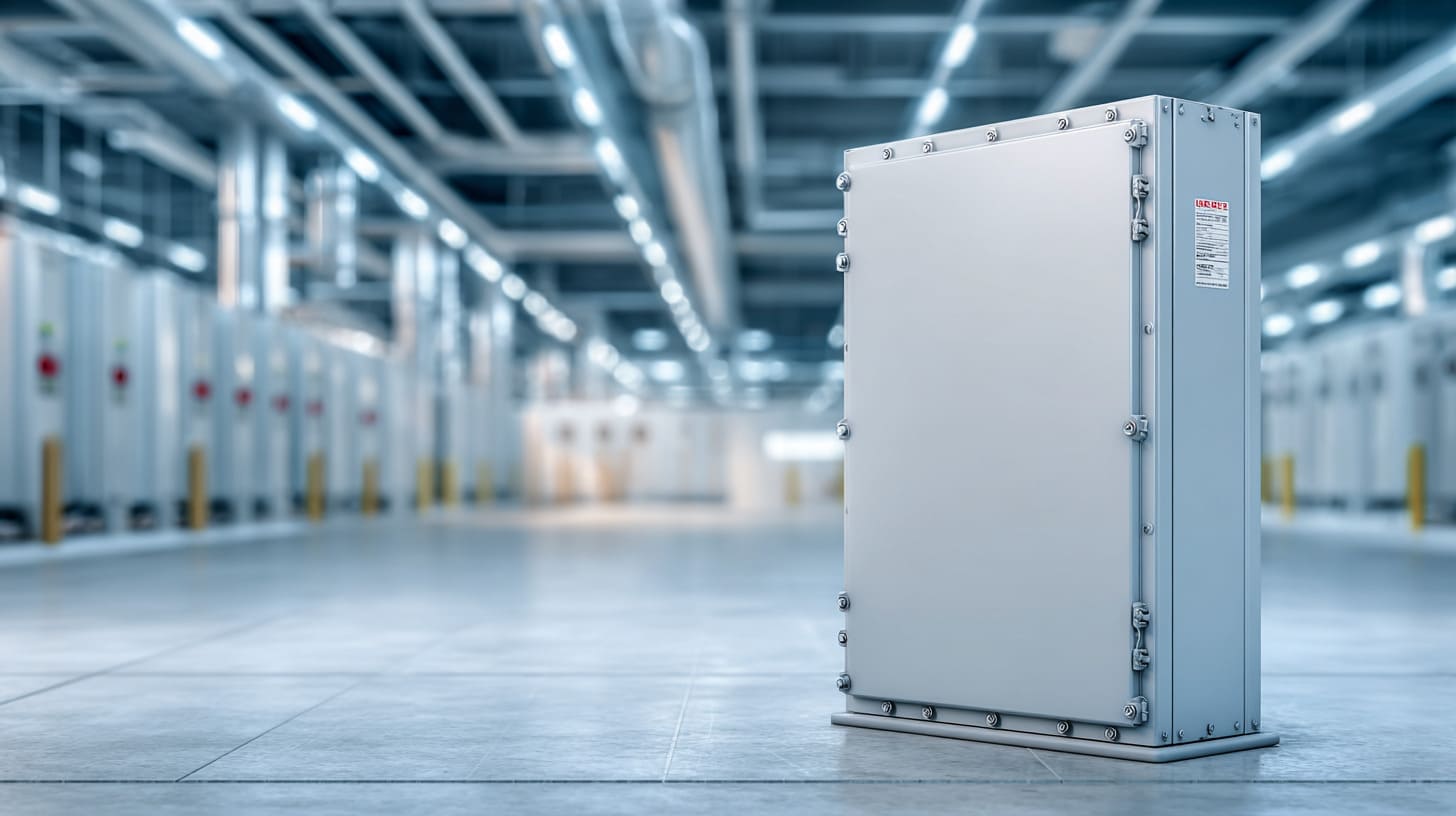
When a project moves outside the building, I always switch gears and look at NEMA 3 or higher. Outdoor weather is unpredictable—sun, rain, hail, snow, dust storms—each one puts pressure on your enclosure choice.
I always remind my team: outdoor exposure is not a “nice-to-have” feature—it's a mandatory evaluation. If you skip it, you’re inviting failure later.
3.1 Overview of NEMA 3
NEMA 3 enclosures are built for indoor and outdoor use. They offer better protection from the elements:
- Rain
- Snow and sleet
- Windblown dust
But that doesn’t mean they are waterproof like a submarine. They resist weather, not pressure washing.
3.2 Protection and Environmental Resistance
Here’s what NEMA 3 handles well:
- Keeps rain and sleet out
- Protects equipment from external ice formation
- Resists windblown dust
What it doesn’t protect against:
- High-pressure water sprays
- Full dust tightness
This makes NEMA 3 a good fit for outdoor junction boxes and power distribution points.
3.3 Subtypes and Variants
There are variants of NEMA 3 that add features:
- 3R – Rainproof
- 3RX – Rainproof + corrosion resistance
- 3S – Rainproof + operable with ice build-up
- 3SX – Same as 3S + stronger wind pressure tolerance
These options matter when you’re dealing with coastal environments or heavy snow.
3.4 Typical Materials and Construction
NEMA 3 enclosures are built tougher:
- Weatherproof seals
- Rain shields over vents
- Stronger hinges and latches
They can be heavier and cost more, but they earn that cost through durability.
3.5 Common Applications
You’ll see NEMA 3 enclosures in:
- Outdoor electrical panels
- Utility connection boxes
- Construction site power distribution
Now that we’ve explored each type, let’s compare them side by side.
4. NEMA 1 vs NEMA 3: Detailed Comparison
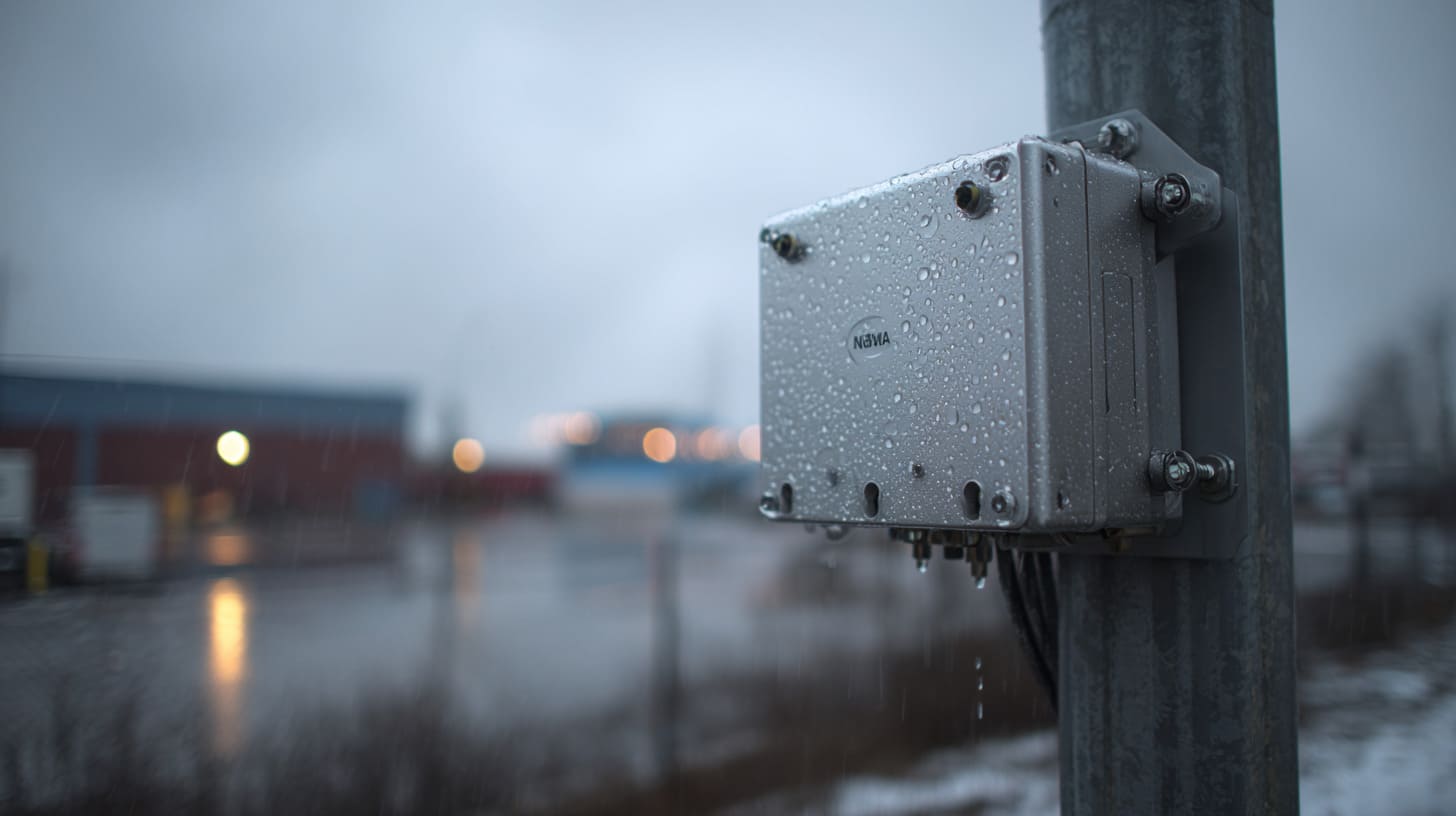
When comparing NEMA 1 and NEMA 3, the question is simple: Where will the enclosure live?
I’ve lost count of the times people underestimate dust or moisture. It always shows up in failure reports later.
4.1 Indoor vs Outdoor Use
- NEMA 1: Indoor only
- NEMA 3: Indoor and outdoor
If an enclosure will see any outdoor exposure, NEMA 3 is almost always the safer choice.
4.2 Environmental Protection
Here’s what each rating handles:
- Dust Protection:
- NEMA 1: Limited
- NEMA 3: Resists windblown dust
- Moisture Resistance:
- NEMA 1: No protection
- NEMA 3: Keeps rain and sleet out
4.3 Material Durability and Construction Standards
NEMA 3 boxes are tougher. They use better seals, thicker builds, and extra hardware. This matters when environments get harsh.
4.4 Cost Considerations
NEMA 3 usually costs more than NEMA 1. The extra cost pays for weatherproof sealing, better materials, and stronger hardware.
4.5 IP Rating Equivalent (Optional Reference)
Sometimes people compare NEMA to IP ratings. It’s a rough guide but can help when working with international projects.
4.6 Protection Summary Table
| Feature | NEMA 1 | NEMA 3 |
|---|---|---|
| Indoor Use | ✔ | ✔ |
| Outdoor Use | ✘ | ✔ |
| Rain/Sleet Resistance | ✘ | ✔ |
| Windblown Dust | ✘ | ✔ |
| Water Tight / Washdown | ✘ | ✘ |
| Ice Resistance | ✘ | ✔ |
Before we choose, let’s talk about how to make that choice smartly.
5. How to Choose Between NEMA 1 and NEMA 3
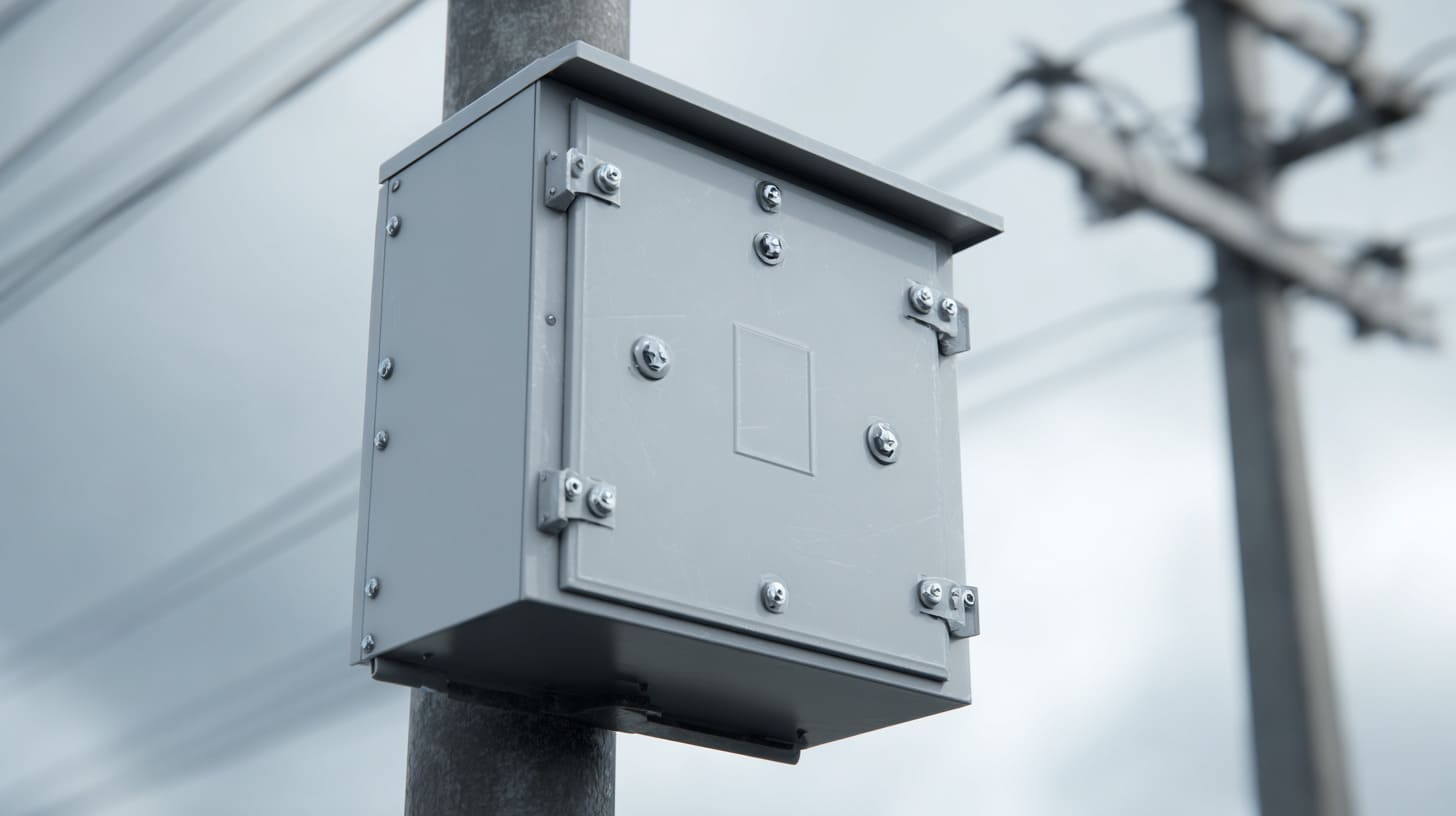
Choosing the right NEMA rating feels simple, but it's really a risk management decision.
What I often point out to buyers is that the lowest bid upfront can become the highest cost later when service calls and replacements start piling up.
5.1 Project Environment
Think about where the enclosure will live:
- Indoors with controlled air? NEMA 1 may work.
- Outdoors with sun, rain, or dust? NEMA 3 is almost always safer.
5.2 Regulatory and Safety Considerations
Some industries require specific ratings by code. Always check local rules before buying.
5.3 Equipment Lifespan & Durability Needs
Exposure to weather shortens equipment life. A higher rating can extend life and cut maintenance.
5.4 Cost-Benefit Analysis
A NEMA 3 might cost more upfront, but it can save money on failures, replacements, and downtime.
Next, let’s look at materials and customization options that matter for your specific projects.
6. Material and Customization Options
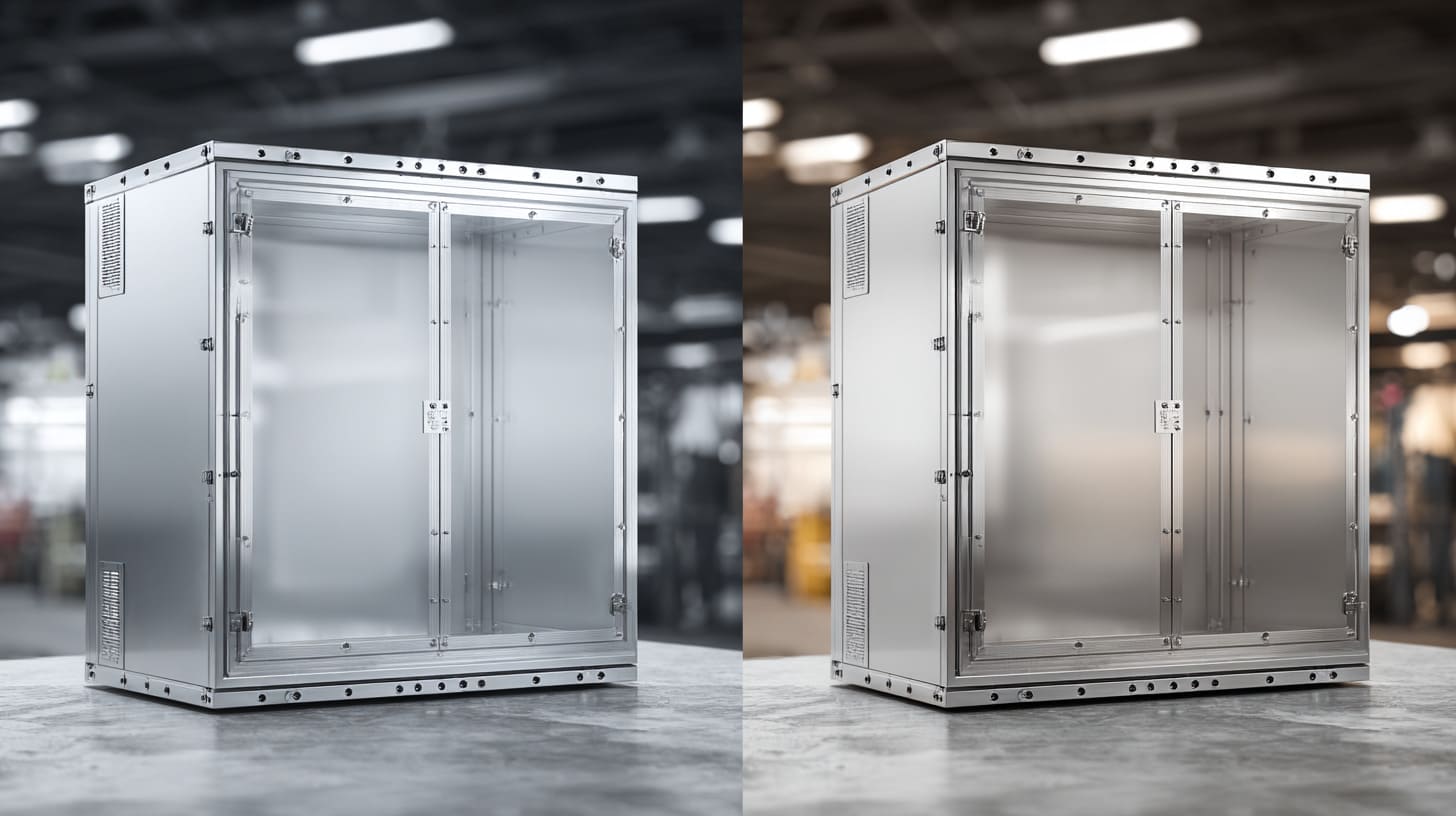
When clients ask me about options, they usually want to know: Can I make this my own? The answer is yes — and the choices matter.
I always tell engineers: material choice can be more important than rating when you know your environment well.
6.1 Metal vs Plastic Enclosures
Here’s how common materials compare:
| Material | Strength | Weather Resistance | Cost |
|---|---|---|---|
| Aluminum | High | Good | Mid |
| Steel | Very High | Rust risk without coating | Mid |
| Plastic | Moderate | Good in some types | Low |
| Fiberglass | High | Excellent | Higher |
Aluminum is my go-to when you need strength, corrosion resistance, and light weight.
6.2 Custom Logo and OEM/ODM Capabilities
Branding matters. At MaidaTech, we help clients add their logo or engraving. It’s not just aesthetics. It strengthens your identity and protects your product.
6.3 Factory Capabilities & Production Lead Times
I’ve learned over the years that lead times can make or break a project. Prototyping first, then ordering bulk, keeps timelines on track. Good communication is key.
Now let’s look at real use cases where these decisions matter.
7. Industry Use Cases & Examples

Real projects bring clarity.
One time, a utility company in Scandinavia switched from NEMA 1 indoors to NEMA 3 outdoors only after seeing repeated moisture issues. The ROI was almost immediate.
7.1 Industrial & Manufacturing Sites
Outdoor control systems need NEMA 3 to keep out rain and dust.
7.2 Utility & Power Distribution
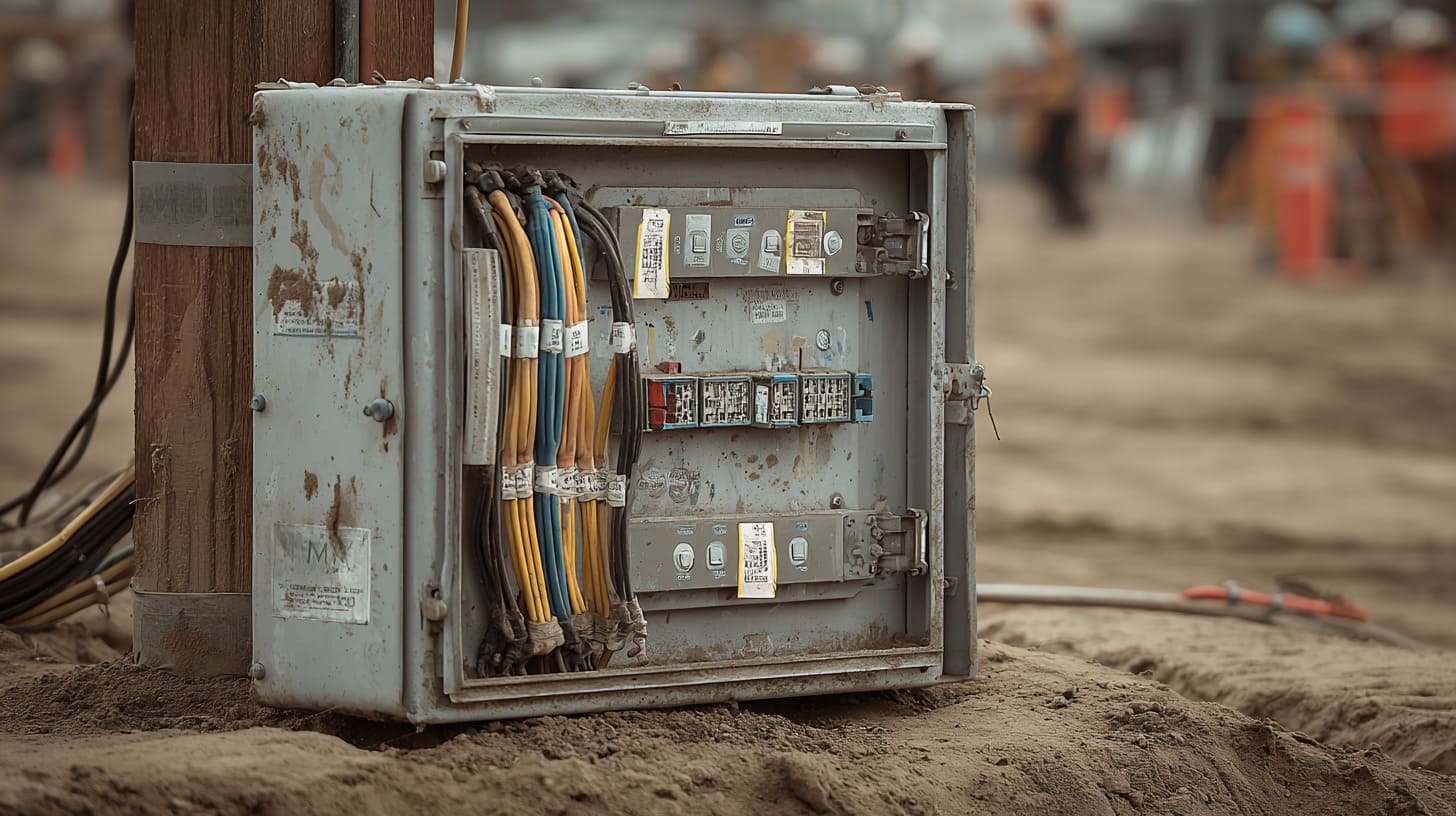
Power boxes on construction sites face weather every day. NEMA 3 or higher keeps them running.
7.3 Commercial Indoor Control Panels
Inside buildings on clean factory floors? NEMA 1 often does the job well and costs less.
Finally, let me share why I think this comparison matters.
8. Conclusion
When I look at NEMA 1 vs NEMA 3 today, I see the same basic truth.
I choose based on risk, environment, and long-term value. I don’t just read a number — I ask questions: Where will this live? What weather will it see? What happens if it fails?
Over years of serving clients like David, Jackson, and John, I’ve learned that a smart enclosure choice saves money, time, and frustration.
If you are designing or specifying enclosures for your next project, start with real use conditions first, not just price tags. And if you need help choosing or customizing the right enclosure — including adding your logo and specific tweaks — reach out to me at info@maidatech.com or visit maidatechenclosure.com.
Choosing the right enclosure is more than standards — it’s about protecting what matters.