Skip to content

The question usually comes up in the middle of a project. A drawing looks finished. The environment sounds “outdoor enough.” Then someone pauses and asks, “Should this be Type 3R—or something else?”
A Type 3R enclosure protects electrical components from rain, sleet, and ice, but not from water jets or corrosive environments.
That answer feels clear, yet it rarely ends the discussion. Because once you look closer at where the enclosure will live, the rating suddenly matters a lot more than it first appears.
What is the difference between Type 4 and 3R?
When people say “outdoor enclosure,” they often assume it means “Type 4.” But that’s not always true.
Type 4 enclosures protect against water jets and corrosion; Type 3R enclosures don’t.

Protection level matters
| Feature | Type 3R | Type 4 |
|---|---|---|
| Rain/Snow Resistance | ✅ Yes | ✅ Yes |
| Hose-Directed Water | ❌ No | ✅ Yes |
| Corrosion Resistance | ❌ Not required | ✅ Required |
| Gasket Seal | Basic | Heavy-duty |
If you’re using an enclosure in a car wash facility or chemical plant, Type 4 is your friend. But for a power box on a garden wall? Type 3R may be all you need.
What is the difference between 3 and 3R?
They sound like siblings—but one wears a raincoat.
Type 3 enclosures resist windblown dust and rain; Type 3R only focuses on rain and sleet.

A closer look at the differences
- Type 3: Full outdoor protection, including dust.
- Type 3R: Stripped-down version—less expensive and skips dustproofing.
In many residential or light commercial setups, 3R gets the job done at a better price.
What is the type rating for an enclosure that is rated type 3R?
Every NEMA rating has its own checklist.
A Type 3R enclosure must resist rain, sleet, external ice, and provide basic safety for personnel.

It’s like a lightweight rain jacket—great for showers, but not a hurricane.
Is NEMA 3R stainless steel?
Ah, the material myth.
No, NEMA 3R is a protection rating, not a material type.
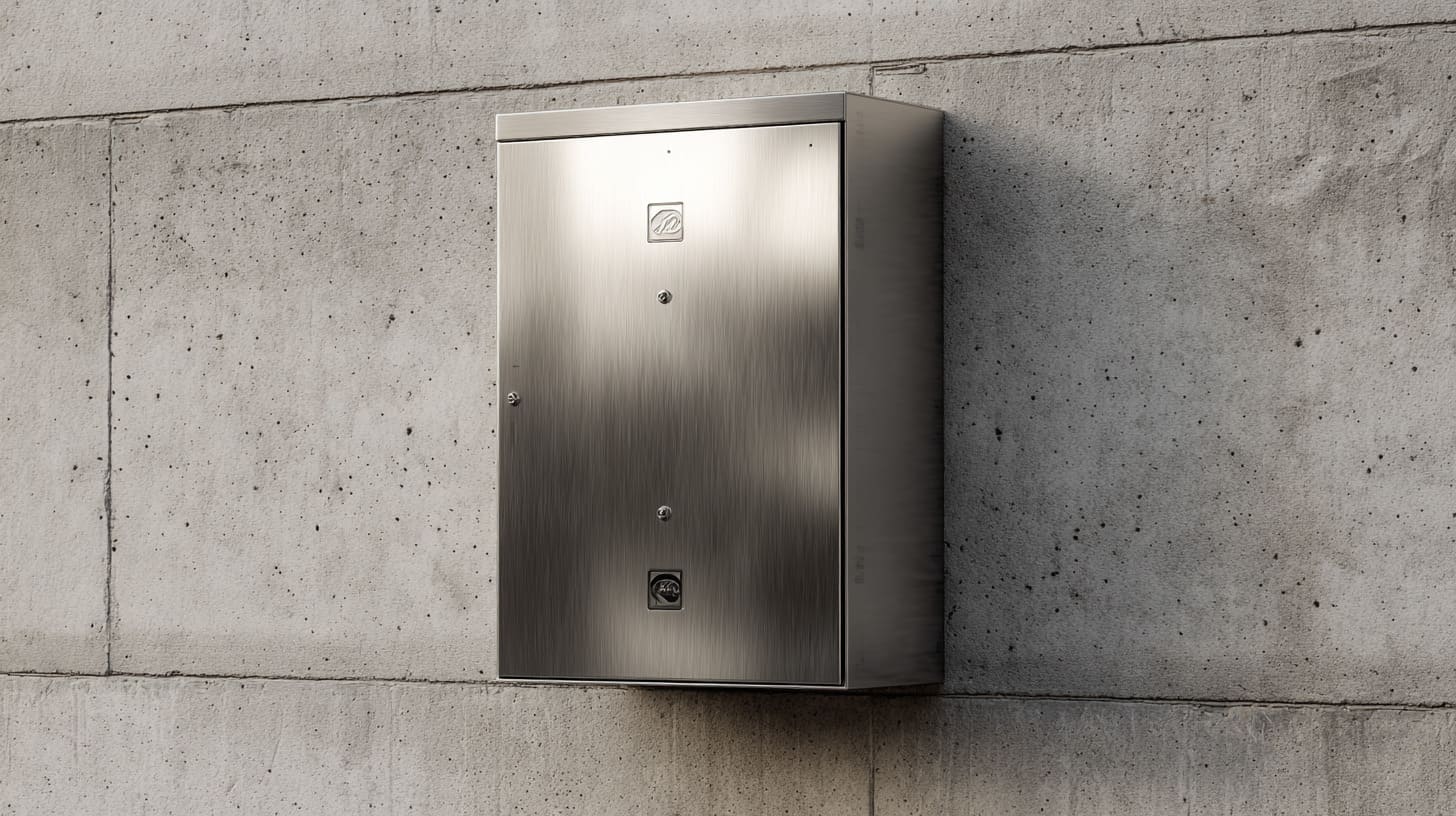
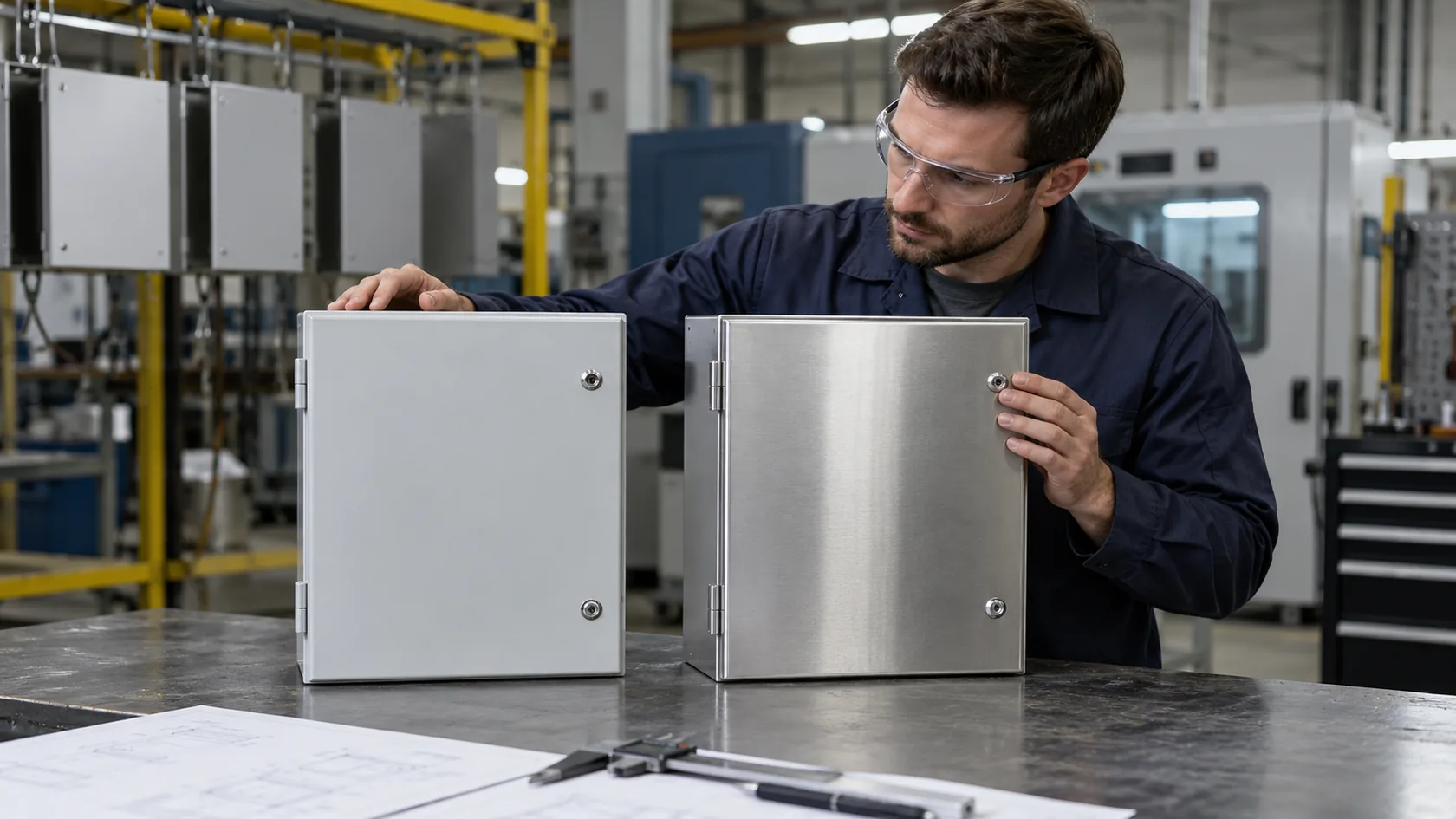
You can absolutely build a 3R enclosure from stainless steel—but you can also make it from aluminum or polycarbonate. The rating isn’t about what it’s made of, but what it can withstand.
What is the difference between 3R and 12?
Now we’re talking indoor vs outdoor.
Type 3R is for outdoor weather; Type 12 is for indoor dust and drip resistance.
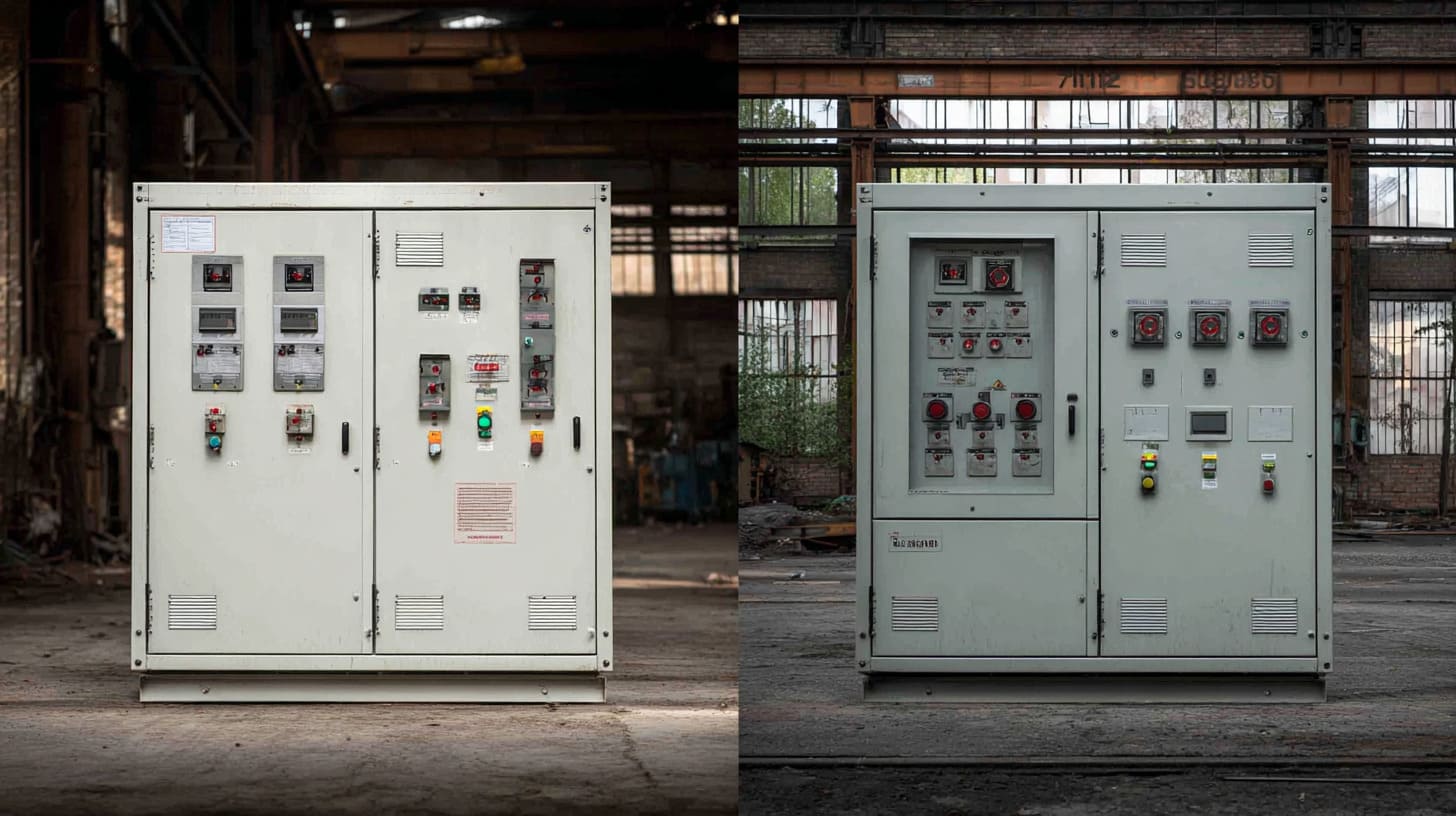
A factory control panel might need Type 12. An electrical meter on your garage wall? Probably 3R.
What makes a Type 3R enclosure different from Type 1 or Type 3?
It sits right in the middle.
Type 1 is indoor-only; Type 3R adds basic weather protection without full dust resistance like Type 3.
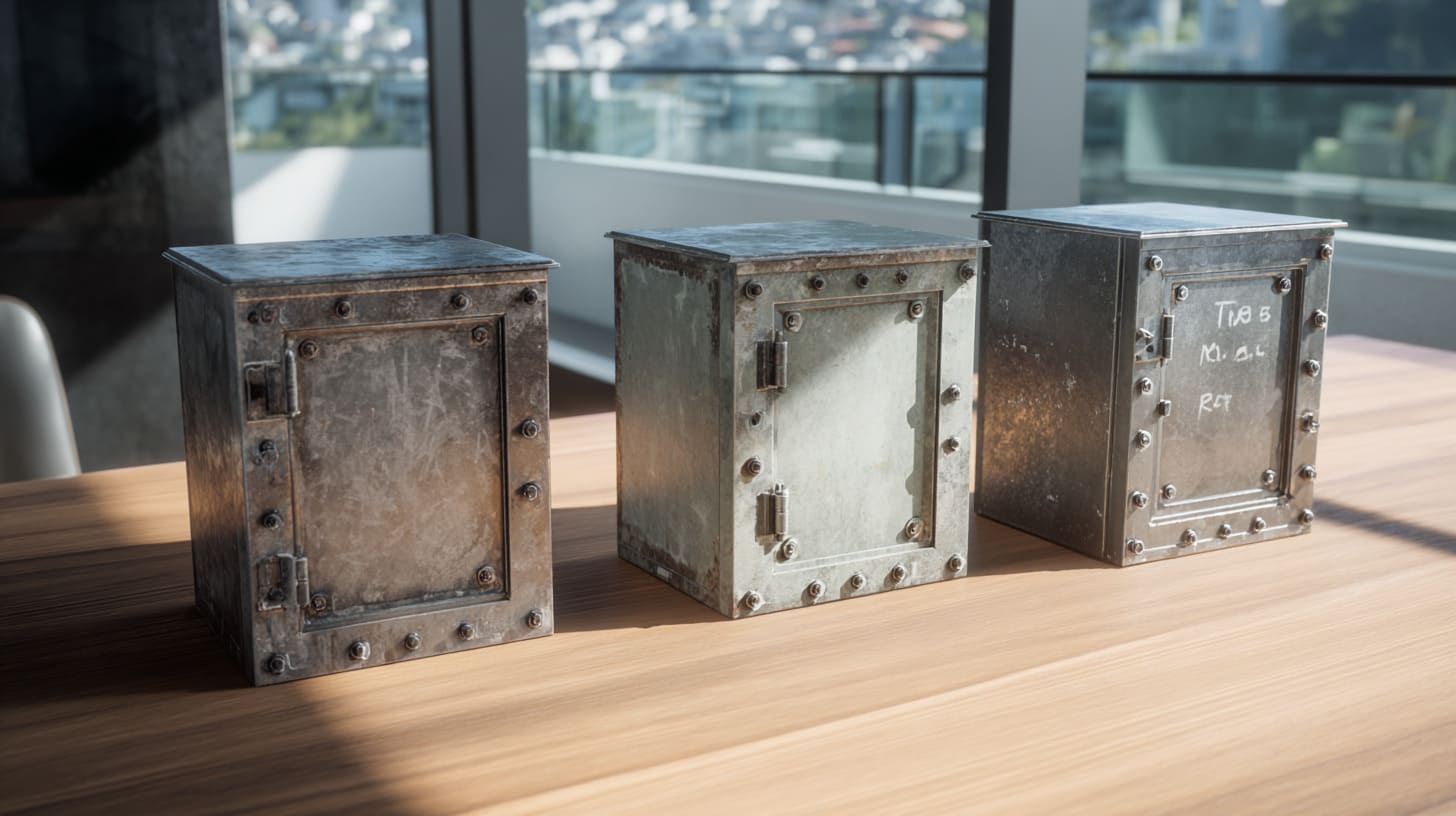
Think of it as a “budget outdoor” option—good enough, unless your project involves blowing dust or dirty environments.
Can a Type 3R enclosure be used outdoors in rain or snow?
Yes. In fact, that’s its whole purpose.
Type 3R enclosures are specifically designed for outdoor use, even in snow and rain.
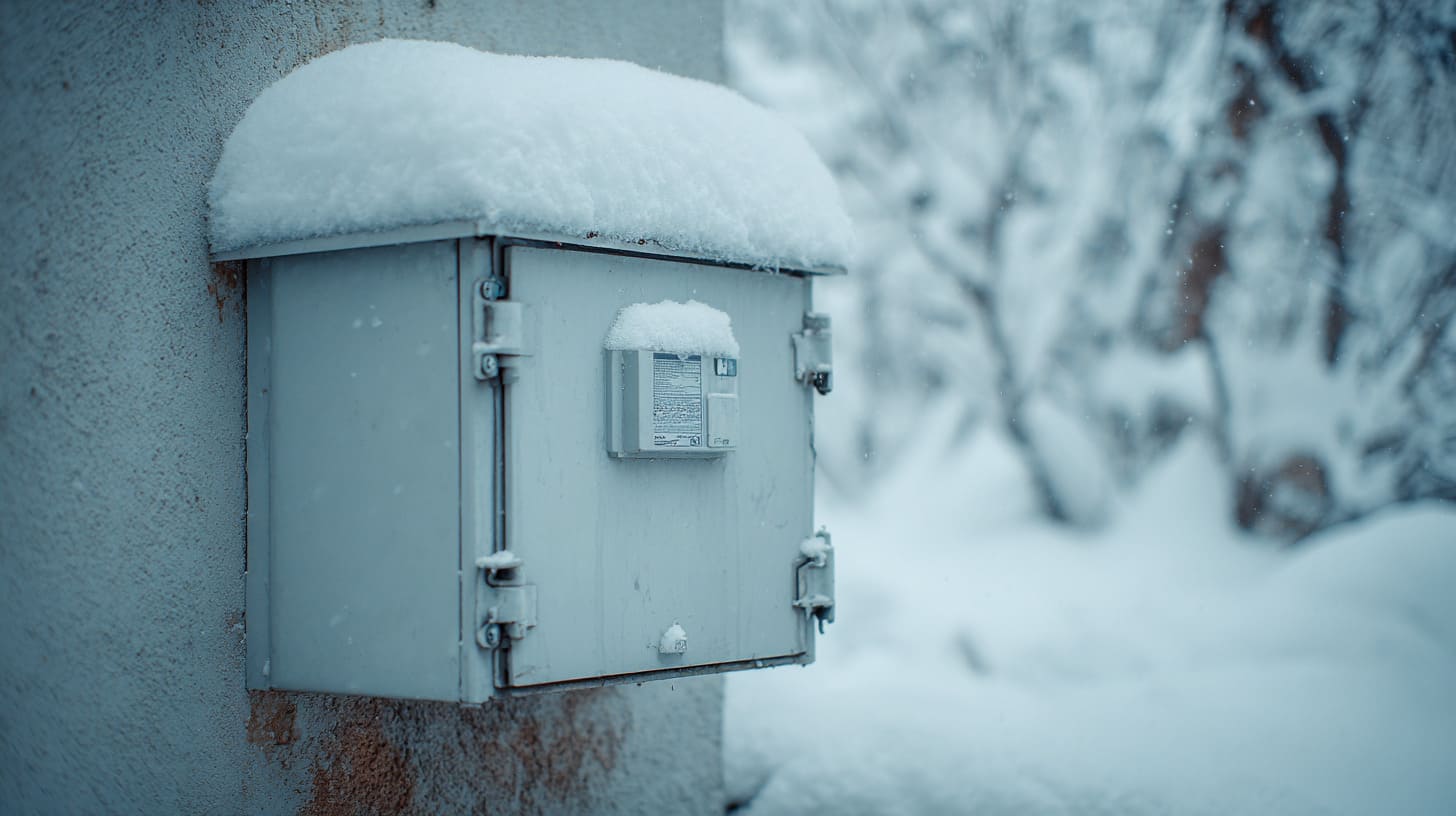
Just don’t expect it to survive a pressure washer or salt spray.
What materials are best for manufacturing Type 3R enclosures?
This depends on the application, budget, and lifespan.
Aluminum and stainless steel are great for durability; plastic works for light-duty and cost savings.
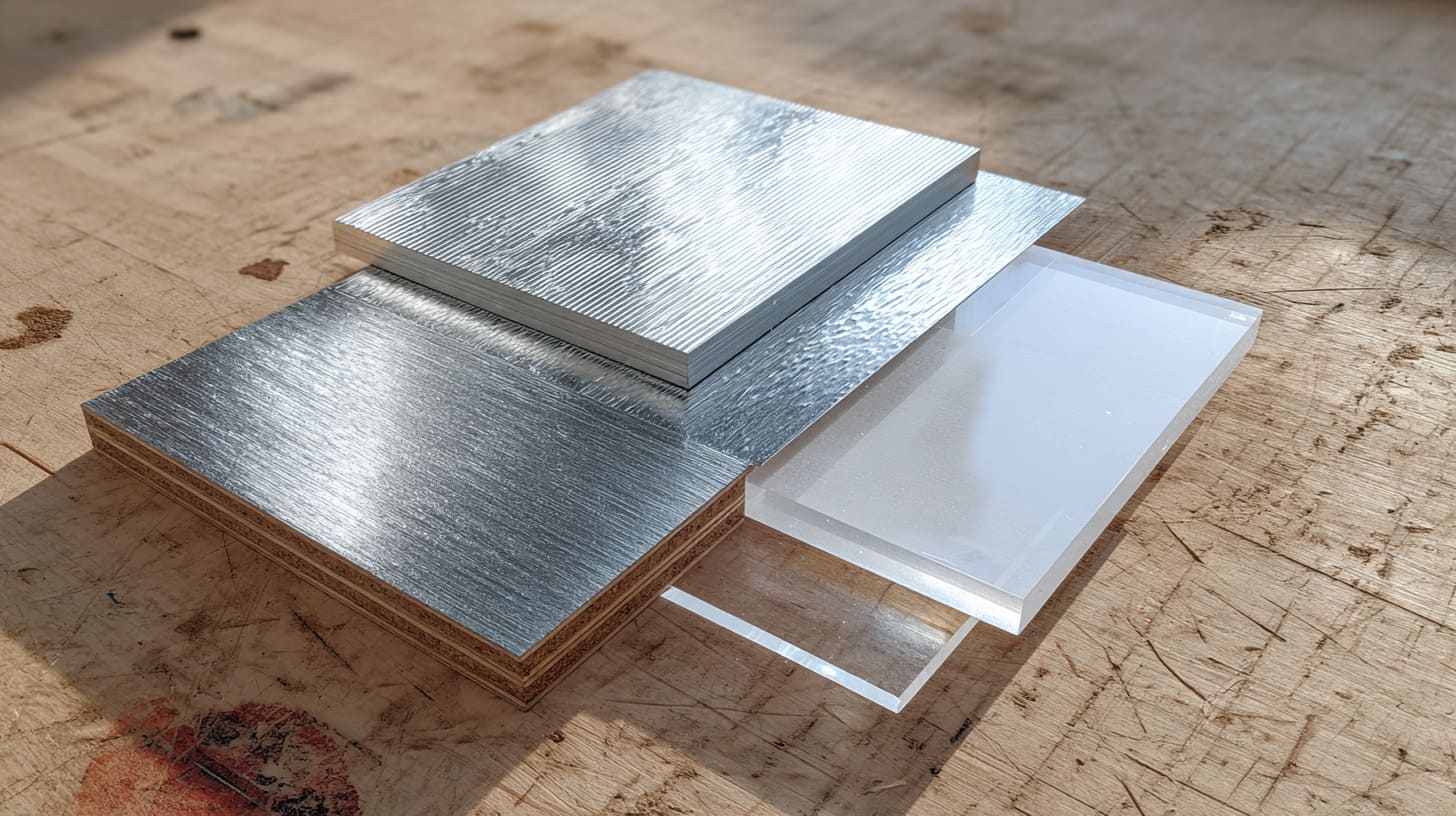
Material comparison table
| Material | Strength | Corrosion Resistance | Cost | Weight |
|---|---|---|---|---|
| Aluminum | High | Good | Medium | Light |
| Stainless Steel | Very High | Excellent | High | Heavy |
| Polycarbonate | Moderate | Good (UV stabilized) | Low | Very Light |
Is Type 3R enclosure equivalent to IP-rated enclosures like IP24 or IP33?
They overlap, but they’re not interchangeable.
Type 3R roughly aligns with IP24–IP33, but NEMA 3R has different testing procedures.
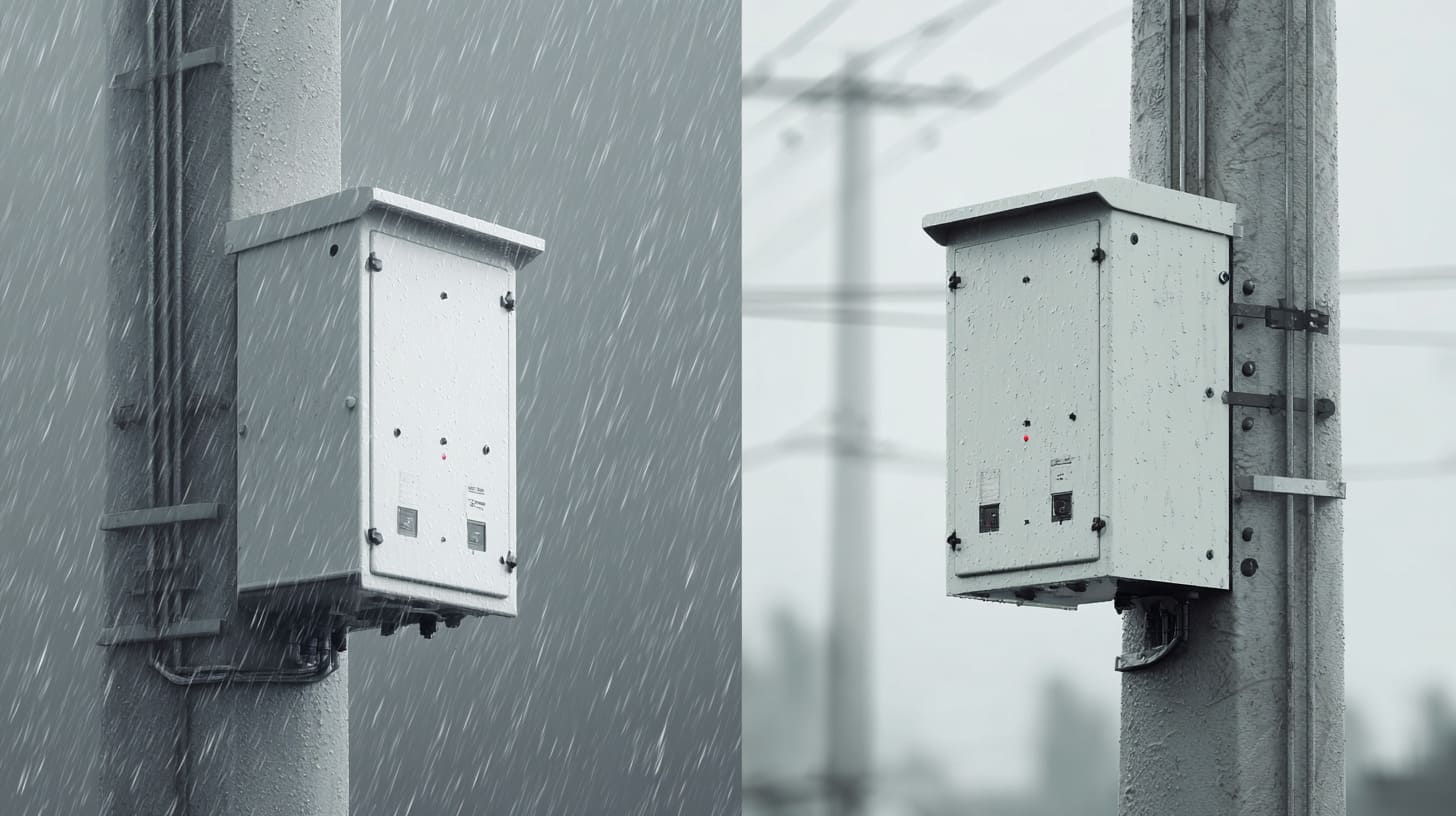
Always check both if your project crosses international boundaries.
How does Type 3R compare to Type 3S or Type 4 in terms of protection?
They all live in the same neighborhood—but don’t share closets.
Type 3S includes operability under ice; Type 4 adds pressurized water protection.
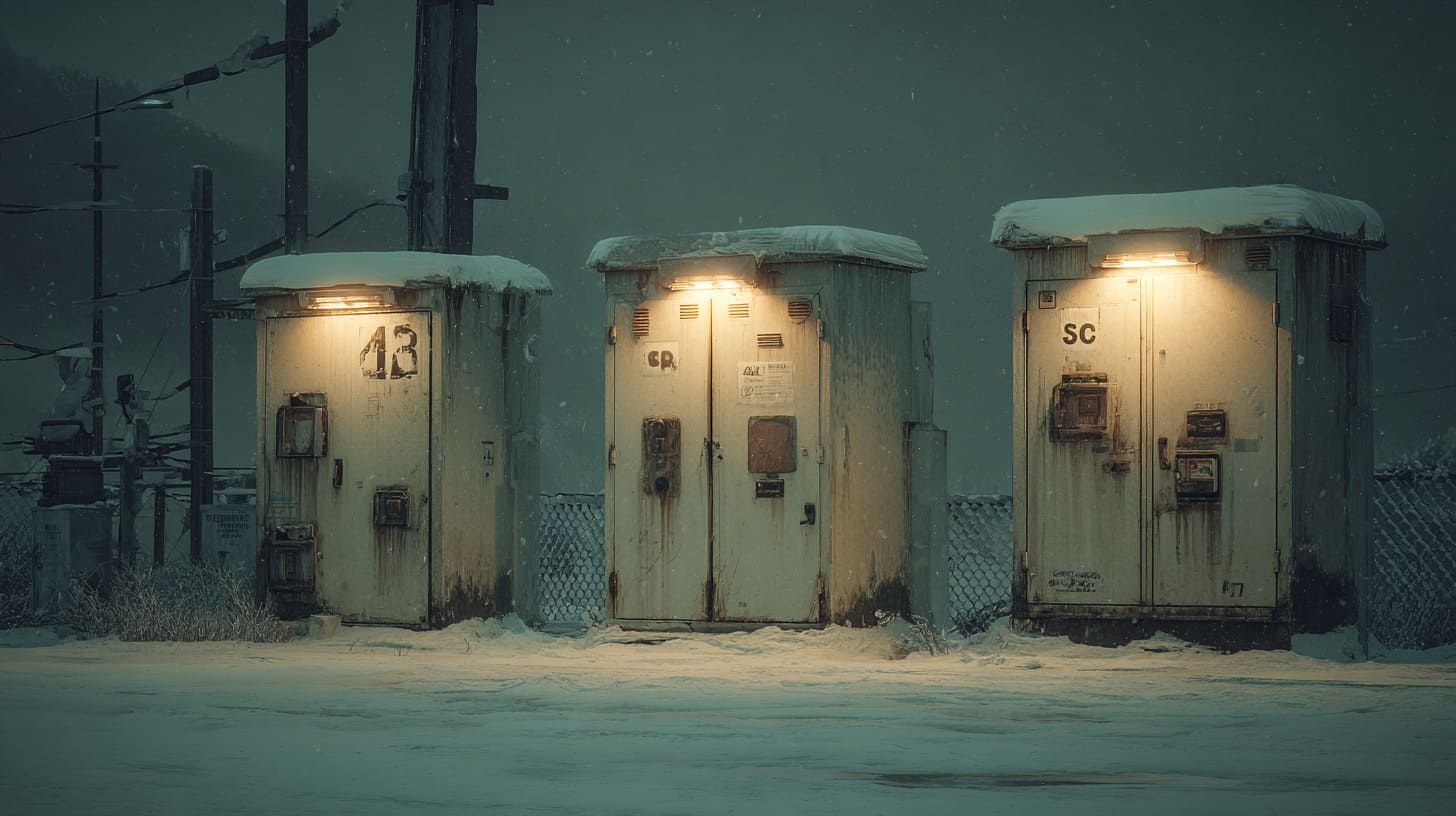
If your gear needs to stay functional even while iced over—go 3S or above.
Do I need a Type 3R enclosure for residential or light industrial use?
Most likely—yes.
Type 3R enclosures are ideal for HVAC, lighting, and utility boxes in light outdoor environments.
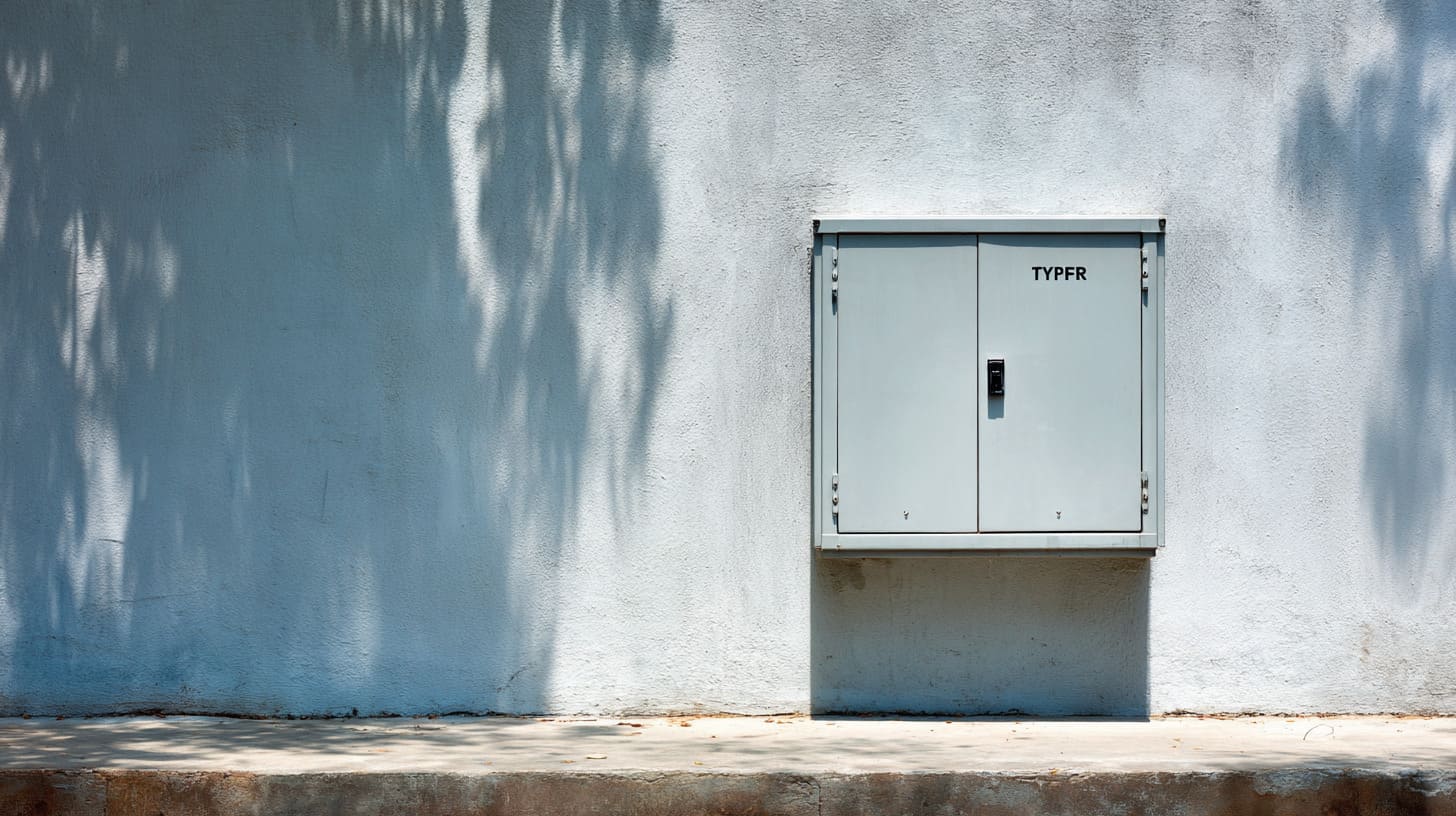
I’ve shipped hundreds of these to residential contractors and light OEMs. They’re the sweet spot between safety and cost.
Are Type 3R enclosures corrosion-resistant or just water-resistant?
They’re water-resistant by spec—but corrosion resistance depends on the material.
Stainless or coated aluminum will resist corrosion; plain steel will not.
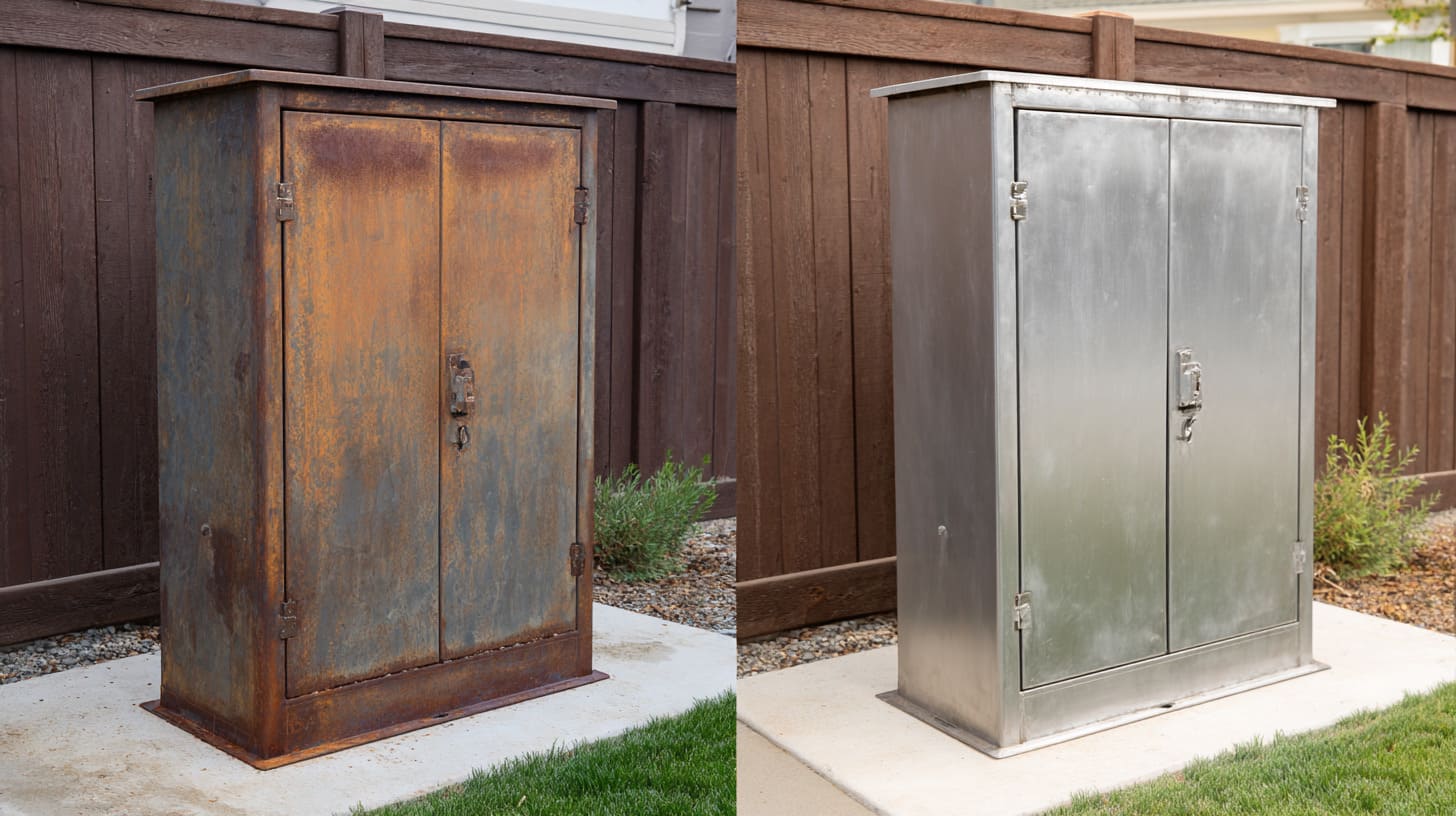
Don’t rely on the 3R label alone—ask about the finish and metal grade.
What are the common applications for Type 3R enclosures in OEM projects?
They’re everywhere once you start looking.
Type 3R enclosures are used in power distribution, solar inverters, EV chargers, HVAC controllers, and irrigation systems.

We’ve made custom units for Canadian HVAC clients and Belgian solar OEMs—and most asked for 3R.
Does a custom aluminum Type 3R enclosure need additional ventilation?
It depends on your device’s thermal load.
Yes, if heat builds up inside—especially in sunny outdoor spots.

Cooling Options
- Louvers with mesh (still weather-resistant)
- Bottom-drilled vents (protected from vertical rain)
- Internal heat sinks or external fins
Can I print logos or brand marks on a custom Type 3R enclosure?
Absolutely. We do it every week.
Laser engraving, silk screen, and UV printing are all possible—even on curved aluminum panels.
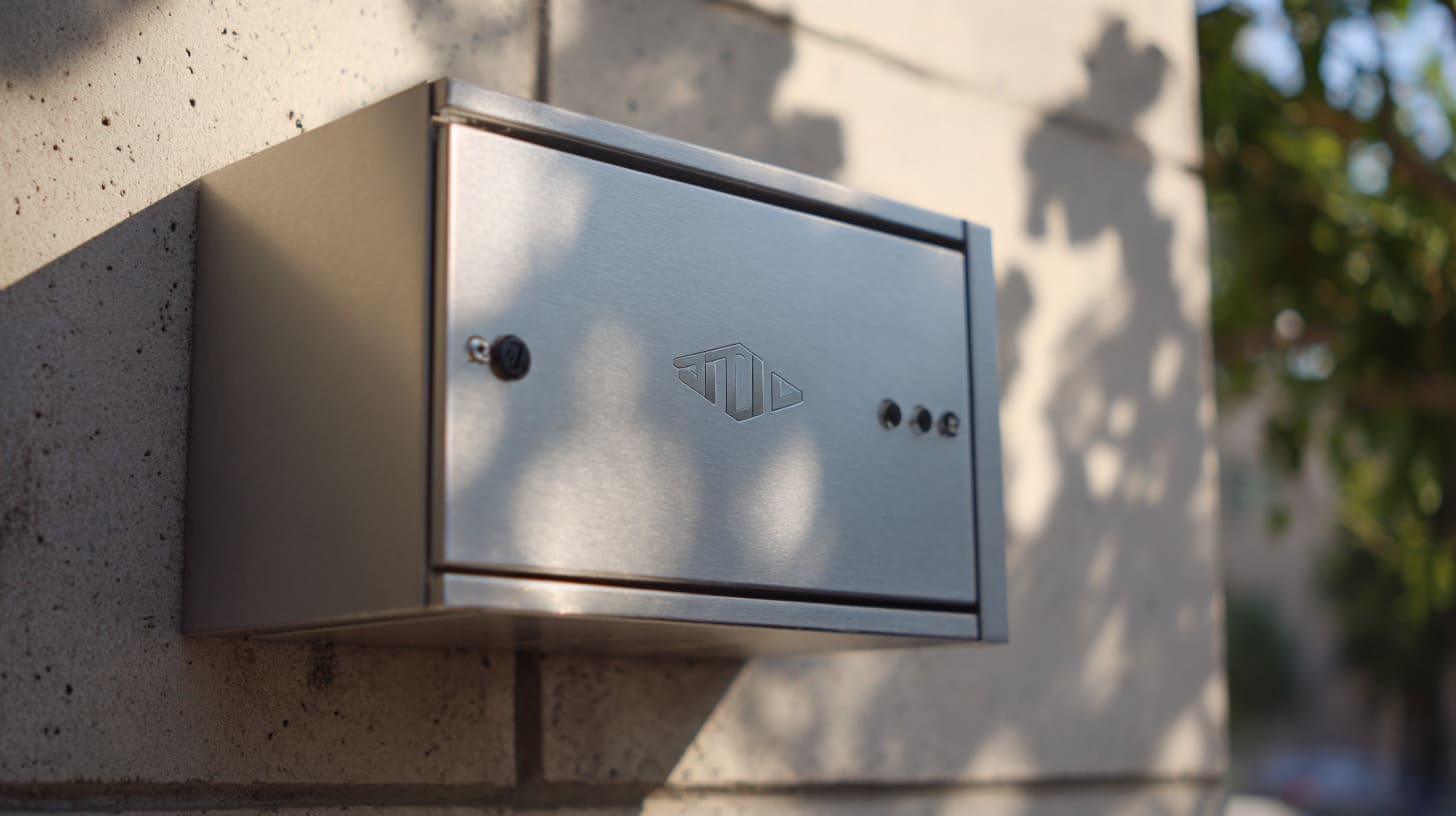
Branding is not just about aesthetics—it helps with authenticity, OEM recognition, and resale value.
Conclusion
Type 3R is weather-ready but not overkill.