Skip to content
Some terms look simple—until they’re written into a project spec. That’s exactly what happened the first time I saw “termination box.” Everyone else on the team moved on. I had to pause and figure out what it really meant.
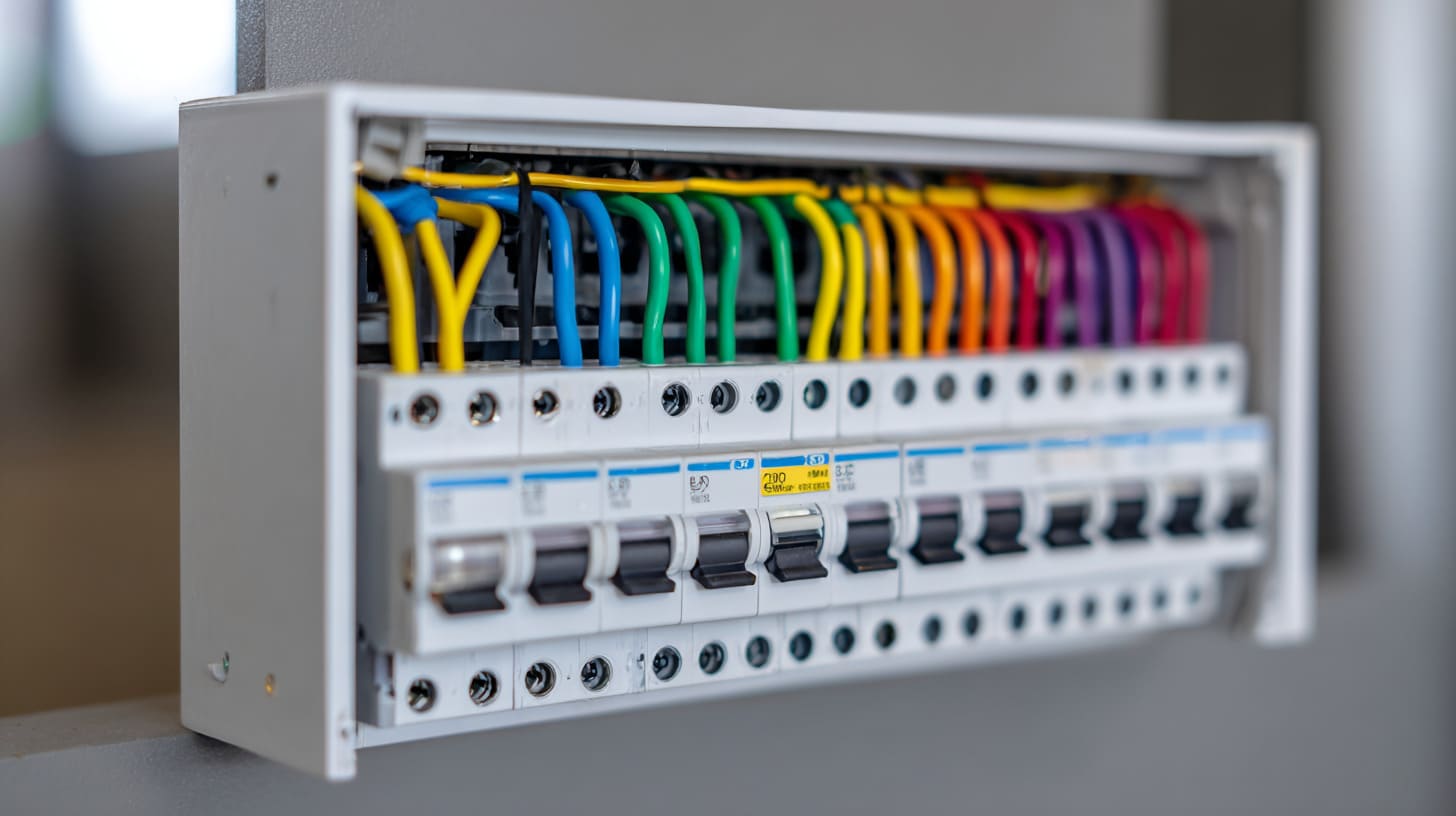
A termination box is an enclosure that organizes, secures, and protects wire or fiber terminations in electrical or communication systems.
It’s not just a box. It’s often the bridge between chaos and control in wiring.
Let’s walk through what they do, where they live, how they differ from other boxes—and why our customers like Davide or John need them tailored to their exact use case.
What is a terminal box used for?
When people ask this, they’re usually facing a mess of cables.
A terminal box is used to house and connect electrical wires in a protected, organized space.

Key functions:
- Connect incoming and outgoing wires
- Provide protection against physical and environmental damage
- Offer easy access for inspection and maintenance
Common scenarios:
| Industry | Use Case |
|---|---|
| Manufacturing | Connecting motor wires |
| Telecom | Routing communication lines |
| Automation | Housing sensors and relays |
| Energy | Panel-to-device cable junctions |
What is an electrical termination box?
If you’ve ever wired a control panel or sensor system, you’ve likely used one.
An electrical termination box connects power, signal, or control cables and protects them inside a safe enclosure.
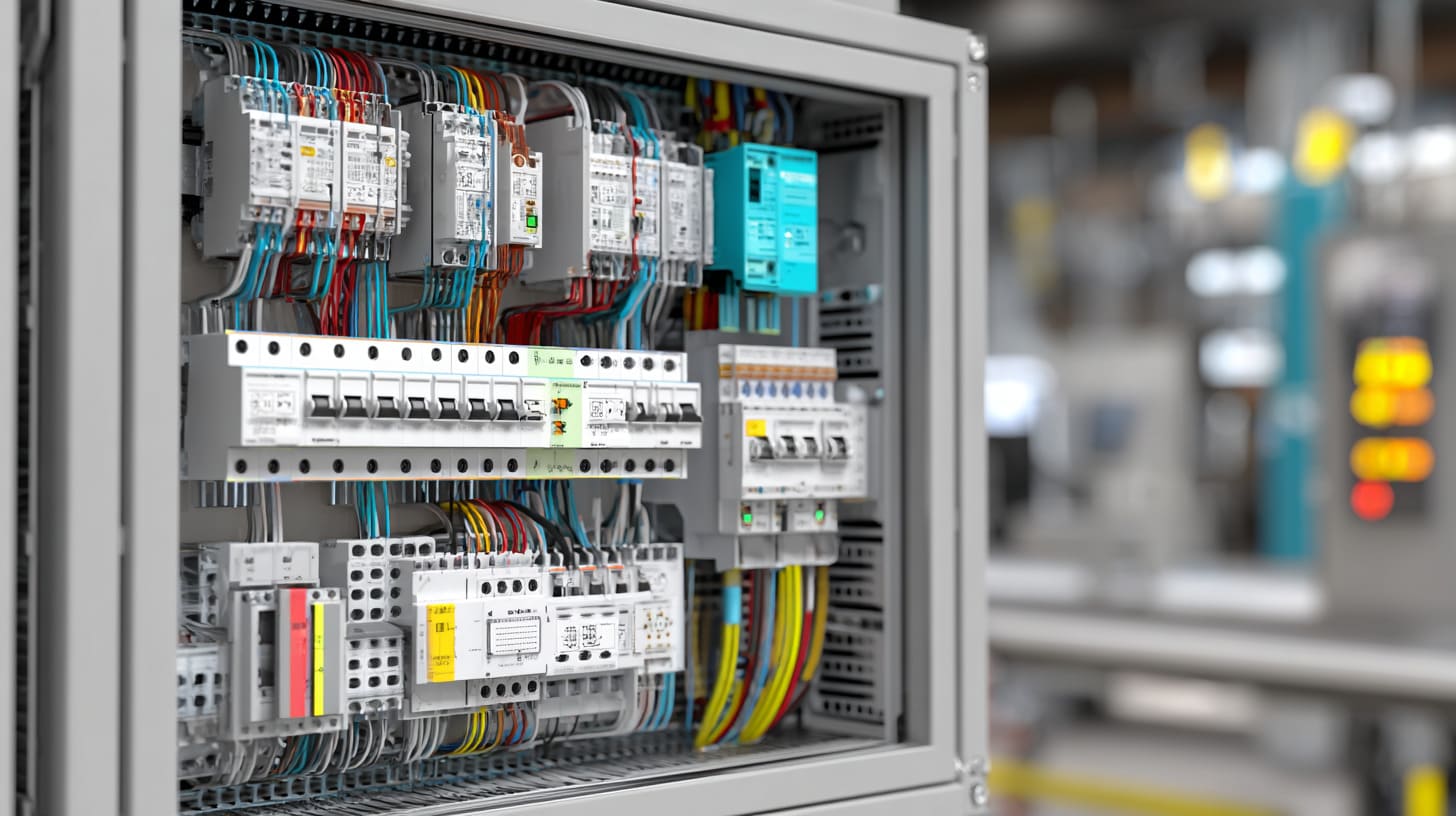
Dive deeper into its structure:
- Mounting Plate – For terminal blocks or PCB
- Cable Glands – For safe wire entry
- IP-Rated Seals – For weatherproofing
It’s often part of the “last mile” in industrial wiring—where final connections are made.
What is a fiber termination box?
The first time a fiber-optic installer asked us for a “FTB,” I had to look it up. Now we customize dozens per month.
A fiber termination box (FTB) manages and protects fiber optic cable splicing and connections.

Key elements inside:
- Fiber trays for splices
- Adapters for patch cords
- Bend radius control
Think of it as a tiny, organized data highway junction.
What is the purpose of a termination box in electrical systems?
At first glance, it’s just a box. But it plays a much bigger role.
The purpose is to terminate, organize, and protect wire or cable ends while allowing easy inspection and maintenance.

Why it matters:
- Prevents wire strain or damage
- Improves safety and inspection access
- Simplifies complex wiring layouts
How does a termination box differ from a junction box?
I get this question all the time—especially from new product engineers.
A junction box connects multiple wires, while a termination box focuses on organized, labeled, and accessible terminations.

Here’s a quick comparison:
| Feature | Junction Box | Termination Box |
|---|---|---|
| Function | Splicing wires | Connecting and labeling ends |
| Size | Smaller | Larger, structured |
| Common use | Wall/in-wall wiring | Control panels, machinery |
Where are termination boxes commonly used?
Sometimes, it feels like they’re everywhere once you start noticing.
Termination boxes are used in factories, telecom towers, solar farms, offshore rigs, and industrial buildings.
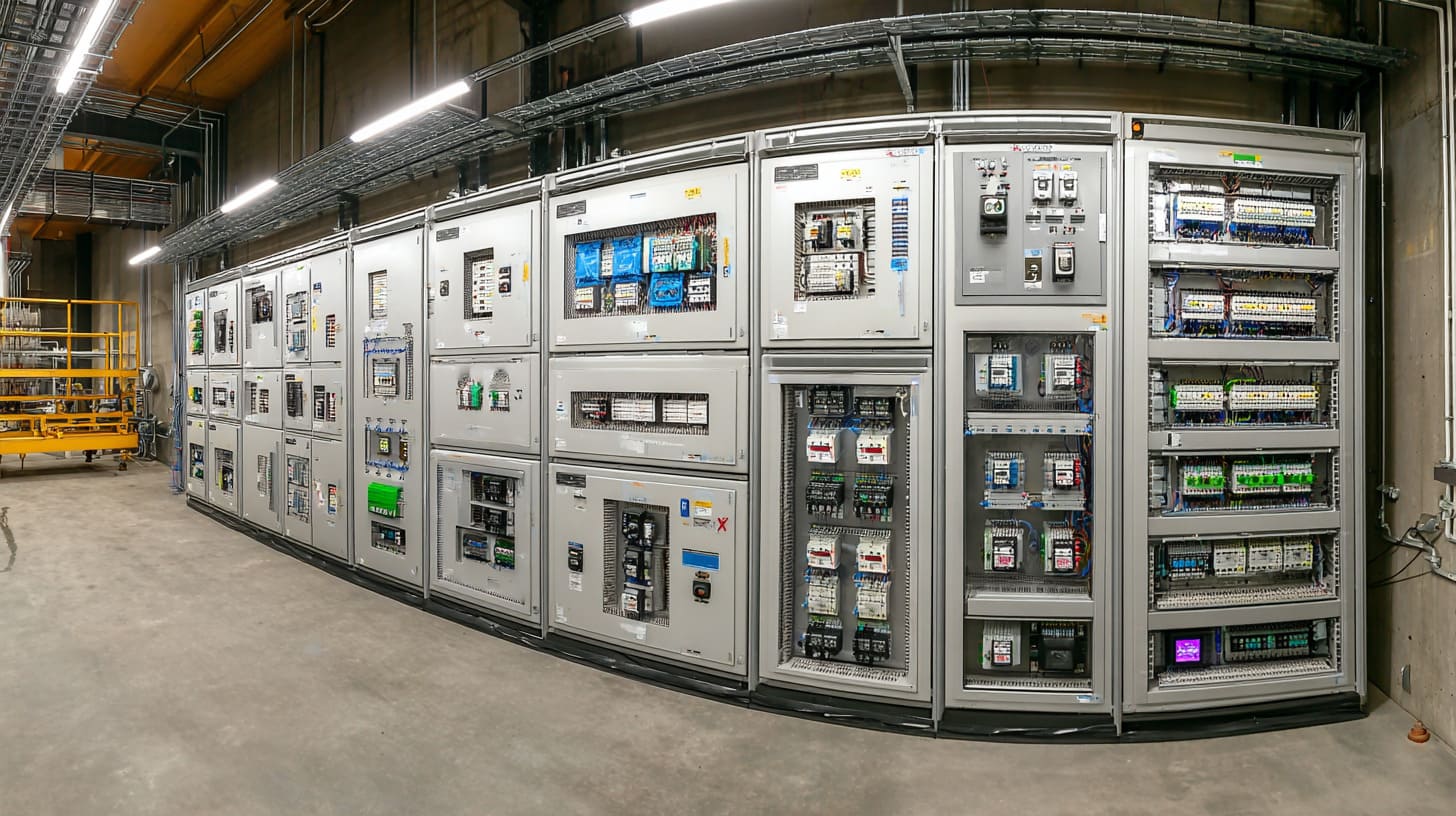
Real-world examples:
- Automation panels in food processing lines
- Outdoor fiber cabinets in telecom networks
- HVAC units in commercial buildings
- Sensor control hubs in smart factories
What are the different types of termination boxes available?
If you’ve browsed catalogs, you know the choices can be overwhelming.
There are electrical, fiber optic, modular, wall-mounted, pole-mounted, waterproof, explosion-proof types and more.
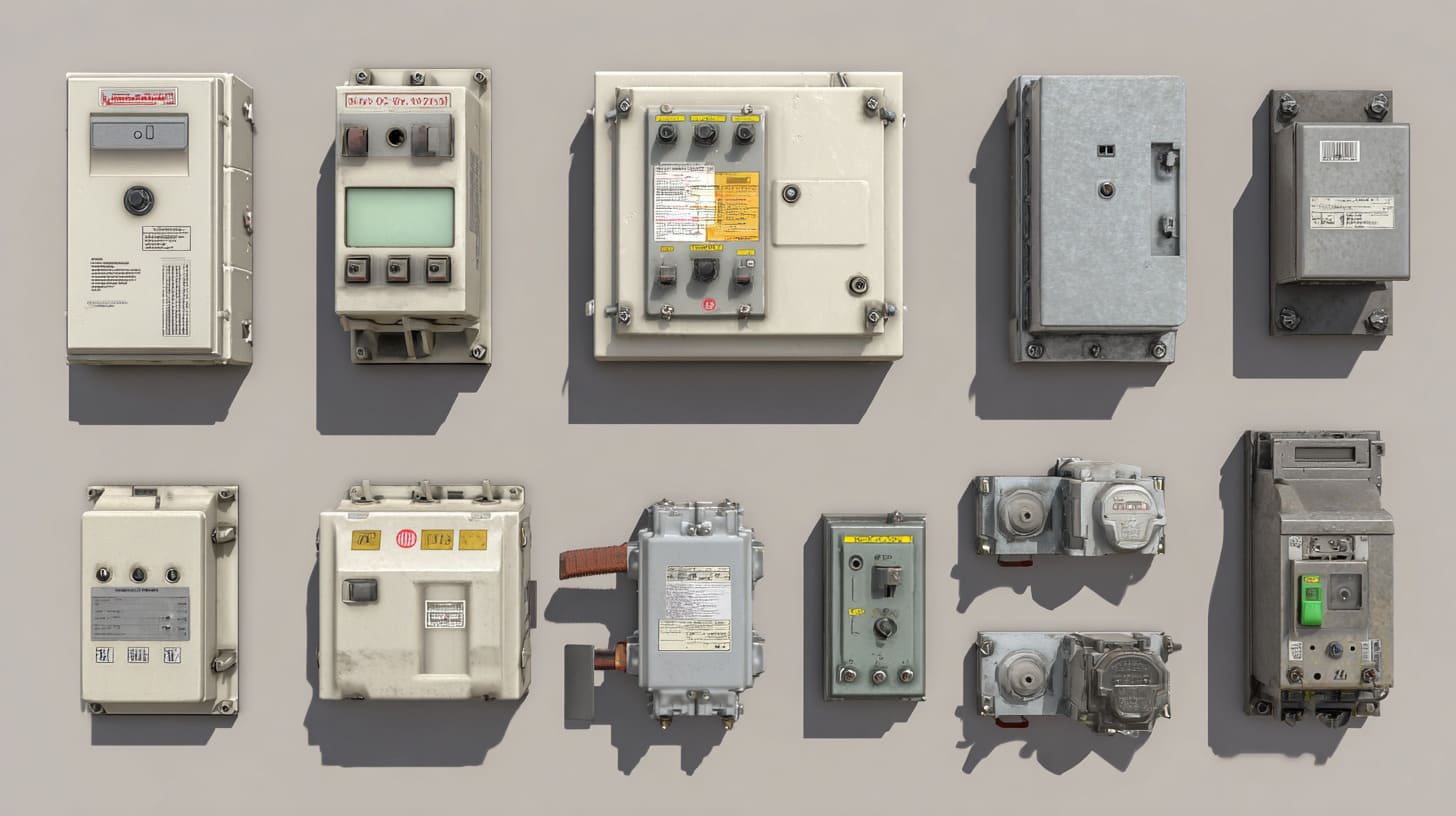
Common categories:
- By application: Electrical, Fiber, Signal
- By mounting: Wall, Pole, Flush
- By environment: Indoor, Outdoor, IP-rated
- By material: Metal, Plastic, FRP
How do you select the right termination box for your application?
This is where many of our clients reach out. The wrong choice can delay an entire project.
Match your box to the environment, cable type, and space needs.

My checklist for Davide or John:
- Indoor or outdoor?
- Voltage level and cable size?
- Maintenance access needed?
- Branding or logo requirement?
- Budget vs. performance?
What materials are used to manufacture termination boxes?
It’s more than just aluminum or plastic.
Termination boxes are commonly made from ABS, PC, stainless steel, powder-coated steel, or fiberglass.
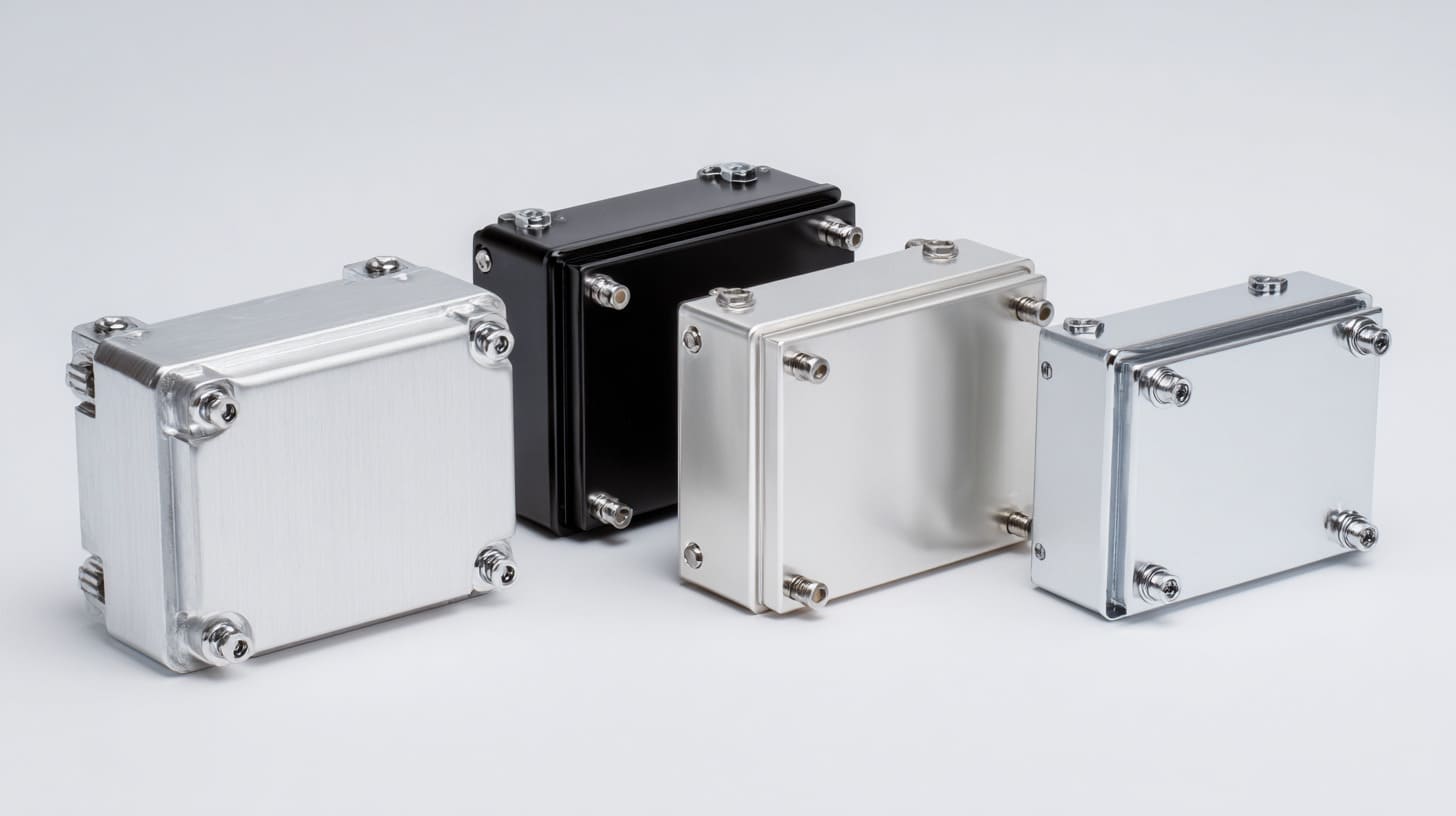
| Material | Strength | Weatherproof? | Cost |
|---|---|---|---|
| ABS Plastic | Moderate | Indoor only | Low |
| Polycarbonate | High | Yes | Moderate |
| Stainless Steel | Very High | Yes | Higher |
| Aluminum | High | Yes | Moderate |
| FRP | High | Yes | Moderate |
What IP ratings are suitable for outdoor termination boxes?
This comes up every time we deal with solar, telecom, or offshore clients.
IP65, IP66, or IP67 are common outdoor ratings depending on the exposure level.

Quick guide:
- IP65 – Dust tight, water jets
- IP66 – Dust tight, heavy sea spray
- IP67 – Temporary water submersion
Can termination boxes be customized for OEM or branding purposes?
Absolutely. And we do this weekly.
Yes, termination boxes can be customized with engraved logos, silk printing, color changes, mounting holes, and packaging.
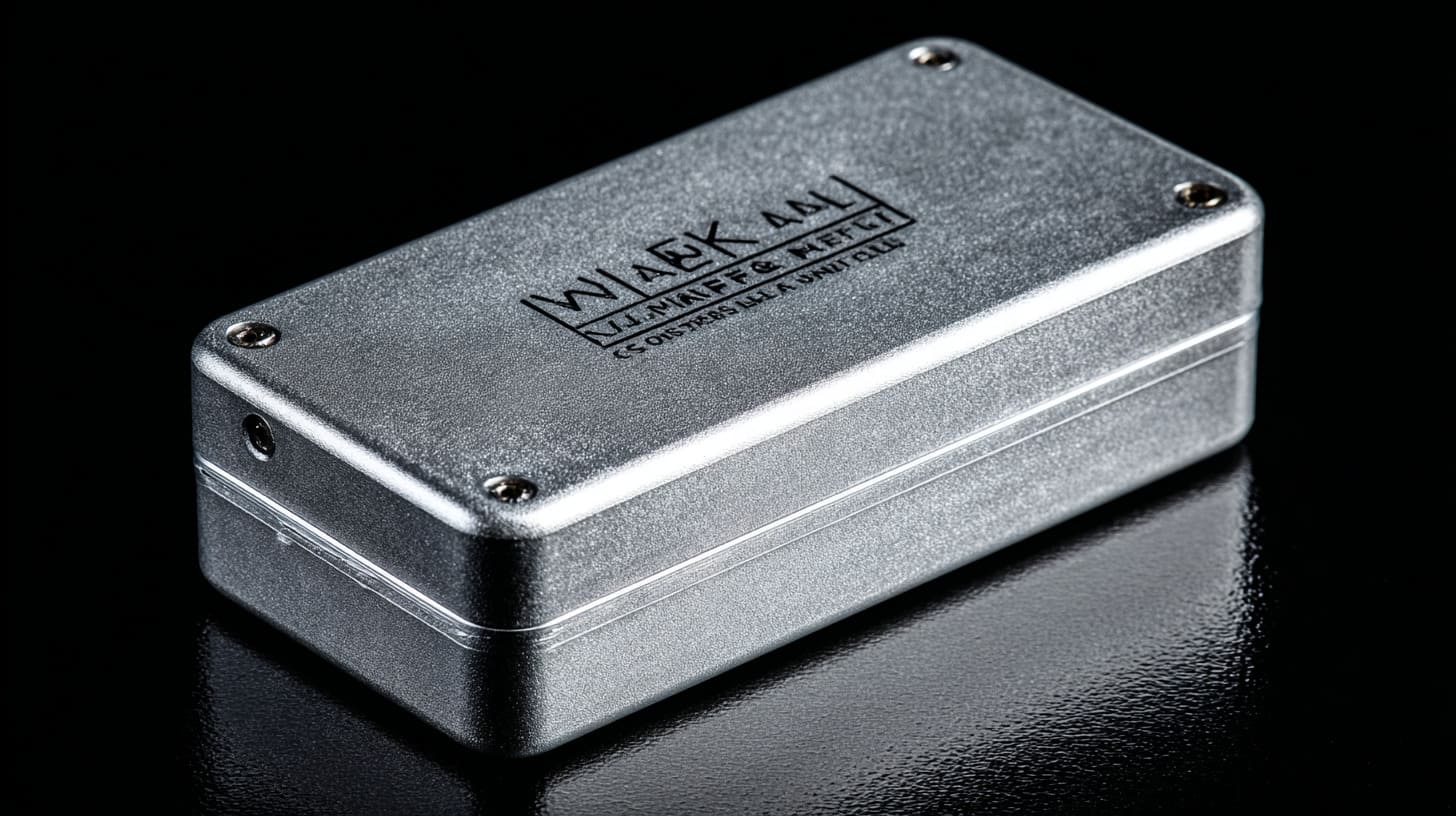
Customization options:
- Logo printing or engraving
- Custom holes or cutouts
- Inner mounting plate
- Branding label and carton
- Bulk packaging for Amazon prep
What certifications should a termination box meet (UL, CE, etc.)?
This is non-negotiable for most export buyers.
Termination boxes should meet UL, CE, RoHS, or IEC standards depending on the target market.
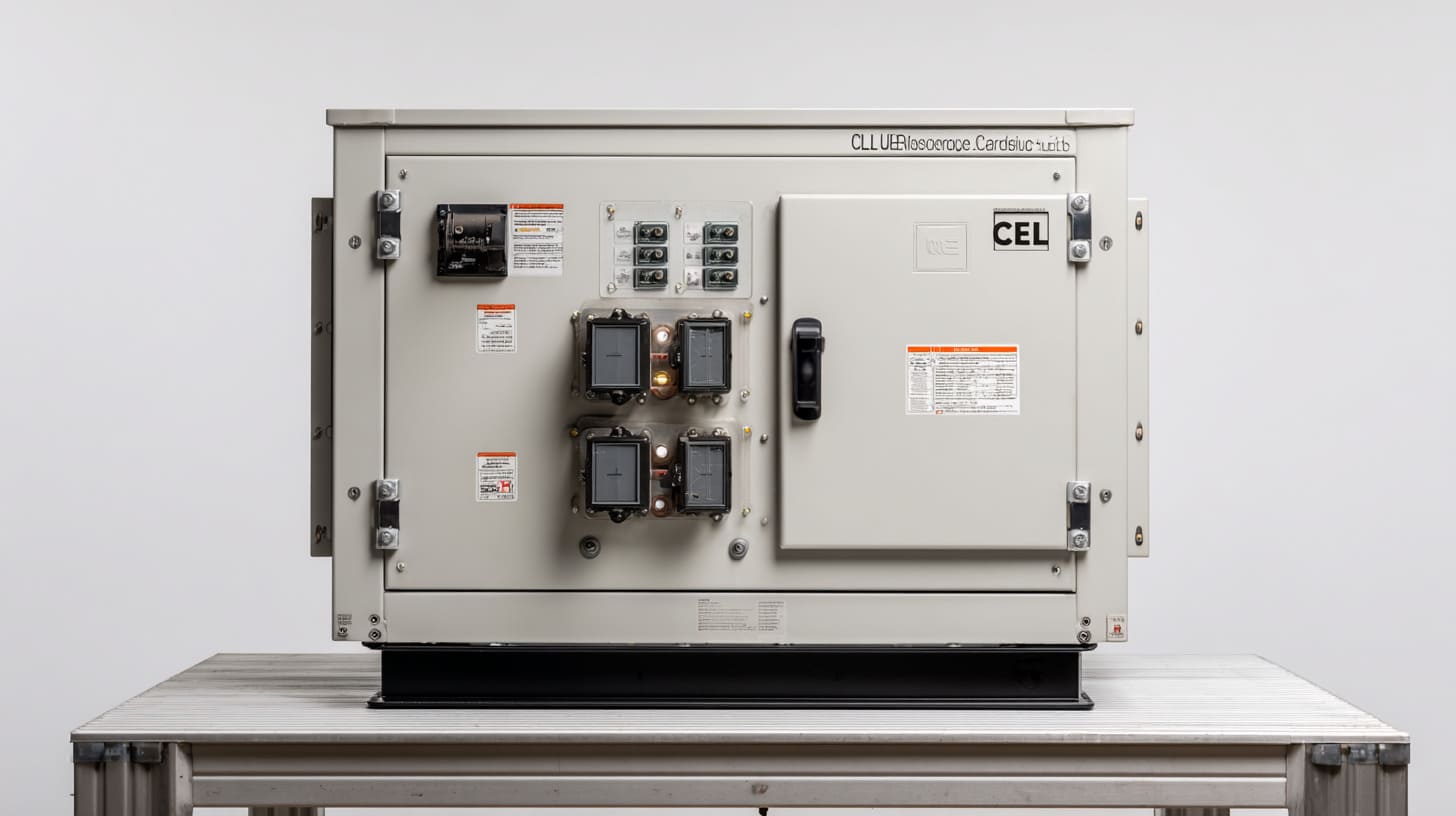
Regional certification focus:
- UL – United States
- CE – Europe
- RoHS – Environmental compliance
- IEC / EN – Global electrical standards
How do you install and maintain a termination box safely?
One of our clients once had an installer skip grounding. The result? Fried sensor. Avoidable.
Install boxes on stable surfaces, secure cables with glands, label all terminals, and ground metal enclosures.

Maintenance tips:
- Check seals for wear
- Retighten gland fittings
- Re-label if markings fade
- Inspect corrosion on terminals
Conclusion
Termination boxes aren’t just accessories—they’re system-critical connectors.