Skip to content

When a stainless steel decision goes wrong, it rarely fails on paper.
It fails later. Rust spots. Extra cost. Or a client asking why the enclosure didn’t survive its environment.
I’ve been in that call more than once.
304 and 316 stainless steel differ mainly in corrosion resistance, cost, and alloy content. 316 adds molybdenum, which improves resistance to salt, chemicals, and harsh environments, while 304 focuses on balance, availability, and cost control.
This question keeps coming back because it sits between engineering logic and real-world use. And once you see how buyers actually use these grades, the choice becomes much clearer.
Is 304 or 316 stainless steel better?
I usually hear this question right after a drawing review.
The design looks solid. The dimensions work. But the material choice is still open.
Neither is universally better. 304 is better for cost-sensitive, indoor, or general-purpose use. 316 is better for corrosive, coastal, or chemical-heavy environments where long-term durability matters more than price.
How I frame this decision
I don’t start with the alloy.
I start with the environment.
| Question | If Yes | Lean Toward |
|---|---|---|
| Salt air or chemicals present? | Yes | 316 |
| Indoor, dry, controlled space? | Yes | 304 |
| Budget pressure is high? | Yes | 304 |
| Long service life is critical? | Yes | 316 |
Most projects I see do not need 316.
But the ones that do really need it.
What are the disadvantages of 316 stainless steel?
316 sounds like the premium option.
And it is—but that comes with trade-offs.
The main disadvantages of 316 stainless steel are higher cost, longer lead times, and limited availability compared to 304, especially for custom enclosure fabrication.
Where 316 can slow a project
- Higher raw material price
- Fewer local stock sizes
- Slower sourcing for custom thickness
- More waste cost if design changes
I’ve seen projects choose 316 “just to be safe,” then struggle with budget approval later. That’s not good engineering. That’s fear-driven engineering.
Is 304 or 316 stainless steel better for food?
Food projects raise the stakes.
Nobody wants corrosion near production lines.
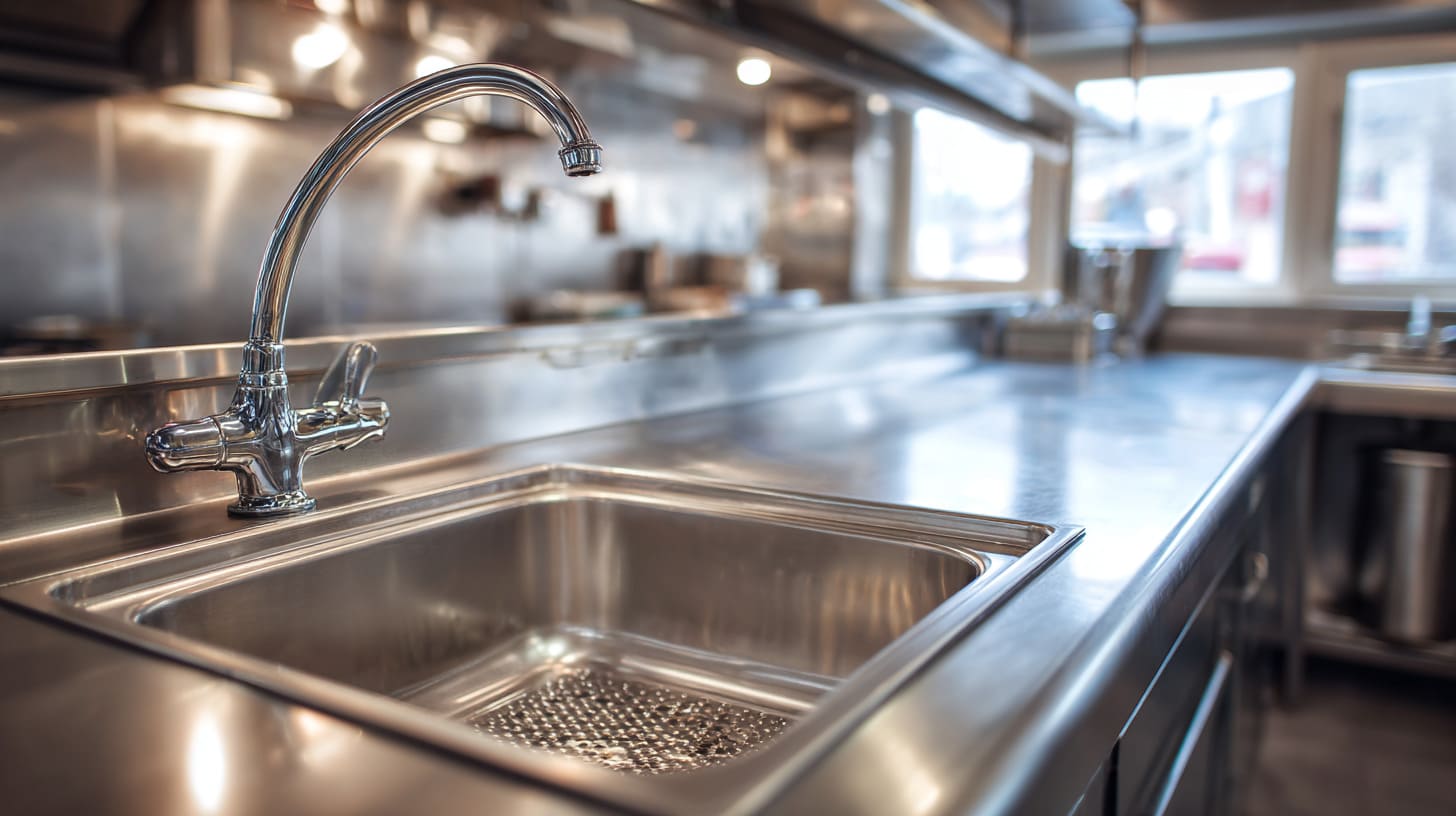
Both 304 and 316 are food-safe. 304 works well for most food processing and kitchen equipment, while 316 is preferred when salt, acids, or frequent chemical cleaning are involved.
Typical food-grade use
- 304: restaurant equipment, counters, tanks
- 316: seafood processing, brine exposure, harsh washdowns
If the cleaning chemicals are aggressive, 316 earns its place.
What are the disadvantages of 304 stainless steel?
304 is everywhere.
And that can hide its limits.
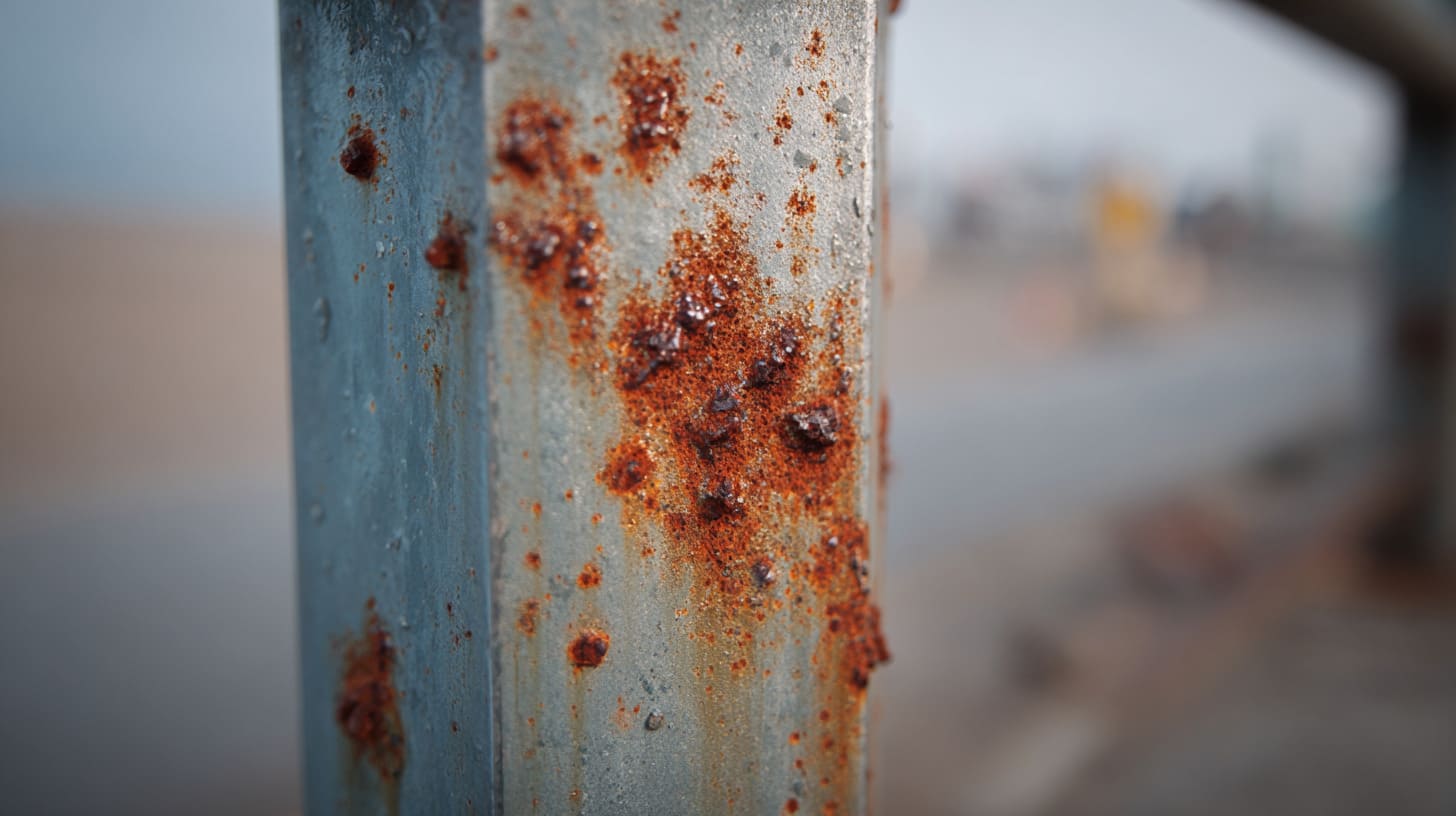
The main disadvantage of 304 stainless steel is lower resistance to chlorides and salt, which can cause surface corrosion in coastal, marine, or chemical-rich environments.
Where 304 struggles
- Coastal outdoor installations
- Salt spray exposure
- Long-term chemical contact
Used correctly, 304 performs beautifully.
Used in the wrong place, it disappoints fast.
Is 304 or 316 more expensive?
This one is straightforward.
316 stainless steel is more expensive than 304, typically costing 20–40% more due to added molybdenum and tighter supply chains.
What buyers often forget
The material cost is only part of it.
| Cost Area | 304 | 316 |
|---|---|---|
| Raw sheet price | Lower | Higher |
| Fabrication waste | Lower | Higher |
| MOQ impact | Smaller | Larger |
That’s why switching grades can shift the whole project budget.
Will 304 stainless steel rust in water?
This question comes from experience.
Usually bad experience.
304 stainless steel does not rust in clean, fresh water, but it can stain or pit when exposed to saltwater, stagnant moisture, or chlorides over time.
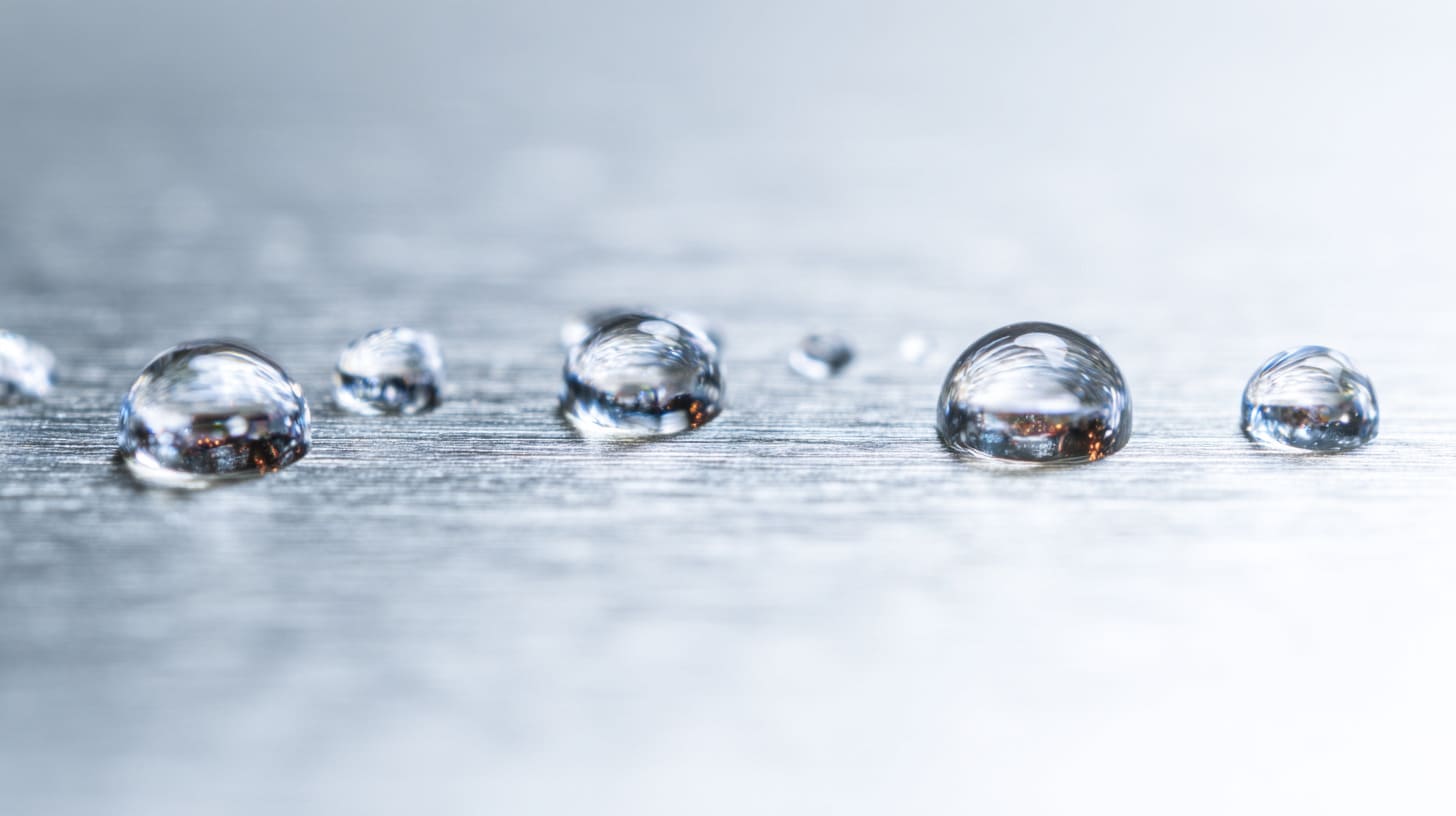
Water alone is not the problem.
What’s in the water is.
What is 304 stainless steel used for in enclosures and electronics?
I use 304 every week.
And for good reason.
304 stainless steel is widely used for indoor enclosures, control boxes, electrical cabinets, brackets, and general electronic housings where corrosion risk is moderate and cost control matters.
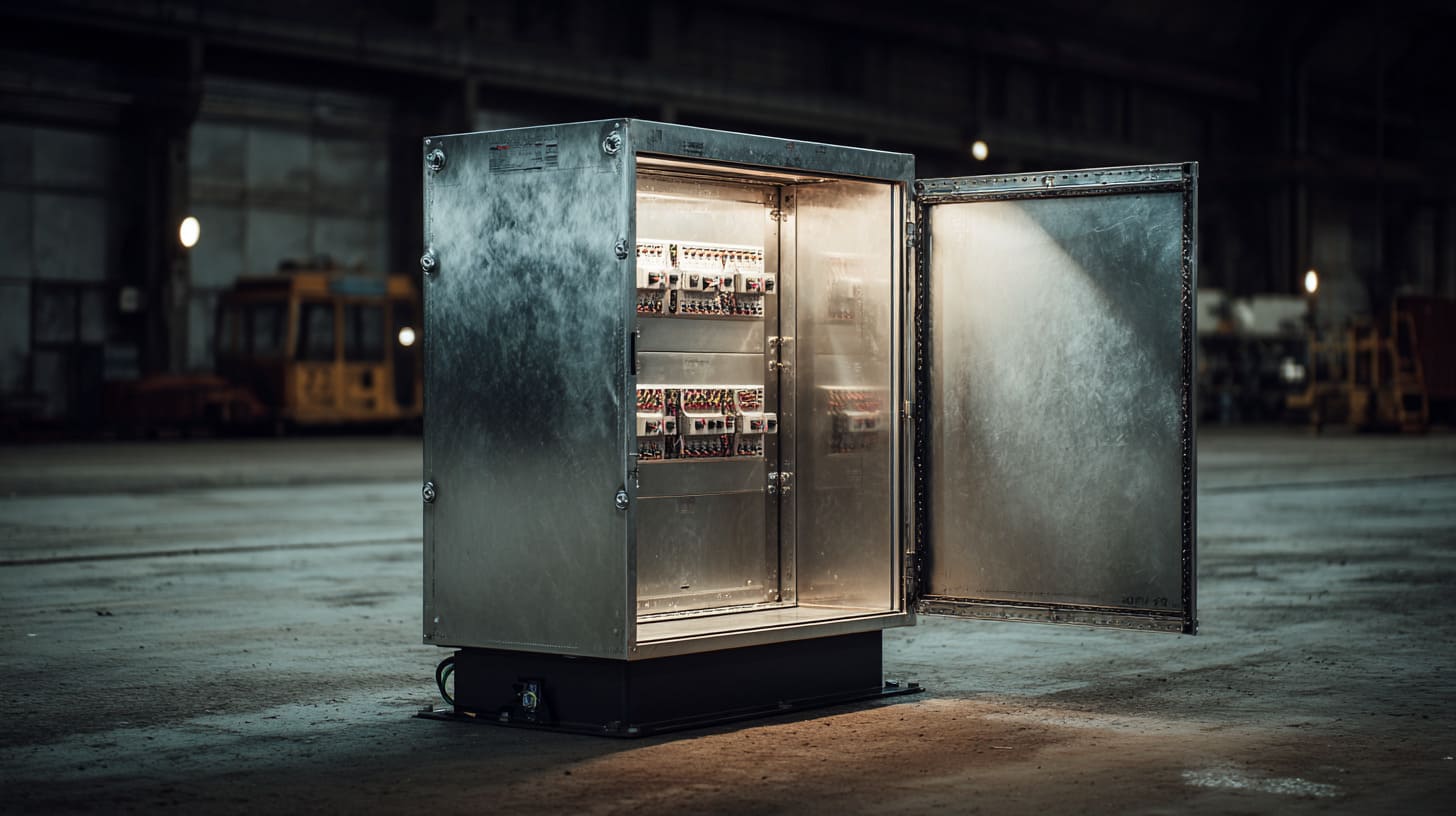
Common enclosure applications
- Indoor control panels
- Factory floor cabinets
- Medical equipment housings
- Commercial electronics
For most electronics, 304 is enough.
Is 316 stainless steel better than 304 for corrosion resistance?
Yes. Clearly.
316 stainless steel offers better corrosion resistance than 304, especially against chlorides, salt spray, and chemical exposure, due to the added molybdenum in its alloy structure.
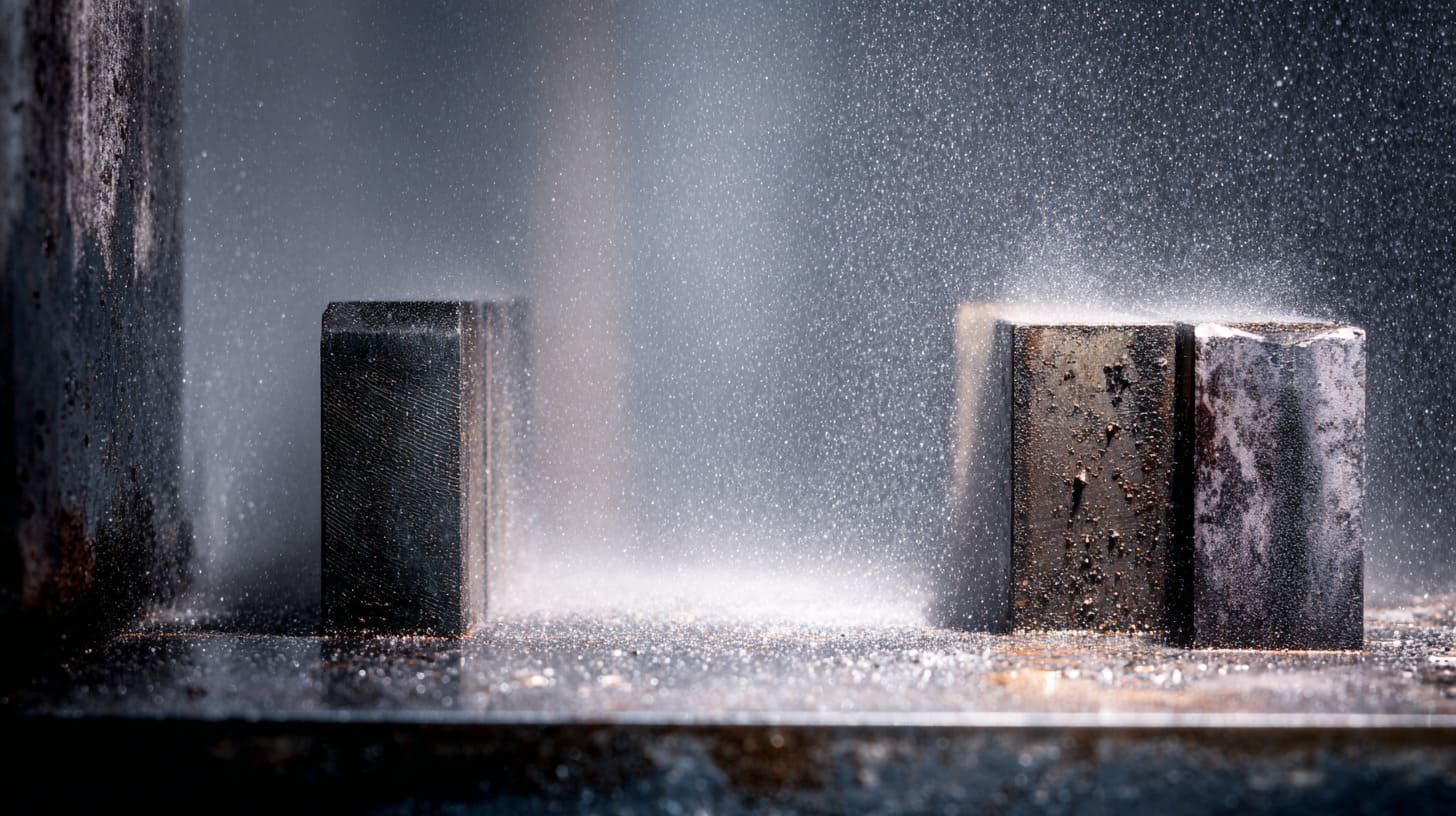
Why molybdenum matters
It slows down pitting.
It protects the surface film.
It buys time in harsh environments.
Can I use 304 stainless steel in coastal or marine environments?
This is where mistakes happen.
304 stainless steel can be used near coastal areas only with protection, coatings, or controlled exposure. For direct marine or salt-air environments, 316 is the safer choice.
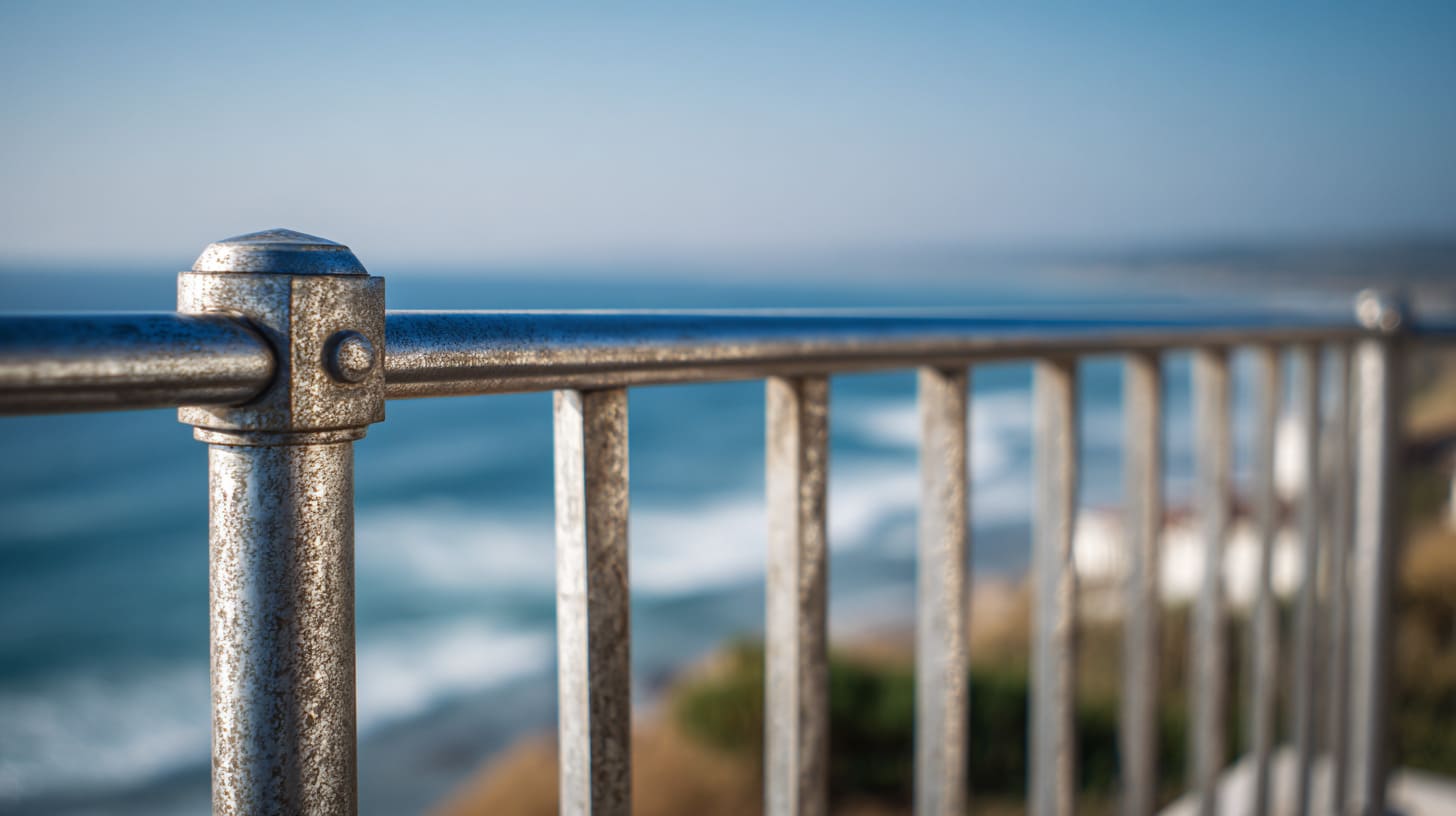
I’ve seen 304 survive near the coast.
I’ve also seen it fail fast.
The difference was exposure control.
Why does 316 stainless steel cost more than 304?
The price gap is not random.
316 stainless steel costs more because it contains molybdenum, has lower production volume, and requires more controlled processing and sourcing than 304.
Cost drivers at a glance
- Alloy content
- Supply chain depth
- Market demand balance
This isn’t markup.
It’s material reality.
How do 304 and 316 stainless steel compare in strength and hardness?
This part surprises many buyers.
304 and 316 stainless steel have very similar strength and hardness. The main difference between them is corrosion resistance, not mechanical performance.
| Property | 304 | 316 |
|---|---|---|
| Tensile strength | Similar | Similar |
| Hardness | Similar | Similar |
| Formability | Excellent | Excellent |
Strength rarely decides this choice.
Does 304 stainless steel rust or stain over time?
Time reveals everything.
304 stainless steel may stain or show surface discoloration over time if exposed to moisture, salt, or poor cleaning practices, but this is usually cosmetic rather than structural rust.
Regular cleaning helps.
Proper use matters more.
Which is more suitable for outdoor enclosures: 304 or 316?
Outdoor doesn’t always mean harsh.
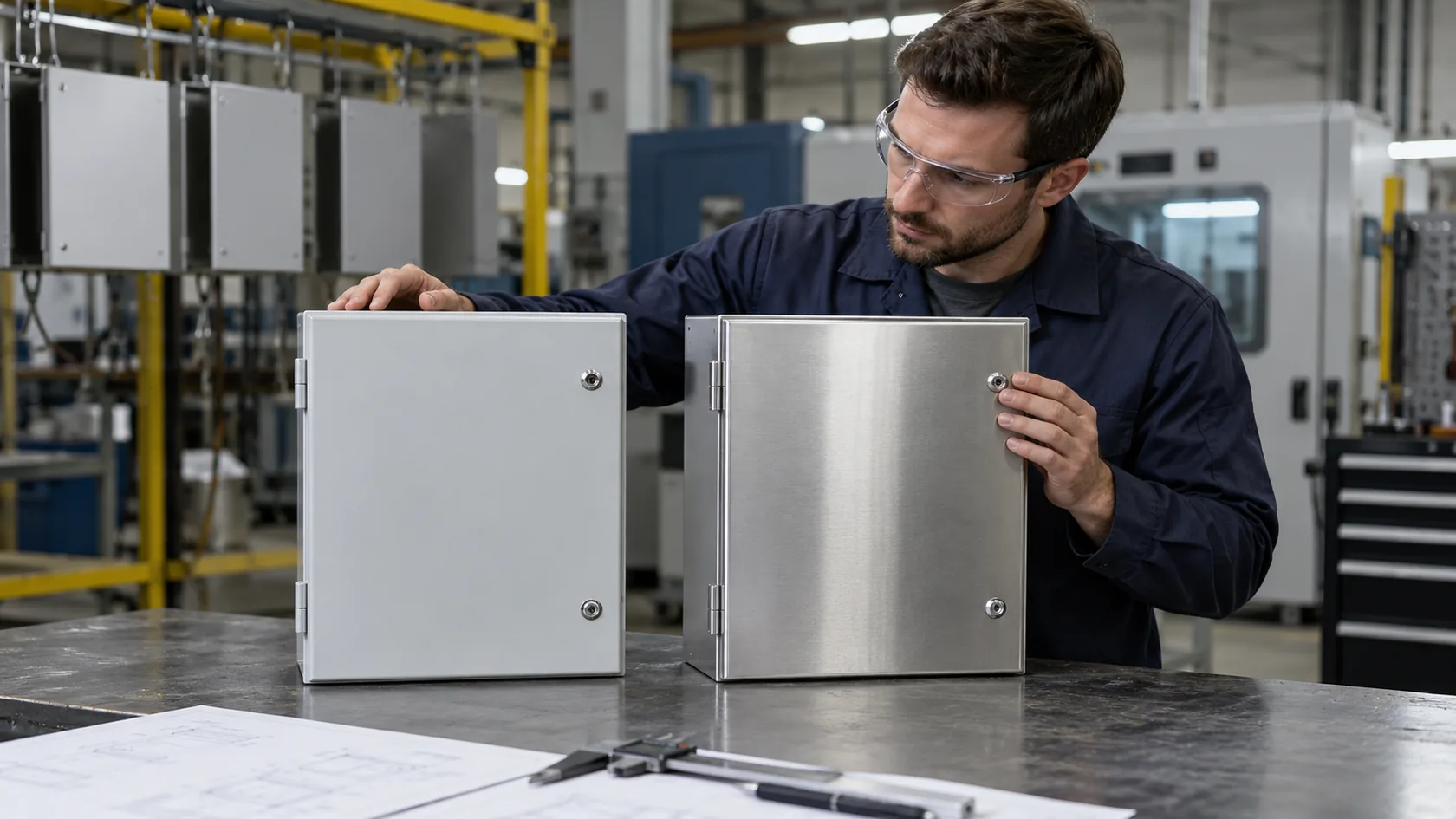
316 stainless steel is more suitable for outdoor enclosures in coastal, industrial, or polluted environments, while 304 works well for sheltered outdoor installations with low corrosion exposure.

I always ask where the enclosure lives.
Not just that it’s “outside.”
What industries prefer 316 stainless steel over 304, and why?
Patterns repeat across industries.
Industries that prefer 316 include marine, chemical processing, pharmaceutical, food processing with salts, and coastal infrastructure due to higher corrosion resistance requirements.
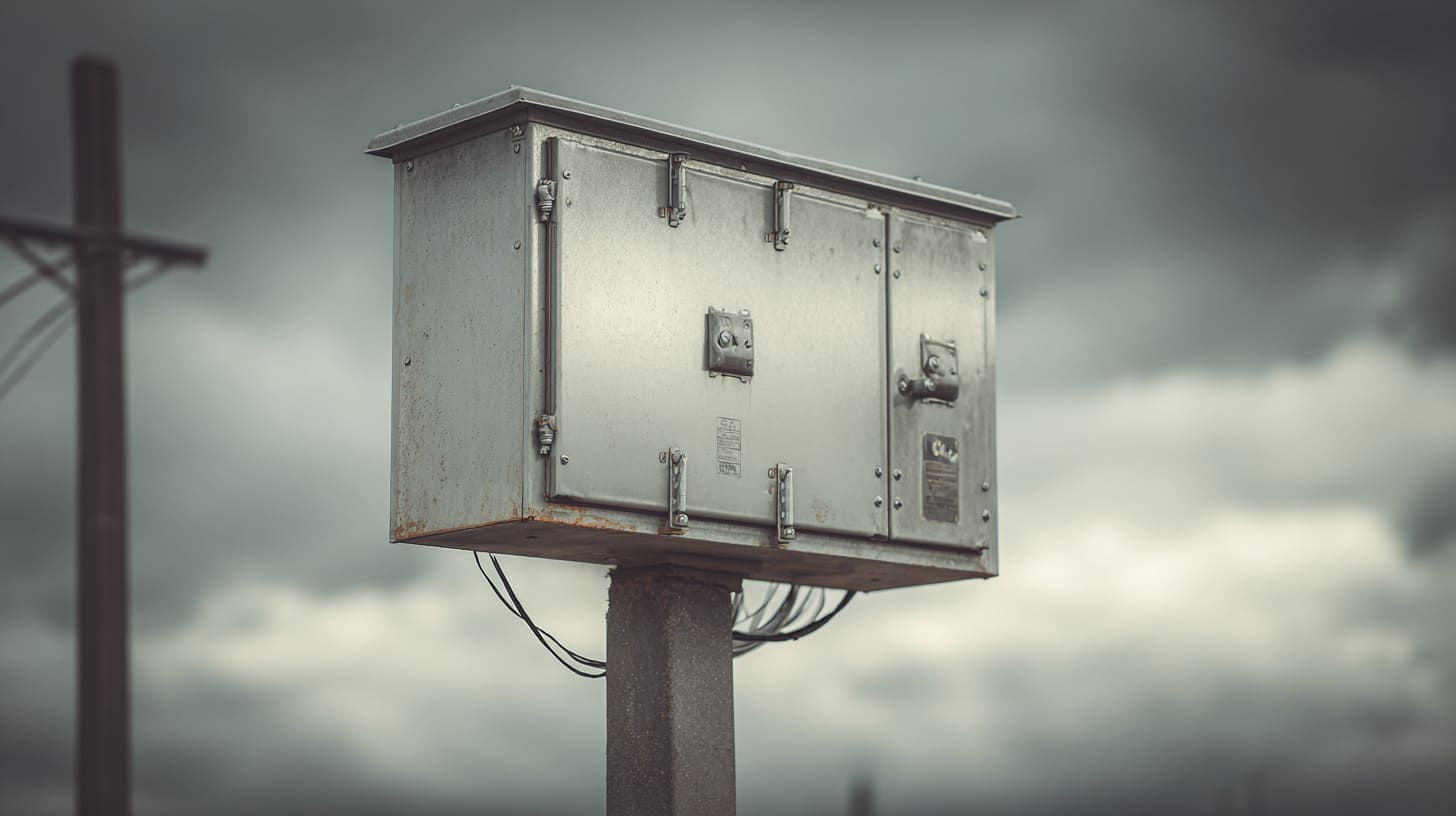
Typical 316 users
- Marine equipment
- Chemical plants
- Coastal infrastructure
- High-cleanliness environments
They pay more to avoid failure later.
How can I tell if my stainless steel is 304 or 316 grade?
This question usually comes after delivery.
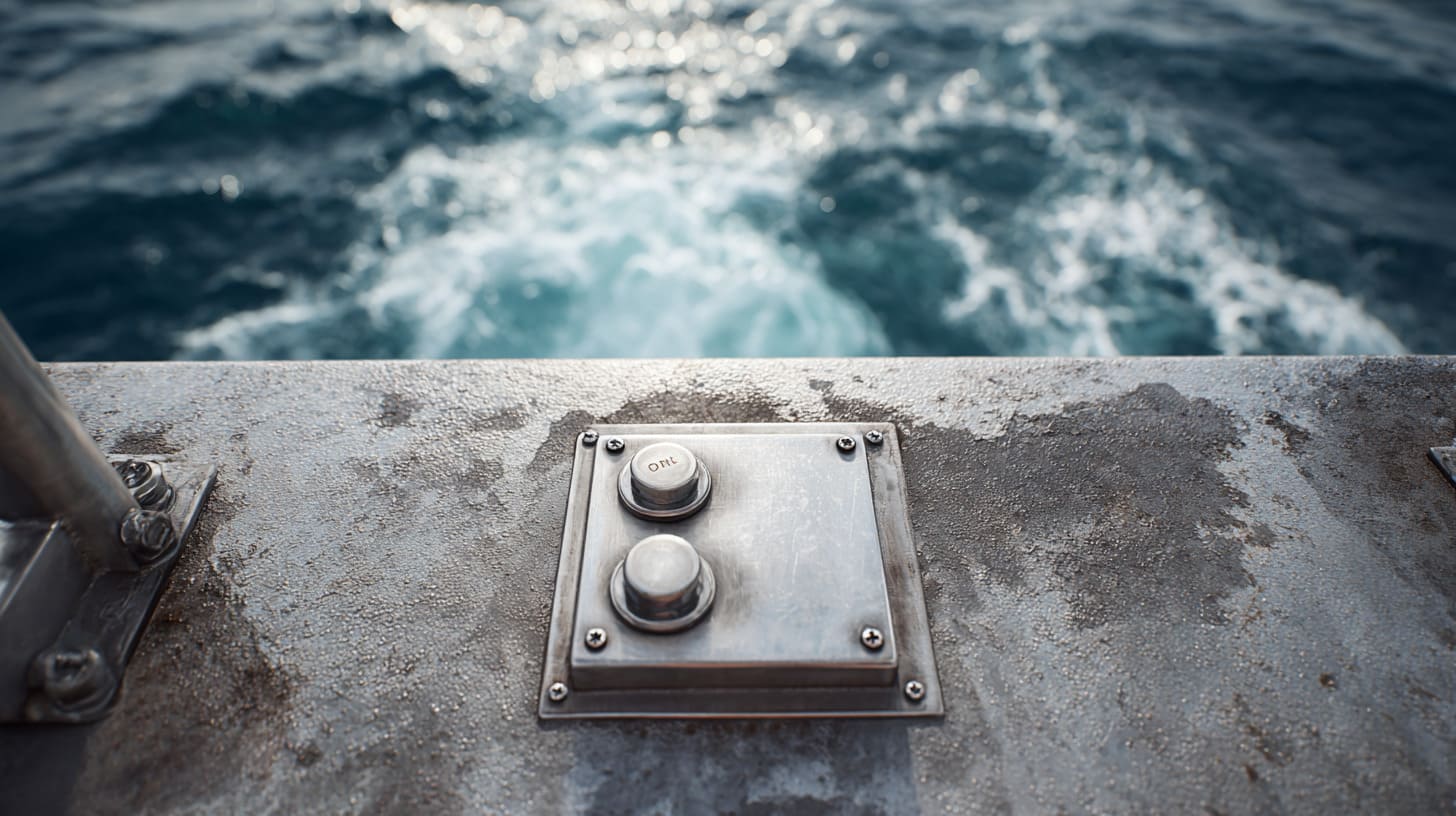
You can identify 304 or 316 stainless steel through material certificates, PMI testing, or chemical analysis. Visual inspection alone is not reliable.
If someone says they can “see” the difference, be careful.
Can I switch from 316 to 304 stainless steel to reduce enclosure cost?
Yes. Sometimes.
You can switch from 316 to 304 stainless steel if the operating environment allows it, and doing so can significantly reduce enclosure cost without sacrificing performance.
This is one of my favorite conversations.
Because smart design saves money without risk.
Conclusion
304 and 316 stainless steel are not rivals.
They are tools.
Used in the right place, both do their job well.