Skip to content
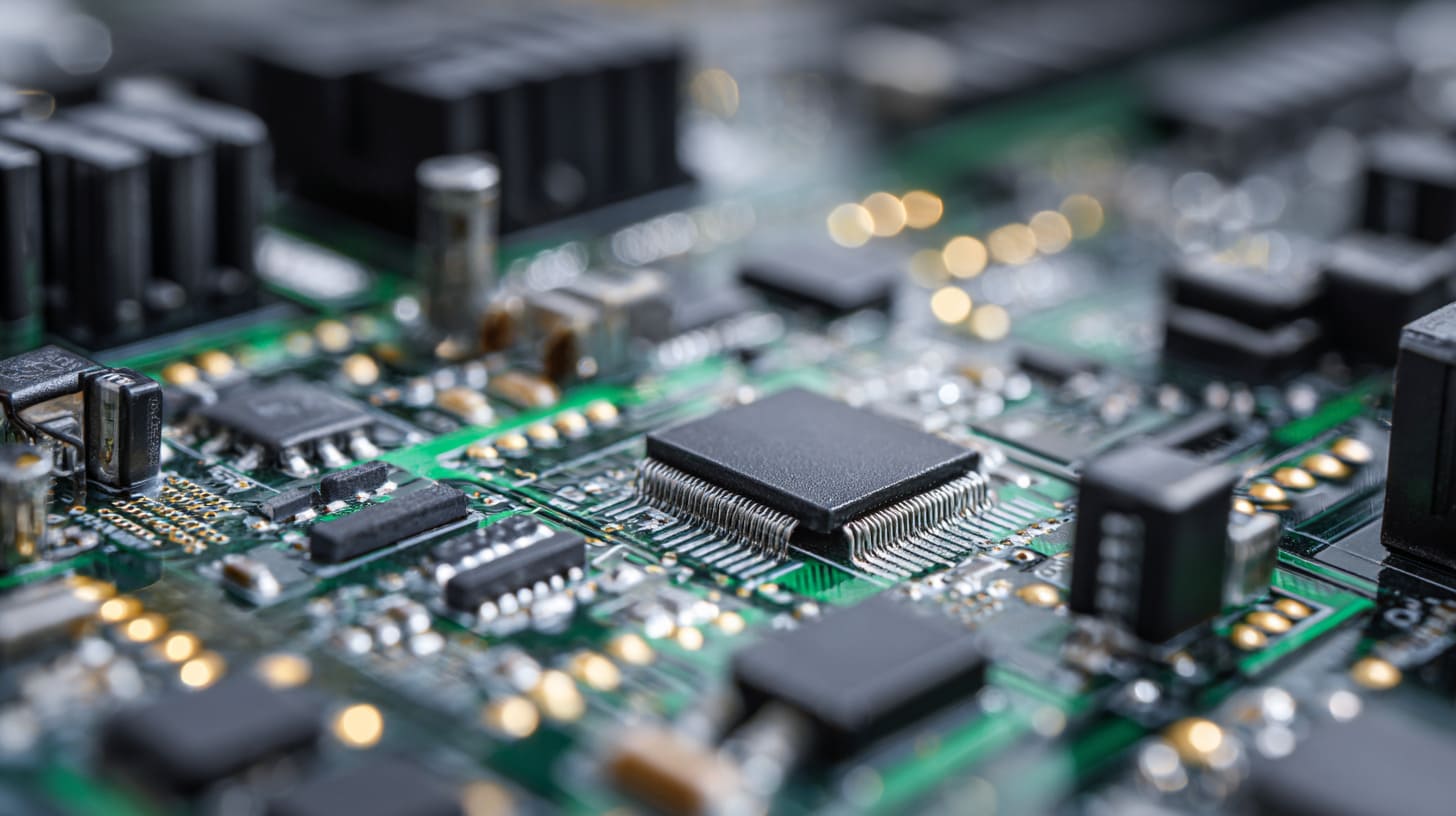
The workshop was unusually quiet that morning. Just the hum of a curing oven and the faint smell of epoxy in the air. On my bench sat a small circuit board, half‑filled with potting compound. It looked simple, almost fragile—but I knew the next few minutes would decide if that little device survived the real world.
Potting isn’t just pouring resin over a PCB. It’s the act of protecting what’s inside—your design, your effort, your client’s trust. Once the resin sets, every wire, component, and mistake becomes permanent. That’s why the box you choose matters more than most people realize.
From rugged automotive control units tucked near hot engines, to IoT sensors bolted to poles in the rain, potting boxes turn delicate electronics into field‑ready warriors. But with so many materials, compounds, and design options out there, finding the right one can feel like navigating a maze blindfolded.
Let’s break that maze down, one layer at a time.
What Is a Potting Box?
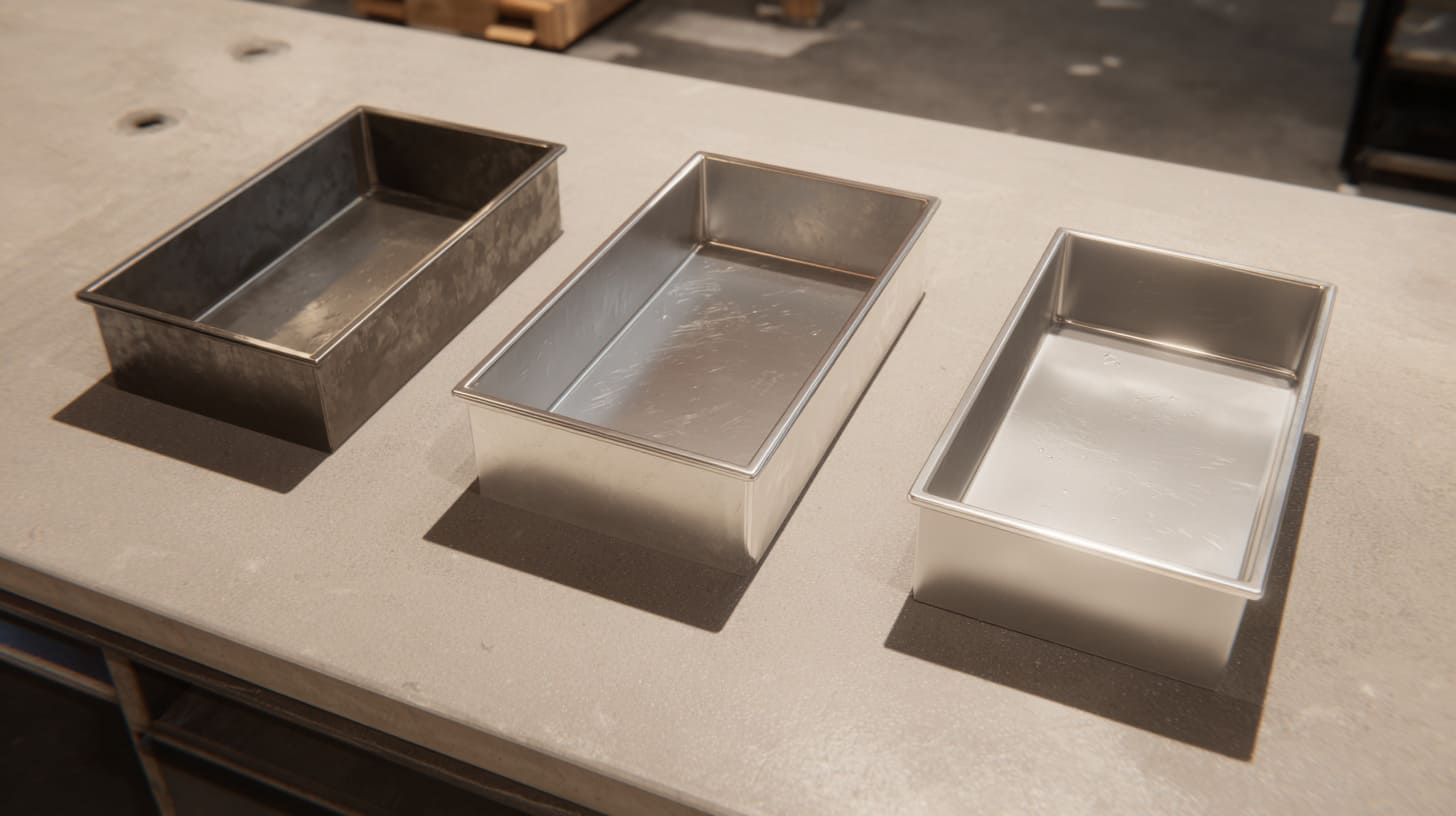
A potting box isn’t some fancy name for a regular enclosure—it’s purpose-built. The job? To hold your components securely while withstanding the chemical, thermal, and mechanical stresses of the potting process.
Here’s how it differs from a standard enclosure:
| Feature | Regular Enclosure | Potting Box |
|---|---|---|
| Internal Space Design | For air & airflow | Filled with potting compound |
| Sealing Options | Often removable | Permanent or semi-permanent |
| Material Choice | Wide range | Needs chemical + thermal resistance |
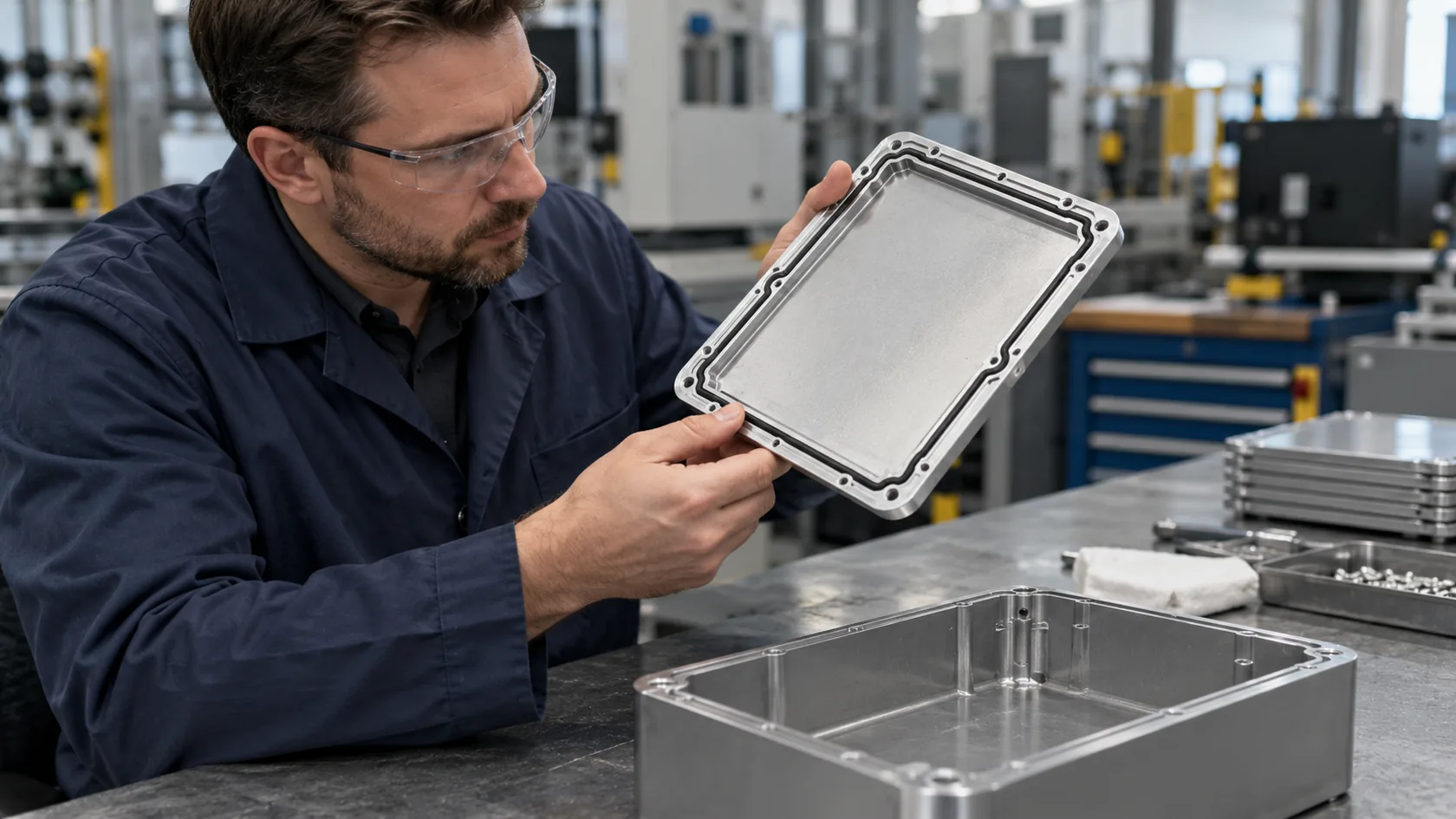
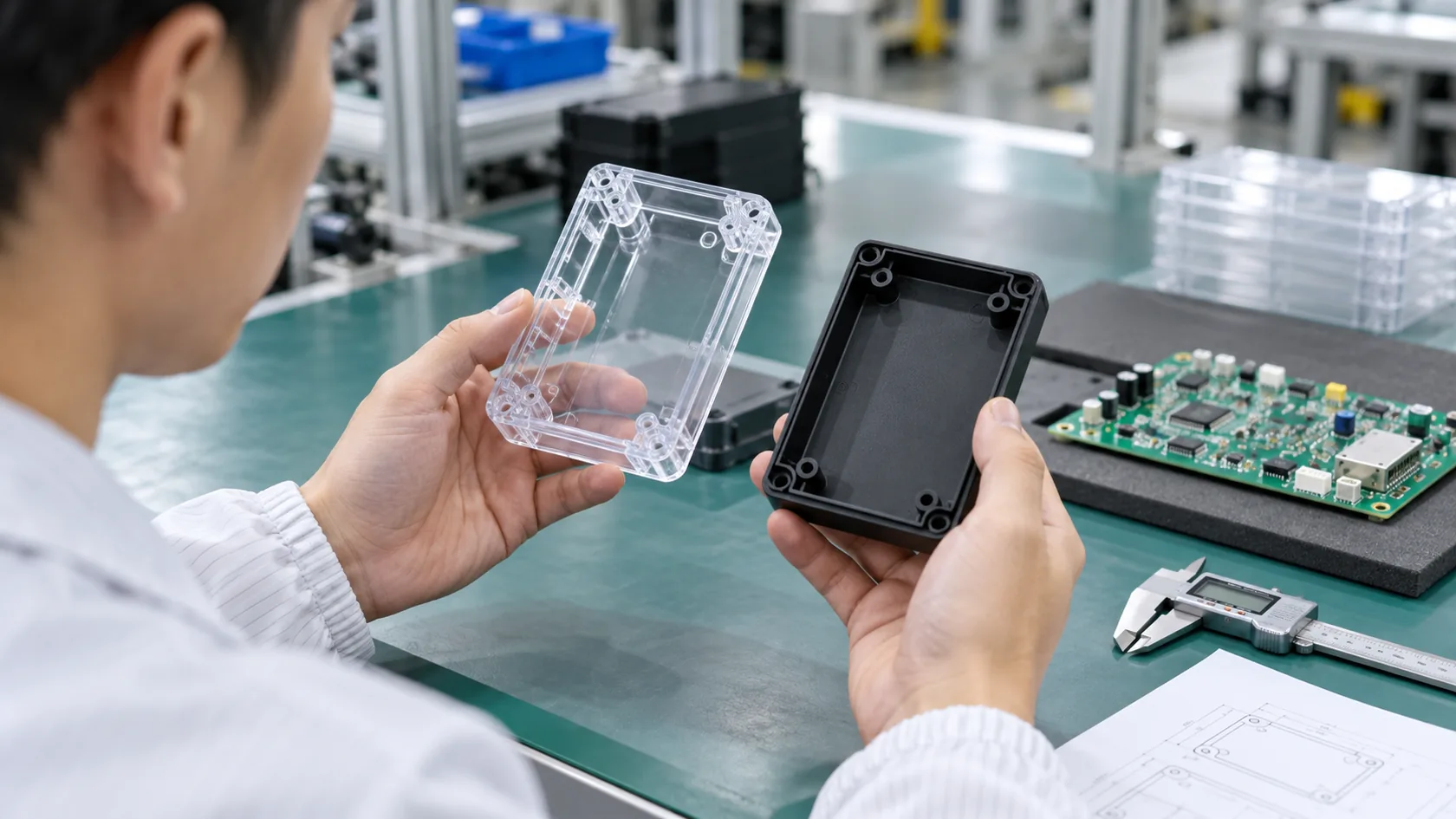
Common materials? I’ve worked with ABS for light-duty stuff. Polycarbonate for tougher jobs. And aluminum when heat management becomes a dealbreaker. Trust me, your choice matters.
Next time someone hands you “just a box,” ask them where they’re pouring resin. That usually opens a real conversation.
Why Use Potting Boxes for Electronics?
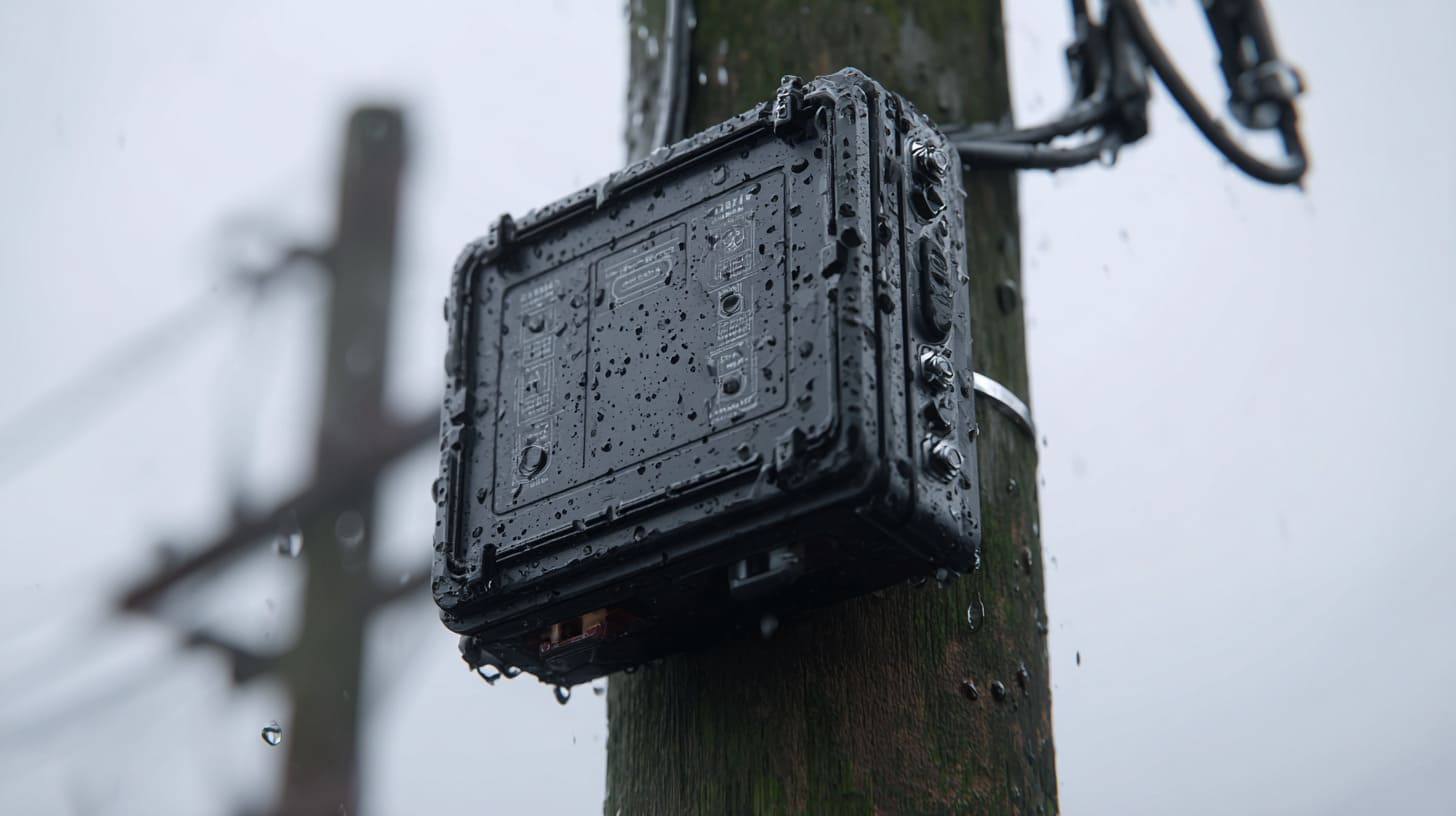
Let’s say you’ve got a device headed outdoors. Maybe a solar controller. Maybe a bike light. Either way, it’s about to face dust storms, downpours, and the occasional pigeon attack. Potting turns your delicate board into a tank.
But that’s not all:
- Moisture protection: No more condensation shorts.
- Vibration resistance: Great for anything mounted on engines or machines.
- Electrical insulation: Potting helps with creepage and clearance.
- Tamper resistance: Hard to reverse engineer once it’s solidified.
Think of it as casting armor directly onto your circuit. That’s the kind of peace of mind Davide, one of my Canadian clients, once told me he needed for his rugged IoT gateways in snow-covered rooftops.
Speaking of protection, let’s look at how we can design boxes smart from the inside out.
Key Design Considerations for Potting Boxes
Designing a potting box isn’t about guessing the volume and hoping it all fits. Every curve, corner, and hole must serve a purpose.
Internal Space Planning
Always measure twice. You’ll need room for your PCB and all the compound that’s going to fill in around it. I’ve seen folks forget capacitor height and end up with the lid refusing to close.
Cable and Connector Routing
Rule of thumb: Don’t run wires straight through without strain relief. Plan for grommets or molded-in pathways.
Sealing and Closure
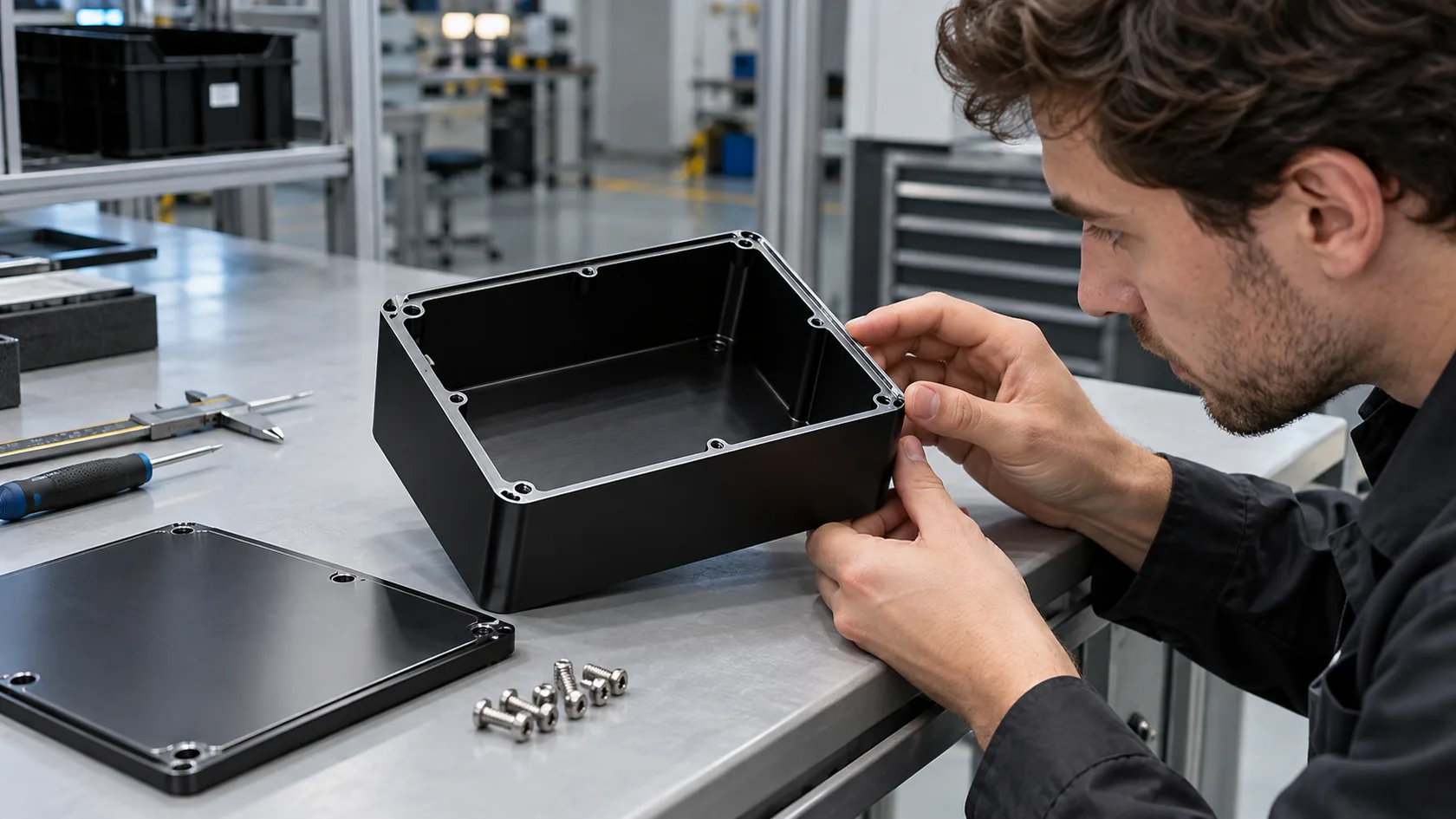
Snap-fit might be fine for lightweight stuff, but screwed or welded designs are better when you're potting. Once that resin sets, opening the box won’t be on your to-do list.
Mounting Options
Wall? DIN rail? Embedded? These details change everything. I had a client in Hungary—Lasle—who insisted we integrate mounting flanges into the mold. That saved his team hours during installation.
You can get creative with your layout, but if the potting compound can’t reach under that coil or over that jumper—you’ve got yourself a dead zone.
Now, not all boxes are created equal. And not all materials play nice with potting chemicals…
Material Choices and Compatibility
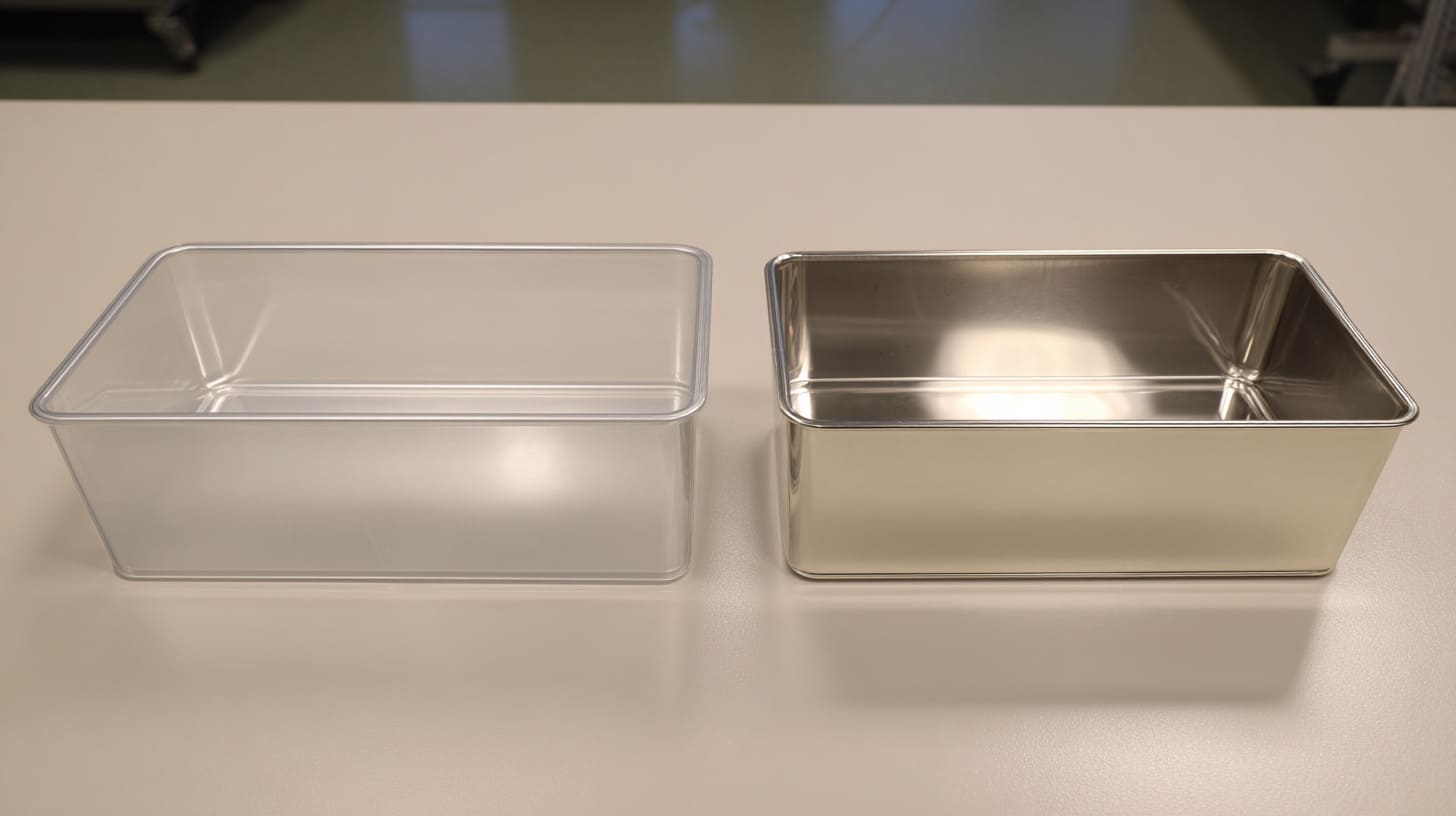
Here’s where many people—especially first-time OEM clients—trip up. They choose a pretty-looking plastic that turns gummy or brittle after potting. So what should you use?
| Material | Pros | Cons |
|---|---|---|
| ABS | Cheap, easy to mold | Poor chemical resistance |
| Polycarbonate | Strong, good with chemicals | Higher cost |
| Aluminum | Best for heat, rigid | Heavy, more expensive |
| Composite | Balanced performance | Needs careful sourcing |
Also, make sure the potting compound doesn’t eat the box. Compatibility matters.
If you're unsure, always test a small sample. Potting compounds can surprise you… and not in a good way.
Potting Compounds: Matching with the Box
Let’s talk chemistry. There are three big names here: Epoxy, Polyurethane, Silicone. Each has its strengths, and yes—each comes with a few headaches.
| Compound Type | Strengths | Weaknesses |
|---|---|---|
| Epoxy | Hard, strong, good insulator | Brittle under vibration |
| Polyurethane | Flexible, better for vibration | Not great at high temps |
| Silicone | Great for temp swings, flexible | Can peel from box over time |
Matching the right one to your box is critical. For example, silicone might be ideal for a polycarbonate box in an automotive bay—but a disaster for aluminum if it doesn’t adhere well.
Also, be mindful of:
- Cure time
- Temperature requirements
- Bonding ability
A poorly mixed epoxy isn’t just a mess—it’s a weak spot.
If you’ve ever wondered what happens to heat inside all that resin… let’s crack that open next.
Thermal Management in Potting Boxes
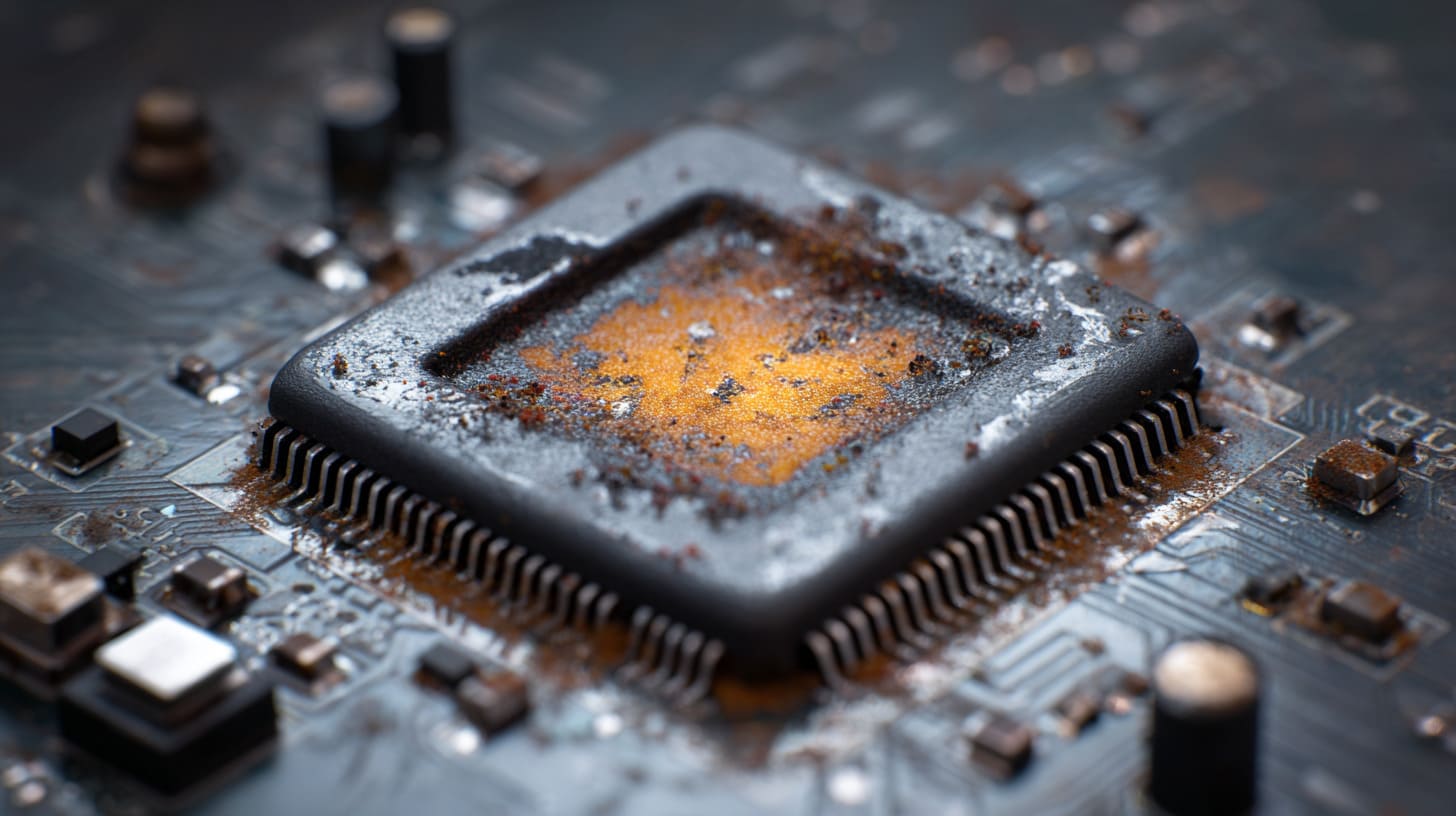
When you pour resin, you seal in heat. That can be a blessing—or a silent killer. I’ve seen LED drivers fail not from moisture—but from trapped heat that had nowhere to go.
How Potting Affects Heat
Potting blocks airflow. It also insulates. That’s good for protection, bad for hot components. If your ICs run hot, you’ll need a way to dissipate.
Designing for Heat Flow
Some options:
- Use thermal pads under key chips
- Choose aluminum housing
- Add vents (if protection rating allows)
Avoiding Hotspots
Uneven pours. Bubbles. Components touching too closely. These things create hotspots.
Plan ahead, or your circuit will be cooking itself inside its armor.
Speaking of protection—how do you know your potting box can really handle the elements?
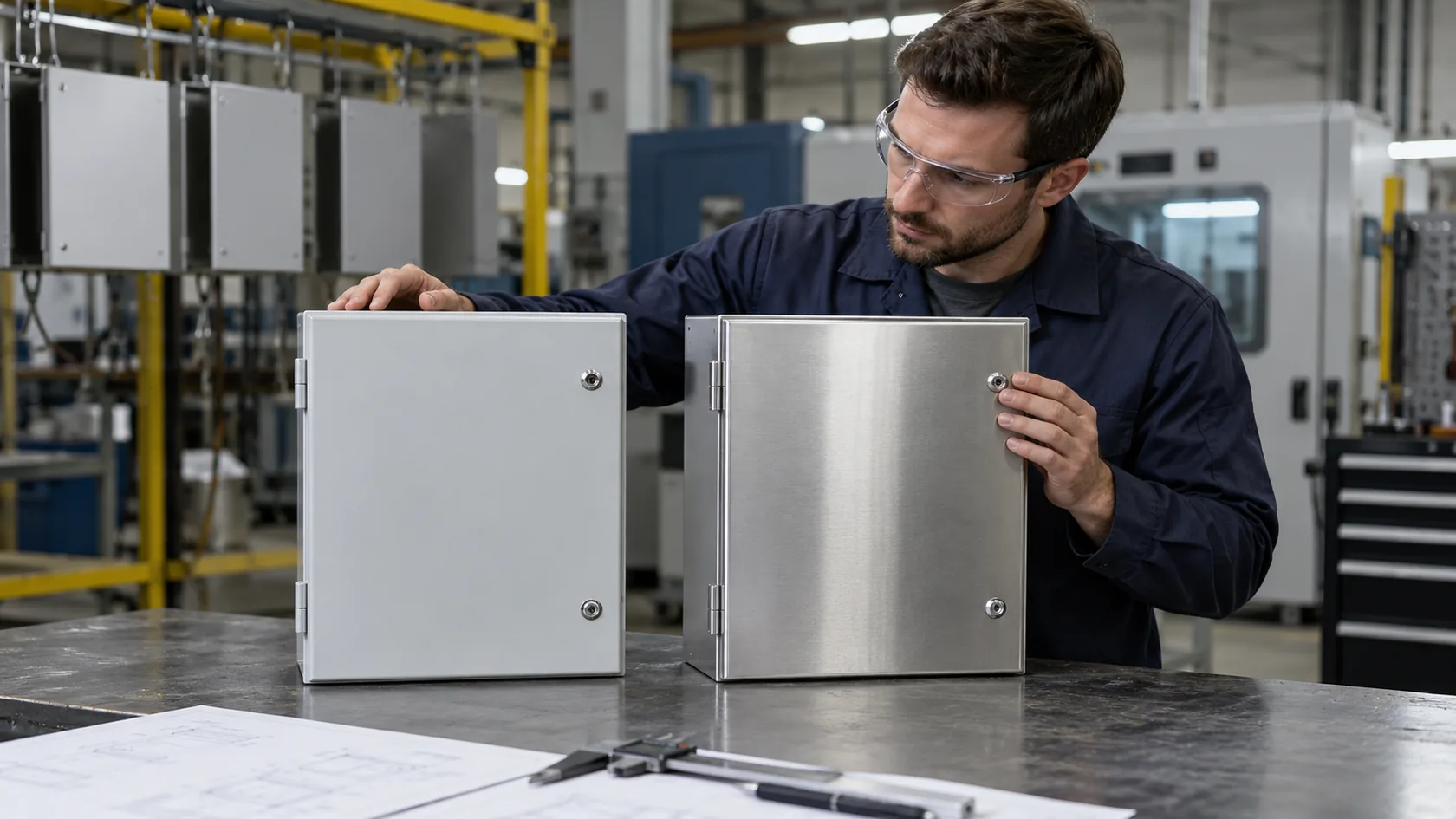
IP Ratings and Environmental Protection
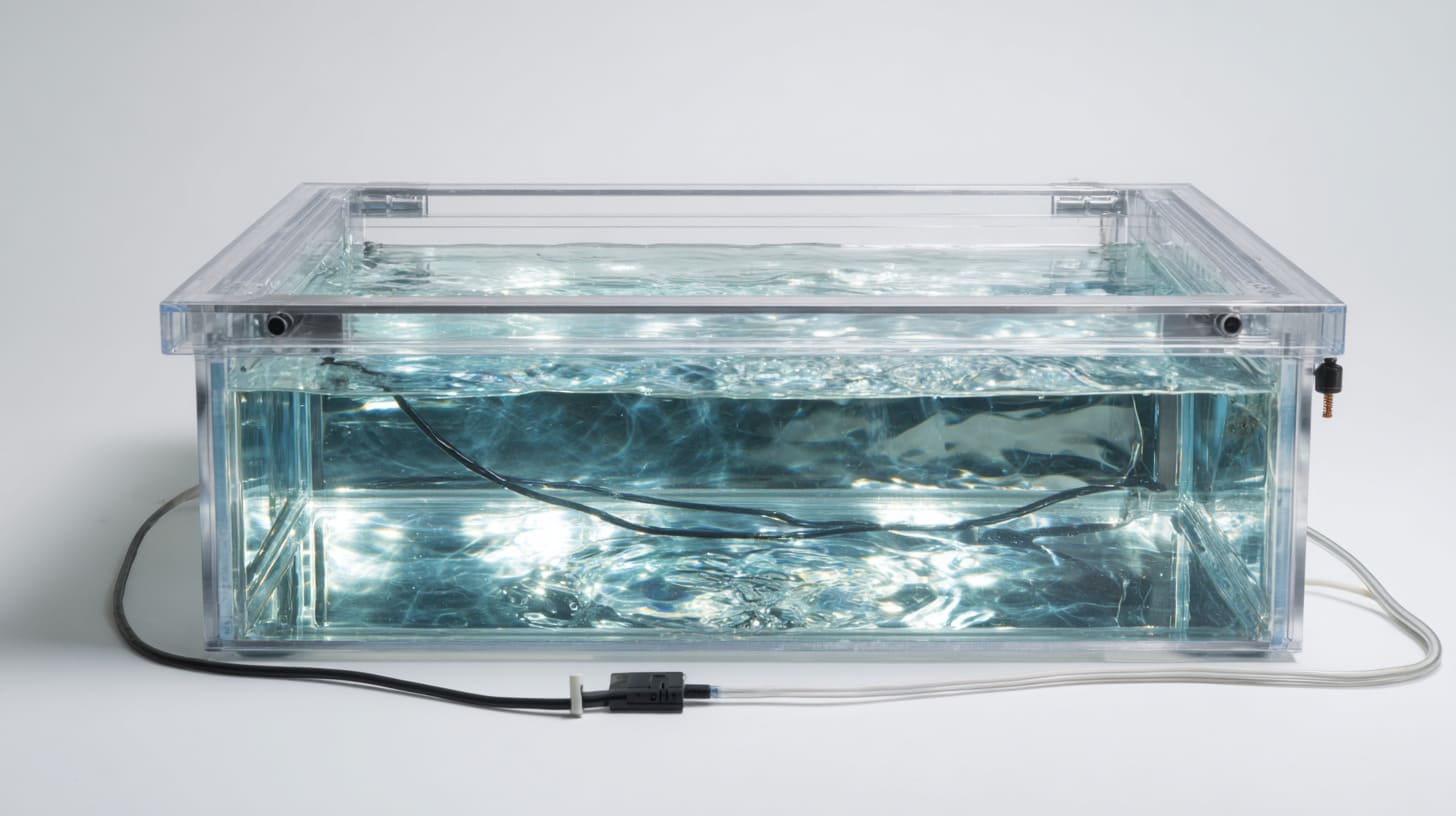
I once had a client proudly claim his enclosure was IP67. Problem was, he forgot to seal the connector hole during potting. Guess what happened when it rained?
What IP Ratings Should You Meet?
Start with these benchmarks:
- IP65: Dust tight, water jets
- IP67: Temporary submersion
- IP68: Long-term submersion
Ensuring Full Seal
Before potting, seal all entry points. Potting should flow into every gap. Silicone gaskets or resin overmold can help.
Testing the Result
Always run real-world simulation. Water dunk, pressure spray, or even freeze-thaw cycles.
And if you want that perfect fit, should you go custom—or buy off the shelf?
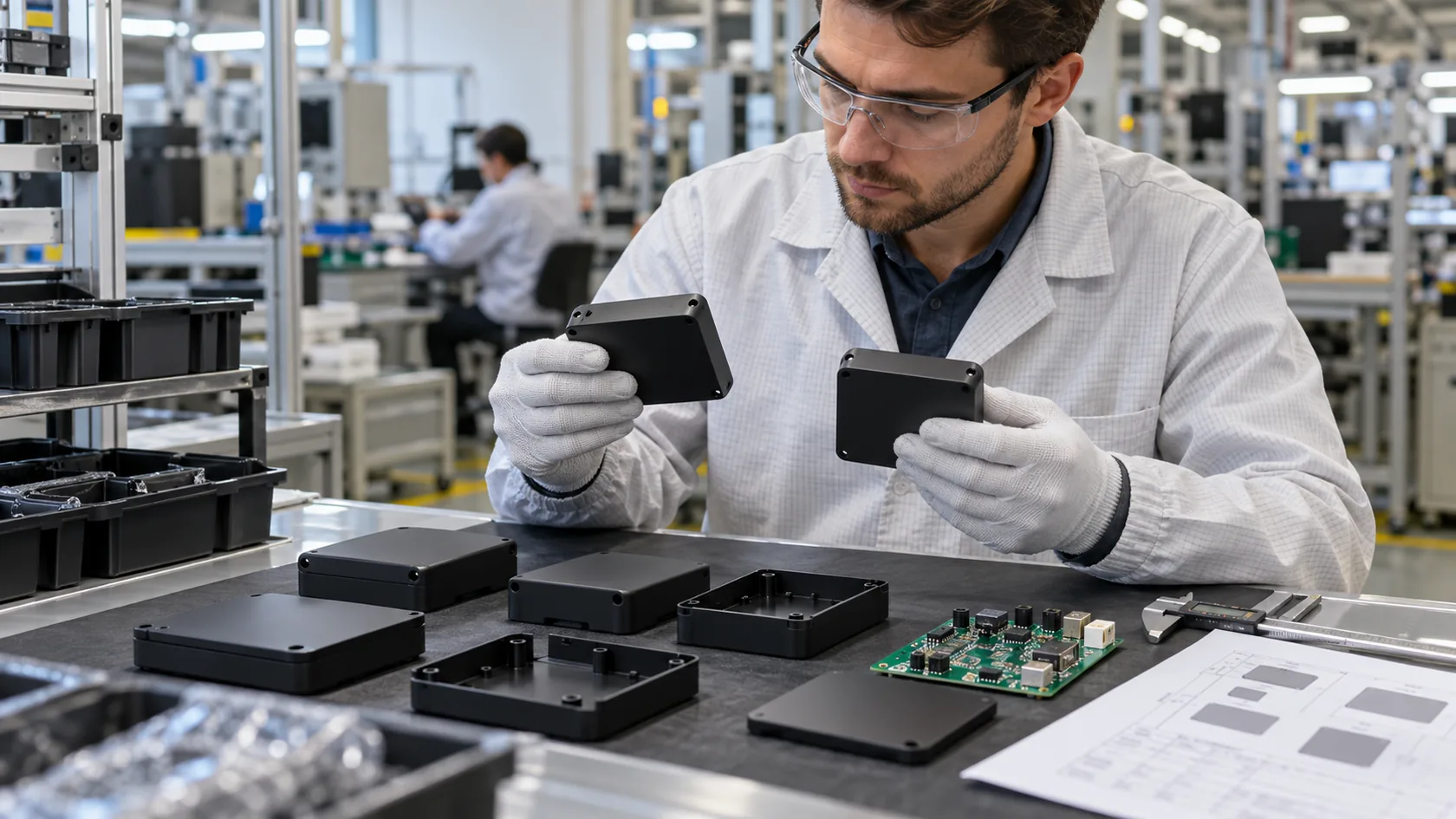
Custom vs. Off-the-Shelf Potting Boxes
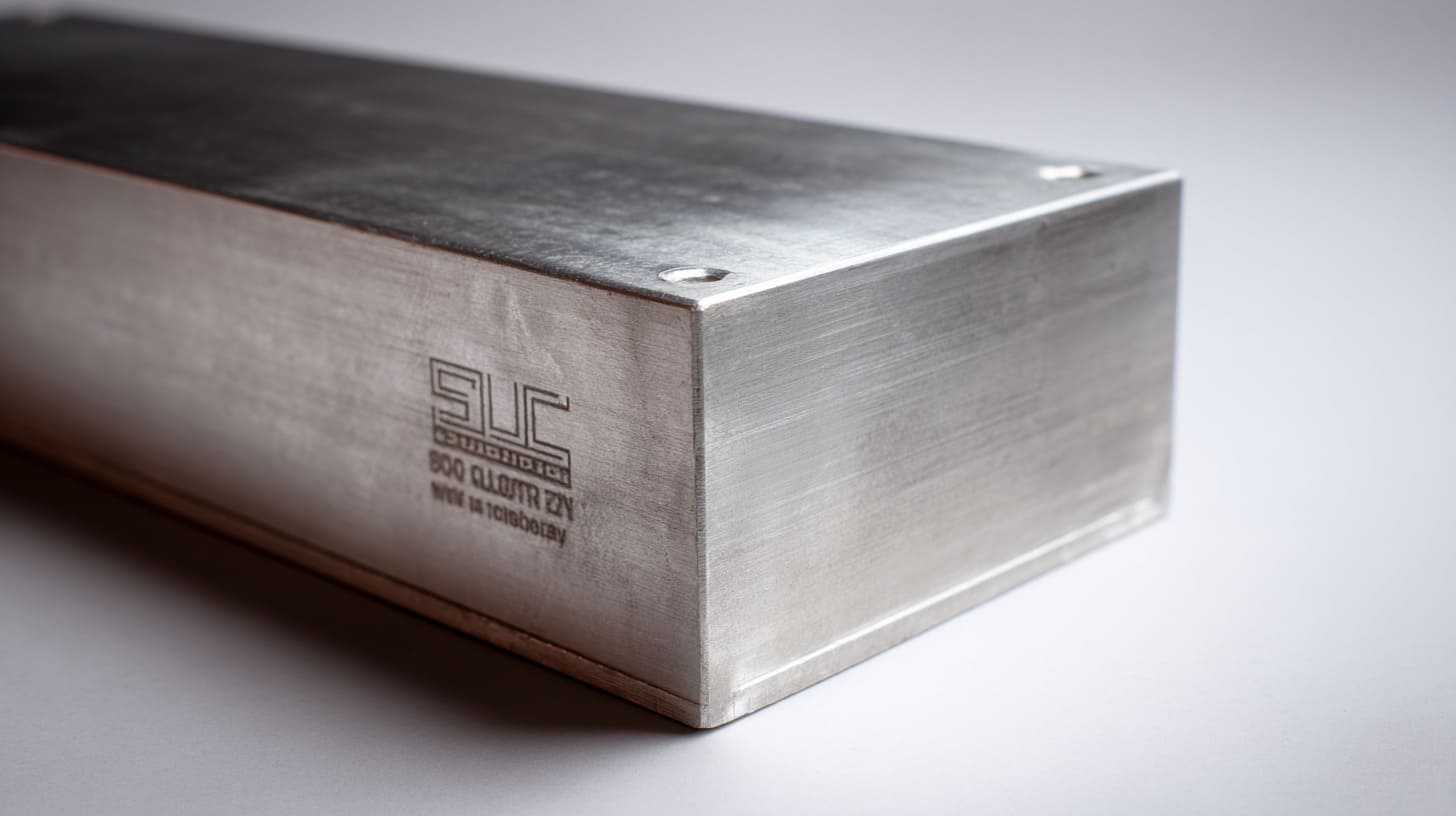
Jackson from Germany once asked me: “Can I just use a generic enclosure?” My answer was honest—“Yes, but you’ll fight it every step of the way.”
When to Go Custom
- Unique board layout
- Brand/logo integration
- Special mounting needs
Design Tips
Work closely with your enclosure supplier early. I can’t count the number of hours saved when clients send us their board layout first—not after the potting compound is already curing.
Cost & Lead Time
| Type | Lead Time | Unit Cost |
|---|---|---|
| Off-the-shelf | 2-5 days | Low |
| Semi-custom | 7-15 days | Moderate |
| Fully custom | 20-35 days | Higher upfront |
Choose what fits your timeline. But never sacrifice protection just to save two days.
Now let’s get hands-on.
Best Practices During the Potting Process
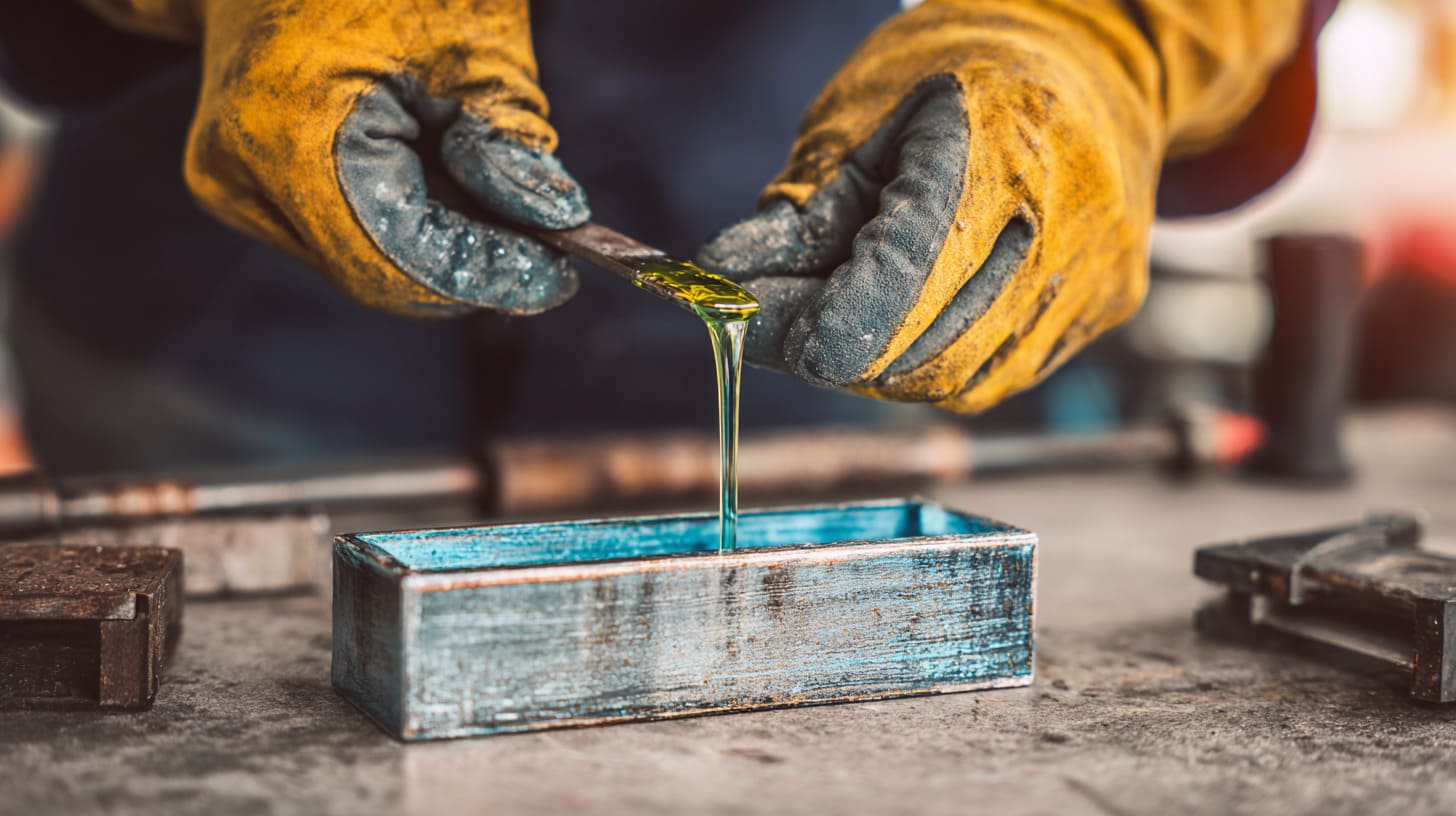
Potting is like baking. You measure, mix, pour… and pray it doesn’t collapse halfway through.
Prep First
Clean every surface. No dust. No oil. No excuses.
Mix It Right
Follow ratio rules. If it says 2:1, don’t eyeball it. And degas if you can—trapped air leads to voids.
Pour with Patience
Start slow. Let it settle. Watch for bubbles around tall components.
Curing Time
Respect it. If it says 24 hours, wait 24. I once shipped a batch too soon and the resin leaked in transit. Never again.
But even when you do it all right… mistakes happen.
Common Mistakes to Avoid
Here are some I’ve made (and seen others make):
- Wrong material pairing: Compound eats the box or won’t stick
- Overfilling: Spills during curing or prevents closure
- Poor wire planning: Breaks connectors or pinches cables
- Ignoring expansion: Resin shrinks or expands with temp swings
One little oversight? That’s all it takes to ruin 100 units.
So who’s using potting boxes, anyway?
Applications and Industries Using Potting Boxes
Potting boxes aren’t just for niche projects. They’re everywhere—quietly protecting the electronics we depend on.
- Automotive: ECUs, sensors, under-hood modules
- Lighting: LED drivers in harsh environments
- Industrial: Control boxes, sensor modules, actuators
- Consumer: Smartwatches, fitness bands, wireless beacons
If your product lives outside a cozy office—you might need a potting box.
Conclusion
In my years helping engineers around the world—from Jackson’s rebrand orders in Europe to Davide’s snow-tested gear in Finland—I’ve seen how potting boxes can make or break a project.
Get the box right, and the rest falls into place. It’s not just about sealing components—it’s about designing with intention.
So if you’re planning to pot—start with the box. Then pour in the rest.