Skip to content
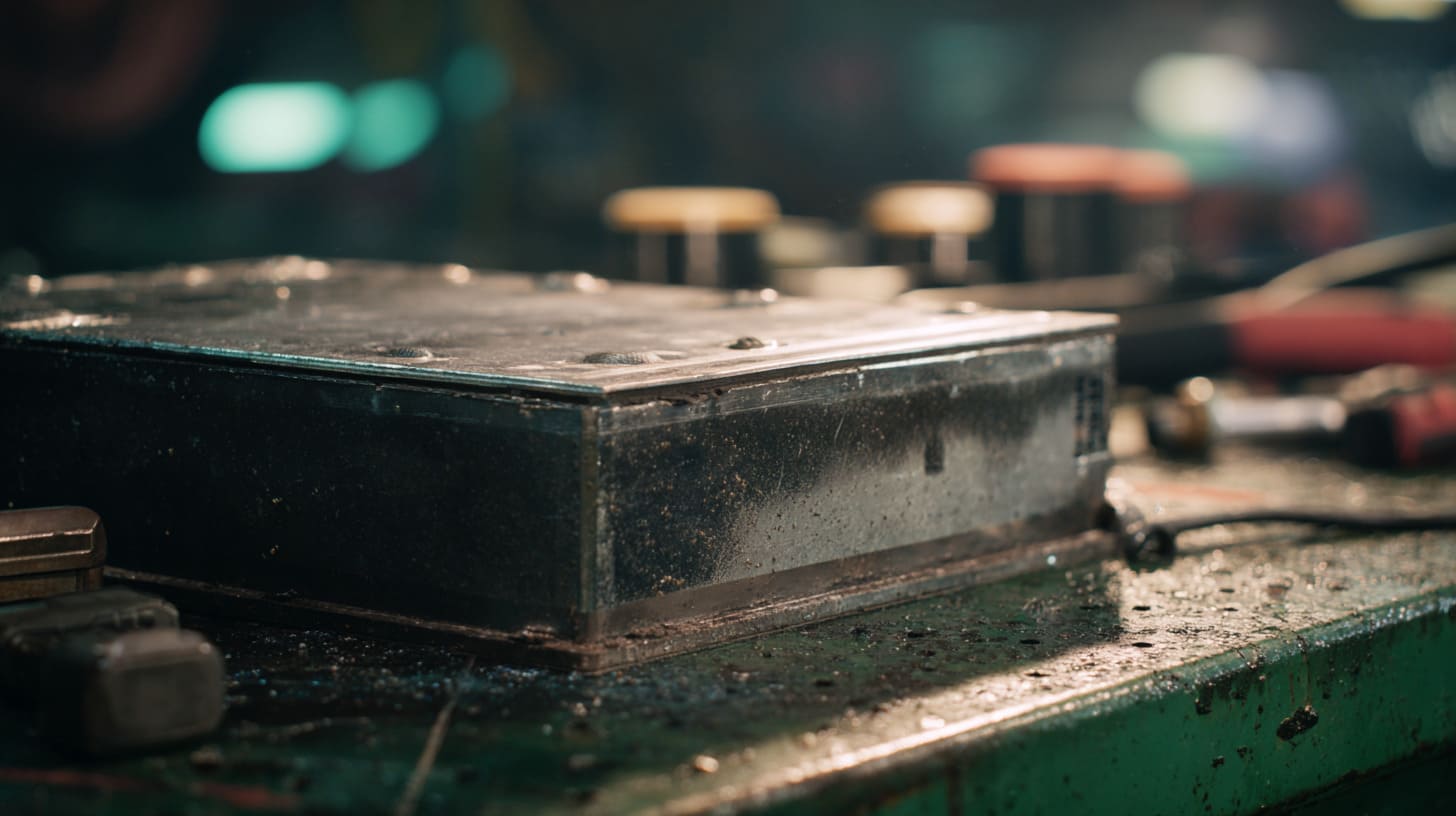
Waterproof ratings often come up when we're finalizing enclosure specs with clients. The confusion usually starts with one simple question: "Is IP66 enough, or do I need IP68?"
IP66 protects against strong water jets, while IP68 goes further—allowing for long-term submersion underwater.
At first, the difference might seem like a simple number change. But these two ratings affect how your product survives in the real world—and how much peace of mind you really get.
Is IP66 fully waterproof?
It depends on how you define “fully.”
IP66 is waterproof against strong jets of water, but not against submersion.
What IP66 actually protects against
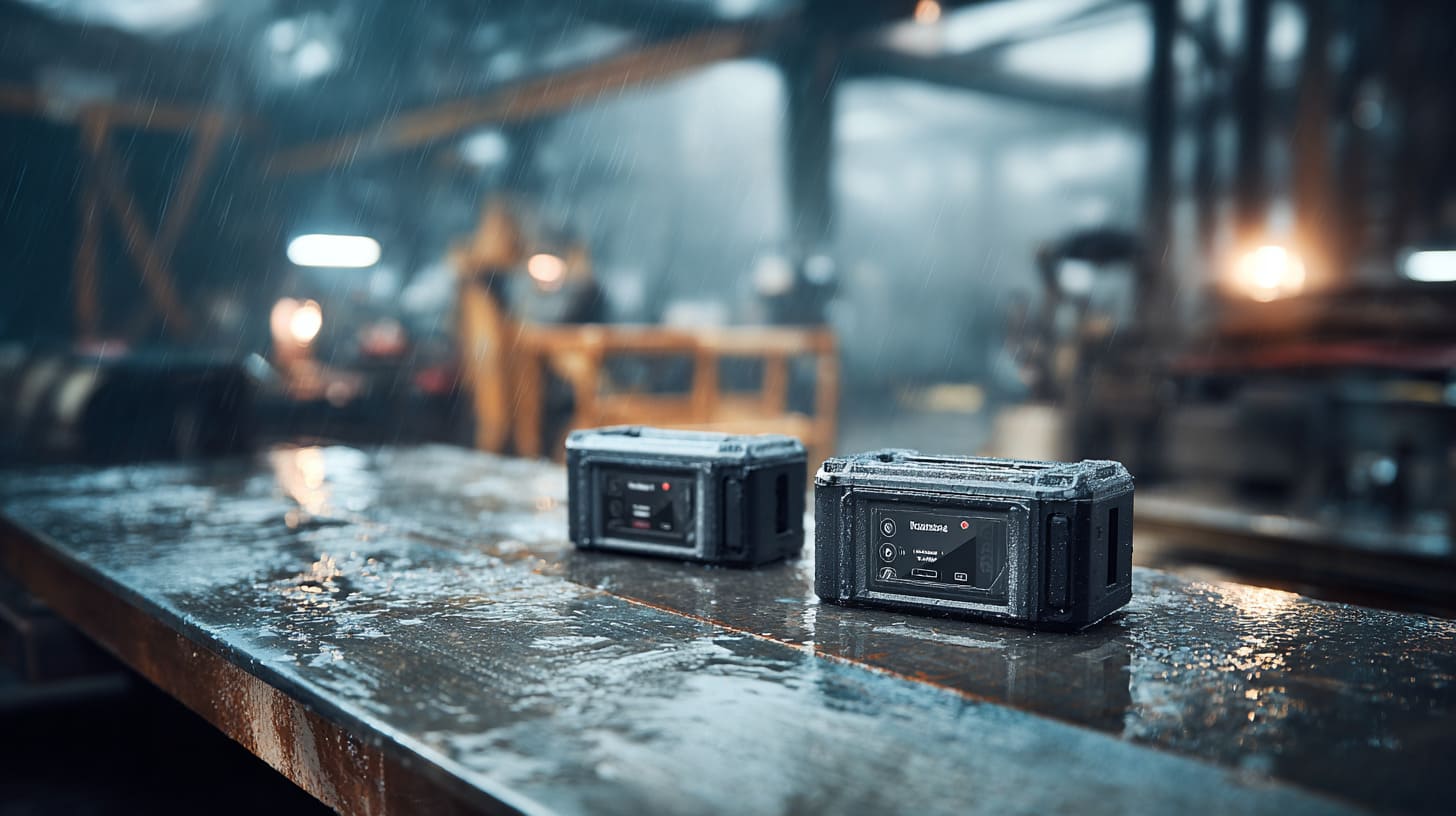
Think of IP66 as a raincoat during a storm. It keeps you dry while standing or walking through heavy rain—even while water blasts against you. But jump into a pool, and that coat won’t do much.
| Feature | IP66 Rating |
|---|---|
| Water resistance | High-pressure water jets |
| Submersion | ❌ Not tested for immersion |
| Dust protection | ✅ Fully dust-tight |
So if your product faces rainfall, hose-downs, or splashing—IP66 will hold up just fine. Just don’t drop it in a pond.
How long will IP66 protection last?
It doesn't last forever—unless you help it.
IP66 protection can last years, but hinges on material quality, seal durability, and weather exposure.
Long-term durability and maintenance
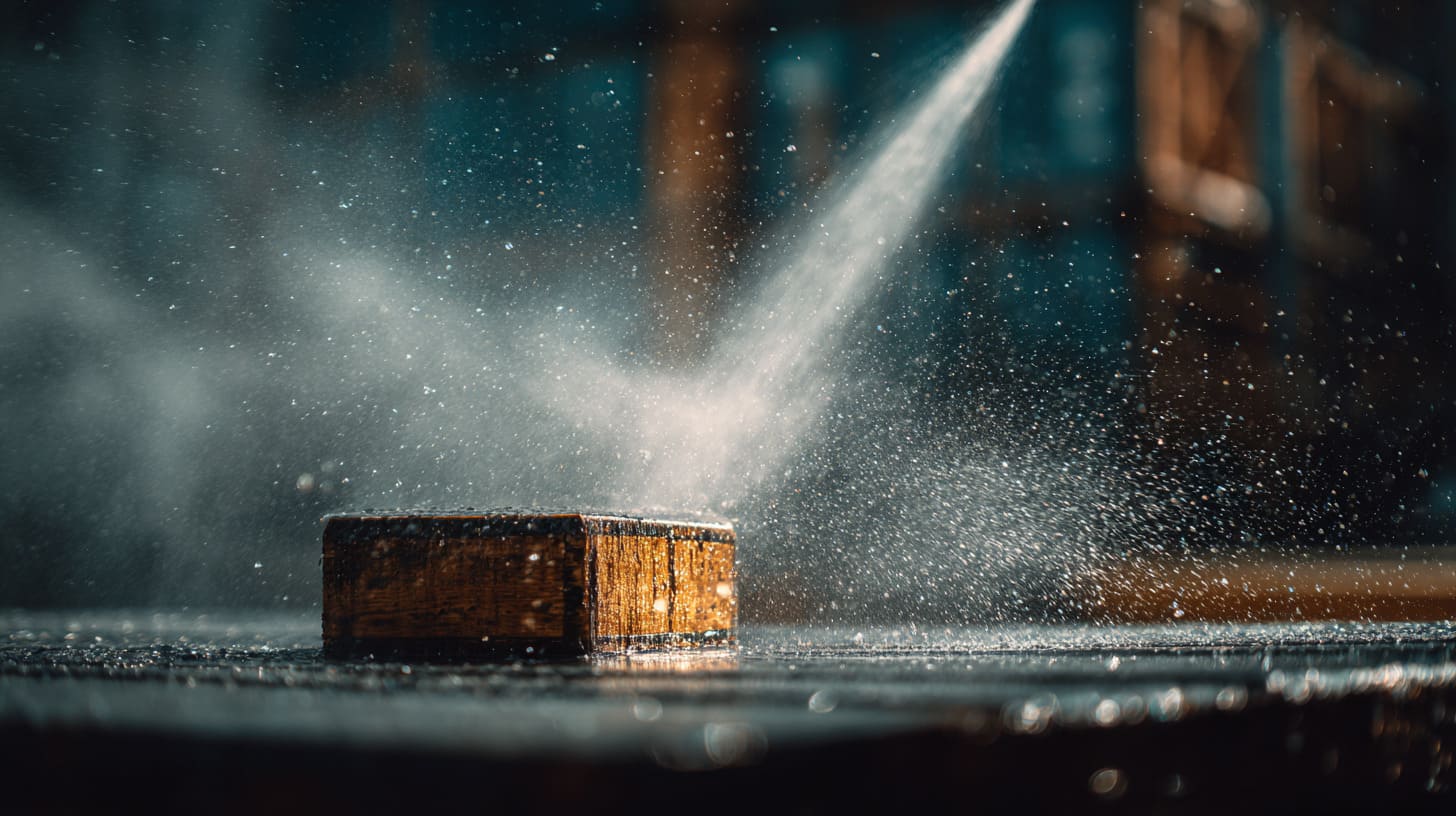
In my factory, we’ve seen IP66 enclosures that survived five monsoon seasons in India, but we’ve also seen some fail after two winters due to poor seal gaskets.
- UV rays crack plastic over time.
- Rubber seals wear and shrink with heat.
- Screws loosen due to thermal expansion.
You can extend protection by choosing UV-stabilized materials, periodic checks, and avoiding harsh chemicals during cleaning.
Is IP68 100% waterproof?
It’s close—but nothing is truly "100% waterproof."
IP68 can handle full immersion, but only under specified depth and time conditions.
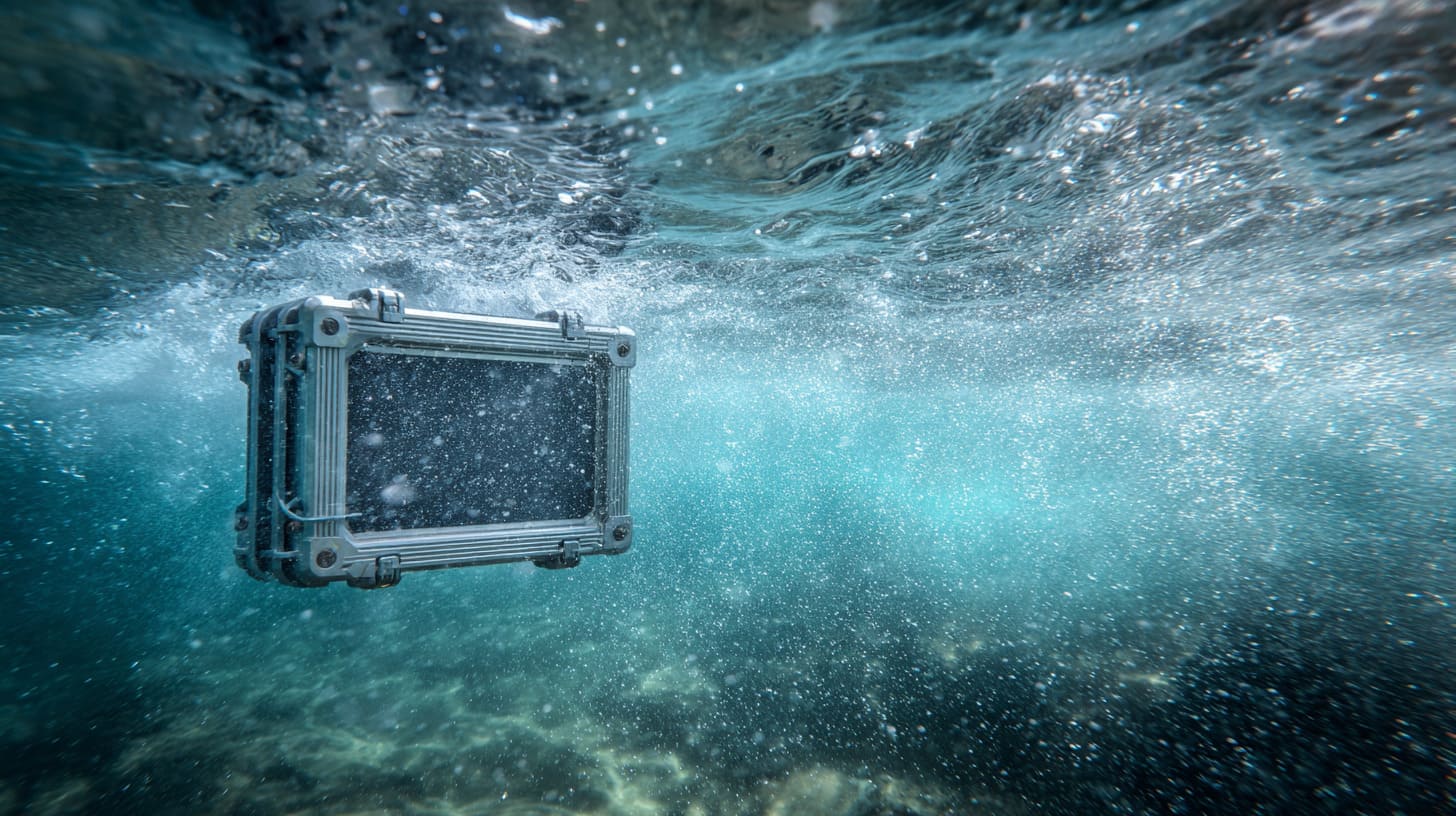
What "100% waterproof" really means
IP68 might handle 1.5 meters deep for 30 minutes, but it doesn't mean it’ll survive 10 meters for a week. Every manufacturer must declare their IP68 limits—and they vary.
Some go further:
- 3 meters for 1 hour (typical smartphone level)
- Even up to 10 meters for special marine-grade enclosures
Always check the exact conditions, or you might end up with a water-filled surprise.
Which is better, IP68 or IP65?
It’s not about better. It’s about what you need.
IP68 protects against immersion. IP65 is only splash and light rain resistant.
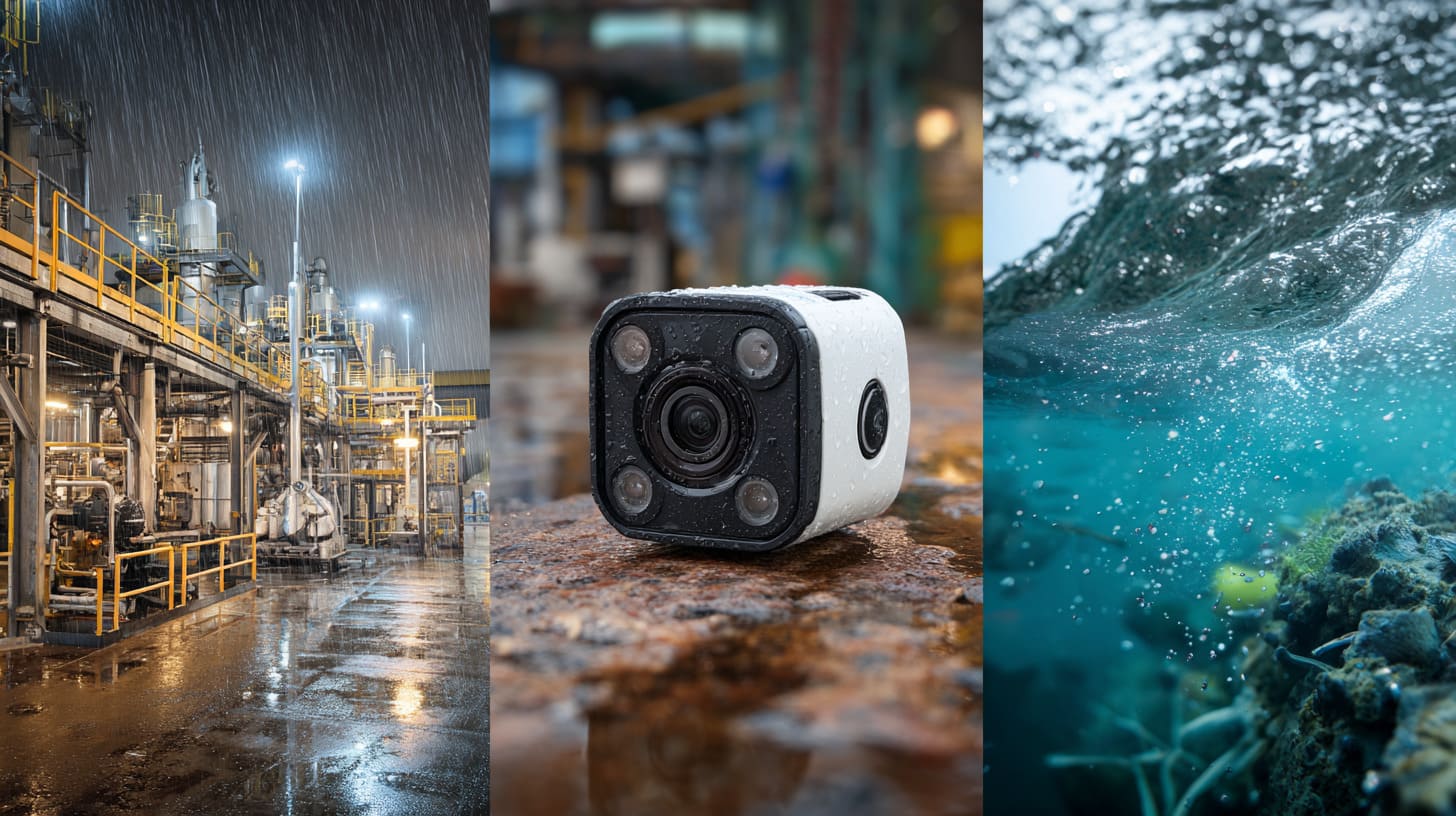
Use-case matters more than rating
| Use Case | Recommended Rating |
|---|---|
| Outdoor sensor in light rain | IP65 |
| Underwater camera | IP68 |
| Rooftop industrial box | IP66 or higher |
So if your device never sees water deeper than a puddle, IP65 may be enough. If you’re going into flood zones? IP68 or bust.
Is IP66 waterproof better than IP68?
Not really—it’s different.
IP66 is stronger against high-pressure spray; IP68 is for full submersion.
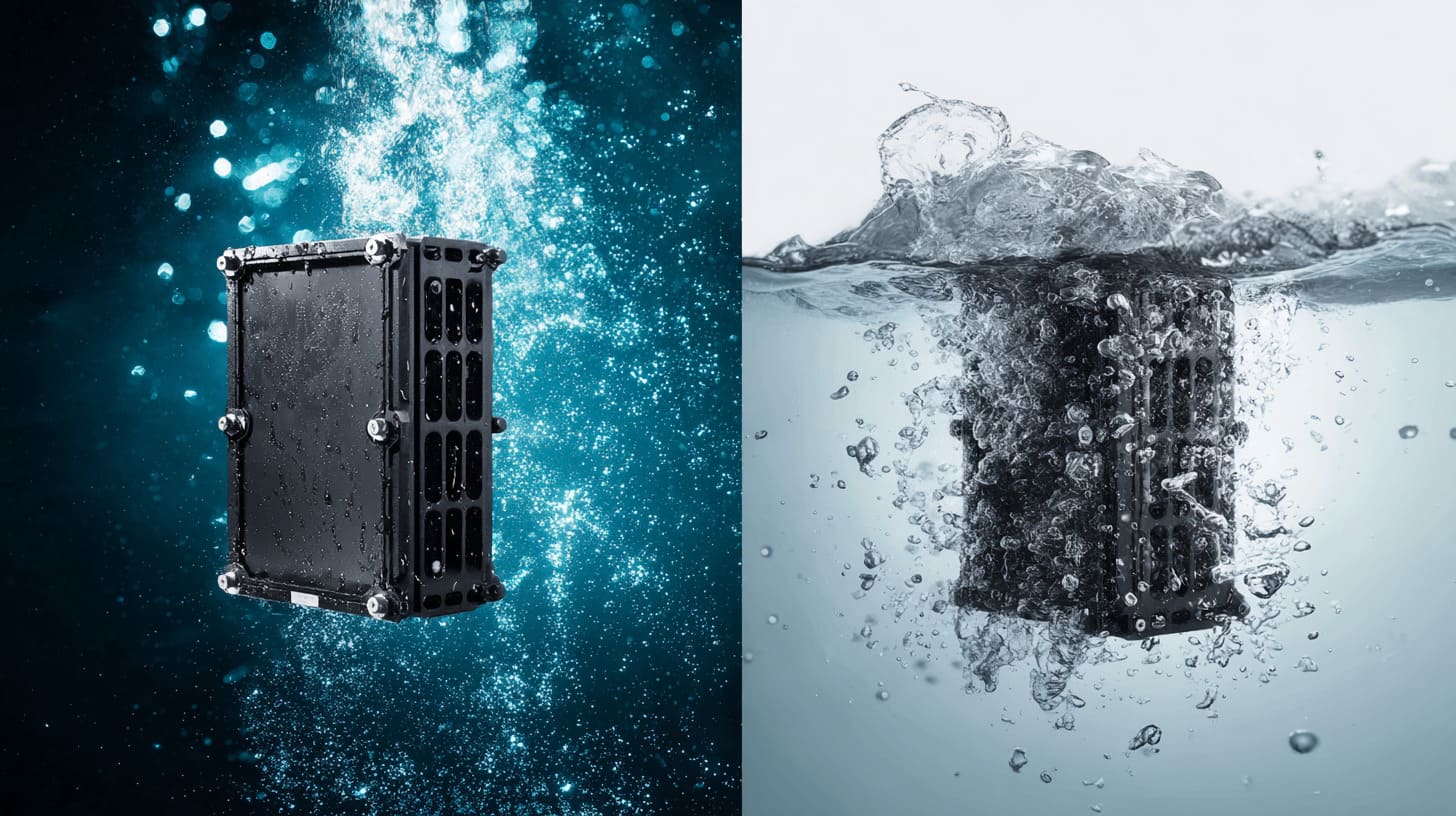
One isn’t better, just different tasks
Picture this:
- IP66 for washing machines being sprayed during cleaning.
- IP68 for a monitoring device dropped in a well.
Sometimes, the harsh water jet of IP66 testing is more brutal than IP68's calm submersion.
Is IP65 ok for heavy rain?
If it’s vertical rain—maybe.
IP65 is splashproof but may struggle in sideways or wind-driven rain.
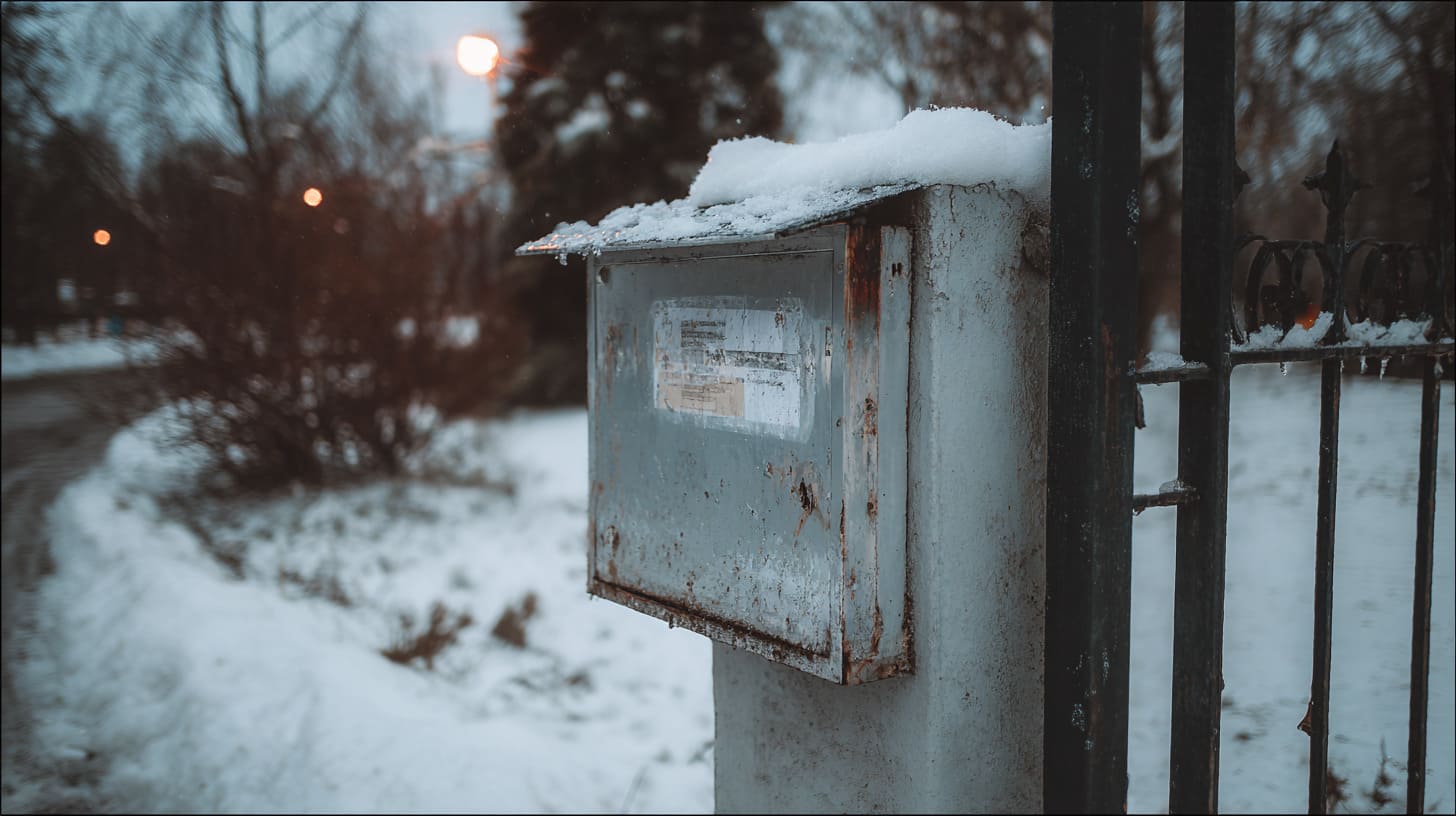
Better safe than soaked
I once saw a client install IP65 boxes on a parking lot gate. After one winter, they called in panic—water had seeped inside. We switched to IP66 and never heard from them again (which is a good thing).
What does the IP rating actually mean for electronic enclosures?
It’s like a stress test badge.
An IP rating tells you how well an enclosure blocks out dust and water.
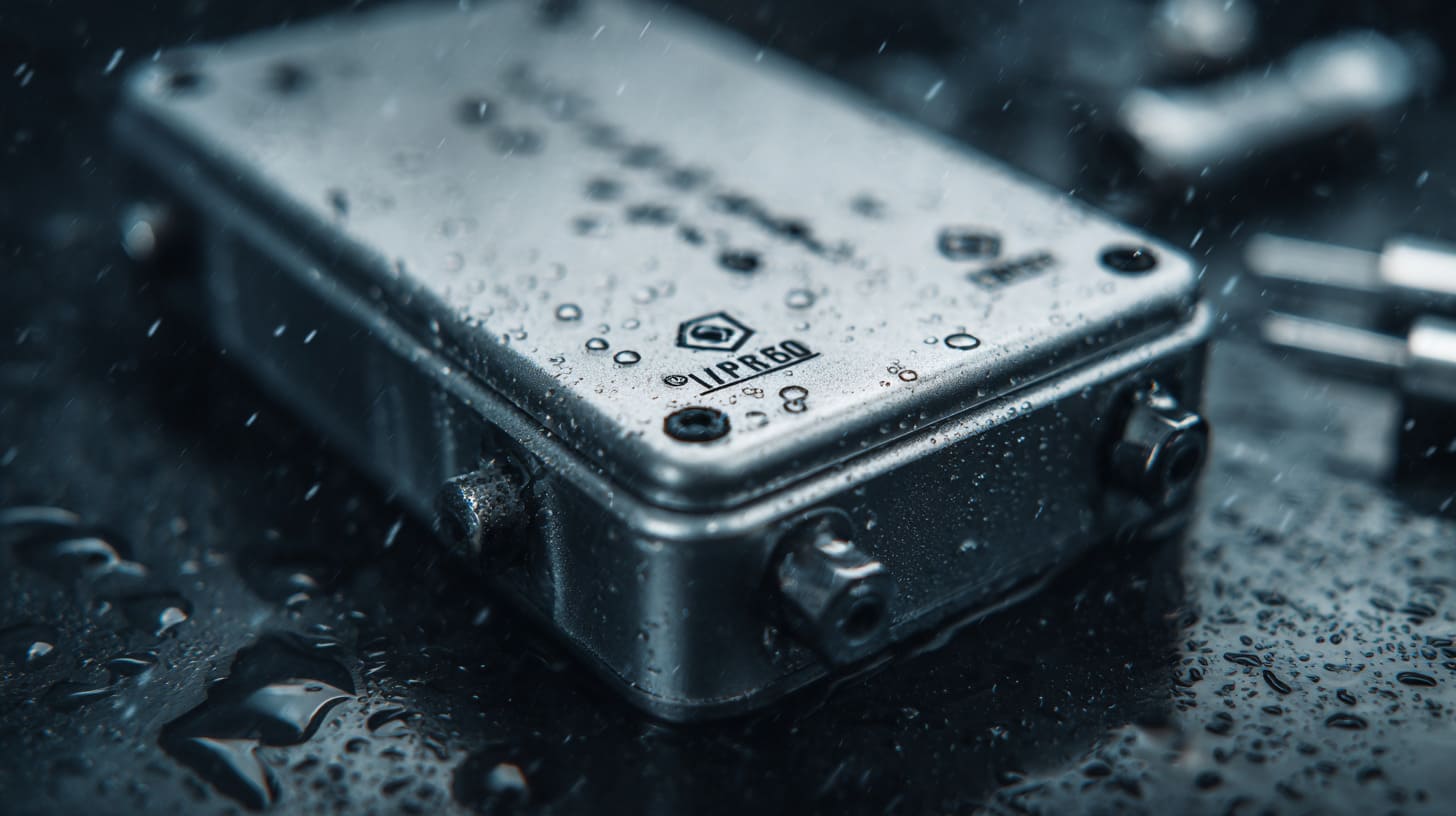
Quick breakdown
- First digit: Dust/solid protection (0–6)
- Second digit: Water protection (0–9K)
So, IP66 = full dustproof + high-pressure water jet resistant
IP68 = full dustproof + immersion capable
Is IP66 waterproof enough for outdoor electronics?
In most cases, yes.
IP66 works great for outdoor gear that faces rain, splash, or hose-downs.
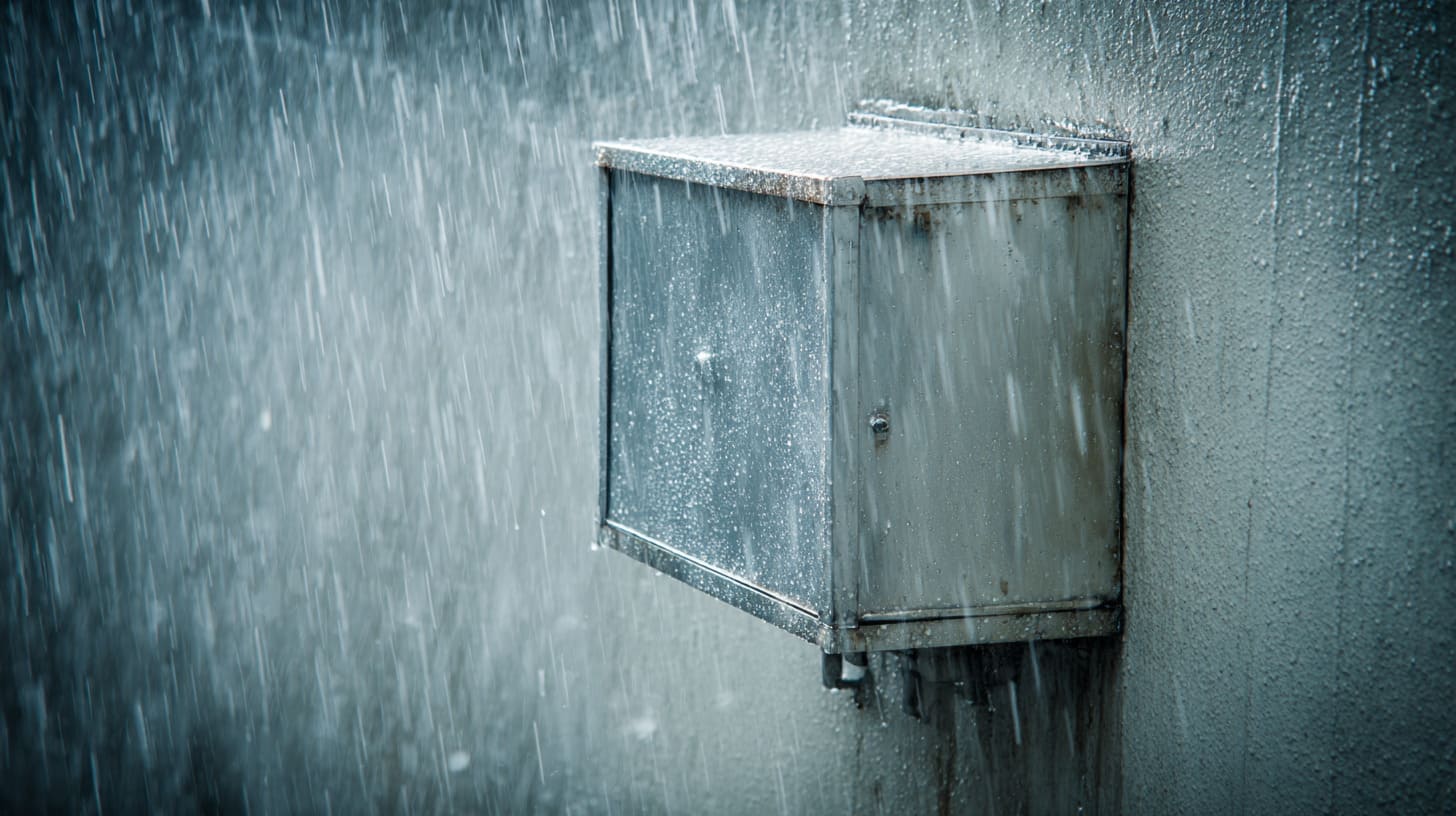
Unless your device is in flood-prone zones or submersible, IP66 is overkill already.
Can IP66 enclosures be submerged in water?
Not recommended.
IP66 is not rated for any level of water submersion.
A quick dunk might survive, but prolonged immersion risks internal damage. IP68 is the better option here.
Do I really need IP68 protection for my project?
Ask where the device will live.
If your device lives near water, goes underground, or might fall into it—yes, you do.
Otherwise, it's likely over-engineering (and over-spending).
How long can an IP68 enclosure stay underwater?
That depends on the manufacturer.
IP68 limits vary—some are tested for 30 minutes, others for hours.
Always read the datasheet before assuming safety. "IP68" is not a fixed universal depth.
Is IP66 or IP68 better for dust-proof protection?
They’re equal.
Both IP66 and IP68 are fully dust-tight, rated at level 6.
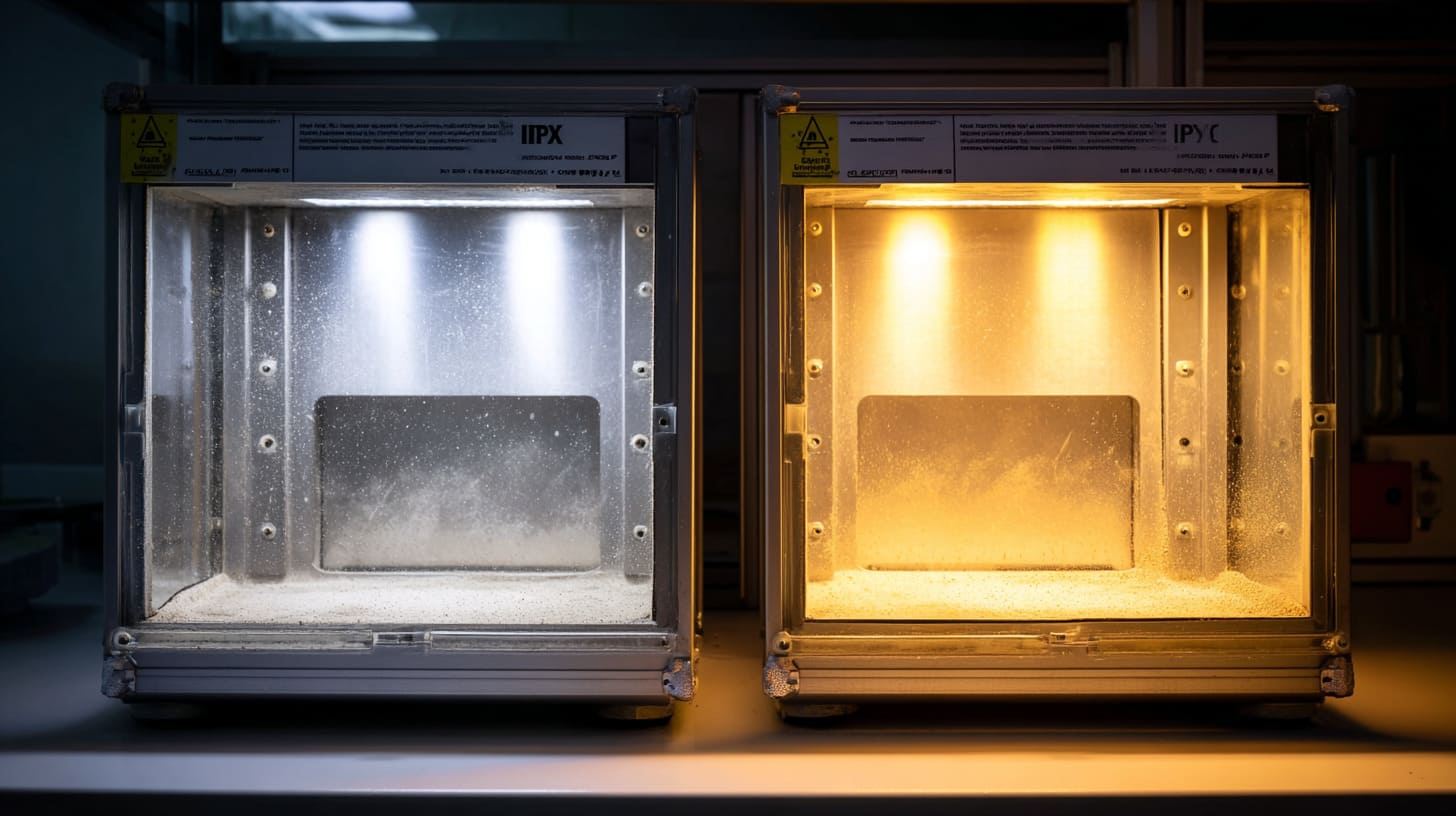
You won’t find dust sneaking in—unless the seal fails.
What are the common applications of IP66 enclosures?
Everywhere that needs a shield from spray and dust.
Outdoor control panels, solar inverter housings, marine equipment—all often use IP66.
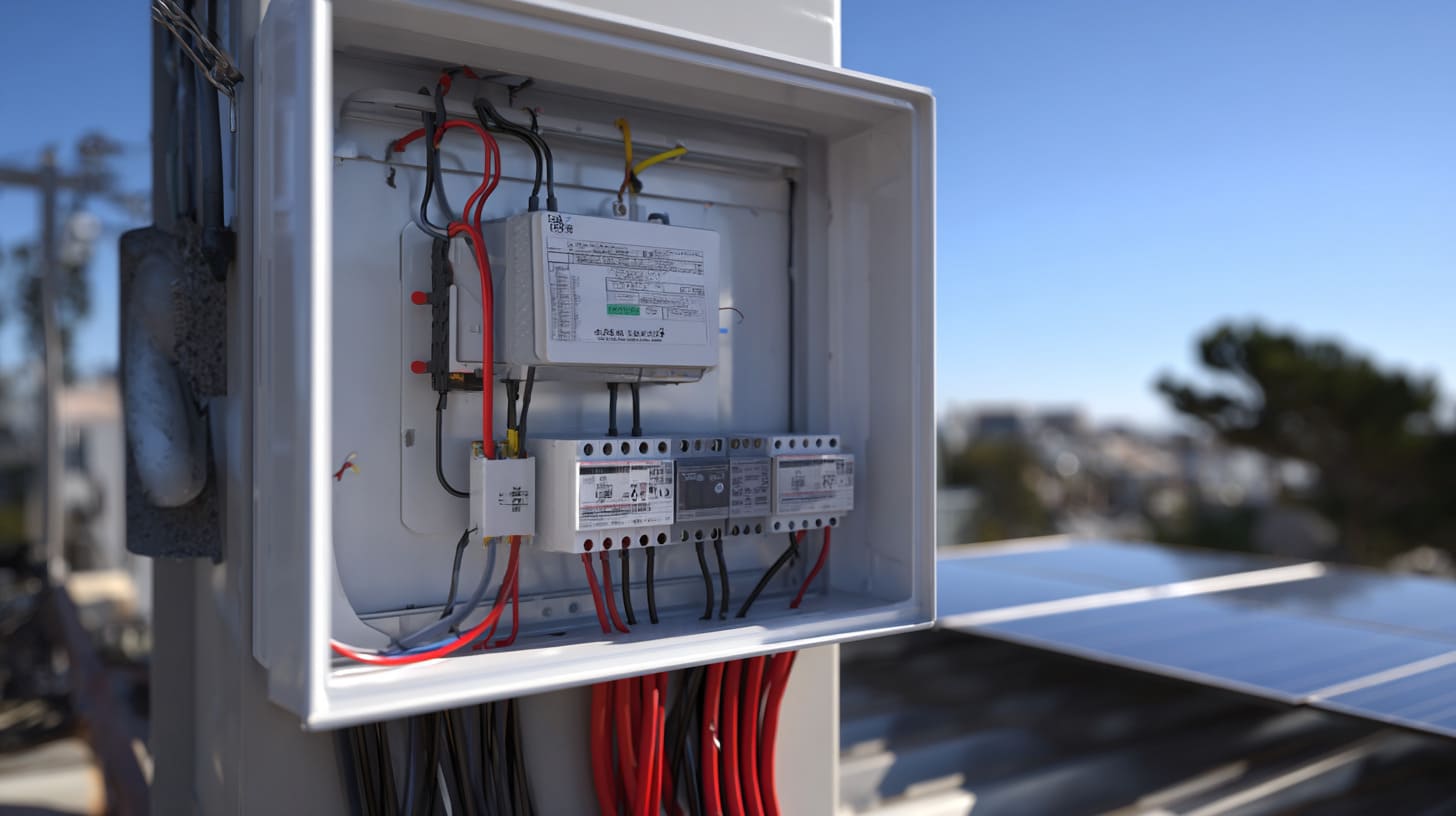
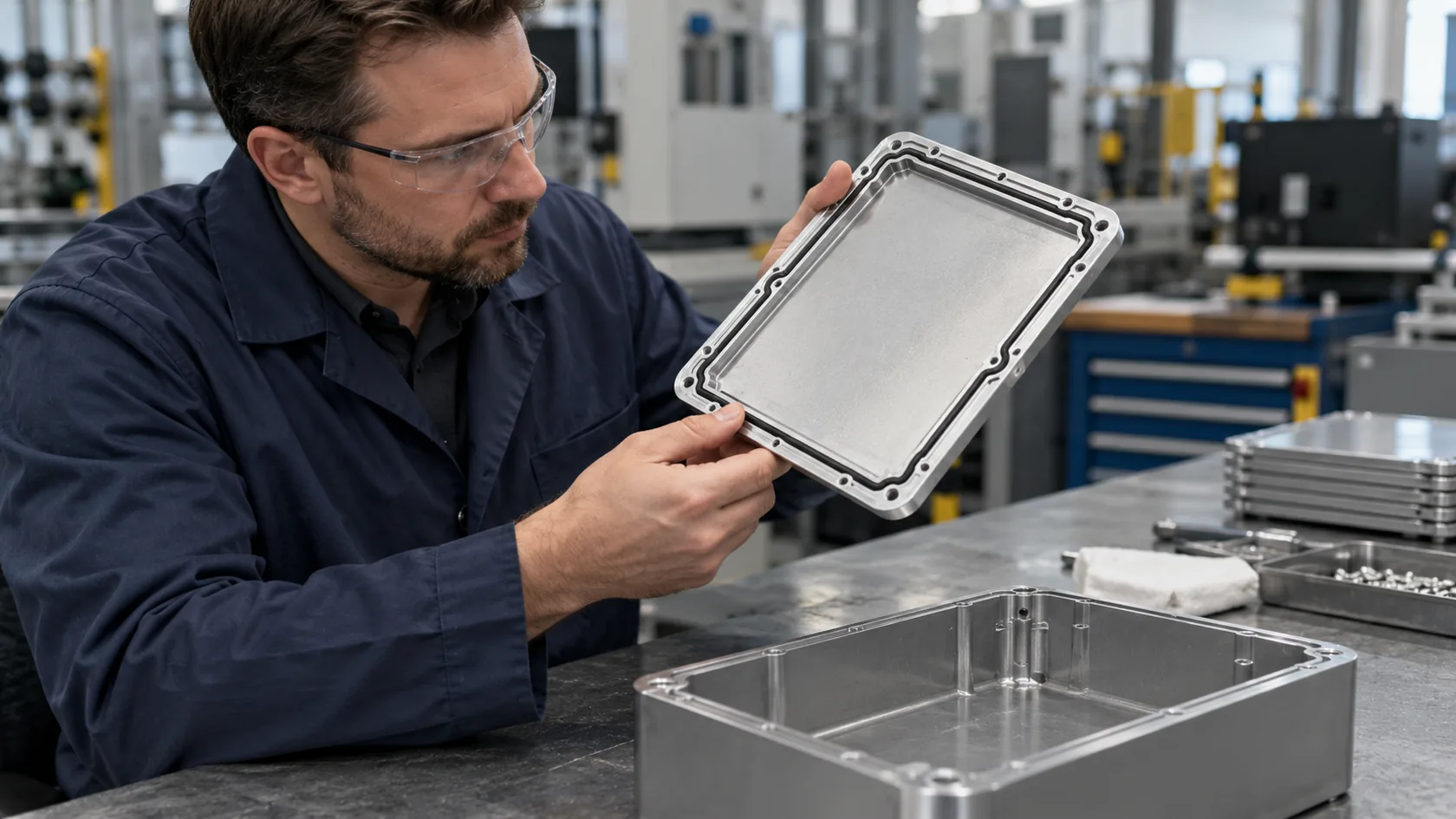
In our shop, Davide from Finland often orders IP66 aluminum boxes for his gate controller designs. He needs something that survives rain, dust, and the occasional hose-down—but not submersion.
What devices require IP68-rated waterproof enclosures?
Anything that might go underwater.
Smartwatches, flood sensors, water pumps, even mining sensors.
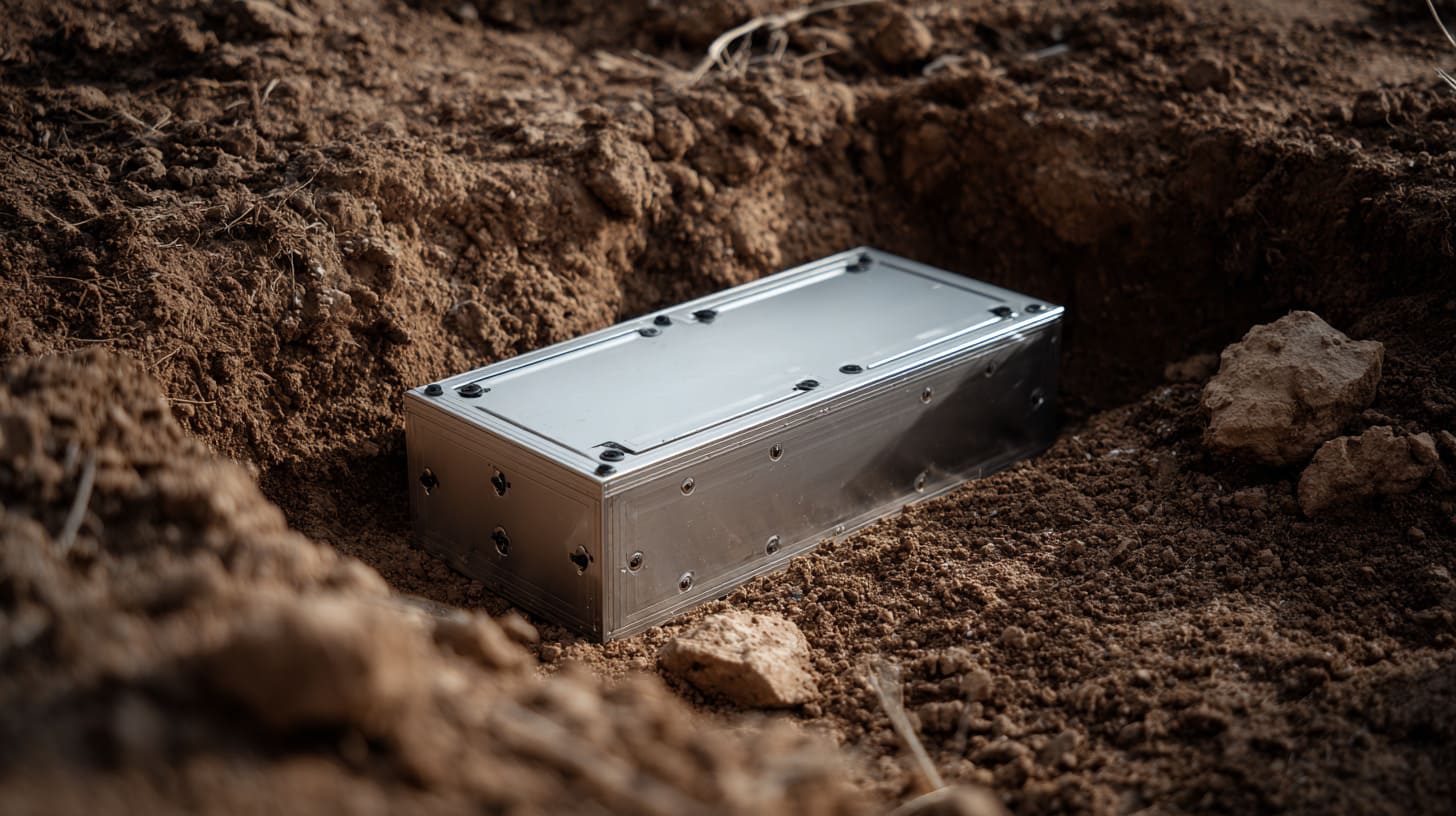
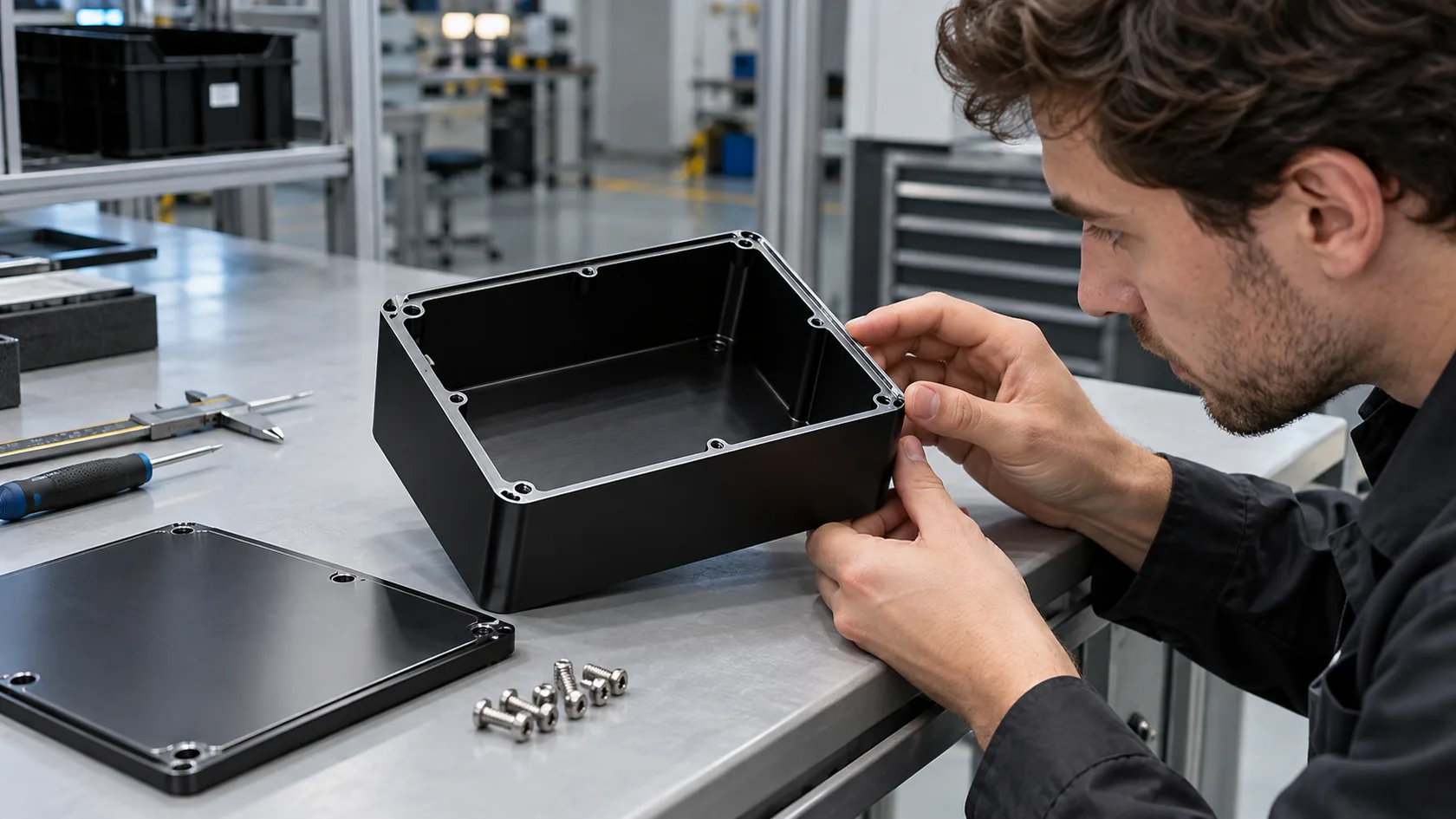
One of our Canadian clients, John, requested a fully sealed Pi-like aluminum box for underground IoT sensors. It had to be submerged for days without failure. That’s where IP68 shines.
How do manufacturers test IP66 and IP68 ratings?
Very precisely.
They use lab-controlled jets or submersion tanks to simulate real-world exposure.
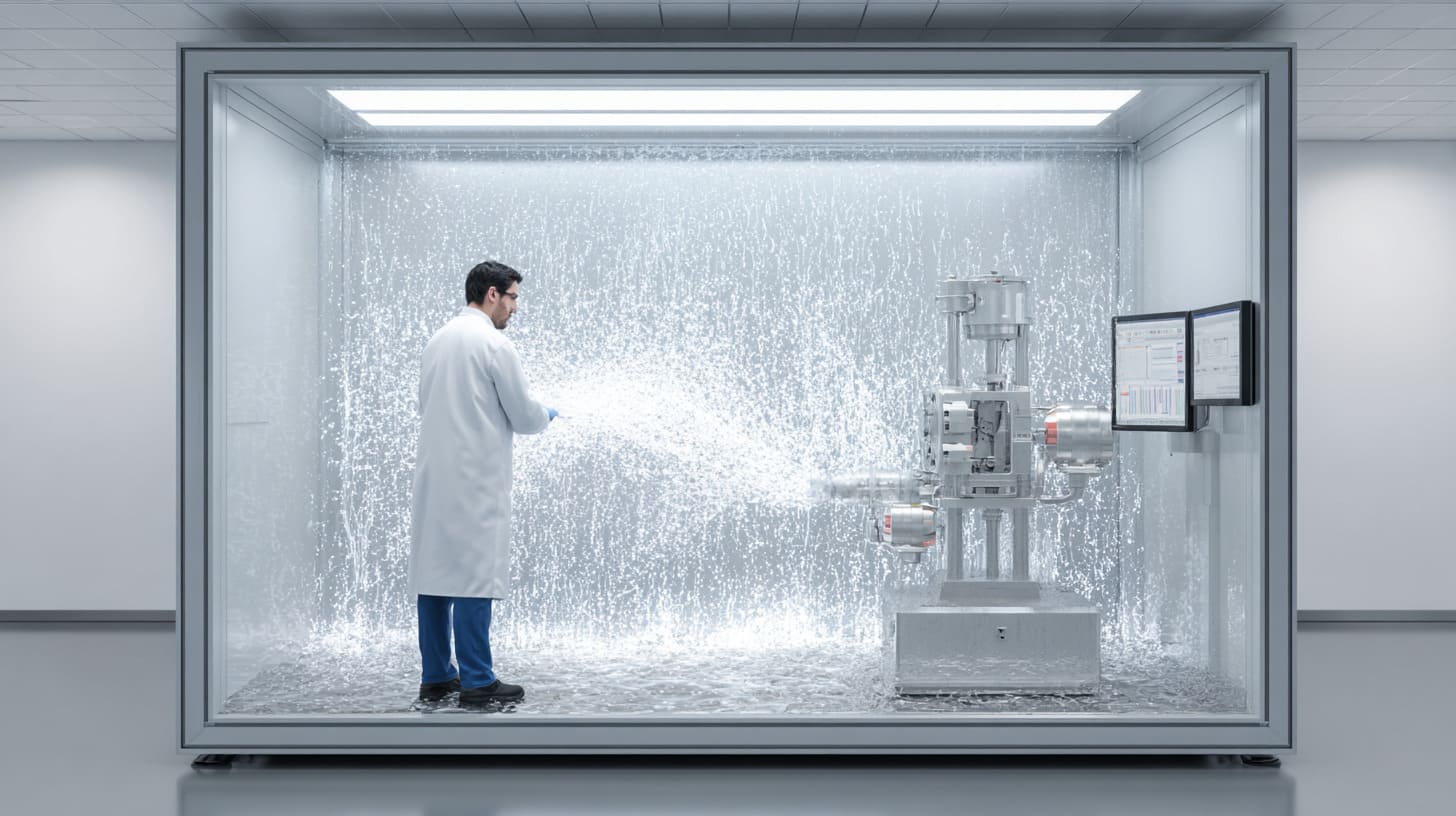
- IP66: powerful water jets at specific angles and pressures
- IP68: submersion at specified depth and time
Good factories test before and after environmental aging.
Does a higher IP rating increase enclosure cost significantly?
Usually, yes—but it depends on design.
Going from IP66 to IP68 can increase cost 10–30%, especially in custom enclosures.

Why? Because tighter seals, gasket upgrades, and pressure-equalizing vents all add to complexity. For project-based clients like Jackson from Belgium, we always double-check if they really need IP68—most don’t.
Conclusion
IP66 and IP68 serve different purposes—choose based on your use, not the bigger number.