Skip to content
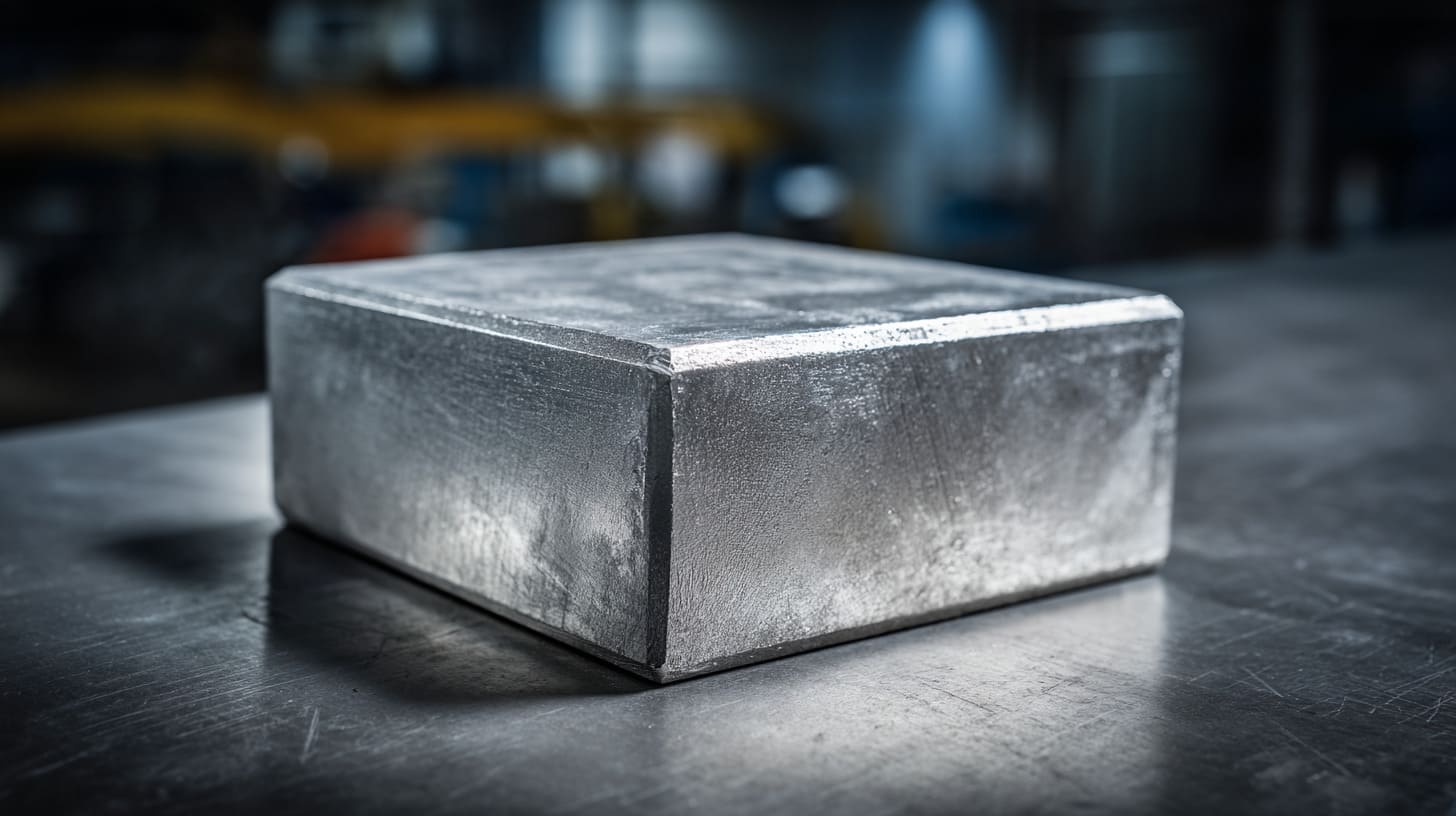
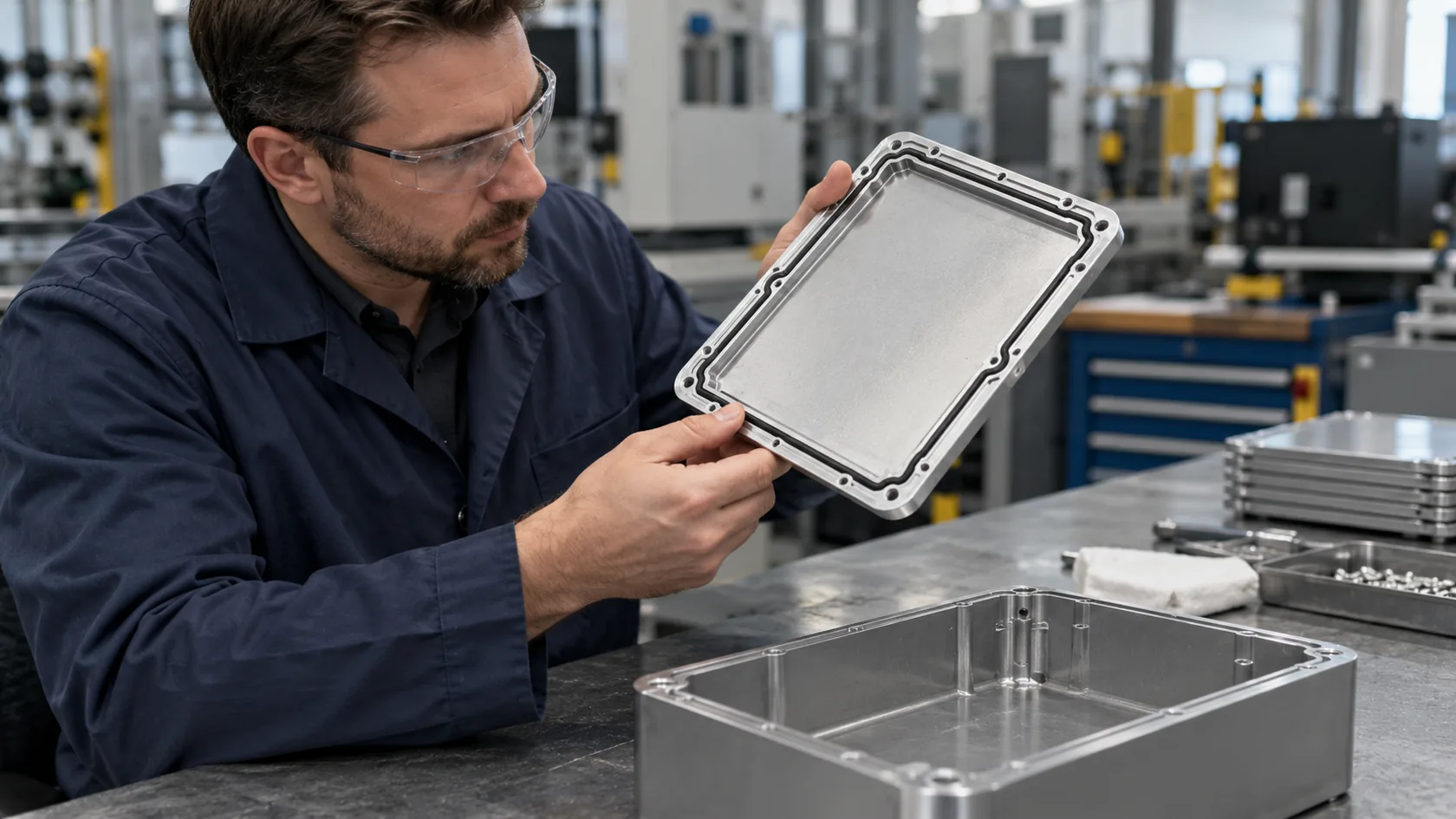
Hold an aluminum die cast part in your hand, and you’ll notice something—it feels more finished than it should. Cold, smooth, solid. Almost like it came from a factory of precision, not fire and molten metal.
Die casting is a process where molten metal is injected into a steel mold under high pressure. Aluminum die casting uses aluminum for lightweight, strong, precise parts.
I didn’t appreciate the magic behind die casting until I saw it up close—metal flowing like syrup, hardening in seconds, turning into the backbone of modern tech.
What is the meaning of aluminum casting?
Aluminum casting is more than pouring hot metal into a mold—it’s about shaping ideas into real, functional parts.
Aluminum casting is the process of forming parts by pouring molten aluminum into a mold.
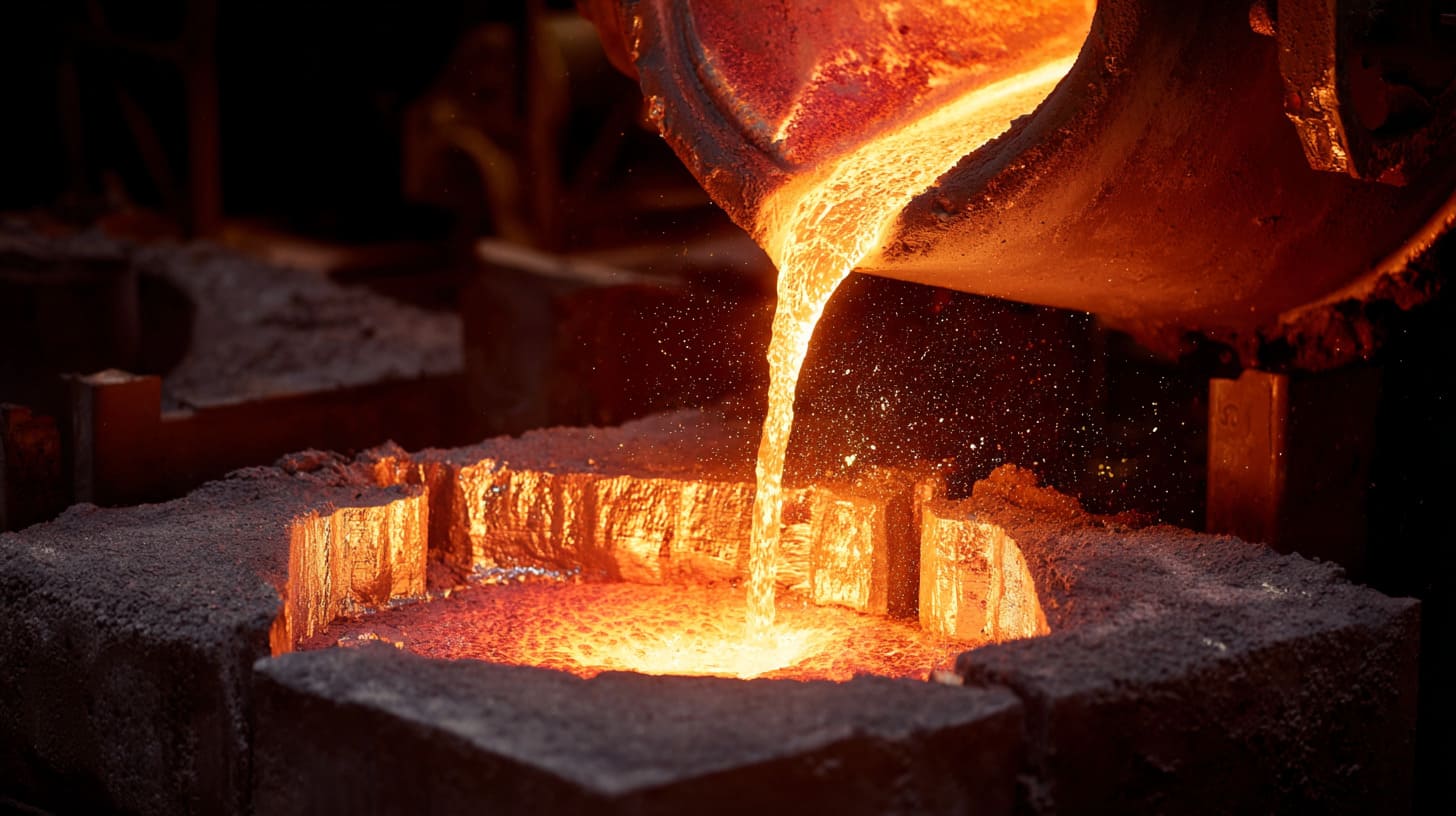
Different Methods of Aluminum Casting
| Method | Description |
|---|---|
| Sand Casting | Uses sand molds, good for simple or large parts |
| Die Casting | High-pressure injection into steel molds |
| Investment Casting | Precise method, often used for complex shapes |
| Permanent Mold | Uses reusable metal molds, less detail than die |
Every method has its place—but Die Casting stands out for tight tolerances and high volume.
Can aluminium be used in die casting?
This was one of my first questions too—aluminum sounds too lightweight to survive such pressure.
Yes, aluminum is one of the most commonly used metals in die casting.
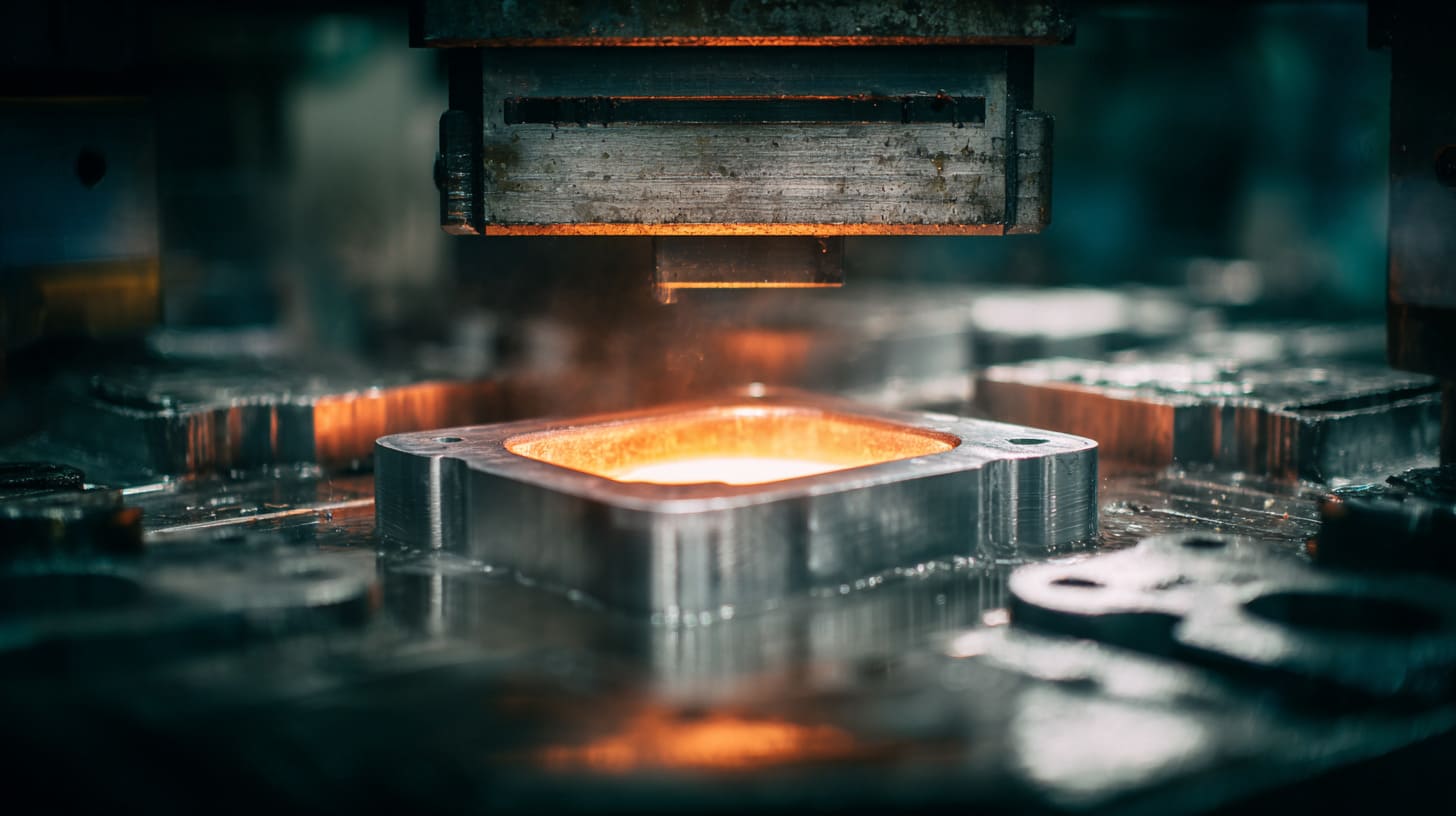
Its low melting point and strength-to-weight ratio make it ideal. That’s why it’s used from engine blocks to electronic casings.
What is the main difference between casting and die casting?
At first glance, all casting seems the same—just molten metal and a mold. But the difference is in the details.
Die casting uses pressure and metal molds, while traditional casting relies on gravity and sand or other materials.
Die casting is faster, cleaner, and more precise. But it’s also more expensive to set up.
How many types of aluminium casting are there?
I used to think there was just one—but then I visited a factory and saw the variety firsthand.
There are mainly four types: sand casting, die casting, investment casting, and permanent mold casting.
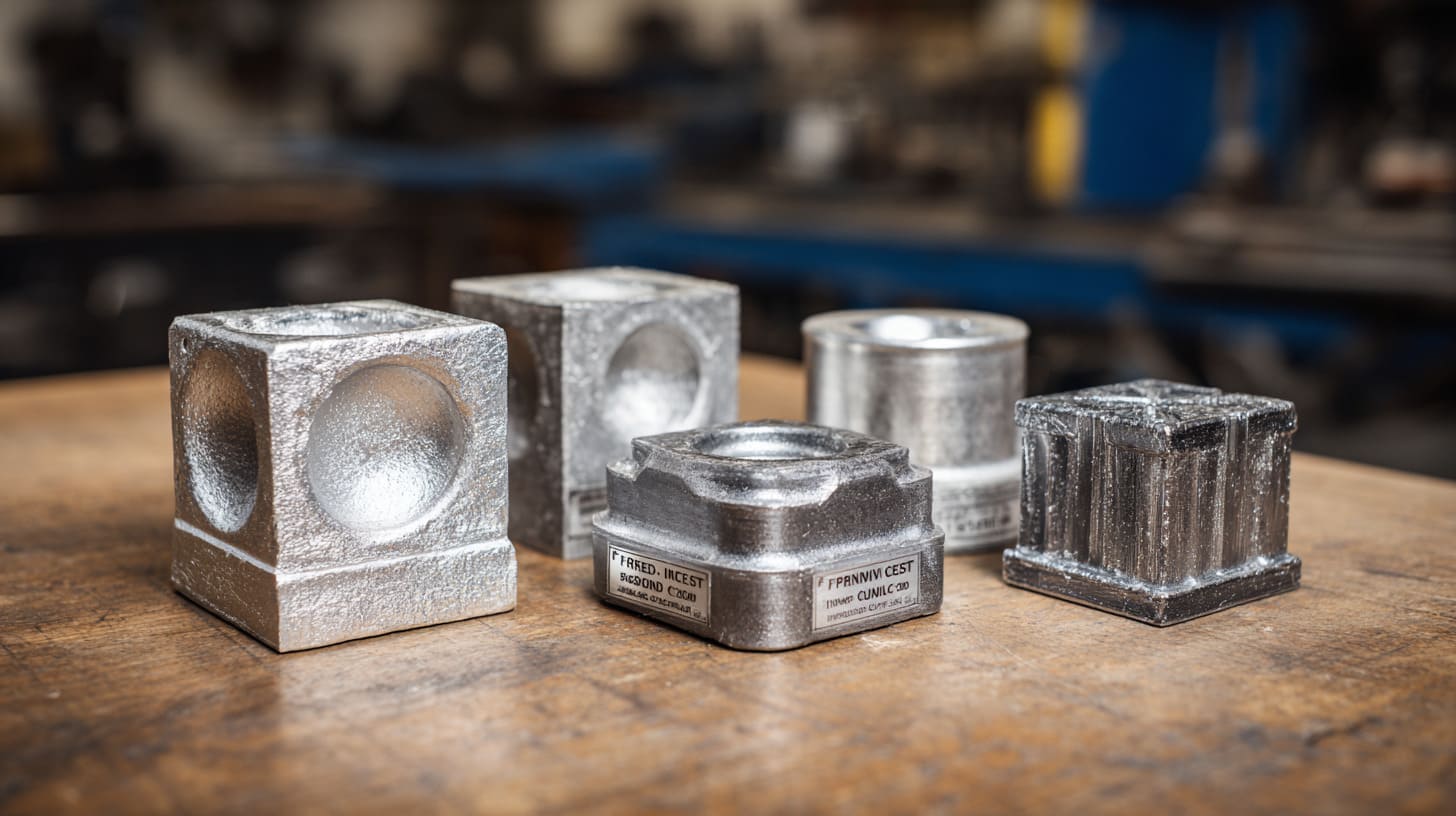
Each has trade-offs. For example, die casting shines in volume production. But sand casting is king for large, simple parts.
What is the difference between aluminum die casting and CNC machining?
This is the comparison that often trips up new buyers.
Die casting forms parts with molten metal; CNC machining carves them from solid blocks.
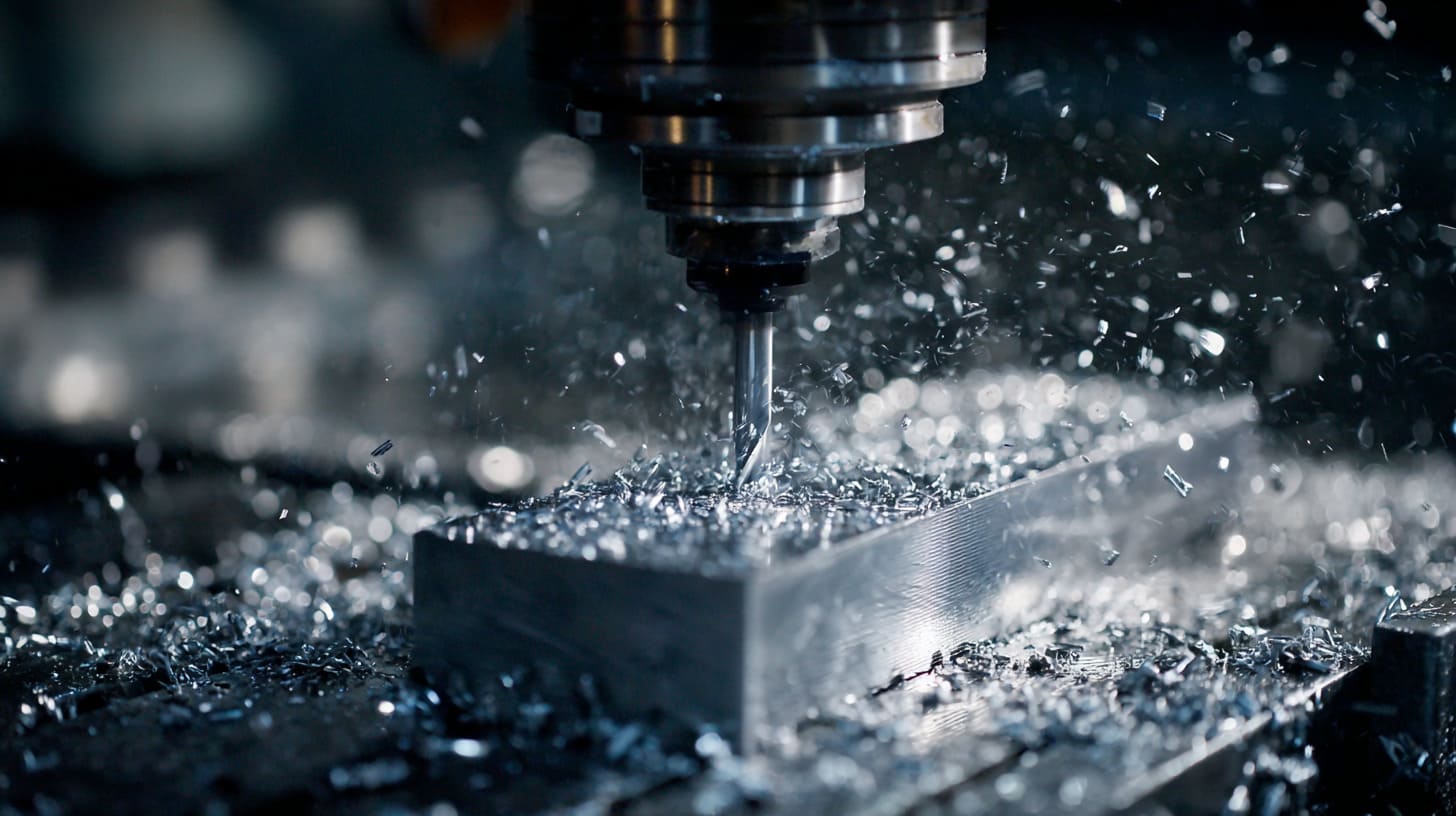
One builds, the other subtracts. CNC is slower but more flexible. Die casting is faster but needs expensive molds.
How strong is aluminum die casting compared to other materials?
Strength can mean many things—tensile, impact, or thermal.
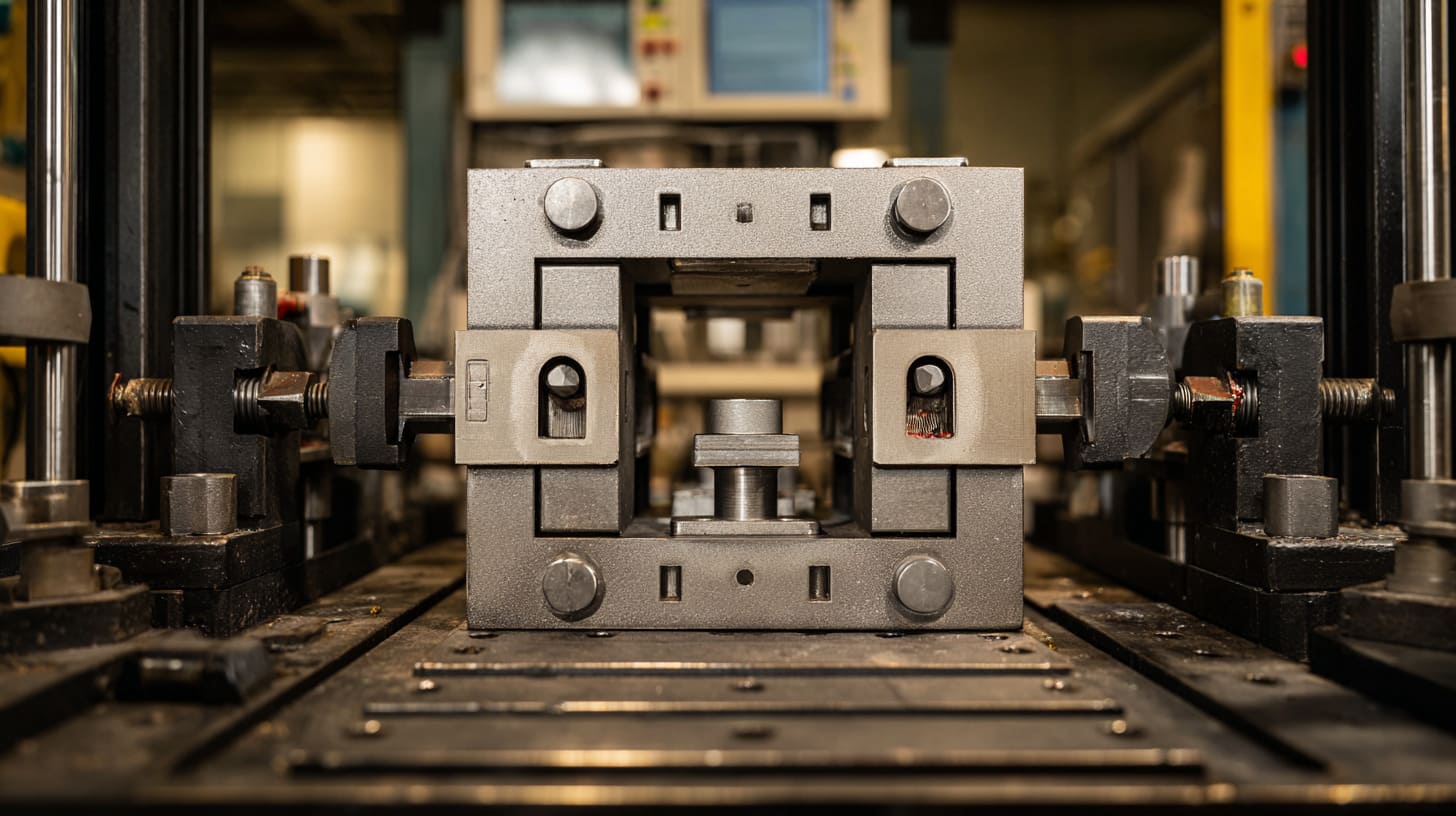
Aluminum die casting offers excellent strength-to-weight ratio, especially for enclosures.
| Material | Relative Strength | Weight | Corrosion Resistance |
|---|---|---|---|
| Aluminum Die Cast | High | Low | Good |
| Plastic | Low | Very Low | Poor |
| Steel | Very High | High | Moderate |
Die-cast aluminum won’t beat steel in raw strength—but it wins in balance and practicality.
What are the main advantages of aluminum die casting for electronic enclosures?
Every time I send out a batch of custom enclosures, I’m reminded why we use die-cast aluminum.
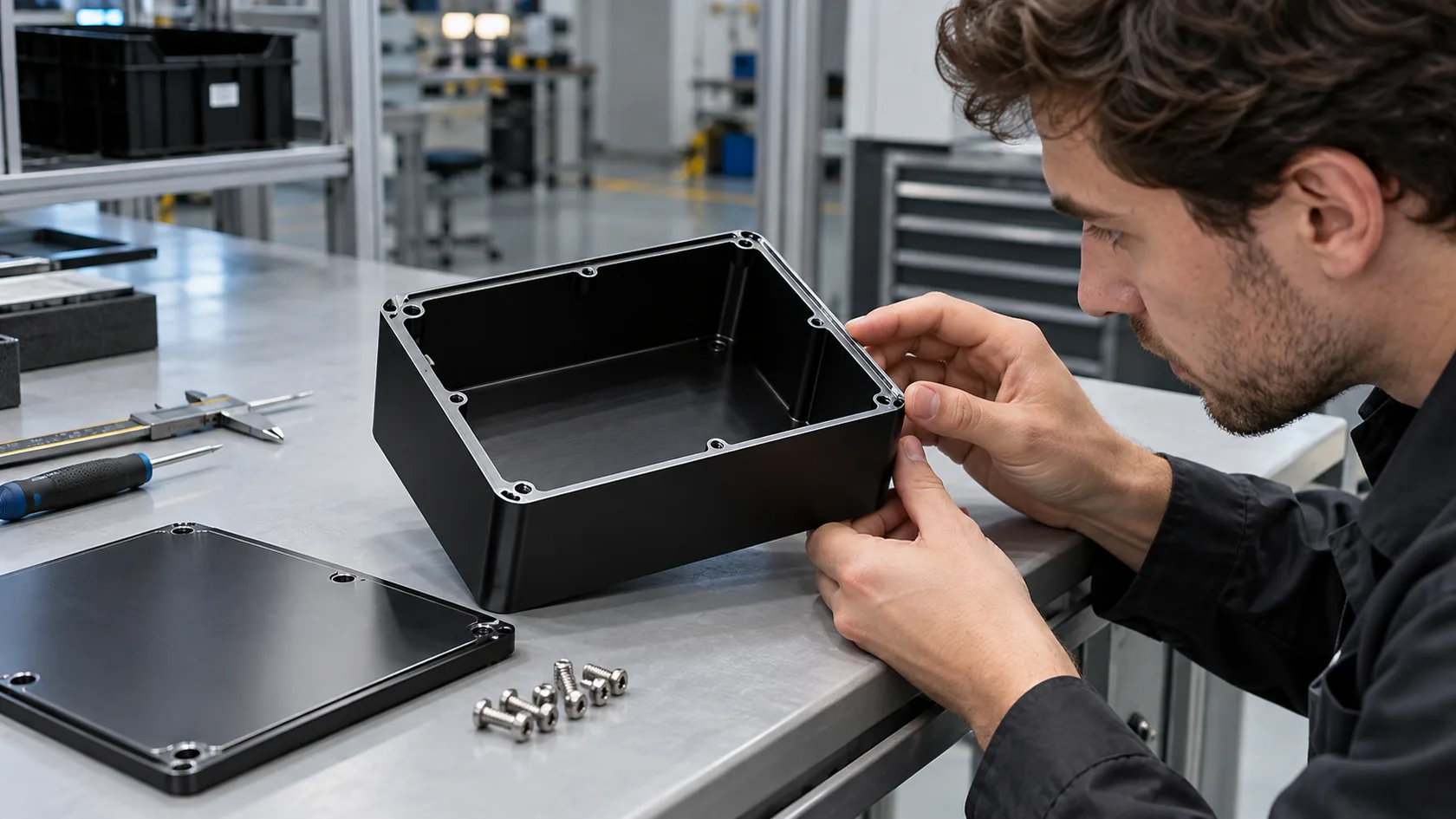
Aluminum die casting gives precise, durable, and EMI-resistant enclosures with great heat dissipation.
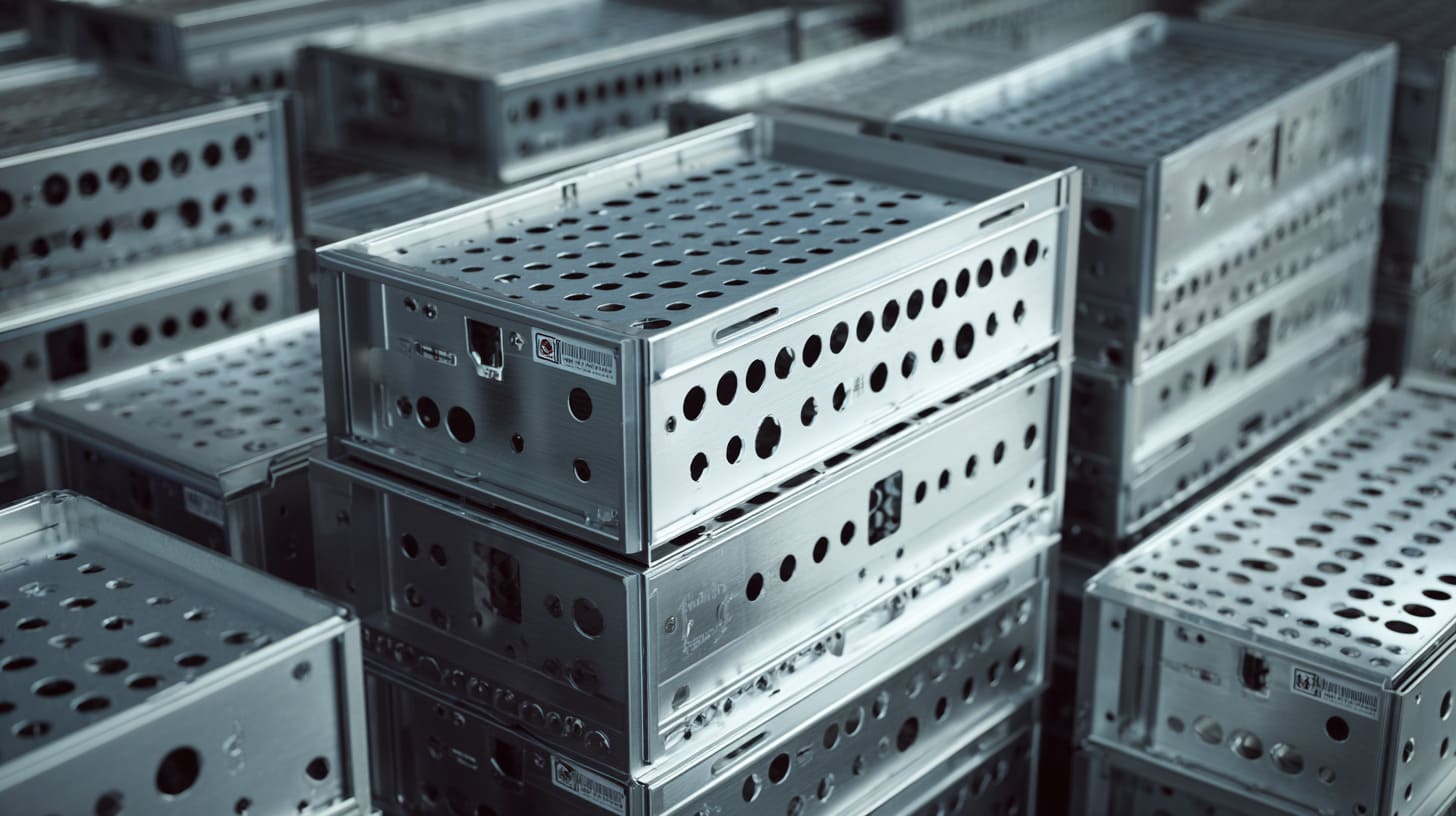
Benefits Overview
- High dimensional accuracy
- Excellent thermal conductivity
- Natural EMI/RFI shielding
- Surface-ready for branding or finishing
- Lightweight but strong
It’s the go-to material for a reason.
What are the common defects in aluminum die casting and how to avoid them?
No process is perfect. But knowing what can go wrong helps you avoid delays and waste.
Common defects include porosity, cold shuts, shrinkage, and warping—most caused by poor mold design or temperature control.
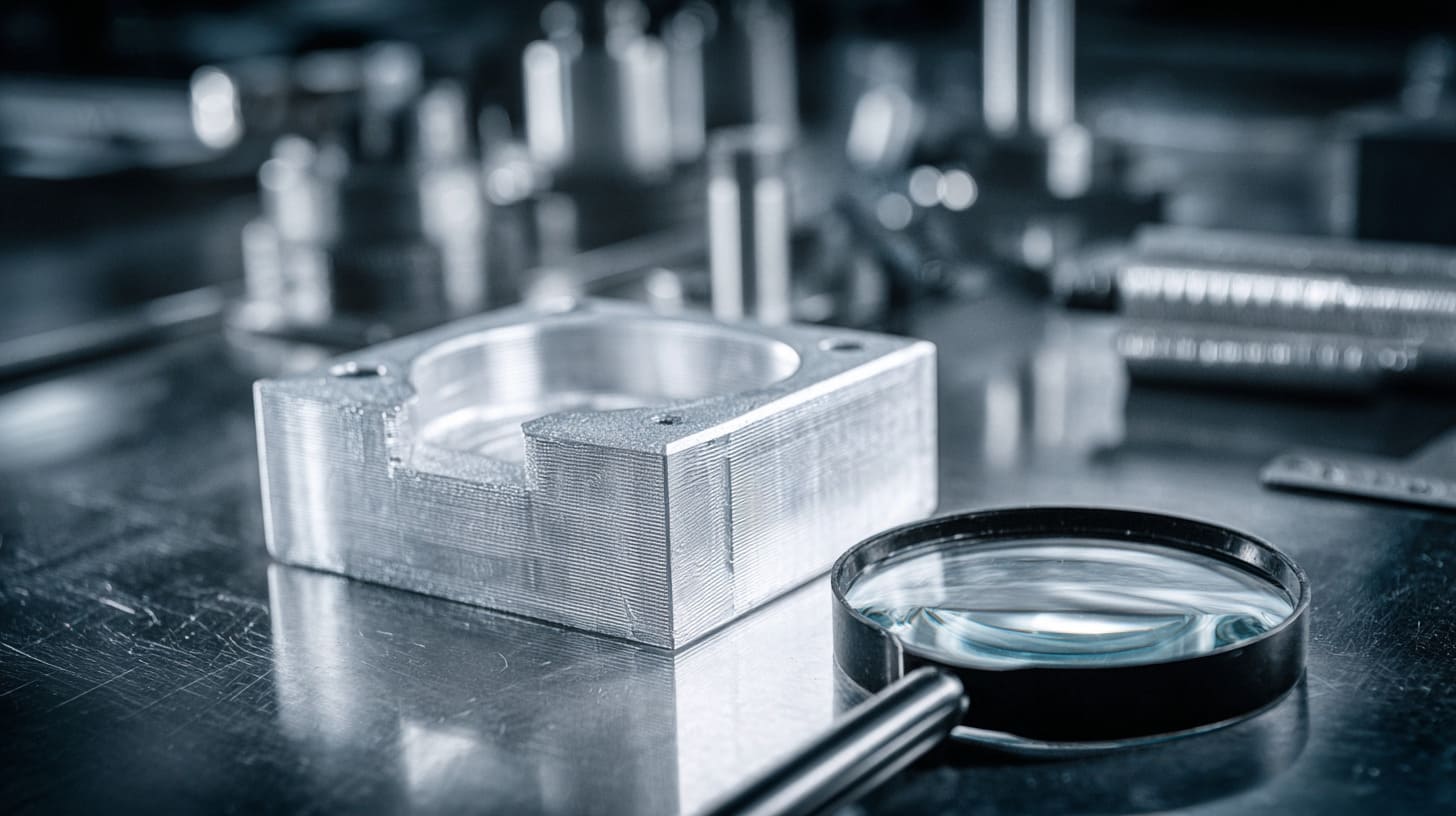
Prevention Tips
- Work with experienced mold designers
- Maintain consistent metal temperatures
- Use proper venting in mold
- Always inspect samples before mass production
When buyers skip sample testing, that’s when the pain starts.
How much does aluminum die casting cost per unit?
This is the question that always comes up next—after “can you do it?”
Unit costs range from $1 to $20+ depending on part size, complexity, and quantity.
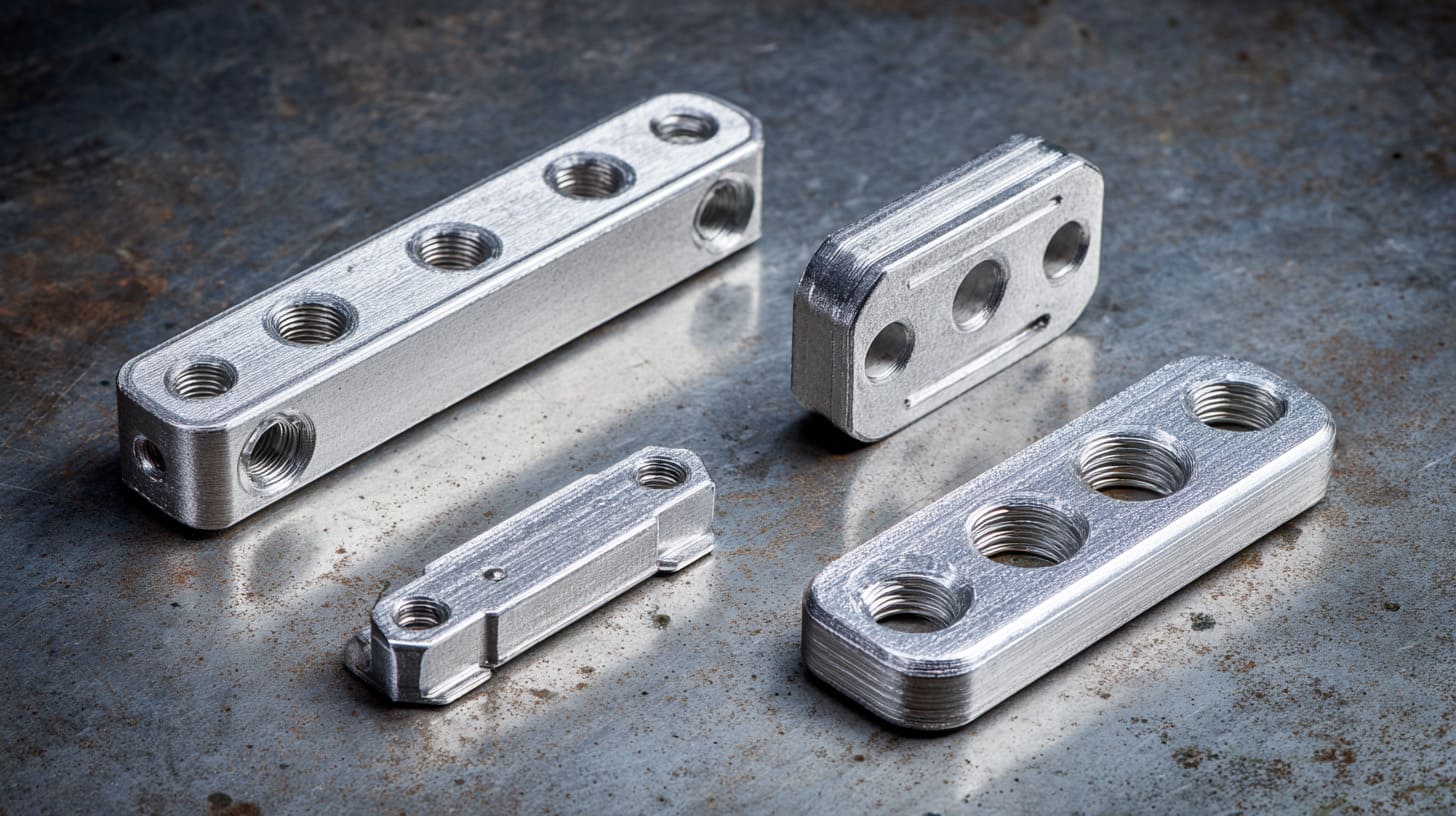
Key Cost Factors
- Mold Cost: $3,000–$10,000 upfront
- Material: A380 aluminum is commonly used
- Labor & Machine Time: Based on cycle time
- Volume: Higher volume = lower unit cost
It’s all about balancing initial setup vs. long-term savings.
What is the typical lead time for custom aluminum die cast enclosures?
Timelines make or break projects—I’ve seen it firsthand.
Lead time is typically 25–45 days, depending on tooling, part complexity, and finish.

Rough Breakdown
| Stage | Estimated Time |
|---|---|
| Mold Design & Making | 15–25 days |
| Sample Approval | 5–10 days |
| Mass Production | 5–10 days |
Delays happen when designs aren’t final or samples take too long to approve.
Can I customize branding or logo on aluminum die cast parts?
This is where your product becomes your brand.
Yes, logos can be engraved, embossed in the mold, or printed post-casting.
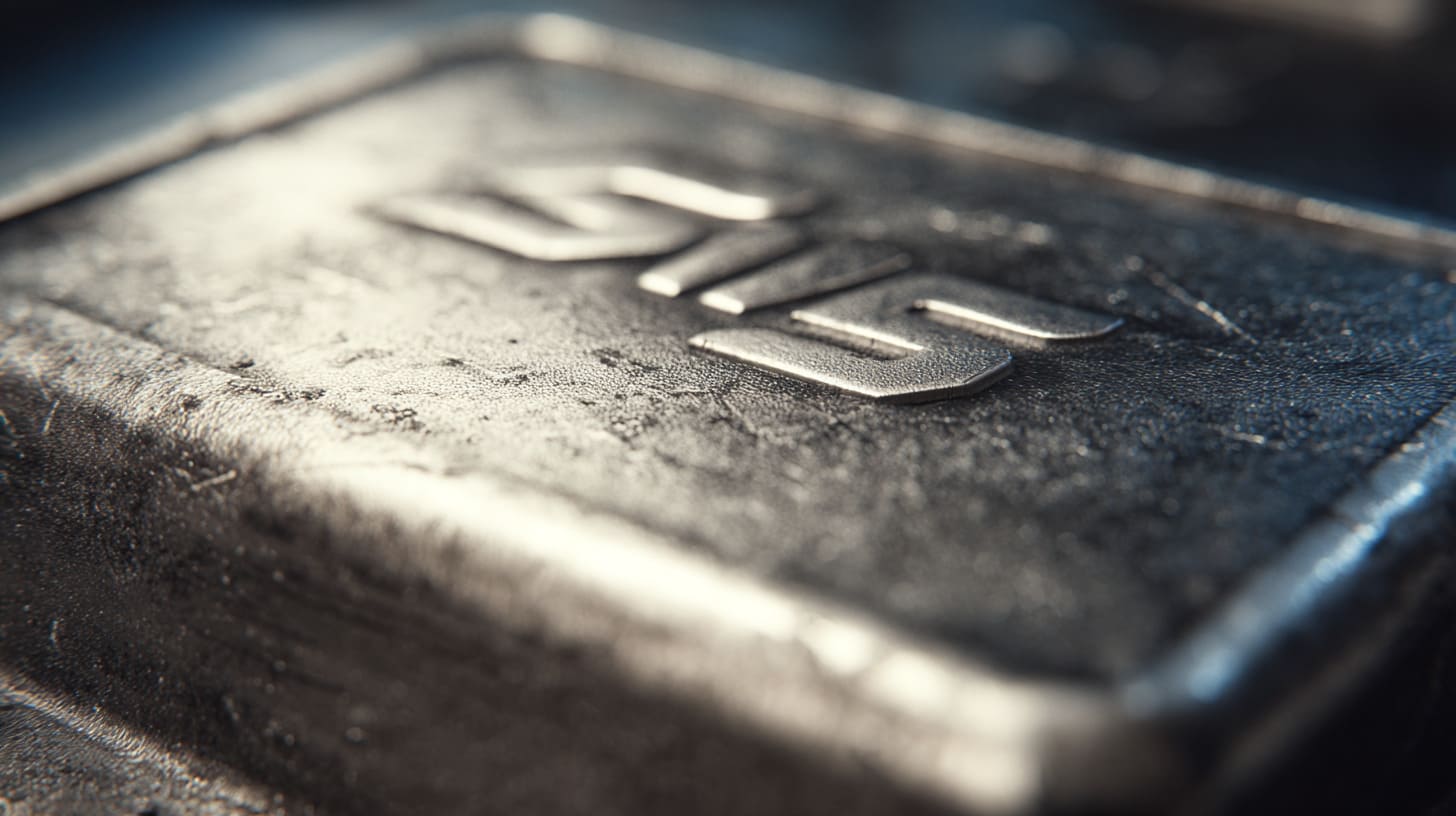
I often suggest raised logos inside the mold if you want a clean, permanent mark. It saves time in finishing later.
What industries commonly use aluminum die cast enclosures?
You’d be surprised how often aluminum die casting shows up in your daily life.
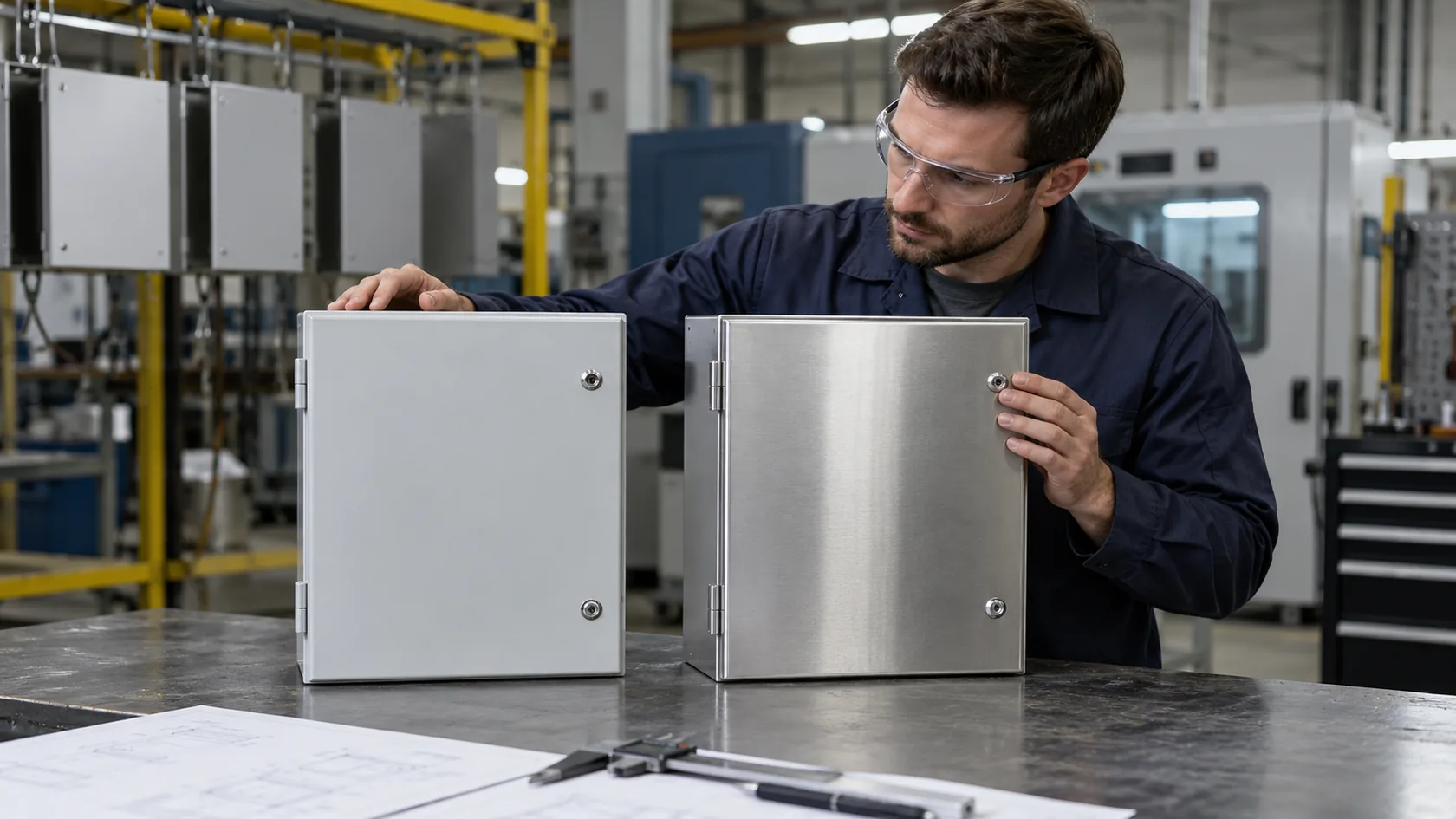
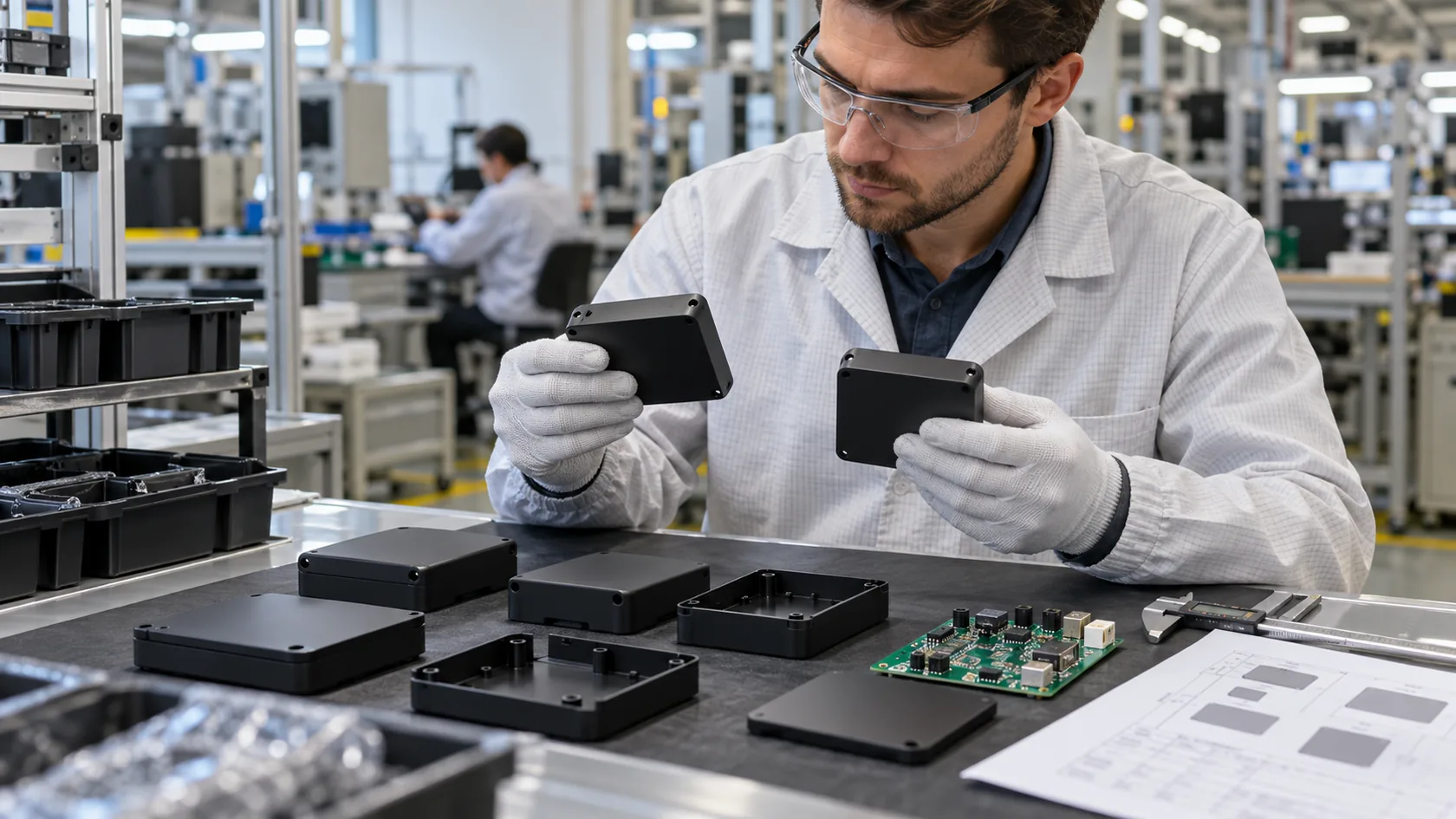
Industries like electronics, automotive, telecom, aerospace, and medical all use aluminum die cast enclosures.
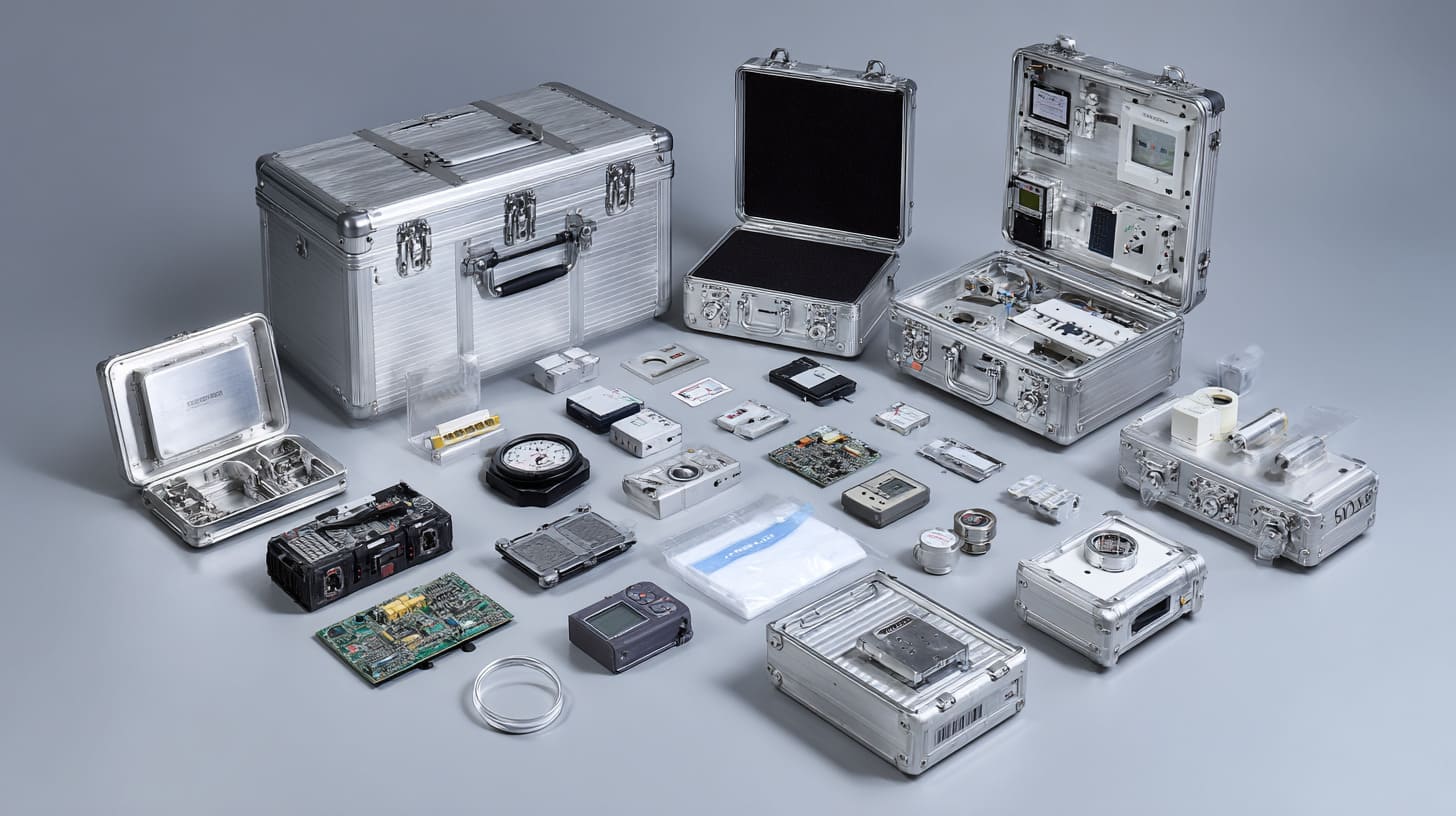
Use Cases
- Electronics: Power supply shells, motor controllers
- Automotive: Sensor housings, transmission parts
- Telecom: Antenna cases, router bodies
- Medical: Device frames, thermal management housings
It’s not just for looks—it’s for performance.
Conclusion
Aluminum die casting isn’t just a process—it’s the quiet backbone of modern product design.