Skip to content
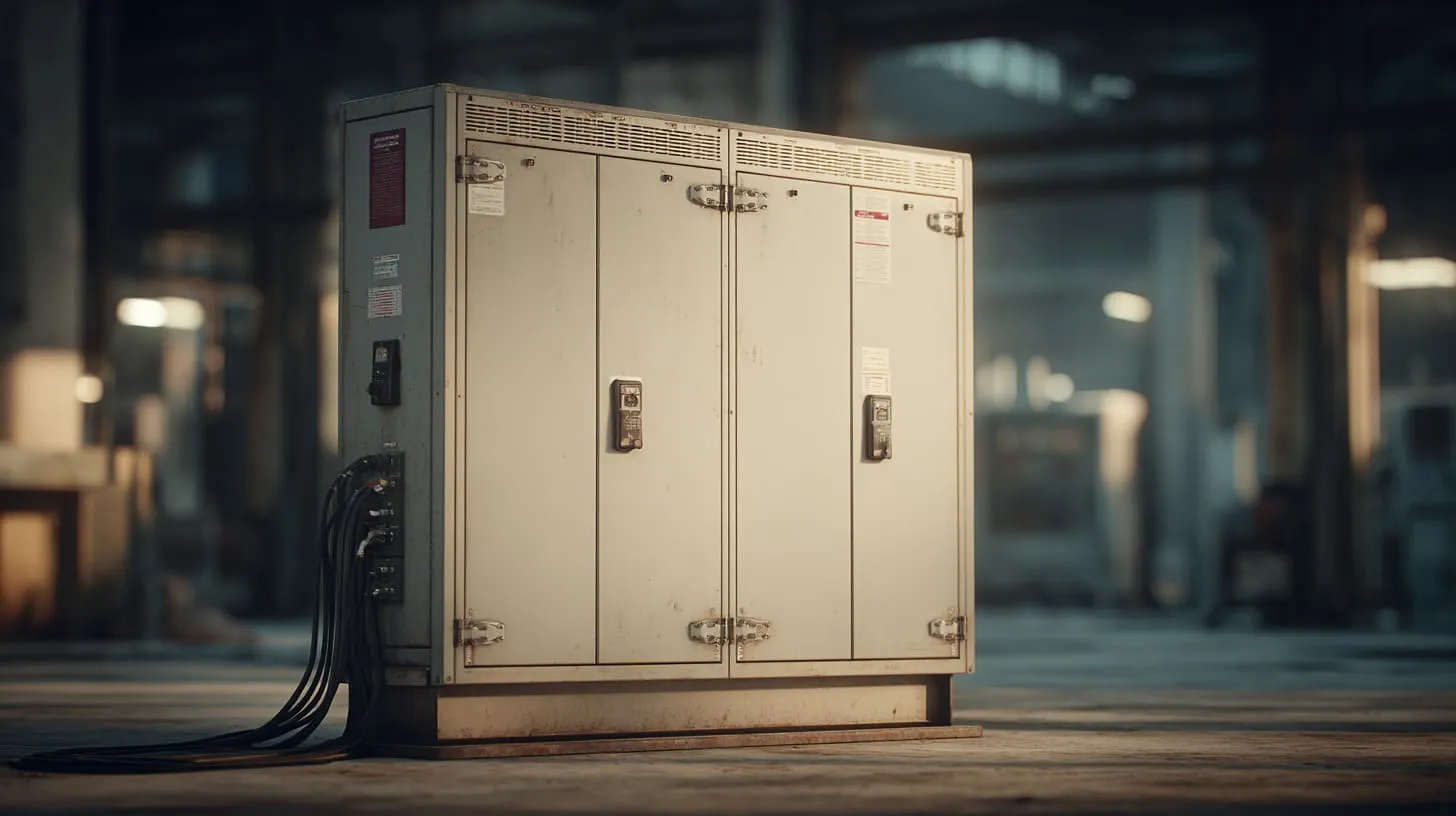
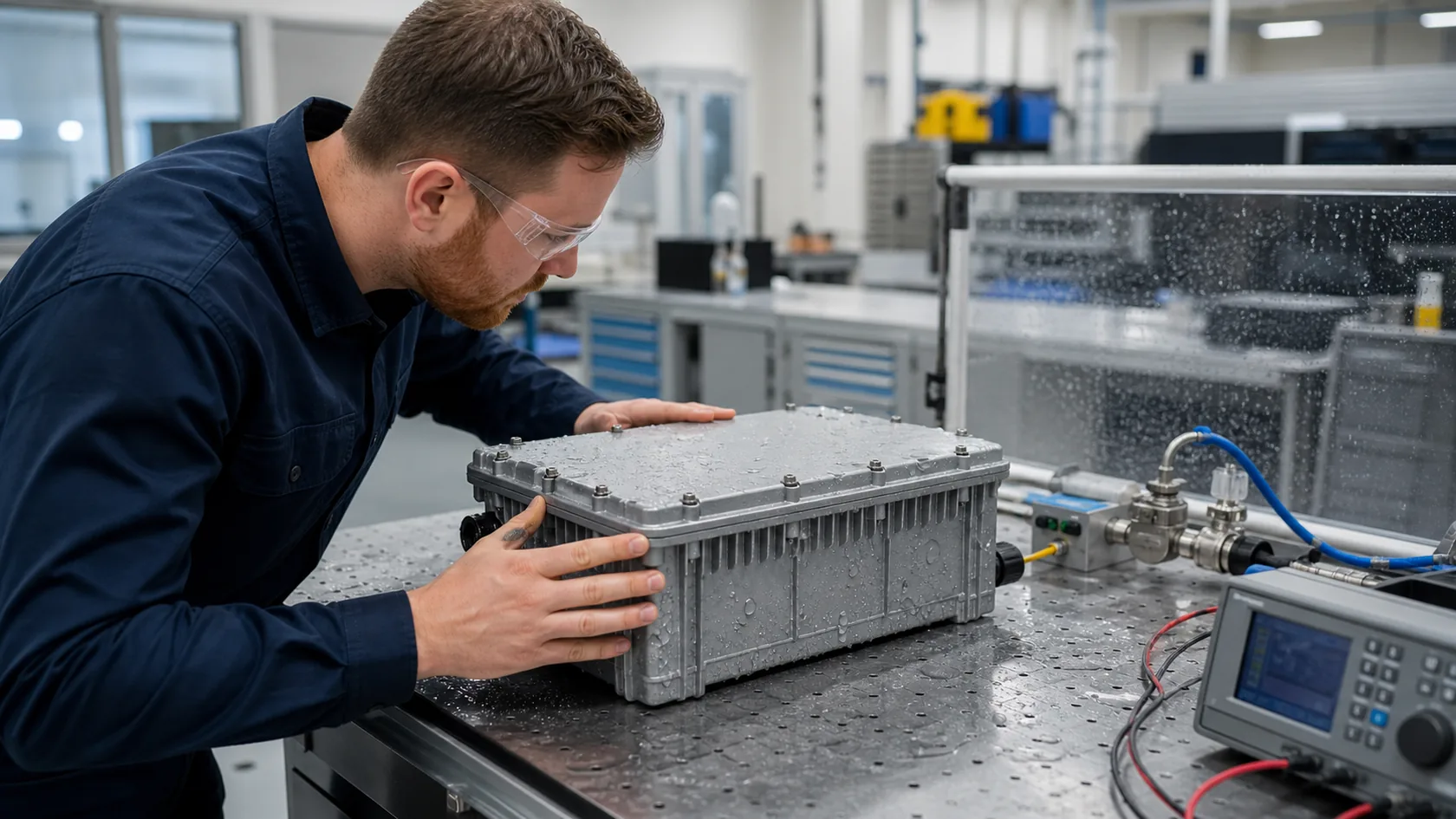
Most days this topic doesn’t start with a “big” question. It starts with a small note on a drawing in my inbox: “NEMA 12 enclosure” or “NEMA 4 enclosure.” No extra comment. No photo of the factory floor. Just a code that quietly decides whether someone’s control system survives steam, dust, and cleaning hoses for the next ten years.
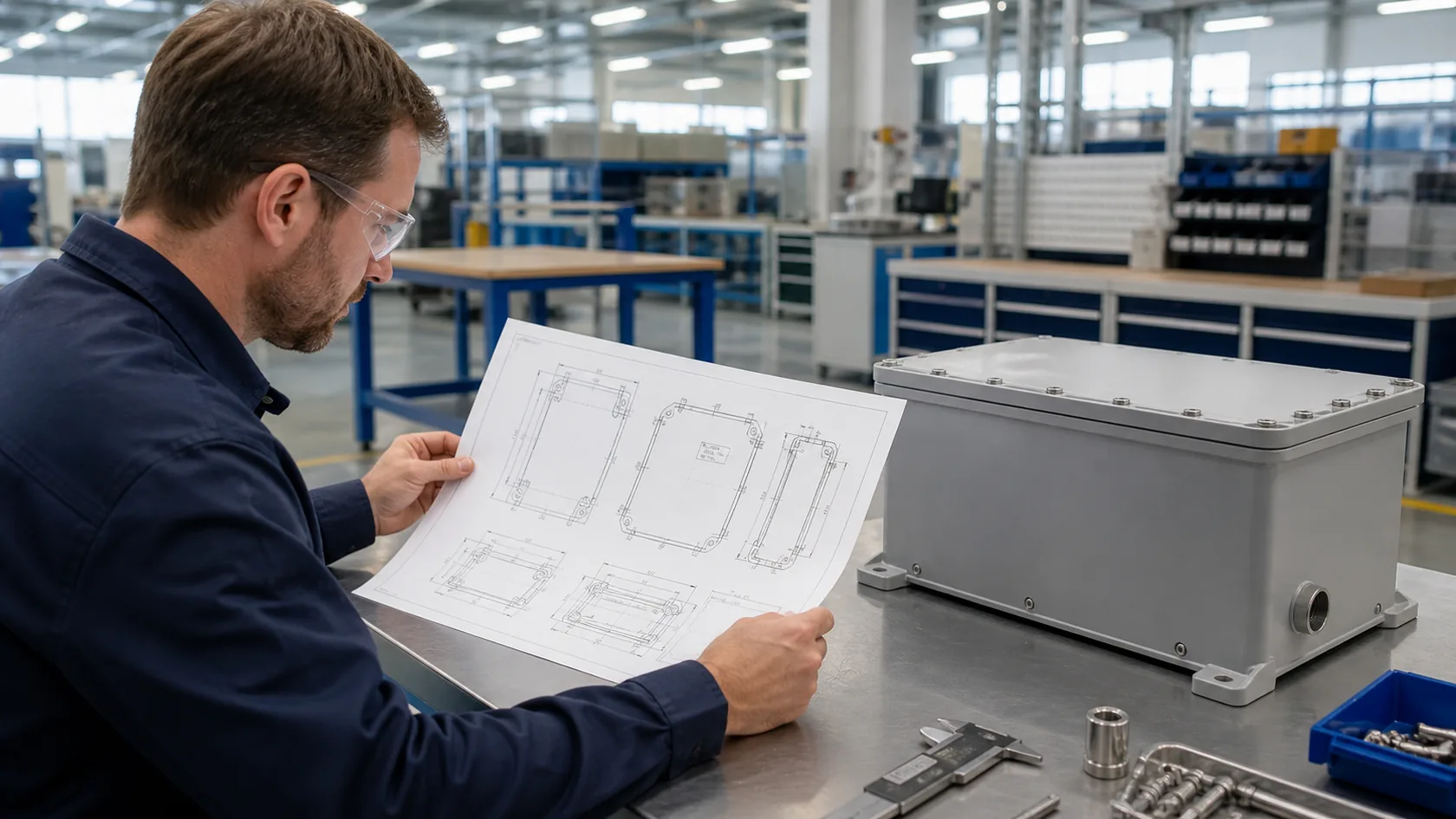
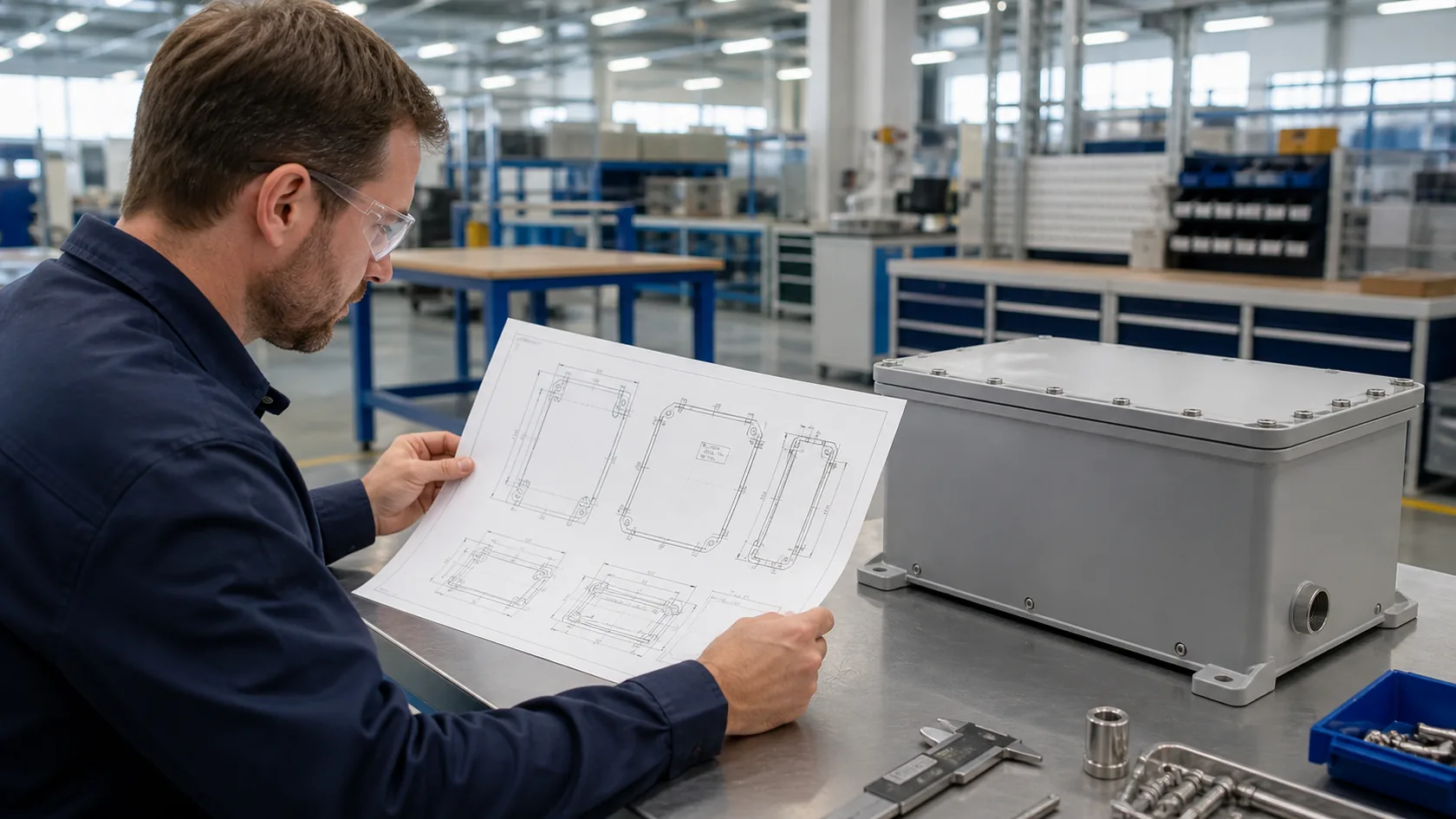
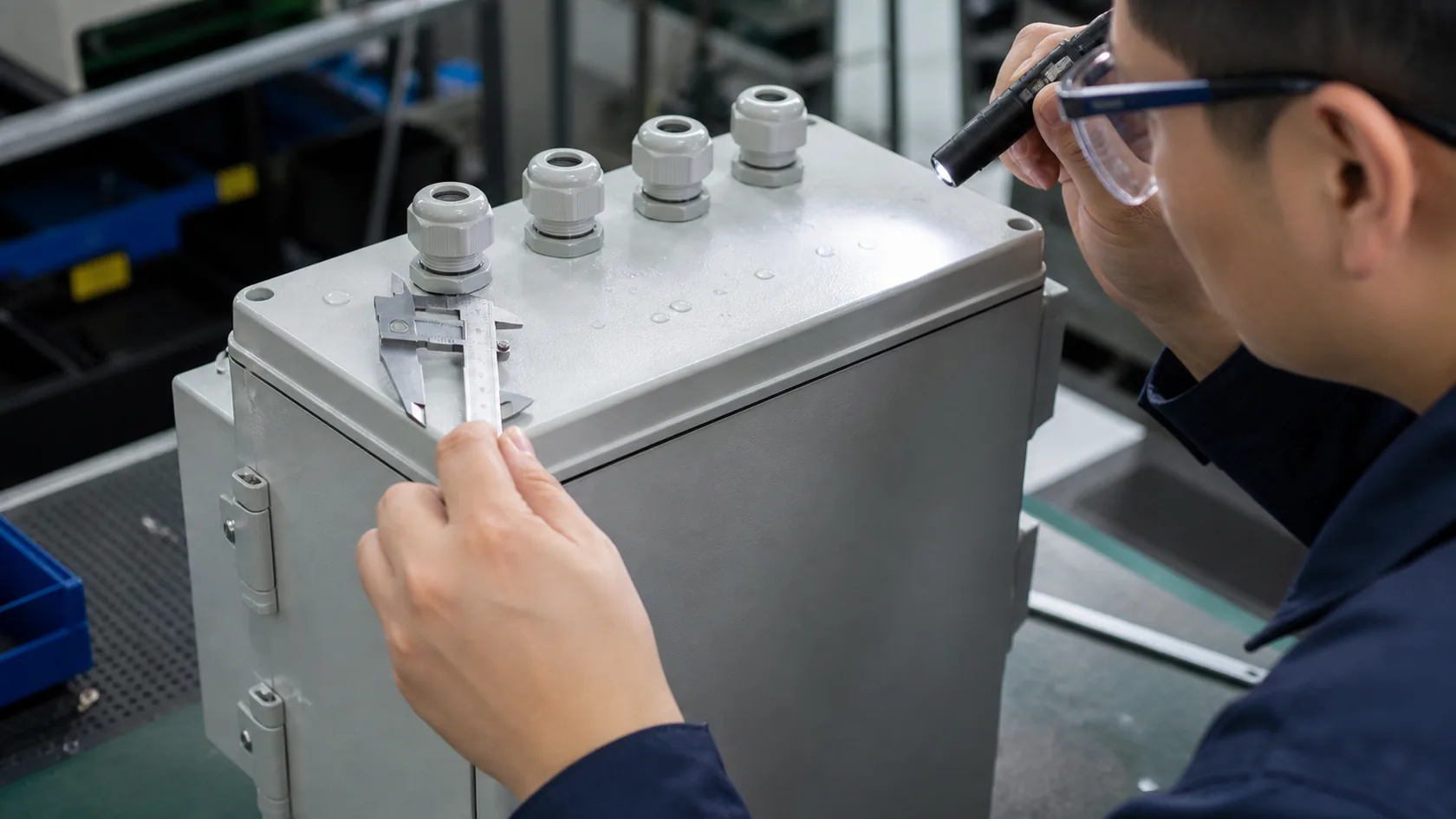
I run MaidaTech in China. My team and I build custom aluminum and plastic enclosures for buyers like Davide in Finland or John in Hungary. They send us the design, we do the real metal, sealing, gasketing, cutouts, logo printing, and sometimes the “risk” decisions they don’t have time to think about. NEMA ratings are one of those decisions that look simple on paper and very different in the field.
In this article, I want to walk you through how I look at NEMA 12 vs NEMA 4 in real work, not just in theory:
- What NEMA ratings actually mean for your project
- What NEMA 12 really protects against, and where it fails
- What NEMA 4 adds, and why it costs more
- How I compare them for dust, water, cost, and long-term risk
- How I help buyers decide which rating is “enough but not overkill”
From my side of the factory, the key judgment is simple: the wrong NEMA rating is either wasted money or silent risk, and both can hurt a project more than people expect.
As we go through each section, try to map it to your own site: where the enclosure sits, who cleans it, who kicks it, who ignores it. That is where NEMA 12 vs NEMA 4 becomes very real.
What are NEMA Ratings?
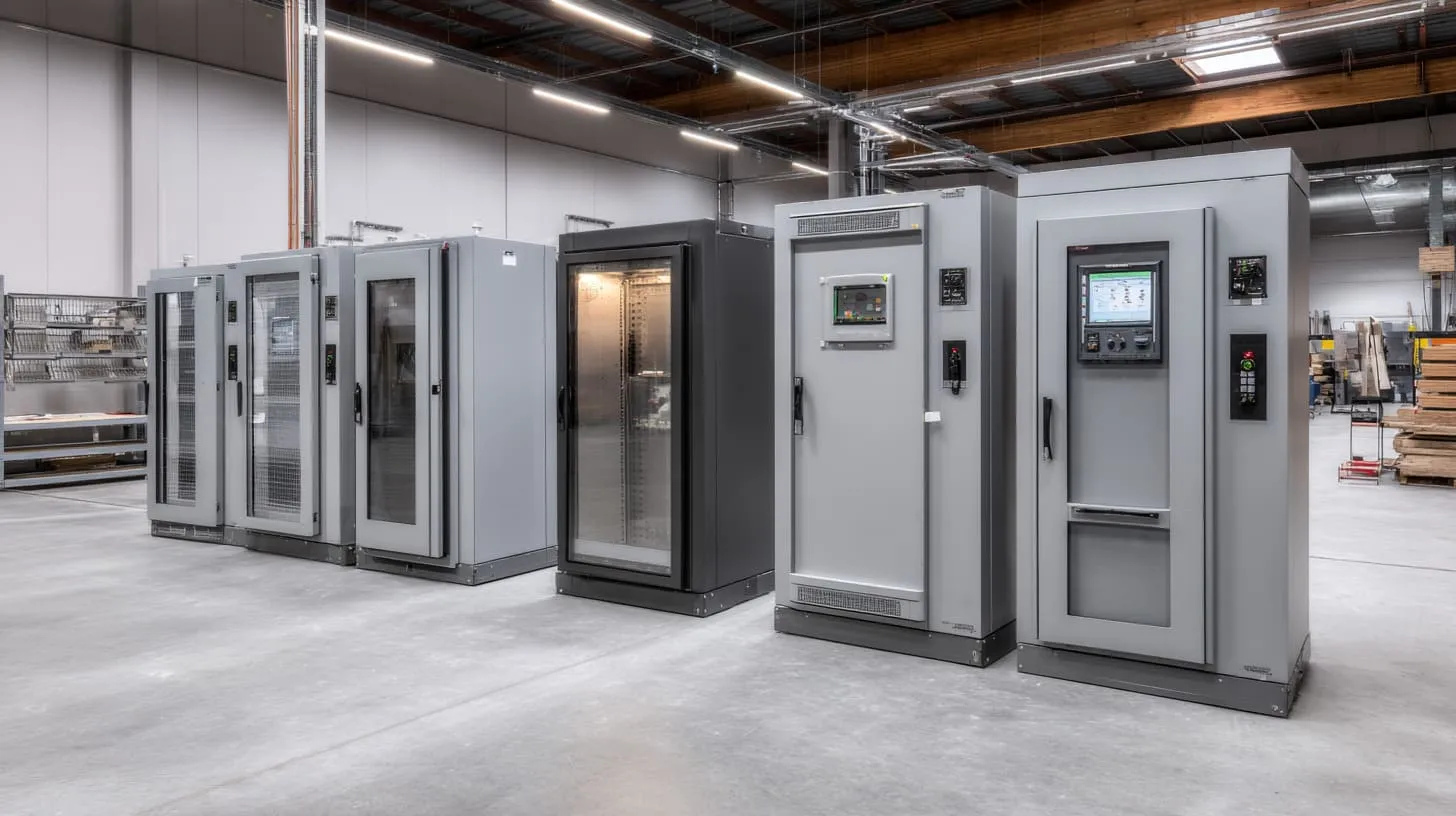
When I talk with new buyers about NEMA, I notice the same pattern. They know they “need a rating,” but they are not always sure what problem that rating is really solving. For me, NEMA is less about codes and more about risk contracts: what the enclosure promises to protect against, and what it honestly does not.
A simple view of NEMA enclosure ratings
NEMA (National Electrical Manufacturers Association) defines enclosure “types” that describe how well a box protects the internal equipment from:
- Dust and fibers
- Water in different forms (drips, splashes, hose spray, rain, ice)
- Access by fingers or tools
- Sometimes, oils and coolants
A few common NEMA types you probably see:
| NEMA Type | Typical Environment | Main Protection Focus |
|---|---|---|
| 1 | Basic indoor, office | Limited dust, accidental contact |
| 3 / 3R | Outdoor, general weather | Rain, sleet, some ice |
| 4 / 4X | Outdoor, harsh / washdown | Hose-directed water, splashing, ice, corrosion |
| 12 | Indoor industrial | Dust, dirt, dripping liquids, oil & coolant |
The key thing: NEMA describes the environment, not the electronics.
The same controller inside a wrong enclosure can fail very differently on two sites.
How NEMA helps engineers and procurement
When Davide sends me a new design, the NEMA rating is the bridge between his world and mine:
For his side
- It tells his customers, “This product can live in this kind of environment.”
- It supports compliance, safety, and warranty promises.
For my side
- It guides me on sealing level, gasket design, door hardware, and sometimes even material.
- It tells me how scared I should be of water, dust, or cleaning routines.
A rating like NEMA 12 or NEMA 4 cuts a lot of vague discussion. But it also hides some important assumptions: how often the enclosure is opened, who installs it, whether the door is closed properly, and how people clean the area.
Where NEMA 12 and NEMA 4 sit in the “family”
If we zoom out, we can place Type 12 and Type 4 like this:
| Rating Group | Mostly Used For | Examples |
|---|---|---|
| Light indoor (1, 2) | Office, light control boxes | Low dust, no washdown |
| Industrial indoor (12) | Factories, automation, machine cabinets | Dust, oil, light splashes |
| Indoor/outdoor (3, 3R, 4, 4X) | Outdoor cabinets, washdown areas | Rain, hose spray, snow, corrosion |
One way I think about it is very simple:
Type 12 lives in “dirty indoor,” Type 4 lives where water gets serious.
The moment you see regular hose cleaning or outdoor rain in the picture, the whole conversation shifts.
This is usually the point where I pause and ask the buyer one extra question about cleaning and weather, because that single question often decides whether NEMA 12 is enough or NEMA 4 is quietly mandatory.
NEMA 12 Enclosures Explained
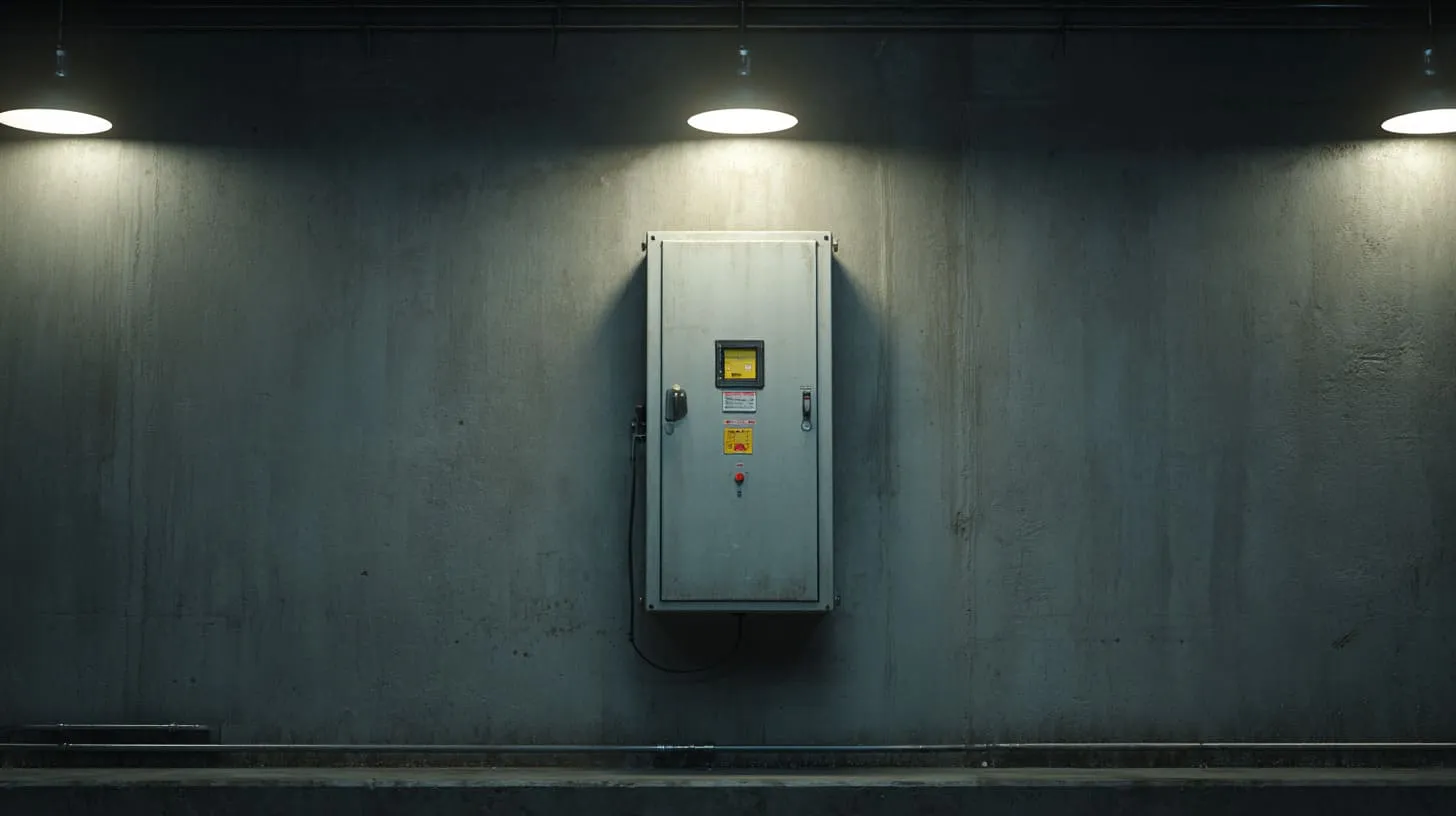
In many emails, NEMA 12 is the “default safe choice” for industrial indoor environments. But I see projects fail when people treat it as a magic shield. It is good, but it is not bulletproof.
What “NEMA 12” really means in daily use
A NEMA 12 enclosure is designed for indoor use and protects against:
- Circulating dust and falling dirt
- Light splashes and drips from non-corrosive liquids
- Oil and coolant drips or light sprays in machining areas
- Accidental contact with live parts
In simple words, a NEMA 12 box helps your electronics survive in a dusty, oily, but not truly “wet” environment.
Environmental protections in more detail
I like to translate the rating into real scenes:
| Condition | NEMA 12 Behavior |
|---|---|
| Airborne dust and fibers | Door closed and gasket intact → good resistance |
| Occasional coolant mist | Generally fine if not constant high-pressure spray |
| Oil drips from nearby machine | Designed to resist, if sealing is maintained |
| Vertical or light angled drips | Still within its comfort zone |
| Direct hose jet at close range | Not what it was designed for |
| Outdoor rain and snow | Not intended for this environment |
The weak point is continuous water pressure. If staff use strong hoses “just to be safe,” NEMA 12 can quietly become a risky choice.
Materials and construction you typically see
For NEMA 12, we often use:
- Cold-rolled steel or aluminum with a good powder coating
- Continuous or closed-cell gaskets on the door and removable panels
- Properly sealed cable entries and knockouts
- Screw covers, hinged doors, or latched doors depending on access needs
Sometimes buyers ask for clear windows or special cutouts. Every extra opening is a chance to create a leak path, so we design around that with proper gasketing.
Typical indoor use cases
I see NEMA 12 used most often in:
- Control panels on machines inside factories
- Automation cabinets near production lines
- Distribution boxes in dry industrial halls
- Electrical cabinets in packaging and assembly areas
A simple way to test the idea: if the floor is usually dry, and cleaning is more about wiping or light spray, NEMA 12 is often a strong candidate.
A small judgment I make with NEMA 12
When a customer writes “NEMA 12” on the drawing, the first thing I quietly test in my head is: “Will any realistic cleaning process on this site be more aggressive than a polite spray or drip?” If the answer is even “maybe,” I start to worry that NEMA 12 is being asked to do a NEMA 4 job.
Sometimes this is the moment where I share one short story about a failed panel in a wet corner of a factory, and buyers immediately see the gap.
To move from dust and light splashes to serious water, we have to talk about NEMA 4.
NEMA 4 Enclosures Explained
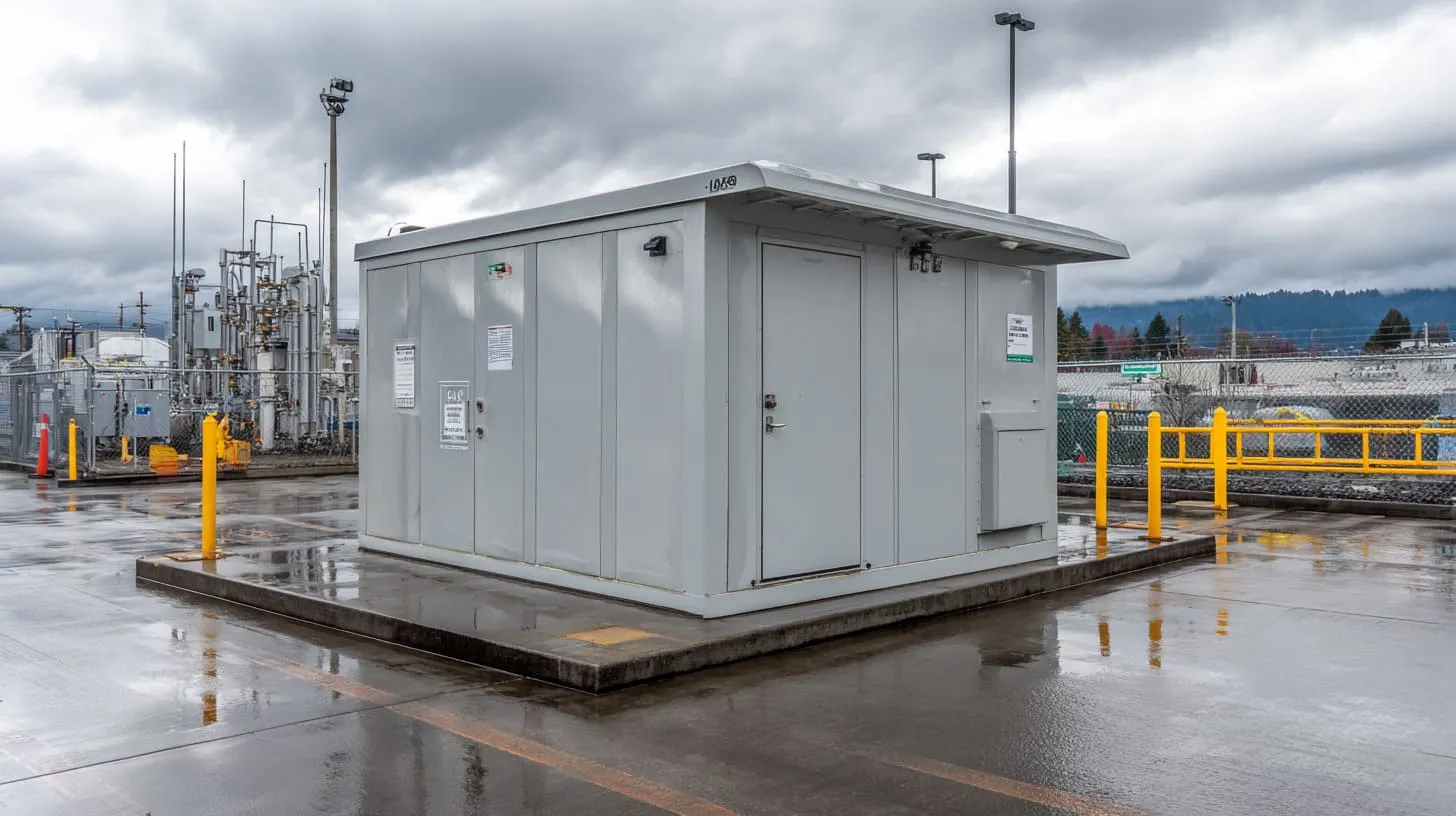
If NEMA 12 is about “dirty indoor,” NEMA 4 is about water that does not respect your schedule: rain, washdown hoses, unexpected splashes, and snow sitting on a box outdoors.
What NEMA 4 actually promises
A NEMA 4 enclosure is designed for indoor or outdoor use and provides:
- Protection against wind-blown dust and rain
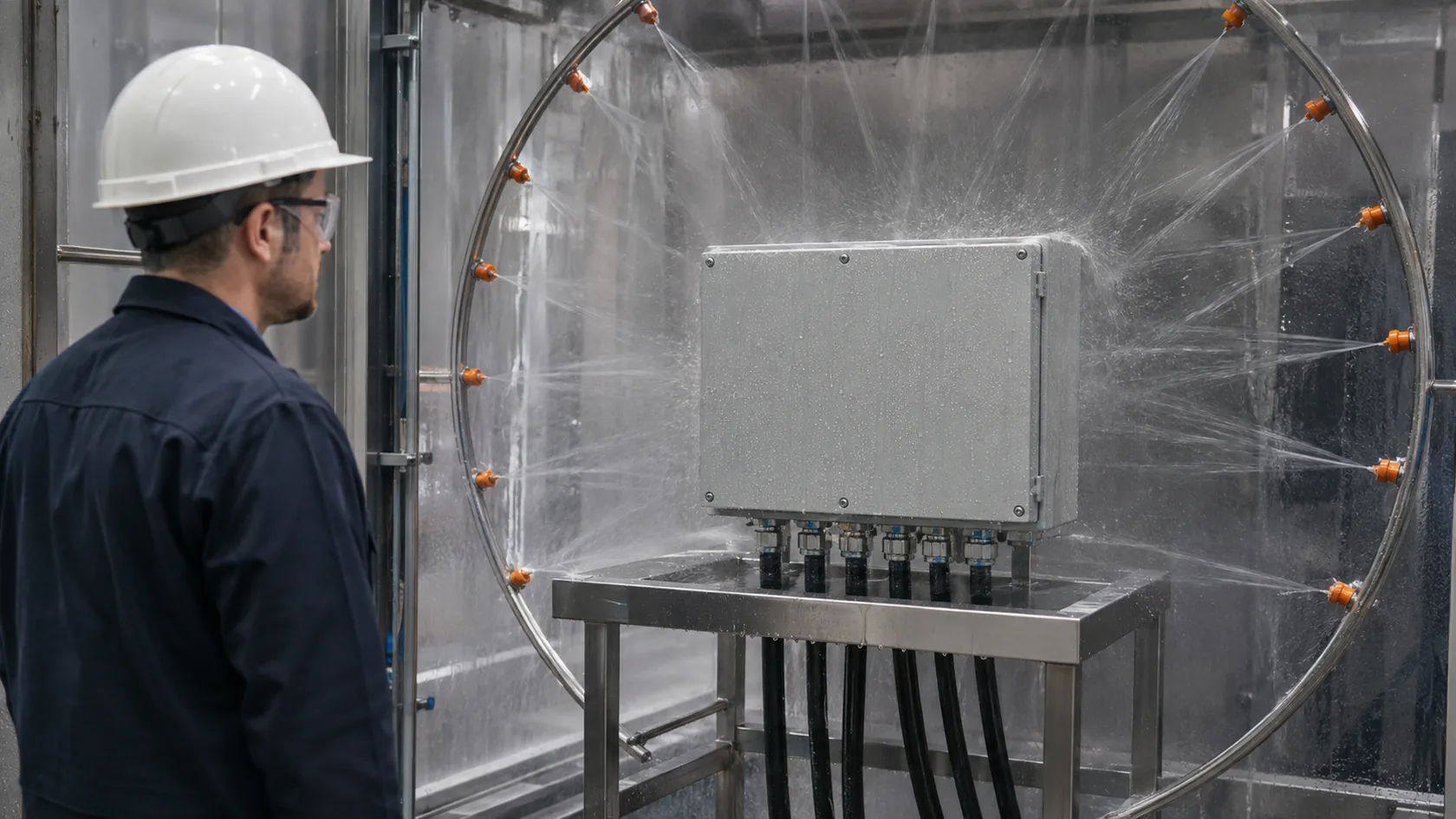
- Protection against splashing water and hose-directed water
- Protection against sleet and ice formation on the enclosure
- Protection against accidental contact with live parts
The key upgrade compared to NEMA 12 is the ability to handle strong water jets and outdoor weather. This is not just about a better gasket. It also touches door design, hardware, and sometimes materials.
How NEMA 4 behaves in real environments
Let’s translate again into scenes:
| Condition | NEMA 4 Behavior |
|---|---|
| Outdoor rain and wind | Designed to handle it |
| Snow or ice on the enclosure surface | Still within rating (when properly installed) |
| Hose cleaning from multiple angles | Designed for this kind of spray |
| Occasional standing water splashes | Much more tolerant than NEMA 12 |
| Constant submersion | Not its role (that is closer to NEMA 6) |
In food plants, water treatment, or outdoor cabinets, this extra protection is not a luxury. It is the difference between “works for 10 years” and “fails after the first serious cleaning.”
Typical materials and sealing for NEMA 4
For NEMA 4 we pay more attention to:
- Stronger gaskets (possibly with better compression characteristics)
- Door hardware that pulls the door evenly onto the gasket
- Welded seams and well-designed joints to prevent water paths
- Often stainless steel or high-grade coated steel for outdoor use
On some projects we also think about UV exposure, temperature swings, and how often the door is opened. All of this affects long-term sealing.
Where I see NEMA 4 used most
NEMA 4 is common in:
- Outdoor control panels near pumps, tanks, or utility equipment
- Car wash systems and washdown zones
- Food and beverage processing plants
- Water and wastewater treatment facilities
- Any area with regular, aggressive hose cleaning
If your maintenance team likes to “clean everything very hard and very fast,” NEMA 4 is usually your friend.
How I judge if NEMA 4 is really needed
When a buyer mentions washdown or outdoor mounting, the thought that usually runs through my head is: “How angry will maintenance be if the enclosure leaks once and ruins the electronics?” That emotional picture tells me more than any spec sheet, and it often pushes the decision clearly toward NEMA 4.
Of course, not every site needs this level, and that is where the comparison with NEMA 12 becomes important.
Head-to-Head Comparison: NEMA 12 vs NEMA 4
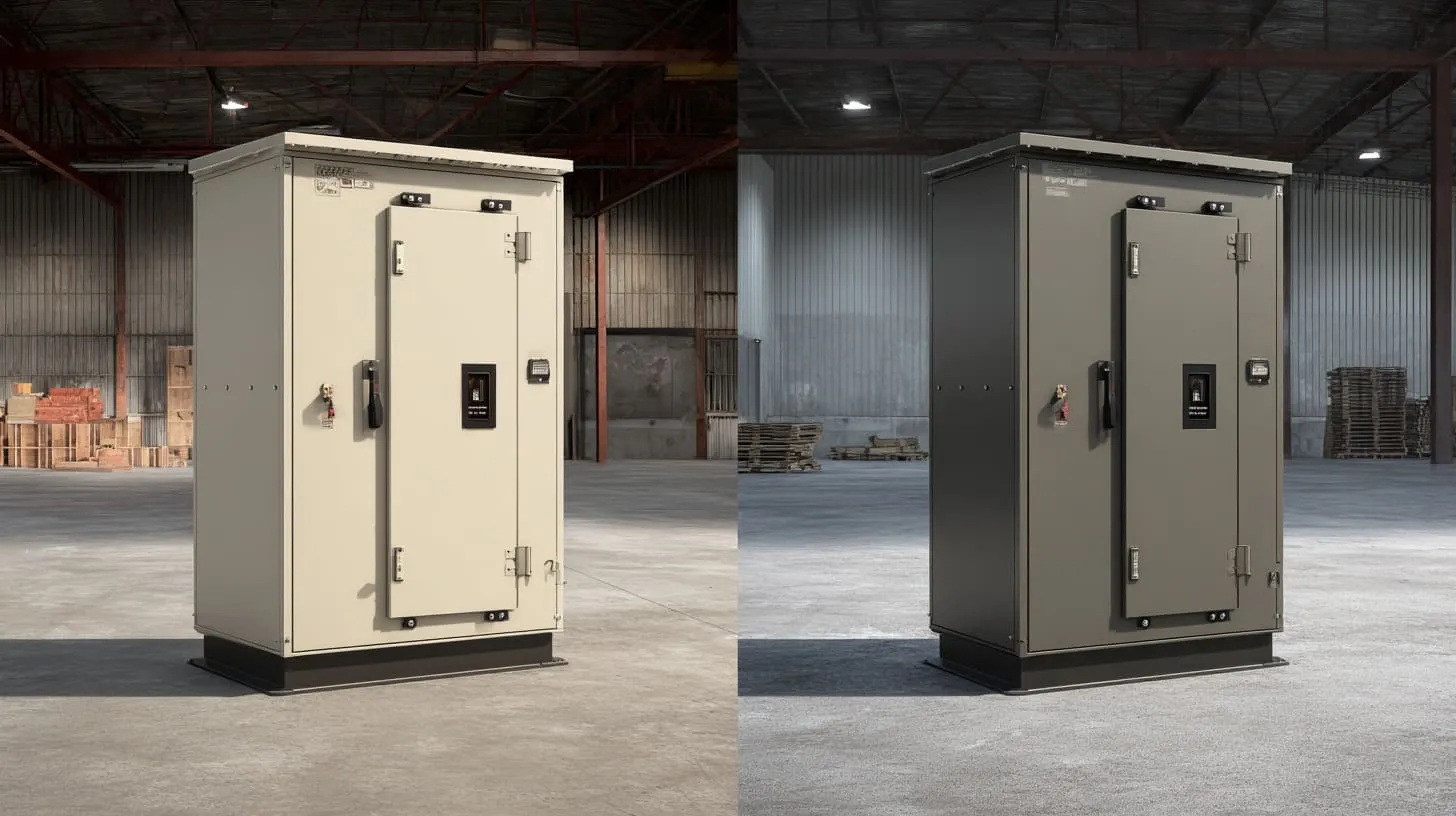
At this point, most buyers ask the real question: “Can I stay with NEMA 12 to save cost, or do I have to go up to NEMA 4?” Side-by-side comparison makes this much clearer.
Protection level comparison
Indoor vs outdoor suitability
- NEMA 12: Indoor only
- NEMA 4: Indoor or outdoor
If your enclosure ever sees real weather, NEMA 12 falls out almost instantly.
Dust and solid particle ingress
Both ratings offer good protection against dust and falling dirt, but:
- NEMA 12 focuses on industrial dust, lint, and fibers in indoor settings.
- NEMA 4 must also deal with wind-blown dust outdoors.
For many projects, dust is not the main difference; water is.
Water: splashes vs hose spray
Here is a simple comparison:
| Aspect | NEMA 12 | NEMA 4 |
|---|---|---|
| Drips from above | Acceptable | Acceptable |
| Light splashing | Limited, not continuous | Designed to withstand |
| Hose-directed water | Not rated | Specifically rated for this |
| Outdoor rain | Not intended | Intended |
If staff regularly use hoses, even “just sometimes,” treating the area as NEMA 12 can be a quiet risk.
Oil and coolant resistance
- NEMA 12 explicitly covers oil and coolant drips or light sprays in indoor industrial areas.
- NEMA 4 can also be used in such areas, but the rating itself is more focused on water and weather.
In practice, we compensate with proper gasket materials and finishes either way.
Material and construction differences
While both enclosures can be made from similar base materials (steel, stainless steel, aluminum, some plastics), NEMA 4 will often require:
- More careful welding or sealing of seams
- Better gasketing and door compression
- Sometimes upgraded hardware
This makes NEMA 4 more labor-intensive and usually more expensive.
Cost and investment differences
Roughly speaking, a NEMA 4 enclosure will cost more than a similar NEMA 12 design because of:
- Higher sealing requirements
- More robust components
- Sometimes different material choices (especially for outdoor or corrosive sites)
But the real cost question is not “Which is cheaper today?”
It is “Which rating avoids the most expensive failure over the life of the system?”
Rough IP rating equivalents
For engineers more used to IP ratings, a very rough mapping is:
| NEMA Type | Approximate IP “feel”* |
|---|---|
| 12 | Around IP54 / IP52 area |
| 4 | Around IP66 area |
*These are not perfect one-to-one conversions, but they help create intuition. Always check the detailed standard when compliance is critical.
How I decide between “good enough” and “too much”
When I see a project with both cost pressure and environmental risk, the thought that often guides me is: “If we choose the lower rating, what is the most realistic failure scenario, and can this buyer emotionally absorb that?” If the answer is “no,” I lean strongly toward NEMA 4 even if NEMA 12 might survive on its best day.
Now let’s look at where each type actually fits in the real world.
Real-World Application Scenarios
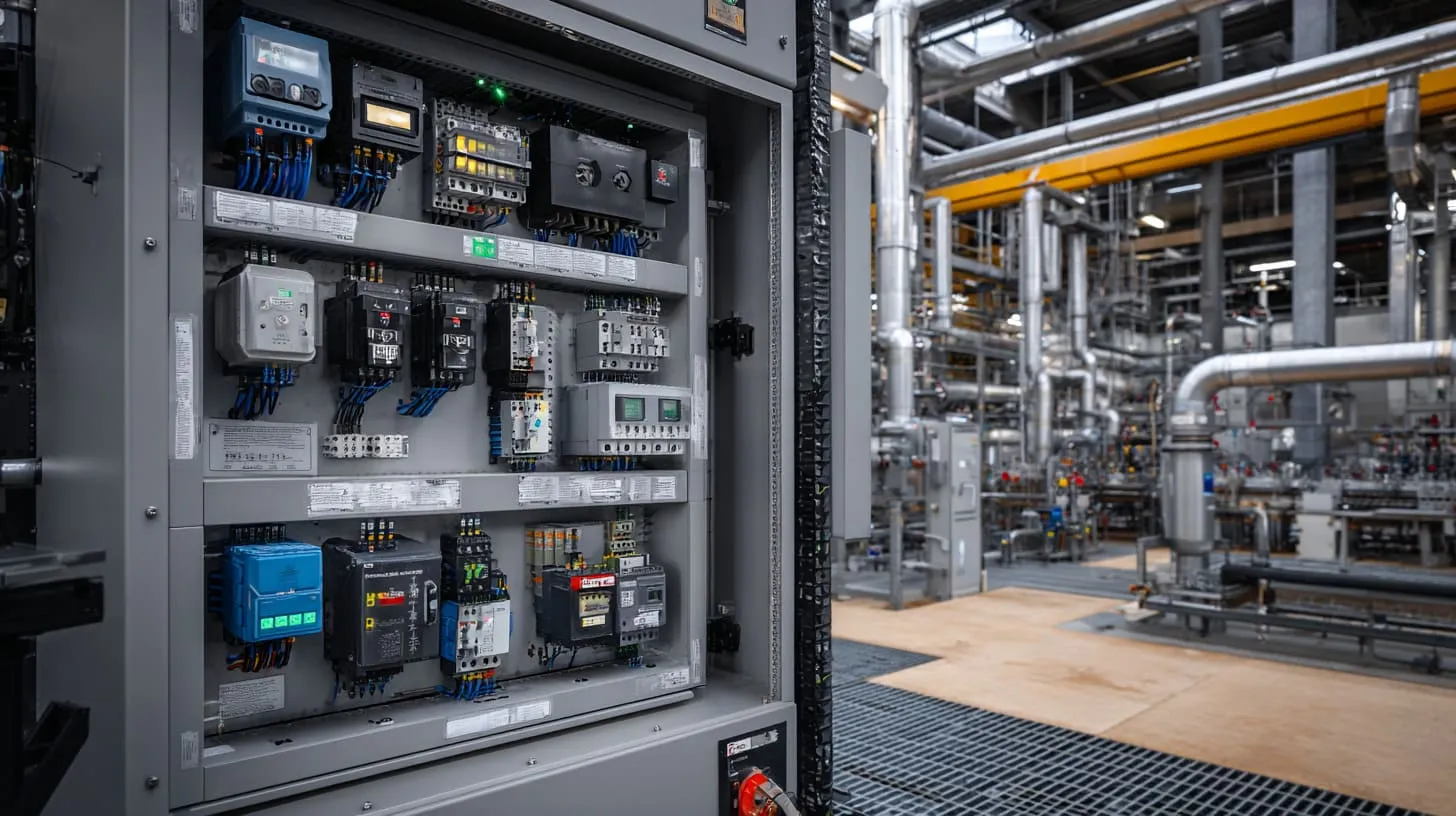
Theory is nice, but most of my decisions happen on real projects: a pump room in Belgium, a food plant in Finland, or a wastewater station in Hungary. The NEMA code has to survive those places, not just a lab test.
When I recommend NEMA 12
NEMA 12 works well when the environment looks like this:
- Indoor, no direct exposure to weather
- Significant dust, lint, or industrial dirt
- Some oil and coolant mist or drips
- Limited water, mostly from small spills or occasional light spray
Common examples:
Controlled indoor environments with dust and light splashes
- Packaging lines with cardboard dust
- CNC machine rooms where most coolant is contained
- Warehouse control panels where floors are mostly dry
Industrial automation and wiring enclosures
- PLC panels mounted inside production halls
- Motor control cabinets not exposed to washdown
- Distribution enclosures in industrial corridors
Here is a simple table you can use:
| Question | If “Yes” → NEMA 12 is acceptable? |
|---|---|
| Only indoor, no rain or snow? | Often yes |
| No regular high-pressure hose cleaning? | Often yes |
| Dust and oil present, but mostly controlled? | Often yes |
| Door opened occasionally for maintenance only? | Easier to maintain NEMA 12 |
When I recommend NEMA 4
NEMA 4 becomes the safer choice when:
- There is regular washing or hose cleaning
- The panel is placed outdoors
- Water can arrive from many directions, not just from above
Typical cases:
Outdoor equipment enclosures
- Pump control stations near tanks or treatment plants
- Utility cabinets mounted on external walls or poles
- Systems in car parks, yards, or rooftop installations
Wash-down and high-moisture industrial environments
- Food and beverage plants with daily washdown routines
- Car washes and cleaning lines
- Chemical process areas where floors stay wet
Situations requiring hose spray resistance
- Any place where staff often “clean the panel area” with a strong hose
- Places where you cannot control or supervise cleaning habits
How I mentally test the scenario
When I read a project description, the mental question that often saves me is:
“If I had to stand next to this panel during cleaning or a storm, would I feel comfortable with only NEMA 12 between the electronics and the water?”
If the honest feeling is “No way,” then it is probably a NEMA 4 job.
Once water is solved, we often face another hidden problem: corrosion. That is where NEMA 4X enters the picture.
Cross-Reference: NEMA 4X and Corrosion Resistance
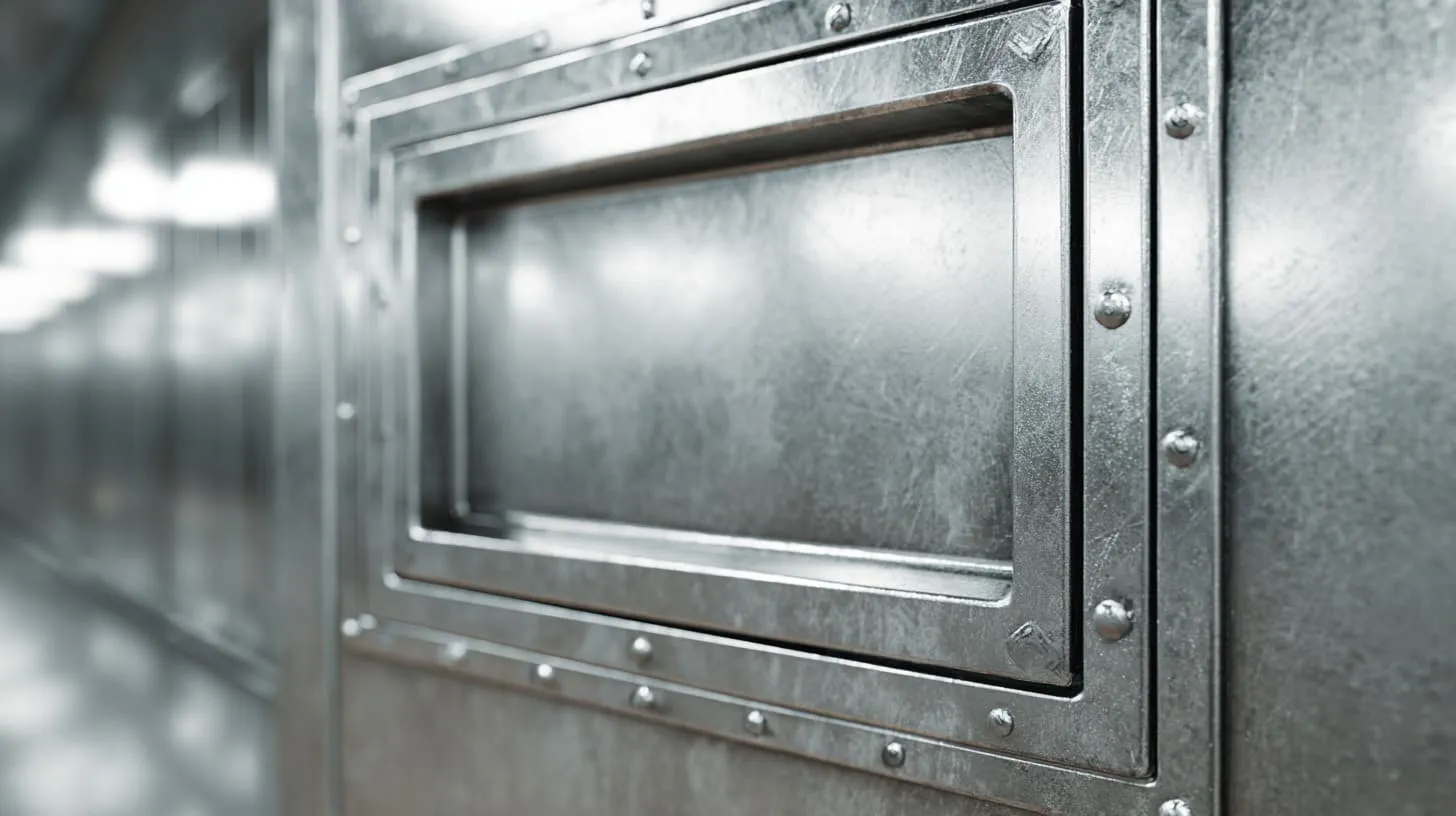
Sometimes the environment is not only wet, it is also chemically unfriendly. I learned this the hard way in a coastal project where the steel enclosure was still technically “sealed,” but the rust made everyone nervous long before the electronics failed.
What NEMA 4X adds beyond NEMA 4
NEMA 4X keeps all the protections of NEMA 4 (hose water, rain, sleet, ice) and adds:
- Additional corrosion resistance
This is usually achieved with:
- Stainless steel (often 304 or 316)
- High-quality coatings
- Certain plastics or composites
It is still about water sealing, but with a long-term view on material survival.
When corrosion resistance really matters
Typical environments where I strongly consider 4X instead of 4:
- Coastal or marine: salty air, sea spray, harbors
- Food processing: aggressive cleaning chemicals, disinfectants
- Chemical plants: vapors, fumes, or splashes from process liquids
In these places, the failure risk is not just “water gets in.” It is also “the box looks ten years old after one year.”
Material choices for corrosion-sensitive sites
A simple, practical view:
| Environment Type | Material I Usually Prefer |
|---|---|
| General outdoor, inland | Coated steel or aluminum |
| Coastal, marine | Stainless steel (often 316) |
| Food / pharma washdown | Stainless steel, smooth finish |
| Light chemical vapors | Depends on chemistry; sometimes coated aluminum or plastic |
How I judge whether 4X is worth the extra cost
When a buyer hesitates between 4 and 4X, the thought that guides me is often:
“If this enclosure turns ugly in two years because of corrosion, will the customer think the whole product is low quality, even if it still works electrically?”
If the branding and appearance matter a lot, the answer pushes us toward 4X very quickly.
Now, let’s put everything into a more practical decision path.
How to Choose Between NEMA 12 and NEMA 4

By now you probably see that NEMA 12 vs NEMA 4 is not just a technical choice. It is a business decision that mixes environment, cost, maintenance habits, and brand image.
Key questions I ask before specifying an enclosure
When Davide or John sends me a new project, I often ask very simple, concrete questions:
- Is the enclosure indoor only, or will it ever see weather?
- How is the area cleaned? Wiping, low-pressure spray, or aggressive hose?
- Are there oils, coolants, or chemicals nearby?
- How often will people open the door?
- What is the expected lifetime of the system?
- How expensive is the hardware inside if it fails?
I am not trying to be difficult. I am trying to find where NEMA 12 is safe and where NEMA 4 is quietly mandatory.
A practical checklist (environment, water, cleaning, budget)
You can use a simple decision table like this:
| Factor | NEMA 12 Direction | NEMA 4 Direction |
|---|---|---|
| Indoor only, controlled environment | ✓ | Possible but usually not necessary |
| Outdoor or semi-outdoor | ✗ | ✓ |
| No hose cleaning, only light spray | ✓ | Optional, depends on risk tolerance |
| Regular hose or pressure cleaning | ✗ | ✓ |
| High dust and oil, dry floors | ✓ | Optional |
| High cost electronics inside | Maybe, but check carefully | Often safer long-term |
| Strong cost pressure, low risk | Often acceptable | Use only if environment clearly demands it |
Simple decision flow: NEMA 12 or NEMA 4?
You can think of it as a short flow in your head:
- Is there any realistic chance of hose or heavy spray on the enclosure?
- If yes → lean strongly to NEMA 4.
- Is the box outdoors or exposed to weather?
- If yes → NEMA 4 (or 4X if corrosive).
- If indoor only, with dust and some oil but mostly dry floors and light cleaning:
- NEMA 12 is usually a solid, cost-effective choice.
- If you feel nervous about one failure destroying a lot of value:
- NEMA 4 can be cheap insurance.
When I guide a customer, the thought that often clarifies everything for me is:
“If we choose the lower rating and it fails once in the field, will everyone still think this was a smart decision?”
If the honest answer is “no,” I push gently, but clearly, toward the higher rating.
Next, let’s quickly address a few questions that almost always appear in email threads.
Frequently Asked Questions (FAQs)
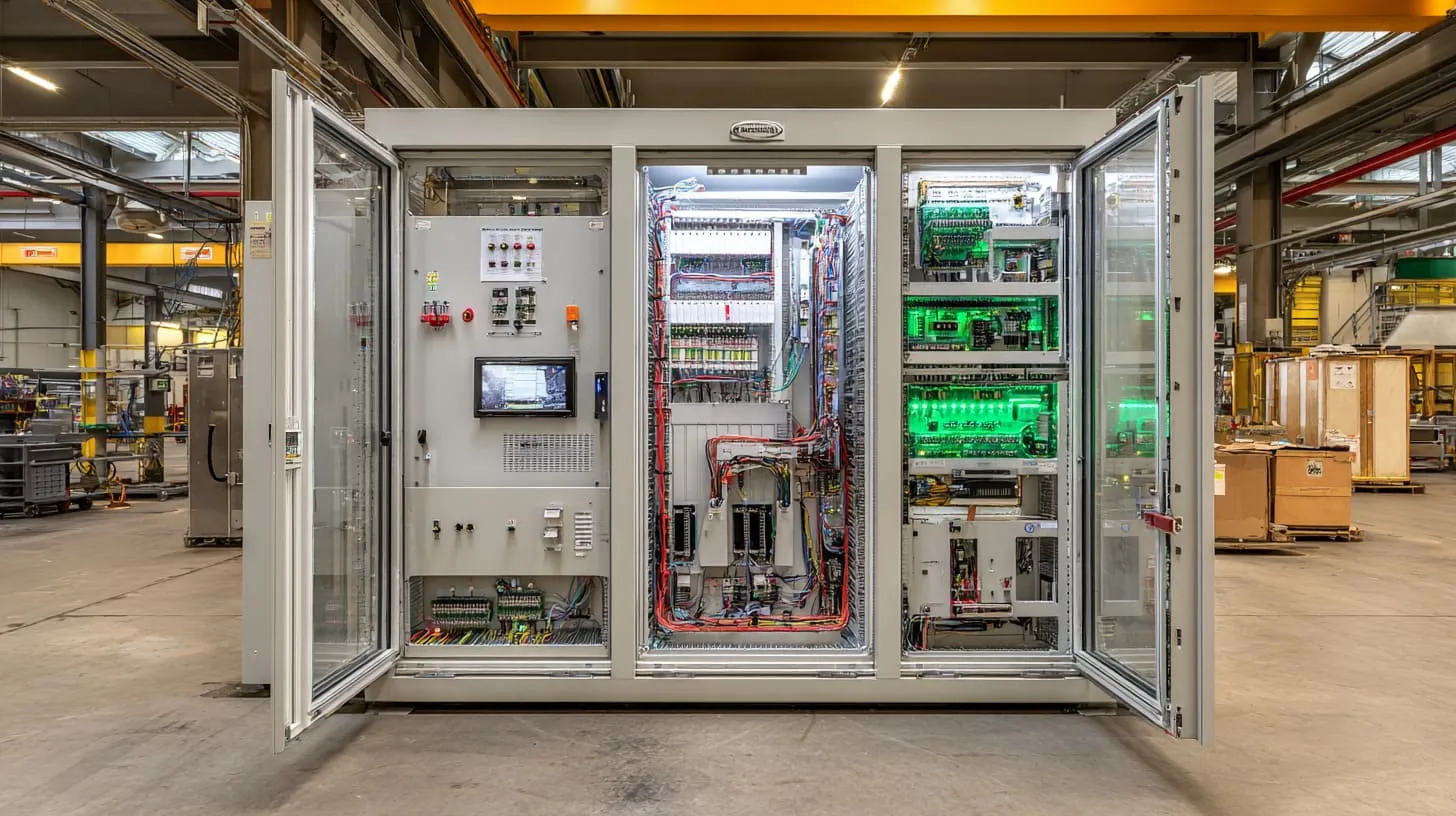
Over the years, the same questions keep coming back in different words. I actually like this, because it shows where the real confusion lives.
Can a NEMA 12 enclosure be used outdoors?
Short answer: No, not as a serious design choice.
NEMA 12 is meant for indoor environments. It does not promise protection against rain, snow, or ice, and it does not consider long-term UV and weather exposure. Could a NEMA 12 box survive for a while under a roof outside? Maybe. But that is guesswork, not engineering.
Is a NEMA 4 enclosure “waterproof”?
A NEMA 4 enclosure is water-resistant, not magically waterproof in every condition.
It is designed to handle:
- Rain and splashing water
- Hose-directed water from many directions
- Ice forming on the enclosure
It is not designed for permanent submersion. For that, you would look at NEMA 6 or similar types.
What is the difference between NEMA 4 and NEMA 4X?
The core difference:
- NEMA 4: protection against water and weather
- NEMA 4X: same as NEMA 4 plus increased corrosion resistance
4X is usually realized with stainless steel or certain plastics and coatings. If you see salt, aggressive cleansing agents, or chemicals in the environment, 4X becomes a serious candidate.
What are the rough IP equivalents of NEMA 12 and NEMA 4?
Very roughly:
- NEMA 12 is similar to something like IP54
- NEMA 4 is closer to IP66
Again, this is only for intuition. The test methods and definitions are different, so for strict compliance you should always check each standard directly.
How I decide what to tell a buyer in one simple sentence
When someone asks me, “So what do you think, NEMA 12 or NEMA 4?” I often sum it up like this:
“If you ever plan to spray this enclosure with a serious hose or leave it in the rain, call it NEMA 4. If not, and it stays indoors in dust and oil, NEMA 12 usually makes more sense.”
This short rule of thumb keeps many projects out of trouble.
Conclusion
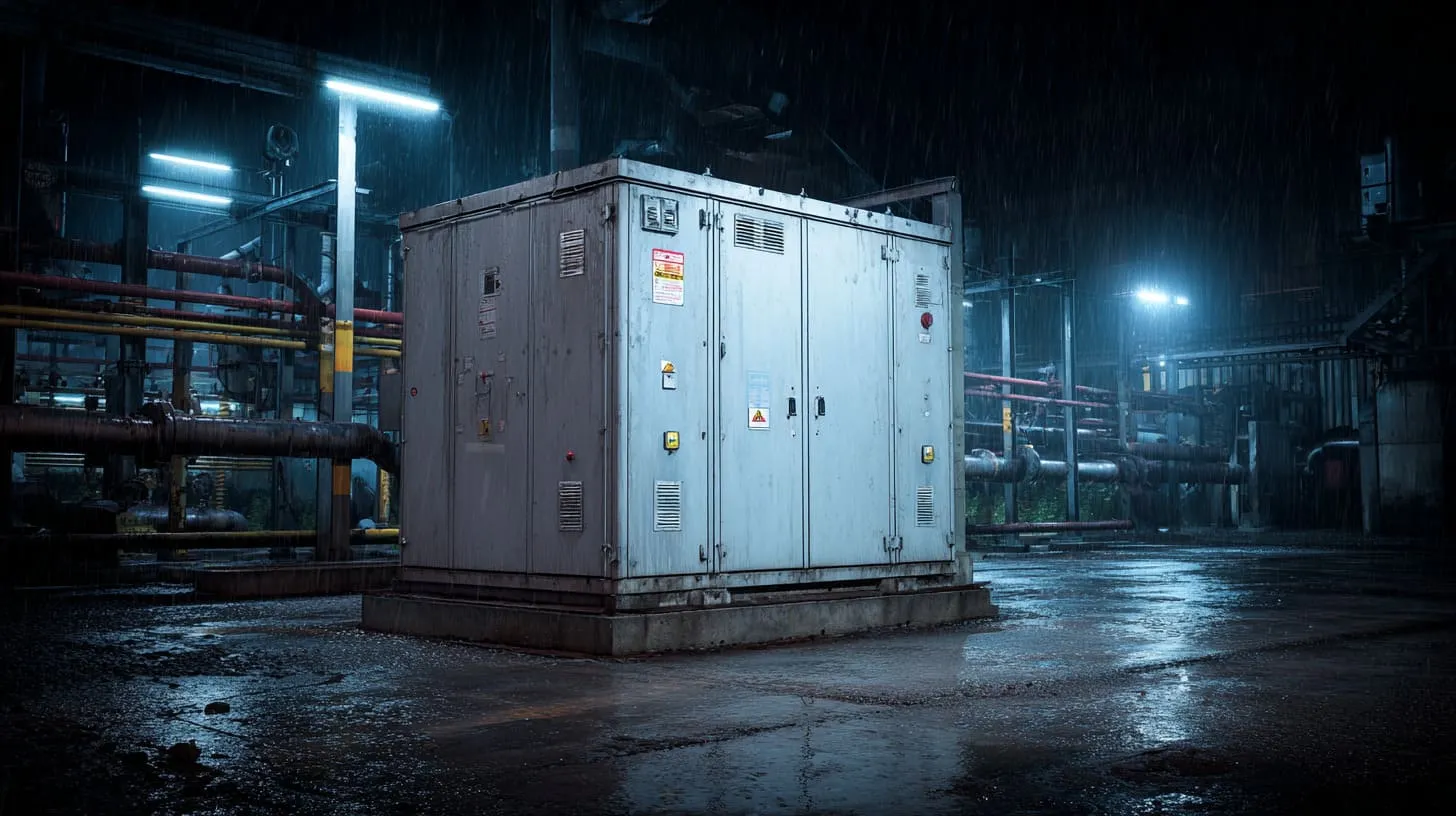
For me, NEMA 12 vs NEMA 4 is not just two lines in a catalog. It is a conversation about how your product will really live in the field: who cleans it, who kicks it, who forgets to close the door, and how expensive the first failure will be.
I look at it like this:
- NEMA 12 is my go-to for indoor industrial sites with dust, dirt, and some oil, but without aggressive hose cleaning or direct weather. When the floor is mostly dry and cleaning is gentle, it gives very good value for the money.
- NEMA 4 is the level I trust when water becomes a daily habit, not a one-time event: washdown areas, outdoor panels, exposed pump stations, and places where people use hoses to clean everything without thinking about the rating on a drawing.
The honest reason I care so much is simple:
If we choose the wrong rating today, we may not see the problem until months after installation, when the enclosure leaks once, the electronics fail, and everyone is suddenly asking why we tried to “save” a few dollars.
In my own work at MaidaTech, I try to balance three things for buyers like Davide, John, and Jackson:
- Real environment risk – dust, water, chemicals, cleaning habits
- Cost and competitiveness – not overspecifying just to feel safe
- Brand and long-term trust – how the enclosure makes their product look after years of use
If you are planning a project and still feel unsure between NEMA 12 and NEMA 4, you do not have to guess alone. You can send me your rough environment description, a photo of the site, or a simple list of cleaning habits, and I can help you judge which rating makes more sense.
You can reach me and my team at MaidaTech through:
- Website: maidatechenclosure.com
- Email: info@maidatech.com
Tell me your story, your environment, and your worries. Together we can choose an enclosure design—and a NEMA rating—that protects your electronics, respects your budget, and still lets you sleep well when the first heavy hose or rainstorm shows up.