Skip to content
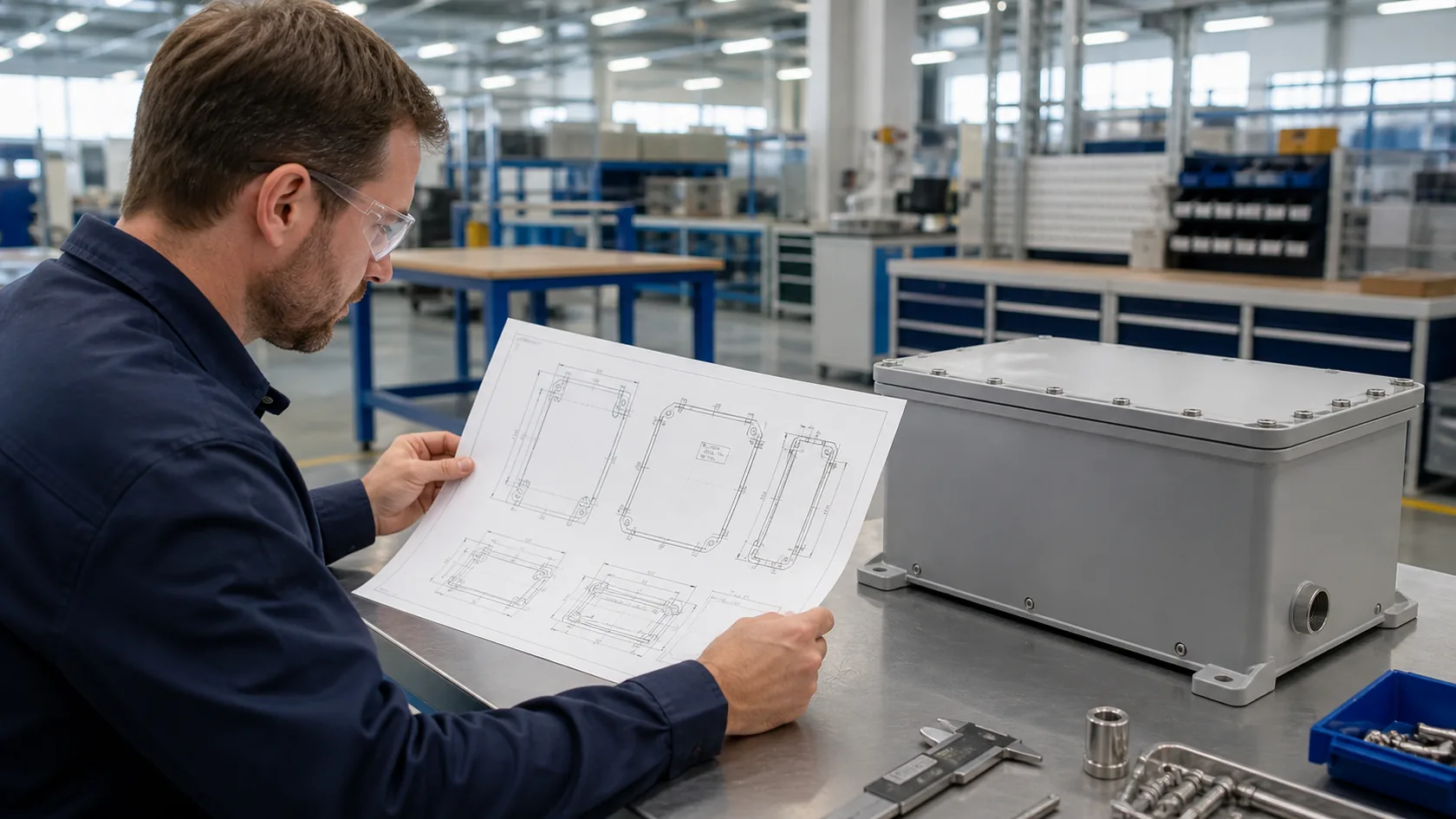
In enclosure quotations, I often see the same practical question written two ways. A European customer asks for IP66. A North American customer asks for NEMA 4X. It is tempting to treat those labels as a translation exercise and quote the same box. That shortcut can create an expensive argument later.
IP and NEMA both help buyers describe environmental protection, but they do not test or communicate exactly the same things. The IEC 60529 IP Code classifies degrees of protection provided by enclosures. NEMA enclosure Types consider ingress protection too, while also covering additional characteristics and construction-related conditions under NEMA 250. The correct choice starts with the actual installation, not a conversion chart.
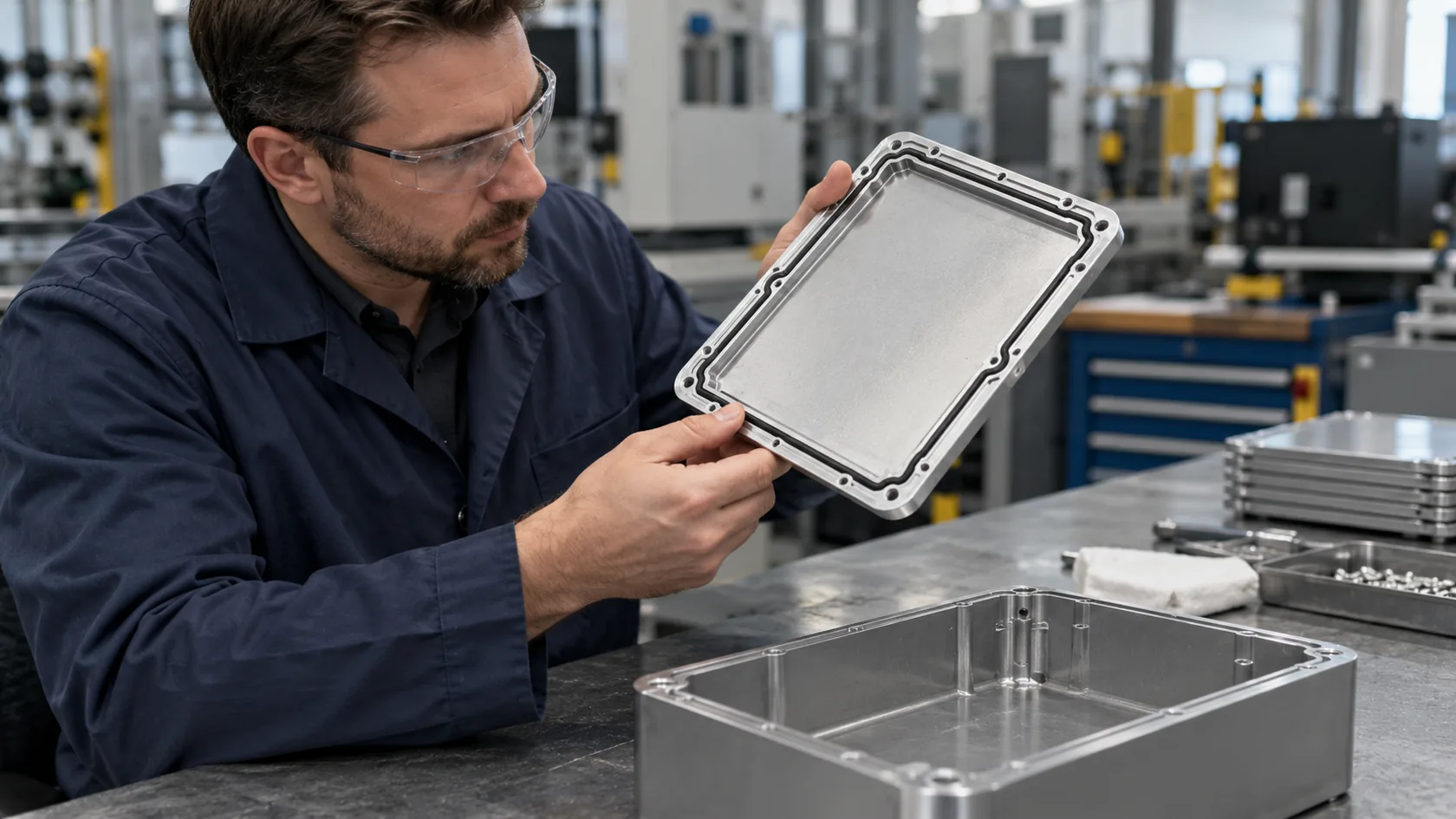
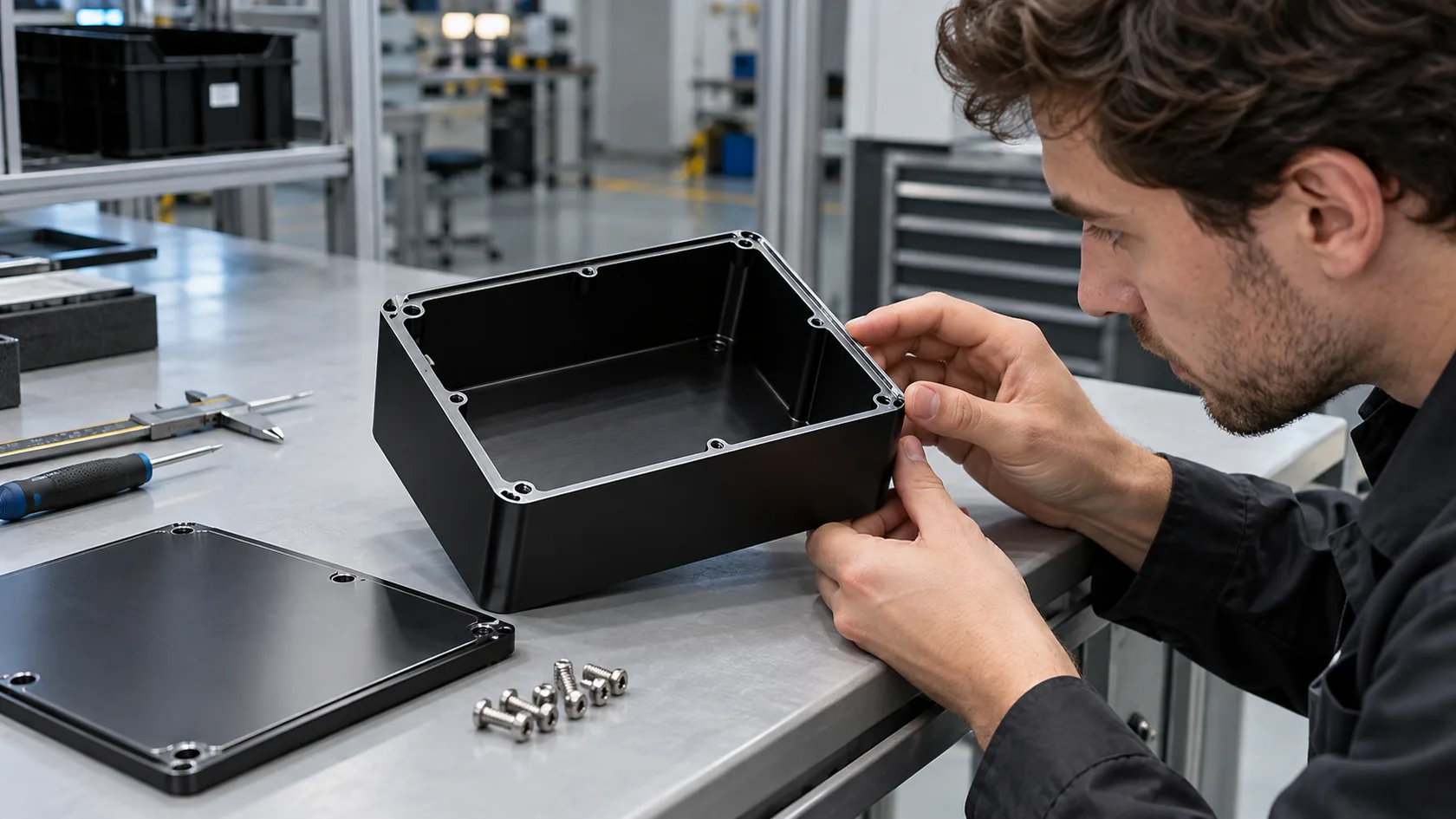
From a factory point of view, the rating only works when the enclosure, gasket, cover, cable entries, connectors, mounting, and assembly method all match the claimed condition. A strong metal housing cannot rescue an unsuitable gland or a field-drilled hole.
First, it helps to read an IP number for what it does—and does not—say.
What an IP Rating Actually Tells You
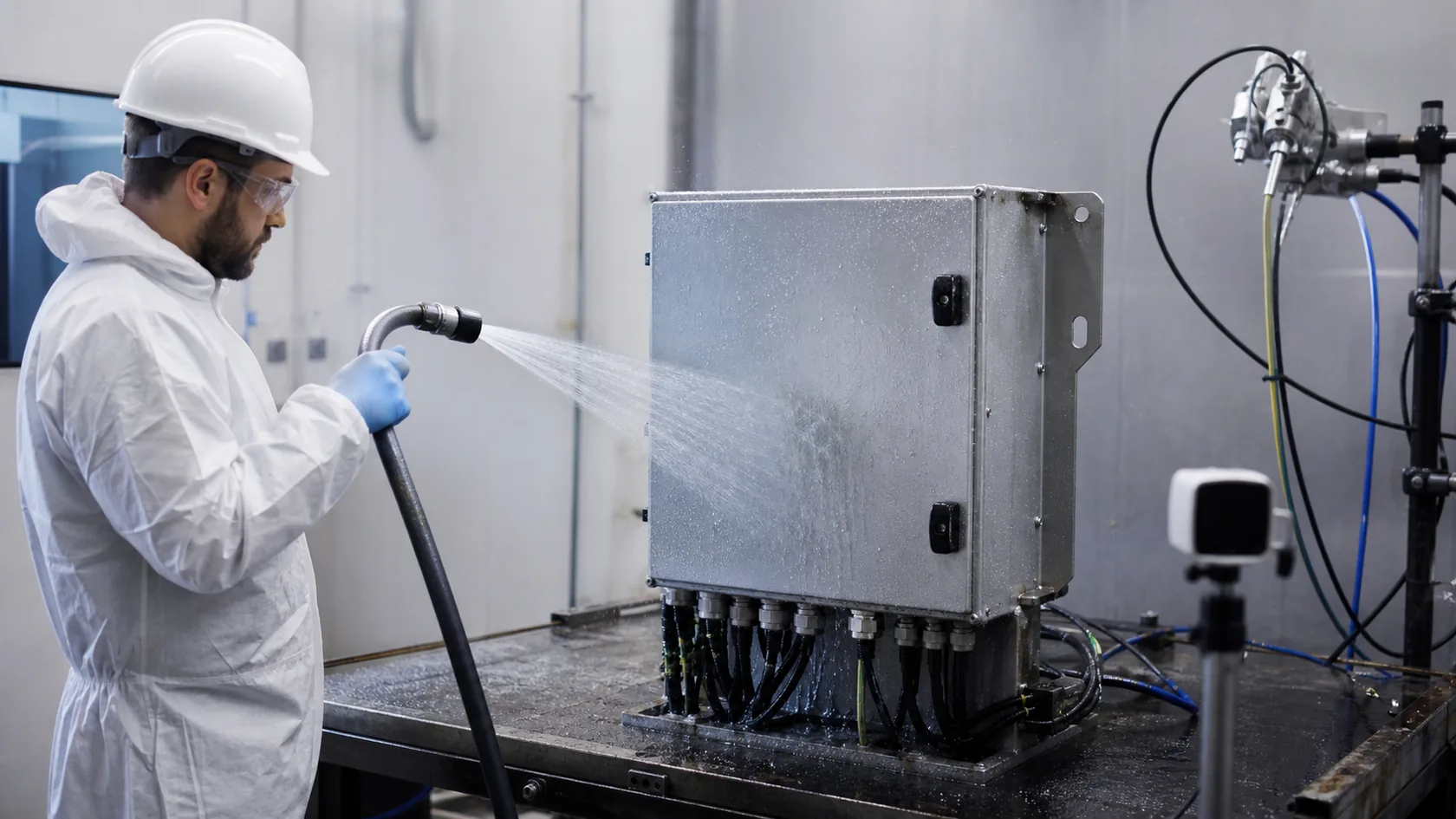
The IP Code uses characters to state a degree of protection. In the common two-digit form, the first digit concerns access to hazardous parts and solid foreign objects; the second concerns water ingress. IP65, for example, is not a general statement that a product is suitable for every outdoor or industrial application. It is a statement about the applicable IEC protection categories and test conditions.
Read the two digits separately
The first digit and the second digit answer different questions. Buyers should keep them separate when comparing requirements.
| Example | First protection question | Second protection question |
|---|---|---|
| IP54 | What solid-object and dust protection is required? | What splashing-water exposure is specified? |
| IP65 | What dust protection is required? | What water-jet exposure is specified? |
| IP66 | What dust protection is required? | What powerful-water-jet exposure is specified? |
| IP67 | What dust protection is required? | What temporary-immersion condition is specified? |
IP67 should not be casually described as “better than IP66” for every use. Immersion and powerful water jets are different test situations; a buyer may need one, the other, or both. I ask for the exact exposure rather than choosing the highest-looking second digit.
Treat the test configuration as part of the claim
The rating belongs to a defined enclosure and test configuration. A bare housing, a closed door, an empty cable opening, and a finished control box with glands and connectors are not automatically the same product. The NEMA technical guidance on liquid-tight systems makes this practical point clearly: the system rating is limited by its lowest-rated relevant component.
For a custom enclosure, define the cable diameter range, gland thread, plugs, connector seals, mounting orientation, and cover condition before claiming an IP result. This makes the next comparison much clearer.
What a NEMA Type Adds
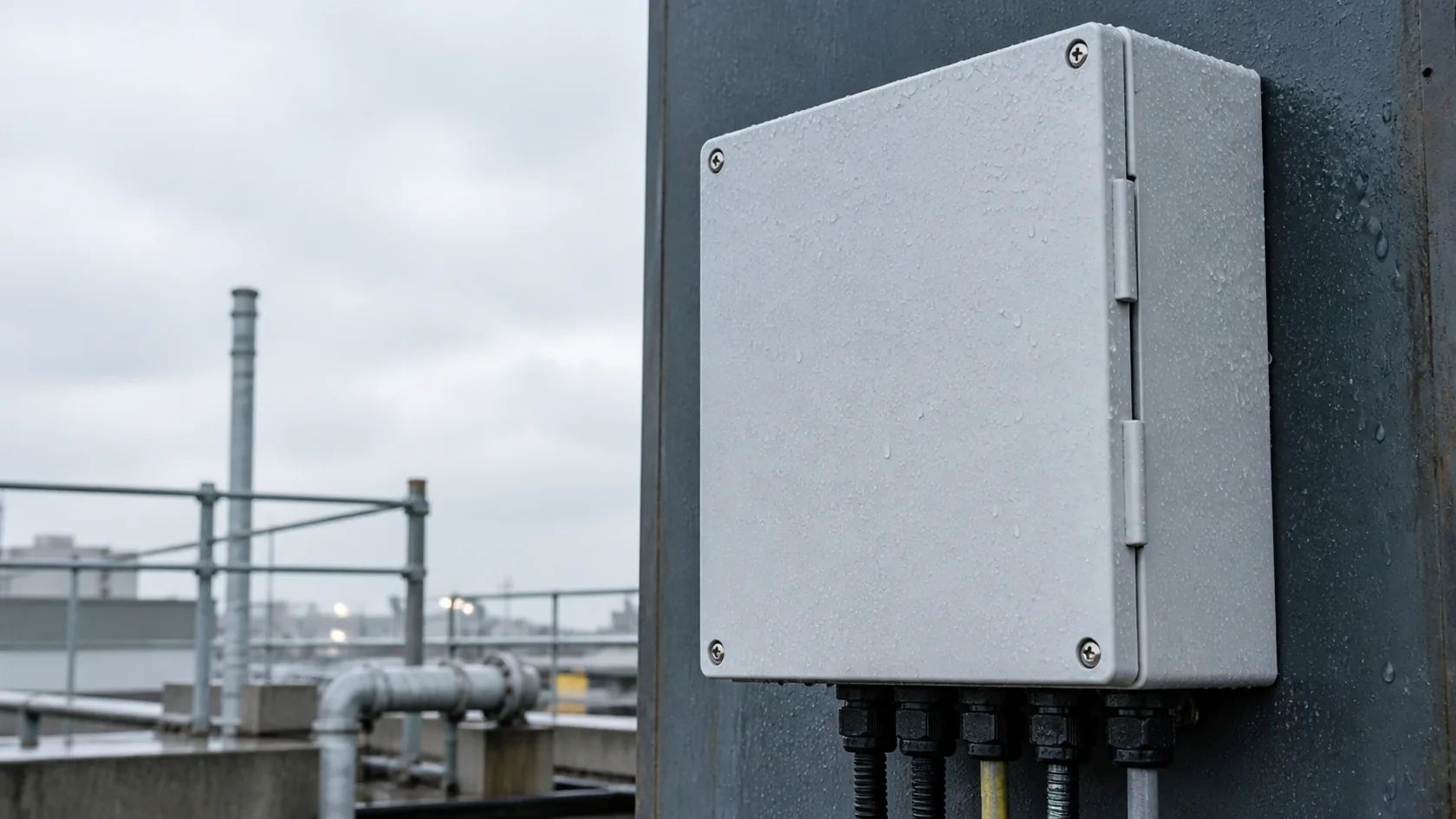
NEMA Type ratings are commonly used for electrical enclosures in North America. NEMA 250's published scope covers enclosures for electrical equipment up to 1,000 V and identifies indoor, outdoor, and certain hazardous-location Type applications. NEMA's enclosure FAQ explains that the Type system considers solid and water ingress but also characteristics such as icing, corrosion resistance, lubricant resistance, and construction details.
Type ratings describe application conditions, not just two ingress digits
For example, NEMA Type 4 and Type 4X are regularly requested for outdoor or washdown settings. The “X” is important: it indicates the Type includes corrosion-resistance requirements. It does not mean every material, finish, cut edge, fastener, cable gland, or installed accessory will resist every chemical or coastal environment. The material system still needs to fit the exposure.
| Requirement | Useful specification question |
|---|---|
| Outdoor rain and windblown dust | Is the installation orientation and door arrangement defined? |
| Hose-down or washdown | What fluid, pressure, distance, duration, and cleaning chemical are expected? |
| Corrosive exposure | Which metal, coating, gasket, fasteners, and cut-edge treatment are included? |
| Oil or coolant exposure | Is the complete gasket and fitting system compatible with the actual fluid? |
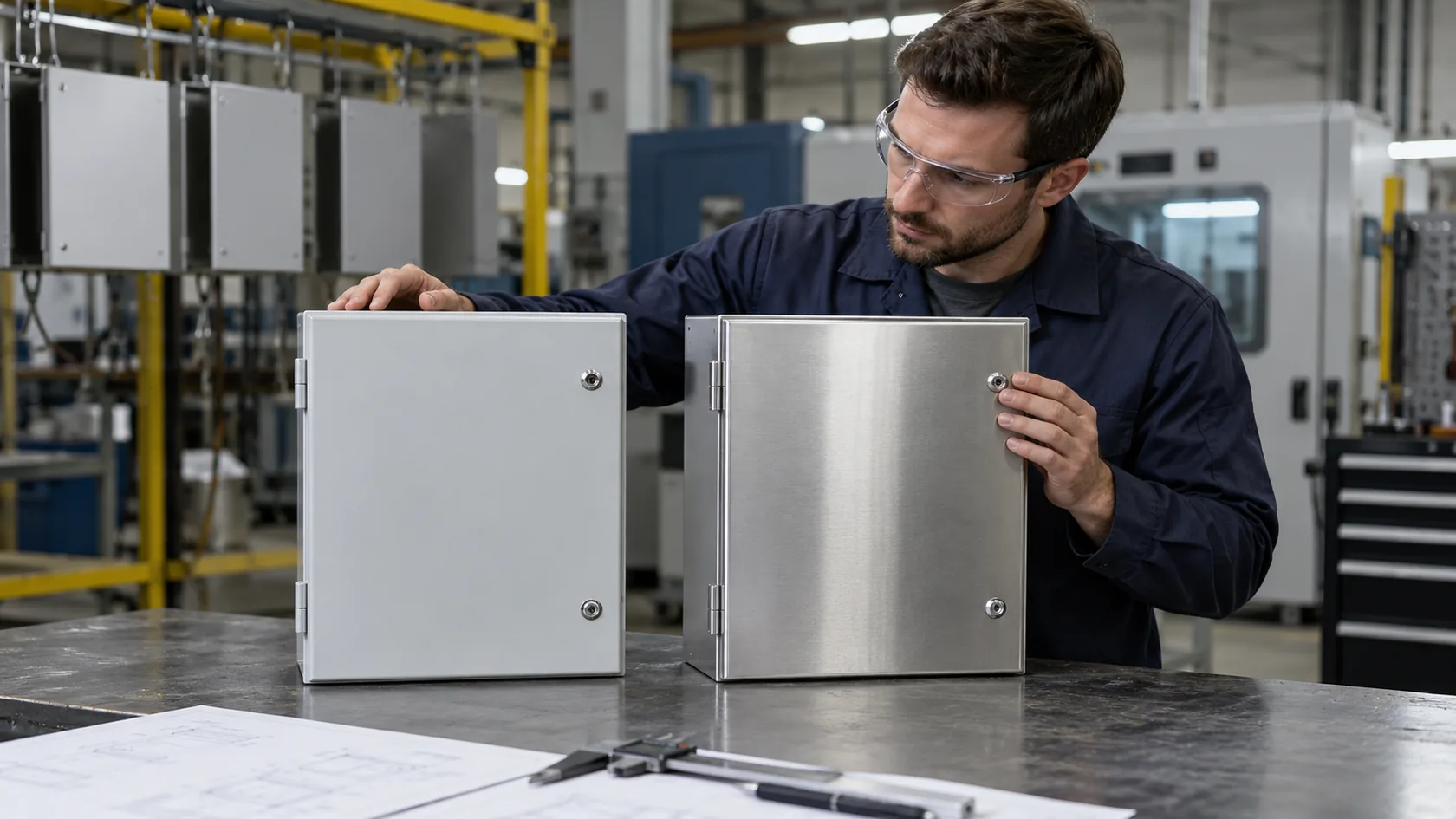
In my experience, a NEMA 4X request should begin a corrosion conversation, not end it. A powder-coated steel enclosure, a stainless enclosure, and an aluminum enclosure can each be sensible choices under different exposure, cost, geometry, grounding, and maintenance conditions.
Separate NEMA Type from hazardous-location certification
NEMA 250 references particular Type 7 and Type 9 applications, but a generic NEMA label is not a substitute for the required hazardous-location approval, installation rules, or product-standard evaluation. If the enclosure will go into a classified area, the buyer should specify the area classification, governing code, end equipment, and certification route early.
That broader scope is why a simple one-to-one conversion is unreliable.
Why IP and NEMA Do Not Convert Both Ways

The most important rule is short: do not say an IP rating is equivalent to a NEMA Type. NEMA says this directly in its enclosure FAQ. Its comparison material may show that a NEMA Type meets or exceeds particular IEC IP protection designations, but that does not make the reverse statement valid.
Use NEMA's meets-or-exceeds comparison carefully
NEMA's published comparison table is helpful when a customer has an IP requirement and needs to identify NEMA Types that meet or exceed the relevant solid and water portions. It is directional. A NEMA Type can cover the relevant IP aspects and may include additional requirements; an IP result alone does not prove all NEMA Type conditions.
| Safe wording | Risky wording |
|---|---|
| “NEMA's table indicates this Type meets or exceeds the stated IP aspects; confirm the full application.” | “IP66 equals NEMA 4X.” |
| “The quoted assembly will be validated for the named configuration.” | “The enclosure rating covers any connector or field modification.” |
| “Corrosion exposure needs a defined material and finish system.” | “A 4X label makes every outdoor installation corrosion-proof.” |
I avoid putting “IP66 = NEMA 4X” on a quotation. It is compact, but it hides corrosion, icing, oil/coolant concerns, construction details, and installation scope that may matter more than the two digits.
Avoid copying ratings from catalog components
A catalog gland or connector may have its own rating under specified conditions. When it is installed into a different wall thickness, hole tolerance, cable diameter, torque, or orientation, the completed enclosure must still be reviewed. The same applies to windows, vents, hinges, latches, and removable panels.
This is where engineering and production planning need to meet.
How to Specify the Right Enclosure for a Real Installation
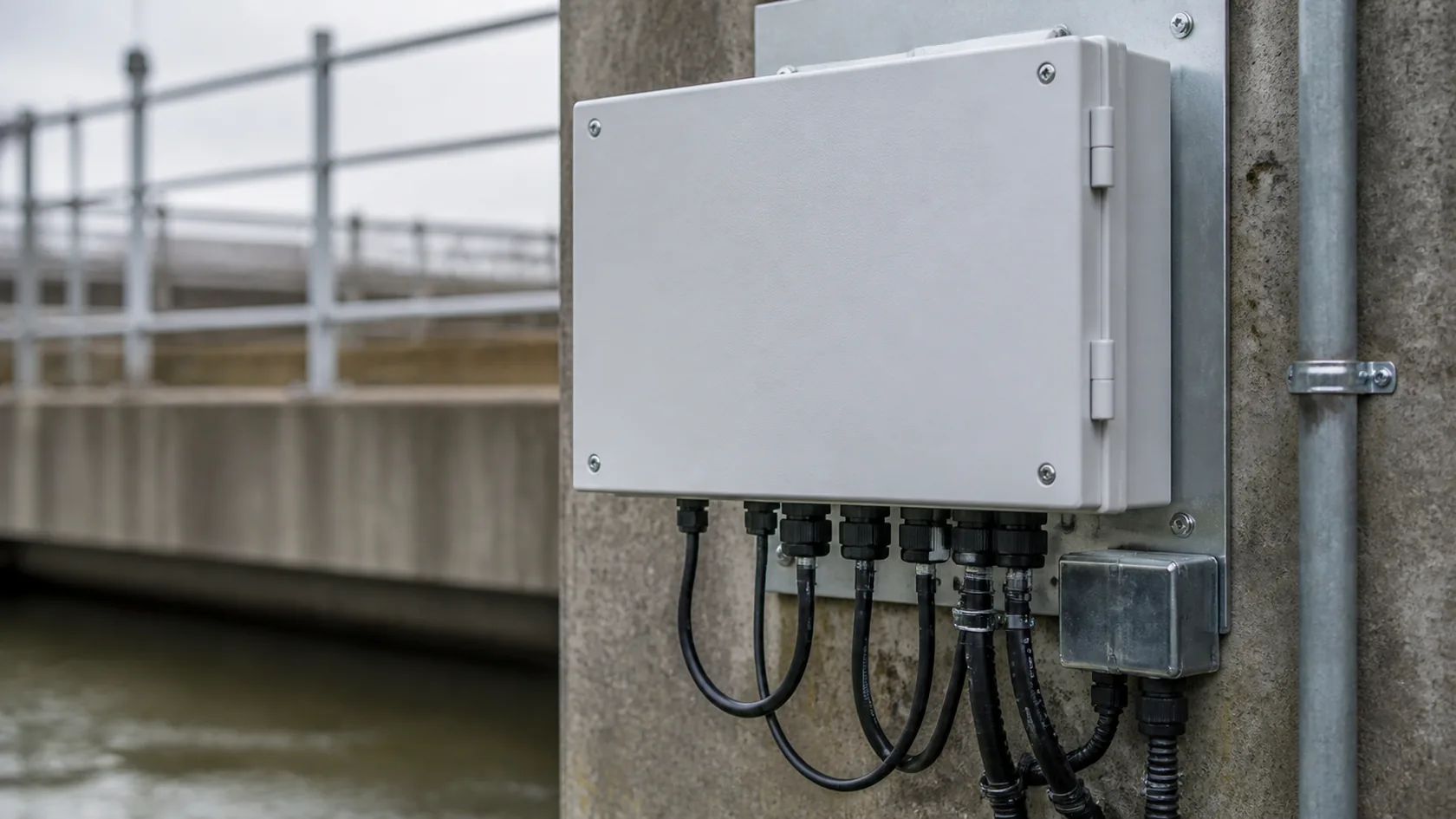
The practical starting point is exposure. Is the product indoors with occasional dust? Outdoors in rain? Near salt air? Washed with detergent? Temporarily submerged? Exposed to oil mist, UV, temperature cycling, vibration, or a technician opening the door every week? One rating number cannot answer every one of these questions.
Start with exposure, geography, mounting and service
Describe how water reaches the enclosure. A vertical wall box with a protected cable entry behaves differently from a horizontal cover with standing water. Cable routing can create a water path. Door opening, servicing, and pressure changes can introduce moisture even if the main gasket is intact.
For outdoor hardware, I also look at drainage, UV exposure, coating or anodizing system, cut edges, dissimilar-metal contact, and access for maintenance. More sealing can limit airflow and increase condensation risk; adding a vent can support pressure equalization but adds another boundary that needs qualification. These are connected choices, not separate checkboxes.
Freeze every boundary penetration and production control
Define the finished assembly, then control the sealing interfaces. This may include gasket material and compression, groove geometry, sealing-land finish, cover stiffness, fastener pattern and torque, gland selection, unused-hole plugs, and inspection steps. A clear test method and acceptance criterion are more useful than a vague promise that the box is waterproof.
UL Solutions notes that watertightness evaluation can consider the enclosure design, gasket material, cover interfaces, intended installation, and service environment. I prefer testing production-intent parts with those same details in place. It reveals whether the design can be built repeatedly, not merely whether a carefully prepared sample can pass once.
That information should appear in the RFQ rather than remain in someone’s email inbox.
A Buyer Checklist Before Quotation and Validation
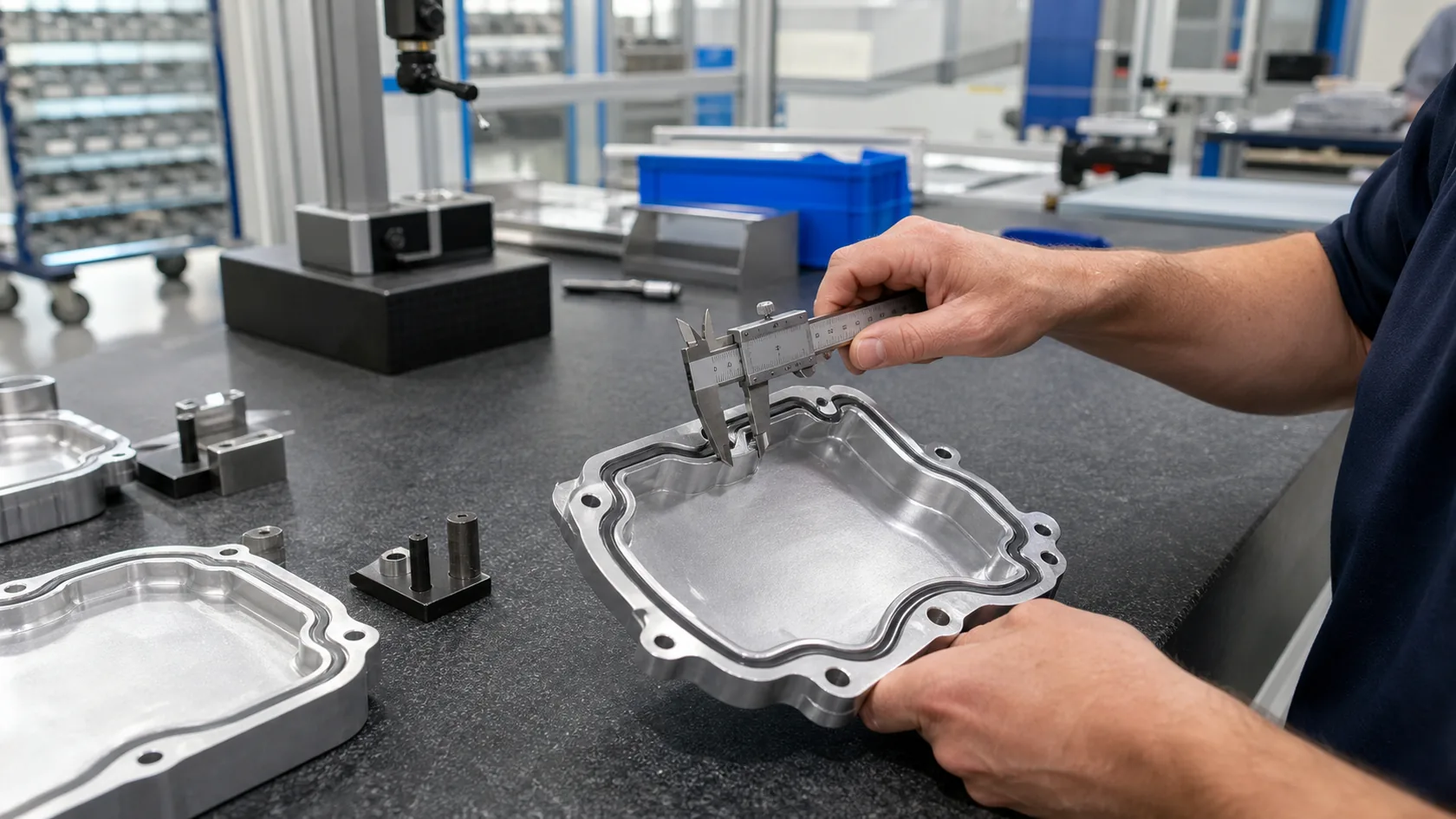
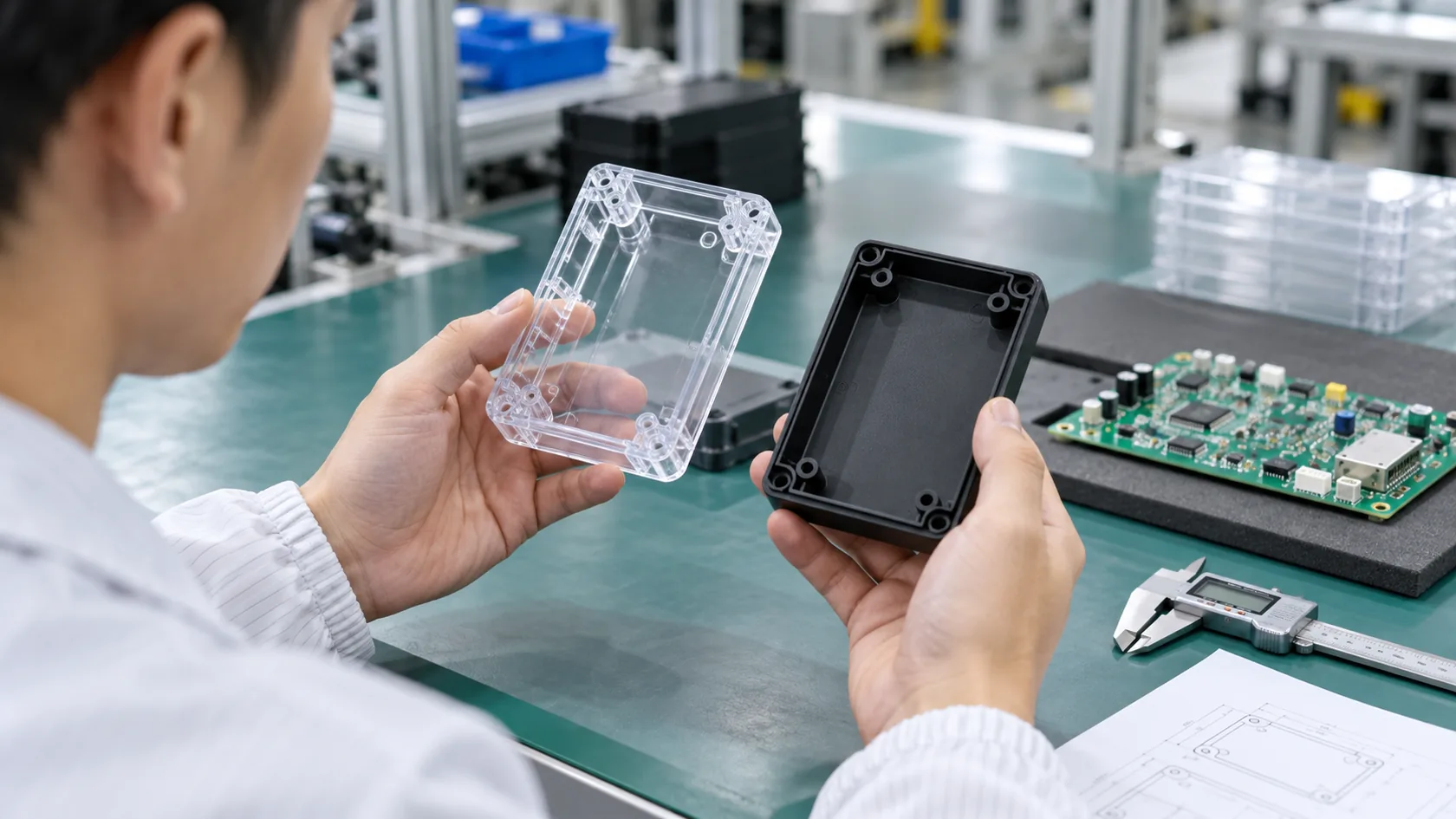
A good RFQ makes the factory's quotation more accurate and makes validation easier to audit. It also prevents a well-built enclosure from being asked to solve an unstated installation problem.
Put the complete installed configuration in the RFQ
- State the standard and the exact rating target, but also describe the actual exposure.
- Identify indoor/outdoor location, mounting orientation, service access, temperature range, vibration, UV, corrosion, chemicals, dust, and water condition.
- List every cable gland, connector, window, vent, pushbutton, hinge, knockout, and unused opening.
- Provide cable outside-diameter ranges and routing, not only a connector model.
- Define enclosure material, finish, gasket, fasteners, grounding or EMC interfaces, and any corrosion-critical details.
- Request a production-intent sample and document the test configuration, method, acceptance criteria, and changes that require revalidation.
At MaidaTech, this checklist lets us spot a difficult gasket corner, an unsuitable cable entry, or a conflict between coating and grounding while it is still a drawing change. That is much cheaper than redesigning a completed batch.
With the installation visible, the choice between IP and NEMA becomes much less mysterious.
Conclusion
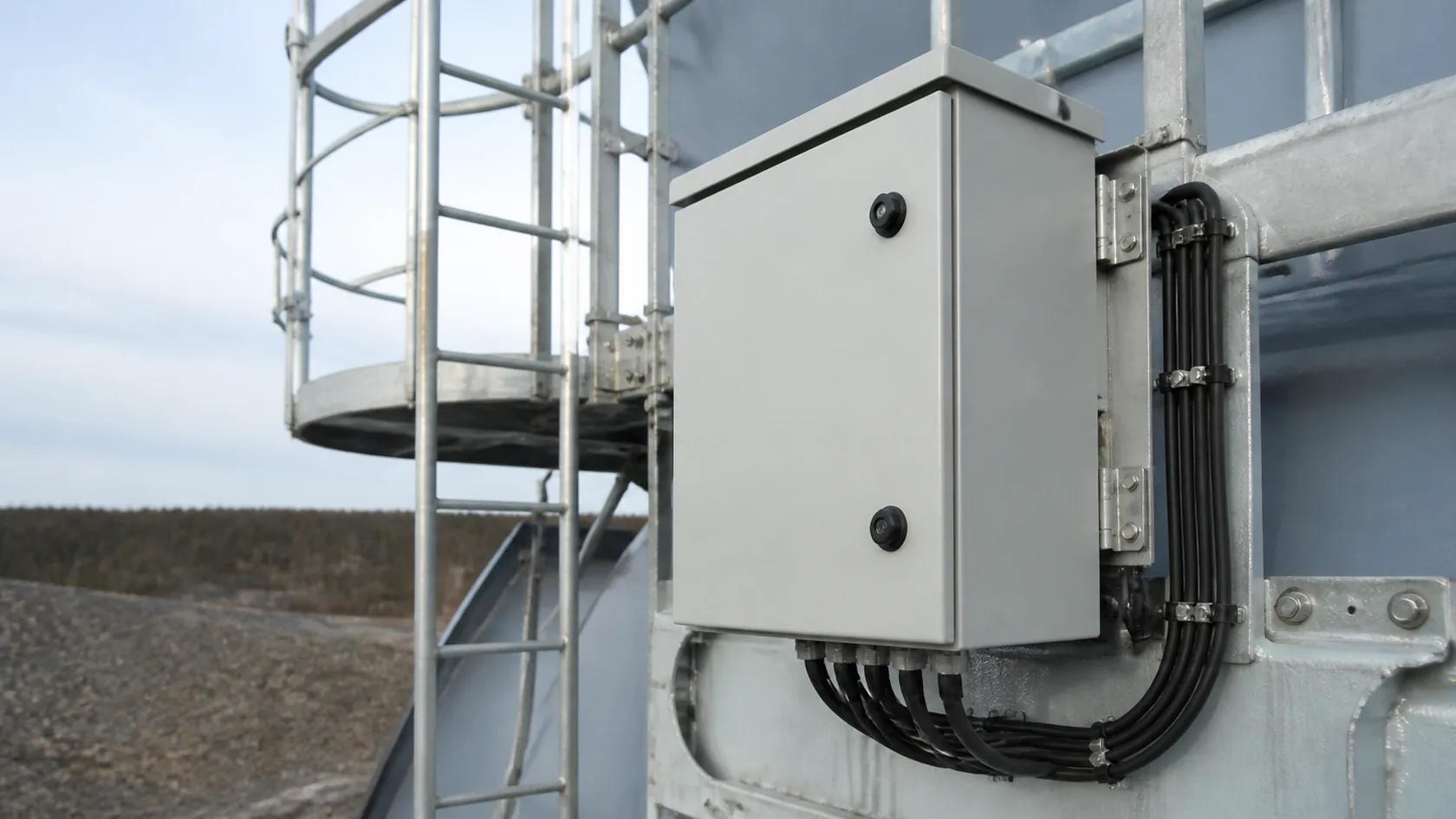
IP and NEMA ratings are both useful, but they answer overlapping—not identical—questions. IP code focuses on stated protection against access, solids, and water. NEMA Types can include those concerns plus additional environmental and construction-related conditions. Use NEMA's comparison as a one-way, meets-or-exceeds aid, never as proof that an IP-rated enclosure is automatically the same NEMA Type.
My recommendation is to specify the real environment and the complete installed assembly first. Then select the applicable rating, materials, finish, gasket, cable entries, and validation plan around that use. If you are preparing a custom enclosure RFQ, send the drawing, target market, mounting direction, cables and connectors, and exposure details. We can review which rating language and seal-path controls fit the product before production starts.