Skip to content
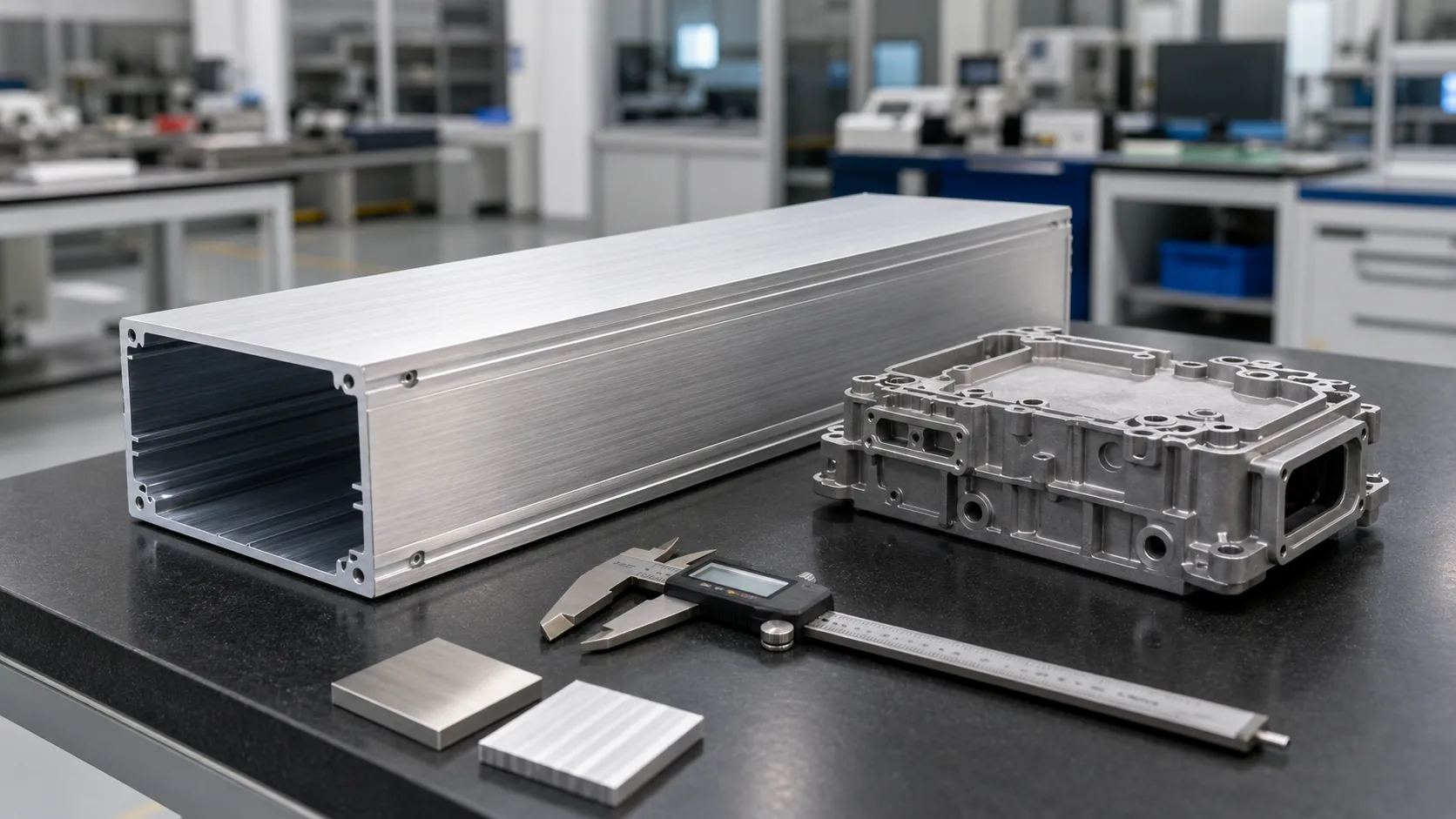
At a QC bench, two aluminum housings can look equally solid. One is a long extruded body with machined end plates. The other is a compact die-cast shell with ribs, bosses, and recessed connector areas. A buyer may simply ask, “Which one is stronger?” That is a fair question, but the process name alone does not answer it.
For a typical electronics enclosure, a 6061-T6 extrusion will usually provide higher yield strength, better ductility, and more dependable behavior under repeated load than a common A380 or ADC12 pressure die casting. But a well-designed casting can still make the stronger *part* for a compact product because it can place material, ribs, and mounting features exactly where the load occurs.
I never approve an enclosure material from one word such as “cast” or “extruded.” I first check the alloy, temper, wall layout, mounting load, and what failure would actually look like in the field. That small pause prevents expensive revisions later. First, it helps to separate the words buyers often mix together.
Start With the Right Question
Process Is Not an Alloy Specification
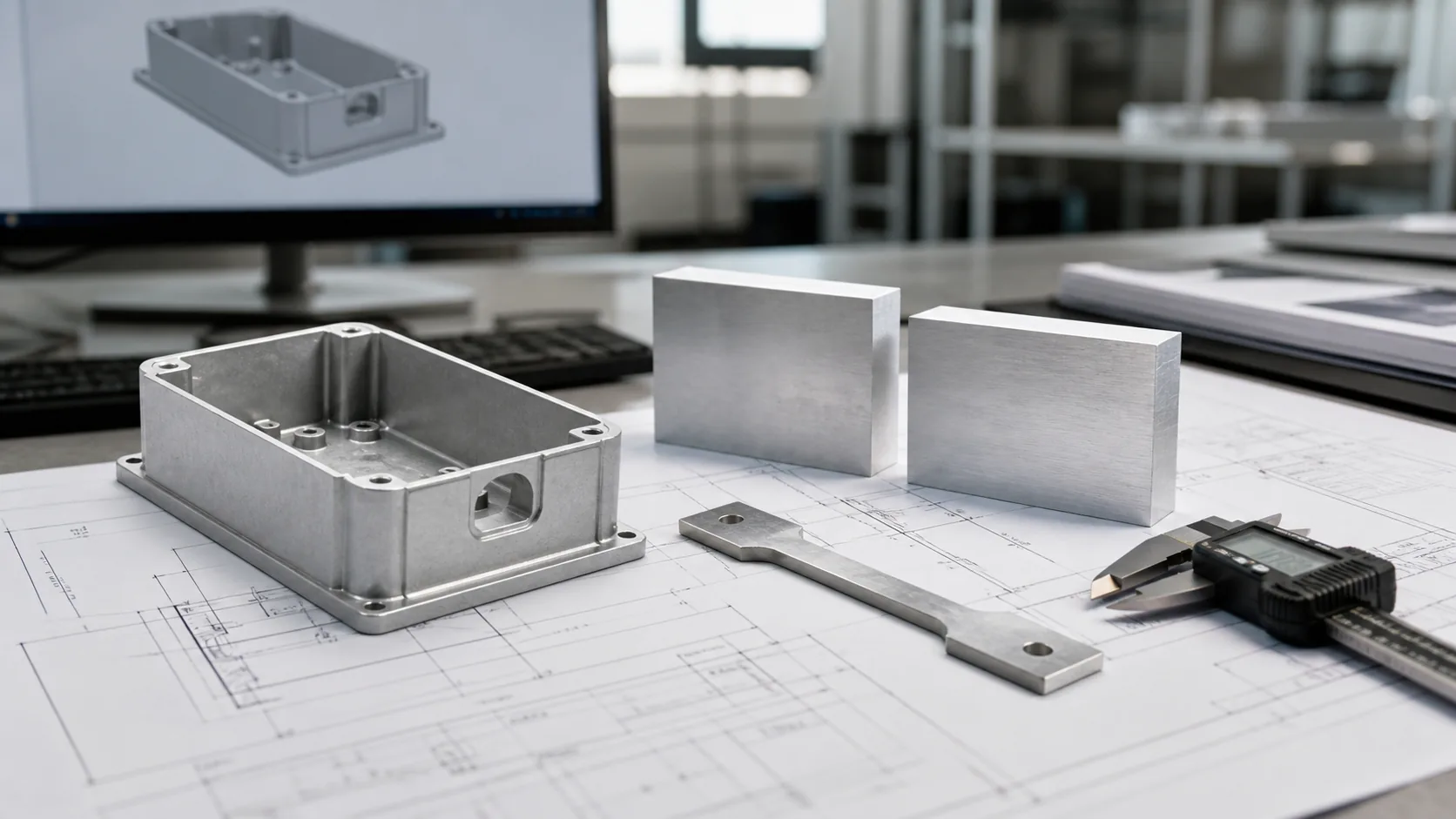
Casting and extrusion are manufacturing routes, not complete material specifications. Pressure die-cast enclosures often use silicon-rich alloys such as A380 or ADC12 because the molten alloy must fill thin, complex tooling quickly. Extrusions usually use wrought 6xxx-series alloys, such as 6063 or 6061, pushed through a die to create a constant cross-section.
The temper matters too. “6061-T6” states a heat-treated condition with very different properties from annealed 6061. Likewise, a gravity casting, a high-pressure die casting, and a heat-treated structural casting should not be grouped together. The Aluminum Association’s standards reference is useful precisely because mechanical properties belong to a particular alloy, temper, and product form.
Strength, Stiffness, Toughness, and Part Strength
Buyers use “strong” to mean several different things:
| What you need | What to check |
|---|---|
| Resist permanent bending | Yield strength and section shape |
| Resist final breakage | Ultimate tensile strength |
| Survive a drop or vibration | Elongation, toughness, joints, and defect control |
| Limit deflection | Elastic modulus and geometry |
| Carry a product load | Completed-part wall thickness, ribs, fasteners, and mounting layout |
Aluminum alloys have broadly similar elastic modulus, so geometry often controls stiffness more than the process label. A deeper extrusion channel or a correctly placed cast rib can greatly reduce deflection. In my experience, the common failure is not an alloy data-sheet issue; it is a thin screw boss, a poorly supported connector, or a load introduced too close to an opening. With those terms clear, we can compare the usual enclosure materials fairly.
Why Typical Extrusions Usually Win
Wrought Alloys and T6 Temper
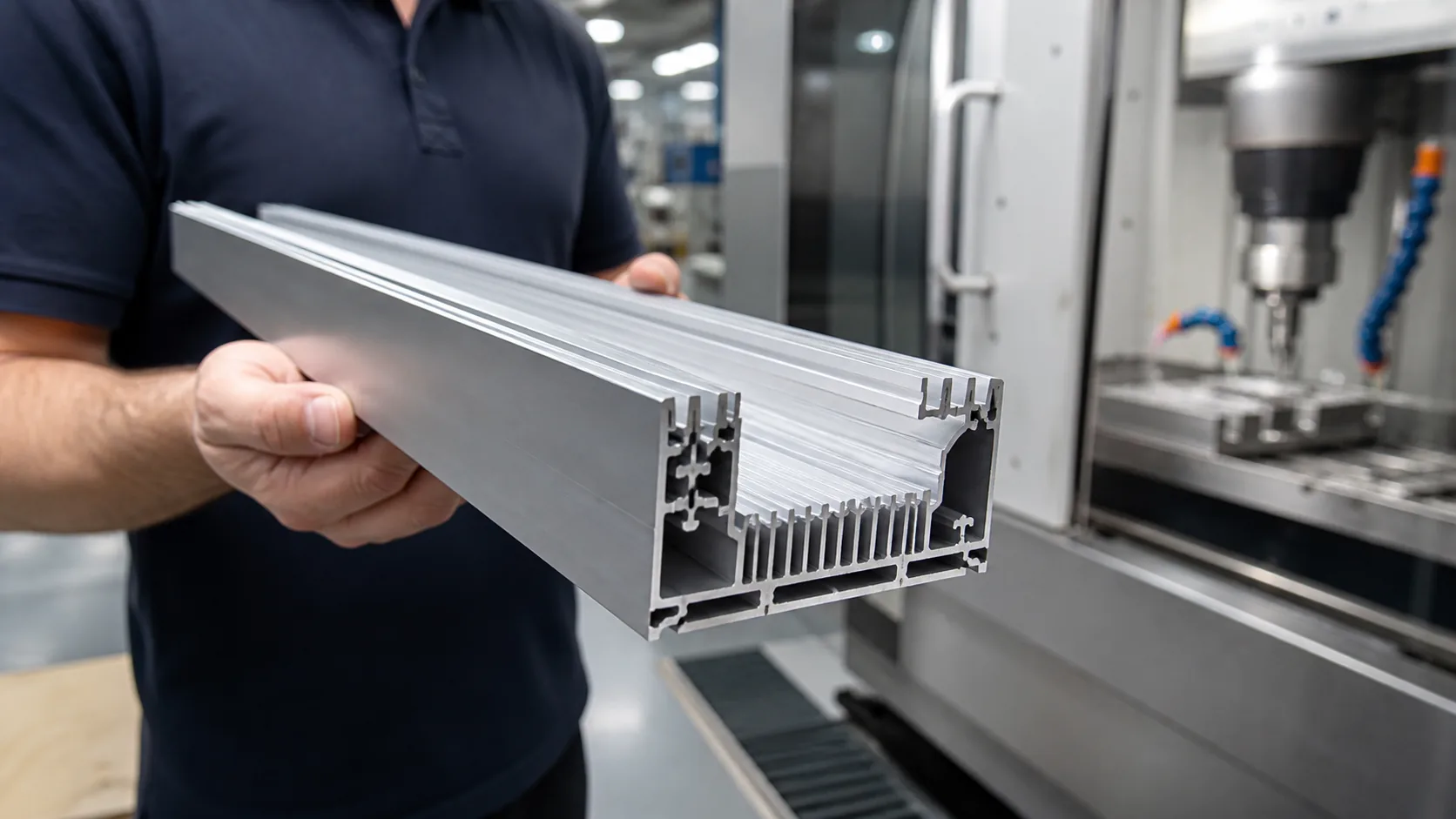
Wrought extrusion alloys are worked into shape rather than solidified in a mold. A typical 6061-T6 extrusion has a useful combination of strength and ductility. The cited Aluminium Extrusion Manual lists typical 6061-T6 values of about 260 MPa ultimate tensile strength, 240 MPa yield strength, and 8% elongation. Actual limits must come from the applicable material standard and supplier certificate.
For comparison, NADCA’s typical separately die-cast A380 specimen values are around 324 MPa ultimate tensile strength, 159 MPa yield strength, and 3.5% elongation. These numbers show why one headline tensile number can mislead: A380 can show a respectable ultimate value, while 6061-T6 usually resists permanent deformation earlier and stretches more before fracture. NADCA also cautions that test-specimen values are not production-casting design minimums.
Consistency for Machining and Repeated Loads
Extrusion is especially attractive for long enclosure bodies, heat-sink cases, DIN-rail modules, and designs with repeated side profiles. It machines cleanly for connector cutouts, end-face threads, and sealing features. Its more uniform material is also reassuring when vibration, frequent service opening, or clamped mounting loads matter.
I lean toward a 6061 extrusion when a buyer needs a long body that will be drilled, tapped, and opened many times, because a cracked thread boss costs far more than a modest material upgrade. That decision also keeps prototyping simpler: a profile can be cut to length and revised without committing to a full die-casting tool. Strength is only one advantage, however. Casting solves a different set of geometry problems well.
Where Die-Cast Aluminum Is the Better Design
Complex Geometry and Integrated Features
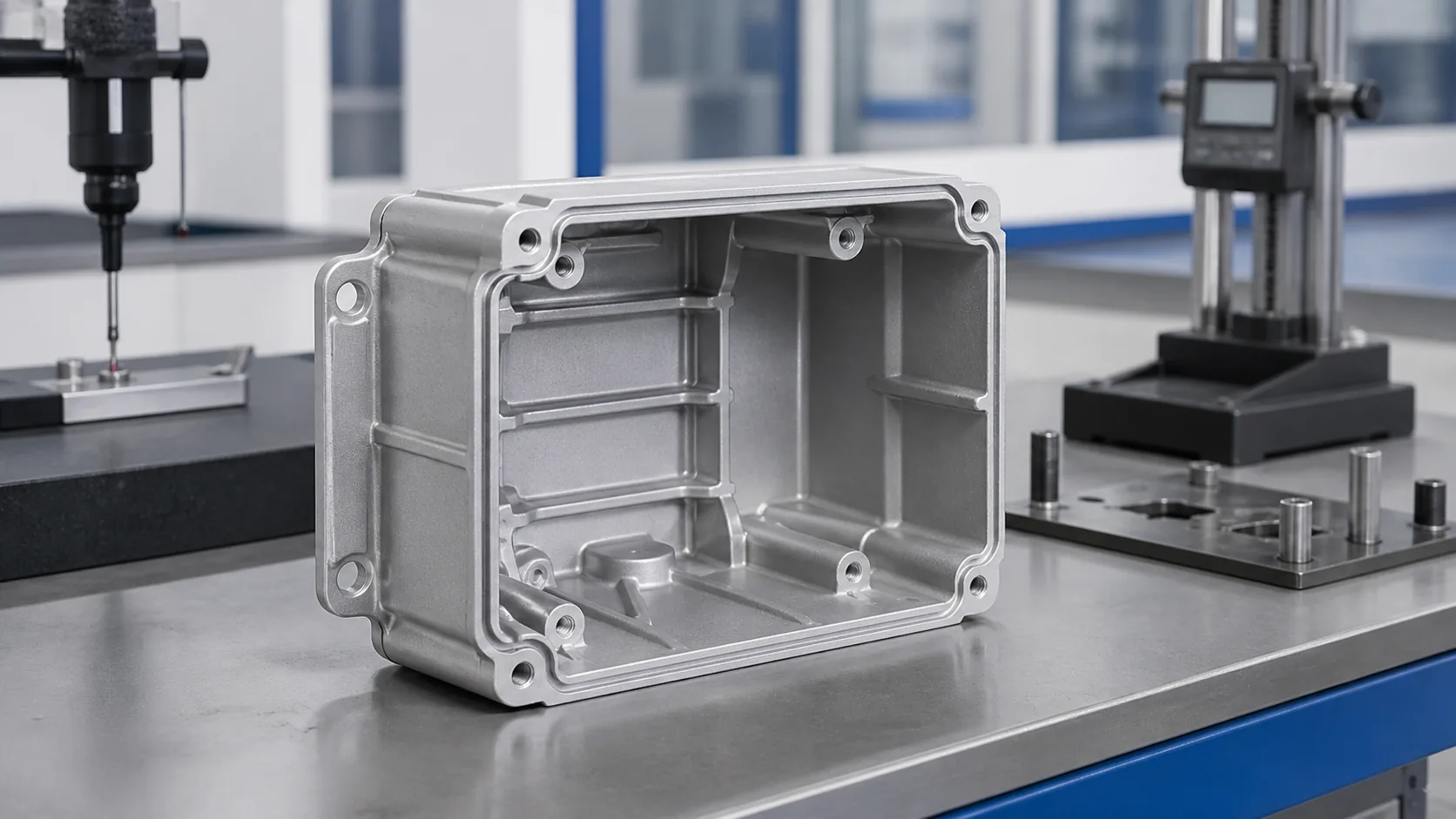
Die casting can form a compact three-dimensional housing in one piece. It can integrate mounting ears, internal PCB standoffs, cable recesses, curved corners, latch features, and reinforcing ribs that would require several secondary operations in an extrusion-based assembly.
This freedom can reduce part count and remove weak joints. For a small controller with irregular connectors on several faces, a cast shell may outperform an extrusion-plus-end-plate assembly simply because the load path is more continuous. The relevant NADCA specification resource covers alloy properties, tolerances, tooling, and quality considerations that should be reviewed before release.
Ribs, Bosses, and Wall Thickness
Ribs can add stiffness efficiently, but they are not magic. They need sensible thickness transitions and fillets so that the casting fills reliably and cools without creating concentrated shrinkage or distortion. Threaded areas may need extra wall, a machined insert, or a steel insert if the enclosure will be serviced repeatedly.
When I review a die-cast drawing, I check the screw boss and the mounting ear before admiring the exterior shape. A beautiful housing that cracks at a mounting tab is not a strong housing. Ask the factory to identify critical sections, proposed alloy, inspection points, and any pressure-tightness requirement. Those details lead naturally to a comparison a purchasing team can actually use.
The Comparison Buyers Should Put on a Drawing
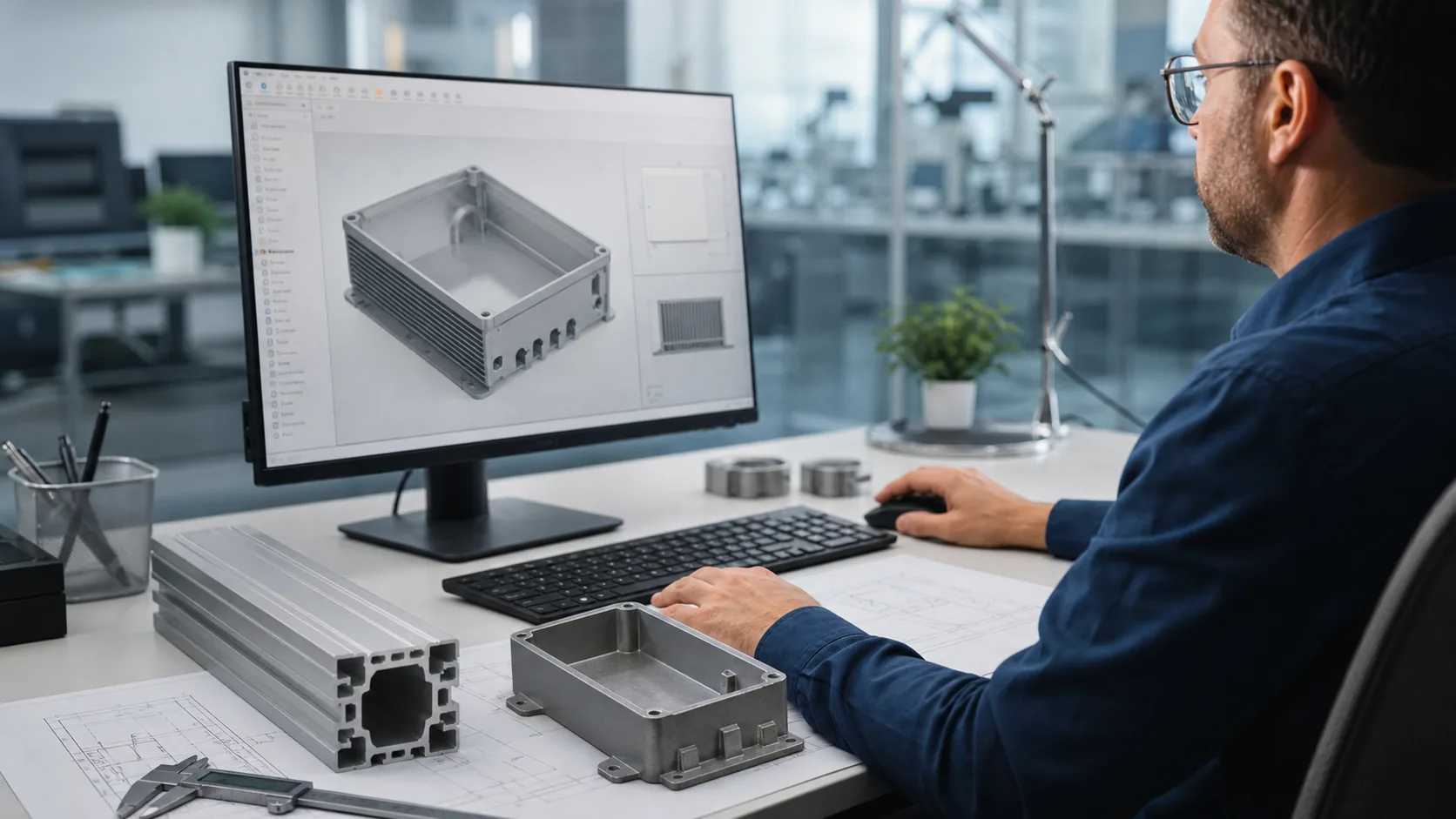
| Decision factorExtruded aluminum enclosureDie-cast aluminum enclosure | ||
|---|---|---|
| Typical material route | Wrought 6063 or 6061, often T5/T6 | A380, ADC12, or another casting alloy |
| Best geometry | Long, constant cross-section | Compact, complex 3D form |
| Yield strength and ductility | Often favorable with 6061-T6 | Often lower for common HPDC alloys |
| Integral bosses and ribs | Limited to profile direction; add machining/end parts | Excellent design freedom |
| Tooling commitment | Extrusion die plus machining fixtures | Higher dedicated die-casting tool cost |
| Low-volume change risk | Usually lower | Usually higher after tooling release |
| Surface and sealing work | Good base for machining and anodizing | Plan machining at critical sealing faces |
The table is a starting point, not a design release. For a custom enclosure, I ask for expected annual quantity, load cases, wall-thickness targets, fastener torque, ingress rating, finish, connector locations, and operating temperature. A 50 kg wall-mounted unit and a handheld sensor need very different evidence.
Do not ask a supplier only, “Is cast aluminum strong enough?” Ask for the alloy designation, temper or condition, critical-section dimensions, material certificate availability, and any validation plan. A supplier who can answer those questions is helping manage risk rather than selling a process. Next, the details around the material become important.
Enclosure Design Details That Change the Result
Sealing, Finishing, and Machining
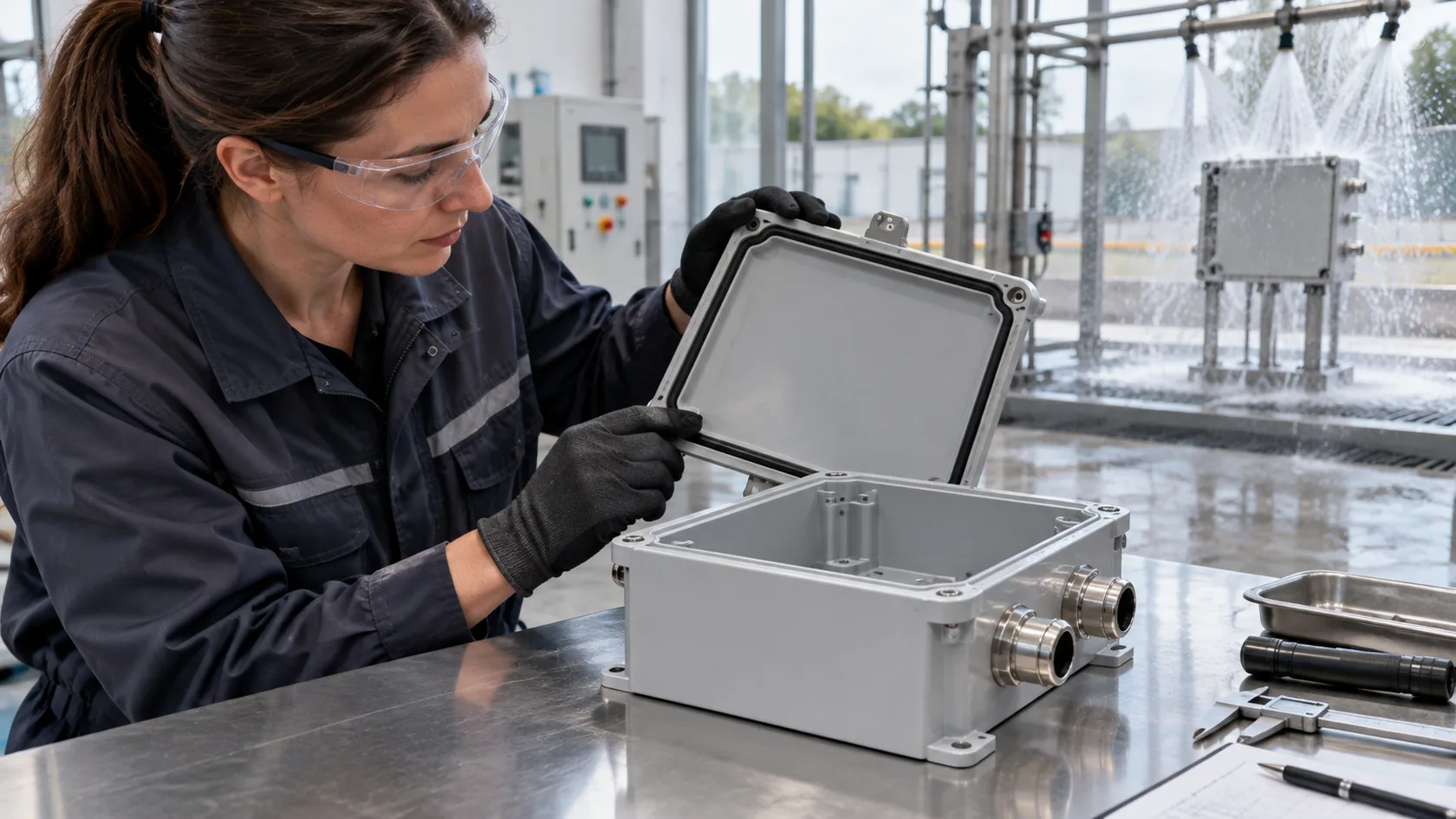
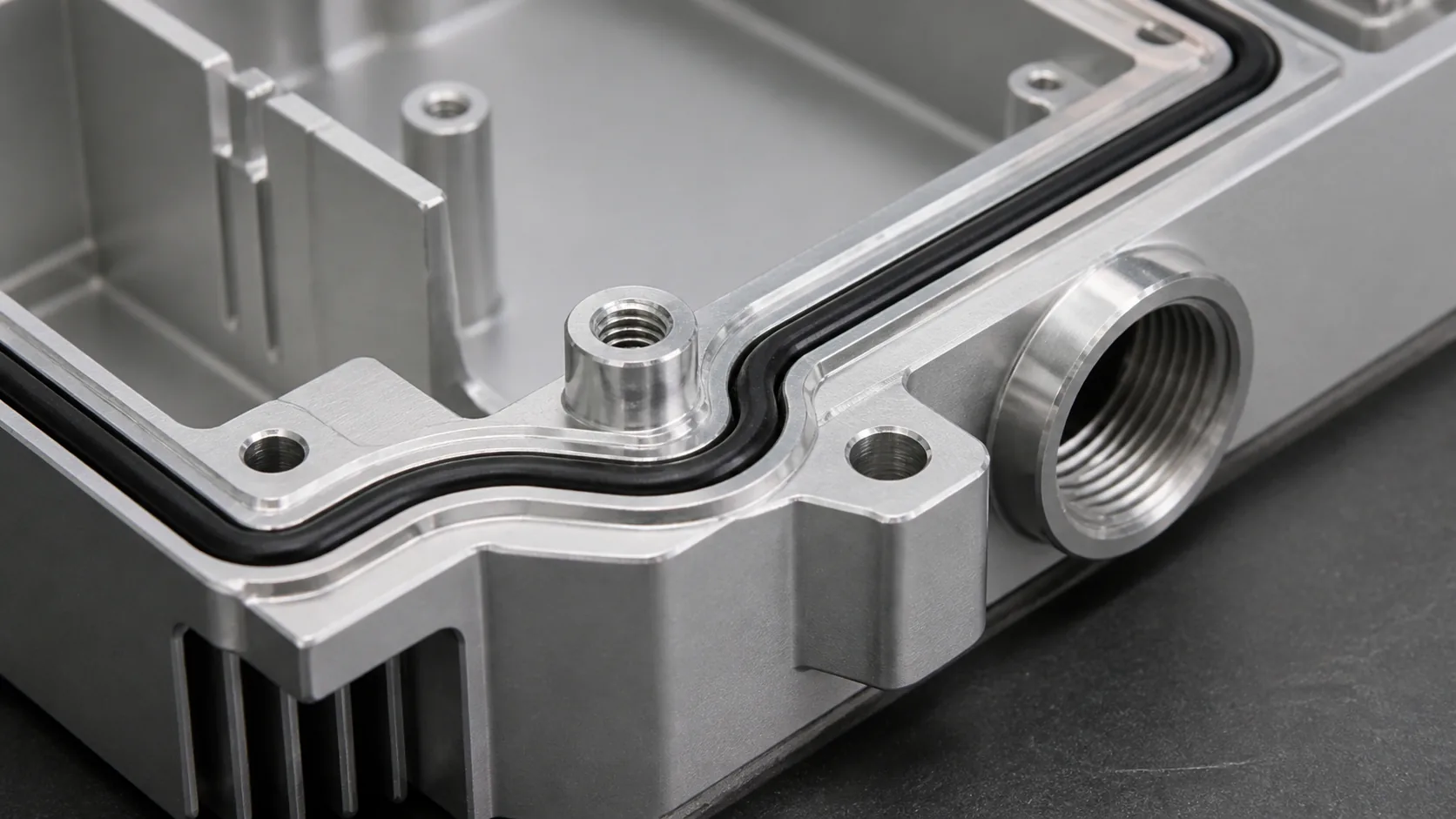
A gasket needs a stable, flat sealing path. Extruded bodies often pair well with machined end faces and gasket grooves. Die castings can also seal well, but critical O-ring faces commonly need machining rather than relying on as-cast texture. Connector openings, cable glands, and cover screws all interrupt the structure, so their placement needs to be designed with the load path in mind.
Anodizing is often favored for extrusions because it gives a clean, consistent finish. Cast alloys have a different silicon-rich composition and may be better suited to coatings such as powder coating, depending on the specified appearance and process. I flag a cosmetic anodized casting request early, because it can become a surface-expectation dispute even when the mechanical part is acceptable.
Heat, Vibration, and Mounting Loads
Both routes can dissipate heat, but an extrusion can incorporate long external fins and a continuous heat path very efficiently. A casting can place short fins, thick heat-spreading zones, and mounting features around a concentrated component. For vibration, focus on the mounting tabs, fasteners, PCB supports, and natural frequency of the assembled product—not just a coupon’s tensile result.
If an enclosure protects costly electronics, test the real assembly: torque the cover, apply mounting load, cycle temperature, and perform the appropriate drop or vibration test. I would rather adjust a rib or add a threaded insert during a sample review than discover a field crack after the tool has been paid for. That is why process selection belongs inside the whole product decision.
Choosing the Right Route for Your Project
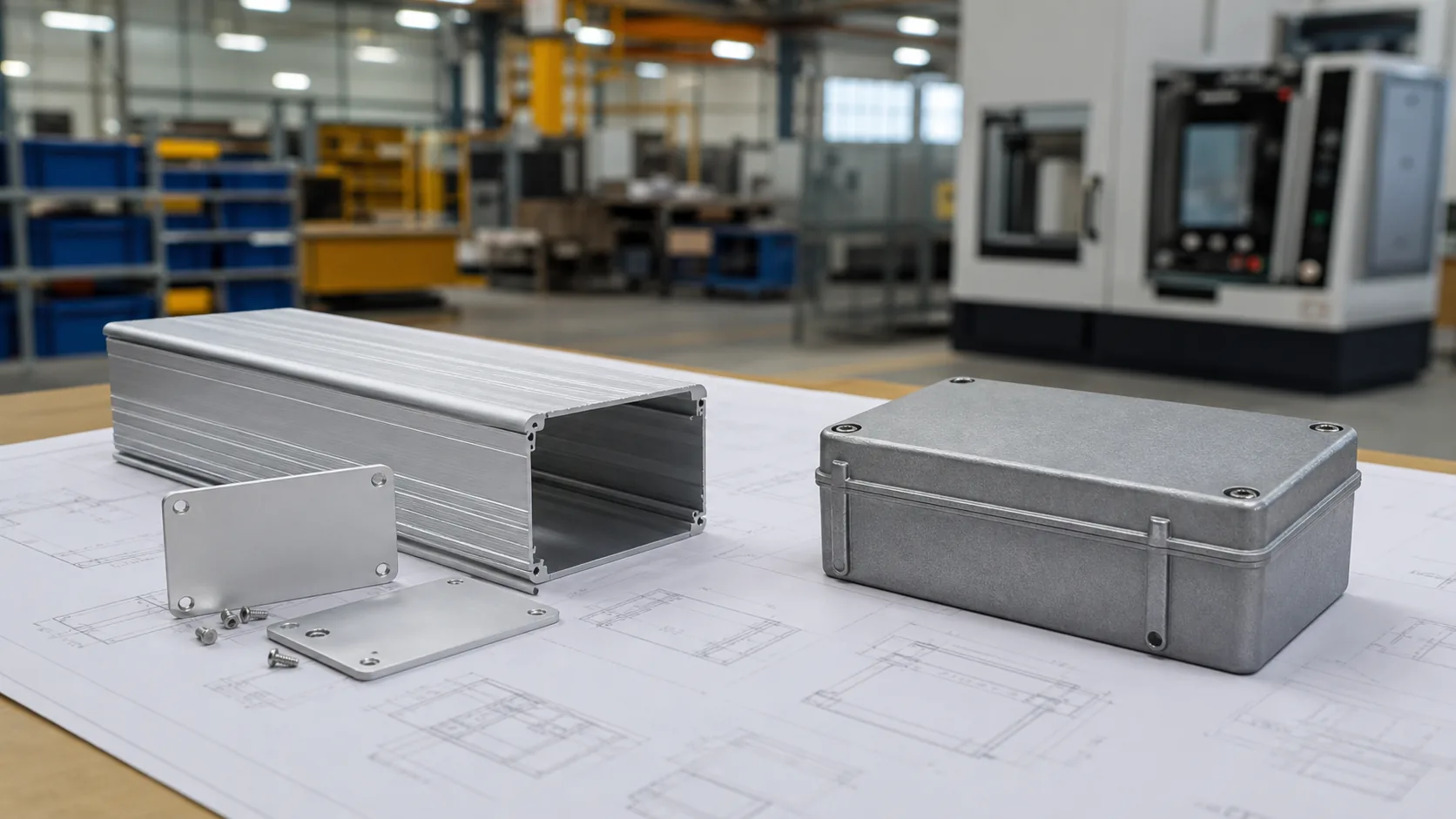
Choose an extrusion when your enclosure has a long, consistent profile; needs high yield strength, machining, or repeated service; benefits from a heat-sink body; or may change during early production. A 6061 or 6063 profile with CNC-machined end plates is often a practical route for instruments, power electronics, and rail-mounted equipment.
Choose die casting when the product is compact and geometrically complex; needs integrated bosses, mounting ears, or ribs; has stable design requirements; and has enough volume to justify dedicated tooling. A good cast design can be lighter, simpler to assemble, and stronger in the places that matter than a poorly arranged extrusion assembly.
For a factory quotation, I compare annual volume against tooling, secondary machining, assembly count, and the cost of a late design change. A lower piece price does not help if the product is still changing or if a tooling revision delays launch. Share the target quantity and a 3D drawing early, then let the process follow the design instead of forcing the design to follow a preferred process.
Conclusion
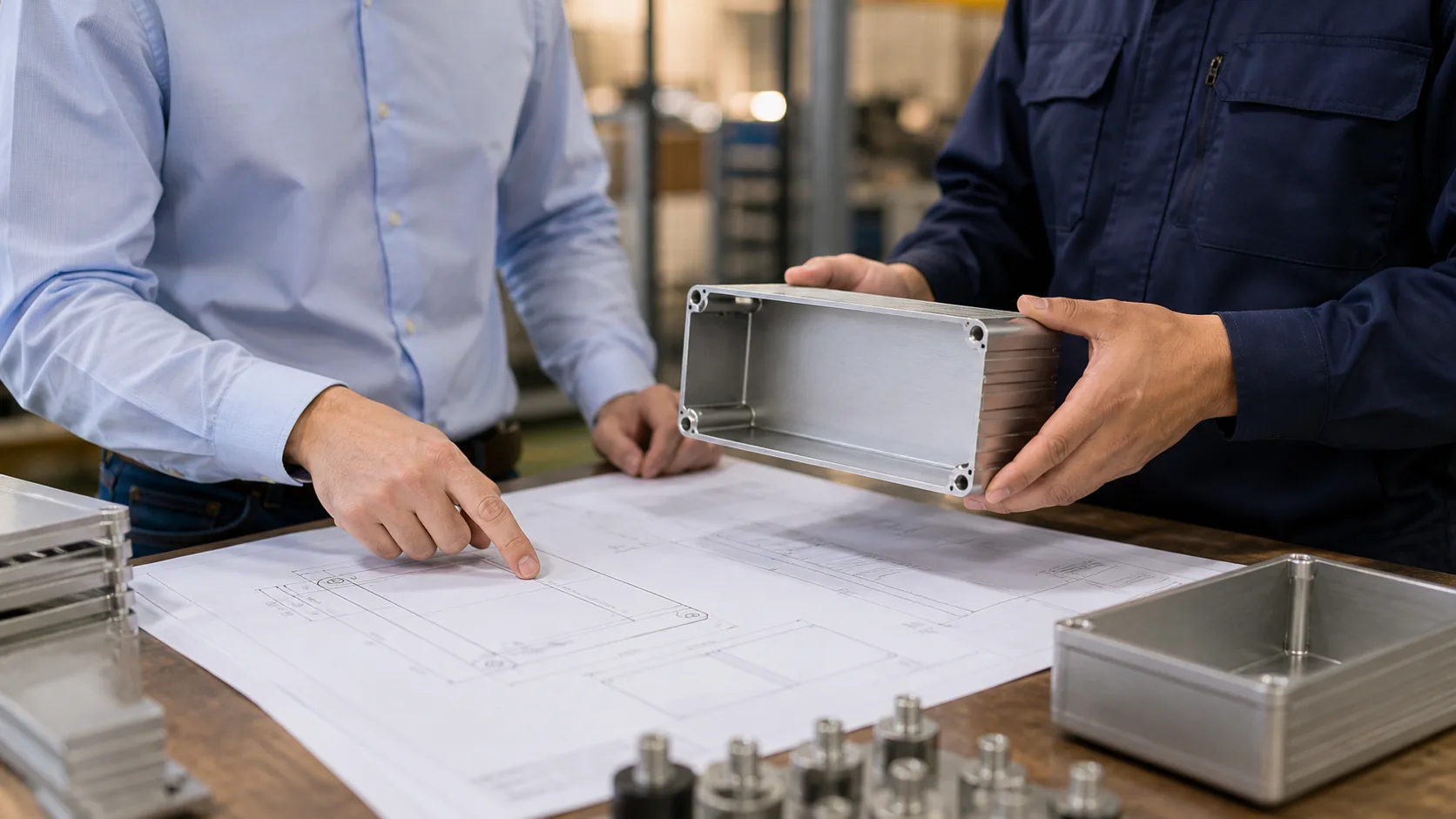
So, which is stronger: cast or extruded aluminum? In the common comparison between a 6061-T6 extrusion and an A380/ADC12 pressure die casting, the extrusion is usually the stronger and tougher material choice for loads, machining, and repeated use. But a cast enclosure can be the stronger finished part when its geometry, ribs, and integrated features create a better load path.
That is why I treat the material call as an engineering and manufacturing decision together. If you have an enclosure drawing, MaidaTech can review the loading, wall layout, finish, cutouts, and expected quantity, then recommend an extrusion, a casting, or another practical route before you commit to tooling.