Skip to content


Many buyers look at powder coating like it is the final dress of an enclosure.
The metal box is made.
The holes are cut.
The welding is done.
Then the coating line gives it a clean color, a smooth texture, and a nice finish.
That is the picture many people have in mind.
I understand this thinking because I also talk with customers who start the conversation from the surface. They may say, “Vincent, the last supplier’s powder coating peeled off,” or “The color was not stable,” or “The finish had bubbles near the corners.” At first, it sounds like a coating problem.
But after many custom aluminum enclosure projects, I have learned one thing the hard way:
Most powder coating problems do not begin when the powder is sprayed. They begin much earlier.
They begin when the drawing has sharp edges.
They begin when CNC oil is not cleaned well.
They begin when the aluminum surface has oxidation.
They begin when welding marks are not controlled.
They begin when parts sit too long in a humid warehouse.
They begin when everyone is rushing because the shipment date is already too close.
The coating line only makes these hidden problems visible.
It is a little like painting a wall in a house. If the wall is wet, dusty, cracked, or oily, even the best paint will not save it. The paint may look good for one week. Then it starts to bubble, peel, or show ugly marks. The real mistake was not always the paint. The real mistake was the surface under the paint.
For custom enclosures, the same rule applies.
Buyers often complain about:
- Peeling coating
- Bubbling after curing
- Uneven texture
- Poor adhesion
- Corrosion under the coating
- Color difference between batches
- Weak coating at sharp corners
- Scratches after shipping
My own way of judging powder coating is simple: before I blame the powder, I first look at the metal, the design, the pretreatment, the handling, and the factory process, because the coating is usually the last witness, not the first criminal.
This is why I tell many customers from Europe, North America, and other markets: if you want a stable powder coated enclosure, do not only ask, “What powder do you use?” Ask, “What happened before coating?”
That question is less shiny.
But it is much more useful.
Why Does Surface Preparation Matter More Than the Powder Itself?
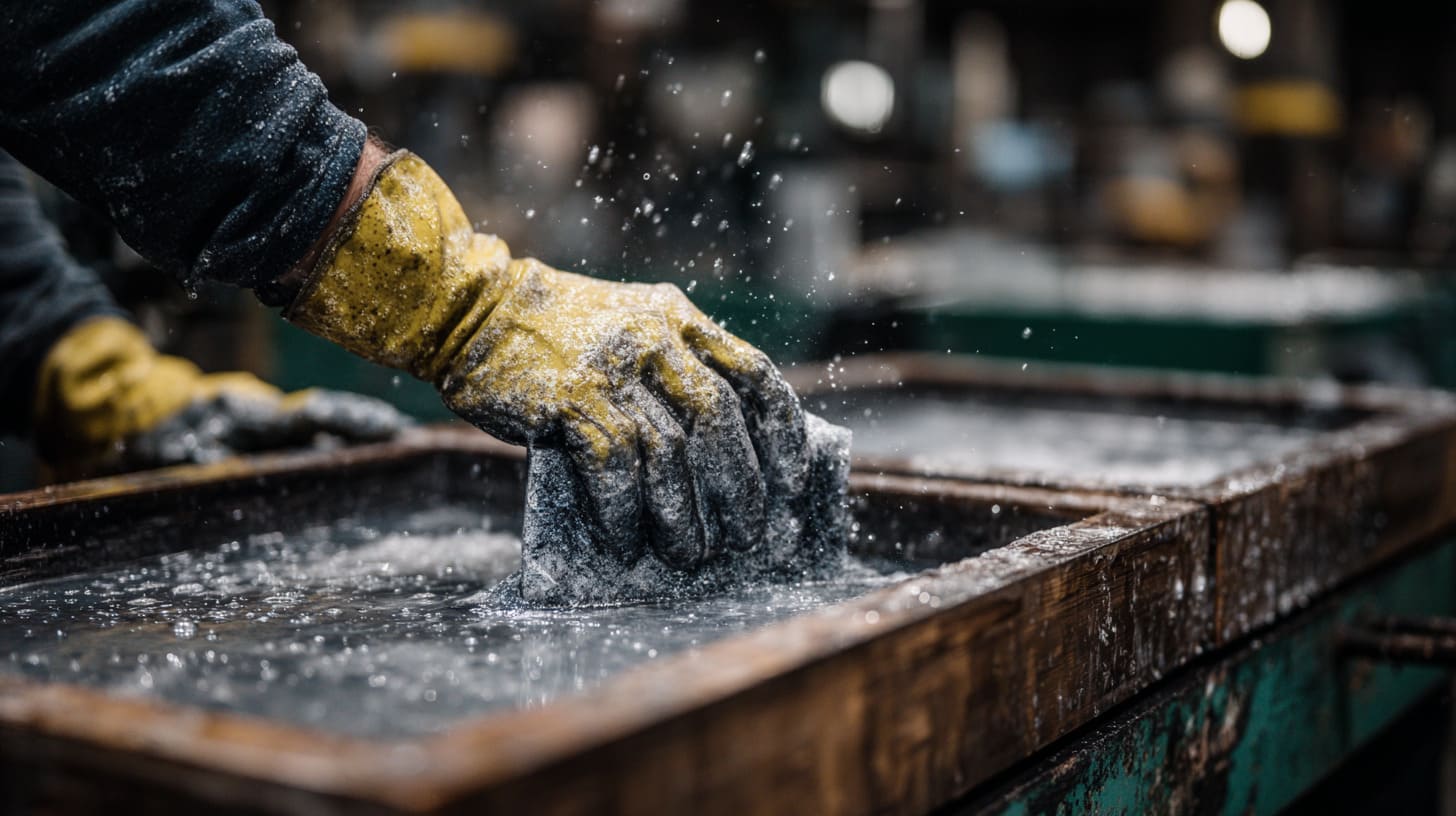
Surface preparation is not the most exciting part of powder coating.
Nobody opens a package and says, “Wow, the degreasing must have been beautiful.” Buyers see the color. They touch the texture. They check the logo. They look at the corners.
But the real bond happens below the surface.
Powder coating needs a clean and prepared metal surface. If the metal carries oil, dust, oxidation, moisture, or fingerprints, the coating may not hold well. It may still look fine after production. That is the tricky part. Many problems do not show themselves in the factory. They show up later, after shipping, installation, vibration, heat, rain, or daily use.
A coating failure is often a delayed message from bad surface preparation.
How Oil, Dust, and Oxidation Affect Coating Adhesion
In our factory work, aluminum enclosure parts often pass through cutting, CNC machining, bending, tapping, welding, grinding, and handling before coating.
Each step can leave something on the surface.
| Surface issue | Where it comes from | What it can cause later |
|---|---|---|
| CNC oil | Machining and drilling | Poor adhesion, fish eyes, peeling |
| Fingerprints | Manual handling | Local coating weakness |
| Dust | Workshop air or sanding | Rough texture, small bumps |
| Aluminum oxide | Natural surface reaction | Weak bonding if not treated |
| Grinding residue | Sanding and polishing | Uneven coating texture |
| Moisture | Storage or washing | Bubbling during curing |
The problem is that some contamination is almost invisible.
A buyer may inspect a raw aluminum part and say, “It looks clean.” But “looks clean” is not the same as “ready for powder coating.”
Oil can be thin.
Oxidation can be light.
Dust can hide near holes and corners.
Fingerprints can sit quietly on flat surfaces.
When the powder is sprayed and cured, these small things become big things.
A poor surface does not always reject coating immediately. Sometimes it accepts the coating politely, then betrays it later.
Why Poor Cleaning Creates Long-Term Coating Failure
When cleaning is not done well, the coating may fail in different ways.
Peeling is the most obvious one. The coating lifts from the metal, often around edges, screw holes, or scratched areas.
Bubbling is another common issue. It may appear after curing or after the part has been exposed to heat and moisture.
Fish eyes can also appear. These are small round defects where the coating pulls away from a contaminated spot. They look tiny, but they tell a serious story. Something on the surface stopped the coating from flowing and bonding correctly.
Here is a simple way I explain it to customers:
| Defect | What buyers see | What may have happened before coating |
|---|---|---|
| Peeling | Coating lifts or flakes | Oil, oxidation, poor pretreatment |
| Bubbling | Raised spots under coating | Moisture, gas, trapped contamination |
| Fish eyes | Small round coating gaps | Oil or silicone contamination |
| Rough finish | Uneven surface feel | Dust or poor cleaning |
| Corrosion under coating | Rust or white oxidation spreads | Poor pretreatment or exposed weak areas |
This is where I usually slow down in real projects: if a customer needs outdoor use, marine use, machine protection, or long-term industrial use, I do not treat cleaning as a small step, because one weak cleaning step can destroy the whole surface later.
What Professional Factories Usually Do Before Coating
A good powder coating result needs a controlled process before spraying.
Different factories use different systems. Different metals also need different treatment. But a professional process usually includes several steps.
Common Pretreatment Steps
| Step | Purpose | Why it matters |
|---|---|---|
| Degreasing | Removes oil and grease | Helps coating bond to metal |
| Chemical washing | Cleans hidden contamination | Reduces invisible surface risk |
| Rinsing | Removes chemical residue | Prevents coating reaction problems |
| Sandblasting or sanding | Creates surface roughness | Improves mechanical bonding |
| Conversion coating | Builds a better bonding layer | Improves corrosion resistance |
| Drying | Removes moisture | Reduces bubbling during curing |
This is why cheap powder coating can become expensive later.
If a supplier skips degreasing, shortens washing time, or dries parts poorly, the quoted price may look attractive. But the buyer may pay later through rejected goods, customer complaints, or brand damage.
I have seen buyers focus heavily on powder brand, color code, and surface texture. These are important. But they are not enough.
Good powder on a bad surface is like expensive glue on a dusty table. It may stick for a moment. But it will not stay loyal.
The Real Decision
Even premium powder cannot compensate for poor surface preparation.
For custom aluminum enclosures, I care about the cleaning and pretreatment process as much as the final color. Sometimes I care about it more. Because the color attracts the buyer’s eye, but the surface preparation decides whether the coating can survive real use.
And once we talk about survival, the next problem appears: the shape of the enclosure itself.
A clean surface is not enough if the design is fighting against the coating from the beginning.
How Do Sharp Edges and Bad Design Create Powder Coating Defects?
Some powder coating problems are born on the drawing.
That may sound strange. The drawing has no powder. It has no oven. It has no coating gun. It only has dimensions, holes, bends, corners, and cutouts.
But those details decide how coating behaves later.
I often see customers send a design that looks very clean in 3D. The enclosure may have sharp edges, deep pockets, narrow slots, tight inside corners, or complex welded areas. On the screen, everything looks controlled. In production, the coating line reads the design in a different language.
Powder coating does not love every shape equally.
Why Powder Coating Struggles on Sharp Corners
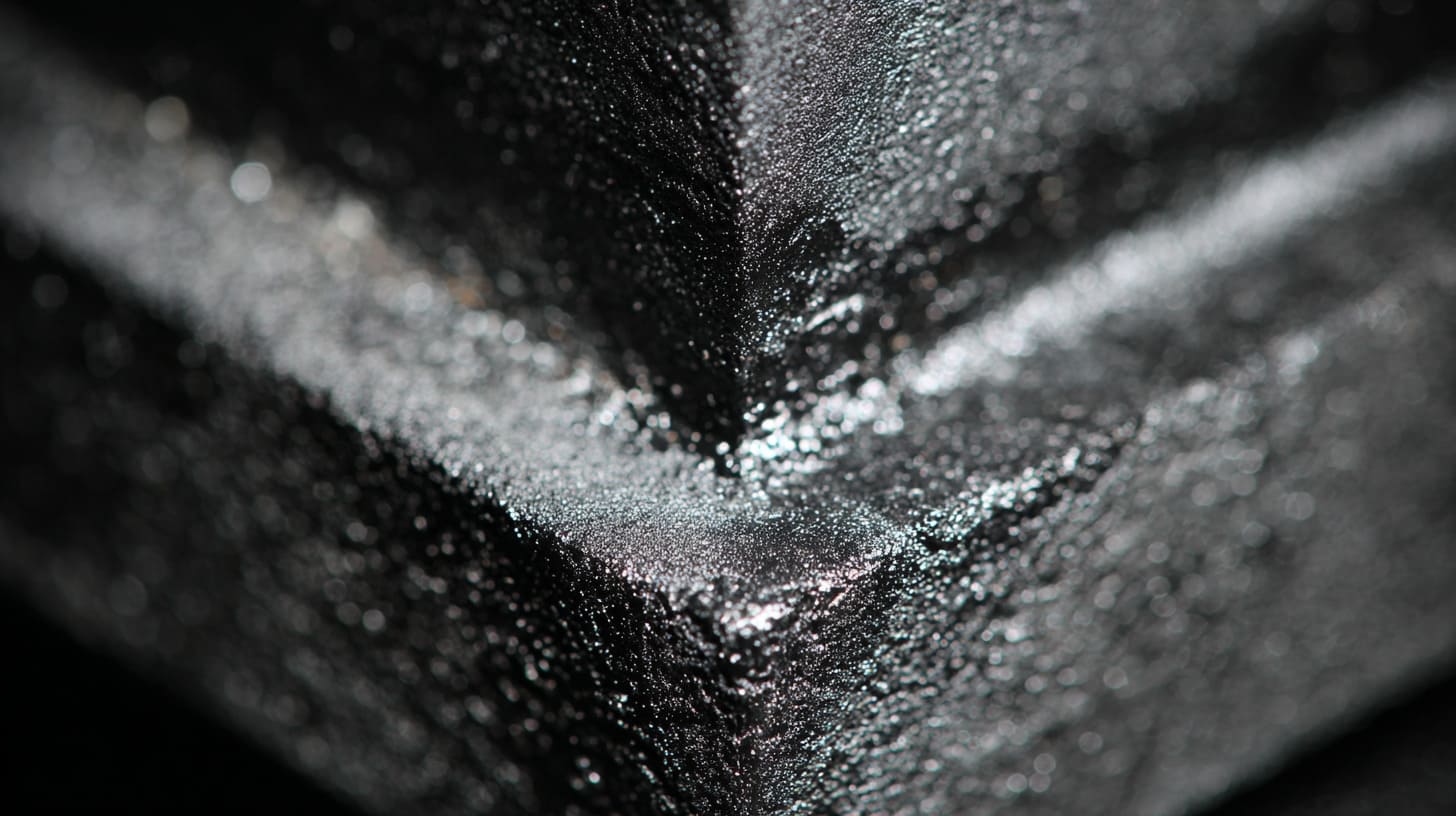
Sharp edges are one of the most common weak points.
Powder coating is applied by electrostatic spray. The powder particles are charged, and they are attracted to the grounded metal surface. This works well on open, simple surfaces. But sharp edges can create uneven coating thickness.
The coating can become thin on corners. Thin coating means weaker protection.
For indoor decorative parts, this may not be a big issue. For outdoor enclosures or industrial use, it matters a lot. Once the coating is thin at an edge, moisture and corrosion can start from that point.
| Design feature | Coating risk | Possible result |
|---|---|---|
| Sharp outside edge | Thin coating coverage | Early edge corrosion |
| Laser-cut corner | Rough micro-burrs | Poor adhesion at edge |
| Small screw hole edge | Coating breaks during assembly | Rust or oxidation around fastener |
| Tight bend radius | Stress on coating layer | Cracking or weak coverage |
I do not judge sharp edges only by how they look on a sample; I judge them by how they will behave after screws, handling, shipping, and outdoor use, because the corner that looks beautiful today may become the first place that fails tomorrow.
How Enclosure Design Affects Coating Consistency
Powder coating needs access.
If the enclosure has deep internal corners, narrow channels, or boxed-in areas, powder may not reach all surfaces evenly. Some areas may get too little coating. Some areas may get too much. Some inside corners may show a rough orange peel texture or weak coverage.
This happens because of a common coating issue called the Faraday cage effect. I will keep it simple.
When powder is sprayed into a deep corner or pocket, the electric field does not always pull powder into the deepest area well. The powder prefers easier surfaces. So the outside may look perfect, while the inside corner is weak.
For enclosures, this can happen around:
- Deep folded corners
- Narrow channels
- Internal mounting ribs
- Vent openings
- Small recessed areas
- Welded box corners
- Complex brackets
Design Features That Need Extra Attention
| Feature | Why it is risky | Better thinking |
|---|---|---|
| Very deep recess | Powder may not enter evenly | Increase access or simplify shape |
| Narrow slot | Coating can bridge or build up | Check slot width after coating |
| Sharp 90-degree corner | Weak edge coverage | Add radius when possible |
| Blind internal corner | Hard to spray and inspect | Design for coating access |
| Dense vent pattern | Powder buildup or uneven finish | Balance airflow and coating needs |
Sometimes a customer wants a very tight design because the product space is limited. I understand that. Electronics projects often fight for every millimeter.
But coating has its own space needs too.
A design that is perfect for assembly may not be perfect for finishing.
Why Weld Quality Also Changes Coating Results
Welding is another area where coating problems can begin early.
A weld may look strong, but the surface around it may carry porosity, grinding marks, heat discoloration, or uneven texture. Powder coating does not remove these problems. It often makes them easier to see.
If the weld has small holes or trapped contamination, gas can escape during curing. Then bubbles or pinholes may appear in the coating.
If grinding is too rough, the coating may show uneven reflection or texture.
If grinding is too aggressive, the surface may become wavy. After coating, the light will show that wave clearly.
Welding and Grinding Risks
| Fabrication issue | Coating result |
|---|---|
| Weld porosity | Pinholes or bubbles |
| Heavy grinding marks | Visible texture difference |
| Uneven sanding | Uneven gloss or reflection |
| Heat marks not cleaned | Poor adhesion or color difference |
| Weld spatter | Rough coating surface |
This is why engineering and coating cannot be separated.
A buyer may ask for a strong enclosure, a clean appearance, low cost, fast delivery, and stable coating. All are reasonable requests. But the design must support these goals.
If the design creates coating traps everywhere, the factory has to fight the part instead of finishing it.
And when the design already makes coating difficult, fabrication quality becomes even more important.
Why Does Metal Fabrication Quality Affect Powder Coating Results?
Powder coating has a funny personality.
It can hide some small problems.
But it can also expose problems you did not notice before.
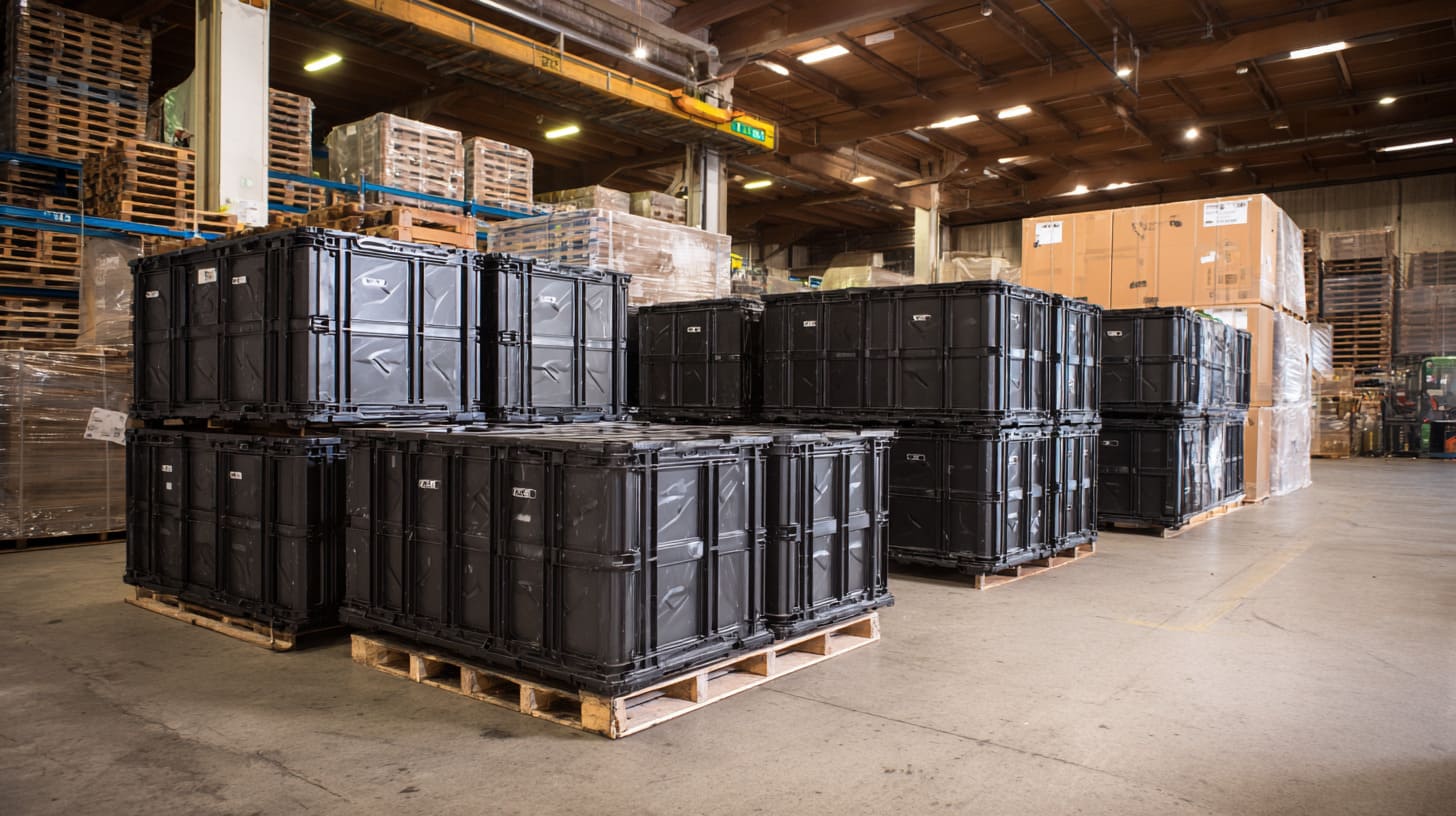
A raw metal enclosure may look acceptable in the workshop. After powder coating, the same part may suddenly show dents, scratches, sanding lines, welding waves, or small bumps.
This surprises many buyers.
They may say, “Why did the coating create this mark?”
But the coating did not always create it. The coating only gave the mark a stage.
How Scratches and Dents Become Visible After Coating
Raw aluminum and sheet metal can hide small scratches because the surface is bright, matte, oily, or dusty. After coating, the surface becomes more uniform. Then the eye can catch differences more easily.
A small dent on bare metal may look like nothing.
After coating, it may catch light like a tiny valley.
A sanding mark may look normal before coating.
After coating, it may show as a line under the finish.
This is especially true for flat panels.
Large flat enclosure covers are unforgiving. They behave like mirrors, even with textured coating. If the metal underneath is not flat, the coating cannot magically make it flat.
| Raw metal defect | Before coating | After coating |
|---|---|---|
| Small dent | Hard to notice | Visible under light |
| Deep scratch | Looks minor | Shows through coating |
| Uneven weld grinding | Looks acceptable | Creates surface waves |
| Burr near hole | Easy to miss | Coating builds up or chips |
| Sheet deformation | Slightly visible | More obvious on large panel |
A practical thing I check is whether the enclosure has large flat visible faces, because those surfaces do not forgive careless fabrication, and even a small wave can make the whole product feel cheaper than it really is.
Why Inconsistent Sanding Creates Uneven Finishes
Sanding sounds simple.
But in real production, sanding quality depends on tools, workers, pressure, direction, grit, and inspection. If different workers sand the same part in different ways, the coating result may not look consistent.
This is common in custom projects because the quantity may not be huge. Some parts may require manual work. Some corners may need hand finishing.
If one area is smooth and another area is rough, the powder may sit differently. After curing, the gloss or texture may change.
Sanding Consistency Checklist
| Item to check | Why it matters |
|---|---|
| Same sanding direction | Reduces visible texture difference |
| Same grit level | Keeps surface roughness stable |
| Controlled pressure | Avoids waves or low spots |
| Edge deburring | Helps coating cover edges better |
| Clean sanding residue | Prevents dust under coating |
Textured powder can hide more than smooth powder. But this does not mean textured powder can hide everything.
Some buyers choose a fine texture coating because it looks professional and hides fingerprints better. That is a good choice for many enclosures. But if the metal underneath is badly prepared, even texture coating has limits.
A finish is not a magic blanket. It is more like a thin skin. The body shape still matters.
How Poor Fabrication Introduces Contamination
Fabrication can also create contamination.
For example, steel dust can contaminate aluminum parts if the workshop does not control materials well. This is a serious but often overlooked problem. Tiny steel particles can sit on aluminum surfaces. Later, they may rust and create small brown spots under or near the coating.
Mixed material workshops need good management.
Aluminum, carbon steel, stainless steel, and plated parts should not be handled carelessly together. Grinding dust travels. It does not respect product categories.
Other contamination sources include:
- Dirty gloves
- Old sanding belts
- Oil from machines
- Dust from nearby cutting
- Poor storage racks
- Unclean hooks or hanging tools
Common Fabrication-to-Coating Problems
| Fabrication problem | Coating risk |
|---|---|
| Burrs not removed | Coating chips during assembly |
| Dirty handling | Poor adhesion in touched areas |
| Mixed metal dust | Rust spots or contamination |
| Poor grinding | Uneven texture |
| Wrong storage after fabrication | Oxidation before coating |
This is one reason I prefer process control over last-minute inspection.
Inspection is important. But if the workshop creates too many hidden problems, inspection becomes a rescue mission. And rescue missions are expensive.
A better way is to control fabrication before coating.
But even well-fabricated parts can still suffer if they wait too long in the wrong storage condition.
That quiet waiting time can be more dangerous than many people think.
Can Moisture and Storage Conditions Ruin Powder Coating Before Production?
A metal part can fail while doing nothing.
That sounds unfair, but it happens.
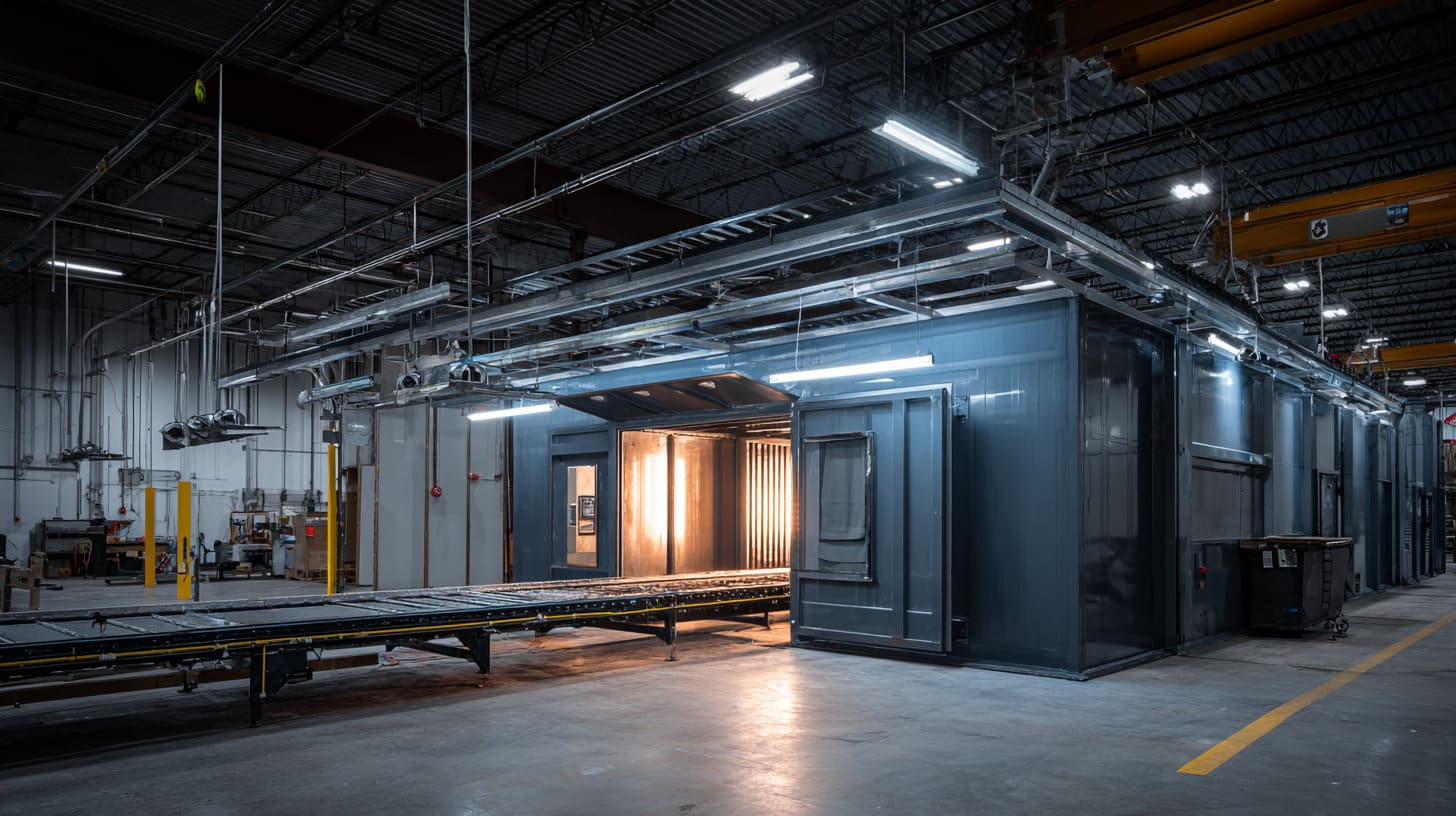
A sheet metal part may be cut, bent, welded, and cleaned. Then it waits. It waits on a rack. It waits near a door. It waits during rainy weather. It waits while another urgent order moves ahead.
During this waiting time, the surface can change.
Moisture, dust, and air do not need permission.
How Humidity Affects Raw Metal Surfaces
Steel and aluminum react differently to humidity, but both can create coating risks.
Steel can develop flash rust. Sometimes this rust is light and easy to miss. But it can weaken the bond between metal and coating.
Aluminum forms an oxide layer naturally. A thin oxide layer is normal. But if the surface is not properly treated, oxidation can affect coating adhesion and long-term durability.
| Material | Moisture-related risk | Coating concern |
|---|---|---|
| Carbon steel | Flash rust | Poor adhesion, corrosion under coating |
| Aluminum | Oxidation layer | Weak bonding if not pretreated |
| Galvanized steel | Surface reaction or white rust | Adhesion problems |
| Stainless steel | Lower coating grip if too smooth | Needs correct surface preparation |
I pay close attention to waiting time between fabrication and coating, because a part that looks “ready” on Monday may not be equally ready after sitting through three humid days in a busy workshop.
Why Improper Storage Creates Hidden Coating Risks
Storage looks boring.
But storage can decide the surface condition before coating.
Bad storage can cause:
- Condensation on metal surfaces
- Dust buildup
- Contact marks from racks
- Fingerprints from repeated handling
- Protective film residue
- Surface scratches
- Moisture trapped between stacked parts
One common issue is stacking.
If parts are stacked too tightly, moisture can stay between them. If protective film is used wrongly or left too long, adhesive residue may remain. If parts rub against each other, small scratches can appear before coating.
Storage Risks Before Powder Coating
| Storage mistake | What can happen |
|---|---|
| Parts stacked without spacing | Scratches, trapped moisture |
| Parts stored near open doors | Dust and humidity exposure |
| Long storage before coating | Oxidation or rust risk |
| Dirty storage racks | Surface contamination |
| Poor protective film control | Adhesive residue |
This matters more for export orders because the buyer may not see the problem until weeks later.
A part may leave the factory looking acceptable. But if the coating bond is weak because of storage-related surface issues, the problem may appear after installation.
Then the buyer and supplier both suffer.
The buyer loses time.
The supplier loses trust.
Nobody wins.
How Factories Reduce Storage-Related Failures
Good factories do not treat storage as empty space. They treat it as part of production control.
Some useful controls include:
| Control method | Why it helps |
|---|---|
| Clean storage area | Reduces dust and contamination |
| Separated material zones | Avoids mixed metal dust |
| FIFO management | Reduces long waiting time |
| Proper spacing between parts | Prevents scratches and moisture traps |
| Controlled drying before coating | Avoids bubbles during curing |
| Shorter transfer time | Reduces oxidation risk |
FIFO means “first in, first out.” It sounds like a warehouse term, but it matters for coating. Parts should not sit forgotten while newer parts move first.
For custom enclosure projects, timing is part of quality.
If a buyer pushes for a very fast delivery, the factory may rush. If the factory rushes without control, pretreatment may suffer. If the factory delays too long, storage risk increases.
So there is always a balance.
Fast delivery is good.
Controlled delivery is better.
And once the coating is finally finished, another journey begins. The enclosure still needs to survive packaging and shipping.
That is where some “factory-perfect” coating starts to lose the fight.
Why Do Some Powder Coatings Peel Off After Shipping?
Shipping is not gentle.
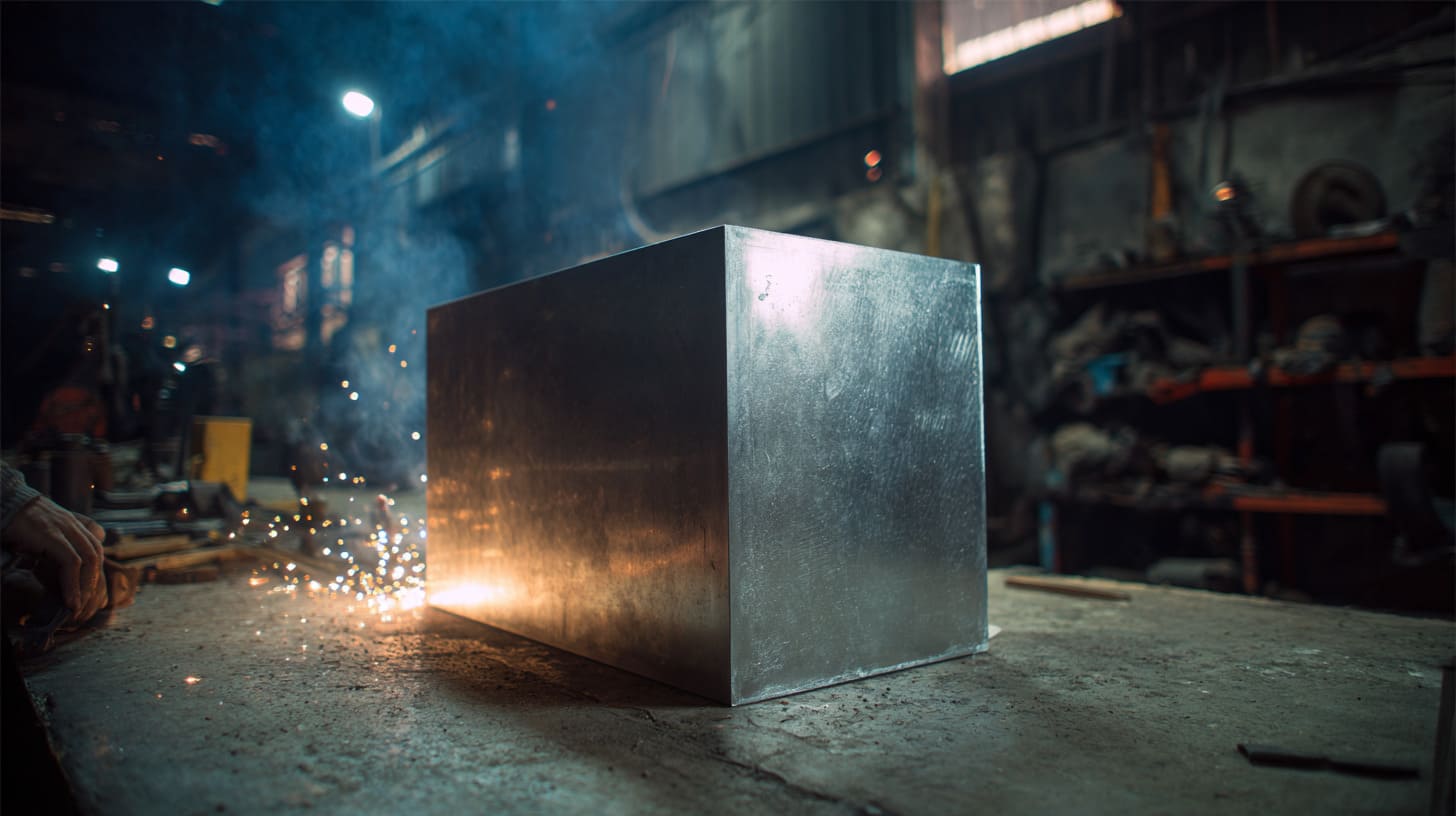
A coated enclosure may look beautiful on the inspection table. Then it enters cartons, pallets, trucks, containers, ports, ships, warehouses, and another truck. It may face humidity, vibration, pressure, impact, and temperature changes.
By the time the buyer opens the carton, the product has lived a small adventure.
Sometimes buyers think peeling after shipping means the coating was scratched only during transport. That may be true. But sometimes shipping only exposes a weak coating that already had poor adhesion.
A strong coating can take normal handling.
A weak coating gets nervous very quickly.
How Packaging Damage Affects Coated Enclosures
Packaging is not just a box around the product. It is part of the product’s protection system.
If coated enclosures rub against each other during shipping, the surface can show marks. If corners are not protected, coating may chip. If foam is too hard, it may leave pressure marks. If film adhesive is not suitable, it may leave marks on the coating.
| Packaging issue | Possible coating problem |
|---|---|
| Parts touch each other | Rubbing marks or scratches |
| Weak corner protection | Chipped coating |
| Tight plastic film | Surface marks or adhesive residue |
| Poor carton strength | Impact damage |
| No separation between parts | Coating wear during vibration |
One small detail I often care about is how the part moves inside the package, because a package that looks strong outside can still fail if the enclosure is dancing inside during sea freight.
Why Curing Quality Matters During Shipment
Powder coating must be cured correctly.
Curing means the coated part is heated so the powder melts, flows, and forms a hard protective layer. If curing is not complete, the coating may look okay, but it may be softer than it should be.
Under-cured coating can be more easily scratched, dented, or marked during shipping.
Over-cured coating can also create issues, such as brittleness or color change, depending on the powder type and process.
Curing Problems and Shipping Results
| Curing issue | What buyer may see later |
|---|---|
| Under-cured coating | Soft surface, easy scratches |
| Uneven oven temperature | Mixed hardness on different parts |
| Too short curing time | Poor chemical resistance |
| Too high temperature | Color shift or brittle coating |
| Thick metal parts not heated fully | Weak cure in some areas |
The tricky part is that curing quality is not always judged by appearance only.
A coating can look good and still be under-cured. This is why process control matters. The oven temperature, part temperature, and curing time should match the powder requirements.
For custom aluminum enclosures, part thickness can vary. A thick aluminum housing needs different heating behavior than a thin sheet metal cover. If the factory only watches oven settings and ignores actual part temperature, the result may not be stable.
How Shipment Environments Create Coating Stress
Export shipping adds another layer of risk.
For customers in Europe, North America, Japan, or South Korea, goods may spend weeks in ocean freight. During this time, cartons can face humidity and temperature cycling.
A container can become hot during the day and cooler at night. Moisture can condense. If packaging is weak or poorly sealed, this can create problems.
For coated enclosures, shipping stress can reveal:
- Weak adhesion
- Poor edge coverage
- Under-cured coating
- Bad packaging
- Poor corrosion protection
- Surface marks from tight wrapping
Shipment Risk Factors
| Shipping condition | Why it matters |
|---|---|
| High humidity | Can attack weak coating areas |
| Temperature cycling | Expands and contracts materials |
| Long transit time | Increases exposure risk |
| Vibration | Causes rubbing or edge damage |
| Heavy stacking | Creates pressure marks |
This is why I do not like treating packaging as an afterthought.
A buyer may spend weeks confirming drawings, colors, logos, samples, and production details. Then the final product gets damaged because packaging was designed in five minutes.
That is painful. And honestly, it is avoidable.
But before packaging, before curing, and before spraying, the material itself also decides many rules.
Aluminum and steel do not behave the same way. So they should not be treated like twins.
How Does Pretreatment Differ Between Aluminum and Steel Enclosures?
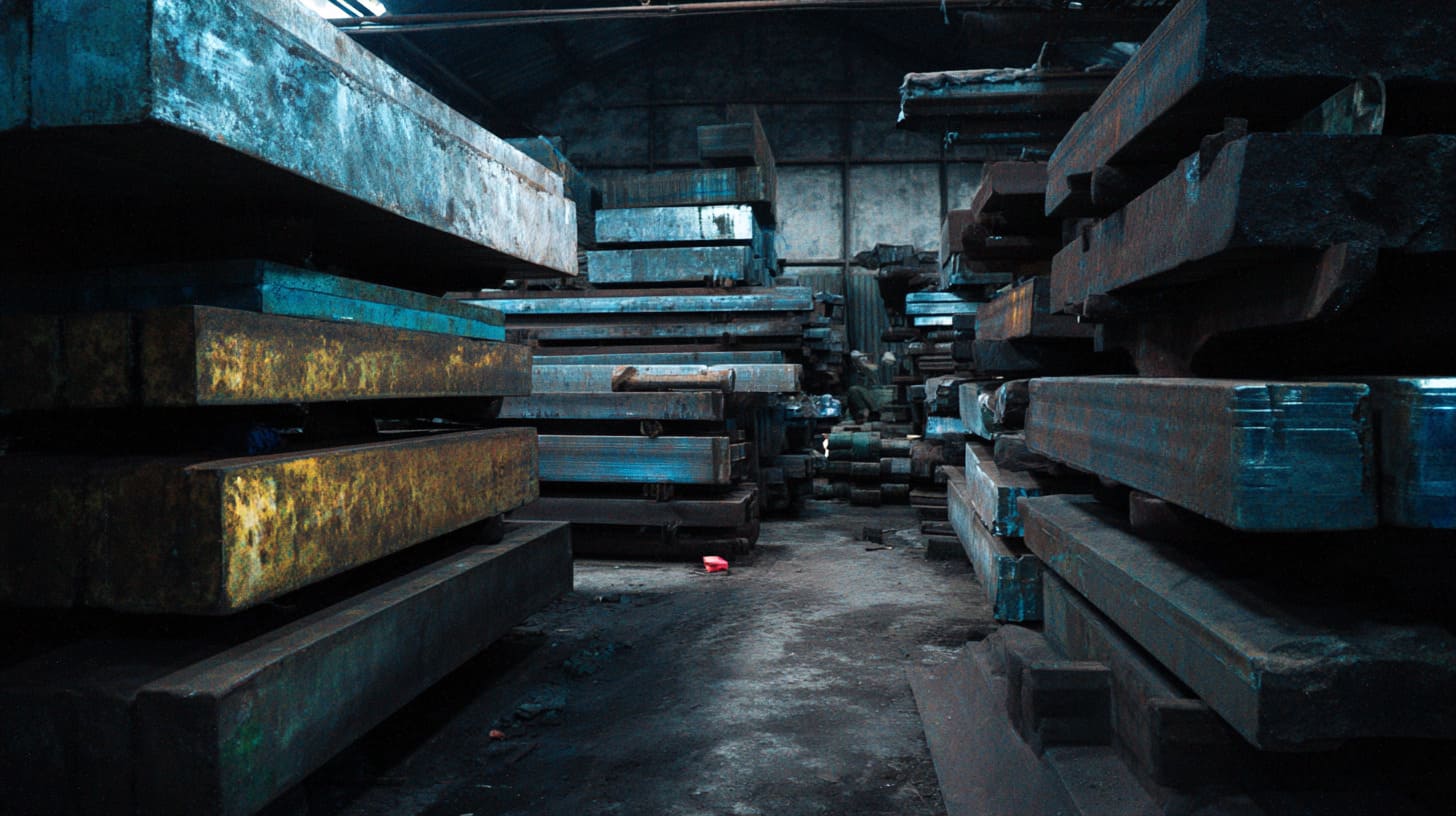
Aluminum and steel can both become beautiful powder coated enclosures.
But they do not ask for the same preparation.
This is a place where low-cost suppliers sometimes make mistakes. They use one simple pretreatment idea for different metals, then hope the coating will behave. Hope is not a process. Hope is what people use when the process is weak.
For custom enclosures, material choice must connect with coating preparation.
Why Aluminum Requires Special Pretreatment
Aluminum naturally forms an oxide layer on its surface. This oxide layer can protect aluminum in some ways, but it can also create adhesion challenges if the surface is not prepared well.
For powder coating, aluminum often needs cleaning and conversion coating. The conversion coating creates a better surface for adhesion and corrosion resistance.
There are different types of systems, including chromate and non-chromate options. Many markets now prefer more environmentally friendly non-chromate treatments, but the exact choice depends on project requirements, regulations, and durability needs.
| Aluminum condition | Pretreatment concern |
|---|---|
| Fresh machined aluminum | Oil must be removed |
| Oxidized aluminum | Surface must be treated |
| Sandblasted aluminum | Dust must be cleaned |
| Outdoor aluminum enclosure | Better conversion coating needed |
| Logo or masking areas | Process must avoid edge defects |
Here I usually think about the end-use environment first, not only the material name, because an indoor control box and an outdoor telecom enclosure may both use aluminum, but their coating risks are not the same animal.
Why Steel Enclosures Face Corrosion Risks Faster
Steel is strong and cost-effective, but it has a clear enemy: rust.
If steel is not cleaned and pretreated correctly, corrosion can start under the coating. Once corrosion begins, it can push the coating up and spread. This creates bubbling, peeling, and ugly rust marks.
Steel parts may need stronger degreasing, rust removal, phosphating, or blasting, depending on the product and environment.
Steel Pretreatment Focus
| Steel issue | Why it matters |
|---|---|
| Oil and grease | Blocks coating adhesion |
| Flash rust | Weakens coating bond |
| Welding scale | Needs cleaning or blasting |
| Sharp cut edges | Rust can start quickly |
| Outdoor use | Requires stronger corrosion control |
For steel enclosures, edge protection is also important. A coating failure often starts at cut edges, holes, or welded joints.
If the enclosure is used outdoors or near moisture, weak edge coating becomes a real risk.
Common Mistakes When Treating Different Metals the Same Way
A common mistake is assuming that one coating process fits all metals.
It does not.
Aluminum, steel, galvanized steel, and stainless steel all need different thinking. The same powder color can be used, but the preparation behind it should change.
| Material | Common mistake | Possible result |
|---|---|---|
| Aluminum | Skipping conversion coating | Poor long-term adhesion |
| Carbon steel | Poor rust removal | Corrosion under coating |
| Galvanized steel | Wrong surface cleaning | Peeling or bubbling |
| Stainless steel | Surface too smooth | Weak mechanical grip |
Another mistake is choosing material and coating separately.
For example, a customer may choose aluminum because it is light and corrosion-resistant. Then they ask for a very low-cost coating process. But if the product is for outdoor use, the pretreatment still matters.
Aluminum is not magic.
Steel is not always bad.
The right choice depends on use, cost, structure, appearance, and environment.
Material and Pretreatment Comparison
| Factor | Aluminum enclosure | Steel enclosure |
|---|---|---|
| Weight | Lighter | Heavier |
| Corrosion behavior | Better natural resistance | Needs stronger rust control |
| Pretreatment focus | Oxide and adhesion control | Rust and oil removal |
| Outdoor use | Good with proper coating | Good with strong pretreatment |
| Cost | Usually higher | Often lower |
| Common risk | Poor adhesion if untreated | Rust under coating |
This is why buyers should not only ask, “Is it aluminum or steel?”
A better question is, “What pretreatment is used for this material and this environment?”
That question often separates careful suppliers from careless ones.
But even when the material and pretreatment are correct, factory management can still break the result.
Some powder coating mistakes are not visible in photos. They happen in scheduling, inspection, outsourcing, and process control.
What Are the Most Common Powder Coating Mistakes Buyers Never See?
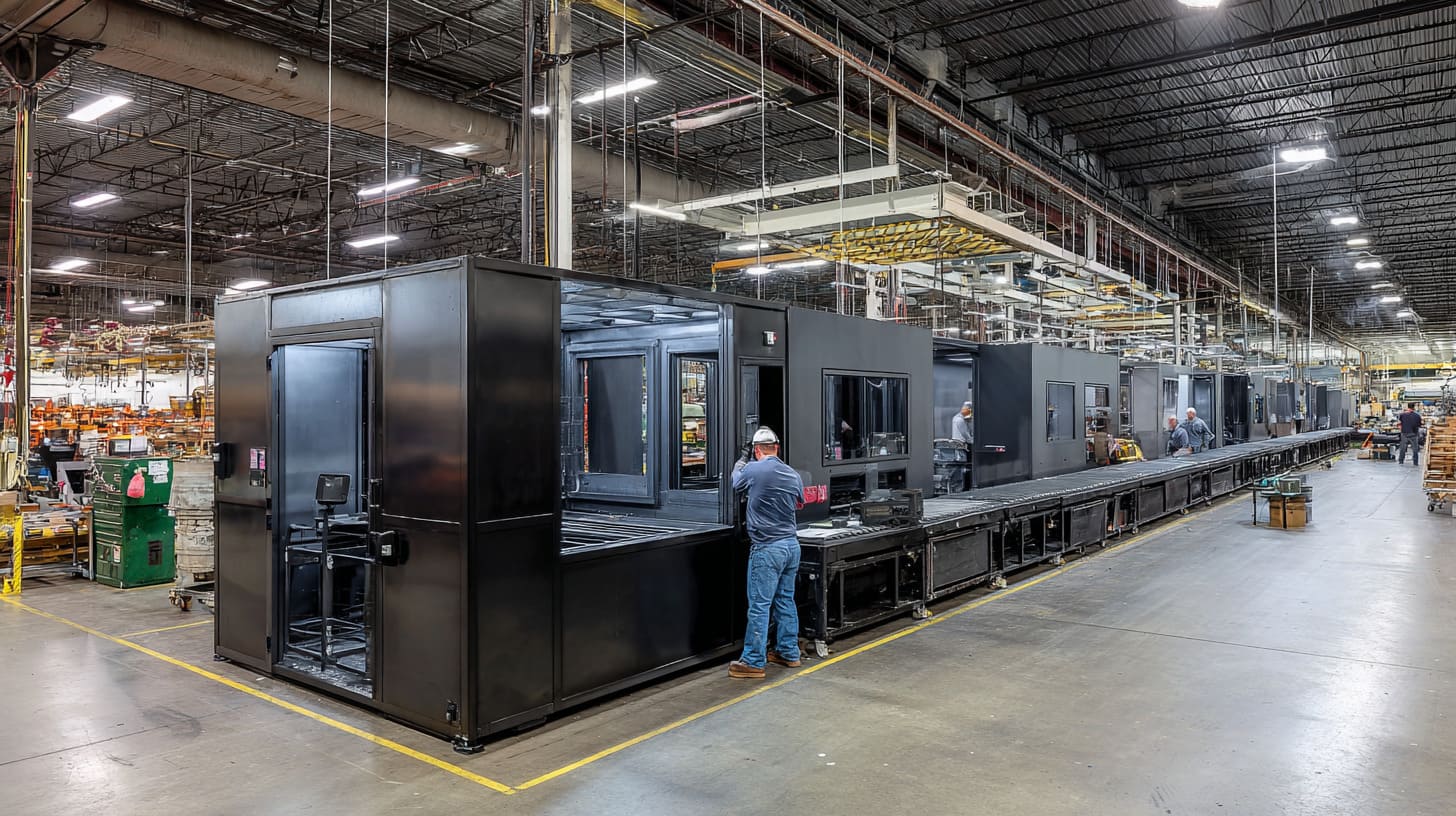
Many coating problems are not dramatic.
No machine explodes.
No worker shouts.
No big mistake appears on a report.
The problem is quieter.
A cleaning time is shortened.
A curing cycle is rushed.
A coating line is overloaded.
A supplier outsources the coating to a cheaper workshop.
A thickness inspection is skipped because everyone is busy.
Then three weeks later, the buyer finds peeling or color difference.
This is why powder coating quality is also a management issue.
Rushed Production Schedules
Fast delivery is important in custom enclosure projects.
I know this very well. Customers often have project deadlines. Their own customer is waiting. Their assembly line is waiting. Their Amazon or local sales plan may be waiting too.
But powder coating does not care about panic.
Cleaning needs time.
Drying needs time.
Curing needs time.
Cooling needs time.
Inspection needs time.
If a factory compresses these steps too much, problems can appear.
| Rushed step | Risk |
|---|---|
| Short degreasing | Oil remains on surface |
| Poor rinsing | Chemical residue affects coating |
| Incomplete drying | Bubbling during curing |
| Short curing | Soft or weak coating |
| Fast packing after coating | Surface marks or sticking |
One thing I watch carefully is whether the delivery promise is realistic, because a very sweet lead time can become bitter if the factory steals time from pretreatment, curing, or inspection.
Overloaded Coating Lines
A busy coating line can create unstable quality.
When too many orders enter the line at the same time, workers may rush hanging, spraying, checking, and unloading. Parts may be hung too close. The spray angle may not be ideal. Some areas may receive too much powder. Other areas may receive too little.
This can lead to:
- Uneven thickness
- Poor edge coverage
- Rough texture
- Color contamination
- Missed corners
- Inconsistent gloss
Coating Line Control Factors
| Control point | Why it matters |
|---|---|
| Hanging distance | Affects spray access |
| Grounding quality | Affects powder attraction |
| Spray angle | Affects coverage in corners |
| Powder recovery control | Reduces contamination |
| Batch separation | Keeps color stable |
| Worker inspection | Catches defects early |
Powder coating is not only about spraying powder. It is about controlling repeatability.
For one sample, a worker can spend extra time and make it beautiful. For mass production, the system must make many parts stable.
That is much harder.
Cheap Outsourcing Problems
Some factories do not have their own coating line. That does not automatically mean bad quality. Many good factories outsource coating to professional partners.
But outsourcing becomes risky when the only selection rule is low price.
A cheap coating subcontractor may reduce cost by:
- Shortening pretreatment
- Using lower-grade powder
- Skipping thickness checks
- Mixing different customer orders
- Reducing curing time
- Ignoring special packaging needs
For buyers, this is hard to see.
The supplier may show nice photos. The sample may look fine. But the process behind it may not be stable.
Own Coating Line vs Outsourcing
| Option | Advantage | Risk |
|---|---|---|
| In-house coating | Better control and faster feedback | Requires equipment and management |
| Professional outsourcing | Good if partner is stable | Less direct control |
| Cheapest outsourcing | Lower price | Higher risk of hidden shortcuts |
The real question is not only whether coating is in-house.
The real question is whether the supplier controls the process.
If a supplier outsources coating but has strict inspection, clear standards, and stable partners, the result can be good. If a supplier throws parts to the cheapest shop and hopes for the best, the buyer becomes the test lab.
That is not a good position.
Lack of Coating Thickness Inspection
Coating thickness matters.
If coating is too thin, corrosion protection may be weak. If coating is too thick, assembly holes, threads, covers, and tight-fitting areas may have problems.
For custom enclosures, thickness control is practical, not just technical.
A cover may not close smoothly if coating builds up too much. A screw hole may become tight. A sliding part may not fit. A logo area may look uneven.
| Thickness issue | Possible result |
|---|---|
| Too thin on edges | Early corrosion or chipping |
| Too thick near holes | Assembly difficulty |
| Uneven thickness | Texture and gloss difference |
| Excess coating in threads | Screw fitting problems |
| Poor internal coverage | Weak protection |
This is why coating inspection should include both appearance and measurement.
Photos are useful, but they do not tell the full story.
A coating can look nice in a photo and still be too thin at the edges.
And this brings us to the buyer’s side of the problem.
Because buyers also need a way to judge coating quality before placing the order.
How Can Buyers Judge Powder Coating Quality Before Ordering?
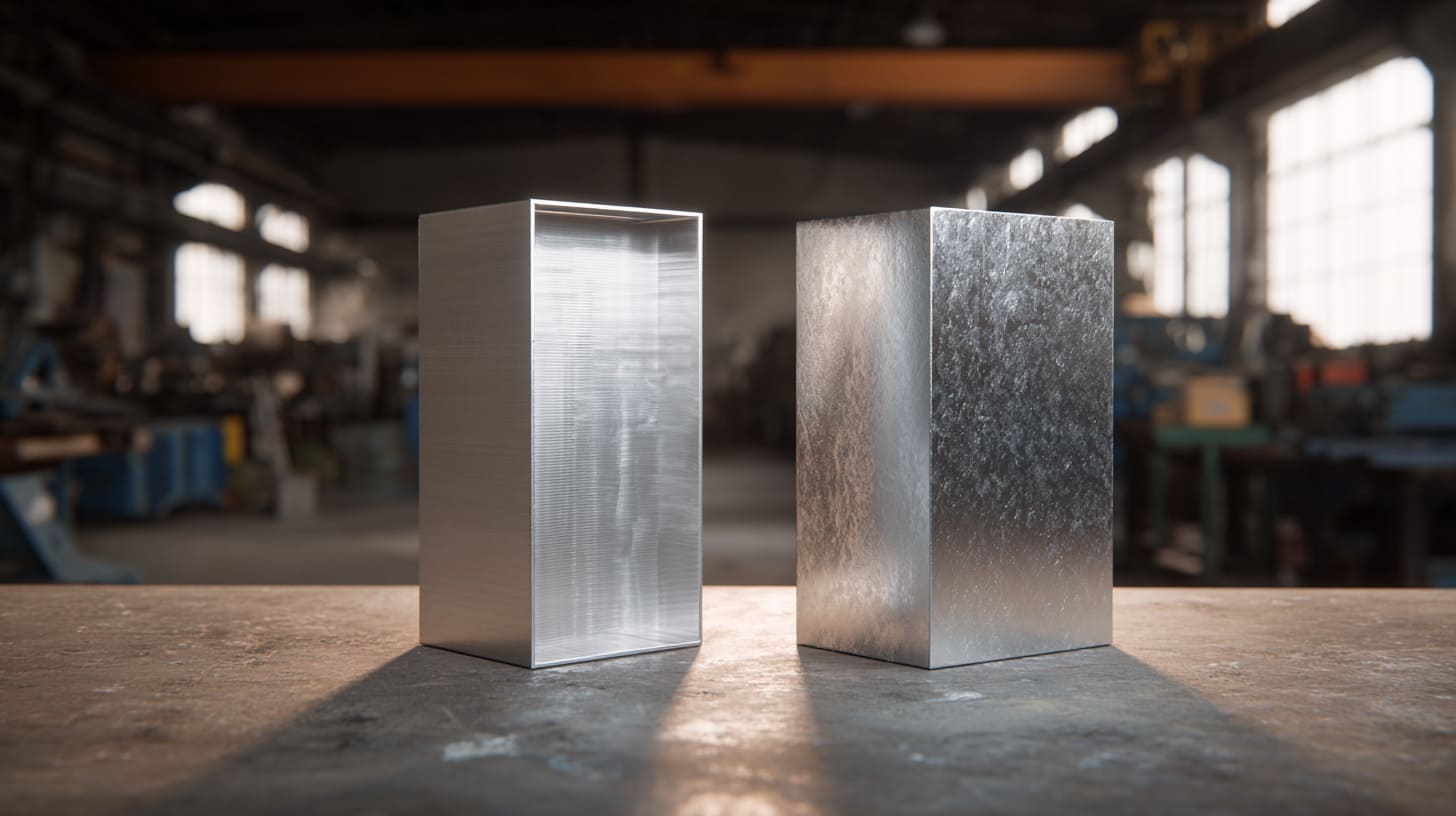
A buyer cannot stand beside every coating line.
David in Finland cannot watch every enclosure being cleaned, sprayed, cured, packed, and loaded. John in Hungary cannot check every pretreatment tank from his office. Jackson in Belgium or Germany may know factories well, but he still needs trust and proof.
So the real question is practical:
How can a buyer judge powder coating quality before ordering?
The answer is not to ask one big question. It is to ask several small, sharp questions.
Small questions often reveal big truths.
What Questions Buyers Should Ask Suppliers
A serious supplier should be able to explain the process, not only show the finished product.
Here are questions I think buyers should ask:
| Question | Why it matters |
|---|---|
| What pretreatment do you use before powder coating? | Shows whether the supplier controls adhesion |
| Do you use degreasing and conversion coating? | Helps judge surface preparation |
| Can you control coating thickness? | Affects durability and assembly |
| Do you inspect edge coverage? | Edges often fail first |
| Can you support outdoor coating requirements? | Important for real use environment |
| Do you do salt spray testing if needed? | Useful for corrosion-related projects |
| How do you pack coated parts for export? | Prevents shipping damage |
| Is coating in-house or outsourced? | Helps understand control level |
For me, the supplier’s answer style matters too.
If the answer is vague, I become careful. If the supplier only says, “Do not worry, our quality is good,” that is not enough. Good quality needs details.
What Factory Capabilities Matter Most
A reliable powder coating result depends on the whole factory system.
This includes engineering, fabrication, pretreatment, coating, curing, inspection, and packaging.
For custom aluminum enclosures, these capabilities matter:
| Capability | Why buyers should care |
|---|---|
| Design review | Finds coating risks before production |
| CNC and fabrication control | Reduces surface defects |
| Deburring and sanding control | Improves edge coating |
| Pretreatment process | Builds adhesion and corrosion resistance |
| Coating thickness inspection | Confirms protection level |
| Color and texture control | Keeps batch consistency |
| Export packaging design | Protects coating during shipping |
My personal habit is to connect coating questions with the full enclosure process, because a supplier who only talks about color but ignores design, edge finishing, and packing is usually not thinking far enough.
Why Samples Can Sometimes Mislead Buyers
Samples are useful. I always support samples when the project needs them.
But samples can also mislead buyers.
A sample is often made with extra care. A worker may spend more time sanding it. The coating shop may handle it slowly. The inspection may be stricter because everyone knows it is a sample.
Mass production is different.
In mass production, the process must repeat the same result across dozens, hundreds, or thousands of parts.
Sample vs Mass Production
| Item | Sample stage | Mass production stage |
|---|---|---|
| Worker attention | Usually very high | Must be controlled by process |
| Hand finishing | More time available | Time must be balanced |
| Coating batch | Small and careful | Larger and more complex |
| Inspection | Often very detailed | Needs standard procedure |
| Risk | Looks better than normal | Consistency becomes the real test |
This is why buyers should not only approve a sample by appearance.
They should confirm:
- Material grade
- Surface treatment
- Coating color and texture
- Coating thickness
- Tolerance after coating
- Packaging method
- Inspection standard
- Production process consistency
A good sample is the starting point. It is not the whole guarantee.
Signs of a Reliable Powder Coating Supplier
A reliable supplier usually behaves differently.
They ask about the use environment.
They care about corners and holes.
They mention pretreatment.
They discuss coating thickness.
They think about packaging.
They do not promise everything too casually.
That last point matters.
In manufacturing, “yes” is easy. Real support needs thinking.
Reliable Supplier Signals
| Signal | What it usually means |
|---|---|
| Supplier asks about indoor or outdoor use | They understand environment risk |
| Supplier reviews sharp edges | They care about coating durability |
| Supplier discusses pretreatment | They know adhesion depends on preparation |
| Supplier confirms coating thickness | They control measurable quality |
| Supplier warns about tight holes after coating | They understand assembly reality |
| Supplier suggests better packaging | They think beyond factory inspection |
| Supplier explains limits clearly | They are more likely to be honest |
For custom OEM and ODM enclosure buyers, this is important.
A buyer may not need to become a coating expert. But the buyer needs to know enough to avoid weak suppliers.
Because if coating fails, it does not only damage the enclosure.
It damages the buyer’s project schedule.
It damages customer trust.
It damages the brand printed on the box.
And that brand may be the buyer’s brand.
Conclusion
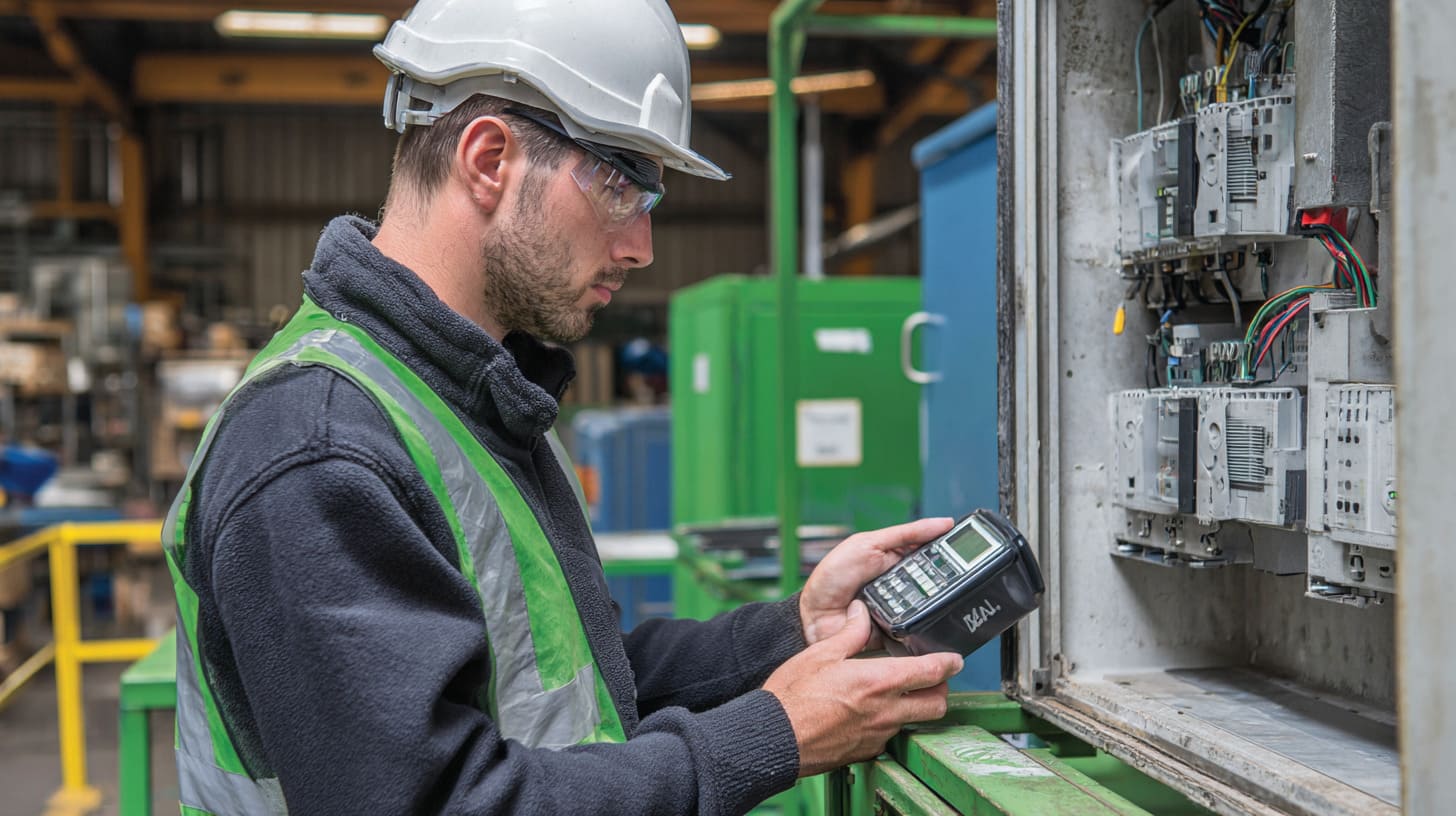
Powder coating problems usually begin before coating because the coating is only one part of a longer manufacturing story.
That is the reason I do not judge coating quality only by the final surface.
I look earlier.
I look at the design.
I look at the edges.
I look at the welding.
I look at the sanding.
I look at the storage.
I look at the pretreatment.
I look at the curing.
I look at the packaging.
This is not because I want to make the process sound complicated. It is because I have seen how small hidden problems become big visible failures.
A little oil near a hole can become peeling.
A sharp edge can become early corrosion.
A rushed curing cycle can become soft coating.
A careless package can turn a good finish into a scratched complaint.
A cheap pretreatment process can make an expensive enclosure look unreliable.
For me, durable powder coating is not just a coating service.
It is a full manufacturing discipline.
| Root cause | Real lesson |
|---|---|
| Poor surface preparation | Clean metal is the foundation |
| Weak design | Coating needs friendly geometry |
| Bad fabrication | Coating cannot hide every defect |
| Improper storage | Waiting time can damage surfaces |
| Incorrect pretreatment | Different metals need different processes |
| Weak process control | Management decides consistency |
| Poor packaging | Shipping can destroy weak details |
This is why I believe buyers should not only compare coating price.
Price matters. I know that very well. My customers also need competitive cost because they sell in their own markets. But a low coating price is not useful if it creates peeling, rework, delays, or customer complaints.
The better question is:
Can this supplier control the full process before, during, and after powder coating?
That question is more practical.
At MaidaTech, when we work on custom aluminum enclosures, plastic enclosures, sheet metal enclosures, or OEM enclosure projects, I prefer to discuss these details before production. It may take more time at the beginning. But it saves much more time later.
If you are developing a custom enclosure and you care about coating quality, you can send us your drawing, use environment, color requirement, logo file, and quantity. I can help you review the design from a manufacturing and finishing angle before the order moves too far.
Because in real factory work, the best coating problem is not the one we repair.
It is the one we prevent before coating even begins.