Skip to content
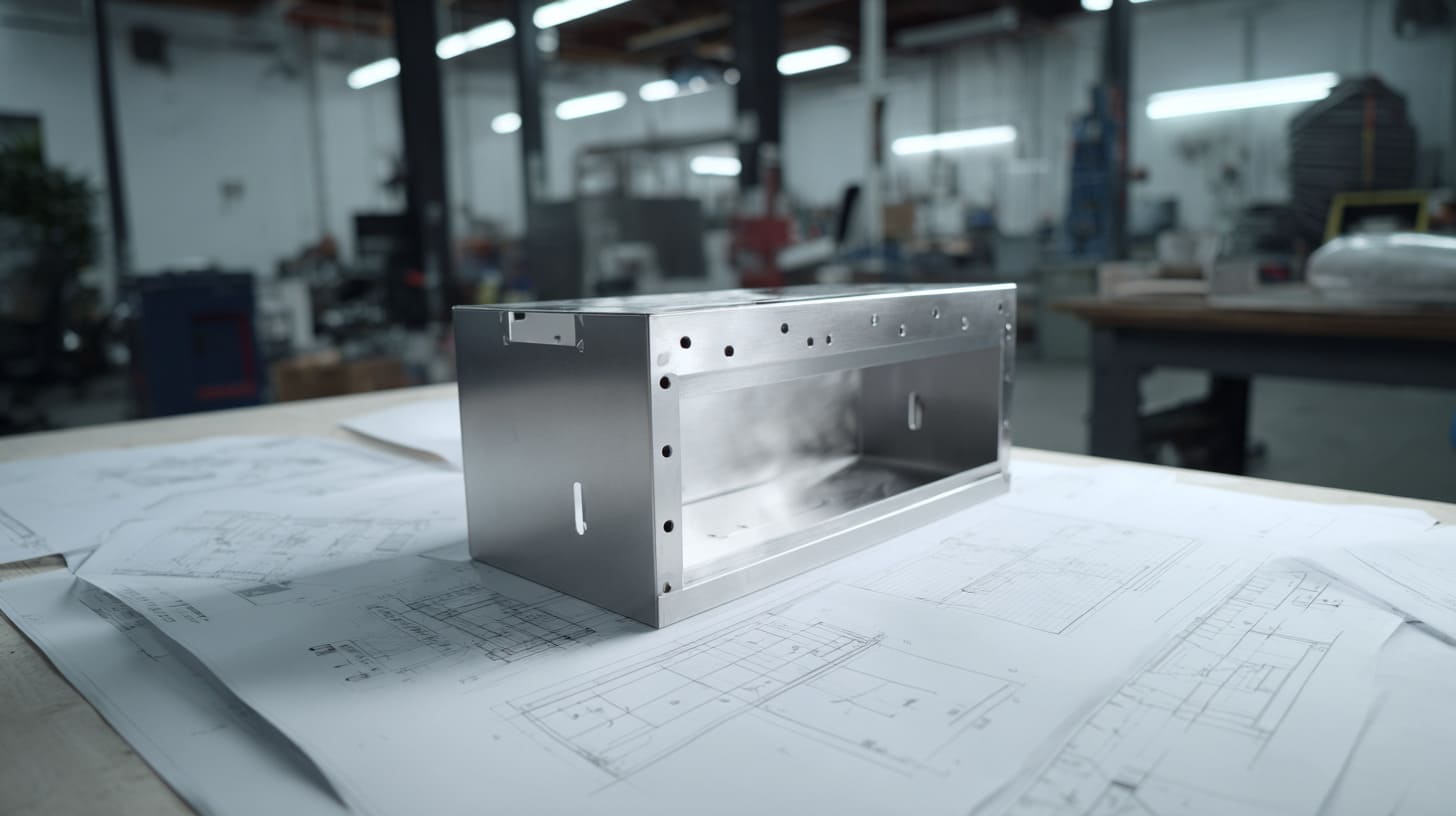
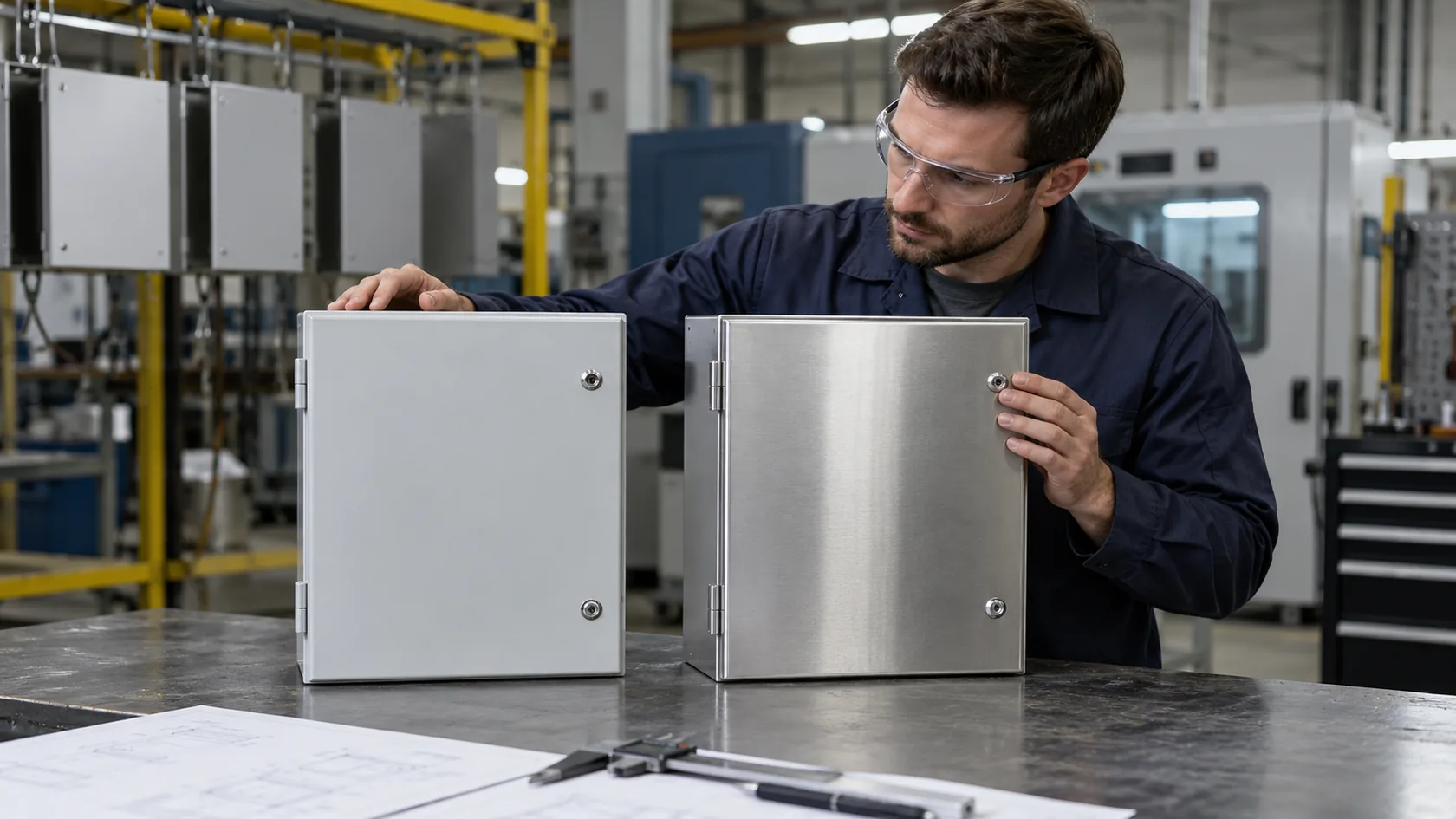
A stainless steel outdoor enclosure often looks like a very calm decision on paper. The drawing is clean. The size is fixed. The cutouts are marked. The finish looks neat. Then one small question changes the mood of the whole project: Can 304 stainless steel really be used outdoors?
I have seen that question slow people down for good reason.
Nobody wants to choose a material that looks fine during sampling but starts causing trouble after installation. Nobody wants early staining, corrosion complaints, or the awkward moment when a customer asks why an outdoor box no longer looks as solid as it did at the start. At the same time, most buyers do not want to pay for 316 stainless steel unless the job truly needs it.
That is why this topic matters so much. The decision is not only about metal grade. It is also about judgment, cost, risk, and how honest we are about the real working environment.
What makes this confusing is that the word outdoor sounds clear, but in real projects it is not clear at all. Outdoor can mean a clean inland wall under a canopy. Outdoor can also mean salty coastal air, trapped rainwater, road spray, or years of dirt that nobody cleans. Those are completely different conditions, even though people use the same one-word description for all of them.
When I review this kind of project, I do not rush to answer yes or no. I look at the site, the design, the finish, the exposure level, and the buyer’s real maintenance expectations. That is usually where the smart answer begins.
In this article, I will break this down in a practical way. I want to help you judge where 304 works well, where it becomes risky, and how I think through that choice before production starts.
What Is 304 Stainless Steel and Why Is It So Common?
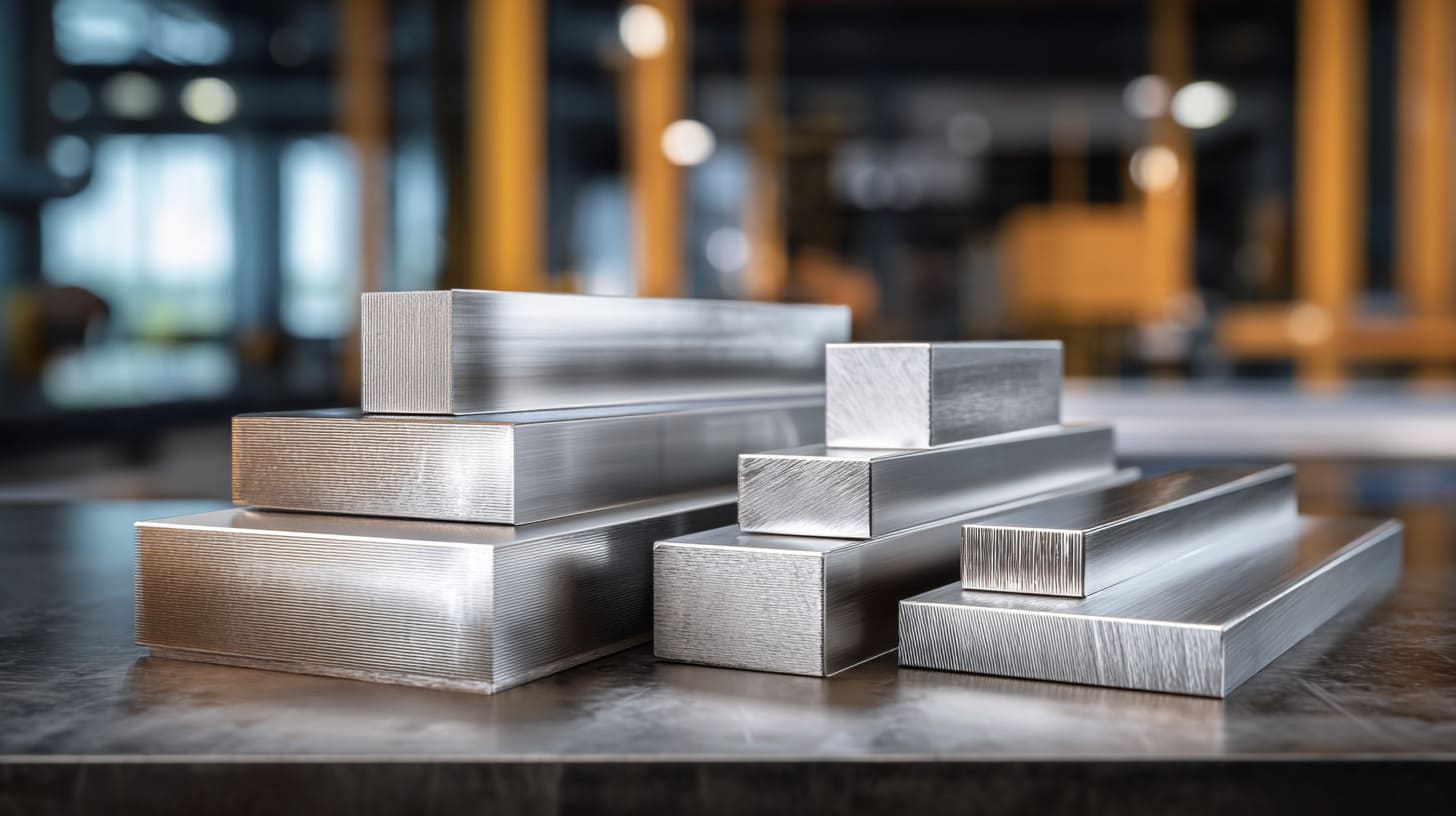
304 stainless steel is one of the most common stainless grades in the world. If you work around enclosures, food equipment, architectural parts, brackets, or hardware, you will see it everywhere. There is a reason for that. It gives a very useful balance of corrosion resistance, strength, appearance, and cost.
Basic Composition and Structure
At a simple level, 304 is the stainless grade many people call 18-8. That name comes from its typical composition.
| Item | Typical idea people remember |
|---|---|
| Chromium | About 18% |
| Nickel | About 8% |
| Family | Austenitic stainless steel |
| Main value | Good corrosion resistance and easy fabrication |
Chromium matters because it helps form a thin passive layer on the surface. That layer is one big reason stainless steel resists rust better than ordinary steel.
Nickel matters too. It helps keep the structure stable and gives the material good forming performance. That is useful when I need to bend, weld, cut, and finish enclosure parts without fighting the material at every step.
Key Properties Relevant to Enclosures
For enclosure work, 304 is popular because it covers a lot of needs without becoming too costly.
| Property | Why it matters for enclosures |
|---|---|
| Corrosion resistance | Good for many mild outdoor and indoor environments |
| Strength | Strong enough for many structural housing uses |
| Workability | Easy to cut, bend, weld, and fabricate |
| Appearance | Can look clean with brushed or polished finishes |
| Availability | Easy to source in many thicknesses and forms |
This is where my thinking usually becomes practical. A material can look excellent on paper, but if it is hard to process, slow to source, or unstable in price, it becomes a headache in a real OEM project.
Why Manufacturers Prefer 304
I work with custom enclosures, so I care about the full process, not just the chemistry. 304 is common because it fits the factory side well too.
- It is widely available
- It is familiar to fabricators
- It welds well in many normal projects
- It supports nice surface finishes
- It usually costs less than 316
That last point matters a lot. Many buyers are not choosing between “good” and “bad.” They are choosing between enough protection and extra cost.
| Grade | General cost level | Common reason buyers choose it |
|---|---|---|
| 304 | Lower | Good balance for many normal uses |
| 316 | Higher | Better resistance in harsher outdoor environments |
I have noticed that 304 becomes the default choice when the environment is not clearly defined. That can be smart. It can also be careless. It depends on what comes next.
That brings us to the real question most readers came here for.
Can 304 Stainless Steel Be Used Outdoors?
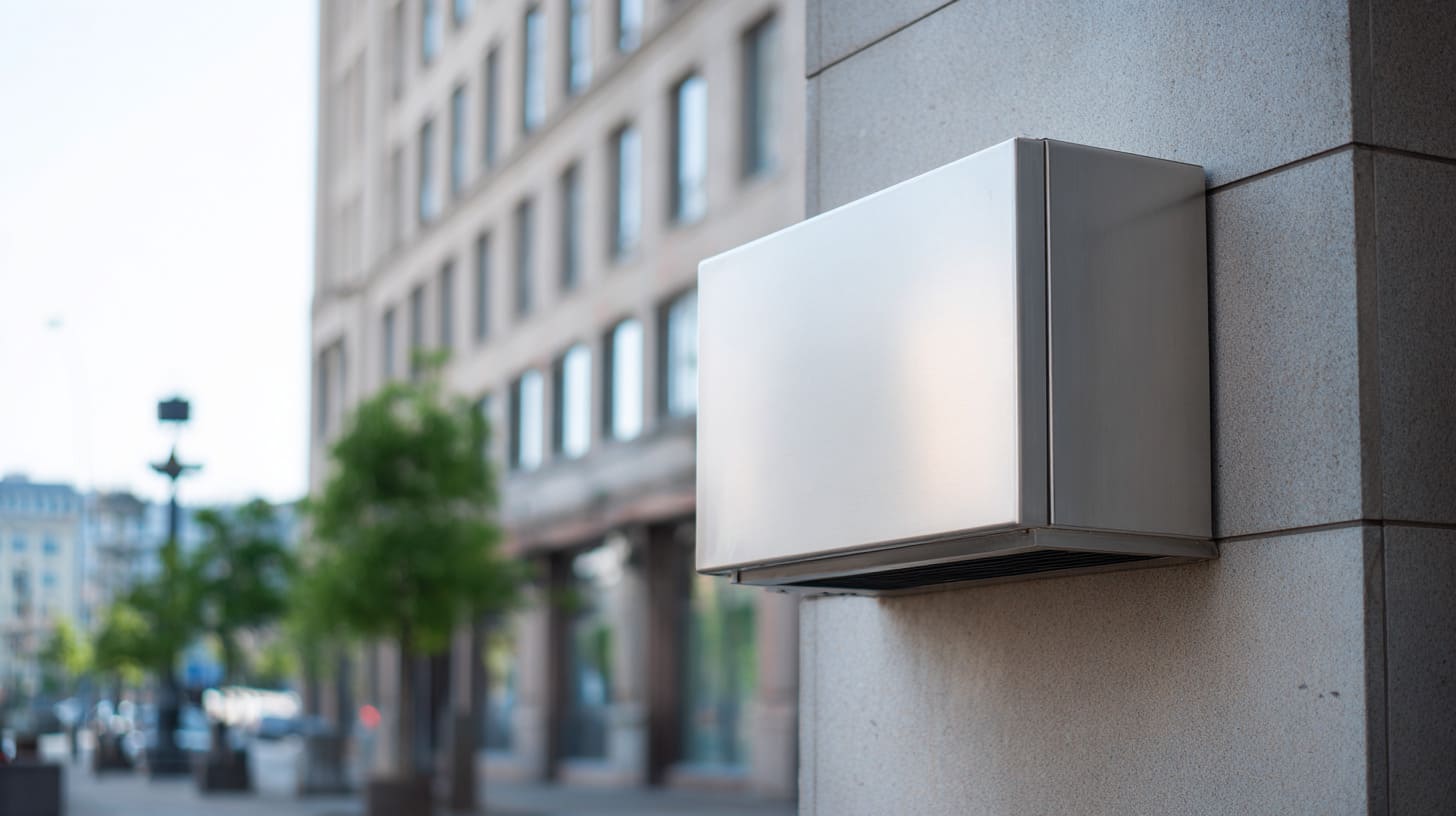
Yes, 304 stainless steel can be used outdoors. But that answer needs a big asterisk next to it.
I do not say yes in a lazy way. I say yes in the same way I would answer a customer in a real project meeting: yes, if the outdoor environment is mild enough, the design is sensible, and the maintenance expectation is realistic.
One thing that often causes trouble is that people treat all outdoor exposure as if it were the same. It is not.
Short Answer: Yes, But With Conditions
304 can work well outdoors in many inland and moderate environments. It can be a reasonable choice for enclosures that are:
- installed away from the coast
- not exposed to heavy salt
- not exposed to harsh chemicals
- not constantly wet
- not designed with water-trapping details
I tend to relax a bit when I hear “inland, covered, urban utility area.” I become much more cautious when I hear “coastal, exposed, near traffic spray, near chemicals, or rarely cleaned.”
Typical Outdoor Applications
I have seen 304 used for many outdoor products that perform perfectly well when the conditions are right.
| Application | Can 304 work? | My view |
|---|---|---|
| Outdoor electrical control box in inland city | Yes | Often reasonable |
| Equipment housing under canopy | Yes | Usually low risk |
| Outdoor kiosk frame in mild climate | Yes | Depends on finish and cleaning |
| Coastal control box near sea air | Risky | I would review carefully |
| Chemical plant enclosure | Often no | Needs stronger review |
The Importance of Environment Definition
This is where buyers often lose clarity. They say the project is “outdoor,” but that word hides several different realities.
Covered vs Fully Exposed
A box under a roof overhang is not living the same life as a box facing open rain, dirt, and direct deposits day after day.
Inland vs Coastal
A project 200 kilometers from the sea is not the same as one close to salty air, marine mist, or coastal winds.
Clean Air vs Polluted Air
A quiet rural site is different from an industrial area with airborne contaminants, traffic pollution, or de-icing salt nearby.
A small wording mistake at this stage can turn into a material mistake later. I have learned that when a customer says “just outdoor use,” I should keep asking questions until that sentence becomes specific.
Once that is clear, the next issue becomes easier to judge: corrosion risk.
What Are the Corrosion Risks of 304 Stainless Steel Outdoors?
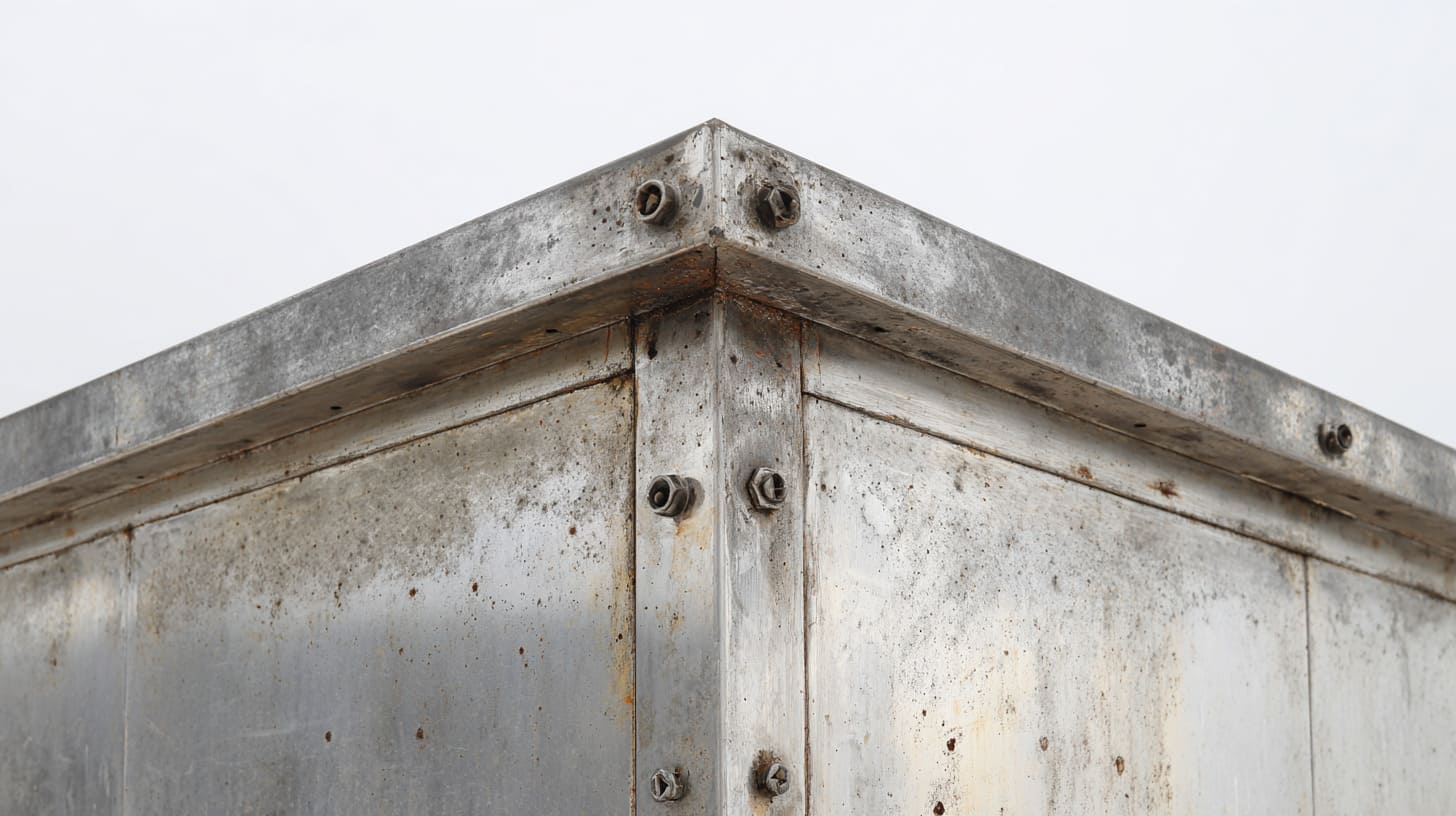
Some people hear “stainless” and think “will never rust.” I wish that were true. It would make many projects much easier.
But stainless does not mean invincible. It means corrosion-resistant under the right conditions.
Understanding Rust vs Stainless Behavior
304 resists corrosion because of its passive surface film. That film protects the metal. But if the environment is harsh enough, or if contamination damages that protection, the surface can begin to stain or corrode.
The mistake I see most often is not that buyers choose 304. The mistake is that they assume stainless steel will forgive poor design, bad handling, and dirty environments forever.
Common Outdoor Corrosion Types
Tea Staining
Tea staining is often one of the first visible warning signs. It shows up as a brownish surface discoloration. It is ugly. It also scares customers, even when the metal has not deeply failed yet.
Pitting Corrosion
Pitting is more serious. It creates localized attack in small areas. Chlorides are a common trigger.
Crevice Corrosion
Crevice corrosion often starts in places where moisture and deposits get trapped. Joints, overlaps, gaskets, and tight gaps can become trouble spots.
| Corrosion issue | What it looks like | Common cause |
|---|---|---|
| Tea staining | Brown surface discoloration | Moisture, deposits, salt exposure |
| Pitting | Small deep attack points | Chlorides, contaminated surface |
| Crevice corrosion | Attack in hidden gaps | Trapped moisture and poor drainage |
Real Triggers in Outdoor Use
A lot of corrosion problems come from ordinary things, not dramatic disasters.
- humid air
- rain that does not wash surfaces well
- dust and dirt deposits
- polluted industrial air
- road salts
- marine chlorides
- iron contamination from fabrication tools
I take contamination during processing more seriously than many buyers expect. A beautiful enclosure can leave the factory already carrying the seeds of a future rust complaint if the surface handling was careless.
That is why 304 by itself is not the whole story. The next comparison makes that very clear.
How Does 304 Compare to 316 Stainless Steel for Outdoor Use?
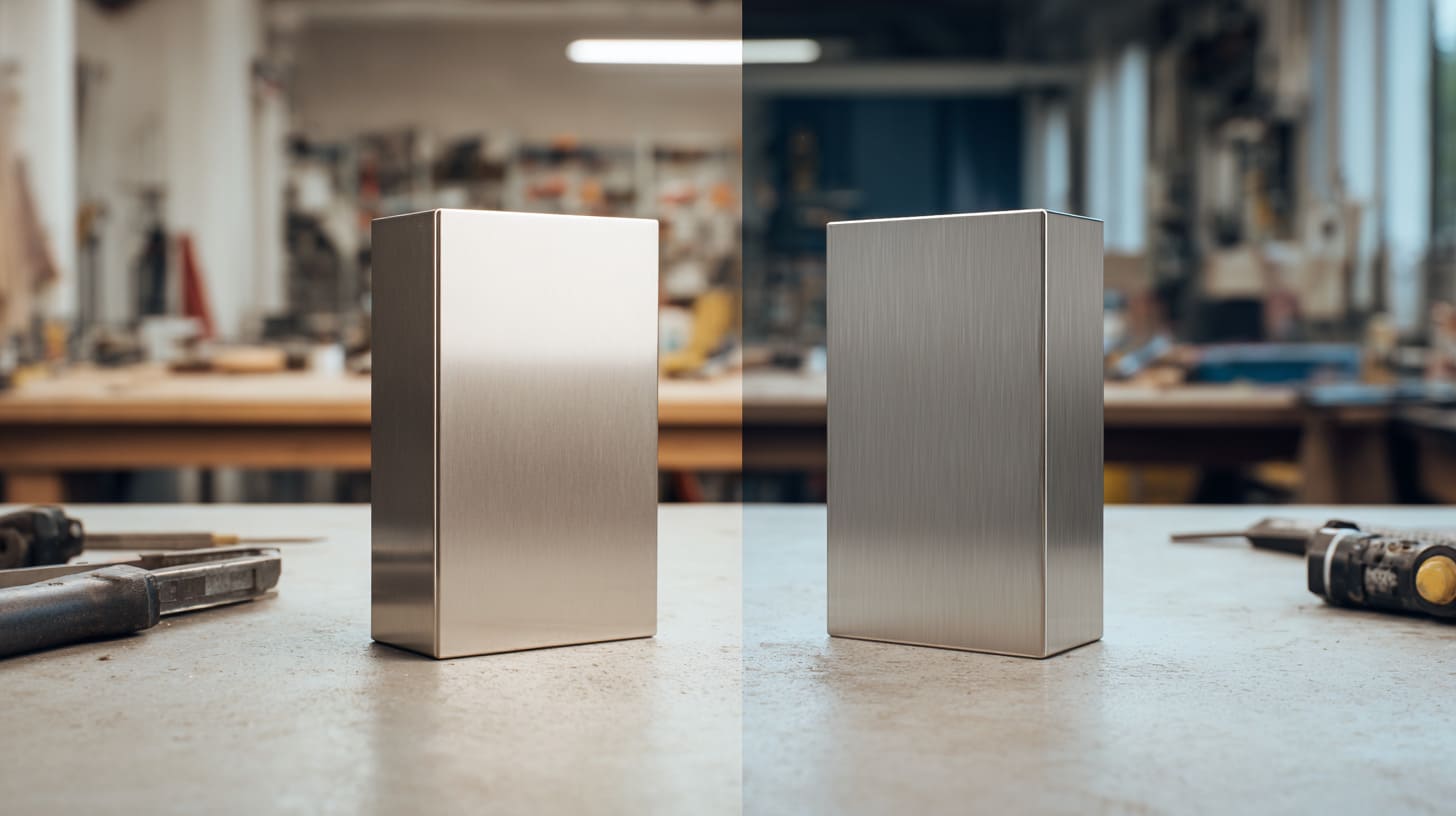
This is the comparison buyers usually ask for first. I understand why. It feels like the cleanest way to make a choice.
Still, I do not like treating 304 and 316 like a simple good-better ranking. That mindset can push people into lazy buying.
Key Chemical Difference
The big practical difference is that 316 contains molybdenum, and that helps it perform better in chloride-rich and harsher corrosive conditions.
| Grade | Main idea | Outdoor meaning |
|---|---|---|
| 304 | Good general-purpose stainless | Works in many normal outdoor settings |
| 316 | Added molybdenum | Better for salt, chlorides, and harsher exposure |
Performance Comparison in Outdoor Conditions
Inland, mild, and normal industrial atmospheres away from the coast are often where 304 remains a serious candidate.
But when I hear things like these, my attention shifts fast:
- close to the ocean
- sea wind exposure
- de-icing salt
- constant wetness
- aggressive industrial pollution
That is where 316 starts making much more sense.
| Environment | 304 | 316 |
|---|---|---|
| Mild inland outdoor use | Often suitable | Also suitable, but may cost more than needed |
| Urban exposure with moderate rain | Often suitable with good design | Safer, but not always necessary |
| Coastal air | Risk rises fast | Usually better choice |
| Chloride-heavy setting | Weak point | Stronger option |
| Permanently wet use | Usually not my first pick | Much safer |
Cost vs Risk Trade-Off
This is the part buyers feel in their budget.
304 usually costs less. That is real. But if the box sits in a harsh environment and develops visible corrosion too early, the savings disappear very quickly.
The cost decision becomes more honest when I ask one blunt question: Will this grade still look acceptable after years of neglect, not just after sample approval?
If the answer is no, then cheap is not cheap anymore.
That said, I do not push 316 automatically. I have seen buyers overspend on 316 for inland projects where 304 was already the right answer. That is not wisdom either. That is just expensive fear.
Before choosing a grade, I like to sort the environment into simple risk levels.
In What Outdoor Environments Is 304 Stainless Steel Suitable?
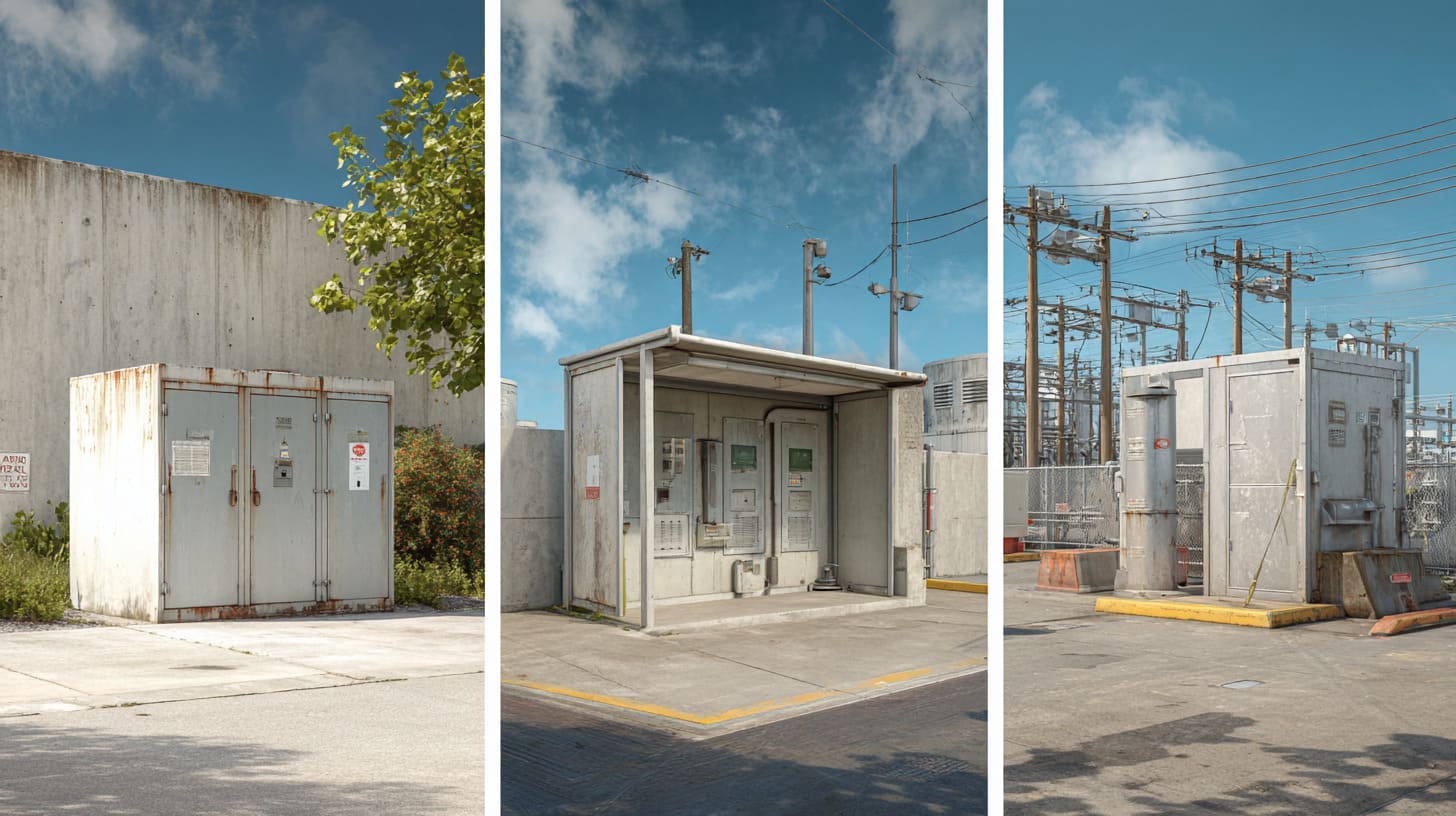
Not all outdoor sites deserve the same level of caution. I like to sort them by real exposure, not by the emotional tone of the buyer.
Low-Risk Environments
These are the places where 304 often makes sense.
- inland areas
- low chloride exposure
- low industrial pollution
- covered or semi-covered installations
- places with occasional cleaning
Examples:
- outdoor box under a canopy in an inland city
- control enclosure mounted on a protected wall
- utility housing in a dry, low-pollution region
Medium-Risk Environments
These need better review.
- urban outdoor installations
- partially exposed rain environments
- areas with dirt buildup
- projects near roads or moderate pollution
In these settings, 304 may still work, but finish, design, and maintenance start mattering a lot more.
High-Risk Environments
This is where I stop treating 304 as the safe default.
- coastal locations
- marine air exposure
- heavy industrial contamination
- chemical splash risk
- locations with de-icing salts
- permanently damp or poorly drained setups
| Risk level | Typical site | My material attitude |
|---|---|---|
| Low | Inland, covered, clean air | 304 is often reasonable |
| Medium | Urban, partly exposed, dirt buildup | 304 needs careful detail review |
| High | Coastal, salty, chemical, wet | I usually move toward 316 or stronger |
The real trap is that some sites look mild but behave harshly. A sheltered location can actually be worse if deposits collect and rain never washes the surface well.
That leads naturally to the next question: if a buyer still wants 304, how can its outdoor performance be improved?
How Can You Improve the Outdoor Performance of 304 Stainless Steel?
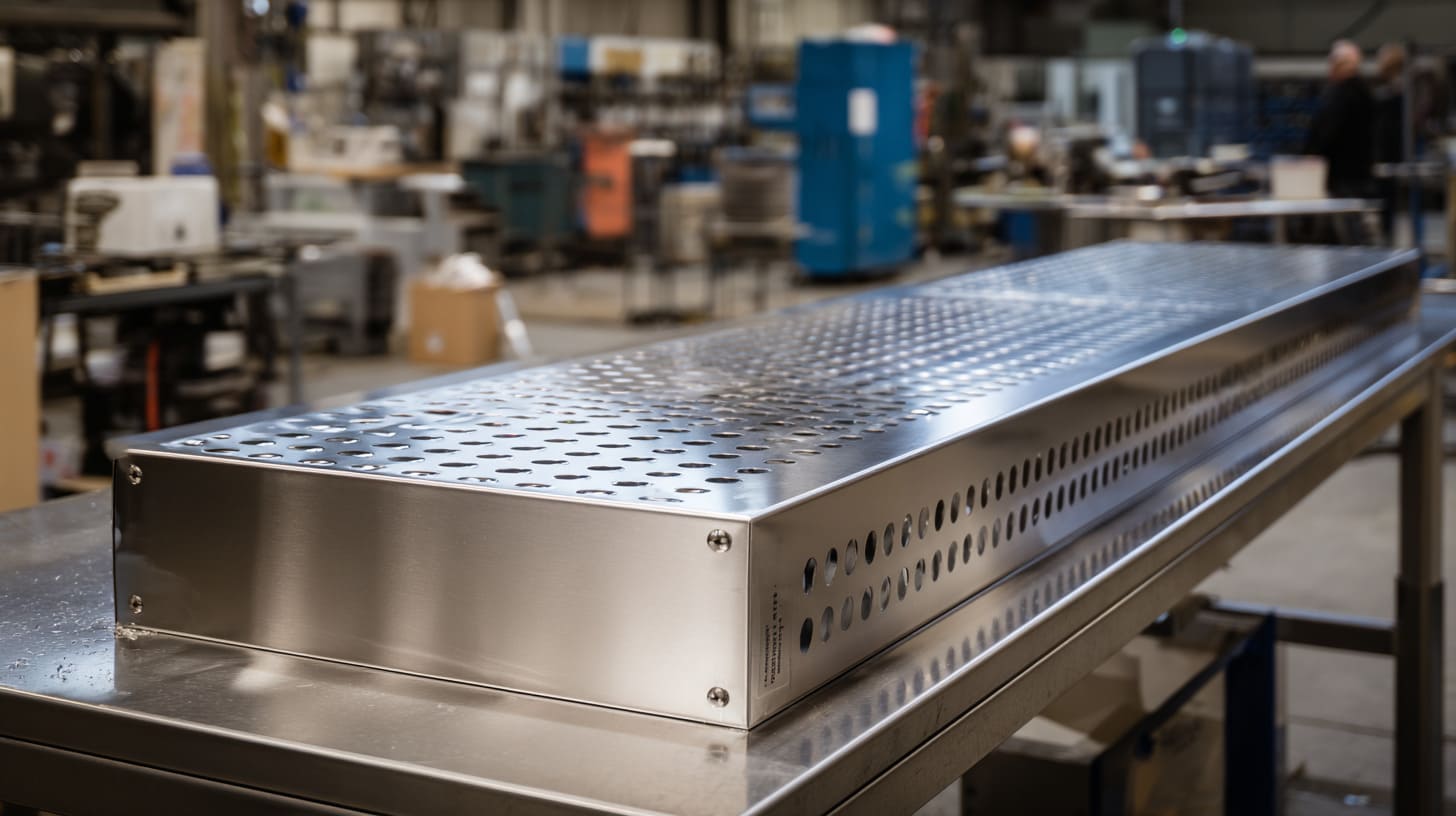
This part matters because material grade is only one lever. Design, finish, and processing can change real performance more than many people expect.
I have seen a decent grade fail because of bad details. I have also seen a reasonable grade perform very well because someone took the small details seriously.
Surface Treatment Options
A smoother, cleaner surface usually behaves better outdoors.
| Surface choice | General effect |
|---|---|
| Rough finish | Holds deposits more easily |
| Brushed finish | Common and attractive, but detail matters |
| Smoother polished finish | Often easier to keep clean |
| Electropolished surface | Can improve surface cleanliness and corrosion behavior |
I do not judge a finish by how nice it looks under showroom lights. I judge it by whether dirt, salts, and moisture will stay on it too easily in the field.
Protective Coatings
Some buyers ask whether coating 304 solves everything. It does not solve everything, but it can help in the right design.
Options include:
- powder coating
- paint systems
- special anti-corrosion coatings
A coating can add protection, but it also adds another failure layer. If it chips, traps moisture, or gets damaged during use, the problem can become hidden until it is worse.
Design Considerations
This is one of my favorite parts, because design mistakes are so common and so preventable.
Avoid Water Traps
Any detail that lets water sit still for a long time deserves attention.
Reduce Crevices
Tight joints and gaps can create hidden corrosion points.
Improve Drainage
Small drainage logic can protect a project for years.
Think About Ventilation
A sealed-looking design is not always the smartest design if moisture gets in and stays in.
| Design detail | Better choice |
|---|---|
| Flat ledges that hold water | Sloped surfaces |
| Tight hidden pockets | Open, drainable geometry |
| Unsealed contamination points | Cleaner joining details |
| Hard-to-clean exterior shapes | Simple, accessible surfaces |
When I review outdoor stainless enclosure drawings, tiny geometry details often tell me more than the material note does. A smart design can support 304. A poor design can embarrass 316.
Once design enters the picture, another question shows up right away: how long will 304 really last?
How Long Does 304 Stainless Steel Last Outdoors?
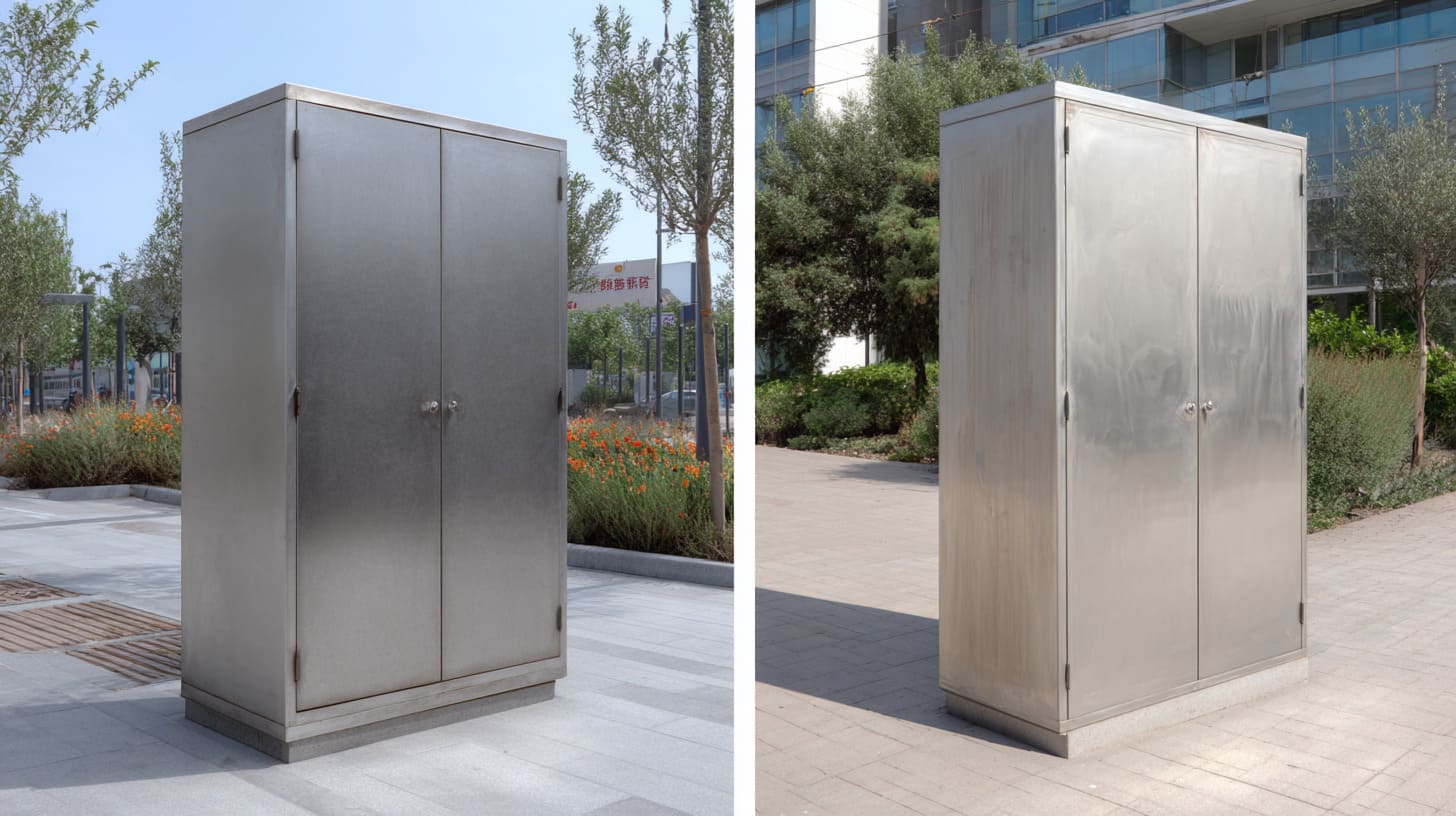
This is one of those questions buyers love and engineers hate, because everyone wants a number. Real life rarely gives a clean one.
304 can last many years outdoors in the right environment. In mild inland use, it may perform well for a long time. In coastal or chloride-heavy exposure, visible problems can show up much sooner.
Expected Lifespan by Environment
| Environment | Likely outcome for 304 |
|---|---|
| Mild inland, low contamination | Often long service life |
| Urban outdoor use, moderate exposure | Can perform well with good finish and maintenance |
| Coastal air or salt-heavy zone | Appearance and corrosion risk rise much faster |
| Constant wet or chemical exposure | I would be cautious |
Factors That Affect Longevity
The life of a 304 enclosure depends on more than one thing.
- environment severity
- how exposed the box really is
- surface finish
- fabrication cleanliness
- design drainage
- cleaning frequency
- user expectations for appearance
One thing I think buyers often miss is this: a box may still be structurally okay even when it already looks bad enough to trigger complaints. Appearance can fail before function fails, and in commercial products that still hurts.
Real-World Case Insights
I have seen inland 304 projects stay in service for years with very little trouble.
I have also seen boxes near coastal zones show surface staining much earlier than the buyer expected, even though the material choice looked acceptable at quote stage.
The detail that changes my judgment most is not just “How long can it survive?” It is “How long does it need to stay clean-looking for this customer to remain happy?”
That question always pulls us toward maintenance.
What Maintenance Is Required for 304 Outdoor Enclosures?
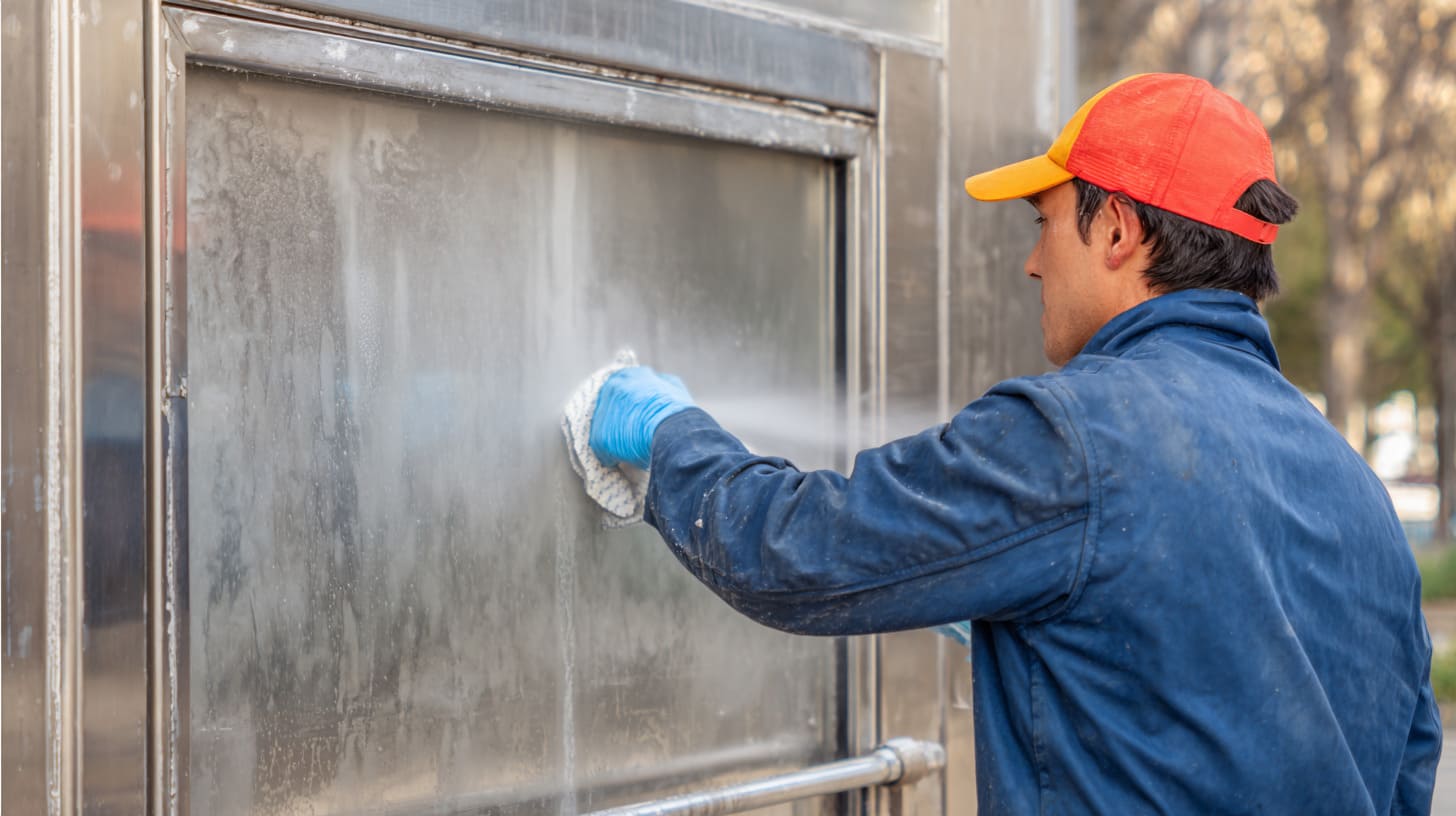
Many people talk about stainless steel as if it asks for no care at all. I do not think that idea helps buyers.
Outdoor stainless usually performs better when it is cleaned and checked from time to time. That is not a flaw. That is just reality.
Routine Cleaning Practices
Basic cleaning removes deposits that can sit on the surface and make corrosion more likely.
A simple damp wipe is often not enough if it only smears dirt around. Proper removal of deposits matters more than quick-looking cleaning.
| Maintenance task | Why it helps |
|---|---|
| Remove dirt and salt deposits | Reduces corrosion triggers |
| Wash exposed surfaces properly | Keeps contaminants from building up |
| Check corners and joints | Finds hidden problem areas early |
| Clean after harsh seasons | Helps after salt or pollution exposure |
Inspection and Preventive Care
I like regular visual checks for:
- brown staining
- pitting spots
- coating damage
- trapped dirt around joints
- drainage blockage
The small neglected signs are what usually turn a manageable issue into a replacement discussion.
Cost of Maintenance vs Material Upgrade
This is where a buyer needs to be honest.
If the enclosure will be:
- rarely cleaned
- installed in a harsh site
- expected to stay attractive for years
- difficult to access for maintenance
then spending more on a better grade may be the cheaper choice in the long run.
I make this comparison very directly in real projects. If the customer has no real maintenance plan, I treat that like part of the environment, not as a separate issue.
And once you accept that, it becomes easier to say when 304 should simply be avoided.
When Should You Avoid Using 304 Stainless Steel Outdoors?
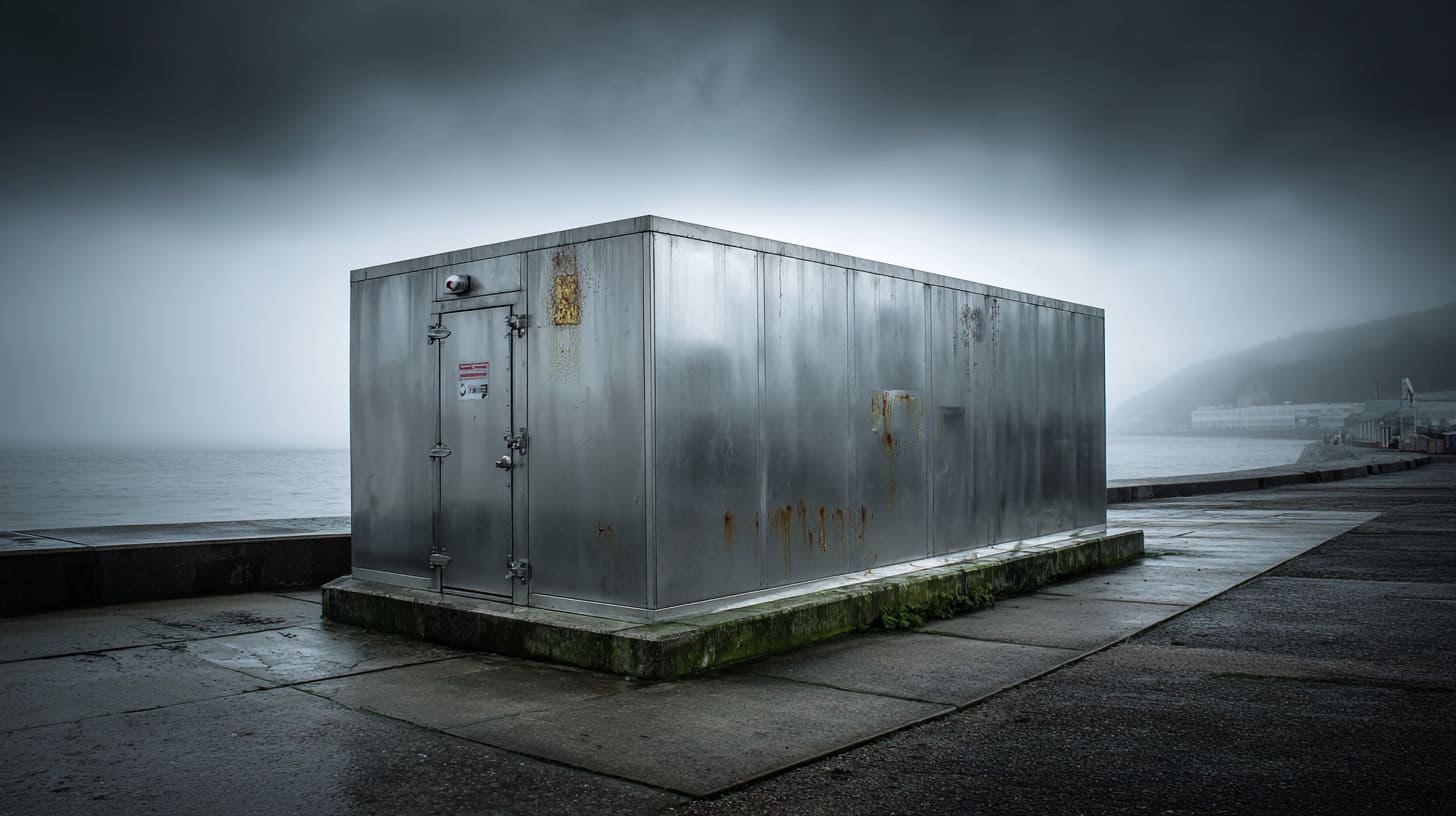
There are times when trying to force 304 into an outdoor job is just stubborn cost-cutting.
I say that carefully, because I do not like fear-based upgrades. But I dislike false savings even more.
Clear Warning Scenarios
I become very cautious about 304 in these cases:
- marine or coastal installations
- salt-laden air
- near roads with de-icing salts
- chemical processing areas
- permanently wet or splash-prone use
- sites with heavy pollutant deposits
- projects where appearance matters but maintenance is unlikely
Buyer Mistakes to Avoid
Choosing 304 Only to Save Initial Cost
This is common. The logic feels clean at first. Then the box ages badly, and the buyer pays later in complaints, replacement, or reputation.
Ignoring Site Reality
A customer may say the project is “just outdoors,” but that phrase may hide chlorides, poor drainage, or zero cleaning access.
Thinking Grade Alone Solves Everything
Even 316 can disappoint if the design is careless.
| Mistake | Why it hurts |
|---|---|
| Looking only at material price | Misses lifecycle cost |
| Ignoring salt or pollution | Underestimates corrosion risk |
| Using vague site description | Leads to weak specification |
| Forgetting maintenance | Makes a borderline choice worse |
Engineering Questions I Would Ask First
- How far is the site from the coast?
- Will the enclosure stay wet often?
- Will salt, chemicals, or industrial dust reach it?
- Is it covered or fully exposed?
- How often will it be cleaned?
- Does appearance matter, or only function?
- Can the design drain well?
Some decisions are not really material decisions at all. They are honesty decisions. If the environment is harsh and the maintenance plan is weak, I would rather say no to 304 early than explain stains later.
That is the perfect setup for the final practical section: how I actually choose the right stainless steel for an outdoor enclosure project.
How to Choose the Right Stainless Steel for Your Outdoor Enclosure Project?

I do not start with grade names. I start with the environment, the product expectation, and the buyer’s tolerance for risk.
That process sounds simple, but it saves a lot of waste.
Step-by-Step Material Selection Process
Step 1: Define the Environment Clearly
Do not stop at “outdoor.” Write the real conditions down.
Step 2: Check the Corrosion Triggers
Look for salt, pollution, standing water, and maintenance limits.
Step 3: Review Product Expectations
Is the box just supposed to function, or must it still look premium after years?
Step 4: Compare Cost Against Lifecycle Risk
Cheaper material is only cheaper when it still fits the job.
| Step | What I want to know |
|---|---|
| Environment | Inland, coastal, polluted, wet, covered, exposed |
| Risk | Chlorides, chemicals, dirt buildup, poor cleaning access |
| Appearance need | Low, medium, high |
| Budget logic | Initial savings vs long-term cost |
| Design support | Drainage, finish, crevice control |
Practical Advice for OEM Buyers
If I were advising a buyer like Davide or John, I would say this:
- send photos of the installation site if possible
- describe distance from the coast
- mention cleaning reality, not ideal cleaning plans
- ask the supplier about finish, weld areas, and design drainage
- discuss 304 and 316 as risk tools, not as status symbols
Customization Considerations
Material choice should connect with customization choices too.
Surface Finish Selection
A finish is not just a visual choice. It changes how the surface lives outdoors.
Coating Strategy
Sometimes coating helps. Sometimes it creates new failure points. The design must support it.
Structural Design Optimization
The best outdoor enclosure is not just stronger metal. It is better thinking.
The material choice I trust most is the one that still looks reasonable after I imagine rain, dirt, neglect, and real user behavior, not just a clean sample on a conference table.
Conclusion
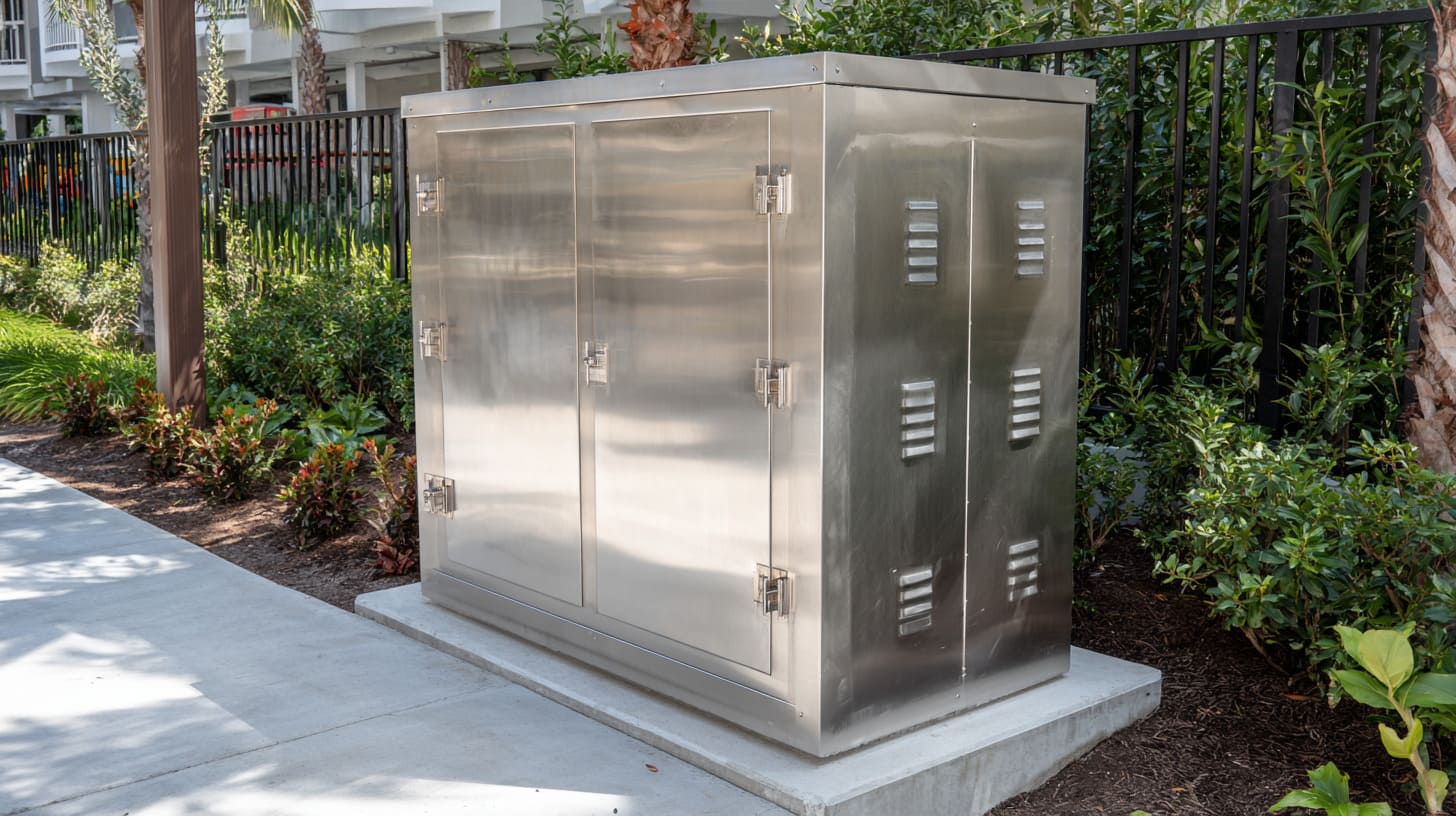
304 stainless steel can absolutely be used for outdoor enclosures. I would not call that controversial. I would call it conditional.
That is the key idea I want to leave with you.
304 is not a bad outdoor material. It is often a smart one in mild inland environments, covered installations, and projects with sensible design and realistic maintenance. But it is not a magic answer. Coastal exposure, chlorides, pollution, trapped moisture, and zero-maintenance expectations can push it beyond where I feel comfortable recommending it.
I do not think the real question is “Is 304 good enough?” I think the better question is “What kind of outdoor life will this enclosure actually live?”
Once I know that, the material choice usually becomes much clearer.
If your project is still in the design stage, this is the moment to slow down and judge the environment honestly. That small pause can save a lot of money and frustration later.
If you want, you can send me your enclosure drawing, target environment, and finish idea. I can help you review whether 304 makes sense, or whether 316 or another option would be the safer call for your project.