Skip to content
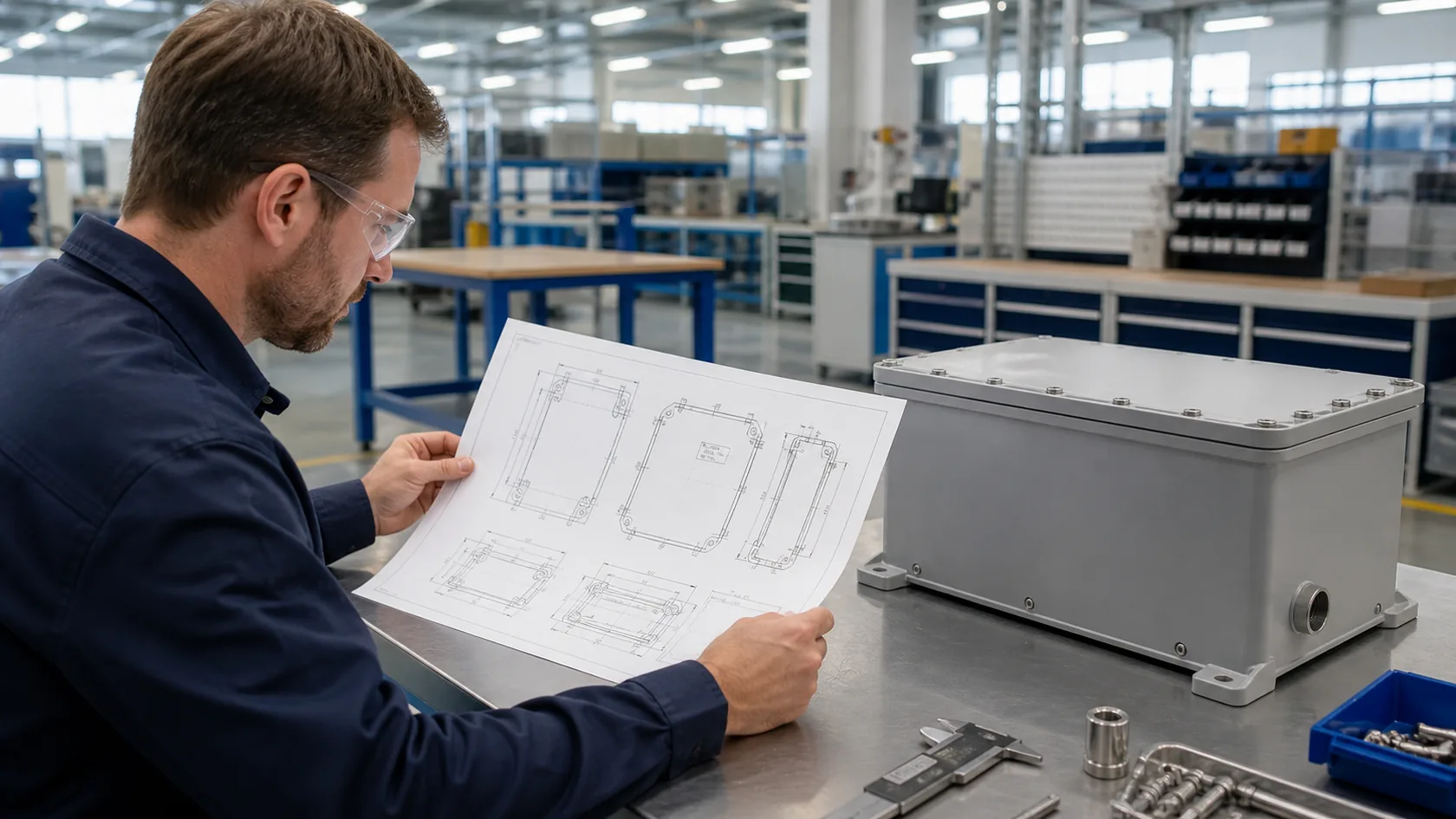
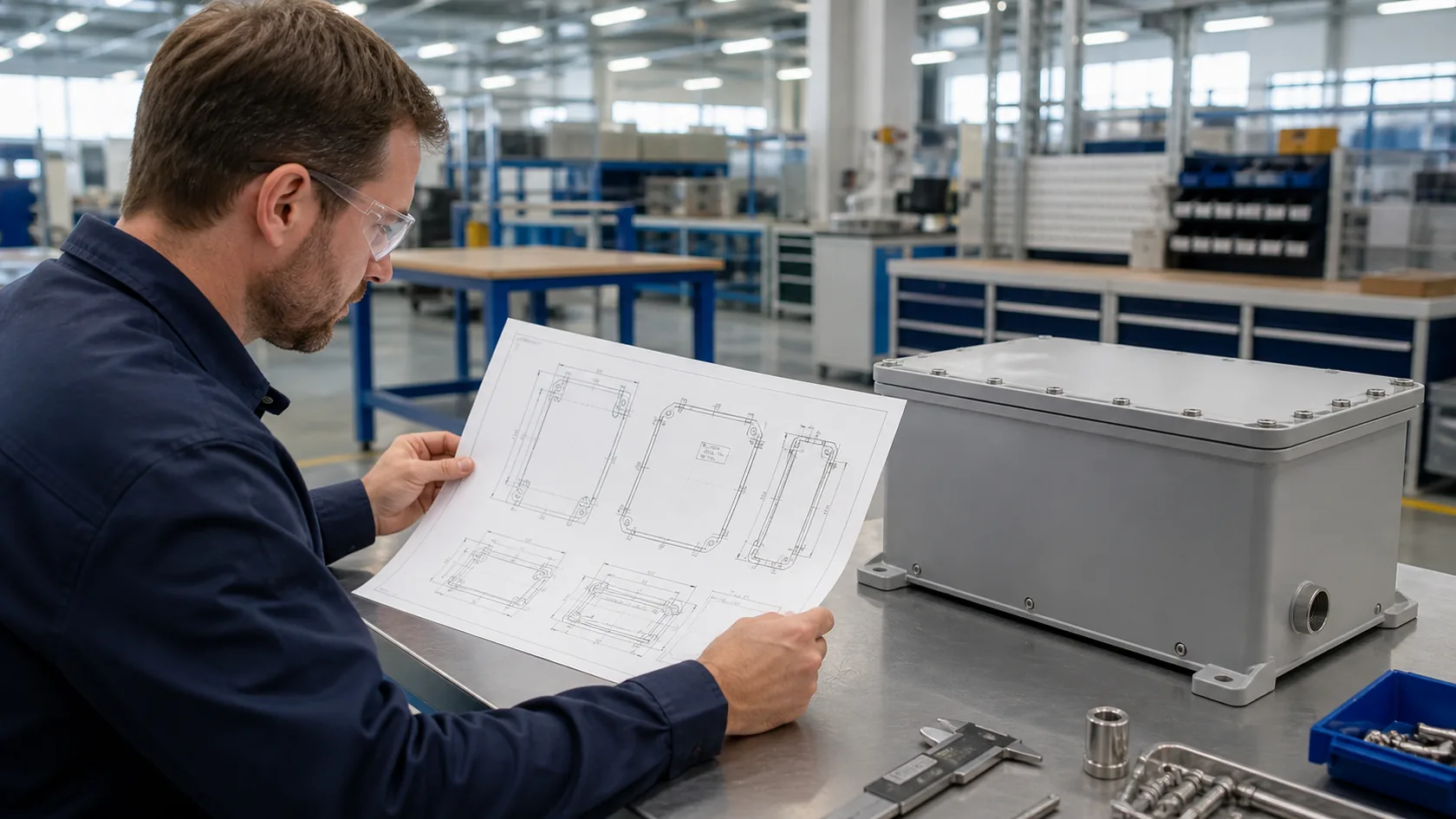
When a new enquiry lands in my inbox, I usually see the same pattern. There is a clean PDF drawing, a few tight tolerances, some surface notes… and somewhere in the middle, one quiet line: “Material: 6061 aluminium alloy.” No extra comment. No story. But that one line already decides how easy my factory life will be.
For people like me, who run a custom enclosure factory in China, material is not a textbook topic. It is cost, risk, lead time, and reputation in one small decision. If Davide in Finland or John in Hungary has a problem after installation, they do not argue with the periodic table. They call me.
For me, 6061 is the first alloy I think about when a buyer needs good strength, clean machining, and a realistic budget in the same line of the drawing.
What Is 6061 Aluminium Alloy?
In simple words, 6061 is a heat-treatable aluminium–magnesium–silicon alloy. It belongs to the 6xxx family, which means it gets its main strength from magnesium and silicon forming Mg₂Si in the metal. It can be extruded, machined, welded, anodized, and formed into many shapes.
In real projects, I see 6061 used for:
- Structural frames
- Machine parts
- Mounting brackets
- Electronic enclosures
- Fixtures, jigs, and tools
It is not the strongest alloy in the world and not the cheapest aluminium you can buy, but it has a very friendly balance of properties that works for many B2B buyers.
Why Is 6061 Alloy Important in Engineering and Manufacturing?
For product engineers like Davide or Jackson, 6061 is attractive because it:
- Has good strength for most medium-duty structures
- Machines cleanly, which reduces scrap and tool wear
- Offers decent corrosion resistance in many indoor and light outdoor environments
- Comes in many shapes and sizes as standard stock
- Is well known, so suppliers, machinists, and anodizers understand it
From my side at MaidaTech, 6061 gives me a material that my team already knows how to cut, bend, tap, anodize, and inspect. That saves time on process trials and reduces the chance of surprises during mass production.
When a buyer asks, “Can we make this strong, clean, and not too expensive?” 6061 often sits right in the middle of that triangle.
Before we get into advanced topics like temper and fatigue, it helps to zoom out and look at what 6061 is made of and how it sits inside the 6xxx family.
Overview of 6061 Aluminium Alloy
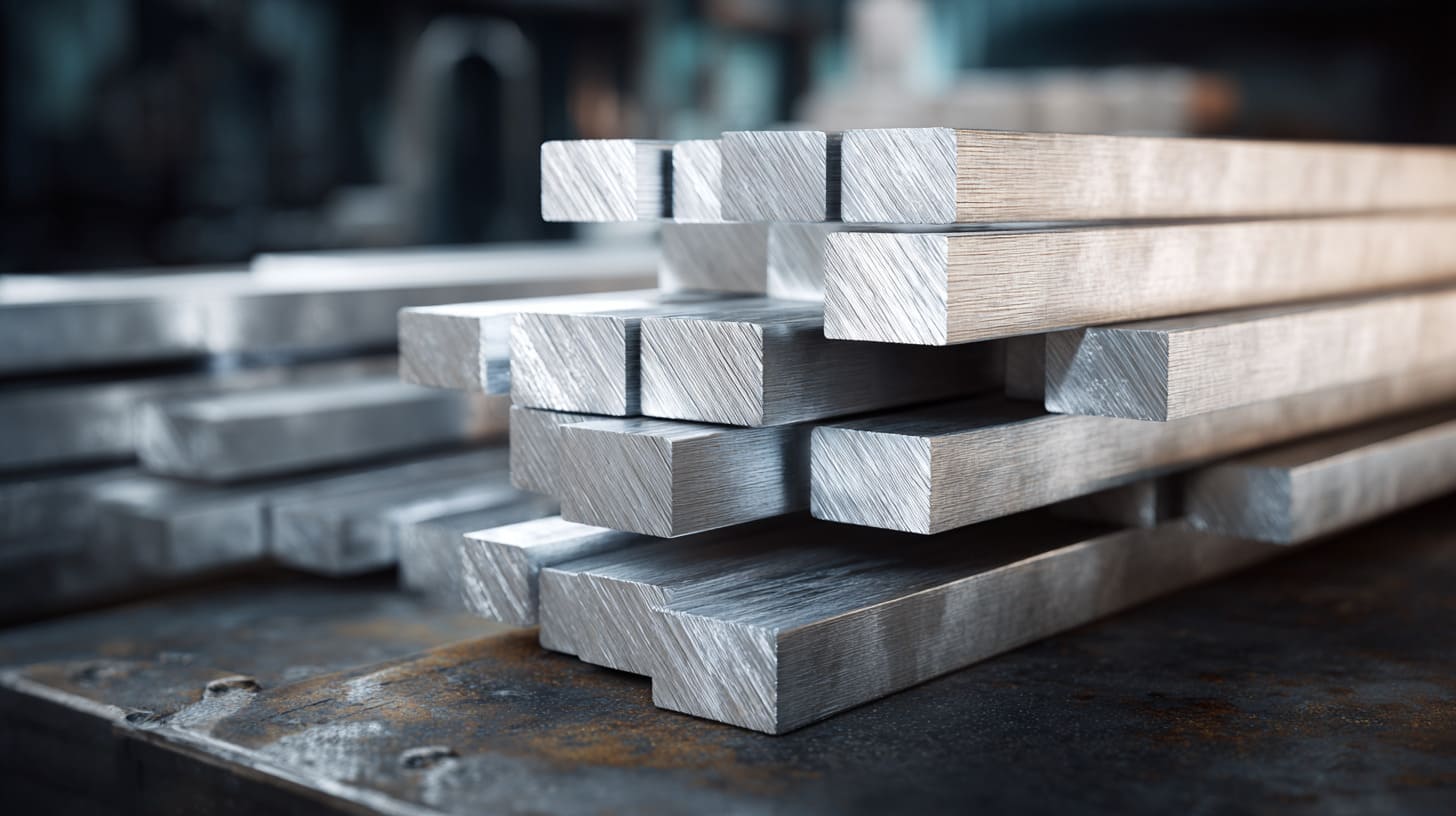
When I explain 6061 to a new customer, I try not to start with a chemistry lesson. Instead, I start with what kind of “personality” this alloy has: medium to high strength, friendly to machining, and not too sensitive during handling. Then I walk backward into the technical details.
When I read a drawing that just says “6061”, I quickly scan the rest of the spec to see if the hidden expectations really match what this chemistry can deliver.
Definition and General Description
6061 is a wrought aluminium alloy, which means it is shaped by rolling, extrusion, and forging, not by casting. It is:
- Heat treatable
- Medium to high strength (especially in T6/T651 temper)
- Suitable for structural and mechanical parts
- Available as plate, sheet, bar, tube, and custom extrusions
Engineers often describe it as a “general-purpose” structural aluminium. I think of it as the reliable worker in the factory – not the superstar, but the one who shows up every day and rarely creates drama.
Chemical Composition and Alloying Elements
The exact composition can vary slightly by standard, but a typical range looks like this:
| Element | Typical Range (wt%) |
|---|---|
| Aluminium (Al) | Balance |
| Magnesium (Mg) | 0.8 – 1.2 |
| Silicon (Si) | 0.4 – 0.8 |
| Iron (Fe) | ≤ 0.7 |
| Copper (Cu) | 0.15 – 0.4 |
| Chromium (Cr) | 0.04 – 0.35 |
| Zinc (Zn) | ≤ 0.25 |
| Titanium (Ti) | ≤ 0.15 |
| Others | ≤ 0.15 total |
Magnesium and silicon are the main strengthening elements. They form Mg₂Si during heat treatment, which gives 6061 its useful strength and hardness. Copper and chromium help tune strength and corrosion behavior.
From a factory point of view, this mix makes 6061 strong enough for many enclosures and brackets, but still forgiving during machining and extrusion.
How 6061 Fits Within the 6xxx Series of Aluminium
Inside the 6xxx family, 6061 sits between more formable and more structural options:
| Alloy | Typical Strength Level | Main Use Style |
|---|---|---|
| 6060 | Lower | Very formable, small extrusions |
| 6063 | Medium-low | Architectural, decorative profiles |
| 6061 | Medium-high | Structural, mechanical, enclosures |
| 6082 | Slightly higher | Heavier structural applications |
In my projects:
- 6063 is better if the profile is complex and surface finish is critical but loads are light.
- 6082 is better if loads are heavy and weight is less important.
- 6061 is the middle ground that many designs fall into without drama.
Sometimes I joke with customers that the 6xxx family is like a group of cousins: they share the same family name, but their habits and strong points are not the same.
Once we understand where 6061 sits in the family, it becomes easier to talk about what it actually does in real work – its strength, corrosion behavior, and how it behaves under tools.
Key Properties of 6061 Aluminium Alloy
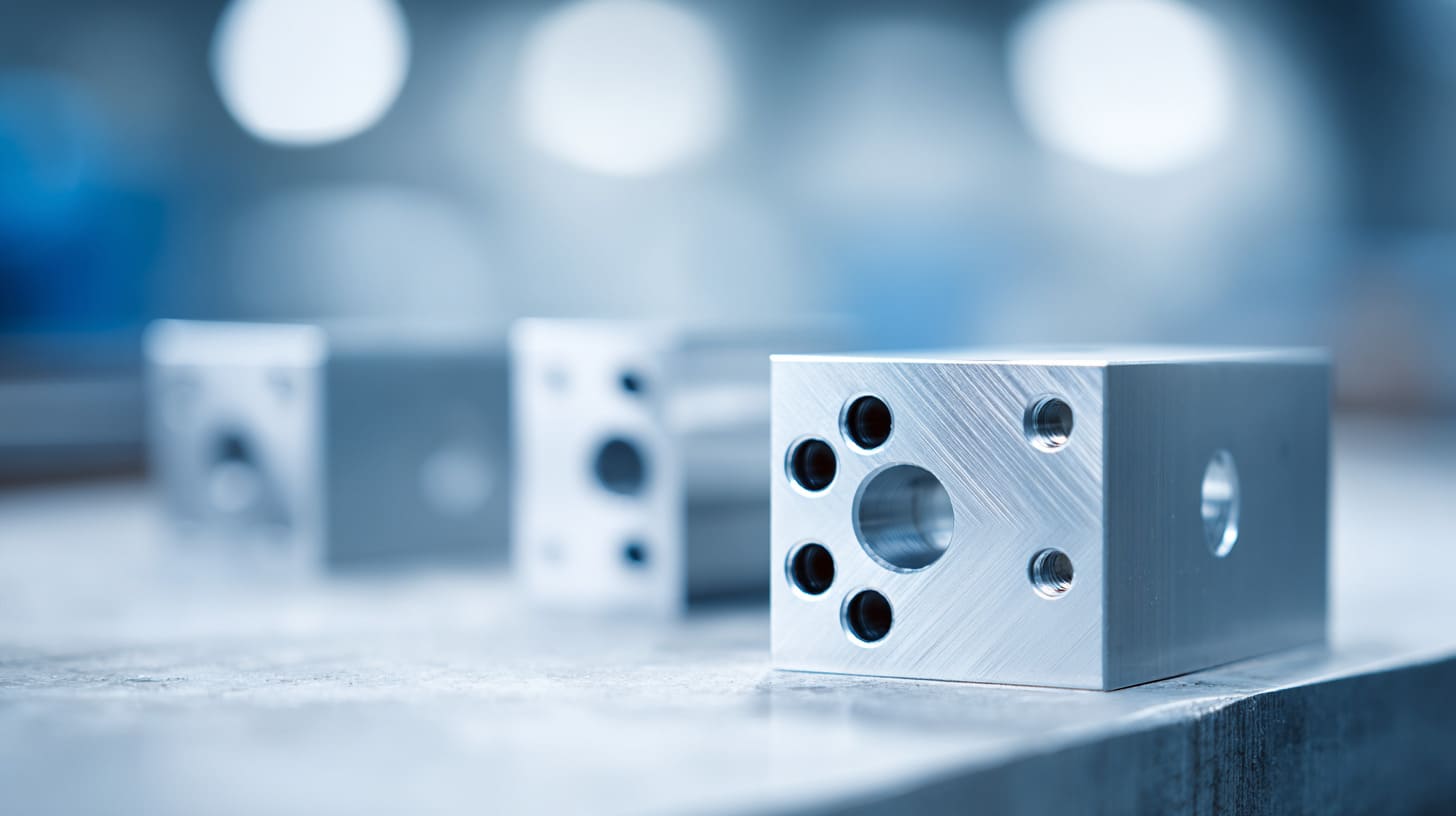
When a buyer sends me a drawing, they rarely write all the properties they are thinking about. They might say “strong enough” or “good for outdoor use.” My job is to translate those vague words into mechanical numbers and real-world performance.
On real jobs, I do not look at tensile strength alone; I check how stiffness, elongation, and surface finish will feel together in the buyer’s hand.
Mechanical Properties
In popular tempers like 6061-T6 or 6061-T651, typical mechanical properties look roughly like this (values are approximate and depend on thickness and standard):
| Property | Typical Value (T6 Plate) |
|---|---|
| Tensile Strength (MPa) | ~ 290 – 320 |
| Yield Strength (MPa) | ~ 240 – 275 |
| Elongation (%) | ~ 8 – 12 |
| Brinell Hardness (HB) | ~ 90 – 100 |
| Modulus of Elasticity (GPa) | ~ 69 |
| Density (g/cm³) | ~ 2.70 |
Tensile Strength, Yield Strength, and Elongation
- Tensile strength tells us the maximum stress before fracture.
- Yield strength tells us when permanent deformation starts.
- Elongation tells us how much stretch the material can take before breaking.
For enclosure covers, brackets, and panels, I care a lot about yield strength and elongation. If the yield is too low or elongation is too poor, a technician can bend a panel once and ruin it.
Hardness and Fatigue Performance
6061-T6 has a hardness that is high enough to resist small scratches better than soft alloys, but not so high that machining becomes painful. Fatigue performance is decent for many applications, especially if:
- There are no sharp corners
- Stress concentrations are reduced
- Machining marks are controlled and deburred
For vibrating machines or long-term cyclic loads, I ask more questions. Sometimes another alloy or a thicker section is safer.
Corrosion Resistance
6061 offers good general corrosion resistance in many environments:
- Indoor industrial environments
- Light outdoor exposure
- Fresh water and mild atmospheric conditions
However, in marine or very aggressive environments, pitting and stress corrosion can still be a concern. In those cases, surface treatments help:
- Anodizing
- Powder coating
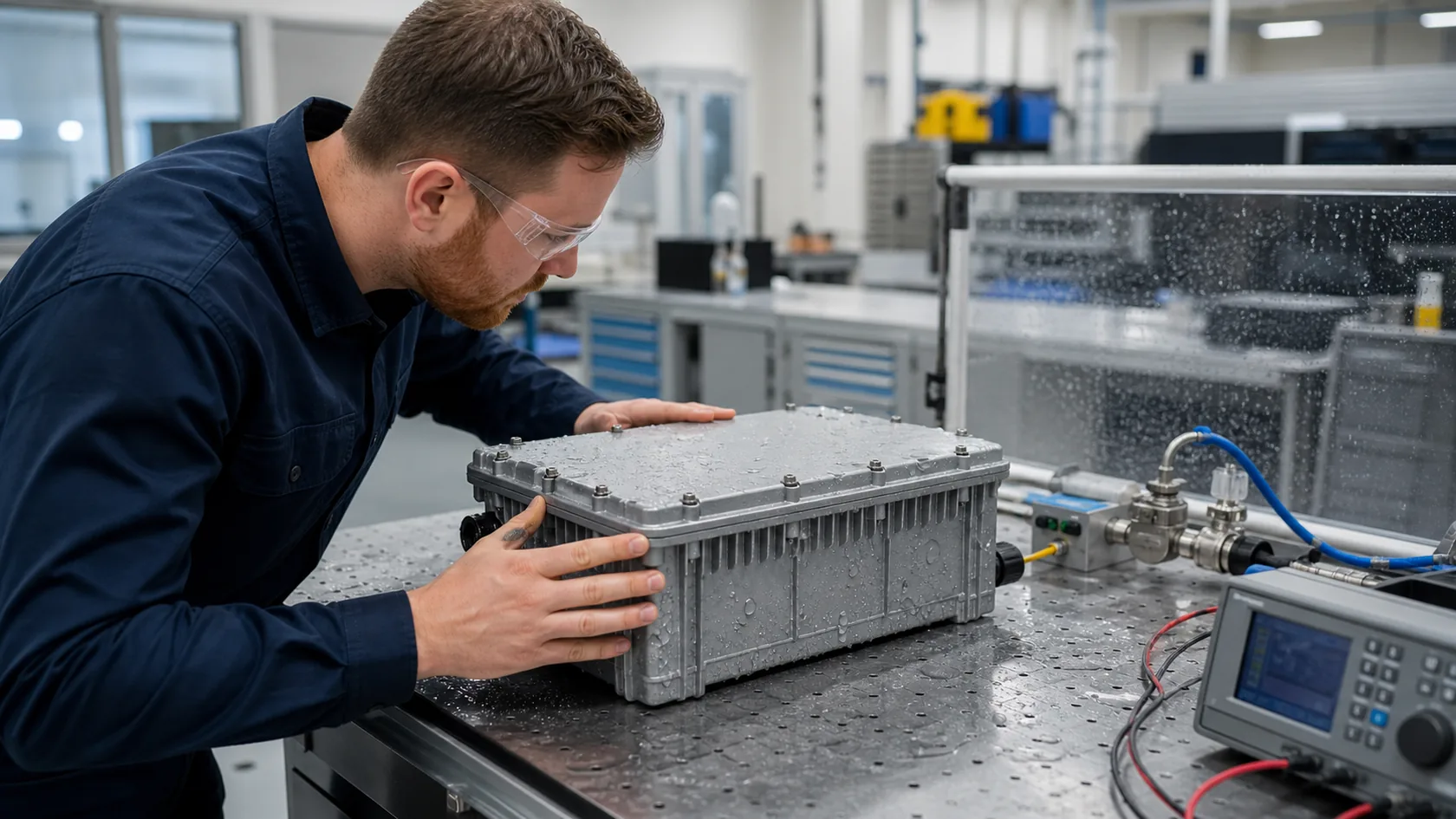
- Proper sealing and gasketing for enclosures
From my experience, many failures that look like “material problems” are actually design or sealing problems where water, salt, or dirt were allowed to sit in gaps.
Weldability and Joinability
6061 is usually considered readily weldable, especially with TIG or MIG. But there is a catch:
- The weld zone often becomes softer than the base T6 material.
- After welding, the local temper changes; strength around the weld drops.
To manage this, I:
- Increase thickness around critical welds if needed
- Adjust design so the weld is not placed at the highest stress point
- Discuss with customers whether post-weld heat treatment is realistic
Bolted and screwed joints also work well, as long as threads and hole tolerances are controlled.
Machinability and Workability
6061 machines well in most tempers. Chips break cleanly, surfaces can reach good finish, and tool life is acceptable.
Typical machining advantages:
- Good for milling, drilling, tapping, and turning
- Stable behavior during CNC work
- Compatible with high-speed machining on modern machines
However:
- Very thin sections may vibrate or warp if clamping is poor
- Heavy material removal can create internal stress release if stock quality is inconsistent
For bending and forming, softer tempers (like T4) are easier. T6 is more likely to crack if the bend radius is too small.
Thermal and Electrical Behavior
6061 has:
- Good thermal conductivity, which helps heat spreading in enclosures and heat sink designs
- Moderate electrical conductivity, enough for many grounding and shielding applications when design is correct
This is why 6061 is a common choice for heat-spreading plates or enclosures that also serve as part of the thermal path.
In many of my enclosure projects, I see engineers underestimate how heat moves through covers and bases; 6061 gives them a reasonable starting point without moving to very special materials.
When you see how these properties work together, it becomes clear that the next big lever is temper – how the alloy is heat treated and processed before it reaches your project.
Temper Designations and Their Significance
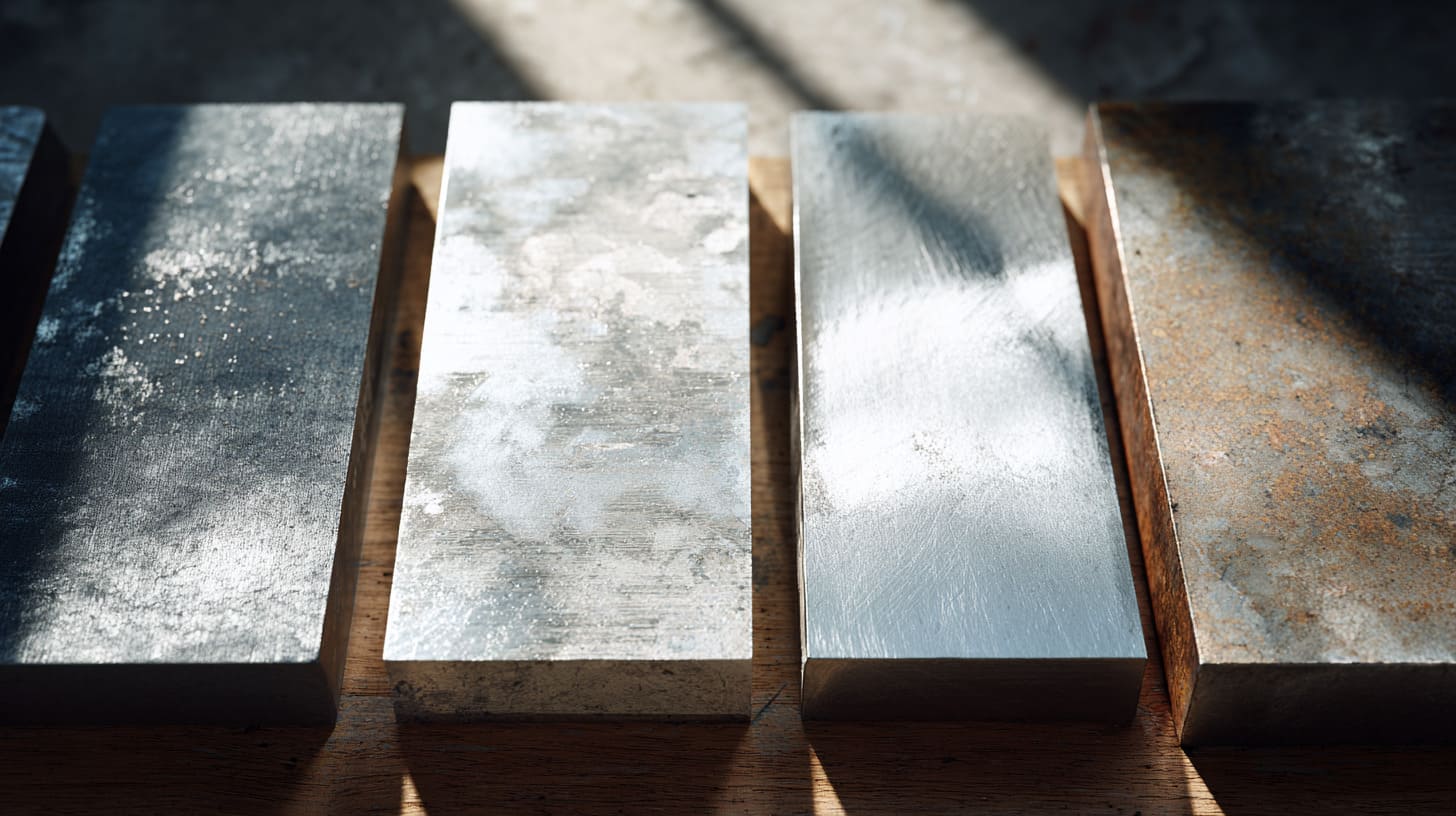
Two buyers can both write “6061” on their drawings and yet expect completely different behavior. One expects soft material that bends easily. The other expects hard plate that stays flat after machining. The secret is not just the alloy number, but the temper.
Whenever a client writes only “6061” without a temper, I pause the quote because the risk of a wrong hardness or flatness is higher than the risk of losing the project.
What Does “T6” Mean?
T6 is one of the most common tempers you will see for 6061. In simple terms:
- Solution heat treated
- Artificially aged
- Reaches high strength and hardness
For many machined parts and enclosures, 6061-T6 offers:
- Good dimensional stability
- High strength
- Clean cutting during machining
It is great for milled bases, covers, and structural parts where bending is not the main requirement.
Other Common Tempers (e.g., T4, T651)
Here is a quick comparison:
| Temper | Description | Typical Use Case |
|---|---|---|
| O | Annealed, very soft | Deep forming, heavy bending |
| T4 | Solution treated, naturally aged | Forming first, then age to higher temp |
| T6 | Solution treated, artificially aged | General machined parts, strong sections |
| T651 | T6 plus stress-relieved by stretching | Thick plates with better flatness |
- T4: Easier to form and bend. Often used when the part is formed first and then aged to increase strength.
- T651: Very common for plate that will be machined. The stretching helps reduce internal stress and improve flatness.
How Temper Affects Strength and Machining Performance
Temper changes:
- Strength
- Hardness
- Formability
- Response to machining
A simple way to think about it:
| Temper | Relative Strength | Formability | Machinability | Typical Risk |
|---|---|---|---|---|
| O | Low | High | Medium | Denting, deformation in service |
| T4 | Medium | Medium-high | Medium | Needs further age if strength low |
| T6 | High | Low | High | Cracking if bent too tight |
| T651 | High | Low | Very High | Slightly higher plate cost |
In my factory, I also look at how the temper combines with part geometry. A thin cover in T6 may be too stiff and crack during assembly, while a thick bracket in T4 may bend slowly under load.
If you understand temper, you can avoid many headaches before the first chip is cut.
Once temper is clear, the next question is simple: how do we actually shape this material?
Manufacturing and Fabrication Processes
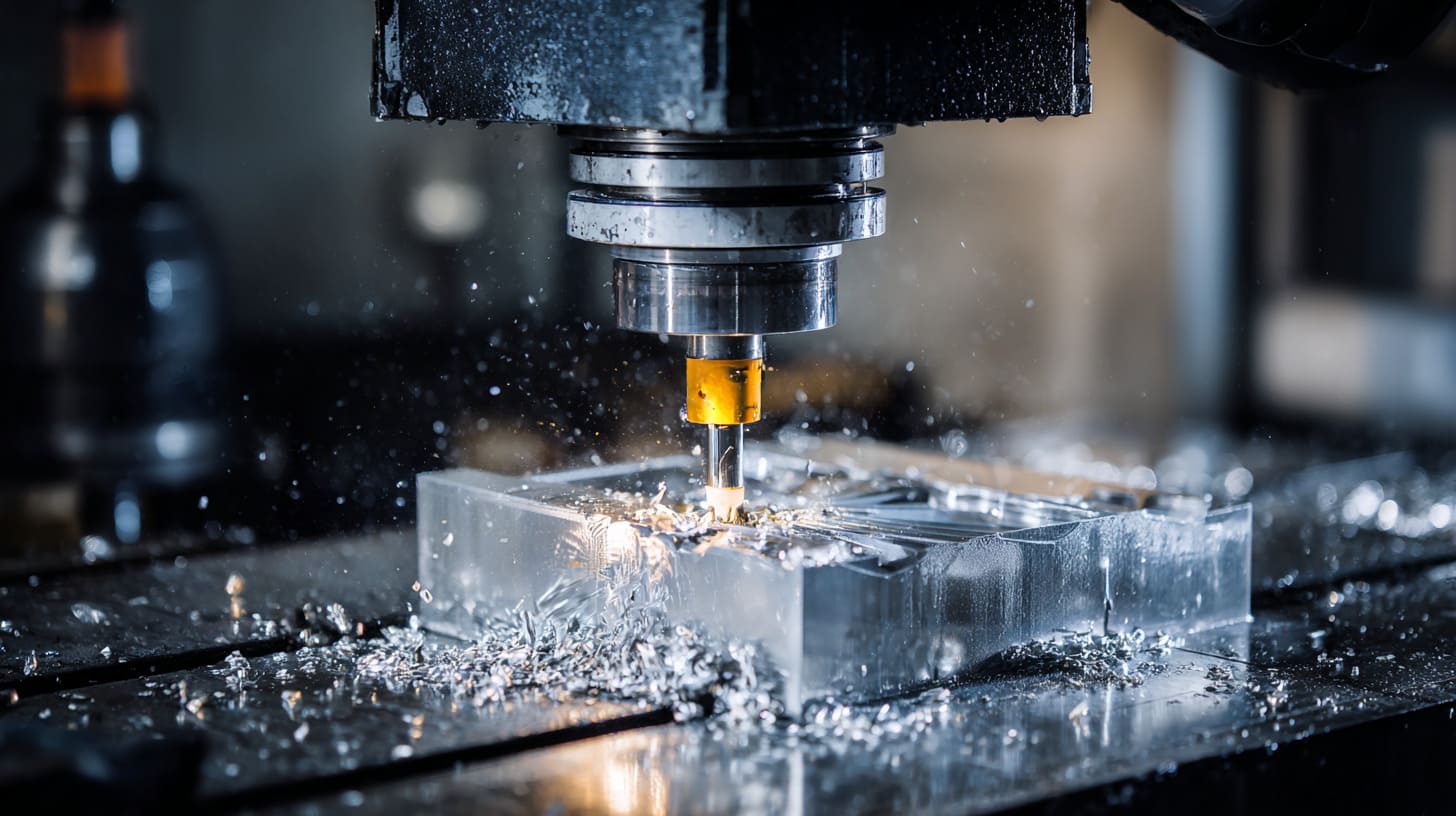
A buyer might see 6061 simply as a line on a drawing, but I see it as a path through my factory: extrusion, cutting, machining, welding, surface treatment, packing. Every step has a chance to improve or damage the final part.
In my workshop, I choose the process not by what is on our machine list but by which method keeps the profile stable and repeatable when the order repeats next year.
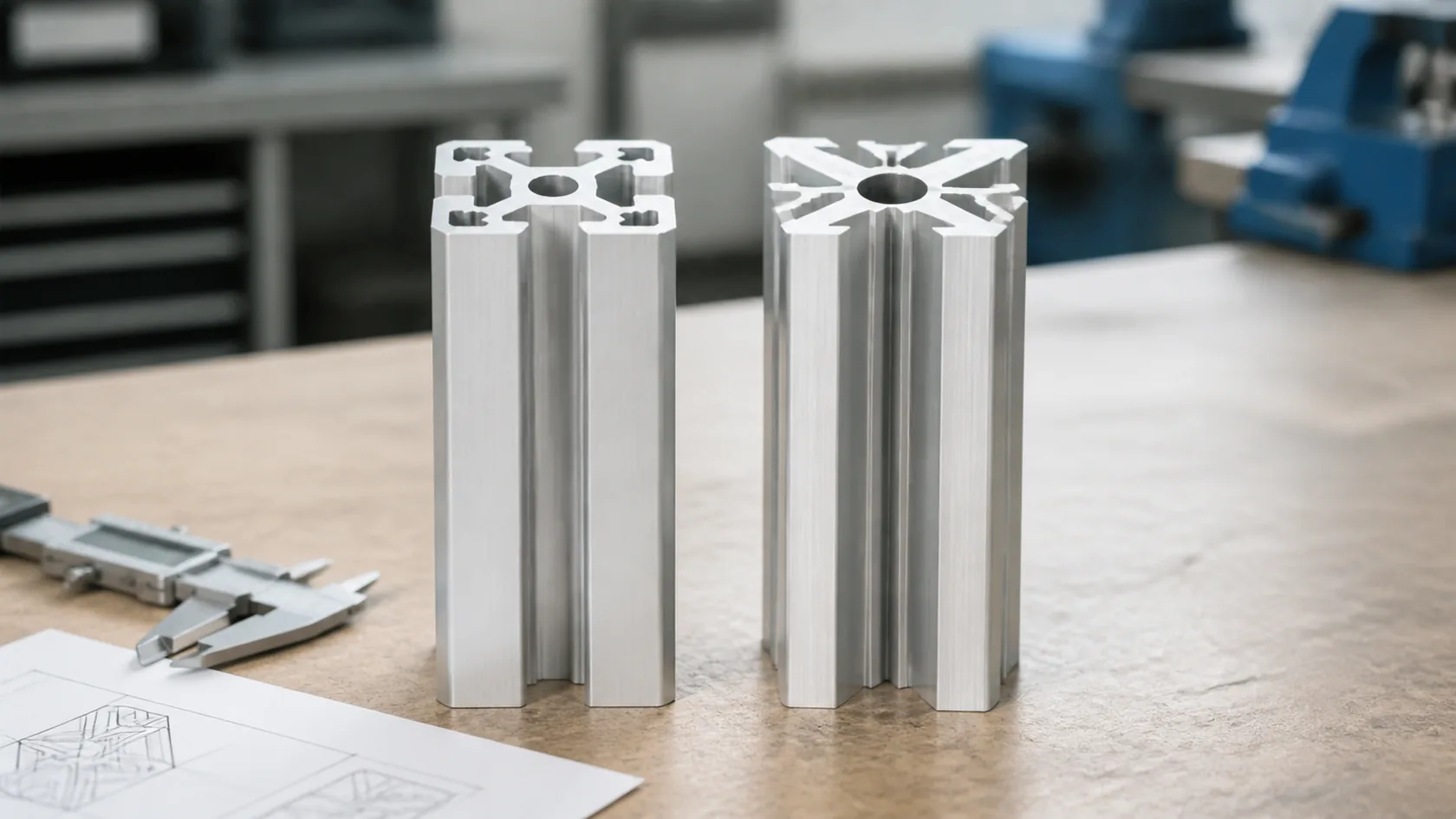
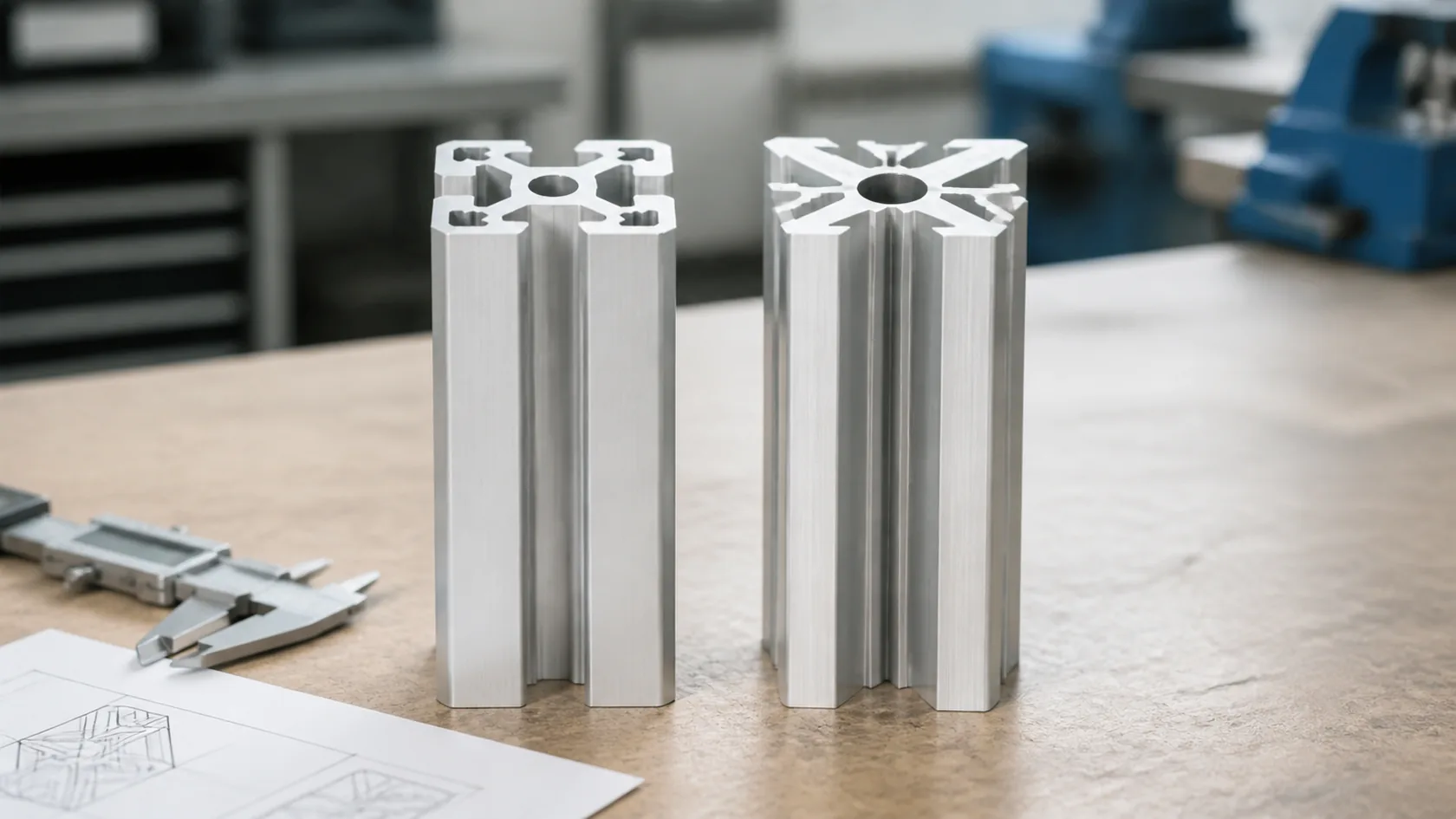
Extrusion
6061 is excellent for extrusion, especially when you need:
- Structural shapes (angles, channels, tubes)
- Custom profiles for enclosures and heatsinks
- Long lengths with consistent cross-section
Key points I watch:
- Wall thickness uniformity
- Corner radii to avoid cracking
- Tolerance on key features that impact assembly
A simple table I often use with buyers:
| Question from Buyer | Extrusion Design Check |
|---|---|
| “Can we make this wall thinner?” | Check die strength and distortion risk |
| “Can we keep this sharp corner?” | Suggest radius to avoid cracking |
| “Can we integrate this small detail?” | Confirm die feasibility and clean fill |
Hot and Cold Forming
For bending and forming:
- Softer tempers (O, T4) are easier for tight bends.
- T6 can still be formed if the bend radius is large enough.
When a customer insists on 6061-T6 and a tight bend, I either:
- Increase radius
- Change design to a welded or machined joint
- Discuss partial heat treatment or temper changes in that area
A little design adjustment here often saves a lot of scrap.
Welding Techniques (TIG, MIG)
6061 is widely welded with:
- TIG welding for clean, precise work on enclosures and visible parts
- MIG welding for faster, longer joints and heavier structures
Practical welding notes I keep in mind:
- Welds in 6061-T6 will lose strength in the heat-affected zone.
- If strength is critical, I increase thickness or add gussets.
- Surface cleaning before welding is important to avoid porosity.
A small comparison:
| Method | Pros | Cons |
|---|---|---|
| TIG | Clean, precise, good control | Slower, more skill dependent |
| MIG | Fast, good for long joints | More spatter, less visually refined |
Surface Finishing and Treatments
Common finishes for 6061 include:
- Anodizing (clear or colored)
- Powder coating
- Bead blasting + anodizing for a matte look
- Brushing for a linear texture
When we make custom enclosures, I often recommend anodizing first for basic corrosion protection, then powder coating if the customer wants a very specific color or branding style.
Once the process path is clear, the next natural question from buyers is: “Where is this alloy actually used, and what kind of parts does it really suit?”
Common Uses and Applications of 6061 Alloy
If you walk through a factory, data center, or even a hobby maker’s workshop, chances are you will see 6061 somewhere, even if nobody points it out. It hides inside brackets, frames, rails, and boxes that quietly keep everything together.
When I help a customer pick a material, I pay more attention to how their product will be used after five winters than to the first pretty sample on the meeting table.
Aerospace Components
6061 is not the most exotic aerospace alloy, but it appears in:
- Non-critical structural parts
- Mounting brackets
- Fixtures and tooling
- Interior structures where weight matters but loads are moderate
The reasons are simple: good strength-to-weight, machinability, and wide availability.
Automotive and Transportation Parts
In automotive and transport, 6061 is used for:
- Chassis components
- Trailer frames
- Motorcycle parts
- Bicycle frames and components
A simple summary:
| Vehicle Type | Typical 6061 Parts |
|---|---|
| Car | Brackets, mounts, small frames |
| Truck | Toolboxes, steps, structural |
| Trailer | Frames, cross members |
| Bicycle | Frames, cranks, components |
For these parts, weight saving and corrosion resistance are key. 6061 gives both at a reasonable cost.
Marine and Outdoor Equipment
In marine environments (especially non-salt or well-protected areas), 6061 appears in:
- Boat fittings
- Masts and frames
- Railing structures
- Outdoor support structures
In harsh salt environments, I push customers to think more about coatings and design rather than relying on bare metal alone.
Structural and Architectural Elements
6061 also shows up in:
- Walkways and platforms
- Structural frames
- Support beams
- Architectural details that carry real load
Here the goal is usually to combine good looks, light weight, and reasonable strength.
Electronics, Enclosures, and Heat Sinks
This is where my own work is most active. For electronic enclosures and related parts, 6061 is used for:
- CNC-machined housings
- Extruded cases for power supplies, controllers, and modules
- Heat-spreading plates and simple heat sinks
- Mounting brackets and interface plates
A quick view:
| Application Type | 6061 Role |
|---|---|
| Custom PCB enclosures | Main body, cover, end plates |
| Raspberry Pi style cases | Shell, internal frames, rails |
| Power electronics housing | Structural box, heat spreader |
For customers like John, who want a custom enclosure re-designed around their own board, 6061 is often a very safe starting point.
Consumer and Sports Equipment
You can also find 6061 in:
- Camera rigs and brackets
- Tripods and stands
- Sports gear like climbing hardware and bike parts
- DIY and maker projects
It is common because hobby machinists and small workshops can source 6061 easily in small quantities.
Once you see how widely 6061 is used, it is natural to ask: if it is so common, why do engineers sometimes choose other alloys instead, like 7075 or 6082?
Comparisons With Other Aluminium Alloys
Material selection is not a beauty contest; it is an exercise in compromise. Whenever a buyer asks, “Is 6061 the best?” my first question back is always, “Best for what?”
If a project feels tempted by 7075, I always ask what real problem we are solving that 6061 cannot handle before I accept the extra cost and risk.
6061 vs 7075
7075 aluminium is famous for very high strength, especially in aerospace and performance applications. A simple comparison:
| Feature | 6061 | 7075 |
|---|---|---|
| Strength | Medium-high | Very high |
| Corrosion | Good | Lower, more sensitive |
| Weldability | Good | Poor, often not recommended |
| Machinability | Good | Good, but can be more demanding |
| Cost | Lower | Higher |
| Typical Use | General structural, enclosures | High-load aerospace, performance |
I usually stay with 6061 unless:
- The load is very high and weight must be minimized.
- The part will not be welded.
- The customer accepts higher cost and more careful corrosion management.
6061 vs Other 6000 Series Alloys
Inside the 6xxx family, the choice often looks like this:
| Alloy | Main Strength | Main Advantage | Common Use |
|---|---|---|---|
| 6060 | Lower | Excellent extrudability | Small, complex profiles |
| 6063 | Medium-low | Good surface for anodizing | Architectural profiles, frames |
| 6061 | Medium-high | Strong + machinable | Structural parts, enclosures |
| 6082 | Higher | Stronger structural option | Heavy-duty frames, cranes, lifts |
If a customer focuses heavily on surface appearance for windows or decorative profiles, I might suggest 6063. If they need more heavy structural strength, I might ask them to look at 6082. For mixed machining and structural use, 6061 sits very comfortably.
When to Choose 6061 Over Alternatives
I tend to recommend 6061 when:
- Parts need both strength and machining.
- The design includes cutouts, threading, and precision surfaces.
- The environment is industrial or light outdoor, not extreme marine.
- The budget needs to stay under control.
A small decision table I share with some buyers:
| Scenario | My Usual Suggestion |
|---|---|
| High load, no welding, cost less critical | Consider 7075 or 6082 |
| Complex extrusions, decorative appearance | Consider 6063 |
| General enclosure, machining + strength + weldable | Use 6061 |
| Heavy vibration + extreme corrosion | Check stainless or other |
Once you see the comparison, the next logical question is: “If we choose 6061, what concrete advantages do we gain in the project?”
Advantages of Using 6061 Aluminium Alloy
Many alloys look impressive in datasheets, but I care more about how they behave on Monday morning when the CNC operator is tired and the shipping deadline is close. 6061 has some very practical advantages in this real-world context.
When the budget and timeline are both tight, I often fall back to 6061 because it gives me fewer unpleasant surprises during machining and inspection.
Balanced Strength-to-Weight Ratio
6061 offers a good mix of strength and lightness. For many enclosures:
- It is strong enough to handle mounting, transport, and daily use.
- It keeps weight down so shipping and installation are easier.
This balance is especially useful for:
- Rack-mount enclosures
- Wall-mounted control boxes
- Portable devices and instruments
Cost-Effectiveness
For most of my international customers, cost is never the only factor, but it is always in the room. 6061 helps in a few ways:
- Wide availability → better base material pricing
- Stable machining → less scrap and rework
- Standard tempers → less need for special processing
Simple cost view:
| Cost Aspect | 6061 Benefit |
|---|---|
| Raw material | Reasonable price for performance |
| Machining time | Good chip control, less tool wear |
| Surface finishing | Compatible with common processes |
| Rework / scrap | Lower if design is reasonable |
Versatility for Fabrication
6061 can be:
- Extruded into custom profiles
- Machined into complex shapes
- Welded into frames and boxes
- Finished with various anodizing and coating options
For me as a factory owner, this versatility means I can take on very different project types without changing the core material.
Excellent Corrosion Resistance
While not perfect for every environment, 6061 holds up well in many:
- Industrial indoor settings
- Clean outdoor locations
- Controlled humidity environments
With good design (drainage, no water traps) and basic surface treatment, it performs well across long service life for many B2B products.
After we appreciate the advantages, we must be honest about the limits. No material is perfect, and pretending 6061 is perfect can create bigger problems later.
Limitations and Considerations

Some of the most painful projects I have seen were not caused by “bad” materials. They were caused by good materials used in the wrong way. 6061 is no exception.
Whenever everything on paper looks perfect, I still ask where the enclosure will crack first, because even 6061 has weak points under vibration, heat, or bad mounting.
Lower High-Temperature Performance
At high temperatures, the strength of 6061 drops. For:
- Constant high-temperature environments
- Heat around engines or furnaces
- Parts close to very hot components
I warn customers that aluminium, including 6061, may not keep its full strength. Design adjustments or different materials may be needed.
Fatigue Limitations
Under repeated loads:
- Small design mistakes can become big cracks over time.
- Sharp inside corners and un-deburred edges are dangerous.
I always remind engineers:
- Add fillets where possible.
- Avoid placing bolt holes exactly where bending stress is highest.
- Think about vibration levels and not only static load.
Considerations for Welding Strength Loss
As mentioned earlier, welding softens the area around the weld in 6061-T6. This has a few consequences:
- You cannot assume the same strength in the weld zone as in the base material.
- If you ignore this, cracks may start around the weld after some service time.
I have seen some enclosures crack not because the weld was ugly, but because the design trusted the weld too much.
Design Constraints Due to Mechanical Limits
Even though 6061 is strong for many uses, there are still mechanical limits:
- Very thin panels may oil-can or vibrate.
- Long spans may bend more than expected under load.
- Threads in thin sections can strip if installation torque is high.
When I review a design, I pay special attention to mounting points, corners, and long unsupported spans. These are usually where real-world problems show up first.
Once the risks are clear, the last big question is how to make a good material choice for a specific project, and not just follow habit.
How to Choose the Right Material for Your Project
Material selection is one of those tasks that looks simple on slides, but becomes messy when you mix real users, real budgets, and real schedule pressure. 6061 is often a good answer, but I never treat it as the only answer.
Before I confirm a material choice, I imagine the angriest possible end user and check whether this alloy and thickness could survive their worst day.
Assessing Mechanical Requirements
I usually start with a few key questions:
- What is the maximum load and how often will it occur?
- Where is the weakest cross-section in the part?
- What happens if someone leans on it, kicks it, or drops it?
A simple checklist I use:
| Question | What I Look At |
|---|---|
| Static load only? | Yield strength, safety factor |
| Repeated or vibration load? | Fatigue, fillets, surface quality |
| Impact or abuse expected? | Thickness, local reinforcement |
If the answers show moderate loads and typical industrial use, 6061 is often fine. If loads are extreme or failure is critical, I slow down and consider alternatives.
Environmental Conditions and Corrosion Needs
Next, I zoom out to the environment:
- Indoor, dry, and clean?
- Humid, dusty, or with chemical vapors?
- Outdoor, with rain, UV, or sea air?
For each type:
| Environment | My Usual Approach with 6061 |
|---|---|
| Clean indoor | Bare or anodized 6061 is often fine |
| Industrial indoor | Anodize or powder coat, good sealing |
| Outdoor inland | Anodize + careful design |
| Marine / coastal | Heavy on coatings and drainage |
If a customer wants to install a box on a pier above the sea, we talk longer about coatings, gaskets, and maybe even alternative materials.
Fabrication and Machinability Considerations
I also think about how the part will be made:
- Heavy CNC machining: 6061 is attractive.
- Complex extrusion with many thin legs: maybe 6063 is better.
- Lots of welding: 6061 can work, but design must respect weld softening.
Sometimes changing the geometry slightly lets us stay with 6061 and avoid more exotic alloys.
Cost and Supply Chain Factors
Finally, I look at:
- Standard stock sizes and availability in my region.
- How many suppliers can support this material.
- How stable pricing has been in recent months.
For large B2B projects, I prefer materials where a delayed shipment does not force us to hunt for rare stock at any price. 6061 usually behaves well from that angle.
After walking through all these questions with a buyer, the decision about 6061 is usually much clearer and feels less like guesswork.
Conclusion
For me, 6061 is not just an alloy number; it is a working partner that shows up in many of my enclosure projects and quietly does its job. Over the years, watching parts succeed and fail in real factories has changed how I think about this material.
In my own projects, I only feel comfortable signing off on 6061 when I know exactly which problems it solves and which problems we are choosing to live with.
I like 6061 because it respects reality:
- It is strong enough for many control boxes, brackets, and housings.
- It machines and anodizes well, so my team can control quality.
- It is available from many mills, which keeps cost reasonable for buyers.
At the same time, I do not pretend it is magic. If the environment is harsh, if the loads are extreme, or if welds sit in the worst possible locations, 6061 will complain like any other material. That is why I always connect the alloy choice to real use, not just to the datasheet.
The reason I write about this is simple: many of my customers, like Davide, John, or Jackson, live under pressure from their own clients. They need enclosures and aluminium parts that do not embarrass them after installation. My role is to help them make choices that are strong enough, honest enough, and still inside budget.
If you are working on a new aluminium enclosure, frame, or electronic housing and you are not sure whether 6061 is the right choice, feel free to treat me as part of your extended team. Share your drawing, your environment, and your worries. At MaidaTech, we can help you decide on the right alloy, design the enclosure around it, and then actually manufacture it with OEM / ODM service, logo printing, and custom packaging ready for your market.
You do not have to solve the material question alone. That is what I do every day, and I am happy to bring that experience into your next project.