Skip to content
I notice something interesting when people talk about junction boxes.
They rarely talk about them at the start of a project. The question comes later.
Usually after a wall is already closed. Or when an inspector raises an eyebrow.
A junction box looks small. It feels simple. But it sits right at the line between safety and risk.
I’ve seen projects delayed because a box was hidden too deep. I’ve also seen walls reopened because wires were joined without protection.
This guide is written for people like you.
DIY users who want to do it once and do it right.
Product engineers who design systems, not just walls.
OEM buyers who care about compliance because problems always show up after shipping, not before.
Before we talk about tools or steps, we need to be clear about what a junction box really does.
What Is a Junction Box and Why Is It Used?
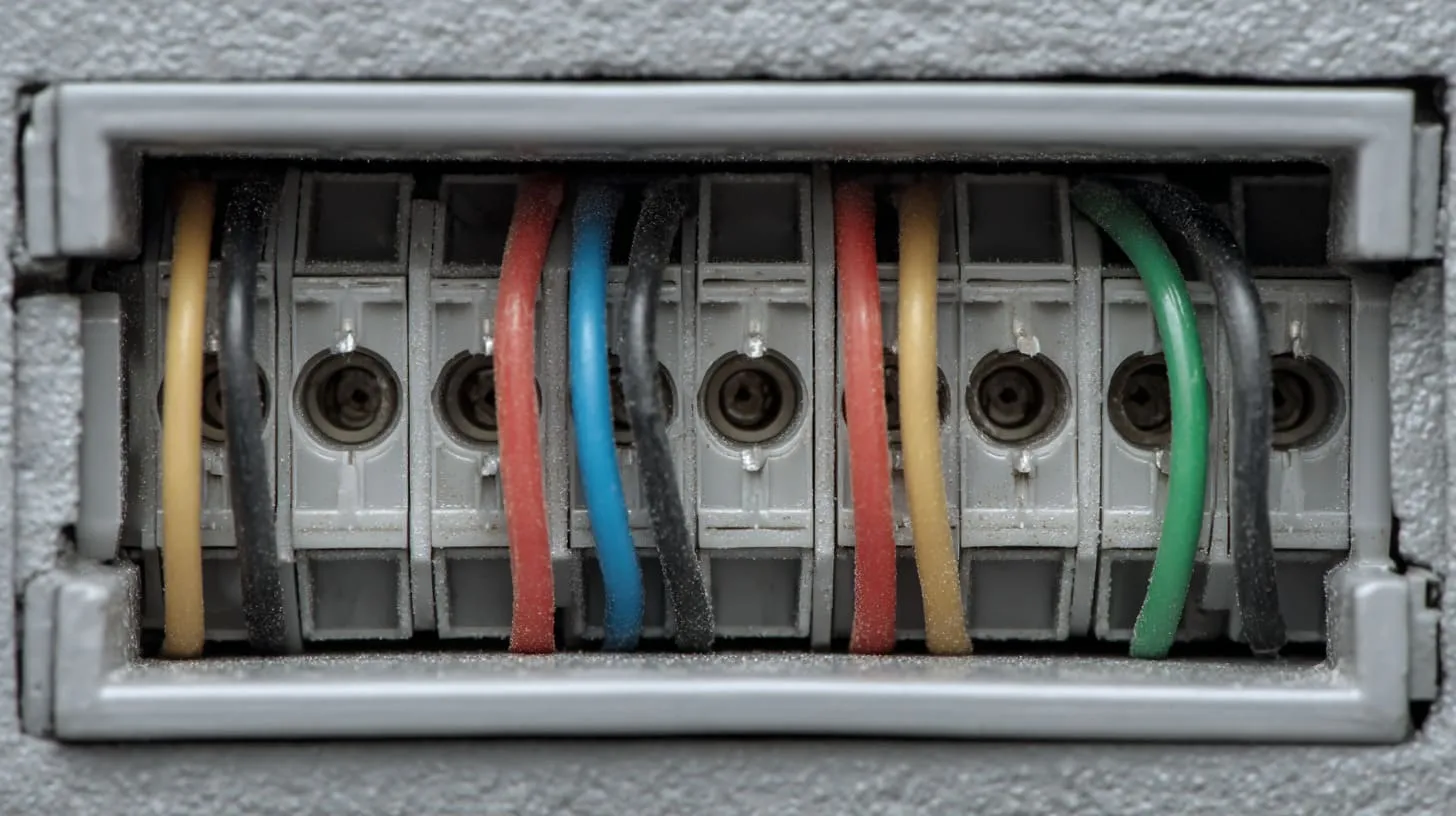
When I explain junction boxes to new engineers, I keep it simple.
A junction box is not about convenience. It is about control.
Definition of a junction box
A junction box is an enclosure that protects wire connections.
It keeps wires from touching hands, dust, water, and each other.
It also creates a clear boundary.
Inside the box is controlled. Outside the box is the wall.
Main functions in electrical systems
From my view, a junction box does three quiet but important jobs:
- Protection – stops sparks, heat, and loose wires from reaching the wall
- Organization – keeps connections visible and traceable
- Compliance – meets electrical code rules in most countries
Here is a simple way I explain it to buyers:
| Function | What happens if ignored |
|---|---|
| Protection | Fire risk increases |
| Organization | Troubleshooting takes longer |
| Compliance | Inspection fails |
Common applications in residential and commercial walls
I see junction boxes used in:
- Wall outlets
- Light switches
- Hidden wire splits behind panels
- Industrial control wiring inside walls
The box does not change. The risk around it does.
Once you understand why the box exists, the next question comes fast: which box should I use?
Types of Junction Boxes Suitable for Wall Installation
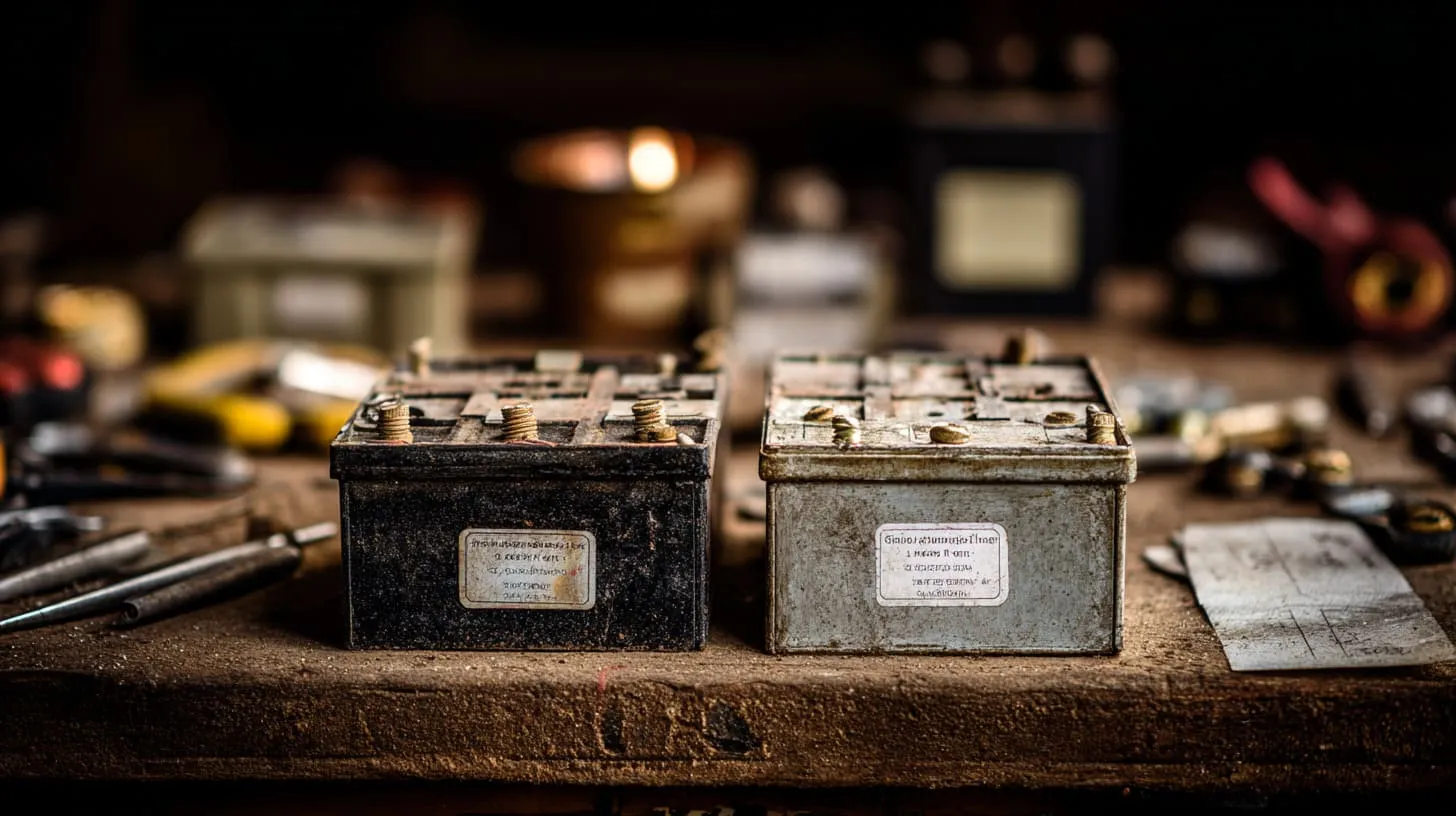
I’ve had buyers ask me for “any box.”
That usually means they don’t see the trade-offs yet.
Plastic vs metal junction boxes
This choice shows up in almost every project.
| Type | When I recommend it | Risk to consider |
|---|---|---|
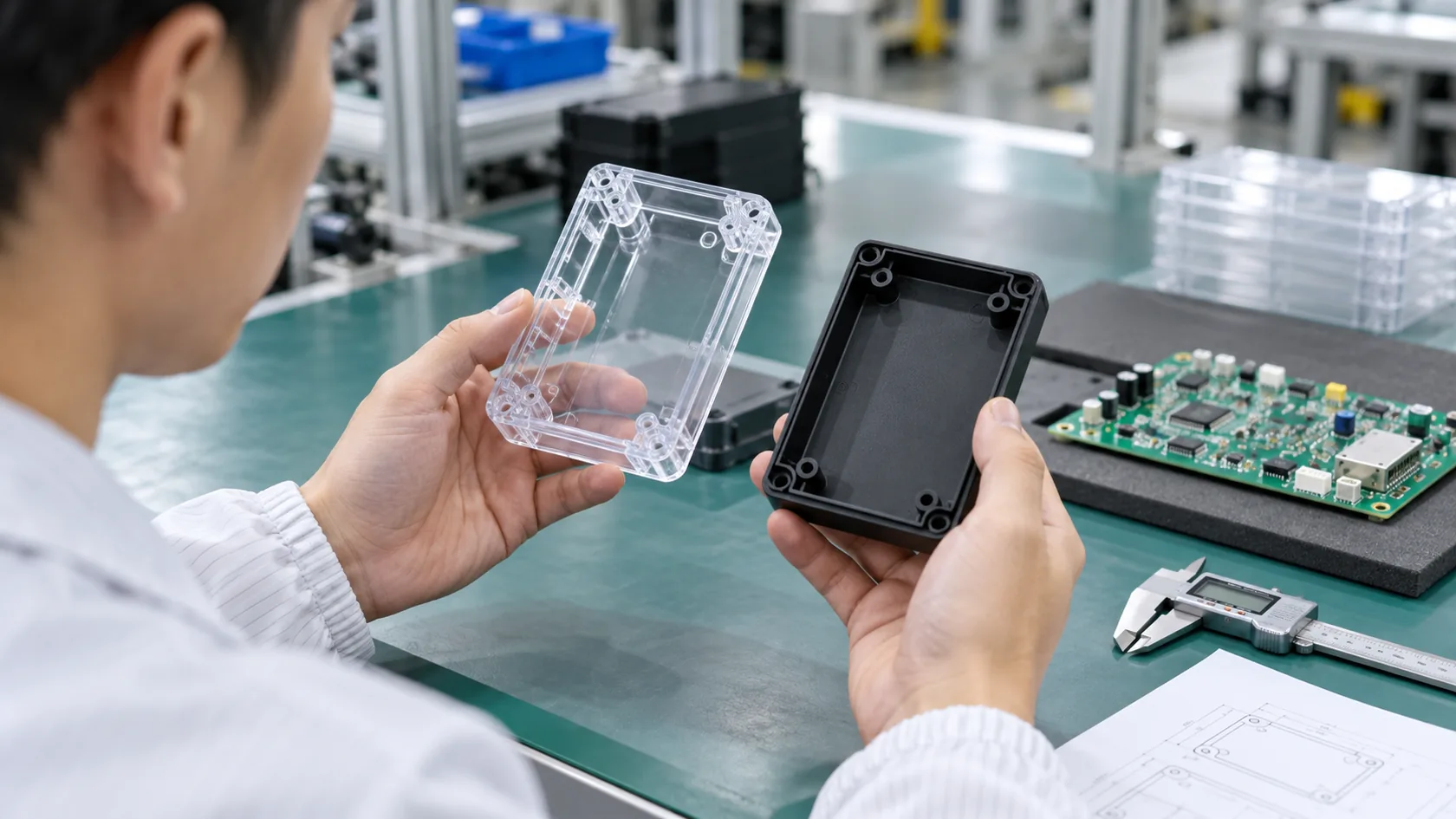
| Plastic | Dry walls, light loads | Heat resistance |
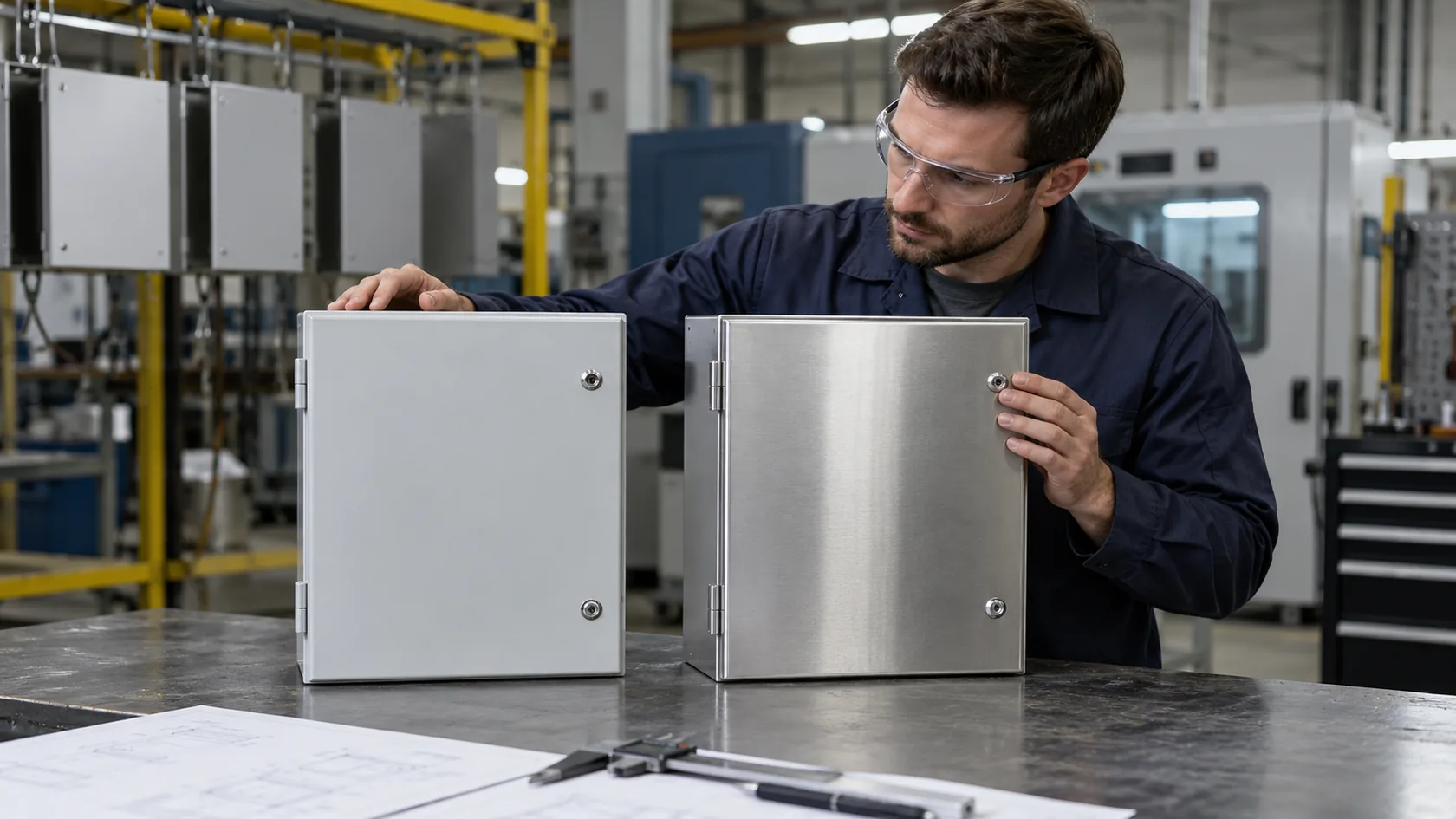
| Metal | Industrial or grounded systems | Must be grounded |
Plastic boxes are easy to cut and light to install.
Metal boxes feel solid and handle stress better.
Neither is “better.” Context decides.
Surface-mounted vs flush-mounted (in-wall) boxes
This is about visibility.
- Surface-mounted boxes stay outside the wall
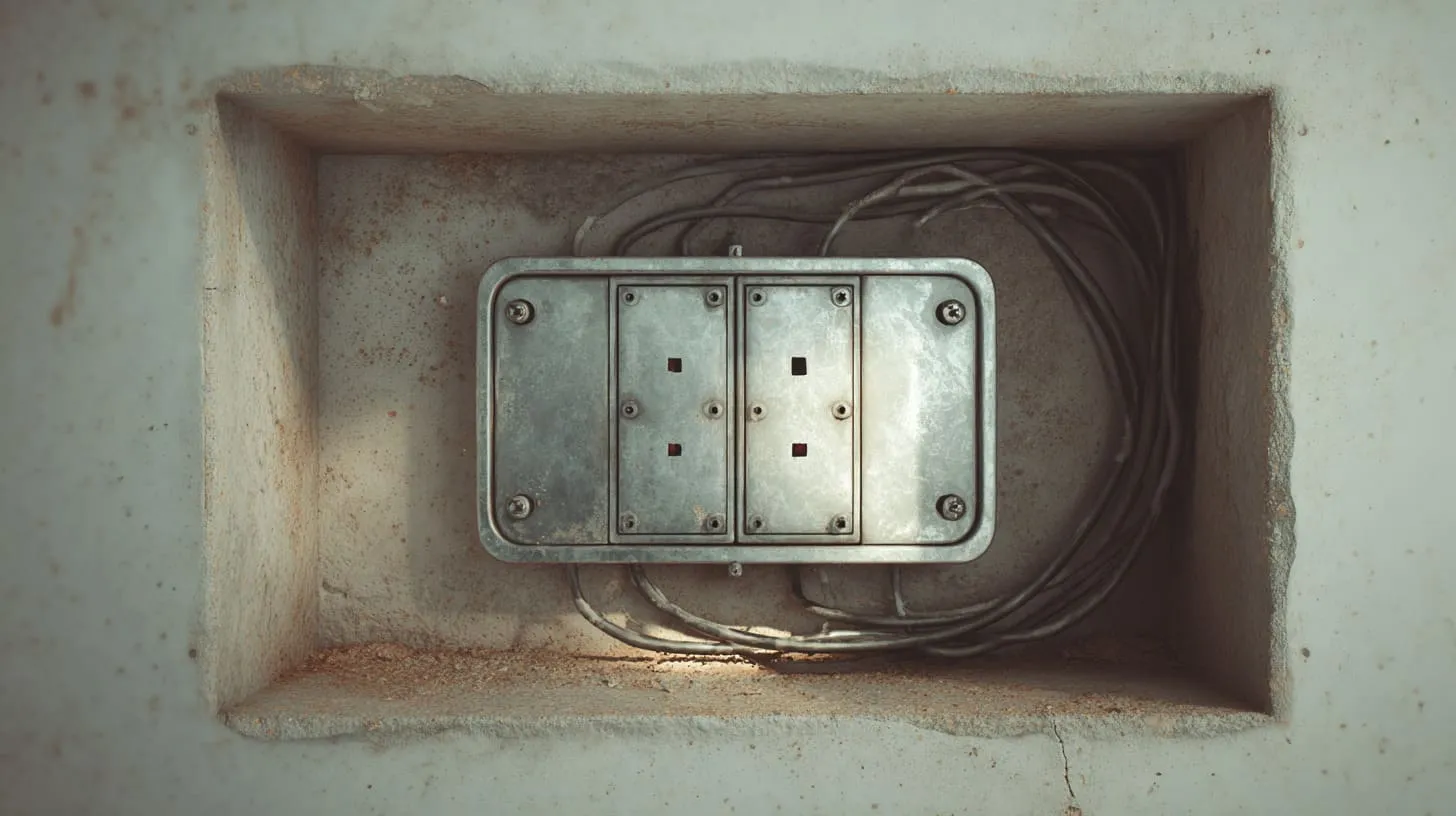
- Flush-mounted boxes sit inside the wall
Flush-mounted looks clean.
Surface-mounted stays accessible.
I always ask: will someone need to open this again in five years?
Standard sizes and shapes
Most boxes fall into three shapes:
- Square
- Rectangular
- Round
Size matters more than shape.
A box that is too small creates heat and tension inside.
When to choose fire-rated or waterproof boxes
If the wall sees heat, moisture, or vibration, I slow down the decision.
| Condition | Box type |
|---|---|
| Kitchen or lab | Fire-rated |
| Basement or outdoor wall | Waterproof |
| Factory floor | Metal, sealed |
Once the box is chosen, the focus moves to preparation. This is where many mistakes start.
Tools and Materials Needed Before Installation
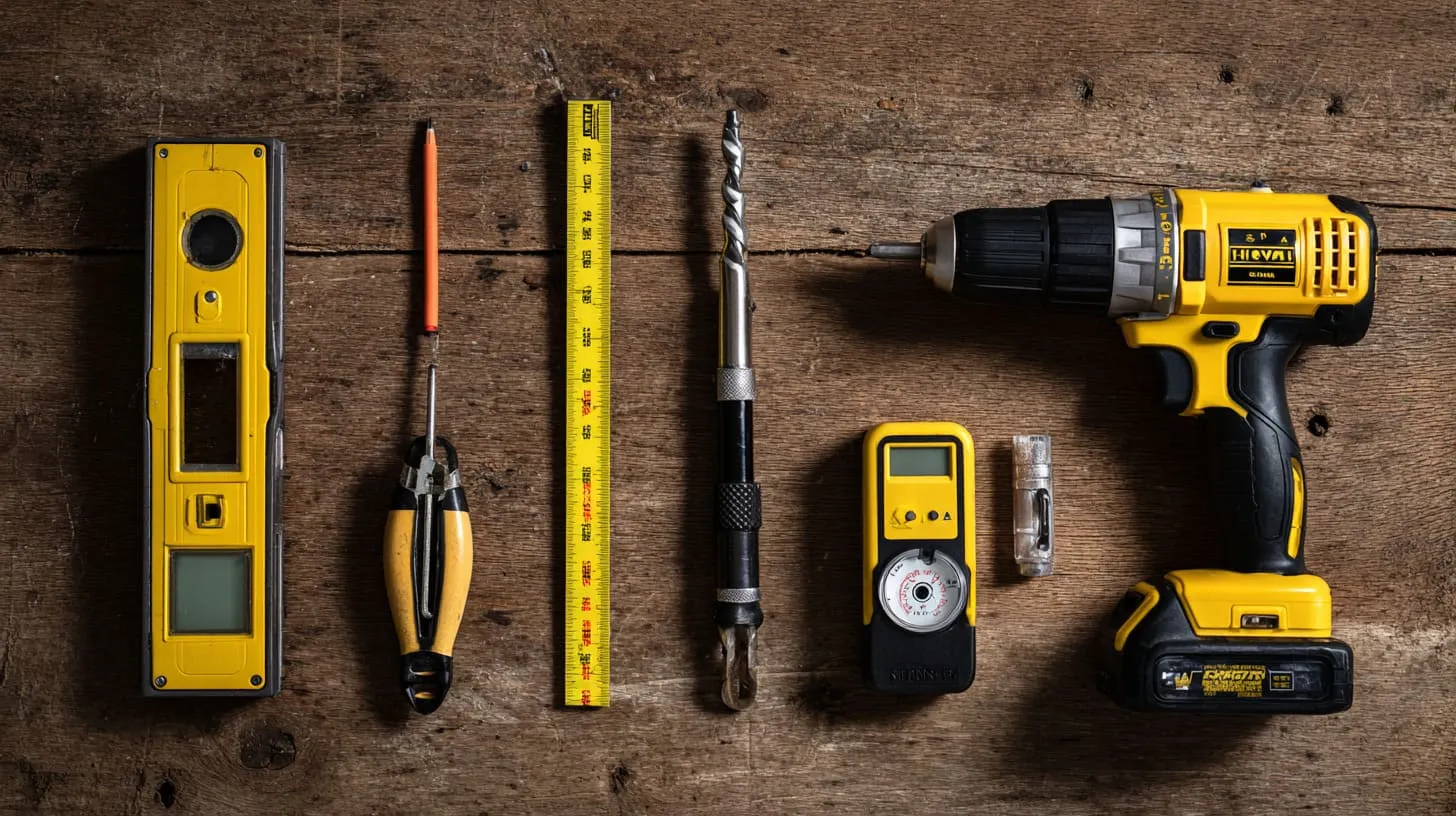
I can tell how smooth a job will be by looking at the table before work starts.
Basic tools required
You don’t need fancy tools. You need the right ones.
- Screwdriver
- Wire stripper
- Drill
- Level
- Measuring tape
Electrical materials and accessories
These parts are often forgotten:
- Cable clamps
- Wire nuts or connectors
- Box cover
- Screws rated for the wall type
Safety gear and preparation checklist
I always check these first:
| Item | Why it matters |
|---|---|
| Insulated gloves | Shock protection |
| Voltage tester | Confirms power is off |
| Safety glasses | Dust and debris |
With tools ready, safety becomes the next real step, not an afterthought.
Safety Precautions Before Installing a Junction Box

Most accidents happen before the box is even touched.
Turning off power and verifying no current
I never trust labels alone.
I turn off the breaker. Then I test the wire. Every time.
One extra minute beats one wrong assumption.
Understanding local electrical codes
Codes are not advice. They are rules.
Spacing, box fill, grounding.
Each region has small differences.
Ignoring them saves nothing in the long run.
Common safety mistakes to avoid
I see these too often:
- Working on live wires
- Using boxes without covers
- Mixing wire types in one box
Safety clears the ground. After that, placement becomes the next real decision.
How to Choose the Right Location in the Wall
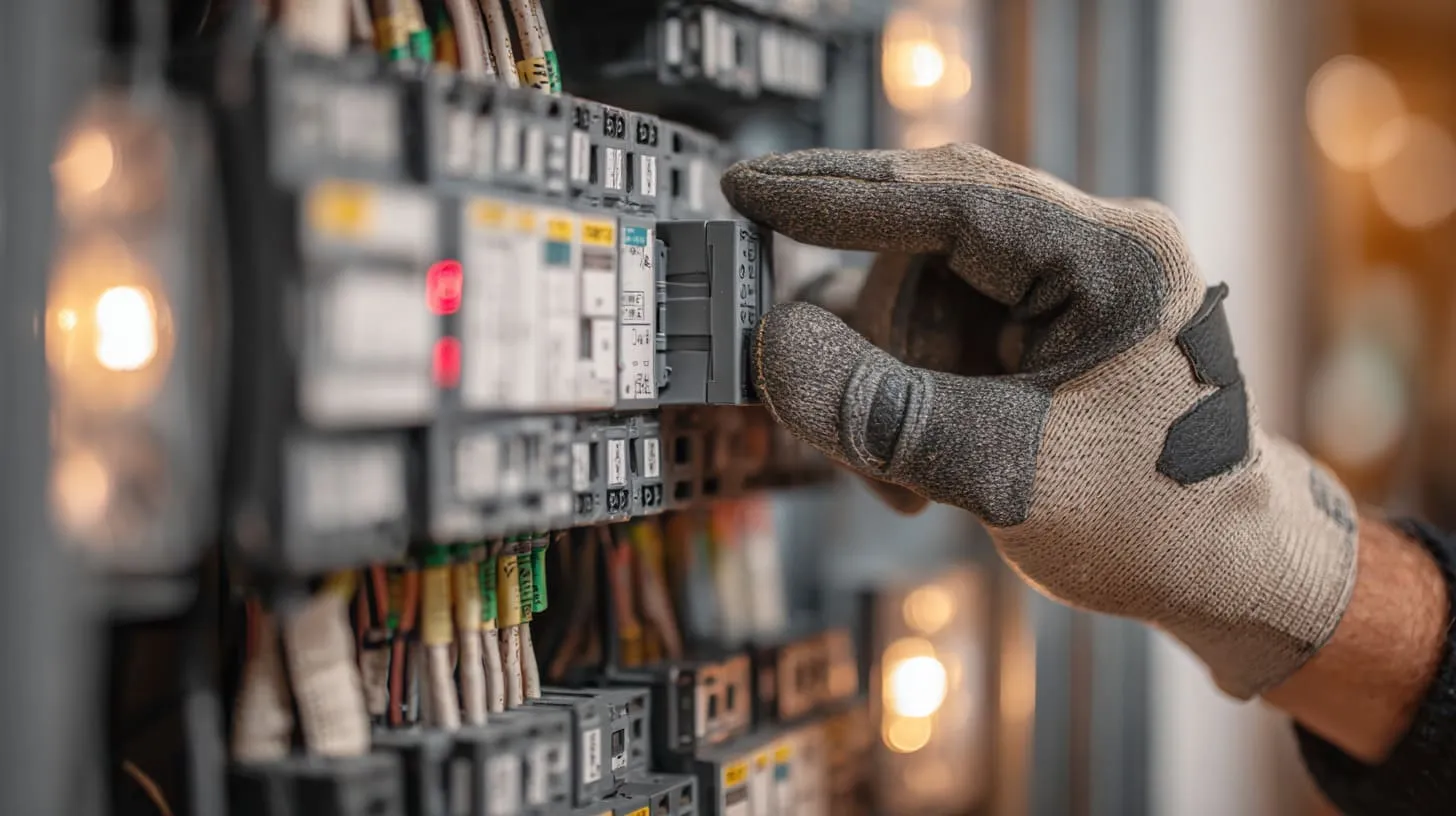
Where the box goes matters as much as how it is wired.
Stud location and wall structure considerations
Drywall alone does not hold weight well.
Studs give strength.
I always check what is behind the wall before cutting.
Accessibility and future maintenance needs
A hidden box is a problem waiting.
Ask one question:
Can someone reach this without breaking the wall?
Spacing rules and positioning
Most codes care about:
- Distance from the floor
- Distance from other boxes
- Clearance for covers
Once location is set, installation starts to feel real.
How to Install a Junction Box in a Drywall Wall
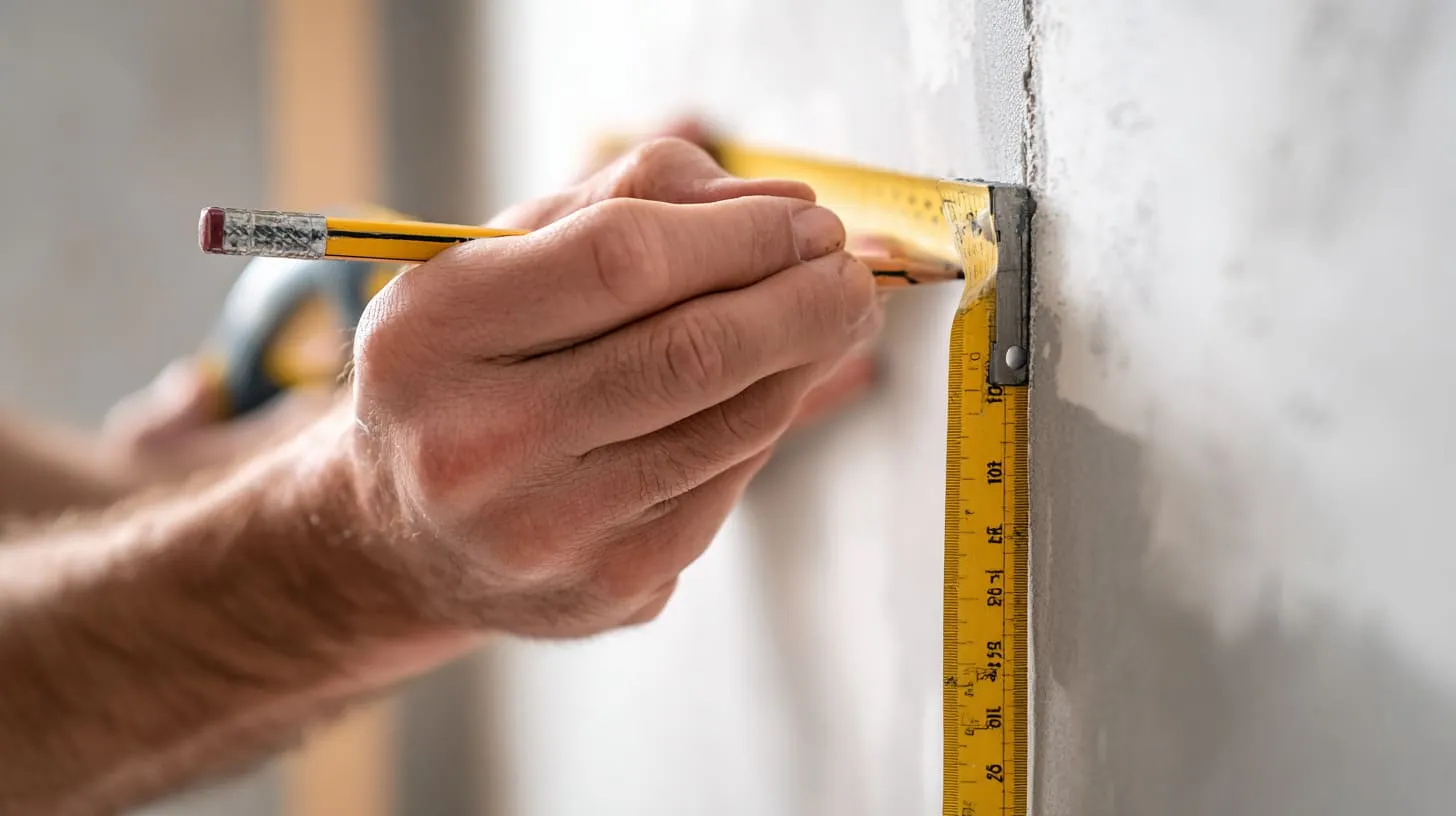
Drywall is forgiving. That also makes people careless.
Marking and cutting the wall opening
I mark once. I measure twice.
A clean cut keeps the box tight.
Securing the junction box
Options depend on the box:
- Old-work box with clamps
- Box fixed to a stud
Loose boxes create stress on wires.
Ensuring proper depth and alignment
The box face should sit flush.
Not deep. Not proud.
Small alignment errors show up later, when the cover won’t sit flat.
Concrete walls change the game. Tools change. Mistakes cost more.
How to Install a Junction Box in a Concrete or Masonry Wall
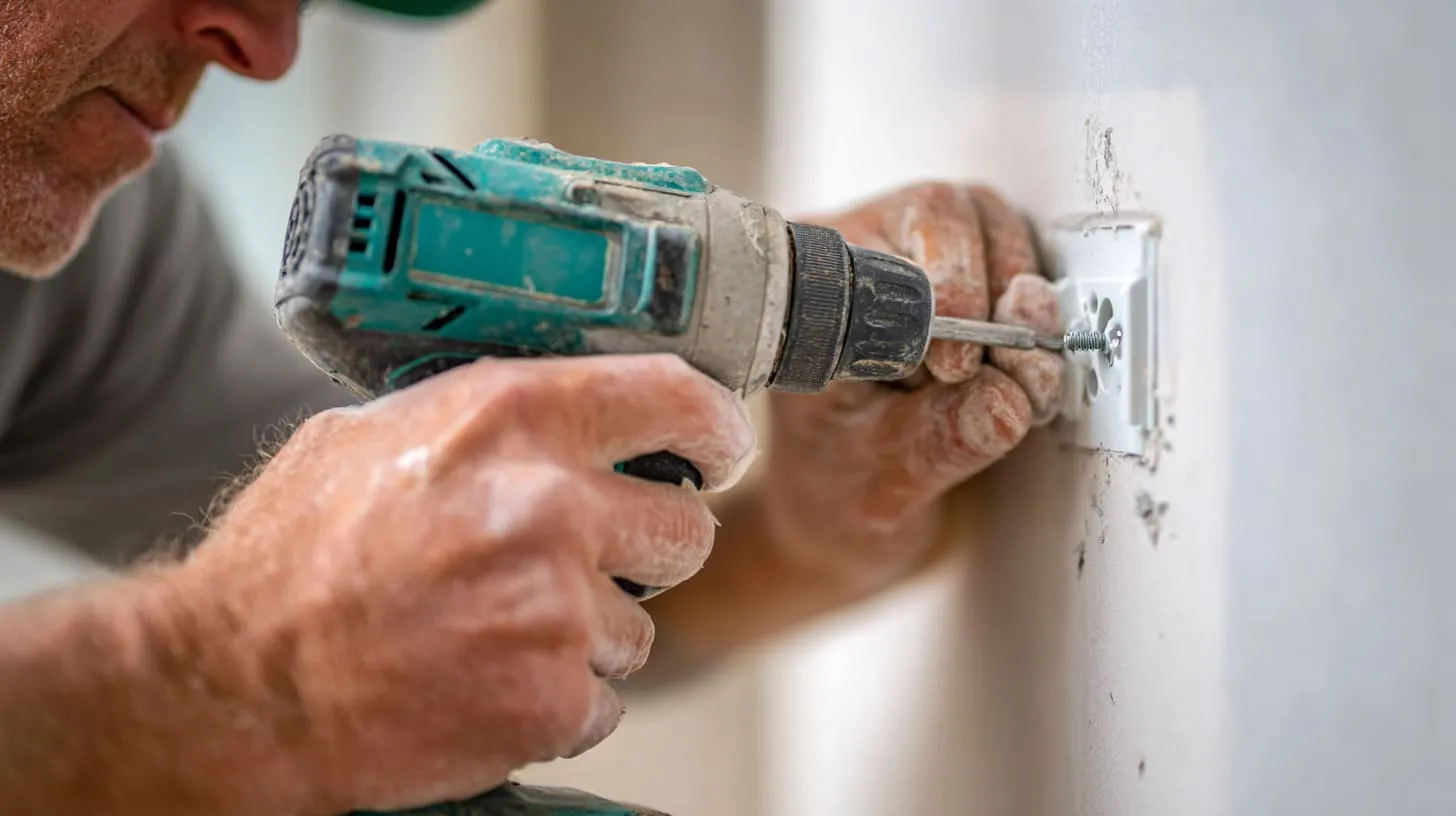
This is where patience matters.
Differences from drywall installation
Concrete does not forgive mistakes.
There is no “adjust later.”
Cutting or drilling into concrete
You need:
- Hammer drill
- Masonry bit
- Dust control
Rushing here cracks walls.
Fixing the box securely
Anchors or cement hold the box.
| Method | When to use |
|---|---|
| Anchors | Light loads |
| Cement | Permanent install |
Once the box is fixed, wires come next. This part decides reliability.
How to Run and Connect Electrical Wires in the Junction Box

Good wiring feels boring. That’s a good sign.
Feeding cables into the box
Use proper entry points.
Sharp edges damage insulation.
Wire stripping and preparation
Strip just enough.
Too much copper invites trouble.
Making safe wire connections
I look for three things:
- Tight
- Clean
- Correct connector
Grounding requirements
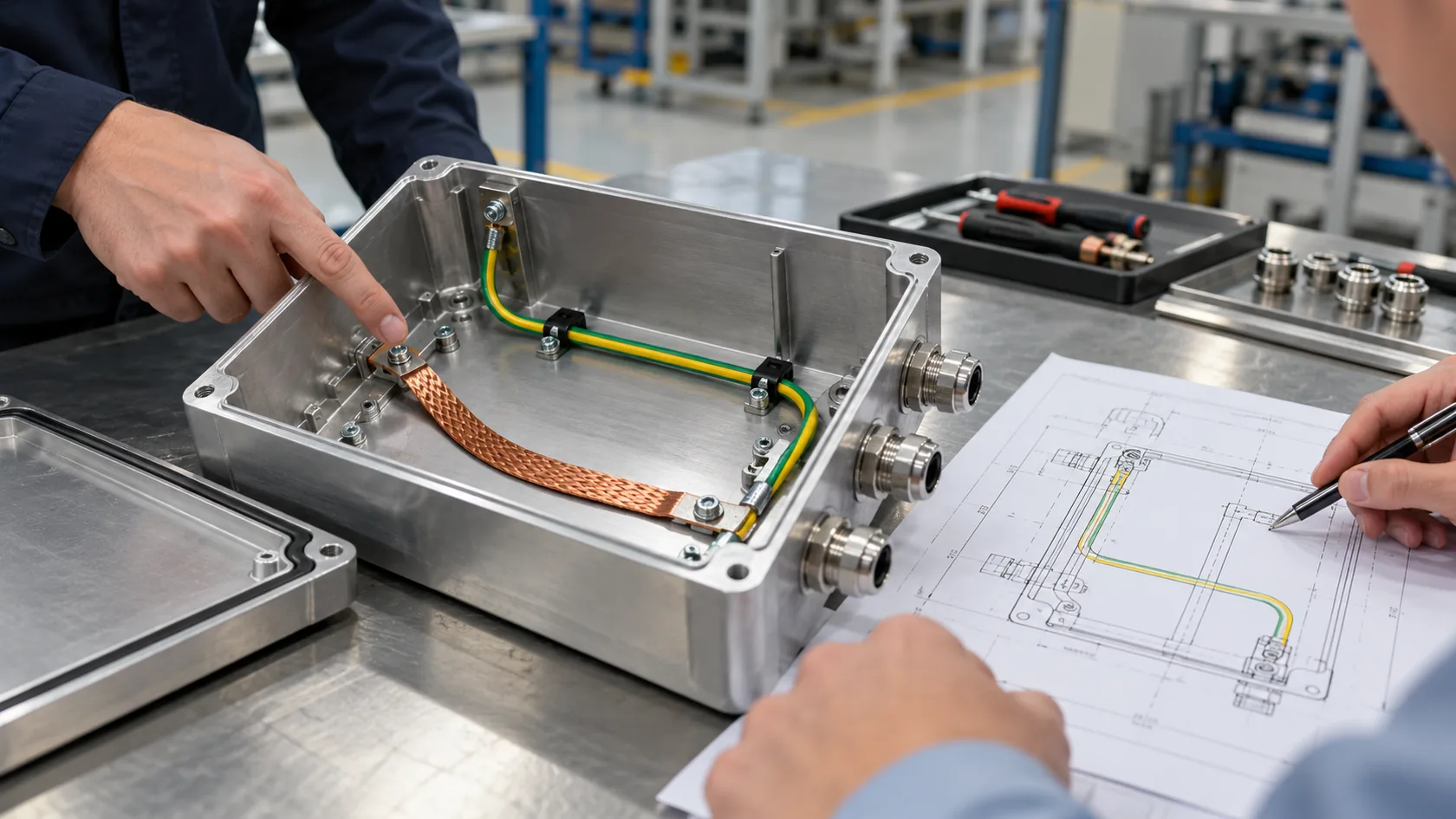
Metal boxes need grounding.
No exceptions.
Before closing the box, I pause. Closing hides mistakes.
How to Secure and Close the Junction Box

Closing is not the end. It is a checkpoint.
Installing cable clamps
Clamps stop tension from reaching connections.
Proper use of junction box covers
Covers are part of the system.
No open boxes. Ever.
Labeling and organization
Labels save time later.
Future you will thank present you.
Before finishing, it helps to learn from other people’s mistakes.
Common Mistakes When Installing a Junction Box
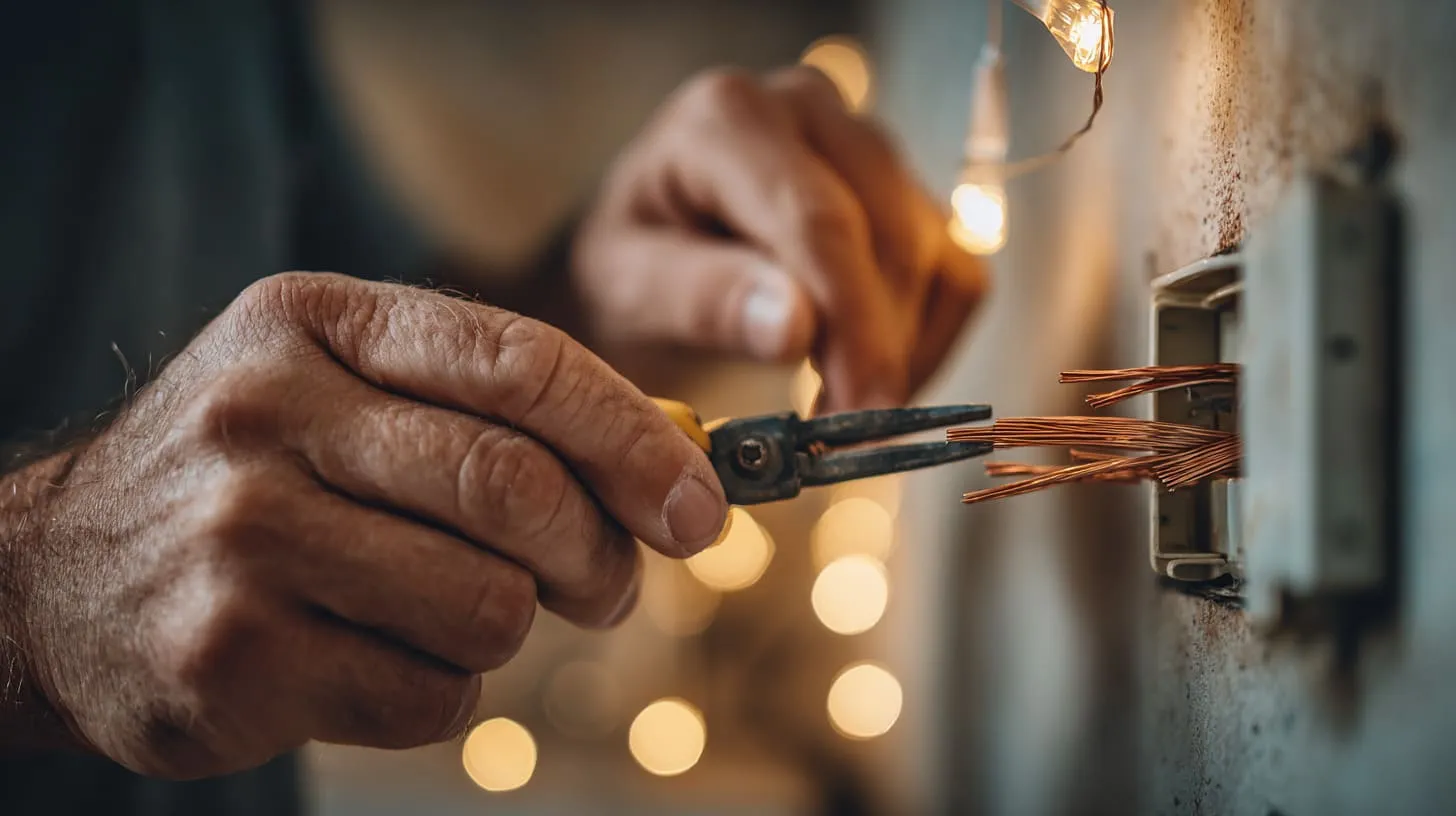
I’ve seen smart people make simple errors.
Overcrowding wires
Heat builds fast in small spaces.
Wrong box size
Bigger boxes reduce stress.
Loose connections
Loose wires fail quietly, then suddenly.
Ignoring codes
This always comes back during inspection.
Some projects go beyond standard boxes. That’s when custom options matter.
When to Use Custom or OEM Junction Boxes
Standard boxes work until they don’t.
Special industrial requirements
Factories need:
- Better sealing
- Stronger materials
- Clear labeling
Custom size and branding
OEM projects often need:
- Custom depth
- Logo marking
- Special mounting points
Why manufacturers matter
Working with a custom enclosure factory gives control.
Design, material, and compliance stay aligned.
Sometimes, the smartest move is to stop and call an expert.
When to Call a Professional Electrician
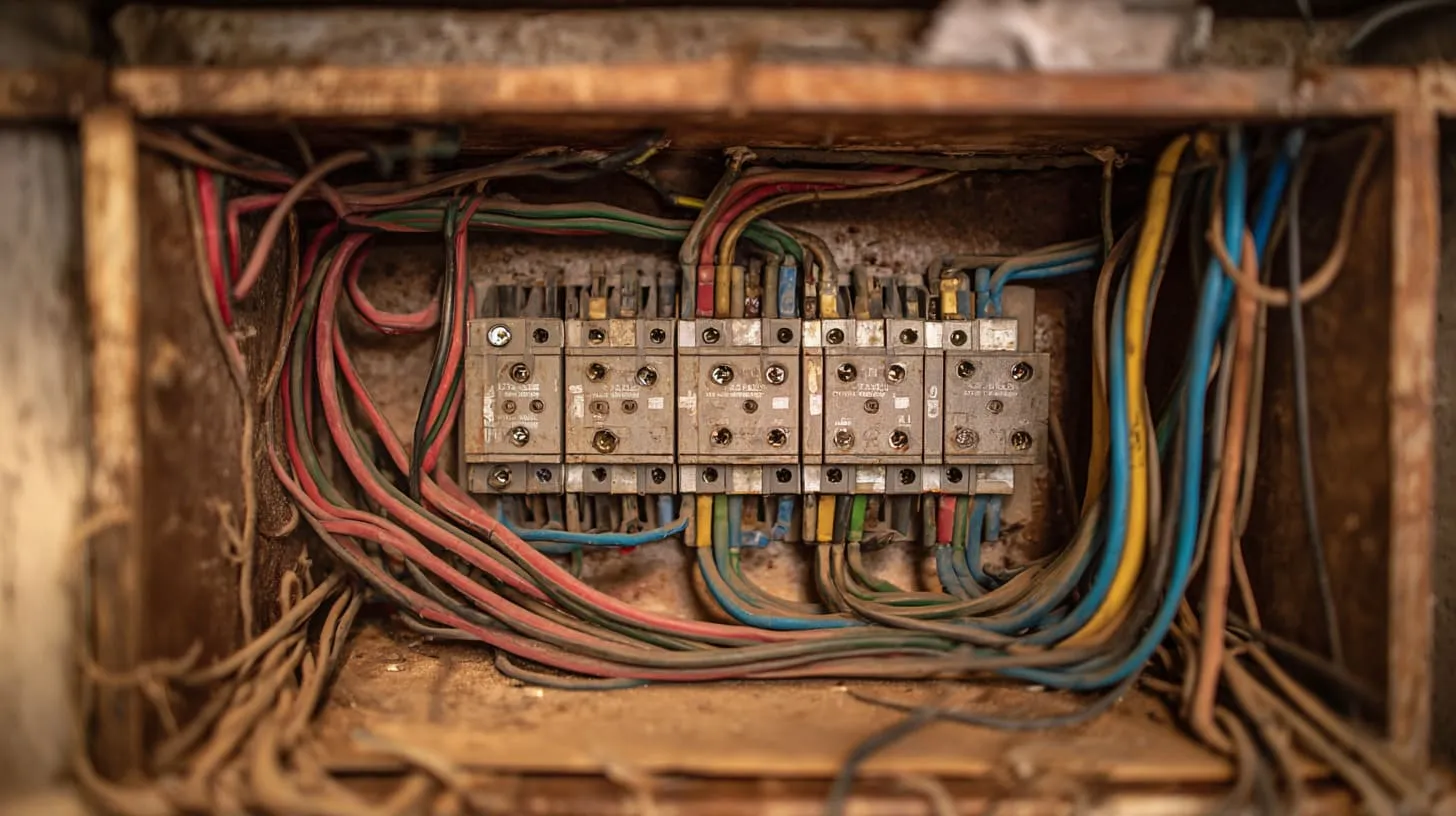
DIY has limits.
Situations that need certification
- High voltage systems
- Public buildings
- Industrial sites
Risks of complex systems
One mistake can affect many users.
Cost vs safety
Saving money never beats safety.
And that brings us to the end.
Conclusion

Installing a junction box in a wall is not hard.
But it is not casual work either.
Planning matters.
The right box matters.
Clean wiring matters.
I’ve learned this after years of working with engineers and buyers who fix problems after they appear. Doing it right early is always cheaper.
If your project needs custom junction boxes, OEM enclosures, or advice on material and design, feel free to reach out.
Sometimes a short conversation saves a long repair.