Skip to content
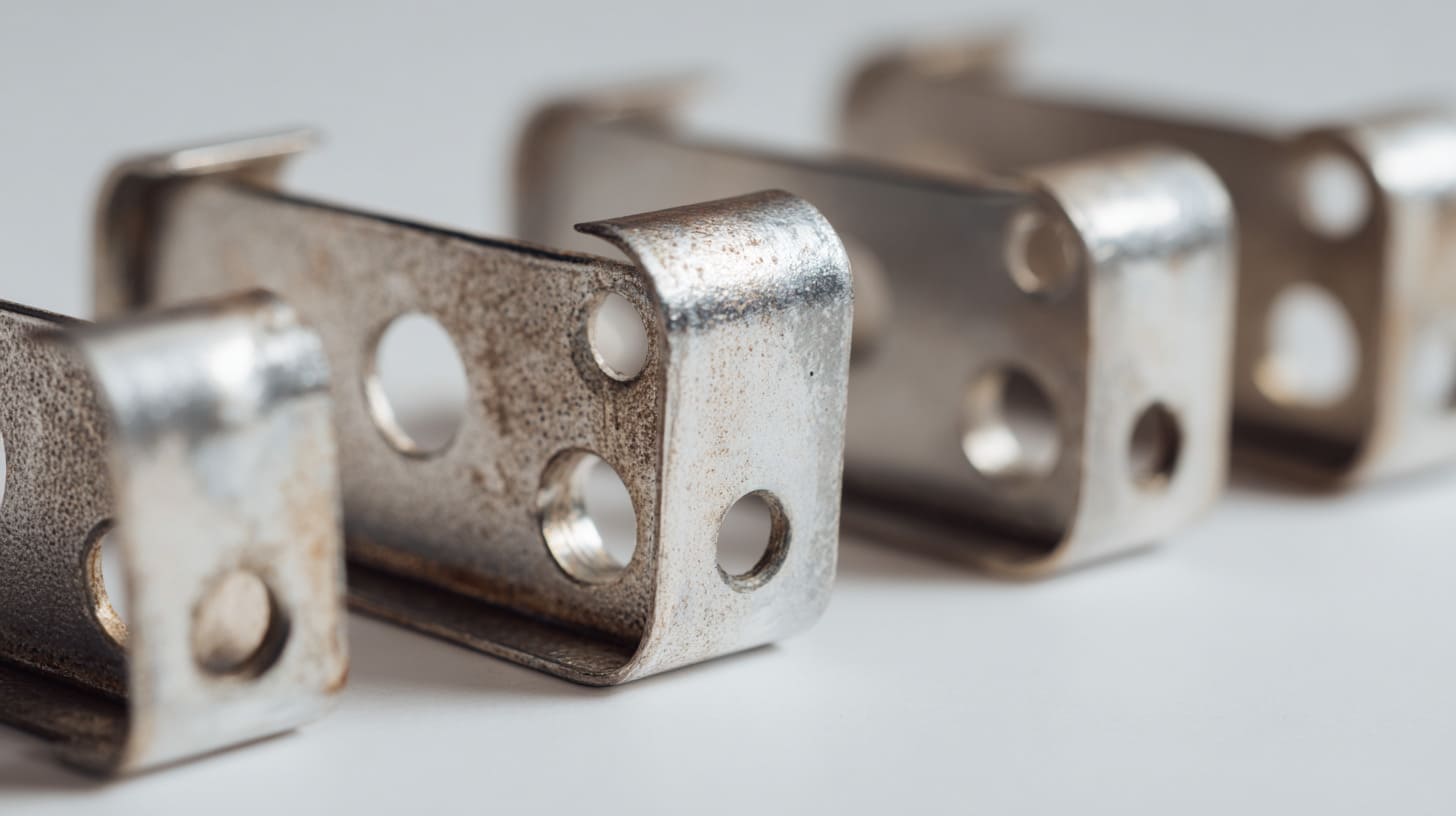
A metal bracket rarely gets attention until something starts to shake, sag, or fail. That moment usually comes late in a project, when everything else looks finished and the pressure is already on.
A metal bracket is a shaped support piece made of metal that reinforces, connects, or holds components in place, often in machinery or electronic enclosures.
But it’s not just about shape or material. The real story is in the details—loads, holes, surfaces, and fits. And sometimes, what looks like a simple “L” can decide if your whole project holds or falls apart.
What are the three types of brackets?
I used to get this question from interns and engineers alike.
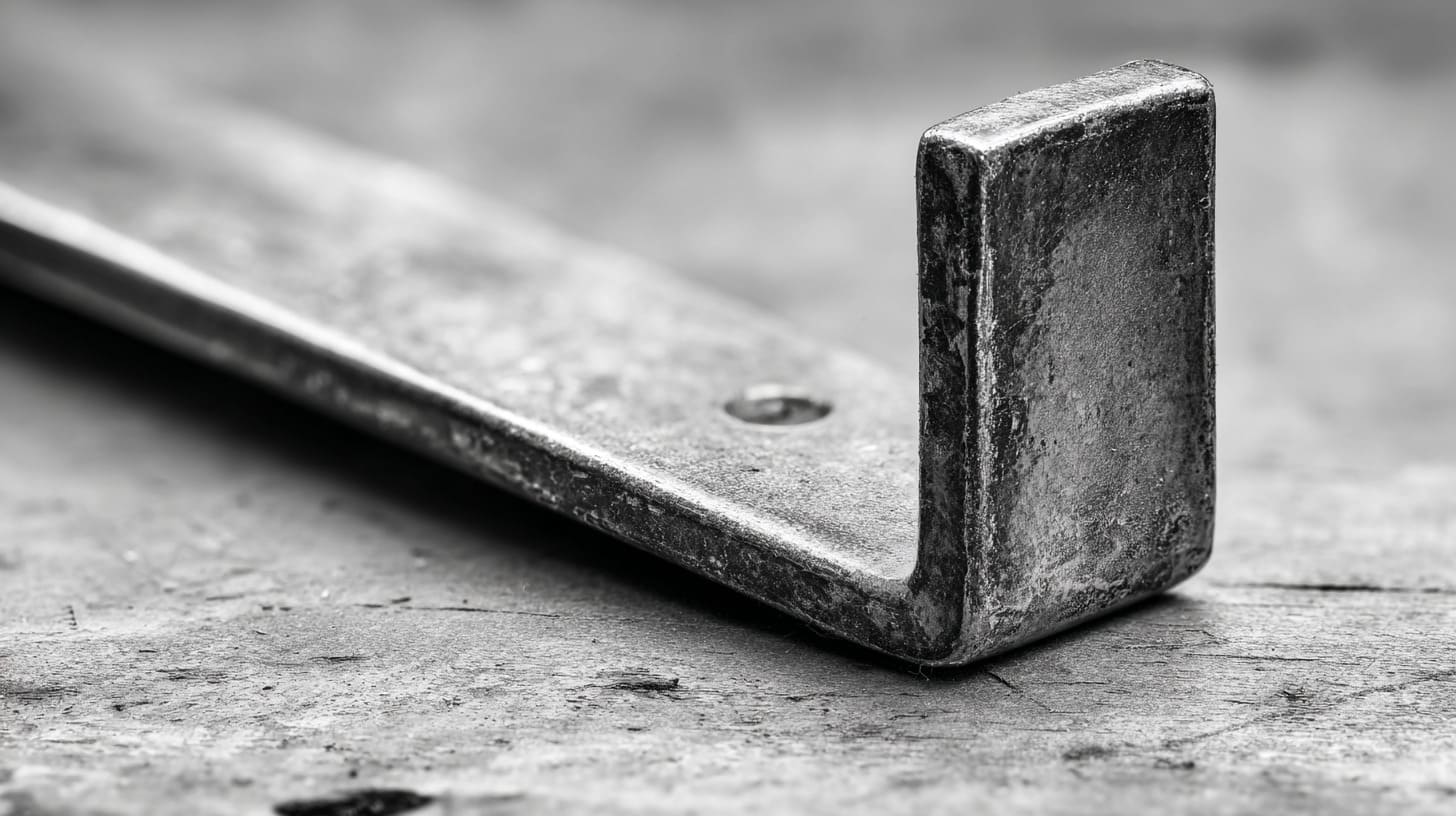
The three main bracket types are L-brackets, U-brackets, and Z-brackets. Each serves a different mounting or support function.
Dive Deeper: Understanding bracket geometry
Here's a quick comparison of the 3 types:
| Bracket Type | Shape | Common Use |
|---|---|---|
| L-Bracket | 90° angle | Wall or panel support |
| U-Bracket | U-shape | Holding tubes or panels |
| Z-Bracket | Z-form | Offset mounting or step support |
Each of these shapes comes with its own mounting logic. I once saw an engineer try to use a U-bracket where a Z was needed—and the board ended up 2cm off its intended location.
When to use metal brackets?
This usually comes up when plastic doesn’t hold up.
Use metal brackets when strength, heat resistance, or grounding is required in a mounting or support application.
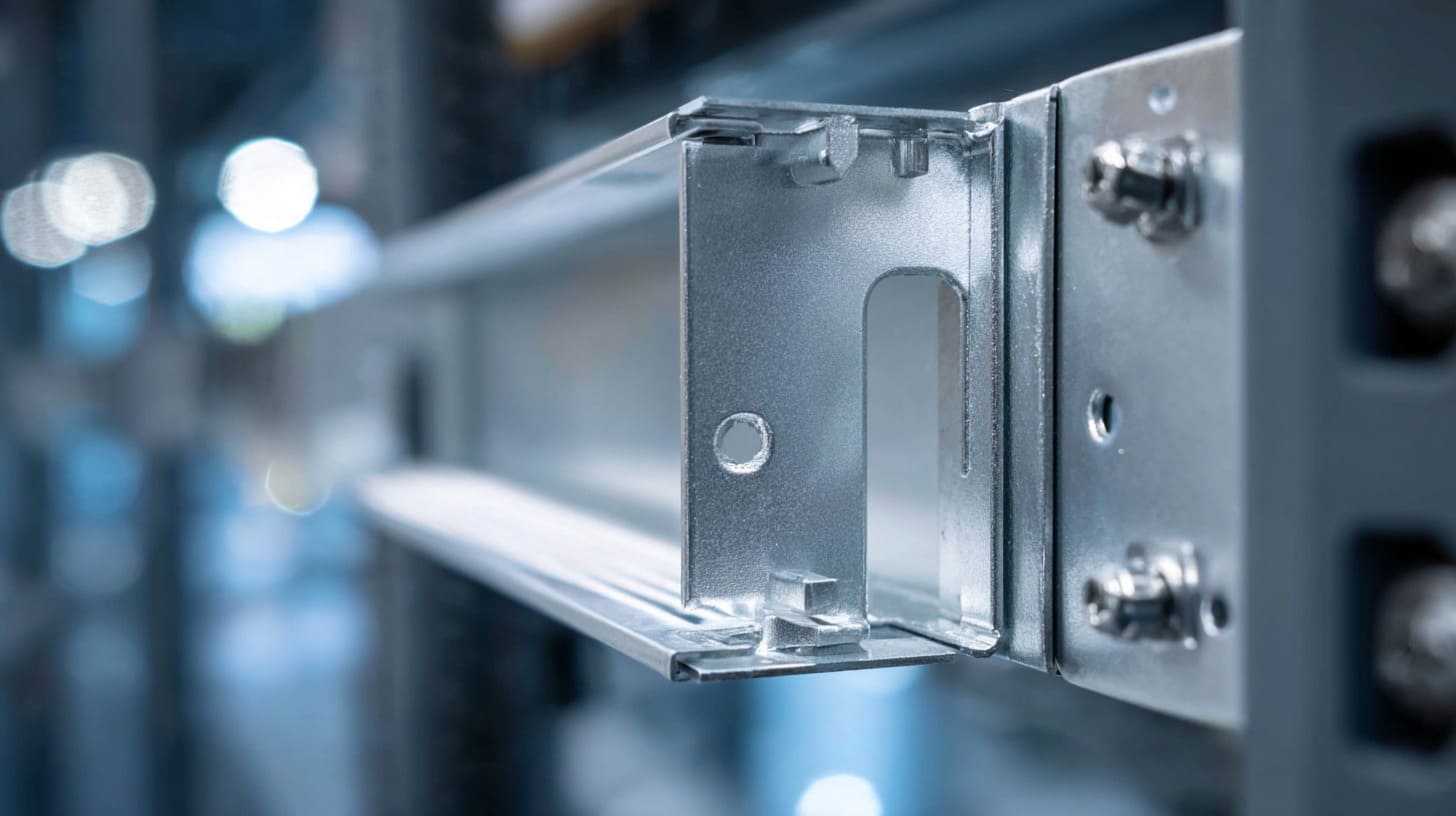
When I worked with a customer designing a 5G router enclosure, we tried nylon brackets. But they warped under heat. We switched to aluminum—problem solved.
How to identify brackets?
Sometimes you walk into a hardware store or factory floor and see 20 types—how do you know what’s what?
You identify brackets by their shape, mounting hole pattern, and load direction.
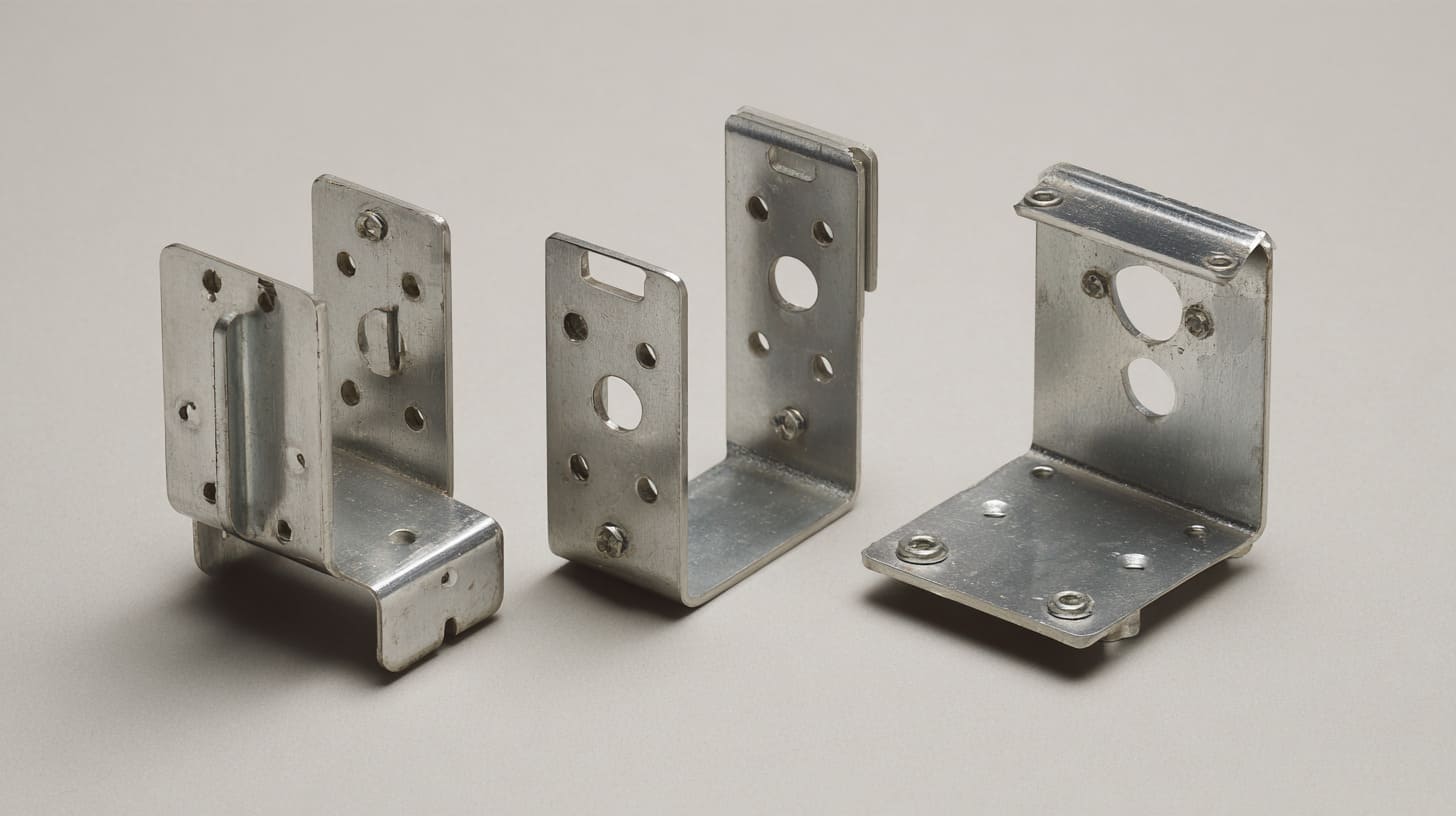
Look at the bend. Check the holes. Measure the offset. These details tell you whether it's made for corner mounting, panel support, or vertical load transfer.
What are the different types of metal brackets used in enclosures?
Enclosures use more than just L-shaped pieces.
In electronic or industrial enclosures, common metal brackets include corner brackets, PCB standoffs, DIN rail mounts, and hinge brackets.
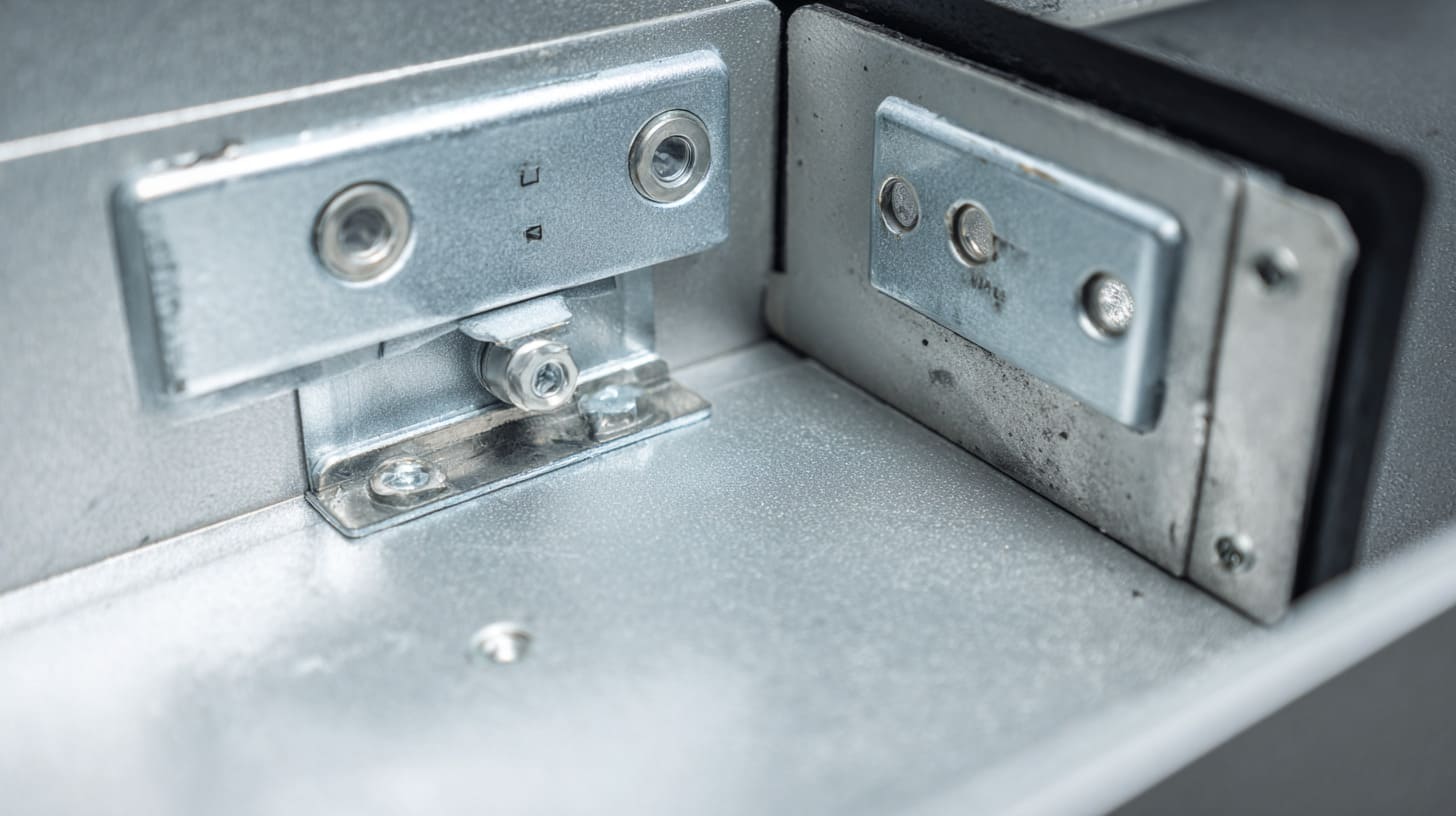
Common Types in Real Projects
- Corner Mount Brackets: Secure inside corners of boxes
- Standoffs: Elevate boards or components
- Hinge Brackets: For opening doors/lids
- Custom Plates with Flanges: For heavy-duty load or panel alignment
Once, a Canadian buyer asked us to add a hinge bracket for a touchscreen door. That little tweak saved their maintenance crew hours of work.
How is a custom metal bracket manufactured?
It’s not just “cut and bend.”
Custom brackets are manufactured through cutting, punching, bending, welding, and finishing processes, often using CNC or stamping machines.
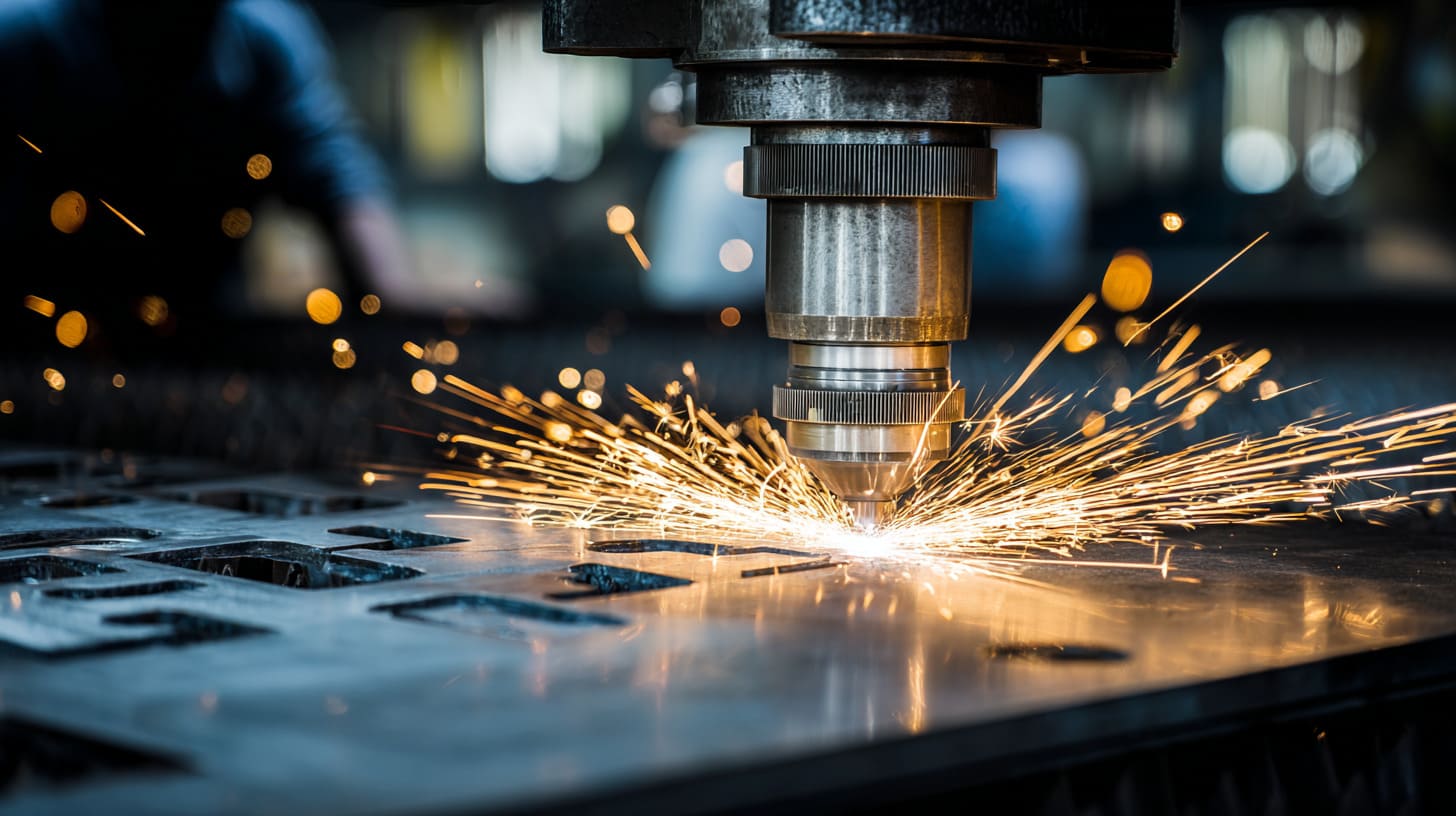
Manufacturing Steps
- Design – CAD drawing or hand sketch
- Material Selection – Thickness and type
- Cutting – Laser, punch, or CNC
- Bending/Forming – Press brake or dies
- Welding/Assembly – If needed
- Surface Finish – Coating, anodizing, or plating
- QC & Packing – Every hole matters
I've stood beside our laser cutter many times, watching sparks fly as we shape 2mm 5052 aluminum sheets into precise brackets with ±0.2mm tolerance.
What materials are best for metal brackets—aluminum vs stainless steel?
Some buyers go straight to stainless. Others swear by aluminum.
Aluminum is lightweight and corrosion-resistant, while stainless steel is stronger and more heat-tolerant.
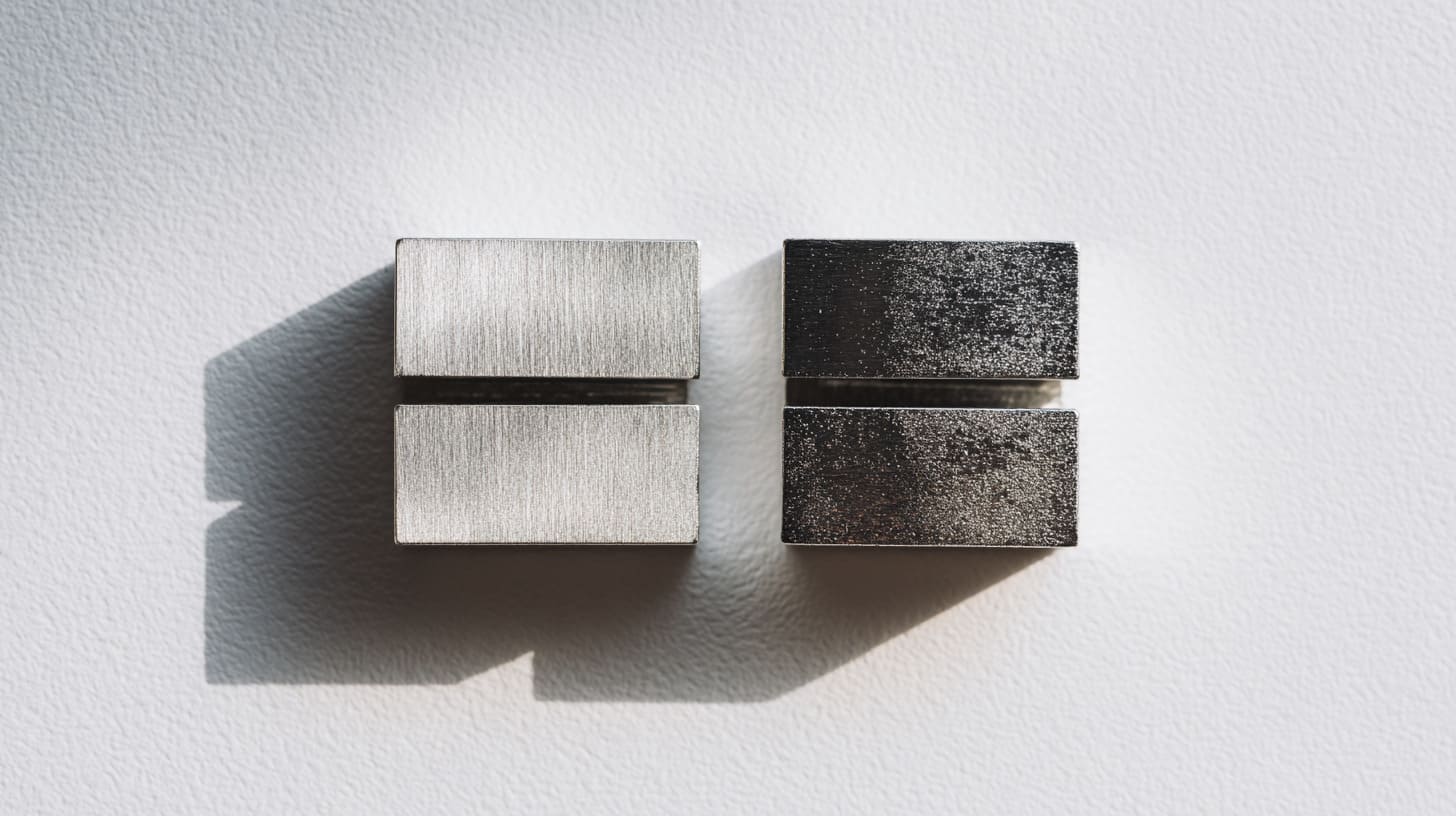
| Property | Aluminum | Stainless Steel |
|---|---|---|
| Weight | Light | Heavy |
| Strength | Medium | High |
| Corrosion Resistance | High | Very High |
| Machinability | Easy | Harder |
| Cost | Lower | Higher |
I usually recommend aluminum for consumer electronics, and Stainless Steel when vibration or outdoor use is expected.
How thick should a metal bracket be for electronic devices?
Thickness isn’t just a number—it’s a risk manager.
Typical bracket thickness ranges from 1.5mm to 3mm, depending on the load, span, and mounting points.
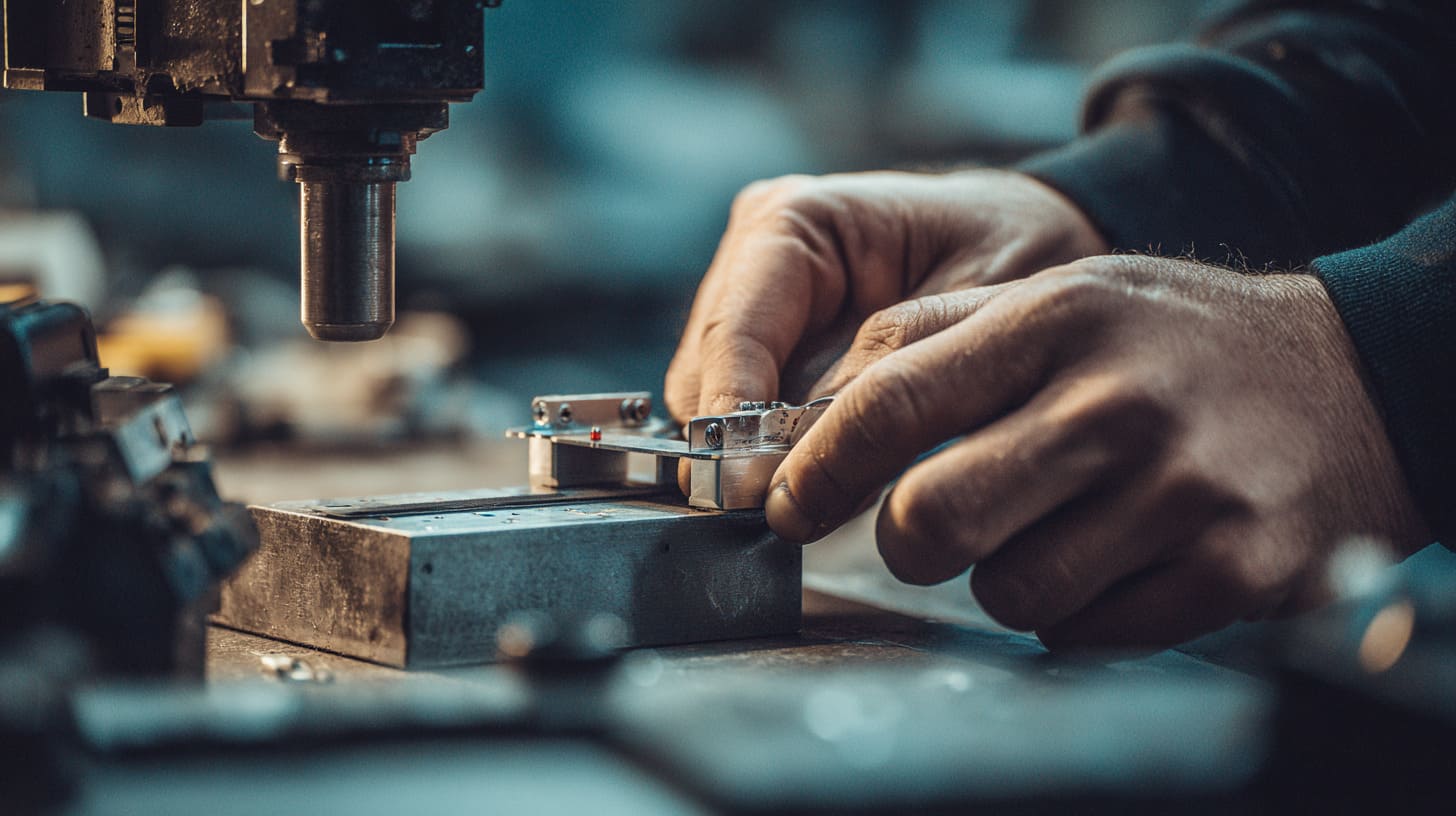
I’ve made brackets as thin as 1.2mm for Raspberry Pi kits and as thick as 5mm for industrial control boxes. The right thickness balances strength and weight.
Can I use a metal bracket for mounting PCBs or control panels?
Yes—and often you should.
Metal brackets provide rigid, grounded, and stable mounting for PCBs, control panels, and displays.
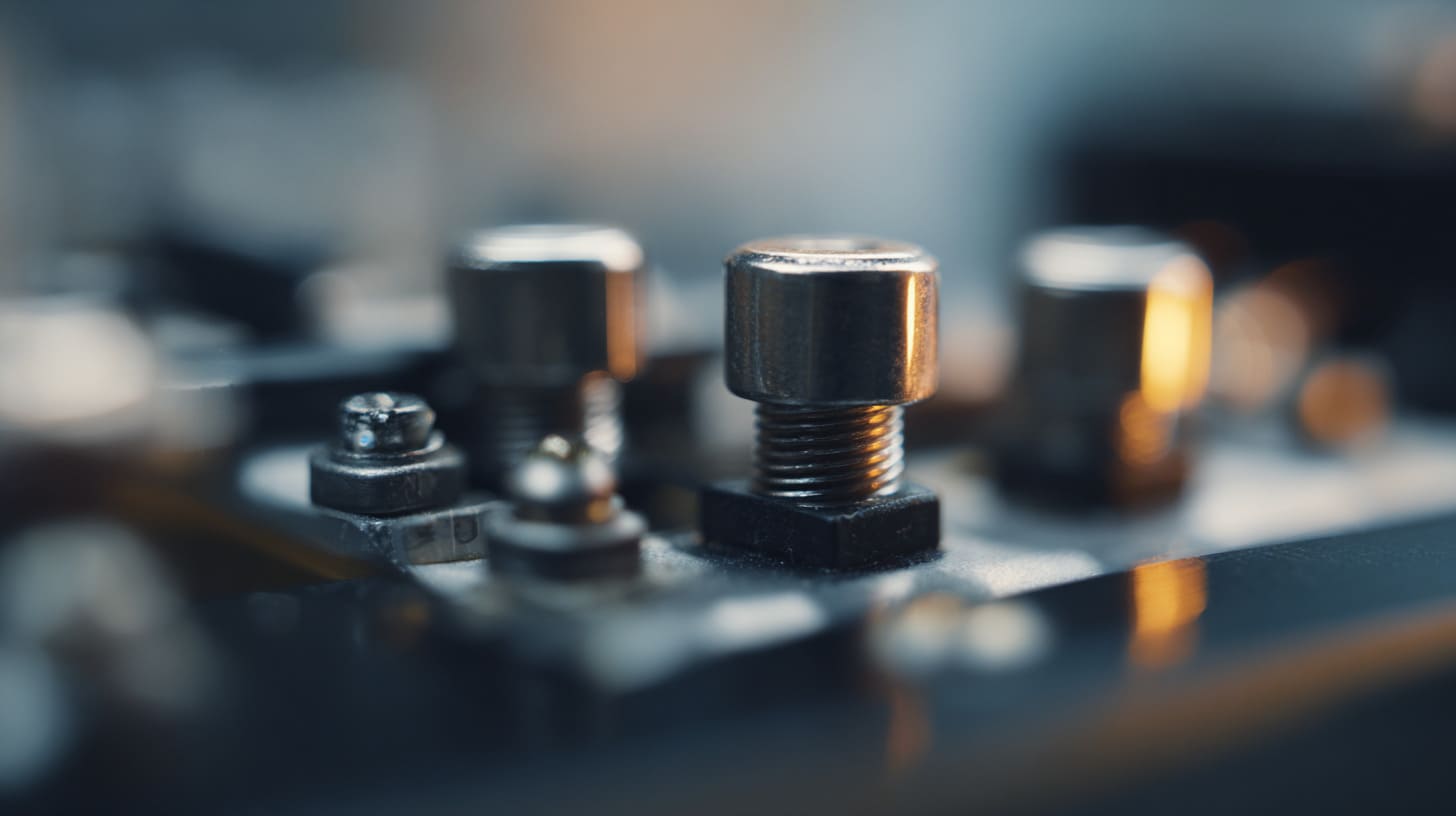
But be careful. Avoid shorts. We usually add nylon washers or custom-cut insulation layers when metal meets electronics.
What surface treatments are available for custom metal brackets?
Looks matter. But corrosion resistance matters more.
Common surface treatments include anodizing, powder coating, electroplating, brushing, and passivation.
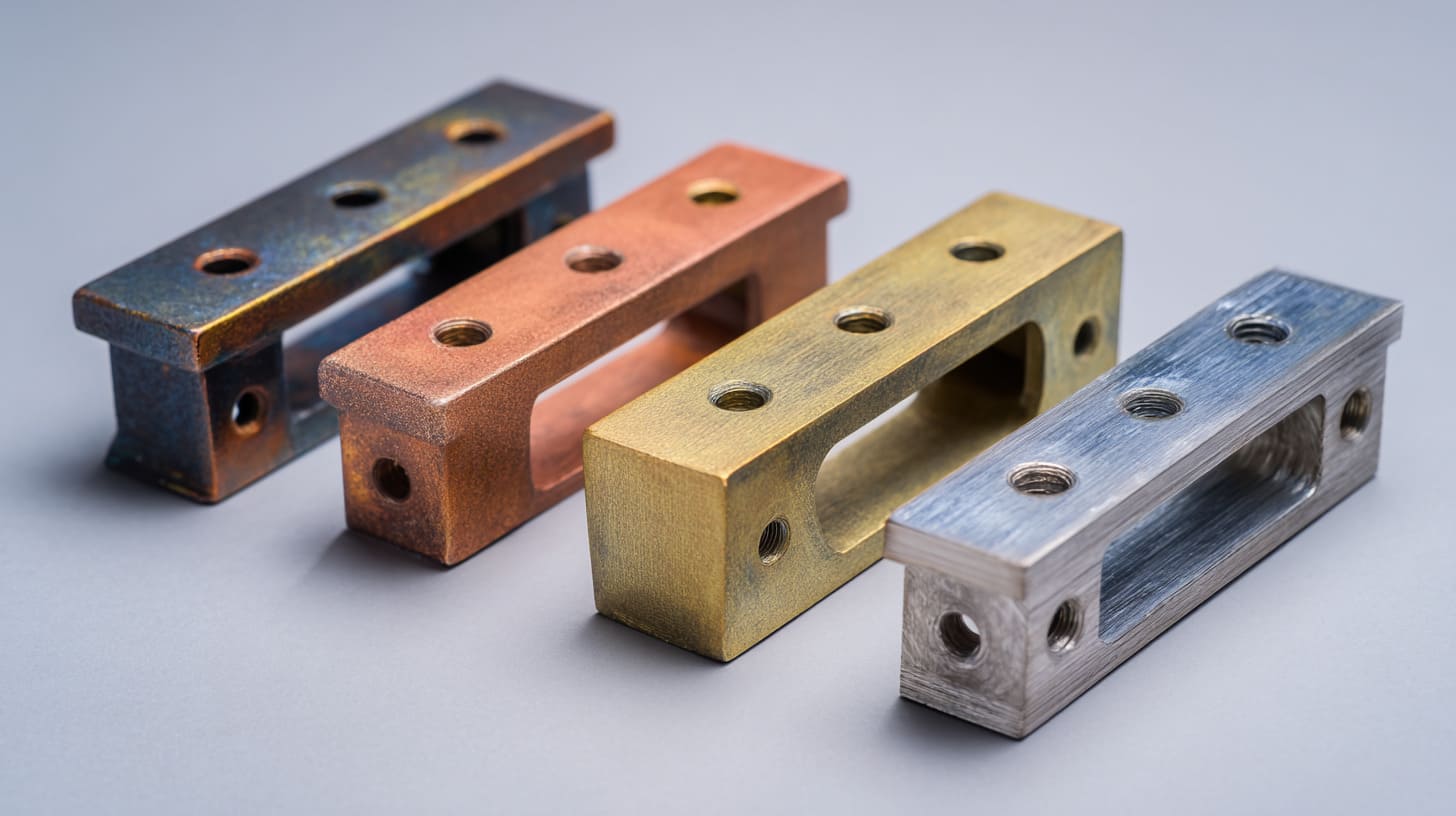
Surface Options Breakdown
| Finish Type | Best For | Visual Look |
|---|---|---|
| Anodized | Aluminum, color options | Matte / Color tint |
| Powder Coated | Steel or aluminum | Durable / Semi-gloss |
| Zinc Plated | Corrosion resistance | Shiny |
| Brushed Finish | Aesthetics | Satin / Lines |
I once had a client request “black brushed aluminum” to match their audio equipment. We delivered, and it looked like it belonged on a $2000 amplifier.
How do I design a metal bracket for load-bearing or structural support?
There’s an art to strength without bulk.
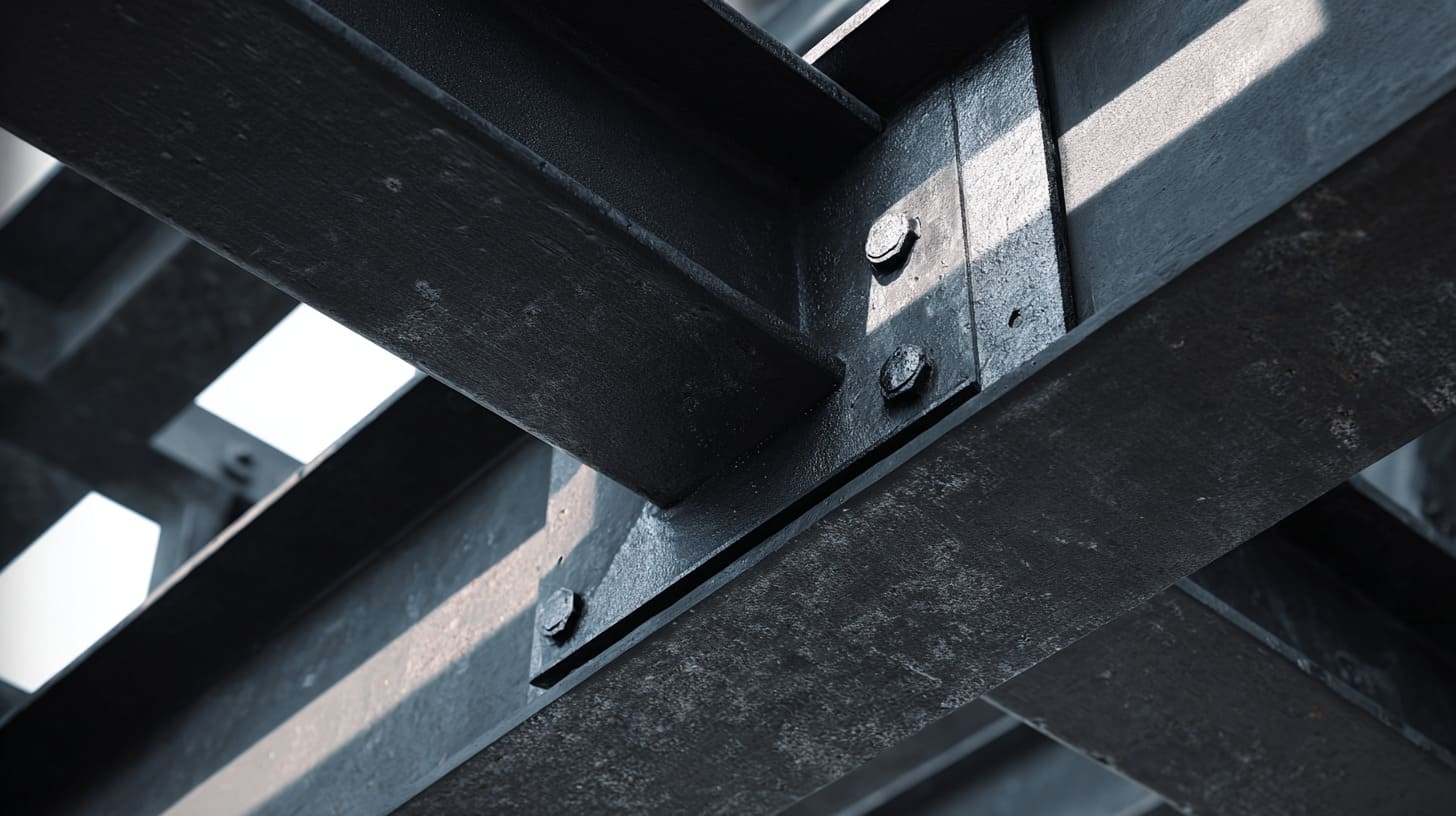
To design a load-bearing bracket, focus on material choice, support geometry, hole placement, and bend radius.
Quick Tips
- Use triangles or gussets for reinforcement
- Avoid sharp bends at stress points
- Distribute holes evenly
- Use thicker material at stress zones
One time we added a diagonal flange to a flat bracket and the load capacity jumped 40%. Tiny tweaks, big difference.
What’s the MOQ and lead time for custom metal brackets from China?
It depends on the complexity and finish—but here’s a baseline.
Typical MOQ is 200–500 pcs with a lead time of 15–25 days for standard custom brackets.
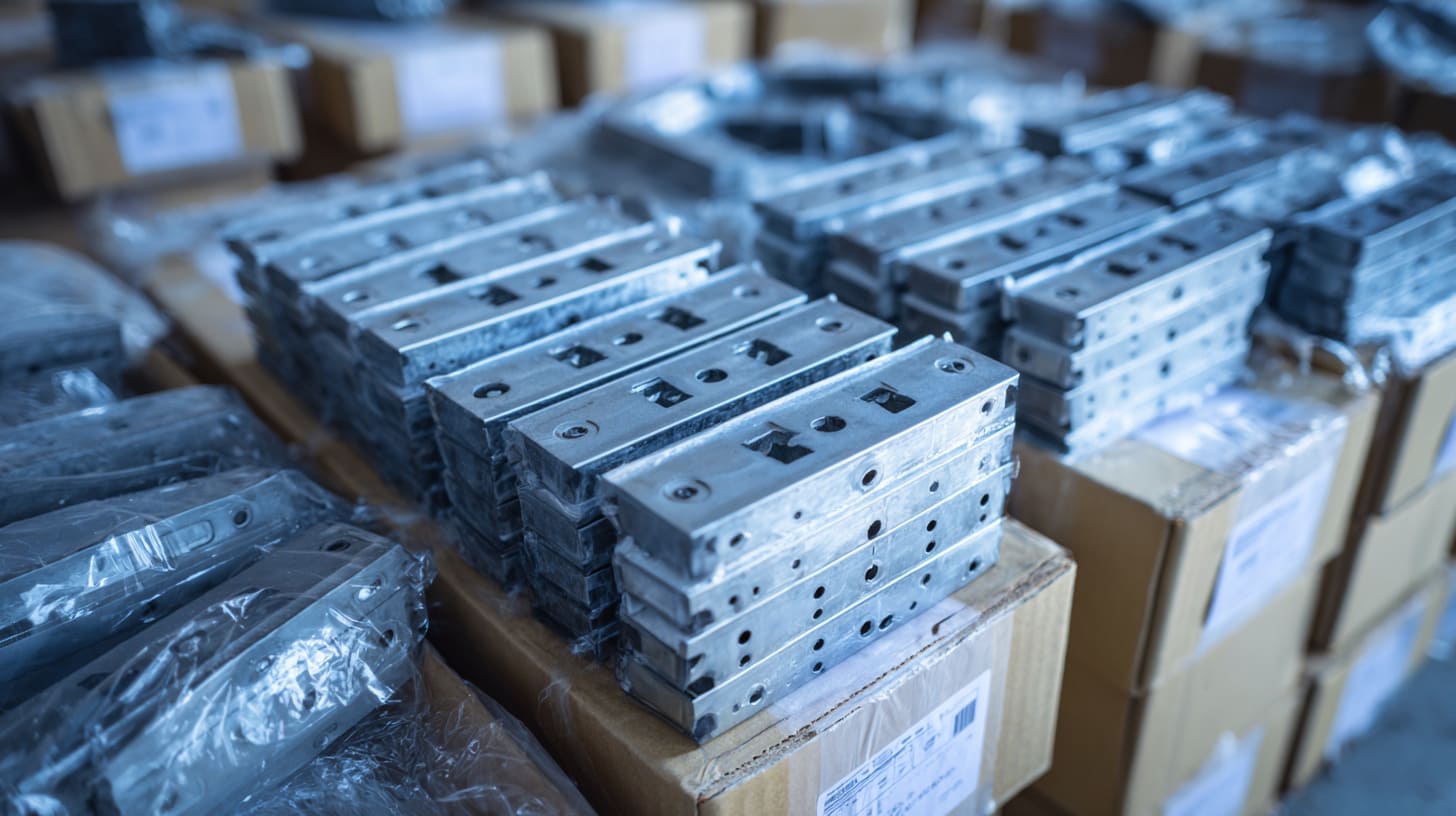
For simple L-brackets, we’ve done 100 pcs before. For complex designs, we often need 500+ to offset tooling costs. Always best to share your drawing and ask.
Conclusion
A metal bracket may look simple—but it holds everything together.