Skip to content

Sometimes a project seems straightforward—until someone brings up protection ratings. You’re deep in CAD files, choosing materials, finalizing shapes… and then the client asks, “Can this handle dust and rain?” That’s when IP and NEMA suddenly take center stage.
As a manufacturer who deals with custom enclosures daily, I see this moment again and again. Whether it’s a buyer launching a smart irrigation controller or an engineer designing a control box for outdoor machinery, the need is the same: keep the electronics safe. And to do that, you need to speak the language of enclosure ratings.
That language comes in two dialects—IP (Ingress Protection) and NEMA (National Electrical Manufacturers Association). They’re both about environmental protection, but they approach it differently.
If you’ve ever wondered which one to use—or how they compare—this post will guide you through it. We’ll unpack what each standard means, how they’re tested, where they overlap, and when one might suit your project better than the other.
Let’s begin by understanding the IP rating system.
What Are IP Ratings?
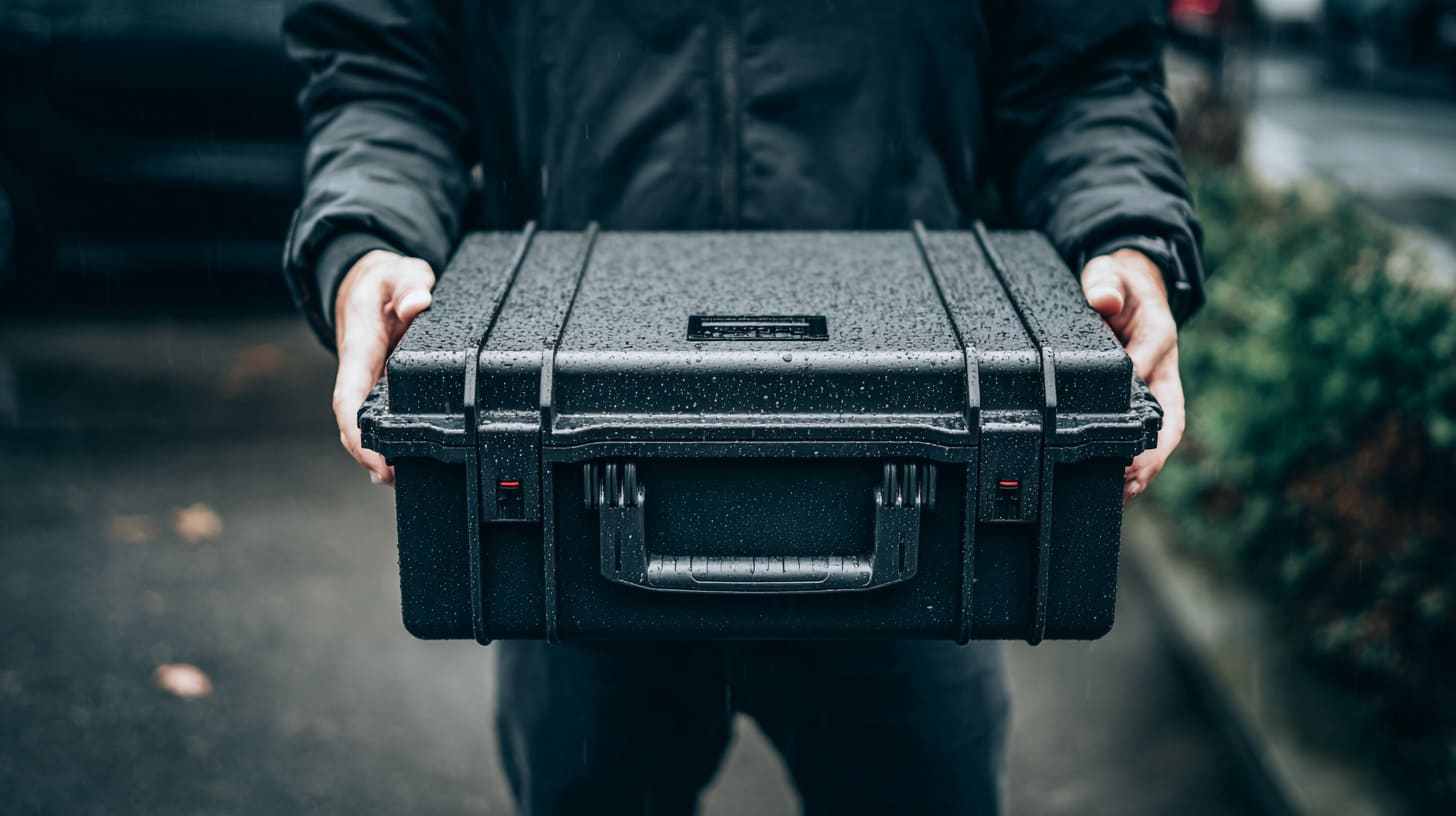
I learned about IP ratings early in my career when a Belgian customer, Jackson, asked for an IP67 enclosure for a rugged outdoor device. At first, the letters IP67 felt like alphabet soup. But once you know what each part means, it becomes simple and practical.
Definition of IP (Ingress Protection)
What Ingress Protection Really Means
IP stands for Ingress Protection. It comes from the IEC 60529 standard. This is an international system that tells us how well an enclosure keeps out:
- solid particles like dust
- liquids like water
The standard helps engineers everywhere speak the same language.
Structure of an IP Code
The IP code has two main parts. Here’s how it works:
| Part | What it means |
|---|---|
| First digit | Protection against solids (like dust) |
| Second digit | Protection against liquids (like water) |
First Digit: Solid Particles / Dust Protection
The first number ranges from 0 to 6.
- 0 = no protection
- 6 = fully dust tight
Higher is better.
Second Digit: Water Protection
The second number ranges from 0 to 9.
- 0 = no protection
- 7 = protection when submerged up to 1m
- 8 = protection when submerged beyond 1m
Again, bigger number means more protection.
Common IP Ratings and Interpretations
Now let’s make it real:
| IP Rating | What It Usually Means |
|---|---|
| IP54 | Good dust protection, water spray safe |
| IP65 | Dust tight, water jets safe |
| IP66 | Dust tight, strong water jets safe |
| IP67 | Dust tight, temporary submersion safe |
| IP68 | Dust tight, deep water submersion safe |
When you see these numbers, you know what environment the enclosure can handle.
Typical Applications of IP‑Rated Enclosures
IP ratings are all over the world because they make sense globally. You’ll see them in:
- outdoor lighting
- consumer electronics
- marine equipment
- industrial sensor housings
In short, IP ratings help you pick the right enclosure for the environment.
Now, let’s switch focus to another system some of you deal with daily.
I still recall talking with John, the ODM customer from Hungary, about NEMA types. He looked puzzled at first. Then, once he saw the chart, it clicked. Let’s explore.
What Are NEMA Ratings?

Definition of NEMA
NEMA stands for the National Electrical Manufacturers Association. It is a US‑based standard. While it covers dust and water protection like IP, it also includes conditions that matter in harsher industrial environments.
Many North American projects insist on NEMA ratings.
Types of NEMA Ratings
NEMA ratings are written as numbers like 1, 3R, 4X, 6P, 12, etc.
Here’s a quick view:
| NEMA Rating | Where You Might See It |
|---|---|
| 1 | Indoor use, basic protection |
| 3R | Outdoor use, rain protection |
| 4X | Outdoor + corrosion resistance |
| 6P | Protection in wet and submersion |
| 12 | Industrial indoor use |
This system helps engineers know not just if water or dust is kept out, but also how an enclosure stands up to ice, corrosion, and harsh conditions.
Additional Tests and Environmental Factors Covered by NEMA
NEMA ratings include:
- corrosion resistance
- ice formation resistance
- protection in hazardous atmospheres
You won’t find all these in the IP table.
This is why many industrial customers in North America ask for NEMA ratings.
Typical Applications of NEMA‑Rated Enclosures
You’ll find NEMA enclosures in:
- outdoor industrial control panels
- food processing plants
- chemical environments
- heavy machinery
If your project faces more than just rain and dust, NEMA ratings may matter more.
Thinking about both systems helps you avoid choosing the wrong enclosure.
Now, let’s pull them side by side.
Key Differences Between IP and NEMA
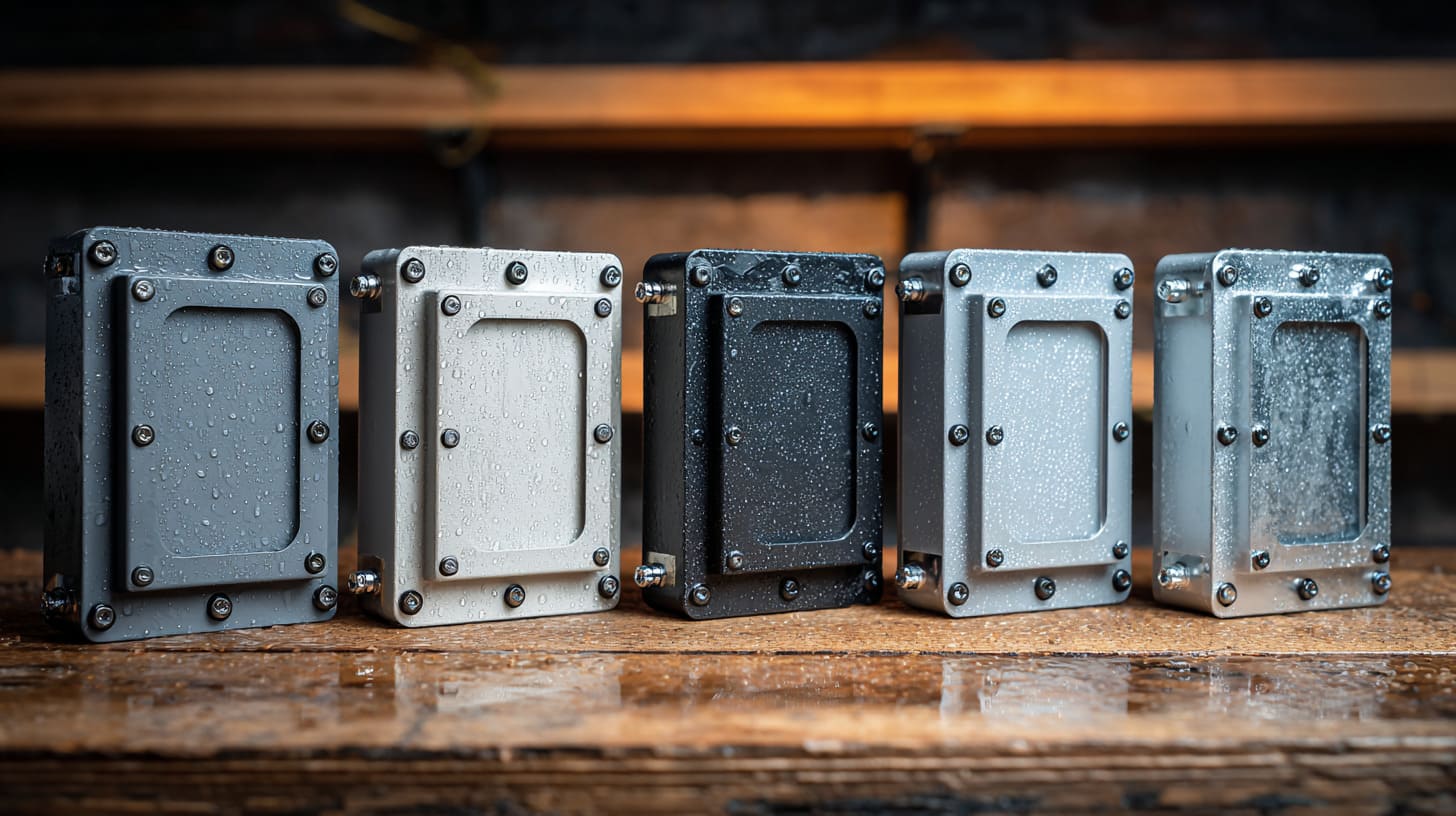
I once had a client ask me: “Can we just match IP rating to NEMA and be done?”
That’s a fair question. But the truth is, they are built for different worlds.
Scope of Protection
Here’s how they differ at the core:
- IP tells you how well an enclosure stops dust and water.
- NEMA tells you that and more. It includes environmental hazards.
Think of IP as a focus on ingress. NEMA is more like a big‑picture environmental rating.
Testing Requirements
NEMA tests include:
- ice impact
- corrosion
- hose impact
IP tests do not check all those.
So two enclosures with similar ingress numbers can behave very differently in real conditions.
Regional Standards and Usage
IP is global. Engineers everywhere use it.
NEMA is mainly North America focused.
So ask yourself:
- Where will this product go?
- Does local code require NEMA?
This matters when you export products.
Conversion and Compatibility
People often try to make a chart that says IP66 = NEMA 4X.
But that is not precise.
These standards overlap, but they are not the same.
There is no exact one‑to‑one mapping.
If you only look at numbers, you can be misled.
And you don’t want to be that engineer on a late night call explaining why a panel failed.
Let’s look at specific examples.
Comparing IP and NEMA Ratings (With Examples)
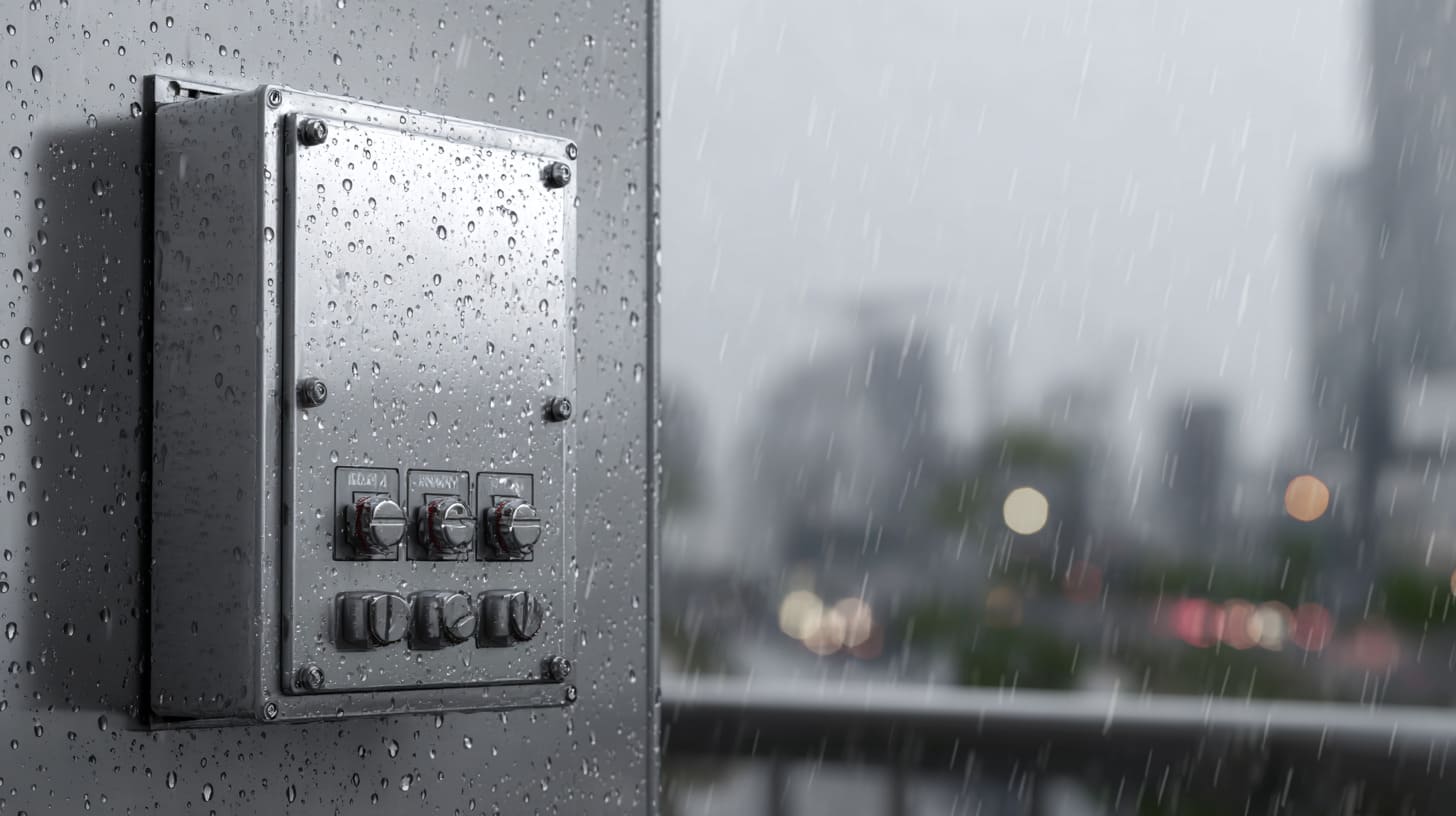
Common Comparative Examples
Here are some examples that often come up:
| NEMA Type | Rough IP Equivalent | Notes |
|---|---|---|
| NEMA 4X | IP66 / IP67 | Similar water protection, but NEMA adds corrosion |
| NEMA 6P | IP67 / IP68 | Both offer submersion protection |
This table gives you a place to start. But remember, it is approximate.
When Equivalent Ratings May Be Misleading
Let me tell you a quick story.
A client once thought IP66 and NEMA 4X were the same. The product worked fine in rain. But near the ocean, salt corrosion broke the enclosure fast. NEMA 4X would have been a better pick because it includes corrosion resistance.
This is critical for industries like marine, oil & gas, and food processing.
Now let’s think about your project.
How to Choose Between IP and NEMA for Your Enclosures
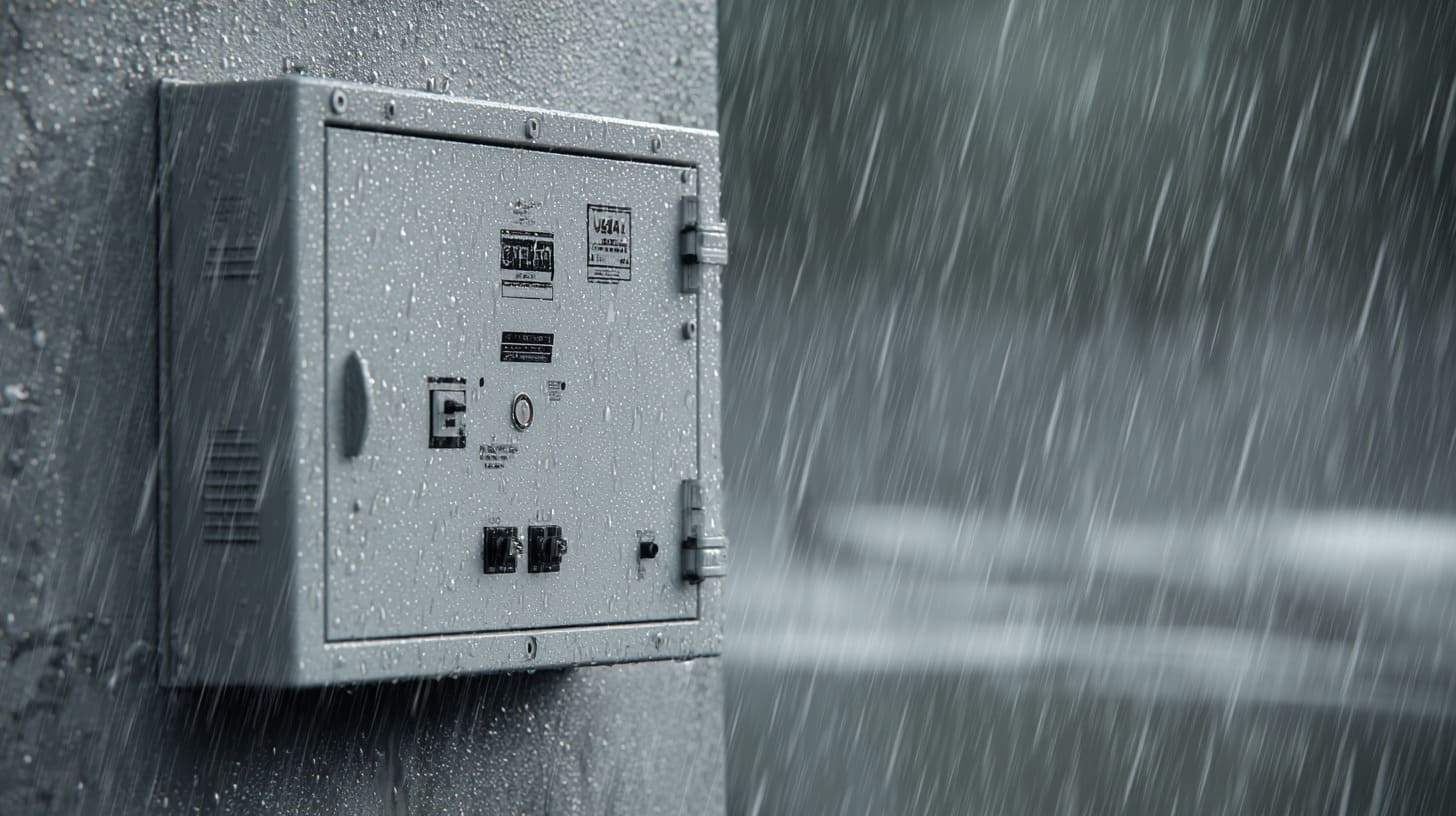
Choosing the right standard means asking a few simple questions early.
Understand Environmental Conditions
- Will the enclosure face lots of dust?
- Will it be outdoors?
- Is there salt, chemicals, ice?
Write down the conditions. Then match them with the rating you need.
Compliance with Industry Regulations
If you are selling into North America, NEMA may be required.
If you are selling globally, IP is often the language engineers use.
Sometimes clients need both. We call that a dual rating.
Importance for Custom Enclosure Buyers
For custom OEM and ODM projects, like those we do at MaidaTech, this matters even more.
When you send your design files, include:
- intended environment
- any regulatory needs
- dust, water, corrosion levels
That ensures we make it right the first time.
When Dual Ratings Are Beneficial
Dual ratings help when you want:
- global market access
- cross‑region compliance
- clear specification for contract manufacturers
This reduces risk.
Next, let’s talk about what that means for sourcing.
Implications for Custom Enclosure Sourcing

As someone who has worked with OEM and ODM clients for years, let me be direct.
The right spec saves time, money, and headaches.
Industrial Buyers and Engineers
When you request quotes, include:
- required rating system
- environment details
- any extra tests (corrosion, ice, chemicals)
Put all of it in your RFQ. It makes supplier replies faster and clearer.
OEM/ODM Custom Enclosures
For custom parts, include ratings early in your design brief.
If you wait until late stages, you risk redesigns.
And redesigns cost money.
How Suppliers Should Communicate Ratings
For suppliers, clarity matters.
Tell your buyer:
- what tests the enclosure passed
- what conditions it can handle
- where it is best used
This avoids mis‑orders and delays.
Enough about theory—let’s wrap this up.
Conclusion
Here’s the bottom line:
- IP ratings focus on dust and water protection worldwide.
- NEMA ratings include dust, water, and harsher conditions, mostly in North America.
- There is no perfect conversion between them.
- Your choice should match the environment and compliance needs.
When you know this early, you avoid surprises.
If you need help specifying the right enclosure for your next project, you can always reach out. I’m here to help.
—
Vincent Li
info@maidatech.com
www.maidatechenclosure.com