Skip to content
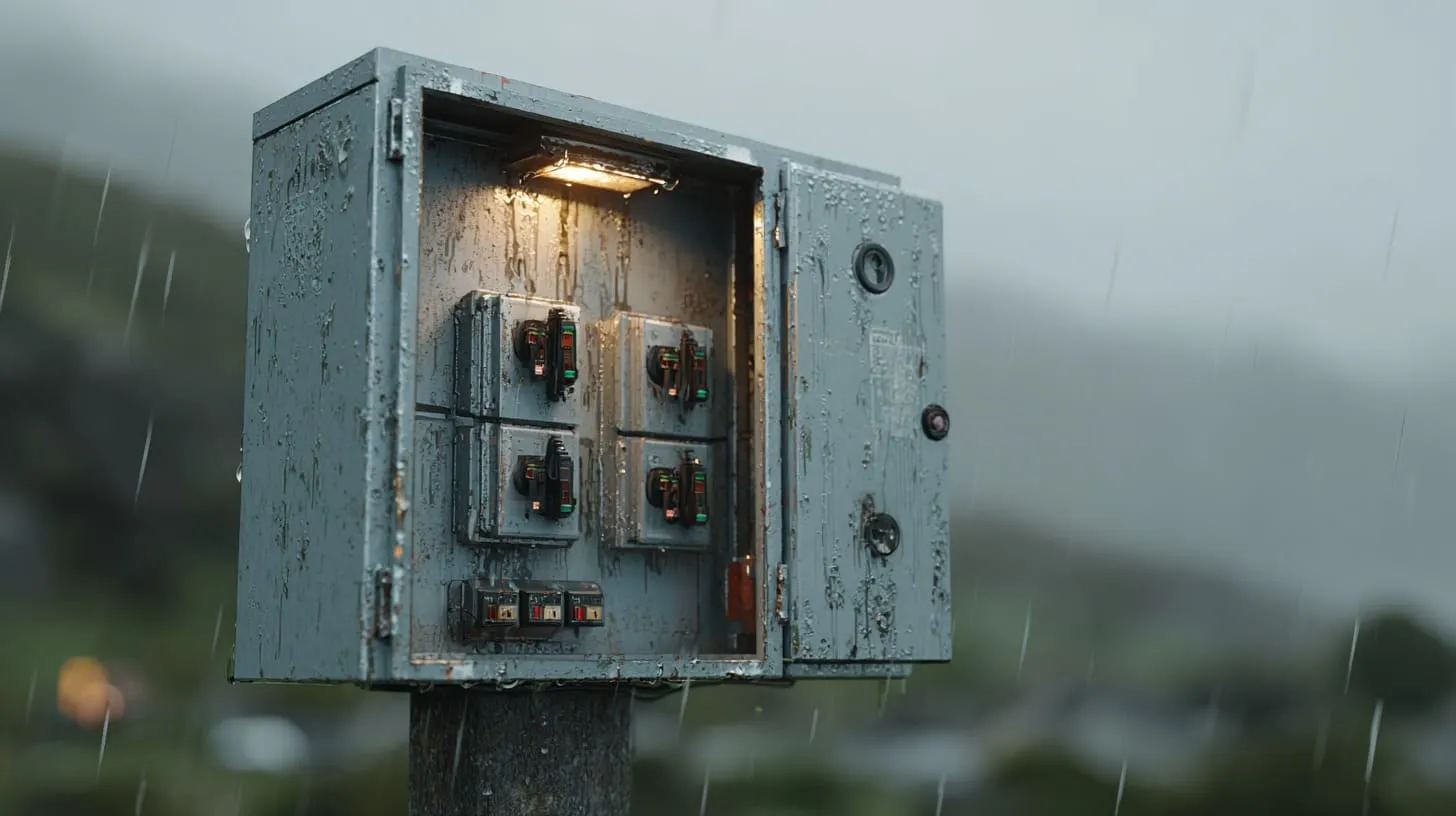
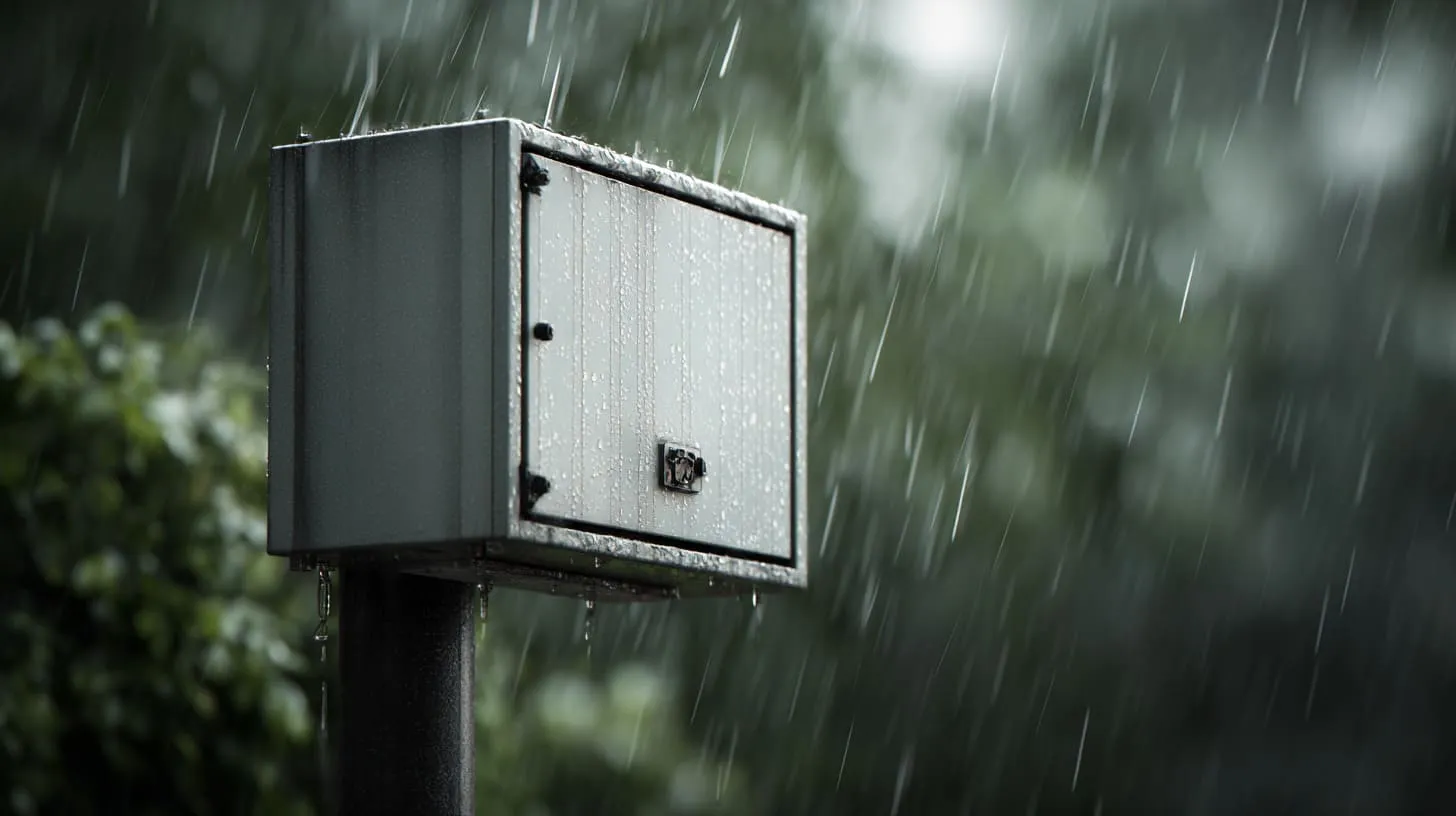
The day started quietly in my workshop, with messages from clients coming in one after another. One of them stood out. A product engineer named Davide sent over a photo of his outdoor control box with water streaks running down the inside panel. He wrote only one line under the image: “Why did this happen?”
His team had selected a NEMA 3 enclosure for an installation that sat directly under open sky. The box looked tough, the build felt solid, and on paper everything seemed fine. But rain does not care about spec sheets, and that small mismatch between rating and reality was enough to cause corrosion, downtime, and frustration.
Moments like this remind me how easy it is to overlook the subtle differences between enclosure ratings. And when you are working with OEM builds, custom designs, or project deadlines, those subtleties matter more than we realize.
So if you’re unsure whether NEMA 3 or NEMA 3R is the right choice for your application, you’re in the right place. Let’s unpack the difference in a simple, practical way—engineer to engineer, buyer to manufacturer.
What is a NEMA 3 Enclosure?
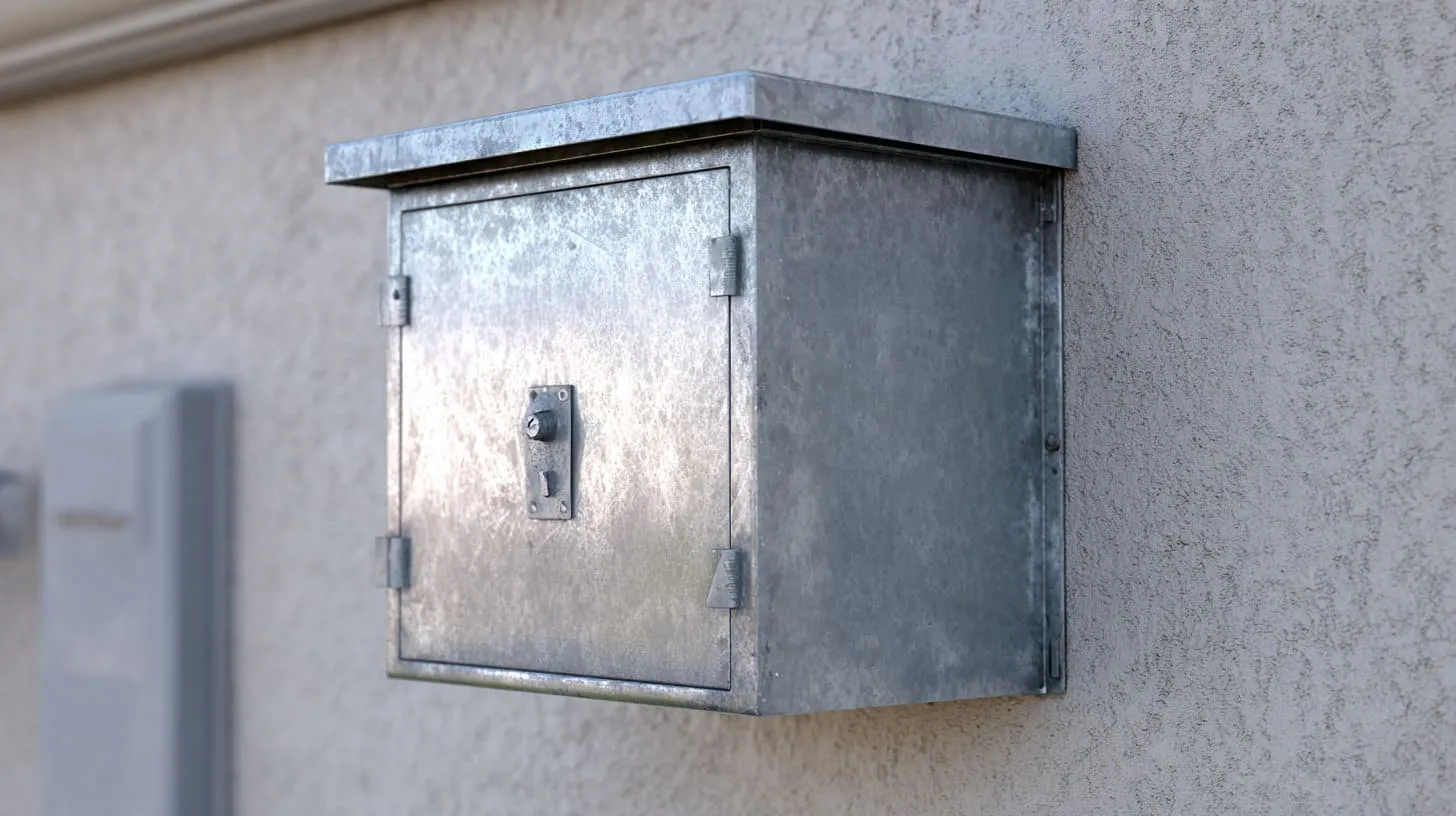
At first glance, NEMA 3 enclosures seem like the everyday hero of outdoor applications. And to be fair, they are pretty solid—for the right job.
● Protection levels and environmental resistance
NEMA 3 enclosures are designed to protect against:
- Rain
- Sleet
- Snow
- Windblown dust
They’re a step up from indoor-only boxes, but not quite stormproof. Think of them as “weather-resistant,” not “weatherproof.”
● Typical use cases and applications
You’ll often find NEMA 3 enclosures in:
- Mild outdoor electrical boxes
- Generator housings under awnings
- Non-critical control panels mounted on walls
These work well if the gear is shielded from direct rain or heavy splashing.
● Common materials and construction features
Most NEMA 3 boxes are made from:
- Galvanized steel
- Painted carbon steel
- Sometimes plastic (for light-duty)
The structure usually includes drip edges, weep holes, and maybe a gasket, but nothing overly complex.
● Limitations to be aware of
Here’s where things get tricky:
- Limited drainage support
- Can corrode faster in coastal or high-humidity areas
- Not designed for standing water or heavy downpours
If you plan to mount your box directly outdoors—exposed—it may not last long.
I once had a client from Belgium (Jackson) who learned this the hard way. His project needed something sturdier. That’s where NEMA 3R comes in.
What is a NEMA 3R Enclosure?
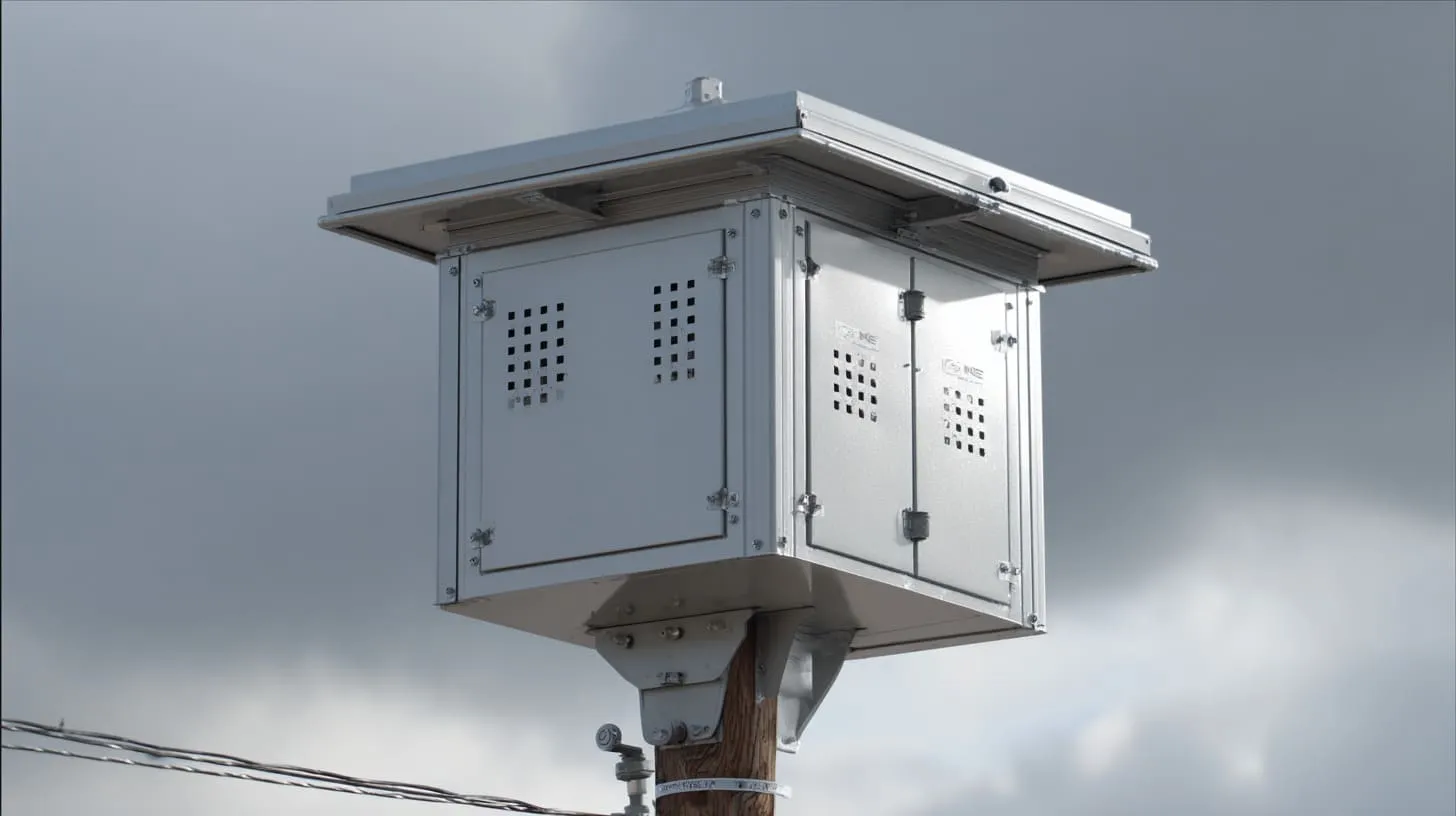
NEMA 3R is like NEMA 3’s more responsible older sibling. It handles rain better, drains water smarter, and resists rust longer.
● Added features compared to NEMA 3
The big additions:
- Rainproof design with added drainage
- Rust resistance (especially when aluminum or coated steel is used)
- Better roof overhang and drip protection
It’s not a huge leap in design—but it is a big leap in performance outdoors.
● Rainproof design: the key differentiator
NEMA 3R boxes are specifically tested to handle falling rain and external ice formation. That sounds subtle—but in the field, it’s everything.
If your enclosure is exposed to direct rainfall, 3R is the minimum rating you should choose.
● Where and why NEMA 3R is preferred
Use it for:
- Utility meter panels
- Rooftop HVAC controls
- Outdoor solar components
- Battery backups
● Compatibility with outdoor electrical installations
Electricians love NEMA 3R because:
- It’s often required by local electrical codes
- It's easier to mount vertically with less concern for overhang
- It keeps internal condensation lower with better drainage
If your gear must survive a year-round outdoor climate, 3R is probably the smarter call.
Still wondering what the technical difference is? Let’s compare them side by side.
Key Differences Between NEMA 3 and NEMA 3R
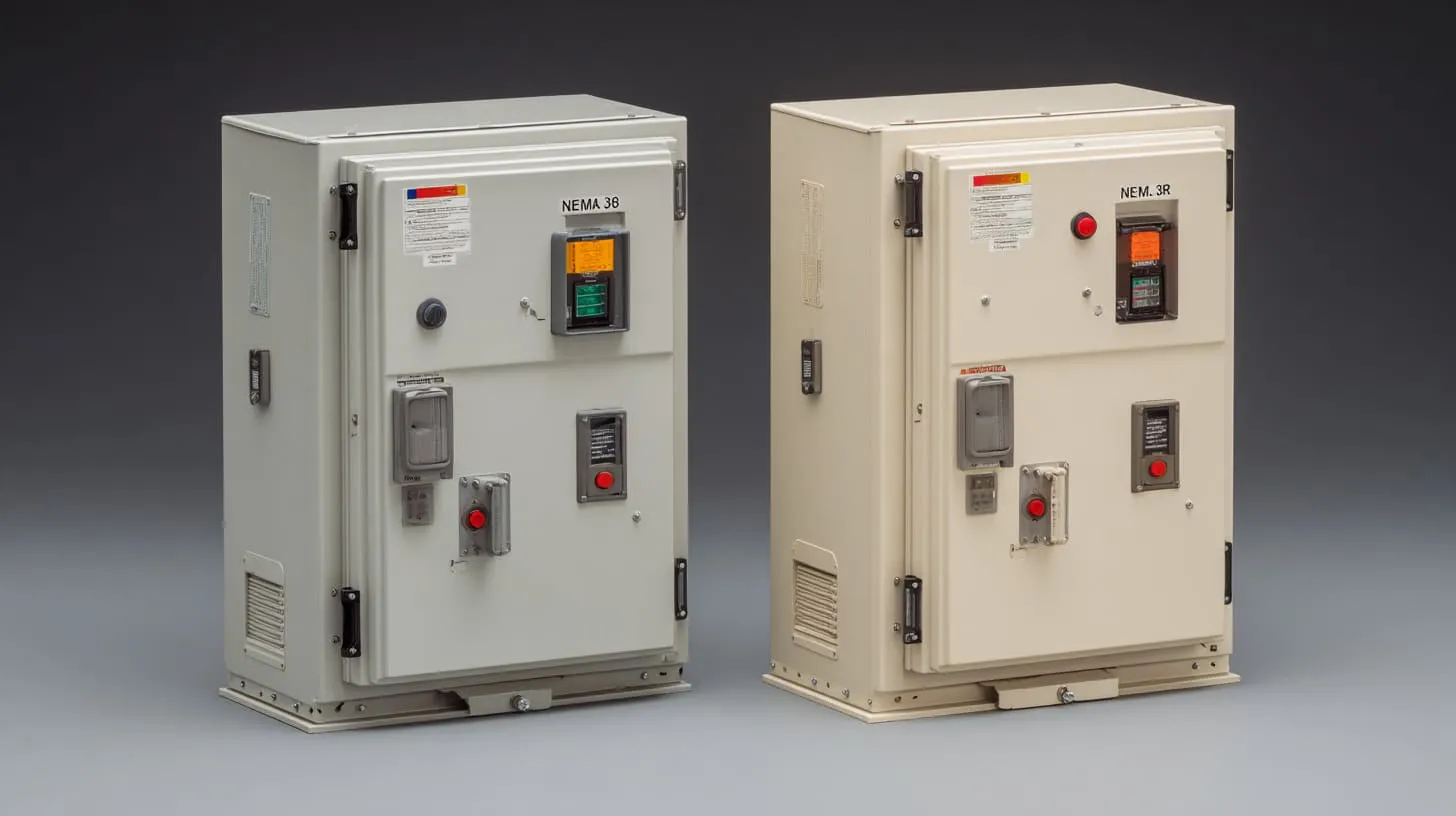
● Protection against rain, sleet, and ice
| Feature | NEMA 3 | NEMA 3R |
|---|---|---|
| Windblown Rain | Yes | Yes |
| Sleet Resistance | Yes | Yes |
| External Ice Formation | No | Yes |
| Heavy Rain or Drip | Limited | Enhanced |
● Drainage and ventilation differences
NEMA 3R includes:
- Drain holes
- Louvers or small vents
- Better overhangs to direct water flow
These keep the inside drier—even during storms.
● Cost comparison and material selection
| Option | Approx Cost (Same Size) | Best Material |
|---|---|---|
| NEMA 3 | Lower | Painted Steel |
| NEMA 3R | Slightly Higher (~10%) | Aluminum or Coated Steel |
The cost difference is small—but the risk difference isn’t.
● Installation flexibility (indoor vs outdoor)
If your enclosure is going:
- Under shelter → NEMA 3 might work
- Exposed to sky → NEMA 3R is safer
● Visual comparison table for NEMA 3 vs 3R
| Criteria | NEMA 3 | NEMA 3R |
|---|---|---|
| Ice Resistance | ❌ | ✅ |
| Outdoor Use (Exposed) | ⚠️ Limited | ✅ Recommended |
| Price | 💲 Lower | 💲💲 Slightly Higher |
| Typical Use | Mild Outdoor | Harsh Outdoor |
Let’s bring it to life with some project scenarios.
Use Case Scenarios: Which One Fits Your Project?
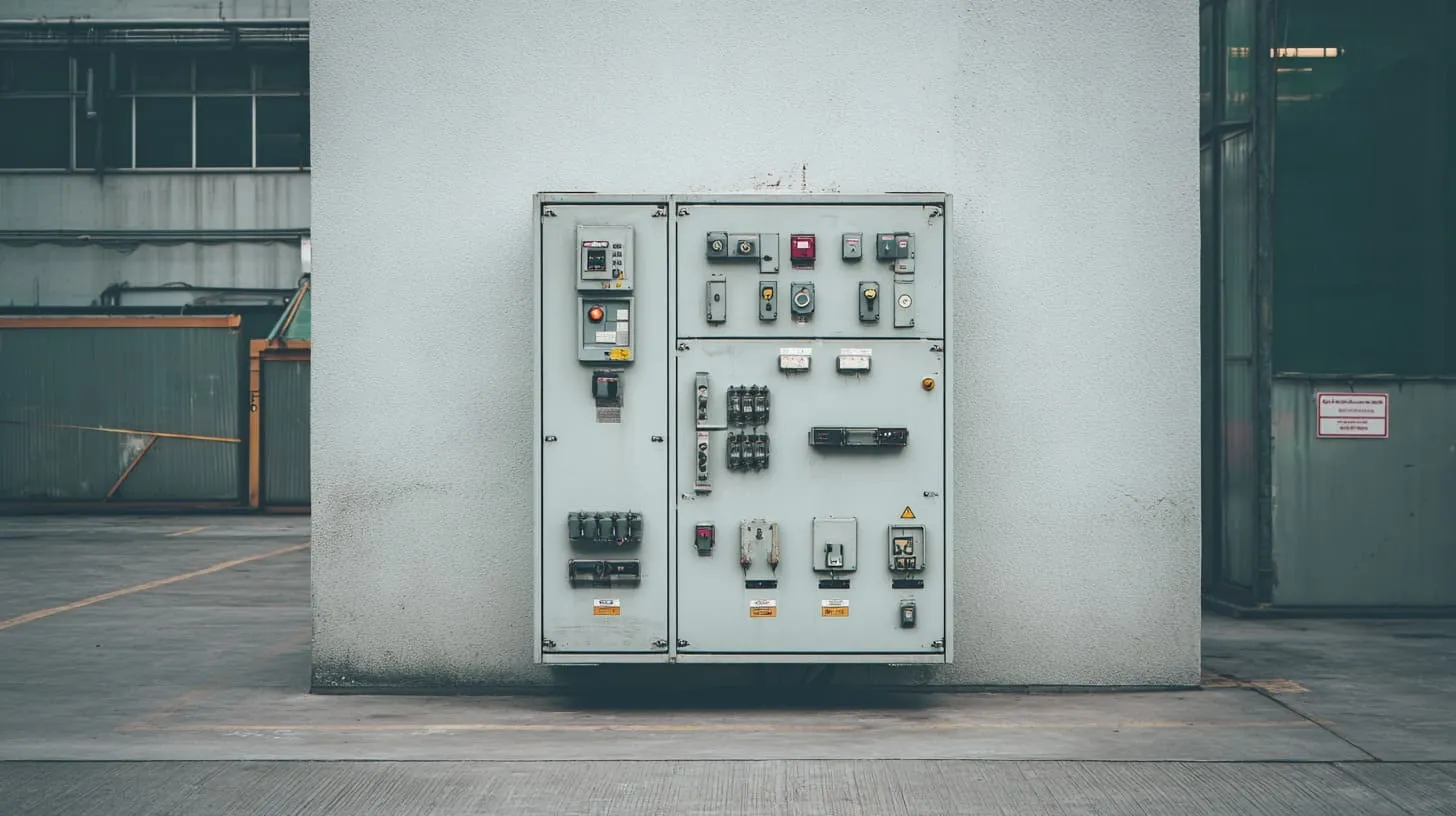
● Industrial control panels
Indoor or semi-covered? NEMA 3 might be fine.
Outdoor factory walls? Go 3R.
● Solar inverter and battery storage
Solar gear is often fully exposed.
Always use NEMA 3R or higher.
● HVAC and rooftop units
Roof = rain, snow, wind.
NEMA 3R is minimum. NEMA 4 or 4X might be better in snowy regions.
● Communication equipment cabinets
Telecom gear is sensitive to moisture.
Choose 3R unless the box is in a rack or container.
● Temporary power supply enclosures
Event setups, outdoor projects, mobile racks?
3R helps reduce risks from sudden rain.
Now, if you’re like most OEM engineers I work with, you’re already thinking: “What about location climate?” Let’s look at that next.
Environmental Considerations
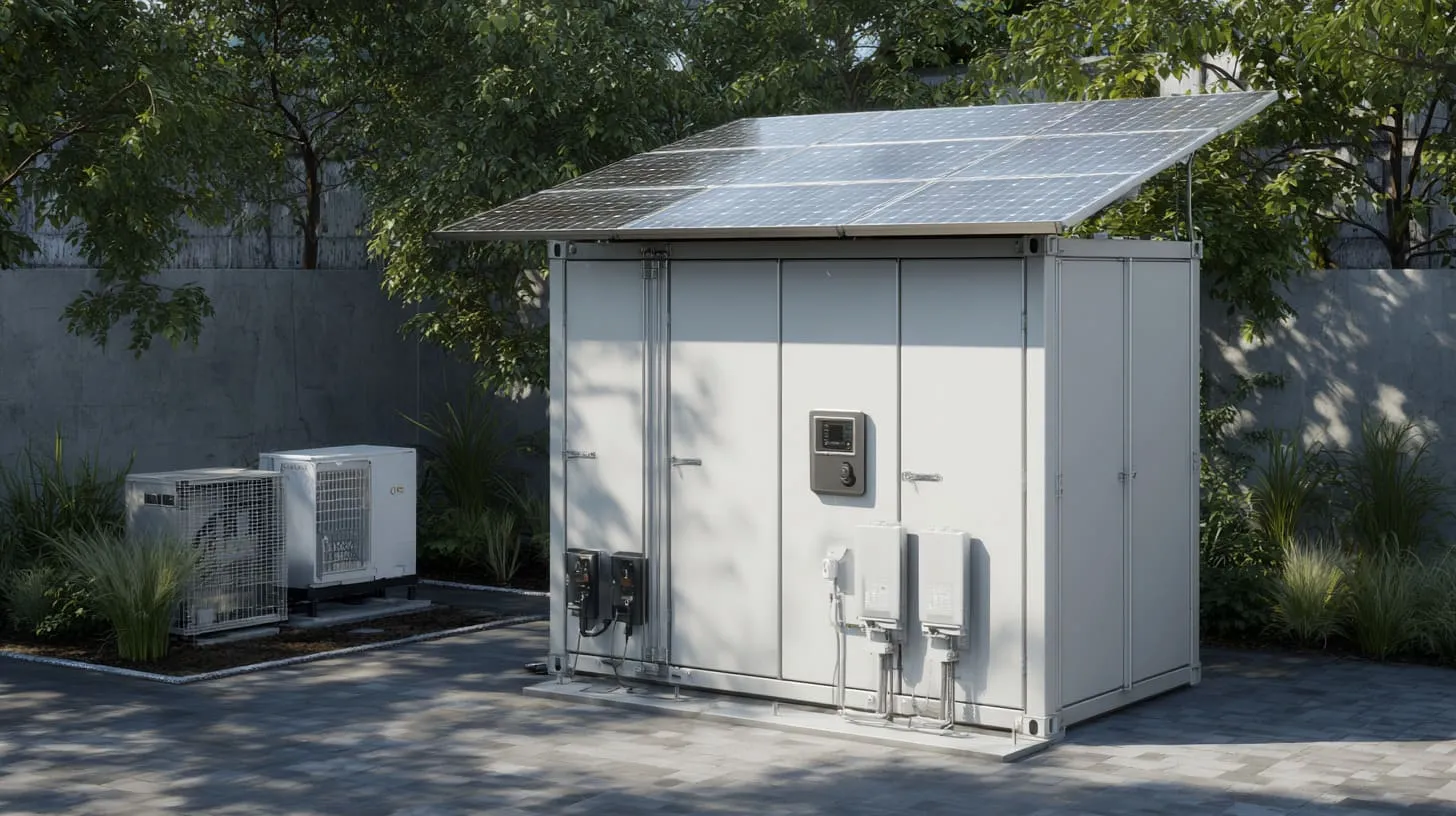
● Climate exposure: snow, ice, rain, heat
In Canada or Scandinavia?
Expect snow and ice → choose 3R.
In dry or desert climates?
NEMA 3 might hold up—but watch for heat expansion.
● Urban vs rural outdoor placement
City setups might be partially sheltered.
But rural deployments? No mercy.
Go 3R or risk failure.
● Waterproofing vs weather resistance
Neither NEMA 3 nor 3R is truly waterproof.
They’re weather-resistant.
If you need waterproofing, think NEMA 4 or IP65/IP66.
● Maintenance expectations over time
NEMA 3 enclosures may:
- Require repainting
- Rust faster if gaskets fail
- Leak under standing water
3R boxes last longer between checks.
Less rust = lower long-term costs.
So let’s make sure the enclosure also passes inspection.
Compliance and Standards
● UL and CSA ratings for NEMA enclosures
Most commercial buyers—like Davide—require UL or CSA listed boxes.
Make sure your vendor provides certified documentation.
● Does NEMA 3 or 3R meet your code requirements?
Ask:
- Local building code?
- Electric utility requirements?
- Fire marshal rules?
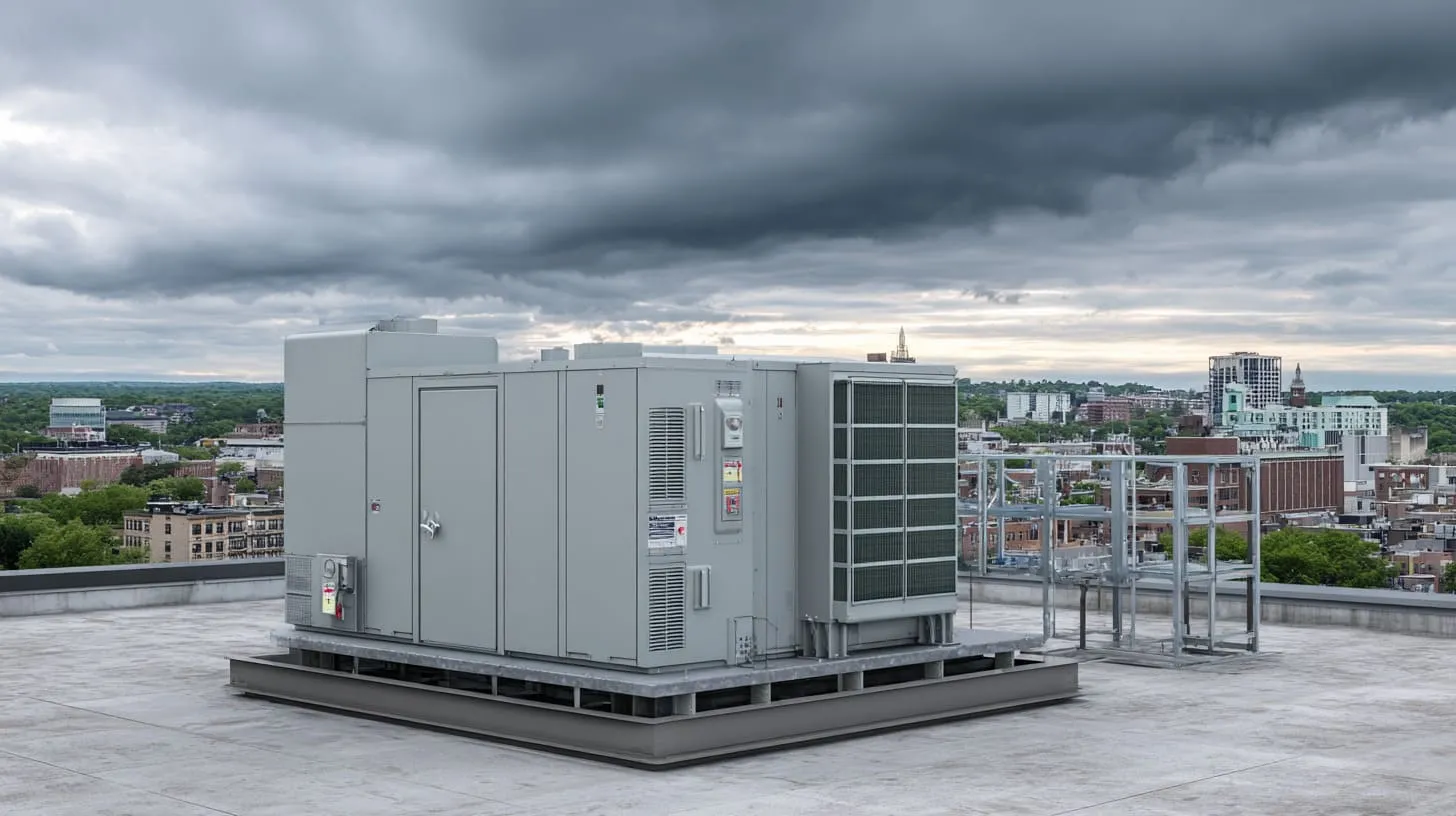
Sometimes 3R is mandatory for rooftop or wall-mounted units.
● Industry-specific mandates (e.g., utility, telecom, construction)
Construction sites: 3R preferred
Telecom: Depends on indoor rack or tower-mounted
Utilities: Outdoor transformers = 3R minimum, often NEMA 4
At MaidaTech, we work with all these specs daily.
Material Choices and Customization Options
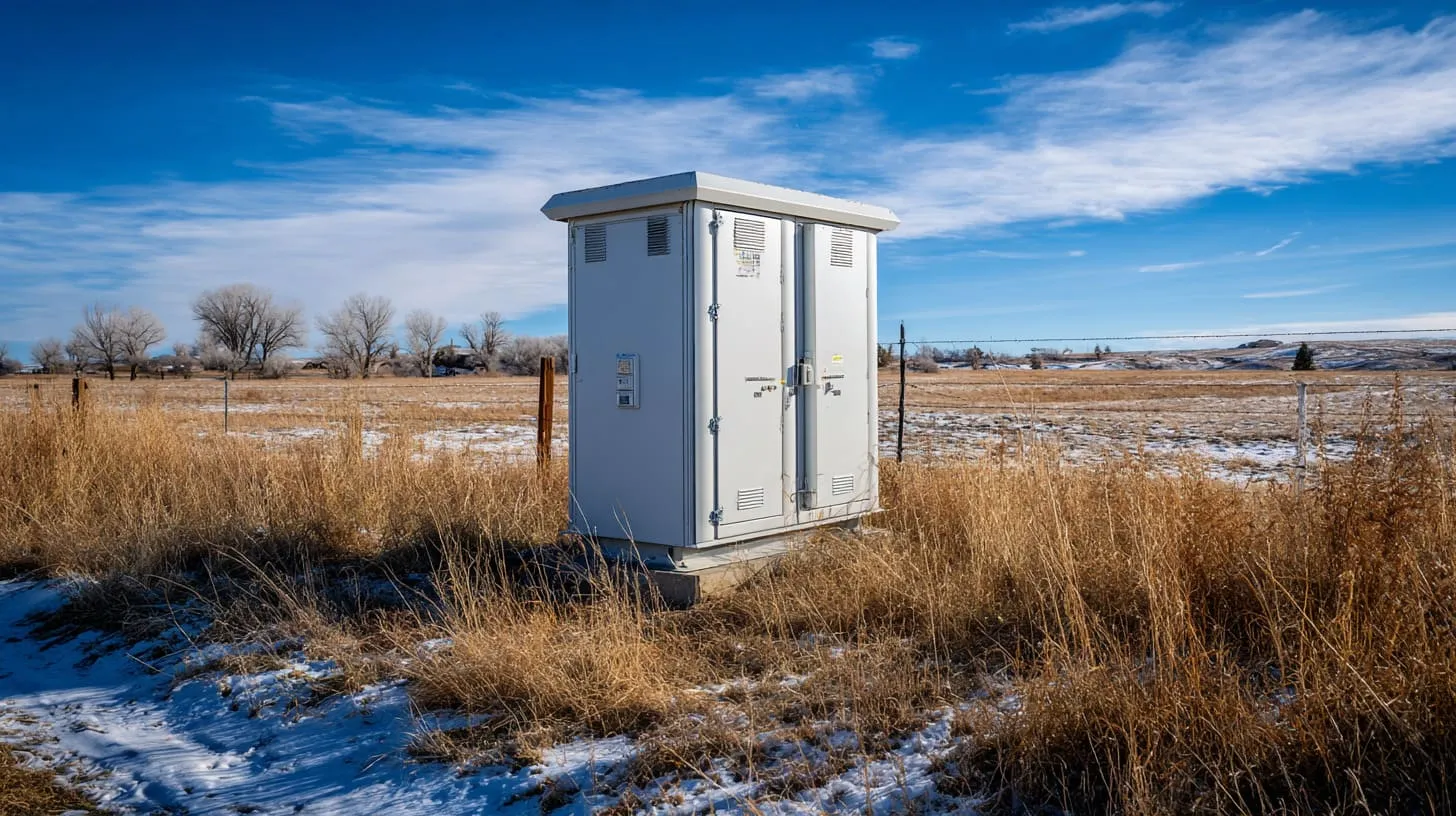
● Aluminum, galvanized steel, plastic: which suits which rating?
| Material | Best for… | Rust Resistance |
|---|---|---|
| Painted Steel | Cost-saving indoor use | ❌ |
| Galvanized Steel | Outdoor with roof | ⚠️ Moderate |
| Aluminum | Harsh outdoor | ✅ |
| ABS Plastic | Indoor electronics | ✅ |
● Custom logo printing and engraving for project branding
Want to stand out?
We offer:
- Laser engraving
- UV printing
- Silkscreen logos
- QR code panels
● Ventilation, gasket sealing, and lock options
Optional features:
- Waterproof gaskets
- Padlock-ready latches
- Internal mounting rails
- Vent kits for airflow
● MaidaTech’s OEM services for NEMA 3/3R solutions
We specialize in custom enclosures for:
- ODM project boards
- Rebranded device shells
- Aluminum housing with logo cutouts
We work closely with engineers like John (from Hungary) who send their custom specs and want direct factory support with fast lead time.
Mistakes to Avoid When Choosing Between NEMA 3 and 3R
● Overestimating or underestimating protection needs
This happens a lot.
You think your enclosure is “somewhat” covered, but turns out… not really.
Better to overbuild slightly than under-protect.
● Ignoring drainage design and mounting orientation
Top mistake I see:
Boxes mounted upside-down or backward.
Always double-check:
- Drain hole location
- Hinge direction
- Roof slope
● Misinterpreting “weather-resistant” vs “weatherproof”
Just because it survives light rain doesn’t mean it thrives in it.
3 ≠ 3R
3R ≠ 4
Ask your supplier before assuming.
Recommendations for Buyers and Engineers
● When to choose NEMA 3
- Indoors with occasional exposure
- Covered exterior walls
- Budget-limited setups with shielding
● When to choose NEMA 3R
- Full outdoor exposure
- Long-term installations
- Anywhere with snow, sleet, rain
● What questions to ask your enclosure supplier
- Is this certified NEMA 3 or 3R?
- Can you add custom drainage holes?
- Do you offer aluminum or coated steel?
- What’s the lead time on OEM models?
● How MaidaTech helps OEM and ODM buyers make the right choice
We don’t just sell boxes—we build enclosure solutions.
- Custom 3D modeling from your sketches
- Prototype fast turnarounds
- Logo integration and private labeling
- Global shipping support
Conclusion
Picking between NEMA 3 and NEMA 3R isn’t just a spec sheet call—it’s about where and how your gear lives.
NEMA 3 gives basic protection when covered.
NEMA 3R steps up for exposed installs, rain, and ice.
If you’re ever in doubt, don’t guess.
Ask your supplier.
Ask me.
Because when the weather turns nasty…
You’ll want the enclosure that’s ready for it.
Need help choosing or customizing your NEMA 3R enclosure? I’m Vincent from MaidaTech—feel free to reach out: info@maidatech.com