Skip to content
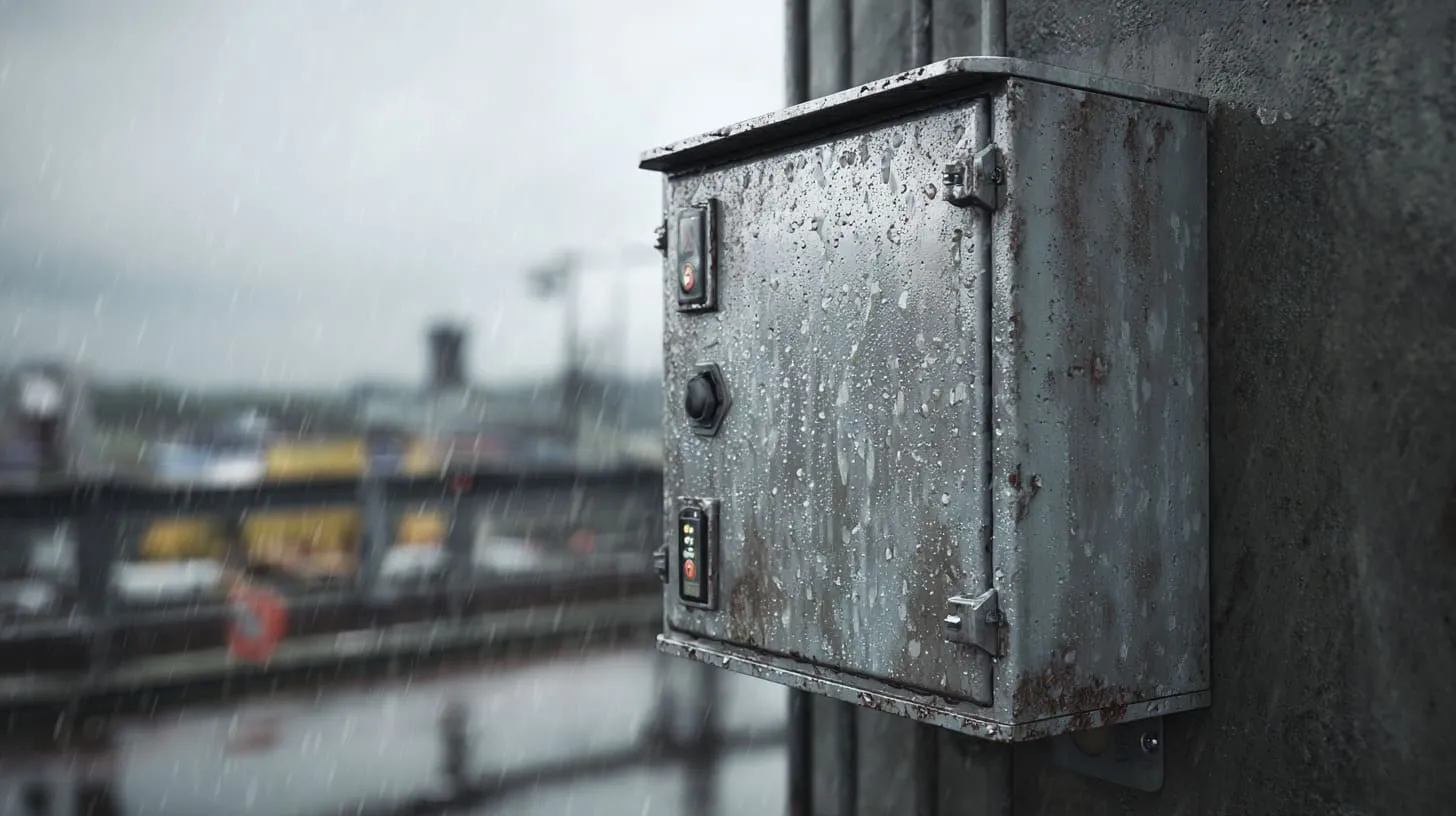
A NEMA 1 enclosure looks like a simple metal box. But outside, rain, dust, sunlight, and moisture can turn that simple box into a real risk.
A NEMA 1 enclosure should not be used outside because it is designed for indoor use only. It can protect people from touching electrical parts, but it does not protect equipment from rain, snow, windblown dust, or outdoor moisture.
I have seen buyers ask this question when the budget is tight or the installation is “only under a roof.” I understand that thinking. But outdoor conditions do not care about our cost plan. They test every gap, screw hole, door edge, and cable entry.
Can a NEMA 1 Enclosure Be Installed Outdoors Temporarily?
Temporary outdoor use sounds harmless. One day. One week. One small test. But weather does not always follow our schedule.
A NEMA 1 enclosure should not be installed outdoors, even temporarily, unless it is protected by another suitable outdoor-rated cover or shelter. It is not built to resist rain, windblown dust, snow, or outdoor moisture.
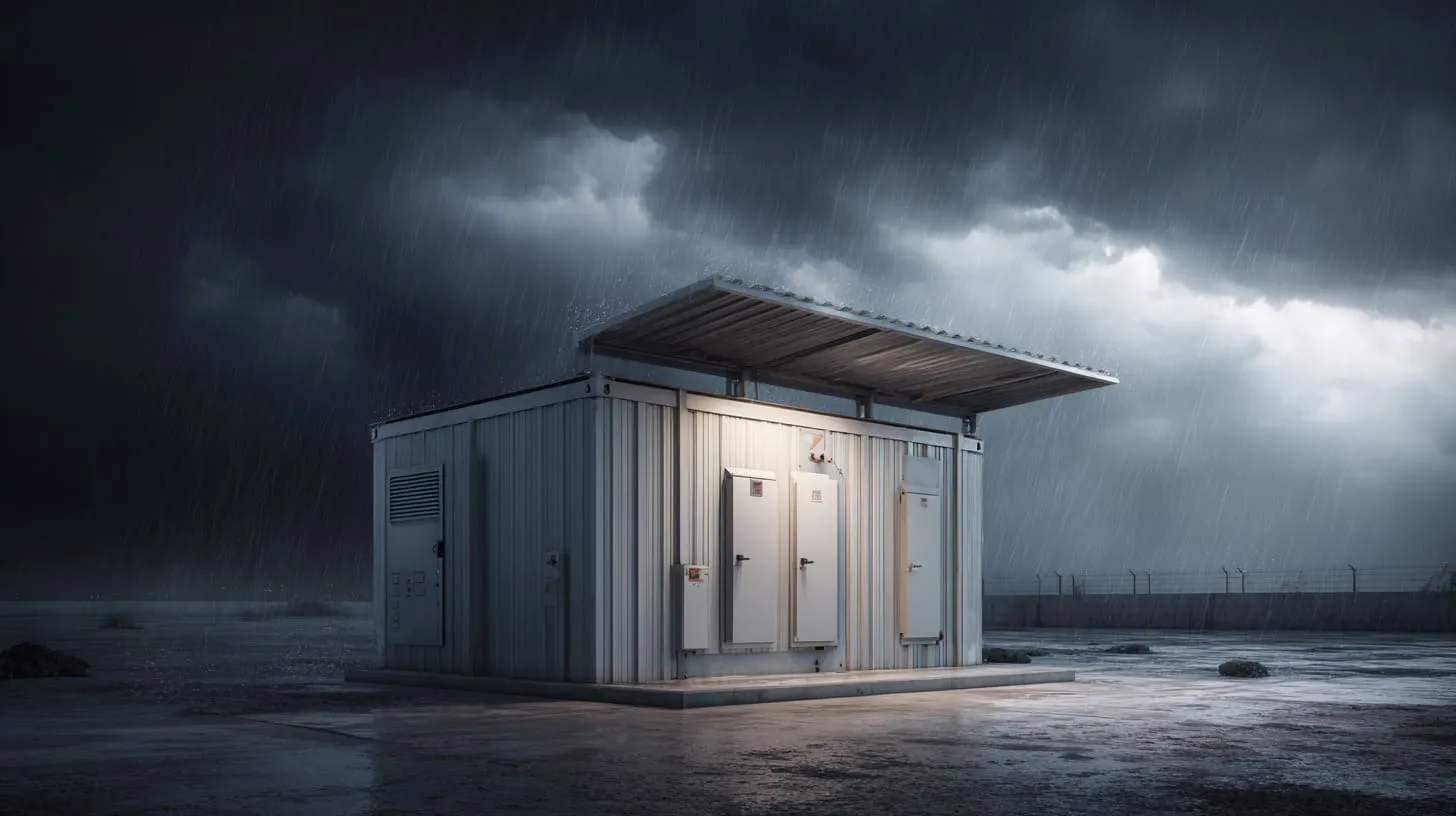
A buyer may say, “We only need it outside for a short time.” I do not reject that idea without thinking. Sometimes a project really has a temporary stage.
But I always ask a more honest question:
What happens if the weather changes before someone removes it?
That is where many “temporary” decisions become permanent problems.
Temporary does not mean low risk
Outdoor risk can happen fast. A short rain can enter through the door gap. Morning moisture can collect inside. Wind can push dust into openings. A worker may forget to add a cover.
How I judge temporary outdoor use
| Situation | My practical judgment |
|---|---|
| Dry indoor warehouse near a door | Usually acceptable if no water reaches it |
| Outdoor test under clear weather | Risky unless supervised closely |
| Under a roof but exposed to wind | Not enough protection |
| Near sprinklers or washdown | Not suitable |
| Overnight outdoor storage | I avoid it |
The small detail I care about is not the planned time outside; it is the worst condition that can happen during that time.
A safer temporary solution
If the project truly needs temporary outdoor placement, I would rather use:
- A NEMA 3R temporary box
- A rain cover with correct drainage
- A weatherproof outer cabinet
- A sealed cable entry design
- A raised base to avoid ground moisture
A cheap temporary mistake can become a costly service call later.
What Happens If a NEMA 1 Enclosure Gets Wet Outside?
Water is quiet at first. It does not need to flood the box. A few drops in the wrong place can be enough.
If a NEMA 1 enclosure gets wet outside, water may enter the box, reach electrical parts, cause corrosion, create short circuits, damage components, and increase safety risk for people and equipment.
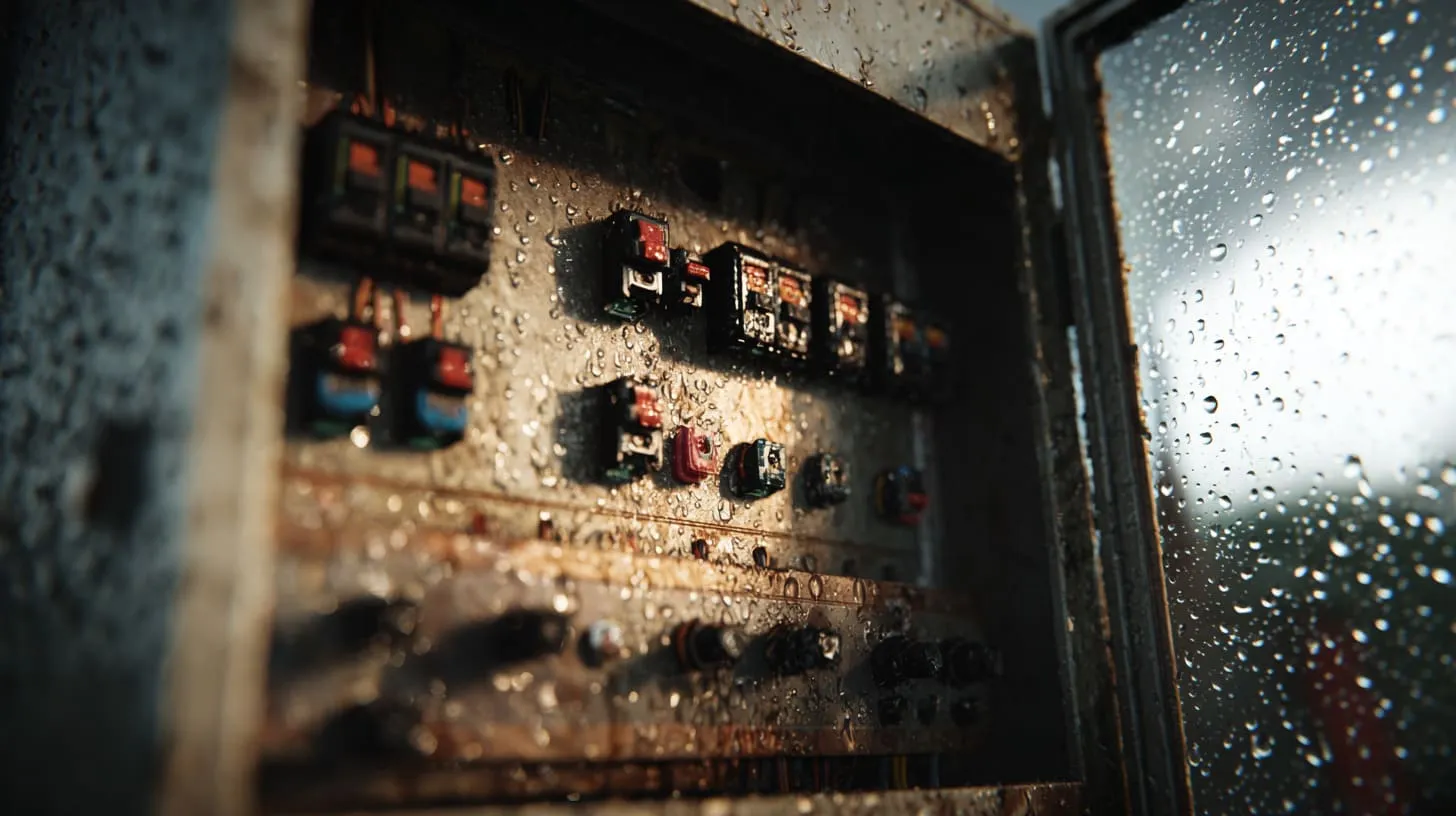
I have learned not to judge water damage only by visible water. Sometimes the inside looks almost dry, but terminals already have stains. Screws start to rust. The PCB edge changes color.
That is the annoying part.
The damage starts before the buyer notices it.
Water can enter from many small places
A NEMA 1 enclosure is not designed around water sealing. It may have:
- Door gaps
- Vent holes
- Cable openings
- Unsealed screw holes
- Loose knockouts
- Thin overlapping covers
Once water enters, gravity and capillary action do the rest.
What water can do inside the box
| Water problem | Possible result |
|---|---|
| Condensation | Corrosion on terminals |
| Rain droplets | Short circuit risk |
| Wet dust | Tracking path between conductors |
| Moisture on metal parts | Rust and weak grounding contact |
| Water near electronics | Sensor or controller failure |
I usually treat water marks inside an enclosure like a warning light, because the first visible sign often means the real problem has already started.
Why “only a little water” is still serious
Electrical equipment is not like a plastic bucket. A little water can sit in the wrong place. It can hide under a terminal block. It can stay behind a gasket area. It can mix with dust and become conductive.
So the question is not, “Did a lot of water enter?”
The better question is, “Did any water reach a place where it should never be?”
Why Is a NEMA 1 Enclosure Not Rated for Outdoor Use?
A NEMA rating is not decoration. It tells us what kind of environment the enclosure was designed to face.
A NEMA 1 enclosure is not rated for outdoor use because it is made for indoor protection against accidental contact and falling dirt. It does not provide rated protection against rain, sleet, snow, windblown dust, or outdoor corrosion.
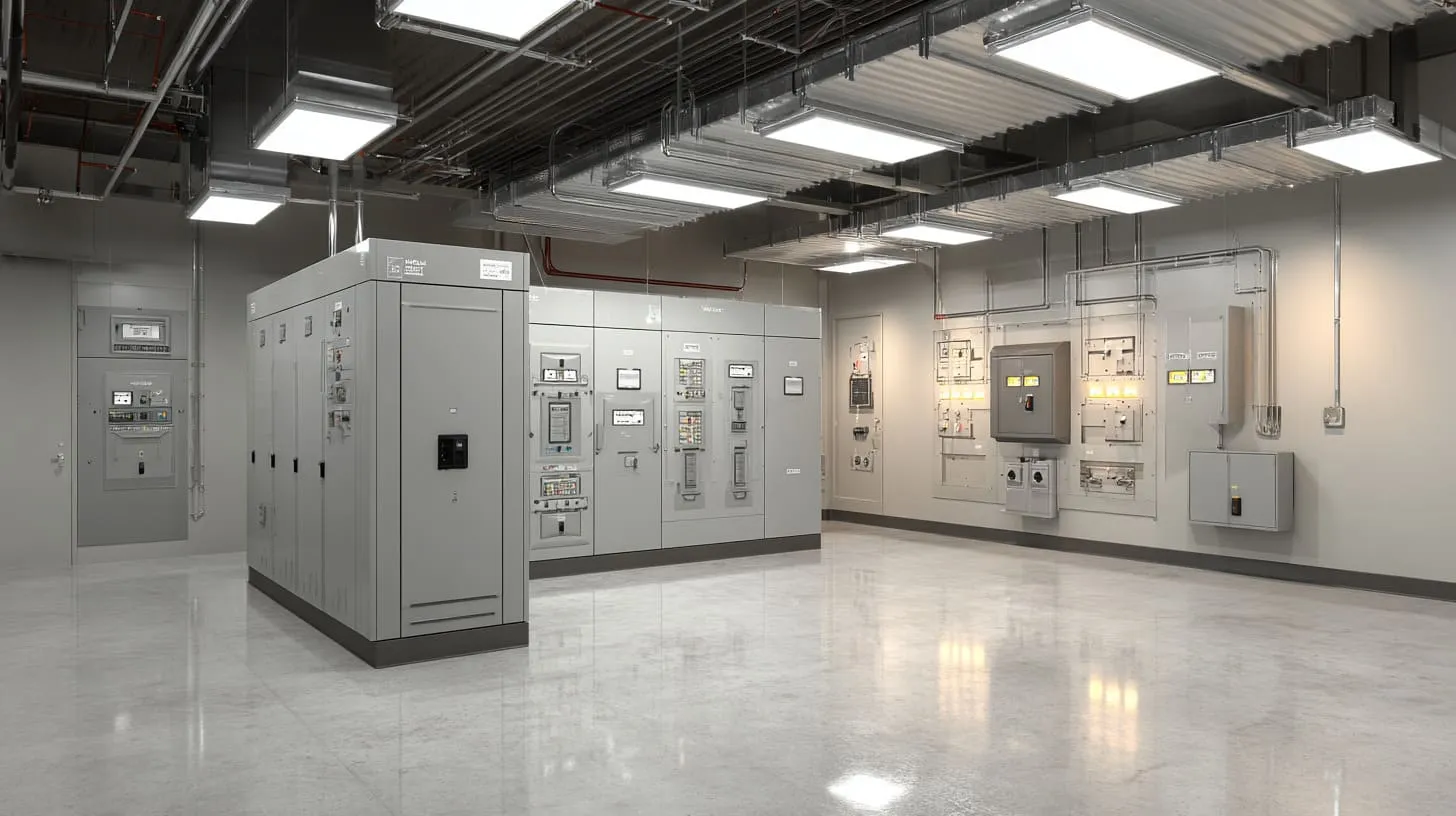
The word “enclosure” can make buyers feel safe. But not all enclosures fight the same enemy.
A NEMA 1 box is mainly about basic indoor protection. It helps keep hands away from live parts. It helps block some falling dirt. That is useful. But it is not outdoor protection.
What NEMA 1 is really for
NEMA 1 is usually used when the environment is controlled and dry.
It is often chosen for:
- Indoor control panels
- Electrical junctions inside buildings
- Basic switch boxes
- Protected equipment rooms
- Dry utility rooms
It is not built for open rain or harsh factory moisture.
What NEMA 1 does not promise
| Outdoor challenge | NEMA 1 protection? |
|---|---|
| Falling rain | No |
| Snow or sleet | No |
| Windblown dust | No |
| Hose spray | No |
| Corrosion resistance | No |
| Outdoor UV exposure | Not usually |
| Ice formation | No |
My first check is always the environment, not the box price, because the wrong rating can make a cheap enclosure become the most expensive part of the project.
The rating must match the real place
A drawing may say “outdoor.” But outdoor can mean many things.
It can mean:
- Under a roof
- On a wall
- Near a road
- Beside a machine
- On a rooftop
- Near the sea
- Inside a semi-open workshop
Each place has different risks. NEMA 1 simply does not cover those outdoor risks.
What Is the Difference Between NEMA 1 and NEMA 3R Enclosures?
NEMA 1 and NEMA 3R can look similar from far away. But they are made for very different jobs.
The main difference is that NEMA 1 is for indoor use, while NEMA 3R is for indoor or outdoor use and provides protection against falling rain, sleet, snow, and external ice formation.
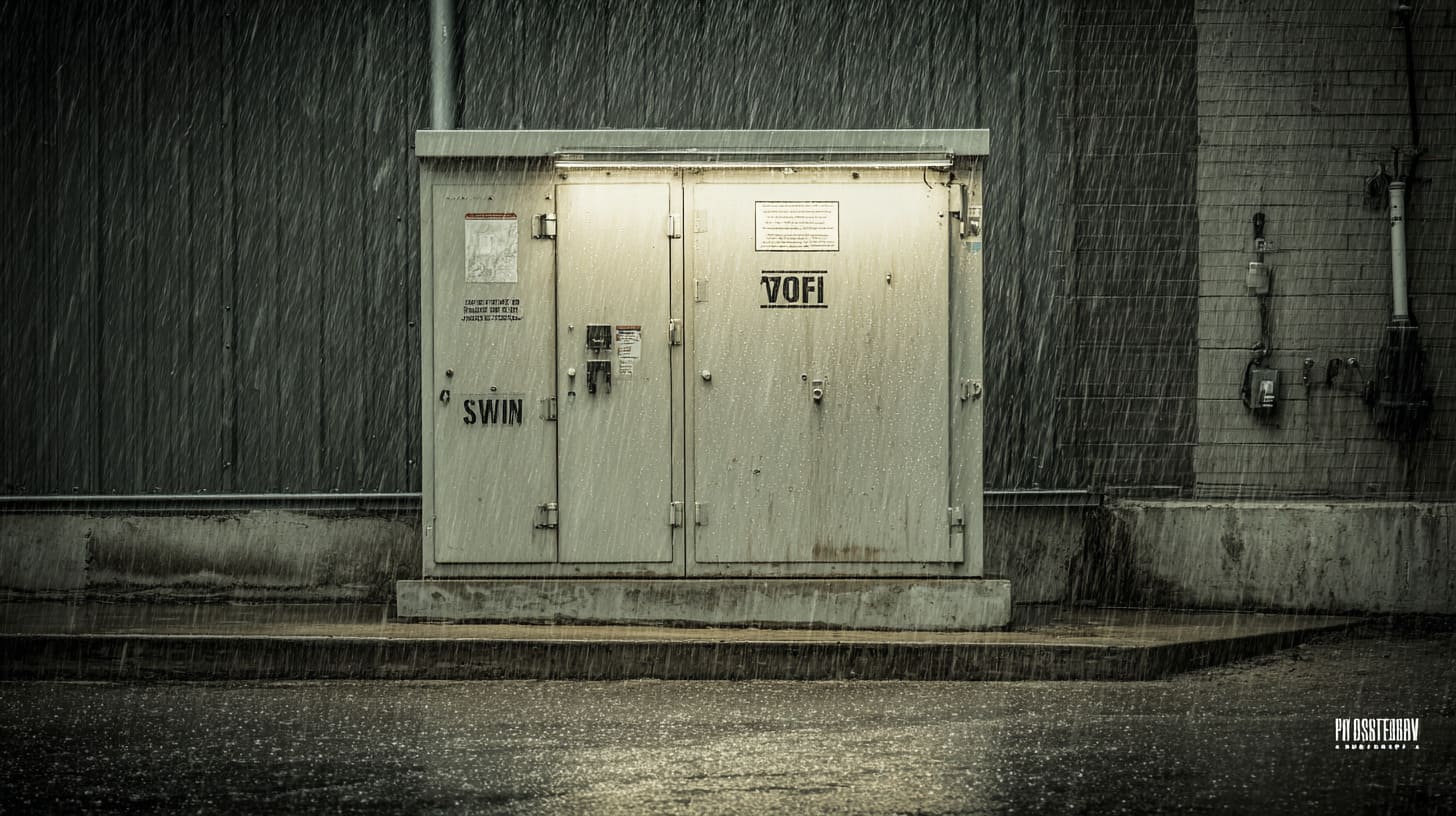
This is one of the most common comparisons I see in enclosure projects.
The buyer wants outdoor use, but the product cost needs control. NEMA 3R often becomes the first real outdoor option because it gives basic weather protection without going as far as NEMA 4.
NEMA 1 vs NEMA 3R
| Item | NEMA 1 | NEMA 3R |
|---|---|---|
| Main use | Indoor | Indoor or outdoor |
| Rain protection | No | Yes, against falling rain |
| Sleet and snow | No | Yes |
| Windblown dust | No | Limited, not like NEMA 4 |
| Hose water | No | No |
| Cost level | Lower | Higher than NEMA 1 |
| Common use | Indoor panels | Outdoor electrical boxes |
The trade-off I usually explain is simple: NEMA 3R costs more than NEMA 1, but it buys real outdoor protection instead of hoping the weather stays kind.
Why NEMA 3R is often the minimum outdoor choice
NEMA 3R is not the strongest outdoor rating. But it is often enough for basic outdoor electrical equipment where the main problem is falling rain.
It works well when:
- The box is mounted vertically
- Rain comes from above or the side at normal angles
- The area is not washed down
- The area is not full of fine dust
- Corrosion is not severe
When NEMA 3R is still not enough
NEMA 3R is not magic. I would not use it blindly for:
- Washdown areas
- Coastal areas
- Chemical plants
- Food processing rooms
- Heavy dust environments
- Equipment exposed to hose spray
In those cases, I start looking at NEMA 4, 4X, or other higher options.
Can You Make a NEMA 1 Enclosure Weatherproof?
This question sounds clever. I understand why buyers ask it. They want to save money and solve the problem with small changes.
You cannot truly make a NEMA 1 enclosure weatherproof in a rated way just by adding silicone, tape, foam, or a cover. You may reduce water entry, but the enclosure still remains a NEMA 1 design.
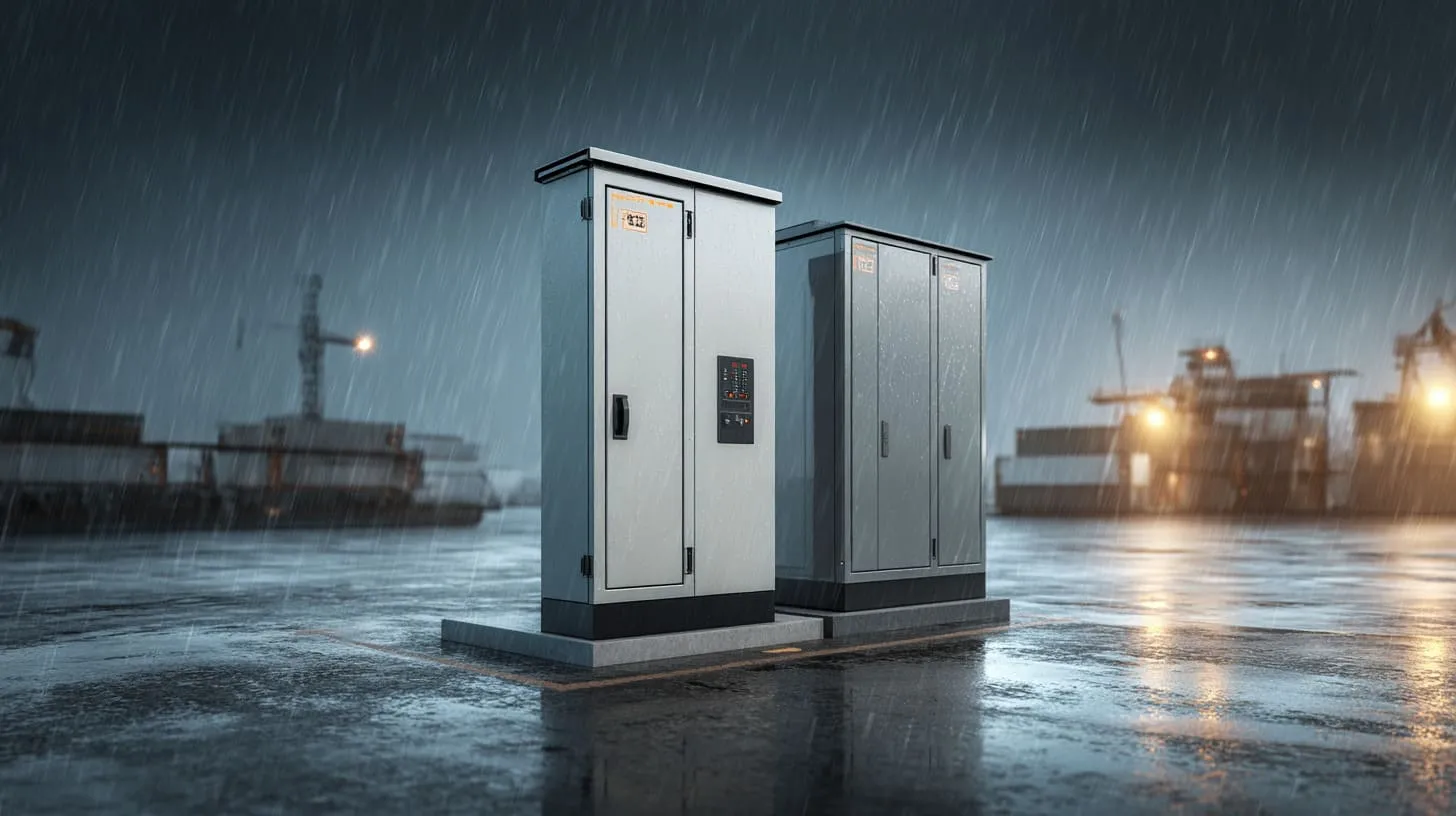
I have seen people add sealant around a box and call it weatherproof. I do not laugh at that. It comes from a real need to solve a problem quickly.
But a rating is not only about adding a gasket.
It is about the full design.
Why simple sealing is not enough
Weatherproof design includes many details:
- Door overlap
- Gasket compression
- Hinge design
- Drainage path
- Cable glands
- Material coating
- Mounting holes
- Ventilation design
- Water testing
- Rust control
If one weak point remains, water will find it.
Common “weatherproofing” mistakes
| Modification | Problem |
|---|---|
| Adding silicone around the door | Hard to service later |
| Using tape over gaps | Fails under sunlight and heat |
| Adding foam strip | May not compress evenly |
| Covering top only | Side rain can still enter |
| Sealing vents | Heat may build up inside |
| Drilling drain holes | Can also allow insects or dust |
This is where a small saving often tricks people, because the modified box may look safer than it really is.
When modification may be acceptable
A modified NEMA 1 enclosure may be acceptable only when it is inside a larger outdoor-rated cabinet or under a controlled shelter.
In that case, the NEMA 1 box is not doing the outdoor protection job. The outer structure is doing it.
That difference matters.
Is a NEMA 1 Enclosure Safe for Outdoor Electrical Equipment?
Safety is not only about whether the box closes. Safety is about what can happen after rain, dust, heat, and time.
A NEMA 1 enclosure is not a safe choice for outdoor electrical equipment because it does not provide rated protection against outdoor water and weather. The equipment inside may fail, corrode, or create electrical hazards.
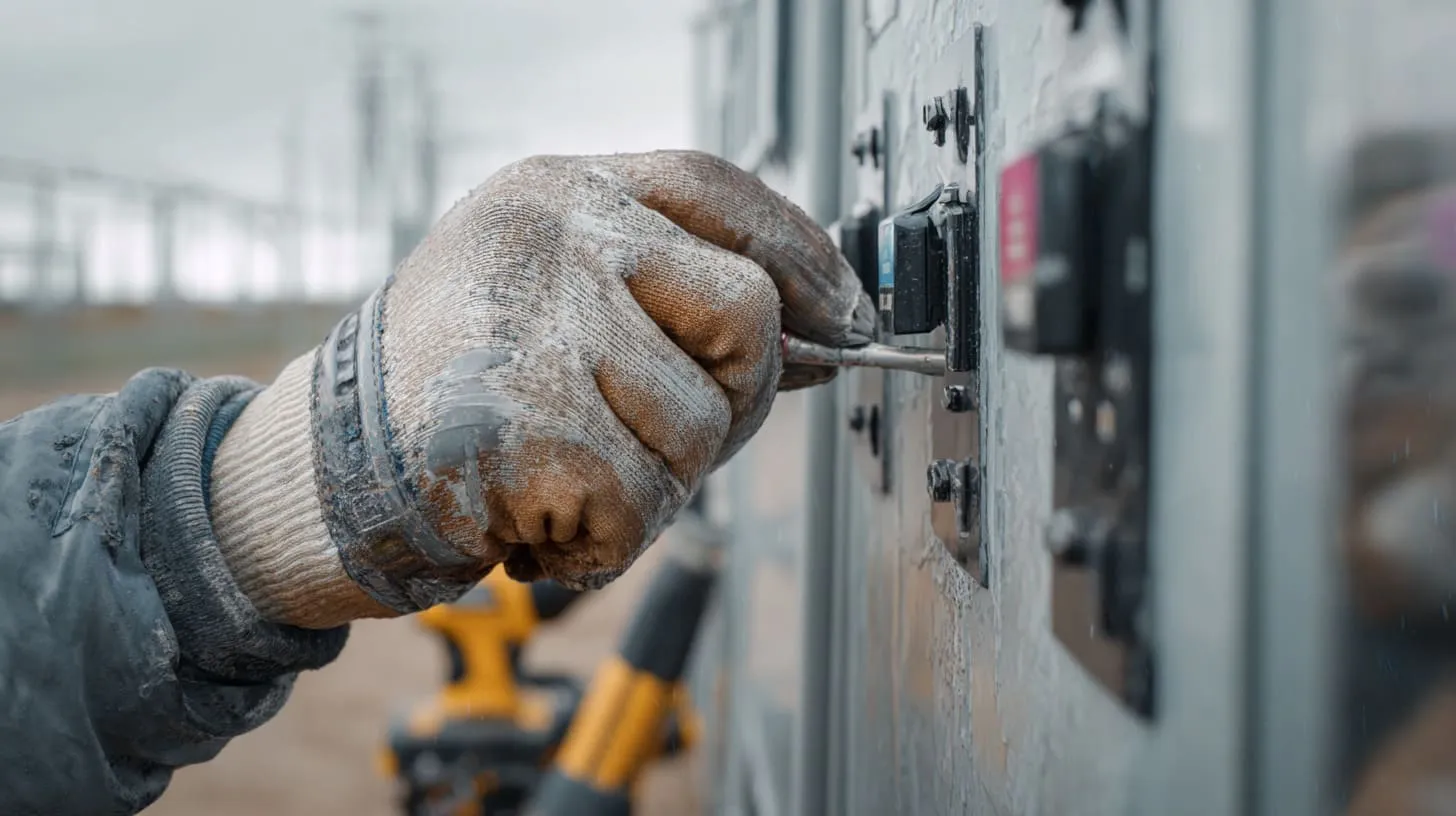
A NEMA 1 enclosure can be safe indoors. I do not want to make it sound useless. It has its place.
But outside, the safety picture changes.
The box must protect both people and equipment. It must also keep doing that after months of weather.
Safety risks outside
| Risk | Why it matters |
|---|---|
| Water entry | Can cause short circuits |
| Corrosion | Can weaken grounding and terminals |
| Dust buildup | Can affect cooling and insulation |
| Loose seals | Can expose live parts over time |
| Rusted hardware | Can make maintenance unsafe |
| Sun damage | Can affect plastic parts and labels |
I do not judge safety only on day one; I judge it by asking what the enclosure will look like after one rainy season.
Outdoor electrical equipment needs more protection
Outdoor equipment may include:
- Power distribution parts
- Sensors
- Controllers
- Solar system parts
- Lighting control parts
- Communication modules
- Motor controls
These parts are not cheap. More important, they are often connected to larger systems.
One failed enclosure can stop more than one small device.
A simple rule I use
If the equipment is outside and connected to power, I do not start with NEMA 1.
I start with the real exposure:
- Rain?
- Dust?
- Hose water?
- Salt air?
- Sunlight?
- Chemicals?
- Public access?
Then I choose the enclosure rating.
What Types of Indoor Environments Are Suitable for NEMA 1 Enclosures?
NEMA 1 still has value. It is just not an outdoor enclosure.
NEMA 1 enclosures are suitable for dry indoor locations where protection is mainly needed against accidental contact with electrical parts and limited falling dirt. They are not suitable for wet, dusty, oily, or washdown areas.
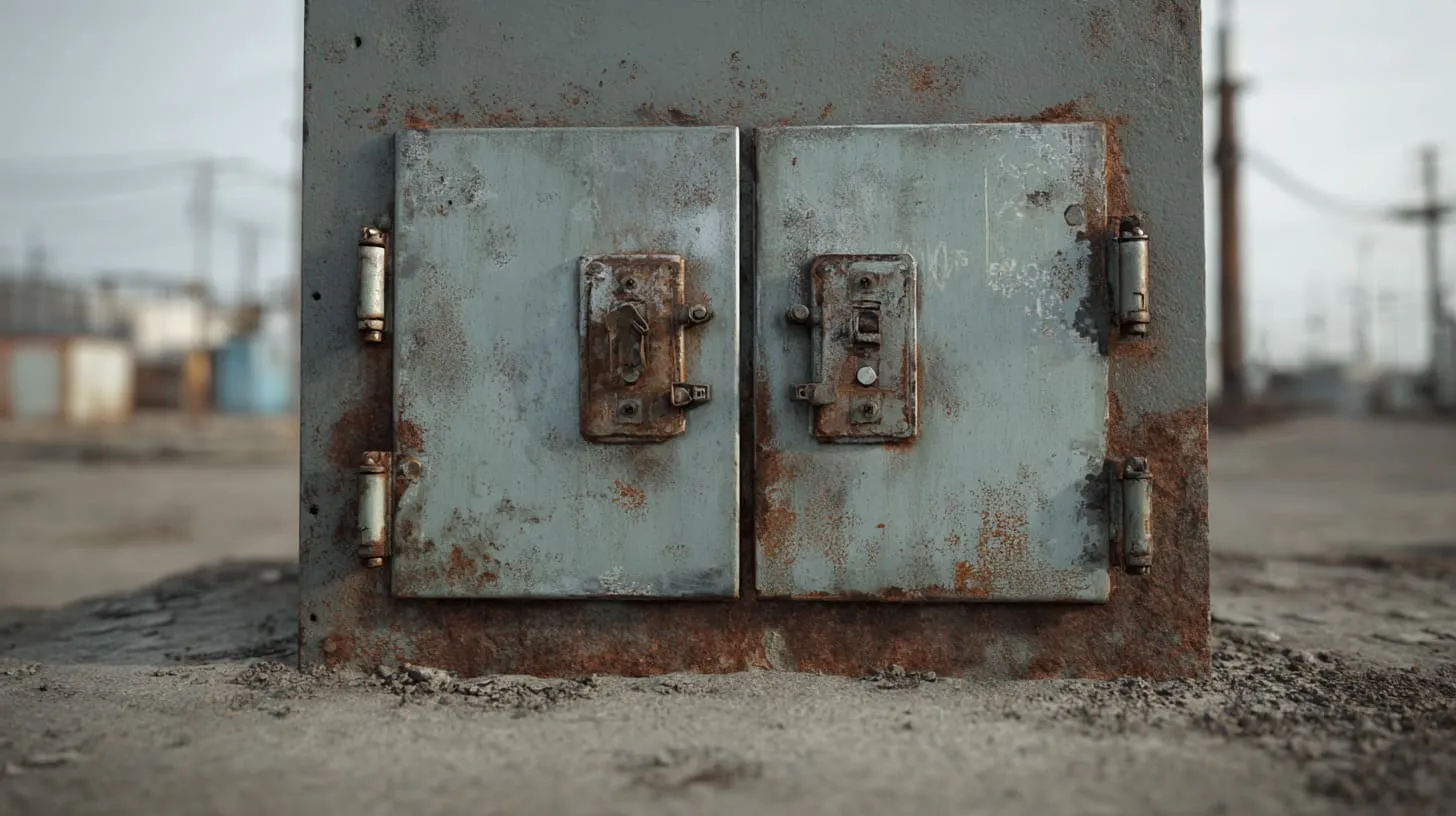
I like NEMA 1 when the job is simple and honest. A dry room. A basic control box. No water. No oil mist. No heavy dust.
That is a good match.
Problems start when people stretch the rating beyond its purpose.
Good indoor locations for NEMA 1
| Indoor location | Suitable? | Reason |
|---|---|---|
| Clean office utility room | Yes | Dry and controlled |
| Electrical room | Usually yes | Low moisture if maintained |
| Indoor control cabinet area | Yes | Basic protection may be enough |
| Dry warehouse wall | Maybe | Depends on dust and impact |
| CNC workshop | Often no | Oil mist and metal dust risk |
| Food factory wash area | No | Water and cleaning chemicals |
| Cold room entrance | Risky | Condensation risk |
The hidden problem I watch for indoors is not the word “indoor”; it is moisture, dust, oil, and cleaning habits.
“Indoor” is not always gentle
Some indoor places are harder than outdoor places.
A factory can have:
- Oil mist
- Metal chips
- Airborne dust
- Vibration
- Forklift impact
- Cleaning water
- High humidity
- Condensation
A NEMA 1 enclosure may not be enough for these environments.
Best-fit use case
NEMA 1 is best when the enclosure needs to do a simple job:
- Block accidental touch
- Keep falling objects away
- Hold basic electrical parts
- Stay in a dry room
- Keep cost low
When the environment is clean, NEMA 1 can be a practical choice.
How Long Will a NEMA 1 Enclosure Last Outside?
This is the wrong question, but it is also a very human question. Buyers want a number.
A NEMA 1 enclosure may last only a short time outside, depending on rain, humidity, sunlight, coating quality, and installation. It may look fine at first, but corrosion and water damage can start quickly.
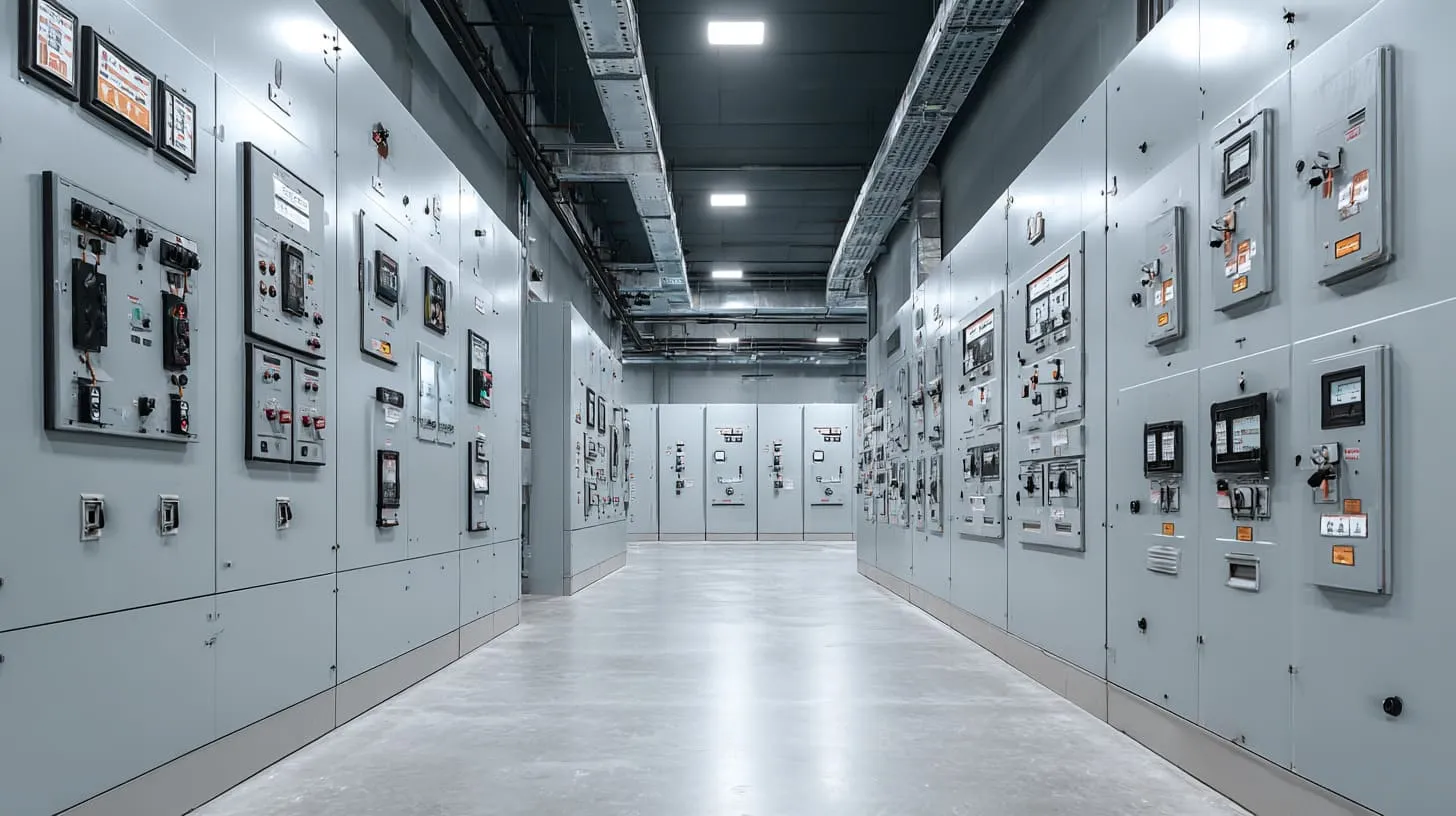
I cannot give a serious fixed number. One NEMA 1 box may survive weeks in a dry covered place. Another may fail after one storm.
The environment decides.
Not the catalog photo.
Factors that affect outdoor life
| Factor | Effect on NEMA 1 outside |
|---|---|
| Direct rain | High risk of water entry |
| Humidity | Corrosion and condensation |
| Sunlight | Paint and plastic aging |
| Salt air | Fast corrosion |
| Dust | Builds up inside gaps |
| Temperature swings | Condensation risk |
| Poor cable entry | Water path into box |
I usually avoid promising outdoor service life for a NEMA 1 box, because the design was not made to win that fight.
Outdoor damage does not always look dramatic.
Early signs can be small:
- Brown marks near screws
- White powder on aluminum
- Stiff hinges
- Moisture smell inside
- Dust stuck near wet areas
- Small water marks below cable entries
These signs may appear before a real electrical failure.
The painful part
The enclosure itself may be cheap. But the cost of failure is not.
A failed outdoor box can cause:
- Emergency replacement
- Machine downtime
- Rework labor
- Damaged electronics
- Customer complaints
- Warranty arguments
That is why “how long will it last?” should become “what will it cost if it fails?”
What Are the Risks of Using a NEMA 1 Enclosure Outdoors?
The risk is not one big problem. It is a group of small problems that arrive together.
The main risks of using a NEMA 1 enclosure outdoors include water entry, corrosion, electrical short circuits, damaged components, safety hazards, rusted hardware, poor long-term reliability, and possible project compliance issues.
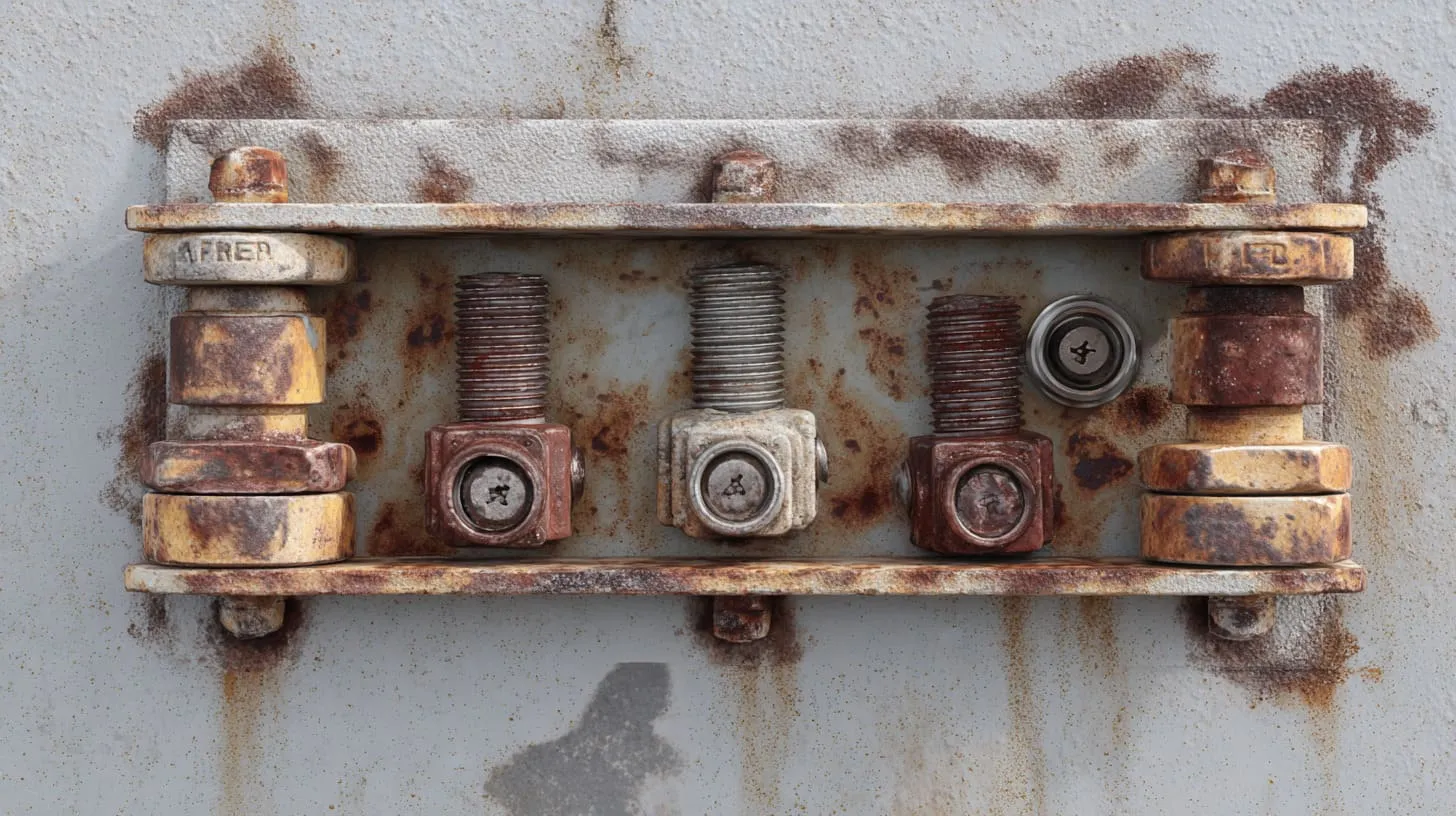
A weak enclosure is like a weak roof. It may not fail on the first sunny day. But when the weather turns bad, every small shortcut becomes visible.
That is why I treat outdoor ratings seriously.
Main outdoor risks
| Risk type | What may happen |
|---|---|
| Electrical risk | Short circuit, shock hazard, equipment trip |
| Mechanical risk | Rusted hinges, loose screws, weak door |
| Reliability risk | Unstable control signals, sensor failure |
| Maintenance risk | Hard to open, unsafe inspection |
| Cost risk | Replacement and downtime |
| Compliance risk | Project may fail inspection |
The failure I worry about most is not always the dramatic short circuit; sometimes it is the slow corrosion that makes the system unreliable and hard to diagnose.
Why slow failure is worse than sudden failure
A sudden failure is painful, but at least everyone sees it.
Slow failure is sneaky.
The equipment works today. Then it trips next week. Then a sensor gives wrong data. Then someone opens the box and finds moisture stains. By then, the project already lost time.
Risk increases when the enclosure is hard to access
If the enclosure is installed high on a wall, on a pole, near traffic, or inside a busy site, maintenance becomes harder.
A cheap box then becomes a hidden service problem.
When Should You Upgrade from NEMA 1 to NEMA 4 or 4X?
NEMA 4 and 4X are not for every project. But some environments demand them.
You should upgrade from NEMA 1 to NEMA 4 when the enclosure faces rain, splashing water, hose-directed water, or windblown dust. You should choose NEMA 4X when corrosion, salt air, chemicals, or harsh cleaning is also a concern.
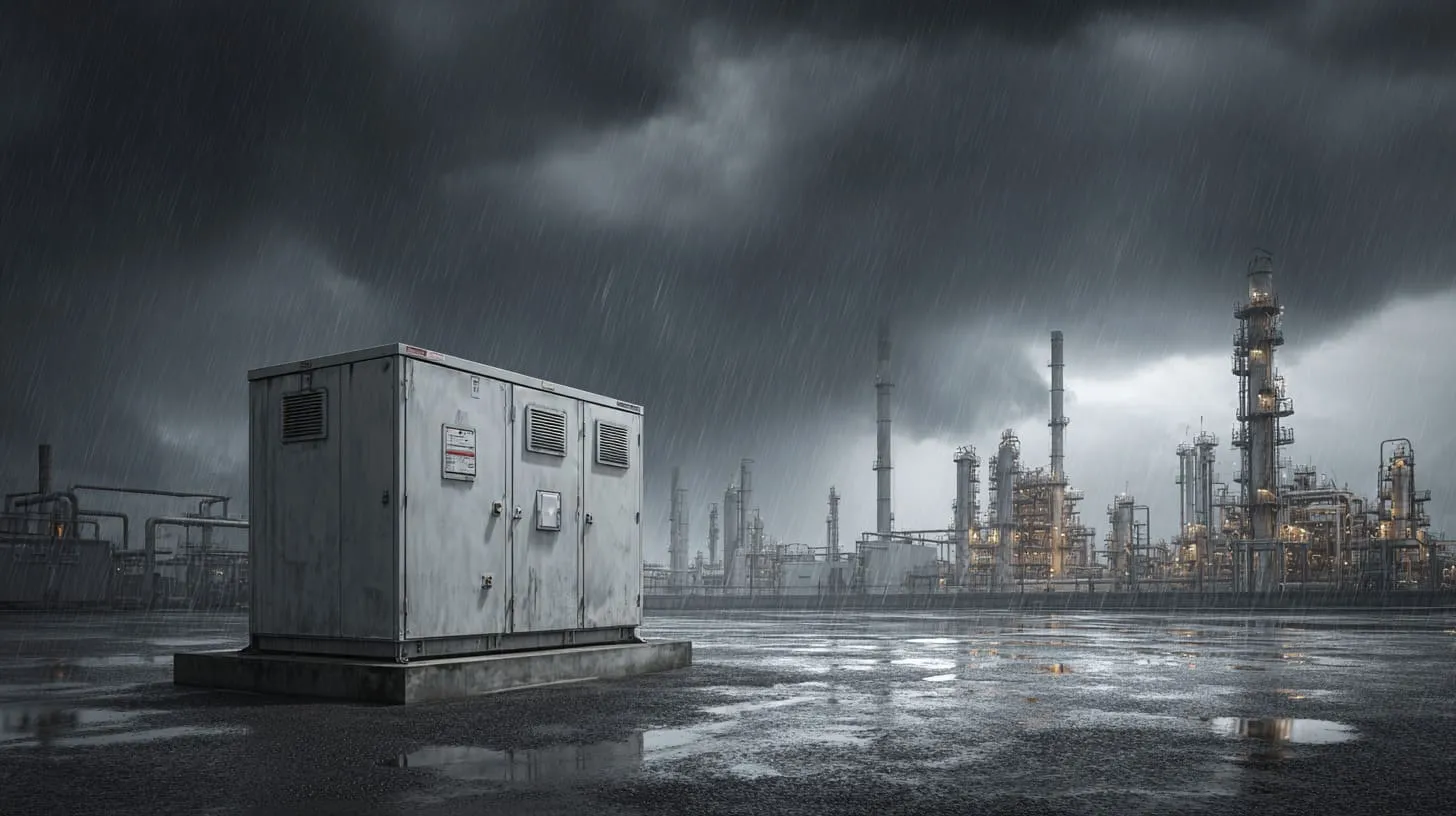
NEMA 4 and 4X cost more. I know buyers feel that. I also know a project budget is not unlimited.
But there are moments when saving on the enclosure is like buying cheap shoes for a mountain road.
You may finish the first mile. Then the pain begins.
When NEMA 4 makes sense
Use NEMA 4 when the project has:
- Outdoor rain exposure
- Splashing water
- Hose cleaning
- Windblown dust
- Industrial moisture
- More serious sealing needs
When NEMA 4X makes sense
Use NEMA 4X when the project adds corrosion risk:
- Coastal air
- Chemical plants
- Food processing cleaning
- Marine equipment
- Fertilizer or farm environments
- High humidity with corrosive gas
My cost judgment is simple here: if corrosion can attack the enclosure, I would rather quote the better material first than apologize after the surface fails.
Upgrade guide
| Environment | Better choice |
|---|---|
| Dry indoor room | NEMA 1 |
| Basic outdoor rain | NEMA 3R |
| Outdoor rain and dust | NEMA 4 |
| Hose washdown | NEMA 4 |
| Coastal or chemical area | NEMA 4X |
| Food cleaning area | NEMA 4X |
| Heavy corrosion risk | NEMA 4X |
Do not overbuy blindly
A higher rating is not always better for every project. Sometimes NEMA 3R is enough. Sometimes NEMA 12 is better indoors. Sometimes heat dissipation matters more than sealing.
Good enclosure selection is not about choosing the highest number.
It is about choosing the right protection.
Can Rain, Dust, and Sunlight Damage a NEMA 1 Enclosure?
Yes, and they often work together. Rain brings moisture. Dust holds moisture. Sunlight weakens surfaces over time.
Rain can enter a NEMA 1 enclosure, dust can collect around openings and components, and sunlight can age paint, plastic parts, labels, and seals. Together, they can reduce safety and service life.
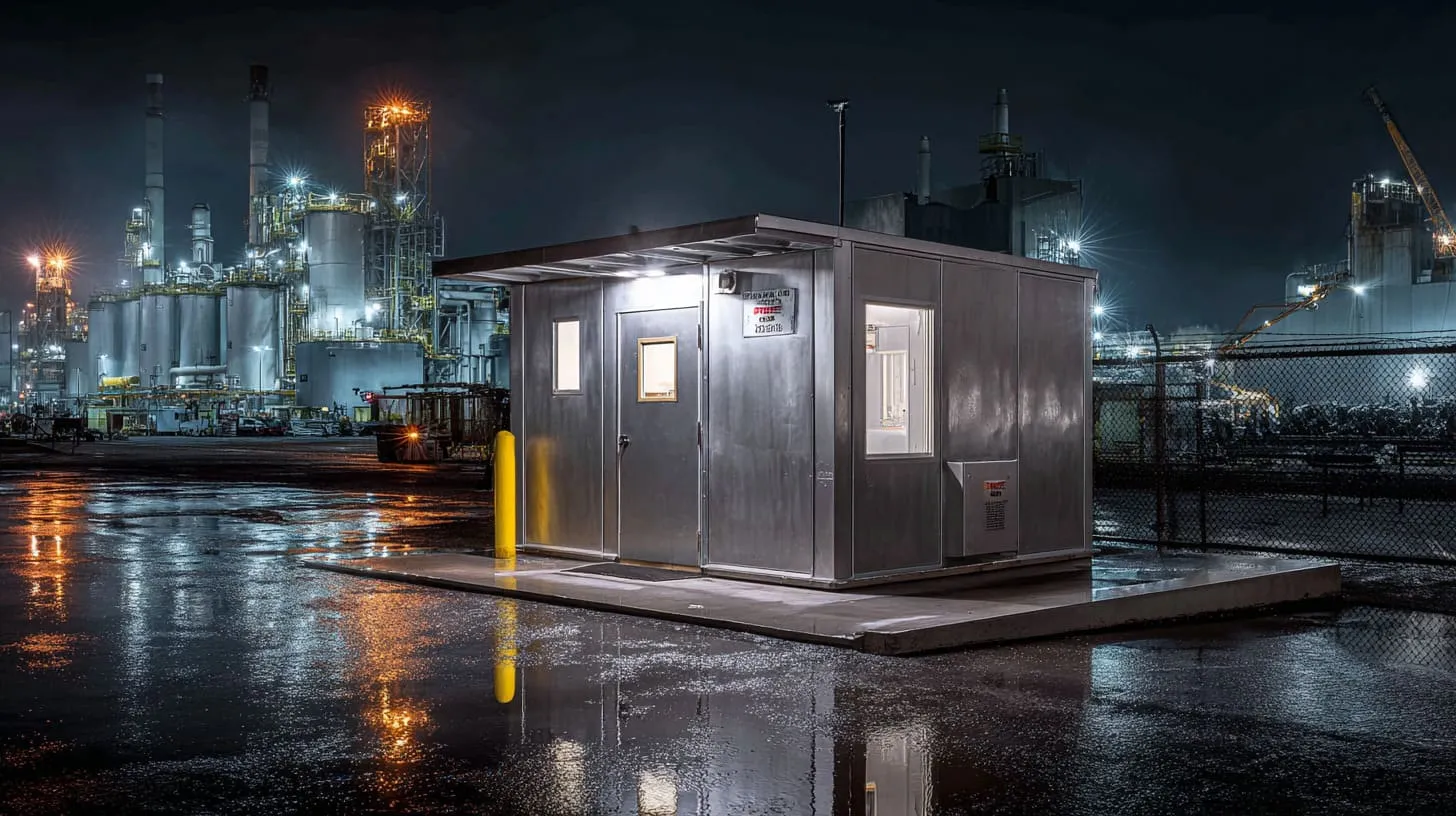
Outdoor damage is rarely polite. It does not attack one part only.
Rain finds openings. Dust sticks to wet areas. Sun heats the box during the day. Cool night air creates condensation. Then the cycle repeats.
How each outdoor factor attacks the box
| Outdoor factor | Damage path |
|---|---|
| Rain | Enters gaps and wet electrical parts |
| Dust | Builds up and holds moisture |
| Sunlight | Ages paint and plastic parts |
| Heat | Expands materials and stresses joints |
| Cold nights | Create condensation |
| Wind | Pushes dust and water into openings |
The detail I often check is the cable entry, because many outdoor failures do not start at the door; they start where someone drilled a hole and forgot the water path.
Dust is not always dry
Many people think dust is only a cleaning problem. But outside, dust can mix with moisture and become much more serious.
Wet dust can:
- Hold moisture against metal
- Create dirty paths between terminals
- Block ventilation
- Make inspection harder
- Hide early corrosion
Sunlight also matters
Sunlight can damage:
- Plastic covers
- Cable glands
- Labels
- Paint surface
- Rubber parts
- Cheap sealants
A NEMA 1 enclosure is usually not selected for UV-heavy outdoor service. That makes sunlight another reason to avoid it outside.
What Outdoor Applications Require Higher NEMA Ratings Than NEMA 1?
Almost all real outdoor electrical applications need a higher rating than NEMA 1.
Outdoor applications such as lighting control, pump control, solar equipment, telecom boxes, gate systems, HVAC control, charging stations, and outdoor machinery usually require NEMA 3R, NEMA 4, NEMA 4X, or another suitable outdoor rating.
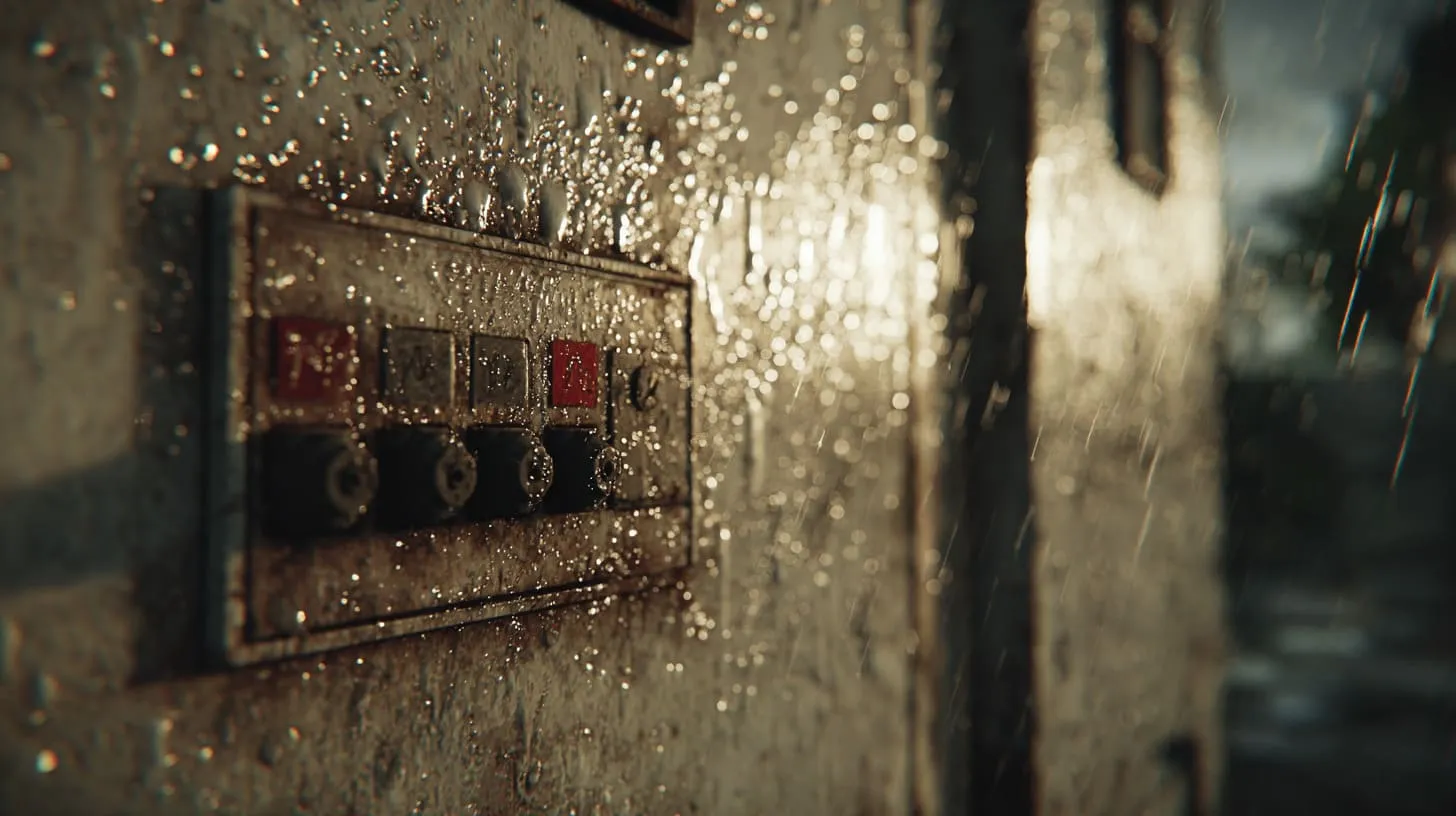
Many outdoor projects look simple at the beginning. A small controller. A few wires. A wall-mounted box.
But the real question is not the size of the equipment.
It is the exposure.
Common outdoor applications
| Application | Common risk | Better rating direction |
|---|---|---|
| Outdoor lighting control | Rain and dust | NEMA 3R or 4 |
| Solar system parts | Sun, rain, heat | NEMA 3R, 4, or 4X |
| Pump control | Splashing water | NEMA 4 |
| Farm equipment | Dust, moisture, corrosion | NEMA 4 or 4X |
| Telecom box | Rain and temperature swings | NEMA 3R or 4 |
| Marine equipment | Salt corrosion | NEMA 4X |
| Food plant outdoor area | Washdown and chemicals | NEMA 4X |
I do not decide by product name alone; I look at where the box will sit, how people clean around it, and what happens during the worst week of the year.
Why application names can mislead buyers
“Outdoor lighting” can mean a clean wall under a roof.
It can also mean a pole in heavy rain.
“Pump control” can mean a dry machine room.
It can also mean splash water every day.
That is why the final enclosure choice must come from real site conditions, not only the equipment category.
Ask these questions before choosing
- Will rain hit the box directly?
- Will water splash from below?
- Will workers use a hose nearby?
- Is the site near the sea?
- Is there chemical vapor?
- Is dust fine or heavy?
- Will the box sit in sunlight all day?
- How often will workers open it?
The answers usually point to the correct rating.
Is NEMA 1 Enough for Covered Outdoor Areas?
A covered outdoor area feels safe. But a roof does not always stop moisture, wind, dust, or side rain.
NEMA 1 is usually not enough for covered outdoor areas because wind-driven rain, humidity, condensation, insects, dust, and temperature changes can still reach the enclosure. A covered area is not the same as a dry indoor room.
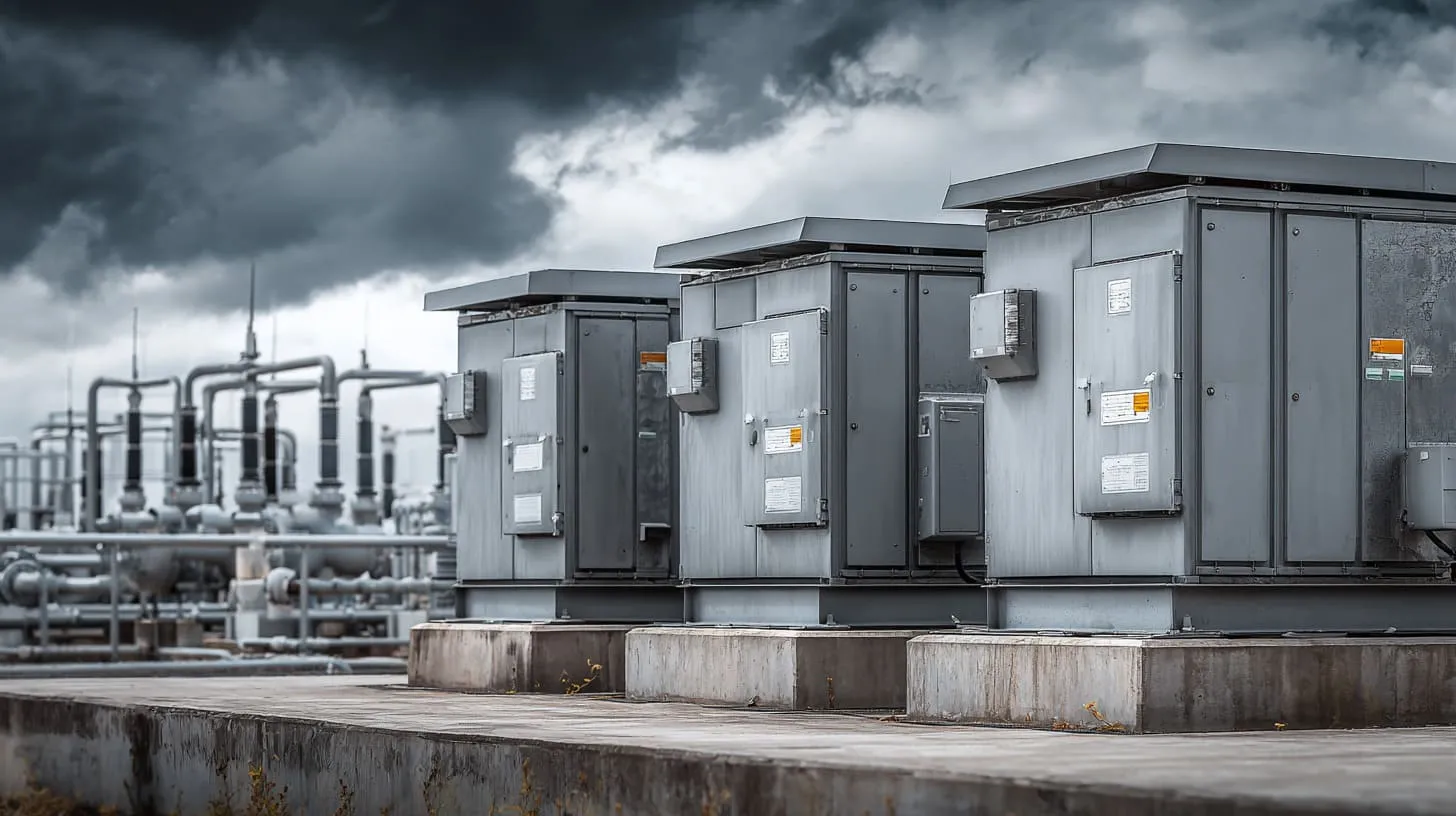
This is one of the most tempting mistakes.
The box is under a roof. The buyer feels calm. The supplier wants to help reduce cost. Everyone wants the simple answer to be yes.
But covered outdoor areas are still outdoor areas.
Why a roof may not be enough
A roof can block direct falling rain. It may not block:
- Side rain
- Windblown dust
- Humidity
- Condensation
- Insects
- Salt air
- Water splash
- Cleaning spray
The mistake I see is that people judge the roof, not the air around the enclosure.
Covered outdoor risk table
| Covered location | NEMA 1 risk level |
|---|---|
| Fully enclosed dry room | Low |
| Open-sided shed | Medium to high |
| Loading dock | High |
| Outdoor roof with side wind | High |
| Parking area | High |
| Coastal covered area | Very high |
| Covered wash area | Very high |
When NEMA 1 may be acceptable near outdoors
NEMA 1 may work if the enclosure is inside a truly dry, enclosed, controlled space.
For example:
- Inside an electrical room
- Inside a closed cabinet room
- Inside a clean warehouse
- Behind a sealed wall area
But if outdoor air, rain, and humidity can reach it easily, I would not treat it as indoor use.
How Do Engineers Choose the Right NEMA Rating for Outdoor Use?
Good engineers do not choose a rating from memory. They choose it from risk.
Engineers choose the right NEMA rating by checking water exposure, dust level, corrosion risk, cleaning method, temperature, mounting position, cable entry design, maintenance needs, and safety requirements.
I like working with engineers who describe the real site. They do not only send a box size. They tell me where it will be mounted, what it protects, and what can go wrong.
That information saves everyone time.
My practical rating selection process
| Step | Question I ask |
|---|---|
| 1 | Is it indoor or outdoor? |
| 2 | Will rain hit it directly? |
| 3 | Is there windblown dust? |
| 4 | Will workers wash the area with water? |
| 5 | Is there salt, chemical, or corrosion risk? |
| 6 | Does the box need ventilation? |
| 7 | How will cables enter the enclosure? |
| 8 | How often will someone open it? |
The part I slow down on is cable entry, because even a good enclosure can fail if the glands, holes, and mounting details are treated casually.
Simple rating direction
| Site condition | Possible rating direction |
|---|---|
| Dry indoor | NEMA 1 |
| Indoor dust or dripping liquid | NEMA 12 or 13 |
| Basic outdoor rain | NEMA 3R |
| Outdoor rain and dust | NEMA 4 |
| Hose water | NEMA 4 |
| Corrosion risk | NEMA 4X |
| Temporary submersion risk | Special higher protection needed |
The enclosure is part of a system
The box rating is not the whole story.
A real outdoor design also needs:
- Correct cable glands
- Good mounting position
- Drainage thinking
- Suitable coating
- Proper material
- Safe grounding
- Clear service access
- Good packaging for shipping
This is why custom enclosure work needs communication. A drawing is important, but the environment tells the truth.
What Is the Cheapest Outdoor Alternative to a NEMA 1 Enclosure?
The cheapest outdoor alternative is not always the cheapest box. It is the lowest-cost box that can survive the real environment.
The cheapest outdoor alternative to a NEMA 1 enclosure is often a NEMA 3R enclosure for basic rain protection. If the site has hose water, heavy dust, or corrosion, NEMA 4 or 4X may be cheaper in the long run.

I care about price. My customers care about price too. A good factory should not always push the most expensive option.
But price must be judged with failure cost included.
A low unit price can hide a high project cost.
Cost and protection comparison
| Option | Cost level | Outdoor suitability | Best use |
|---|---|---|---|
| NEMA 1 | Lowest | Not suitable | Dry indoor |
| NEMA 3R | Low to medium | Basic outdoor rain | General outdoor wall boxes |
| NEMA 4 | Medium | Rain, dust, hose water | Industrial outdoor use |
| NEMA 4X | Higher | Water plus corrosion | Coastal, chemical, washdown |
My usual buying advice is this: if the box is really going outside, start pricing from NEMA 3R, not from NEMA 1.
How to control cost without choosing the wrong rating
You can reduce cost in better ways:
- Choose the right size, not an oversized box
- Use standard tooling when possible
- Simplify bending structure
- Avoid unnecessary cutouts
- Confirm cable entry early
- Use suitable material thickness
- Plan logo and surface finish clearly
- Order enough quantity for better production cost
The cheapest safe choice
For basic outdoor rain exposure, NEMA 3R is often the cheapest safe starting point.
For harsh outdoor sites, NEMA 4 or 4X may look expensive at first. But if it avoids one failure, one shipment delay, or one angry end customer, it may be the more reasonable choice.
Conclusion
I do not use NEMA 1 outside because weather turns small gaps into big problems. If your enclosure faces rain, dust, sun, or corrosion, choose the rating before choosing the price.