Skip to content
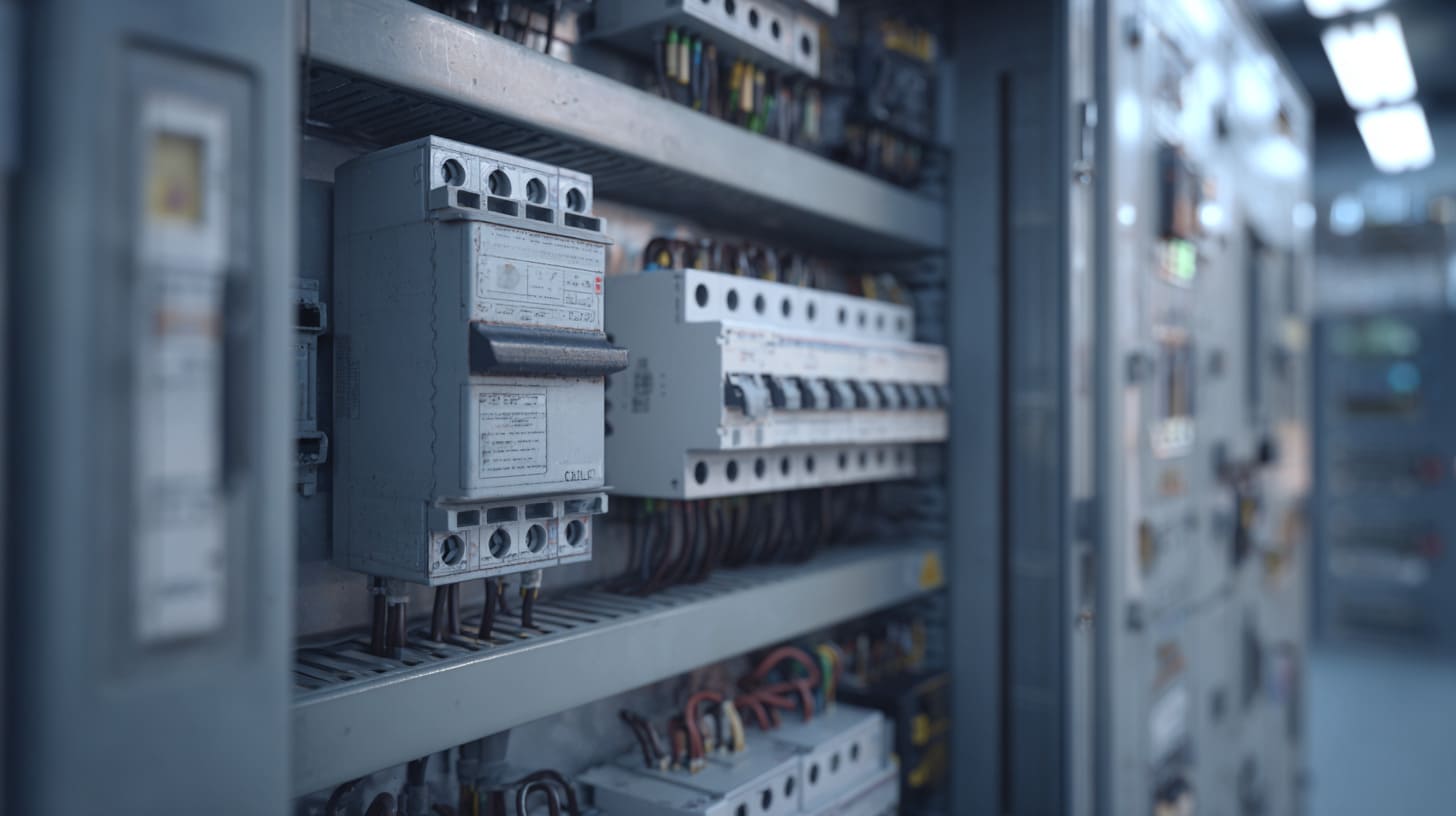
The production line was running again. That was the good news. The bad news was that nobody knew why it had stopped in the first place.
An operator had reset the breaker. The machine powered up. Output resumed. Everyone moved on. But a week later, the same cabinet tripped again. Then again. Each time, the reset handle went back up. Each time, the root cause stayed hidden.
When the enclosure finally came back to us for inspection, one terminal was darkened from heat. The insulation near it had started to harden. Nothing dramatic. No flames. Just slow damage building up quietly behind a clean metal door.
That is the part people skip when they talk about overcurrent protection. They compare trip curves. They compare price. They ask which device is “better.”
But in OEM projects, the device you choose shapes what people do after a fault.
If the operator can reset in 3 seconds, many will. If the system forces a fuse replacement, it creates a pause. That pause can feel inconvenient. But it can also be the moment that prevents a burned PCB, a melted connector, or a warranty claim that lands on your desk months later.
Here is my core view:
Breaker vs fuse is not only about protection speed or cost — it is about maintenance discipline, user behavior, and lifecycle control.
This matters for enclosure designers, product engineers, and B2B buyers integrating protection into industrial panels, OEM cabinets, and commercial systems. I am not writing this as a textbook comparison. I am writing it as someone who has seen how small protection decisions quietly shape long-term reliability.
And once you start thinking about human behavior instead of just electrical curves, the whole “breaker or fuse” debate feels very different.
What Is a Circuit Breaker in OEM System Design?
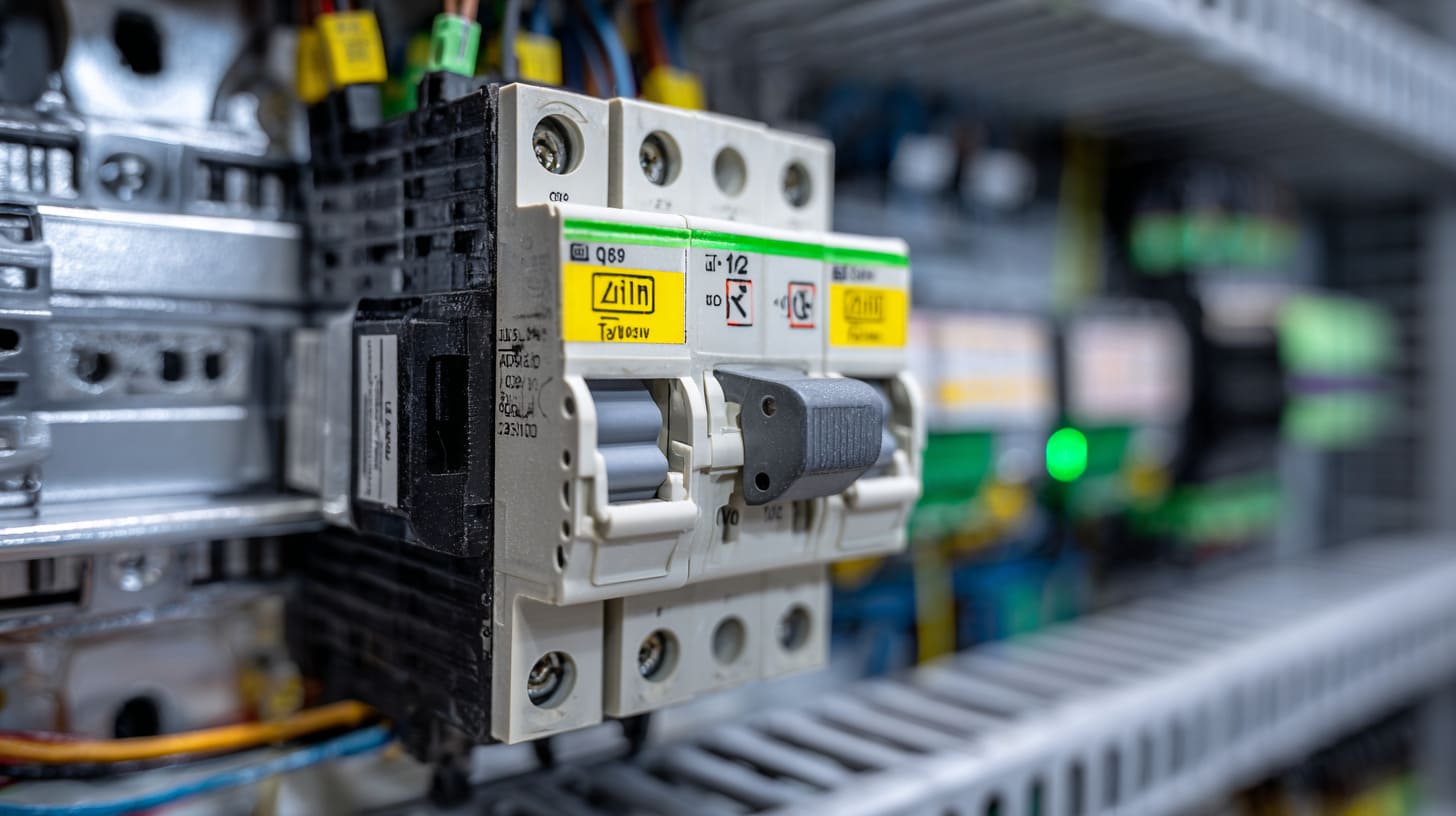
A circuit breaker is the protection device that looks friendly. It trips. You reset it. The system comes back. Everyone feels relieved. And that feeling is exactly why it can create hidden risk.
The tricky part is this: a breaker is not just protection. It is also a “permission system” for operators. It tells them, “Go ahead, try again.”
One thing I’ve learned the hard way: the easier it is to reset, the easier it is to skip the real diagnosis.
Mechanical and Thermal-Magnetic Operation
Most breakers in OEM panels use a few common trip styles:
- Thermal: a bimetal strip bends from heat and trips the mechanism
- Magnetic: a coil reacts fast to high fault current
- Electronic: a sensing circuit controls trip logic, often with better precision
And yes, they are resettable. That’s the selling point.
But inside the breaker, you also have arc control. When it trips under load, it has to break current safely. That is why you see features like arc chutes and contact designs. This is not decoration. It is survival.
Here’s a simple table I use when explaining breakers to buyers who want “quick clarity”:
| Breaker Type | What It Reacts To | Typical Use | Practical Note |
|---|---|---|---|
| Thermal | Heat over time | Motor loads, general circuits | Can tolerate short surges |
| Magnetic | Sudden high current | Short-circuit protection | Trips fast, less forgiving |
| Electronic | Measured current profile | Smart panels, higher control | Needs stable design and quality |
And now the uncomfortable thought: if the breaker trips a lot, it is telling you something. People just don’t like listening.
Lifecycle Expectations in Industrial Projects
Breakers are usually designed for repeated operation. That is why they fit industrial thinking:
- service continuity matters
- downtime is expensive
- maintenance teams want fast restore
That sounds good. But repeated operation can create a false sense of “nothing is wrong.”
A breaker can become the system’s painkiller. It hides symptoms, so the real disease keeps growing.
This is where my personal judgment shows up: If I expect the end user to treat faults like “just reset and go,” I start leaning away from breakers as the only protection layer.
Where Breakers Commonly Appear in OEM Products
I see breakers commonly used in:
- industrial control cabinets (DIN rail layouts are clean and fast to service)
- commercial building panels (service teams know how to deal with them)
- higher-current distribution inside equipment (system-level protection)
They are great tools. But tools shape behavior. That is the theme you’ll keep seeing.
And speaking of behavior, fuses create a very different “emotional reaction” in a factory.
What Is a Fuse in OEM Equipment?
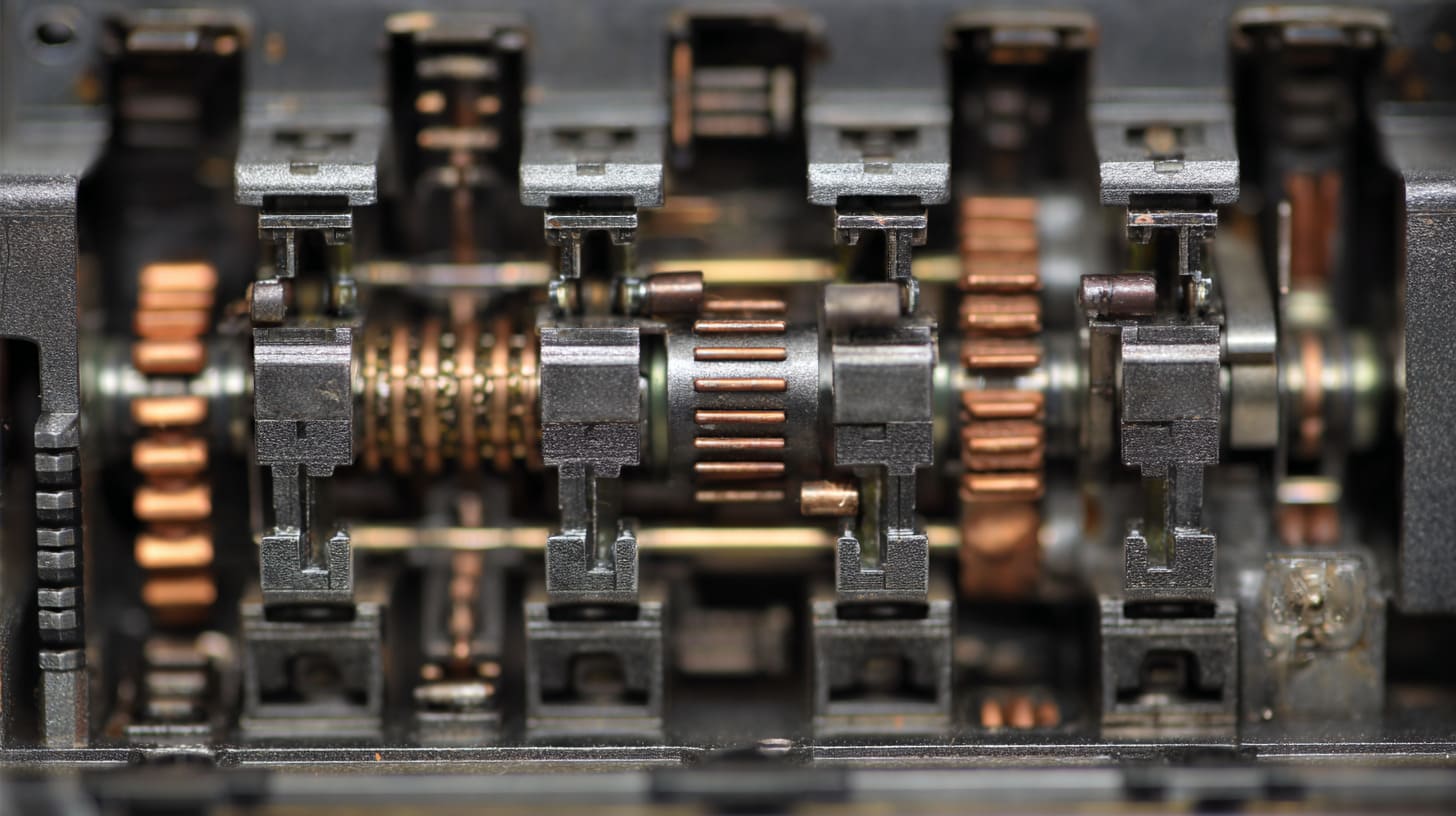
A fuse is less friendly. It does not reset. It does not forgive. It simply says: “Something is wrong. Stop.”
That sounds harsh, but harsh is sometimes what saves a project.
I’ve seen teams hate fuses during commissioning, then thank them six months later. Why? Because the fuse forces attention. It creates a pause. And that pause often prevents bigger damage.
My own bias is simple: When the real risk is people doing the wrong thing under pressure, I trust a fuse more than I trust a human mood.
Sacrificial Protection Principle
A fuse protects by sacrificing itself. Inside is a metal element designed to melt when current exceeds a limit.
Common categories you’ll run into:
- fast-acting: reacts quickly, good for sensitive electronics
- slow-blow: tolerates short surges, good for motors or inrush loads
This is not “better” or “worse.” It’s just a different style.
A fuse can be extremely reliable during high fault current. It also has fewer moving parts. Less mechanical complexity can mean fewer weird failures.
Design Simplicity and Compact Integration
Fuses are easy to fit into small designs:
- PCB-mounted fuses for compact electronics
- inline fuse holders for cable harness protection
- simple panel-mounted fuse holders for basic access needs
They also work well in sealed products where you want controlled service. But there is a catch: if the user can access it, they can also misuse it.
Here’s a table I use for “design thinking,” not marketing:
| Fuse Integration | Best For | Risk to Watch |
|---|---|---|
| PCB fuse | compact electronics | replacement is hard in the field |
| Inline holder | harness and cable protection | users may replace wrong rating |
| Panel fuse holder | basic service access | tampering and bypass risk |
Typical OEM Applications
In OEM equipment, fuses often appear in:
- power supplies
- embedded controllers
- low-voltage device protection
- “protect the board first” designs
A fuse is not only electrical protection. It’s also a maintenance forcing function. It makes people stop, open the case, and look.
And now we get to the part most comparisons miss. The technical differences matter, yes. But what happens after the fault matters more.
Breaker vs Fuse: Technical Comparison Beyond the Basics

Most online articles stop at the obvious: breakers reset, fuses replace. That is correct, but it is not useful enough.
OEM projects live in the messy middle: shipping delays, mixed skill levels, and equipment that needs to run even when the maintenance team is tired.
So I like to compare them in a way that matches field reality.
Here’s my real-world judgment: I don’t ask “which protects faster,” I ask “which fails in a way that teaches the right lesson.”
Response Speed and Fault Behavior
General pattern you often see:
- fuses can react very fast under high short-circuit current
- breakers follow trip curves and coordination rules, and may respond slower depending on type
But speed is not everything. A fast trip that stops the system is good. A controlled trip that avoids nuisance shutdown is also good.
It depends on what you can tolerate: downtime or damage.
Reset vs Replace: Operational Implications
This is the part that shapes human behavior:
- breaker: reset = restore power quickly
- fuse: replace = forced inspection step
That forced step can be annoying. But it can also prevent repeated fault cycling.
I have watched a team reset a breaker five times and cook a connector. The breaker did its job each time. The system still got harmed, because nobody stopped and asked why.
Short-Circuit Rating and Interrupting Capacity
This topic gets technical fast, so I keep it simple:
- you must confirm the device can safely interrupt the fault current available in the system
- industrial-grade breakers and high interrupting capacity fuses both exist
- “cheap protection” is dangerous if the fault level is high
In OEM work, I see this mistake too often: the protection device is selected by current rating only, not by the real fault environment.
Space and Integration Constraints
Space matters inside an enclosure. Always.
- breakers usually need more depth and mounting space
- fuses can be extremely compact
Here is a compact comparison table that buyers like Davide and Jackson can actually use:
| Factor | Breaker | Fuse |
|---|---|---|
| After fault | reset | replace |
| User behavior | encourages quick restart | forces pause |
| Panel space | larger | smaller |
| Field misuse risk | repeated resets | wrong fuse rating / bypass |
| Best fit | serviceable cabinets | compact or controlled service devices |
And once you see it this way, it becomes obvious why maintenance discipline is the real hidden topic.
So let’s talk about that discipline. This is where OEM projects win or bleed.
The Hidden Maintenance Discipline Risk in OEM Projects
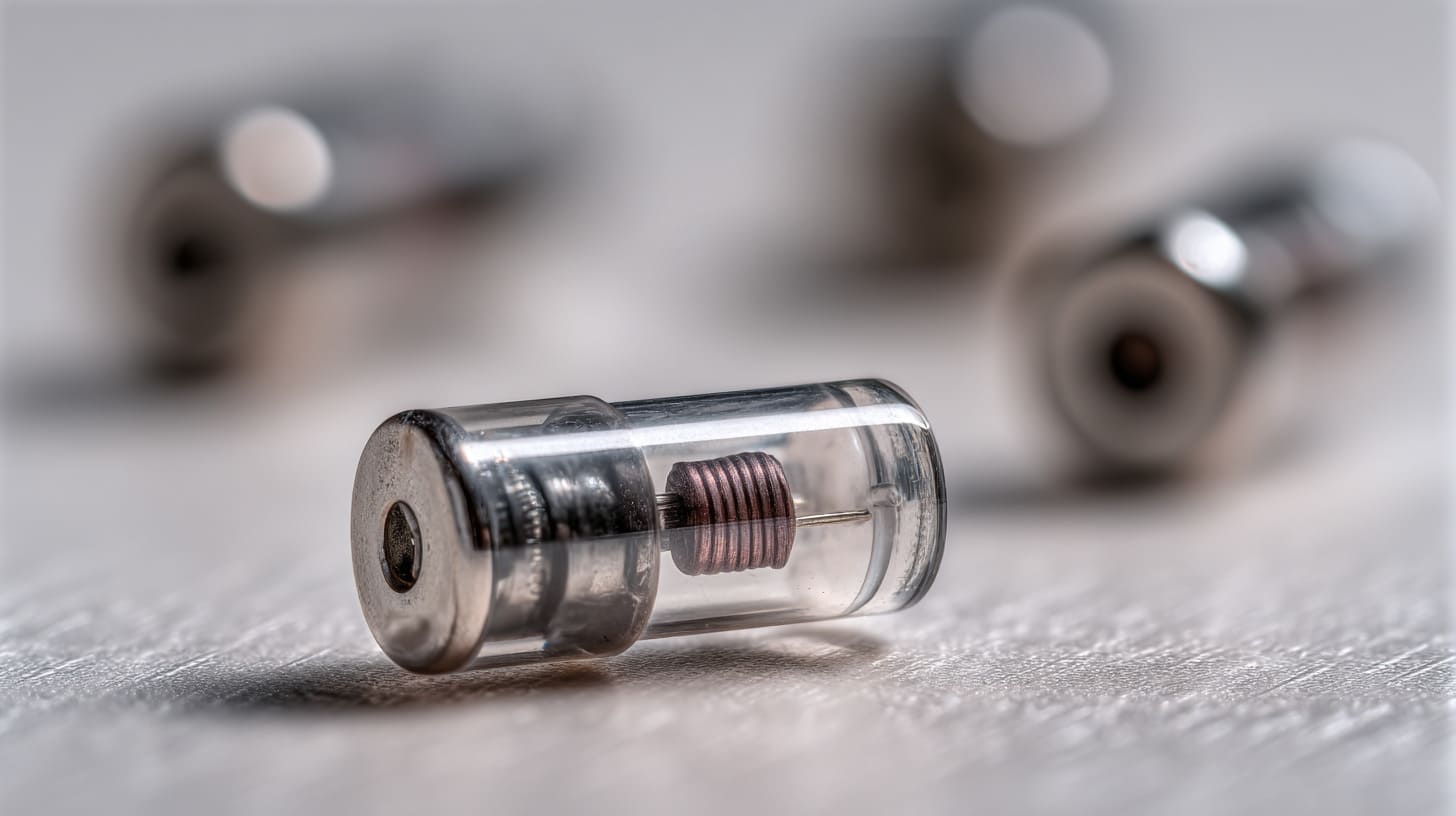
This is the part that makes me uncomfortable, because it is not “engineering-only.” It is people. It is stress. It is habits.
And habits are hard to control after you ship the product.
My honest judgment here: If the protection choice can be abused easily, it will be abused sooner or later—usually on a Friday afternoon.
The “Reset Without Diagnosis” Problem
Breakers make it easy to do the wrong thing fast.
Common pattern I see in factories:
- breaker trips
- operator resets
- it trips again
- operator resets again
- heat builds up somewhere else
- real damage happens quietly
The breaker becomes a loop. The root cause hides inside the loop.
If I’m supporting an OEM project, I often ask buyers one question:
- “Who will be the person touching this reset lever?”
If the answer is “anyone on the line,” I get cautious.
The “Fuse Bypass” Reality in Field Conditions
Fuses have their own ugly reality.
When people are under pressure, they do things like:
- replace with a higher rating “just to keep it running”
- replace with the wrong type (slow-blow vs fast)
- bypass the fuse entirely with wire or metal
Yes, it happens. It happens more than people admit.
So fuses are not magically safe. They simply move the risk to a different human action: replacement choices.
Human Behavior in Real Maintenance Environments
Real maintenance is not a clean lab:
- time pressure is constant
- skill level varies
- documentation is often ignored during emergency repair
So if you want the system to survive, you need to design for human weakness.
Here’s a table I sometimes use to explain “behavior risk” to OEM buyers:
| Field Condition | Breaker Risk | Fuse Risk | My Practical Take |
|---|---|---|---|
| High time pressure | reset loop | bypass attempt | add clear labels + training |
| Low skill team | wrong reset decision | wrong fuse rating | design to reduce access |
| Remote sites | repeated resets | no spare fuses | plan spares and instructions |
| Tight production schedules | keep restarting | quick unsafe fix | force inspection steps |
And now we come to the topic that always gets misunderstood: cost.
Because cost is not only the device price. Cost is what happens when something goes wrong.
Lifecycle Cost Analysis: Upfront vs Long-Term Risk
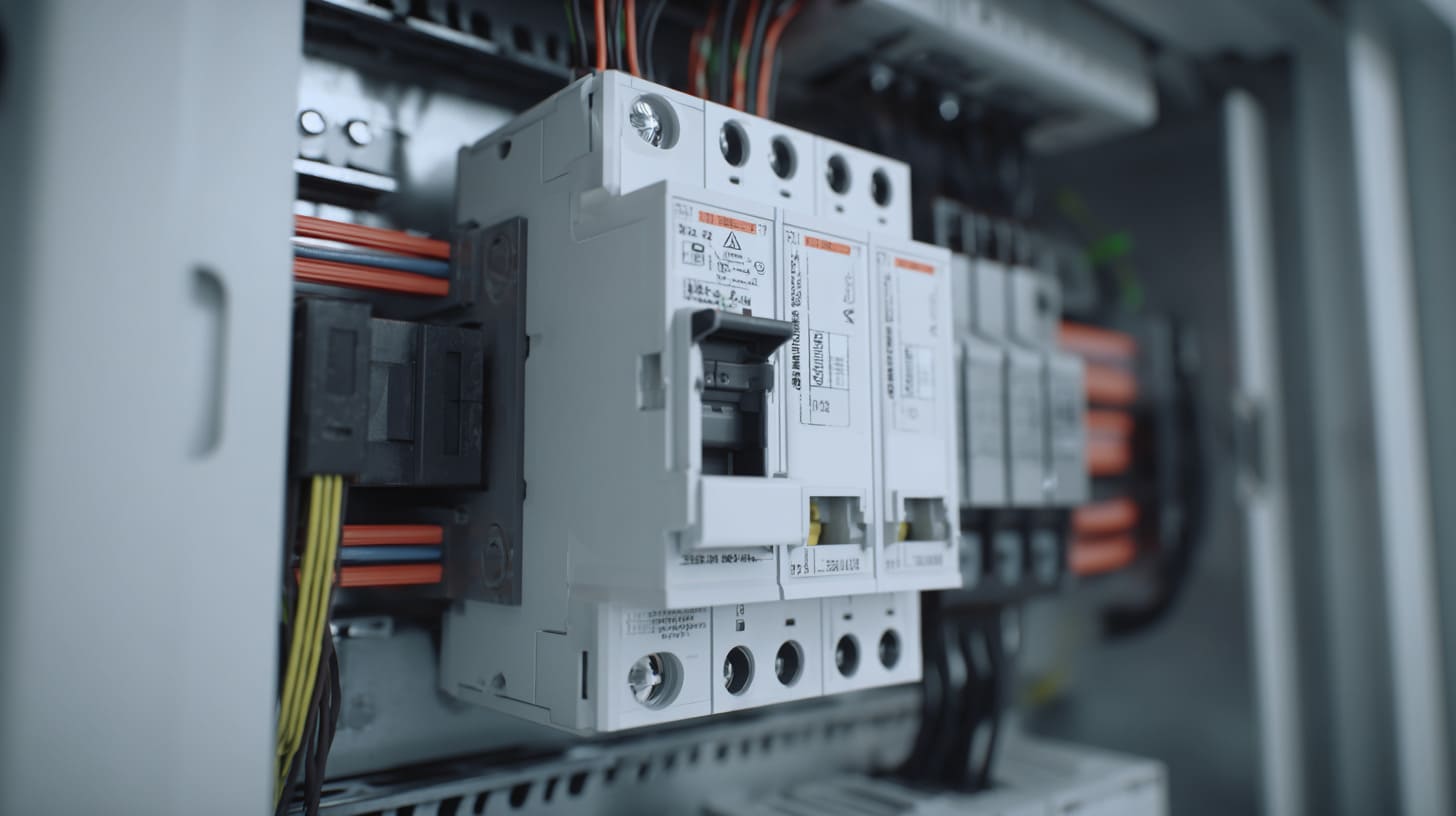
If you only compare unit cost, you will often choose wrong. I’ve seen that story too many times.
Someone says, “A fuse is cheaper.” Another person says, “A breaker saves downtime.” Both are right. And both can still lead to a bad decision.
Here’s my judgment in plain language: I only call something “cheap” after I picture the first failure event and how expensive the confusion will be.
Initial Hardware Cost
Typical cost structure:
- breaker: higher unit price
- fuse + holder: lower initial price, but still needs proper holder and wiring
Also consider installation time:
- breakers in DIN rail panels can be fast
- fuse holders can also be fast, but layout and access matter
Downtime and Service Labor
In some industries, downtime is the real money.
- breaker helps restore quickly
- fuse replacement slows restart, but forces inspection
If your customer loses $10,000 per hour during downtime, breaker convenience is not a small thing.
But if your customer has a history of “quick fixes,” breaker convenience can turn into repeated damage.
Hidden Risk Cost
This is the part buyers feel later:
- equipment damage from repeated resets
- fire risk from wrong fuse replacement
- warranty returns that look like “random failures”
- brand damage when the system seems unreliable
I’ve worked with re-brand sellers who get crushed by this. One support ticket becomes ten. Ten becomes bad reviews. Then the whole listing suffers.
So cost must be viewed in layers, not only in the purchase order.
And once you understand cost in layers, the next step is choosing by scenario, not by habit.
Design Strategy for OEM Engineers: Choosing by Application Scenario
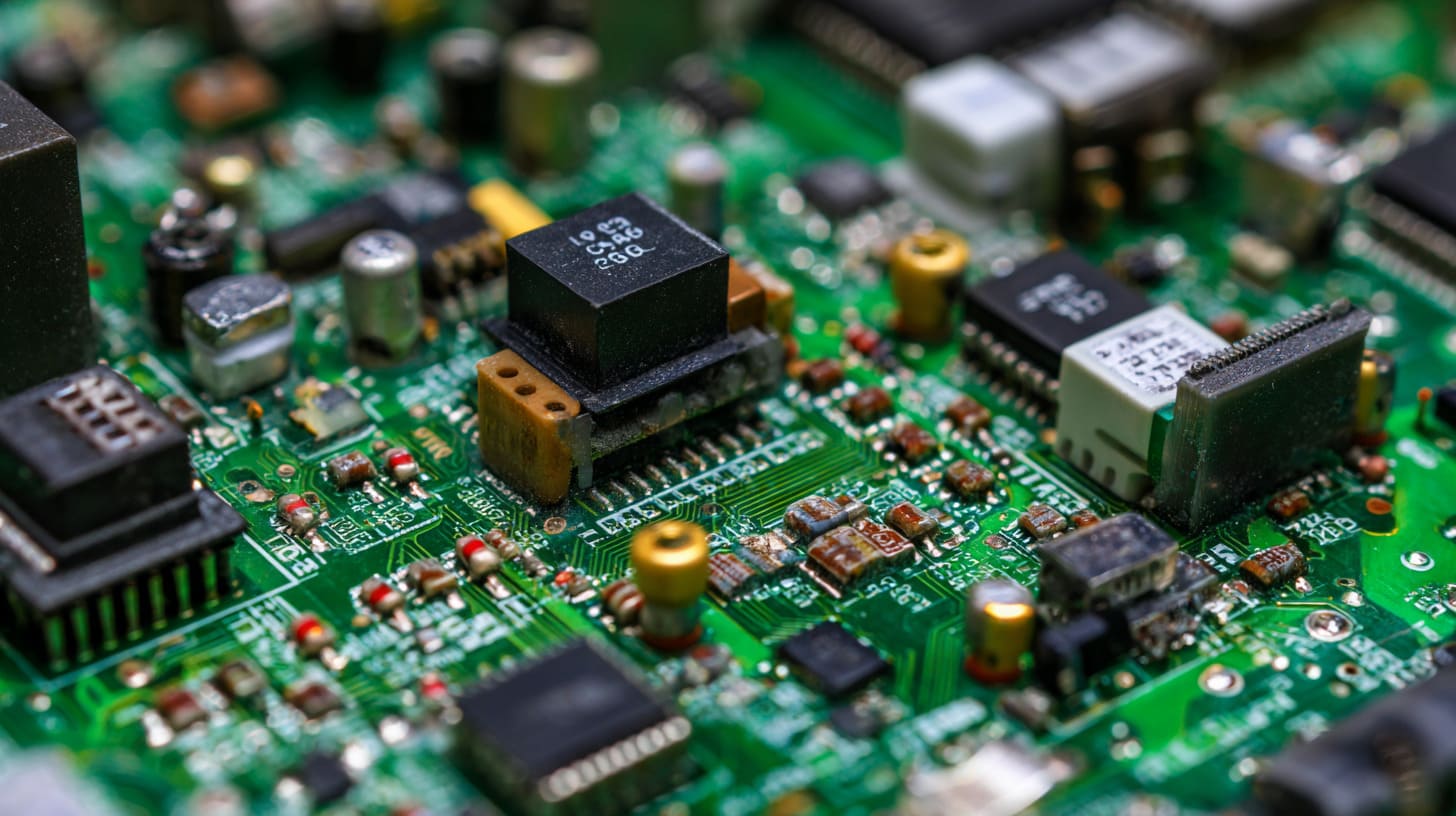
I don’t like “always use breaker” or “always use fuse.” Those are lazy rules. OEM projects are too varied.
This is my real judgment: I choose based on how the system will be used, not on what looks best on the BOM.
When to Choose a Breaker
Breakers fit well when:
- you need fast restoration and service continuity
- the cabinet is accessible to trained maintenance teams
- you need adjustable trip curves (or coordination with other protection)
Typical cases:
- industrial control cabinets with service staff
- commercial panels with scheduled maintenance
- systems where downtime is the main enemy
When to Choose a Fuse
Fuses fit well when:
- the system is compact
- the electronics are sensitive
- you want to control replacement behavior
- the product is sealed or tamper-controlled
Typical cases:
- embedded electronics
- power supplies and boards
- devices with controlled service access
Hybrid Protection Approaches
This is where mature OEM designs often land:
- breaker for branch circuits
- fuse for sensitive electronics
- layered protection so one fault does not destroy the whole system
Here’s a simple structure I like:
| Layer | Device | Purpose |
|---|---|---|
| upstream | breaker | protect wiring + allow service |
| downstream | fuse | protect PCB + limit damage |
| documentation | labels + instructions | shape behavior |
And yes, documentation is part of the design. A bad label can create a bad habit.
That leads naturally into standards and compliance, because many teams treat compliance as “later.” That is a mistake.
Compliance, Standards, and Certification Considerations

Standards are not only about passing tests. They also shape design choices early. If you ignore them, you end up redesigning too late.
My judgment here is based on scars: I try to lock the compliance path early, because changing protection architecture late in the project is one of the fastest ways to miss a deadline.
IEC and UL Overcurrent Standards
Real OEM projects often touch:
- IEC-oriented markets
- UL-oriented markets
- mixed regions (North America, Europe, Japan, South Korea)
Common issues:
- coordination requirements
- labeling and component approval needs
- regional expectation differences
Even if the engineer understands it, purchasing might not. So the design must make it hard to misinterpret.
Enclosure Integration Impacts
Protection devices affect the enclosure design:
- heat dissipation differences
- IP rating implications when you add access points
- service access design and safety clearance
If you want an enclosure to be compact, and still safe, you must plan the protection layout early.
OEM Brand Liability and Documentation
This is the part most teams underestimate.
If the system fails and someone gets hurt, the questions become sharp:
- did you label replacement rating clearly?
- did you prevent easy bypass?
- did you design service access responsibly?
In OEM branding work, you carry that responsibility, even if you didn’t install it on-site.
That is why I always treat protection choice as part of brand risk.
Now let’s give the reader something they can actually use on Monday morning: a practical decision framework.
Practical Decision Framework for Product Engineers and OEM Buyers
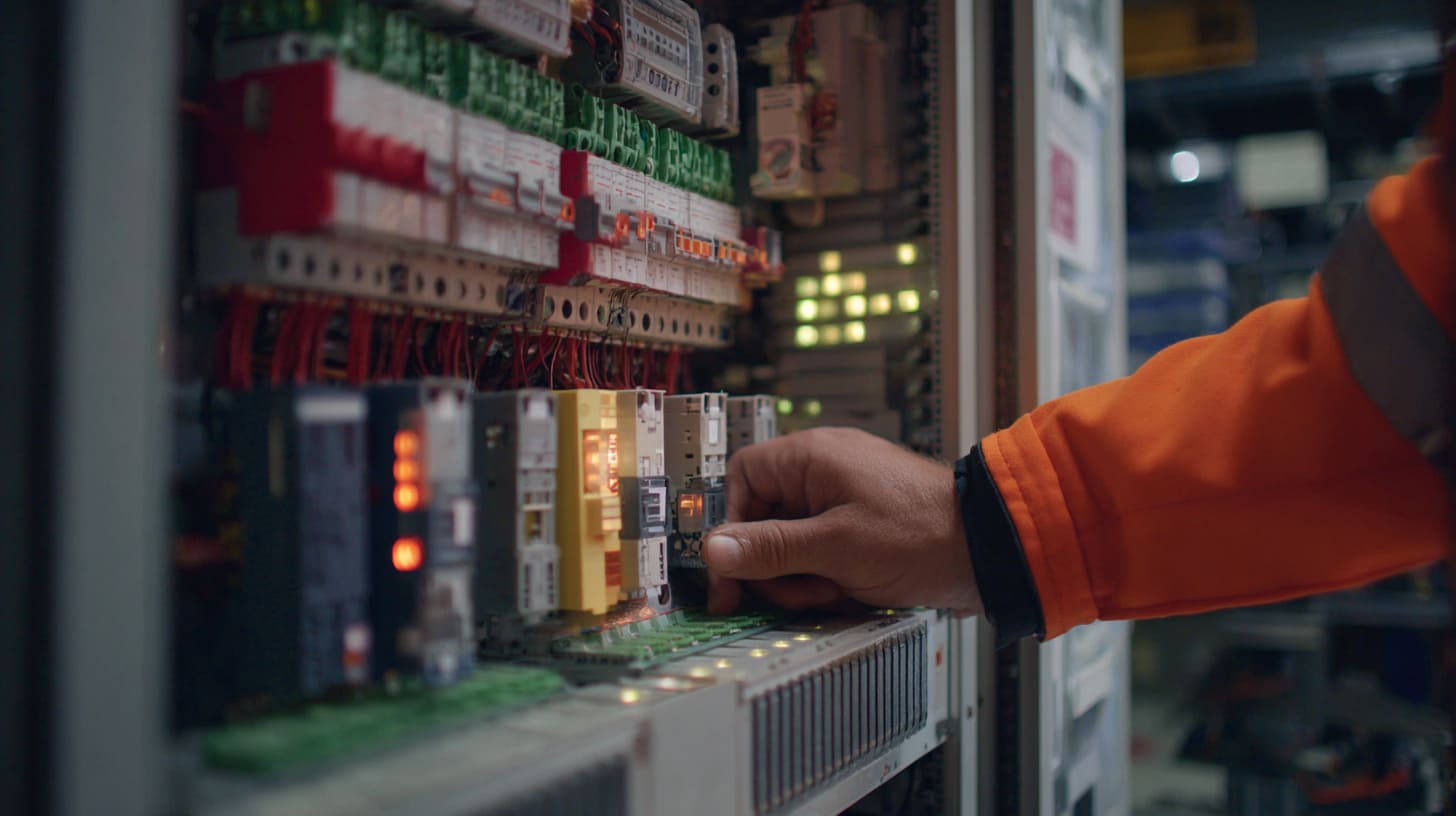
When I talk to buyers like Davide or project creators like John, they often ask for “one simple rule.” I get it. People want clarity.
So I use a framework that forces the right questions.
My judgment sentence for this part: If I cannot clearly describe the end user’s maintenance behavior, I assume the worst and design to reduce the damage from bad decisions.
Risk Tolerance Assessment
Ask:
- is downtime the bigger pain, or is fire risk the bigger fear?
- who will touch the protection device? trained staff or anyone?
- will the system be serviced on schedule or only when it breaks?
A quick way to think:
- if downtime is costly and teams are trained → breaker becomes attractive
- if misuse risk is high and electronics are fragile → fuse becomes attractive
- if both risks are high → hybrid is often safer
Environment and Use Frequency
Consider:
- industrial continuous operation vs consumer equipment
- vibration, humidity, heat exposure
- dirty environments where contact resistance grows over time
Protection choice is not isolated. It is part of system survivability.
Project Stage and Scalability
Prototype thinking can destroy mass production success.
Ask:
- can you support after-sales service at scale?
- can you supply spare fuses easily?
- will customers in remote regions have the right parts?
If you cannot support the ecosystem, the “right” technical choice can still become the wrong business choice.
Here is a compact decision table you can copy into your internal notes:
| Question | If “Yes” | Lean Toward |
|---|---|---|
| Need fast restoration? | production downtime is expensive | breaker |
| Users are untrained? | operators are not maintenance staff | fuse / hybrid |
| Electronics are fragile? | sensitive PCB risk | fuse (downstream) |
| Remote service environment? | parts access is limited | breaker + clear diagnosis steps |
| High misuse risk? | history of shortcuts | controlled fuse access + labels |
And now we close the loop: why I think this is not a “simple comparison,” and what I want you to do next.
Conclusion
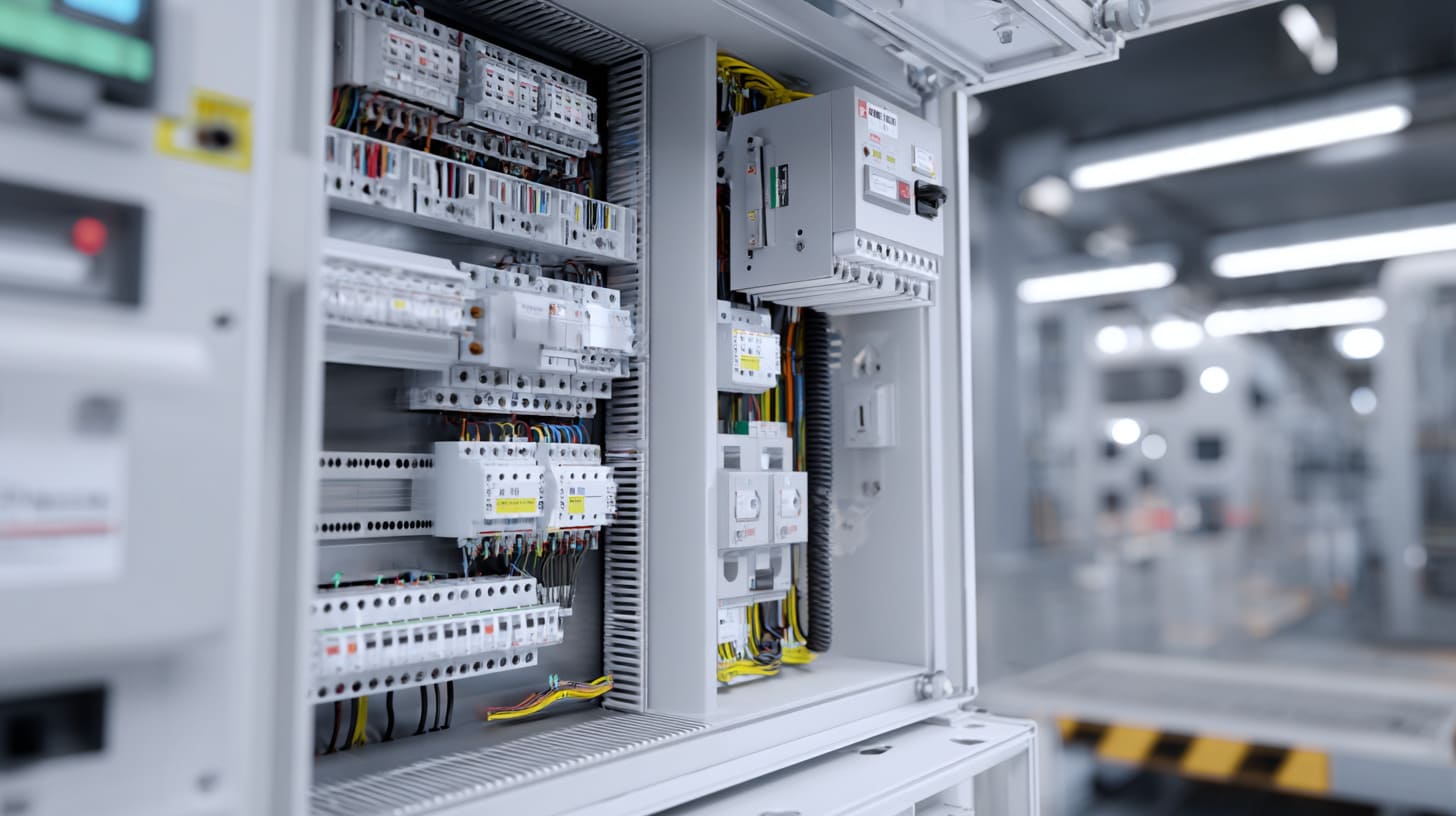
I look at breaker vs fuse in OEM projects as a mirror. It reflects how people behave when pressure hits. It also reflects how your product will be treated when you are not there.
That is why I keep repeating the same core idea: Breaker vs fuse is not only a technical comparison — it is a maintenance discipline decision. A breaker can train people to restart without thinking. A fuse can push people to inspect, but it can also invite bad replacement choices if you leave too much freedom.
I think this way because I’ve seen what happens after shipment. The failure is rarely one big explosion. It is small events. Small shortcuts. Small resets. Small “just make it work” decisions. And those small things pile up until your brand pays for them.
If you’re designing an OEM enclosure system right now, do this one practical thing: write down who will touch the protection device, and what they will do under stress. If that picture looks messy, design your protection to survive messy humans.
If you want, you can send me your application details (current rating, load type, environment, enclosure size, and who maintains it). I can help you map a breaker, fuse, or hybrid structure that fits your real project, not just the catalog.