Skip to content
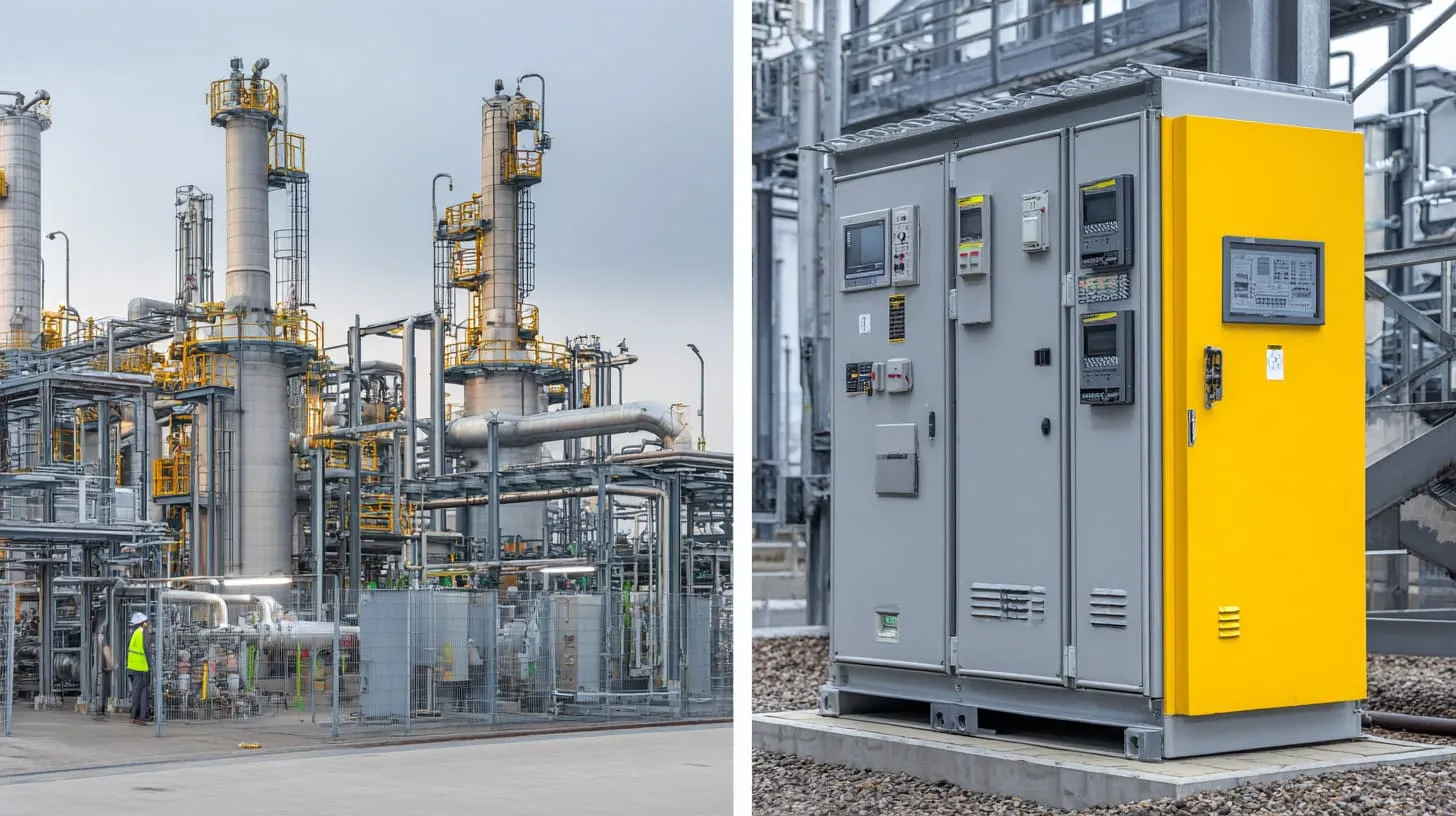
Two enclosure requests came in—back to back.
One was from an engineer designing a control unit for a chemical mixing zone. The other was sourcing a box for an outdoor fiber panel in a coastal telecom project.
On paper, both projects needed protection. But the protection they needed couldn’t be more different.
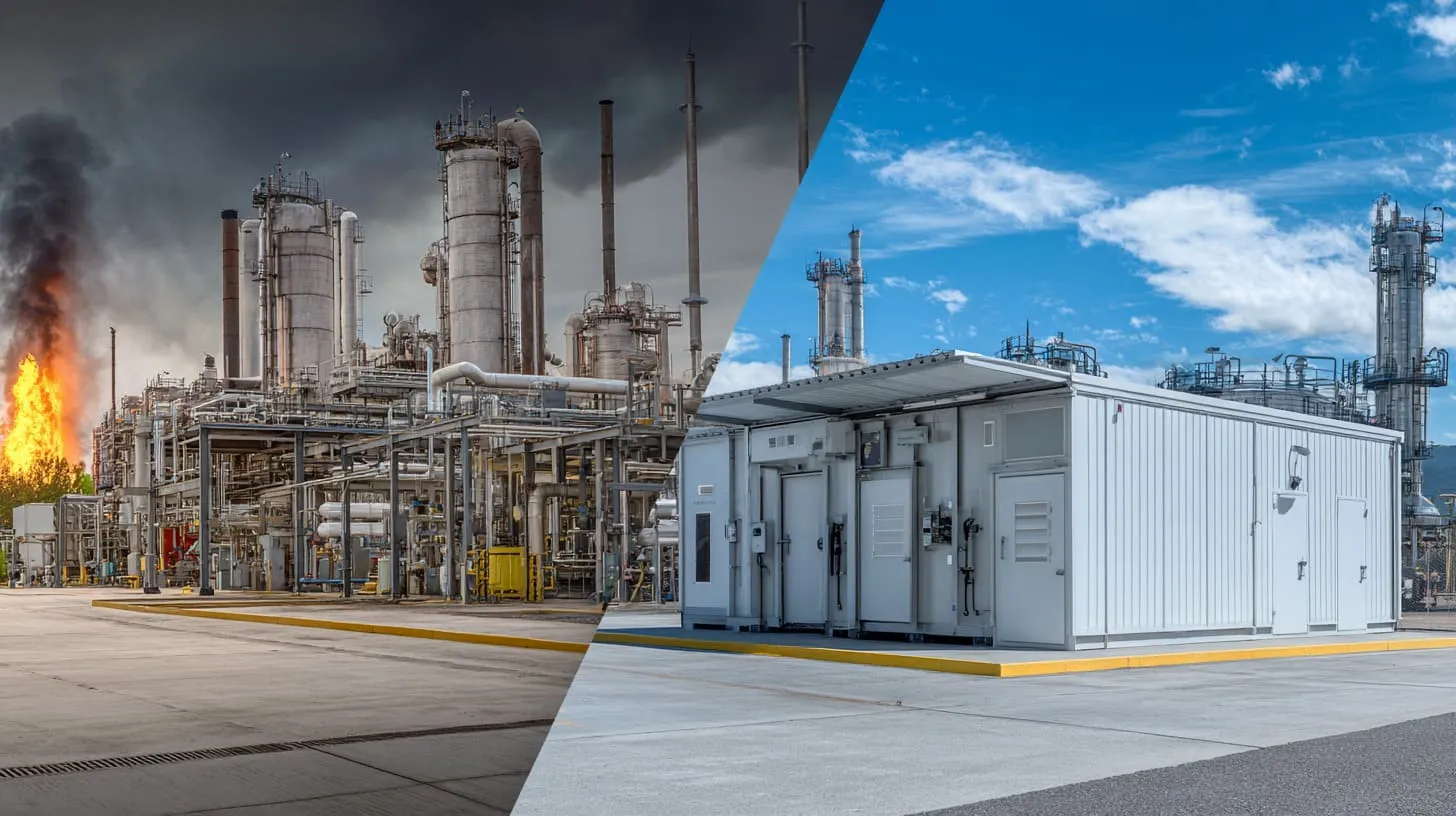
One had to survive gas explosions.
The other had to survive saltwater and daily washdowns.
This kind of moment always reminds me how easy it is to confuse NEMA 7 with NEMA 4X.
Here’s the short version:
NEMA 7 is built for hazardous, explosion-prone environments.
NEMA 4X is made for weather, water, and corrosion.
But the full story? That’s where things get interesting.
What Is a NEMA Enclosure?

Before we compare anything, I like to reset the basics. Many smart engineers skip this step. That is often where mistakes start.
What Does “NEMA” Stand For?
NEMA stands for the National Electrical Manufacturers Association.
In simple words, NEMA ratings tell us how well an enclosure protects what is inside.
Not how strong it looks.
Not how thick the wall feels.
But how it performs under real conditions.
Who Defines NEMA Standards?
NEMA standards are written by the industry itself.
Manufacturers, engineers, and inspectors sit together and agree on test rules.
This matters because:
- It is not marketing language
- It is not a factory’s own promise
- It is a shared rulebook
That gives buyers a common reference point.
Why Are NEMA Ratings Important for Buyers and Engineers?
I have seen projects delayed for months because of a wrong rating.
For buyers, NEMA ratings help you:
- Avoid safety risks
- Pass inspections
- Reduce redesign cost
For engineers, they help you:
- Match the enclosure to the environment
- Explain decisions to your team
- Sleep better at night
And yes, inspectors care a lot.
At this point, most people lean forward and ask about NEMA 7 first.
Overview of NEMA 7 Enclosures
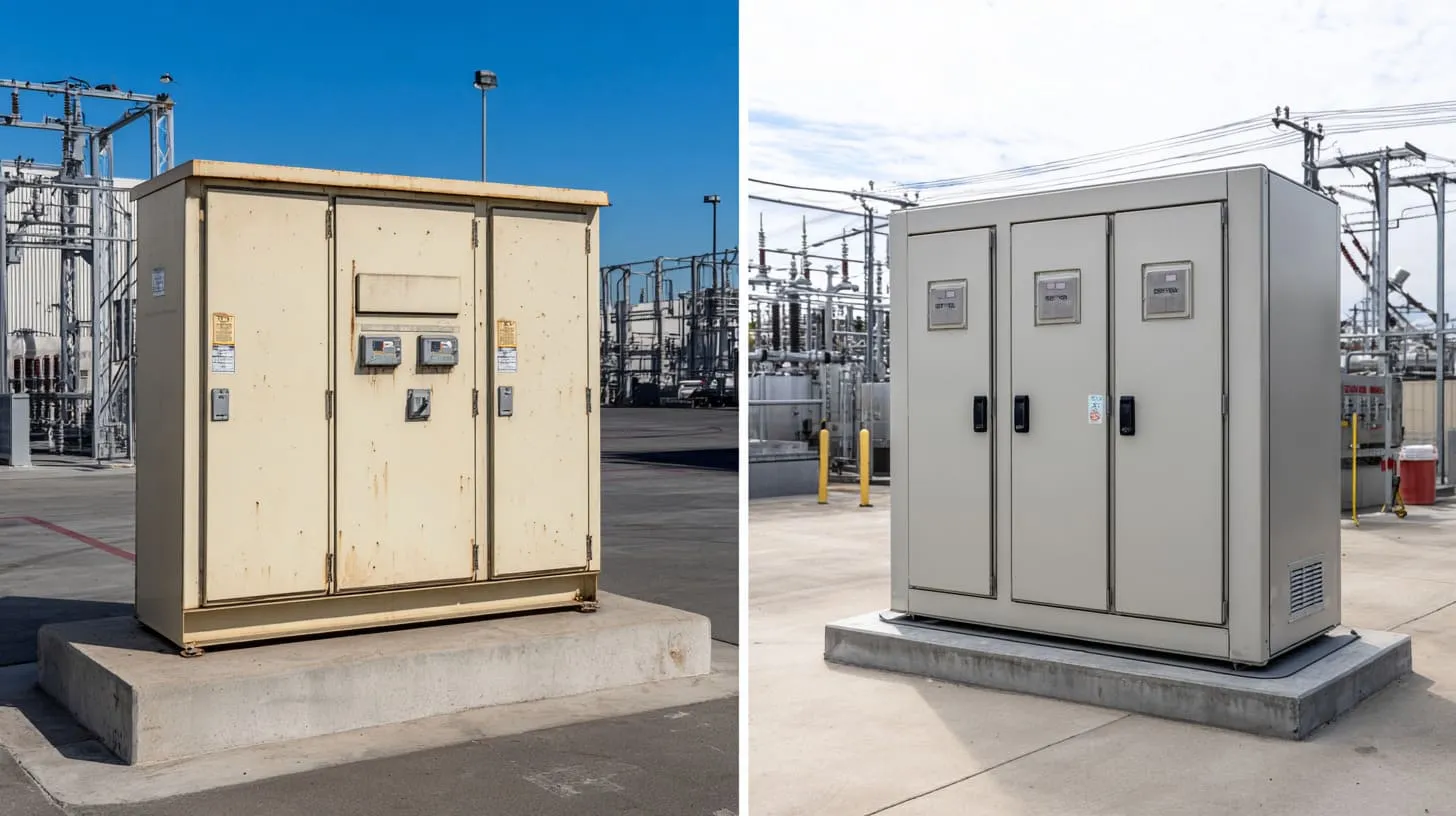
When I hear “NEMA 7,” I think of weight, thick walls, and serious faces in safety meetings.
Core Features of NEMA 7
NEMA 7 enclosures are built to contain an internal explosion.
That sentence deserves respect.
If a spark ignites gas inside the box:
- The enclosure must not break
- The flame must not escape
- The outside environment must stay safe
This is not about water or dust.
This is about life safety.
Designed for Hazardous Locations (Class I, Division 1)
NEMA 7 is used in Class I, Division 1 locations.
That means:
- Flammable gases or vapors are present
- The risk is normal, not rare
Think about places where danger is part of daily work.
Common Applications: Oil, Gas, Petrochemical
I mostly see NEMA 7 in:
- Oil and gas fields
- Refineries
- Chemical plants
- Paint spray areas
In these places, one spark can change everything.
Material Types (Often Cast Aluminum or Heavy-Duty Steel)
Most NEMA 7 enclosures are made from:
- Cast aluminum
- Thick carbon steel
Why?
Because they need:
- Mass
- Strength
- Precision joints
Here is a simple view:
| Feature | NEMA 7 |
|---|---|
| Main risk | Explosion |
| Wall thickness | Very thick |
| Weight | Heavy |
| Design freedom | Limited |
After NEMA 7, the conversation often swings to something that looks similar—but behaves very differently.
Overview of NEMA 4X Enclosures

NEMA 4X feels calmer. But do not underestimate it.
Core Features of NEMA 4X
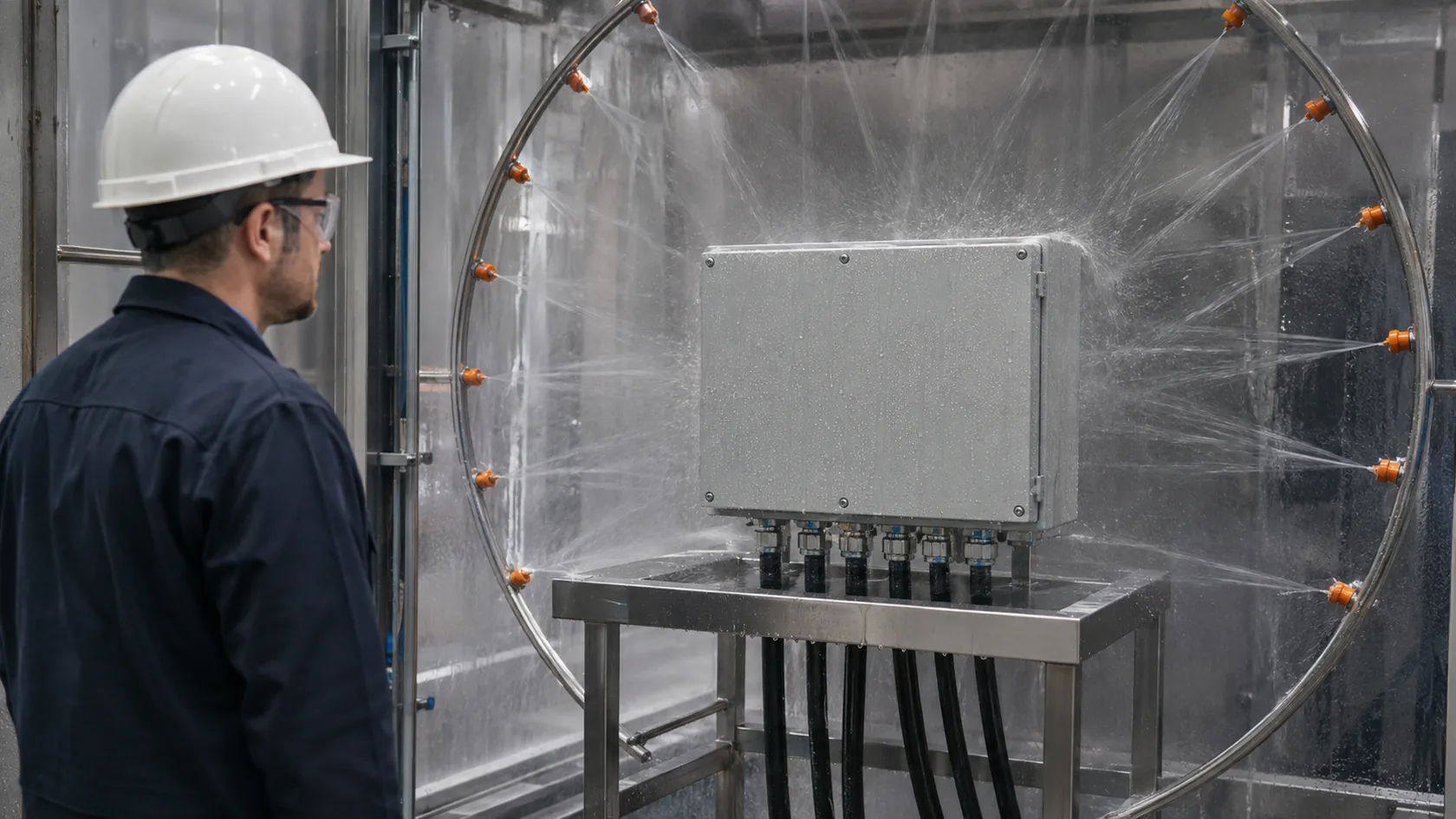
NEMA 4X enclosures protect against:
- Water
- Rain
- Hose‑directed spray
- Dust
- Corrosion
This is about environmental attack, not explosions.
Designed for Outdoor, Washdown, and Corrosive Environments
I often recommend NEMA 4X when people say:
- “The box will be outdoors”
- “We clean it every day”
- “There is salt in the air”
These details matter more than people expect.
Typical Use Cases: Food Processing, Marine, Outdoor Control Panels
Common places I see NEMA 4X:
- Food factories
- Coastal installations
- Outdoor telecom cabinets
- Wastewater plants
Water is patient.
Corrosion is quiet.
Both destroy equipment slowly.
Common Materials: Stainless Steel, Polycarbonate, Fiberglass
NEMA 4X gives more material freedom:
- Stainless steel
- Polycarbonate
- Fiberglass
Each material brings trade‑offs.
| Material | Why people choose it |
|---|---|
| Stainless steel | Clean, corrosion resistant |
| Polycarbonate | Light, impact resistant |
| Fiberglass | Chemical resistance |
Once you understand both types, the real value comes from comparison.
Key Differences Between NEMA 7 and NEMA 4X
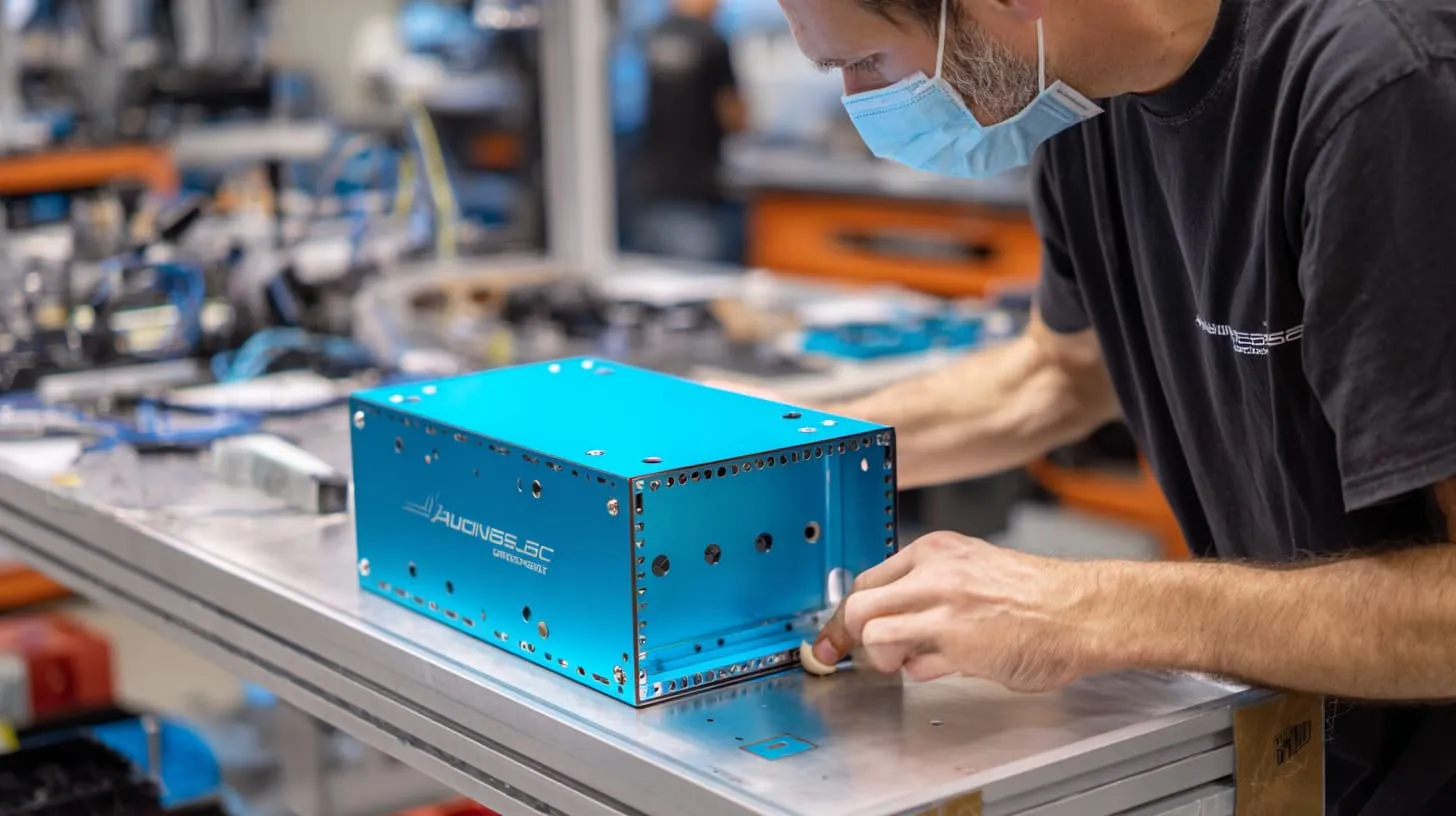
This is where buyers usually pause and rethink assumptions.
Explosion-Proof vs. Weatherproof
This is the core difference.
- NEMA 7 contains explosions
- NEMA 4X blocks water and corrosion
One protects the outside from the inside.
The other protects the inside from the outside.
Certification and Compliance Standards
NEMA 7 often requires:
- Hazardous location testing
- Strict inspection
NEMA 4X focuses on:
- Water ingress tests
- Corrosion resistance
Failing either can stop a project.
Materials and Construction Requirements
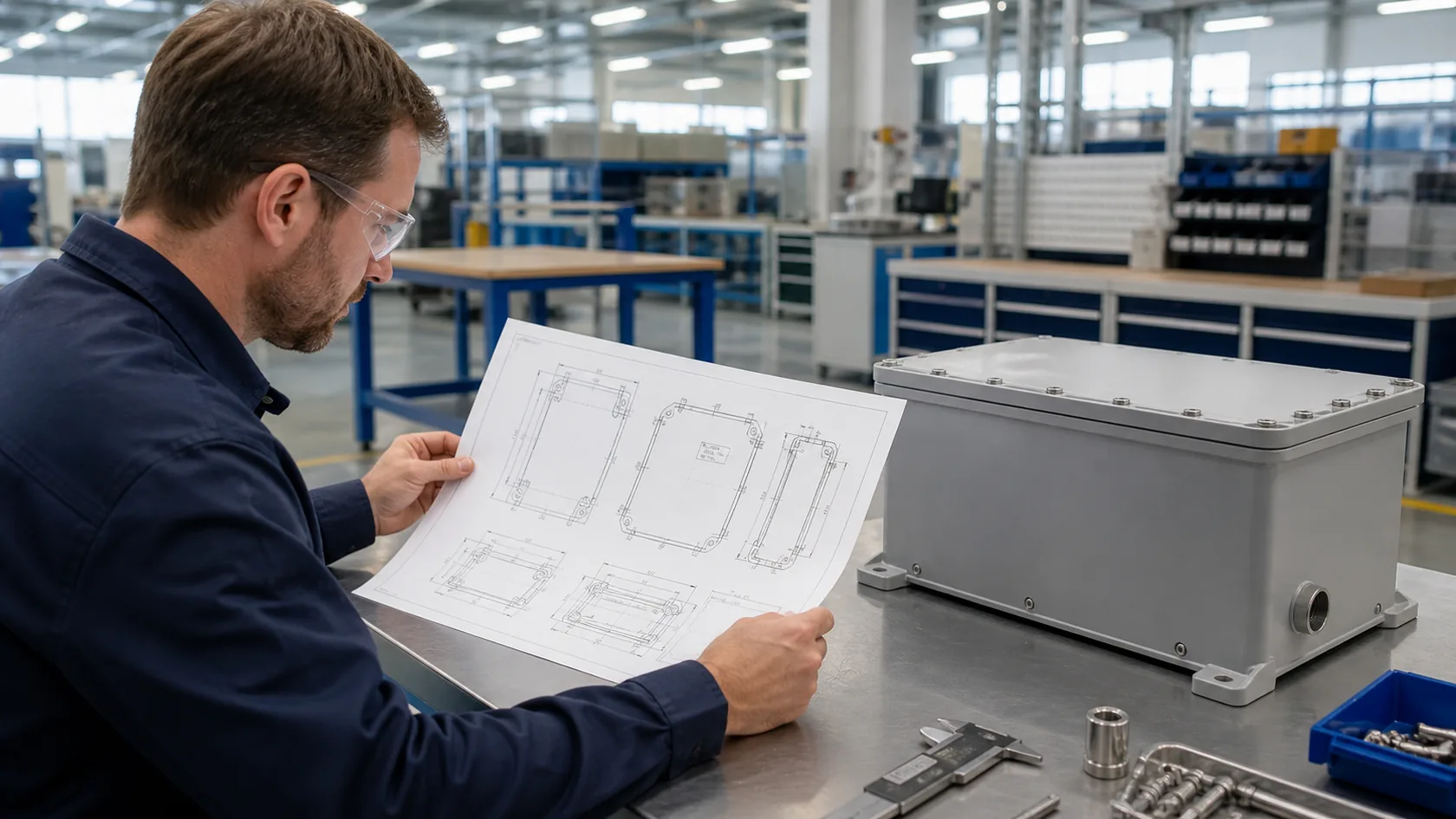
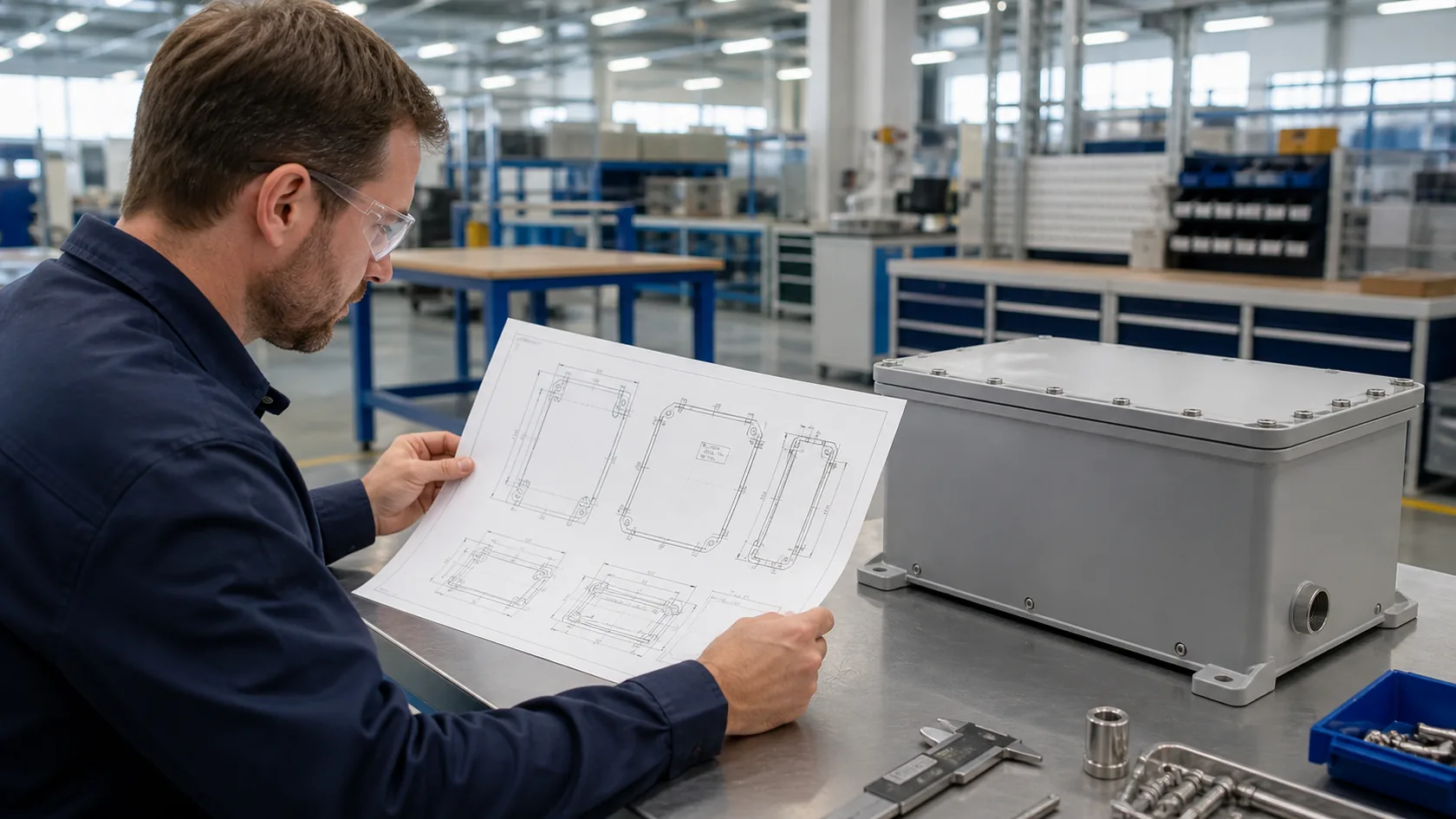
NEMA 7:
- Thick walls
- Flame paths
- Tight machining
NEMA 4X:
- Gaskets
- Smooth surfaces
- Drainage design
Different skills. Different costs.
Cooling and Ventilation Considerations
This is a quiet problem.
NEMA 7:
- Limited ventilation
- Heat builds fast
NEMA 4X:
- More cooling options
- Filters and vents possible
Engineers often miss this until late.
Weight, Design Flexibility, and Installation Factors
| Factor | NEMA 7 | NEMA 4X |
|---|---|---|
| Weight | Very heavy | Light to medium |
| Mounting | Rigid | Flexible |
| Custom shapes | Hard | Easier |
After this comparison, someone always asks the same question.
Can a NEMA 7 Enclosure Be Rated as NEMA 4X?

This question comes up more than you think.
Mutual Exclusivity of Ratings
In theory, ratings are separate.
Passing one test does not mean passing the other.
Explosion safety does not guarantee corrosion resistance.
Why Dual Rating Is Rare (But Sometimes Possible with Custom Designs)
I have seen dual‑rated designs.
But they are:
- Expensive
- Heavy
- Slow to approve
They only make sense in very specific cases.
Real-World Scenarios That Spark This Confusion
Most confusion comes from:
- Outdoor hazardous areas
- Offshore platforms
In these cases, engineers must slow down and design carefully.
That leads us to the practical question: how do you choose?
How to Choose Between NEMA 7 and NEMA 4X
I usually guide buyers through questions, not answers.
Ask Yourself: What Hazards Does My Device Face?
Start simple:
- Gas?
- Vapor?
- Water?
- Chemicals?
List real risks, not imagined ones.
Review Local and National Compliance Requirements
Codes vary by country.
Inspectors do not negotiate.
Always check:
- Local electrical codes
- Industry rules
Factor in Environmental Exposure (Water, Chemicals, Dust)
Even indoor boxes can see:
- Cleaning spray
- Chemical mist
- Condensation
Small details add up.
Prioritize Budget vs. Safety vs. Maintenance
This triangle never disappears.
- Safety first
- Budget second
- Maintenance always matters
Choosing wrong costs more later.
At this point, patterns start to appear by industry.
Typical Industries That Use NEMA 7 vs. NEMA 4X

Experience shows clear lines.
NEMA 7: Oil & Gas, Refineries, Paint Facilities, Chemical Plants
These industries live with:
- Flammable atmospheres
- Strict audits
- Heavy equipment
NEMA 7 fits their world.
NEMA 4X: Wastewater Treatment, Outdoor Telecommunications, Food Manufacturing
These environments fight:
- Water
- Corrosion
- Cleaning chemicals
NEMA 4X earns its place here.
Cost always enters the discussion next.
Cost Comparison and Customization Considerations

No one avoids this topic for long.
Price Difference per Unit
In general:
- NEMA 7 costs more
- Materials and testing drive the price
Sometimes much more.
Factors Affecting Price (Material, Quantity, Certifications)
Key drivers include:
- Material choice
- Wall thickness
- Certification process
- Order volume
Can You Customize Logos, Colors, or Cable Entries?
Yes, but limits exist.
| Feature | NEMA 7 | NEMA 4X |
|---|---|---|
| Logo | Limited | Flexible |
| Cable entry | Controlled | Flexible |
| Color | Rare | Common |
Misunderstandings still cause trouble.
Common Misunderstandings About NEMA 7 and 4X

I hear these weekly.
“Is NEMA 4X Explosion-Proof?” (No)
This mistake can be dangerous.
Water protection does not stop explosions.
“Can I Use NEMA 7 Outdoors?” (Not Without Additional Protection)
Weather attacks seals, bolts, and surfaces.
Extra protection is often needed.
“What Happens If I Use the Wrong Type?”
Best case:
- Redesign
- Delay
- Extra cost
Worst case:
- Safety failure
That is not dramatic. That is real.
So what do I usually recommend?
Recommendations for OEM and Industrial Buyers

I speak from factory floors and long emails.
When to Request Custom NEMA 7 Solutions
Choose NEMA 7 when:
- Gas is present
- Risk is constant
- Safety rules are strict
Do not compromise here.
When NEMA 4X Is Enough
Choose NEMA 4X when:
- Water and corrosion dominate
- Cleaning is frequent
- Flexibility matters
It solves many problems well.
Working with B2B Factories to Match Rating and Application
The best projects start with:
- Clear environment data
- Honest communication
- Early engineering input
That saves time and trust.
Conclusion
When I step back, the difference stays simple.
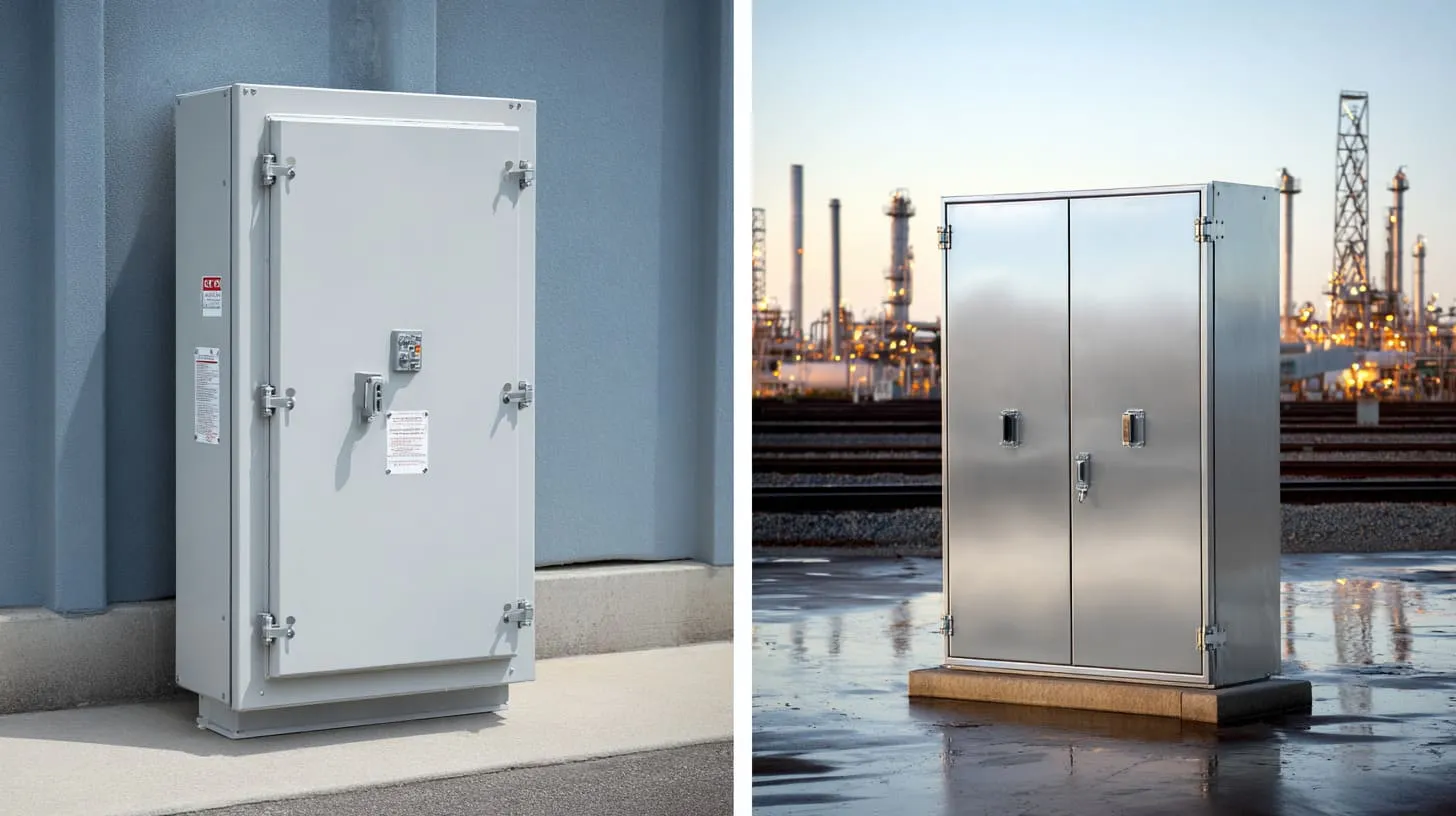
NEMA 7 protects against explosions.
NEMA 4X protects against water and corrosion.
Everything else flows from that truth.
If you understand your environment first, the rating choice becomes clear.
If you guess, problems follow.
If you want to talk through a real project, I am always happy to listen.
That conversation usually saves more than it costs.