Skip to content

On many projects, the enclosure rating is not the first thing people talk about. They talk about PLCs, sensors, cloud dashboards, and software. Then a small line on the drawing says “IP66” or “NEMA 4X,” and the whole room goes quiet.
I see this moment a lot when I work with buyers and engineers from Europe, North America, and Asia. Someone from the European side speaks “IP language.” Someone from the North American side speaks “NEMA language.” Both think they are talking about the same level of protection. Often, they are not.
IP ratings and NEMA ratings both try to answer the same question:
“Will this enclosure survive where we put it?”
But they come from different standards, different habits, and even different ways of thinking about risk. That is why they are compared so often, and also why confusion appears so easily.
For many OEM and industrial buyers, IP66 vs NEMA 4X becomes a key decision point:
- IP66 looks clear and simple: dust-tight, strong water jets.
- NEMA 4X sounds safe and serious: outdoor, wash-down, corrosion resistant.
- Suppliers, including factories like mine, sometimes mix both in one quotation, which does not help.
Here is a simple view that I keep in my notes when I talk to customers:
| Item | IP System | NEMA System |
|---|---|---|
| Main use region | Europe, Asia, global | North America (USA, Canada) |
| Standard body | IEC / EN 60529 | NEMA 250 |
| Focus | Dust and water ingress | Environment, corrosion, ice, etc. |
| Style | Code with two digits (IP66) | “Type” number (Type 4X) |
When I sit down with a new project brief, the first thing I ask myself is not “IP or NEMA?”, but “What will actually attack this box: water, dust, chemicals, or time?”
Once we agree on the real enemies of the enclosure, it becomes much easier to understand what IP66 really promises.
What is IP66?
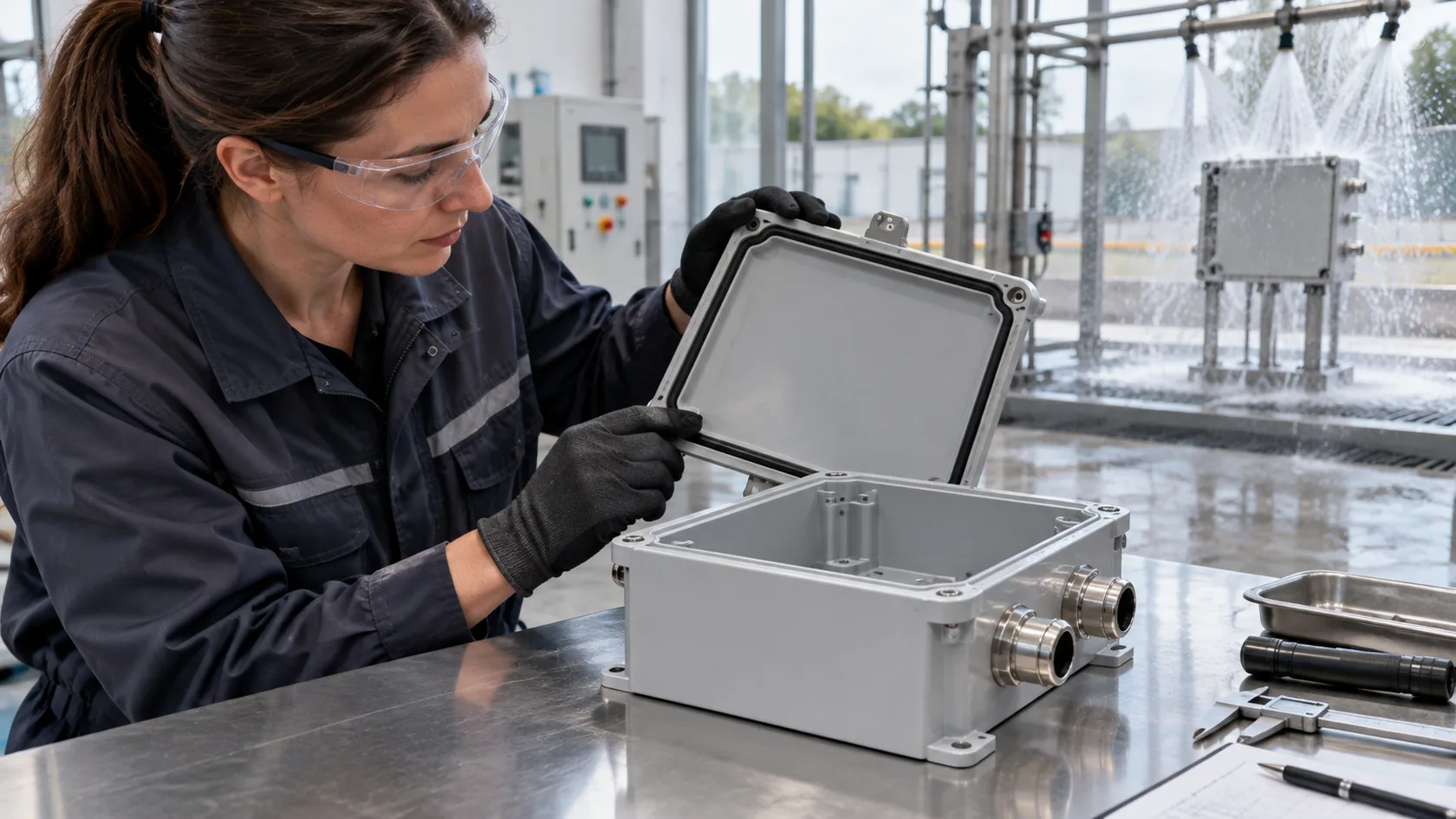
How the IP rating system works
The IP rating system is like a simple code to describe how well an enclosure keeps out solids and water. It always starts with the letters IP, then two digits.
- The first digit tells you how much protection you get from solids like tools, fingers, or dust.
- The second digit tells you how much protection you get from water.
You can think of it as two short questions:
- How hard is it for dust or objects to get in?
- How hard is it for water to get in?
Here is a short table that explains the part we care about:
| Code part | Value | What it means in plain language |
|---|---|---|
| First digit | 6 | Dust-tight, no dust gets inside |
| Second digit | 6 | Strong water jets from all directions |
The IP system is defined by international standards (IEC / EN 60529). That is why it is popular in Europe and many other regions. It gives a common language for engineers and buyers, even when they come from different countries.
What IP66 specifically means
IP66 combines the two “6” digits:
First 6 – solids:
The enclosure is dust-tight. Dust cannot enter in a way that affects safe operation. This is important for fine electronics, terminals, and PCB-based products.Second 6 – water:
The enclosure can handle powerful water jets from all directions for a defined test duration and flow, without harmful water ingress.
So in simple words:
IP66 means “no dust inside” and “no failure under strong water jets,” but it does not promise anything about corrosion, chemicals, or ice on the outside.
This is a common point that many non-specialists miss. IP66 cares about what gets inside the box, not what happens to the surface after years of salty air or chemicals.
Common applications of IP66 enclosures
In my work, I usually see IP66 used in places like:
- Industrial automation cabinets in dusty factories
- Outdoor control boxes where it rains but the air is not too corrosive
- Control panels and junction boxes on clean building exteriors
- Lighting fixtures mounted on building facades or structures
A simple way to imagine it is: if workers may use a pressure hose but chemicals are mild and the air is not salty, IP66 is often a good starting point.
| Typical location | Why IP66 is used |
|---|---|
| Production line machines | Dust and occasional water spray during cleaning |
| Building facades | Rain, wind, and some dust, no heavy chemical exposure |
| Warehouse exteriors | Outdoor weather, simple cleaning with hose |
| Construction sites | Dust, mud, and short-term harsh weather on temporary setups |
When a customer asks me if IP66 is “good enough,” my own quick filter is simple: if someone can hit the enclosure with a hose at full force, I do not go below 66, even if the spreadsheet says I could.
If IP66 is the language for dust and water jets, NEMA 4X is the language for a whole environment, especially in North America—so let’s move into that world next.
What is NEMA 4X?
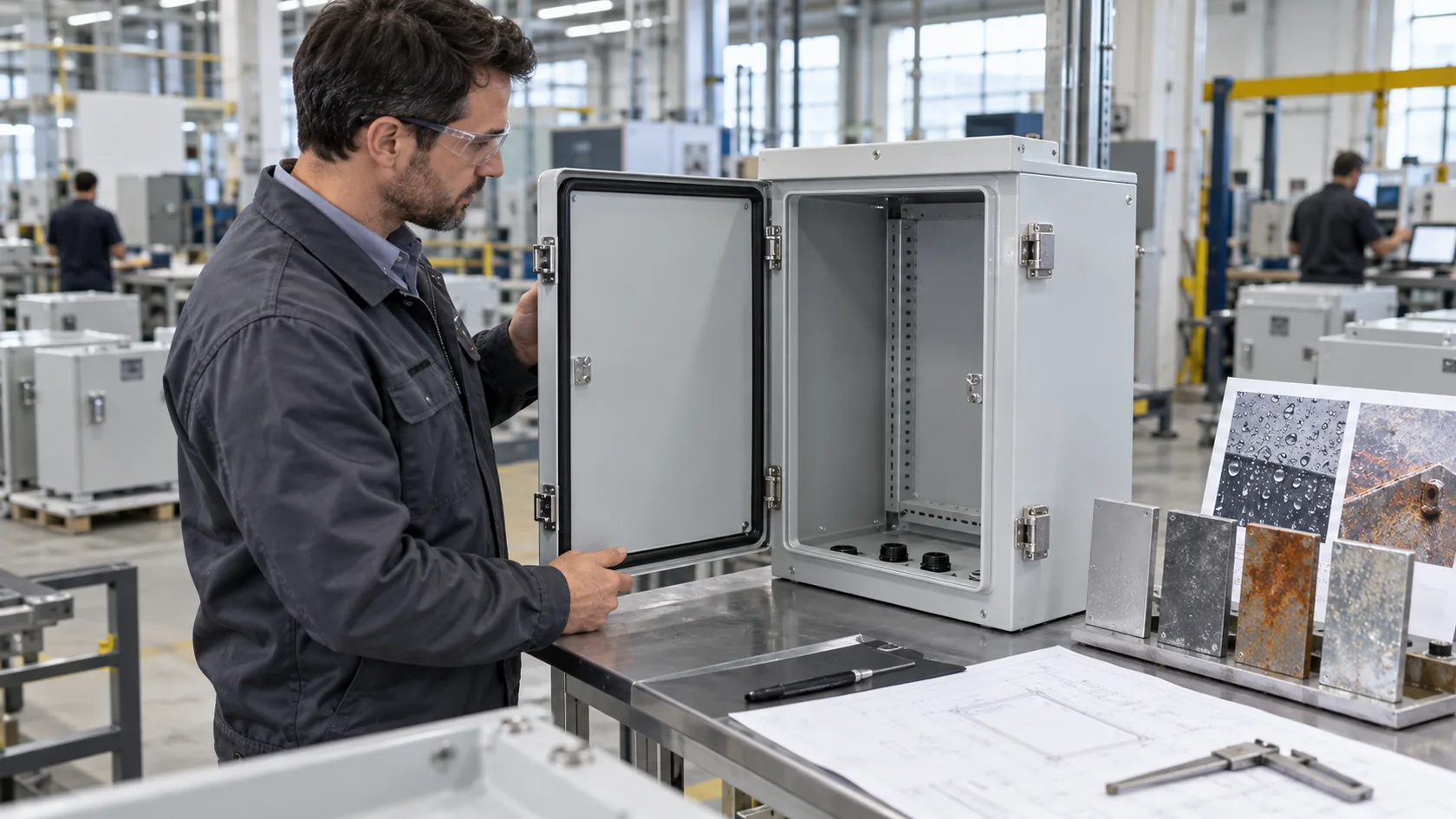
How the NEMA rating system works
The NEMA rating system comes from the National Electrical Manufacturers Association in North America. Instead of “IP66,” you see “Type 4X” or “Type 12,” and so on.
The NEMA system looks at the whole environment around the enclosure, not just dust and water:
- It considers rain, sleet, snow, windblown dust, and hose-directed water.
- It can also include corrosion, ice formation, and other conditions.
So NEMA is less like a simple two-digit code and more like a set of use cases. It asks, “Can this enclosure stay safe in this type of place?”
What NEMA 4X specifically means
A NEMA 4X enclosure must do at least three important things:
Keep dust and rain out.
It should protect the equipment from wind-blown dust, falling dirt, rain, and splashing water.Handle hose-down.
It must resist water sprayed with a hose from any direction without letting water damage the equipment.Resist corrosion.
It needs corrosion resistance for harsh environments like coastal areas, food processing plants, or chemical zones.
So if you compare:
- NEMA 4 is focused on water and dust.
- NEMA 4X = NEMA 4 + extra corrosion resistance.
Here is a compact view:
| Rating | Dust & water protection | Corrosion resistance |
|---|---|---|
| NEMA 4 | Yes (hose-down, outdoor) | Not specifically required |
| NEMA 4X | Yes (hose-down, outdoor) | Yes, required |
Typical applications of NEMA 4X enclosures
I see NEMA 4X again and again in environments where water and chemicals live together:
Food and beverage plants
Daily wash-down with hot water, foam, and cleaning chemicals.Chemical plants and wastewater treatment
Mist, fumes, and aggressive environments around tanks and pipes.Marine and coastal installations
Salt spray, moist air, and sometimes direct contact with salty water.Outdoor equipment in harsh climates
Exposure to rain, snow, sleet, and high humidity over many years.
| Environment type | Typical example | Why 4X is chosen |
|---|---|---|
| Hygiene / wash-down | Meat or dairy processing line | Heavy daily hose cleaning and chemicals |
| Chemical exposure | Pump skid near chemical storage | Airborne chemicals and occasional splashes |
| Marine / coastal | Control box near the sea | Salt spray, condensation, corrosion risk |
| Harsh outdoor | Enclosure on offshore platform or pier | Wind, rain, salt, long-term exposure |
Whenever I hear a customer mention “wash-down area” or “close to the sea,” my instinct is to move toward NEMA 4X unless there is a very strong technical or budget reason not to.
If IP66 is a precise test for dust and water, NEMA 4X is a bigger promise about the whole environment, which is why comparing them directly needs careful thinking.
IP66 vs NEMA 4X: Core Differences Explained
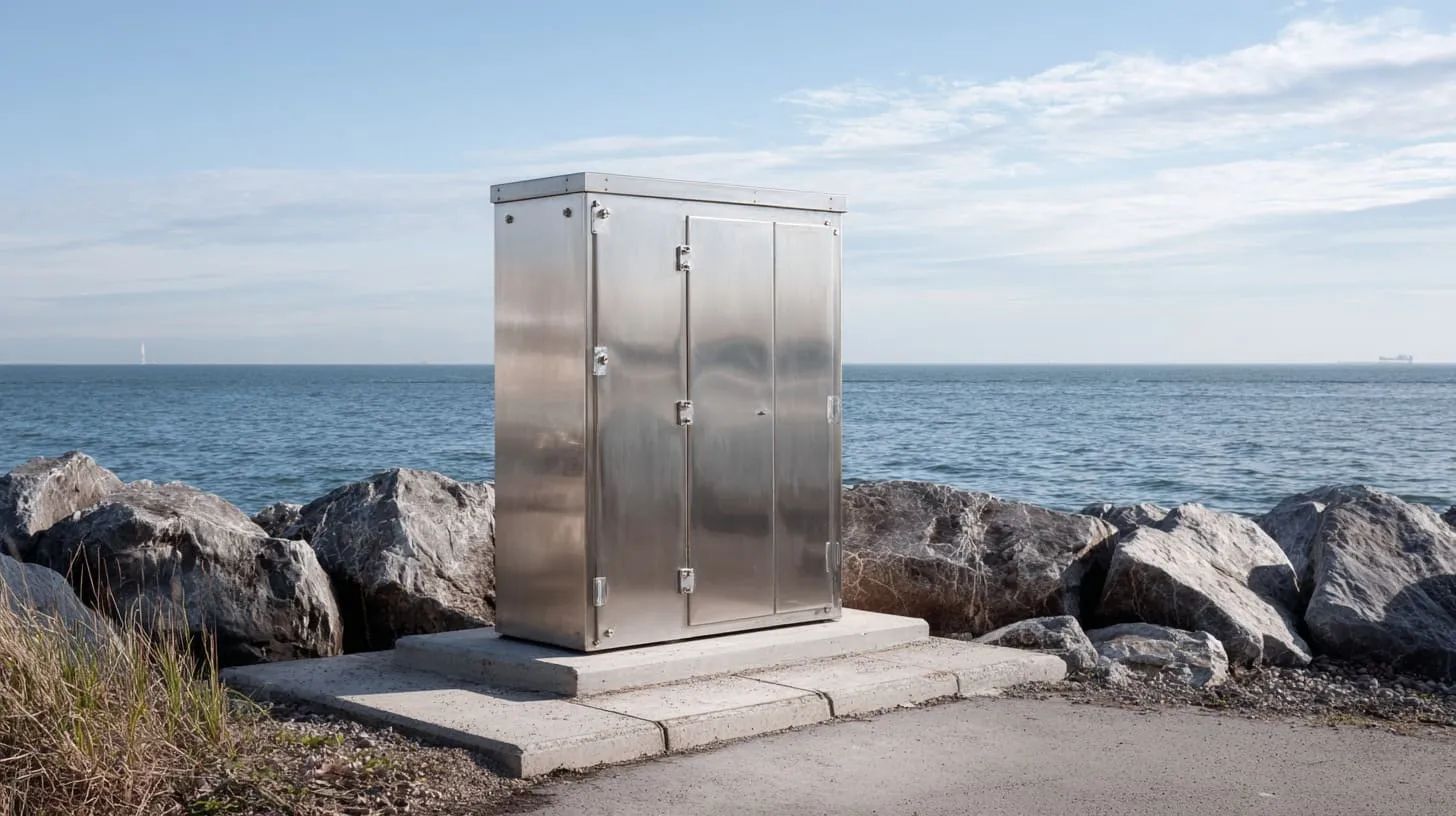
Standard origin and philosophy
IP66 and NEMA 4X do not come from the same mindset.
IP66 comes from IEC / EN 60529.
It focuses on ingress protection: how much dust and water can enter the enclosure.NEMA 4X comes from NEMA 250 in North America.
It focuses on where the enclosure will be used and how it must behave in that environment.
So we can say:
- IP = “How well does the box keep things out?”
- NEMA = “What kind of place is this box allowed to live in?”
Both are useful, but they answer different kinds of questions.
Protection scope comparison
Let’s put their main ideas side by side:
| Aspect | IP66 | NEMA 4X |
|---|---|---|
| Dust protection | Dust-tight (6) | Dust, windblown dust, falling dirt |
| Water protection | Strong water jets (6) | Hose-directed water, rain, sleet, snow |
| Corrosion | Not defined | Corrosion resistance required |
| Ice / frost | Not considered | Must withstand ice formation |
| Chemicals, fumes | Not directly covered | Considered in typical 4X applications |
Both offer strong dust and water protection. The big gap is corrosion and long-term environmental stress.
Test methods and certification approach
In many cases:
- IP ratings focus on lab tests for dust and water under defined conditions.
- NEMA ratings can involve more varied tests, including corrosion, gasket aging, and outdoor conditions.
Another practical difference is how ratings are declared:
- Some products carry IP ratings based on manufacturer testing or third-party labs.
- Many NEMA 4X enclosures are also tested or listed by organizations like UL or similar bodies, especially for North American markets.
In real projects, I do not treat IP66 and NEMA 4X as twins; I treat one as a water-and-dust test, and the other as an environment promise that usually includes corrosion and outdoor hardship.
Once you see them as different tools instead of direct competitors, it becomes easier to ask the real question: “Can IP66 ever stand in for NEMA 4X?”
Is IP66 Equivalent to NEMA 4X?
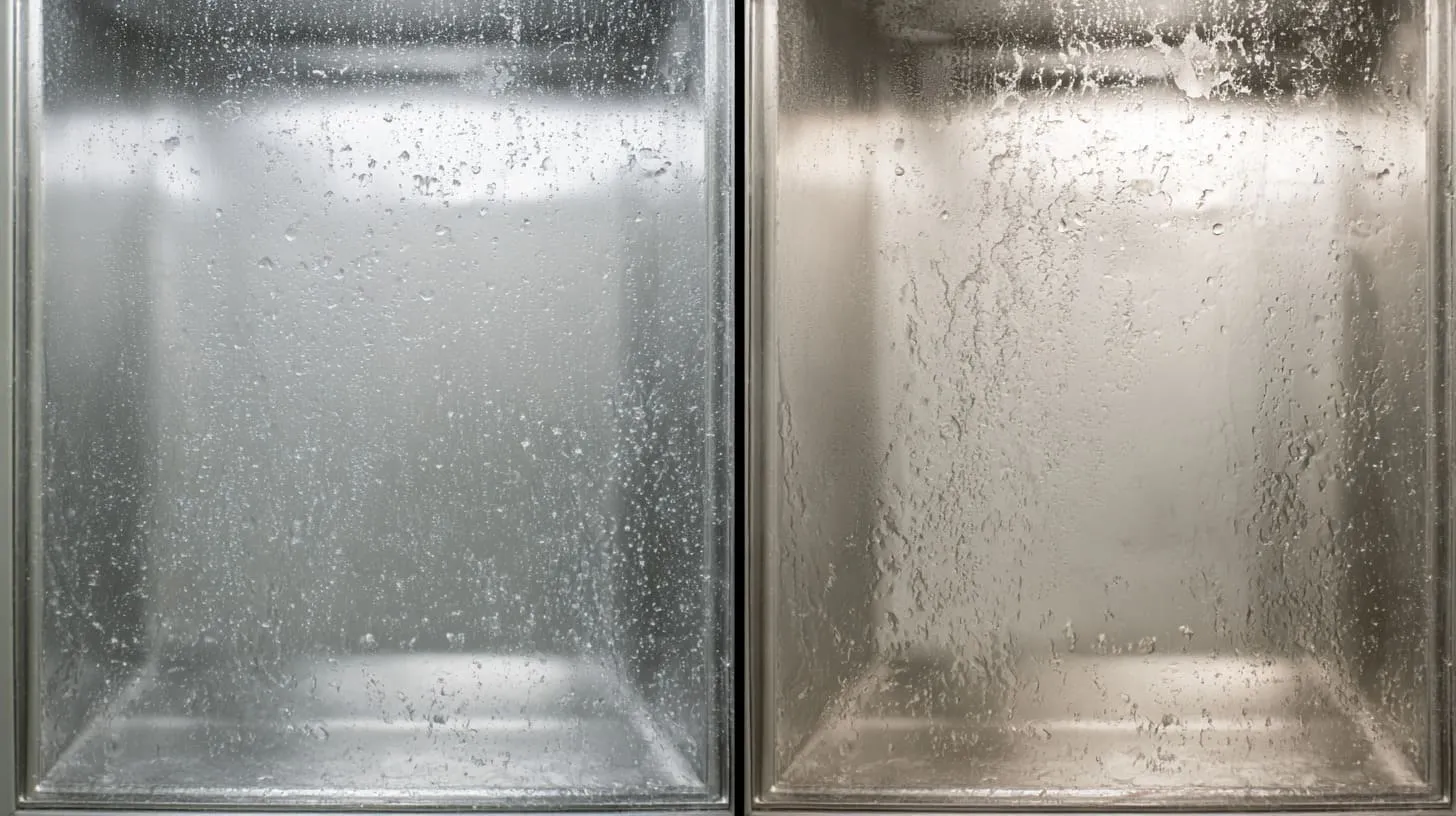
Where IP66 matches NEMA 4X
There are situations where IP66 and NEMA 4X look quite close, at least from a dust and water point of view:
- Both can handle dust-tight requirements.
- Both can handle strong water jets or hose-down.
- Both are used for outdoor enclosures.
So if you only look at dust and water, an IP66 enclosure can line up with the water and dust part of a NEMA 4X enclosure.
Where IP66 falls short of NEMA 4X
But there are important gaps:
Corrosion:
IP66 does not say anything about corrosion resistance. A low-grade steel box could pass IP66 tests but still rust badly in a year.Chemical exposure:
IP66 does not include specific tests for chemical resistance. NEMA 4X is usually chosen with chemicals and corrosion in mind.Ice and long-term outdoor stress:
NEMA 4X considers conditions like ice formation and long-term outdoor use. IP66 alone does not guarantee that.
This is why many North American engineers are uncomfortable replacing NEMA 4X with “IP66 only,” especially in food, chemical, or marine environments.
Practical equivalency in real projects
So, can we say IP66 = NEMA 4X?
The honest answer from my side is:
- In clean outdoor locations with limited corrosion risk, an IP66 enclosure made from good material (like coated aluminum or polycarbonate) can work similarly to a NEMA 4X box.
- In corrosive, coastal, or wash-down environments, IP66 alone is not enough. NEMA 4X (or better) is usually the safer choice.
Here is a simple decision table I sometimes sketch for customers:
| Environment | Can IP66 be “close enough”? | NEMA 4X needed? |
|---|---|---|
| Dry indoor, light dust | Yes, usually | No |
| Outdoor, non-coastal, low pollution | Often yes | Sometimes, depends |
| Food plant, frequent wash-down | No, risky | Yes, strongly advised |
| Coastal outdoor, near sea or salt spray | No, risky | Yes |
| Chemical plant, fumes and splashes | No, risky | Yes |
When a buyer asks me, “Can I treat IP66 as equal to NEMA 4X?” my honest answer is that IP66 can come close only when corrosion and chemicals are truly under control and the material choice is strong enough to back up the rating.
With that in mind, the next logical step is to look at the materials that carry these ratings, because the material choice often decides whether the rating really survives in the field.
Material Considerations for IP66 and NEMA 4X Enclosures
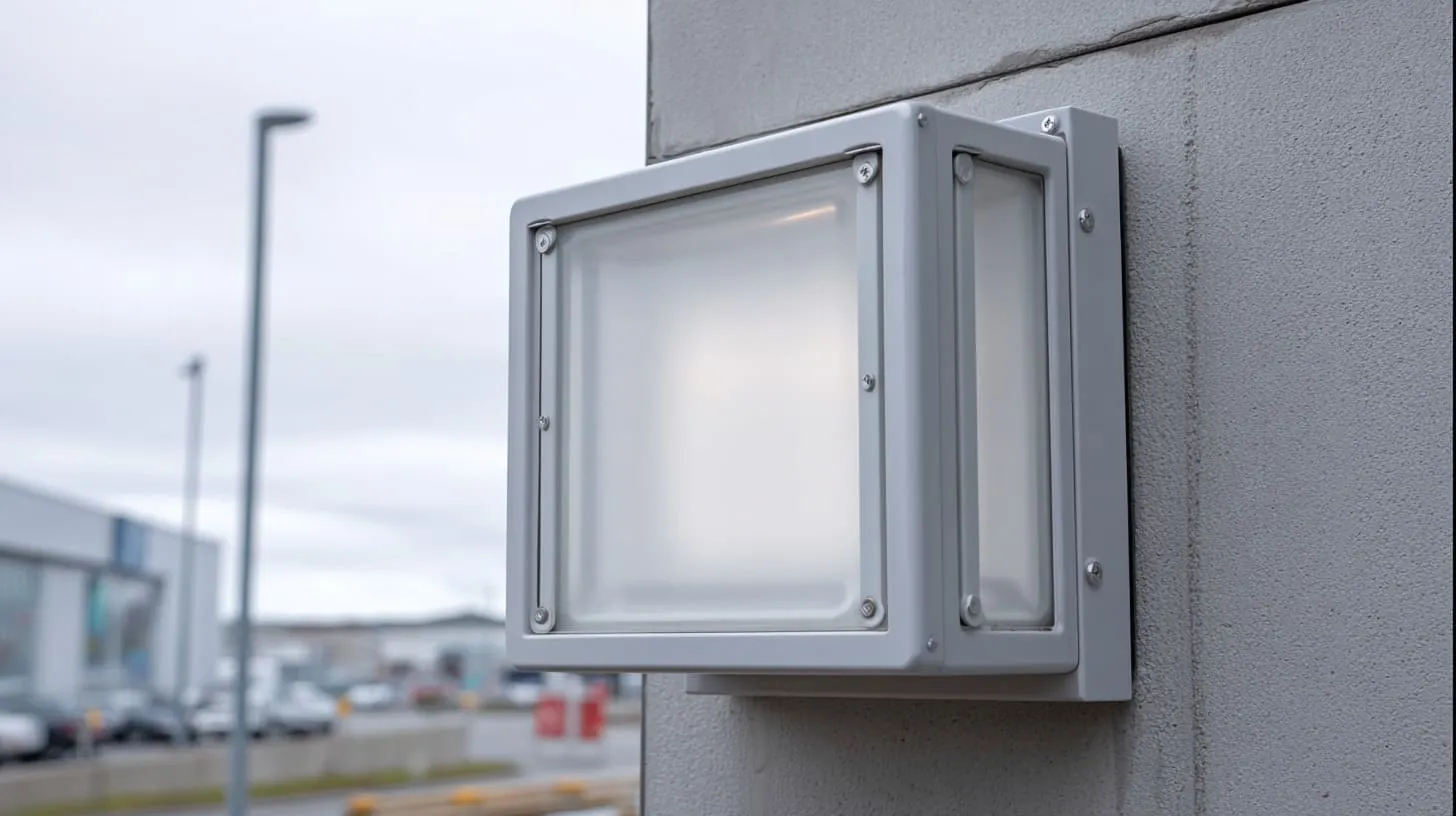
Aluminum enclosures
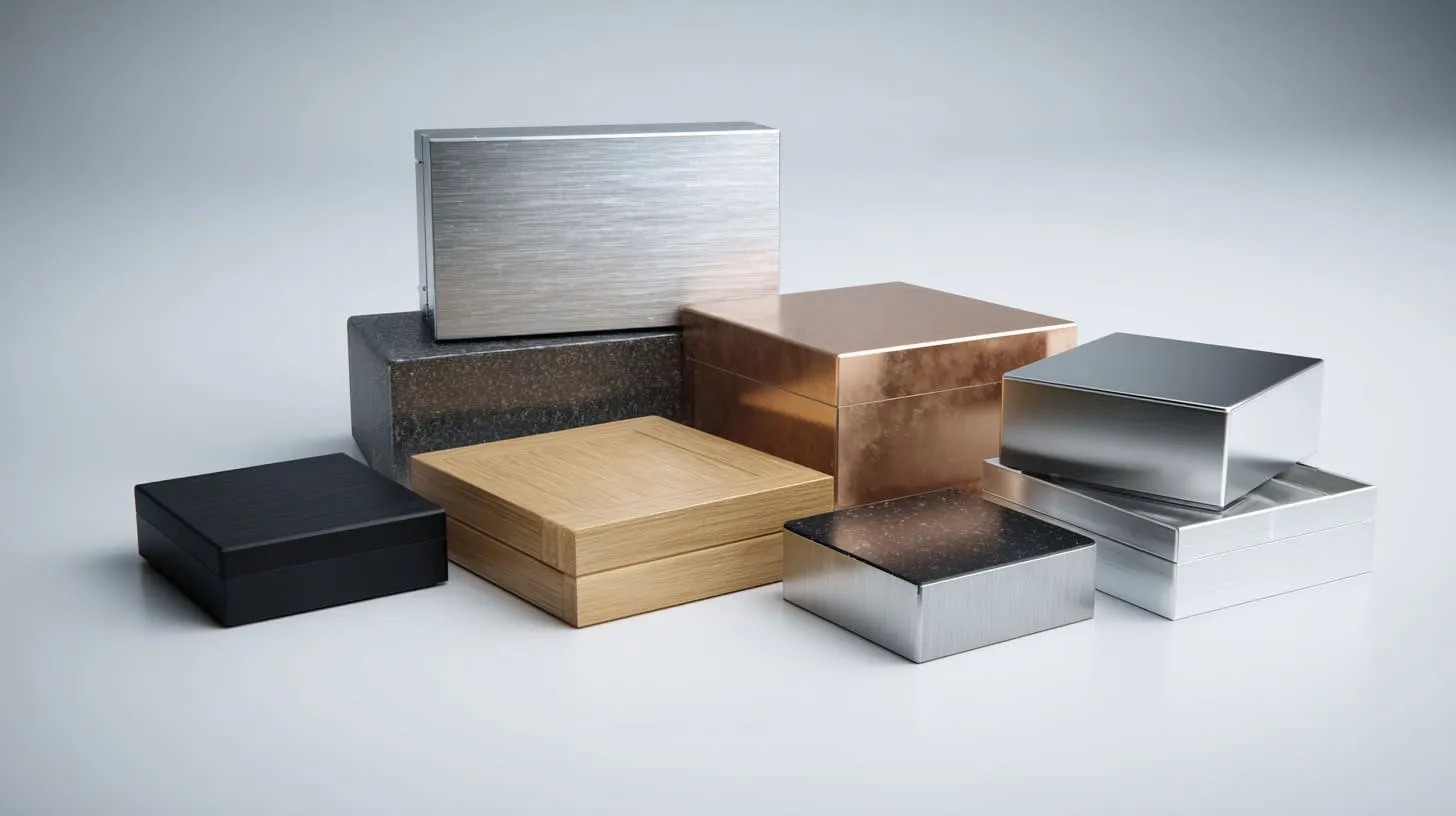
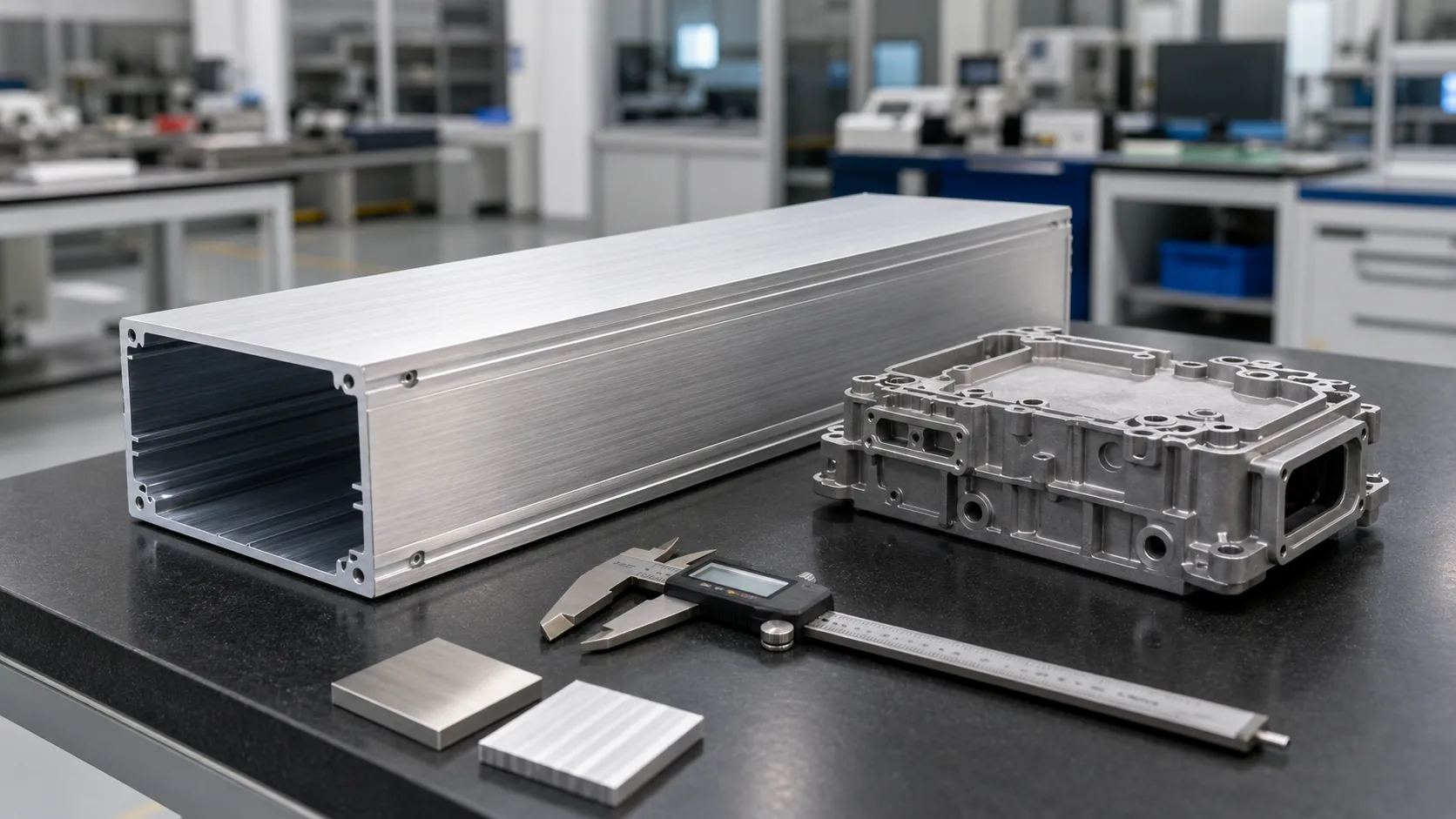
At MaidaTech, we work a lot with custom aluminum enclosures. Aluminum sits in a sweet spot for many OEM projects:
- It has natural corrosion resistance due to the oxide layer.
- It is lightweight, which helps with shipping and handling.
- It is easy to machine, cut, and customize for connectors and cutouts.
But aluminum still needs the right surface treatment to act like a NEMA 4X-level solution in harsh places.
Common options:
| Treatment | Benefit | Typical use case |
|---|---|---|
| Anodizing | Harder surface, better corrosion resistance | Indoor and mild outdoor environments |
| Powder coating | Extra barrier layer, color options | Outdoor boxes, branding, better weather resistance |
| Combo (anodize + coat) | Strong surface plus good appearance | Harsh outdoor or coastal areas |
If a customer wants IP66 only for a mild outdoor location, a well-designed aluminum enclosure with good powder coating can be more than enough. If the project is near the sea or in a chemical plant, we adjust both design and coating very carefully.
Stainless steel enclosures
Stainless steel appears a lot in NEMA 4X conversations, especially 304 and 316 grades.
304 stainless steel
Good general corrosion resistance. Common in many industrial environments.316 stainless steel
Better resistance to chlorides and salt. Common in marine and some chemical environments.
Short comparison:
| Grade | Corrosion resistance level | Typical environment | Cost level |
|---|---|---|---|
| 304 | Good | General industrial, indoor / outdoor | Medium |
| 316 | Higher | Marine, coastal, some aggressive chemicals | Higher |
For many buyers, the jump from 304 to 316 feels painful in the quotation. But in coastal locations, the long-term cost of choosing 304 and watching it stain and pit can be much higher than the small extra cost of 316 at the start.
Plastic enclosures
Plastic enclosures are also popular for IP66 and sometimes NEMA 4X applications, especially in polycarbonate.
ABS
Easy to mold and cost-effective, but not ideal for heavy UV or very aggressive chemicals.Polycarbonate
Better impact resistance, often better UV resistance when treated, and frequently used for outdoor enclosures.
| Material | Pros | Cons |
|---|---|---|
| ABS | Low cost, easy to work with | Weaker UV and chemical resistance |
| Polycarbonate | Strong, good impact, outdoor capable | Can yellow without UV-stable grades or coatings |
When we select a material for an IP66 or NEMA 4X-style custom enclosure, I always imagine how that box will look and behave five years later, not in the first month after installation.
Once the material questions are on the table, we can talk more clearly about how to choose between IP66 and NEMA 4X for a specific project instead of treating them like abstract codes.
Choosing Between IP66 and NEMA 4X for Your Project
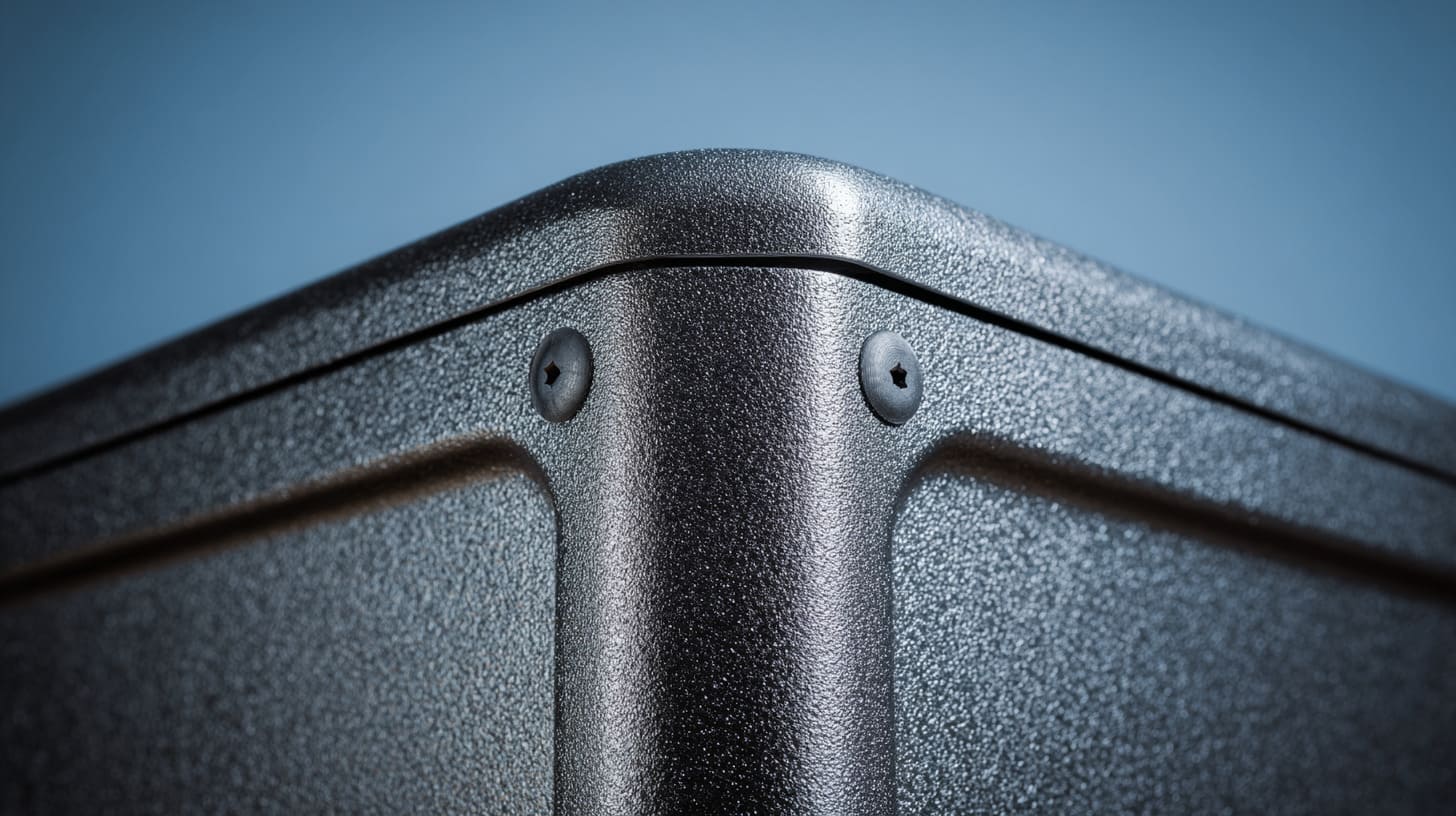
Based on installation environment
The first filter I use is where the enclosure will live.
Indoor industrial settings
Dust, oil mist, and occasional cleaning. IP66 with good material can often work well.Outdoor non-coastal settings
Rain, UV, and temperature changes. IP66 or NEMA 4/4X, depending on material and lifetime expectations.Wash-down and sanitary zones
Food and beverage, pharma, or hygiene areas. NEMA 4X is usually the safer base, especially in North America.Coastal and marine environments
High salt, constant moisture. NEMA 4X with stainless steel or high-grade coated aluminum is often the minimum.
Simple environment-focused table:
| Environment | Recommended starting point |
|---|---|
| Dry indoor, low dust | IP54–IP65 (depending on risk) |
| Dusty indoor | IP65–IP66 |
| Outdoor, inland | IP66 or NEMA 4/4X (depends on material) |
| Wash-down food plant | NEMA 4X |
| Coastal / marine | NEMA 4X with 316 SS or strong coating |
In some real projects, the most important signal for me is not the rating written on paper, but a small detail in the site description, like “next to a CIP line” or “two kilometers from the ocean.”
Based on regional compliance
The region where the equipment will be installed matters a lot:
- In North America, inspectors, end users, and standards often expect NEMA ratings, especially for electrical equipment.
- In Europe and many other regions, IP ratings are more familiar. Some buyers still reference NEMA, but IP is the main language.
So for a project sold into the USA or Canada:
- If the installer, inspector, or end user demands a NEMA 4X rating, using “IP66 only” in the datasheet can cause problems during approval.
- Many manufacturers, including us, combine both in documentation: “NEMA 4X / IP66” to reassure both sides.
Based on cost and lead time
Cost and lead time cannot be ignored, especially for OEM and ODM projects.
Key cost drivers:
- Material choice (aluminum vs stainless vs plastic)
- Surface treatment (basic coating vs heavy corrosion protection)
- Certification and documentation, especially if UL or other listings are needed
- Customization level: cutouts, machining, logo printing, custom hardware
Rough cost impact idea:
| Factor | Effect on cost |
|---|---|
| Move from IP65 to IP66 | Small to moderate (better sealing) |
| Move from IP66 to NEMA 4X | Moderate (material + treatment) |
| Move 304 SS → 316 SS | Noticeable increase per unit |
| Add many custom cutouts | Higher machining and sealing cost |
What I often see is that customers try to protect themselves by over-specifying everything. That feels safe, but it can add cost and delay that the project does not really need.
When a customer sends me a long specification full of ratings, I usually rewrite it in my notebook as very simple questions: where will it live, who will clean it, how often, and what would “failure” look like for them.
Once you have that picture, it is much easier to avoid classic mistakes that waste money or create hidden risk.
Common Buyer Mistakes When Comparing IP66 and NEMA 4X
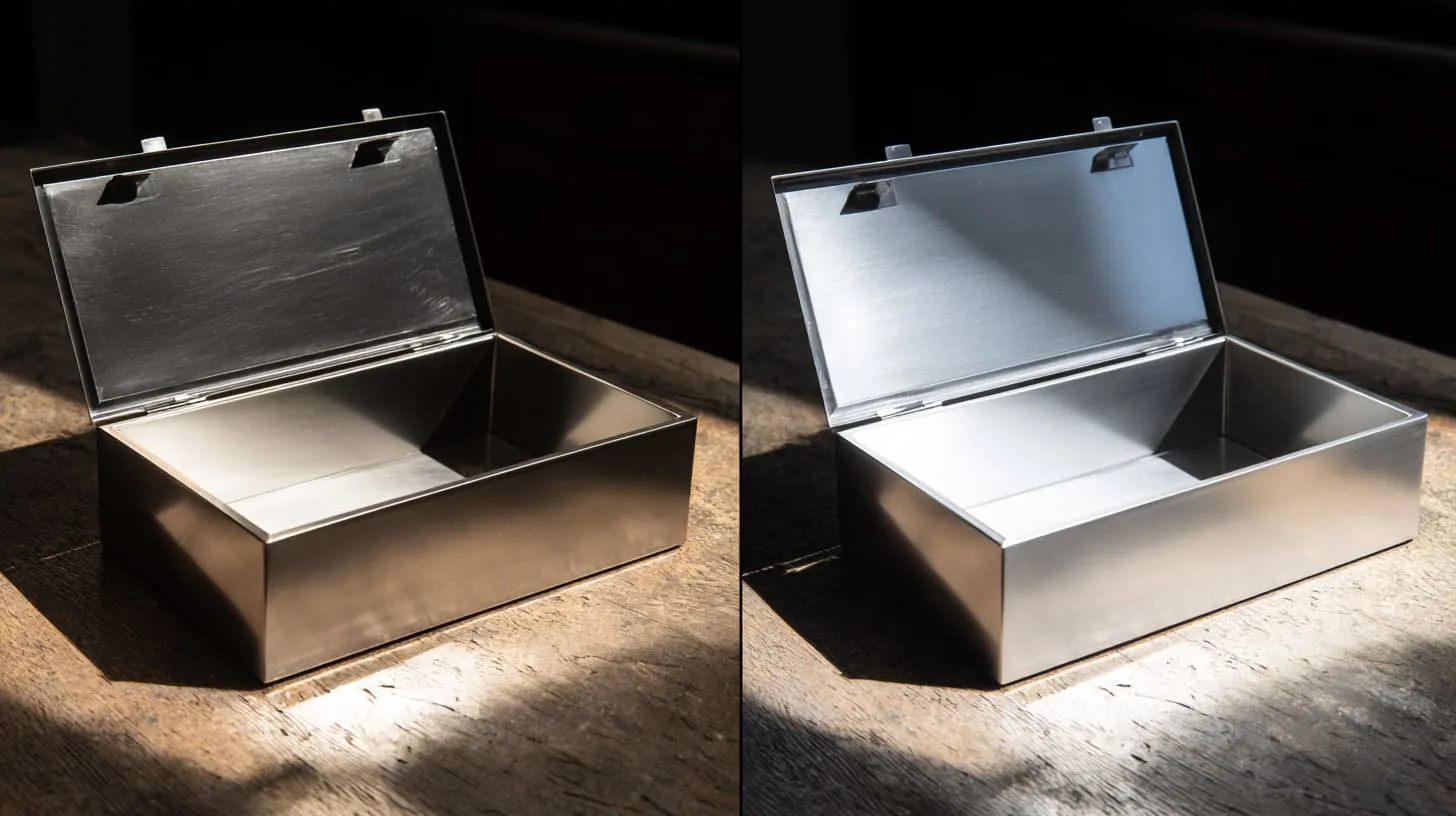
Assuming IP and NEMA ratings are interchangeable
One of the biggest traps is to treat IP ratings and NEMA ratings as direct equivalents.
I have seen spreadsheets where someone writes:
- “IP66 = NEMA 4X”
and then uses that line as a rule for all future projects. This is dangerous, because the two systems do not match one-to-one.
Common issues from this mistake:
- An enclosure passes IP66 water tests but lacks corrosion resistance for a 4X style environment.
- A project engineer in Europe assumes “IP66 is enough” for a US food plant that actually expects NEMA 4X.
Ignoring corrosion requirements
Corrosion is a slow, quiet problem. It does not show up during factory testing. It shows up two or three years later at the customer site.
Mistake patterns:
- Choosing a painted mild steel enclosure for a coastal or chemical environment just because it passes IP66.
- Forgetting that cleaning agents in food plants can be very aggressive and will attack coatings and metals.
Short overview:
| Choice | Hidden risk |
|---|---|
| Mild steel IP66 outdoors | Rust, peeling paint, seal problems |
| 304 SS near sea | Pitting and staining over time |
| Cheap coating in wash-down | Blistering and loss of protection |
Over-specifying enclosure ratings
The opposite mistake also happens. Some buyers over-specify:
- Asking for NEMA 4X stainless steel when a good IP66 polycarbonate box would be enough.
- Adding extra ratings “just in case,” which drives up cost and lead time.
This can:
- Increase material cost for no real benefit.
- Reduce design flexibility, because some high-spec materials are harder to machine or modify.
From my experience, if a competing quotation is much more expensive and full of very high ratings, sometimes the supplier is protecting themselves, not your actual use case.
If a project lands on my desk with a long list of ratings but no real description of how the box will live its life, I know there is a good chance we are paying for fear instead of real risk.
To see how these mistakes affect daily work, it helps to look at how factories like ours actually interpret IP66 and NEMA 4X when we design and build custom enclosures.
How Manufacturers Interpret IP66 and NEMA 4X in Custom Enclosure Design
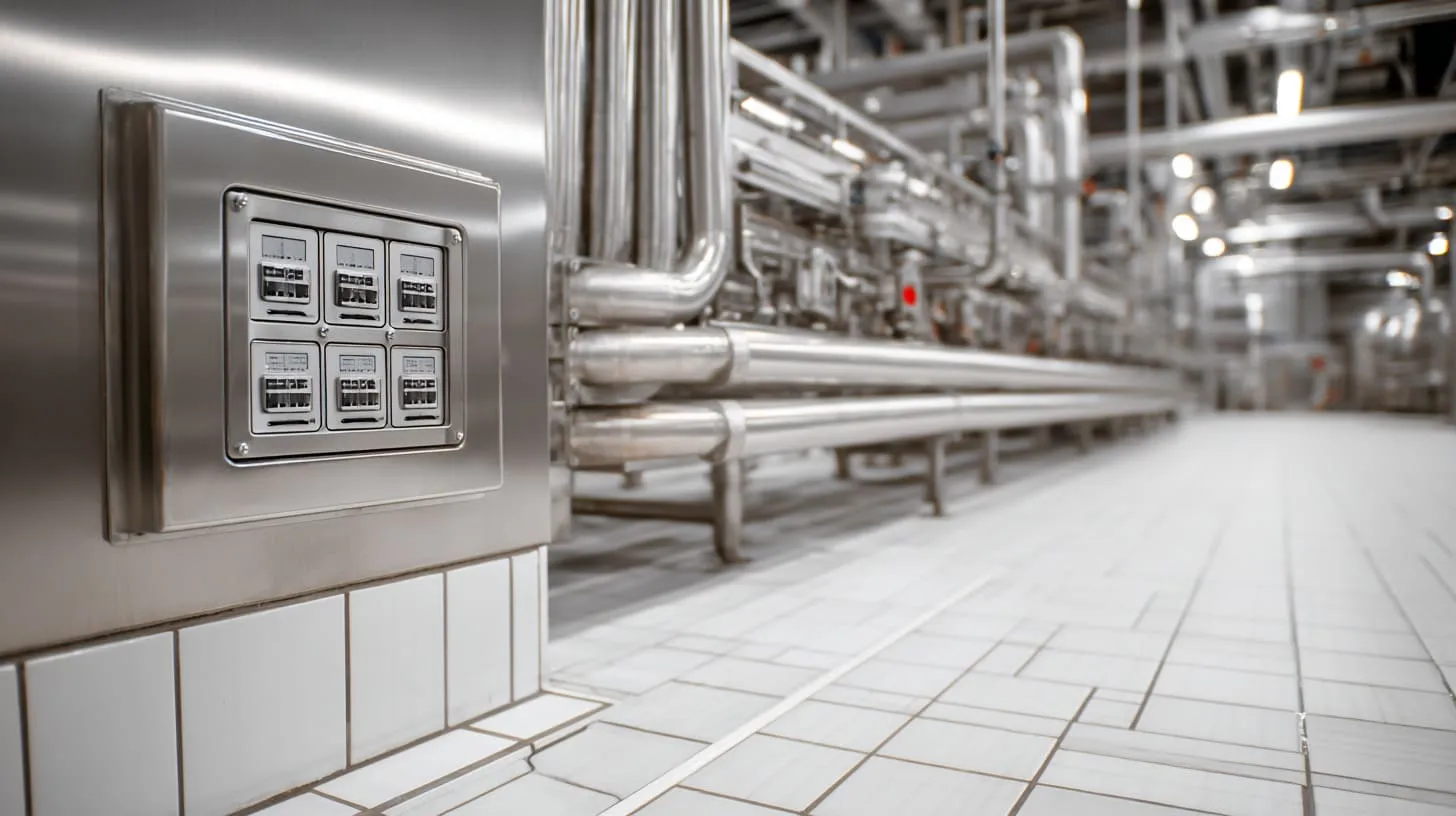
Design adjustments for IP66 compliance
When we design for IP66, we focus heavily on sealing details:
Gasket design
We choose gasket material that resists the expected temperature, UV, and possible chemicals. The gasket must compress enough to seal but not so much that it is crushed over time.Sealing structure
We pay attention to door overlaps, screw positions, and how the door closes. Even a good gasket can fail if the door flexes under pressure.Cable entry solutions
Cable glands, glands plates, and custom cutouts must all keep the same level of protection as the rest of the enclosure.
Table of typical IP66 design elements:
| Area | Design focus |
|---|---|
| Door and cover | Consistent compression on gasket |
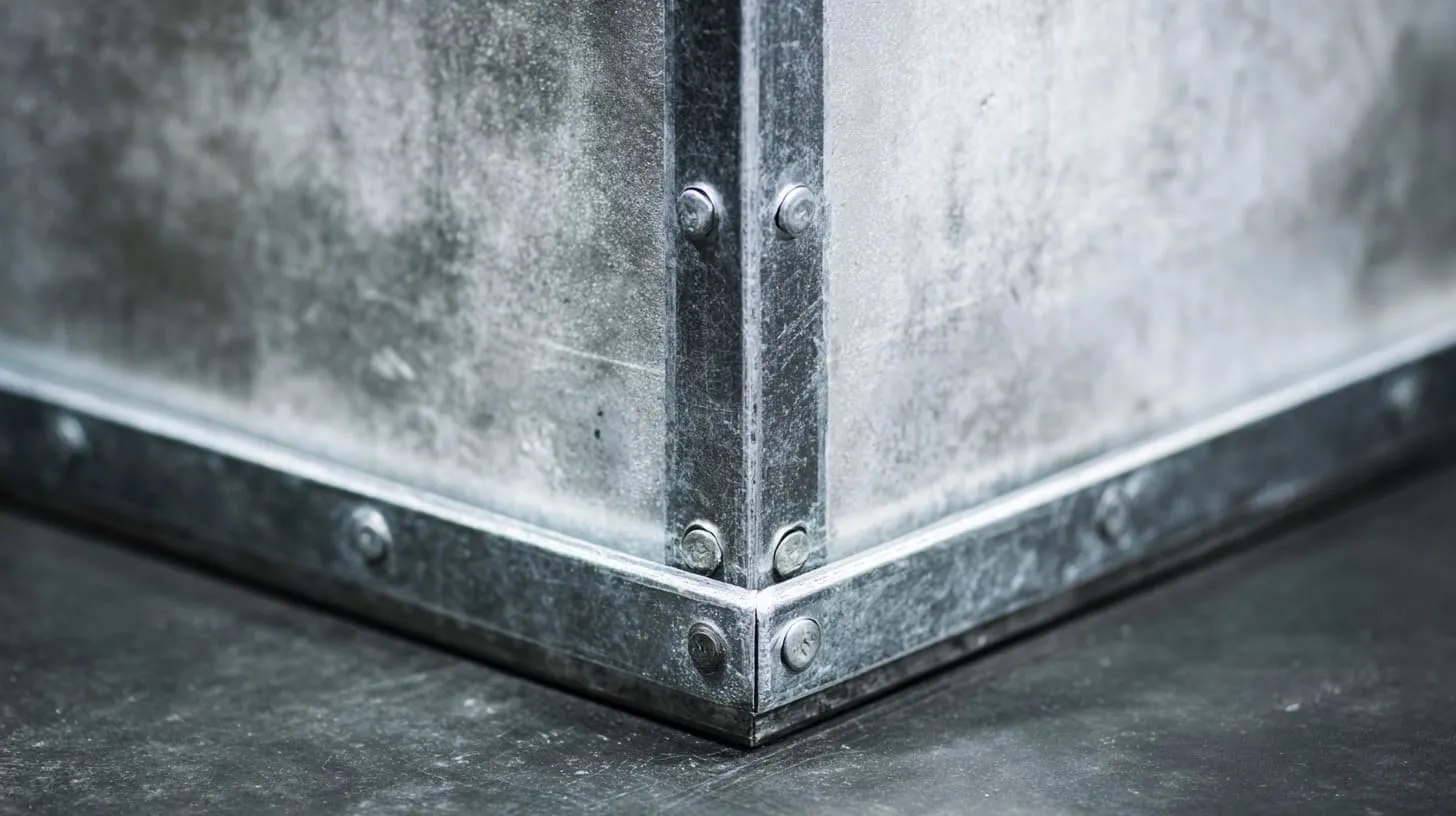
| Corners | No weak points or open welds |
| Cable entries | IP66-rated glands or sealed plates |
| Fasteners | Enough torque without deforming panels |
Design adjustments for NEMA 4X compliance
For NEMA 4X, we keep all of the IP66-style sealing ideas, but we add corrosion and environment on top:
Material upgrades
Using 304 or 316 stainless steel, or high-grade aluminum with strong coating, or high-quality plastics.Surface treatment
Powder coating types, thickness, pre-treatment, and edge protection become very important.Hardware choices
Hinges, locks, fasteners, and brackets must also resist corrosion, not just the panels.
| Design area | Extra 4X concern |
|---|---|
| Sheet material | Corrosion resistance and weld quality |
| Coatings | Chemical and UV resistance |
| Hardware | Stainless or treated to avoid rust |
| Welds and joints | Sealed and protected against corrosion |
OEM and ODM customization considerations
For OEM and ODM customers, ratings are only part of the story. They also need:
Logo and branding
Screen printing, laser engraving, or custom labels that do not damage the surface or coating in a way that affects sealing or corrosion resistance.Custom cutouts
For connectors, displays, fans, or cable glands. Each cutout must be sealed properly to keep the promised rating.Internal layout
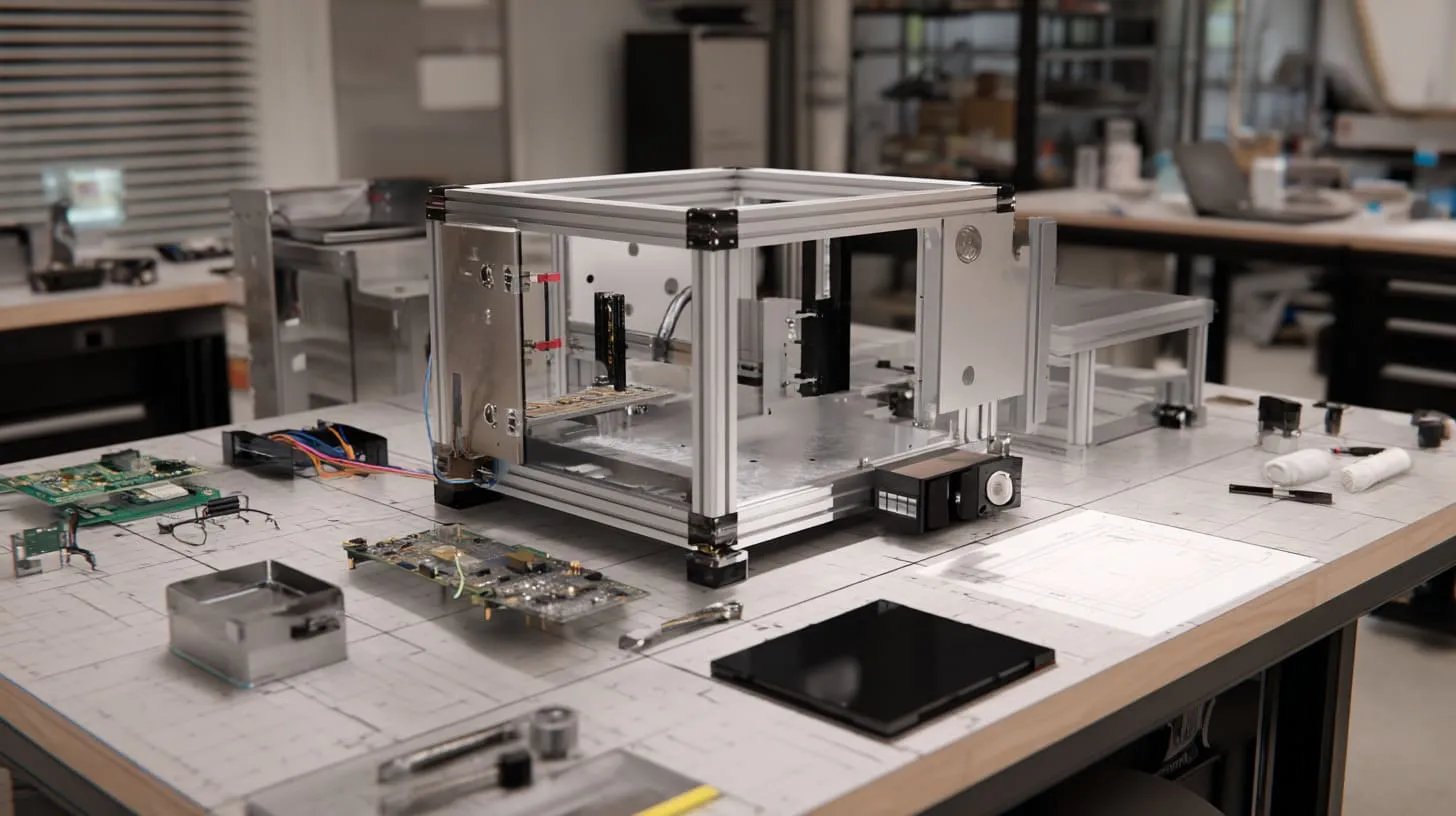
Mounting plates, rails, or brackets that hold PCBs, power supplies, or Raspberry Pi-based boards in a stable way.
Typical balance we manage:
| Custom feature | Risk if done poorly |
|---|---|
| Extra cutouts | Water or dust leak points |
| Large window openings | Weak door, harder to seal |
| Heavy logo engraving | Damage to coating, corrosion start |
On the shop floor, the real proof of a rating is not the document in the folder but whether my team can add a new cutout, logo, or hinge and still keep the seal intact when we spray the enclosure hard with water.
After going through these design details, it becomes easier to see why I do not treat IP66 vs NEMA 4X as just a “which is better” question, but as a matching exercise between environment, material, and budget.
Conclusion
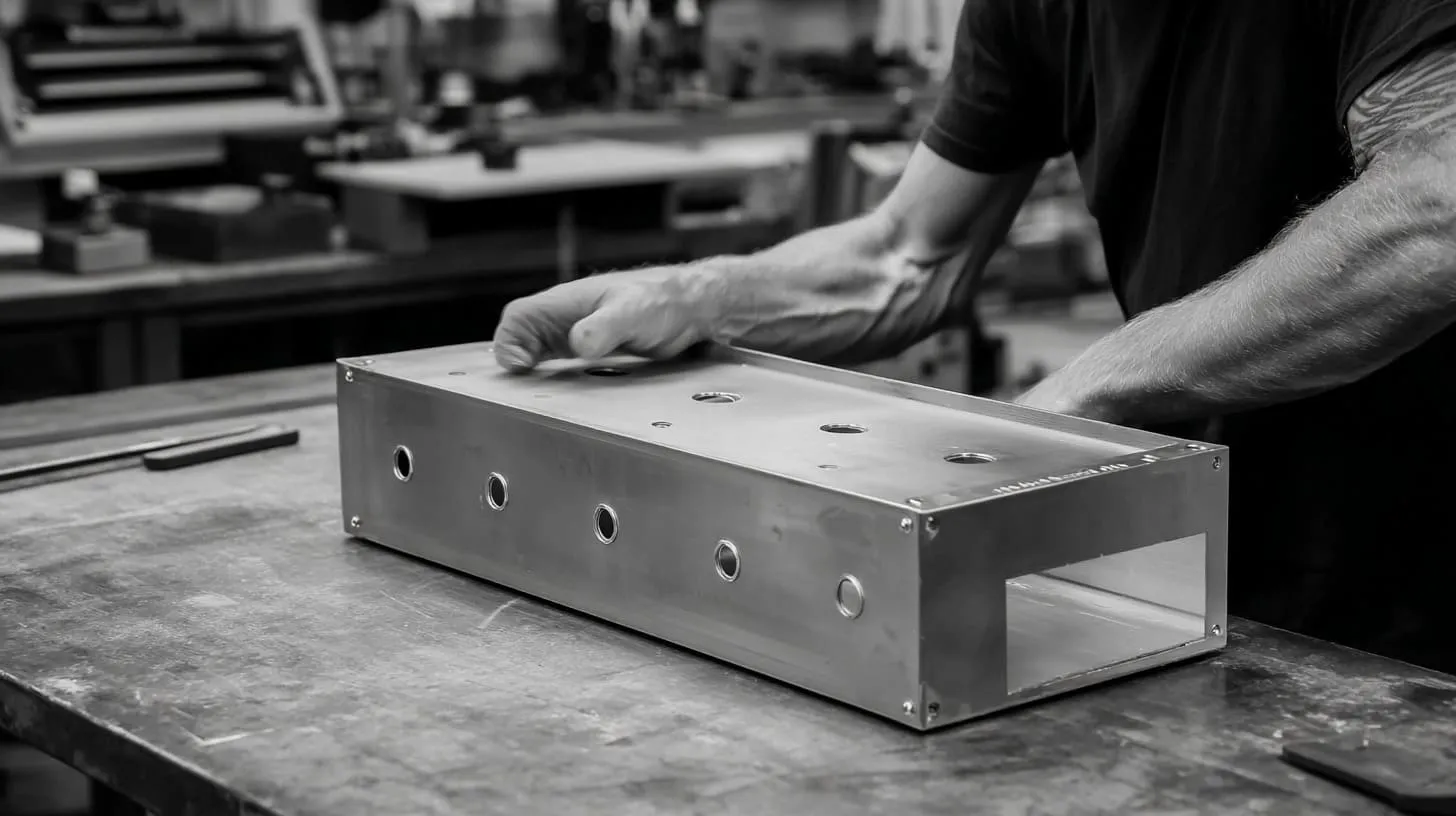
When people ask me, “So is IP66 the same as NEMA 4X?” I always smile a little, because I know they are not really asking about codes. They are asking, “Will this box protect my product and my reputation?”
From my experience at MaidaTech, I see IP66 and NEMA 4X as two different tools:
- IP66 is a clear promise about dust and strong water jets.
- NEMA 4X is a broader promise about surviving a tough environment, especially with corrosion and outdoor stress.
I think this way because I have seen both success and failure:
- Projects where a well-designed aluminum IP66 enclosure ran for years without trouble in a clean outdoor site.
- Projects where a low-cost IP66 box rusted badly in a food plant, even though the water never got inside.
These memories shape how I judge new projects today. When I recommend NEMA 4X instead of “just IP66,” it is rarely because I want to increase price. It is usually because I can see the future picture of that box sitting in steam, salt, or foam, and I know what cheap decisions do after a few winters.
At this stage of my career, I trust the lessons from failed enclosures more than any catalog table when I choose between IP66 and NEMA 4X.
If you are an OEM buyer, a product engineer, or a re-brand customer like Davide or John, and you are not fully sure which direction to take, you do not have to guess alone. You can send me your environment description, a simple sketch, or even photos of the installation site. I am happy to walk through the options, look at your real risks, and help you design a custom enclosure that protects both your electronics and your margin.
You can always reach me through maidatechenclosure.com or by email at info@maidatech.com. Let’s build an enclosure that actually fits your project, not just a rating printed on paper.