Skip to content
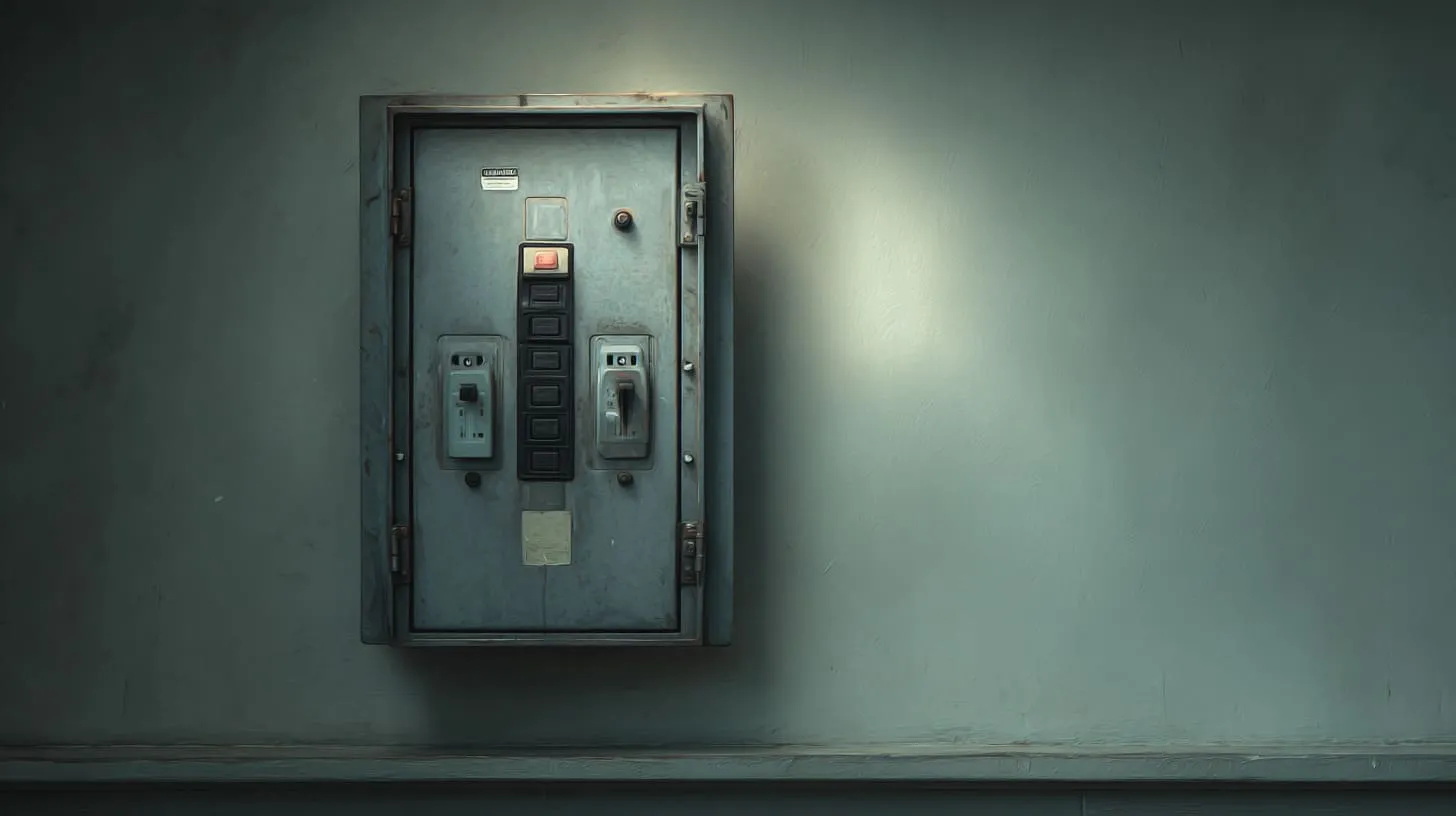
A breaker panel is not something people get excited about. It sits on a wall. It stays quiet. And when it works, nobody talks about it.
But every fire report, failed inspection, or sudden shutdown I’ve seen usually points back to this box.
I’ve worked with product engineers, electricians, and OEM buyers for years. Some wire panels every week. Some only touch one during a new product launch or factory upgrade. This guide is for all of them. Home users. Technicians. Engineers. And buyers who need to understand what good wiring really means.
I need to be clear before we go on. A live panel can kill. Codes matter. Local rules matter. If something feels unsure, stop and call a licensed electrician. Nothing in this article is worth a life.
And with that said, let’s slow things down and look inside the panel itself.
What Is an Electrical Circuit Breaker Panel?
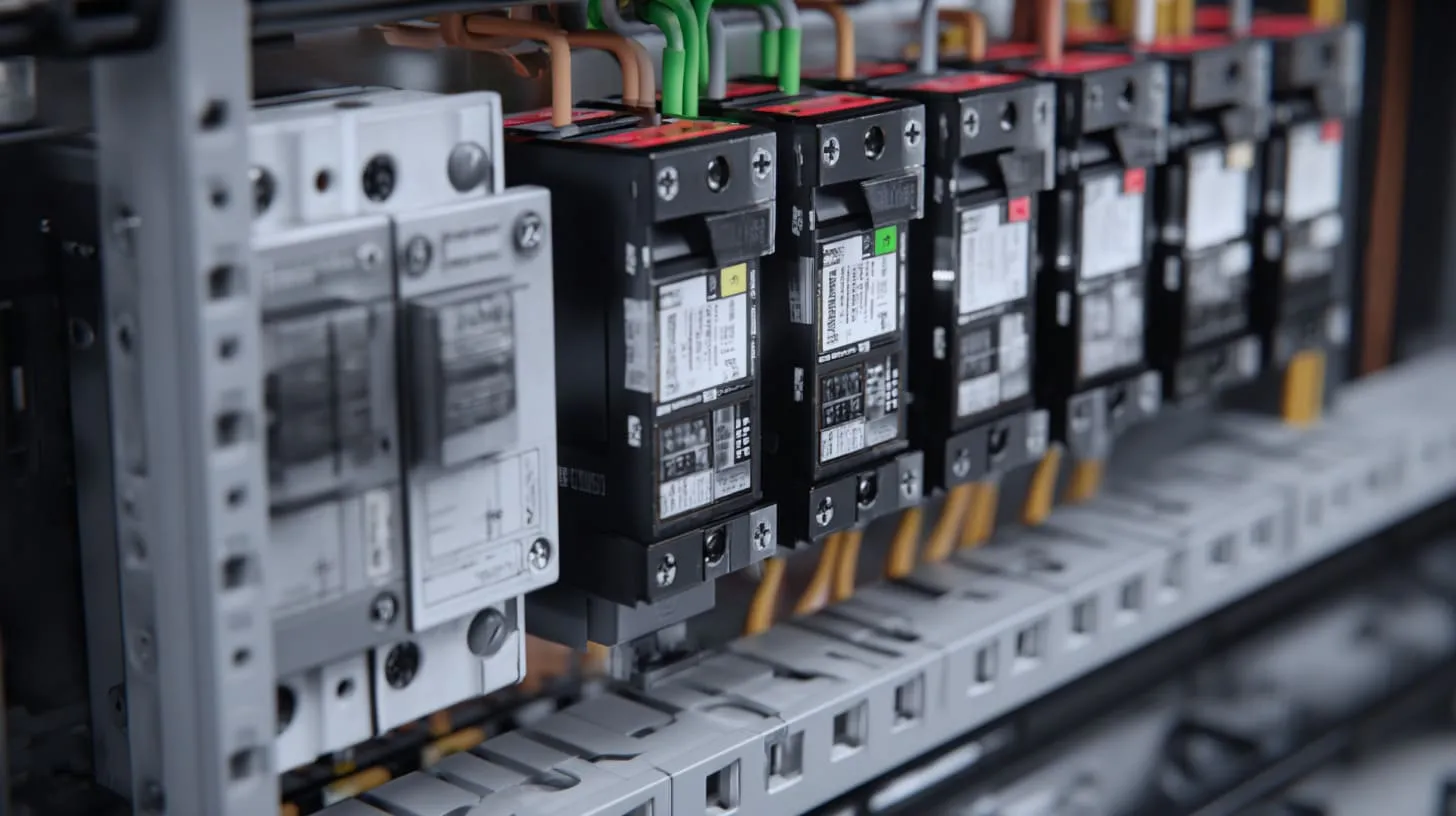
A breaker panel is the control center of an electrical system. Power comes in. Circuits go out. The panel decides how much power flows and when it must stop.
I often explain it like traffic control. If one road gets blocked, the breaker trips so the rest of the system can stay alive.
Main Components Inside a Breaker Panel
Every panel looks a bit different, but the parts are familiar.
| Component | What it does | Why it matters |
|---|---|---|
| Main breaker | Cuts power to the whole panel | First line of safety |
| Branch breakers | Protect each circuit | Prevent wire overheating |
| Bus bars | Carry live power | Must stay clean and tight |
| Neutral bar | Returns current | Improper wiring causes faults |
| Ground bar | Safety path | Saves lives in failures |
| Enclosure | Physical protection | Shields users and wires |
I’ve seen good panels fail just because a loose bus screw was ignored.
Types of Breaker Panels
Not all panels serve the same job.
| Panel type | Typical use |
|---|---|
| Main breaker panel | Houses and small factories |
| Main lug panel | Subpanels downstream |
| Subpanel | Expansion or remote areas |
| Indoor-rated | Clean, dry spaces |
| Outdoor-rated | Rain, dust, temperature swings |
The choice depends on environment, load, and future expansion. That decision matters more than most people think.
Before touching tools, we need to talk about safety.
Safety Rules Before Wiring a Breaker Panel
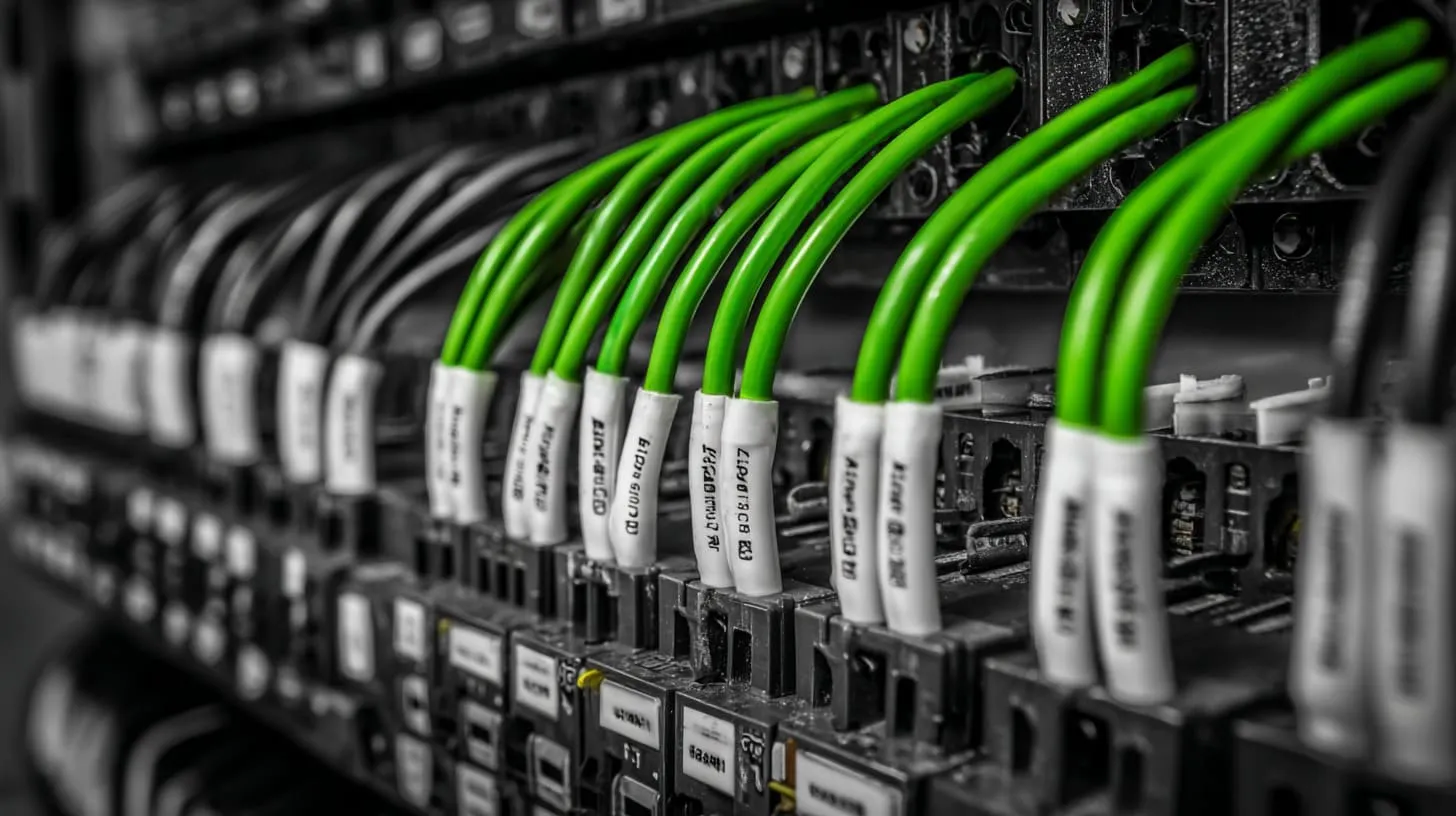
Most panel accidents don’t happen during complex work. They happen during “quick fixes.”
I’ve seen engineers rush. I’ve seen inspectors fail projects over one skipped step.
Power Shutdown and Lockout Procedures
Before anything else:
- Shut off the utility supply
- Confirm power is off with a tester
- Lock and tag if possible
Never trust labels. Always test.
Personal Protective Equipment (PPE)
This is not optional.
| PPE item | Purpose |
|---|---|
| Insulated gloves | Protect hands |
| Safety glasses | Stop arc debris |
| Insulated tools | Reduce shock risk |
A screwdriver can be the difference between safe work and a hospital visit.
Electrical Codes and Legal Considerations
Codes are not suggestions.
- NEC or local equivalent applies
- Permits may be required
- Inspections protect you later
I’ve seen buyers lose entire shipments because one panel failed code during final checks.
Once safety is set, tools come next.
Tools and Materials Needed
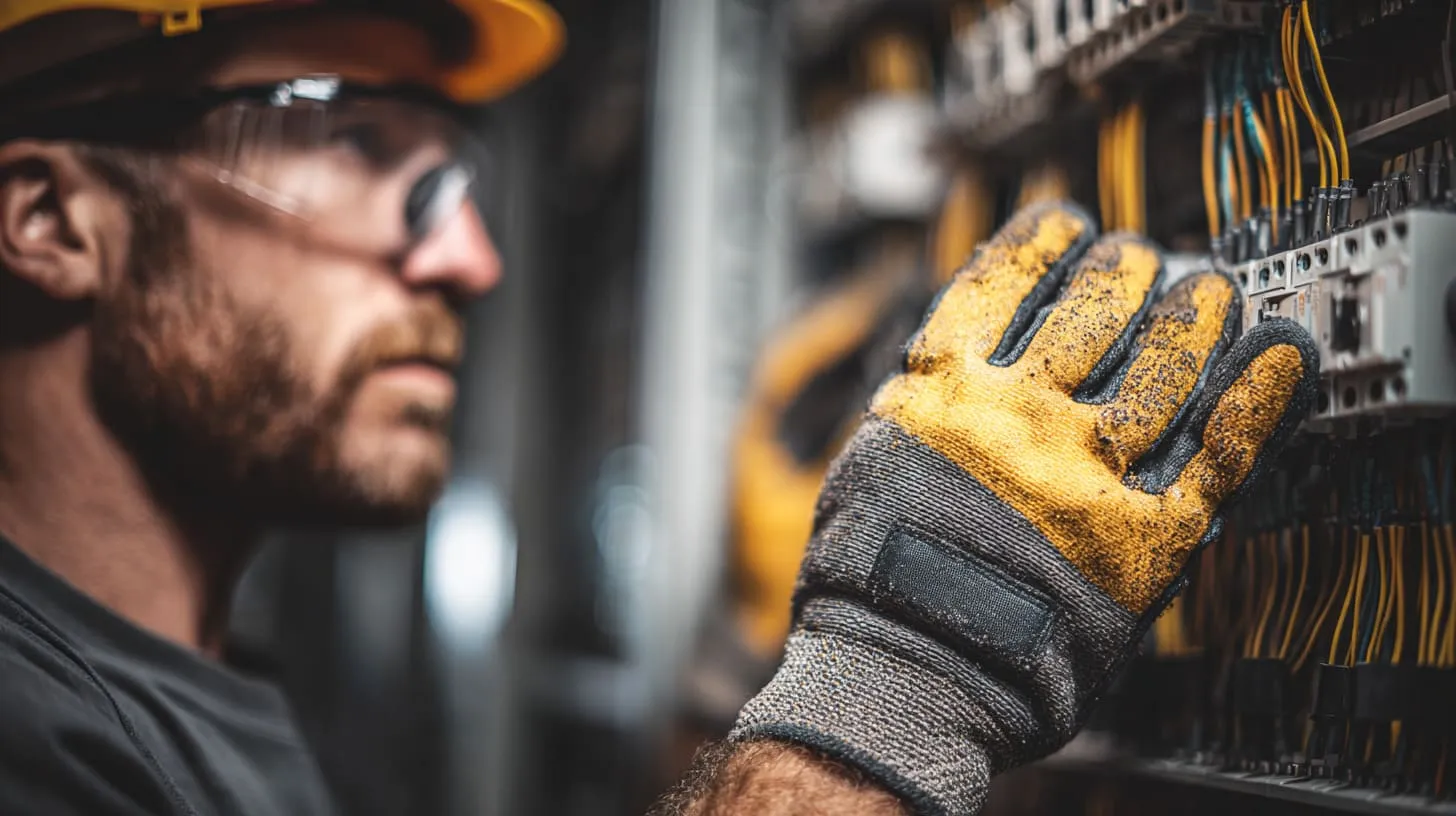
The right tools slow you down in a good way. They force care.
Required Tools
| Tool | Why it matters |
|---|---|
| Insulated screwdrivers | Safe tightening |
| Torque wrench | Correct pressure |
| Wire strippers | Clean conductors |
| Multimeter | Confirm voltage |
Guessing torque is one of the most common mistakes I see.
Required Materials
- Correct breakers
- Proper wire gauge
- Grounding screws
- Cable clamps
- Rated enclosure
Cheap connectors cause expensive failures later.
Now let’s understand how electricity moves inside the panel.
Understanding Breaker Panel Wiring Basics
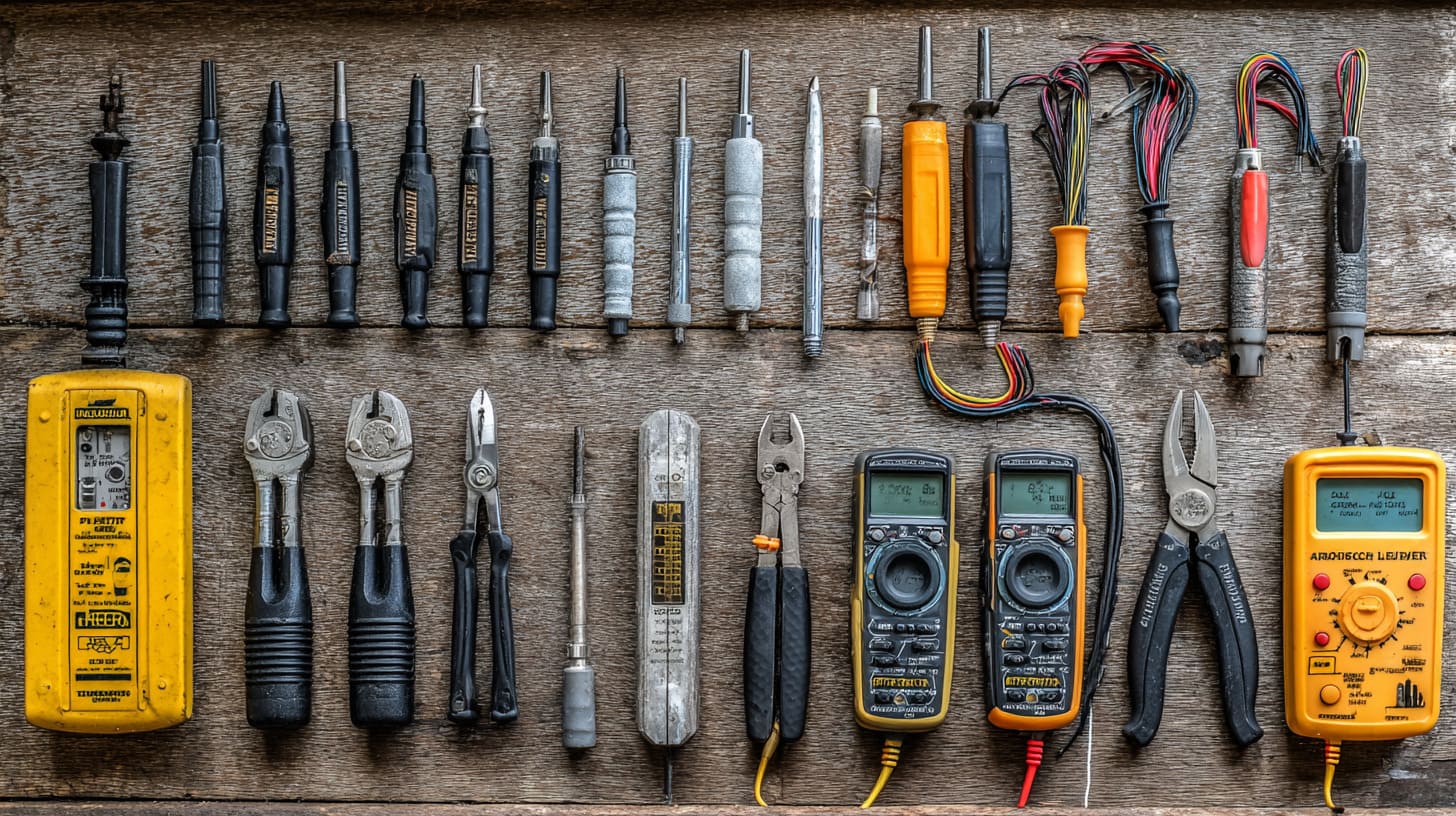
Electricity follows rules. Panels only look complex because many rules act at once.
Hot, Neutral, and Ground Wires Explained
| Wire | Color | Role |
|---|---|---|
| Hot | Black / Red | Carries power |
| Neutral | White | Returns current |
| Ground | Green / Bare | Safety path |
Mixing these is dangerous. And yes, I still see it happen.
Single-Phase vs Three-Phase Panels
- Single-phase: homes, small shops
- Three-phase: factories, heavy loads
Using the wrong panel type limits future upgrades.
Amperage Ratings and Load Calculations
Panels fail when loads grow quietly.
| Item | What to check |
|---|---|
| Panel rating | Total capacity |
| Breaker size | Circuit protection |
| Wire gauge | Heat control |
Design for growth, not today.
Once basics are clear, mounting comes next.
How to Mount the Breaker Panel Enclosure
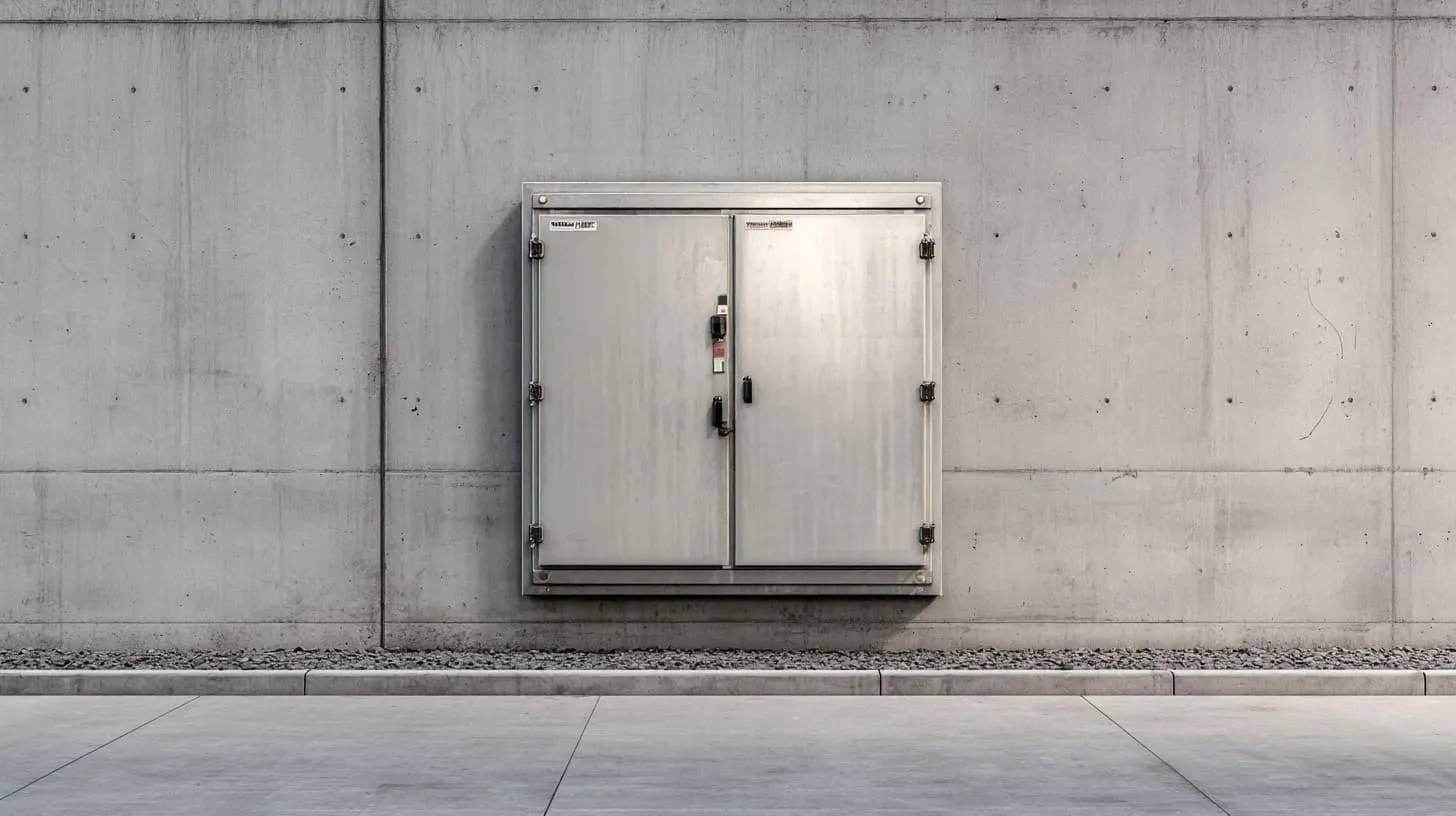
Panel placement affects safety more than people expect.
Panel Placement Requirements
- Clear working space
- Easy access
- Dry environment
Outdoor panels need sealing and ventilation balance.
Securing the Enclosure
- Solid wall anchors
- Level mounting
- Proper grounding
A loose enclosure causes loose connections later.
After mounting, we feed the panel.
How to Wire the Main Breaker
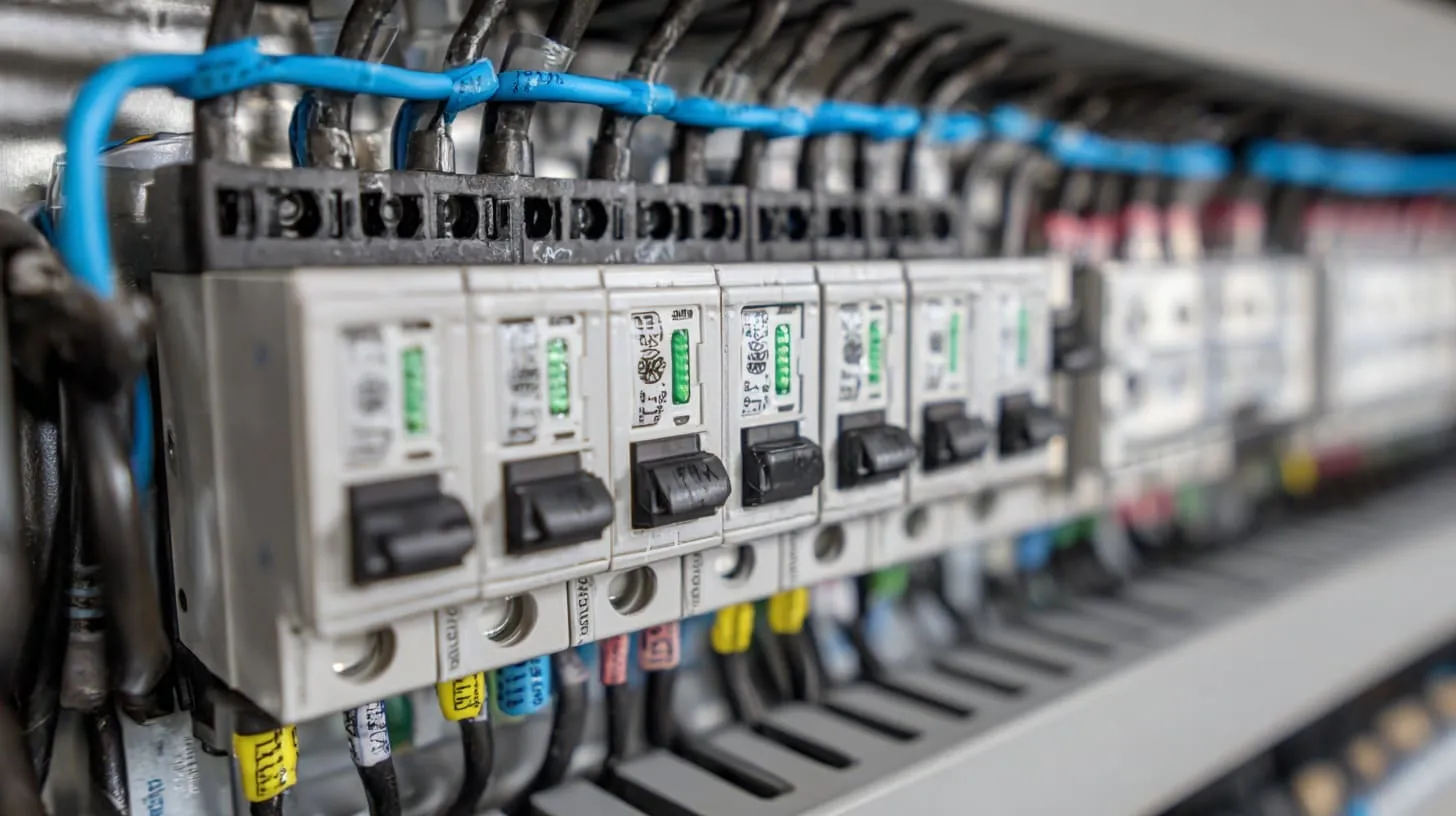
This is where power enters the system.
Line Side Connections
- Use correct wire size
- Follow torque specs
- No damaged strands
Over-tightening can be as bad as loose screws.
Neutral and Ground Bonding
| Panel type | Rule |
|---|---|
| Main panel | Bond neutral and ground |
| Subpanel | Keep them separate |
Ignoring this creates shock paths.
Next, we wire individual circuits.
How to Install and Wire Branch Circuit Breakers
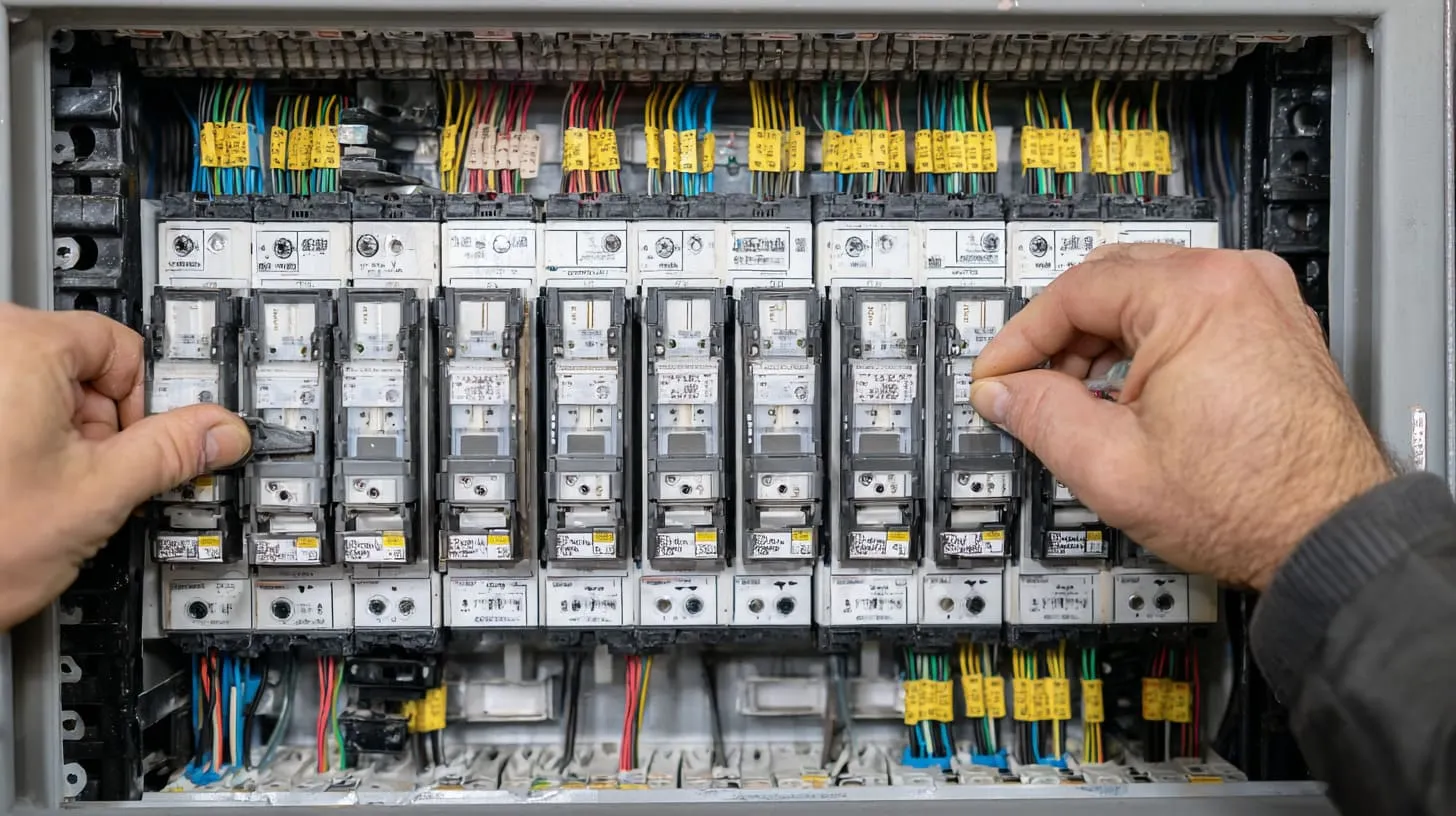
Each breaker protects one story of your building.
Installing Circuit Breakers
- Snap-in for residential
- Bolt-on for industrial
Match breaker type to panel brand.
Connecting Hot Wires
- Strip clean
- Insert fully
- Torque correctly
Wiring the Neutral Bar
Rules matter here.
- One wire per terminal
- Neat routing
Wiring the Ground Bar
Grounds must be clear and short. Long loops invite noise and faults.
When expansion is needed, subpanels come into play.
How to Wire a Subpanel (If Applicable)
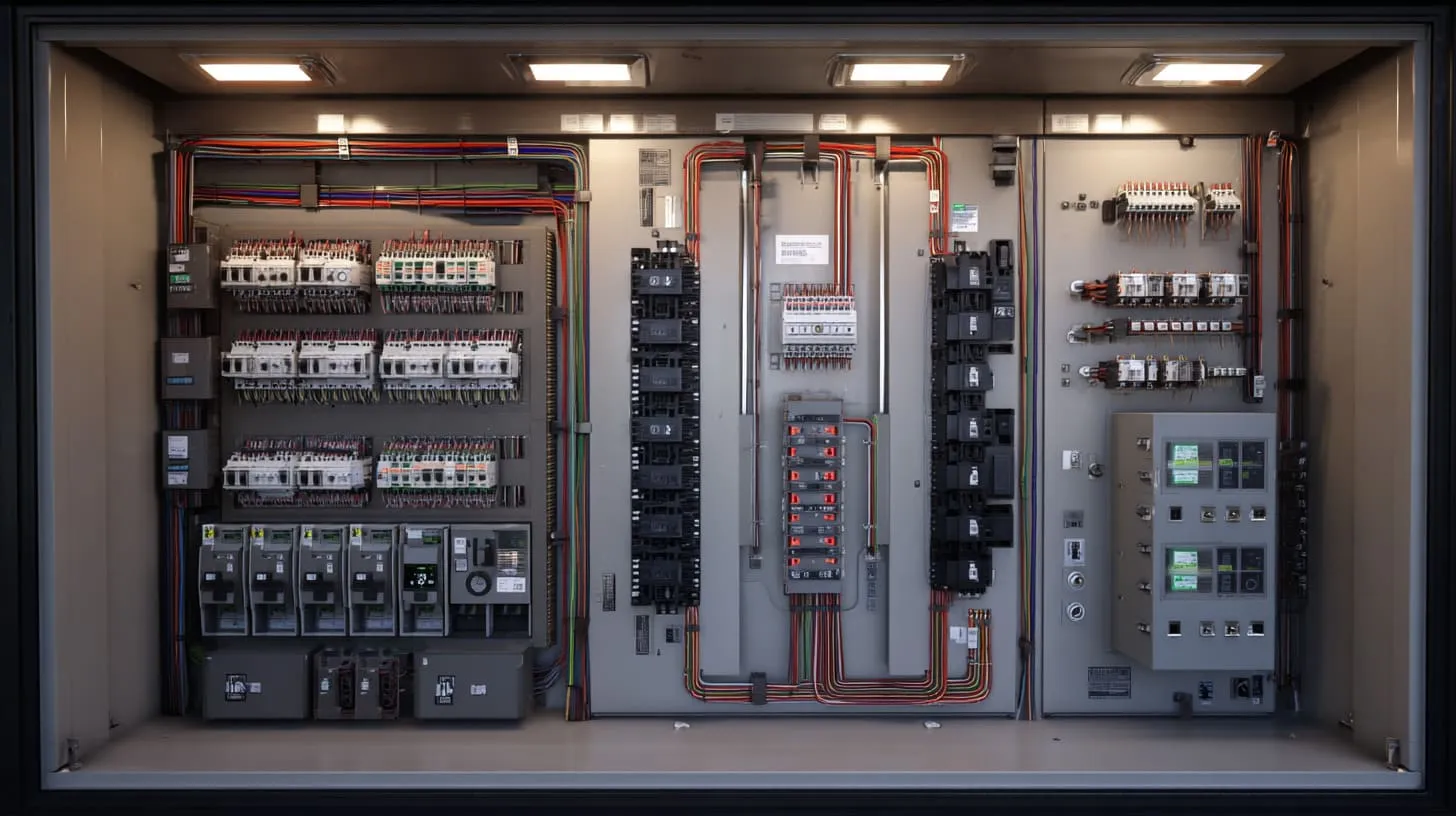
Subpanels are common in factories and upgrades.
Isolating Neutral and Ground
This prevents parallel paths. It also prevents shocks.
Feeder Wire Selection
| Load | Typical feeder |
|---|---|
| Light | Smaller gauge |
| Heavy | Larger gauge |
Undersized feeders overheat quietly.
Grounding a Subpanel Correctly
Some need ground rods. Some don’t. Local code decides.
Before powering up, mistakes must be avoided.
Common Wiring Mistakes to Avoid
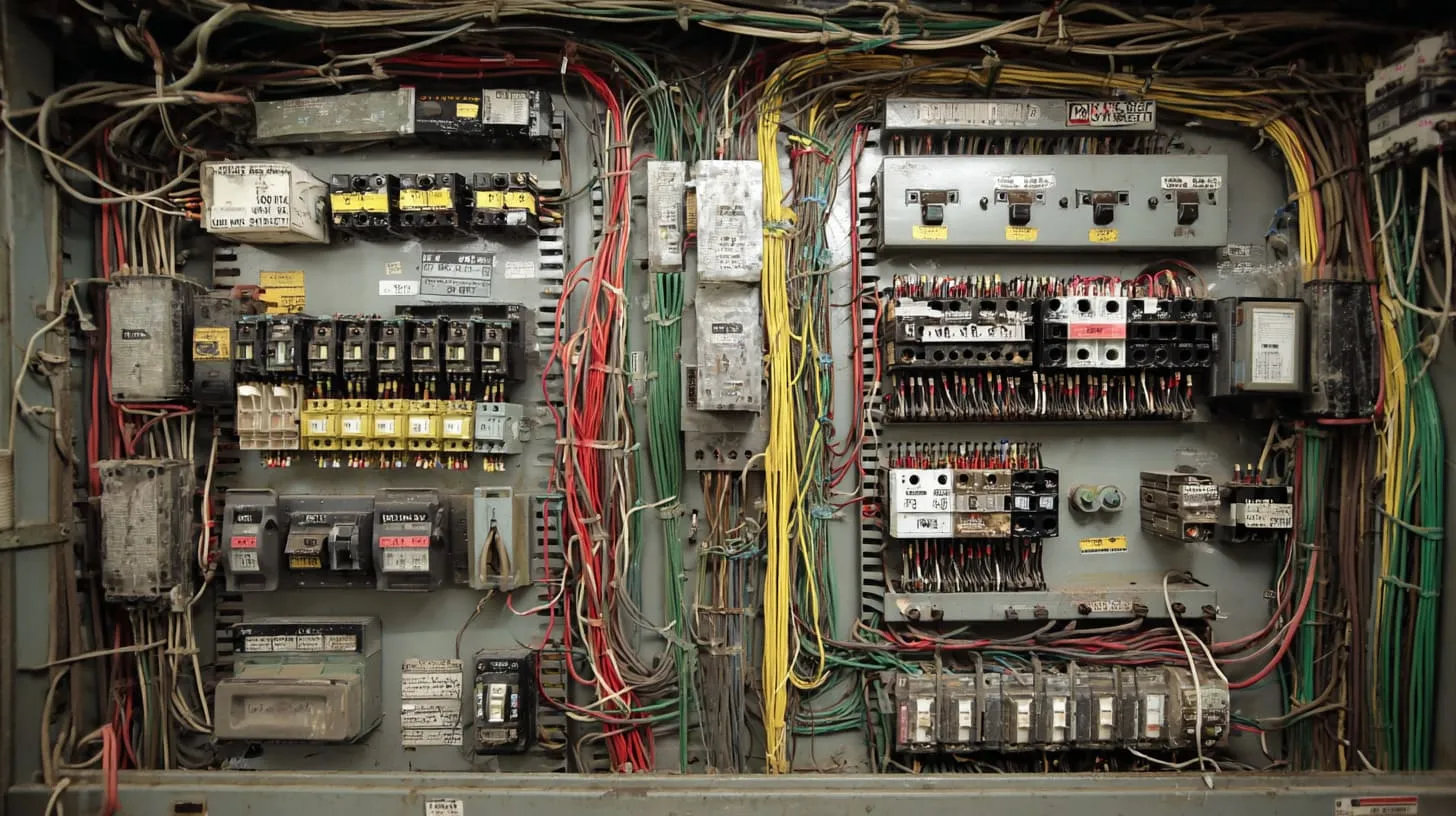
I’ve seen panels fail inspection for simple reasons.
Neutral and Ground Mixing
This creates hidden shock paths.
Overcrowding Breakers
Double-tapping is still common. It’s also unsafe.
Incorrect Breaker Sizing
Too large means fire risk. Too small means constant trips.
Poor Cable Management
Mess traps heat. Heat kills insulation.
Now it’s time to test.
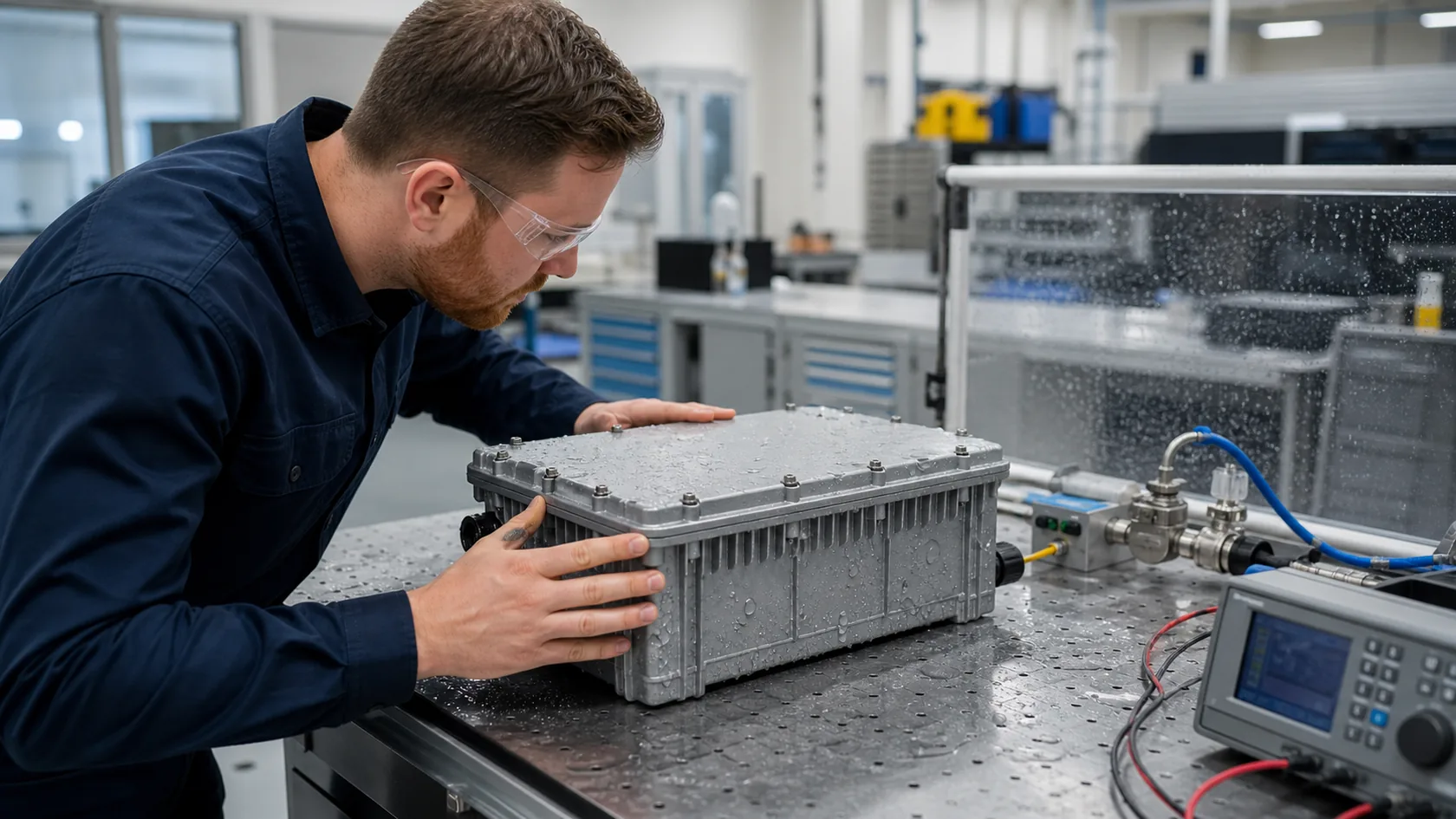
Testing and Final Inspection
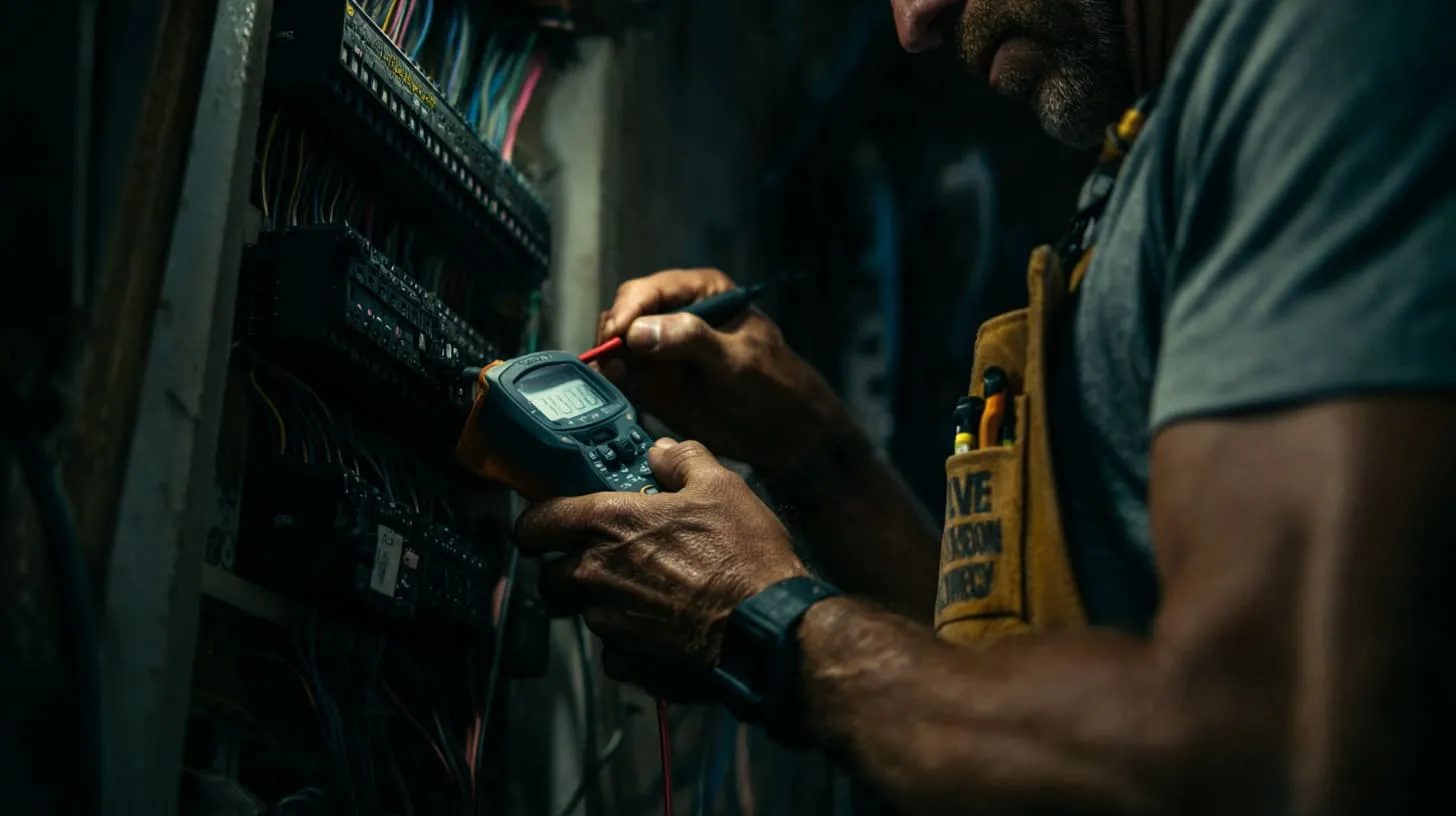
Testing is where confidence is built.
Visual Inspection Checklist
- Tight screws
- Clean routing
- Clear labels
Electrical Testing
- Voltage checks
- Ground continuity
- No unexpected readings
Labeling the Breaker Panel
Clear labels save time and lives.
Sometimes, calling help is the smart move.
When to Call a Professional Electrician
Not all work should be DIY.
Situations Requiring Professional Help
- Service upgrades
- Three-phase systems
- Outdoor industrial panels
Cost vs Risk Considerations
One mistake can cost more than a professional install.
Panels also depend on enclosure quality.
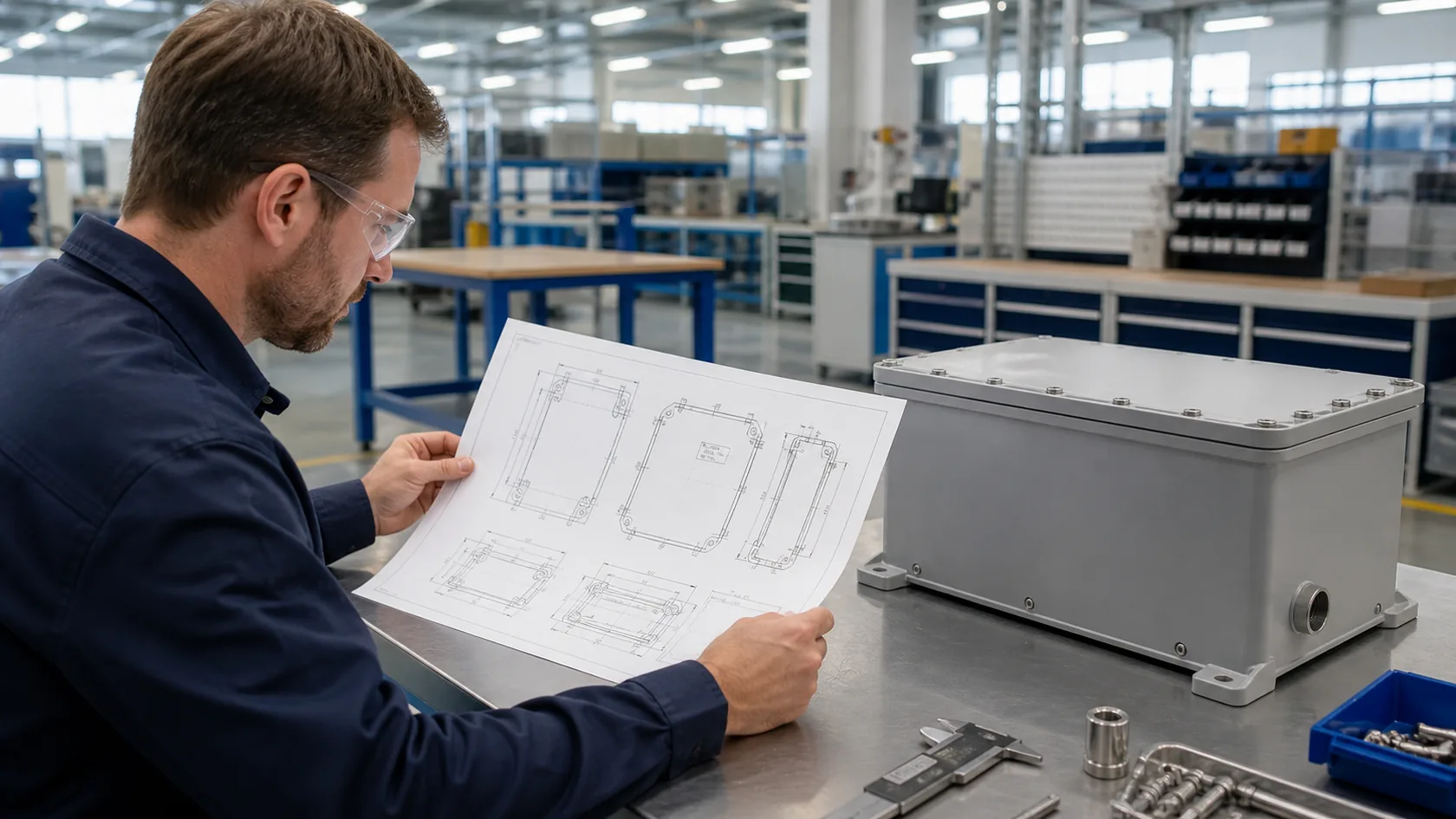
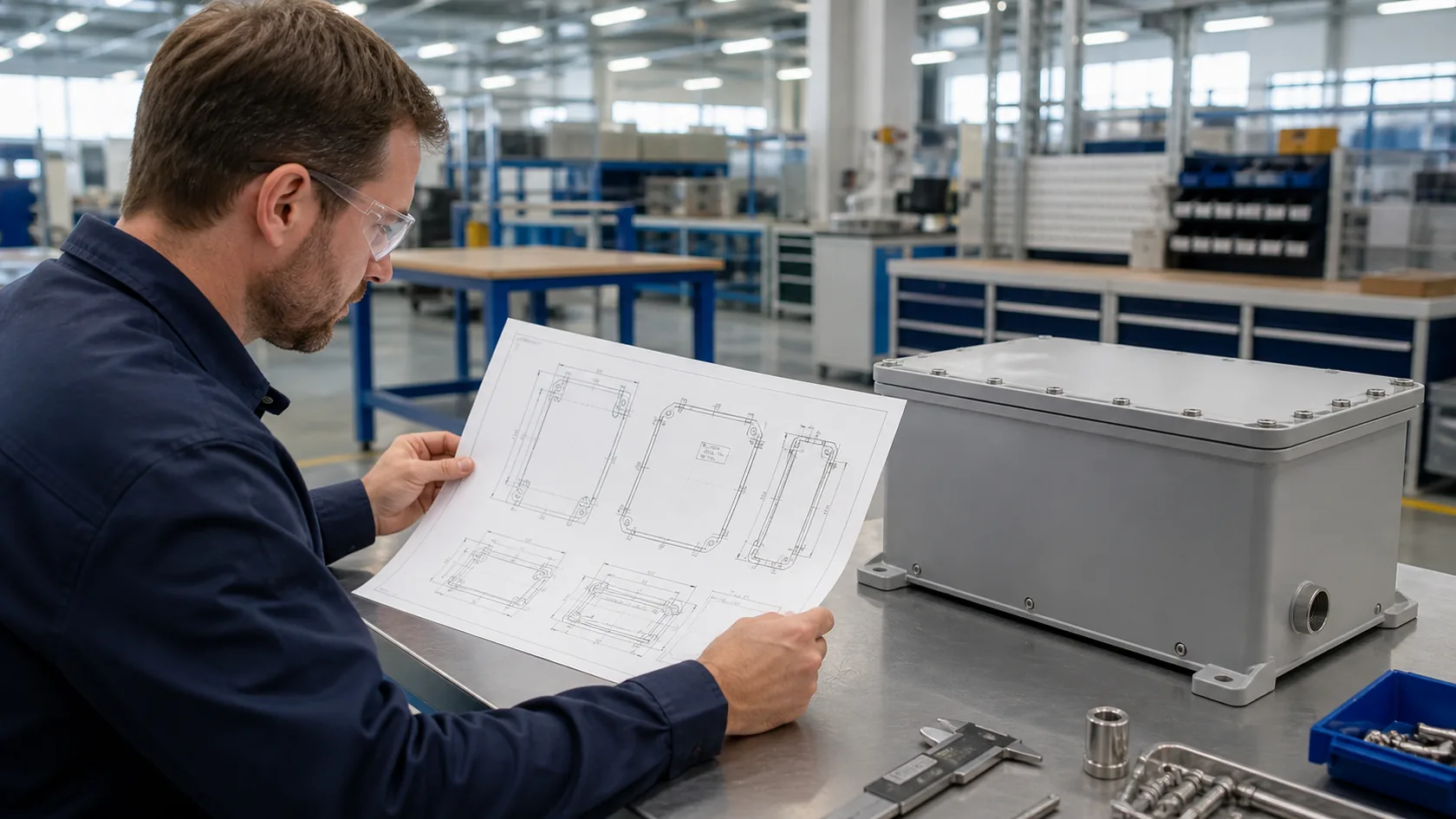
Breaker Panel Enclosures and Custom Solutions
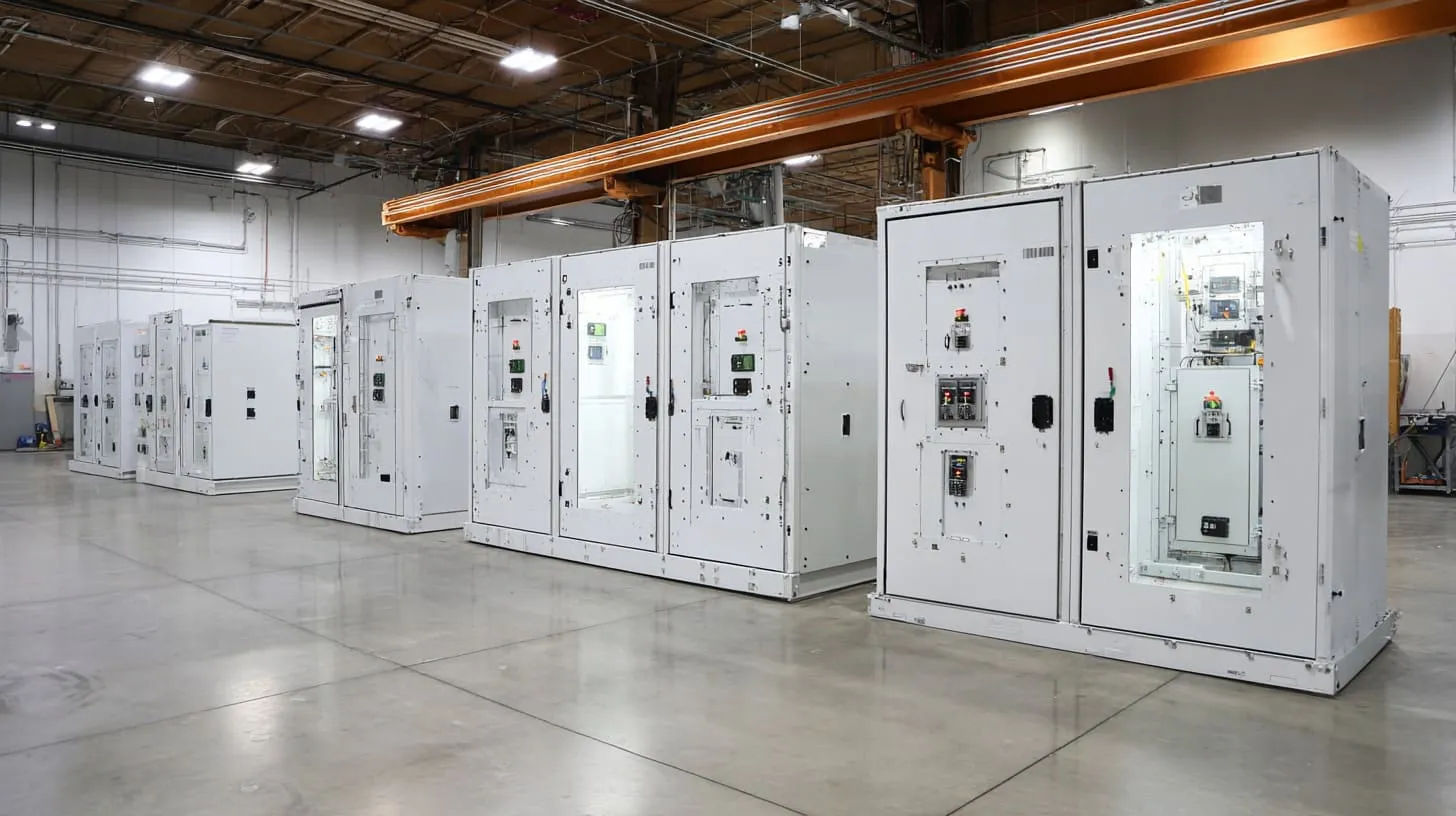
As a manufacturer, I see enclosure problems early.
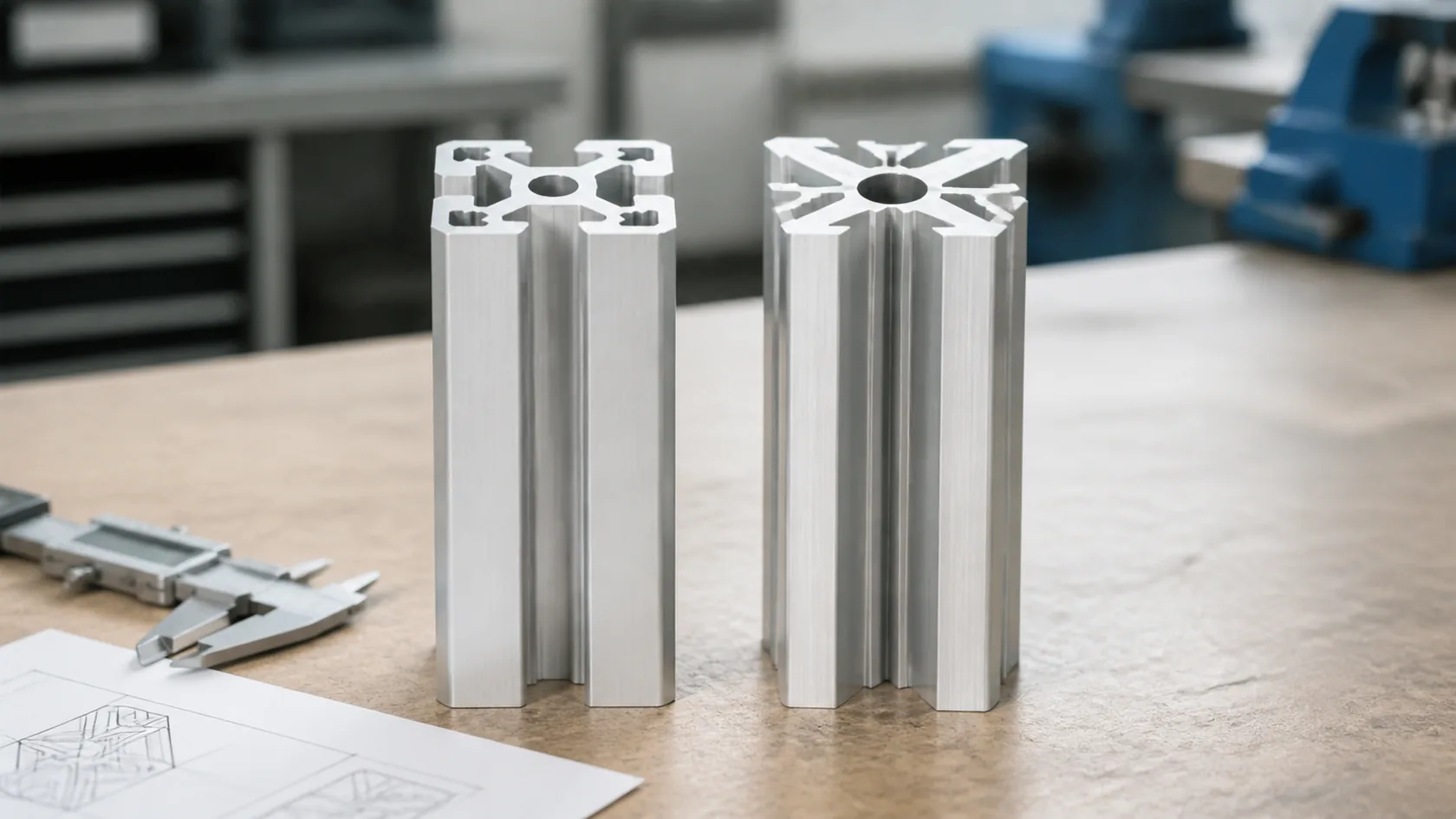
Material Options for Enclosures
| Material | Strength | Use case |
|---|---|---|
| Steel | Very high | Heavy industry |
| Aluminum | Light and strong | OEM projects |
| Plastic | Insulated | Electronics |
Custom Enclosure Considerations
- Cutouts
- Ventilation
- Labels and logos
OEM & ODM Enclosure Use Cases
- Control cabinets
- Export projects
- Compliance-driven builds
Good wiring deserves a good enclosure.
Conclusion
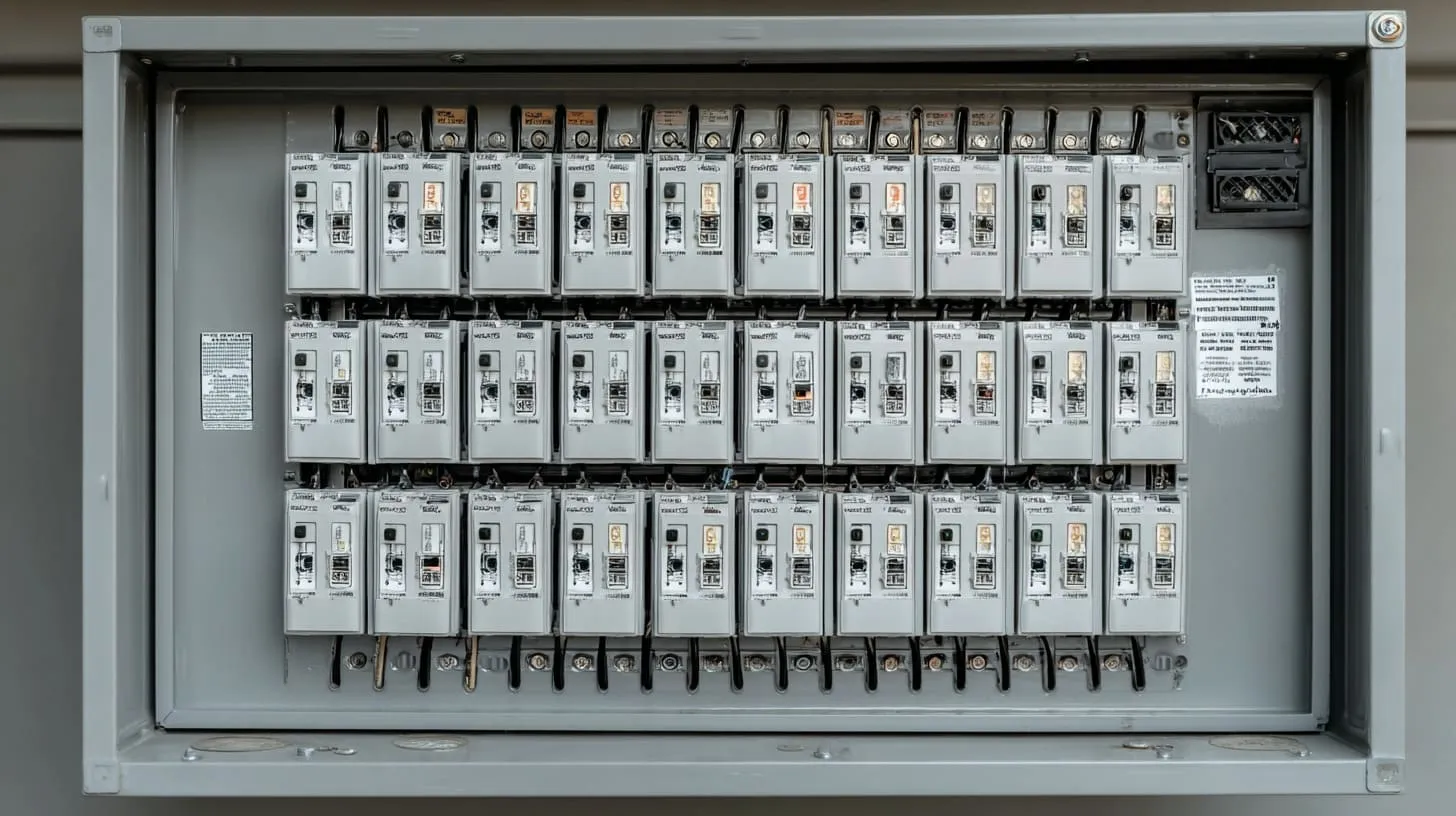
Wiring a breaker panel is not about speed. It’s about care. Every step matters. Safety checks. Clean routing. Correct torque. And respect for code.
I’ve learned that good panels stay quiet for decades. Bad ones speak up fast and loudly.
If you’re planning a project, upgrading a system, or building an OEM product, take the time to do this right. And if you need help with custom enclosures or compliant panel housings, feel free to reach out. The right box makes the right wiring last.