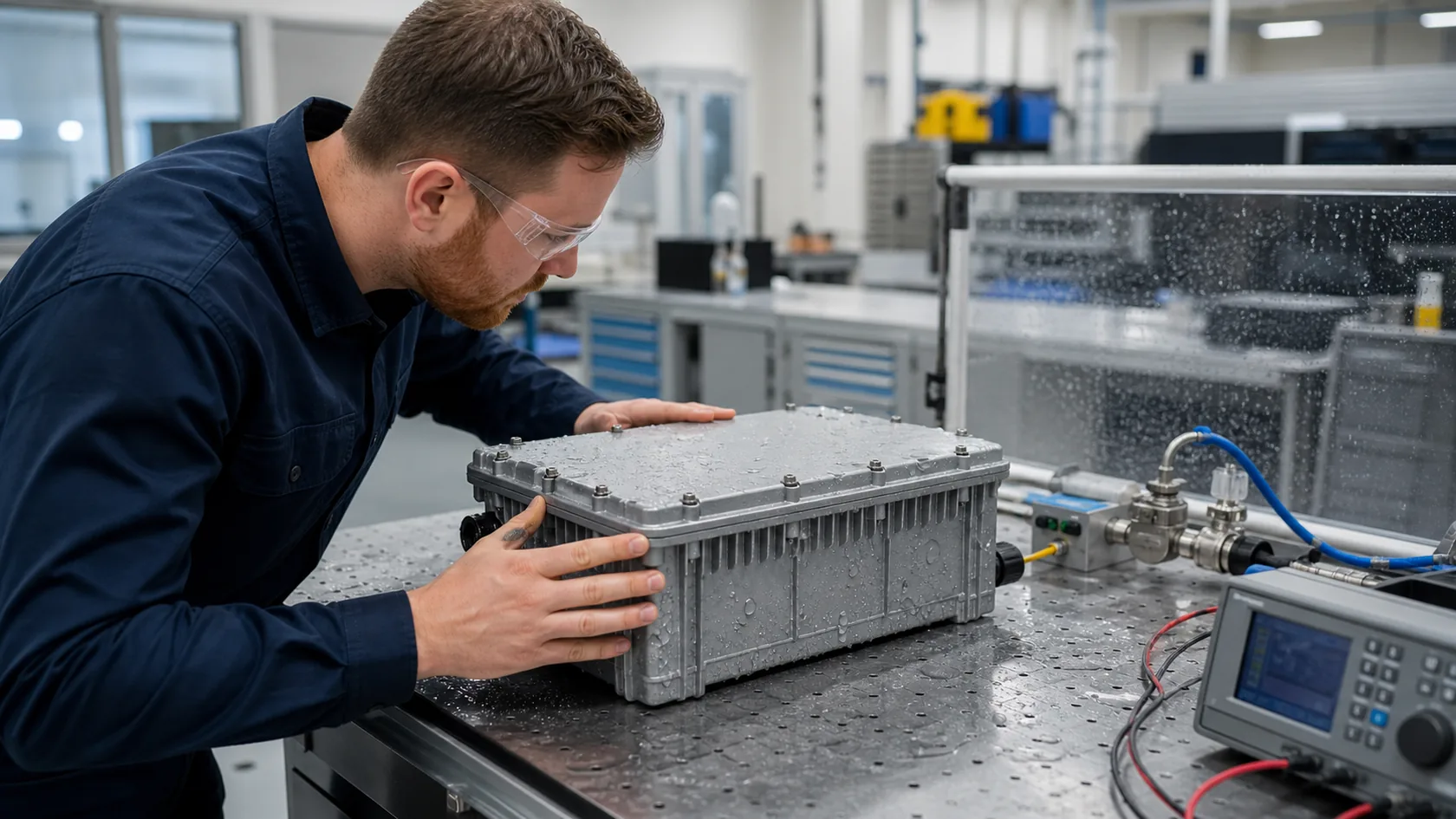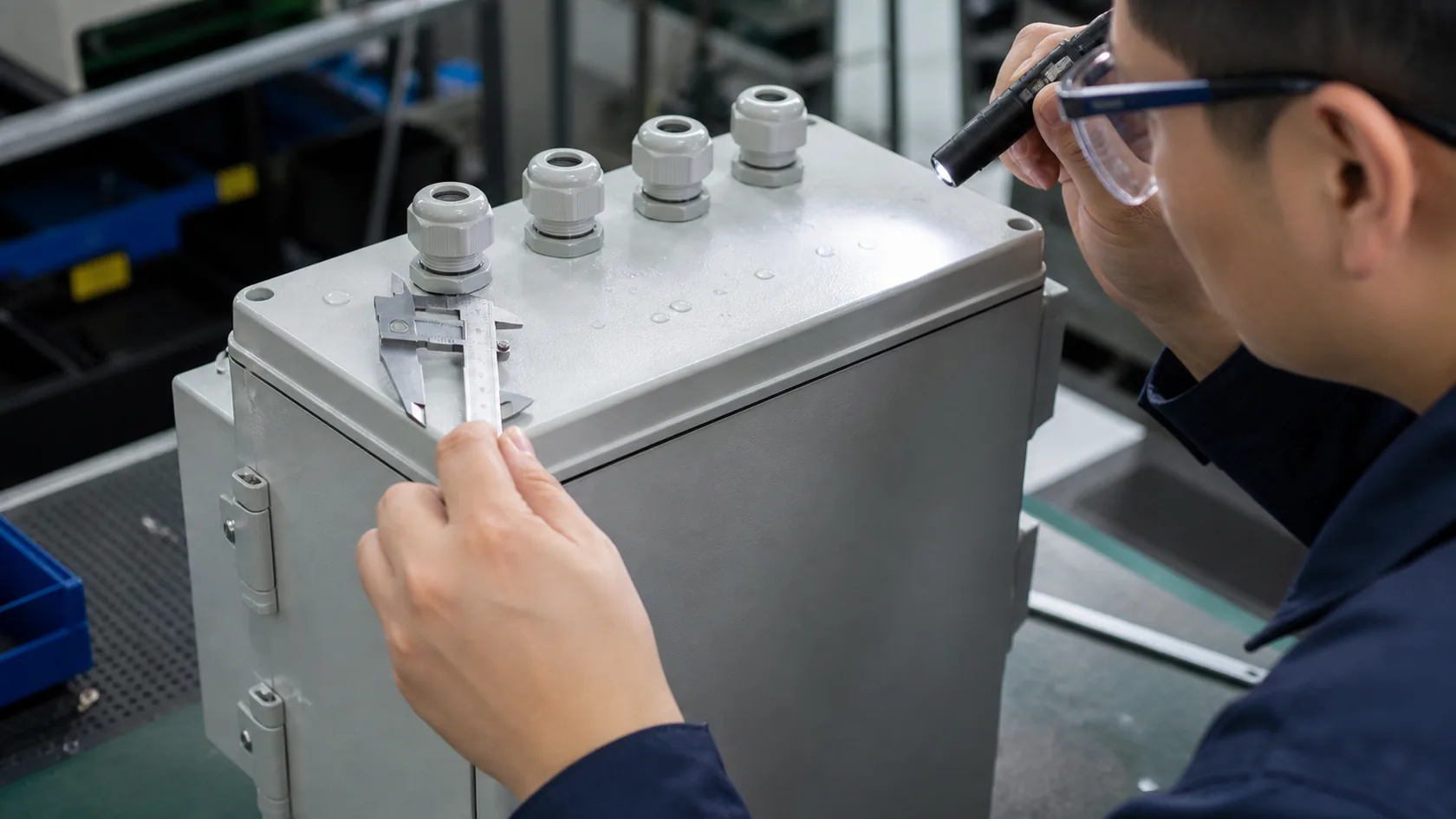
I often sit across from engineers like Davide, and the conversation starts simple.
“Vincent, should I use 5052 or 6061?”
The drawing looks clean. The enclosure size is clear. The logo file is ready. But the material choice still feels uncertain. And that small decision can change bending results, machining time, corrosion life, and even final project cost.
I have seen projects where the wrong alloy caused cracking at the bend line. I have also seen cases where someone chose a strong alloy, but it was harder to process, so cost went up. That is why alloy selection is not just about strength. It is about how the part behaves in real production.
Many engineers mix up two ideas:
- “High strength”
- “Easy to form”
They sound similar. They are not.
In this guide, I will walk through:
- Mechanical properties
- Yield strength differences
- Fabrication behavior
- Corrosion resistance
- Cost impact
- Real application fit
Let me start with 5052, because that alloy surprises many people.
What Is 5052 Aluminum Alloy?
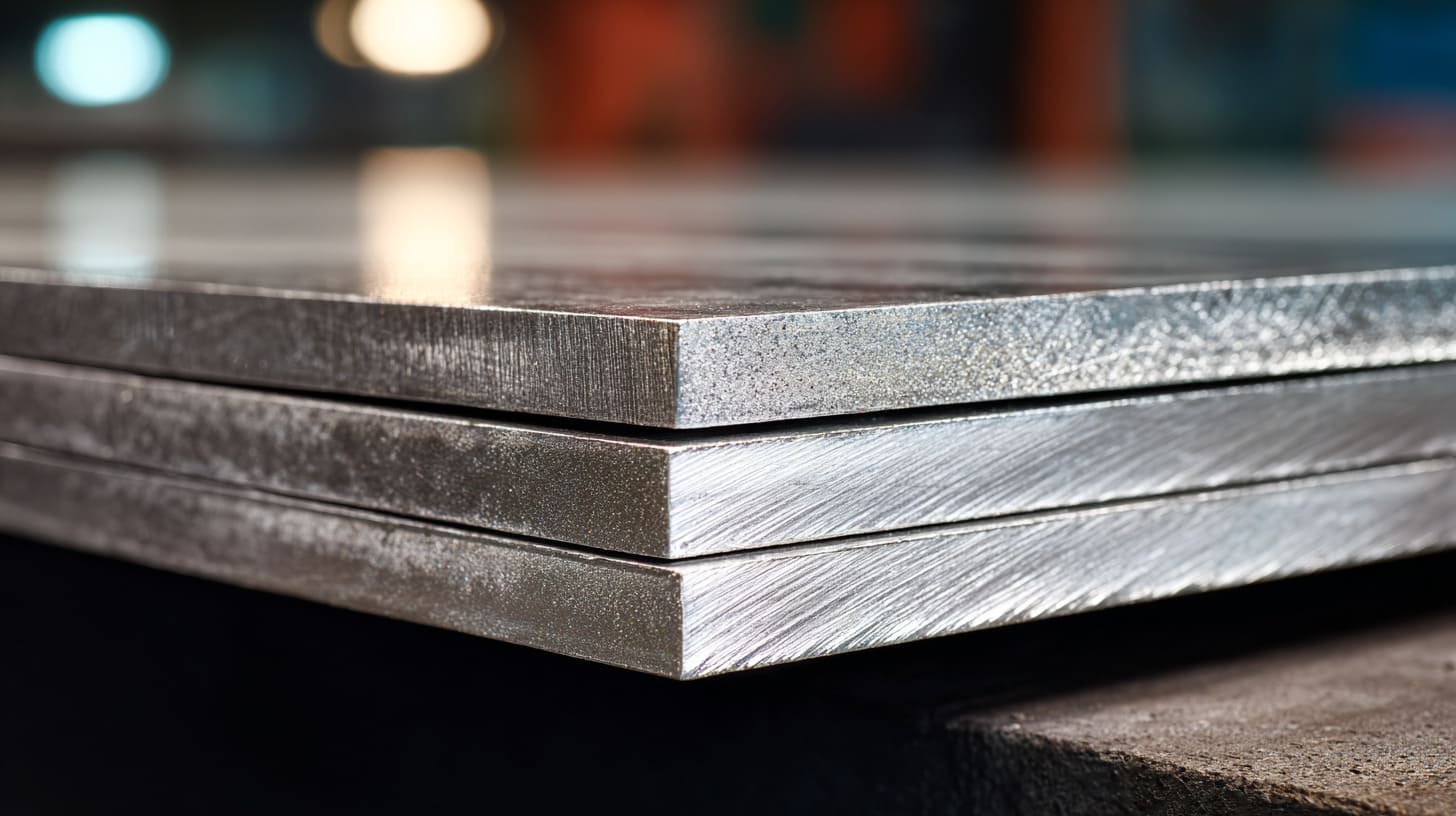
When I work on sheet metal enclosures, 5052 shows up again and again. It is not flashy. It is not the strongest. But it behaves well.
Chemical Composition of 5052
5052 belongs to the 5xxx series. That means magnesium is the main alloy element.
| Item | 5052 Alloy |
|---|---|
| Main Alloy Element | Magnesium |
| Alloy Series | 5xxx (Al-Mg) |
| Heat Treatable | No |
| Common Tempers | H32, H34 |
5052 is not heat-treatable. That means its strength mainly comes from work hardening. I explain this clearly to clients because heat treatment changes cost and behavior.
Mechanical Characteristics of 5052
In H32 condition, typical values look like this:
| Property | 5052-H32 |
|---|---|
| Yield Strength | ~28 ksi (193 MPa) |
| Tensile Strength | ~33 ksi |
| Elongation | High |
| Fatigue Resistance | Good |
5052 bends well. It stretches without cracking. I trust it for tight radius bending.
Key Advantages of 5052
I like 5052 when:
- I need strong corrosion resistance
- I need tight bends
- I want good weld performance
- I am building sheet metal enclosures
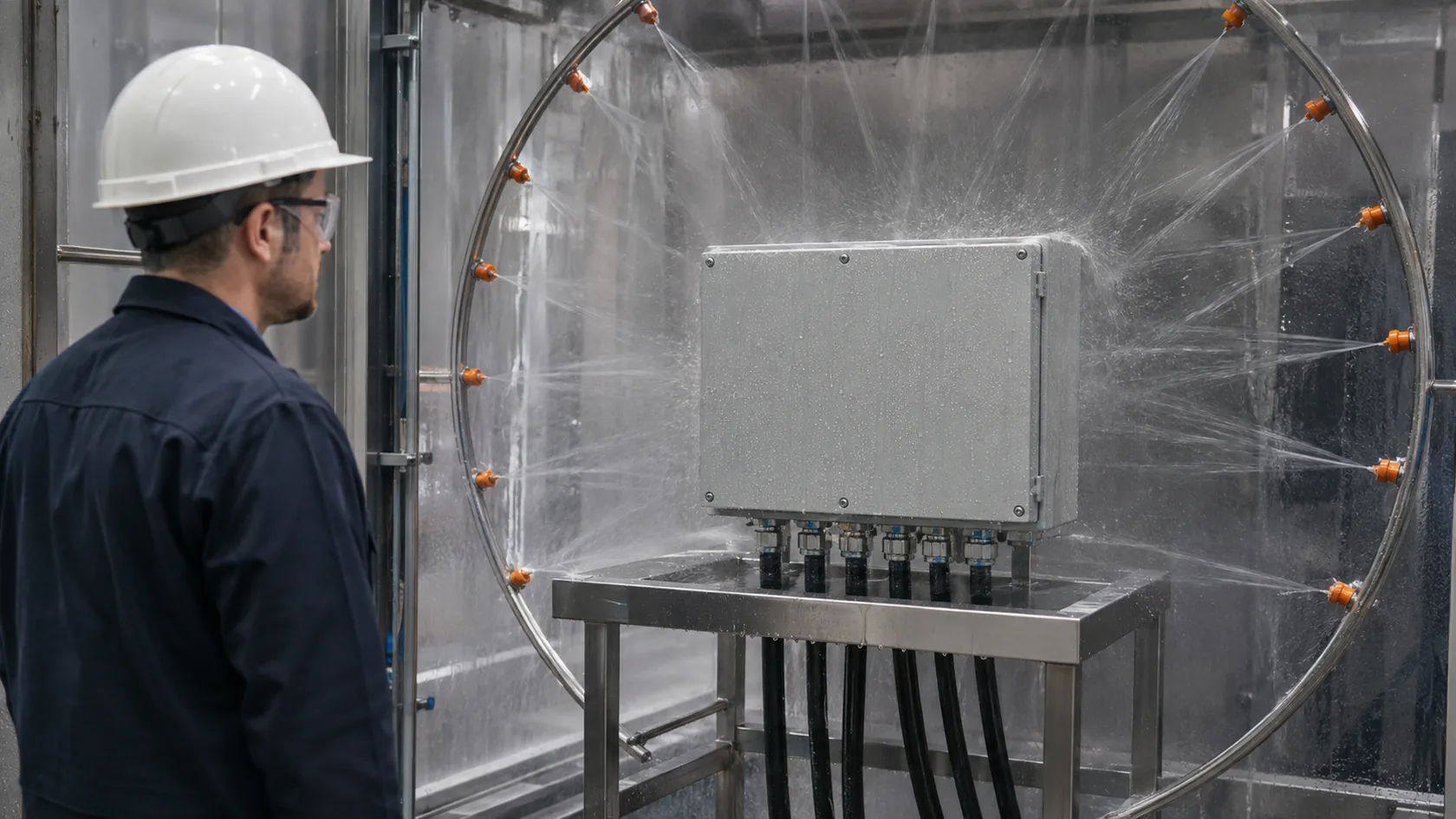
It performs very well in humid or marine conditions. That is why outdoor control boxes often use it.
But then engineers ask me, “What about 6061? It is stronger, right?” Yes. It is. But strength is not the whole story.
What Is 6061 Aluminum Alloy?
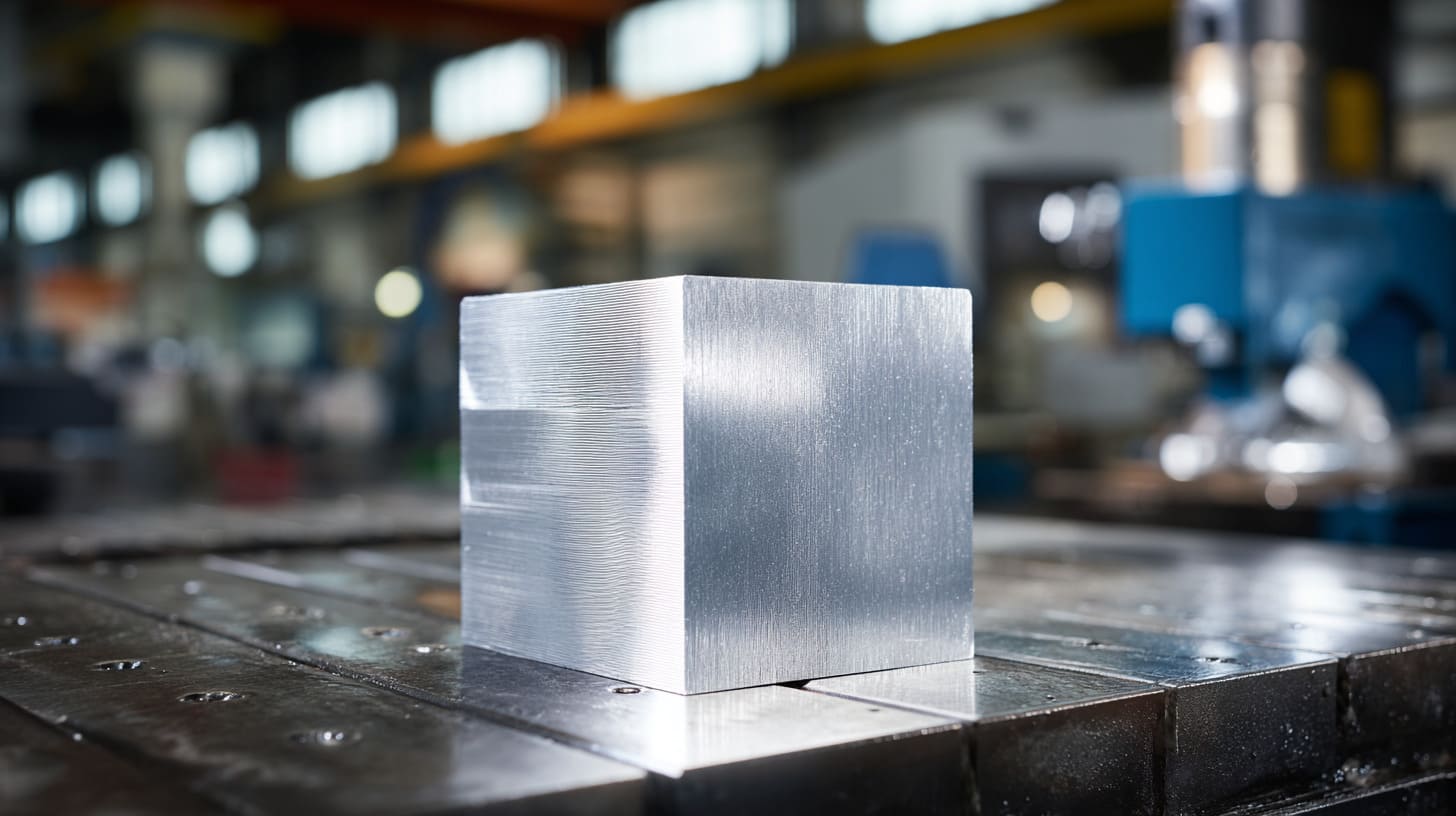
6061 is probably the most famous aluminum alloy in industrial design. Many engineers start with it by default.
Chemical Composition of 6061
6061 belongs to the 6xxx series. It contains magnesium and silicon.
| Item | 6061 Alloy |
|---|---|
| Main Alloy Elements | Magnesium + Silicon |
| Alloy Series | 6xxx (Al-Mg-Si) |
| Heat Treatable | Yes |
| Common Temper | T6 |
Because it is heat-treatable, 6061 can achieve higher strength.
Mechanical Characteristics of 6061
In T6 condition:
| Property | 6061-T6 |
|---|---|
| Yield Strength | ~35–40 ksi |
| Tensile Strength | ~42–45 ksi |
| Elongation | Moderate |
| Hardness | Higher than 5052 |
6061 is stiffer. It feels more rigid when you hold it. That rigidity helps in structural parts.
Key Advantages of 6061
I prefer 6061 when:
- I need strong load-bearing parts
- I machine parts by CNC
- I need clean surface finish
- I build solid block enclosures
John from Hungary once redesigned a Raspberry Pi housing. He needed precise CNC machining. 6061 made more sense than 5052. The surface finish was better. Tool wear was lower.
Still, many buyers only look at strength numbers. That brings us to yield strength.
What Is Yield Strength and Why Does It Matter?
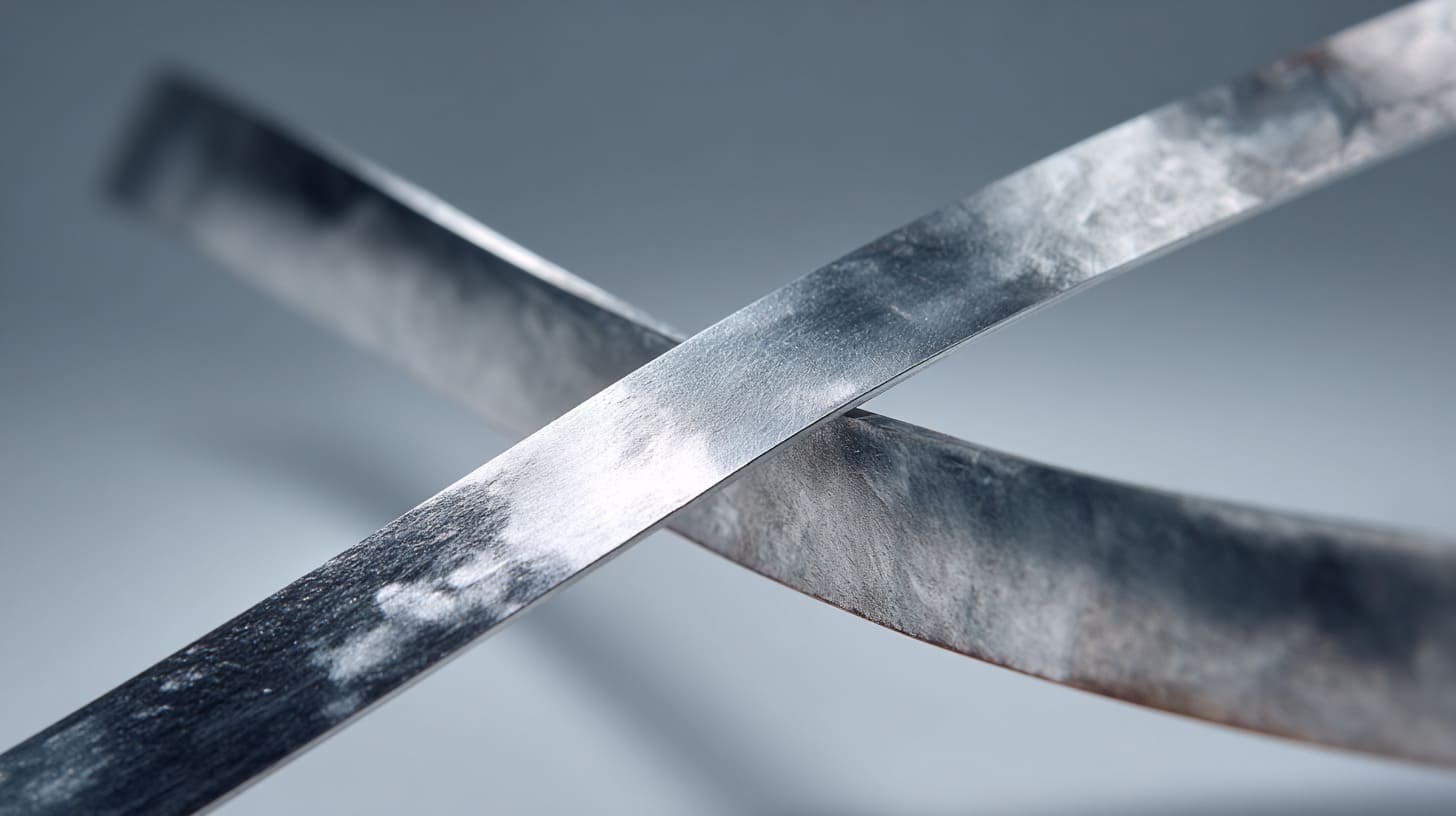
Yield strength means the stress level where metal starts to permanently deform.
Before that point, the metal returns to its shape. After that point, it does not.
That matters a lot in enclosure design.
Yield Strength of 5052 vs 6061
| Alloy | Typical Yield Strength |
|---|---|
| 5052-H32 | ~28 ksi |
| 6061-T6 | ~35–40 ksi |
6061 can be around 25–40% stronger in yield strength.
But here is the critical question: Does your enclosure actually reach that stress level?
When Yield Strength Becomes Critical
Yield strength matters when:
- The enclosure supports weight
- The bracket holds vibration loads
- The frame resists impact
- The case must stay rigid under pressure
If the enclosure only protects electronics and does not carry heavy loads, 5052 may be enough.
I tell engineers this often: “Use strength where strength is needed. Do not pay for strength you never use.”
Now let us compare both alloys side by side.
Mechanical Property Comparison: 5052 vs 6061
Side-by-Side Property Table
| Property | 5052-H32 | 6061-T6 |
|---|---|---|
| Yield Strength | ~28 ksi | ~35–40 ksi |
| Tensile Strength | ~33 ksi | ~42–45 ksi |
| Elongation | Higher | Moderate |
| Hardness | Lower | Higher |
| Corrosion Resistance | Excellent | Good |
| Formability | Excellent | Moderate |
Strength vs Flexibility Trade-Off
5052 bends easily. 6061 resists bending.
If I force 6061 into a tight bend, it may crack. If I bend 5052 at the same radius, it stays smooth.
That trade-off matters in sheet metal design.
Fatigue and Impact Performance
5052 handles repeated bending better. 6061 handles static loads better.
So I ask my clients:
- Will this part vibrate often?
- Will it be bent sharply?
- Will it carry constant weight?
Answers decide the alloy.
Speaking of bending, fabrication is where many projects succeed or fail.
Formability and Fabrication Differences
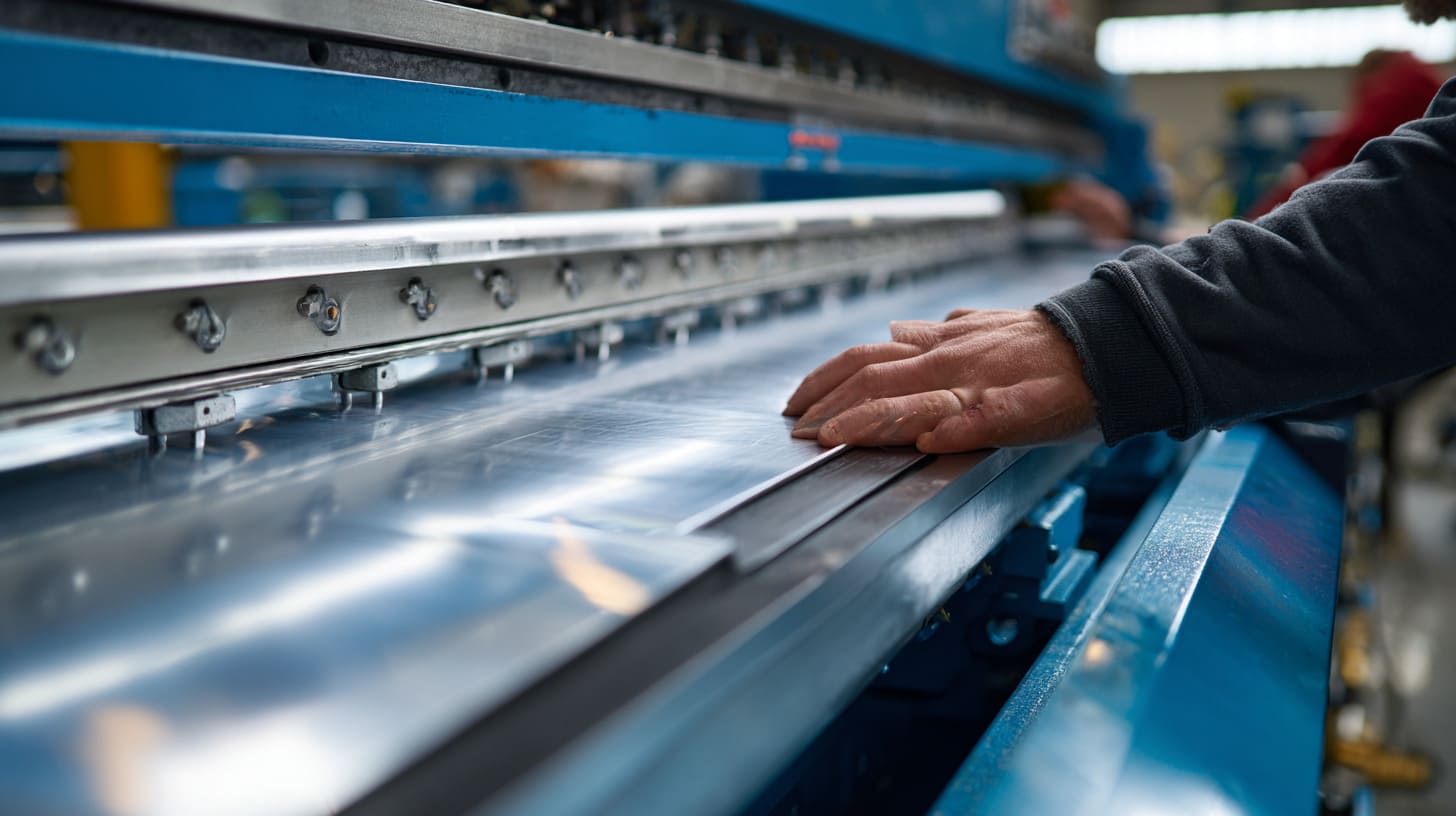
Bending Performance
5052 supports tight bend radius. 6061 requires larger bend radius.
If design includes:
- Multiple folds
- Small enclosures
- Sharp corners
5052 reduces cracking risk.
Welding Considerations
5052 welds smoothly. It keeps good corrosion resistance after welding.
6061 loses some strength in the heat-affected zone unless re-treated.
That matters in structural frames.
CNC Machining Behavior
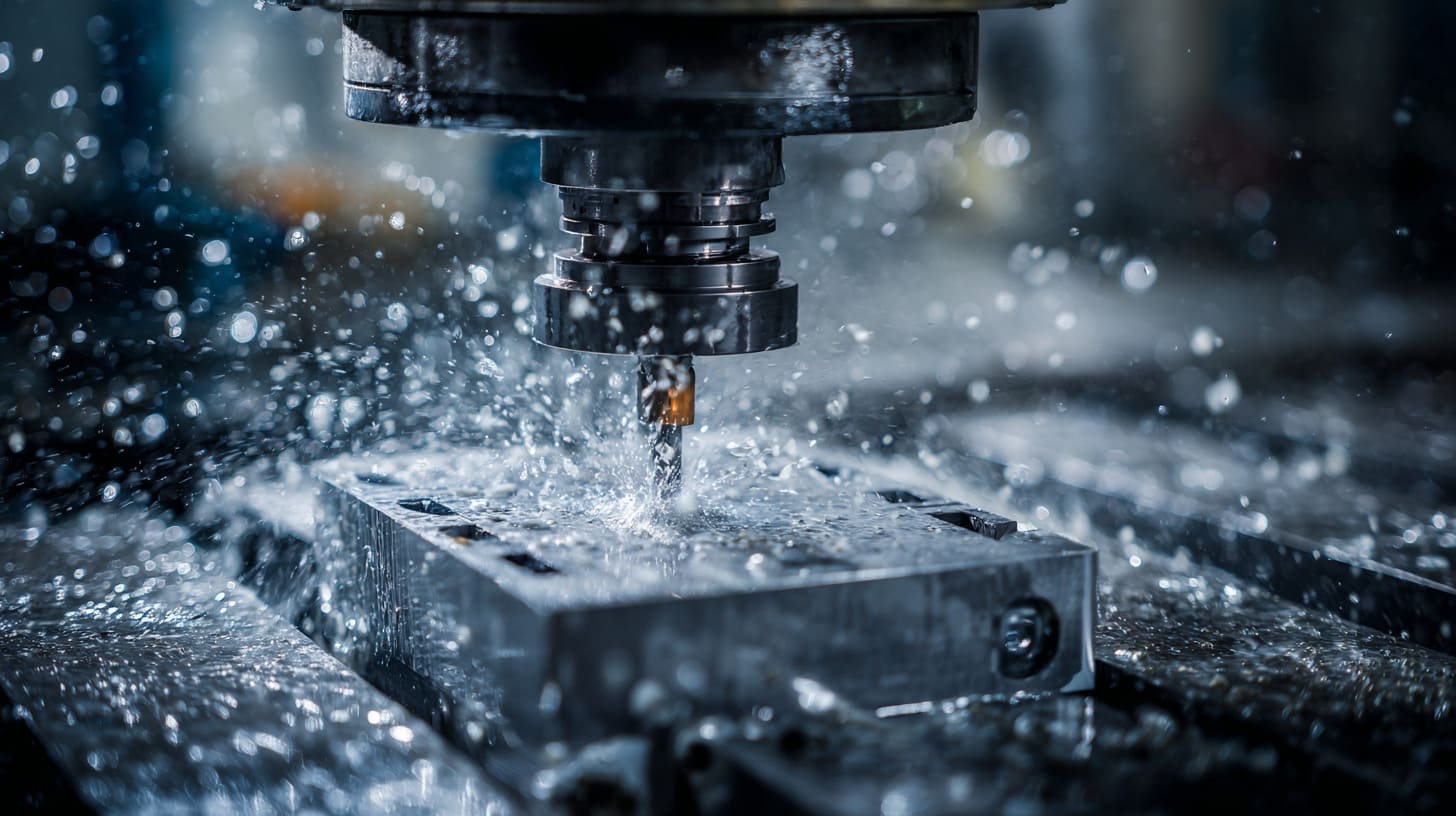
6061 machines better.
| Aspect | 5052 | 6061 |
|---|---|---|
| Tool Wear | Moderate | Low |
| Surface Finish | Acceptable | Very Good |
| Chip Control | Softer | Cleaner |
For CNC block enclosures, 6061 saves time.
Sheet Metal vs Machined Parts
If I produce:
- Bent sheet enclosures → I choose 5052
- Solid CNC housings → I choose 6061
Simple rule. Clear direction.
But environment also plays a big role.
Corrosion Resistance Comparison
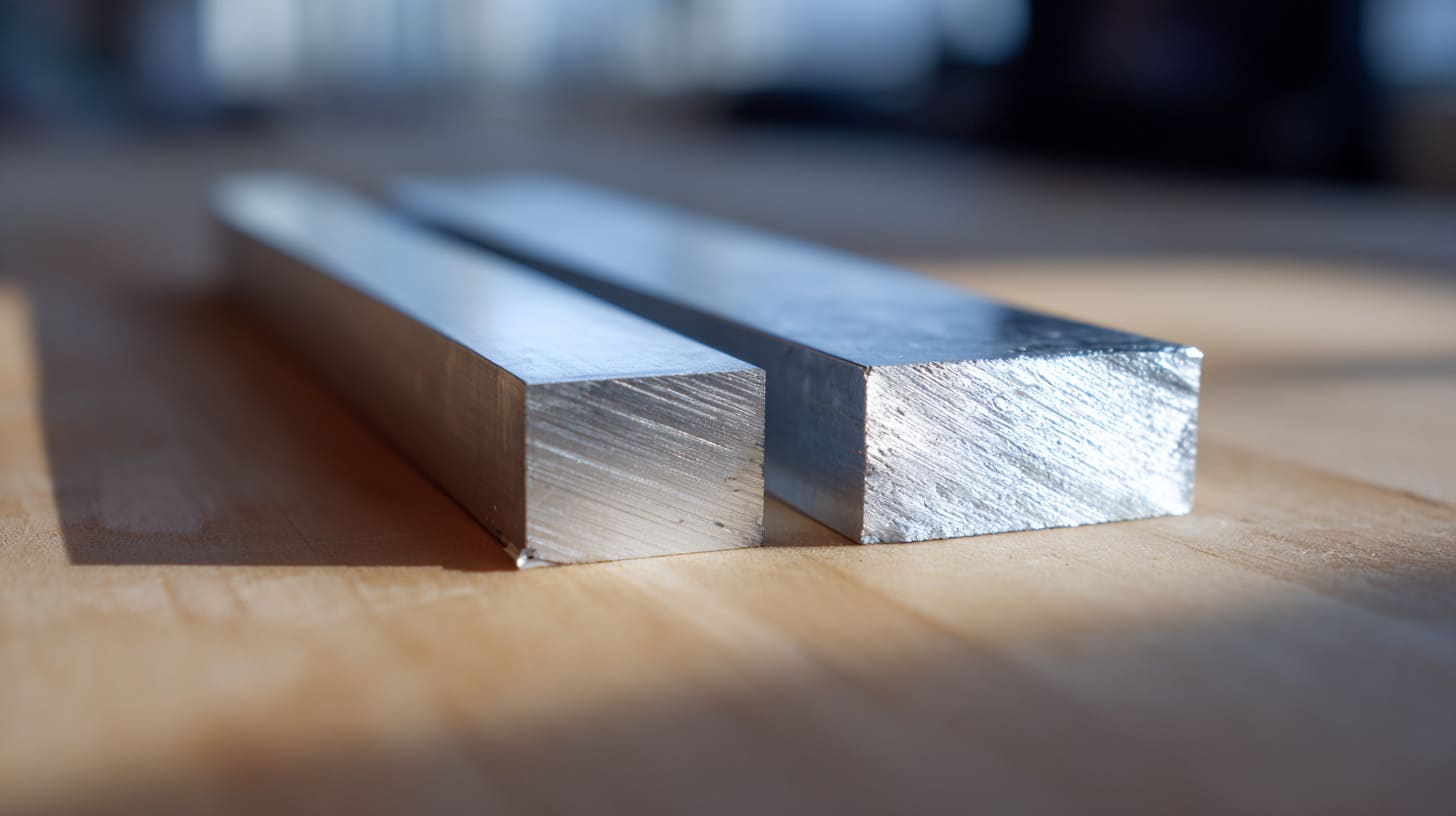
Environmental Resistance
5052 performs very well in marine and humid areas.
6061 resists corrosion too, but 5052 is stronger in salt environments.
If the enclosure sits near the sea, I often lean toward 5052.
Surface Treatment Compatibility
Both alloys can:
- Be anodized
- Be powder coated
- Be painted
6061 gives very clean anodized finish. 5052 sometimes shows slight tone variation.
Engineers who want aesthetic anodizing often prefer 6061.
Weight usually comes next in discussion.
Weight, Density, and Structural Efficiency
Density Comparison
Both alloys have similar density:
~2.7 g/cm³
Weight difference is almost zero.
Strength-to-Weight Ratio
6061 offers higher strength per weight unit.
That makes it good for structural frames and brackets.
But if the enclosure does not carry heavy load, that advantage may not matter.
Then cost enters the room.
Cost Differences Between 5052 and 6061

Raw Material Cost Trends
Prices change with market demand. Sometimes 5052 costs slightly less. Sometimes they are close.
Regional market also affects price.
Processing Cost Impact
Processing matters more than raw price.
| Factor | 5052 | 6061 |
|---|---|---|
| Bending Cost | Lower | Higher risk |
| CNC Cost | Higher | Lower |
| Scrap Risk | Lower for bends | Higher for tight bends |
Wrong alloy can increase scrap rate.
Total Project Cost Considerations
I always evaluate:
- Design complexity
- Bending angle
- Machining time
- Surface finish needs
Material cost alone never tells the full story.
Now let me show where each alloy fits naturally.
Typical Applications of 5052
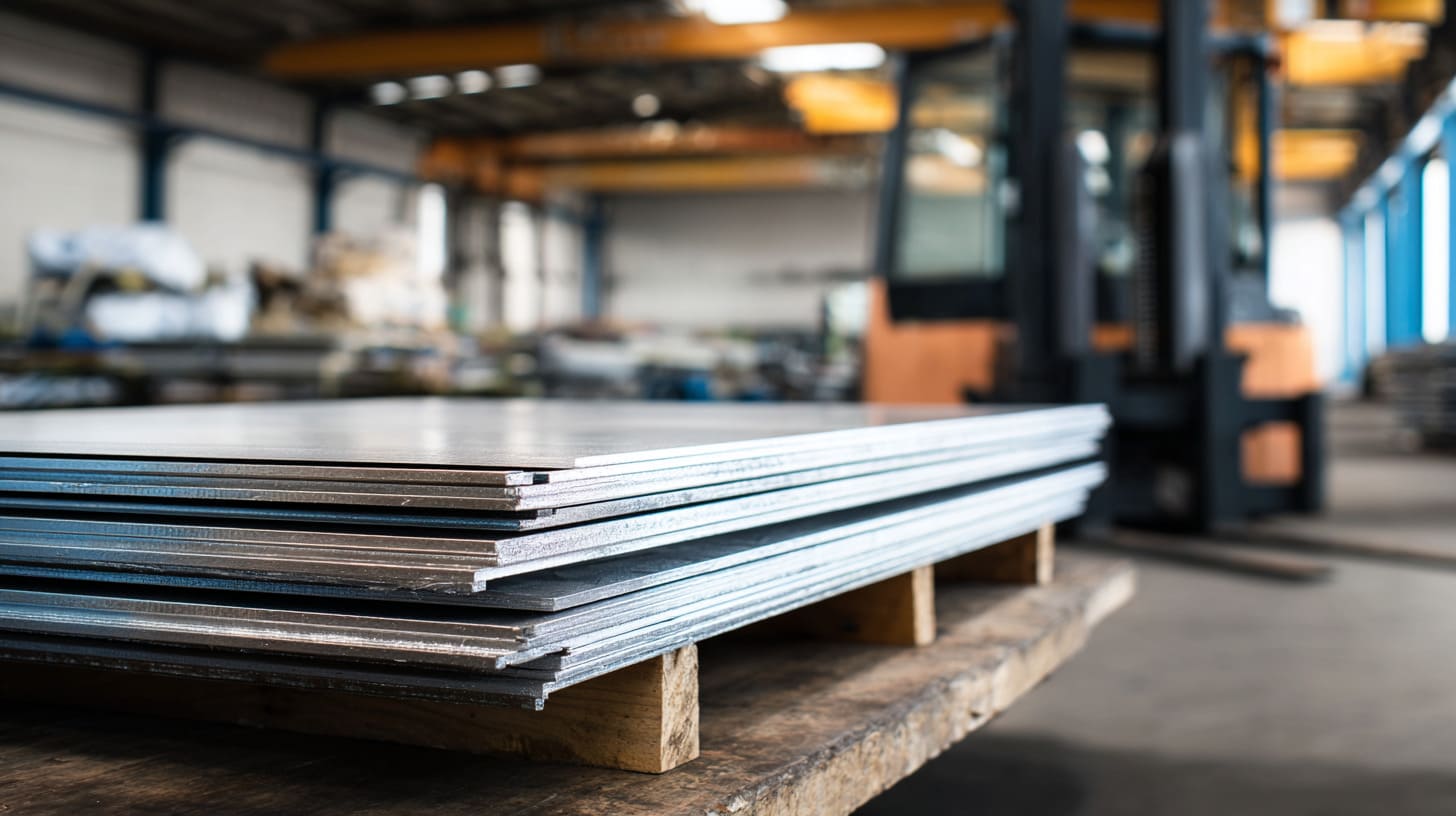
Sheet Metal Enclosures
- Electrical enclosures
- Outdoor control boxes
- Protective covers
Marine and Outdoor Equipment
- Coastal installations
- Humid industrial areas
Custom OEM Enclosures
Jackson from Germany often sends me bending-heavy designs. 5052 gives him stable quality and fewer complaints.
Then we move to 6061.
Typical Applications of 6061
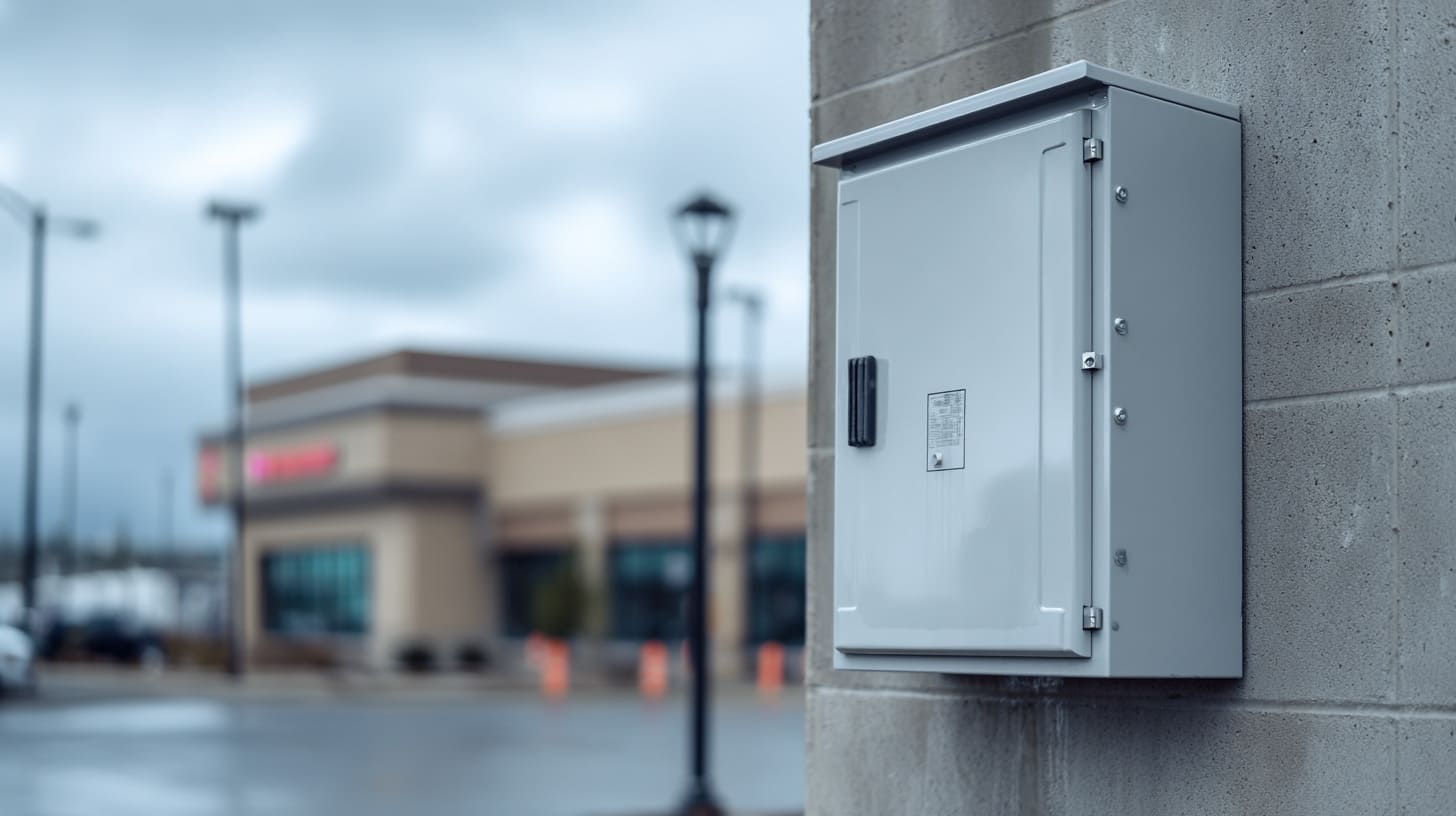
CNC Machined Enclosures
- Raspberry Pi aluminum cases
- Precision instrument housings
Structural Frames and Brackets
- Mounting supports
- Load-bearing arms
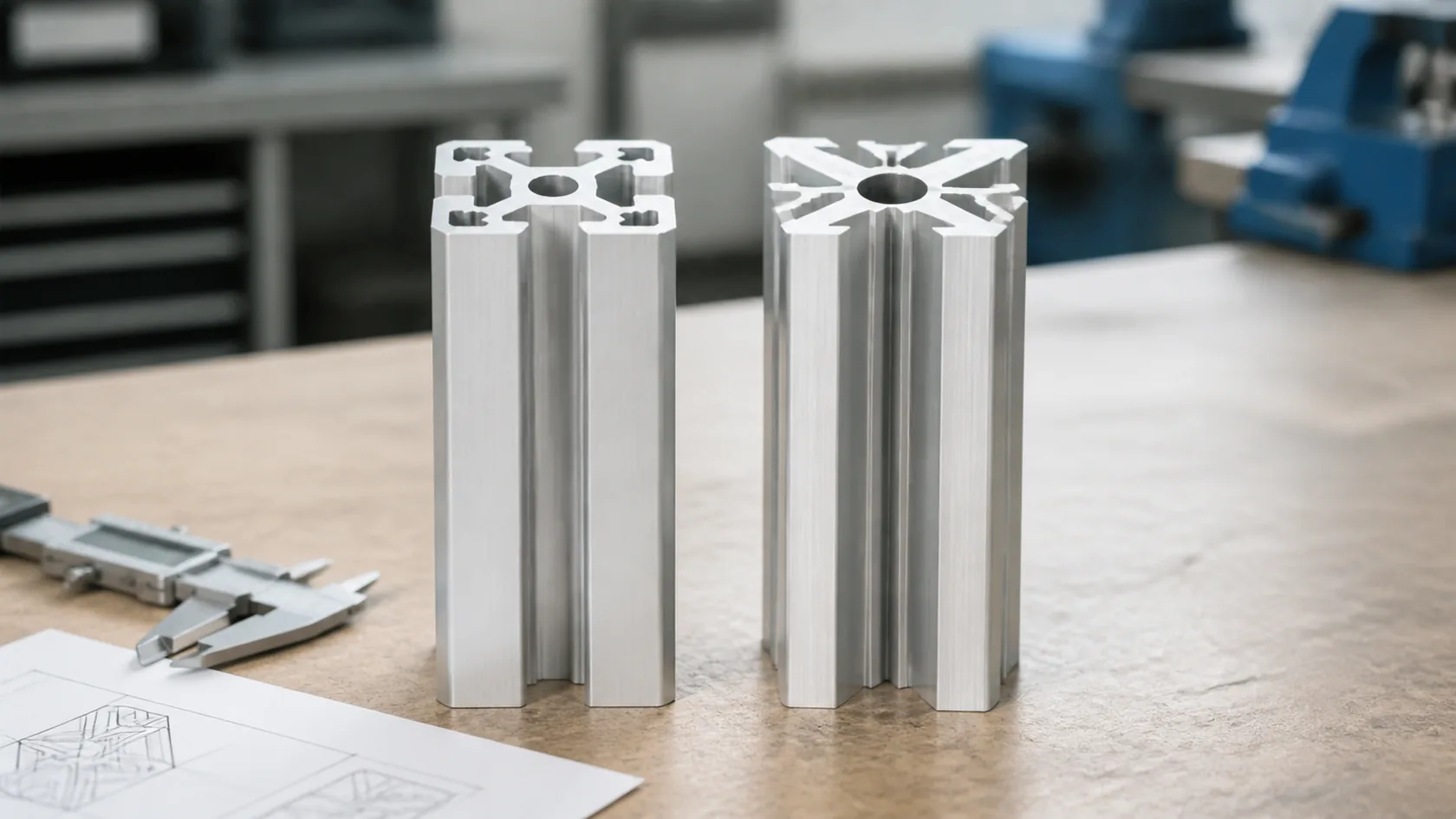
Extruded Aluminum Profiles
- Heat sink frames
- Modular system structures
When rigidity and machining quality matter, 6061 wins.
So how should you decide?
How to Choose Between 5052 and 6061 for Your Project
When to Choose 5052
- Heavy bending required
- High corrosion exposure
- Sheet metal design
- Tight radius folds
When to Choose 6061
- High structural strength required
- CNC machining focus
- Precision surface finish
- Rigid framework
Key Questions Engineers Should Ask
Before final decision, I always ask:
- Is the part bent or machined?
- Does it carry real load?
- What environment will it face?
- What surface finish is required?
Clear answers reduce production risk.
Conclusion

5052 and 6061 both work well. They simply serve different purposes.
5052 gives flexibility, corrosion resistance, and smooth bending.
6061 gives higher yield strength, rigidity, and clean machining.
I never choose based only on strength numbers. I look at design behavior, fabrication process, and real working conditions.
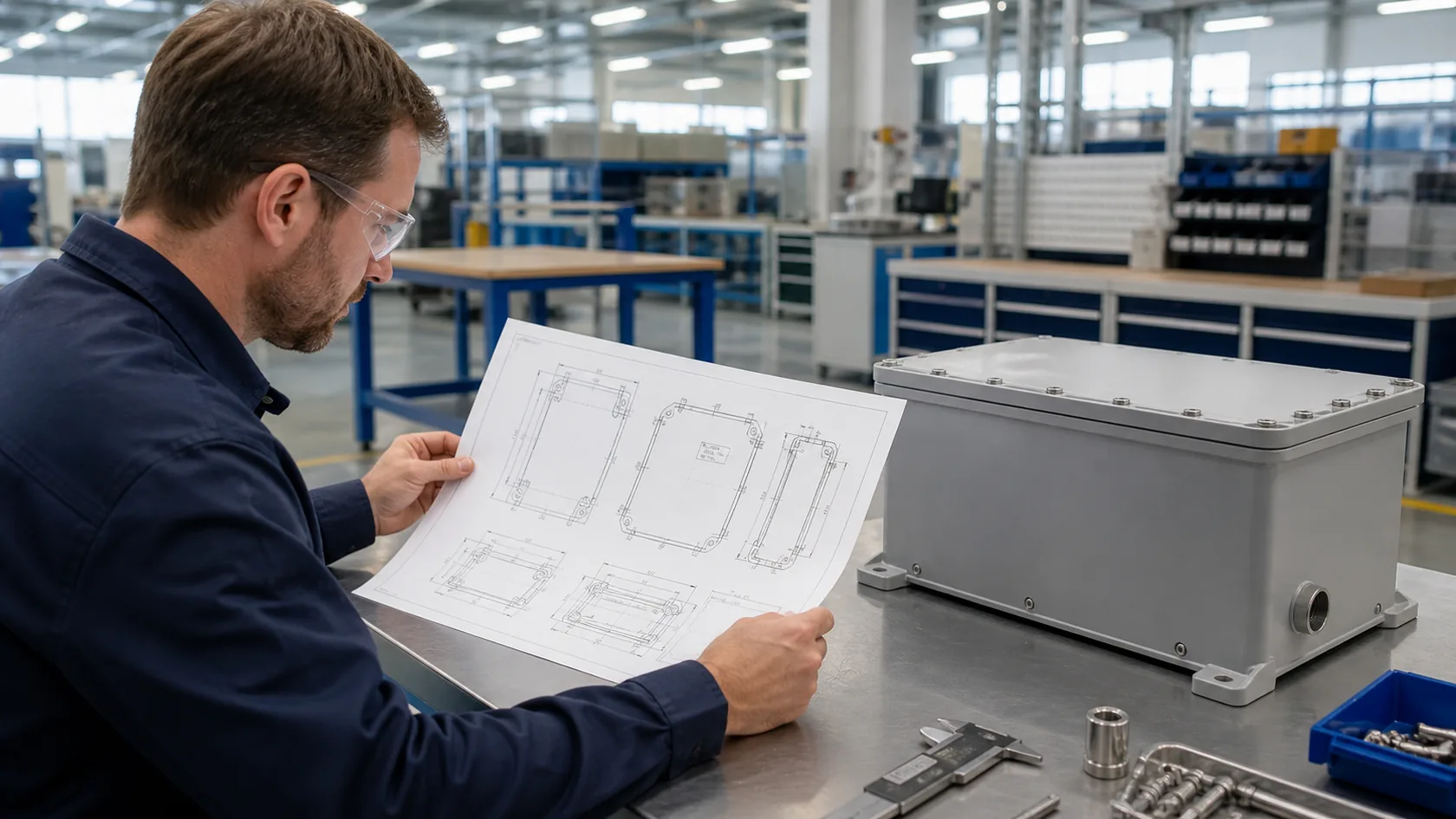
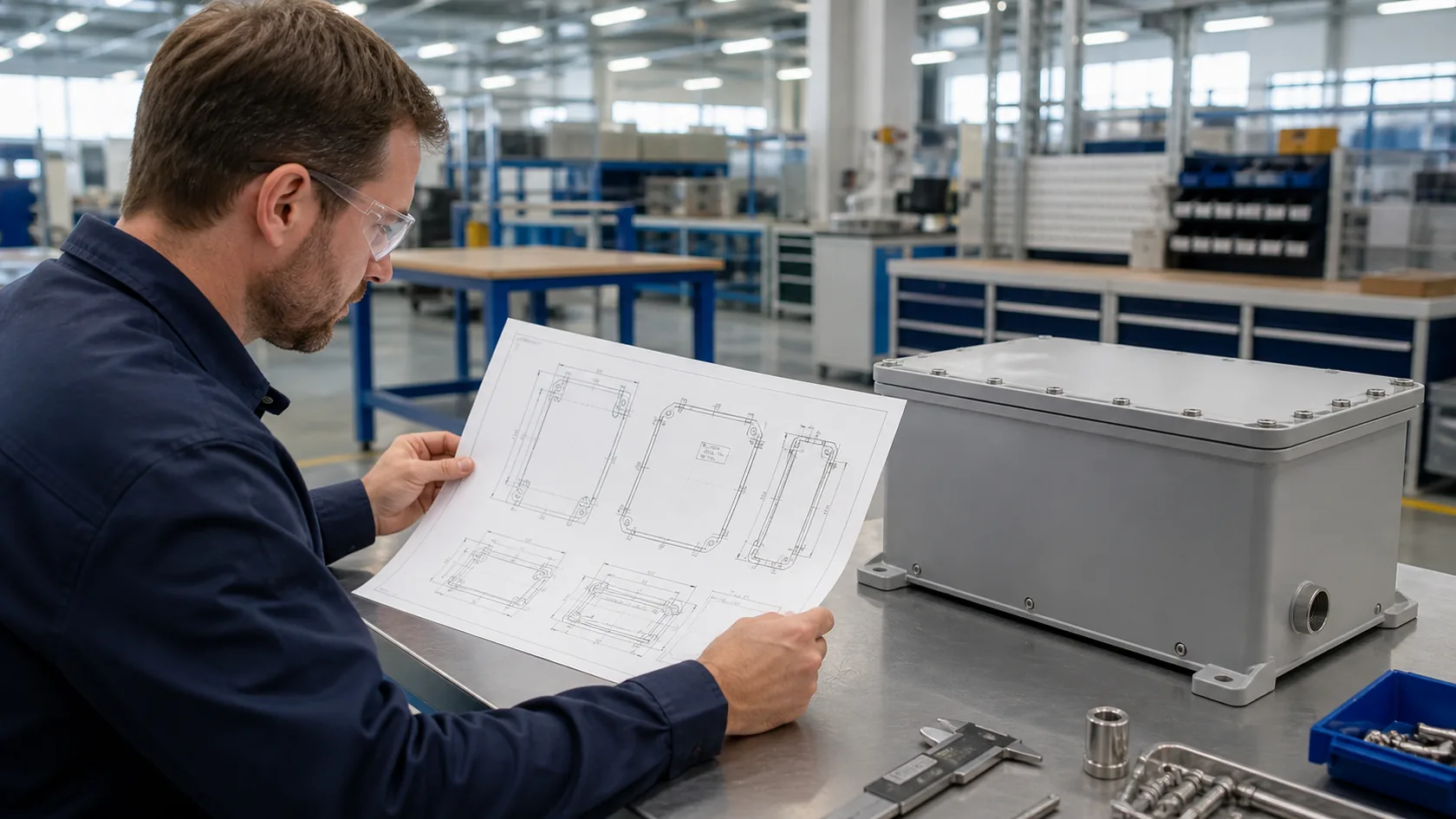
If you are designing a custom aluminum enclosure and feel unsure, I am happy to review your drawing and discuss material options with you. The right alloy at the start saves time, cost, and stress later.
You can reach me at info@maidatech.com or visit maidatechenclosure.com. Let us choose the right material together.