Skip to content
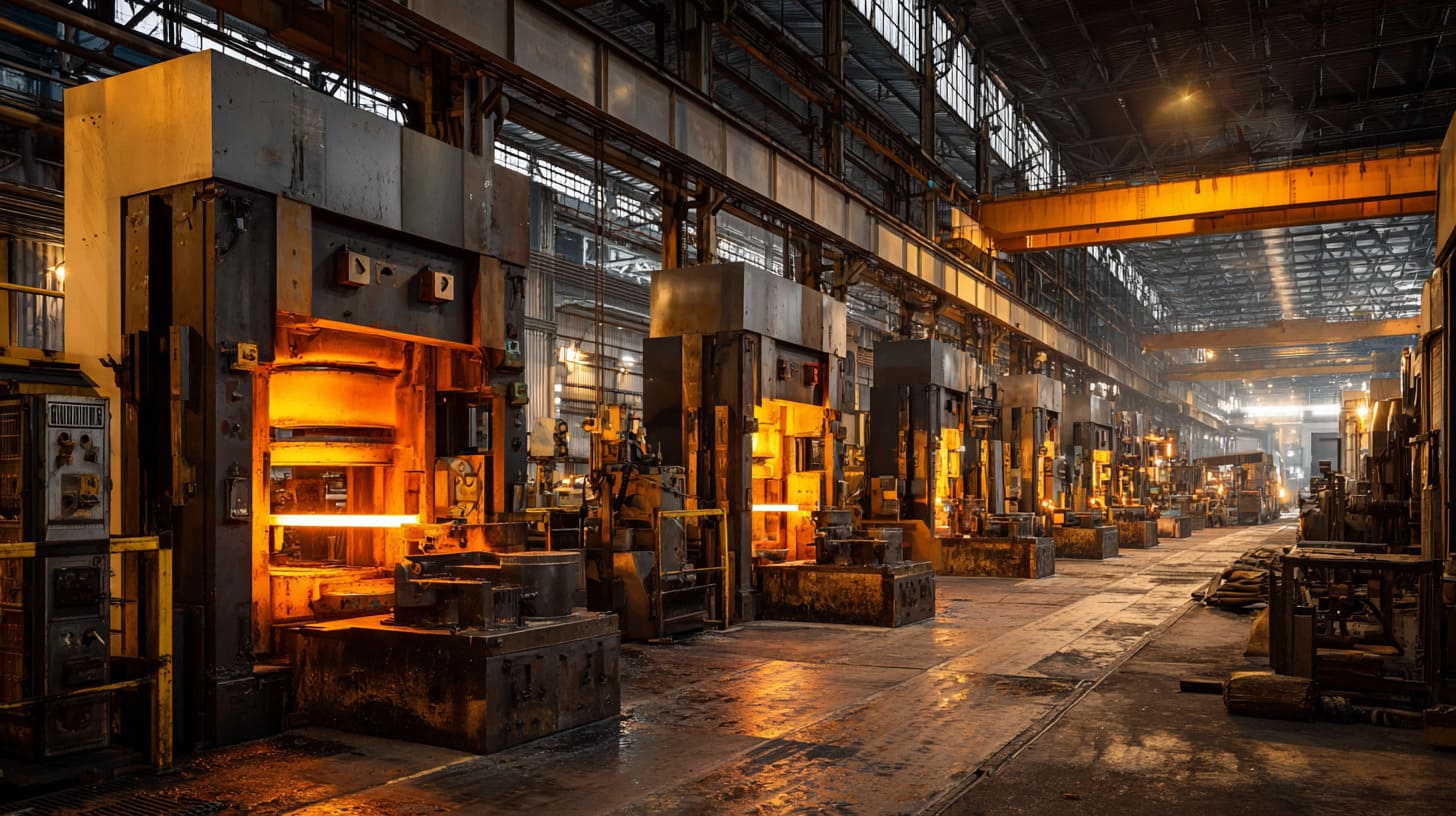
The first thing you notice in any modern factory is movement. Machines press, cut, and shape metal into profiles that look like they belong in cars, computers, or airplanes. Among all these processes, aluminum extrusion stands out. It’s the quiet backbone of many industries, turning solid billets into precise forms that power our everyday products.
Aluminum extrusion matters because it’s everywhere—inside electronics housings, structural frames, and industrial enclosures. Without it, products would often be heavier, less durable, and more expensive to produce. For product engineers and buyers, understanding the methods behind extrusion is not just about technical knowledge. It’s about making smarter decisions when quality, cost, and performance are all on the line.
And once you see how extrusion works, you start asking: which method is right for my project?
What is Aluminum Extrusion?
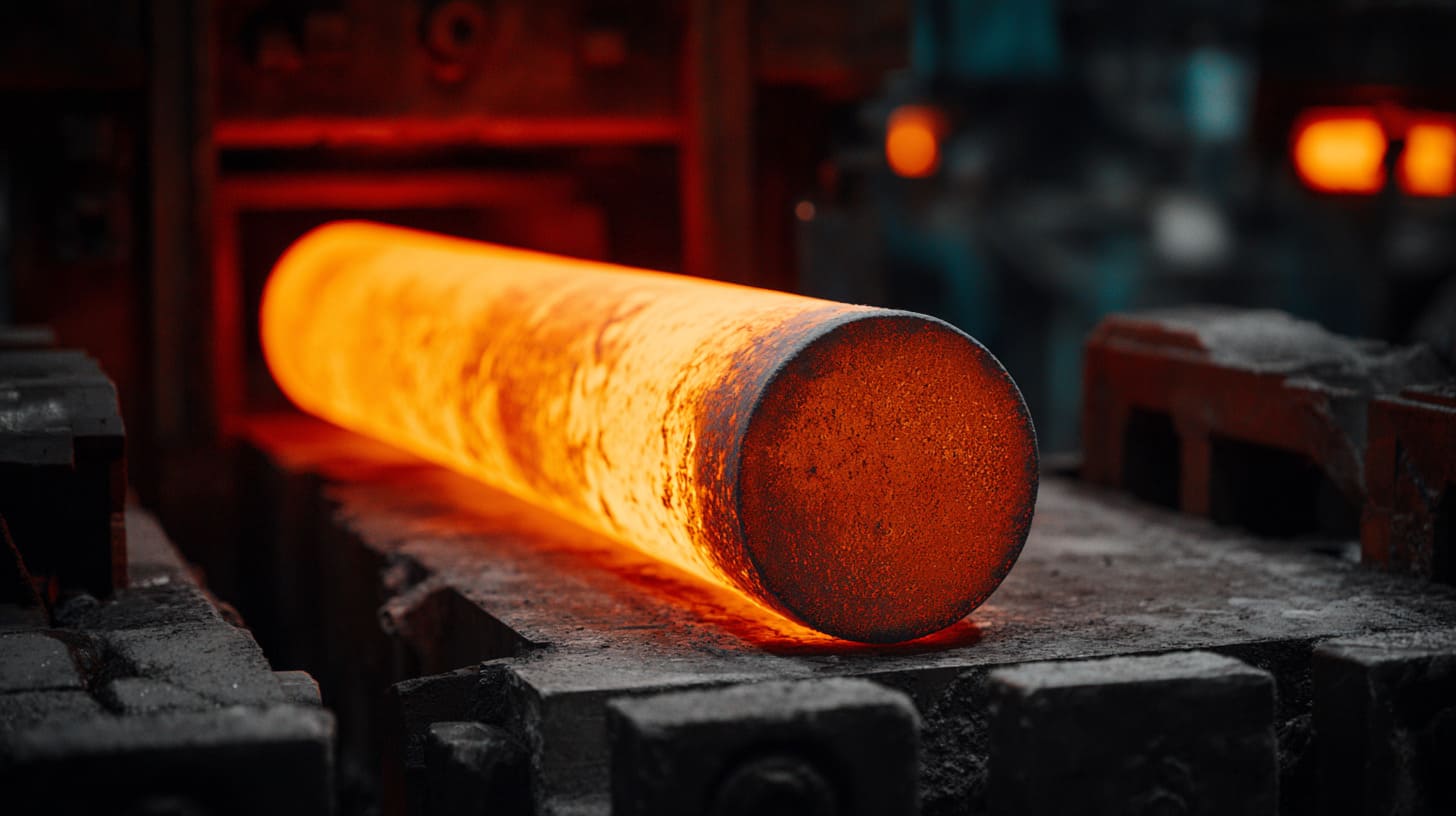
Aluminum extrusion is simple in principle. A heated billet of aluminum is pushed through a shaped opening called a die. What comes out is a continuous profile that follows the die’s shape. Think of squeezing toothpaste from a tube—but with molten metal and a lot more precision.
The benefits are clear: aluminum is lightweight, yet strong. It resists corrosion. It is flexible enough to form intricate shapes. And compared with steel or brass, it can be far more cost-effective.
That’s why extrusion shows up in so many products:
- Electronics housings
- Architectural frames
- Automotive trim
- Aerospace structures
- Custom industrial enclosures
But understanding the process step by step makes it easier to see where choices matter.
The Aluminum Extrusion Process Explained
Step 1: Preparing the Aluminum Billet
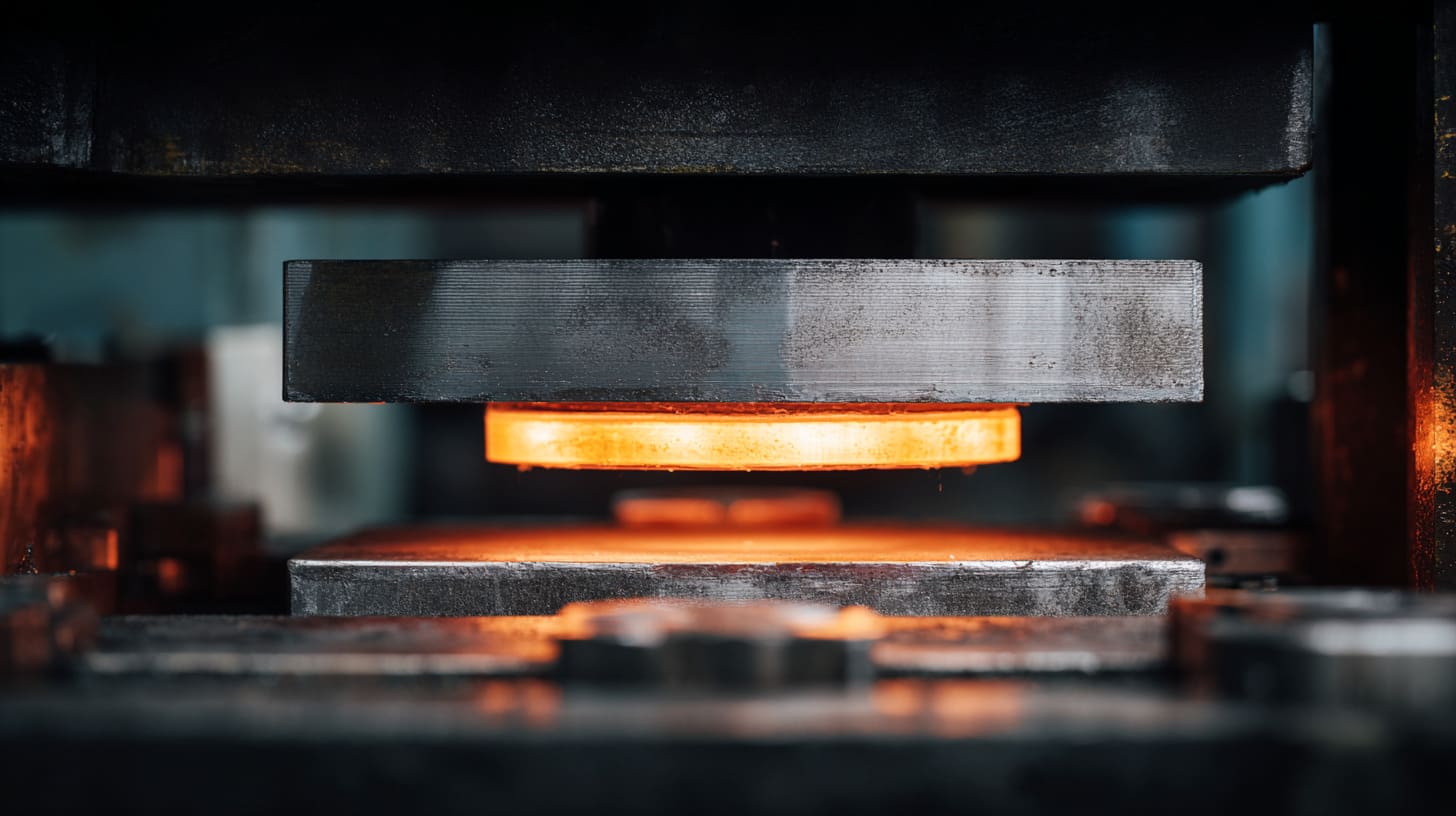
Every extrusion starts with a billet. It’s preheated to soften but not melt. The alloy matters too. A 6063 billet gives great surface finish, while 7075 focuses on strength. Choosing poorly here can ruin the rest of the process.
Step 2: Extrusion Through the Die
Now comes the push. Direct extrusion pushes the billet forward with force. Indirect extrusion pushes the die against the billet. The choice changes friction, energy use, and surface finish. Die design is where art meets engineering—a poorly designed die means cracks, waste, and uneven flow.
Step 3: Cooling, Stretching, and Cutting
Freshly extruded profiles need cooling. Air cooling is slower but safer. Water quenching is faster but risks distortion. Stretching straightens twists and relieves stress. Cutting defines usable lengths. I once saw a line where poor cooling caused bends so bad the whole batch was scrapped.
Step 4: Finishing and Surface Treatment
A profile without finishing is like a house without paint. Anodizing adds corrosion resistance. Powder coating gives color and protection. Mechanical finishes like brushing or polishing create different textures. Each choice affects how buyers perceive quality.
At this point, the extrusion is more than a shape—it’s a usable product. And that’s where we look at the effective methods that bring different results.
Effective Methods of Aluminum Extrusion
Direct Extrusion
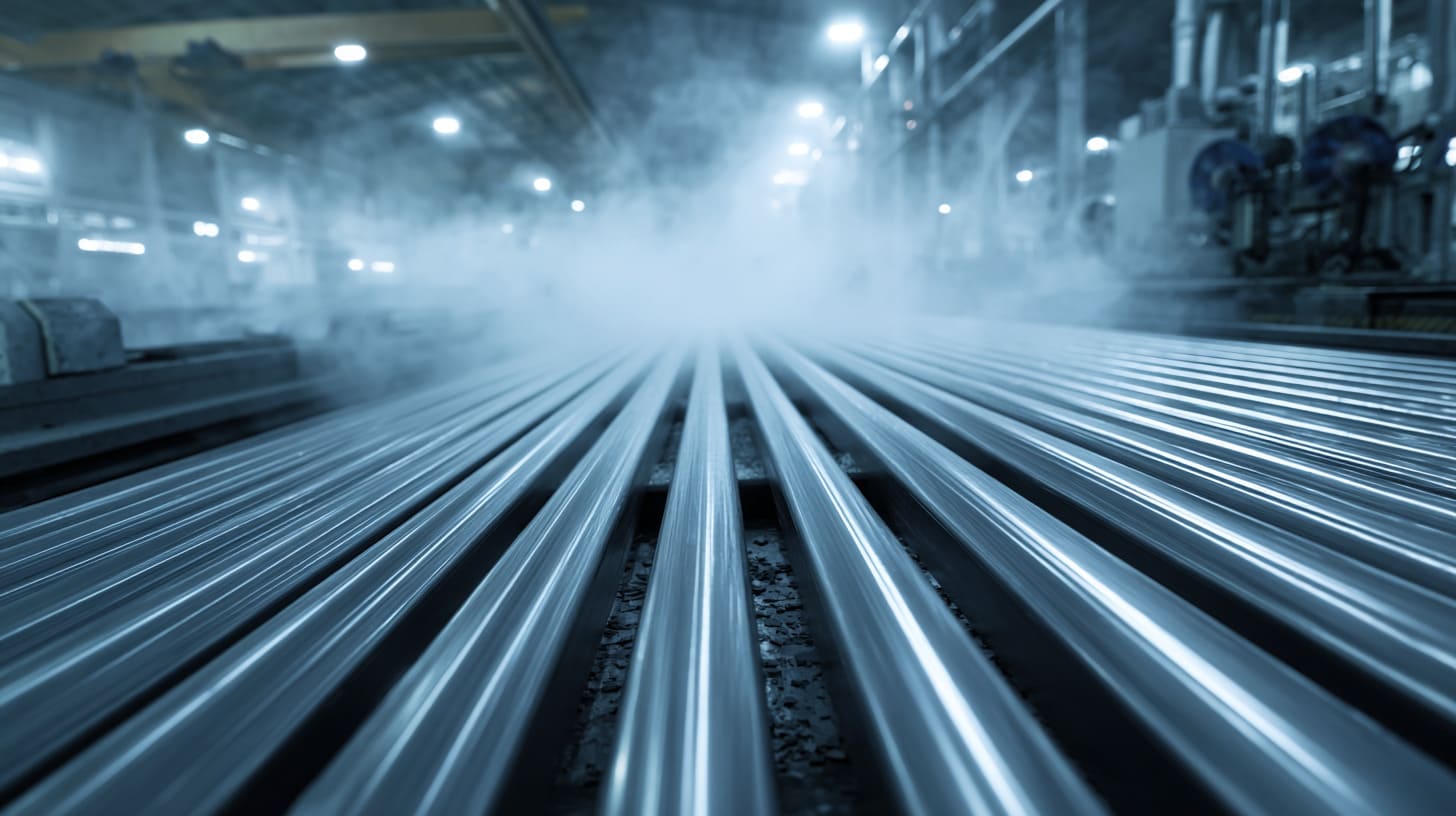
This is the most common method. A ram pushes the billet through a stationary die. It is straightforward and versatile. The downside? Higher friction, higher wear, and sometimes surface defects. But for enclosures with simpler shapes, it’s often the best choice.
Indirect Extrusion
Here, the die moves instead of the billet. Less friction, better surface finish, longer die life. But it limits design flexibility. If I want a high-quality surface for a visible enclosure, this is where I’d start.
Impact Extrusion
This can be hot or cold. The process is quick and makes small, hollow, precise parts. Think aluminum cans, battery cases, or small electronics housings. The catch: it’s limited to certain shapes.
Hydrostatic Extrusion
Instead of pushing with a ram, fluid pressure drives the billet through the die. This method handles hard alloys better. But it’s expensive and rare in mass production. It’s more of a niche tool than a workhorse.
Continuous Extrusion
Perfect for very long, complex profiles. The process never stops, which boosts efficiency. But managing quality across kilometers of extrusion is no small feat.
Each method has trade-offs, and those trade-offs matter when deadlines and budgets collide.
Factors That Influence Extrusion Effectiveness
Choice of Aluminum Alloy
Here’s a quick comparison I use with clients:
| Alloy | Strength | Corrosion Resistance | Machinability | Common Use |
|---|---|---|---|---|
| 6061 | High | Good | Good | Aerospace, automotive |
| 6063 | Medium | Excellent | Excellent | Architecture, enclosures |
| 7075 | Very High | Moderate | Poor | Defense, aircraft |
Every choice sacrifices something. You gain strength but lose corrosion resistance. Or you gain machinability but lose hardness.
Die Design and Complexity
A simple die cuts costs. A complex die allows creativity. Multi-hole dies increase efficiency but raise risk of uneven flow. Once I saw a die with too many thin walls—it collapsed after only a few runs.
Cooling and Heat Treatment
Cooling controls grain structure. Quenching locks in strength. Skip or mismanage this step, and you get warping or weakness.
Surface Finishing Requirements
If the enclosure will be visible, anodizing or powder coating isn’t optional—it’s expected. If it’s hidden inside machinery, raw finish might be fine. But sometimes skipping finishing to save money backfires. Corrosion shows up later.
Applications of Extruded Aluminum Enclosures
Electronics and Raspberry Pi Cases
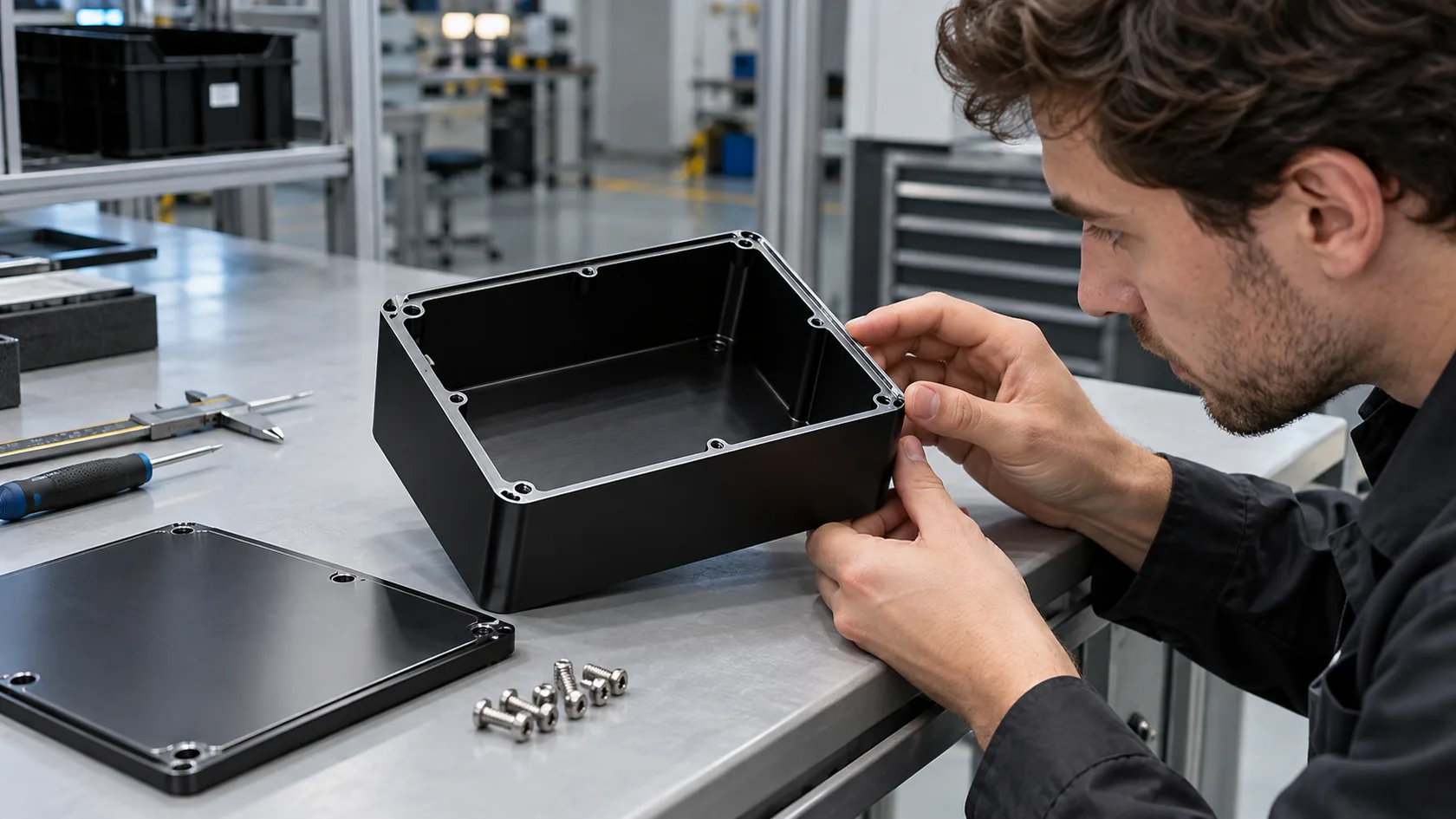
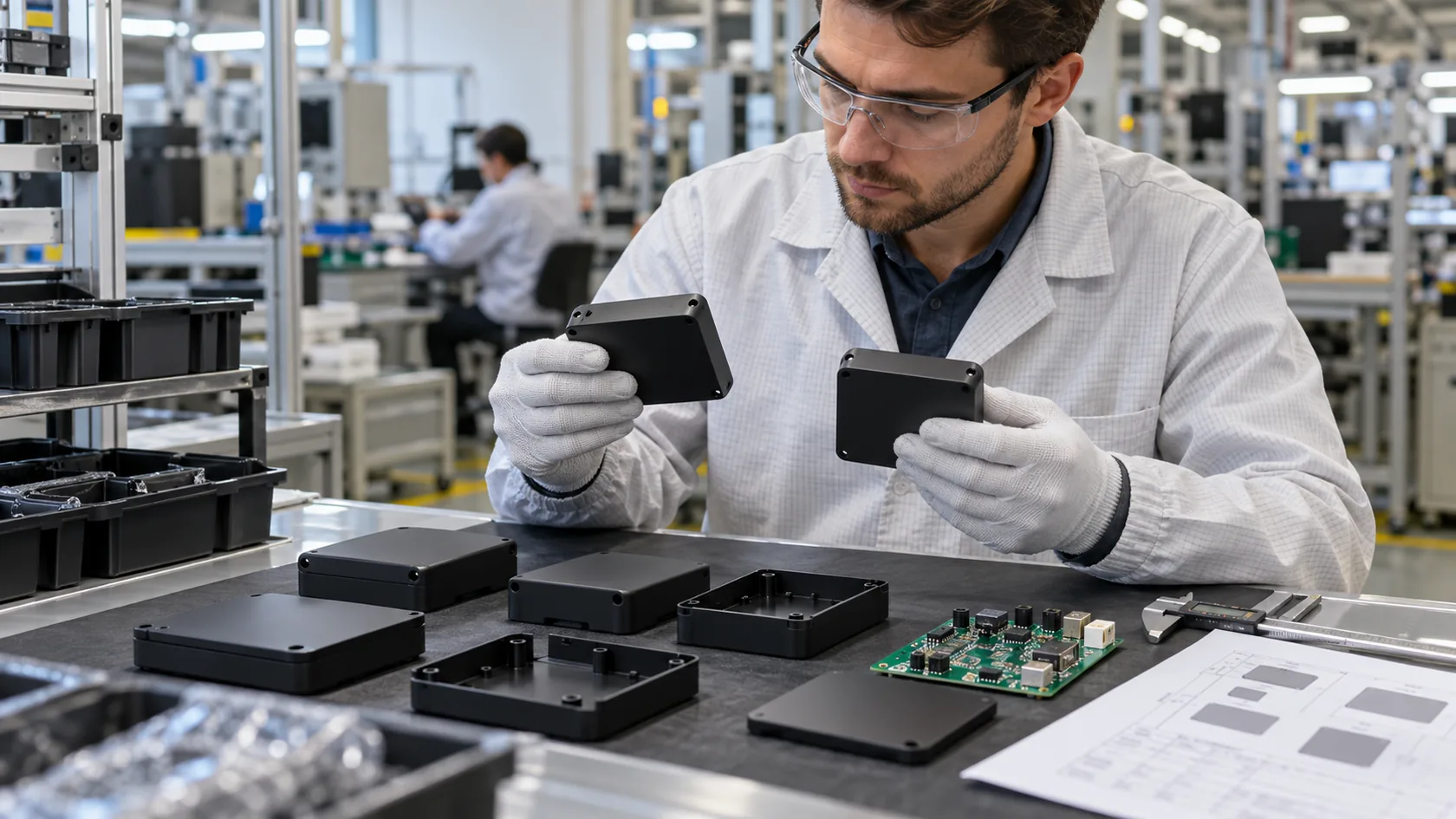
Extrusion helps manage heat. It allows slim, compact cases that still protect boards. I’ve made Raspberry Pi cases where the entire enclosure doubled as a heatsink.
Industrial Equipment and Control Panels
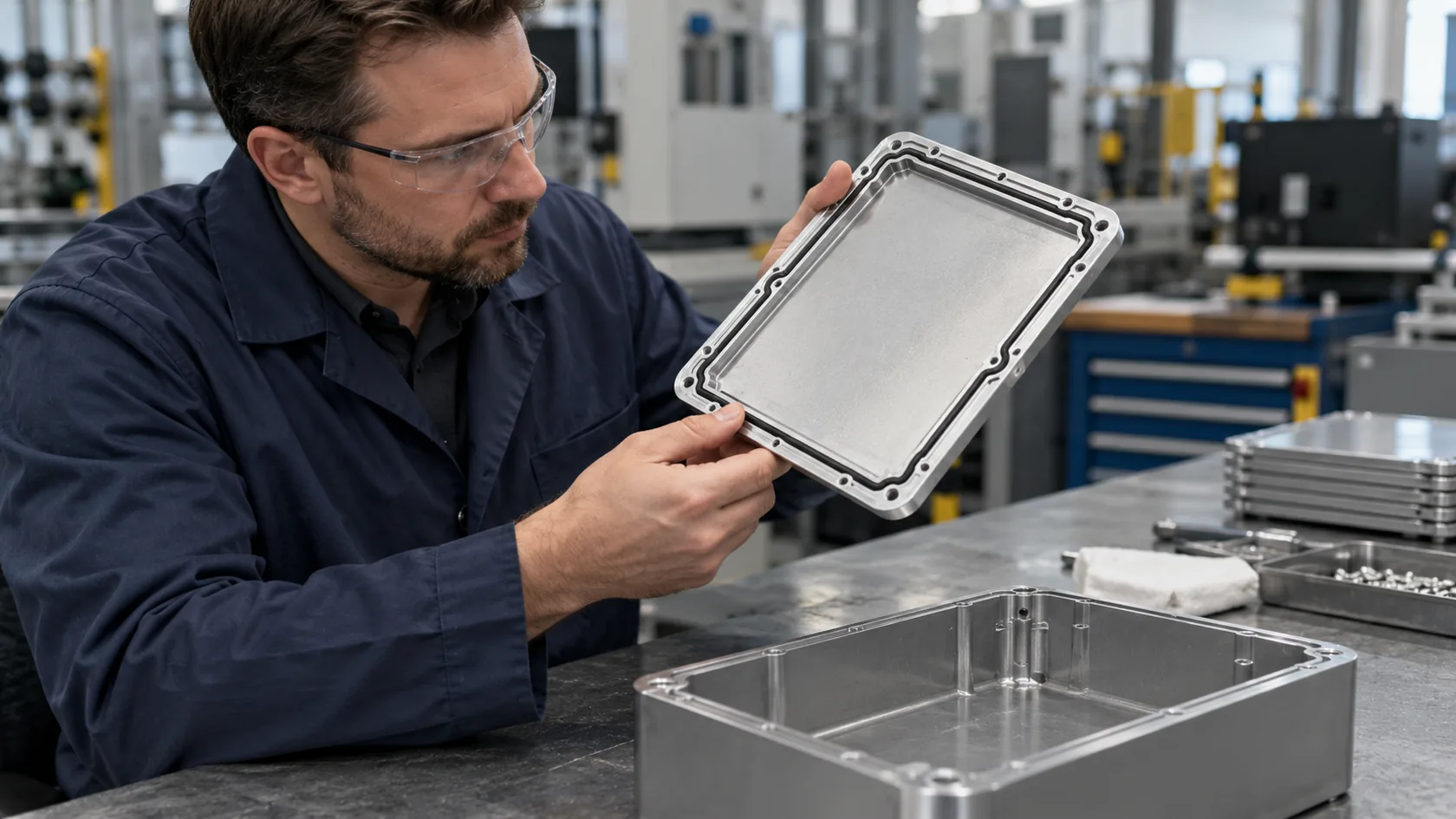
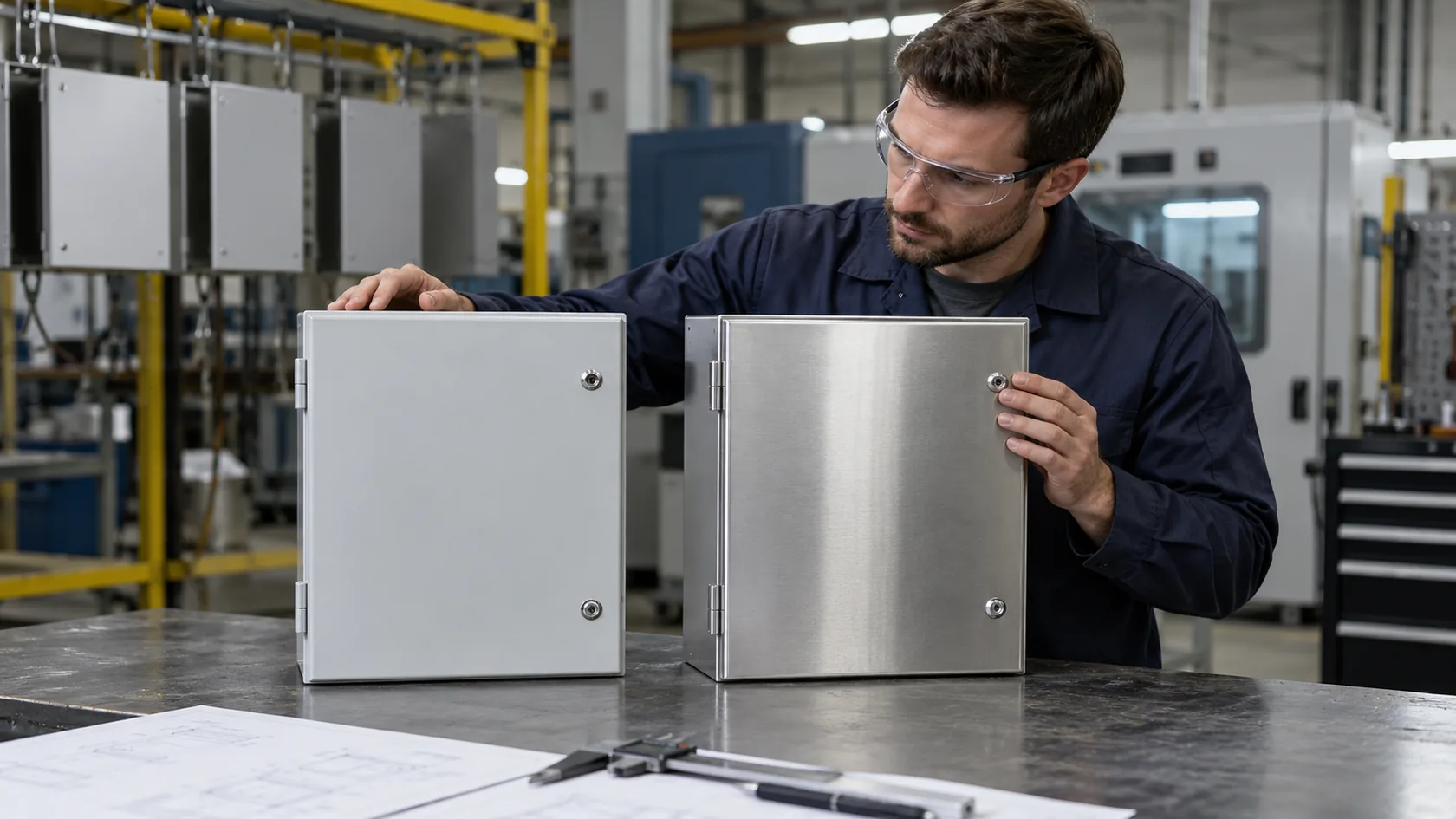
Factories need durable housings. Extruded aluminum resists corrosion and takes rough handling. OEM and ODM clients often send me sketches, and extrusion lets us deliver fast without reinventing the wheel.
Automotive and Aerospace Uses
Cars and planes love aluminum for weight savings. Extrusion makes structural profiles, rails, and brackets. The challenge is balancing weight reduction with safety standards.
And each sector teaches us something new about where extrusion can go next.
Advantages of Aluminum Extrusion for Custom Enclosures

- Lower costs in bulk production compared with machining
- Faster turnaround on prototypes than casting or forging
- Easy integration of logos, vents, and branding into the design
When clients ask me why extrusion matters, I tell them: because it gives freedom. Freedom to create shapes that were once too costly, too heavy, or too slow.
Common Challenges and How to Overcome Them
Dimensional Tolerances
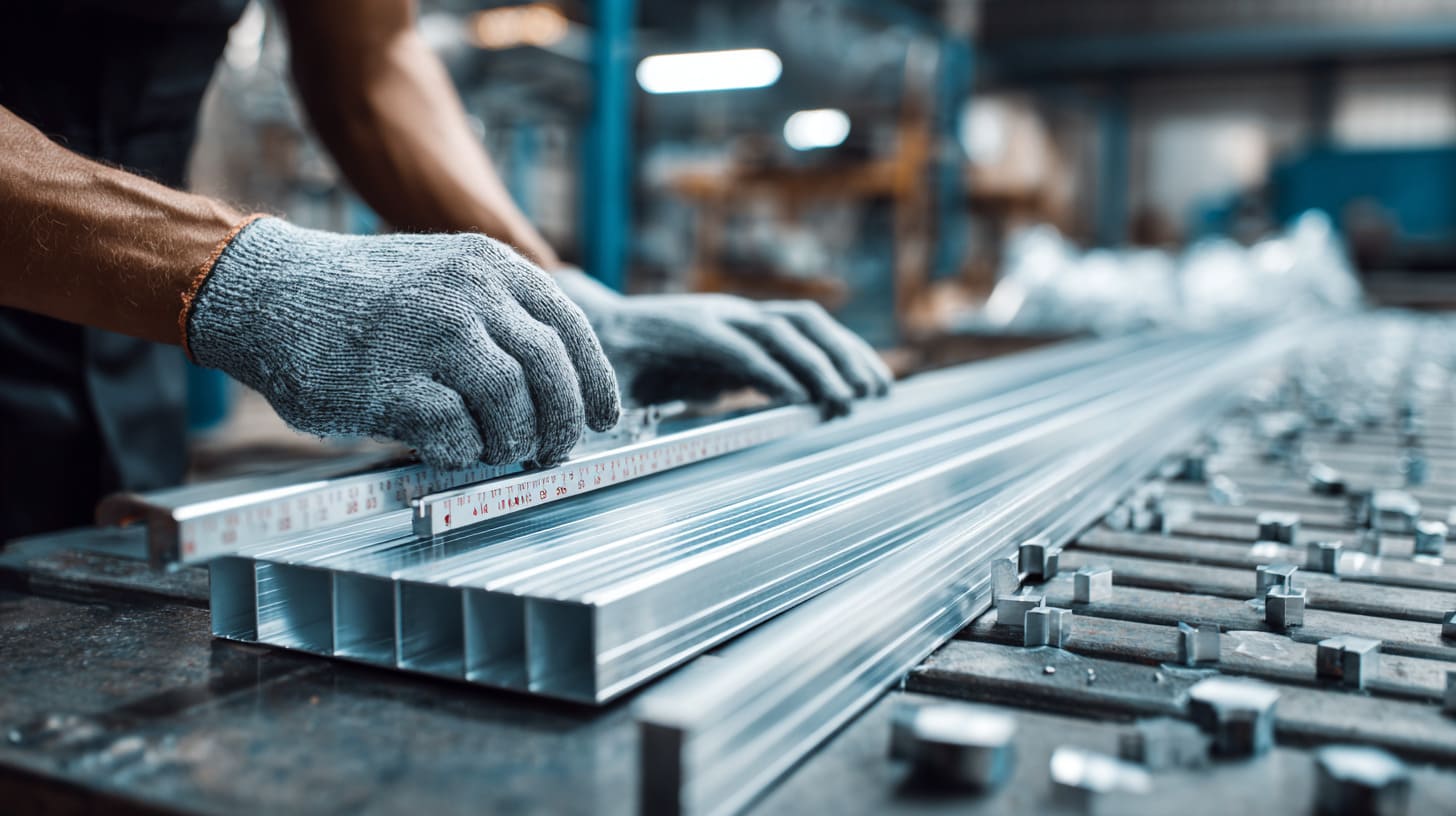
Complex profiles can shift during extrusion. Advanced CNC trimming and rigorous QC help fix this. Skipping QC is like driving without a seatbelt—it works, until it doesn’t.
Surface Defects
Scratches, cracks, or die lines show up fast. Often the cause is poor die maintenance or dirty billets. Prevention is cheaper than rework.
Supply Chain and Lead Time
Time zones, miscommunication, and shipping delays frustrate everyone. I’ve lost orders in the past because details took too long to confirm. The solution is clear communication, faster sample approval, and better logistics planning.
Choosing the Right Extrusion Partner
The best extrusion partner is not just the cheapest. They prove their quality with certifications. They invest in good equipment. They meet deadlines.
For B2B buyers, the checklist often looks like this:
- Quality control system in place
- Ability to customize designs and logos
- Competitive, transparent pricing
- Capacity to handle both bulk and prototypes
- Reliable shipping schedules
Pick wrong, and you risk lost money and lost time. Pick right, and you gain a partner, not just a supplier.
Conclusion

Aluminum extrusion is more than a process—it is a bridge between design and reality. Each method, each alloy, and each finish opens different paths for engineers and buyers.
When I work with clients on custom enclosures, I see the same equation play out: balance quality, cost, and delivery. The right balance leads to success in markets where speed and detail mean everything.