Skip to content
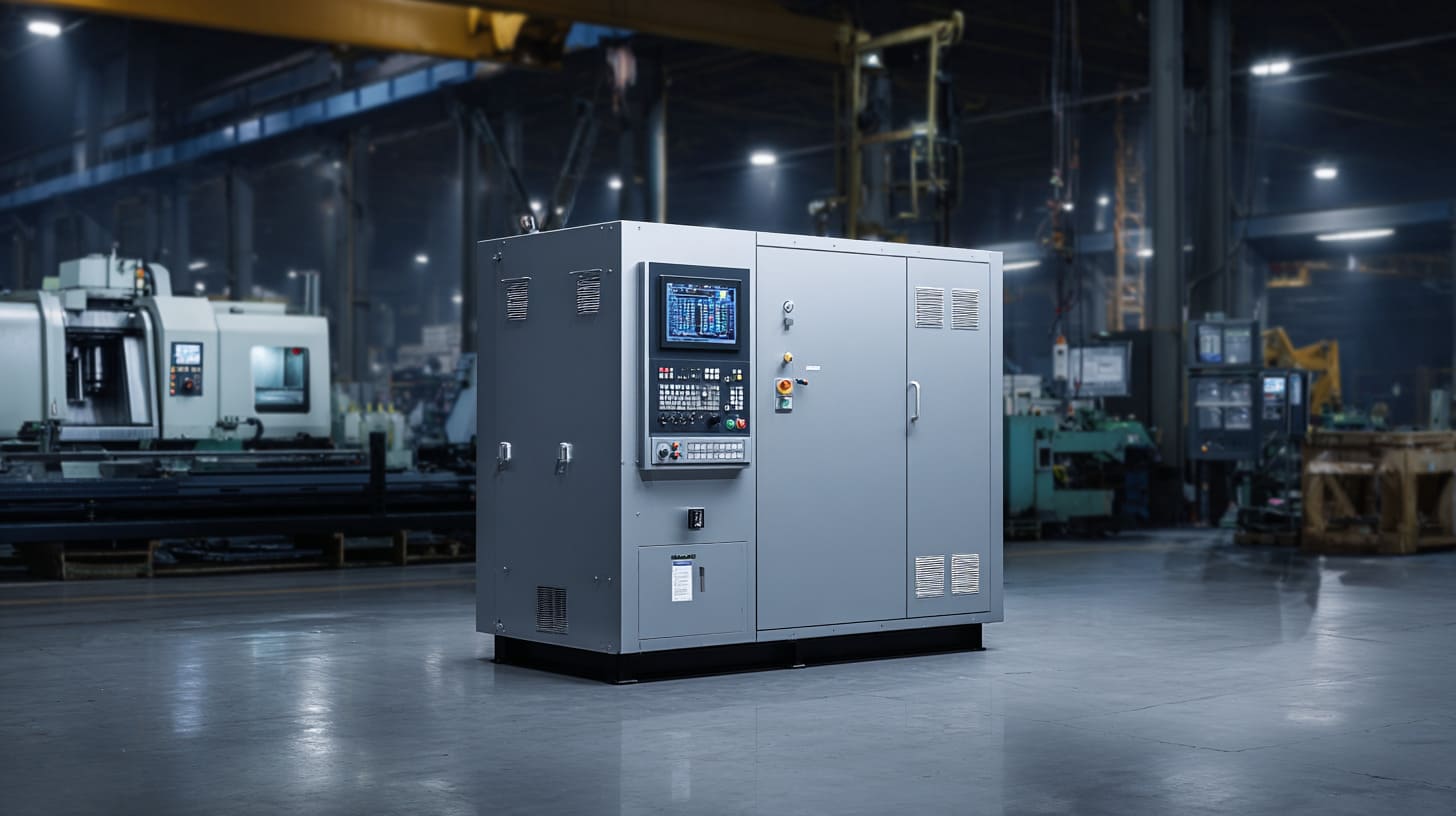
A small enclosure rating can quietly decide whether a control box survives beside a machine or slowly becomes a dirty, oily problem.
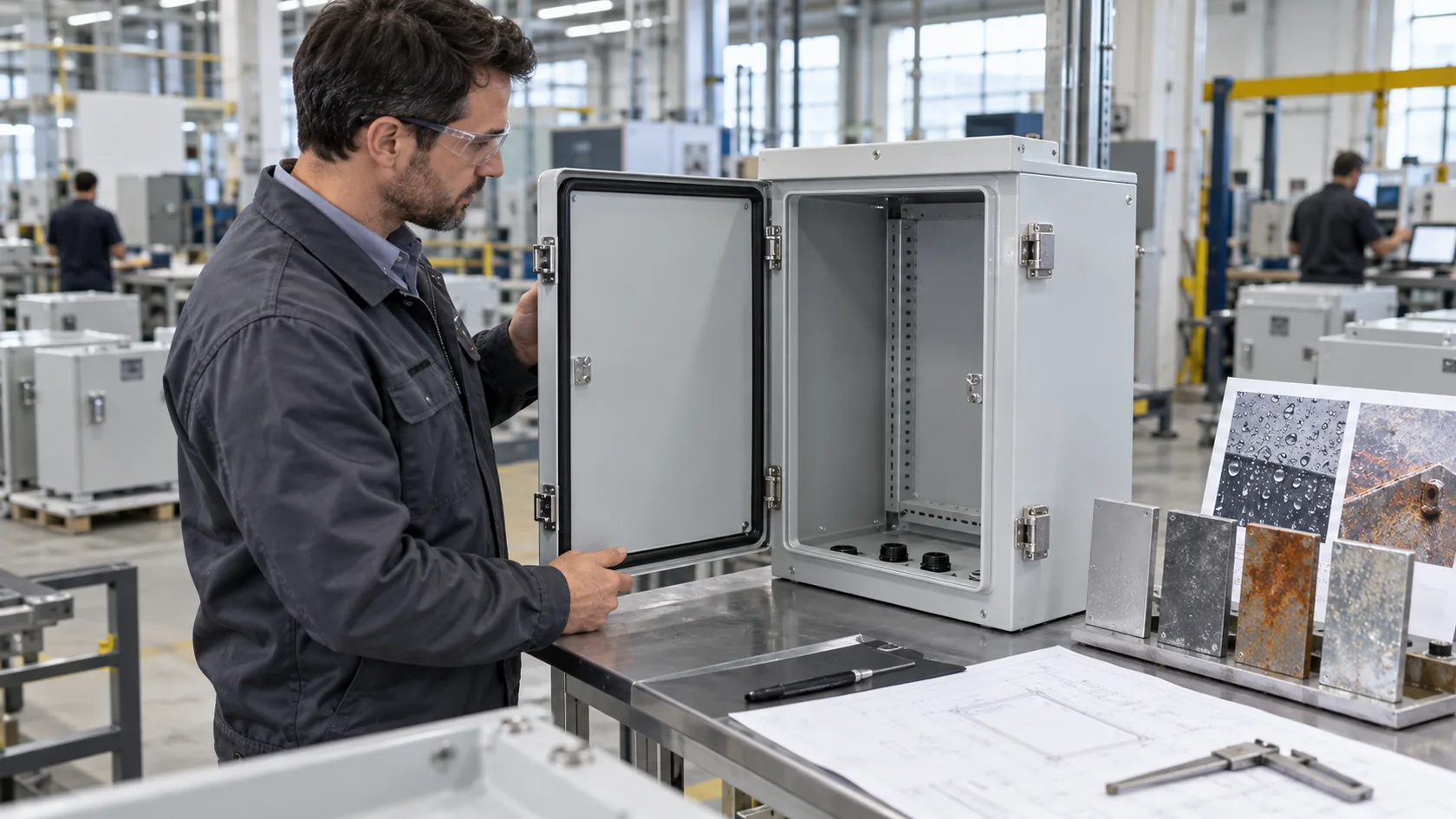
NEMA 13 means an indoor enclosure rating designed to protect electrical equipment from dust, lint, fibers, dripping or light splashing water, and spraying, splashing, or seepage of oil and non-corrosive coolants.
I see this question often when buyers compare NEMA 12, NEMA 13, NEMA 4, and NEMA 4X. The rating looks like one short line on a drawing. But behind that line, there is a real working environment.
What is a NEMA 13 enclosure rating?
A NEMA 13 enclosure rating is usually chosen when the environment is indoor, dirty, and oily.
A NEMA 13 enclosure rating defines an indoor electrical enclosure that protects equipment from falling dirt, circulating dust, lint, fibers, light water splash, oil spray, and non-corrosive coolant exposure.
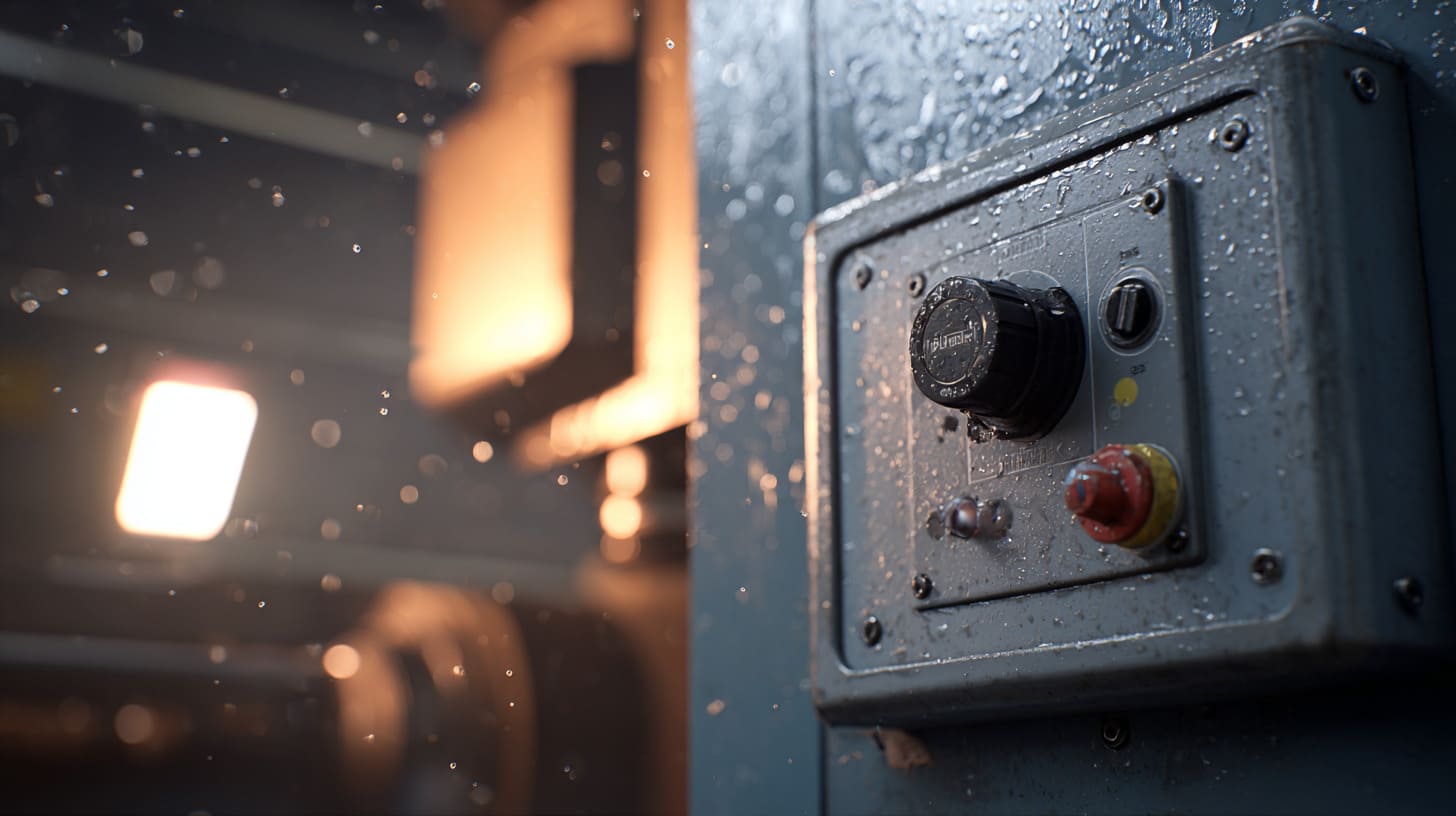
When I explain NEMA 13 to a buyer, I do not start with the rating number. I start with the working place.
Is the enclosure installed beside a CNC machine?
Is there cutting oil in the air?
Will coolant splash near the box?
Will workers touch the enclosure with oily hands?
This is where NEMA 13 becomes useful.
NEMA 13 is not just about dust
Many buyers think NEMA 13 is only a dust protection rating. That is only half true.
It can protect against dust, lint, and small fibers. But the special point is oil and coolant protection.
| Protection Area | NEMA 13 Meaning |
|---|---|
| Solid particles | Falling dirt, circulating dust, lint, fibers |
| Water exposure | Dripping water and light splashing |
| Oil exposure | Spraying, splashing, and seepage of oil |
| Coolant exposure | Non-corrosive coolant splash or spray |
| Use location | Indoor only |
The way I judge it is simple: if the enclosure sits near a machine that “breathes oil,” I stop treating it like a normal indoor box.
Why this rating matters in real projects
A normal control box may look fine in the quotation stage.
The drawing is clean.
The powder coating looks good.
The door closes well.
But after six months near a machine tool, the weak points appear.
Oil finds the gasket.
Coolant finds the door gap.
Dust sticks to the oily surface.
Small cable holes become little doors for trouble.
That is why the rating is not decoration. It is a small promise about how the enclosure should behave in a real factory.
What protection does NEMA 13 provide?
NEMA 13 provides indoor protection against dust, lint, fibers, light water splash, oil spray, and non-corrosive coolant exposure.
NEMA 13 protects electrical equipment from indoor industrial contaminants such as falling dirt, circulating dust, lint, fibers, dripping water, light splashing water, oil spray, oil seepage, and non-corrosive coolant splash.
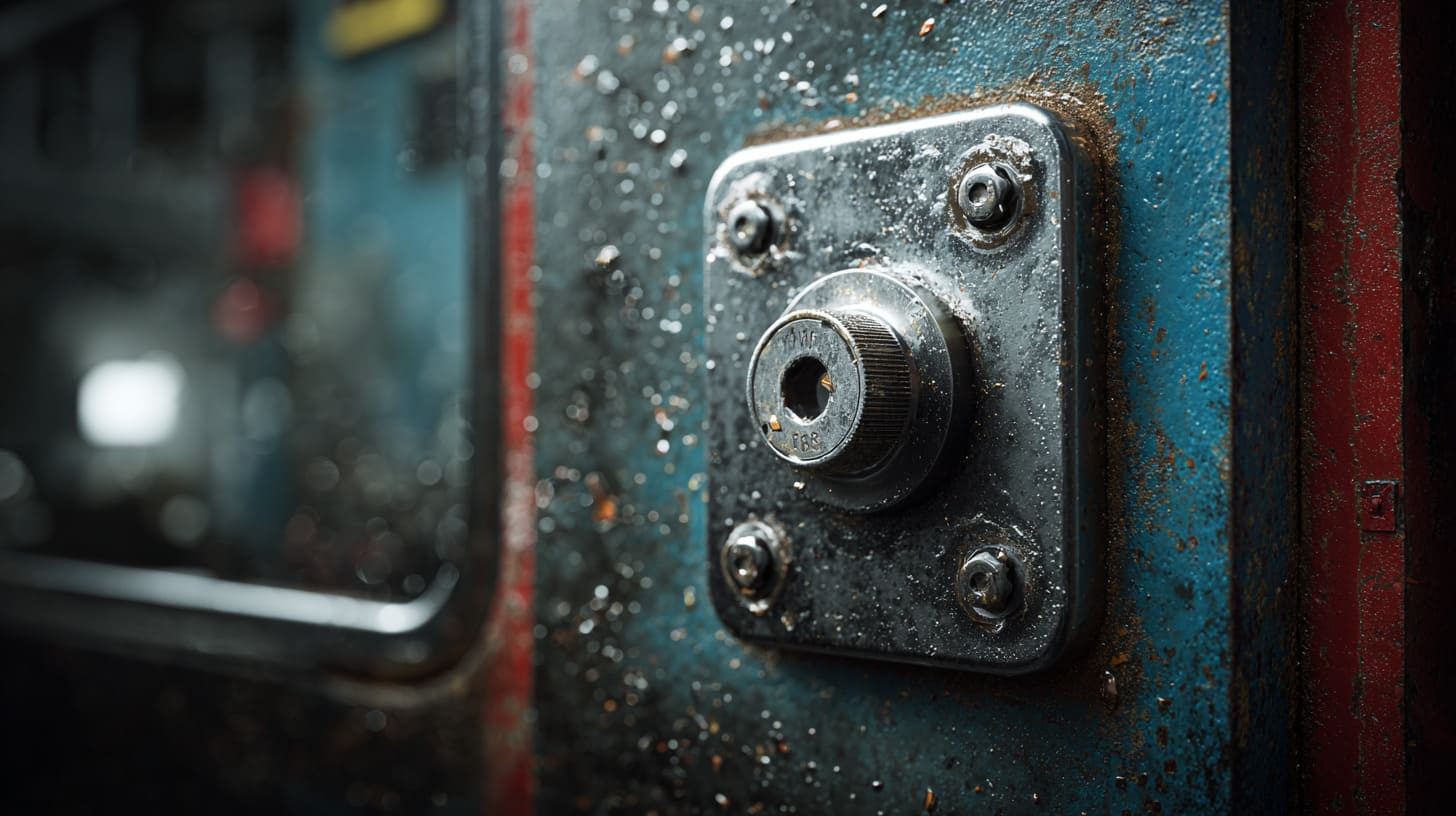
I like to think of NEMA 13 as a practical factory rating.
It is not made for rainstorms.
It is not made for outdoor sunlight.
It is not made for washdown abuse.
It is made for the kind of indoor space where machines work hard and the air is not perfectly clean.
Main protection points
| Contaminant | NEMA 13 Protection |
|---|---|
| Falling dirt | Yes |
| Circulating dust | Yes |
| Lint and fibers | Yes |
| Dripping water | Yes |
| Light splashing water | Yes |
| Oil spray | Yes |
| Oil seepage | Yes |
| Non-corrosive coolant | Yes |
| Rain and snow | No |
| Hose-directed water | Not normally |
| Corrosive chemicals | Not the main purpose |
A small mistake I often see is that buyers only ask, “Is it dustproof?” But in machine areas, dust mixed with oil is a different animal. It becomes sticky. It collects around hinges, seals, screws, and cable entries.
That sticky layer is where many cheap enclosures start to fail.
Protection depends on the whole design
The rating does not come from the metal sheet alone.
It comes from the complete enclosure design.
That includes:
- Door gasket
- Hinge structure
- Locking pressure
- Cable glands
- Mounting holes
- Surface treatment
- Welded or folded seams
- Cutouts for buttons, screens, and connectors
The detail that often decides success is not the big panel. It is the small opening that nobody checks carefully during the first drawing review.
Is NEMA 13 waterproof or watertight?
NEMA 13 is not normally considered fully waterproof or watertight.
NEMA 13 can resist dripping water and light splashing water, but it is not designed for outdoor rain, hose-directed water, full washdown, or submersion. For stronger water protection, NEMA 4 or NEMA 4X is usually considered.
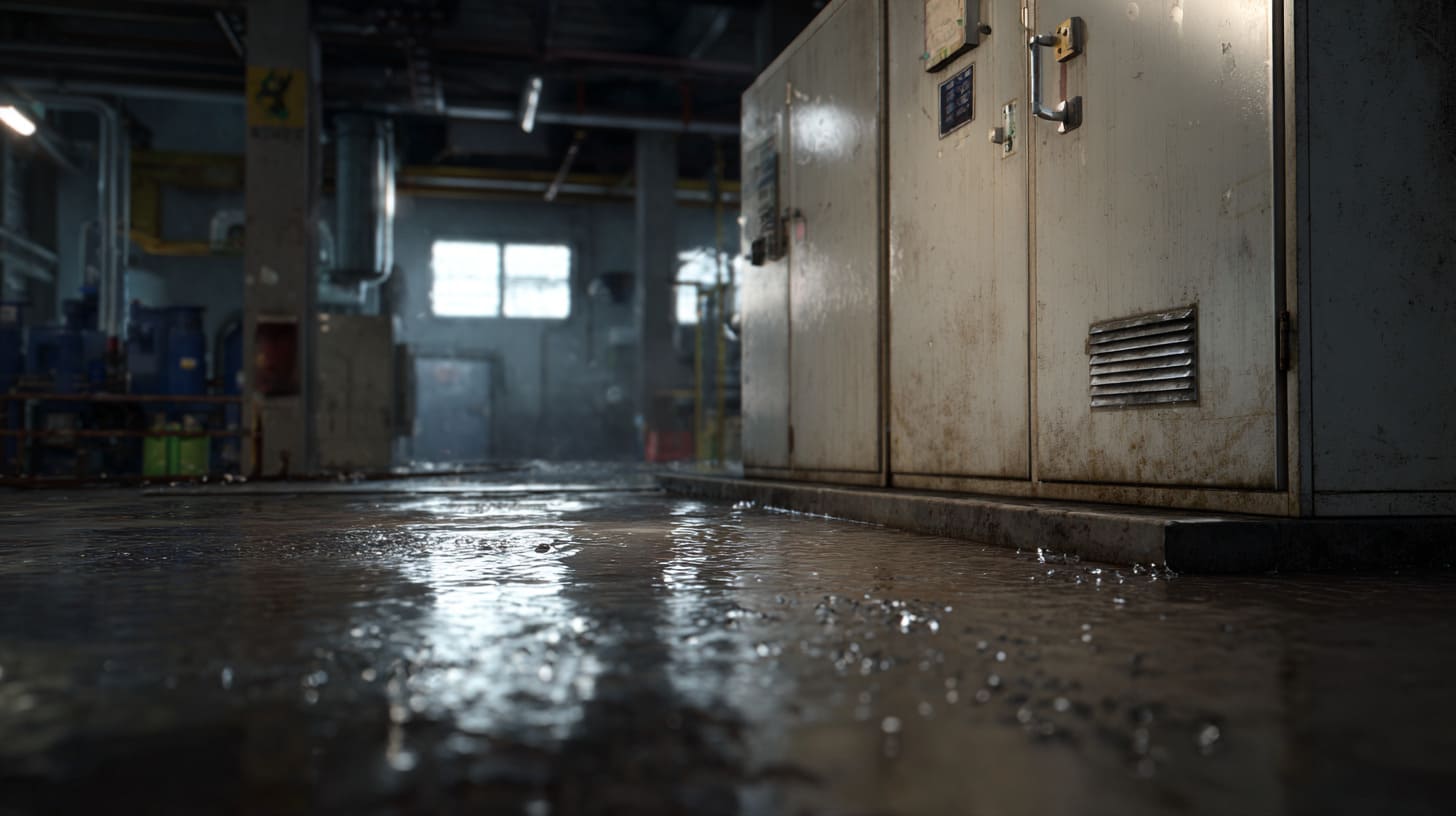
This is one of the most important questions.
Many people hear “water protection” and quickly think “waterproof.” That can be risky.
NEMA 13 can handle some water exposure. But it should not be treated like a sealed outdoor box.
Waterproof vs water-resistant
| Term | Simple Meaning | NEMA 13 Fit |
|---|---|---|
| Water-resistant | Can handle limited water contact | Yes |
| Splash-resistant | Can handle light splashing | Yes |
| Watertight | Can block stronger water entry under pressure | Not the main purpose |
| Waterproof | Often means heavy water exposure or submersion | No |
| Washdown-ready | Can handle hose-directed water | Usually no |
Before I accept “NEMA 13 is enough,” I always ask how the workers clean the area, because a small splash during normal work is very different from someone using a hose at the end of the shift.
A common buyer misunderstanding
A buyer may say:
“It is indoor, so NEMA 13 should be enough.”
Maybe yes.
But I need to know what “indoor” means.
An office is indoor.
A control room is indoor.
A CNC workshop is indoor.
A food processing room is also indoor.
These places do not have the same water risk.
If the enclosure may face hose cleaning, stronger splash, or wet cleaning routines, I would not treat NEMA 13 as the safe choice.
What is the difference between NEMA 12 and NEMA 13?
NEMA 12 and NEMA 13 are both indoor ratings, but NEMA 13 adds protection against oil and non-corrosive coolant spray, splash, and seepage.
NEMA 12 mainly protects against indoor dust, dirt, lint, fibers, dripping water, and light splashing. NEMA 13 covers similar indoor protection but also adds oil and non-corrosive coolant resistance.
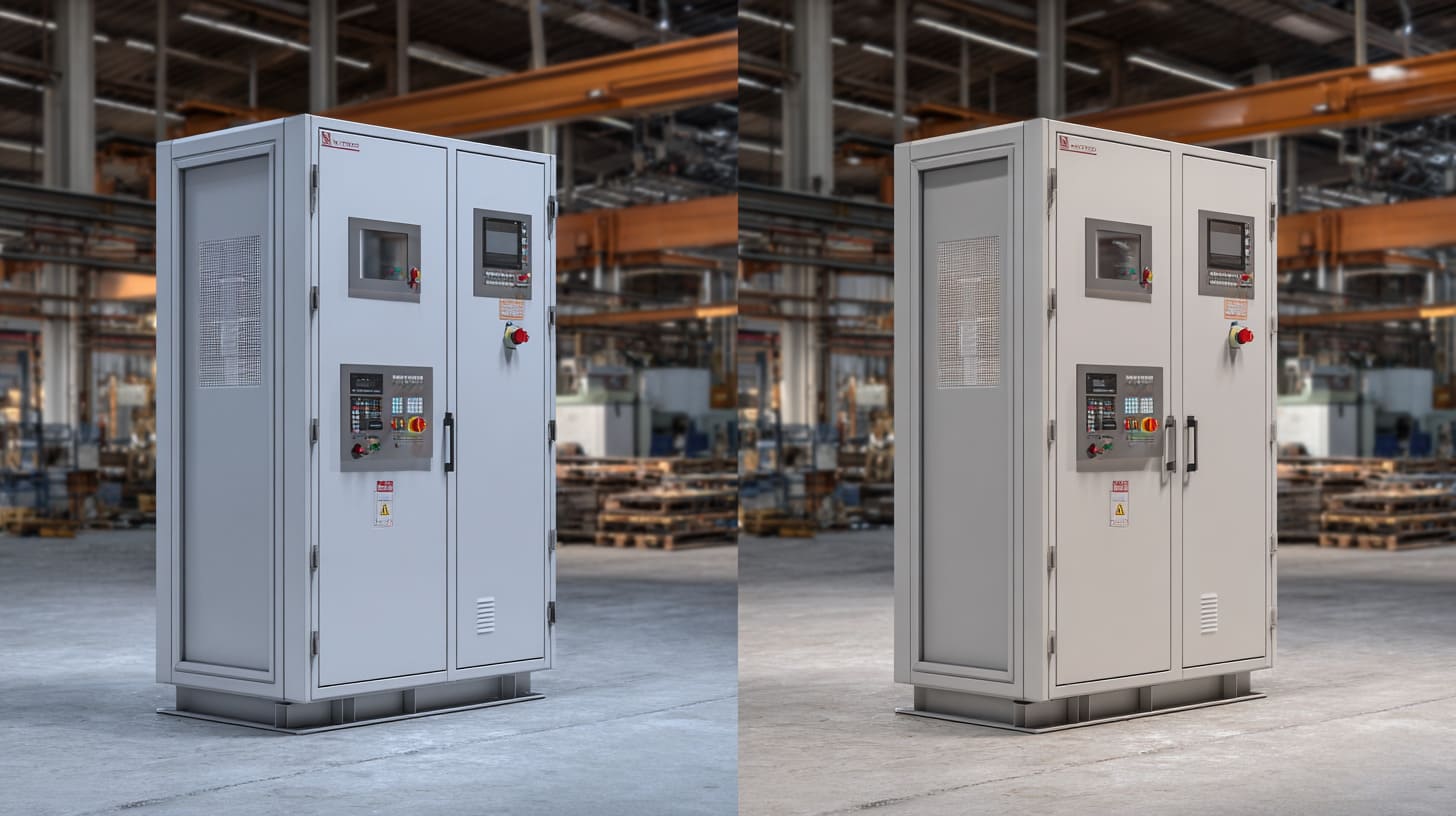
NEMA 12 and NEMA 13 are easy to mix up.
They both sound like indoor factory ratings. They both can be used around machinery. They both may appear in control cabinet projects.
But the working environment decides the better choice.
NEMA 12 vs NEMA 13 comparison
| Item | NEMA 12 | NEMA 13 |
|---|---|---|
| Indoor use | Yes | Yes |
| Falling dirt | Yes | Yes |
| Circulating dust | Yes | Yes |
| Lint and fibers | Yes | Yes |
| Dripping water | Yes | Yes |
| Light splashing water | Yes | Yes |
| Oil spray | Not the main focus | Yes |
| Coolant splash | Not the main focus | Yes |
| Common use | Dry or slightly wet industrial areas | Machine areas with oil or coolant |
| Typical cost | Often lower | Often higher |
Here is the trade-off I care about: if oil or coolant can reach the enclosure even once a day, the small cost difference between NEMA 12 and NEMA 13 may be cheaper than one field failure.
When NEMA 12 may be enough
NEMA 12 may be enough when the area has:
- Indoor dust
- Falling dirt
- Lint
- Fibers
- Light dripping
- Limited water splash
- No regular oil or coolant exposure
For example, a control cabinet in a dry assembly area may not need NEMA 13.
When NEMA 13 makes more sense
NEMA 13 makes more sense when the enclosure is near:
- CNC machines
- Cutting machines
- Grinding machines
- Lubrication systems
- Metalworking equipment
- Coolant lines
- Oil mist
- Machine tool controls
This is not about choosing the “higher number” for comfort.
It is about matching the rating to the dirt, liquid, and maintenance habits around the machine.
Where are NEMA 13 enclosures typically used?
NEMA 13 enclosures are typically used in indoor industrial areas where electrical controls may face dust, lint, oil spray, or coolant splash.
NEMA 13 enclosures are commonly used around machine tools, CNC equipment, control stations, pushbutton boxes, industrial panels, manufacturing lines, and areas where non-corrosive oil or coolant may contact the enclosure.
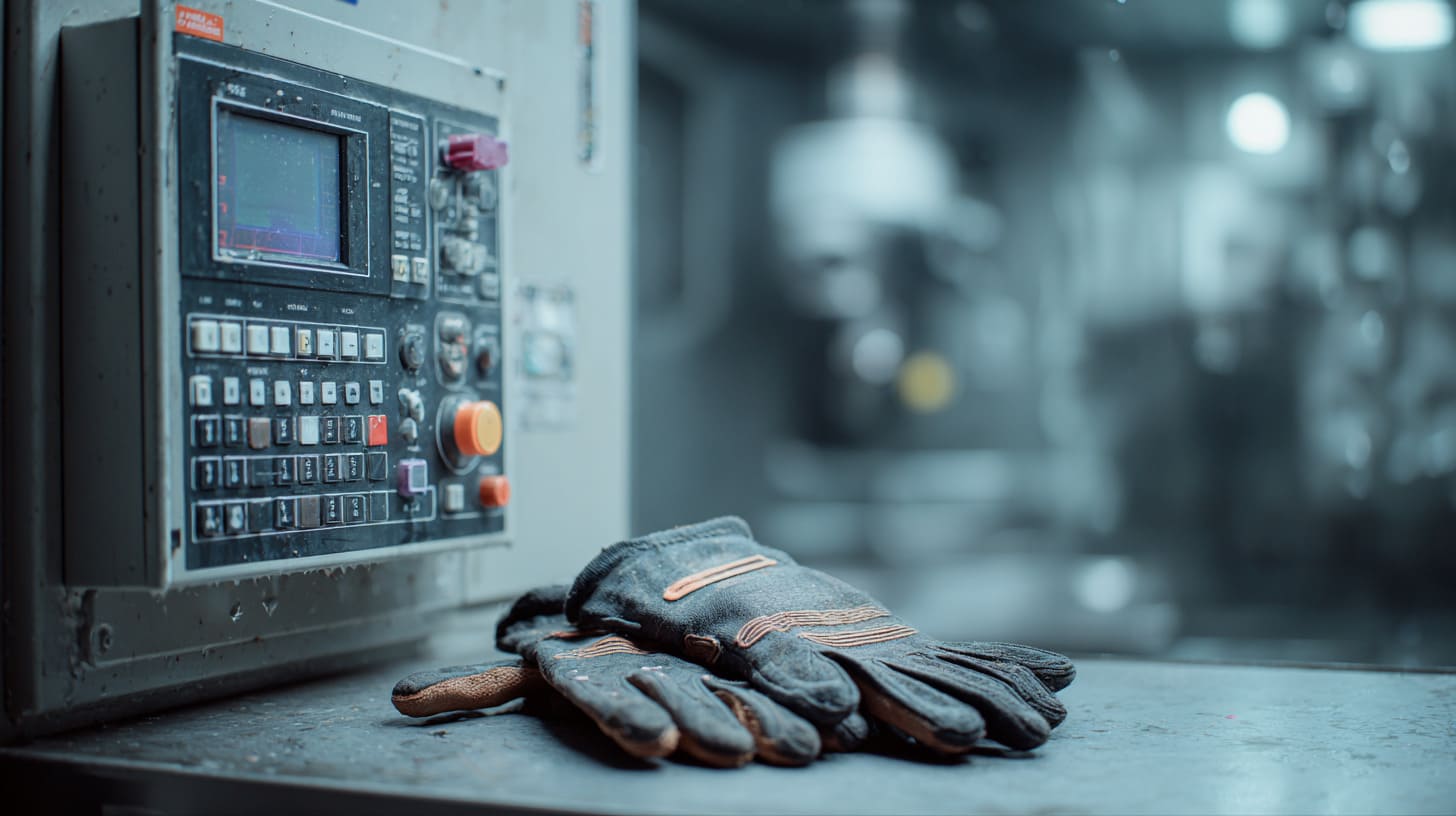
NEMA 13 belongs to the factory floor more than the office wall.
It is the kind of enclosure I expect to see near machines that cut, move, press, grind, drill, or lubricate.
Common application areas
| Application | Why NEMA 13 May Fit |
|---|---|
| CNC machine control boxes | Oil mist and coolant splash may be present |
| Pushbutton stations | Operators may touch them with oily hands |
| Machine tool panels | Dust and coolant may collect nearby |
| Industrial control enclosures | Equipment needs indoor protection |
| Metalworking areas | Oil, chips, and dust may be common |
| Production line controls | Light splash and dust may happen |
| Foot switch or limit switch boxes | They may sit close to moving machines |
One thing I watch closely is operator behavior, because the drawing never shows oily gloves, quick cleaning, accidental splashes, or the way people actually use the machine at 5 p.m.
Why operator contact matters
Some enclosures fail not because the environment is extreme, but because people touch them every day.
A worker presses a button with oily gloves.
A technician opens the door without cleaning the surface.
A cable is added later with a poor gland.
A screw hole is drilled after production.
Small changes can weaken the protection.
That is why custom enclosure work is not only about the box. It is also about the life around the box.
Can NEMA 13 enclosures be used outdoors?
NEMA 13 enclosures should normally not be used outdoors.
NEMA 13 is an indoor enclosure rating. It is not designed for outdoor rain, snow, sleet, windblown dust, UV exposure, ice formation, or harsh weather. Outdoor projects usually need ratings such as NEMA 3R, NEMA 4, or NEMA 4X.
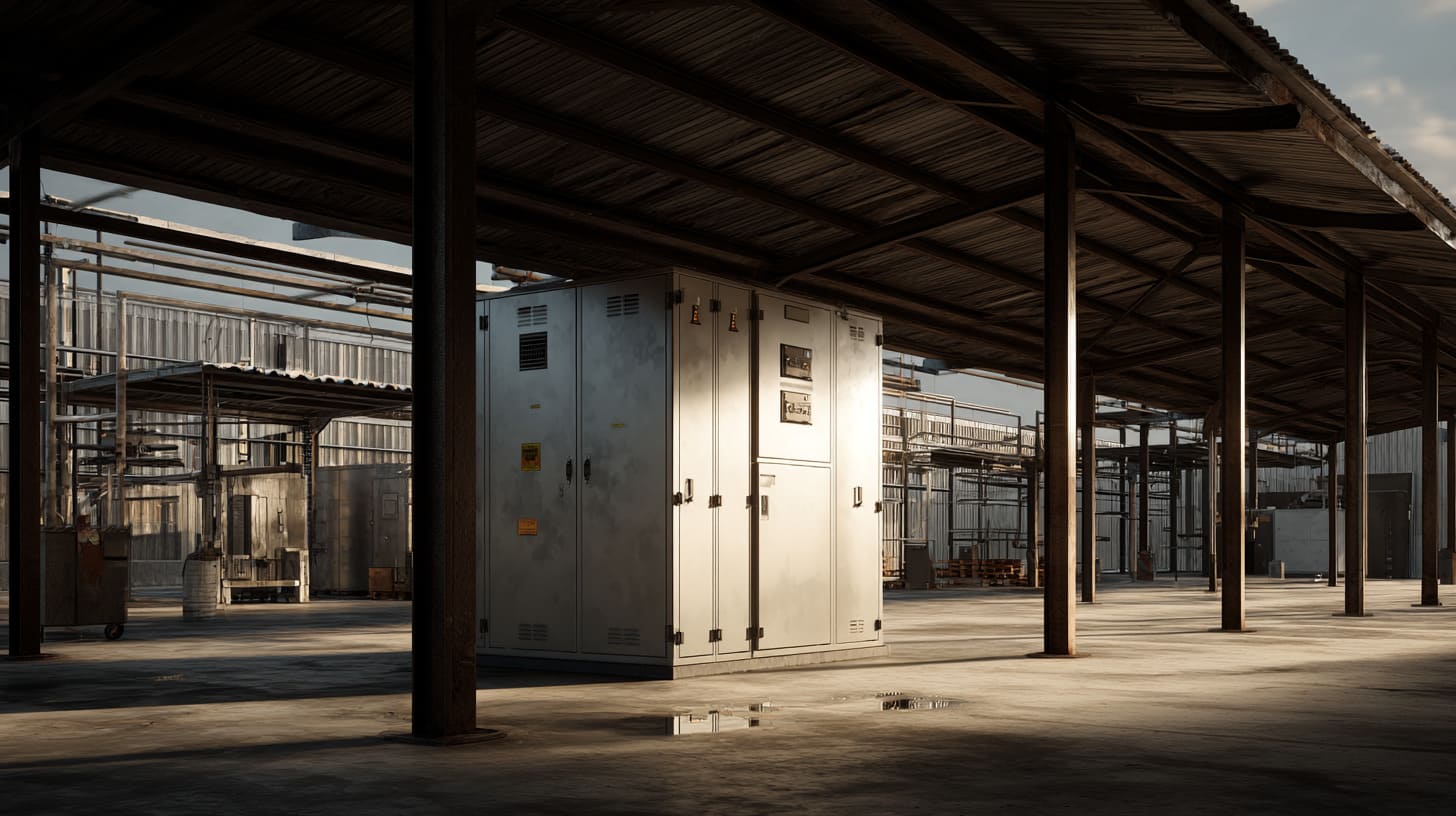
This is where I like to be careful with buyers.
Sometimes a buyer says:
“The enclosure is only under a roof. It will not get direct rain.”
That sounds safe at first.
But outdoor air is still outdoor air.
Why outdoor use is risky
| Outdoor Risk | Why NEMA 13 May Not Be Enough |
|---|---|
| Rain | NEMA 13 is not made for weather exposure |
| Windblown dust | Outdoor dust can enter from different directions |
| UV sunlight | Coating and plastic parts may age faster |
| Temperature change | Condensation can form inside |
| Ice or snow | Not part of normal NEMA 13 use |
| Corrosion | Material and coating may not be enough |
A roof can reduce rain, but it does not remove humidity, wind, dust, insects, sunlight, or temperature swings.
When I hear “semi-outdoor,” I usually slow down, because this gray area creates more trouble than a clear indoor or outdoor decision.
Better choices for outdoor projects
For outdoor projects, I usually think this way:
| Environment | Better Starting Point |
|---|---|
| Outdoor but protected from direct rain | NEMA 3R may be considered |
| Outdoor with rain and splash | NEMA 4 may be safer |
| Outdoor with corrosion risk | NEMA 4X may be better |
| Outdoor with washdown | NEMA 4 or 4X should be reviewed |
| Outdoor with temporary submersion | A stronger rating may be needed |
NEMA 13 is useful, but it should not be pushed into the wrong job.
A good rating used in the wrong place is still a bad decision.
What types of contaminants can NEMA 13 protect against?
NEMA 13 can protect against common indoor industrial contaminants, especially dust, lint, fibers, oil spray, and non-corrosive coolant.
NEMA 13 protects against falling dirt, circulating dust, lint, fibers, flyings, dripping water, light splashing water, oil spray, oil splash, oil seepage, and non-corrosive coolant exposure in indoor locations.
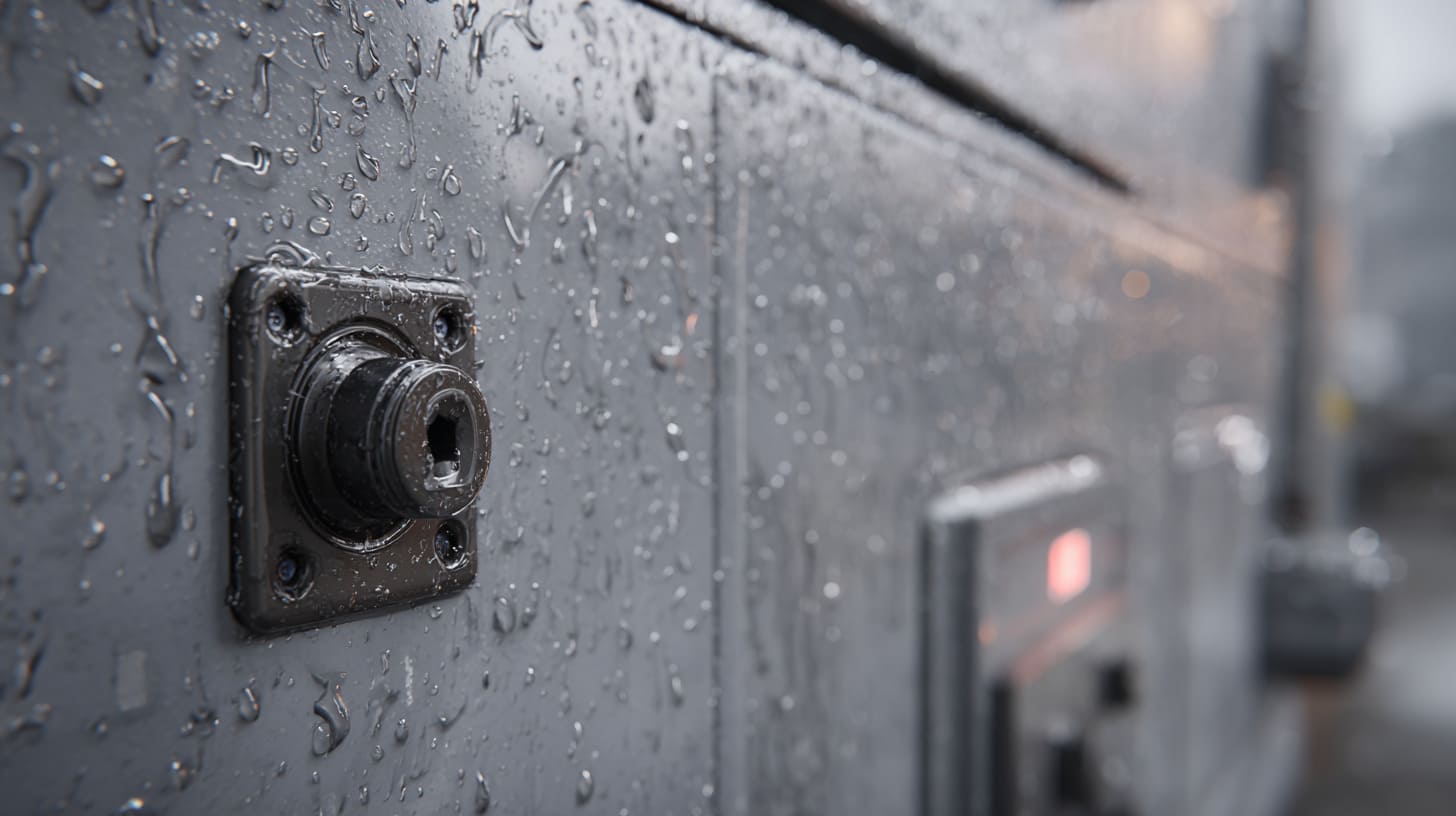
Contaminants are not always dramatic.
They may not look dangerous at first.
A little dust.
A little oil mist.
A little coolant splash.
A few fibers in the air.
But over time, small things become big problems.
Common contaminants
| Contaminant | Typical Source | Risk to Enclosure |
|---|---|---|
| Falling dirt | Factory ceiling, nearby work | Surface build-up |
| Circulating dust | Cutting, grinding, production movement | Entry through weak sealing |
| Lint | Textile, packaging, workshop air | Build-up around seals |
| Fibers | Material handling, packaging lines | Blocking vents or gaps |
| Oil spray | Machine tools, lubrication systems | Gasket damage or seepage |
| Coolant splash | CNC and cutting machines | Liquid entry or staining |
| Light water splash | Cleaning or nearby process | Moisture near components |
The detail I do not ignore is the mix of contaminants, because dry dust is one problem, but dust plus oil becomes a sticky paste that loves edges, seams, and gasket lines.
Why mixed contaminants are harder
A dry dusty area may be simple to handle.
An oily area may also be manageable.
But when dust and oil combine, the enclosure surface becomes like a magnet. Dirt sticks. Workers wipe it. Cleaning chemicals may touch the coating. Seals may be rubbed more often.
That is why I prefer to ask:
- Is there oil mist?
- Is the coolant water-based or oil-based?
- Is the coolant corrosive?
- How often is the machine cleaned?
- Will the box be opened often?
- Are there cables entering from the top, side, or bottom?
These questions sound small. But they help avoid expensive redesign.
What materials are commonly used for NEMA 13 enclosures?
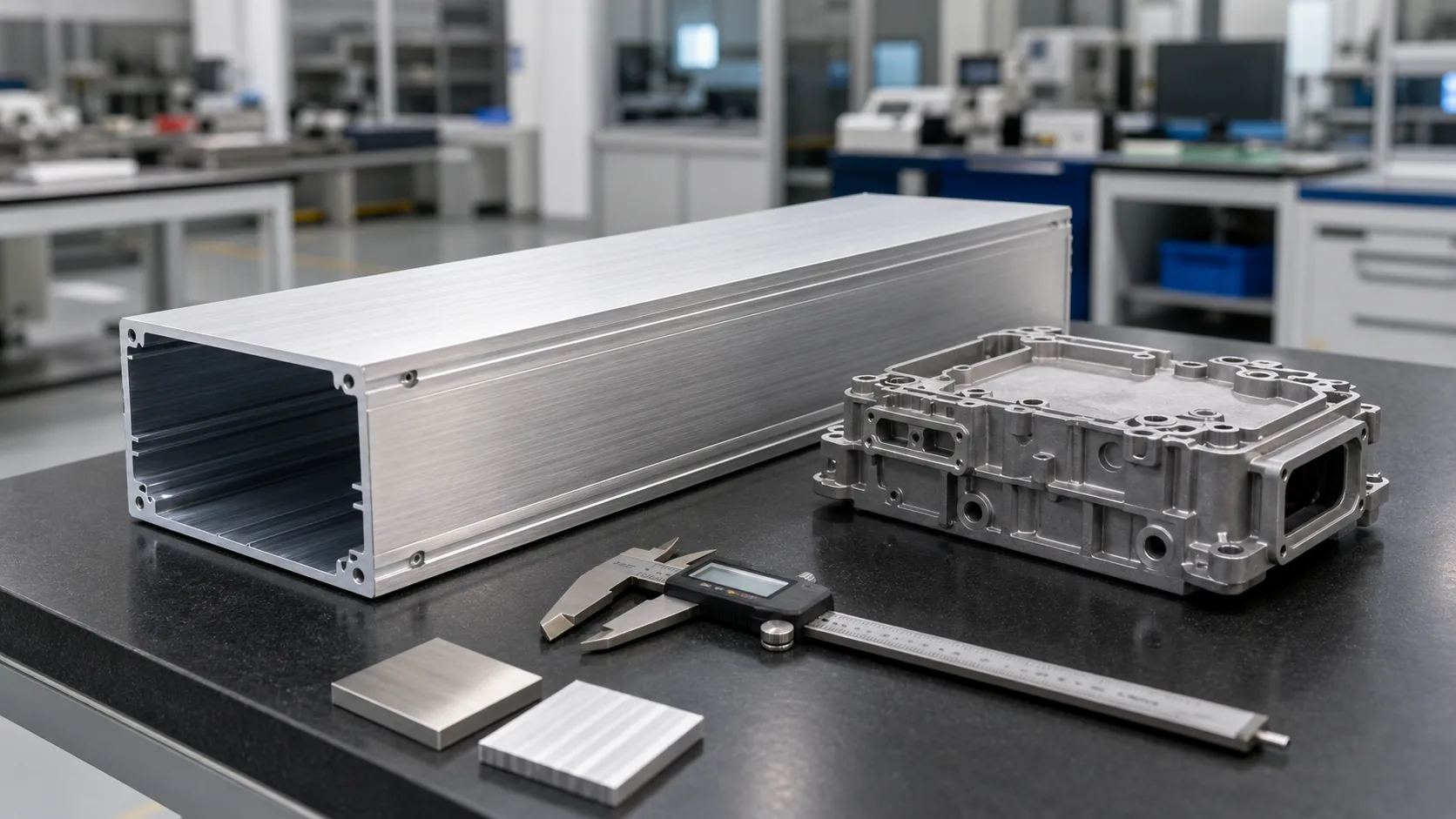
NEMA 13 enclosures are commonly made from painted carbon steel, stainless steel, aluminum, or engineering plastic, depending on cost, strength, corrosion risk, and custom design needs.
Common NEMA 13 enclosure materials include powder-coated steel, stainless steel, aluminum, and plastic. The best choice depends on the environment, oil exposure, coolant type, mechanical strength, appearance, and budget.
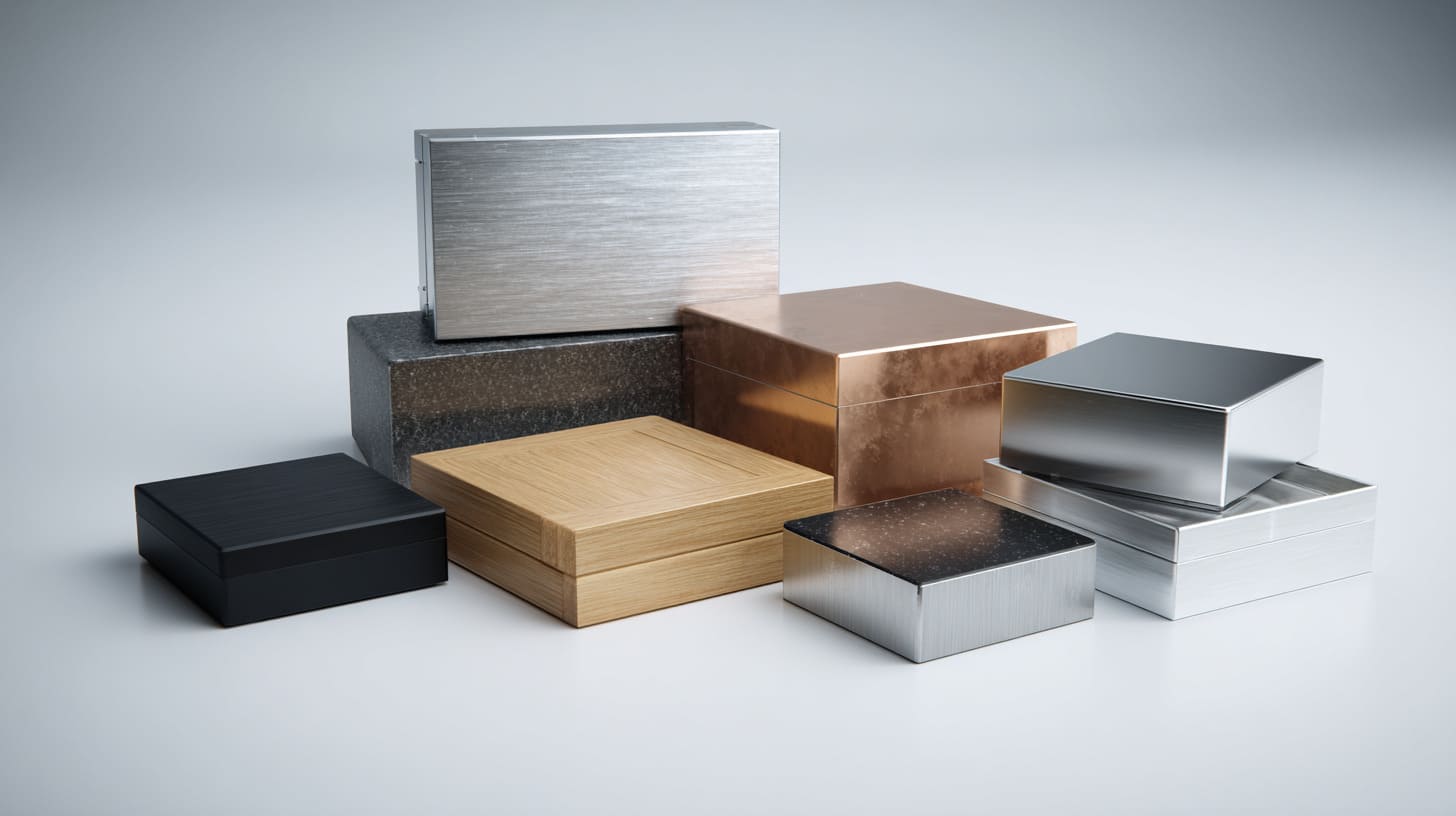
The material choice is never only about passing a rating.
It also affects weight, cost, strength, appearance, lead time, and how the enclosure feels in the customer’s hand.
Common material options
| Material | Strength | Cost | Best For | Watch Out For |
|---|---|---|---|---|
| Powder-coated steel | High | Medium | Industrial control boxes | Coating damage may expose metal |
| Stainless steel | High | Higher | Cleaner or harsher areas | Higher cost and harder processing |
| Aluminum | Medium to high | Medium to higher | Lightweight custom enclosures | Surface treatment must be chosen well |
| Plastic | Medium | Lower to medium | Small control boxes or light-duty use | Heat, impact, and chemical limits |
| Sheet metal enclosure | High | Flexible | Custom sizes and layouts | Sealing design is very important |
For real custom projects, I first look at how the enclosure will be mounted and handled, because a beautiful material choice can become a bad choice if workers open it daily, hit it with tools, or install it beside vibration.
Material choice by project goal
| Project Goal | Material Direction |
|---|---|
| Lower cost industrial cabinet | Powder-coated steel |
| Better corrosion resistance | Stainless steel |
| Better lightweight structure | Aluminum |
| Small box with lower weight | Plastic |
| Custom holes and brackets | Sheet metal or aluminum |
| Premium look with branding | Aluminum or stainless steel |
| Harsh cleaning routine | Review stainless steel or higher rating |
Why coating and sealing matter
A strong metal sheet is not enough.
The surface coating matters. The gasket material matters. The way holes are cut matters.
For example, a powder-coated steel box may look good at first. But if the coating is scratched during installation, the exposed metal may become a weak point.
This is why I prefer to discuss material and surface finish together, not as two separate lines on a quotation.
How do you design an enclosure to meet NEMA 13 standards?
To design a NEMA 13 enclosure, you need the right sealing structure, gasket, door pressure, material, surface finish, cable entry design, cutout protection, and quality inspection.
A NEMA 13 enclosure design should control dust, light water splash, oil spray, and coolant exposure through proper gasket selection, sealed seams, strong door closure, protected openings, suitable materials, and careful testing or inspection.
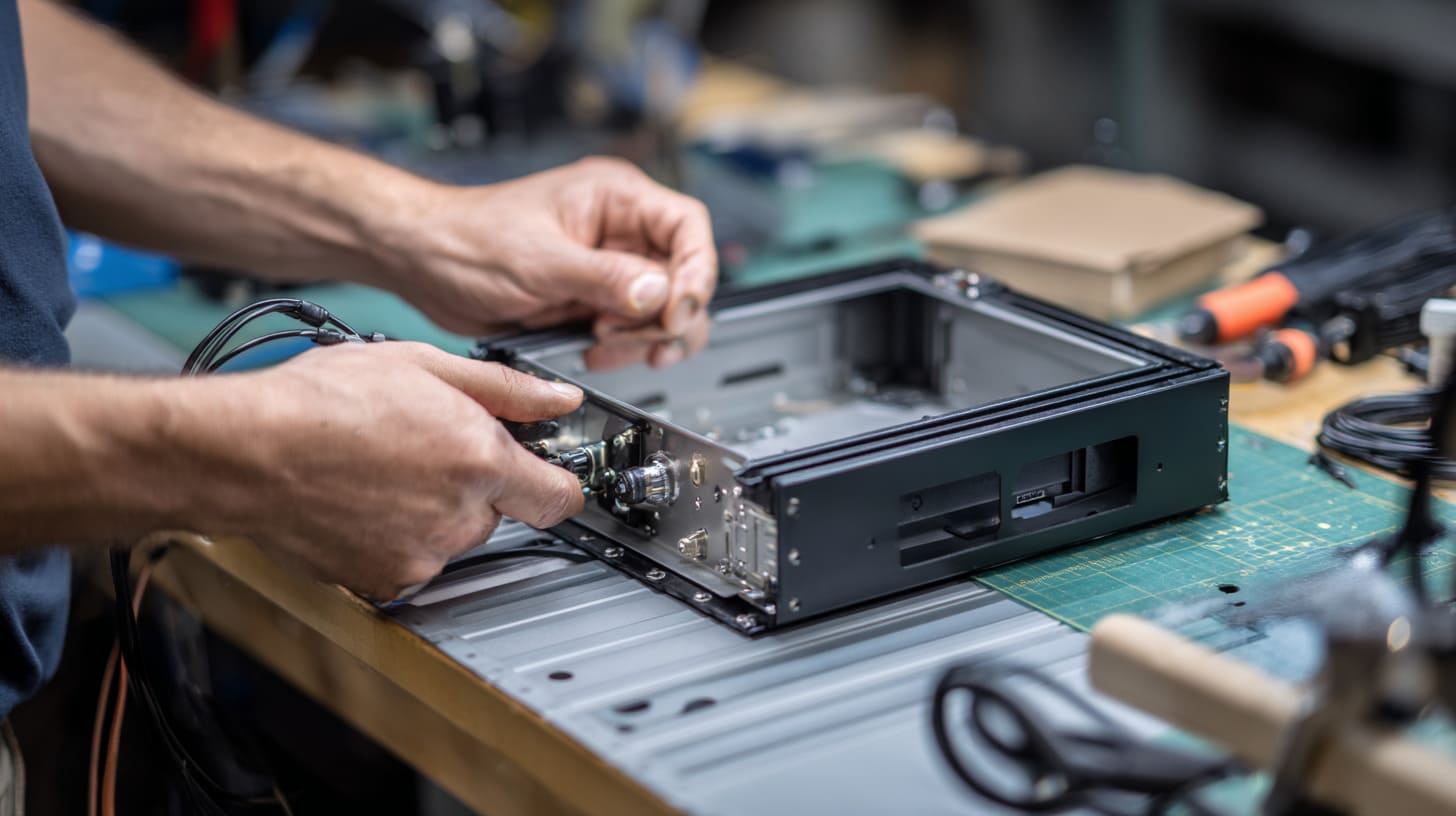
A rating is not created by writing “NEMA 13” on a drawing.
The design must support the rating.
This is the part where custom enclosure projects become serious.
Key design points
| Design Area | What Needs Attention |
|---|---|
| Door gasket | Must resist oil and coolant exposure |
| Door closure | Needs enough pressure for sealing |
| Hinges | Should not create weak gaps |
| Cable entries | Need proper glands or sealed fittings |
| Cutouts | Buttons, screens, and connectors must be sealed |
| Seams | Welds or folds should reduce leakage paths |
| Drainage | Avoid shapes that hold liquid |
| Surface finish | Should handle the working environment |
| Mounting holes | Should not open into the protected space carelessly |
The part I worry about most is not the flat sheet metal; it is the customer-added hole after the enclosure is finished, because one careless cutout can destroy the whole protection idea.
Questions I ask before design
Before I suggest a structure, I like to ask:
- Where will the enclosure be installed?
- Is the oil sprayed, splashed, or only present on hands?
- What kind of coolant is used?
- Is the coolant corrosive?
- Will the box be opened every day?
- Are there buttons or screens on the front?
- Will cables enter from the top?
- Is there vibration near the machine?
- Does the buyer need logo printing or engraving?
- Does the enclosure need custom packaging?
These questions may feel boring.
But they save time.
A buyer may only send a drawing. The drawing may show the shape. But it does not always show the real environment.
Design checklist
| Checklist Item | Why It Matters |
|---|---|
| Confirm indoor use | NEMA 13 is not for normal outdoor exposure |
| Confirm oil and coolant type | Corrosive liquids may need another solution |
| Choose gasket carefully | Oil resistance is important |
| Avoid unnecessary openings | Every opening is a risk |
| Seal cable entries | Poor cable glands cause failures |
| Review door pressure | Weak closure means weak sealing |
| Protect surface finish | Scratches can cause corrosion risk |
| Test sample before bulk order | Small design errors show up early |
For OEM or ODM projects, I usually prefer one sample round before mass production.
A sample does not only test size.
It tests the story the drawing forgot to tell.
Is NEMA 13 better than NEMA 4 or NEMA 4X?
NEMA 13 is not simply better or worse than NEMA 4 or NEMA 4X. It is better for certain indoor oil and coolant environments, while NEMA 4 and 4X are better for stronger water and outdoor exposure.
NEMA 13 is best for indoor oil and coolant exposure. NEMA 4 is better for hose-directed water and outdoor use. NEMA 4X adds corrosion resistance, which makes it better for wet, corrosive, or harsher environments.
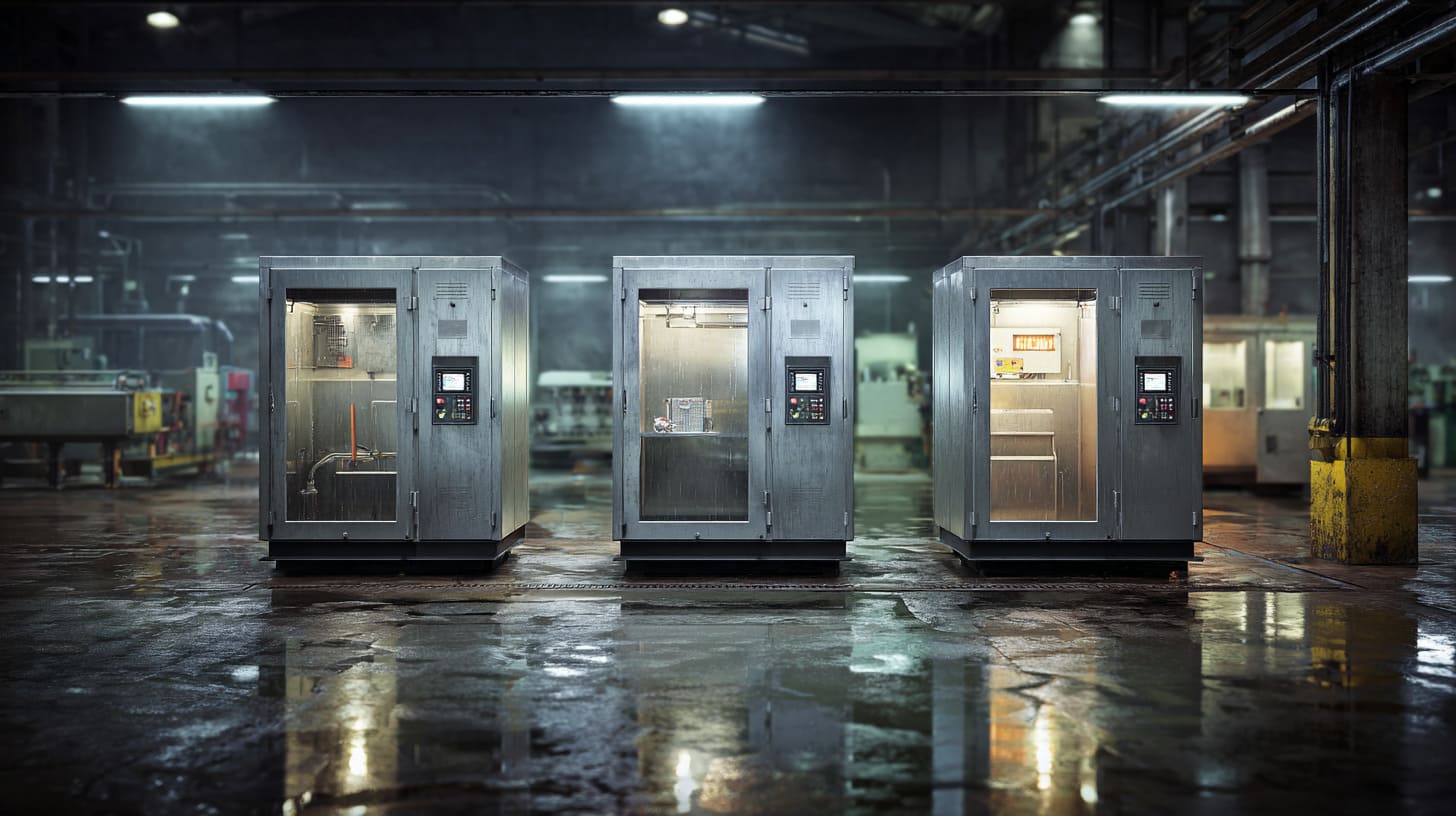
This is a question I like, because it shows how rating numbers can mislead people.
A higher or different NEMA rating does not always mean “better for your project.”
It means better for a different risk.
NEMA 13 vs NEMA 4 vs NEMA 4X
| Rating | Main Use | Water Protection | Oil/Coolant Focus | Corrosion Resistance | Typical Location |
|---|---|---|---|---|---|
| NEMA 13 | Indoor industrial oil/coolant areas | Light splash and dripping | Yes | Not the main focus | Indoor machine areas |
| NEMA 4 | Indoor or outdoor wet areas | Hose-directed water | Not the key focus | Not the main focus | Outdoor or washdown areas |
| NEMA 4X | Wet and corrosive areas | Hose-directed water | Not the key focus | Yes | Outdoor, marine, chemical, washdown areas |
My decision is not based on which rating sounds stronger; I look for the most expensive failure first, such as water washdown, oil seepage, corrosion, or a customer complaint after installation.
When NEMA 13 is the better fit
NEMA 13 may be better when:
- The enclosure is indoors
- Oil spray is common
- Non-corrosive coolant may splash
- Dust and lint are present
- Hose washdown is not expected
- Corrosion risk is not high
- Cost control matters
When NEMA 4 may be better
NEMA 4 may be better when:
- The enclosure may face rain
- Workers may use hose cleaning
- Strong water splash is likely
- Outdoor use is required
- Windblown dust is present
When NEMA 4X may be better
NEMA 4X may be better when:
- Corrosion is a major risk
- The area has chemicals
- The enclosure is near salt air
- Food or washdown cleaning is common
- Stainless steel or corrosion-resistant material is needed
The safest answer is not “choose the highest rating.”
The safer answer is “choose the rating that matches the real enemy.”
Conclusion
NEMA 13 is a practical indoor rating for dusty, oily machine areas. If your project faces coolant, oil, or custom enclosure details, MaidaTech can help review the design before production.