Skip to content

The letter at the end of a NEMA Type 4X request can look like a minor detail in an RFQ. In practice, it often decides whether an outdoor or washdown enclosure still looks serviceable after a season of cleaning, salt air, or chemical exposure. A NEMA Type 4 enclosure can be the sensible choice for hose-directed water and weather. Type 4X adds a corrosion-protection requirement. That is the meaningful difference.
I do not treat 4X as an automatic upgrade. I first ask what reaches the enclosure, how often it is cleaned, where water stands, and which parts of the finished assembly are exposed. The answer can change the material, finish, gasket, hardware, cable-entry layout, and cost.
What NEMA Type 4 Covers
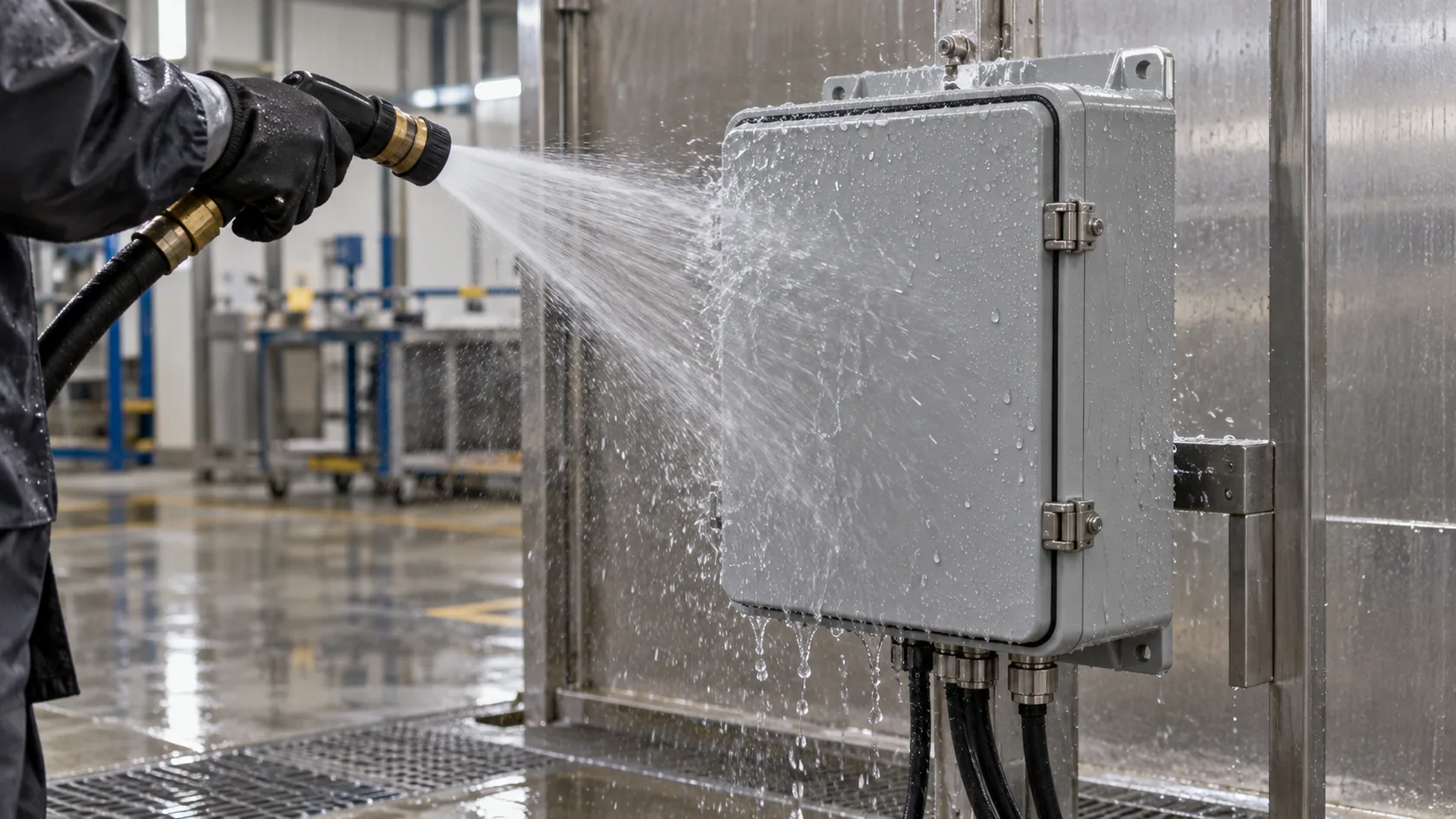
NEMA Type 4 enclosures are intended for indoor or outdoor use, with protection associated with windblown dust and rain, splashing water, hose-directed water, and external ice formation. The Type describes an environmental enclosure application; it is not a promise that any drilled, populated, or modified box will withstand the same conditions.
Water exposure needs a real description
“Washdown” is too vague for a reliable quotation. The hose direction, cleaning frequency, liquid, mounting orientation, and whether a worker can spray directly at a door seam or gland all matter. A vertical wall enclosure with bottom-facing entries has a different water path from a flat-topped cabinet with entries on top.
In factory reviews, I have found that a properly placed cable-entry plate can do more for the field result than simply increasing wall thickness. Once the water path is clear, the corrosion question becomes easier to judge.
What the X Adds—and What It Does Not

Type 4X includes Type 4-style environmental protection plus corrosion resistance. NEMA 250 includes corrosion-protection requirements for Type 4X; NEMA's own enclosure FAQ explains that the applicable corrosion evaluation is more specific than simply choosing a metal that looks durable.
Corrosion resistance is a system property
A Type 4X enclosure may use stainless steel, aluminum, fiberglass, or a suitable non-metallic construction, but the base shell is only one part of the result. Hinges, latches, screws, gland plates, cut edges, weld areas, coating damage, and dissimilar-metal joints can become the first visible failure point.
I would never promise that “stainless” solves every corrosion problem. Chlorides, detergent chemistry, temperature, trapped moisture, crevices, and cleaning frequency still need to be stated. That discipline prevents a material name from becoming a substitute for an exposure assessment.
Start With the Exposure, Not the Label
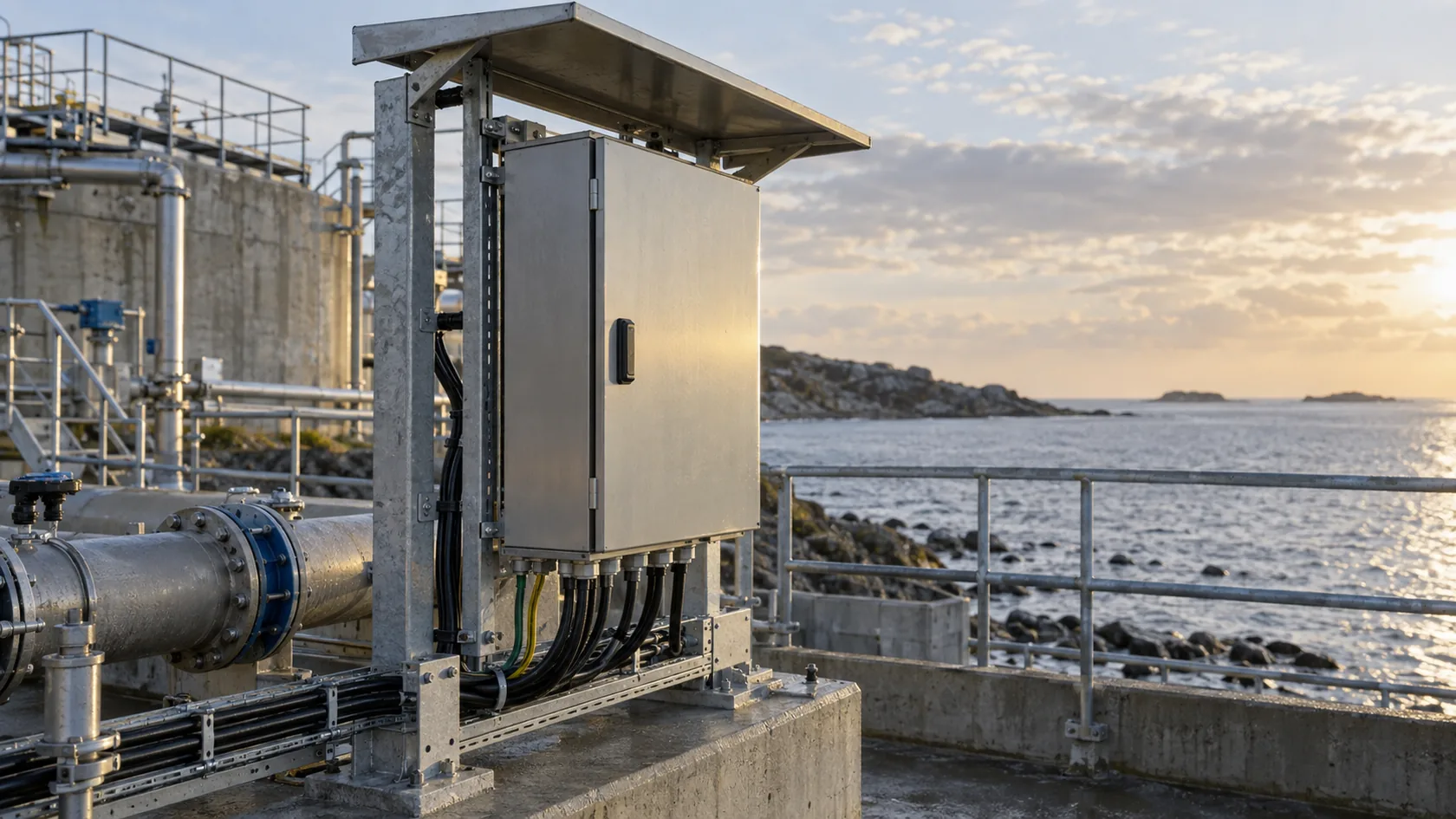
The most useful choice between NEMA 4 and 4X starts with the installed location. A sheltered outdoor panel that sees rain and occasional hose cleaning may not face the same corrosion risk as food-processing equipment cleaned repeatedly with chemicals, or a coastal cabinet exposed to salt-bearing air.
| Exposure question | Why it changes the design |
|---|---|
| Is the installation indoor, outdoor, coastal, or near process chemicals? | It affects the corrosion mechanism and material system. |
| What liquid touches the enclosure? | Water, detergent, coolant, and chemicals can affect gaskets and finishes differently. |
| Can water remain on the enclosure? | Standing water and crevices can attack edges, joints, and hardware. |
| How is it mounted and serviced? | Orientation, cable routing, and repeated opening create practical weak points. |
My preferred RFQ contains these answers beside the rating target. It lets a supplier quote a defined enclosure rather than guessing which parts of a generic 4X expectation are actually important.
The Installed Assembly Sets the Limit
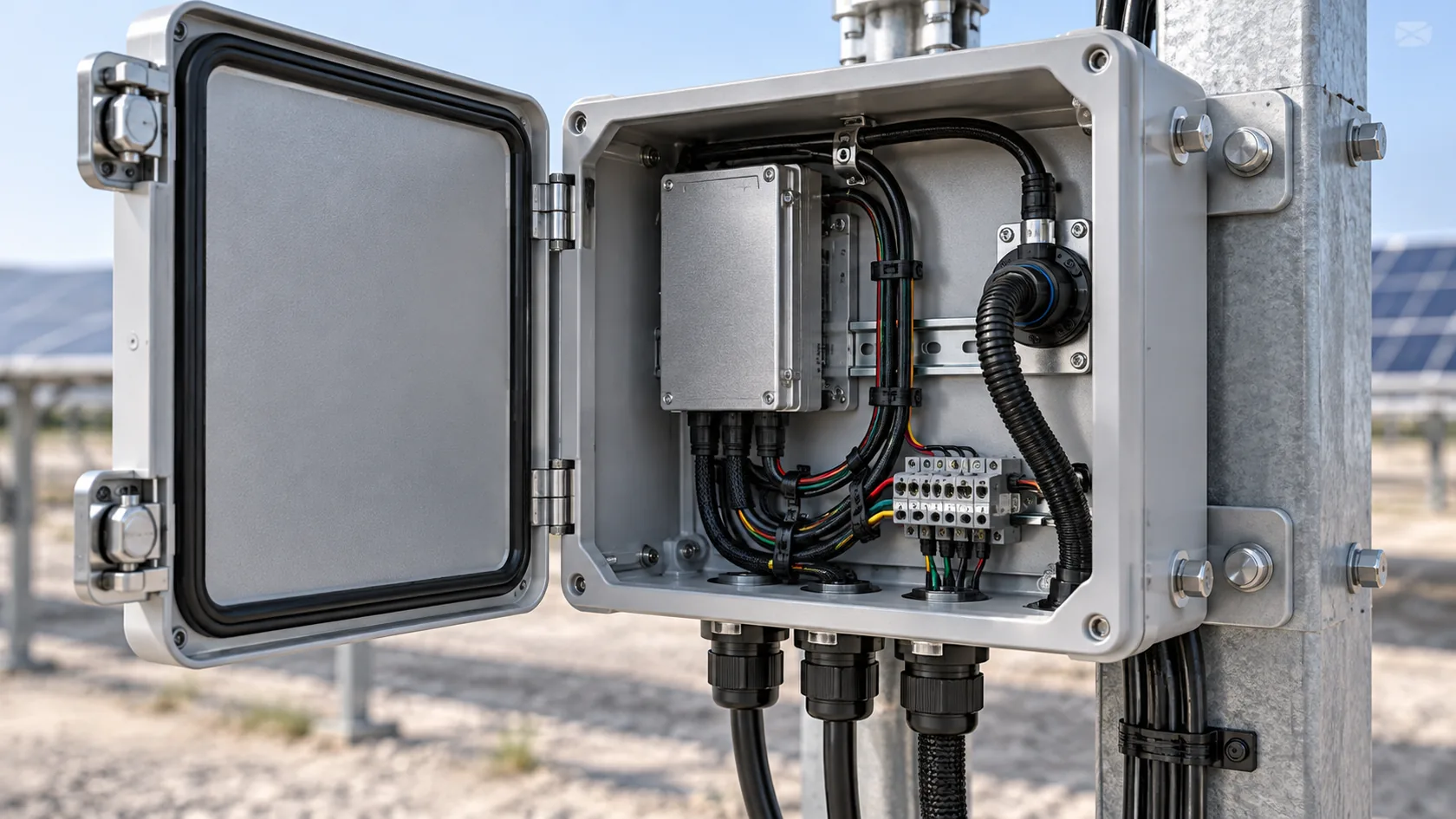
The enclosure body is not the whole environmental boundary. The cover joint, gasket, latches, cable glands, connectors, display windows, vents, unused-hole plugs, and mounting interfaces all need to suit the target condition. NEMA notes that a field-installed assembly is limited by its least severe relevant component rating.
Check penetrations in their finished condition
For each entry, provide the cable outside-diameter range, gland model or interface requirement, wall thickness, thread, torque access, cable direction, and treatment of unused openings. A high-quality cabinet can still leak through a gland tightened outside its intended range.
The same thinking applies to service. A door that deflects when heavy components are mounted on it may unload a gasket even when the material and finish are correct. Fixing this in the drawing is far less costly than finding it after assembly.
Material and Finish Choices Need Boundaries
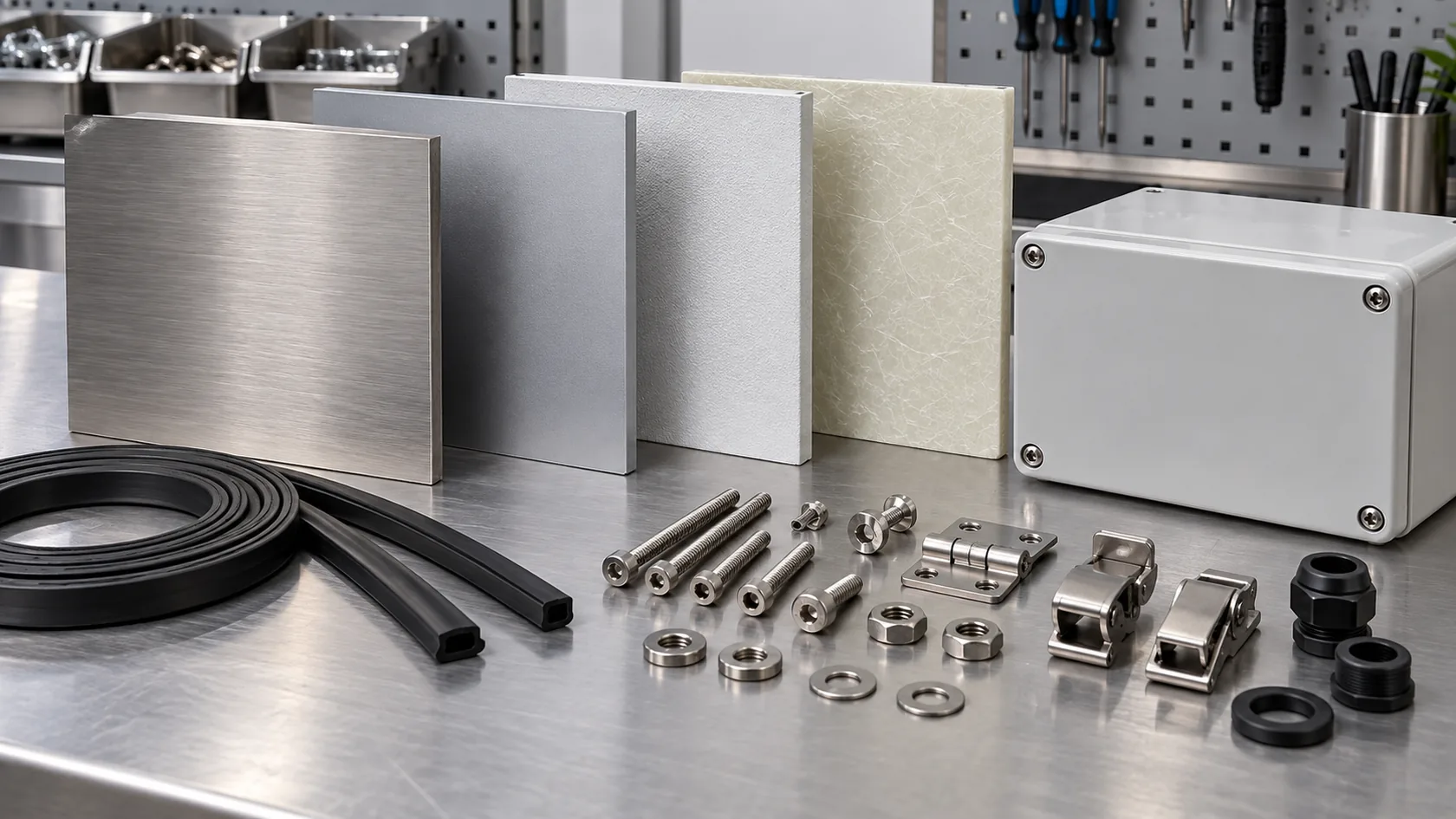
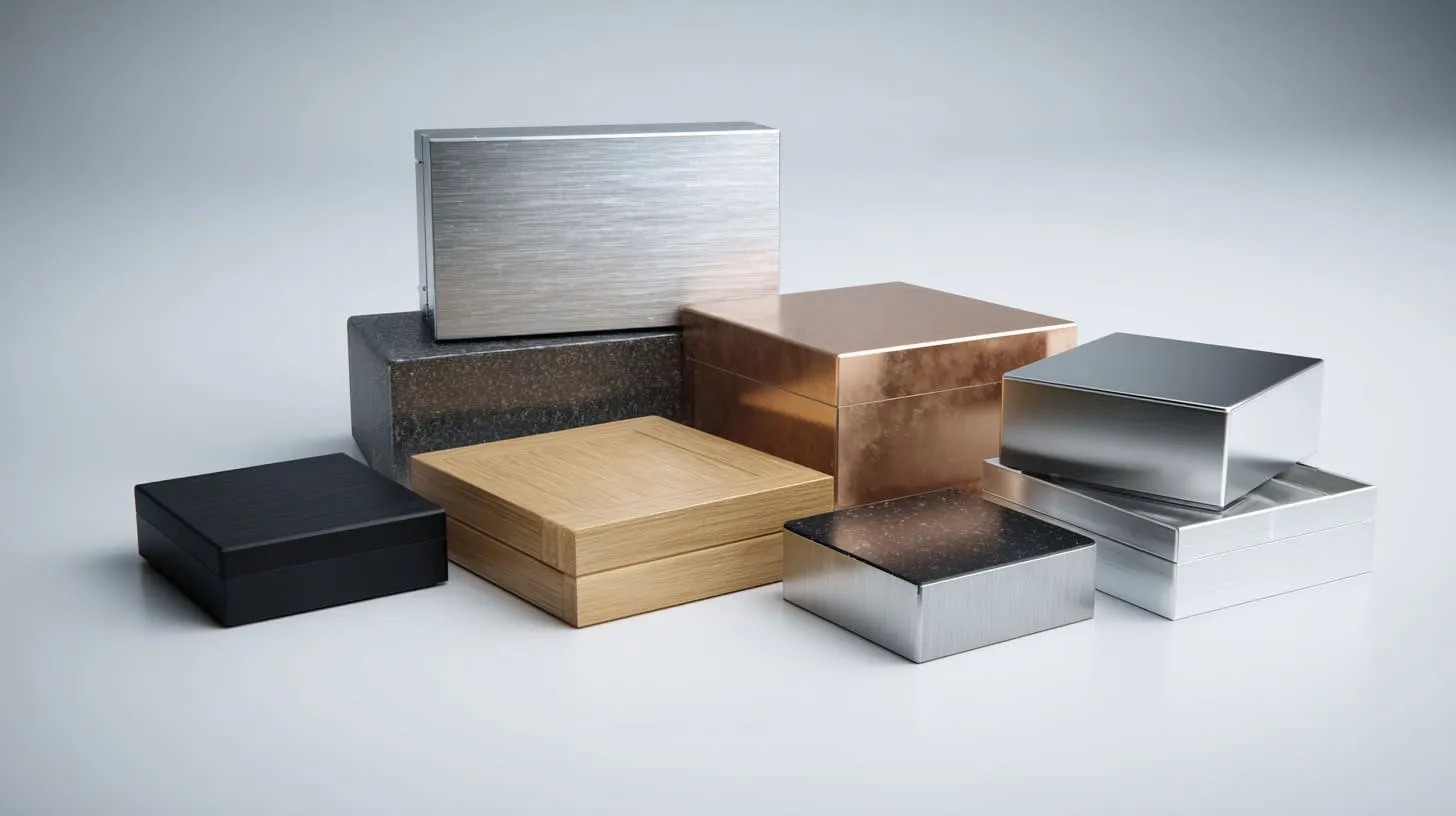
There is no universal “best” Type 4X material. Stainless steel can be practical where strength, repeated washdown, and a compatible corrosion environment justify its weight and fabrication cost. Aluminum can suit many outdoor designs when alloy, finish, edges, hardware, and galvanic contacts are controlled. Fiberglass and polycarbonate can help where non-metallic corrosion resistance or electrical insulation is valuable, subject to the application's mechanical, UV, temperature, and mounting demands.
| Design choice | Useful check before release |
|---|---|
| Stainless enclosure | Grade, weld and crevice details, hardware, cleaner chemistry, surface finish |
| Aluminum enclosure | Alloy/process, coating or anodizing, cut edges, dissimilar-metal isolation, grounding path |
| Coated steel enclosure | Coating system, edge coverage, scratches, fastener interfaces, service repair plan |
| Non-metallic enclosure | UV exposure, impact, temperature, mounting loads, chemical compatibility, flame needs |
From a manufacturing view, I choose the complete material system around the actual atmosphere and geometry, not around a catalog shorthand. The next trade-off is easy to miss: sealing and corrosion decisions can also affect heat and moisture inside.
Sealing, Heat, and Condensation Must Agree

More sealing can reduce unwanted water and dust ingress, but it also removes accidental airflow. A sealed outdoor enclosure may face solar gain, internal heat, cold starts, and daily temperature swings. Internal condensation can then become a problem even when no hose water crosses the gasket.
Design the heat path before production
Set the internal heat load, ambient range, component temperature limits, mounting surface, and sun exposure early. A conductive path to the housing, external fins, or a qualified thermal accessory may be better than adding an unreviewed vent. Any vent, drain, or pressure-equalization component becomes another boundary that has to be evaluated in its installed position.
I prefer an enclosure that sheds water and manages heat by design over one that depends on perfect installation and a last-minute accessory. With these connected requirements resolved, the cost comparison becomes much more honest.
When NEMA 4 Is Enough—and When 4X Is Worth It
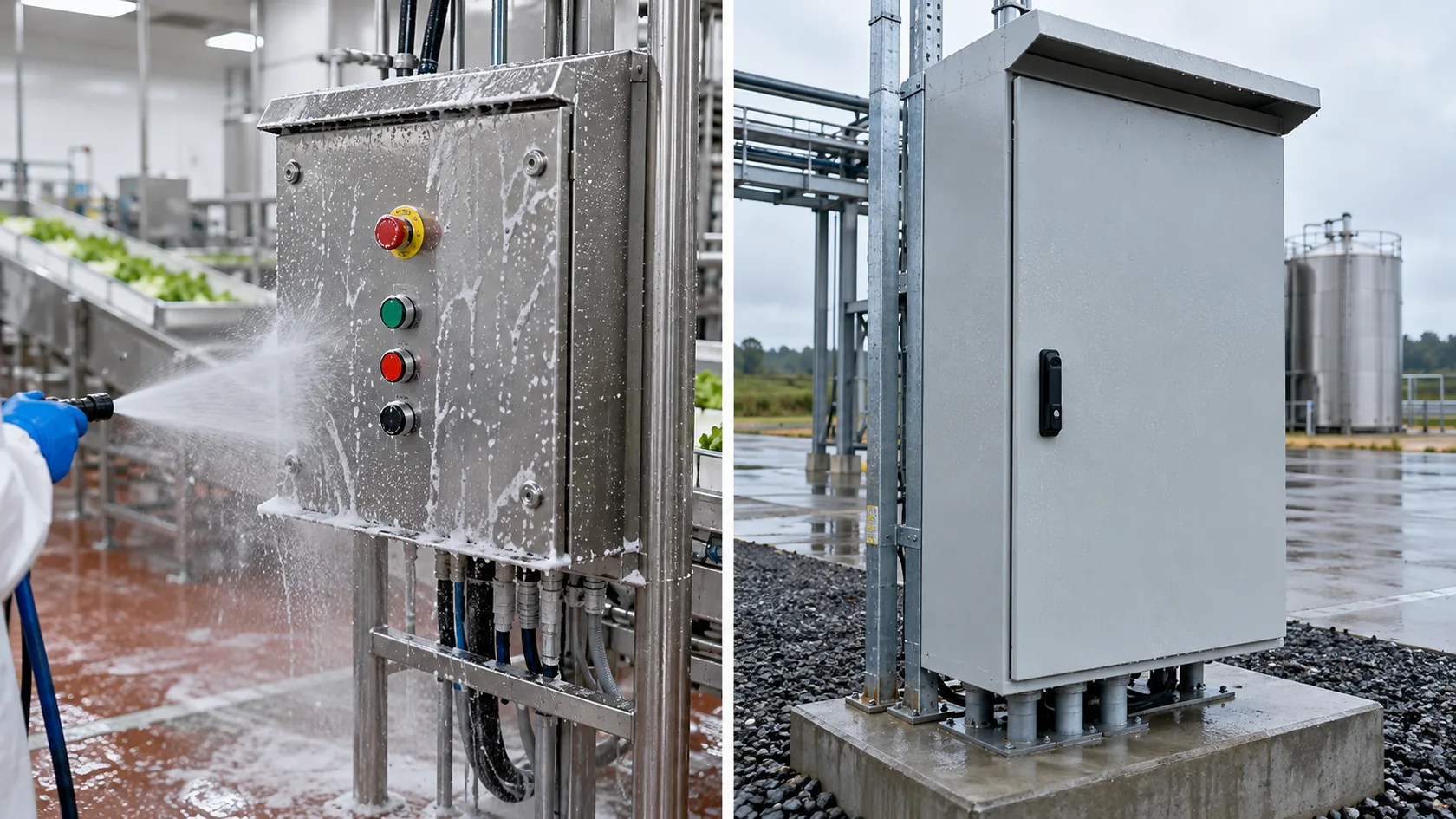
The table below is a design starting point, not a certification decision. The exact enclosure, fitted components, test configuration, and applicable approval route must still be confirmed.
| Situation | Direction to investigate | Questions that remain |
|---|---|---|
| Outdoor equipment with rain and hose-directed water but limited corrosion exposure | Type 4 may fit | Drainage, material/finish durability, cable entries, sun, heat, mounting |
| Food or beverage washdown with recurring cleaners | Type 4X may fit | Cleaner chemistry, temperature, frequency, hardware, gasket compatibility |
| Coastal or salt-bearing outdoor location | Type 4X material system may fit | Chlorides, crevices, coating, hardware, maintenance, validation basis |
| Chemical process area | Type 4X may be a starting point | Chemical identity/concentration, splash path, material compatibility, classified-area needs |
Do not use NEMA 4 or 4X to imply submersion protection or hazardous-location approval. Those are separate application questions. A specific environmental label is useful only when the whole installation supports it.
Keep IP and NEMA Language Accurate

International projects frequently combine NEMA and IEC language. IEC 60529 defines the IP Code for degrees of protection against access, solid objects, and water. NEMA's published comparison guidance can show where a NEMA Type meets or exceeds certain IP aspects, but it does not make the reverse conversion valid. The NEMA comparison document specifically warns that IP codes do not cover every requirement in a NEMA Type.
For a North American requirement, write the requested NEMA Type exactly and define the actual environment. For an IEC requirement, write the required IP code and define the fitted test configuration. If both appear, treat them as two requirements to verify—not as two ways to say the same thing.
Conclusion

NEMA Type 4 and NEMA Type 4X both address demanding water and weather exposure. The X matters because it adds corrosion protection, but it does not eliminate the need to define the corrosive medium, select compatible materials and hardware, control every penetration, and plan for heat and condensation.
After years of custom enclosure work, I have learned that the best protection decision starts with the installation, not the label. Send us the intended environment, mounting direction, cleaning method, cable and connector schedule, internal heat load, and material preference. We can review the seal path and manufacturability before the quote locks in an unsuitable Type 4 or an unnecessary 4X system.